

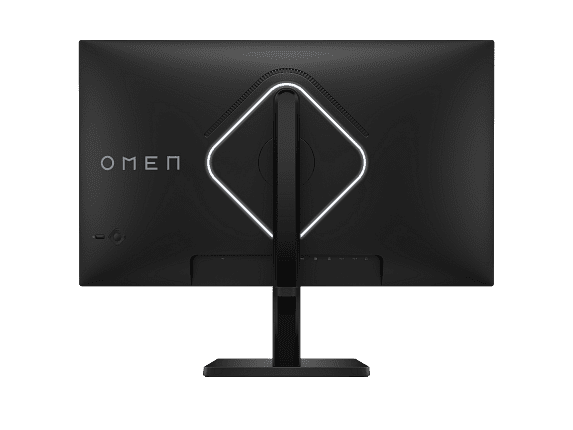
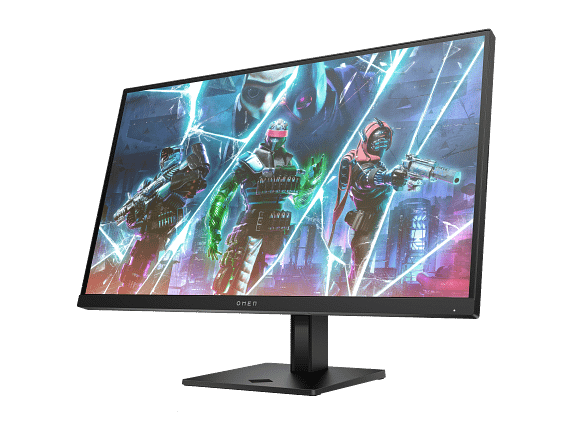
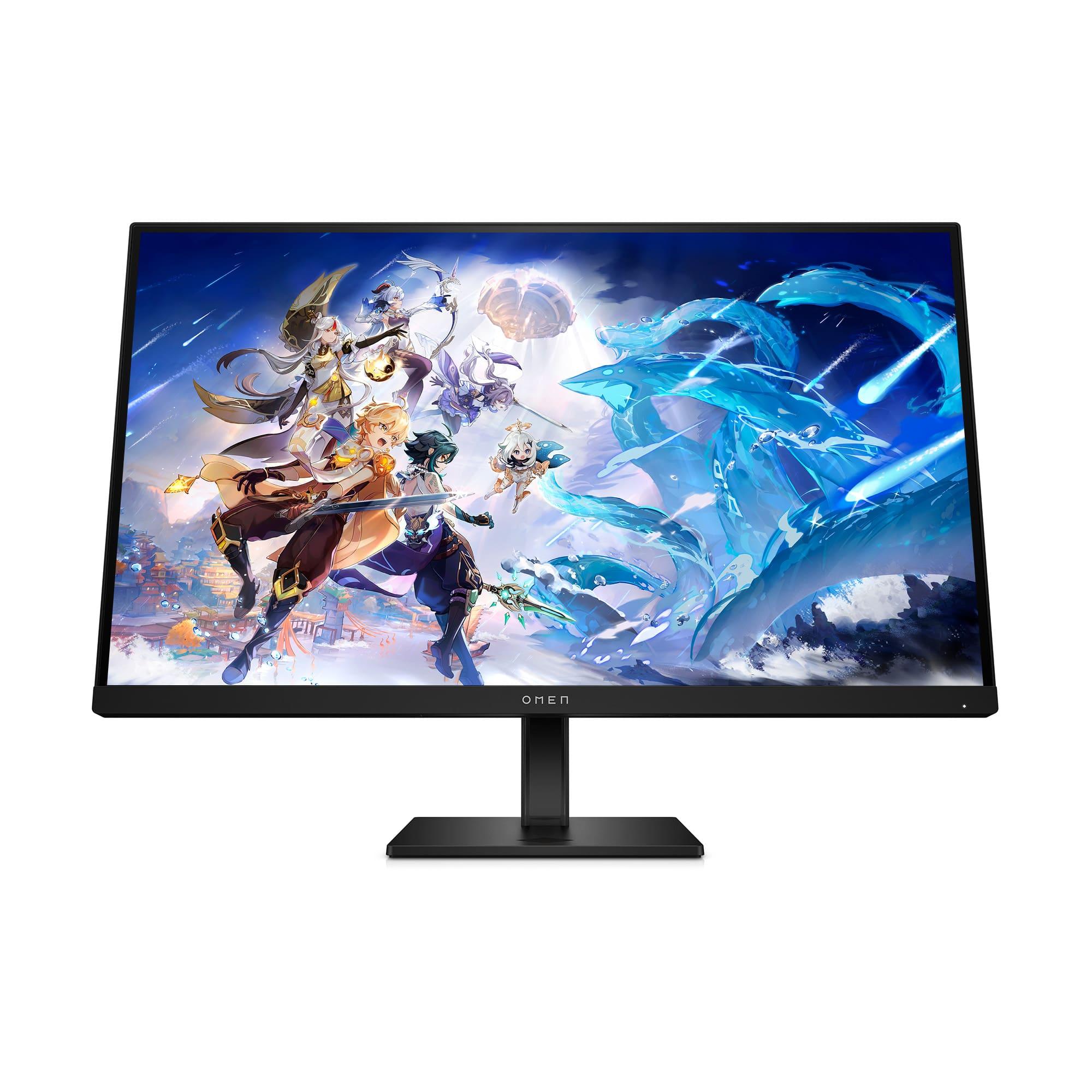

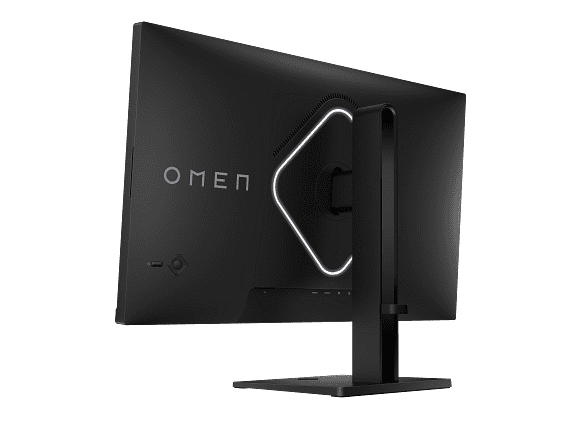
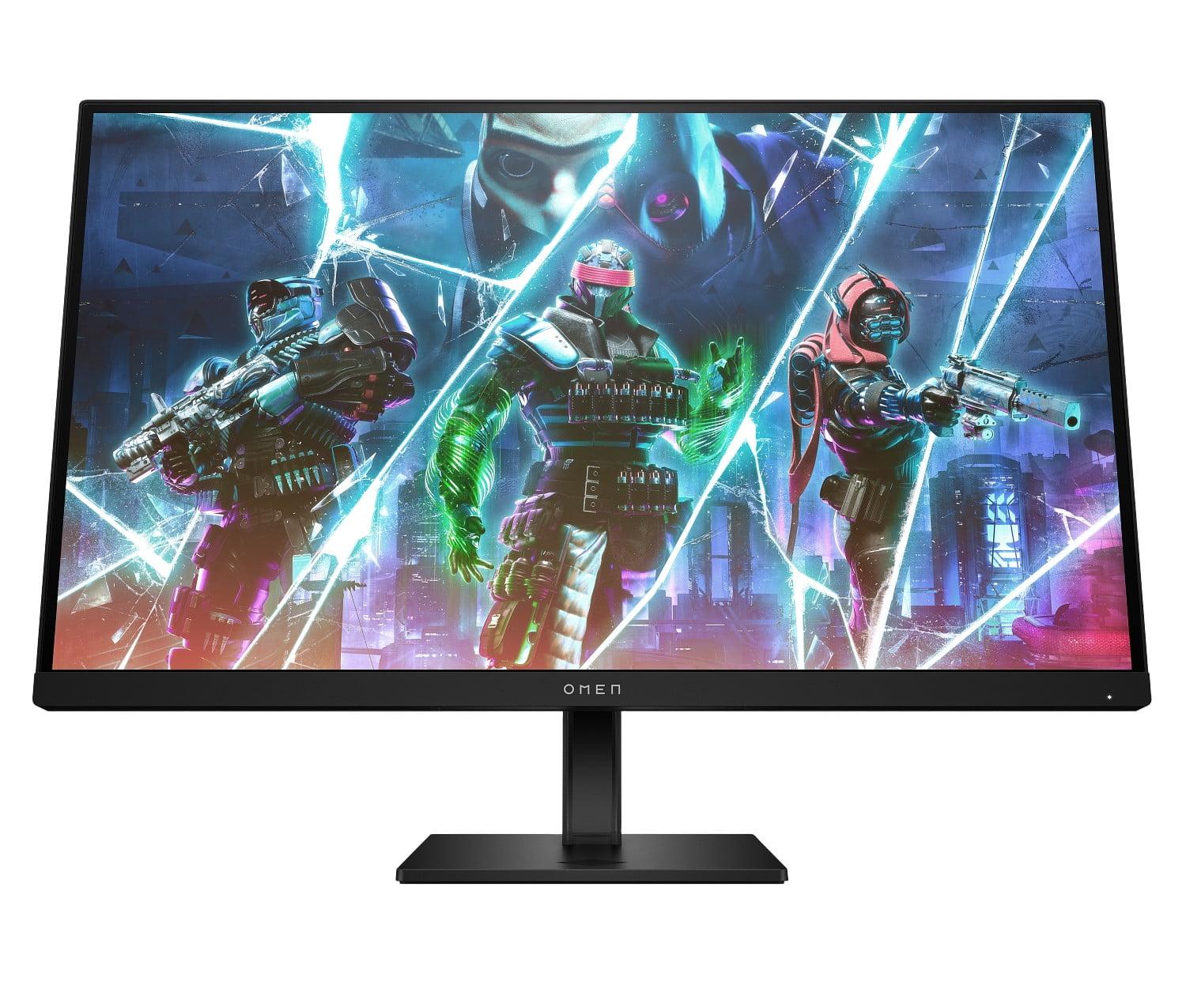

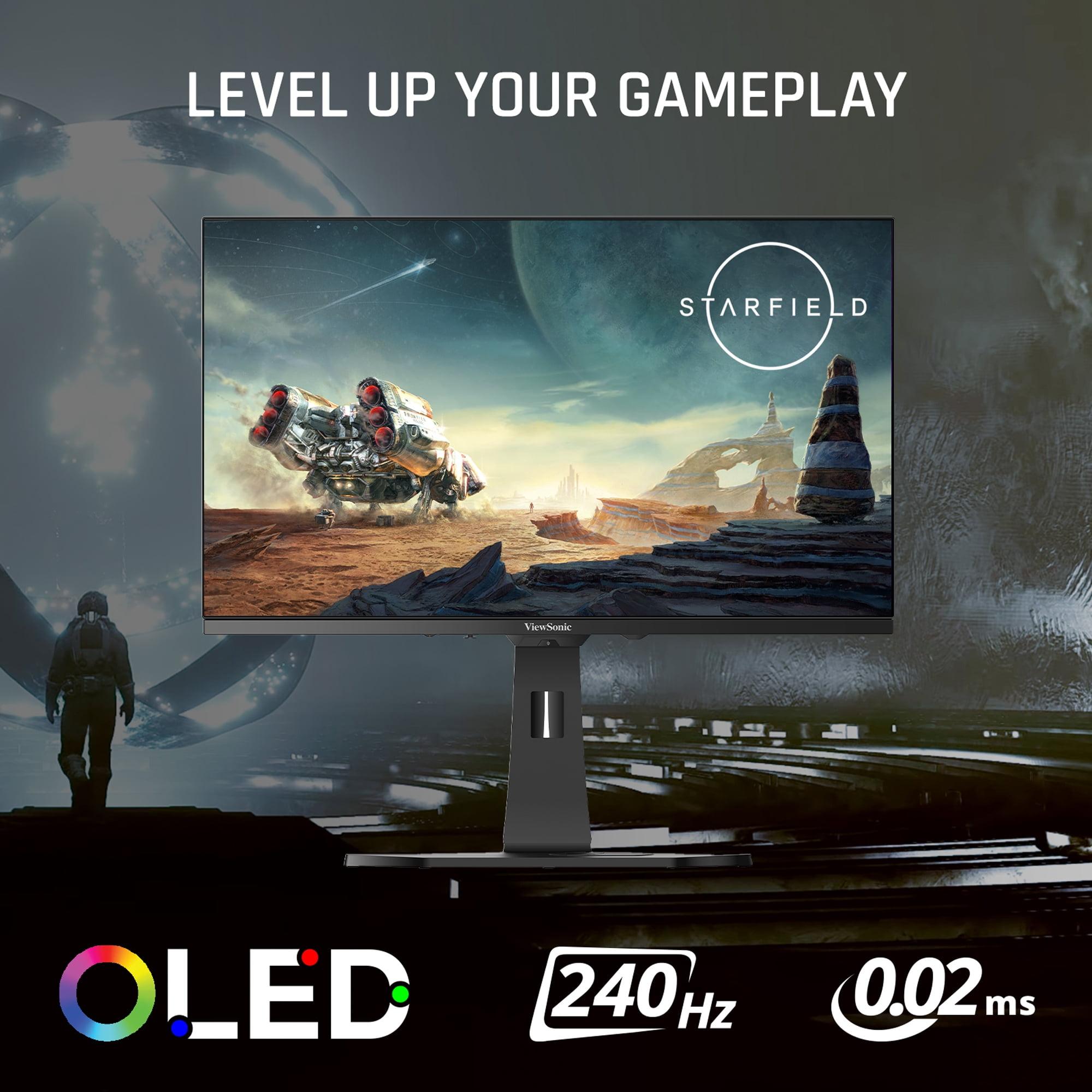
The world of gaming monitors has evolved dramatically since 2020, with manufacturers pushing refresh rates to previously unimaginable heights while simultaneously improving color accuracy, response times, and overall visual quality. Today, we're comparing two fundamentally different approaches to high-refresh gaming: the traditional LCD technology found in the HP OMEN 27s and the cutting-edge OLED panel in the ViewSonic XG272-2K-OLED.
Both monitors launched in the mid-2020s during a period of rapid gaming display innovation. The HP OMEN 27s represents the refinement of IPS LCD technology that has dominated gaming monitors for over a decade, while the ViewSonic XG272-2K-OLED showcases newer OLED technology that only became viable for computer monitors around 2022-2023. Understanding these different approaches is crucial for making the right purchase decision.
High-refresh gaming monitors prioritize frame rate smoothness above all else. Traditional monitors refresh their image 60 times per second (60Hz), but gaming monitors like both the HP OMEN 27s and ViewSonic XG272-2K-OLED refresh 240 times per second. This means they can display up to 240 unique frames every second, creating incredibly smooth motion that gives competitive gamers a real advantage.
The key considerations when evaluating these monitors include refresh rate (how many times the screen updates per second), response time (how quickly pixels can change colors), panel technology (the underlying display method), resolution (pixel count), and adaptive sync compatibility (technology that prevents screen tearing).
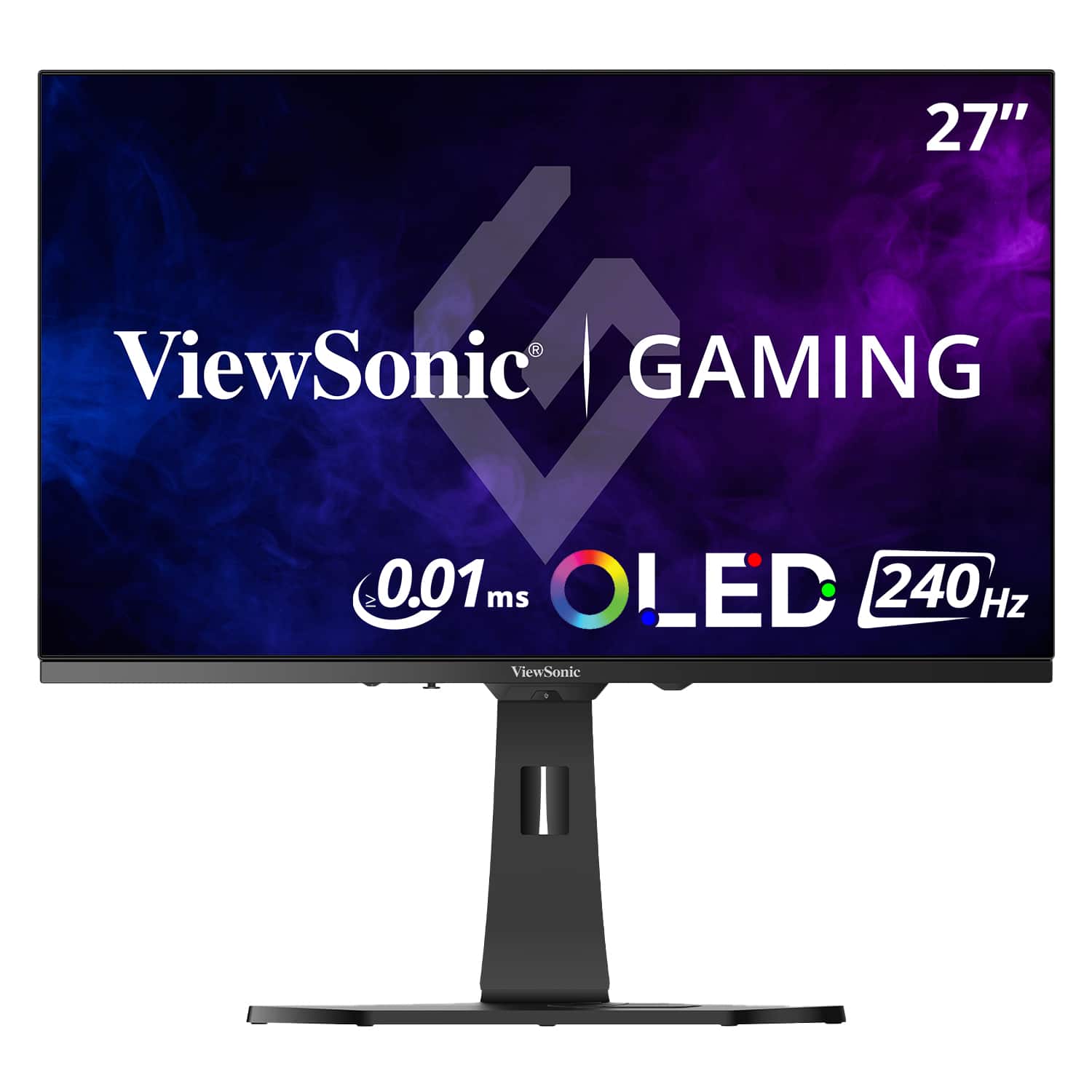
Response time deserves special attention because it directly affects gaming performance. When a pixel needs to change from one color to another, it takes time—measured in milliseconds. Lower response times mean less ghosting (trailing images behind moving objects) and clearer motion. The HP OMEN 27s achieves 1ms gray-to-gray response times with its Overdrive technology, while the ViewSonic XG272-2K-OLED reaches an almost instantaneous 0.02ms.
The fundamental difference between these monitors lies in their display technology. The HP OMEN 27s uses IPS LCD (In-Plane Switching Liquid Crystal Display), where liquid crystals twist to block or allow light from a backlight to pass through. This creates the image you see, but the backlight remains constantly on, meaning true black appears as dark gray.
The ViewSonic XG272-2K-OLED uses OLED (Organic Light-Emitting Diode) technology, where each pixel generates its own light. When a pixel needs to display black, it simply turns off completely, creating true black. This fundamental difference affects everything from contrast ratio to power consumption.
OLED technology offers several advantages: infinite contrast ratios (since black pixels emit zero light), more accurate colors, and faster pixel response times. However, OLED panels can suffer from burn-in—permanent image retention when static elements display for extended periods. Modern OLED monitors include numerous protection features, but it remains a consideration for users who display static content like desktop wallpapers or HUD elements for hours.
LCD technology, particularly IPS panels like in the HP OMEN 27s, provides excellent color accuracy and wide viewing angles without burn-in concerns. The trade-off is typically lower contrast ratios and slightly slower pixel response times compared to OLED.
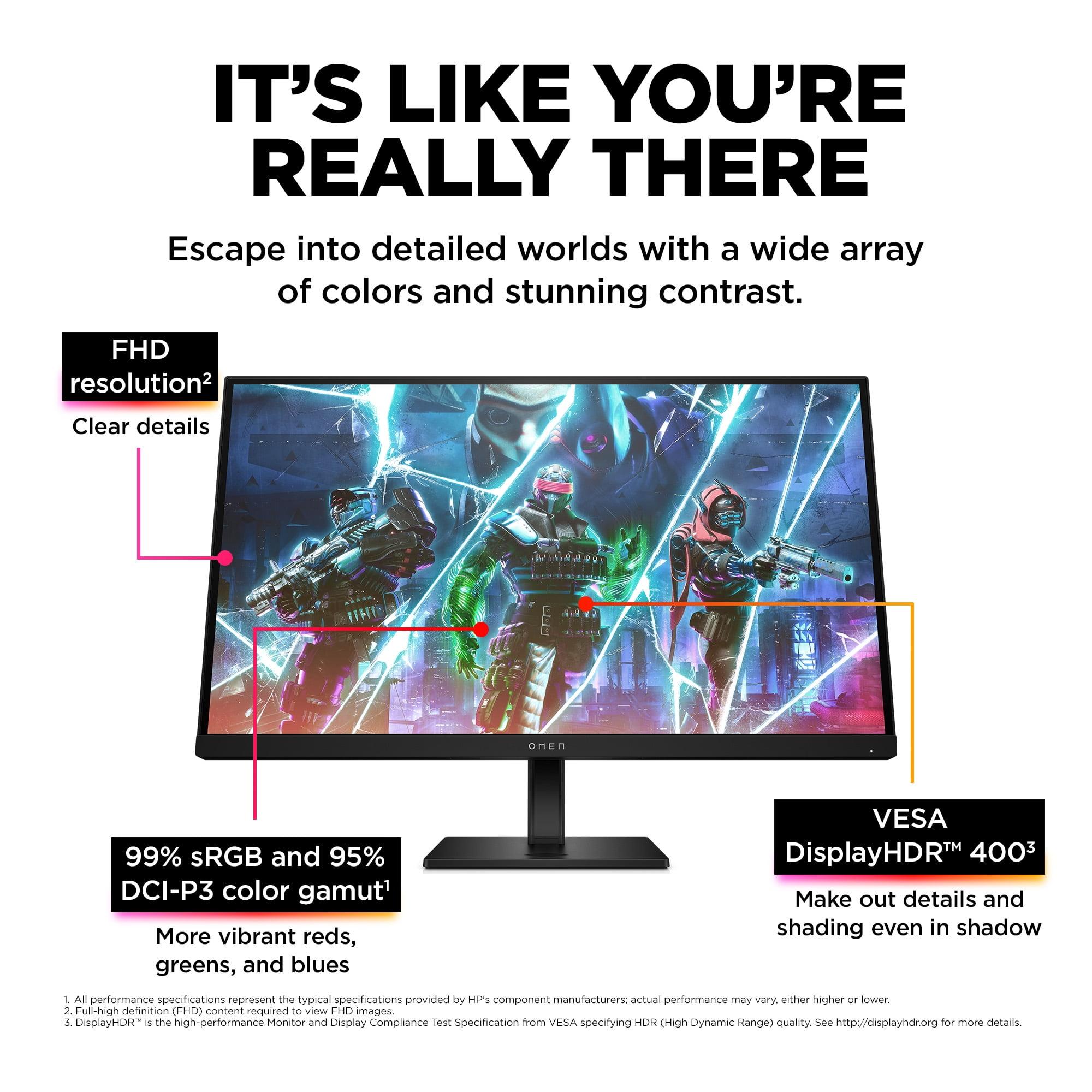
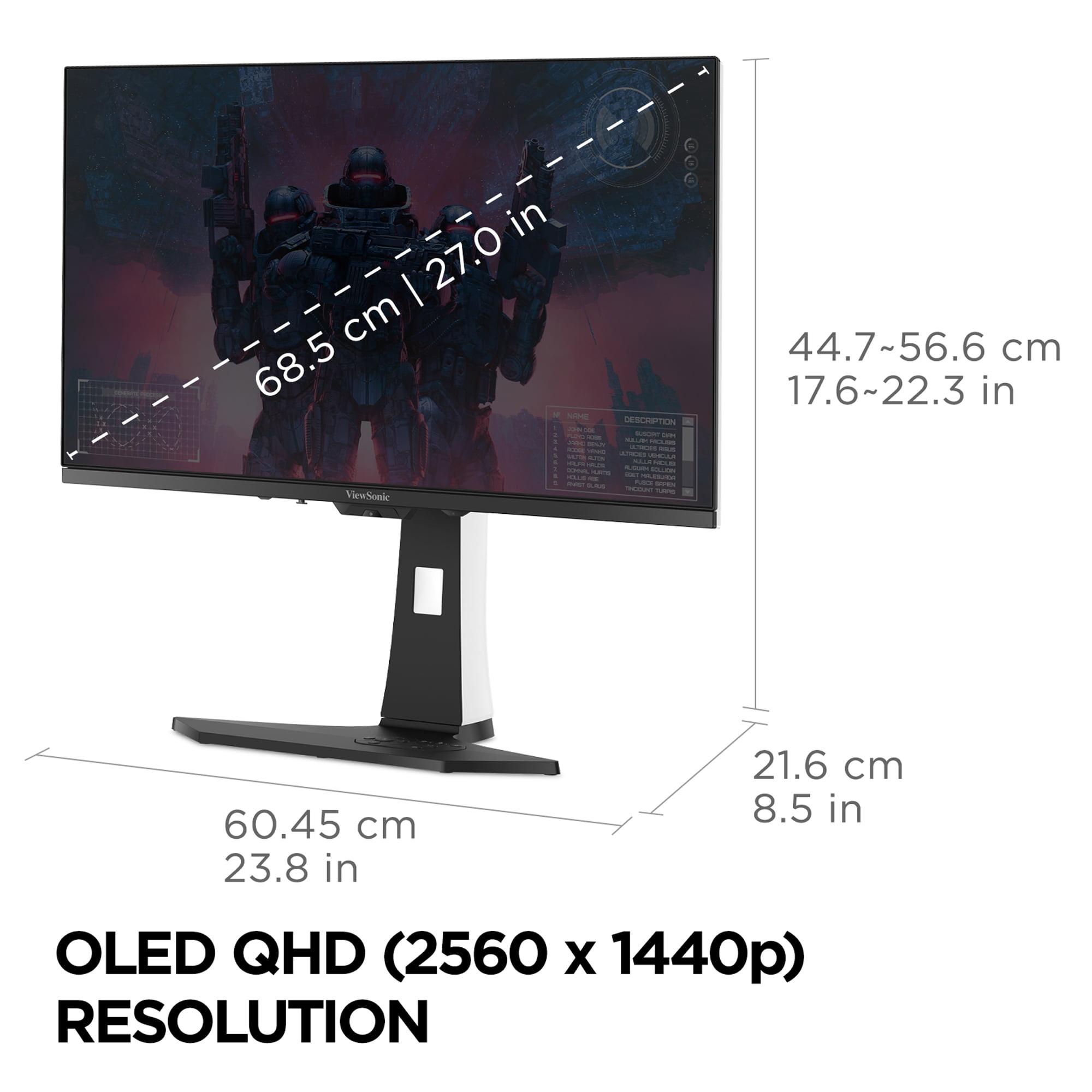
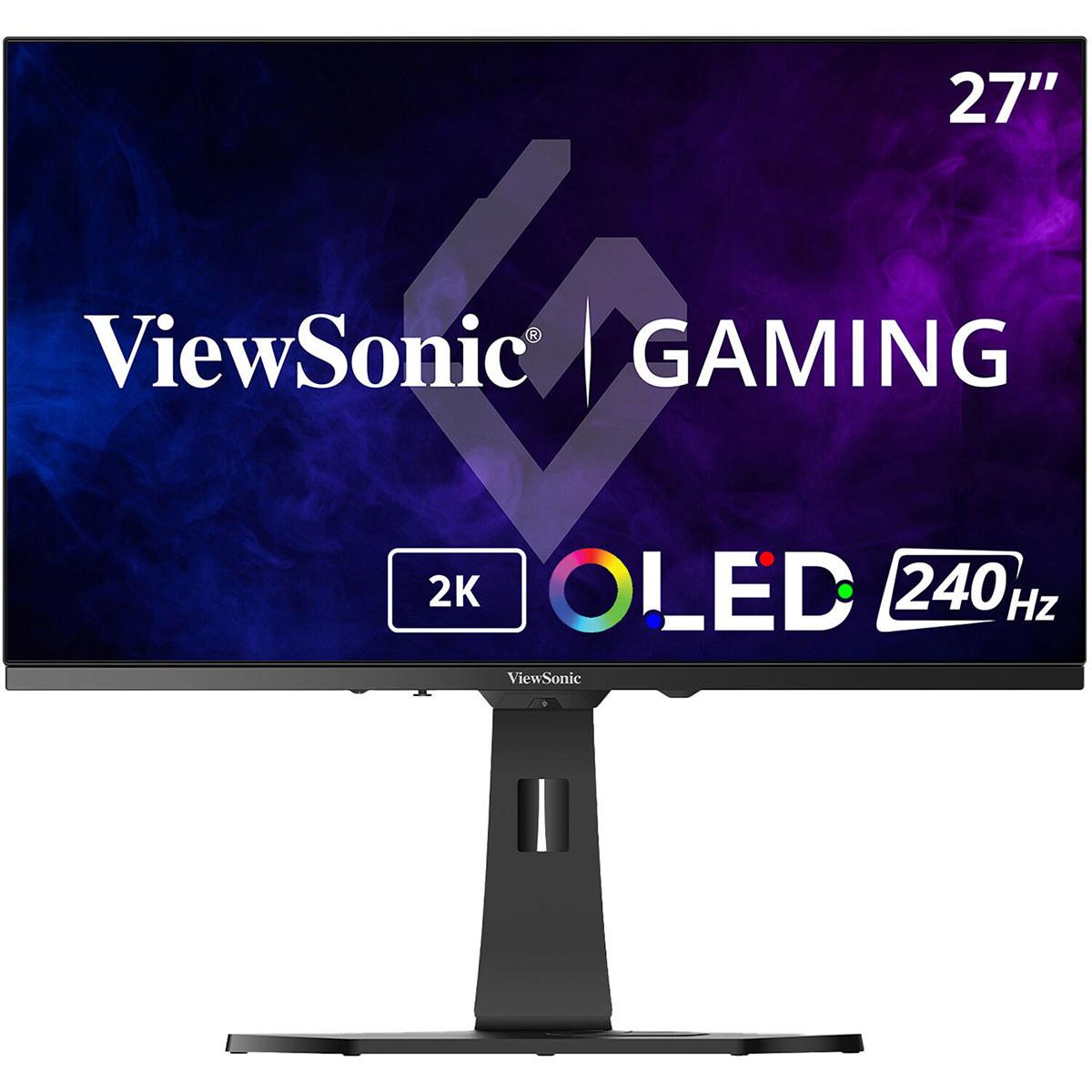
Resolution significantly impacts both visual quality and performance requirements. The HP OMEN 27s uses Full HD (1920×1080) resolution, while the ViewSonic XG272-2K-OLED employs QHD (2560×1440) resolution—37% more pixels.
On a 27-inch screen, Full HD provides 82 pixels per inch (PPI), which some users find less sharp for text and detailed imagery. QHD delivers 109 PPI, offering noticeably crisper visuals. However, higher resolution demands significantly more graphics processing power. To maintain 240 frames per second, you need a powerful graphics card—typically an RTX 4070 or better for QHD gaming.
This creates an interesting value proposition. The HP OMEN 27s allows users with mid-range graphics cards (like RTX 4060 or RTX 3070) to experience high-refresh gaming, while the ViewSonic XG272-2K-OLED requires high-end hardware to reach its full potential.
Both monitors excel at motion clarity, but through different approaches. The HP OMEN 27s uses Overdrive technology to accelerate pixel transitions, achieving 1ms gray-to-gray response times. This effectively eliminates ghosting in fast-paced games like first-person shooters.
The ViewSonic XG272-2K-OLED takes motion clarity further with its 0.02ms pixel response time—nearly instantaneous pixel switching that creates zero motion blur. OLED's instant pixel response means moving objects appear razor-sharp even during the fastest action sequences.
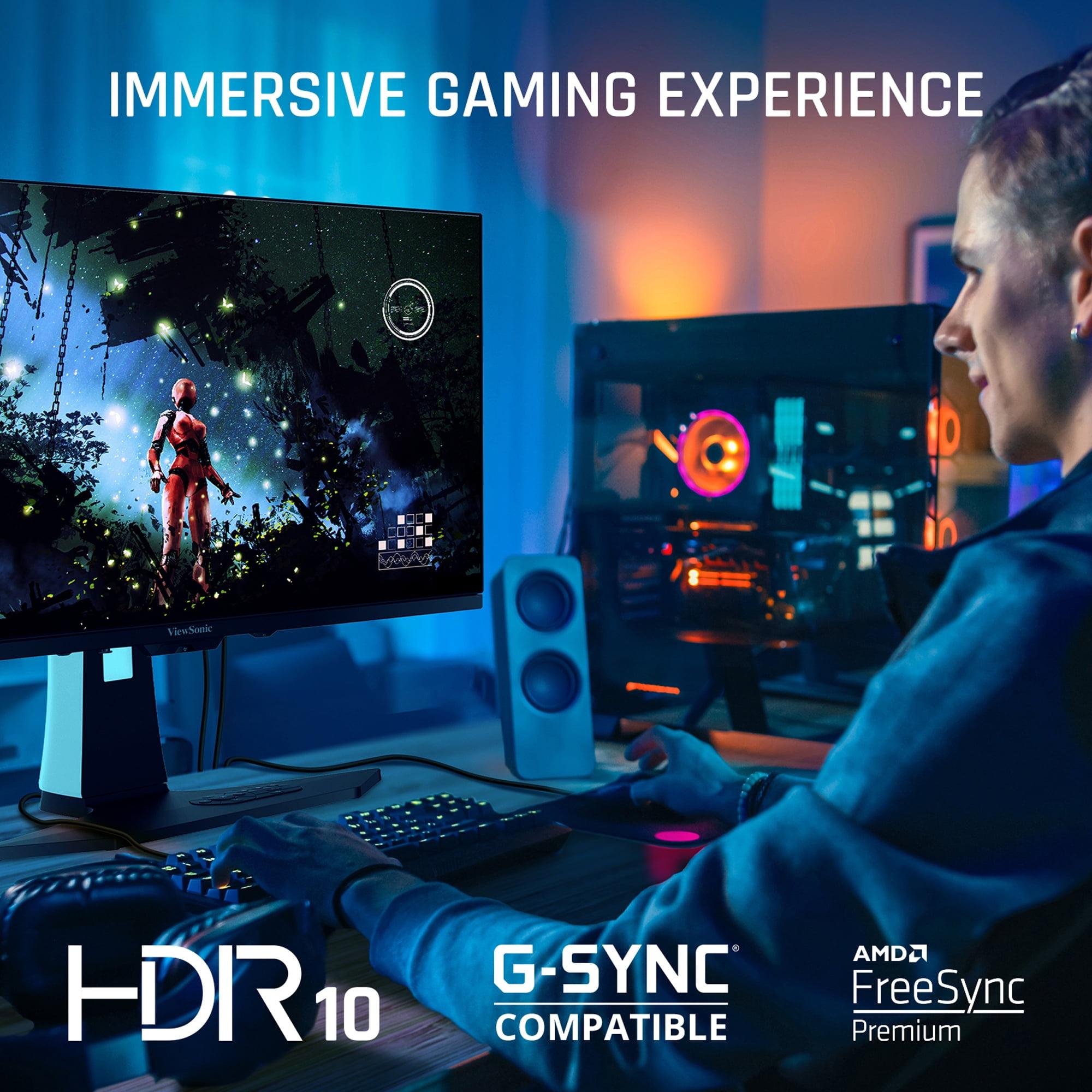
For competitive gaming, both monitors support variable refresh rate technologies. G-Sync Compatible and FreeSync Premium synchronize the monitor's refresh rate with your graphics card's frame output, eliminating screen tearing (horizontal lines that appear when frame rates don't match refresh rates) and reducing input lag (the delay between your actions and their appearance on screen).
Color accuracy and coverage represent another significant difference. The HP OMEN 27s covers 99% of the sRGB color space and 95% of DCI-P3—excellent for gaming and general use. Its IPS panel provides consistent colors across wide viewing angles, making it suitable for shared gaming sessions.
The ViewSonic XG272-2K-OLED covers 97% DCI-P3 and 137% sRGB, offering a wider color gamut with more saturated, vibrant colors. More importantly, its infinite contrast ratio creates dramatically superior shadow detail. In dark game scenes, you'll see details that appear completely black on LCD monitors.
High Dynamic Range (HDR) enhances the difference between the brightest and darkest parts of an image, creating more realistic visuals. The HP OMEN 27s supports VESA DisplayHDR 400, providing modest HDR improvements with 400 nits peak brightness.
The ViewSonic XG272-2K-OLED delivers superior HDR performance with 450 nits brightness combined with true blacks. While not as bright as premium HDR displays, the infinite contrast ratio makes HDR content appear more impactful than traditional LCD monitors.
Connectivity options reflect each monitor's target market and release timing. The HP OMEN 27s includes two HDMI 2.0 ports, one DisplayPort 1.4, and a USB hub for peripherals. This configuration handles current gaming needs effectively.
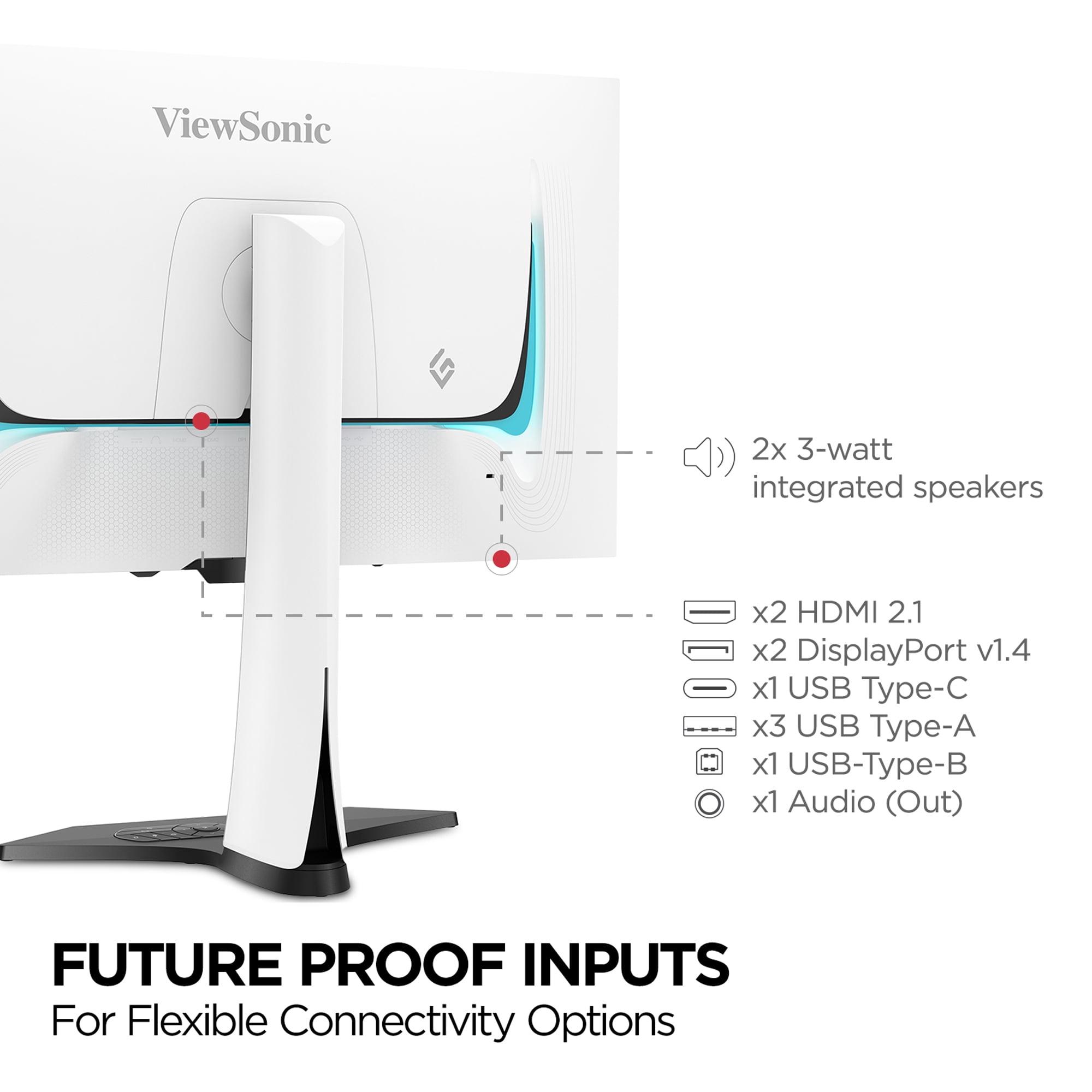
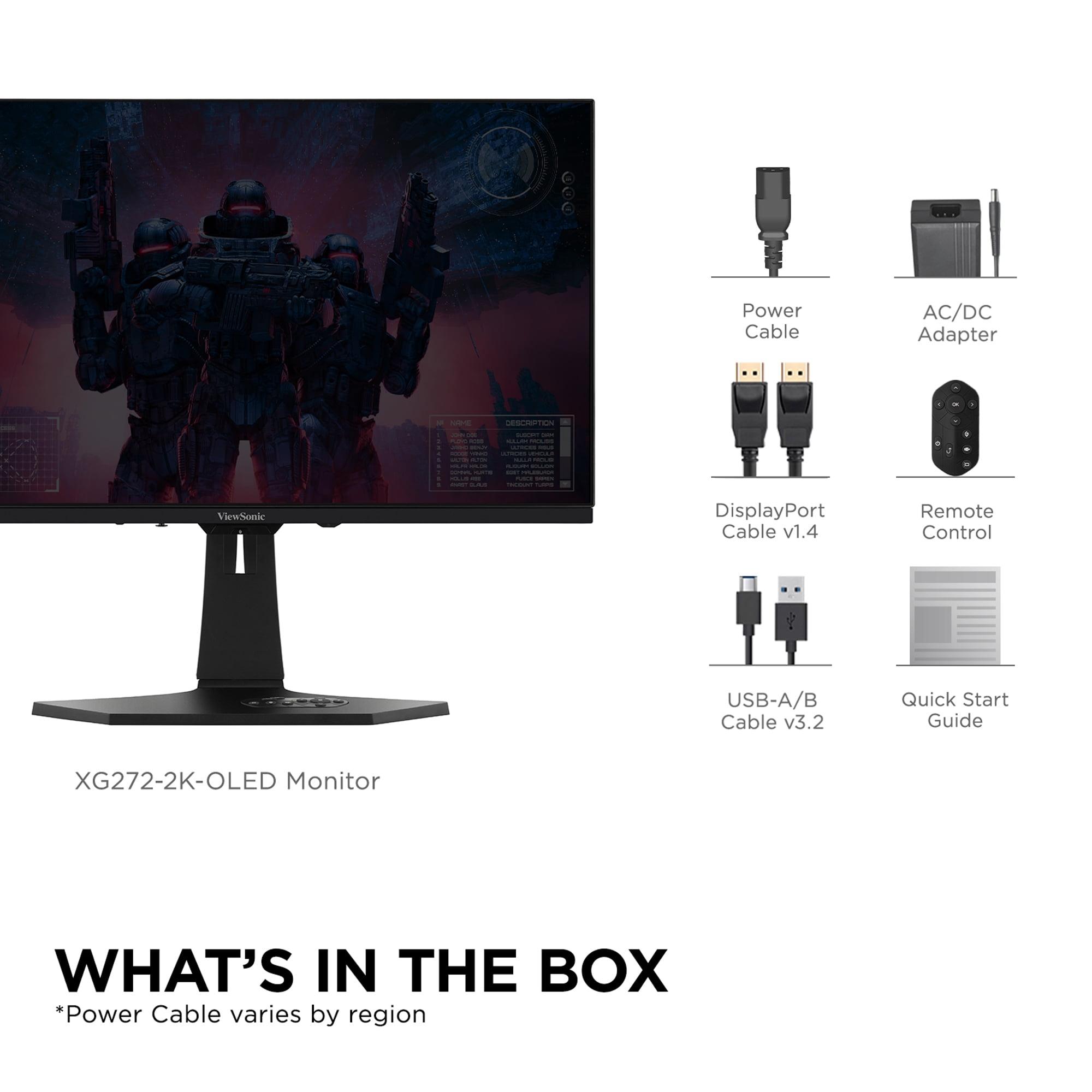
The ViewSonic XG272-2K-OLED offers more advanced connectivity with two HDMI 2.1 ports, two DisplayPort 1.4 connections, and USB-C with power delivery. HDMI 2.1 supports higher bandwidth for future graphics cards and gaming consoles, while USB-C allows single-cable connections to laptops.
The HP OMEN 27s integrates with HP's OMEN Gaming Hub software, providing custom crosshair overlays and game-specific settings. This software approach offers flexibility without hardware complications.
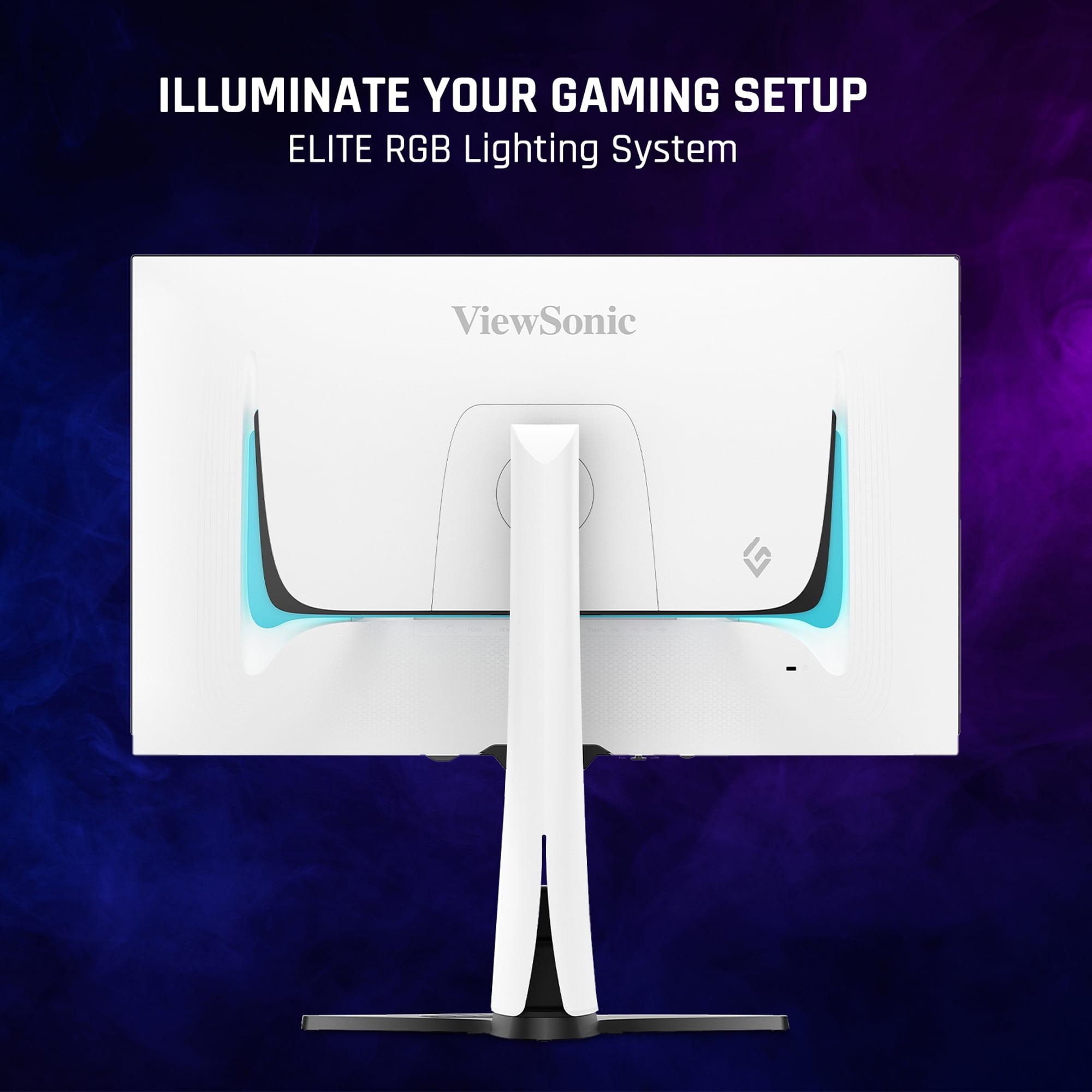
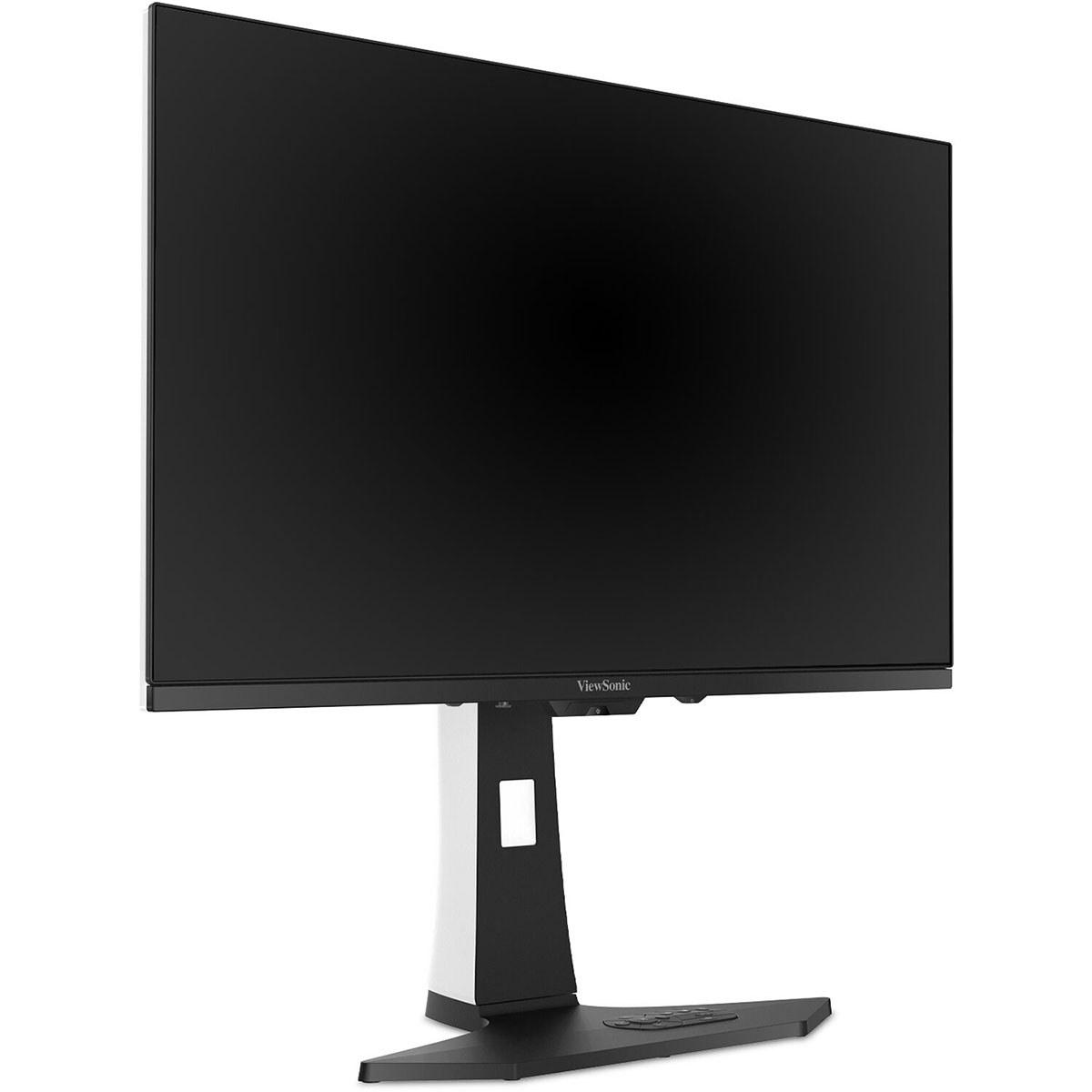
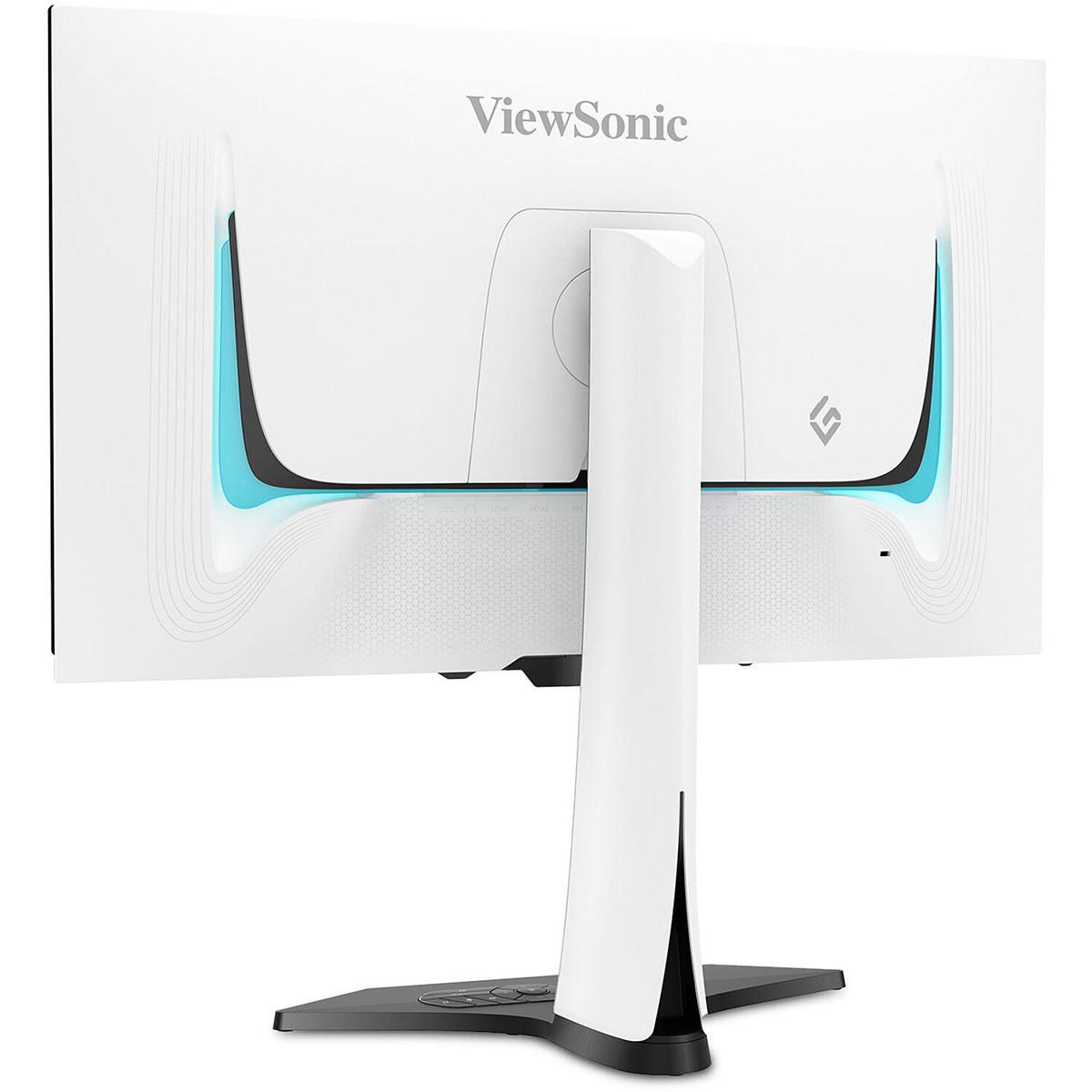
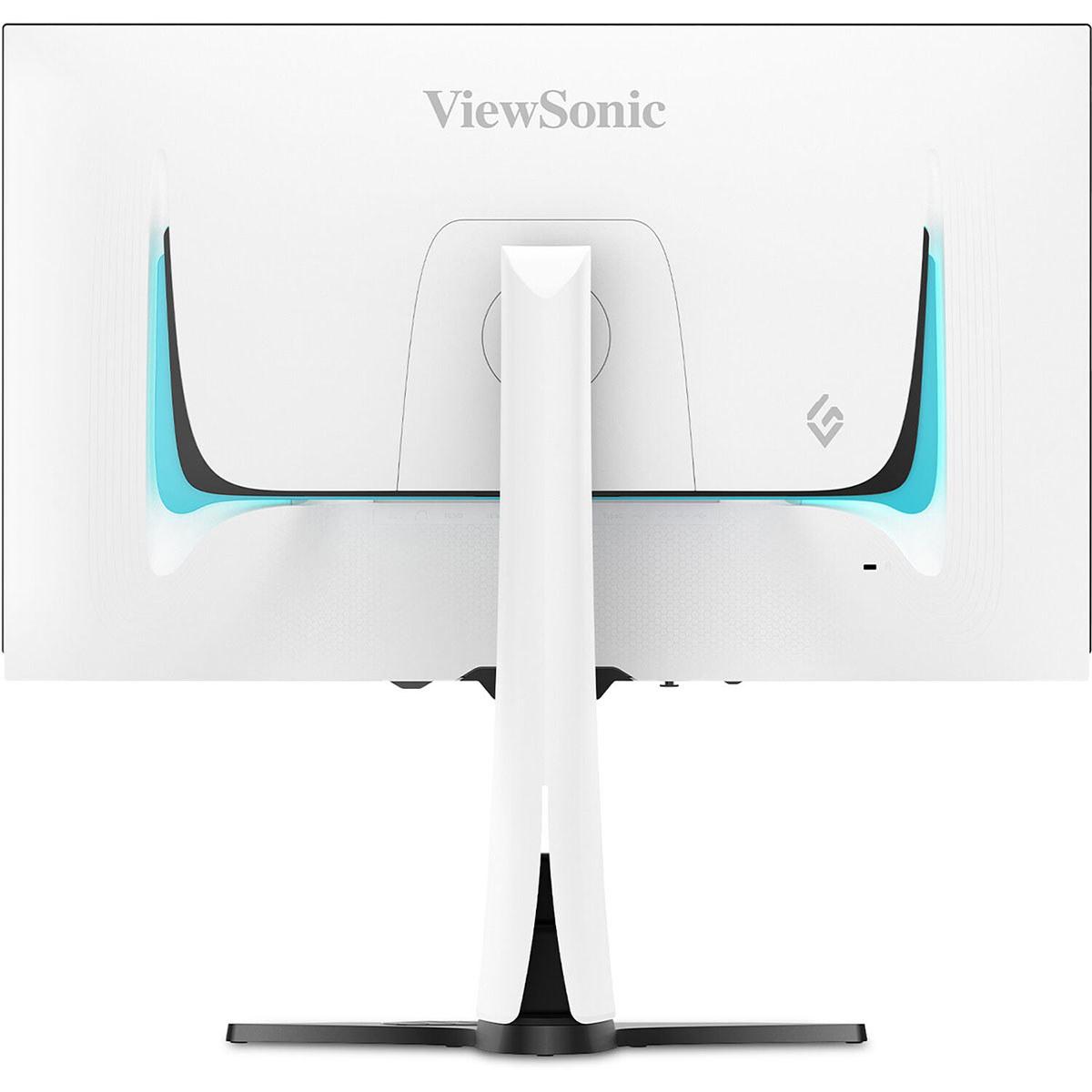
The ViewSonic XG272-2K-OLED includes physical features like RGB lighting and a remote control for easy settings adjustment. Its black frame insertion technology can further reduce motion blur at frame rates below 240Hz—a useful feature when games can't maintain maximum refresh rates.
At the time of writing, the ViewSonic XG272-2K-OLED commands a significant premium over the HP OMEN 27s—approximately 50% more expensive. This price difference reflects both the advanced OLED technology and higher resolution.
For pure competitive gaming, the value proposition favors the HP OMEN 27s. It delivers 90% of the competitive gaming performance at roughly two-thirds the cost. More importantly, its lower resolution requirements mean you can achieve high frame rates with more affordable graphics cards, potentially saving hundreds of dollars on your total gaming setup.
However, for users seeking the ultimate visual experience or those who game across multiple genres, the ViewSonic XG272-2K-OLED justifies its premium pricing. The combination of OLED technology and QHD resolution creates visually stunning gaming experiences that transform story-driven games and open-world adventures.
Both monitors work well in entertainment setups, but with different strengths. The HP OMEN 27s handles bright room environments better due to its consistent backlight and anti-glare coating. Its integrated speakers, while basic, provide adequate audio for casual viewing.
The ViewSonic XG272-2K-OLED excels in dim or dark rooms where its infinite contrast ratio creates cinematic experiences. Its superior HDR performance and color accuracy make it excellent for streaming high-quality content. However, in bright rooms, reflections on the screen surface can reduce image quality.
For movie enthusiasts, the OLED's 150,000:1 contrast ratio creates the deep blacks essential for cinematic experiences. Dark scenes in movies reveal details invisible on LCD monitors, while bright scenes maintain their impact without washing out shadow details.
You're primarily focused on competitive gaming where frame rate matters more than visual fidelity. This monitor makes sense for esports enthusiasts, players with mid-range graphics cards, or anyone seeking proven reliability without burn-in concerns. The lower resolution reduces GPU requirements, allowing more budget allocation toward other system components.
The HP OMEN 27s also suits users who prioritize value and don't want to worry about OLED maintenance. Its traditional LCD technology provides predictable performance throughout its lifespan without degradation concerns.
You want the ultimate gaming experience and own high-end graphics hardware capable of driving QHD at high frame rates. This monitor transforms single-player games with its superior visual quality while maintaining competitive gaming capabilities.
The ViewSonic XG272-2K-OLED appeals to users who appreciate cutting-edge technology and don't mind paying premium prices for superior performance. It's ideal for gamers who play diverse game genres, content creators requiring color accuracy, or anyone wanting a monitor that doubles as an entertainment display.
Both monitors represent excellent choices within their respective categories, but they target different users and use cases. The HP OMEN 27s delivers outstanding competitive gaming performance at a reasonable price point, making high-refresh gaming accessible to more users.
The ViewSonic XG272-2K-OLED pushes gaming displays into the premium territory with technology that was unimaginable just a few years ago. Its OLED panel creates visual experiences that transform gaming, justifying its higher cost for users seeking the absolute best.
Your choice ultimately depends on your priorities: competitive performance and value favor the HP OMEN 27s, while visual excellence and cutting-edge technology point toward the ViewSonic XG272-2K-OLED. Both will serve you well, but understanding their fundamental differences ensures you choose the monitor that best matches your gaming style and budget.
Consider your graphics card capabilities, room lighting conditions, game preferences, and long-term plans. The monitor you choose today will likely serve you for several years, so invest in the technology that aligns with your gaming evolution rather than just your current needs.
| HP OMEN 27s FHD 240Hz Gaming Monitor | ViewSonic XG272-2K-OLED 27" QHD 240Hz OLED Gaming Monitor |
|---|---|
| Panel Technology - Determines contrast, color accuracy, and long-term reliability | |
| IPS LCD with consistent backlight and no burn-in concerns | OLED with true blacks and infinite contrast but potential burn-in risk |
| Resolution - Affects image sharpness and GPU requirements | |
| 1920 x 1080 (FHD) - easier to drive at high frame rates | 2560 x 1440 (QHD) - 37% more pixels for sharper visuals |
| Response Time - Critical for motion clarity in fast games | |
| 1ms GTG with Overdrive (excellent for competitive gaming) | 0.02ms pixel response (virtually eliminates motion blur) |
| Contrast Ratio - Determines depth of blacks and shadow detail | |
| 1000:1 static contrast (typical LCD limitation) | 150,000:1 static contrast (true blacks enhance immersion) |
| Color Coverage - Important for vibrant, accurate colors | |
| 99% sRGB, 95% DCI-P3 (excellent for gaming and general use) | 97% DCI-P3, 137% sRGB (wider gamut for more saturated colors) |
| HDR Performance - Enhances dynamic range in supported content | |
| VESA DisplayHDR 400 with 400 nits brightness (modest HDR) | HDR10 with 450 nits and infinite contrast (superior HDR experience) |
| Connectivity - Future-proofing and device compatibility | |
| 2x HDMI 2.0, 1x DisplayPort 1.4, USB hub | 2x HDMI 2.1, 2x DisplayPort 1.4, USB-C with power delivery |
| Brightness - Affects visibility in different lighting conditions | |
| 400 cd/m² with anti-glare coating (good for bright rooms) | 450 cd/m² typical (better for controlled lighting environments) |
| Adaptive Sync - Prevents screen tearing and stuttering | |
| NVIDIA G-SYNC Compatible, AMD FreeSync Premium | NVIDIA G-SYNC Compatible, AMD FreeSync Premium |
| Ergonomics - Comfort and positioning flexibility | |
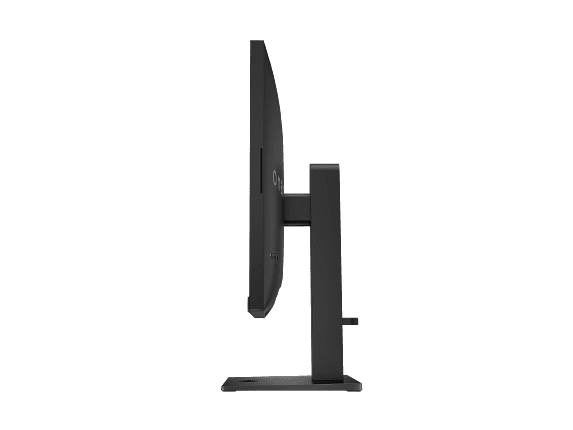
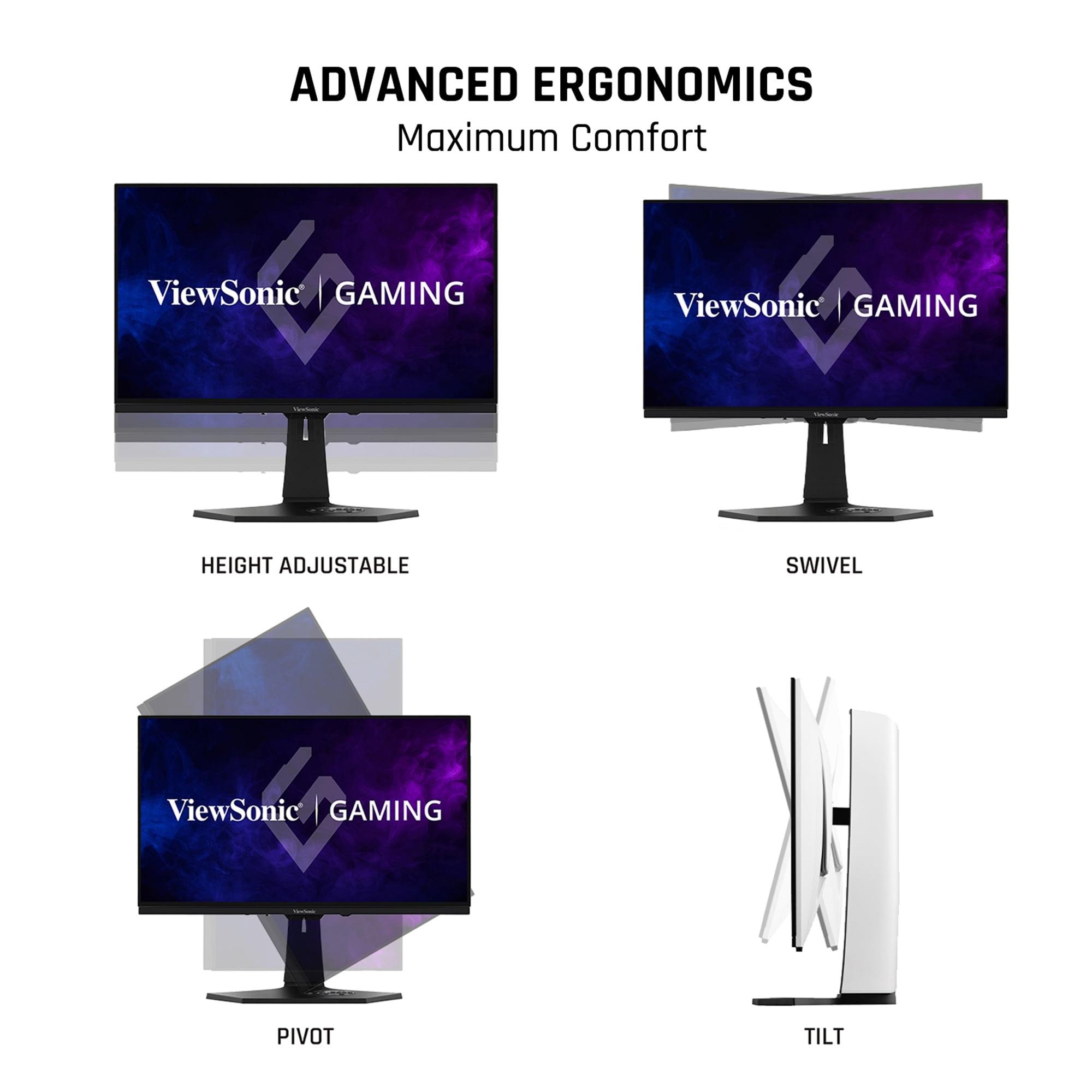
| Height, tilt, pivot adjustments with VESA mount support | Height, tilt, swivel, pivot adjustments plus RGB lighting |
| Warranty Coverage - Protection for your investment | |
| 1-year limited warranty (standard for budget gaming monitors) | 3-year limited warranty (better long-term protection) |
| GPU Requirements - Hardware needed for optimal performance | |
| RTX 4060 or RTX 3070 can maintain high frame rates | RTX 4070 or better required for consistent 240Hz gaming |
| Value Proposition - Performance per dollar considerations | |
| Excellent competitive gaming performance at accessible price | Premium visual quality with cutting-edge OLED technology |
The HP OMEN 27s is generally better for competitive gaming due to its FHD resolution, which requires less GPU power to maintain consistent 240Hz frame rates. While the ViewSonic XG272-2K-OLED has a faster 0.02ms response time, the FHD resolution of the HP OMEN 27s allows mid-range graphics cards to achieve the high frame rates that competitive gamers need.
The primary difference is panel technology: the HP OMEN 27s uses traditional IPS LCD technology, while the ViewSonic XG272-2K-OLED features cutting-edge OLED technology. OLED provides true blacks and infinite contrast but costs more and has potential burn-in concerns. The ViewSonic XG272-2K-OLED also offers higher QHD resolution compared to the FHD resolution of the HP OMEN 27s.
The ViewSonic XG272-2K-OLED delivers superior visual quality with its OLED panel, infinite contrast ratio, and QHD resolution. It produces true blacks, more vibrant colors, and sharper imagery. However, the HP OMEN 27s still offers excellent color accuracy with 99% sRGB coverage and reliable IPS technology for consistent performance.
The HP OMEN 27s works well with mid-range graphics cards like RTX 4060 or RTX 3070 due to its FHD resolution. The ViewSonic XG272-2K-OLED requires a high-end graphics card (RTX 4070 or better) to fully utilize its QHD resolution at 240Hz refresh rates.
The HP OMEN 27s offers more predictable long-term reliability since LCD technology doesn't suffer from burn-in issues. The ViewSonic XG272-2K-OLED includes advanced burn-in prevention features and a 3-year warranty, but OLED panels can potentially develop burn-in with prolonged static content display.
Yes, but they excel in different areas. The HP OMEN 27s is optimized for competitive esports titles where frame rate matters most. The ViewSonic XG272-2K-OLED transforms single-player and story-driven games with its superior contrast and visual quality, while still maintaining excellent competitive gaming performance.
The ViewSonic XG272-2K-OLED provides more advanced connectivity with HDMI 2.1 ports, USB-C with power delivery, and additional DisplayPort connections. The HP OMEN 27s offers solid connectivity with HDMI 2.0, DisplayPort 1.4, and a USB hub, which handles current gaming needs effectively.
The HP OMEN 27s performs better in bright rooms thanks to its anti-glare coating and consistent LCD backlight. The ViewSonic XG272-2K-OLED may show more reflections in bright environments but delivers superior performance in dim or controlled lighting conditions.
The HP OMEN 27s provides excellent value for competitive gaming, delivering high-refresh performance at a more accessible price point. The ViewSonic XG272-2K-OLED commands a premium but justifies it with cutting-edge OLED technology and superior visual quality for users seeking the ultimate gaming experience.
Yes, both support HDR, but with different capabilities. The HP OMEN 27s offers VESA DisplayHDR 400 certification with modest improvements. The ViewSonic XG272-2K-OLED delivers superior HDR performance with true blacks and better contrast, making HDR content more impactful.
The ViewSonic XG272-2K-OLED is better suited for content creation due to its wider color gamut, higher resolution, and superior color accuracy. The QHD resolution provides more workspace, while the OLED technology offers precise color reproduction for photo and video editing tasks.
The HP OMEN 27s features custom crosshair overlays via OMEN Gaming Hub software and proven LCD reliability. The ViewSonic XG272-2K-OLED includes RGB lighting, a remote control, black frame insertion technology, and advanced burn-in prevention features that showcase its premium positioning in the gaming monitor market.
We've done our best to create useful and informative comparisons to help you decide what product to buy. Our research uses advanced automated methods to create this comparison and perfection is not possible - please contact us for corrections or questions. These are the sites we've researched in the creation of this article: bestbuy.com - hp.com - shi.com - hp.com - bestbuy.com - hp.com - tomshardware.com - hp.com - rtings.com - hp.com - displayspecifications.com - support.hp.com - publicsector.shidirect.com - objects.icecat.biz - files.bbystatic.com - hp.com - displayspecifications.com - tomshardware.com - viewsonic.com - cgmagonline.com - bhphotovideo.com - forums.blurbusters.com - pangoly.com - youtube.com - rtings.com - youtube.com - bhphotovideo.com - viewsonic.com - assetserver.net - viewsonic.com - viewsonic.com - colamco.com - viewsonic.com - store.connectcause.com - displayspecifications.com - bhphotovideo.com - manuals.viewsonic.com - viewsonic.com - pangoly.com - visioncomputers.com - bestbuy.com

Privacy Policy
Terms and Conditions - Affiliate Policy
Home Security
© Copyright 2008-2026.
11816 Inwood Rd #1211, Dallas, TX 75244