


Gaming monitors have evolved dramatically over the past few years, and choosing the right one can make or break your competitive edge. Today we're comparing two monitors that represent completely different philosophies in gaming display technology: the value-packed HP OMEN 27s and the cutting-edge LG UltraGear 27" OLED. While both target serious gamers, they take vastly different approaches to delivering that competitive advantage.
Before diving into specifics, let's establish what actually matters in gaming monitors. The most critical performance metrics are refresh rate and response time. Refresh rate, measured in Hertz (Hz), tells you how many times per second your monitor can display a new image. A 240Hz monitor refreshes the image 240 times per second, while a 480Hz monitor does it twice as fast. This translates to smoother motion and reduced input lag—the delay between your mouse click and seeing the result on screen.
Response time, measured in milliseconds (ms), indicates how quickly pixels can change from one color to another. Faster response times mean less ghosting and motion blur during fast-paced action. When you're tracking enemies in a first-person shooter, these specifications directly impact your ability to spot and react to threats.
Display technology also plays a huge role. Traditional LCD monitors use a backlight shining through liquid crystals, while OLED (Organic Light-Emitting Diode) panels have pixels that light up individually. This fundamental difference affects everything from contrast ratios to response times to long-term durability.
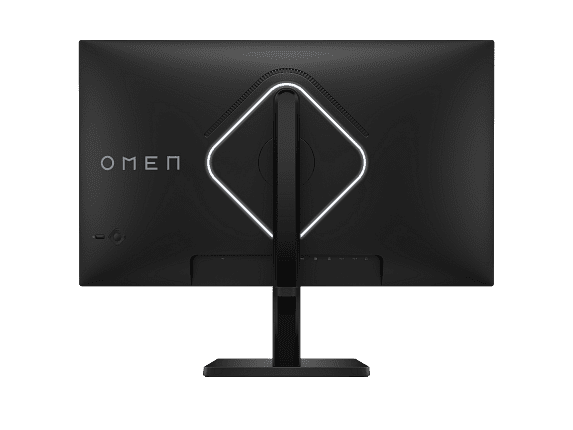
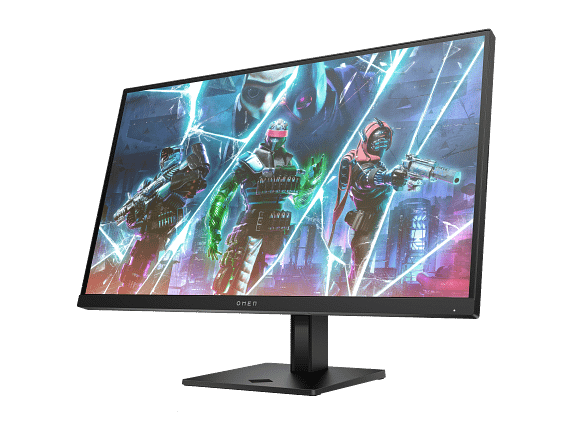
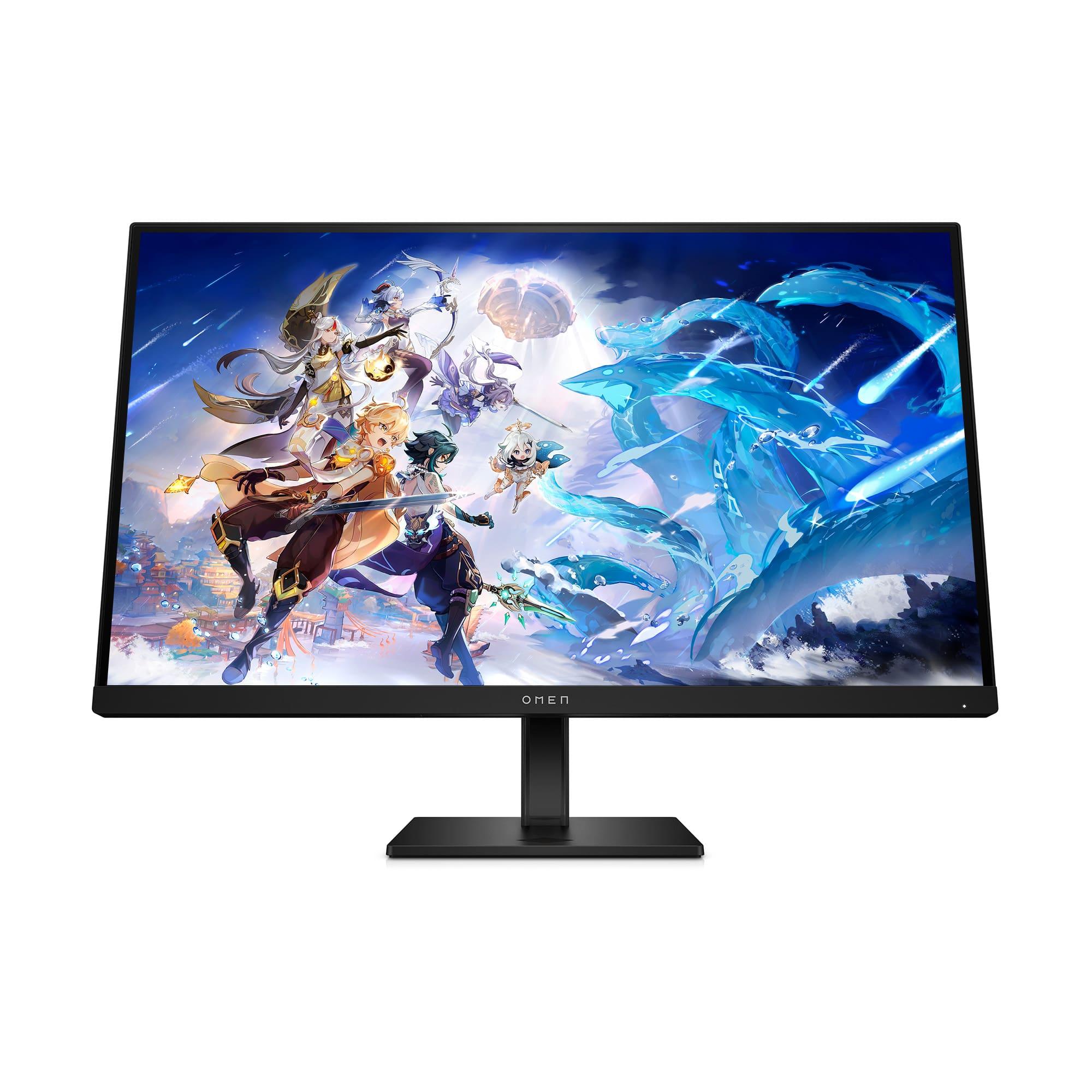
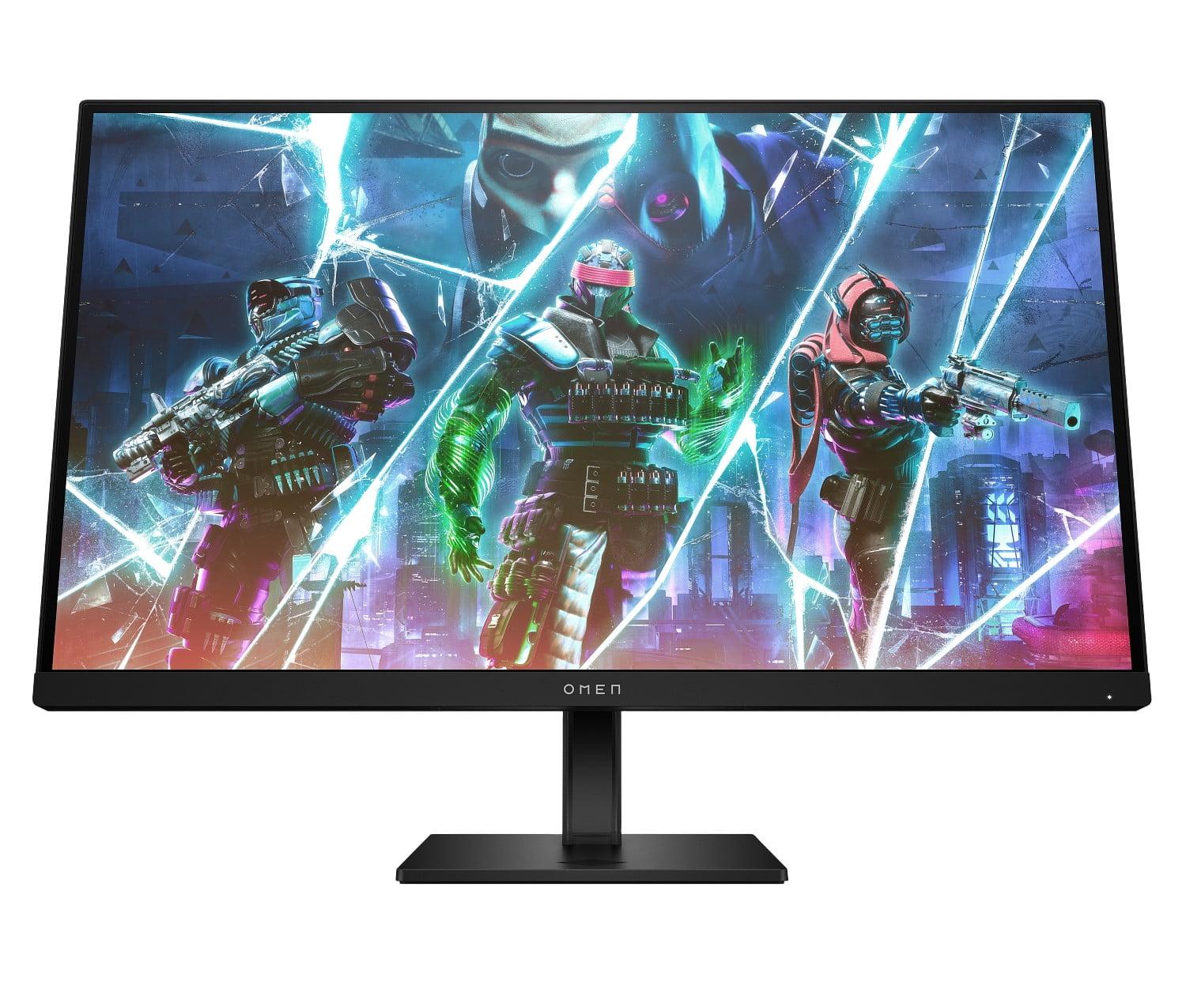
The HP OMEN 27s, released in 2023, represents the sweet spot of gaming performance and value. It's an IPS LCD monitor targeting mainstream competitive gamers who want solid performance without breaking the bank. At the time of writing, it sits in the upper-mid-range pricing tier, offering features typically found in more expensive monitors.
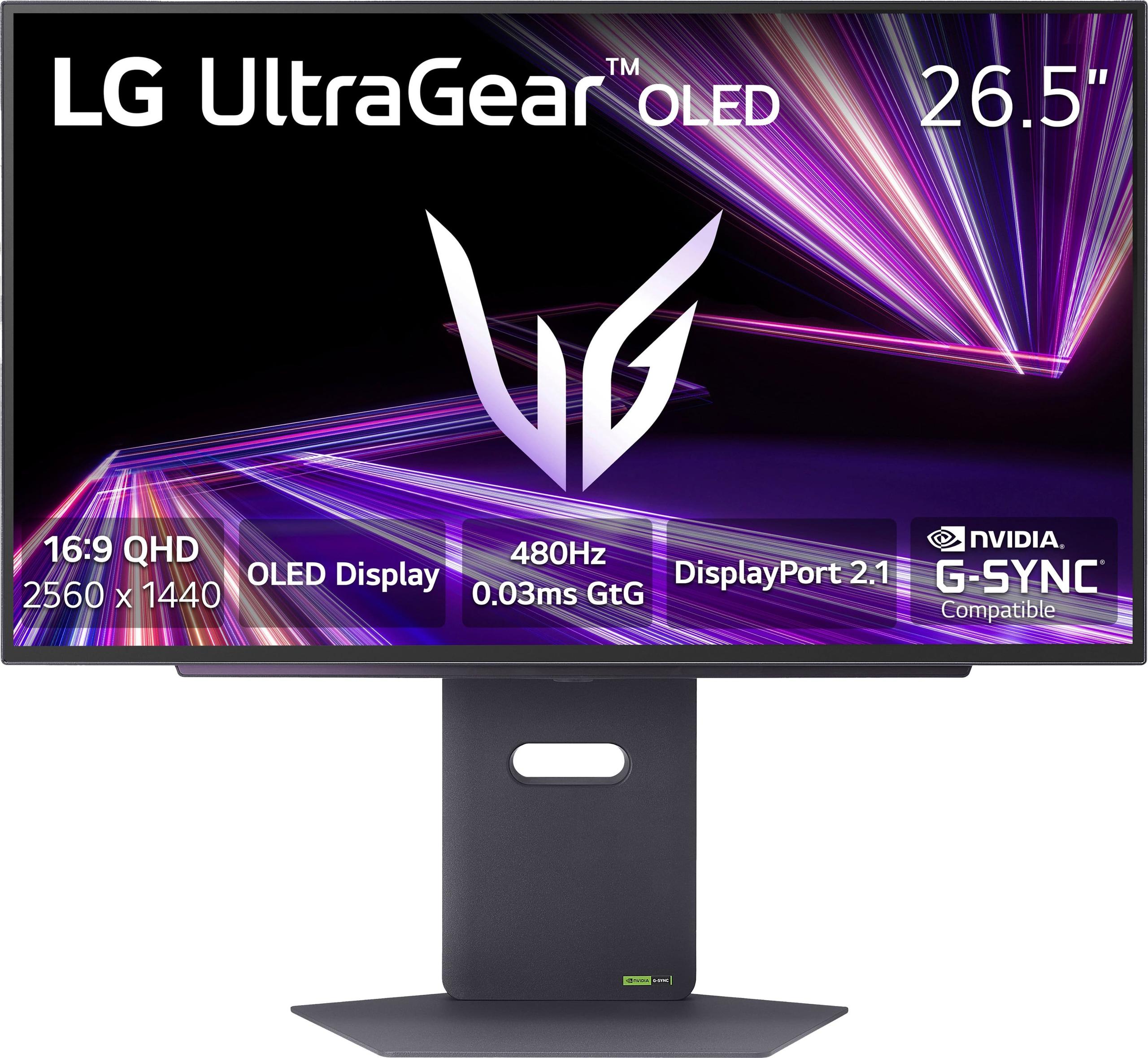
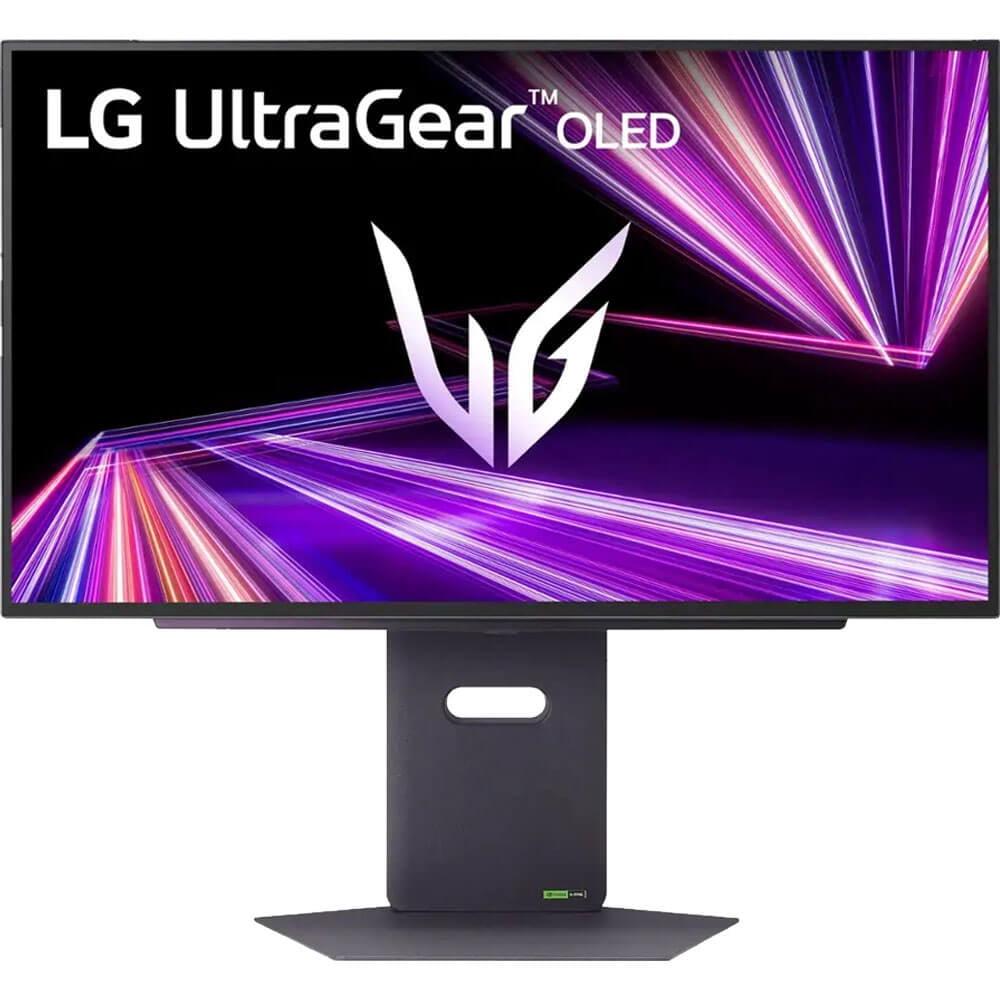
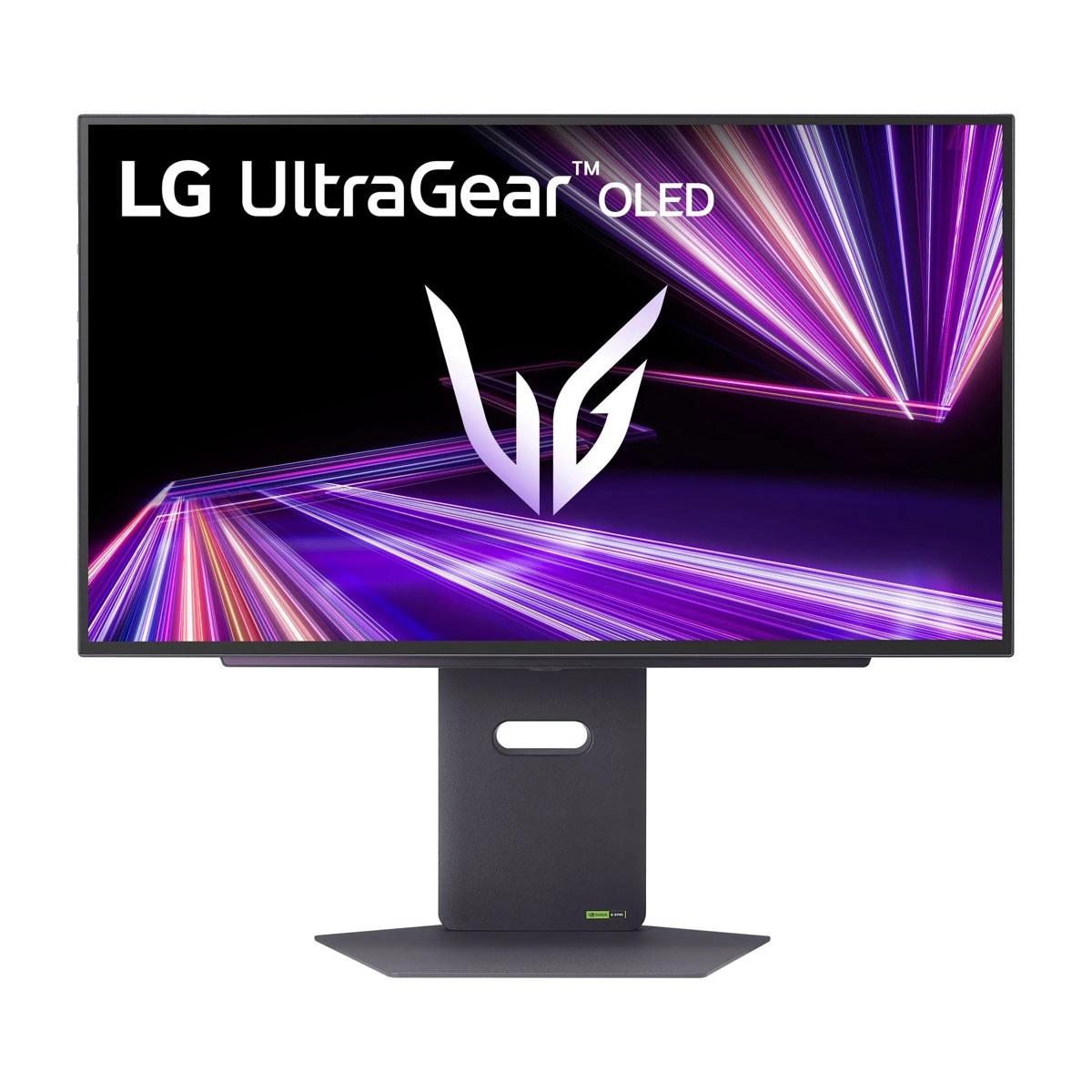
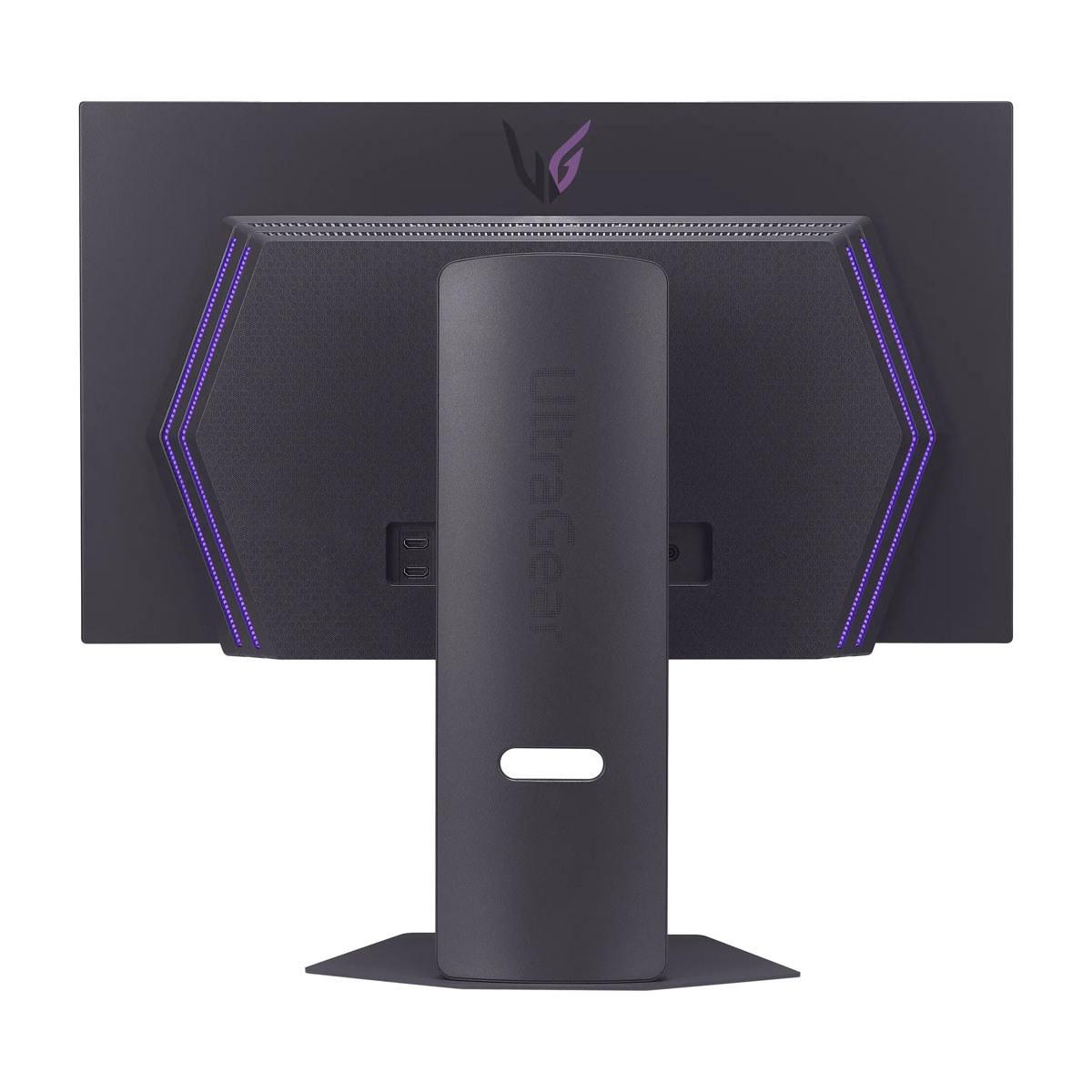
The LG UltraGear 27" OLED, launched in late 2024, pushes the absolute boundaries of gaming performance. It's LG's flagship gaming OLED, incorporating their latest Micro Lens Array+ technology and representing the current pinnacle of what's possible in gaming displays. Unsurprisingly, it commands premium pricing to match its premium positioning.
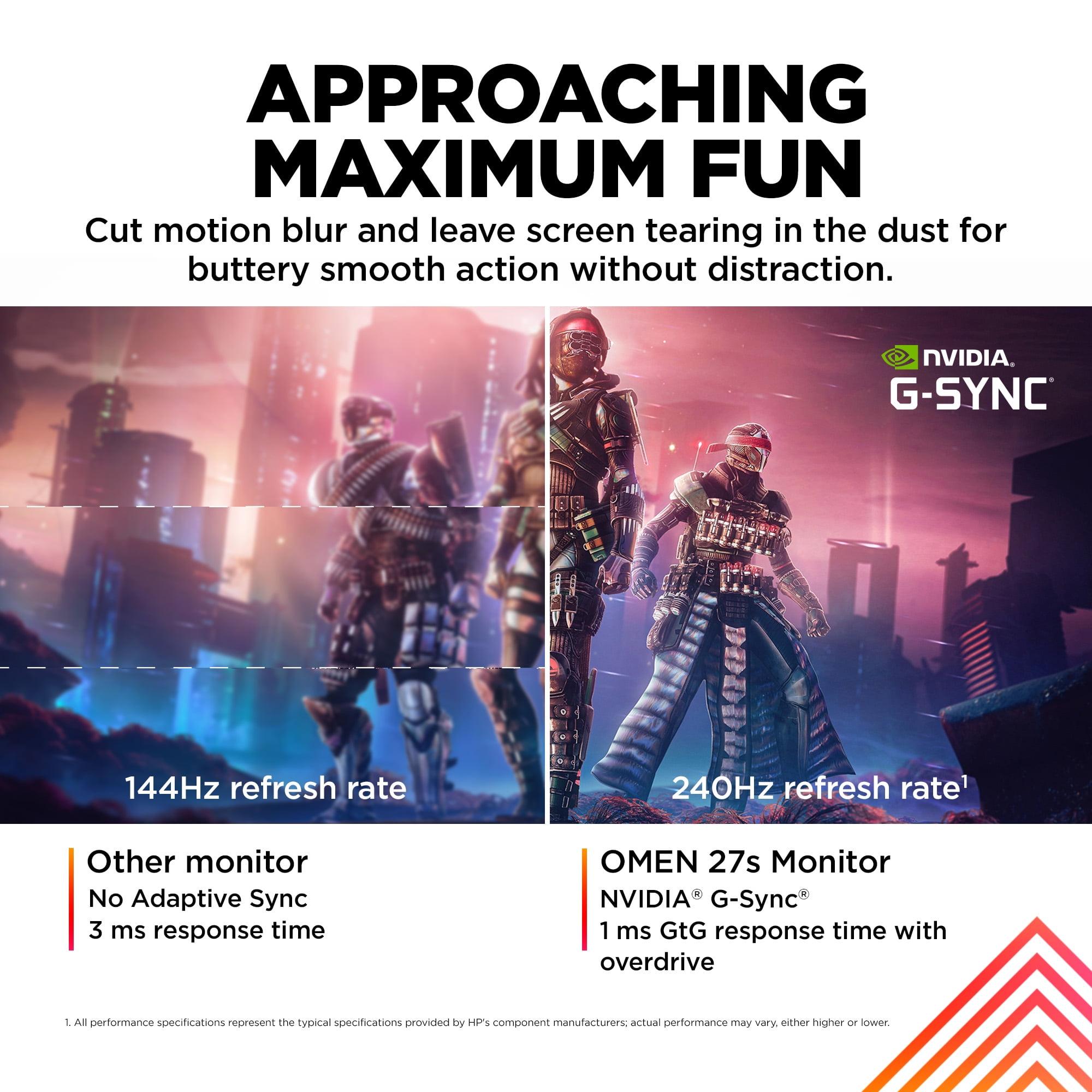
The most obvious difference between these monitors is raw speed. The HP OMEN 27s delivers 240Hz refresh rate with 1ms Gray-to-Gray (GtG) response time when using overdrive—a feature that accelerates pixel transitions at the cost of potentially introducing artifacts. This puts it squarely in the competitive gaming category, offering smooth motion that's dramatically better than standard 60Hz displays.
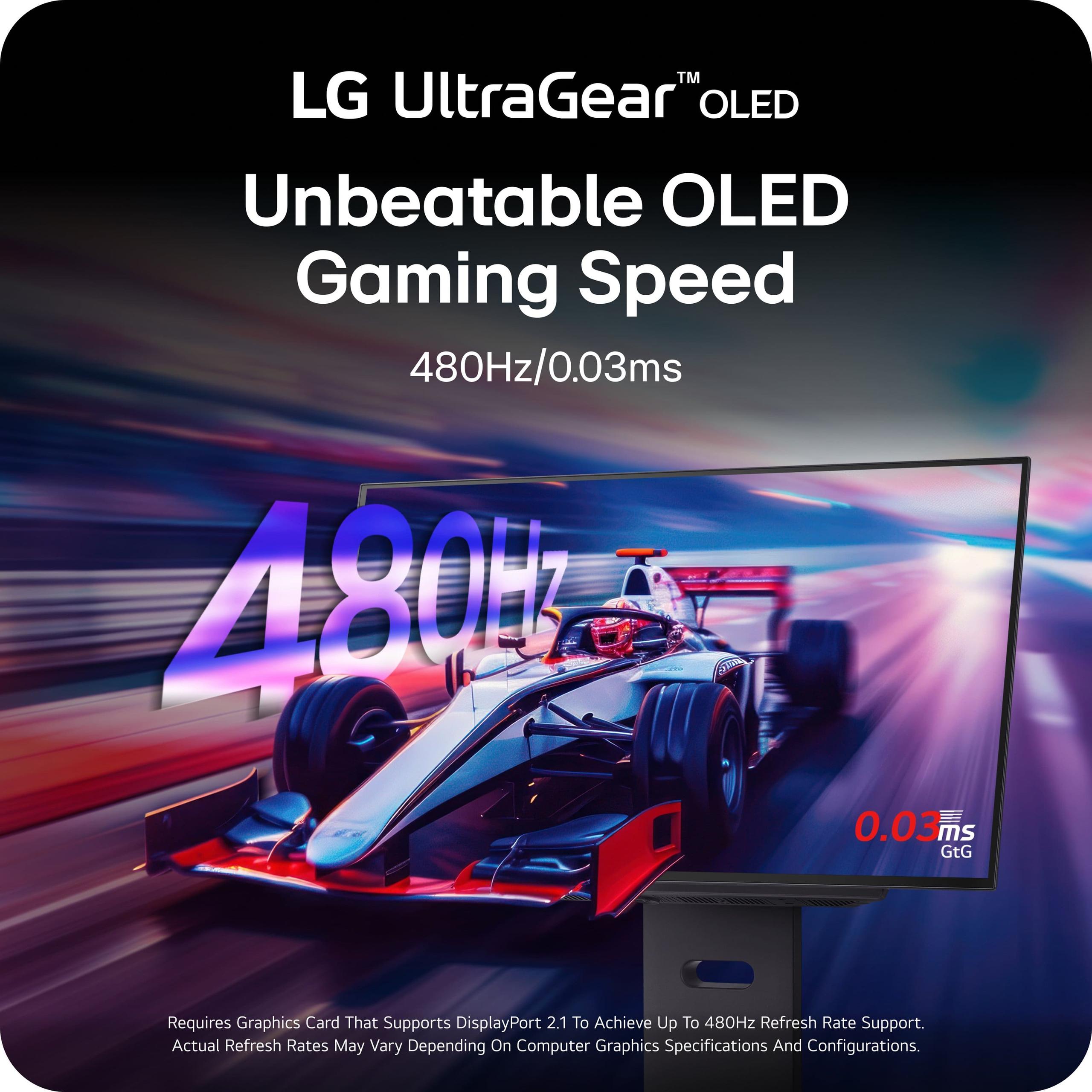
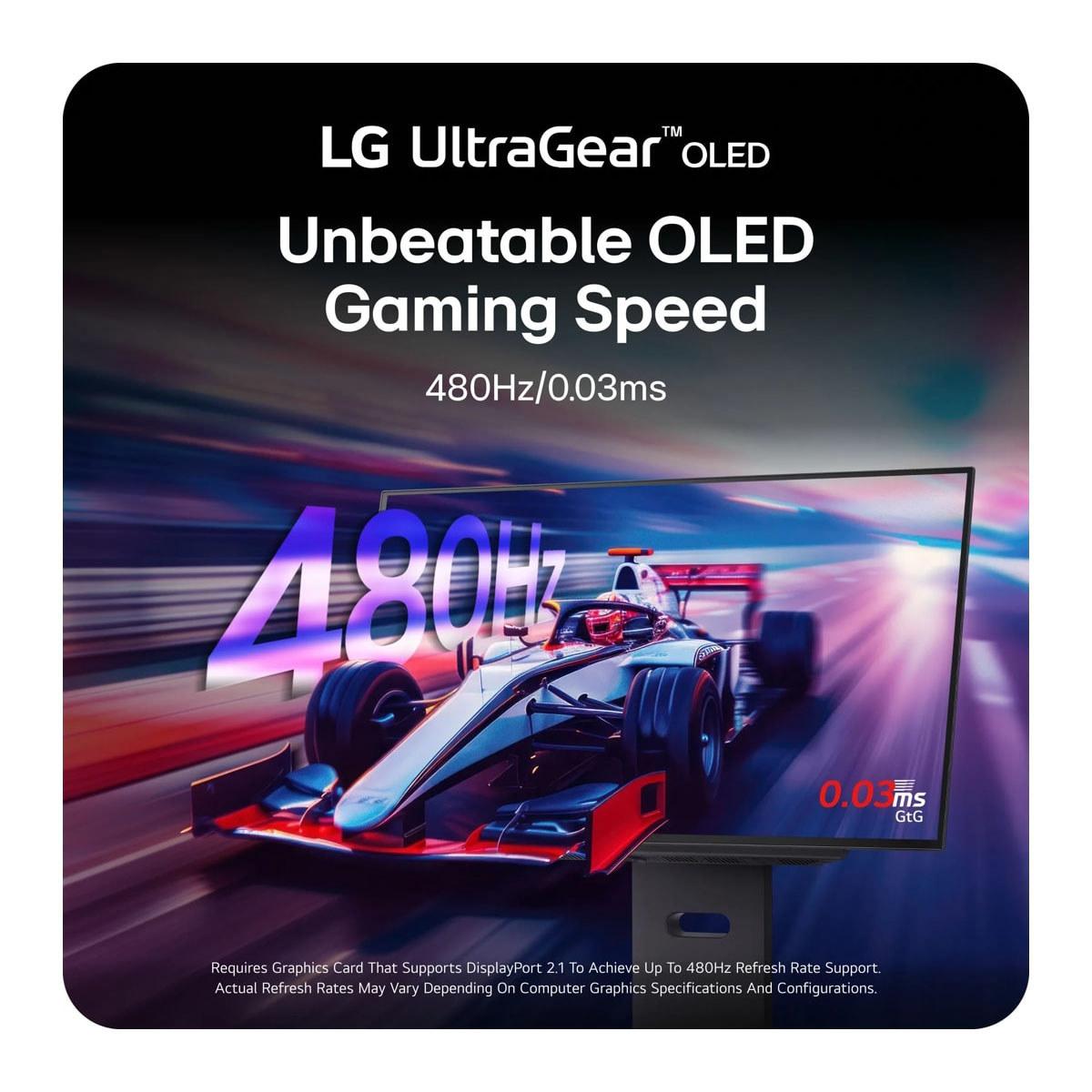
The LG UltraGear OLED absolutely demolishes these numbers with 480Hz refresh rate and 0.03ms response time. To put this in perspective, the OLED is literally 33 times faster in pixel response. In practical terms, this means virtually zero motion blur and the closest thing to instantaneous response you can get from current technology.
But here's where it gets interesting: the human eye can typically perceive differences up to about 240-300Hz, after which the benefits become increasingly subtle. However, competitive esports players often report feeling the difference even beyond these theoretical limits, likely due to reduced input lag and improved motion clarity during rapid camera movements.
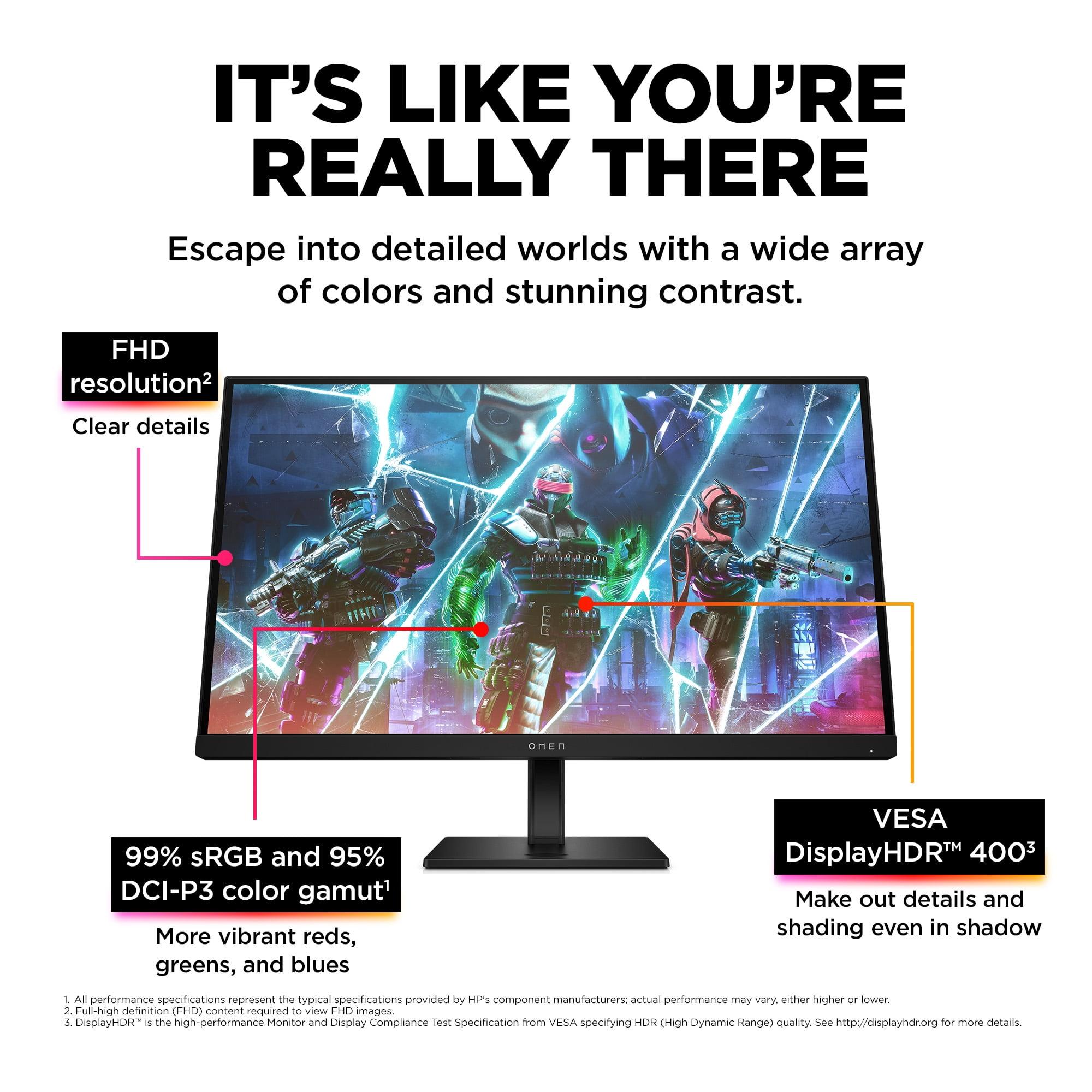
This comparison highlights a classic gaming dilemma. The HP OMEN 27s uses Full HD (1920x1080) resolution, prioritizing frame rates over pixel density. At 27 inches, FHD results in roughly 82 pixels per inch—adequate for gaming but noticeably less sharp than higher-resolution displays for productivity work or media consumption.
The LG UltraGear OLED opts for QHD (2560x1440) resolution, providing 78% more pixels than FHD. This translates to significantly sharper text, more detailed game environments, and better immersion in visually rich titles. At 27 inches, QHD delivers about 109 pixels per inch, hitting the sweet spot for both gaming performance and visual clarity.
The resolution choice directly impacts your hardware requirements. Driving 480Hz at 1440p requires serious GPU power—we're talking RTX 4080 or better for most modern games. The HP OMEN 27s is much more forgiving, allowing mid-range GPUs like the RTX 4060 to achieve high frame rates consistently.
Here's where the fundamental technology differences become apparent. The HP OMEN 27s uses an IPS LCD panel with LED backlighting, delivering consistent brightness across the screen, wide viewing angles, and reliable performance. It covers 99% of the sRGB color space and 95% of DCI-P3, which is excellent for an LCD monitor. The contrast ratio of 1000:1 is typical for IPS panels—decent but not spectacular.
The LG UltraGear OLED operates on an entirely different level. Each pixel produces its own light, resulting in perfect blacks and a contrast ratio of 1,500,000:1. Colors appear more vibrant and accurate, covering 98.5% of DCI-P3. The difference is immediately apparent when viewing dark scenes in games—where LCD displays show gray instead of true black, OLED delivers inky darkness that makes details pop.
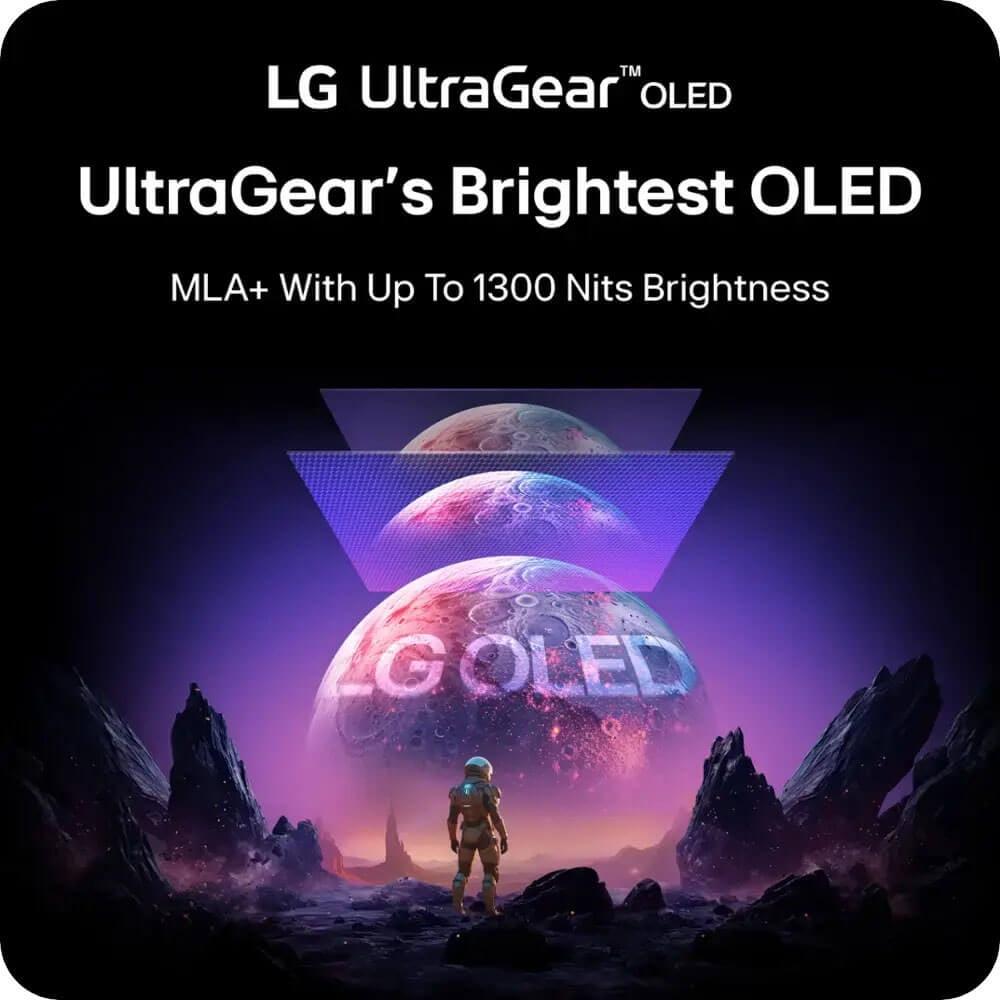
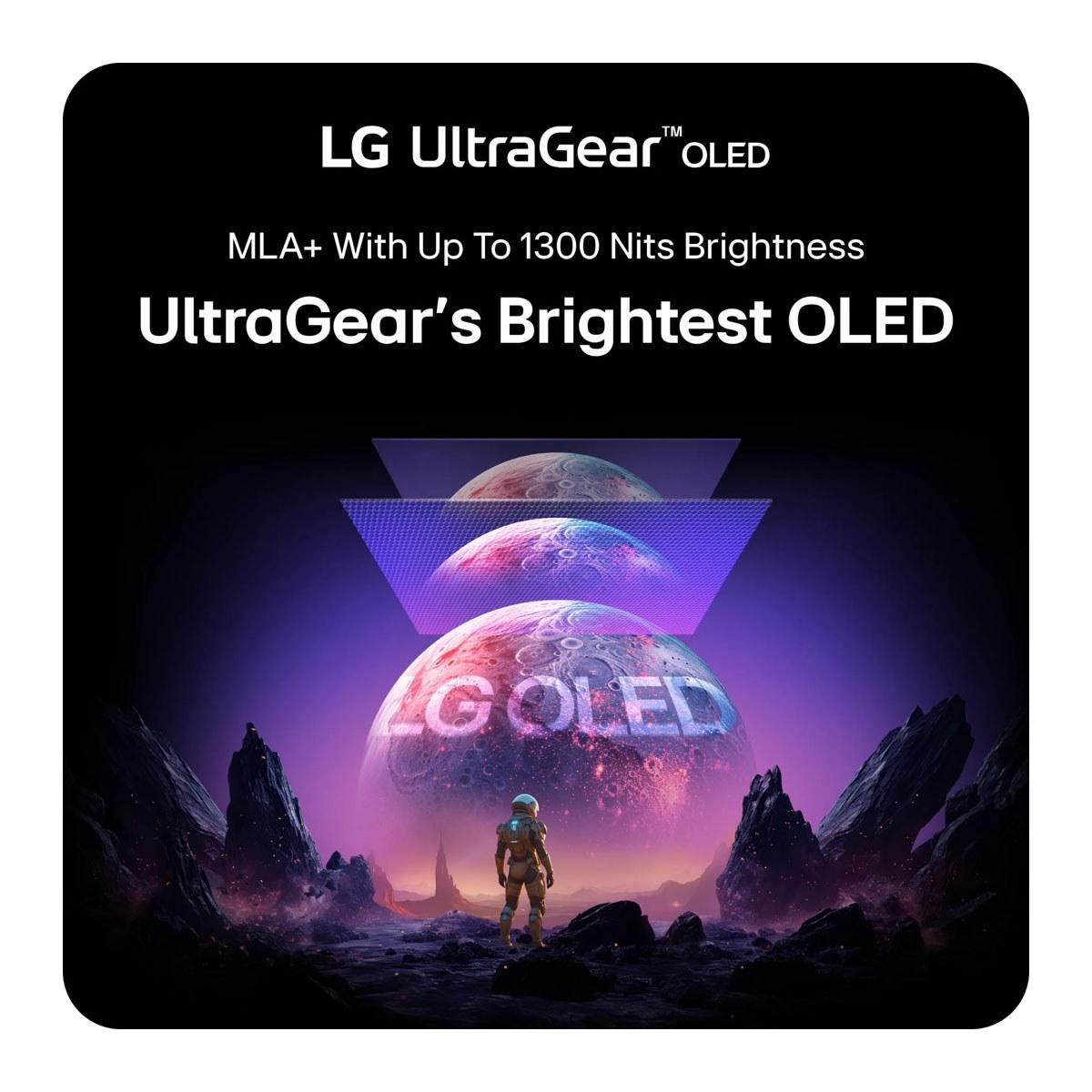
OLED also incorporates Micro Lens Array+ (MLA+) technology, which uses microscopic lenses to direct more light toward the viewer. This addresses OLED's traditional weakness of lower peak brightness compared to LCD, allowing brighter highlights while maintaining those perfect blacks.
The HP OMEN 27s provides solid connectivity with dual HDMI 2.0 ports, DisplayPort 1.4, and a USB hub with two USB-A ports. The USB hub functionality is genuinely useful, allowing you to connect your keyboard, mouse, and other peripherals directly to the monitor. This creates a cleaner desktop setup and makes switching between multiple computers much easier.
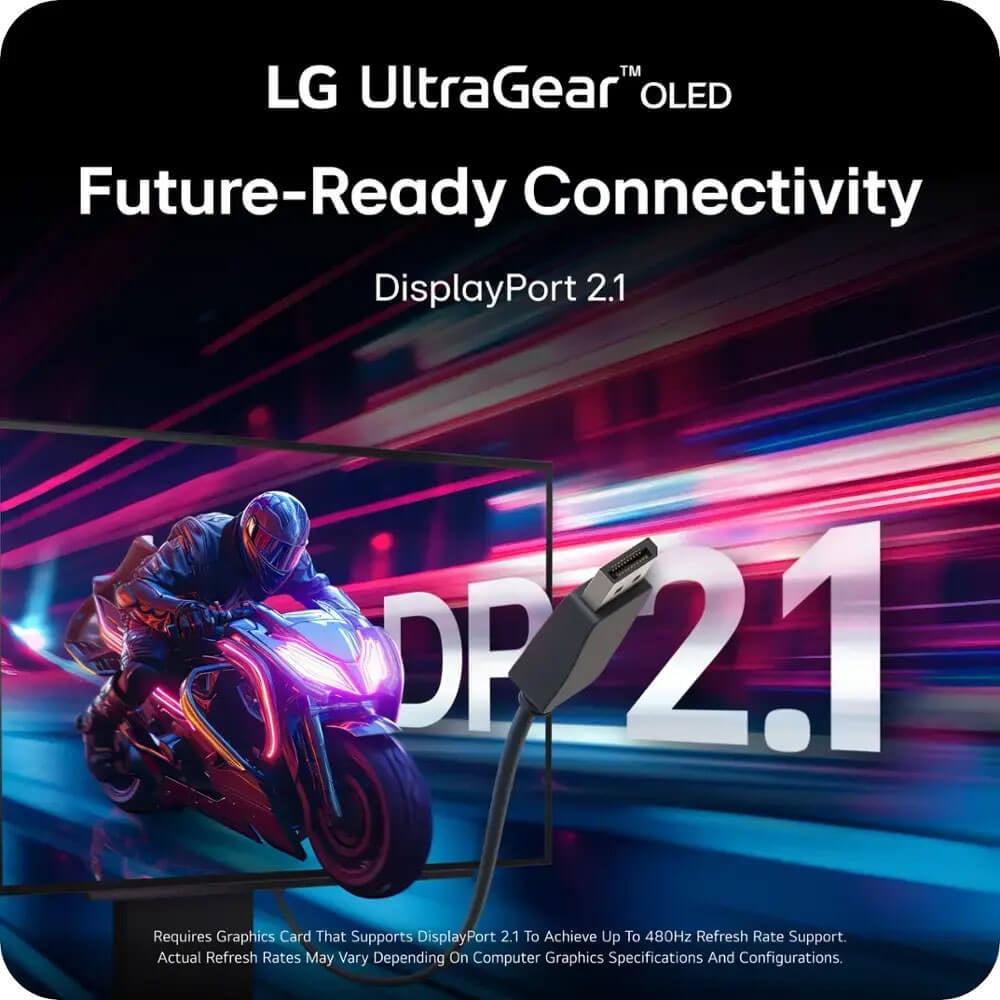
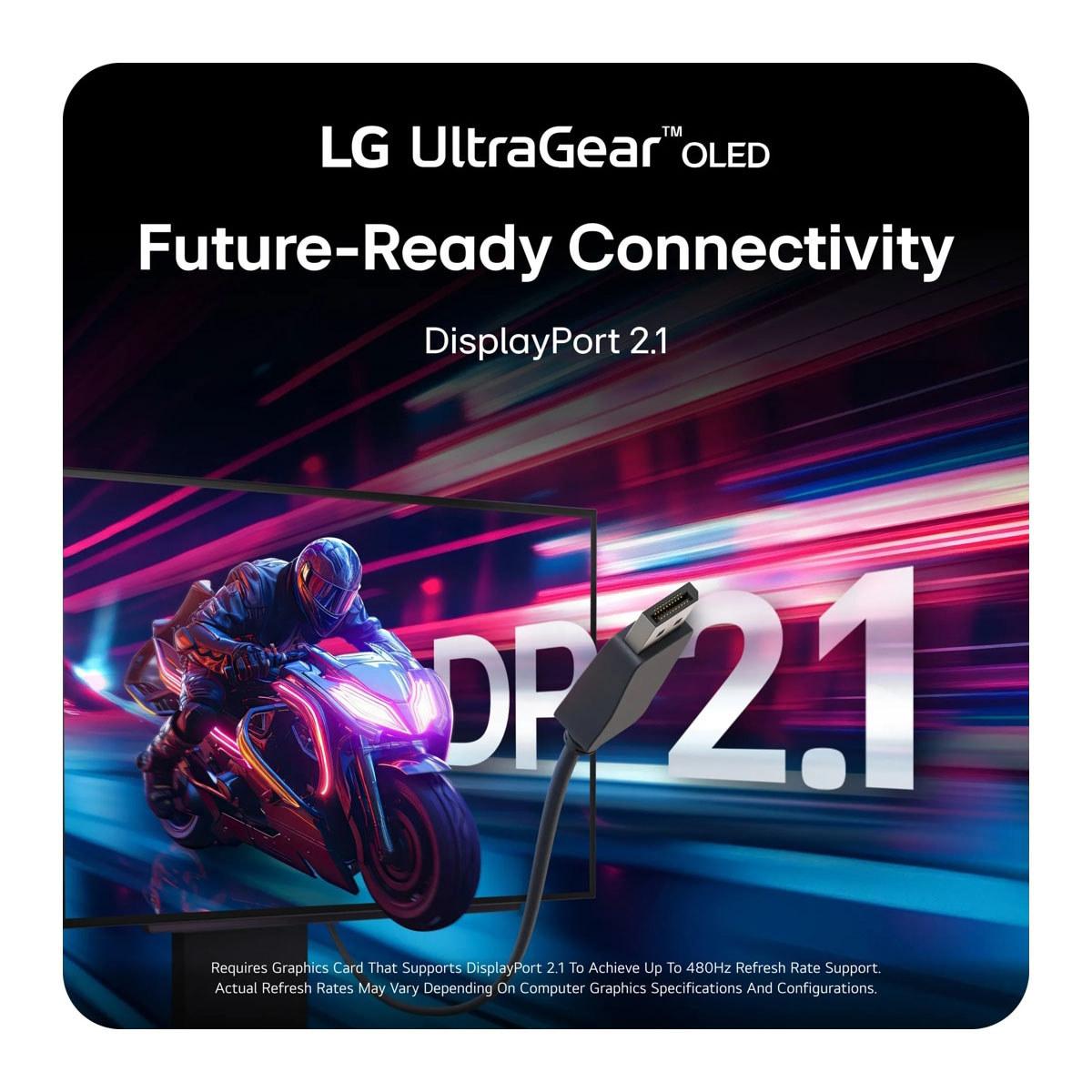
The LG UltraGear OLED takes a more forward-looking approach with DisplayPort 2.1 and dual HDMI 2.1 ports. DisplayPort 2.1 provides significantly more bandwidth than 1.4, eliminating the need for Display Stream Compression (DSC) at high refresh rates and ensuring compatibility with next-generation graphics cards. HDMI 2.1 also enables full performance with gaming consoles like the PlayStation 5 and Xbox Series X.
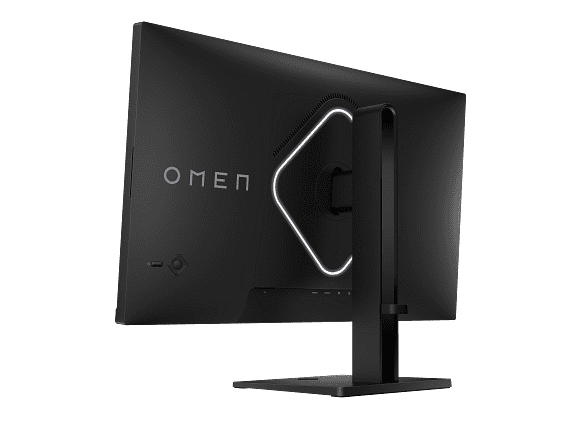
The HP OMEN 27s includes built-in speakers, RGB backlighting, and comprehensive software integration through HP's OMEN Gaming Hub. While the speakers won't replace a good headset for competitive gaming, they're convenient for casual use and eliminate the need for external speakers in budget builds. The RGB lighting and software customization appeal to gamers who want their setup to match their aesthetic preferences.
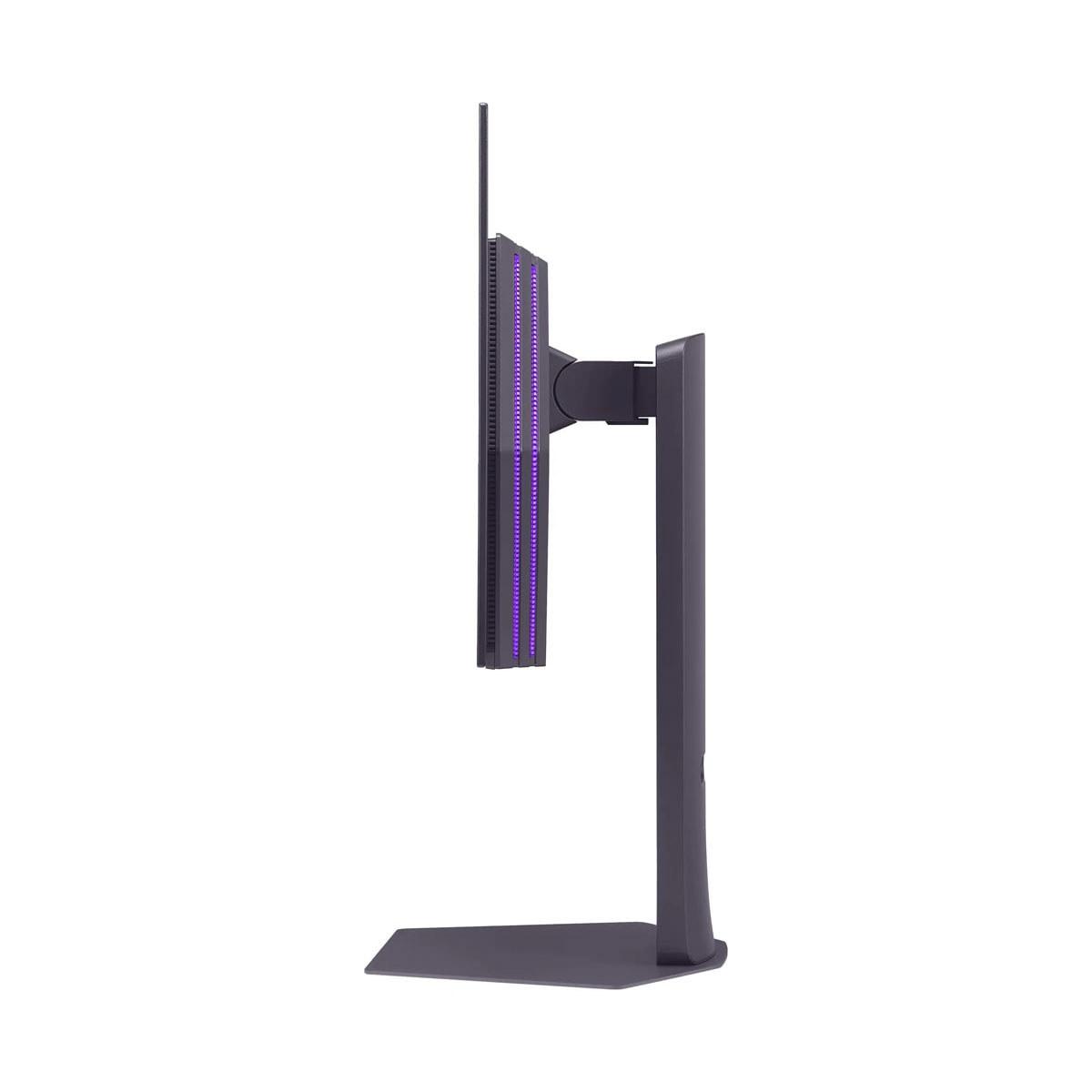
The LG UltraGear OLED takes a more minimalist approach, focusing purely on display performance. There are no built-in speakers, and the design prioritizes the ultra-thin OLED panel aesthetic. This means you'll need external audio solutions, but it also keeps costs from inflating further and allows serious gamers to choose their preferred audio setup.
For competitive esports titles like Counter-Strike 2, Valorant, or Overwatch 2, the LG UltraGear OLED provides measurable advantages. The 480Hz refresh rate and 0.03ms response time create the most responsive gaming experience currently available. Professional players and high-level competitive gamers often report improved tracking accuracy and faster reaction times when upgrading to ultra-high refresh rate displays.
However, the HP OMEN 27s shouldn't be dismissed. Its 240Hz refresh rate is still more than adequate for competitive gaming, and many professional esports players compete successfully on similar specifications. The FHD resolution also means higher frame rates are easier to achieve, which can be crucial when every frame counts.
For story-driven games, RPGs, and visually spectacular titles, the LG UltraGear OLED excels. The superior contrast ratio and color accuracy make games like Cyberpunk 2077 or Red Dead Redemption 2 look stunning. The QHD resolution provides enough detail to appreciate artistic elements while maintaining smooth performance on capable hardware.
The HP OMEN 27s handles these games well too, though the FHD resolution may feel limiting on a 27-inch display for games where visual fidelity matters. The lower resolution does mean you can push higher settings or achieve better frame rates with more modest graphics cards.
Neither monitor is primarily designed for home theater use, but they can serve double duty in certain scenarios. The LG UltraGear OLED actually makes a compelling case for movie watching, thanks to its perfect blacks and accurate colors. OLED technology excels at displaying HDR content, making it suitable for streaming high-quality movies and shows when gaming isn't the priority.
The HP OMEN 27s includes built-in speakers, which is convenient for casual media consumption, but the IPS LCD panel doesn't deliver the same cinematic experience as OLED. However, it's perfectly adequate for streaming content and eliminates the need for external speakers in smaller setups.
At the time of writing, the HP OMEN 27s sits in the upper-mid-range pricing bracket, offering exceptional value for gamers who want high refresh rate gaming without premium pricing. When you factor in the built-in features like speakers, USB hub, and RGB lighting, it provides a complete gaming package that keeps total system costs reasonable.
The LG UltraGear OLED commands significantly higher pricing—roughly 80% more expensive at launch. However, it delivers technology that was previously unavailable at any price point. The 480Hz OLED combination represents the current state-of-the-art in gaming displays, and early adopters always pay premium prices for cutting-edge technology.
LCD technology in the HP OMEN 27s is mature and reliable. IPS panels typically last many years without significant degradation, and there are no special considerations for long-term use. The worst-case scenario is gradual backlight dimming over 5-7 years of heavy use.
OLED technology requires more careful consideration. While modern OLEDs have significantly improved burn-in resistance compared to early generations, static elements displayed for extended periods can still cause permanent image retention. The LG UltraGear OLED includes OLED Care features and pixel cleaning routines to minimize this risk, plus a 2-year warranty specifically covering OLED-related issues.
For users who leave their monitors on for long periods or frequently display static content like desktop interfaces, the LCD option provides more peace of mind. Gamers who primarily use their displays for gaming sessions and turn them off when not in use will likely have no issues with modern OLED panels.
The HP OMEN 27s makes the most sense for mainstream competitive gamers who want excellent performance without breaking the bank. If you're playing esports titles on a mid-range gaming PC (RTX 4060-4070 class), prioritize value, and appreciate having everything you need in one package, this is the clear choice. It's also ideal for gamers who play a variety of genres and want a versatile monitor that handles everything well.
The LG UltraGear OLED targets serious enthusiasts and competitive players who demand the absolute best performance available. If you have high-end hardware (RTX 4080 or better), compete at high levels in esports, or simply want the most advanced gaming display technology available, the premium pricing becomes justifiable. It's also perfect for gamers who value visual quality and plan to use their monitor for content consumption alongside gaming.
These monitors represent two valid but different approaches to gaming displays. The HP OMEN 27s delivers exceptional value, providing 90% of the performance at roughly 55% of the cost when compared to premium alternatives. It's the smart choice for most gamers and offers a complete, well-rounded package.
The LG UltraGear OLED pushes the boundaries of what's possible, offering performance that simply wasn't available until recently. While expensive, it provides a glimpse into the future of gaming displays and delivers measurable competitive advantages for those willing to pay for cutting-edge technology.
Your choice ultimately depends on your priorities, budget, and the level of performance you truly need. Both monitors will serve serious gamers well, but they target different points on the value-versus-performance spectrum.
| HP OMEN 27s FHD 240Hz Gaming Monitor | LG UltraGear 27" OLED QHD 480Hz Gaming Monitor |
|---|---|
| Display Technology - Determines contrast, colors, and long-term reliability | |
| IPS LCD with LED backlight (proven reliability, no burn-in risk) | WOLED with Micro Lens Array+ (perfect blacks, superior colors, potential burn-in) |
| Refresh Rate - Higher rates provide smoother motion and competitive advantage | |
| 240Hz (excellent for competitive gaming, works with mid-range GPUs) | 480Hz (cutting-edge performance, requires high-end GPU to utilize fully) |
| Response Time - Lower times reduce motion blur and ghosting | |
| 1ms GtG with Overdrive (very fast, may introduce artifacts) | 0.03ms GtG (essentially instantaneous, no artifacts) |
| Resolution - Balances visual detail with performance demands | |
| FHD 1920x1080 (prioritizes frame rates, adequate sharpness at 27") | QHD 2560x1440 (78% more detail, harder to drive at high refresh rates) |
| Contrast Ratio - Affects depth and realism of dark scenes | |
| 1000:1 typical LCD (decent blacks, some backlight bleed) | 1,500,000:1 infinite OLED (perfect blacks, dramatic visual improvement) |
| Peak Brightness - Important for HDR content and bright room use | |
| 400 nits (good for most lighting conditions) | Up to 1300 nits in highlights (excellent HDR, bright room performance) |
| Color Coverage - Determines color accuracy and vibrancy | |
| 99% sRGB, 95% DCI-P3 (excellent for LCD technology) | 98.5% DCI-P3 (superior accuracy, more vibrant colors) |
| Connectivity - Future-proofing and device compatibility | |
| HDMI 2.0 x2, DisplayPort 1.4, USB hub (solid current-gen support) | HDMI 2.1 x2, DisplayPort 2.1 (next-gen ready, higher bandwidth) |
| Built-in Features - Convenience and total package value | |
| Dual speakers, RGB lighting, OMEN Gaming Hub software | No speakers, minimal extras (focused on pure display performance) |
| Adaptive Sync - Eliminates screen tearing across GPU brands | |
| NVIDIA G-SYNC Compatible, AMD FreeSync Premium | NVIDIA G-SYNC Compatible, AMD FreeSync Premium Pro |
| HDR Support - Enhanced contrast and color range | |
| VESA DisplayHDR 400 (entry-level HDR experience) | VESA DisplayHDR True Black 400 (true HDR with perfect blacks) |
| Ergonomics - Adjustability for comfortable positioning | |
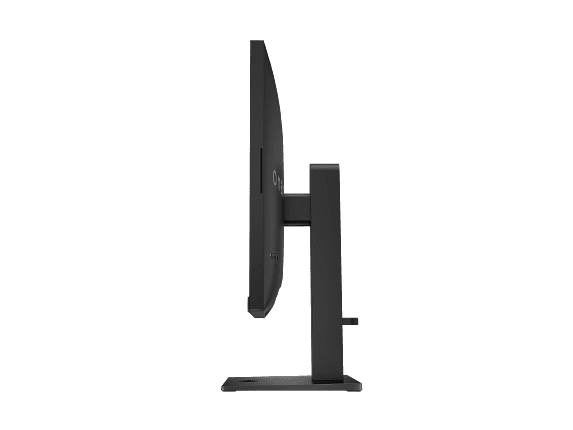
| Height, tilt, swivel, pivot, VESA mount compatible | Height, tilt, swivel, pivot, VESA mount compatible |
| Warranty Coverage - Protection for display technology risks | |
| 1 year standard warranty (minimal OLED-specific concerns) | 2 year OLED warranty with burn-in protection (addresses technology risks) |
The LG UltraGear 27" OLED offers superior competitive gaming performance with its 480Hz refresh rate and 0.03ms response time, providing the fastest possible response for esports titles. However, the HP OMEN 27s delivers excellent competitive gaming at 240Hz for significantly less money, making it the better value choice for most competitive players.
The primary difference is display technology and performance level. The HP OMEN 27s uses traditional IPS LCD technology with 240Hz refresh rate, while the LG UltraGear 27" OLED uses cutting-edge OLED technology with 480Hz refresh rate. The OLED offers superior image quality and faster response times but costs significantly more.
The LG UltraGear 27" OLED delivers dramatically better image quality with perfect blacks, infinite contrast ratio, and more vibrant colors thanks to OLED technology. The HP OMEN 27s provides good IPS image quality, but cannot match OLED's contrast and color performance.
Yes, but requirements differ significantly. The HP OMEN 27s works well with mid-range GPUs like RTX 4060/4070 due to its FHD resolution. The LG UltraGear 27" OLED requires high-end GPUs (RTX 4080 or better) to fully utilize its 480Hz refresh rate at QHD resolution.
The HP OMEN 27s offers exceptional value with 240Hz gaming performance, built-in speakers, USB hub, and RGB lighting at a much lower price point. While the LG UltraGear 27" OLED provides cutting-edge technology, it costs significantly more for performance gains that may not be noticeable to all users.
The HP OMEN 27s uses proven LCD technology with no burn-in risk and typically lasts many years. The LG UltraGear 27" OLED has potential burn-in concerns with static images, though modern OLEDs are much more resistant and include a 2-year warranty covering OLED-specific issues.
The LG UltraGear 27" OLED offers superior future-proofing with DisplayPort 2.1 and dual HDMI 2.1 ports for next-generation devices. The HP OMEN 27s provides solid current-generation connectivity plus useful extras like a USB hub for connecting peripherals.
Both work for general use, but with different strengths. The HP OMEN 27s includes built-in speakers and covers productivity needs well. The LG UltraGear 27" OLED excels for media consumption with superior contrast and colors, but requires external speakers and has higher resolution for sharper text.
The LG UltraGear 27" OLED is better for console gaming with its HDMI 2.1 ports supporting full PS5/Xbox Series X capabilities and superior HDR performance. The HP OMEN 27s works with consoles but is limited by HDMI 2.0 bandwidth and lower resolution.
Both support HDR, but quality differs significantly. The HP OMEN 27s offers basic HDR 400 support adequate for most content. The LG UltraGear 27" OLED provides true HDR experience with DisplayHDR True Black 400, delivering much better contrast and color range in HDR games.
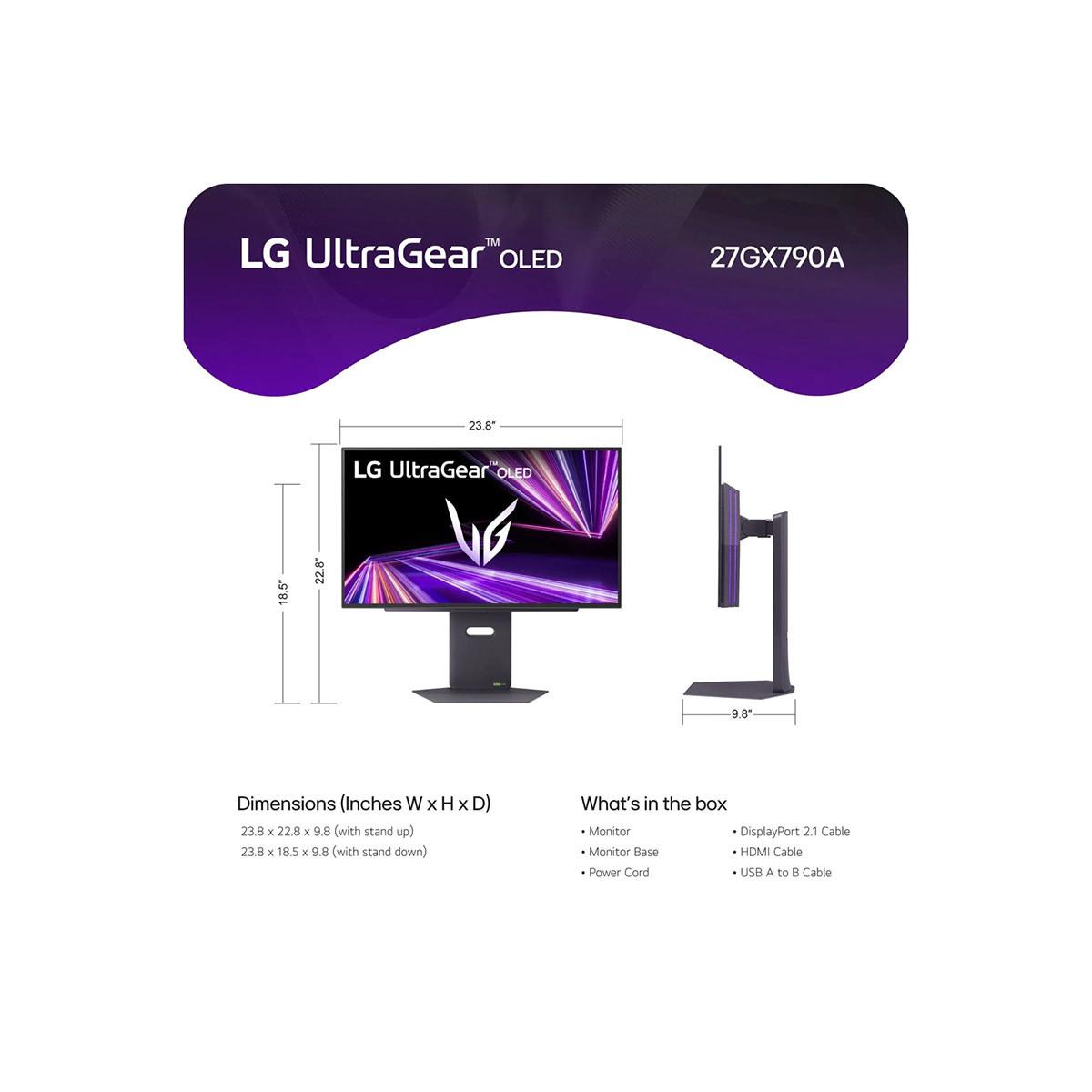
Both have similar 27-inch footprints, but the LG UltraGear 27" OLED is much thinner due to OLED technology. The HP OMEN 27s includes more built-in features like speakers and USB ports, reducing need for additional desk accessories.
Choose the HP OMEN 27s if you want excellent gaming performance with great value, built-in features, and reliable technology. Choose the LG UltraGear 27" OLED if you demand the absolute best gaming performance, have high-end hardware, and prioritize cutting-edge display technology over budget considerations.
We've done our best to create useful and informative comparisons to help you decide what product to buy. Our research uses advanced automated methods to create this comparison and perfection is not possible - please contact us for corrections or questions. These are the sites we've researched in the creation of this article: bestbuy.com - hp.com - shi.com - hp.com - bestbuy.com - hp.com - tomshardware.com - hp.com - rtings.com - hp.com - displayspecifications.com - support.hp.com - publicsector.shidirect.com - objects.icecat.biz - files.bbystatic.com - hp.com - displayspecifications.com - bestbuy.com - bhphotovideo.com - engadget.com - newegg.com - youtube.com - bestbuy.com - techpowerup.com - techpowerup.com - rtings.com - lg.com - lgnewsroom.com - rtings.com - bestbuy.com - jonesapplianceandtv.com - thefrogpadappliances.com - lg.com - lg.com - lg.com - techpowerup.com - lg.com - lg.com

Privacy Policy
Terms and Conditions - Affiliate Policy
Home Security
© Copyright 2008-2026.
11816 Inwood Rd #1211, Dallas, TX 75244