

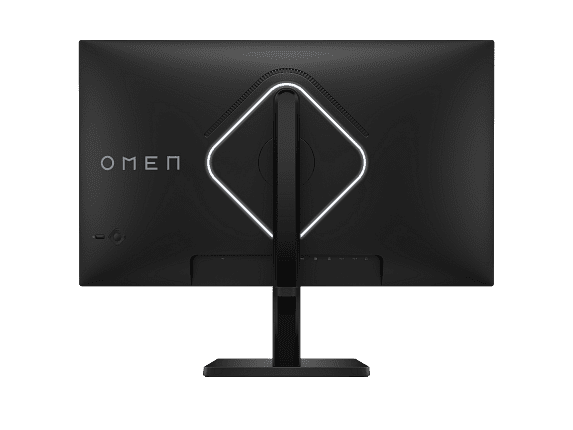
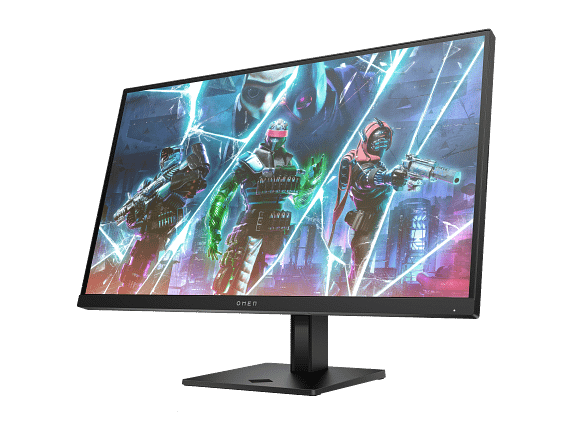
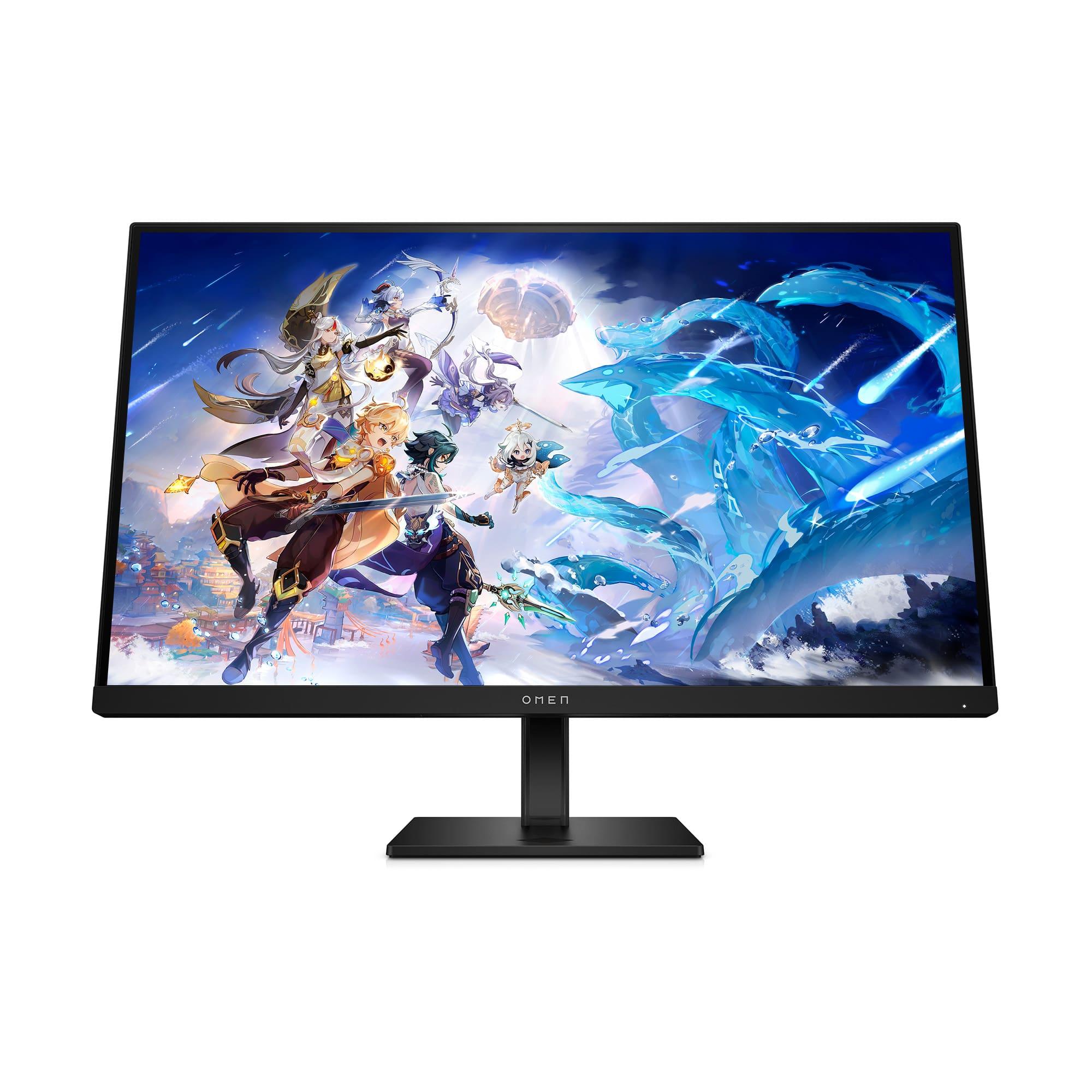
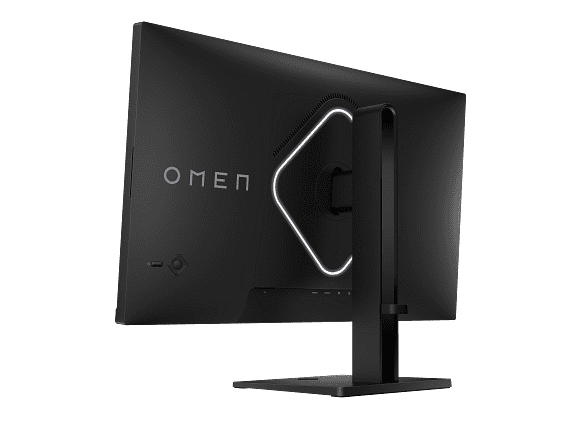
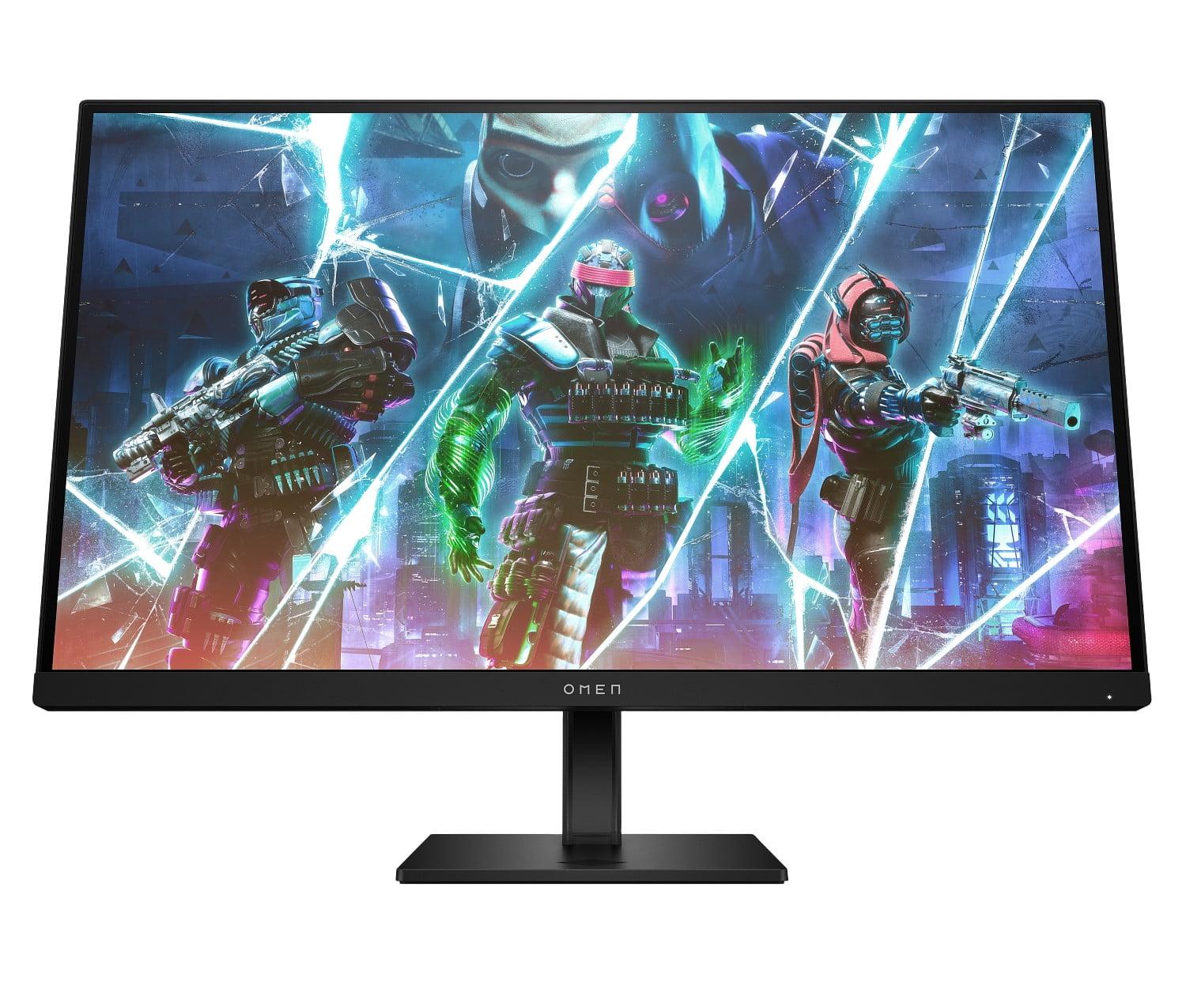
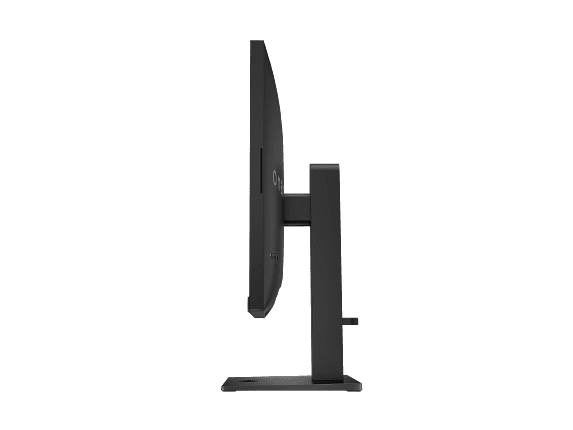

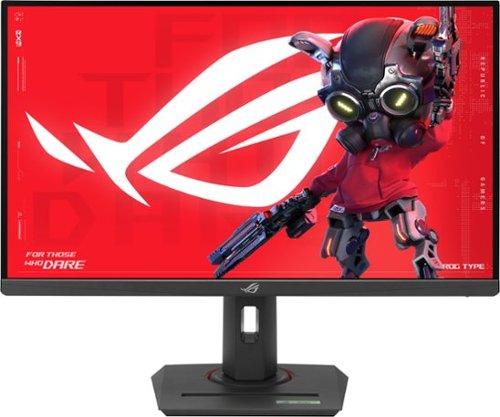
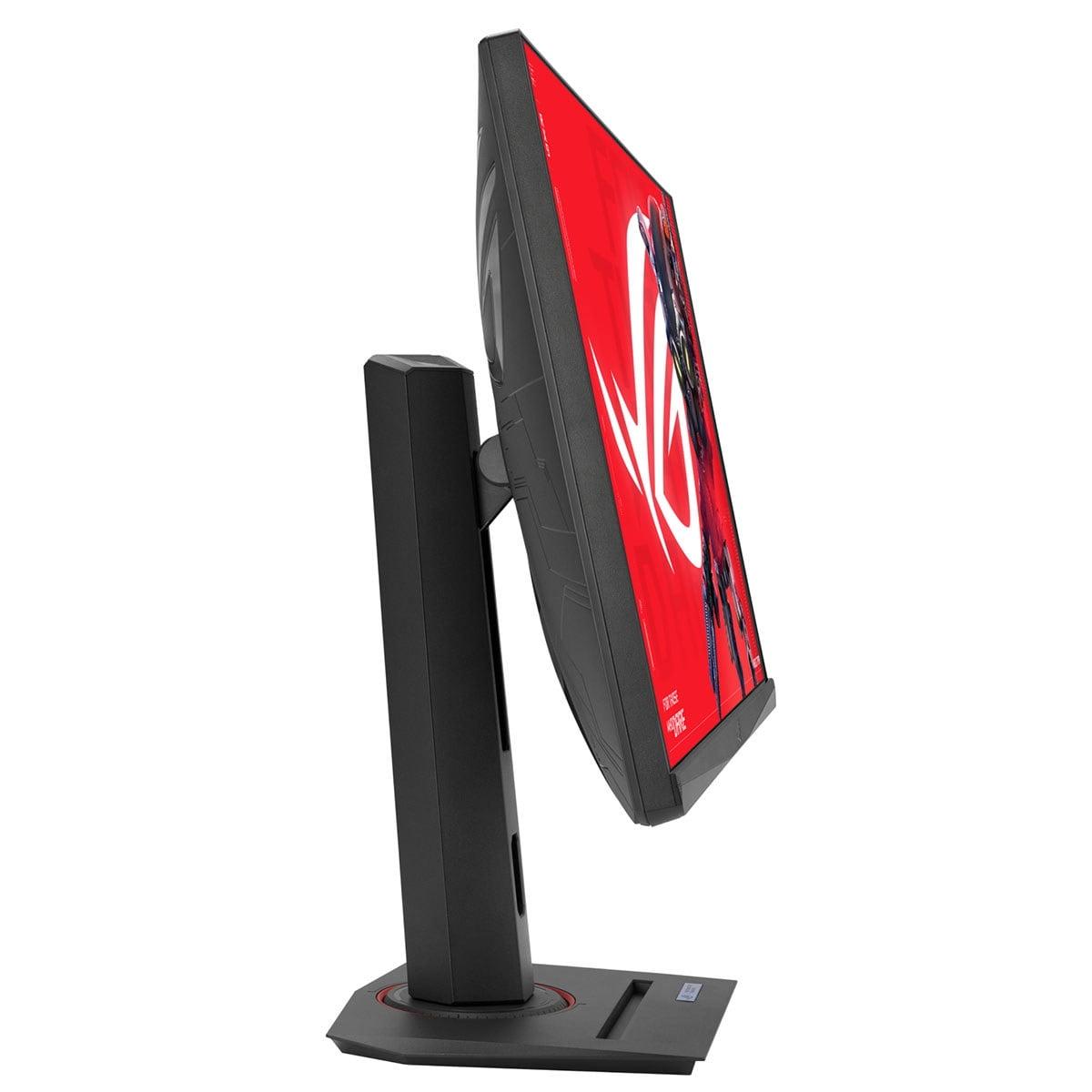
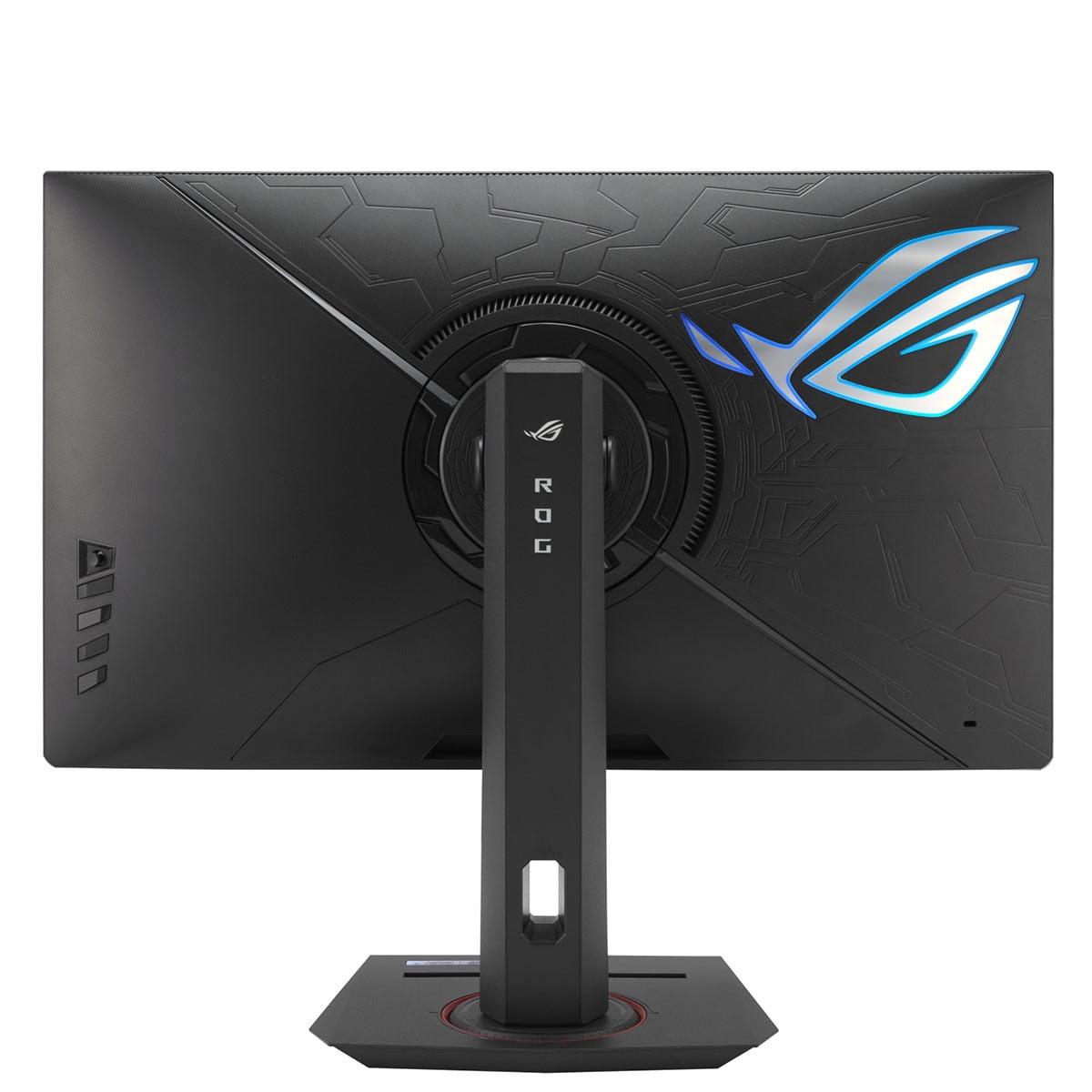
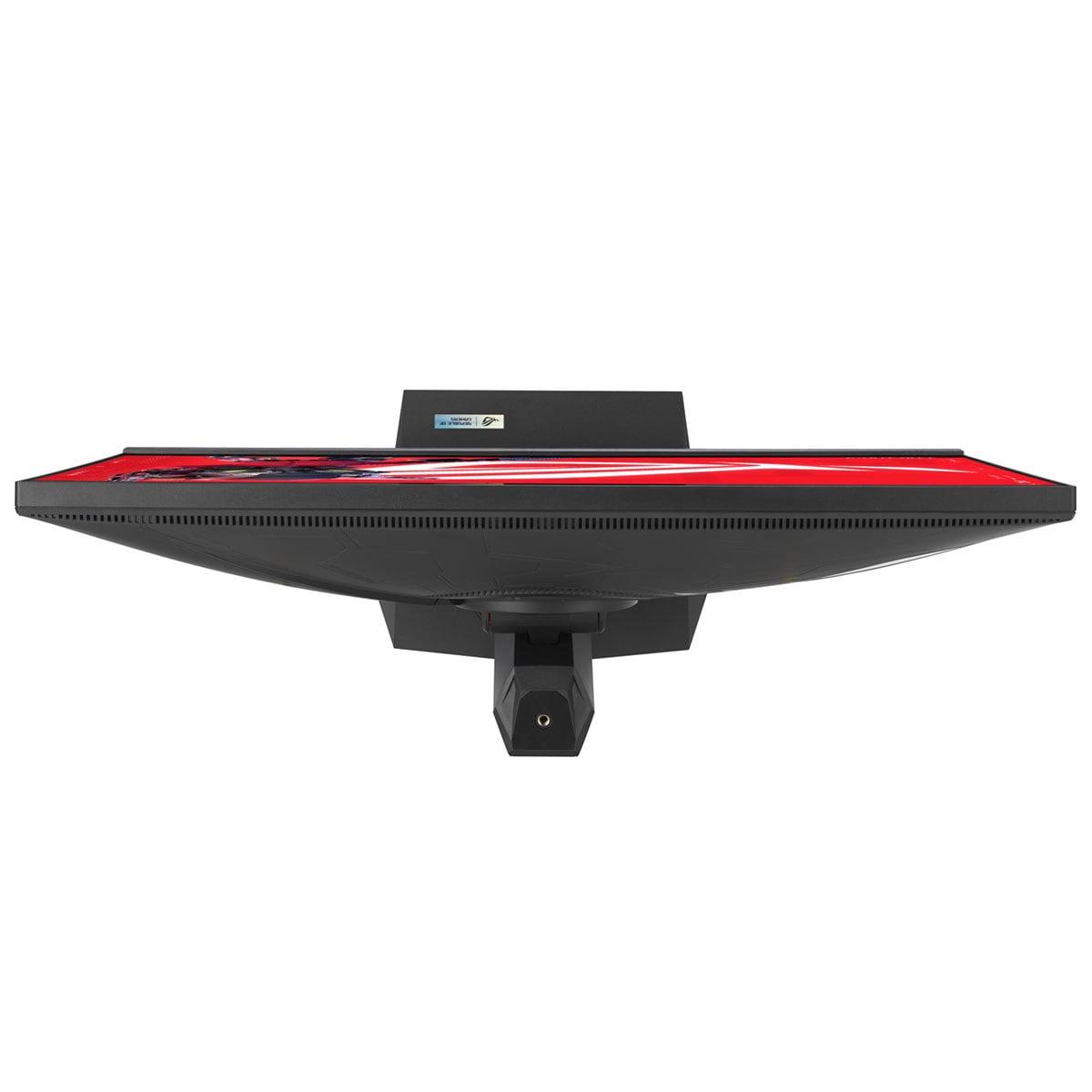
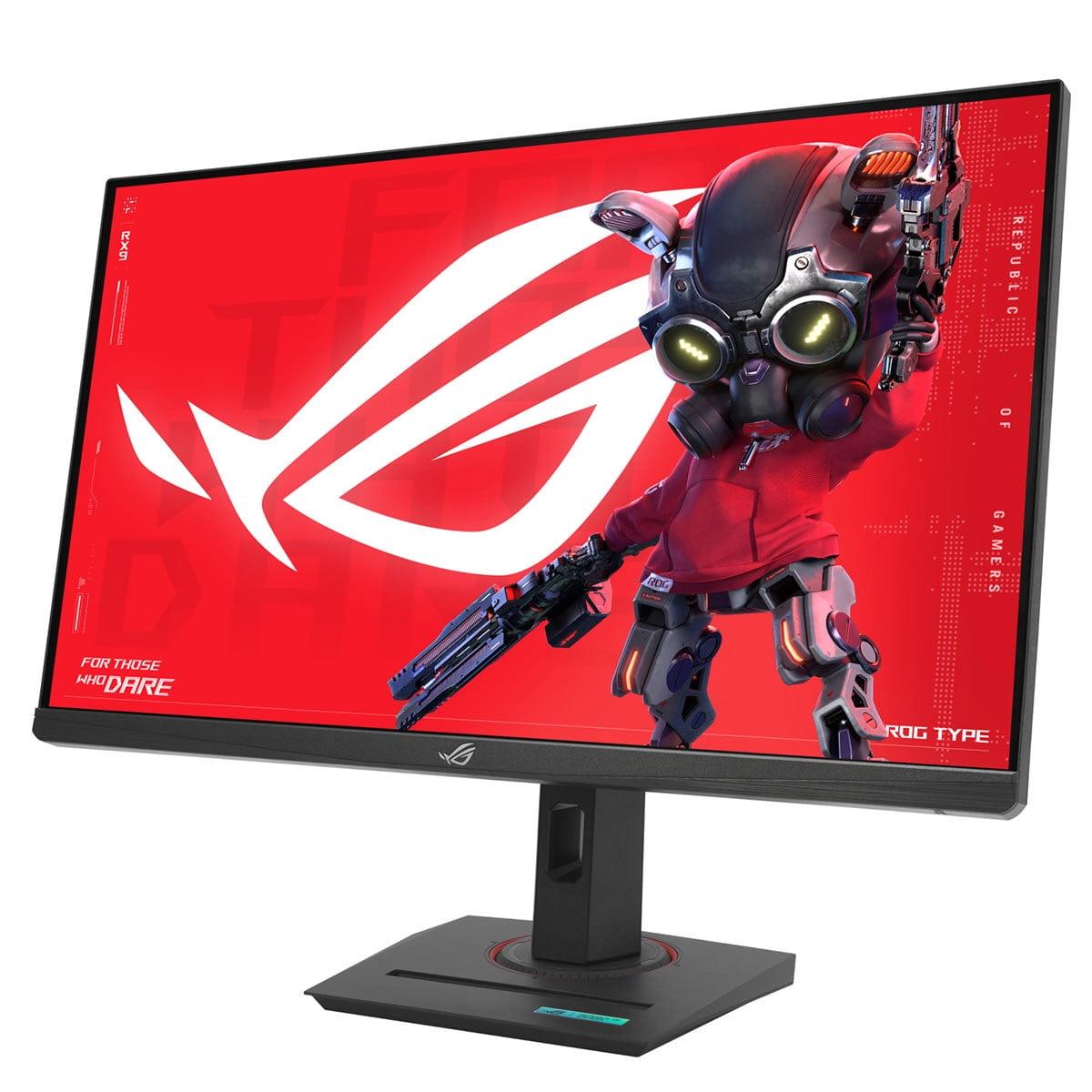
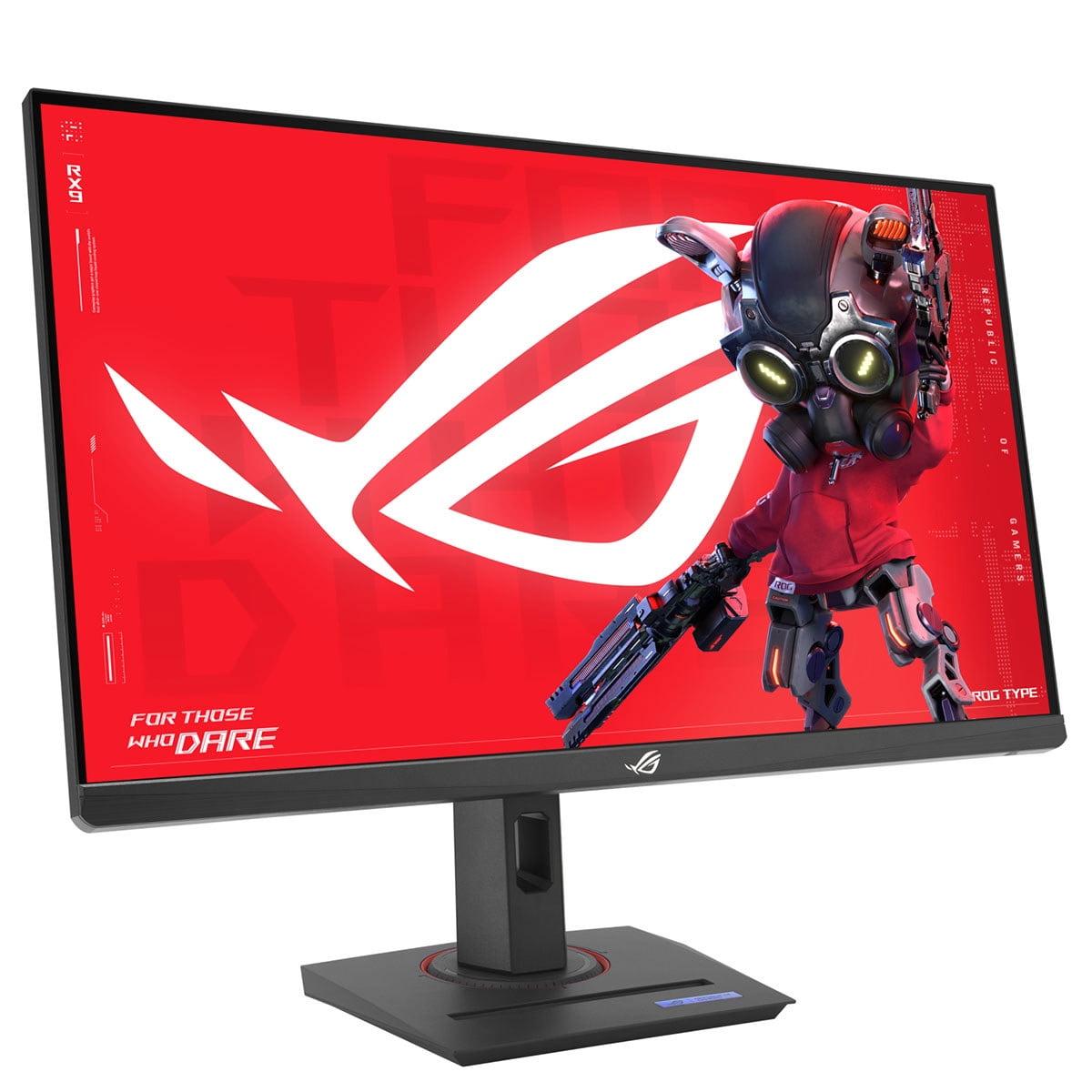
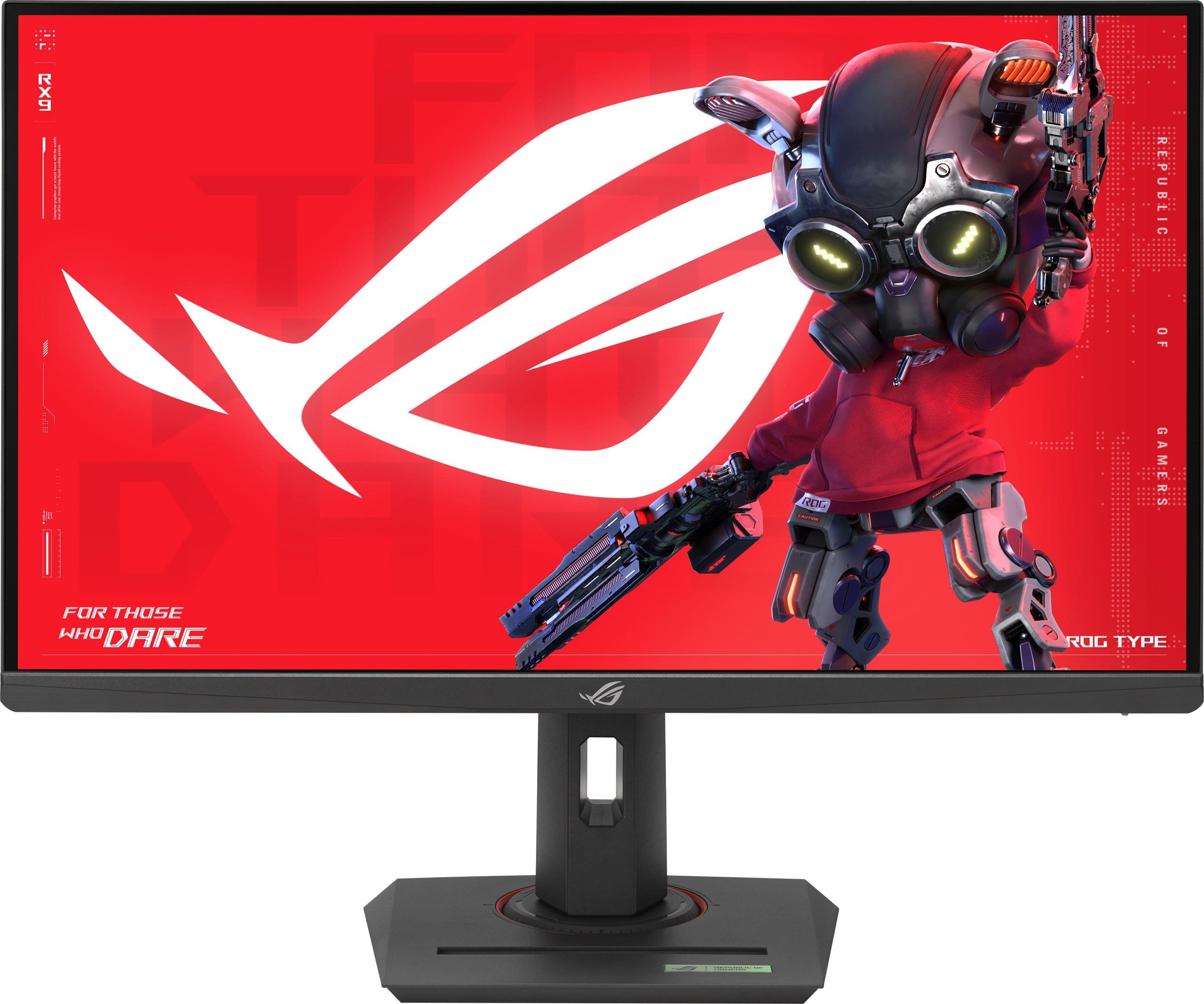
Gaming monitors have become the cornerstone of any serious gaming setup, and choosing the right one can make the difference between victory and defeat – literally. Today we're diving deep into two compelling 27-inch gaming monitors that represent different philosophies in gaming display design: the HP OMEN 27s and the ASUS ROG Strix XG27ACMG.
Both monitors hit the market in recent years, with the HP OMEN 27s launching in 2023 and the ASUS XG27ACMG following in 2024. This timing is significant because it represents the current peak of gaming monitor technology, where manufacturers have finally cracked the code on delivering both blazing-fast refresh rates and excellent image quality without breaking the bank.
Before we dive into the specifics, let's establish what actually matters in a gaming monitor. The most critical factors are refresh rate (how many times per second the screen updates), response time (how quickly pixels can change colors), resolution (the number of pixels on screen), and adaptive sync technology (which prevents screen tearing by matching your monitor's refresh rate to your graphics card's output).
Think of refresh rate like frames per second in a movie – the higher it goes, the smoother motion appears. Response time is like reaction speed; faster means less ghosting when things move quickly across the screen. Resolution determines how sharp and detailed everything looks, while adaptive sync ensures your games look smooth even when frame rates fluctuate.
The gaming monitor landscape has evolved dramatically over the past few years. Where 144Hz was once considered premium, we're now seeing 240Hz and even 270Hz becoming mainstream. Similarly, what used to require expensive TN panels for speed can now be achieved with IPS technology, which offers better colors and viewing angles.
Here's where these monitors take fundamentally different approaches. The HP OMEN 27s sticks with Full HD (1920x1080) resolution, while the ASUS XG27ACMG steps up to QHD (2560x1440). This isn't just a numbers game – it's a philosophy difference that affects everything from gaming performance to productivity use.
The ASUS monitor delivers 78% more pixels than the HP model, which translates to noticeably sharper text, crisper game details, and more screen real estate for multitasking. At 27 inches, Full HD results in roughly 82 pixels per inch, while QHD bumps that up to 109 PPI. The difference is immediately apparent when you're reading text or looking at fine details in games.
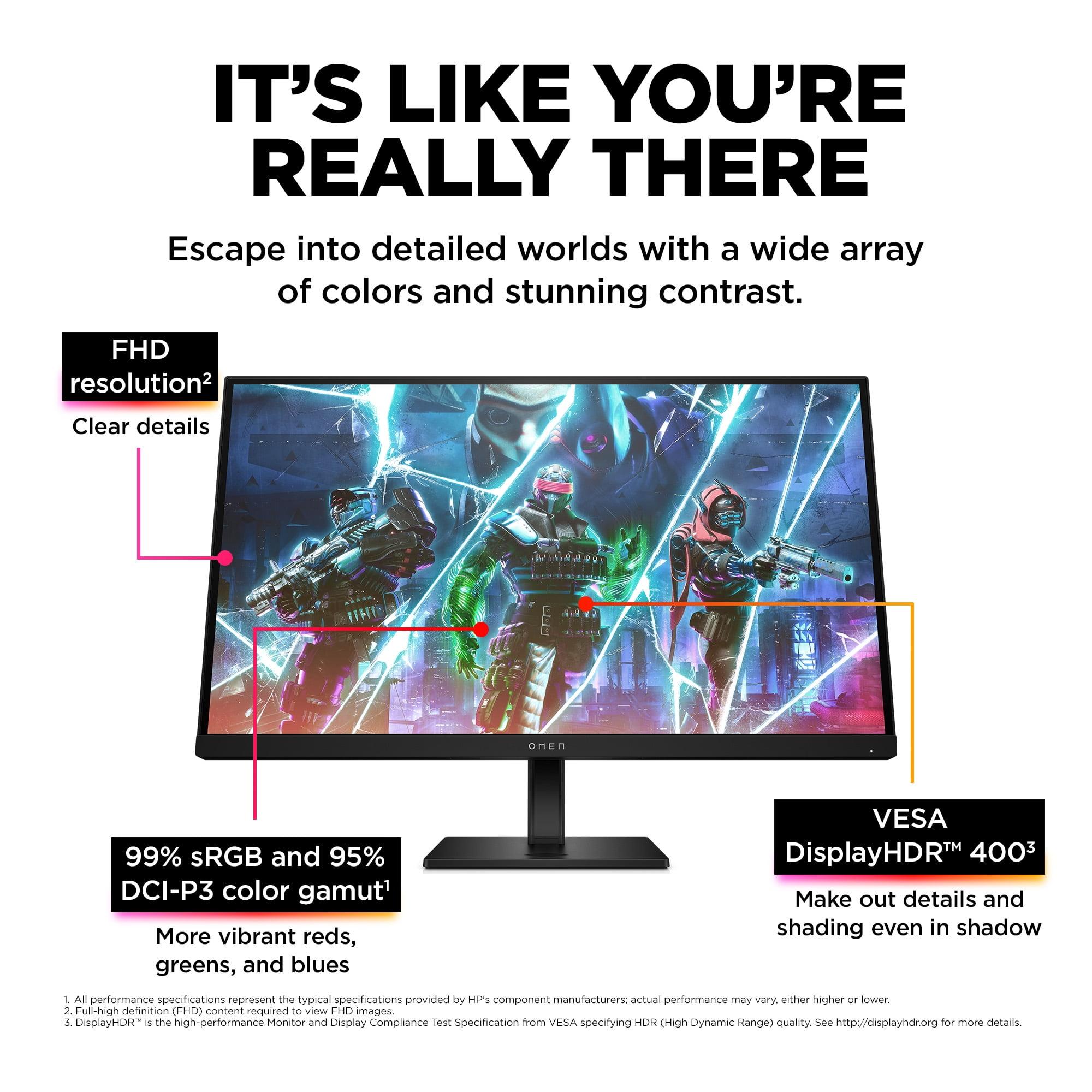
However, the HP OMEN 27s counters with superior color accuracy credentials. It covers 99% of the sRGB color space and 95% of DCI-P3, with each unit undergoing factory color validation. This level of color precision makes it suitable not just for gaming but for content creation where accurate colors matter. The ASUS model offers 95% DCI-P3 and 125% sRGB coverage, which sounds impressive but the oversaturated sRGB can sometimes look unnatural.
Both monitors support HDR400, which represents entry-level HDR (High Dynamic Range – technology that allows brighter brights and darker darks for more realistic images). While HDR400 isn't going to deliver the transformative experience you'd get from premium HDR displays, it does add some depth and realism to compatible games and movies.
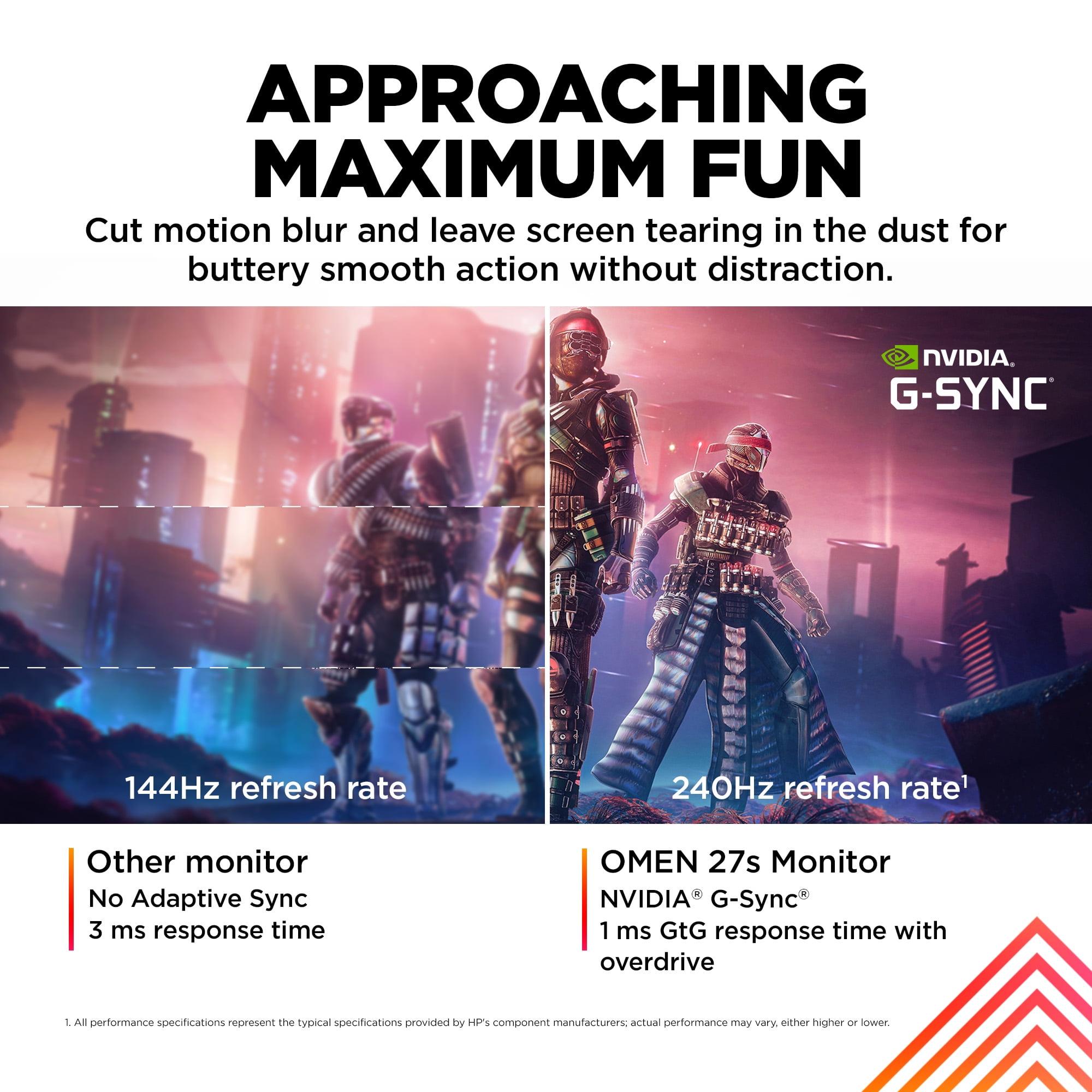
This is where things get interesting. The ASUS XG27ACMG pushes its Fast IPS panel to 270Hz, while the HP OMEN 27s maxes out at 240Hz. That 30Hz difference might seem small, but in competitive gaming, every frame can matter.
Both monitors achieve 1ms gray-to-gray (GTG) response times, which measures how quickly pixels can transition between different shades of gray. This is crucial for reducing ghosting – those annoying trailing effects you see behind moving objects in fast-paced games.
The ASUS monitor has a unique advantage with its ELMB SYNC (Extreme Low Motion Blur Sync) technology. Typically, you have to choose between motion blur reduction and adaptive sync – you can't have both. ASUS figured out how to make them work together, giving you the smoothest possible motion without tearing or stuttering.
The HP OMEN 27s counters with VESA ClearMR 6000 certification, which is a standardized measure of motion clarity. This certification means the monitor has been independently tested to deliver excellent motion performance, providing confidence that you're getting genuine speed, not just marketing claims.
From our research into professional reviews and user feedback, both monitors deliver exceptional motion clarity. The consensus is that while the ASUS model has a slight edge in refresh rate, the difference between 240Hz and 270Hz is less noticeable than the jump from, say, 144Hz to 240Hz.
The resolution difference has massive implications for gaming performance. With the HP OMEN 27s, a mid-range graphics card like an RTX 3060 or RX 6600 can easily push 240+ frames per second in competitive games like CS2, Valorant, or Rocket League. You're getting every bit of performance your monitor can display.
The ASUS XG27ACMG tells a different story. That higher resolution means you need significantly more graphics horsepower to hit those high frame rates. You're looking at RTX 3070 or RX 6700 XT territory as a realistic minimum for taking advantage of the full 270Hz capability in esports titles, and even more power for demanding AAA games.
This creates an interesting value equation. If you have a high-end GPU and play a mix of competitive and single-player games, the ASUS monitor gives you the best of both worlds – sharp visuals for story-driven games and ultra-high refresh rates for competitive gaming. But if your focus is pure competitive performance with a more modest graphics card, the HP model ensures you're not leaving performance on the table.
Both monitors excel at competitive gaming, but they serve different needs. The HP OMEN 27s is the choice for consistent 240+ FPS gaming, while the ASUS XG27ACMG offers more flexibility for users who want to enjoy both fast-paced and visually stunning games.
The connectivity story reveals how monitor design has evolved. The HP OMEN 27s takes a more traditional approach with two HDMI 2.0 ports and one DisplayPort 1.4, plus a built-in USB hub with two USB-A 3.2 ports. This setup is perfect for users who game on both PC and console, as you can have your gaming PC, PlayStation, and Xbox all connected simultaneously.
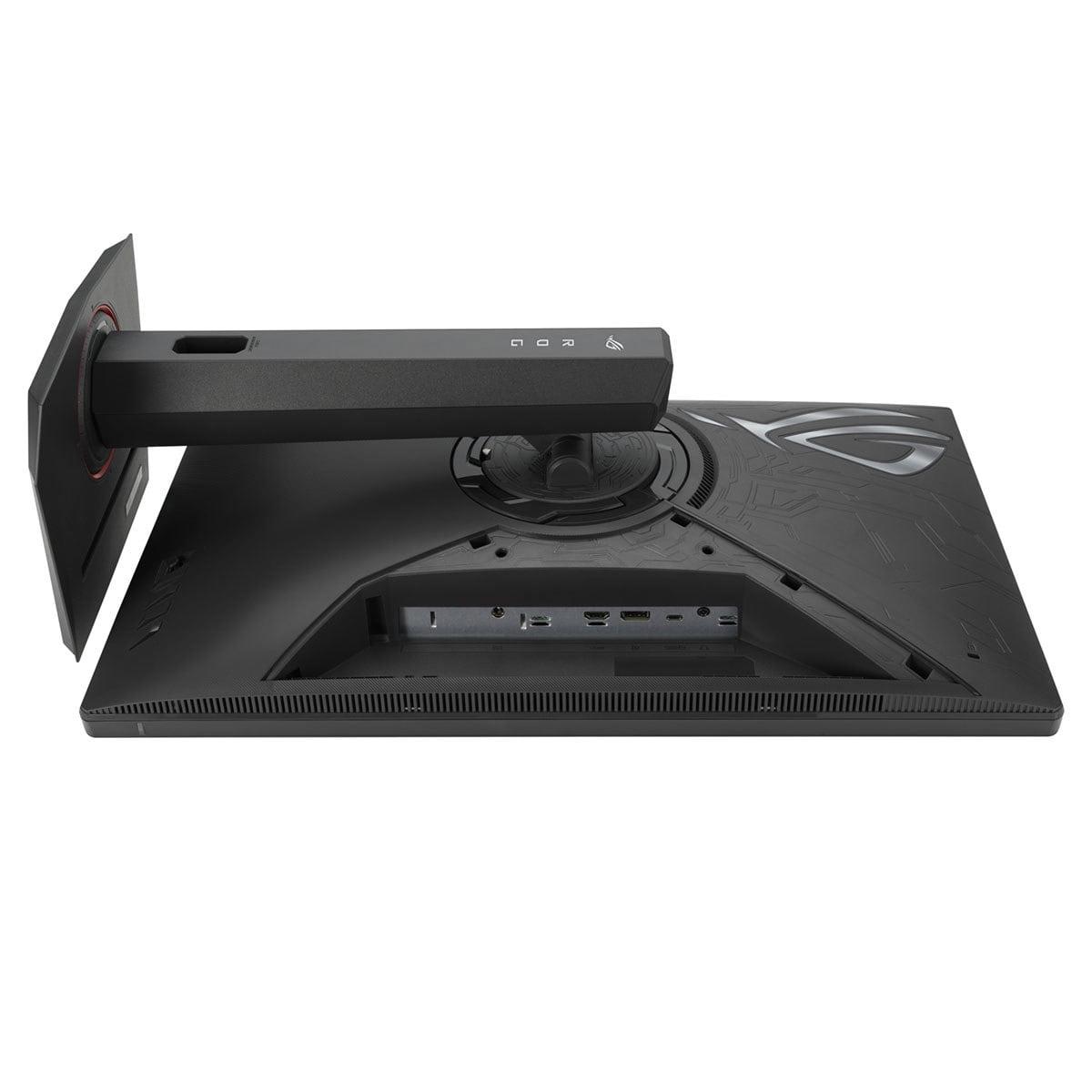
The ASUS XG27ACMG represents the modern approach with HDMI 2.1, DisplayPort 1.4, and USB-C with DisplayPort Alt Mode. That USB-C connection is particularly valuable – it can carry video, data, and up to 15W of power over a single cable. While 15W isn't enough to power a gaming laptop, it's perfect for smartphones, tablets, or accessories.
HDMI 2.1 support on the ASUS model is future-proofing at its finest. Current-generation consoles like the PS5 and Xbox Series X can take advantage of higher bandwidth for better performance, and upcoming graphics cards will increasingly rely on HDMI 2.1 for their full capabilities.
The HP monitor includes integrated 3W dual speakers, which won't replace a good gaming headset but are handy for casual viewing or when you don't want to wear headphones. The ASUS model skips built-in speakers entirely, assumingly because serious gamers will use dedicated audio solutions.
Both monitors come with comprehensive software suites that extend their functionality well beyond basic display duties. The HP OMEN 27s integrates with the OMEN Gaming Hub, which provides system monitoring, performance optimization, and even custom crosshair overlays for games that don't include them. This crosshair feature is particularly valuable in competitive shooters where precision aiming matters.
The ASUS XG27ACMG comes loaded with gaming-focused features through its DisplayWidget Center and GamePlus suite. Shadow Boost technology enhances visibility in dark areas without overexposing bright regions – crucial for spotting enemies hiding in shadows. The GameVisual settings provide optimized color profiles for different game genres, automatically adjusting contrast and saturation for the best experience.
One standout feature of the ASUS model is its Aura Sync RGB lighting, which can synchronize with other ASUS components for a coordinated lighting setup. While this might seem like just eye candy, good ambient lighting actually reduces eye strain during long gaming sessions by preventing your monitor from being the only light source in your peripheral vision.
While these are primarily gaming monitors, they both serve admirably for movie watching and streaming. The 27-inch size hits a sweet spot for desktop viewing distances, and both support HDR content from streaming services.
The HP OMEN 27s has some advantages here with its built-in speakers and multiple HDMI inputs, making it easier to connect streaming devices or Blu-ray players. The color accuracy also pays dividends for movie watching, as content will appear as directors intended.
The ASUS XG27ACMG's higher resolution provides noticeably sharper text and UI elements when using streaming apps or browsing content. However, the lack of built-in audio means you'll need external speakers or headphones, which might not be ideal for casual viewing.
Neither monitor will replace a dedicated TV for couch gaming or movie nights with multiple people, but both excel as personal entertainment displays for desks or bedroom setups.
At the time of writing, the pricing landscape heavily favors the ASUS XG27ACMG. You're getting higher resolution, faster refresh rate, and more modern connectivity for less money than the HP OMEN 27s. This creates a compelling value proposition that's hard to ignore.
However, the HP model justifies its premium pricing through proven performance, superior color accuracy documentation, and comprehensive connectivity options. It's the choice for users who prioritize known quantities over cutting-edge specifications.
The ASUS monitor represents the current sweet spot in gaming monitor value – delivering high-end specifications at a mainstream price point. This positioning makes it accessible to more gamers while still providing the performance that enthusiasts demand.
After extensive research into professional reviews and user feedback, clear usage patterns emerge for each monitor.
Choose the HP OMEN 27s if you're primarily focused on competitive esports gaming, have a mid-range graphics card, or need multiple HDMI inputs for console gaming. It's also the better choice if color accuracy matters for content creation or professional work alongside gaming.
The ASUS ROG Strix XG27ACMG is ideal for gamers who want the best overall value, play a variety of game types, have or plan to upgrade to a high-end graphics card, and value sharp text for productivity use. The modern connectivity and premium features make it an excellent choice for users building a contemporary gaming setup.
For budget-conscious gamers with powerful hardware, the ASUS model is almost a no-brainer choice. The combination of higher resolution, faster refresh rate, and lower price creates exceptional value that's difficult to match in the current market.
However, if you're a competitive gamer focused purely on esports titles, or if you have a mid-range graphics card that can't fully utilize QHD gaming, the HP OMEN 27s ensures you're getting maximum performance from your hardware investment.
Both monitors represent excellent choices in their respective niches, but the ASUS XG27ACMG's combination of performance, features, and value makes it the standout choice for most gamers in today's market.
| HP OMEN 27s FHD 240Hz Gaming Monitor | ASUS ROG Strix XG27ACMG 27" QHD 270Hz Gaming Monitor |
|---|---|
| Resolution - Determines sharpness and GPU requirements | |
| 1920 x 1080 (FHD) - easier to drive at high frame rates | 2560 x 1440 (QHD) - 78% more pixels, much sharper visuals |
| Refresh Rate - Higher numbers mean smoother motion | |
| 240Hz - excellent for competitive gaming | 270Hz - slightly higher but difference is minimal |
| Response Time - Lower is better for reducing ghosting | |
| 1ms GTG with Overdrive | 1ms GTG |
| Panel Type - Affects color quality and viewing angles | |
| IPS with anti-glare coating | Fast IPS with anti-glare coating |
| Color Accuracy - Important for content creation and realistic visuals | |
| 99% sRGB, 95% DCI-P3 (factory calibrated) | 95% DCI-P3, 125% sRGB (oversaturated) |
| HDR Support - Improves contrast and brightness | |
| VESA DisplayHDR 400, 400 nits brightness | VESA DisplayHDR 400, 400 nits brightness |
| Adaptive Sync - Eliminates screen tearing | |
| G-SYNC Compatible, FreeSync Premium | G-SYNC Compatible, FreeSync Premium, ELMB SYNC |
| Connectivity - Determines what devices you can connect | |
| 2x HDMI 2.0, 1x DisplayPort 1.4, 2x USB-A hub | 1x HDMI 2.1, 1x DisplayPort 1.4, 1x USB-C (15W power) |
| Audio - Built-in sound capability | |
| Integrated dual 3W speakers | No built-in speakers |
| Ergonomics - How adjustable the stand is | |
| Height, tilt, pivot adjustments, VESA mount | Height, tilt, swivel, pivot adjustments, VESA mount |
| Gaming Features - Software enhancements and overlays | |
| Custom crosshair, OMEN Gaming Hub integration | GamePlus, Shadow Boost, Aura Sync RGB lighting |
| Best For - Target user and use cases | |
| Competitive esports, mid-range GPUs, console gaming | Mixed gaming, high-end GPUs, productivity + gaming |
| GPU Requirements - Hardware needed for optimal performance | |
| RTX 3060/RX 6600 for 240+ FPS in esports | RTX 3070/RX 6700 XT minimum for high frame rates |
| Value Proposition - Price vs performance at time of writing | |
| Premium pricing for proven esports performance | Exceptional value with higher specs for less money |
The ASUS ROG Strix XG27ACMG offers superior resolution with QHD (2560x1440) compared to the HP OMEN 27s's FHD (1920x1080). The ASUS monitor provides 78% more pixels, resulting in sharper text, clearer game details, and better overall visual quality. However, the higher resolution requires more powerful graphics cards to maintain high frame rates.
The ASUS ROG Strix XG27ACMG reaches 270Hz while the HP OMEN 27s maxes out at 240Hz. Both refresh rates are excellent for competitive gaming, with the 30Hz difference being barely noticeable in practice. The more important consideration is whether your graphics card can consistently deliver frame rates high enough to utilize either monitor's full potential.
The HP OMEN 27s is generally better for competitive esports due to its FHD resolution being easier to drive at consistently high frame rates with mid-range graphics cards. Professional esports players often prefer FHD for maximum performance over visual fidelity. However, the ASUS XG27ACMG can be excellent for esports if you have a high-end GPU.
Yes, both the HP OMEN 27s and ASUS ROG Strix XG27ACMG support NVIDIA G-SYNC Compatible and AMD FreeSync Premium technologies. This means either monitor will work smoothly with both NVIDIA and AMD graphics cards, eliminating screen tearing and providing adaptive refresh rate synchronization.
The HP OMEN 27s offers superior color accuracy with 99% sRGB and 95% DCI-P3 coverage, plus factory color calibration. This makes it better suited for content creation and professional work. The ASUS XG27ACMG covers 95% DCI-P3 and 125% sRGB, but the oversaturated sRGB can appear unnatural in some applications.
The HP OMEN 27s provides 2x HDMI 2.0, 1x DisplayPort 1.4, and includes a USB hub with 2x USB-A ports, making it ideal for console gaming setups. The ASUS ROG Strix XG27ACMG offers more modern connectivity with HDMI 2.1, DisplayPort 1.4, and USB-C with 15W power delivery, better for future-proofing and laptop connections.
The ASUS ROG Strix XG27ACMG requires significantly more GPU power due to its QHD resolution. You'll need at least an RTX 3070 or RX 6700 XT to take full advantage of its capabilities. The HP OMEN 27s works excellently with mid-range cards like RTX 3060 or RX 6600, making it more accessible for budget-conscious gamers.
The HP OMEN 27s includes integrated dual 3W speakers, which are convenient for casual use but won't replace a good gaming headset. The ASUS ROG Strix XG27ACMG doesn't include built-in speakers, assuming users will have dedicated audio solutions for serious gaming.
The ASUS ROG Strix XG27ACMG typically offers exceptional value, providing higher resolution, faster refresh rate, and modern connectivity features. The HP OMEN 27s commands a premium but justifies it through proven color accuracy, comprehensive connectivity, and optimization for competitive gaming performance.
Both monitors work well for entertainment, though they serve different needs. The HP OMEN 27s is more convenient for casual viewing with built-in speakers and multiple HDMI inputs for streaming devices. The ASUS XG27ACMG provides sharper image quality for movies and streaming content due to its higher resolution.
Both the HP OMEN 27s and ASUS ROG Strix XG27ACMG offer excellent motion clarity with 1ms response times. The ASUS monitor has a slight advantage with ELMB SYNC technology, which allows motion blur reduction to work simultaneously with adaptive sync - something most monitors can't do. The HP model counters with VESA ClearMR 6000 certification.
Absolutely. If you have a mid-range GPU (RTX 3060, RX 6600 level), the HP OMEN 27s will deliver better performance utilization. For high-end GPUs (RTX 3070+ or RX 6700 XT+), the ASUS ROG Strix XG27ACMG provides better overall value with its higher resolution and refresh rate capabilities.
We've done our best to create useful and informative comparisons to help you decide what product to buy. Our research uses advanced automated methods to create this comparison and perfection is not possible - please contact us for corrections or questions. These are the sites we've researched in the creation of this article: bestbuy.com - hp.com - shi.com - hp.com - bestbuy.com - hp.com - tomshardware.com - hp.com - rtings.com - hp.com - displayspecifications.com - support.hp.com - publicsector.shidirect.com - objects.icecat.biz - files.bbystatic.com - hp.com - displayspecifications.com - rtings.com - e-catalog.com - bestbuy.com - rog.asus.com - rog.asus.com - youtube.com - youtube.com - versus.com - forum.pcmonitors.info - versus.com - cdw.com - rog.asus.com - rog.asus.com - rog.asus.com - avadirect.com - bhphotovideo.com - rog.asus.com - shi.com - shop.asus.com - publicsector.shidirect.com - bestbuy.com

Privacy Policy
Terms and Conditions - Affiliate Policy
Home Security
© Copyright 2008-2026.
11816 Inwood Rd #1211, Dallas, TX 75244