

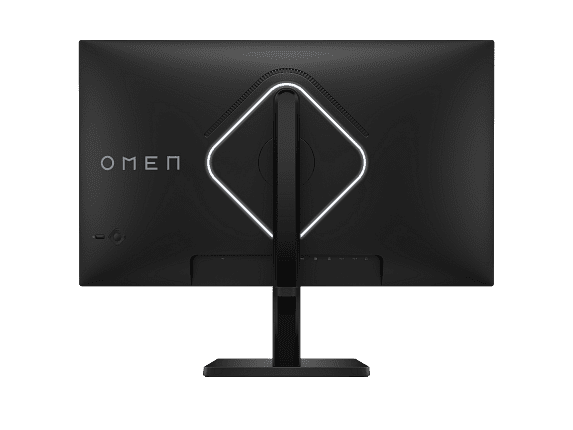
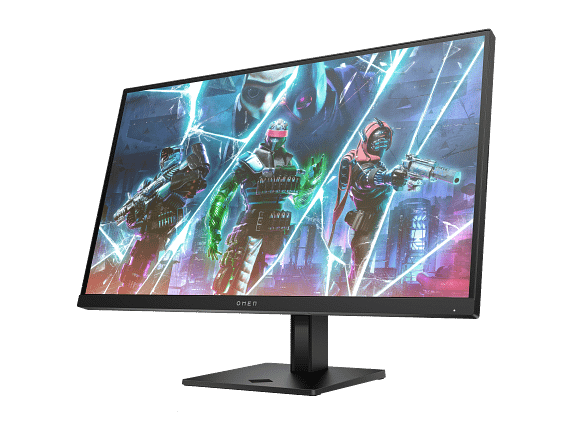
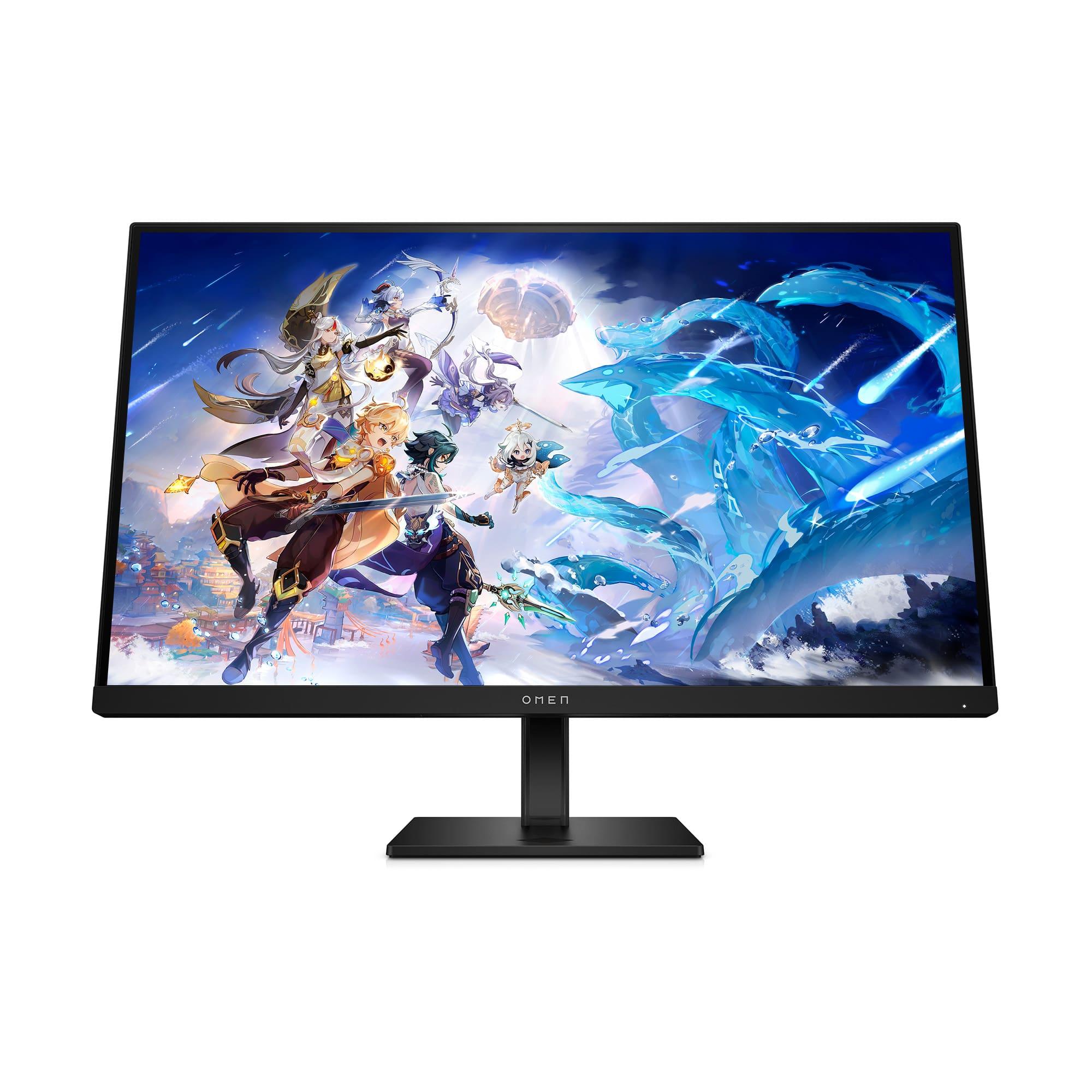
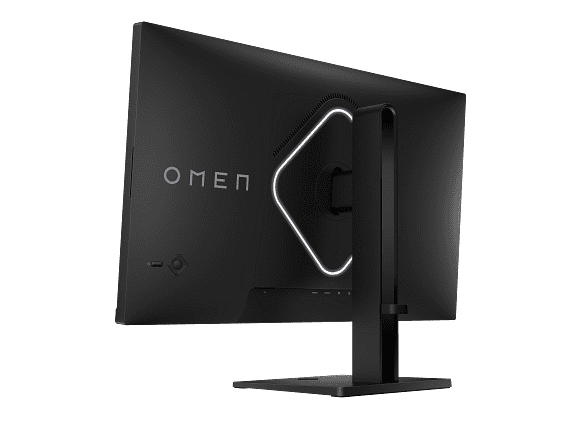
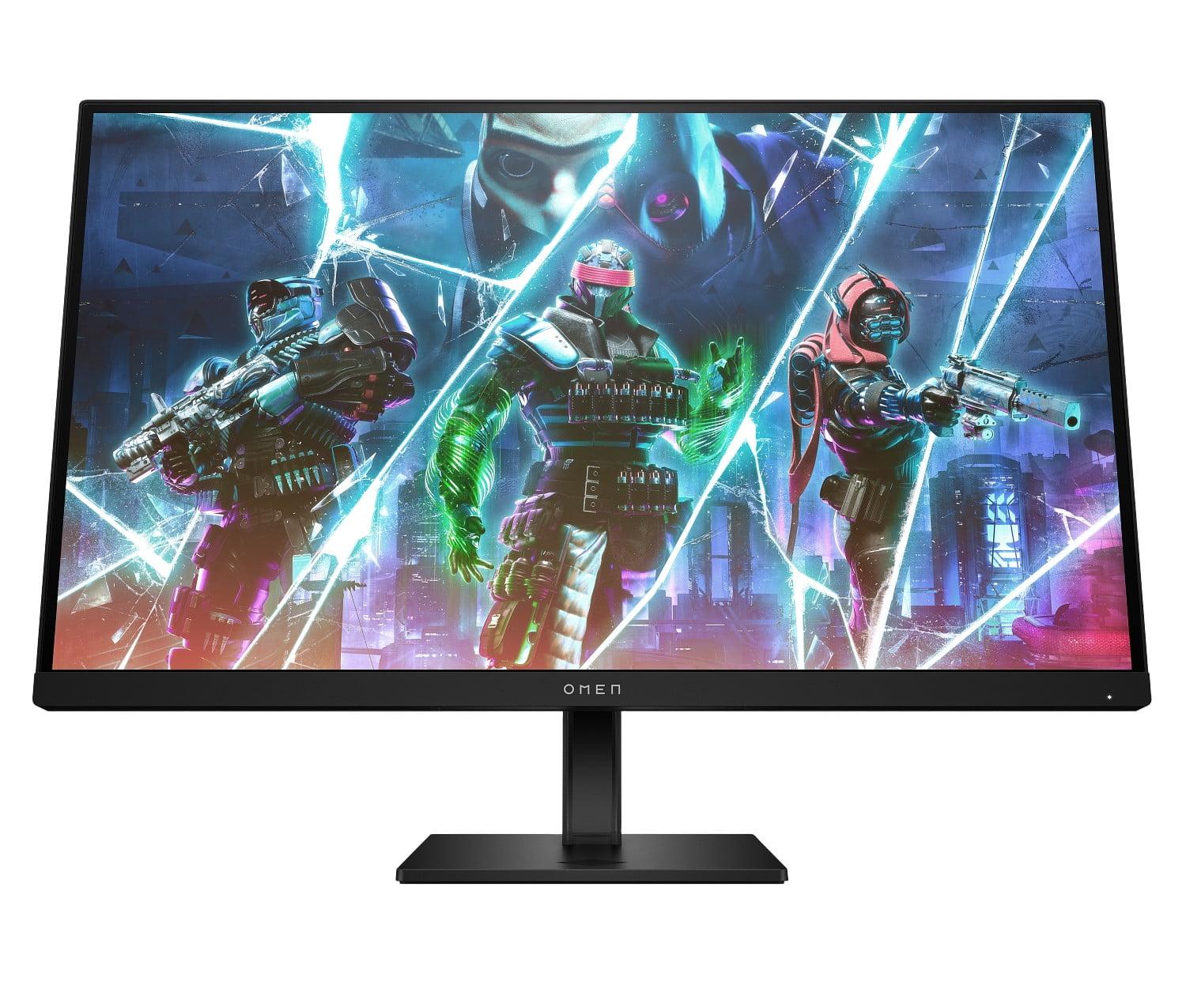
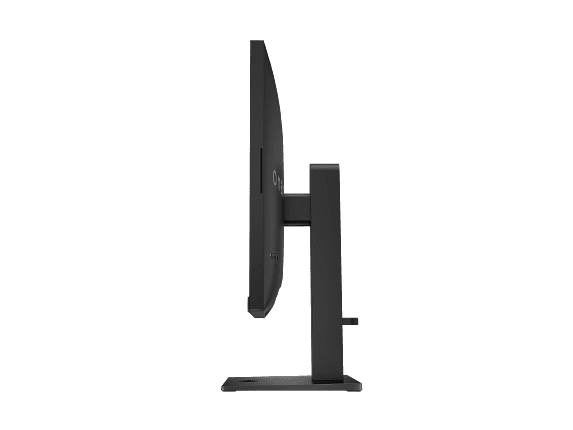

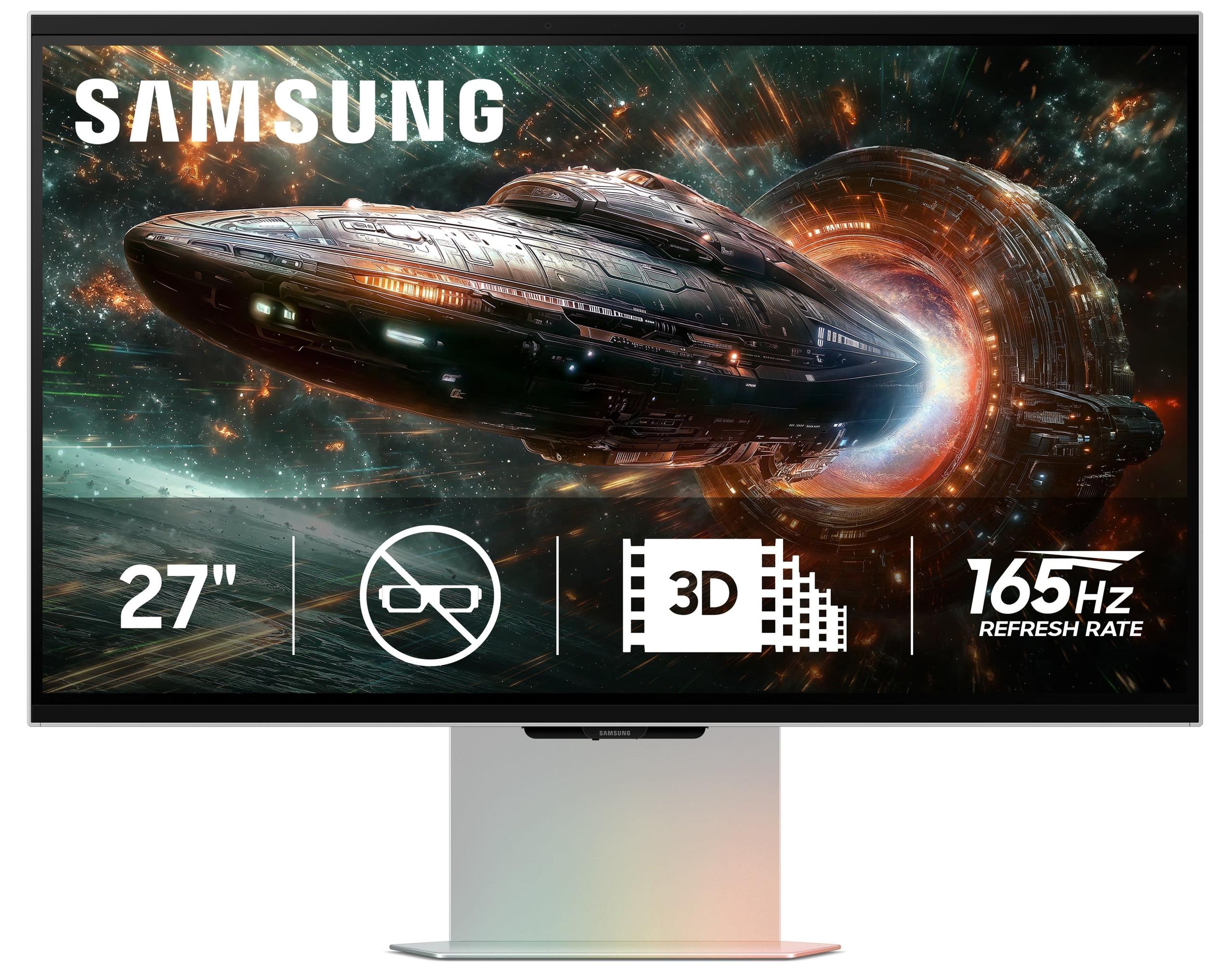
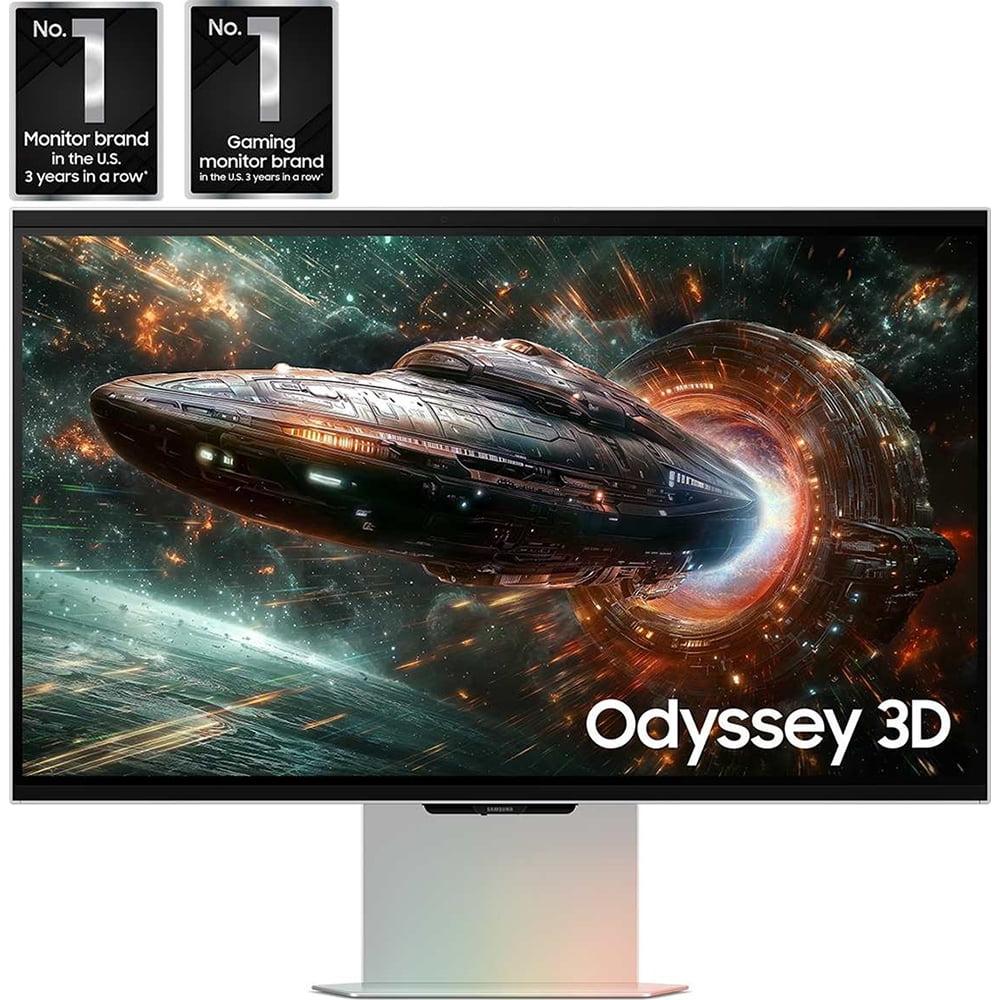
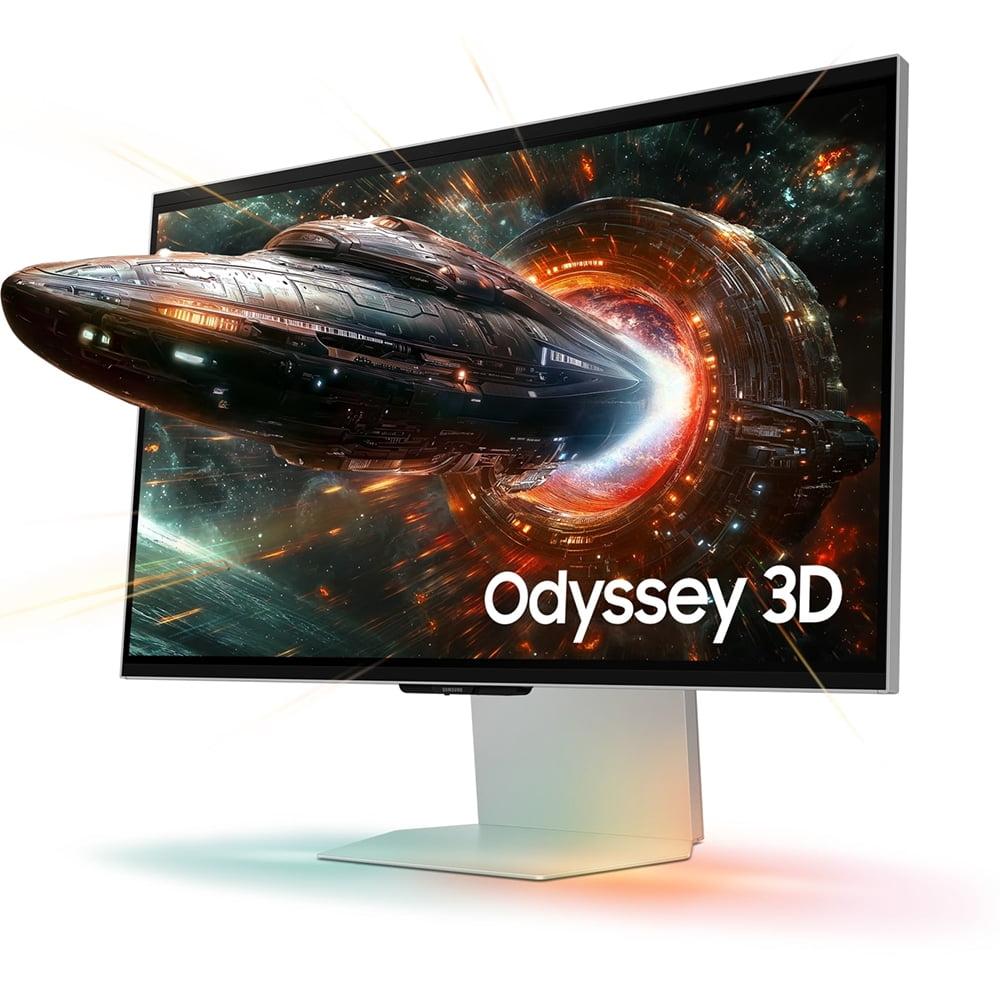
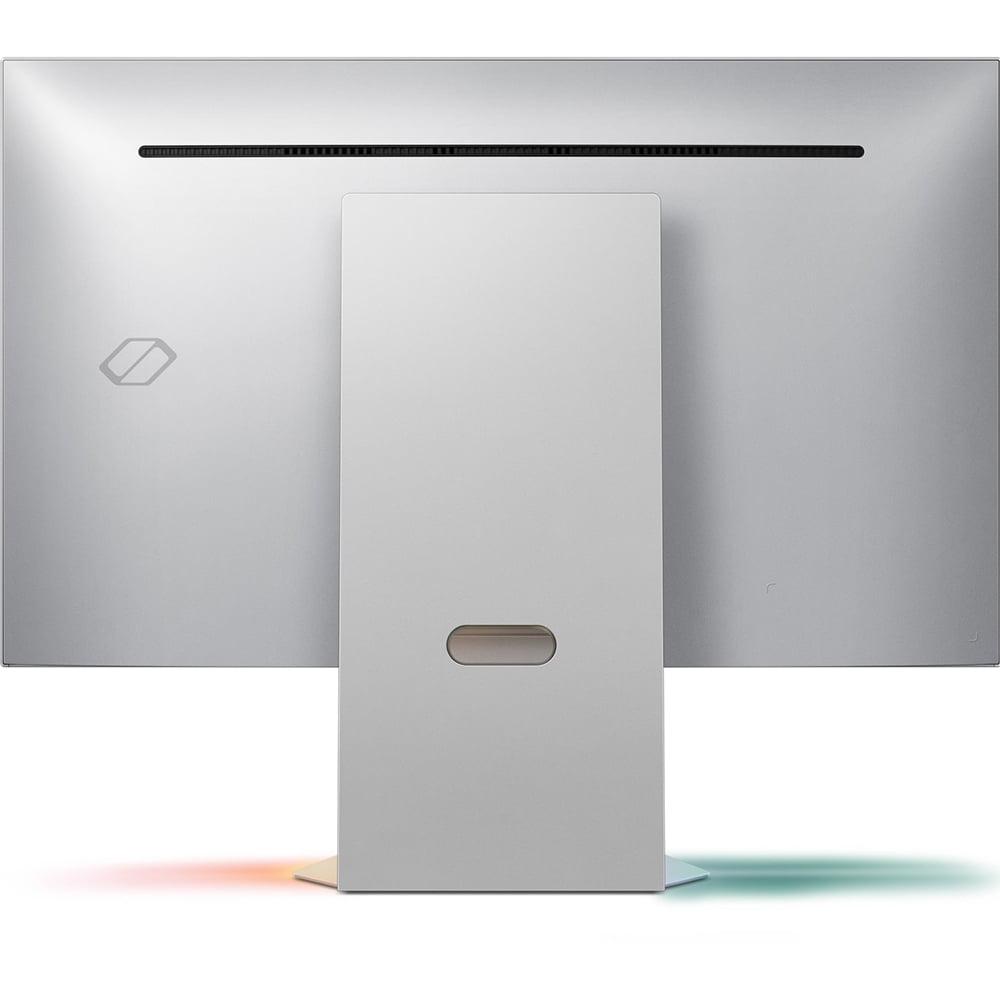
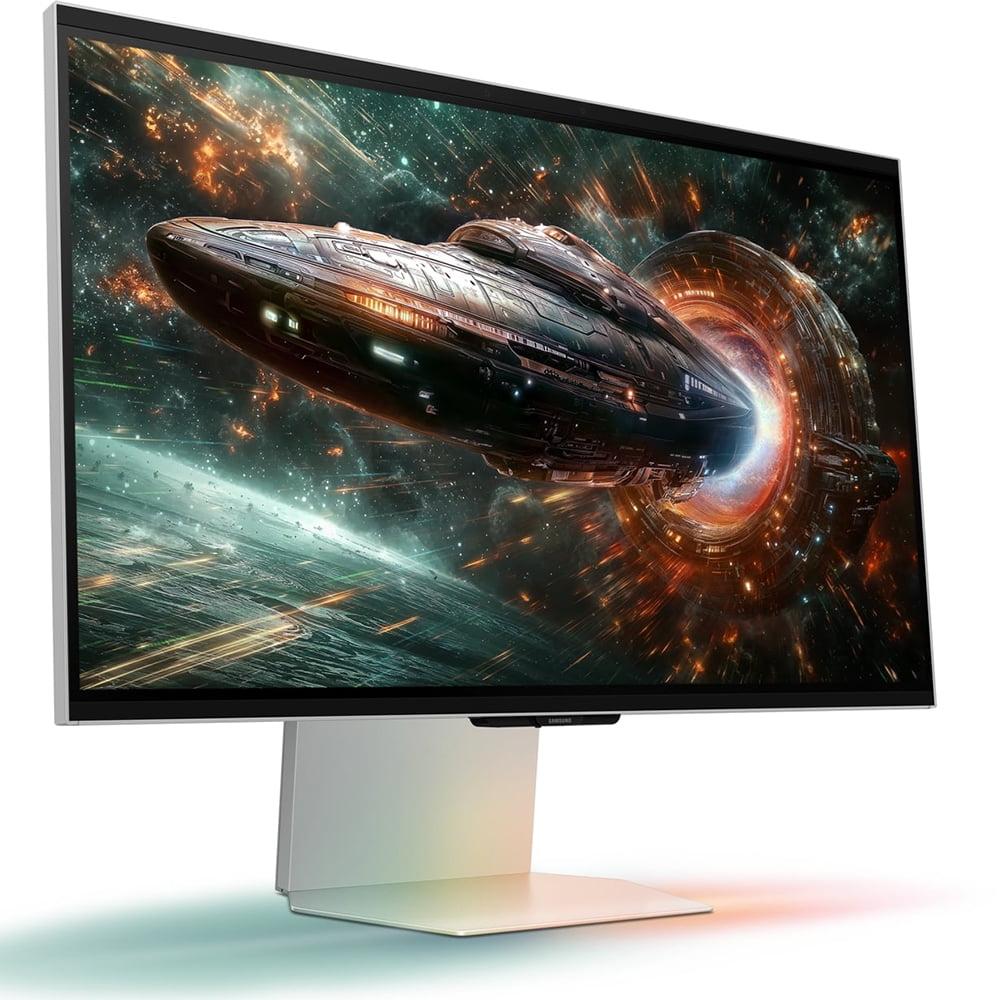
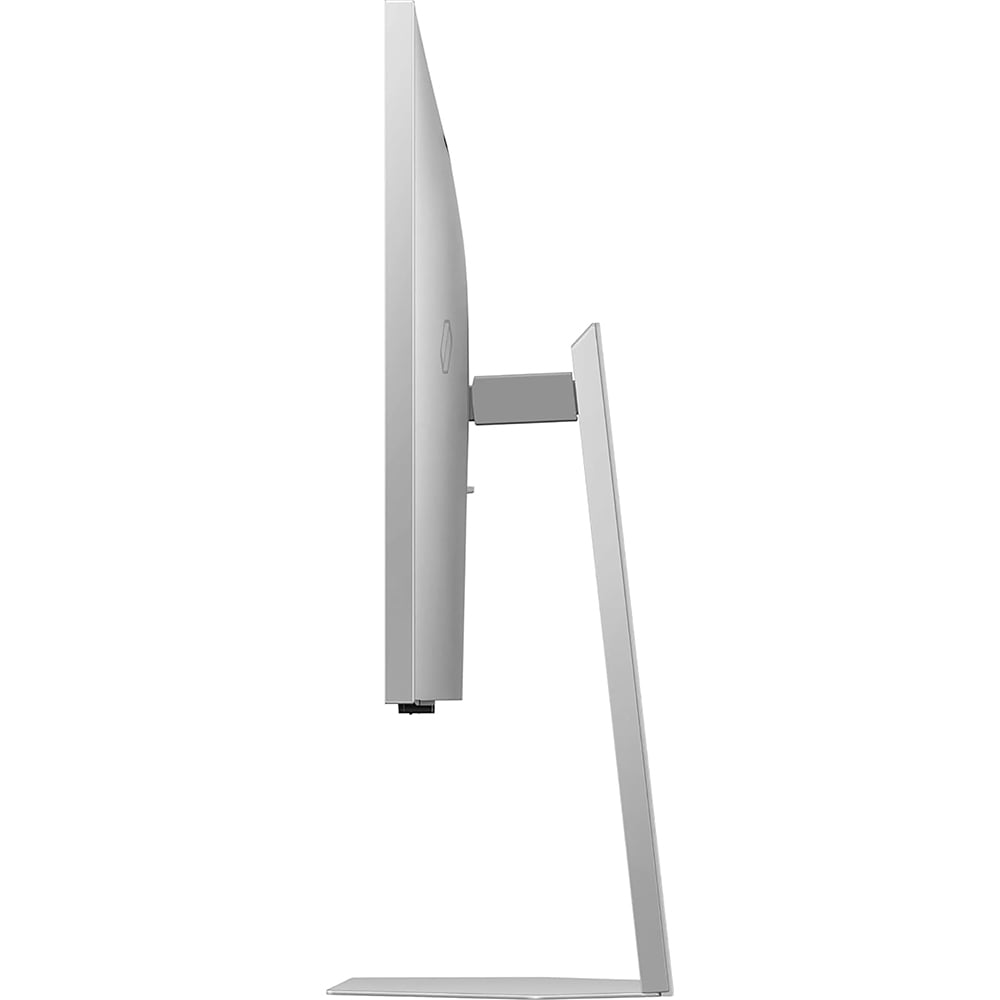


Gaming monitors have become incredibly sophisticated since the early days of chunky CRT displays. Today's choices can make or break your gaming experience, whether you're trying to climb ranked ladders in competitive shooters or lose yourself in sprawling single-player adventures. Two monitors that perfectly capture the current divide in gaming display philosophy are the HP OMEN 27s FHD 240Hz Gaming Monitor and the Samsung 27" Odyssey 3D G90XF 4K 165Hz Gaming Monitor.
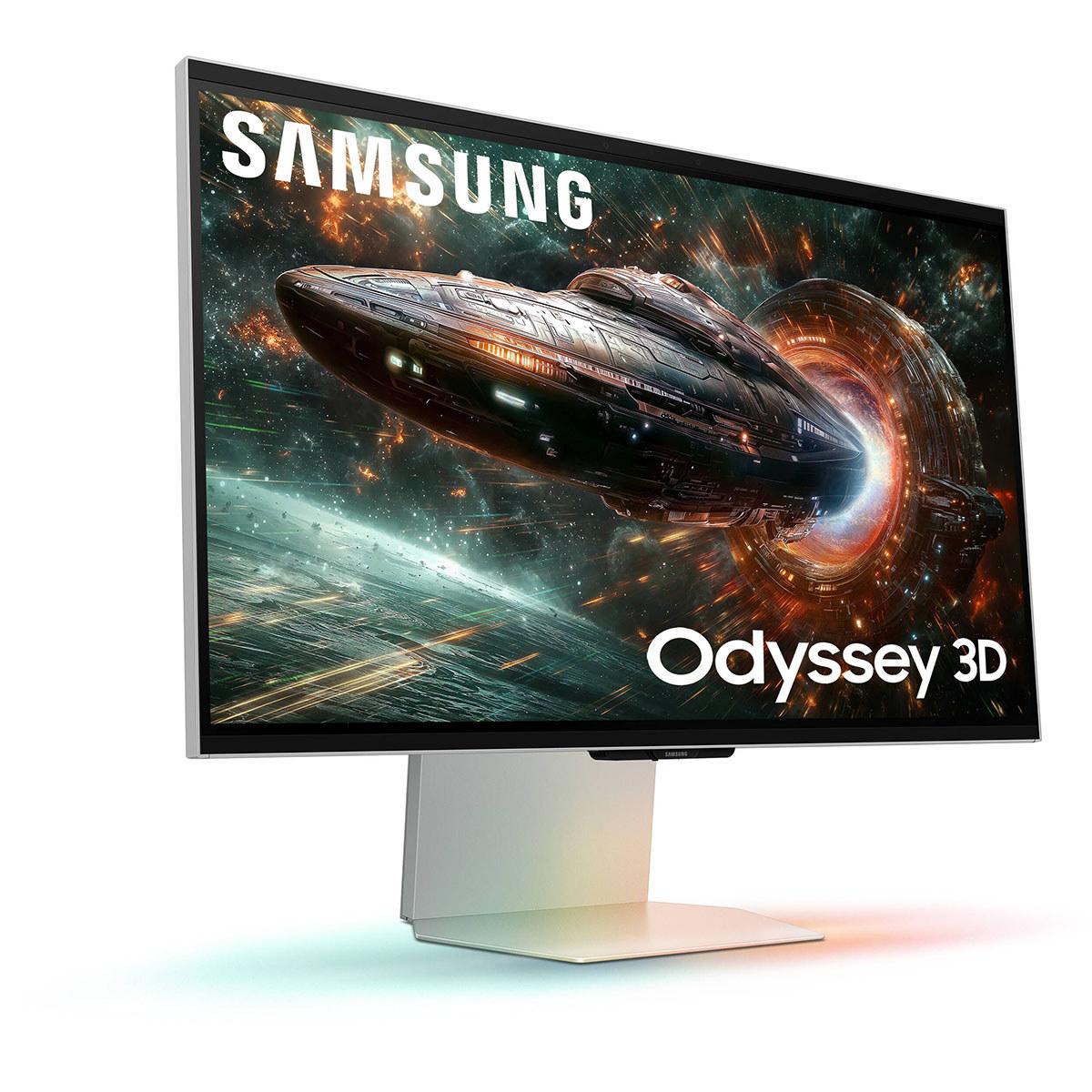
Released in 2023, the HP OMEN 27s represents the refined evolution of competitive gaming displays, pushing refresh rates to extremes while maintaining excellent color accuracy. The Samsung Odyssey 3D G90XF, launching in early 2024, takes a completely different approach by introducing glasses-free 3D technology to consumer gaming monitors for the first time.
Before diving into these specific monitors, it's worth understanding what separates a gaming display from a regular computer monitor. The key differences revolve around speed, responsiveness, and features designed specifically for interactive entertainment.
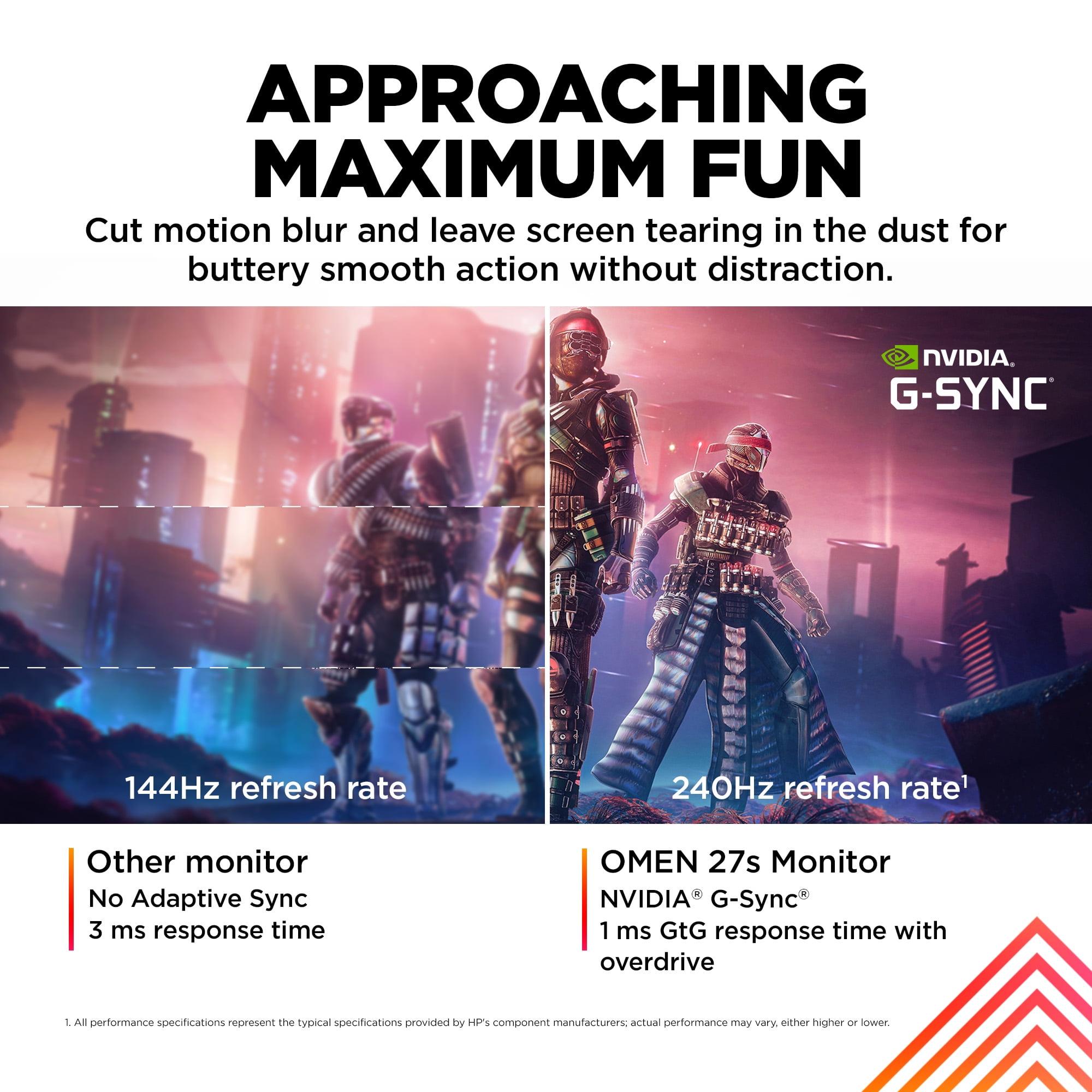
Refresh rate measures how many times per second your monitor can display a new image, expressed in Hertz (Hz). A 60Hz monitor updates 60 times per second, while a 240Hz display like the OMEN 27s refreshes 240 times per second. Higher refresh rates create smoother motion, reduce blur, and can give competitive gamers a genuine advantage by showing enemy movements more clearly.
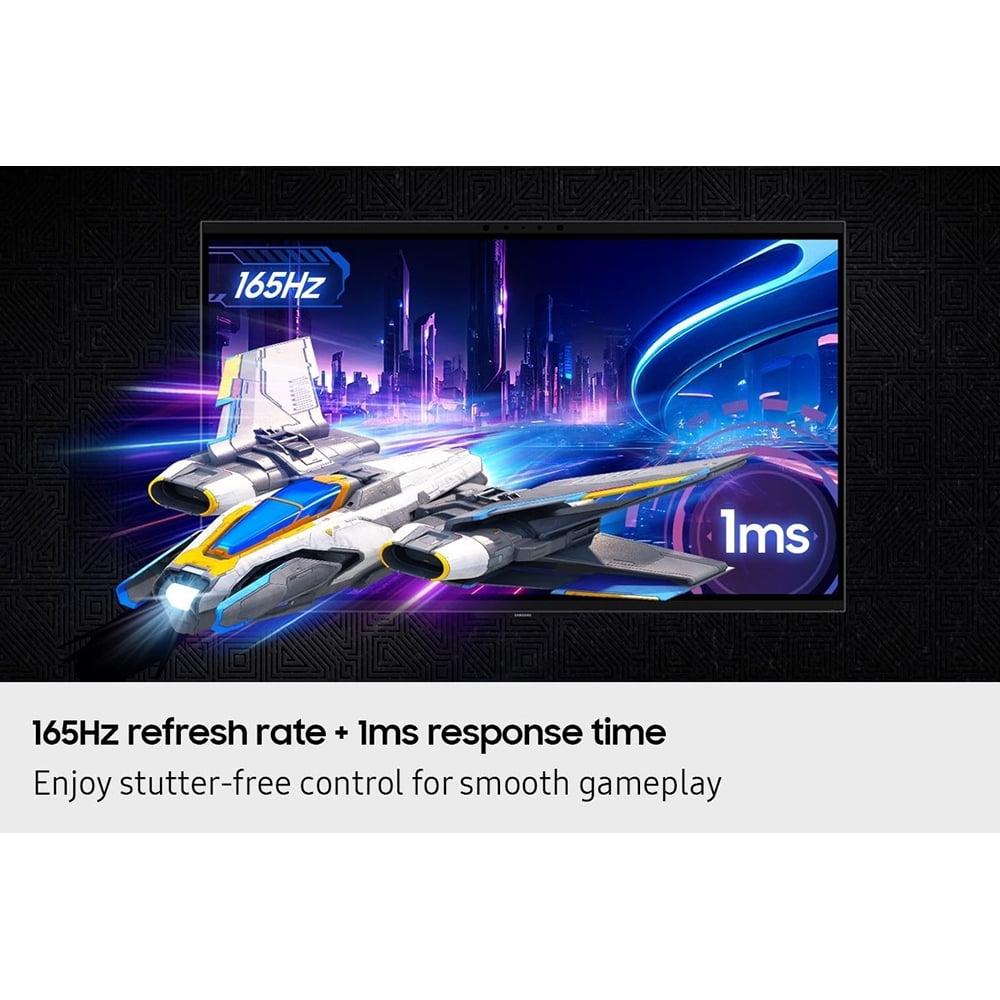
Response time indicates how quickly individual pixels can change from one color to another, measured in milliseconds (ms). Lower numbers are better – a 1ms response time means virtually no ghosting or trailing behind moving objects. Both monitors we're examining achieve this 1ms target.
Adaptive sync technologies like NVIDIA G-SYNC and AMD FreeSync synchronize your graphics card's output with the monitor's refresh rate, eliminating screen tearing (when parts of different frames appear simultaneously) and stuttering. Think of it as keeping your GPU and monitor perfectly in step with each other.
The HP OMEN 27s embodies everything competitive gamers have been demanding: raw speed combined with solid image quality. Its 240Hz refresh rate puts it in elite company – most gaming monitors top out at 144Hz or 165Hz, making this monitor's speed a genuine standout feature.
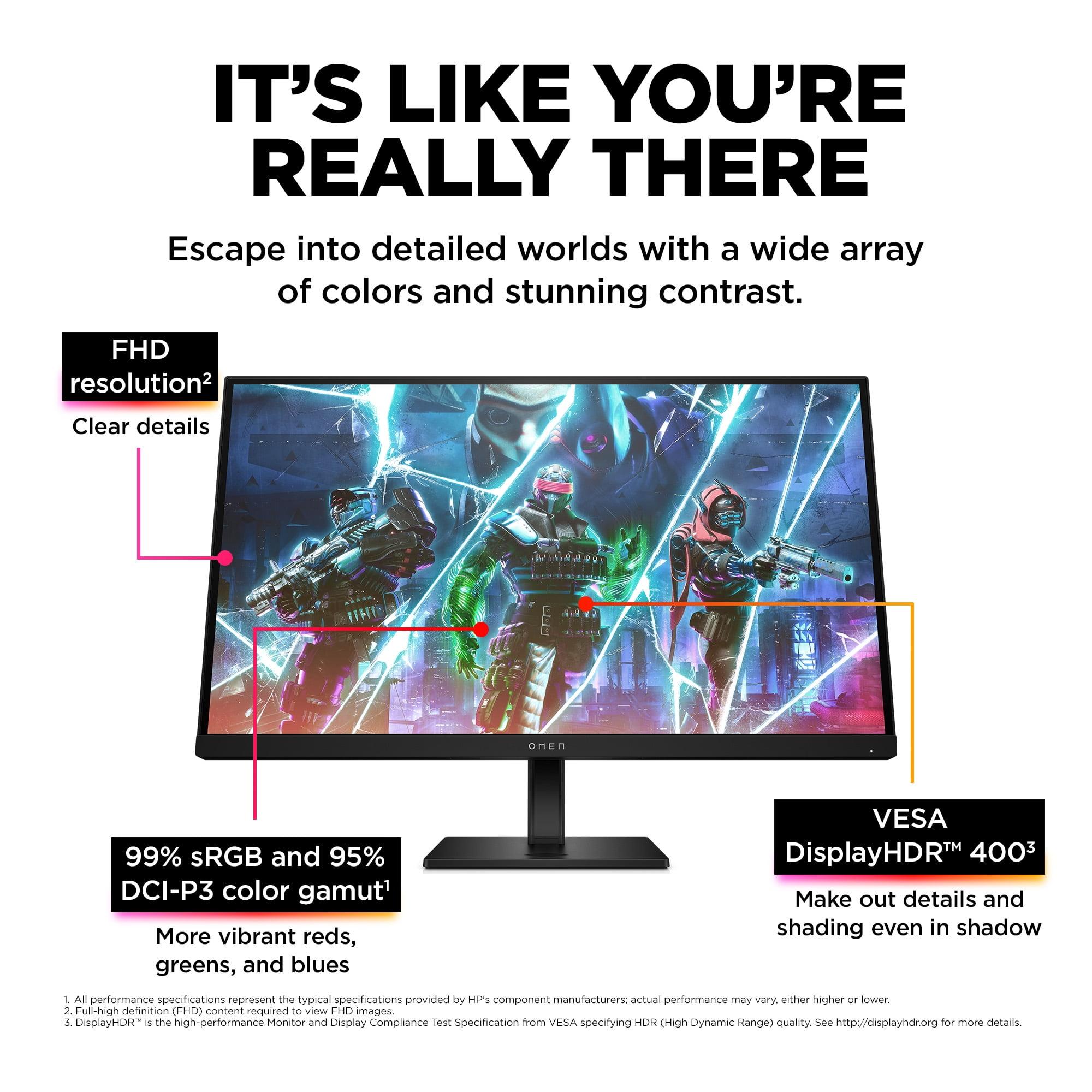
Built around a 27-inch IPS (In-Plane Switching) panel, the OMEN 27s delivers Full HD resolution at 1920x1080 pixels. While this might seem modest compared to 4K displays, there's strategic thinking behind this choice. Lower resolution means your graphics card can push more frames per second, actually utilizing that impressive 240Hz capability.
The IPS panel technology deserves explanation here. Unlike older TN (Twisted Nematic) panels that offered fast response times but poor viewing angles and washed-out colors, or VA (Vertical Alignment) panels with better contrast but slower response times, IPS strikes an excellent middle ground. You get accurate colors, wide viewing angles, and – in this case – genuinely fast 1ms response times with overdrive enabled.
Color accuracy is genuinely impressive, covering 99% of the sRGB color space and 95% of the wider DCI-P3 gamut. In practical terms, this means colors look vibrant and accurate whether you're gaming, watching videos, or doing creative work. The VESA DisplayHDR 400 certification adds enhanced contrast and shadow detail, though it's not the same league as higher-end HDR implementations.
Where the HP OMEN 27s really shines is in its gaming-focused features. The OMEN Gaming Hub software provides customizable crosshair overlays – incredibly useful for games that lack built-in crosshairs or when you want a specific style. You can adjust color, size, and shape to match your preferences.
The monitor supports both major adaptive sync technologies: NVIDIA G-SYNC compatibility and AMD FreeSync Premium. This universal approach means smooth, tear-free gaming regardless of whether you're team green or team red with your graphics card choice.
One often-overlooked feature is the integrated USB hub with two USB 3.2 ports. This seemingly minor addition becomes incredibly convenient for connecting gaming peripherals, charging devices, or quickly plugging in a USB drive without reaching around to your PC.
Based on comprehensive reviews and user feedback, the OMEN 27s delivers on its speed promises. The 240Hz refresh rate creates genuinely smoother motion than standard 144Hz displays, particularly noticeable in fast-paced shooters like Counter-Strike 2 or Valorant. The difference becomes most apparent when tracking moving targets or quickly scanning environments.
However, achieving 240 fps consistently requires serious graphics horsepower. A GTX 1660 or RX 580 can hit 240 fps in esports titles with reduced settings, but you'll want something like an RTX 3060 or better for consistent high-refresh performance across a broader range of games.
The Samsung Odyssey 3D G90XF represents something genuinely new in gaming monitors. While 3D displays have existed before, they typically required special glasses and often produced headaches after extended use. Samsung's approach uses advanced eye-tracking technology and lenticular lenses to create depth perception without any additional hardware.
The glasses-free 3D system works through a combination of dual eye-tracking cameras and sophisticated view mapping algorithms. The monitor tracks your head position in real-time, adjusting the 3D effect to maintain proper depth perception as you move. It's genuinely impressive technology that represents years of development.
The 3D effect itself varies dramatically depending on content. Games specifically designed for the system – like "The First Berserker: Khazan" and "Lies of P: Overture" – showcase genuine depth with characters and objects appearing to extend beyond the screen surface. It's not a gimmicky effect; when it works properly, it creates a sense of immersion that traditional displays simply cannot match.
The AI 3D Video Conversion feature attempts to convert standard 2D content into 3D using machine learning algorithms. Results vary significantly – some YouTube videos convert surprisingly well, while others produce minimal or distracting effects. It's an impressive technological achievement, but not consistently magical.
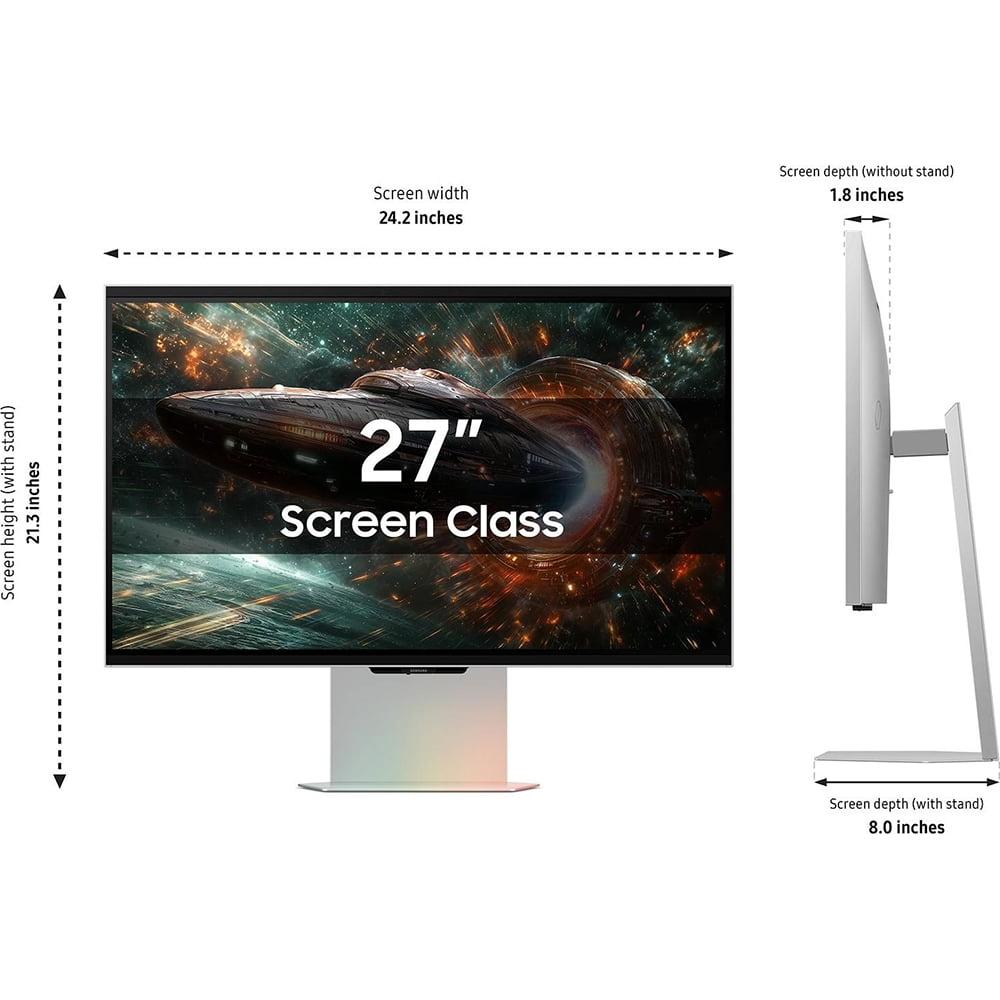
Underneath the 3D technology lies a solid 4K gaming monitor. The 27-inch IPS panel delivers 3840x2160 resolution at up to 165Hz refresh rate with 1ms response times. Color accuracy is good with 99% sRGB coverage, and brightness reaches 350 cd/m² – adequate for most environments though not exceptional for HDR content.
The 165Hz refresh rate, while lower than the OMEN 27s, still provides excellent gaming smoothness. The higher resolution means you need significantly more graphics processing power, but modern high-end GPUs can handle 4K gaming at these refresh rates in many titles.
Here's where expectations need calibration. The Samsung Odyssey 3D G90XF shipped with a very limited library of native 3D games – fewer than ten titles at launch. While the Reality Hub software can convert other games, results are inconsistent and the effect often subtle.
The 3D technology also comes with practical limitations. You need to sit in a specific position relative to the screen – roughly centered and at appropriate distance. Moving too far left, right, or forward/backward breaks the 3D illusion. This isn't necessarily problematic for dedicated gaming sessions but limits flexibility.
Performance takes a hit in 3D mode since the system essentially renders two slightly different images simultaneously. Even with a high-end RTX 3080 or better, you'll see frame rates roughly halved when 3D is active.
For competitive gaming scenarios, the HP OMEN 27s holds clear advantages. The 240Hz refresh rate provides measurably smoother motion tracking, and the FHD resolution ensures consistent high frame rates that actually utilize the high refresh capability.
Professional esports players and serious competitive gamers consistently prefer high refresh rates over higher resolutions. The ability to track enemy movements with less motion blur and respond more quickly to visual changes provides genuine competitive advantages. The OMEN 27s excels in titles like Counter-Strike 2, Valorant, Overwatch 2, and Apex Legends.
The Samsung Odyssey 3D G90XF offers superior visual fidelity when the 3D effect works properly. 4K resolution provides noticeably sharper detail than FHD, particularly beneficial for single-player games where you have time to appreciate environmental details.
When playing supported 3D games, the depth effect creates unprecedented immersion. Objects genuinely appear to have volume and depth, characters seem to exist in real space, and environmental details take on new dimension. It's a fundamentally different visual experience that traditional monitors cannot replicate.
However, this advantage only applies to the small library of supported content. For the vast majority of games, you're essentially paying a significant premium for a good-but-not-exceptional 4K gaming monitor.
The performance gap in system requirements is substantial. The HP OMEN 27s works excellently with mid-range graphics cards. A GTX 1660 Super or RX 6600 can deliver excellent 240Hz performance in competitive titles, while an RTX 3060 handles most games at high refresh rates with adjusted settings.
The Samsung Odyssey 3D G90XF demands premium hardware. 4K gaming requires at least an RTX 3070 for decent performance, while 3D gaming realistically needs an RTX 3080 or better. You're looking at a significantly more expensive total system cost.
At the time of writing, the HP OMEN 27s offers exceptional value in the high-refresh gaming monitor segment. You're getting proven, reliable technology that delivers measurable performance benefits for competitive gaming at a price point that doesn't require premium hardware to fully utilize.
The Samsung Odyssey 3D G90XF represents a luxury purchase for early technology adopters. The premium pricing reflects cutting-edge innovation, but you're essentially betting on 3D gaming content becoming more widespread. Currently, you're paying significantly more for technology that works brilliantly in limited scenarios but offers minimal benefit for most gaming content.
Neither monitor is specifically designed for home theater use, but both can serve multimedia duties. The HP OMEN 27s offers better practical utility with its multiple inputs and USB hub functionality, making device switching straightforward.
The Samsung Odyssey 3D G90XF provides superior movie-watching experiences when content supports 3D conversion, though the small screen size and seating position requirements limit its home theater appeal. The 4K resolution does provide excellent detail for streaming content and Blu-ray playback.
Both include integrated speakers, though neither offers audiophile-quality sound. The Samsung's spatial audio integration works well with 3D content but doesn't transform the basic speaker quality.
You prioritize competitive gaming performance and want proven technology that delivers immediate benefits. The 240Hz refresh rate provides genuine advantages in fast-paced multiplayer games, and the excellent color accuracy makes it versatile for productivity work. The reasonable hardware requirements mean you don't need to upgrade your entire system to fully utilize its capabilities.
This monitor makes sense for anyone playing competitive shooters, racing games, or fighting games where reaction time and motion clarity matter. It's also excellent for gamers who want a single monitor that handles both gaming and productivity tasks effectively.
You're an early technology adopter willing to invest in revolutionary display technology, even with current limitations. The 3D gaming experience, when it works, provides unprecedented immersion that no traditional monitor can match. You need premium hardware and patience with a developing content ecosystem.
This monitor appeals to enthusiasts who primarily play single-player games and want cutting-edge visual experiences. It's also compelling for content creators or professionals who can benefit from 4K resolution and are intrigued by 3D capabilities for future projects.
The HP OMEN 27s represents mature, refined technology that will remain relevant for years. High refresh rate gaming is well-established and continuously supported by game developers and hardware manufacturers.
The Samsung Odyssey 3D G90XF is more speculative. If 3D gaming content expands significantly and other manufacturers adopt similar technology, early adopters will be well-positioned. However, if the 3D gaming ecosystem doesn't develop as hoped, you're left with an expensive 4K monitor with features you rarely use.
For most gamers, the HP OMEN 27s offers superior practical value with proven benefits that improve gaming experiences immediately. The Samsung Odyssey 3D G90XF is fascinating technology for those willing to invest in potential future developments, but it requires careful consideration of current limitations versus long-term possibilities.
Both monitors represent excellence in their respective approaches – choose based on whether you want established high-performance gaming or cutting-edge experimental technology.
| HP OMEN 27s FHD 240Hz Gaming Monitor | Samsung 27" Odyssey 3D G90XF 4K 165Hz Gaming Monitor |
|---|---|
| Display Resolution - Higher resolution means sharper images but requires more GPU power | |
| 1920 x 1080 (FHD) - optimized for high frame rates | 3840 x 2160 (4K) - 4x sharper detail but demanding on hardware |
| Refresh Rate - Higher rates create smoother motion and competitive advantage | |
| 240Hz - exceptional for competitive gaming | 165Hz - excellent but not class-leading |
| Response Time - Lower is better for eliminating ghosting in fast motion | |
| 1ms GtG with overdrive | 1ms GtG |
| Panel Technology - Affects color accuracy, viewing angles, and contrast | |
| IPS with excellent color accuracy (99% sRGB, 95% DCI-P3) | IPS with good color accuracy (99% sRGB) |
| Unique Features - Technology that sets each monitor apart | |
| Custom crosshair overlay, USB hub, proven gaming features | Revolutionary glasses-free 3D with eye-tracking, AI 3D conversion |
| 3D Gaming Support - New immersive technology vs traditional gaming | |
| None - traditional 2D gaming only | Glasses-free 3D with limited game library (under 10 native titles) |
| HDR Support - Enhanced contrast and brightness for better visuals | |
| VESA DisplayHDR 400 certification | Basic HDR10 support with 350 cd/m² brightness |
| Adaptive Sync - Eliminates screen tearing and stuttering | |
| NVIDIA G-SYNC compatible, AMD FreeSync Premium | NVIDIA G-SYNC compatible, AMD FreeSync Premium |
| Connectivity - Ports and hub features for device management | |
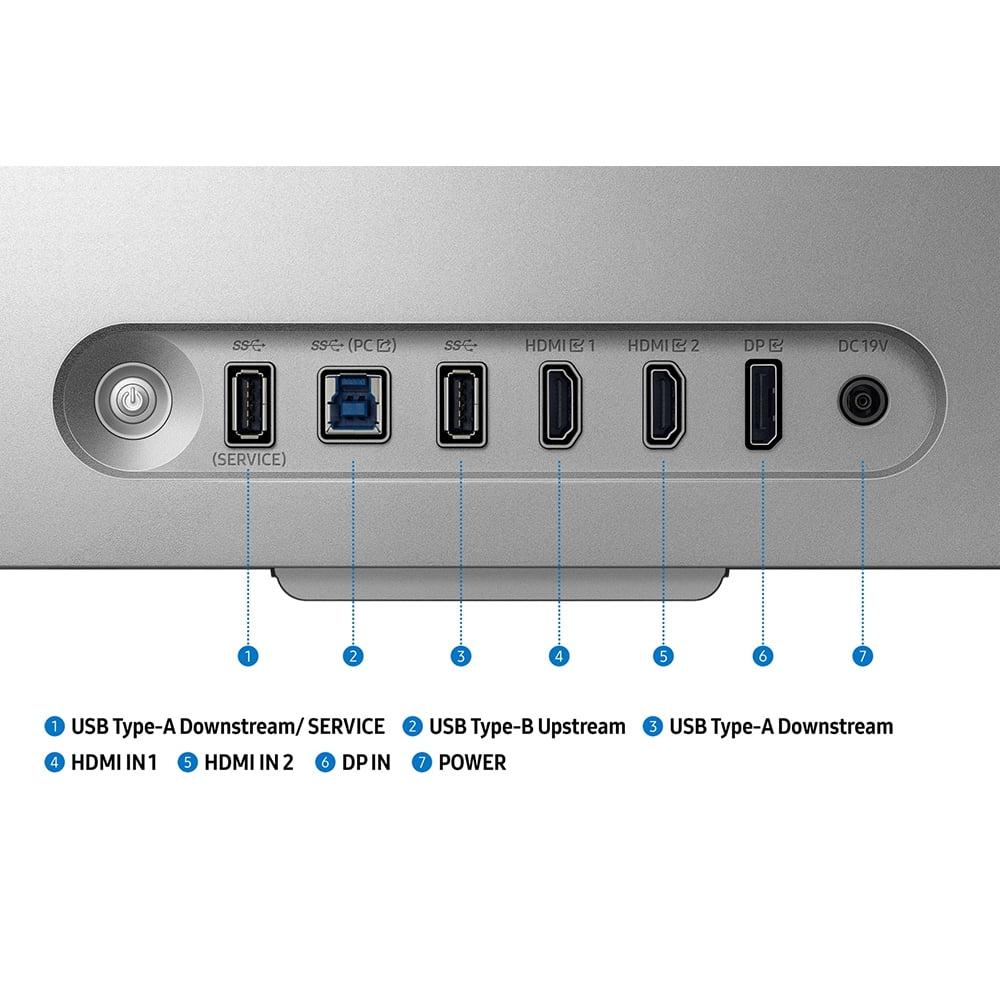
| 2x HDMI 2.0, 1x DisplayPort 1.4, USB 3.2 hub with 2 ports | Standard gaming connectivity without USB hub |
| GPU Requirements - Graphics card power needed for optimal performance | |
| Mid-range (GTX 1660+ for 240Hz in esports titles) | High-end (RTX 3080+ for 4K/3D gaming) |
| Content Compatibility - What games and media work best | |
| Universal compatibility with all gaming content | Limited 3D game library, AI conversion for 2D content varies |
| Target Audience - Who benefits most from each monitor | |
| Competitive gamers, esports players, value-conscious buyers | Early tech adopters, immersive single-player gamers, premium buyers |
| Value Proposition - Performance per dollar and long-term investment | |
| Excellent value with proven high-performance gaming benefits | Premium pricing for experimental technology with current limitations |
The HP OMEN 27s FHD 240Hz Gaming Monitor is significantly better for competitive gaming. Its 240Hz refresh rate provides smoother motion tracking and faster response to enemy movements compared to the Samsung Odyssey 3D G90XF's 165Hz. The FHD resolution also ensures you can actually achieve high frame rates to utilize that refresh rate advantage.
The Samsung 27" Odyssey 3D G90XF 4K 165Hz Gaming Monitor offers much sharper images with 4K resolution (3840x2160) compared to the HP OMEN 27s's FHD resolution (1920x1080). However, the HP OMEN 27s has slightly better color accuracy with 95% DCI-P3 coverage versus standard sRGB on the Samsung.
The Samsung Odyssey 3D G90XF requires significantly more GPU power, needing an RTX 3080 or better for optimal 4K and 3D gaming performance. The HP OMEN 27s works well with mid-range cards like a GTX 1660 or RTX 3060 for high refresh rate gaming.
The Samsung Odyssey 3D G90XF's glasses-free 3D technology is impressive when it works, but it has major limitations. Only a handful of games natively support 3D, and the AI conversion for other content produces mixed results. You also need to sit in a specific position for the 3D effect to work properly.
The HP OMEN 27s FHD 240Hz Gaming Monitor offers much better value, providing proven high-performance gaming features at a reasonable price point. The Samsung Odyssey 3D G90XF commands a significant premium for experimental 3D technology that currently works with very limited content.
Both monitors work with consoles, but the HP OMEN 27s is more practical for console gaming due to its lower resolution matching console capabilities better. The Samsung Odyssey 3D G90XF's 3D features don't work with consoles - you only get standard 4K gaming.
The Samsung 27" Odyssey 3D G90XF is better for immersive single-player games when 3D content is available, offering unprecedented depth perception. However, for the majority of single-player games without 3D support, both monitors perform similarly, with the Samsung having an advantage in visual detail due to 4K resolution.
The HP OMEN 27s FHD 240Hz Gaming Monitor is more practical for productivity with its USB hub, multiple connectivity options, and excellent color accuracy. The Samsung Odyssey 3D G90XF offers sharper text due to 4K resolution but lacks the connectivity features that make daily work easier.
The HP OMEN 27s offers superior connectivity with 2 HDMI ports, DisplayPort, and a built-in USB 3.2 hub with 2 additional ports. The Samsung Odyssey 3D G90XF has standard gaming monitor connectivity but lacks the convenient USB hub feature.
Both the HP OMEN 27s and Samsung Odyssey 3D G90XF feature flicker-free technology and low blue light modes. However, the Samsung's 3D technology may cause eye fatigue for some users during extended sessions, while the HP's high refresh rate can actually reduce eye strain by providing smoother motion.
The HP OMEN 27s FHD 240Hz Gaming Monitor is better for streaming due to its lower resolution being easier to encode and stream, plus the USB hub makes connecting capture devices convenient. The Samsung Odyssey 3D G90XF offers higher quality for content creation but requires more powerful hardware for streaming 4K content.
This depends on your risk tolerance and budget. The Samsung Odyssey 3D G90XF is expensive for experimental technology with uncertain future support. Most buyers would be better served by the proven performance of the HP OMEN 27s unless you're specifically excited about being an early adopter of 3D gaming technology.
We've done our best to create useful and informative comparisons to help you decide what product to buy. Our research uses advanced automated methods to create this comparison and perfection is not possible - please contact us for corrections or questions. These are the sites we've researched in the creation of this article: bestbuy.com - hp.com - shi.com - hp.com - bestbuy.com - hp.com - tomshardware.com - hp.com - rtings.com - hp.com - displayspecifications.com - support.hp.com - publicsector.shidirect.com - objects.icecat.biz - files.bbystatic.com - hp.com - displayspecifications.com - hometechnologyreview.com - substack.com - rtings.com - youtube.com - techaeris.com - versus.com - tomsguide.com - avsforum.com - youtube.com - versus.com - bestbuy.com - samsung.com - samsung.com - samsung.com - samsung.com - m.media-amazon.com

Privacy Policy
Terms and Conditions - Affiliate Policy
Home Security
© Copyright 2008-2026.
11816 Inwood Rd #1211, Dallas, TX 75244