

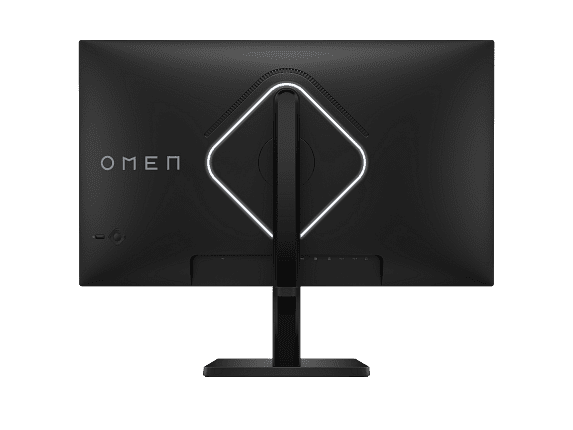
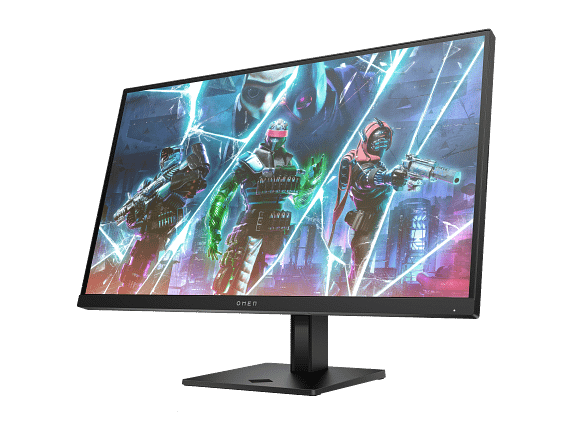
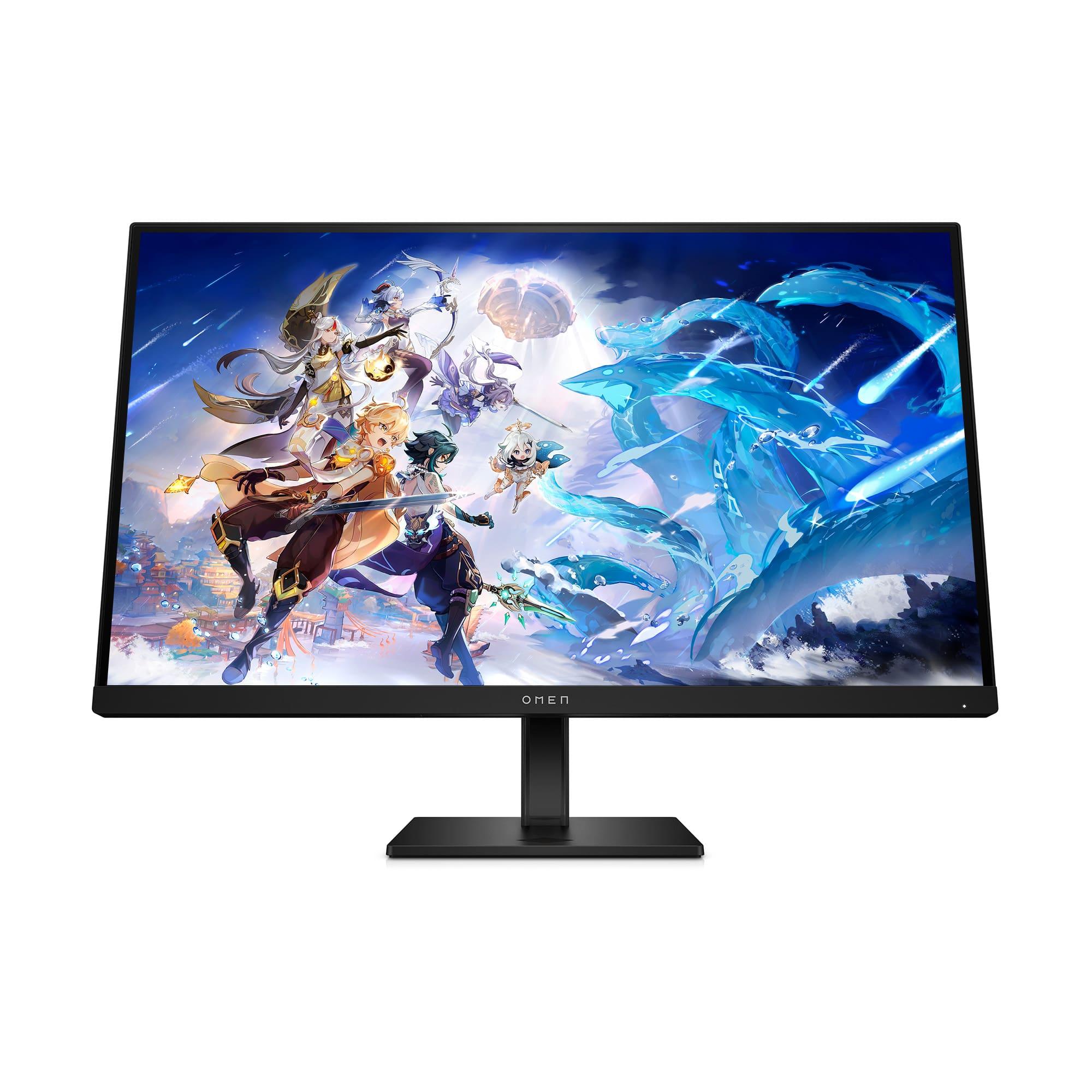
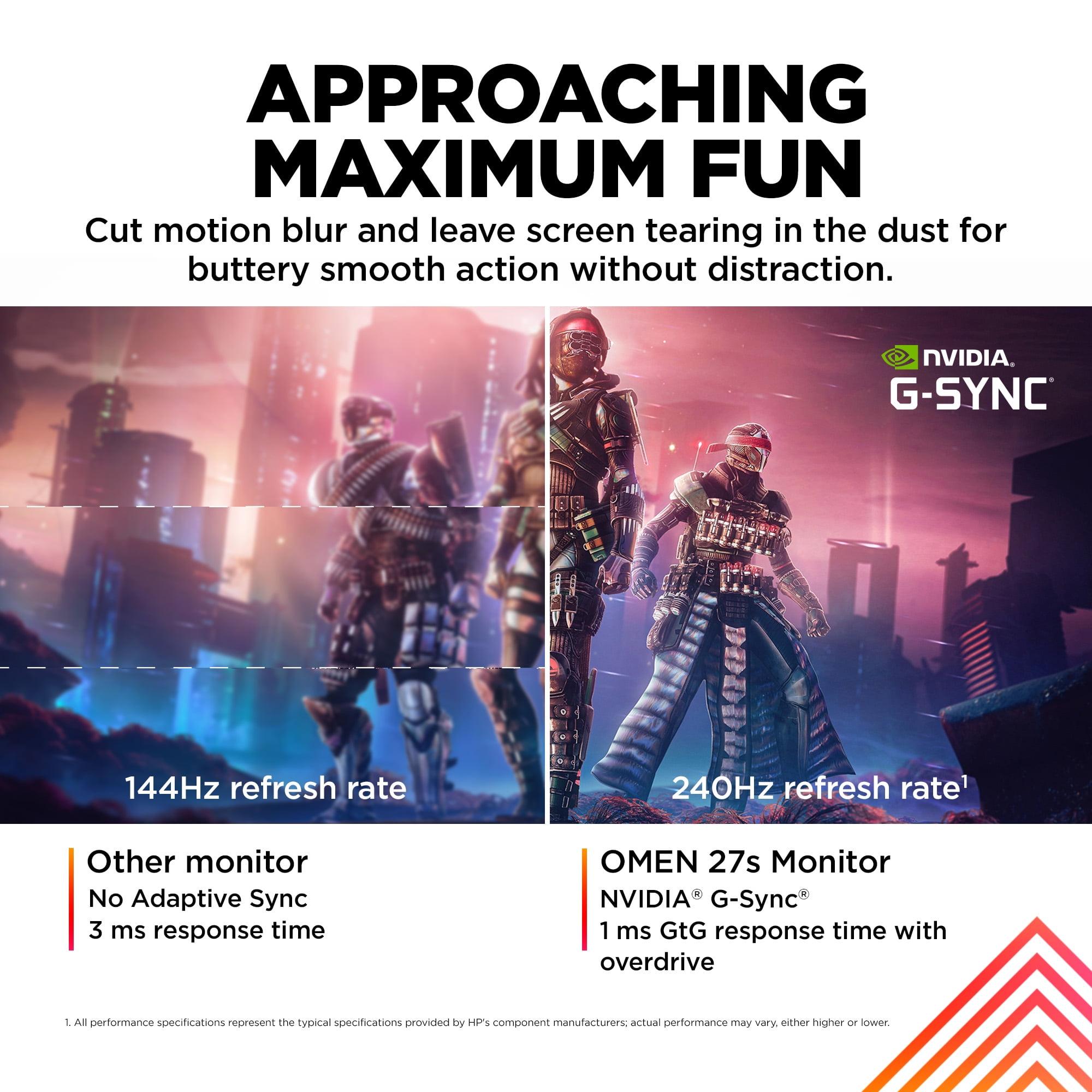
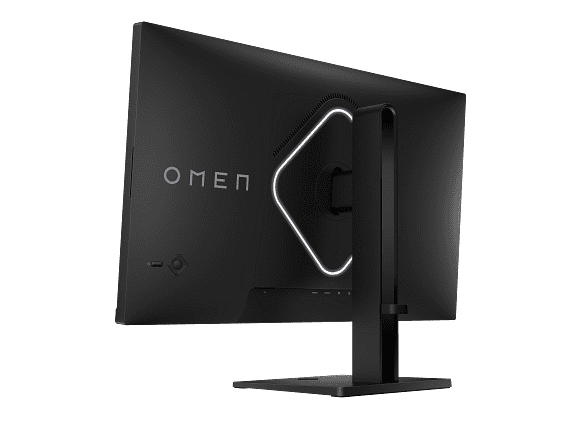
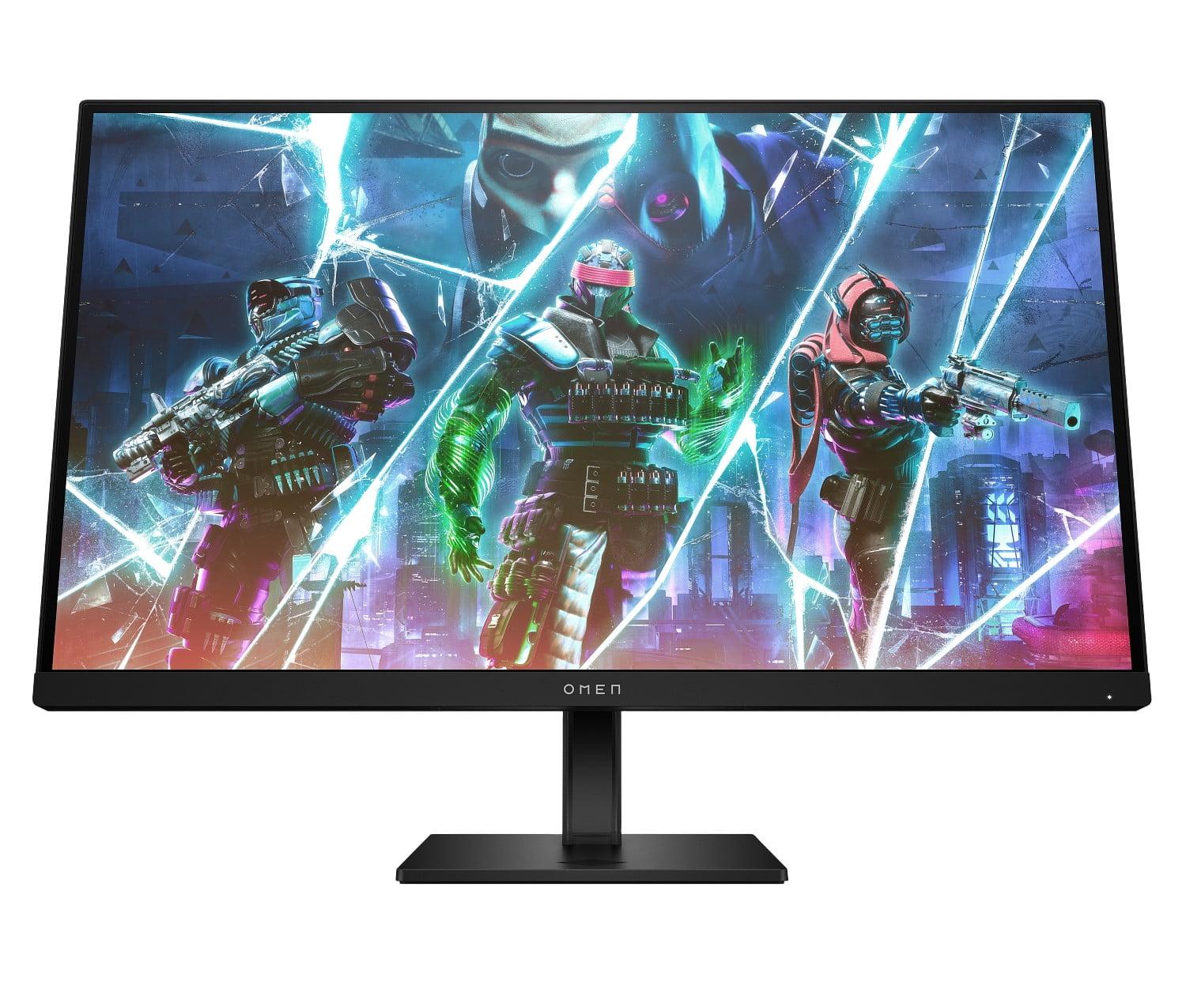
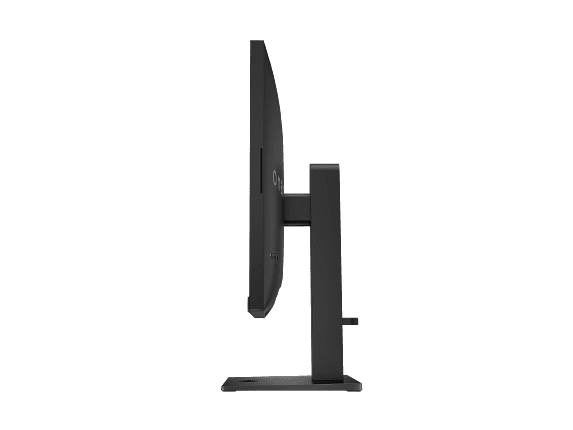

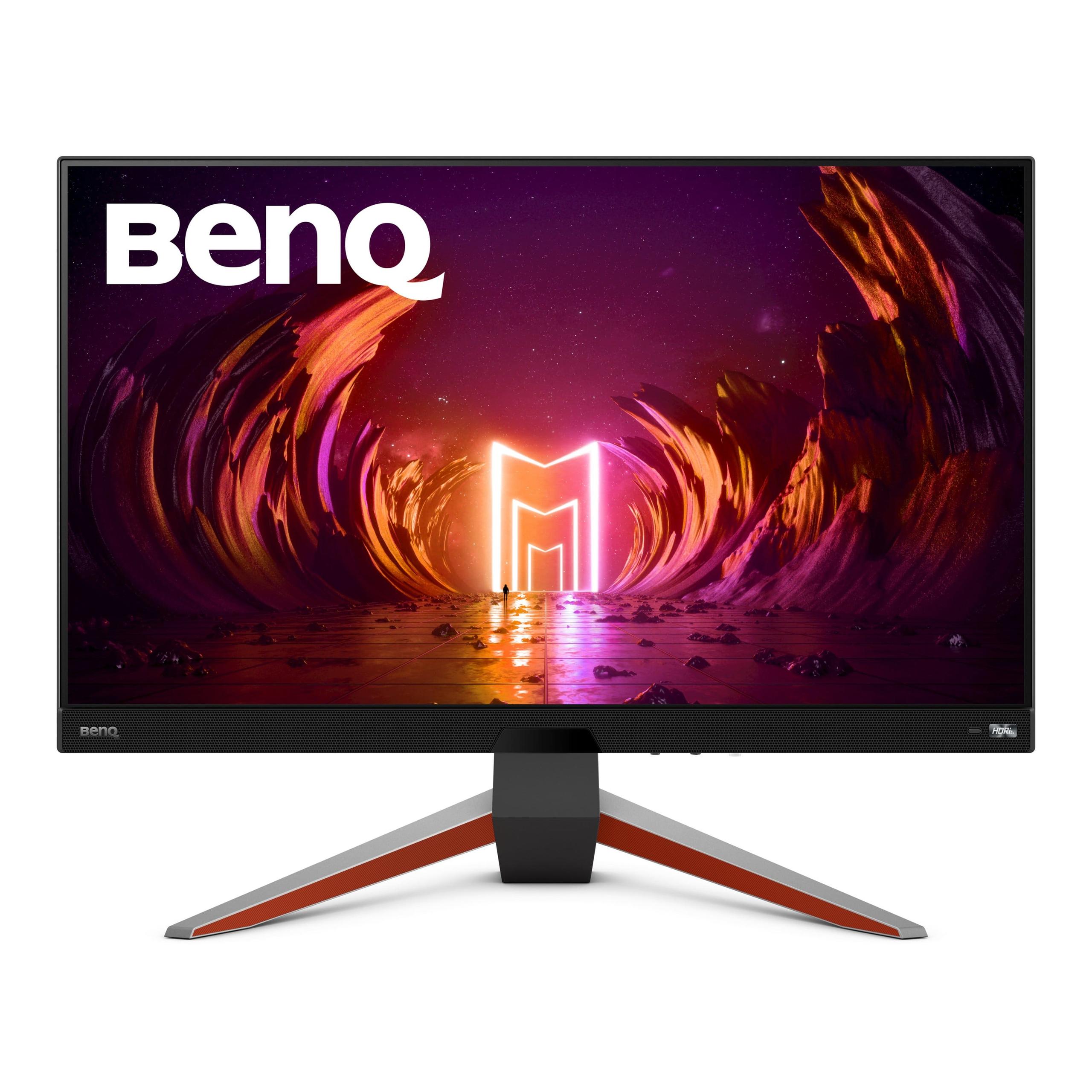
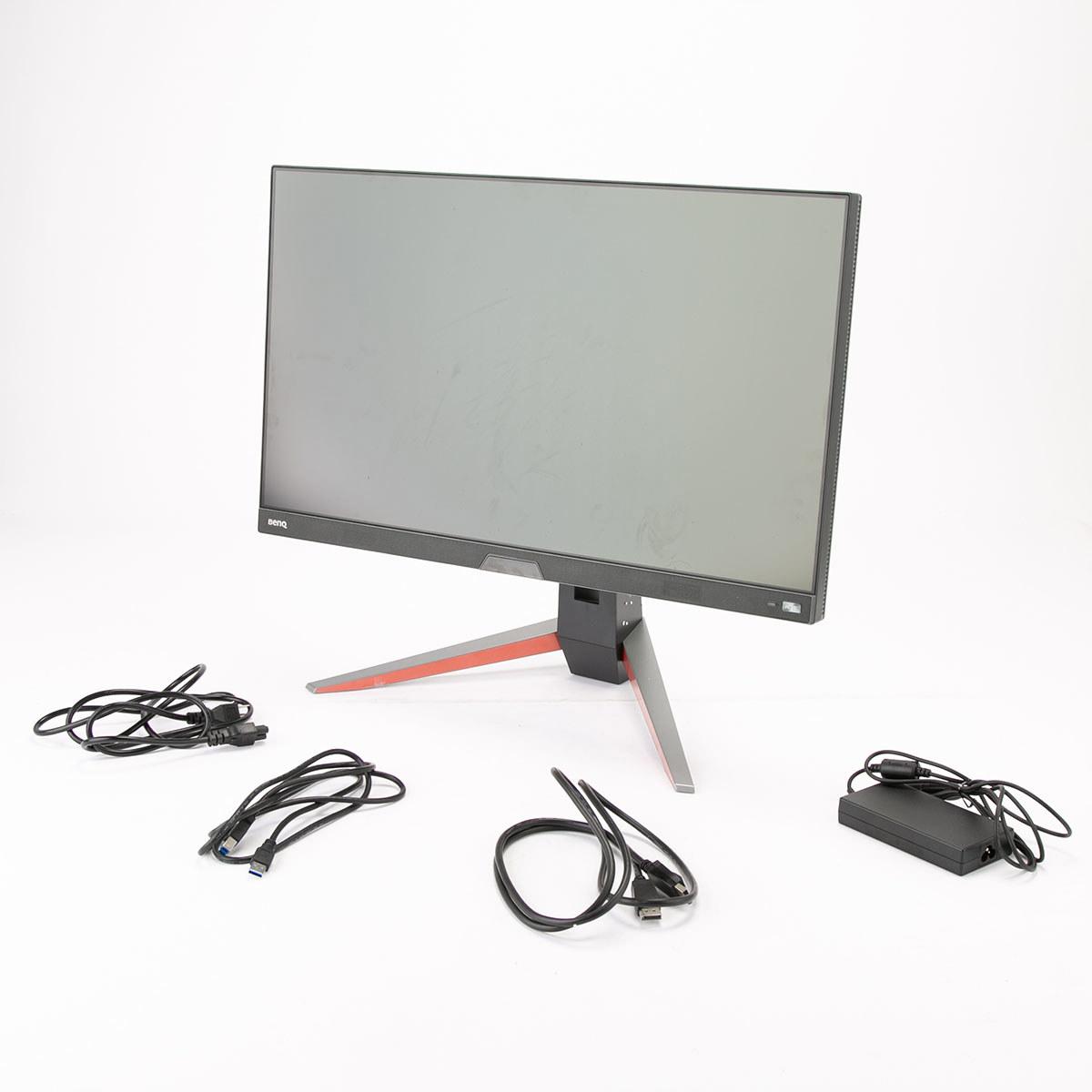
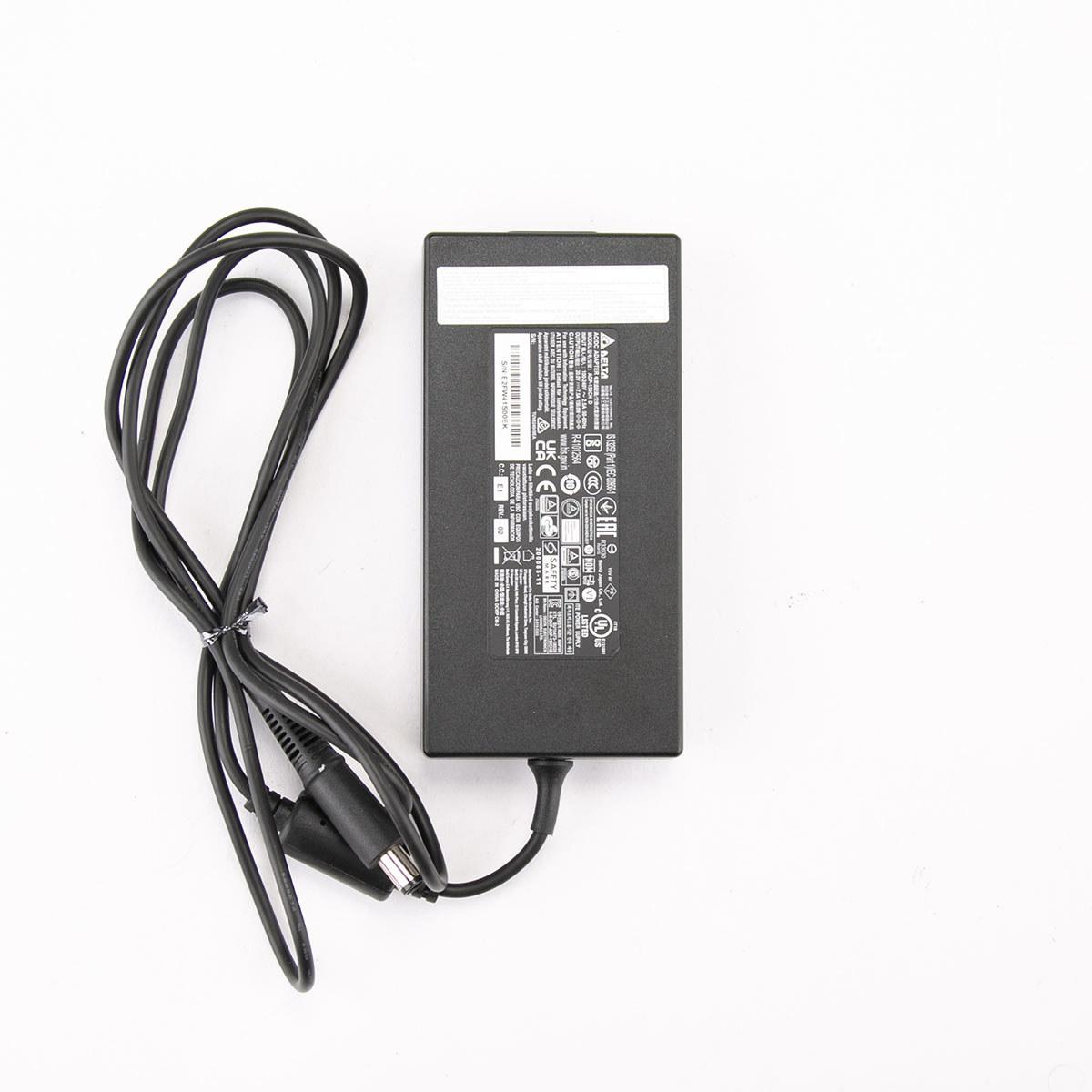
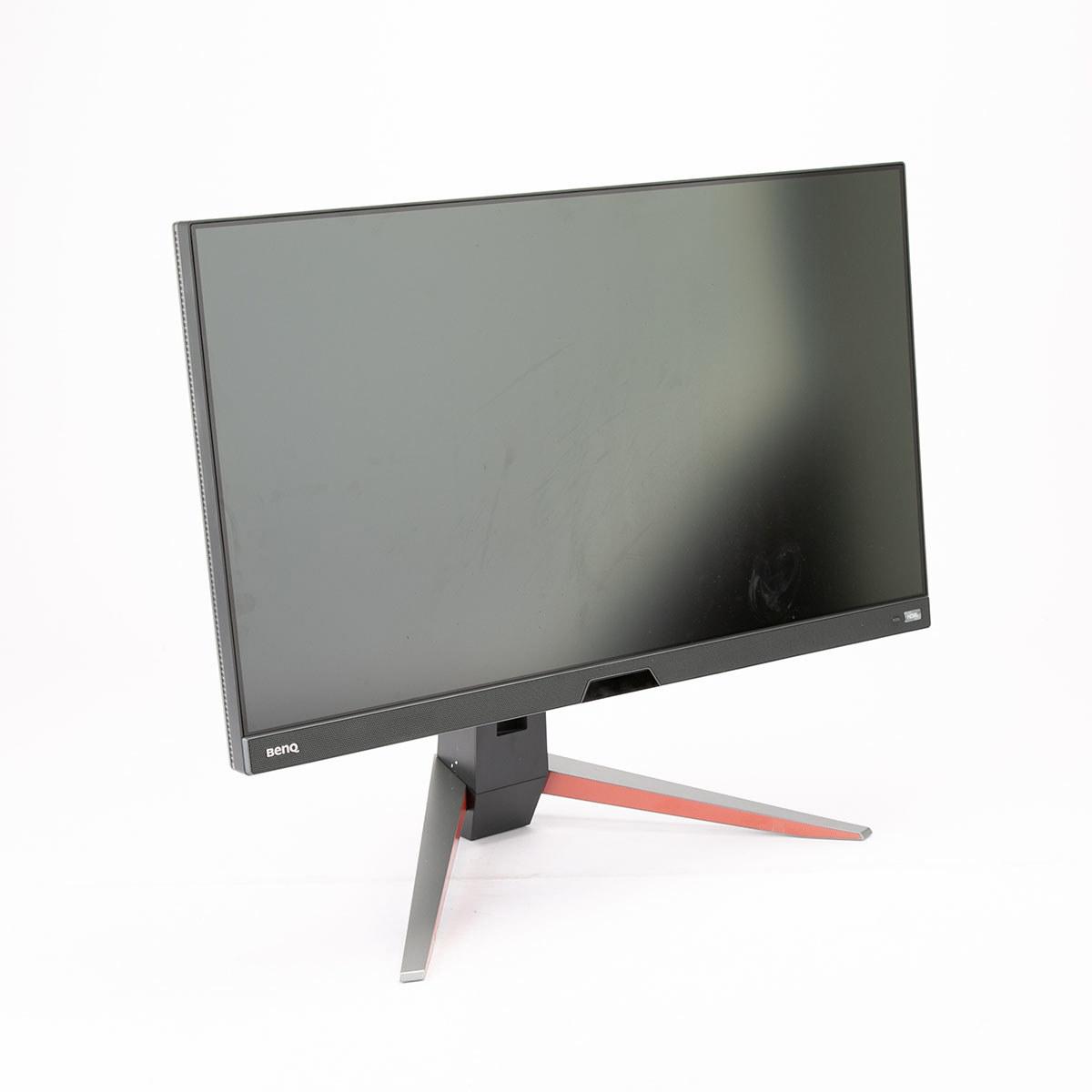
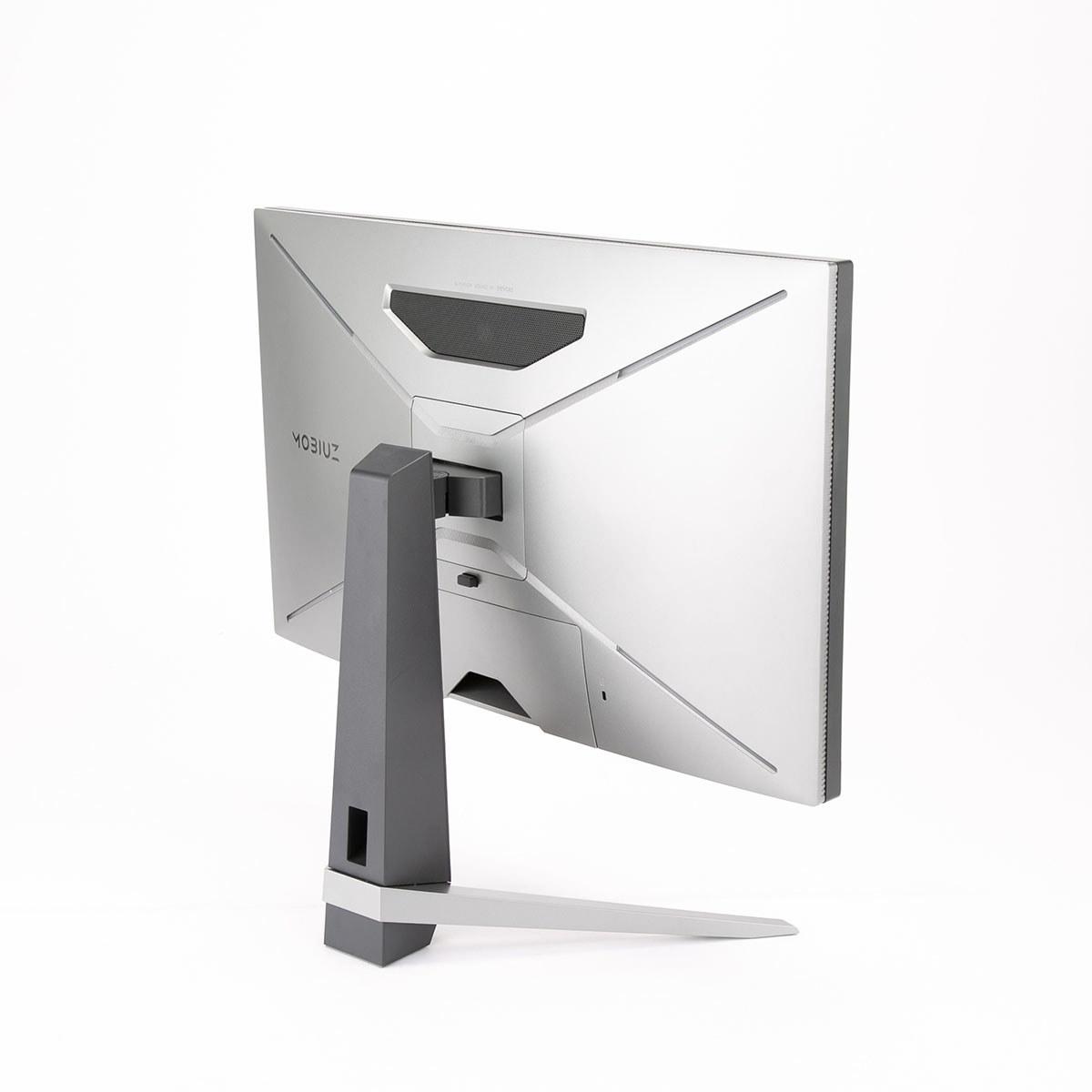
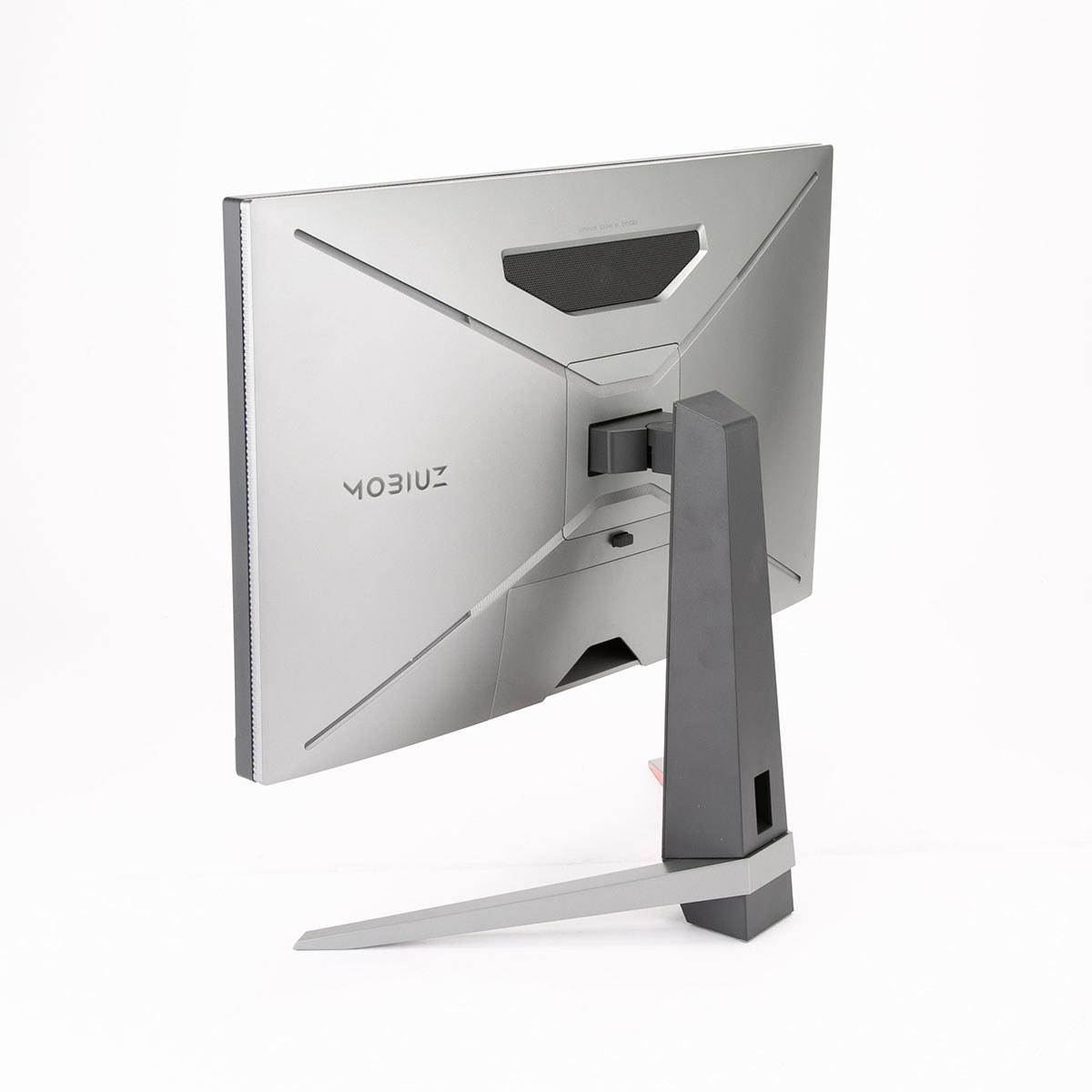
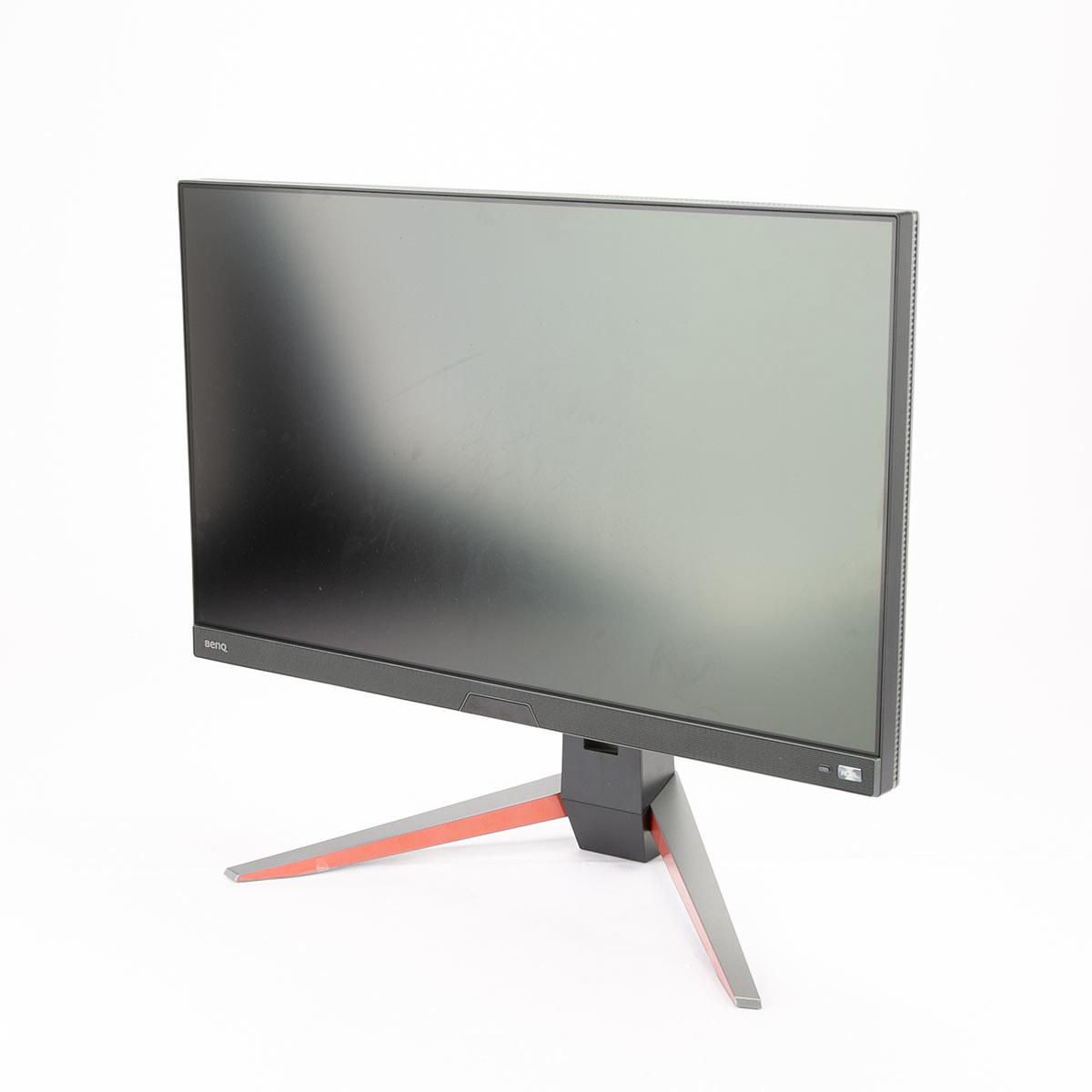
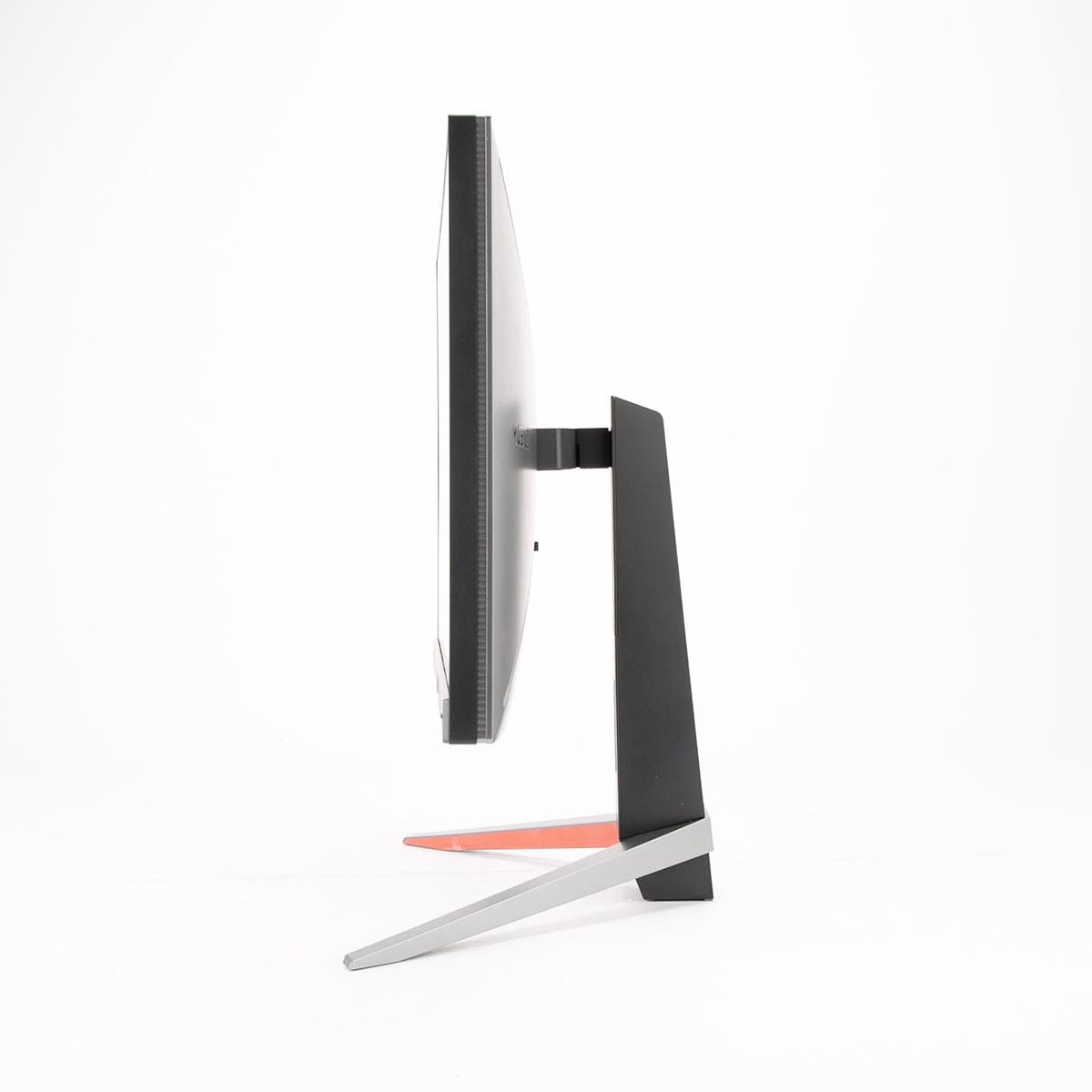
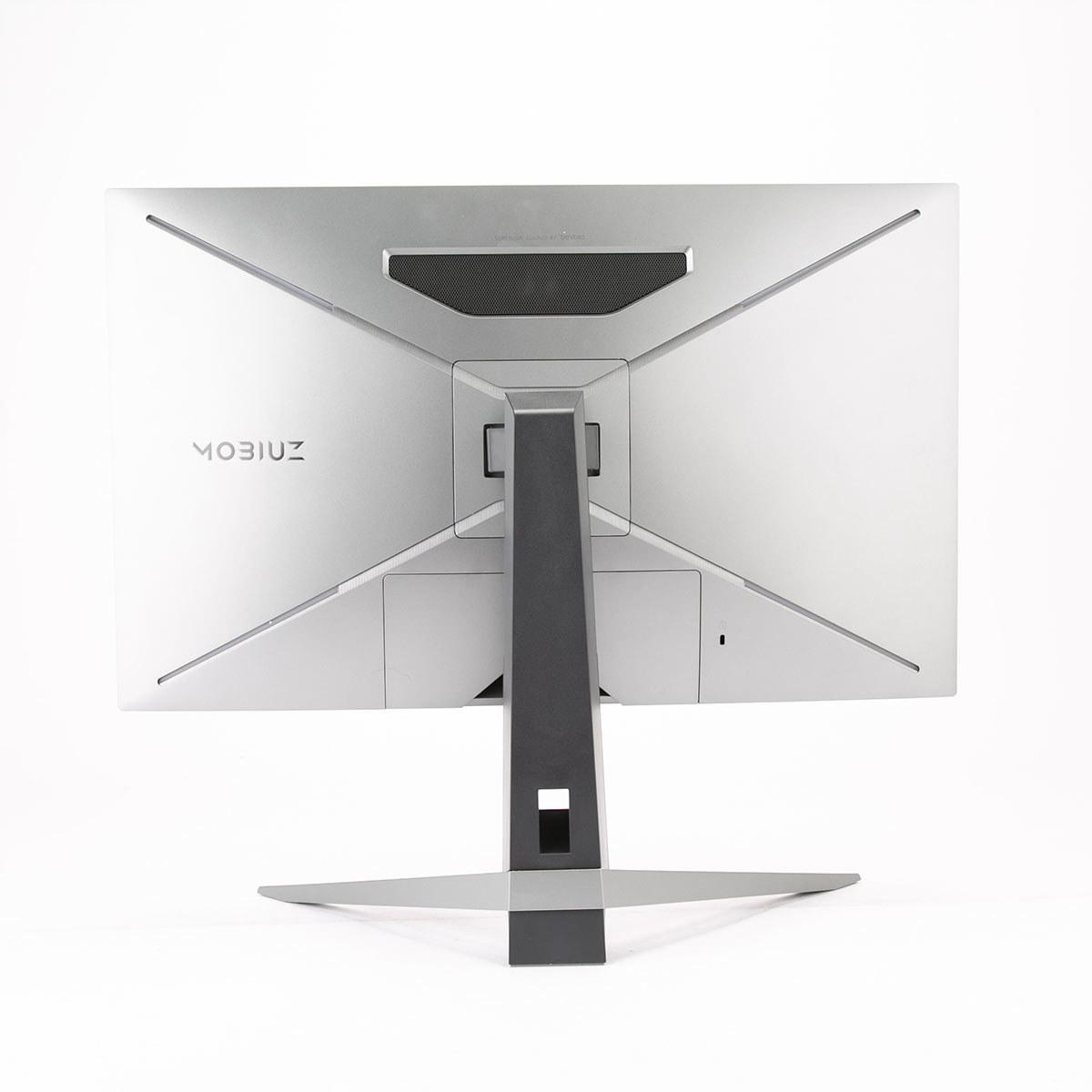
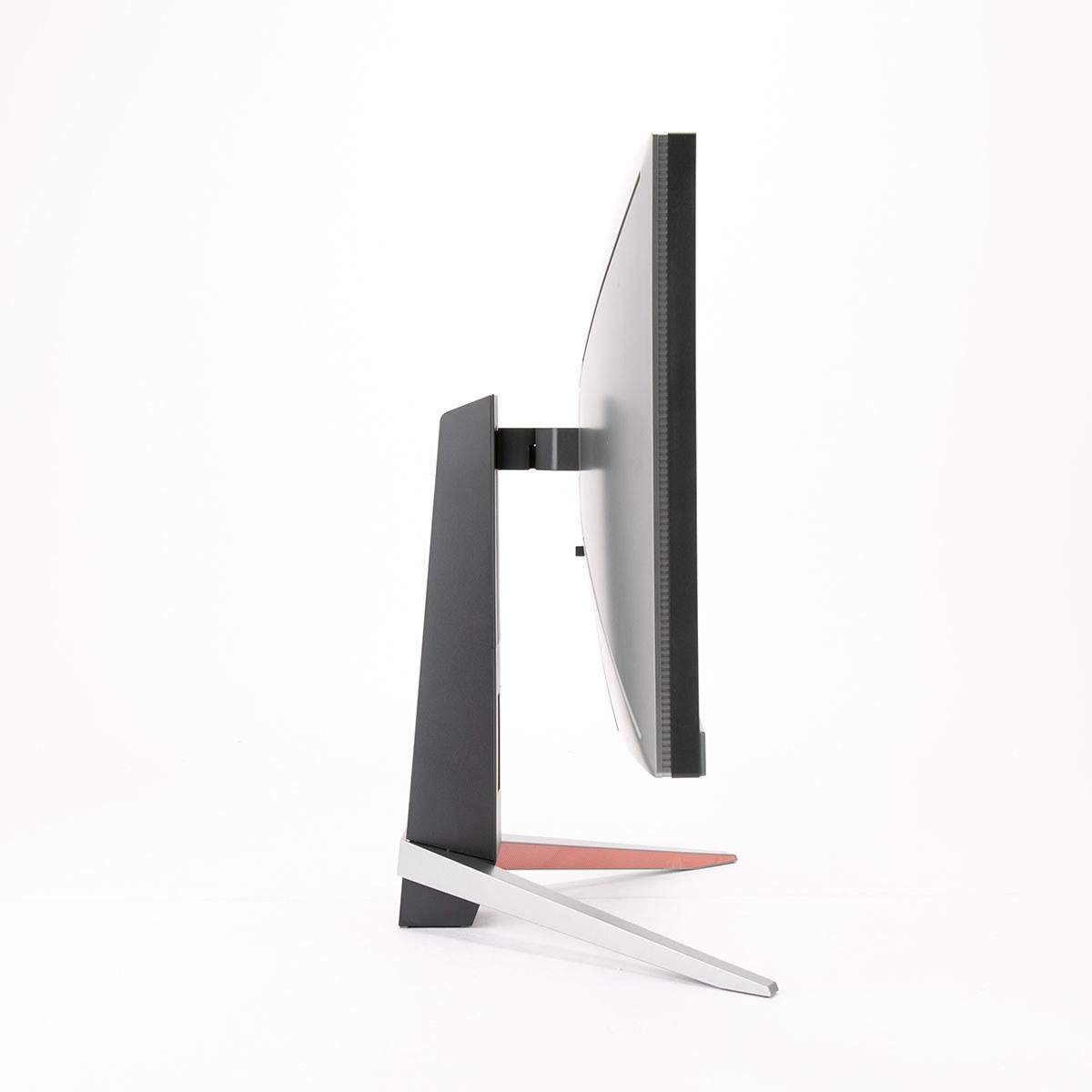
When you're shopping for a high-refresh gaming monitor, you're entering a world where milliseconds matter and every frame counts. The gaming monitor landscape has evolved dramatically since 2020, with manufacturers pushing refresh rates to previously unimaginable heights while maintaining color accuracy that rivals professional displays. Today, we're comparing two standouts in the 27-inch, 240Hz category: the HP OMEN 27s and the BenQ MOBIUZ EX270QM.
These monitors represent two different philosophies in gaming display design. Released in 2023, both benefit from the latest panel technologies and feature sets that have matured significantly over the past few years. The key question isn't whether these are good monitors—they both are—but rather which approach better serves your specific gaming needs and budget.
Before diving into specifics, let's establish what makes a gaming monitor special. Traditional monitors prioritize color accuracy and sharpness, but gaming displays focus on speed and responsiveness. The holy grail is achieving both without compromise, which is exactly what modern IPS panels deliver.
The 240Hz refresh rate on both monitors means the screen updates 240 times per second, compared to the 60Hz standard on most displays. This creates incredibly smooth motion, especially noticeable in fast-paced games where tracking moving targets is crucial. Response time—how quickly pixels can change color—is equally important. Both monitors claim 1ms response times, though the technology behind achieving this differs between them.
Adaptive sync technology has become table stakes for gaming monitors. This feature synchronizes your monitor's refresh rate with your graphics card's output, eliminating screen tearing (those annoying horizontal lines that appear during fast motion) and reducing stuttering. Both the HP OMEN 27s and BenQ EX270QM support this technology across AMD and NVIDIA graphics cards.
Here's where these monitors diverge most significantly. The HP OMEN 27s runs at FHD resolution (1920×1080), while the BenQ EX270QM operates at QHD resolution (2560×1440). This isn't just about numbers—it fundamentally changes how you'll use these displays.
The HP's FHD resolution provides 82 pixels per inch (PPI), which sounds low until you consider the gaming context. Competitive esports players often prefer lower resolutions because they're easier for graphics cards to drive at maximum frame rates. If you're playing Counter-Strike 2 or Valorant competitively, hitting that full 240fps is more important than pixel density. Your RTX 4060 or RX 7600 can comfortably push FHD at 240fps in most esports titles, keeping you in that crucial high-refresh sweet spot.
The BenQ's QHD resolution delivers 109 PPI, providing 77% more pixels than FHD. This translates to noticeably sharper text, more detailed game environments, and better overall visual clarity. However, driving QHD at 240fps requires significantly more graphics horsepower—you're looking at RTX 4070 or RX 7800XT as realistic minimums for demanding games.
Both monitors use IPS panels, which represent a major advancement over the TN panels that dominated gaming monitors just a few years ago. IPS technology provides superior color accuracy, wider viewing angles, and better overall image quality without the significant speed penalties that once made them unsuitable for competitive gaming.
When evaluating gaming performance, input lag reigns supreme. This measures the time between your controller input and the corresponding action appearing on screen. Based on professional testing, the BenQ EX270QM demonstrates exceptional performance with measured input lag of just 0.7ms—among the fastest we've seen in any display category. The HP OMEN 27s also performs excellently in this regard, though specific measurements weren't available in our research.
Motion clarity is where both monitors excel, but through different approaches. The HP achieves its 1ms response time through Overdrive technology, which applies voltage to pixels to make them change color faster. The BenQ uses both GTG (gray-to-gray) and MPRT (motion picture response time) optimization, plus advanced blur reduction that works even with adaptive sync enabled—a technical achievement that many monitors struggle with.
For competitive gaming, both monitors are essentially equivalent in terms of raw speed. The difference comes down to resolution preference and graphics card capability. If you're running a mid-range system, the HP OMEN 27s will more consistently deliver that crucial 240fps experience. With a high-end GPU, the BenQ EX270QM provides superior visual detail without sacrificing speed.
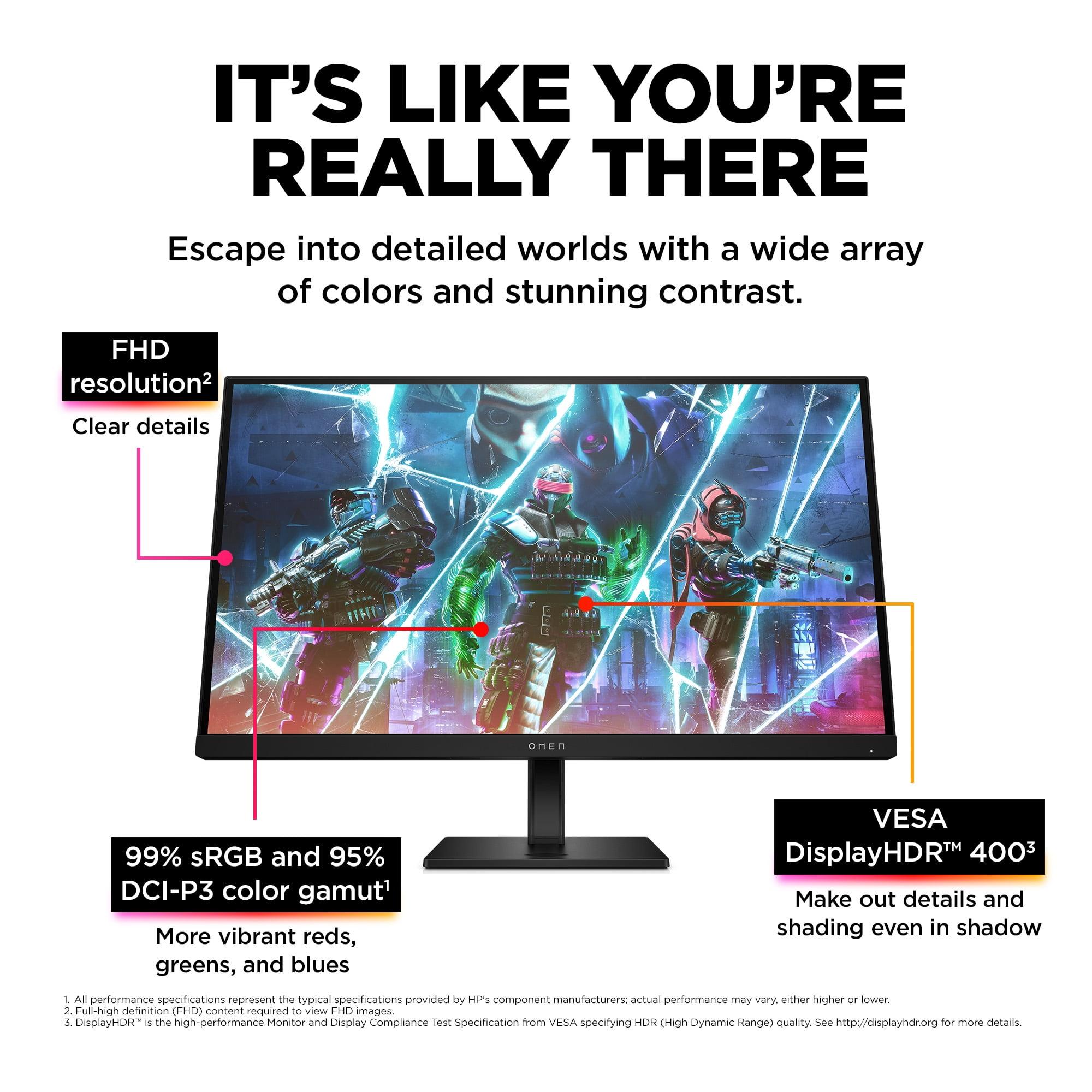
HDR (High Dynamic Range) support separates these monitors significantly. The HP OMEN 27s features DisplayHDR 400 certification, which provides basic HDR functionality with 400 nits peak brightness. While this enhances contrast compared to standard displays, it's entry-level HDR.
The BenQ EX270QM steps up with DisplayHDR 600 certification and BenQ's proprietary HDRi technology. This system uses an integrated light sensor to automatically optimize HDR performance based on your room's ambient lighting and on-screen content. At 600 nits peak brightness, it delivers more impactful HDR with better highlight detail and contrast. This makes a noticeable difference in games with dramatic lighting, like Cyberpunk 2077 or The Witcher 3.
Color accuracy is excellent on both monitors, but again with different strengths. The HP covers 99% sRGB and 95% DCI-P3, providing vibrant, accurate colors suitable for both gaming and general use. The BenQ covers 98% DCI-P3 and includes professional-grade color management features, making it more suitable if you dabble in content creation alongside gaming.
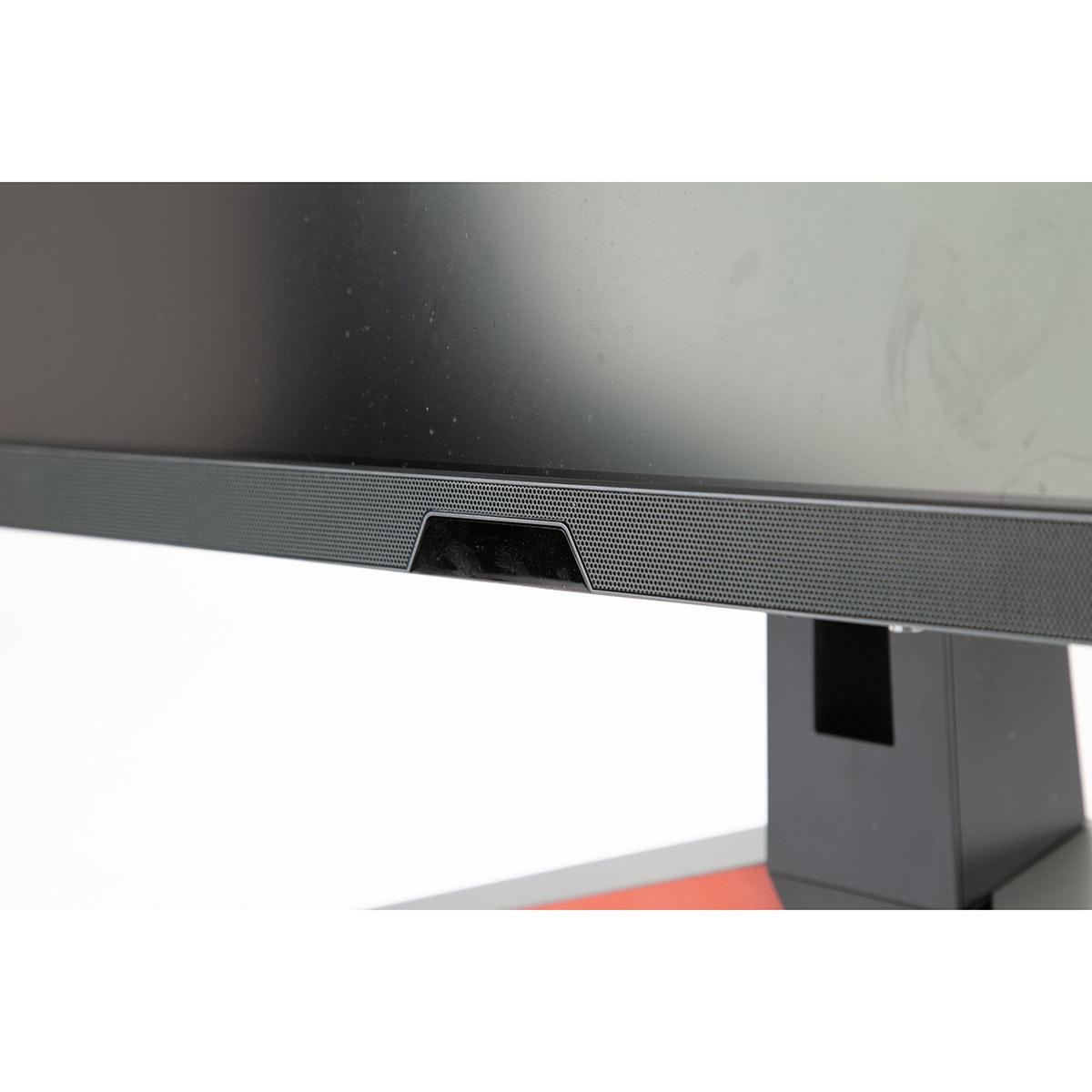
Most gaming monitor speakers are afterthoughts—tiny, tinny drivers that you'll immediately replace with headphones or external speakers. The BenQ EX270QM breaks this trend with its treVolo-tuned 2.1 channel system: two 2W speakers plus a dedicated 5W subwoofer. Based on user feedback, this setup delivers surprisingly good sound quality with actual bass response—still not audiophile-grade, but genuinely usable for casual gaming and media consumption.
The HP OMEN 27s includes standard dual 3W speakers that perform adequately but won't replace dedicated audio solutions. For most users, this isn't a decisive factor, but it's worth considering if you frequently game without headphones or want to reduce desk clutter.
Modern gaming monitors are connectivity hubs, not just displays. Both monitors include USB hubs for connecting peripherals, but their port selections reveal different priorities.
The HP OMEN 27s provides two HDMI 2.0 ports and one DisplayPort 1.4, plus two USB-A 3.2 ports. This covers most PC gaming scenarios adequately, though HDMI 2.0's bandwidth limitations mean console gamers won't get full performance from PlayStation 5 or Xbox Series X.
The BenQ EX270QM includes two HDMI 2.1 ports alongside DisplayPort 1.4. HDMI 2.1 support is crucial for next-generation consoles, enabling full 1440p 120Hz gaming on PS5 and Xbox Series X. This makes the BenQ significantly more versatile for multi-platform gaming setups.
Gaming-specific features also differ meaningfully. The HP offers custom crosshair overlays through the OMEN Gaming Hub software—useful for games without built-in crosshairs or for customization enthusiasts. The BenQ counters with Light Tuner, offering 20 different color presets optimized for specific game genres, plus Black eQualizer for enhanced visibility in dark scenes.
For serious competitive gaming, the HP OMEN 27s makes compelling sense. FHD resolution is actually preferred by many professional esports players because it's easier to spot enemies at distance and requires less graphics power to maintain consistent frame rates. The lower pixel density means less GPU strain, allowing more budget allocation toward higher-tier graphics cards or other system components.
The monitor's straightforward feature set eliminates distractions, and the OMEN Gaming Hub integration provides useful customization without overwhelming complexity. At the time of writing, the HP also represents better value for pure competitive gaming, allowing you to invest savings into other system components.
For story-driven games, open-world adventures, and visually spectacular titles, the BenQ EX270QM excels. The QHD resolution provides significantly more detail in game environments—textures look sharper, text is more readable, and the overall experience feels more premium.
The superior HDR implementation really shines in atmospheric games. Whether you're exploring Night City in Cyberpunk 2077 or traversing the landscapes in Red Dead Redemption 2, the BenQ's HDRi technology automatically optimizes the experience based on scene content and room lighting. This isn't just marketing—the dynamic adjustment genuinely improves the viewing experience throughout different times of day and lighting conditions.
Console compatibility strongly favors the BenQ EX270QM. Its HDMI 2.1 ports unlock full next-gen console potential, supporting 1440p at up to 120Hz on both PlayStation 5 and Xbox Series X. Many newer games offer 120fps modes specifically at 1440p resolution, making this monitor an ideal match for console gaming.
The HP OMEN 27s, limited to HDMI 2.0, can only receive 1080p signals from consoles, essentially wasting the native 240Hz capability in console gaming scenarios. This makes the HP primarily a PC gaming monitor, while the BenQ serves both platforms equally well.
If your gaming setup doubles as a work or content creation station, the BenQ EX270QM provides significant advantages. The higher resolution offers more screen real estate for editing timelines, multiple browser windows, or development environments. Color accuracy is suitable for casual photo editing or content creation, though serious professional work still demands dedicated professional displays.
The HP works fine for basic productivity, but the lower resolution becomes noticeable when working with text-heavy applications or detailed graphics work.
While primarily gaming monitors, both displays can serve secondary roles in entertainment setups. The BenQ EX270QM is better suited for this purpose, with superior HDR support making streaming content more engaging. The built-in subwoofer also provides better audio for casual movie watching, though neither monitor replaces a proper home theater display.
The 27-inch size works well for desk-based entertainment consumption but is too small for couch viewing in most living rooms. If you're considering either monitor for a bedroom or office entertainment setup, the BenQ's broader feature set and better HDR make it the more versatile choice.
Both monitors represent significant advances over gaming displays from just a few years ago. In 2020, achieving 240Hz required TN panels with poor color accuracy and viewing angles. These 2023 releases demonstrate how IPS technology has evolved to match TN speed while maintaining superior image quality.
The gaming monitor market has also matured in features and build quality. Both displays include proper ergonomic adjustments, cable management, and build quality that was reserved for premium models in previous generations. VESA mounting compatibility, USB hubs, and sophisticated software control were once luxury features but are now standard.
Your choice ultimately depends on your primary use case and system configuration. Choose the HP OMEN 27s if you prioritize competitive gaming performance, have a mid-range graphics card, or want maximum value for pure gaming speed. The FHD resolution isn't a limitation—it's an optimization for sustained high frame rates.
Select the BenQ EX270QM if you want premium visual quality, game across multiple platforms including consoles, or use your monitor for diverse tasks beyond gaming. The QHD resolution and superior HDR create a more immersive experience, while HDMI 2.1 support future-proofs your setup for console gaming.
Both monitors represent excellent choices within their respective approaches. The HP maximizes competitive gaming value, while the BenQ provides premium versatility. Consider your graphics card capability, gaming preferences, and whether you value specialized performance or broad feature sets. Either way, you're getting a display that would have been considered impossible just a few years ago—proof of how rapidly gaming monitor technology continues to advance.
| HP OMEN 27s FHD 240Hz Gaming Monitor | BenQ MOBIUZ EX270QM 27" QHD 240Hz IPS Gaming Monitor |
|---|---|
| Resolution - Higher resolution means sharper visuals but requires more graphics power | |
| 1920 x 1080 (FHD) - Easier to drive at 240fps with mid-range GPUs | 2560 x 1440 (QHD) - 77% more pixels for sharper detail, needs high-end GPU |
| Refresh Rate - Both excel here with ultra-smooth 240Hz gaming | |
| 240Hz with 1ms GTG response time | 240Hz with 1ms GTG and MPRT response time |
| HDR Performance - Significant difference in brightness and dynamic range | |
| DisplayHDR 400 (400 nits brightness) - Basic HDR enhancement | DisplayHDR 600 (600 nits peak) with HDRi auto-optimization - Superior contrast |
| Color Accuracy - Both suitable for gaming, BenQ better for creative work | |
| 99% sRGB, 95% DCI-P3 - Excellent gaming colors | 98% DCI-P3 with professional color management - Better for content creation |
| Audio System - BenQ's biggest advantage for reducing desk clutter | |
| Dual 3W speakers (basic monitor audio) | 2.1 channel system: 2×2W + 5W subwoofer with treVolo tuning - Actually usable |
| Console Gaming Support - Critical for PlayStation 5 and Xbox Series X owners | |
| HDMI 2.0 only - Limited to 1080p from consoles | HDMI 2.1 - Full 1440p 120Hz support for next-gen consoles |
| Connectivity - Both include USB hubs for peripherals | |
| 2×HDMI 2.0, 1×DisplayPort 1.4, 2×USB-A 3.2 | 2×HDMI 2.1, 1×DisplayPort 1.4, 2×USB-A 3.0 |
| Gaming Features - Different approaches to competitive gaming enhancement | |
| Custom crosshair overlays via OMEN Gaming Hub | Light Tuner (20 presets), Black eQualizer, remote control |
| Target User - Choose based on your primary gaming style | |
| Competitive esports gamers with mid-range PCs | Premium gamers wanting best visuals with high-end systems |
| Value Proposition - Both offer excellent performance in their segments | |
| Maximum competitive gaming performance per dollar | Premium features and versatility justify higher cost |
The HP OMEN 27s is better suited for competitive gaming due to its FHD resolution, which is easier for mid-range graphics cards to drive at a consistent 240fps. Professional esports players often prefer FHD for better enemy visibility at distance and lower system requirements. The BenQ MOBIUZ EX270QM requires more powerful hardware to maintain maximum frame rates.
The primary difference is resolution: the HP OMEN 27s features FHD (1920×1080) while the BenQ MOBIUZ EX270QM offers QHD (2560×1440). This means the BenQ provides 77% more pixels for sharper visuals, but the HP is easier to drive at maximum refresh rates with less powerful graphics cards.
The BenQ MOBIUZ EX270QM is significantly better for console gaming thanks to its HDMI 2.1 ports, which support full 1440p at 120Hz on both PlayStation 5 and Xbox Series X. The HP OMEN 27s is limited to HDMI 2.0, restricting console gaming to 1080p resolution.
Yes, both monitors offer excellent color accuracy for gaming. The HP OMEN 27s covers 99% sRGB and 95% DCI-P3, while the BenQ MOBIUZ EX270QM covers 98% DCI-P3 with additional professional color management features, making it slightly better for content creation work.
The BenQ MOBIUZ EX270QM has superior HDR with DisplayHDR 600 certification and 600 nits peak brightness, compared to the HP OMEN 27s with DisplayHDR 400 and 400 nits. The BenQ also features HDRi technology that automatically optimizes HDR based on room lighting and content.
For the HP OMEN 27s, mid-range cards like RTX 4060 or RX 7600 can achieve 240fps in competitive games. The BenQ MOBIUZ EX270QM requires more powerful hardware like RTX 4070 or RX 7800XT to consistently hit 240fps at QHD resolution in demanding games.
The BenQ MOBIUZ EX270QM has significantly better audio with its 2.1 channel system featuring two 2W speakers plus a 5W subwoofer tuned by treVolo technology. The HP OMEN 27s includes basic dual 3W speakers that are adequate but not remarkable.
While both work well for single-player games, the BenQ MOBIUZ EX270QM provides a more immersive experience with its higher resolution, superior HDR, and better color accuracy. The sharper QHD resolution makes game environments more detailed and text more readable in story-driven games.
The HP OMEN 27s offers better value for competitive gaming and budget-conscious buyers, delivering excellent 240Hz performance at a lower cost. The BenQ MOBIUZ EX270QM provides better value for users wanting premium features, console compatibility, and versatility beyond pure gaming.
The BenQ MOBIUZ EX270QM is better for productivity thanks to its QHD resolution providing more screen real estate and sharper text. Both monitors work for basic office tasks, but the HP OMEN 27s may feel limited for detailed work due to its lower pixel density.
Both monitors include gaming enhancements: the HP OMEN 27s offers custom crosshair overlays through OMEN Gaming Hub, while the BenQ MOBIUZ EX270QM provides Light Tuner with 20 color presets, Black eQualizer for dark scene visibility, and remote control convenience for easy settings adjustment.
The BenQ MOBIUZ EX270QM is better suited for content creation with its higher resolution, professional color management, and superior HDR for video editing. The HP OMEN 27s works for basic streaming but the lower resolution may be limiting for detailed editing work or multi-window setups.
We've done our best to create useful and informative comparisons to help you decide what product to buy. Our research uses advanced automated methods to create this comparison and perfection is not possible - please contact us for corrections or questions. These are the sites we've researched in the creation of this article: bestbuy.com - hp.com - shi.com - hp.com - bestbuy.com - hp.com - tomshardware.com - hp.com - rtings.com - hp.com - displayspecifications.com - support.hp.com - publicsector.shidirect.com - objects.icecat.biz - files.bbystatic.com - hp.com - displayspecifications.com - bgeek.eu - youtube.com - tomshardware.com - youtube.com - t3.com - versus.com - pcgamer.com - versus.com - gamesradar.com - pangoly.com - benq.eu - techaeris.com - shi.com - benq.com - bestbuy.com - benq.com - displayspecifications.com - benq.com - benq.eu - bhphotovideo.com - benq.com

Privacy Policy
Terms and Conditions - Affiliate Policy
Home Security
© Copyright 2008-2026.
11816 Inwood Rd #1211, Dallas, TX 75244