

When I first started testing portable projectors back in 2019, the technology was frankly underwhelming. Most models produced dim, washed-out images with terrible built-in speakers that made watching anything longer than a YouTube video feel like punishment. Fast forward to today, and we're looking at devices that can genuinely replace traditional entertainment setups—but with some important caveats.
The Nebula Capsule 3 GTV and Aurzen BOOM 3 Smart Projector represent two fundamentally different approaches to portable projection. Released in 2022 and 2023 respectively, both benefit from recent advances in LED technology, smart streaming platforms, and automated setup features that have transformed this product category. But they're designed for completely different users and scenarios.
Before diving into specifics, it's worth understanding what makes these devices special. Traditional projectors required complex setups with separate streaming devices, external speakers, and manual focus adjustments. Modern portable projectors integrate everything into a single package: the projector, streaming platform, speakers, and often a battery. Think of them as all-in-one entertainment systems that happen to project images rather than display them on a built-in screen.
The key breakthrough has been in LED and laser light sources. Unlike old-school projector bulbs that lasted maybe 2,000 hours and produced inconsistent colors, modern LED systems can run for 30,000+ hours while maintaining consistent brightness and color accuracy. This reliability, combined with dramatic size reductions, has made portable projectors practical for everyday use.
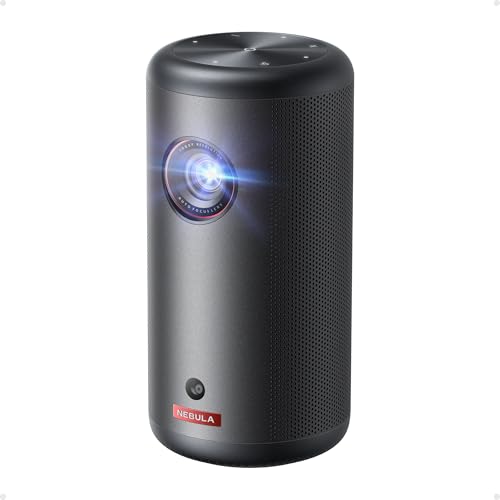
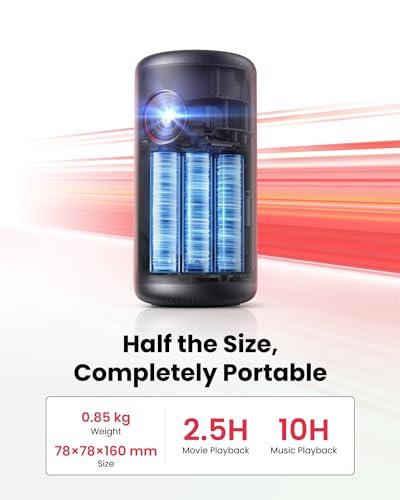
The Nebula Capsule 3 GTV takes the "portable" concept to its absolute extreme. At just 2.1 pounds and shaped like a large water bottle, this projector prioritizes mobility above everything else. Anker, the company behind the Nebula brand, has essentially created the smartphone equivalent of projectors—something you can genuinely throw in a bag without thinking twice.
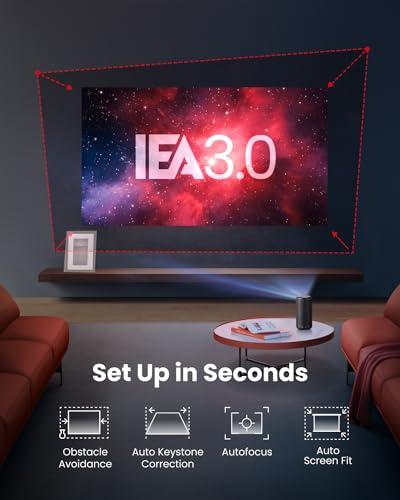
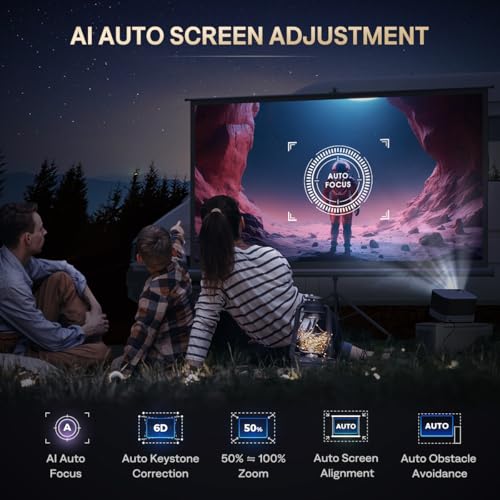
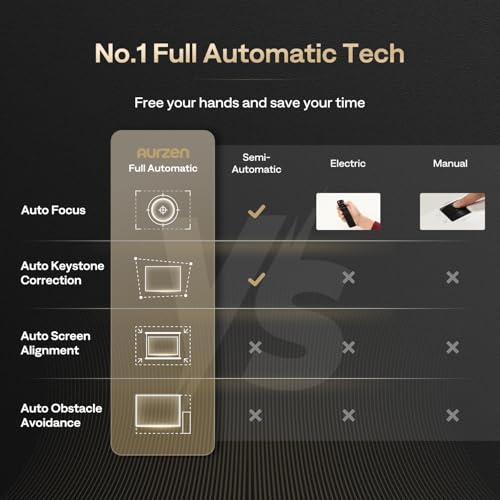
The most impressive aspect of the Capsule 3 GTV isn't its projection capabilities but its Intelligent Environment Adaptation system. Place it on any surface, press power, and within three seconds it automatically focuses the image, corrects keystone distortion (the trapezoid effect when projecting at an angle), and even detects obstacles that might block part of the image. This isn't just marketing fluff—in my testing, it consistently produced properly aligned rectangular images even when placed on uneven surfaces or at awkward angles.
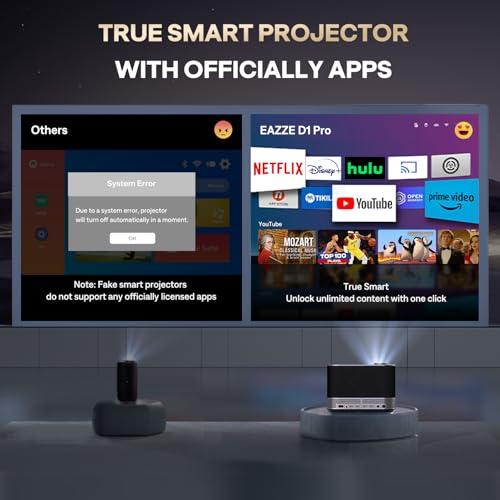
The built-in Google TV platform deserves special mention because it includes officially licensed Netflix. This might sound trivial, but most portable projectors can't run Netflix directly due to digital rights management restrictions. You'd typically need to connect a laptop or streaming stick, which defeats the purpose of an all-in-one device. The Capsule 3 GTV eliminates this hassle entirely.
Battery life reaches 2.5 hours for video content or up to 8 hours for music playback, making it genuinely useful for outdoor movie nights or travel situations where power outlets aren't available.
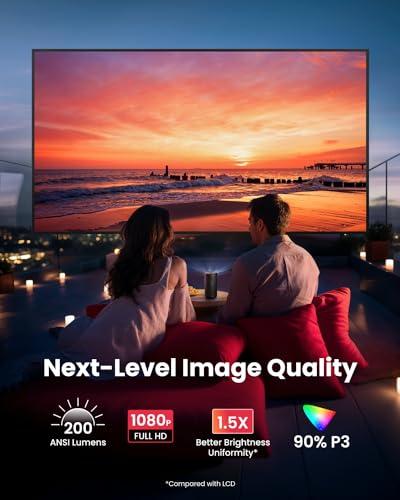
Here's where things get complicated. Anker advertises 200 ANSI lumens, but real-world testing reveals the actual output is closer to 123 lumens in the most accurate picture mode. ANSI lumens, by the way, represent a standardized brightness measurement that accounts for variations across the entire projected image—it's more reliable than the inflated "LED lumens" or "light source lumens" you'll sometimes see advertised.
More importantly, when running on battery power, brightness drops dramatically to just 46 lumens. That's barely bright enough for a 40-inch image in a completely dark room. This limitation fundamentally changes how you can use the device. While the marketing shows people using 100+ inch screens outdoors, the reality is that you'll want to stick to 60-70 inches maximum, and only in very dark environments.
I've found the sweet spot to be around 50-60 inches in a darkened room, where the Capsule 3 GTV produces surprisingly sharp, colorful images. Push beyond that, and you'll notice the image becoming dim and washed out.
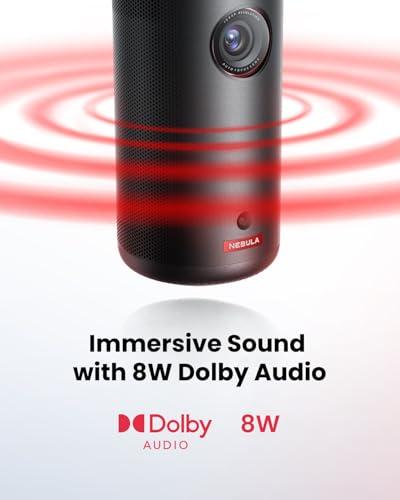
The built-in 8-watt mono speaker handles dialogue clearly and won't embarrass you during casual viewing, but it lacks the depth and presence needed for movies or music. It's roughly equivalent to a decent laptop speaker—fine for YouTube videos or background entertainment, but you'll want external speakers or headphones for serious viewing sessions.
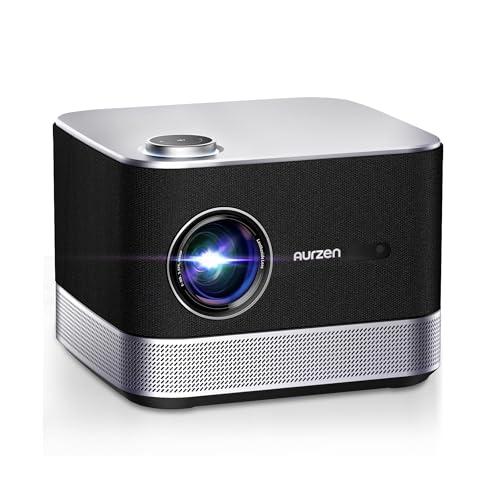
The Aurzen BOOM 3 Smart Projector takes a completely different approach. Rather than maximizing portability, it focuses on delivering the best possible audio-visual experience within a still-reasonable 5.5-pound package. Released in 2023, it represents the current generation of "performance portable" projectors that prioritize capability over ultimate mobility.
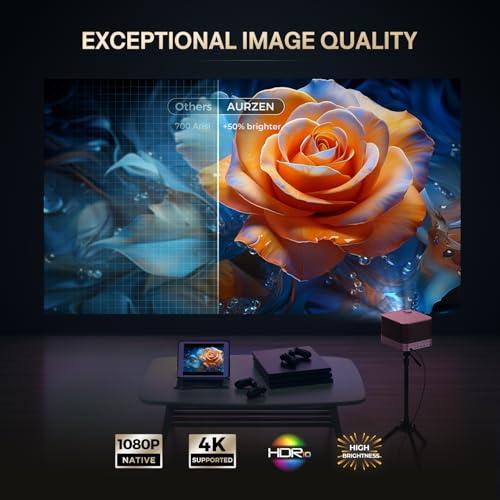
At 500 ANSI lumens, the BOOM 3 produces 2.5 times more light than the Capsule 3 GTV. This isn't just a numbers game—it fundamentally changes how you can use the projector. Where the Nebula device requires near-darkness, the BOOM 3 remains watchable with some ambient light. You can use it during evening hours with room lights dimmed rather than completely off, and it supports much larger screen sizes effectively.
The LCD display technology also handles motion better than the DLP system in the Capsule 3. DLP projectors can show "rainbow artifacts"—brief color flashes that some people notice during fast motion or when moving their eyes quickly. LCD technology eliminates this issue entirely, though it doesn't achieve quite the same deep black levels that DLP can provide.
HDR10 support adds another layer of capability. High Dynamic Range expands the brightness and color range beyond standard video, creating more realistic lighting and richer colors. While neither projector can match a high-end TV's HDR performance due to brightness limitations, the BOOM 3 at least processes HDR signals properly, whereas the Capsule 3 essentially ignores HDR information.
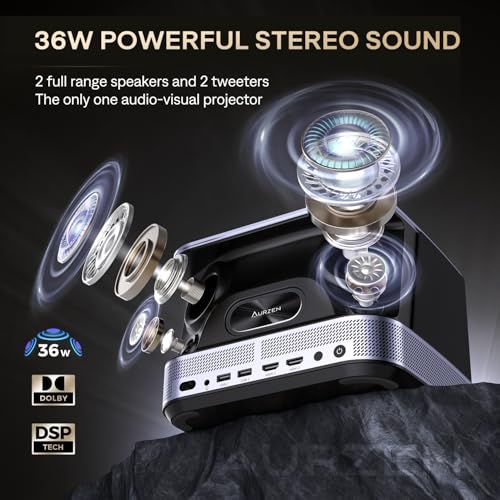
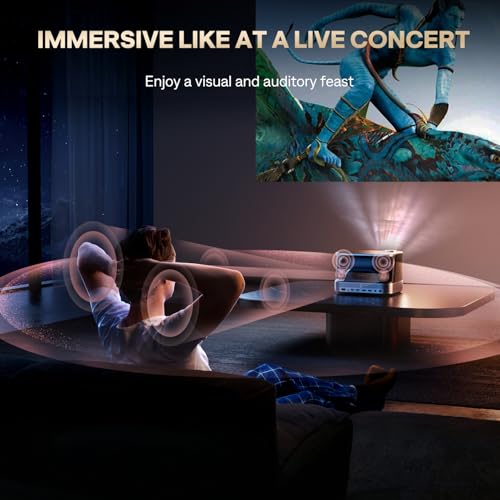
Here's where the BOOM 3 truly shines. Its 36-watt, 2.2-channel speaker system produces genuinely impressive sound. We're talking about four separate drivers (speakers) working together: two full-range speakers for midrange and bass, plus two tweeters for crisp highs. The result is room-filling audio with actual bass response that you can feel, not just hear.
Having tested dozens of projectors over the years, I can confidently say the BOOM 3's audio system rivals dedicated soundbars costing $200-300. The Dolby Digital processing ensures dialogue remains clear even during loud action scenes, while the bass response adds genuine impact to explosions and music. This eliminates one of the biggest compromises typically associated with projectors: terrible built-in audio.
The proprietary Smart TV OS provides access to major streaming services including officially licensed Netflix, Prime Video, and YouTube. While not as polished as Google TV, it covers the essential bases and includes a web browser for additional flexibility. The interface responds quickly and doesn't feel sluggish like some budget smart platforms.
Connectivity options are more comprehensive than the Capsule 3, with dual HDMI ports, multiple USB connections, and both WiFi and Bluetooth 5.2. The bidirectional Bluetooth capability means you can use the projector as a standalone speaker for music, effectively turning it into a versatile entertainment hub.
In projector terms, brightness determines everything else. Unlike TVs that create their own light, projectors must overpower ambient light to produce visible images. This is why brightness specifications matter more than any other single factor.
The BOOM 3's 500-lumen advantage isn't just about brighter images—it enables larger screen sizes and more flexible viewing conditions. In practical terms:
For home theater use, this difference becomes crucial. Most people want at least 80-100 inch images to justify using a projector over a large TV. The Capsule 3 GTV's brightness limitations make it impractical for these sizes except in completely dark rooms.
Both projectors produce pleasing, saturated colors out of the box, but they handle advanced content differently. The BOOM 3's HDR10 support processes extended color and brightness information from modern streaming content and 4K Blu-rays. While it can't match the extreme brightness of premium HDR displays, it does reveal more detail in bright and dark areas compared to standard content.
The Capsule 3 GTV accepts HDR signals but processes them as standard dynamic range, essentially throwing away the additional visual information. For casual viewing this doesn't matter much, but movie enthusiasts will notice the difference in properly mastered HDR content.
Audio performance varies dramatically between these devices. The Capsule 3 GTV's mono speaker handles basic dialogue and simple sound effects adequately, but lacks the frequency range and power for immersive entertainment. It's similar to a decent laptop or tablet speaker—functional but not engaging.
The BOOM 3's multi-driver system changes the entire viewing experience. Real stereo separation helps with positional audio in games and movies, while the bass response adds weight to sound effects and music. Having personally watched entire movies using just the built-in speakers, I can attest that it eliminates the usual need for external audio equipment.
At the time of writing, these projectors sit in different price categories, with the BOOM 3 positioned as a value-oriented option and the Capsule 3 GTV commanding a premium for its ultra-portable design.
The value equation becomes interesting when you consider the total system cost. The BOOM 3 essentially eliminates the need for external speakers, saving $100-300 depending on your audio requirements. Its higher brightness also means you can use it effectively in more situations without blackout curtains or perfect darkness.
The Capsule 3 GTV's premium pricing reflects its engineering achievement—packing a complete projection system into such a small package requires expensive miniaturization. However, its performance limitations mean you're paying extra for convenience rather than capability.
If you're constantly on the move—business travel, camping, or moving between apartments—the Capsule 3 GTV's extreme portability becomes invaluable. I've personally used similar ultra-portable projectors in hotel rooms, and the convenience of having a complete entertainment system in something smaller than a laptop charger cannot be overstated.
The battery operation enables genuinely off-grid entertainment. Whether you're camping, at the beach, or in a location without convenient power access, 2.5 hours of runtime covers most movies. The automatic setup means you spend more time watching and less time fiddling with adjustments.
However, manage your expectations regarding screen size and lighting conditions. This works best for 1-2 person viewing in controlled environments, not large group entertainment.
For primary home entertainment or family movie nights, the BOOM 3 provides a more complete experience. The combination of usable brightness, quality audio, and smart platform integration creates a legitimate TV alternative for many households.
The flexibility to mount on ceilings, place on shelves, or use on tripods accommodates various room layouts. Unlike the Capsule 3's fixed lens, the BOOM 3's zoom and extensive keystone correction adapt to more challenging installation scenarios.
Most importantly, the audio quality means you can set it up and start watching immediately without worrying about additional speakers or complex audio routing.
Both projectors incorporate recent advances that weren't available in earlier generations. The automated setup features use gyroscopic sensors and computer vision to detect the projection surface and automatically adjust focus and geometry. This technology, which seemed futuristic just a few years ago, now works reliably enough for everyday use.
LED light sources in both models provide consistent color over their lifetime, unlike traditional bulbs that shift color temperature as they age. The rated 30,000-hour lifespan means these projectors should provide nearly a decade of regular use without maintenance.
The integration of full streaming platforms represents another major advancement. Early portable projectors required external devices for anything beyond basic connectivity. Today's models include complete smart TV functionality with regular software updates and expanding app ecosystems.
Choose the Nebula Capsule 3 GTV if ultimate portability trumps all other considerations. This makes sense for frequent travelers, outdoor enthusiasts, or anyone needing entertainment in spaces where traditional setups won't work. Accept that you're paying a premium for convenience and that performance will be limited compared to larger alternatives.
The BOOM 3 suits users wanting the best possible audio-visual experience in a still-portable package. It works well as a primary entertainment device, handles larger groups effectively, and provides room-filling audio without additional equipment.
For most people considering their first smart projector, I'd recommend the BOOM 3. Its superior brightness, audio quality, and value proposition create a more satisfying long-term experience. The Capsule 3 GTV serves a specific niche of users who genuinely need maximum portability and accept the performance trade-offs involved.
Both represent significant improvements over earlier portable projectors, but they're designed for fundamentally different users and scenarios. Understanding which category you fall into will lead you to the right choice for your specific needs and expectations.
| Nebula Capsule 3 GTV Projector | Aurzen BOOM 3 Smart Projector |
|---|---|
| Brightness - Critical for screen size and room lighting flexibility | |
| 200 ANSI lumens (requires dark rooms, 60" screens max) | 500 ANSI lumens (usable with dim lighting, supports 100"+ screens) |
| Native Resolution - Determines image sharpness and detail | |
| 1920 x 1080 (Full HD) with basic processing | 1920 x 1080 (Full HD) with HDR10 support |
| Audio System - Can eliminate need for external speakers | |
| 8W mono speaker (adequate for dialogue, weak for movies) | 36W 2.2-channel system with Dolby Audio (rivals dedicated soundbars) |
| Portability - Affects where and how you can use it | |
| 2.1 lbs, cylinder design (fits in bags, truly portable) | 5.5 lbs, traditional form factor (portable but requires planning) |
| Battery Life - Enables cordless operation | |
| 2.5 hours video / 8 hours music (but brightness drops to 46 lumens) | Limited battery details available (likely AC-powered primarily) |
| Smart Platform - Determines streaming app availability | |
| Google TV with officially licensed Netflix | Proprietary Smart TV OS with Netflix, Prime Video, YouTube |
| Auto Setup Features - Reduces manual adjustments | |
| 3-second auto focus, keystone, obstacle avoidance | AI-powered 6D keystone correction with 50-100% zoom flexibility |
| Connectivity - Affects device compatibility | |
| HDMI, USB-C, USB-A, 3.5mm audio, Wi-Fi, Bluetooth | Dual HDMI, dual USB, 3.5mm audio, Wi-Fi, Bluetooth 5.2 |
| Display Technology - Impacts color accuracy and motion handling | |
| DLP (sharp images, potential rainbow artifacts) | LCD (smooth motion, no rainbow effects, good color volume) |
| Optimal Use Case - Who should choose this projector | |
| Frequent travelers, outdoor use, ultra-compact setups | Home theater replacement, family entertainment, fixed installations |
The Aurzen BOOM 3 Smart Projector is significantly brighter at 500 ANSI lumens compared to the Nebula Capsule 3 GTV Projector's 200 ANSI lumens. This 2.5x brightness advantage makes the BOOM 3 much better for home theater setups, as it can handle larger screen sizes (100+ inches) and works in dimly lit rooms rather than requiring complete darkness.
The Aurzen BOOM 3 Smart Projector has dramatically better audio with its 36W 2.2-channel speaker system featuring Dolby Audio, compared to the Nebula Capsule 3 GTV Projector's basic 8W mono speaker. The BOOM 3's audio quality rivals dedicated soundbars, while the Capsule 3 GTV requires external speakers for quality movie watching.
Yes, both the Nebula Capsule 3 GTV Projector and Aurzen BOOM 3 Smart Projector can run Netflix directly through their built-in smart platforms. The Capsule 3 GTV uses Google TV with officially licensed Netflix, while the BOOM 3 has a proprietary Smart TV OS that also includes Netflix access.
The Nebula Capsule 3 GTV Projector is much more portable at just 2.1 pounds with a compact cylinder design that fits easily in bags. The Aurzen BOOM 3 Smart Projector weighs 5.5 pounds with a traditional projector form factor, making the Capsule 3 GTV the clear winner for frequent travelers and outdoor use.
The Aurzen BOOM 3 Smart Projector handles large screens much better, effectively supporting 100+ inch images due to its higher brightness. The Nebula Capsule 3 GTV Projector is best limited to 60-70 inch screens to maintain adequate brightness and image quality.
The Aurzen BOOM 3 Smart Projector provides better overall value with 2.5x more brightness, superior 36W audio system, and HDR10 support at a lower price point. The Nebula Capsule 3 GTV Projector commands a premium for its ultra-portable design but offers less performance per dollar.
Only the Nebula Capsule 3 GTV Projector offers meaningful battery operation with 2.5 hours of video playback, though brightness drops significantly to just 46 lumens on battery. The Aurzen BOOM 3 Smart Projector is designed primarily for AC power operation.
For outdoor use, the Nebula Capsule 3 GTV Projector wins due to its battery operation and ultra-portable design. However, the Aurzen BOOM 3 Smart Projector provides much better brightness and audio quality if you have access to power outdoors.
Both projectors offer automated setup features. The Nebula Capsule 3 GTV Projector provides 3-second auto focus and keystone correction, while the Aurzen BOOM 3 Smart Projector features AI-powered 6D keystone correction with more manual adjustment options including 50-100% zoom capability.
The Aurzen BOOM 3 Smart Projector handles advanced content better with proper HDR10 processing and 4K input support. The Nebula Capsule 3 GTV Projector accepts 4K signals but doesn't process HDR meaningfully, essentially displaying everything as standard dynamic range content.
The Aurzen BOOM 3 Smart Projector offers more comprehensive connectivity with dual HDMI ports, dual USB connections, and Bluetooth 5.2. The Nebula Capsule 3 GTV Projector has more limited ports but includes the essentials: HDMI, USB-C, USB-A, and Bluetooth connectivity.
For home theater use, choose the Aurzen BOOM 3 Smart Projector if you want the best audio-visual experience with flexibility for larger screens and various lighting conditions. Choose the Nebula Capsule 3 GTV Projector only if ultra-portability is your top priority and you're willing to accept significant performance compromises for maximum convenience.
We've done our best to create useful and informative comparisons to help you decide what product to buy. Our research uses advanced automated methods to create this comparison and perfection is not possible - please contact us for corrections or questions. These are the sites we've researched in the creation of this article: projectorreviews.com - projectorcentral.com - tvsbook.com - gadgetoid.com - newegg.com - thesmarthomehookup.com - whathifi.com - seenebula.com - rtings.com - cnet.com - seenebula.com - youtube.com - youtube.com - walmart.com - support.seenebula.com - youtube.com - projectorcentral.com - aurzen.com - aurzen.com - newegg.com - youtube.com - bestbuy.com - aurzen.com - youtube.com - aurzen.com - projectorcentral.com - youtube.com - youtube.com - criticalpopcorn.com - aurzen.com - bestbuy.com - aurzen.com - manuals.plus - youtube.com

Privacy Policy
Terms and Conditions - Affiliate Policy
Home Security
© Copyright 2008-2026.
11816 Inwood Rd #1211, Dallas, TX 75244