



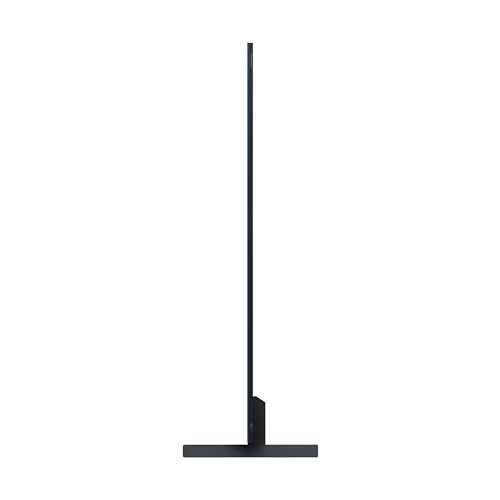
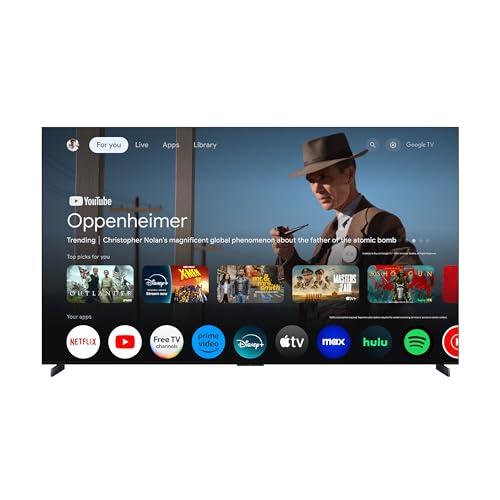
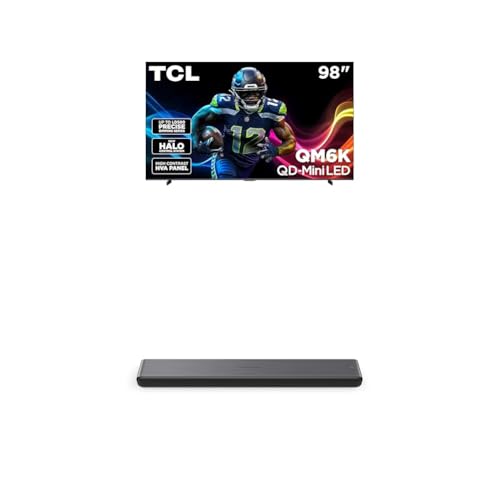
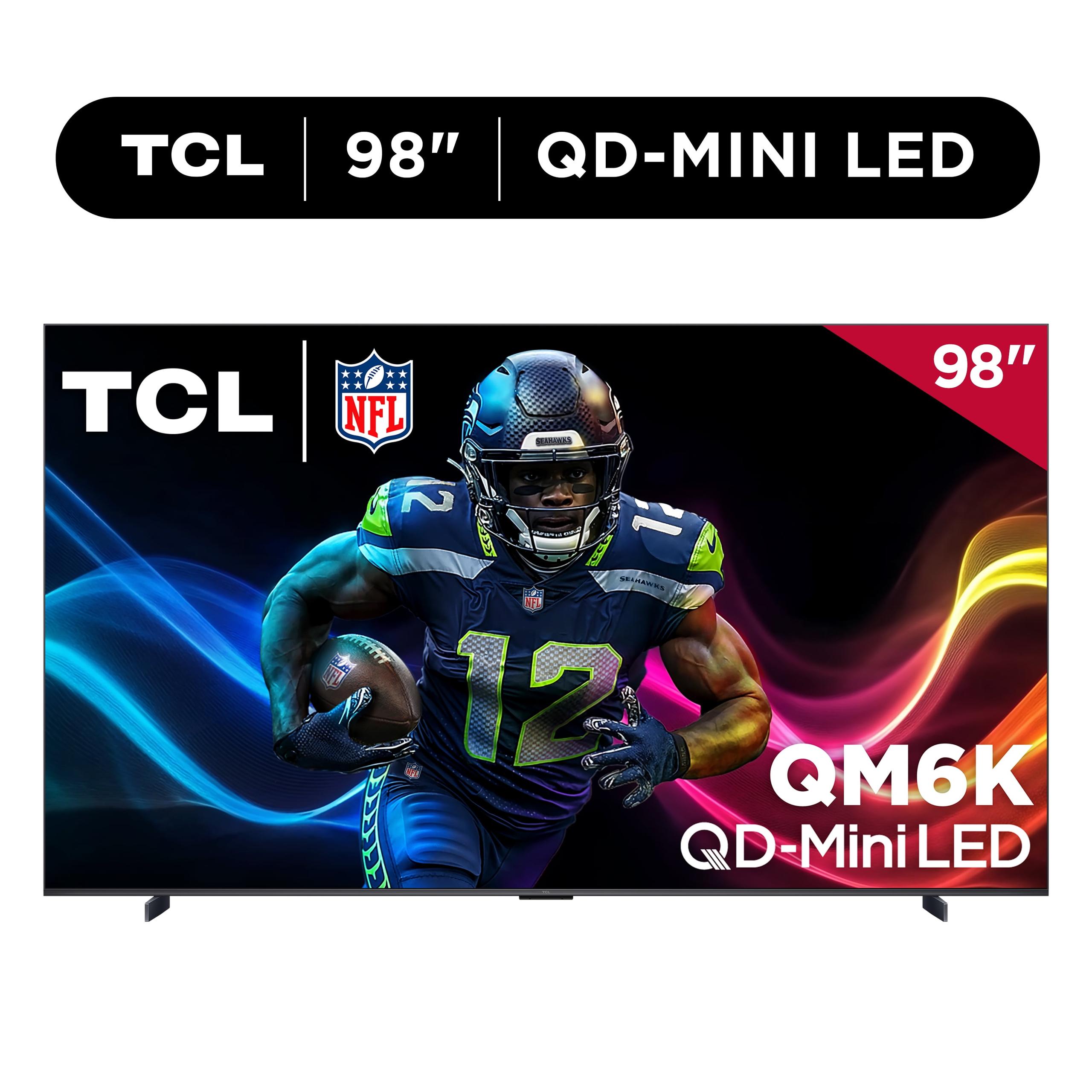
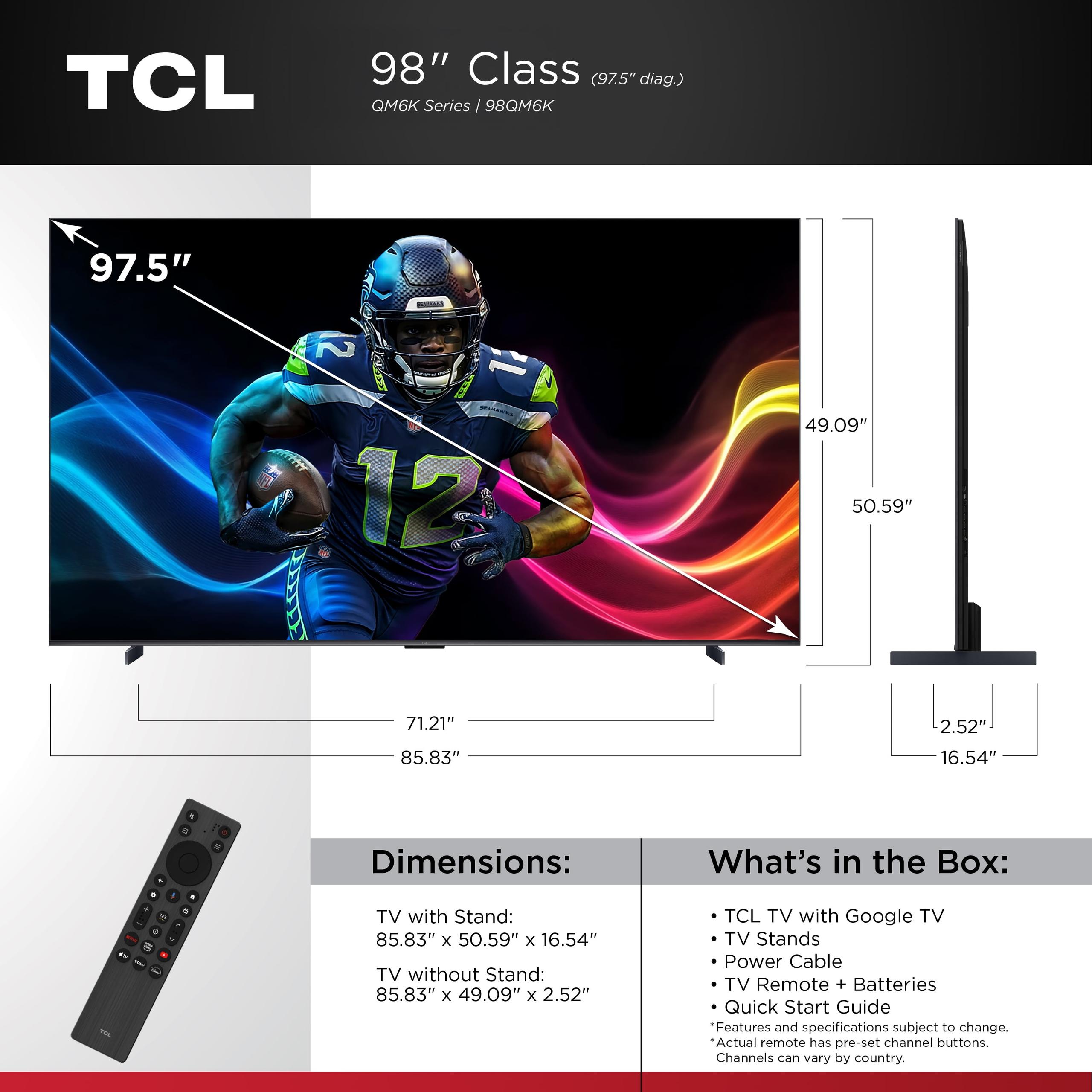
When you're shopping for a 98-inch TV, you're not just buying a display—you're investing in the centerpiece of your home entertainment setup. TCL's 2025 lineup includes two compelling options at this massive size: the flagship TCL 98" X11K and the value-focused TCL 98-Inch QM6K. Both promise to deliver that jaw-dropping "movie theater at home" experience, but they take dramatically different approaches to get there.
The large-format TV market has exploded in recent years as manufacturing costs have dropped and living rooms have grown. What used to require a projector setup now comes in a sleek TV package that mounts on your wall. But with 98 inches of screen real estate, the differences between premium and value models become magnified—literally. Every strength and weakness is blown up to cinematic proportions.
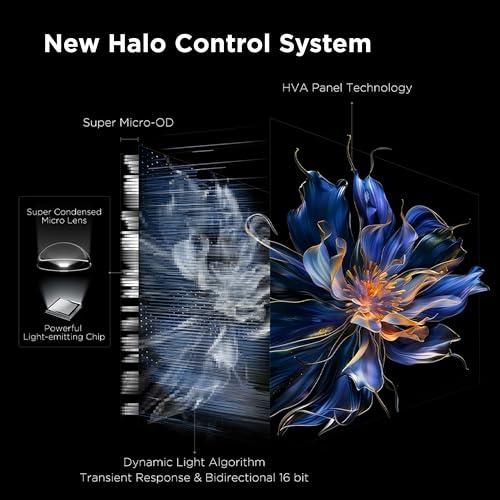
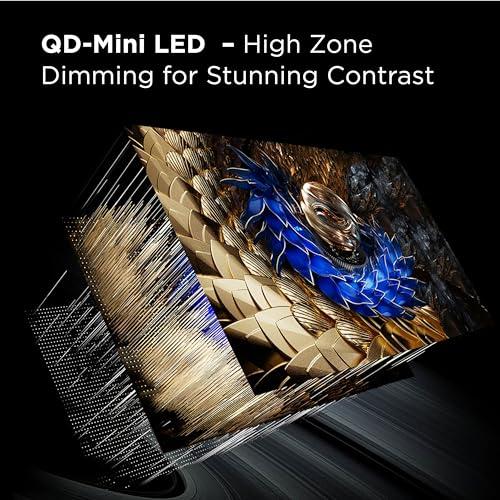
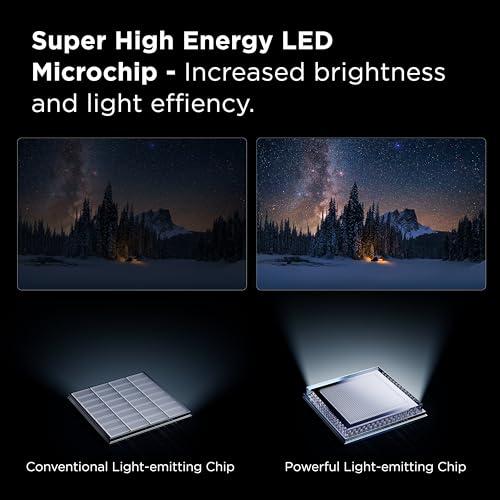
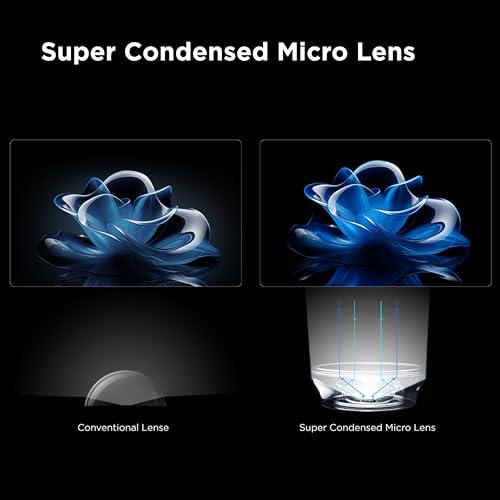
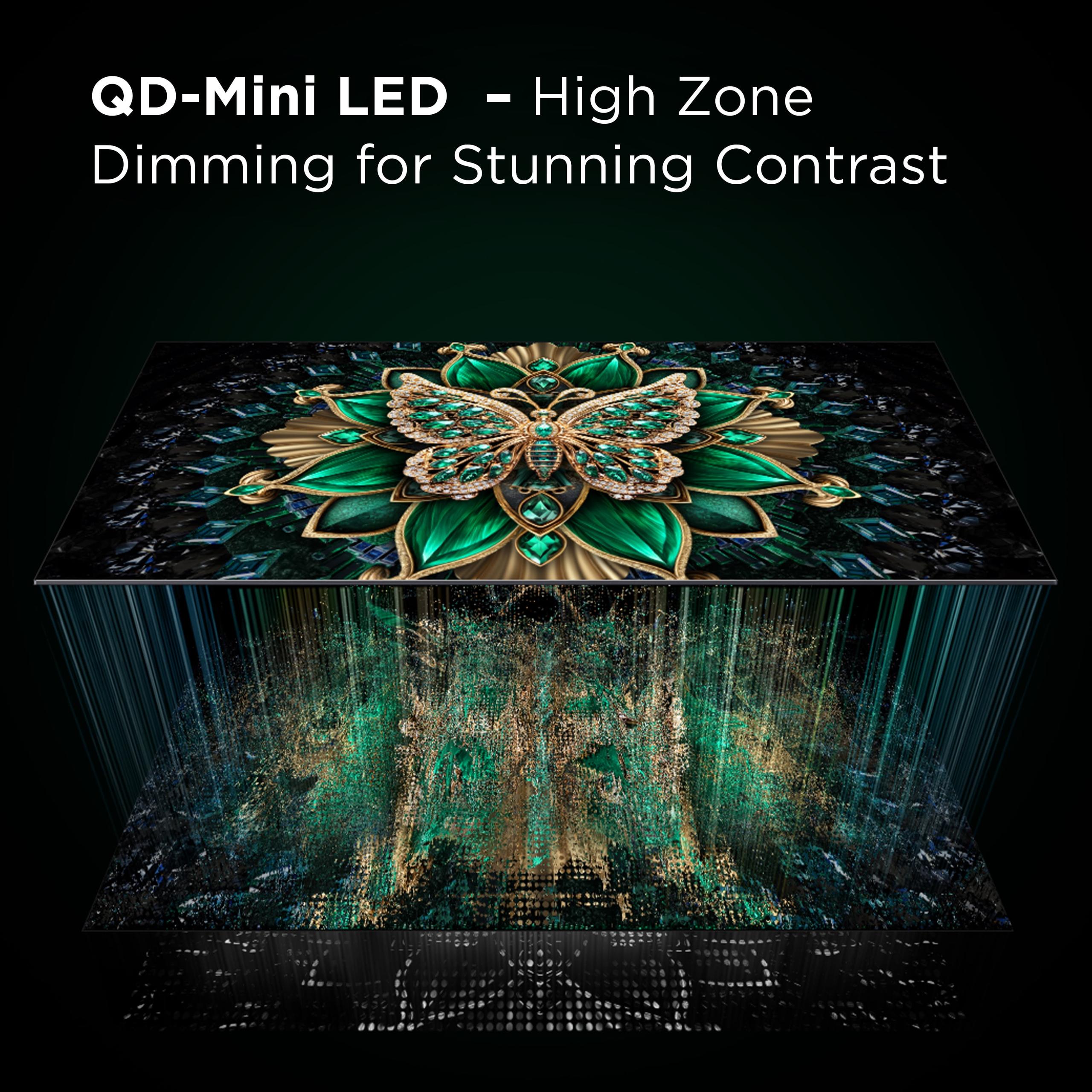
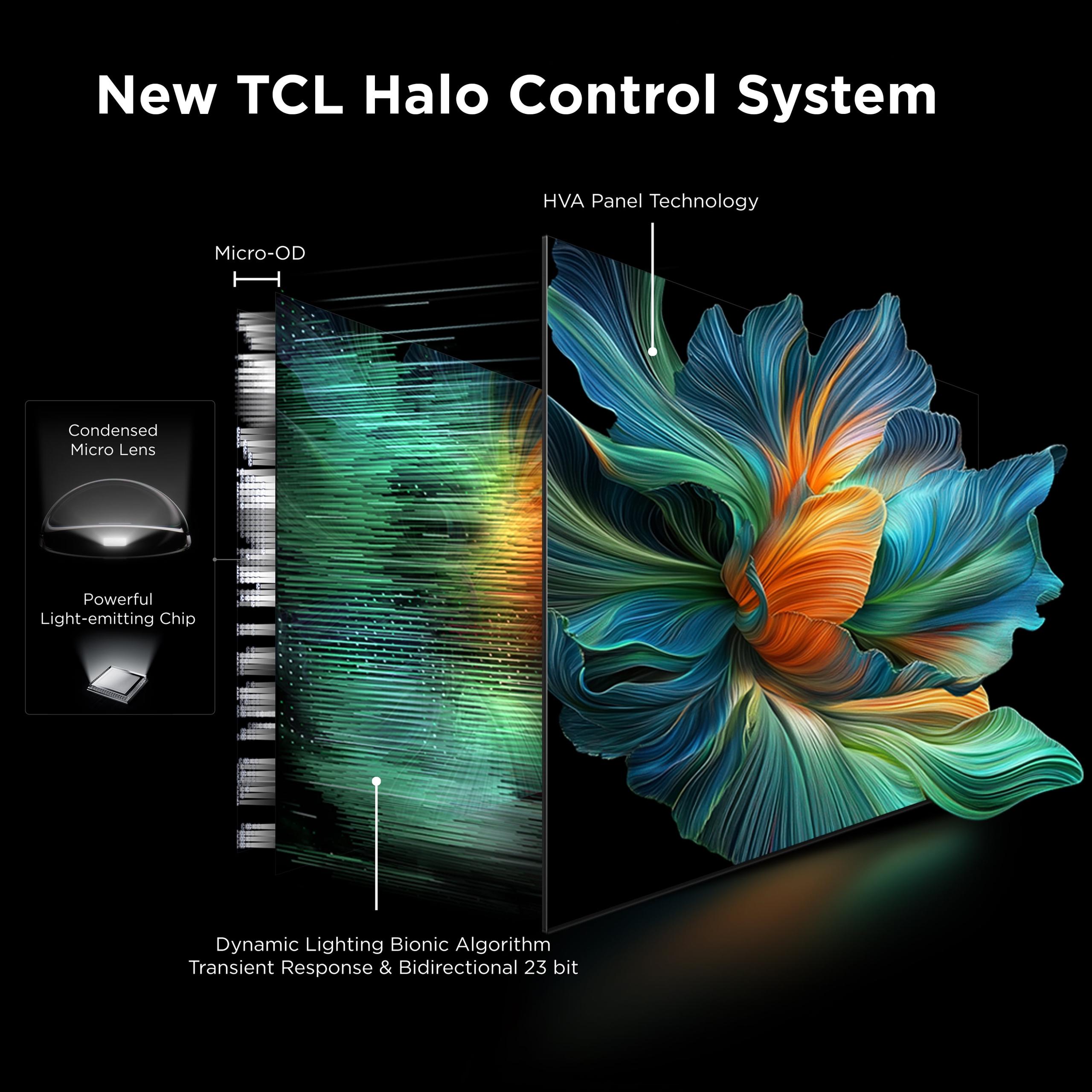
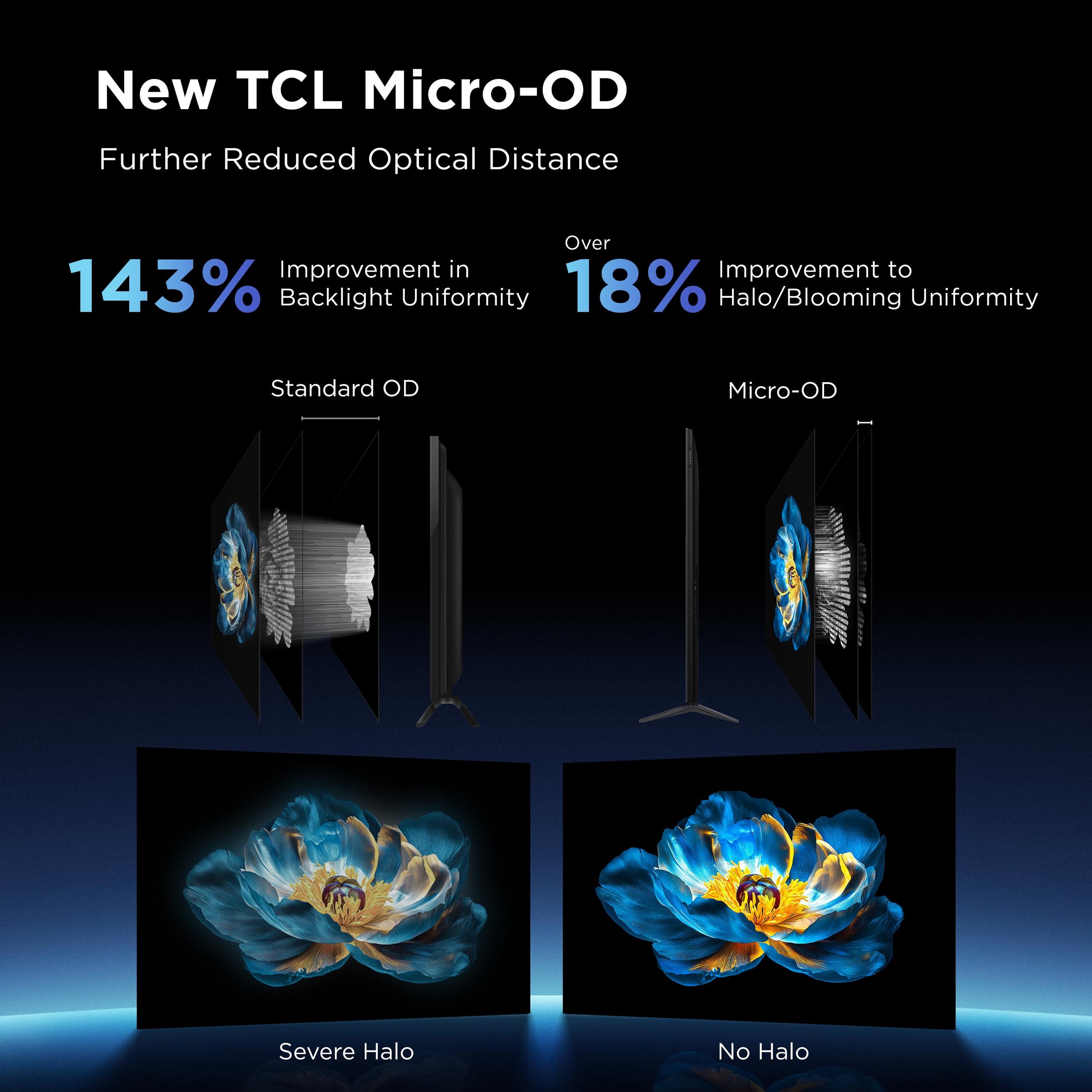
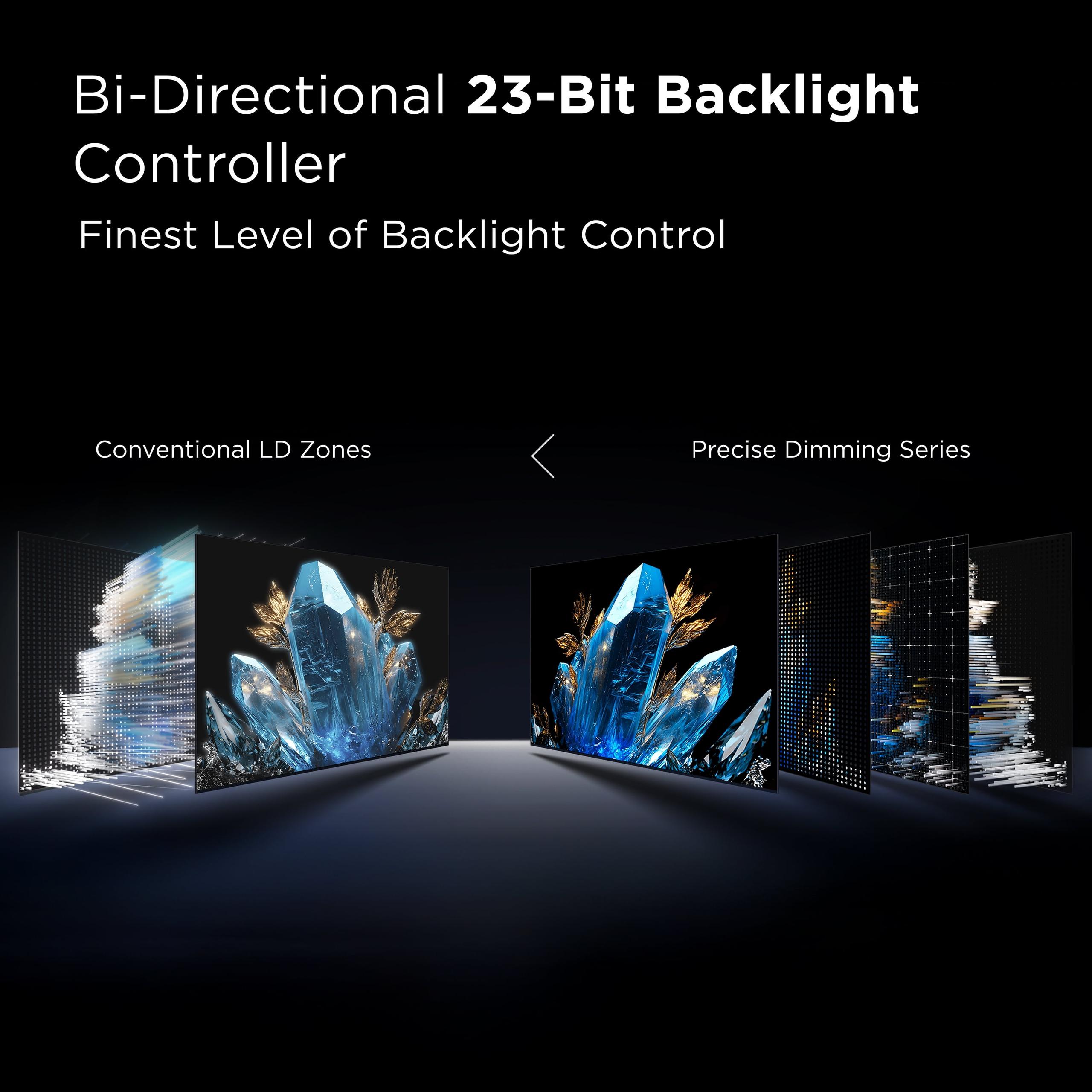
Before diving into the comparison, it's worth understanding what makes both TVs tick. Both the X11K and QM6K use QD-Mini LED technology, which combines quantum dots (tiny particles that produce pure colors) with mini LEDs (thousands of small LED lights behind the screen). This creates what's called "local dimming zones"—sections of the screen that can brighten or darken independently to create better contrast.
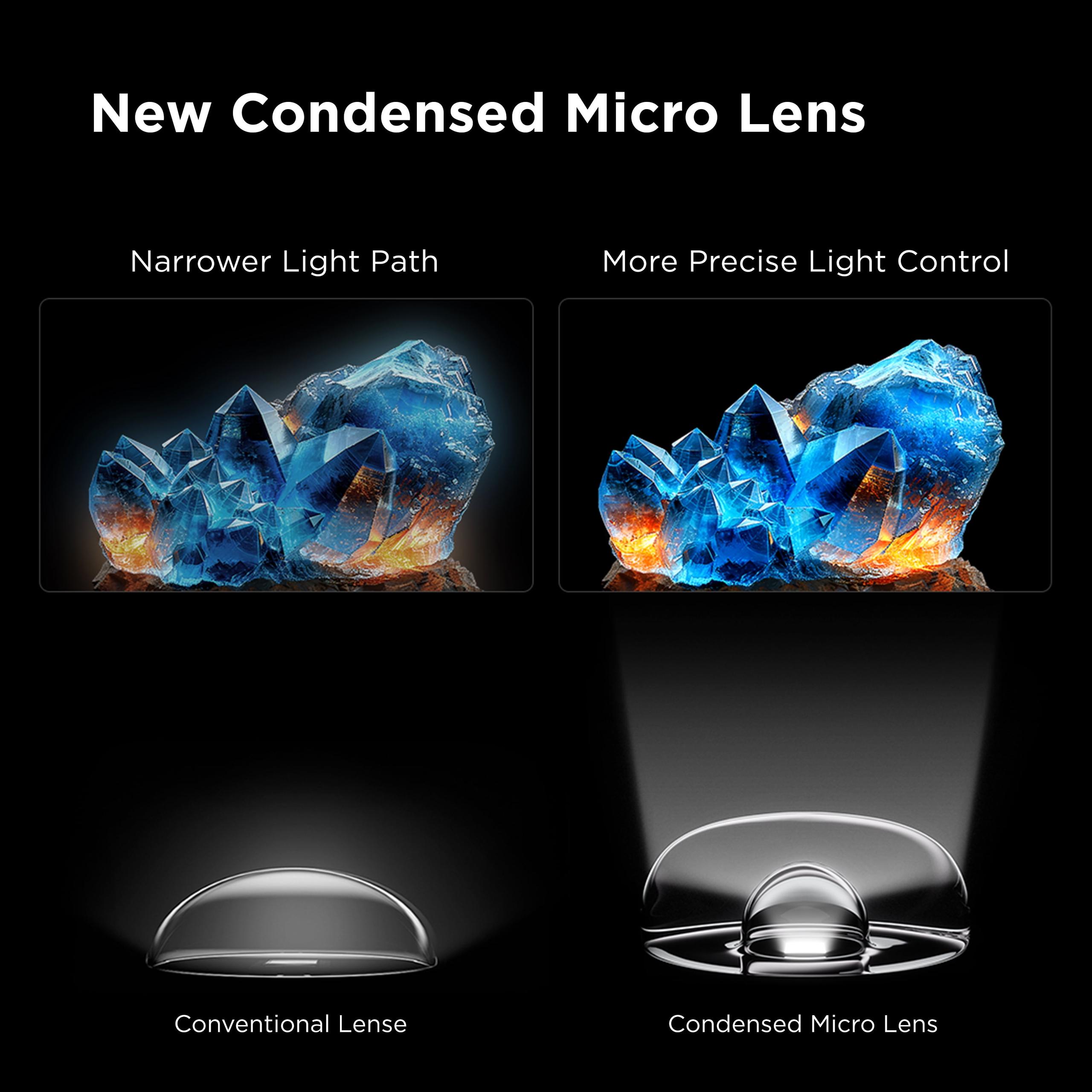
Think of it like having thousands of tiny flashlights behind your TV screen. When a movie scene shows stars in a dark sky, the mini LEDs behind the stars shine bright while the ones behind the dark sky turn off completely. The more zones you have, the more precise this control becomes, and precision is where these two TVs diverge dramatically.
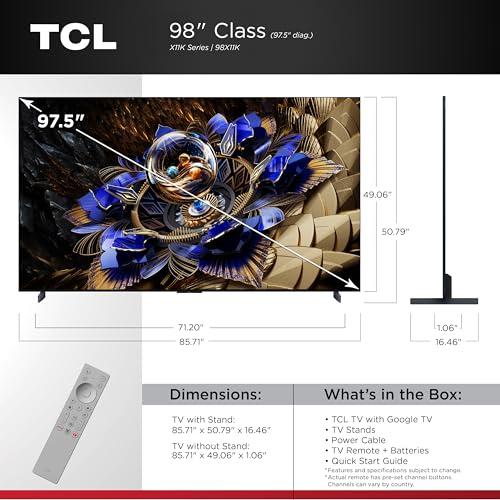
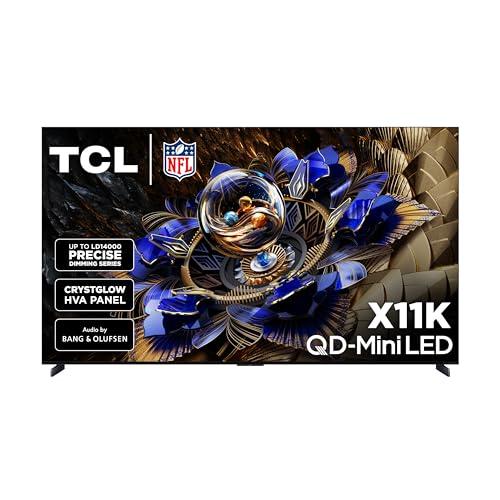
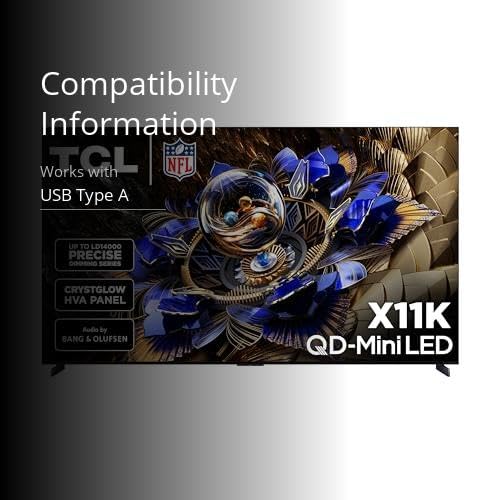
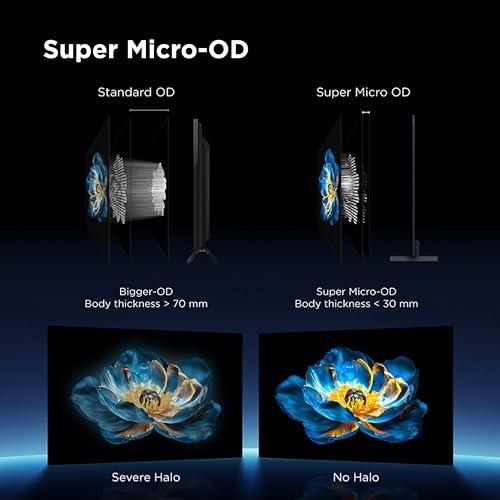
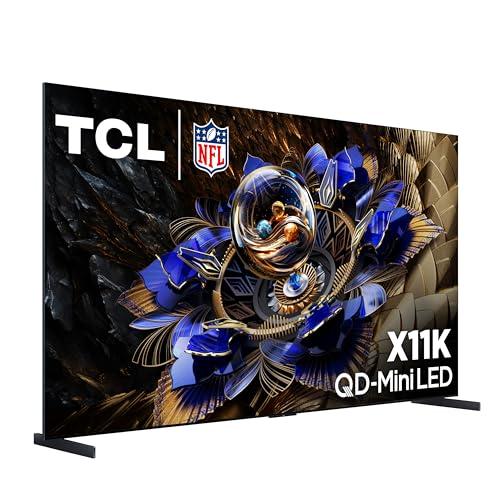
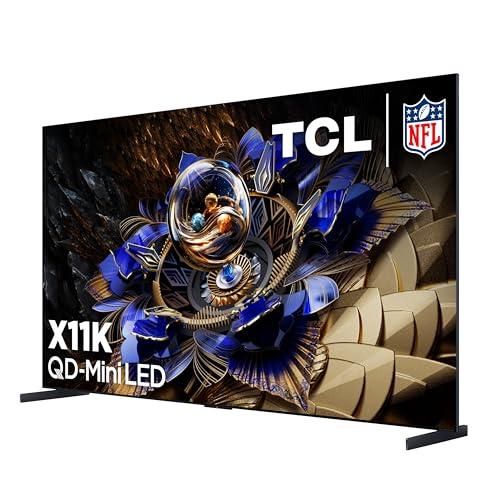
The TCL 98" X11K represents TCL's flagship effort for 2025, and the company clearly pulled out all the stops. With up to 14,000 local dimming zones, this TV can control light with almost surgical precision. To put that in perspective, that's roughly one dimming zone for every 2.7 square inches of screen space—approaching the pixel-level control that makes OLED TVs famous for their contrast.
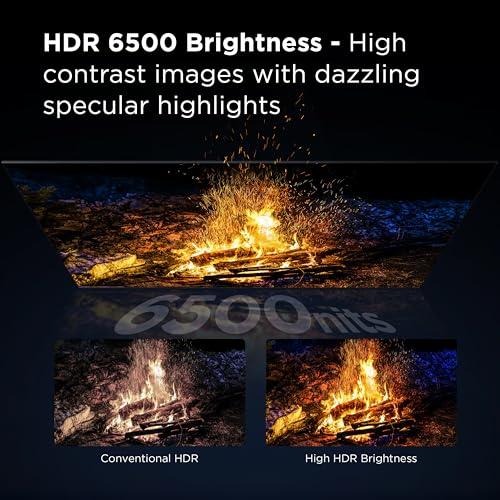
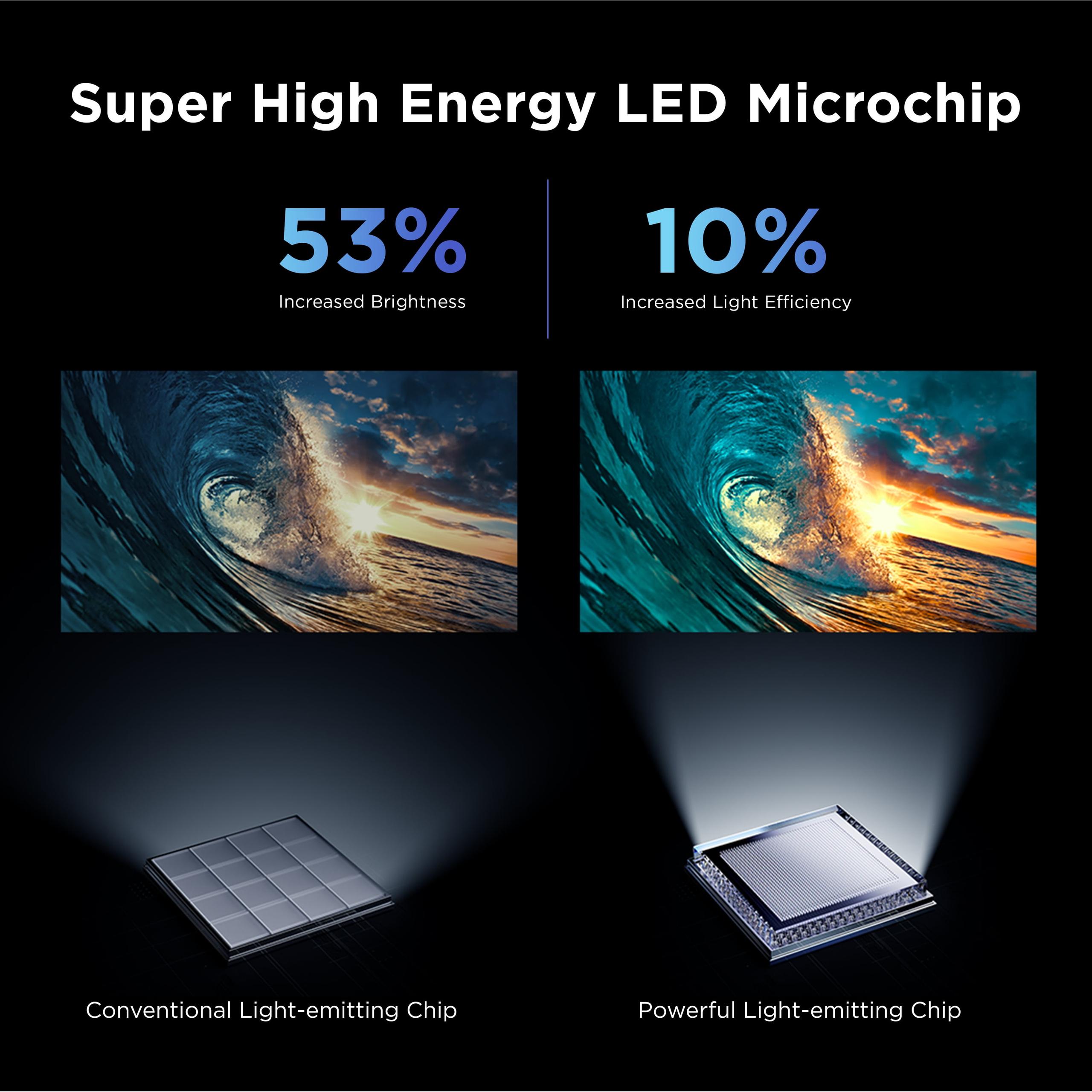
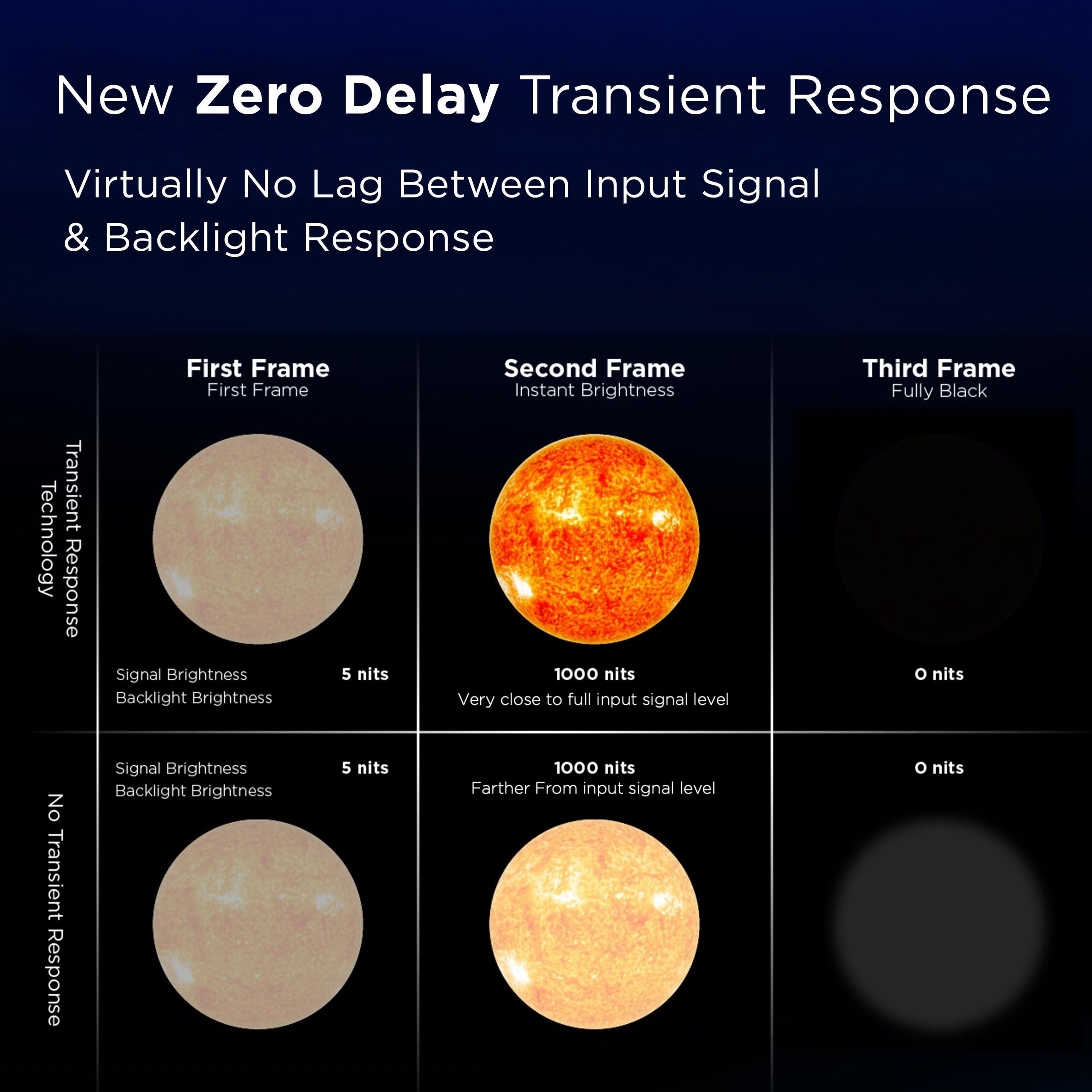
But the X11K's most impressive specification is its peak brightness capability of 6,500 nits. To understand why this matters, consider that most HDR (High Dynamic Range) content is mastered at 1,000 to 4,000 nits. The X11K can actually display highlights brighter than many Hollywood mastering monitors, meaning you're seeing HDR content as the creators intended—or even better.
This brightness capability transforms how HDR content looks. When you're watching a scene with sunlight streaming through windows or explosions lighting up a battlefield, the X11K can make those highlights genuinely dazzling without washing out the surrounding details. It's the difference between looking at a photograph of the sun and actually glimpsing the real thing.
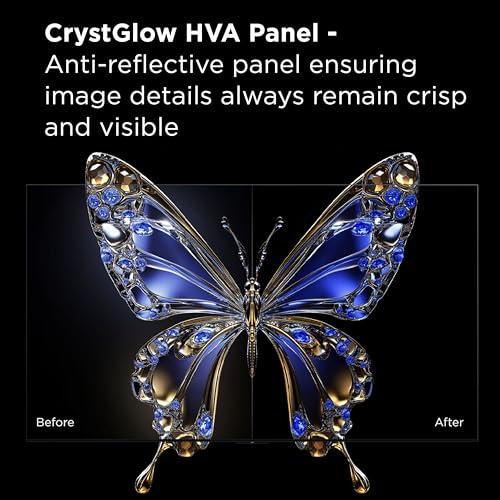
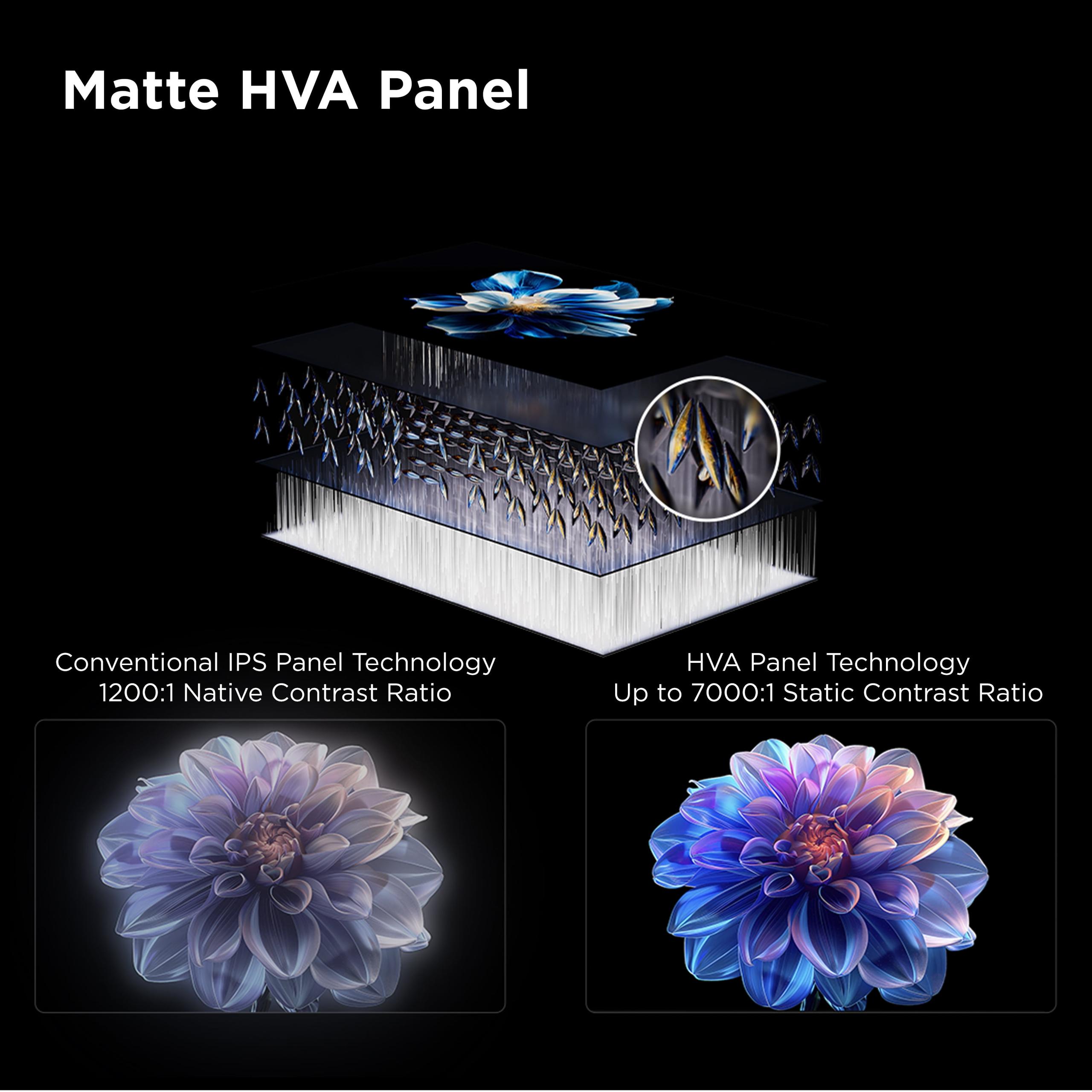
The X11K also features TCL's CrystGlow HVA panel technology, which includes an advanced anti-reflection coating. For a 98-inch TV, this is crucial because you're dealing with a massive surface area that can catch and reflect room lighting from multiple angles. The anti-reflection treatment helps maintain image quality even in bright living rooms.
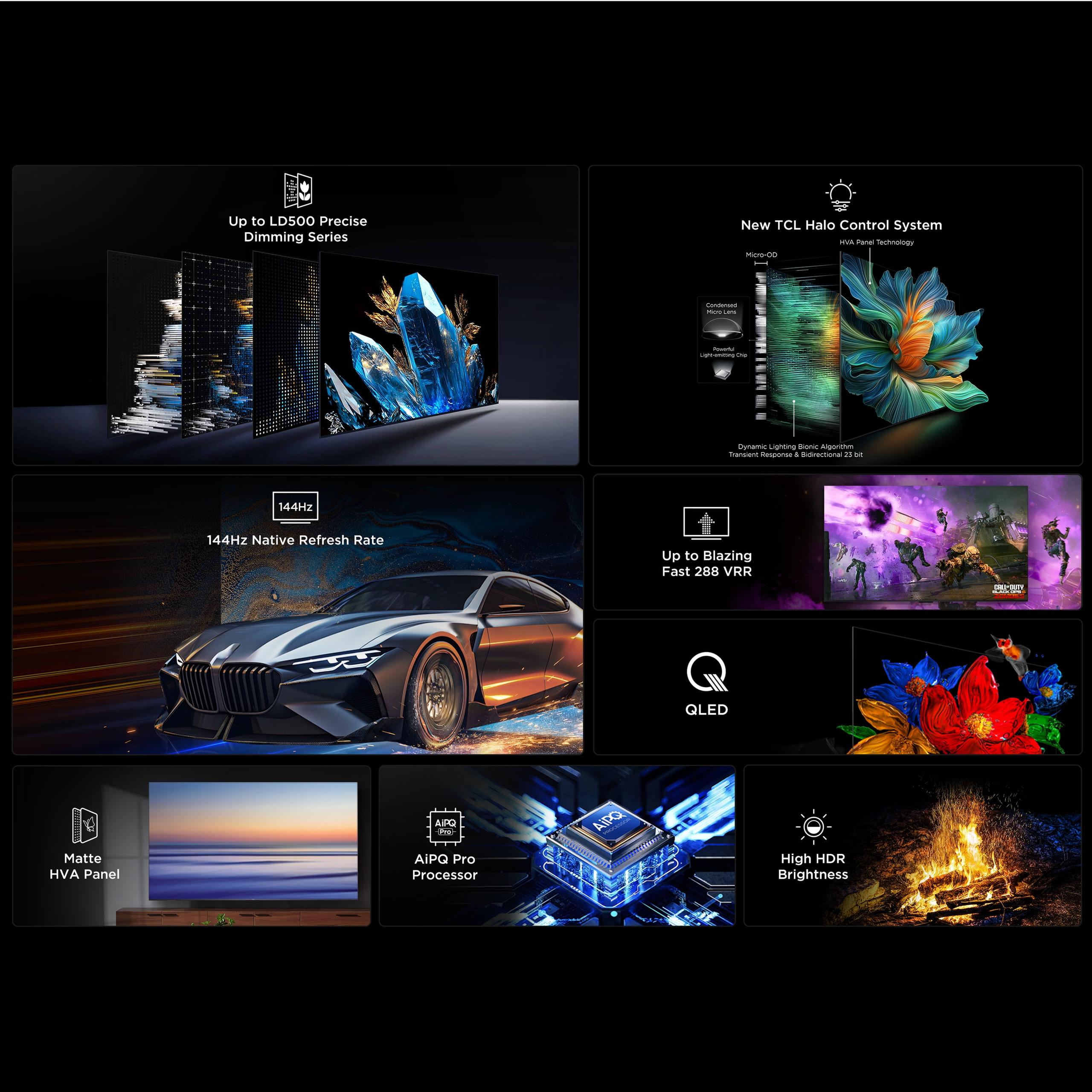
The TCL 98-Inch QM6K takes a more pragmatic approach. With 500 local dimming zones, it still offers impressive contrast control—just not at the surgical level of its premium sibling. Five hundred zones across 98 inches means each zone controls about 19 square inches of screen space, which is still quite granular for contrast control.
Where the QM6K makes its biggest compromise is in peak brightness, topping out around 900 nits in our research of expert reviews. This is perfectly adequate for most HDR content and certainly bright enough for dark or moderately lit rooms. However, it won't deliver those eye-searing highlights that make premium HDR content truly spectacular.
The QM6K uses a matte HVA panel with basic anti-glare treatment. While not as sophisticated as the X11K's solution, it still helps reduce reflections and makes the TV usable in brighter environments. For many viewing situations, especially in dedicated home theaters or evening viewing, this level of glare control proves sufficient.
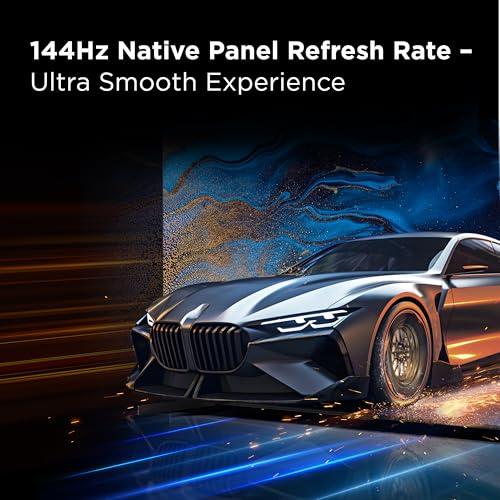
Interestingly, both TVs share identical gaming specifications—144Hz native refresh rate with support for up to 288Hz variable refresh rate at 1080p. This means competitive gamers won't see meaningful differences in responsiveness or smoothness between the models.
The picture quality gap between these TVs becomes most apparent in challenging content. When watching HDR movies with mixed brightness scenes—think a character silhouetted against a bright window—the X11K maintains detail in both the dark figure and the blazing exterior. The QM6K handles the same scene well but loses some highlight detail as the bright areas can't get quite bright enough.
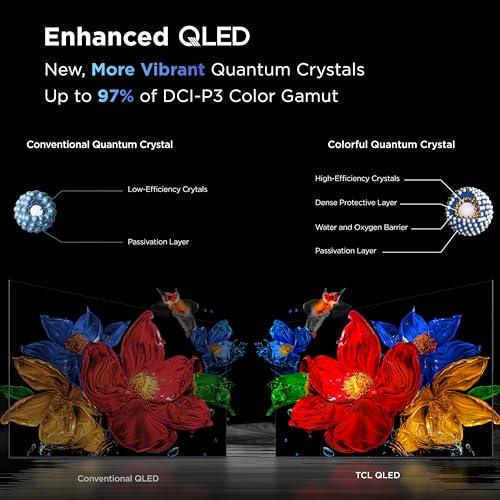
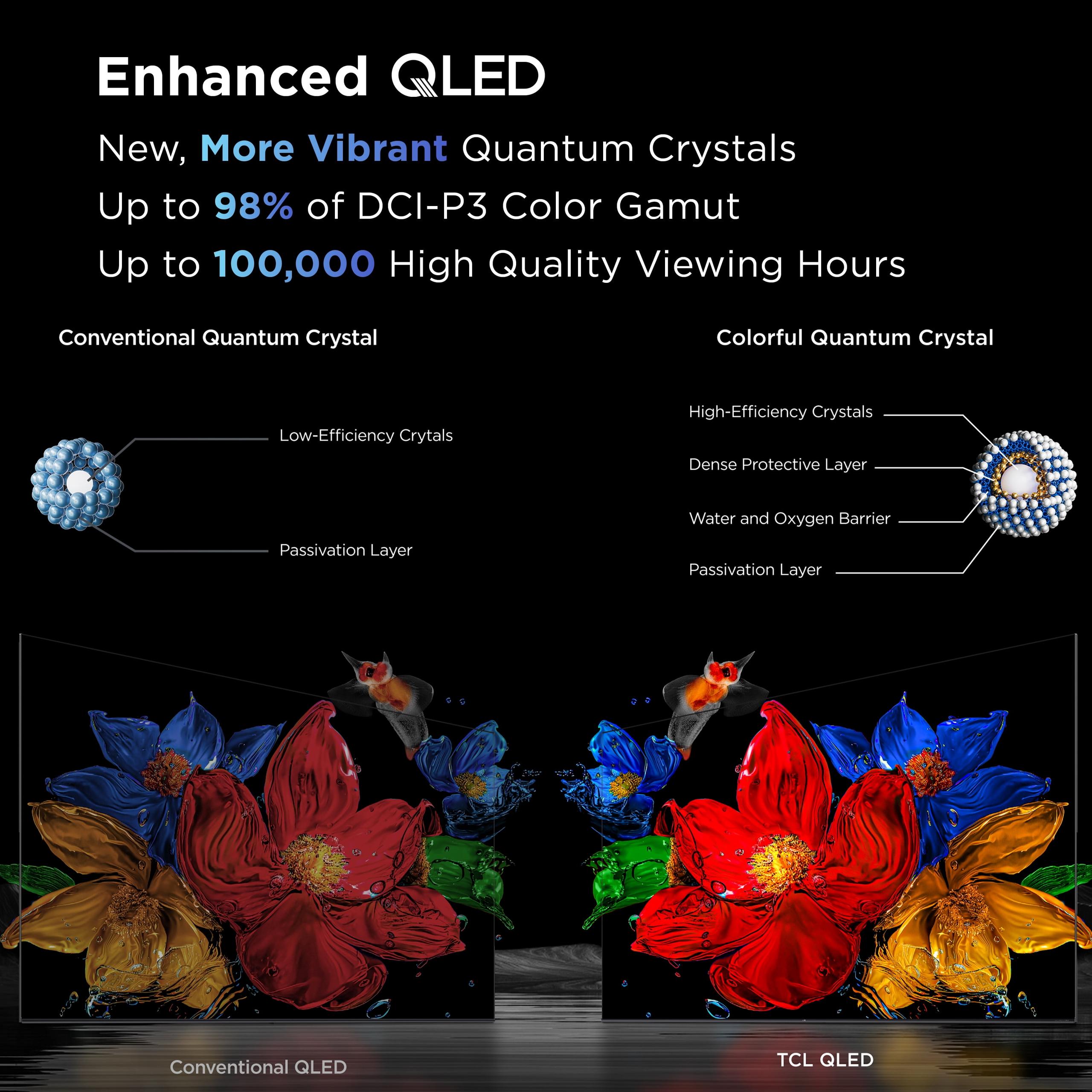
Color performance also favors the X11K, which covers 97% of the DCI-P3 color space (the standard used for digital cinema) and can display over one billion distinct colors. The QM6K delivers good color accuracy but can't match the premium model's color volume—essentially how bright those vivid colors can get before washing out.
For typical TV watching—news, sitcoms, sports—both TVs perform excellently. The differences become pronounced with premium content: 4K HDR movies from streaming services, Ultra HD Blu-rays, and next-generation gaming content designed to showcase advanced display capabilities.
Both TVs excel for gaming, which is increasingly important as consoles and PCs push higher frame rates. The shared 144Hz native refresh rate means both can display up to 144 frames per second at 4K resolution, while their 288Hz VRR support allows for ultra-smooth 1080p gaming at nearly 300fps.
Input lag—the delay between pressing a button and seeing the action on screen—measures similarly low on both models according to expert testing. For competitive gaming where milliseconds matter, either TV performs at tournament-level responsiveness.
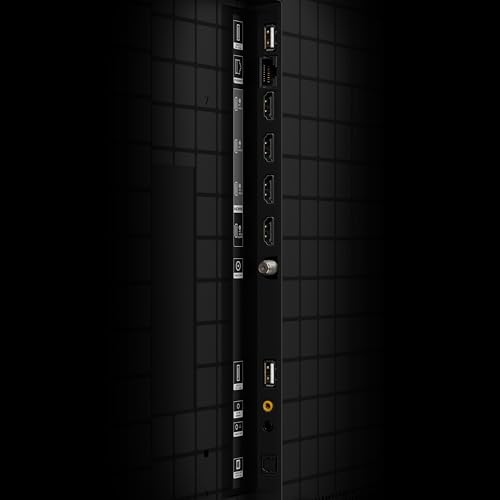
The X11K gains a slight edge with four full HDMI 2.1 ports compared to the QM6K's two HDMI 2.1 and two HDMI 2.0 configuration. This matters if you're connecting multiple next-generation consoles or a high-end gaming PC alongside other devices.
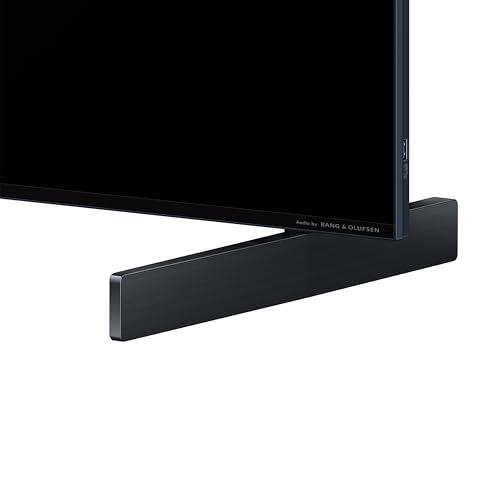
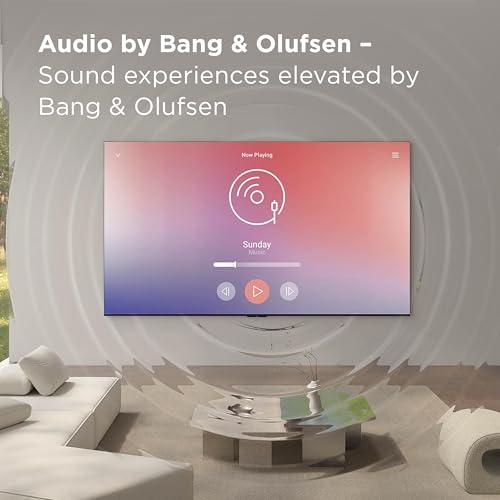
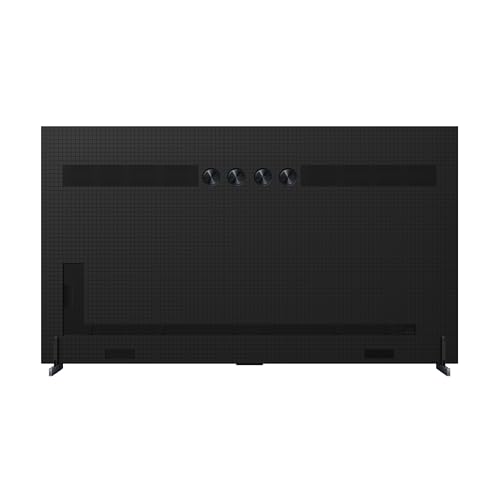
At 98 inches, even good built-in speakers struggle to fill the sonic space that matches the visual impact. The X11K includes a Bang & Olufsen-tuned 2.1.1 system with 120 watts of power, while the QM6K features an Onkyo 2.1 system. Both support Dolby Atmos for three-dimensional sound.
However, based on user feedback we've researched, neither TV's built-in audio truly matches the cinematic visual experience at this scale. Both TVs include eARC (enhanced Audio Return Channel) support, making it easy to connect a soundbar or surround sound system—which you'll definitely want to consider for the full home theater experience.
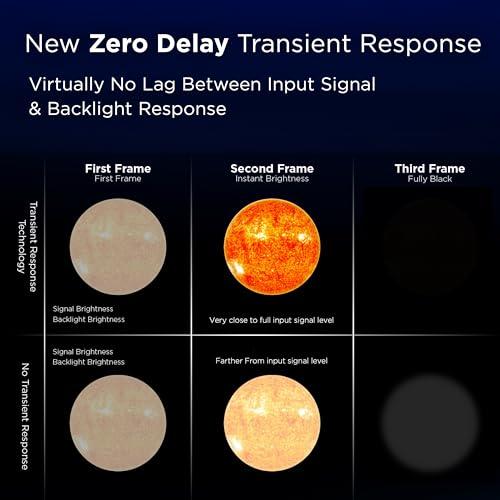
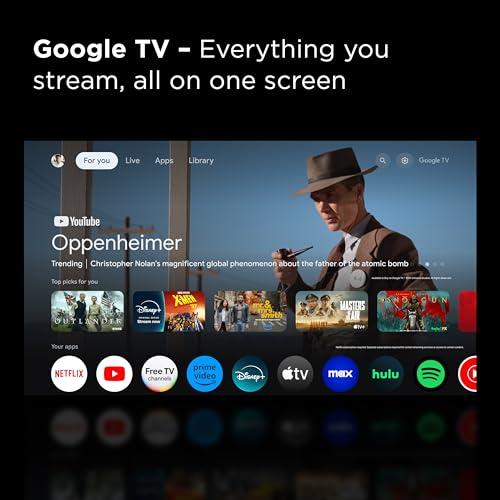
Both TVs run Google TV, offering identical app selection and interface. The difference lies in processing power. The X11K's AiPQ Pro Processor includes more advanced AI optimization, providing better upscaling of lower-resolution content and more sophisticated motion handling.
This processing difference becomes noticeable when watching 1080p content stretched across 98 inches. The X11K does a better job of cleaning up compression artifacts and adding detail through its AI enhancement algorithms. For households that watch a mix of streaming services, cable TV, and premium content, this processing advantage adds up over time.
In a dedicated home theater setting with controlled lighting, both TVs shine. The QM6K actually becomes more competitive in this environment because its brightness limitations matter less in a dark room. The contrast from its 500 dimming zones creates that important OLED-like black level that makes movies immersive.
However, if your "home theater" is actually a living room with windows and ambient lighting, the X11K's superior brightness and anti-reflection capabilities become crucial. There's nothing more frustrating than investing in a massive TV only to have room lighting wash out the image during daytime viewing.
For serious videophiles planning a long-term setup, the X11K's future-proofing capabilities matter. As content creators continue pushing HDR boundaries and streaming services improve quality, having those extra brightness and processing capabilities ensures your display won't become the limiting factor in your setup.
At the time of writing, the QM6K typically costs roughly 60-70% less than the X11K, making it one of the most accessible entry points into 98-inch territory. This price difference reflects genuine capability gaps, but also raises the question of diminishing returns.
The QM6K delivers perhaps 75-80% of the X11K's picture quality at a fraction of the cost. For many buyers, especially those upgrading from much smaller screens, this performance level exceeds expectations and provides that desired "wow factor" of massive screen real estate.
The X11K justifies its premium through measurable performance advantages and premium features that matter most to enthusiasts. If you're the type of buyer who researches display specifications and plans to keep your TV for 7-10 years, the X11K's additional capabilities provide long-term value.
Choose the TCL 98-Inch QM6K if you prioritize screen size above all else, plan to use it primarily for evening viewing, or want to allocate more budget toward a premium sound system. It's also the smart choice if you're upgrading from a much smaller TV and want to experience the impact of massive screen real estate without paying flagship prices.
The QM6K particularly makes sense for families focused on sports viewing, casual movie nights, and gaming where the shared gaming specifications mean you won't sacrifice performance. In darker rooms, its contrast capabilities create genuinely impressive images that will satisfy most viewers.
Choose the TCL 98" X11K if picture quality represents your top priority, you regularly watch premium HDR content, or your viewing environment includes significant ambient lighting. It's the right choice for dedicated videophiles who want reference-quality performance and plan to keep their TV for many years.
The X11K also makes sense if you're building a complete high-end home theater system where the TV needs to match the performance level of premium audio components and seating. When you're investing heavily in the entire experience, the display shouldn't be the weak link.
Both TVs successfully deliver on the core promise of massive screen entertainment, but they target different priorities. The TCL 98-Inch QM6K democratizes the 98-inch experience, making it accessible to mainstream buyers who want cinematic scale without flagship pricing. The TCL 98" X11K caters to enthusiasts who demand reference-quality performance and are willing to pay for measurable advantages.
Neither choice is wrong—it depends on your priorities, viewing environment, and budget allocation. The QM6K offers exceptional value for its performance level, while the X11K justifies its premium through tangible advantages in brightness, contrast precision, and processing power.
Consider your room lighting, content preferences, and long-term plans. If you're unsure, the QM6K provides a lower-risk entry into large-format viewing with room to upgrade audio components. For buyers certain they want the absolute best 98-inch experience available, the X11K delivers flagship performance that won't leave you wondering "what if."
| TCL 98" X11K 4K QD-Mini LED Google TV | TCL 98-Inch QM6K QLED TV |
|---|---|
| Local Dimming Zones - Controls contrast precision and blooming reduction | |
| 14,000+ zones (near pixel-level control) | 500 zones (good but visible blooming) |
| Peak Brightness - Critical for HDR impact and bright room viewing | |
| 6,500 nits (reference-quality HDR highlights) | ~900 nits (adequate for most content) |
| Panel Technology - Affects reflection handling and viewing angles | |
| CrystGlow HVA with advanced anti-reflection | Matte HVA with basic anti-glare |
| Color Performance - Determines vibrancy and accuracy | |
| 97% DCI-P3, 1.07 billion colors | Standard quantum dot coverage |
| Gaming Features - Both excel equally for competitive gaming | |
| 144Hz native, 288Hz VRR, 4 HDMI 2.1 ports | 144Hz native, 288Hz VRR, 2 HDMI 2.1 ports |
| Audio System - Neither matches 98" visual scale without soundbar | |
| Bang & Olufsen 2.1.1, 120W, Dolby Atmos | Onkyo 2.1, standard power, Dolby Atmos |
| Smart Platform - Identical interface, different processing power | |
| Google TV with AiPQ Pro Processor | Google TV with AIPQ ULTRA Processor |
| Value Position - Different approaches to 98" entertainment | |
| Premium flagship pricing for reference quality | Value-focused for accessible large screen experience |
| Best For - Target buyer profiles | |
| Videophiles, bright rooms, premium HDR content | Size-focused buyers, dark rooms, budget-conscious |
The biggest difference is picture quality performance. The TCL 98" X11K features 14,000+ local dimming zones and 6,500 nits peak brightness for premium HDR performance, while the TCL 98-Inch QM6K has 500 dimming zones and ~900 nits brightness for solid but not flagship-level picture quality.
The TCL 98" X11K is significantly better for bright rooms due to its 6,500 nits peak brightness and advanced CrystGlow anti-reflection coating. The TCL 98-Inch QM6K works in moderately lit rooms but struggles with significant ambient lighting.
The TCL 98-Inch QM6K offers better value for most buyers, delivering about 75-80% of the TCL X11K's performance at a significantly lower cost. The X11K provides better value only for videophiles who prioritize premium picture quality.
Yes, both the TCL 98" X11K and TCL QM6K benefit greatly from a soundbar or surround system. While both include decent built-in audio systems, the massive 98-inch screen size demands more powerful audio to match the visual impact.
Both the TCL 98" X11K and TCL QM6K run Google TV with identical app selection, voice control, and streaming capabilities. The X11K has more powerful processing for better upscaling and AI enhancement features.
The TCL 98" X11K delivers dramatically better HDR performance with its 6,500 nits brightness allowing true HDR highlights. The TCL QM6K handles HDR content adequately but lacks the impact and brightness range of premium HDR experiences.
Choose the TCL 98" X11K for rooms with mixed or changing lighting conditions. Its superior brightness and anti-reflection technology maintain picture quality throughout the day, while the TCL QM6K performs best in consistently darker environments.
The TCL X11K's 14,000+ zones provide near pixel-level contrast control with minimal blooming, while the TCL QM6K's 500 zones offer good contrast but with some visible halos around bright objects. More zones mean better contrast precision and darker blacks.
Both the TCL 98" X11K and TCL QM6K handle regular content well, but the X11K provides better upscaling for lower-resolution sources. For primarily streaming and cable viewing, the TCL QM6K offers excellent performance at better value, while the X11K excels with premium 4K HDR content.
We've done our best to create useful and informative comparisons to help you decide what product to buy. Our research uses advanced automated methods to create this comparison and perfection is not possible - please contact us for corrections or questions. These are the sites we've researched in the creation of this article: ecoustics.com - pcrichard.com - tcl.com - valueelectronics.com - bestbuy.com - tcl.com - whathifi.com - tcl.com - youtube.com - displayspecifications.com - whathifi.com - youtube.com - notebookcheck.net - tcl.com - tcl.com - displayspecifications.com - tcl.com - tcl.com - pcguide.com - en.homecinesolutions.fr - youtube.com - tcl.com - bestbuy.com - rtings.com - techradar.com - the-gadgeteer.com - youtube.com - youtube.com - ign.com - youtube.com - tomsguide.com - tcl.com - valueelectronics.com - bestbuy.com - bestbuy.com - rtings.com - circuitworldonline.com - youtube.com - tcl.com - bestbuy.com - tomsguide.com - tcl.com - flatpanelshd.com - displayspecifications.com

Privacy Policy
Terms and Conditions - Affiliate Policy
Home Security
© Copyright 2008-2026.
11816 Inwood Rd #1211, Dallas, TX 75244