

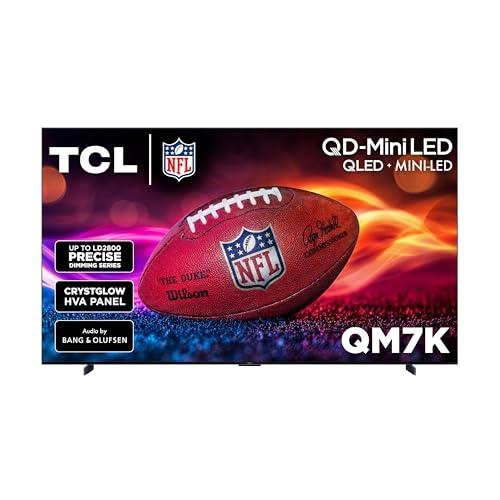
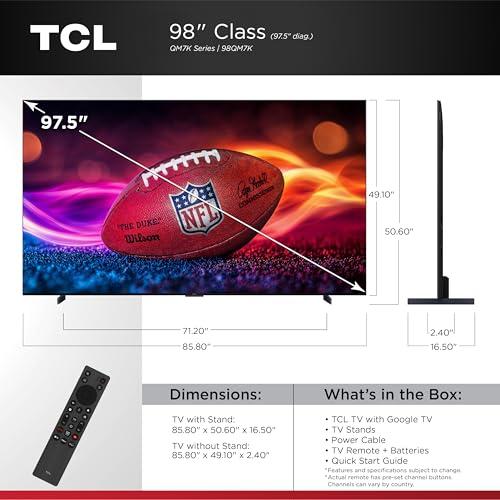

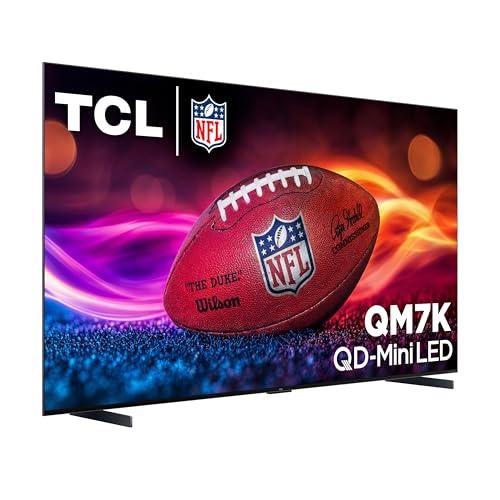
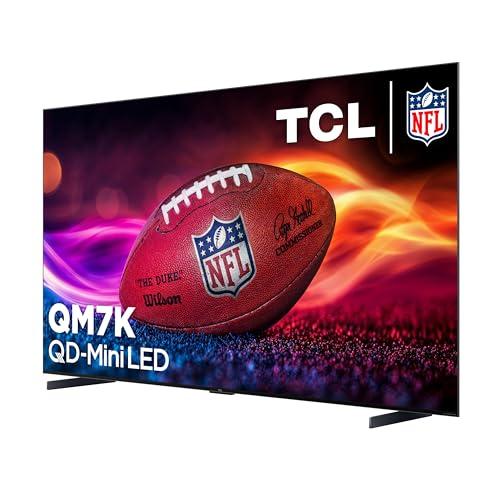
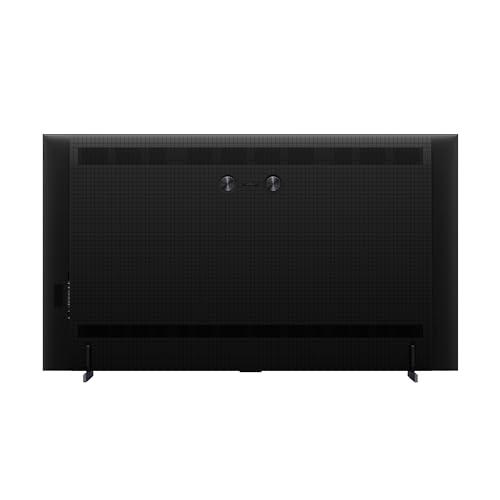
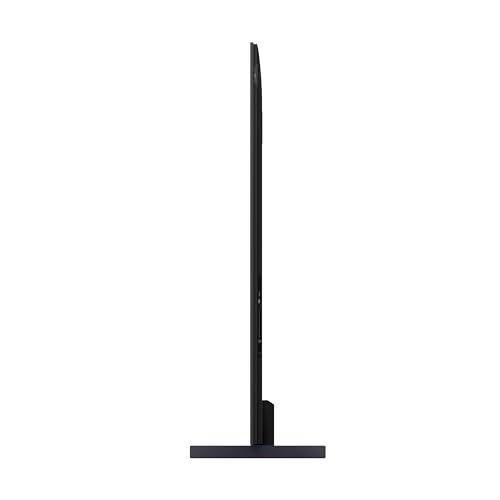
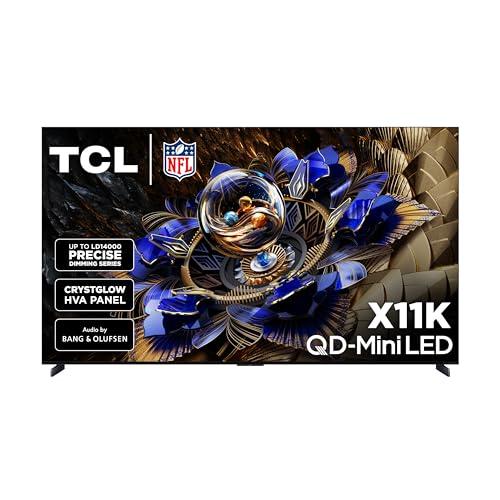

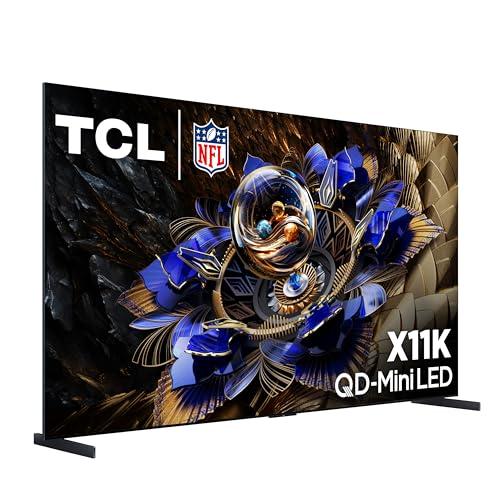
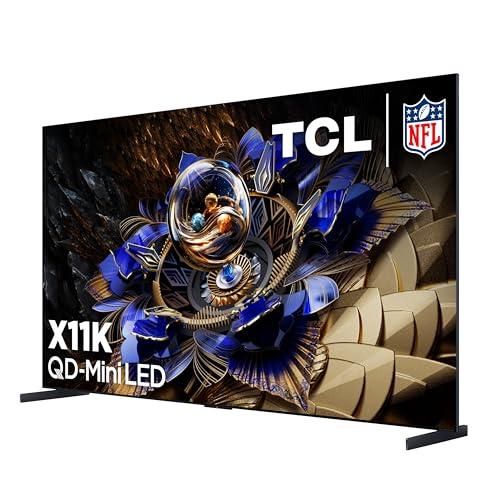
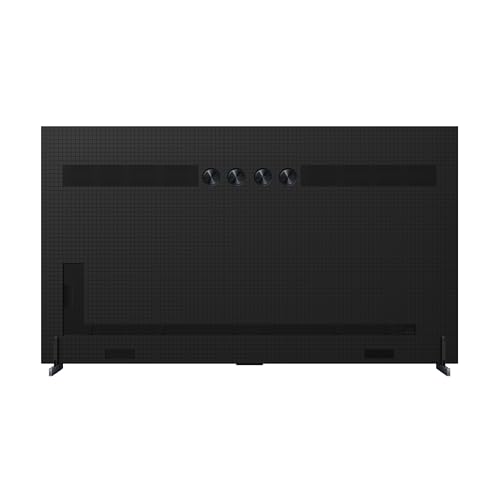
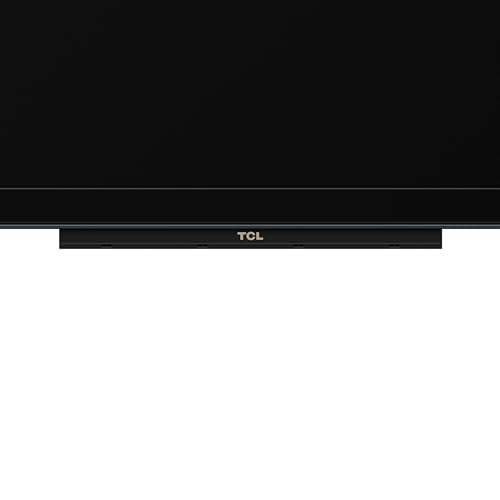
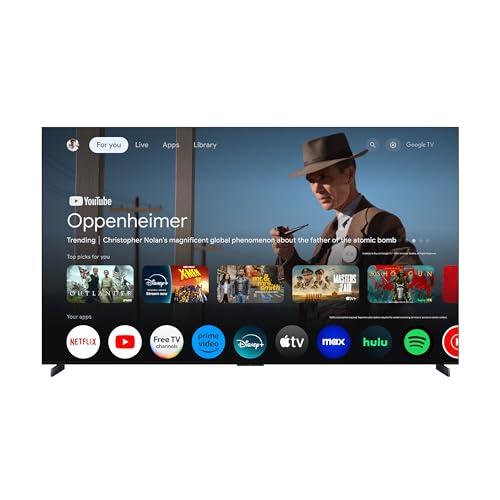
The 98-inch TV market is where home entertainment gets serious. We're talking about displays larger than most people's dining room tables, turning living rooms into personal movie theaters. Released in 2025, both the TCL QM7K and TCL X11K represent the pinnacle of what large-screen TV technology can achieve, but they approach that goal with different philosophies and price points.
At this screen size, every technical detail matters more. A slight color inaccuracy becomes glaringly obvious when spread across nearly 100 inches. Motion blur that's barely noticeable on a 65-inch screen can make action scenes unwatchable on these giants. That's why understanding the real differences between these models is crucial before making what's likely to be a significant investment in your home entertainment setup.
When you're shopping for a 98-inch TV, you're entering rarefied air. These aren't just bigger versions of smaller TVs – they're engineering marvels that need to maintain picture quality, brightness, and color accuracy across a massive surface area. The main challenges manufacturers face include keeping the display uniformly bright without hotspots, maintaining sharp details at viewing distances where you can see individual pixels, and ensuring the electronics can process and display content without introducing lag or artifacts.
The key considerations for any premium large-screen TV are peak brightness (how bright the brightest parts of the image can get), local dimming precision (how well the TV can make specific areas darker while keeping others bright), color accuracy across the entire spectrum, motion handling for sports and action content, and smart platform performance. At this price tier and screen size, settling for "good enough" in any category means compromising the entire experience.
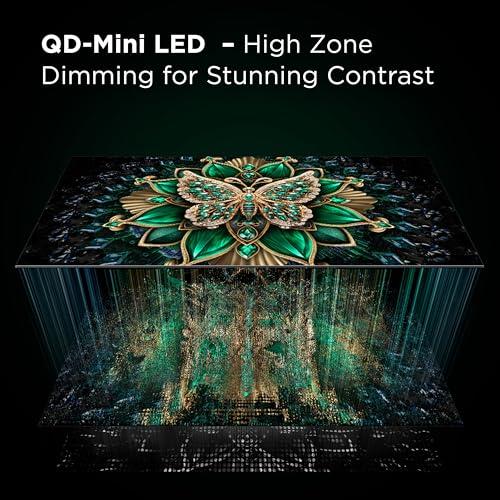
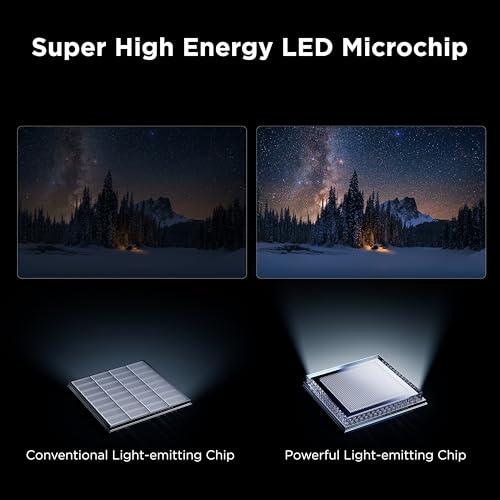
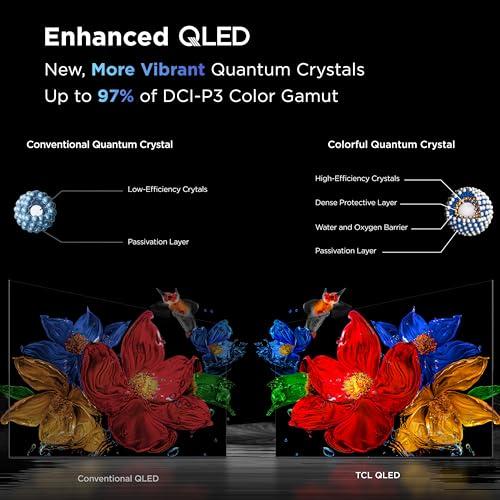
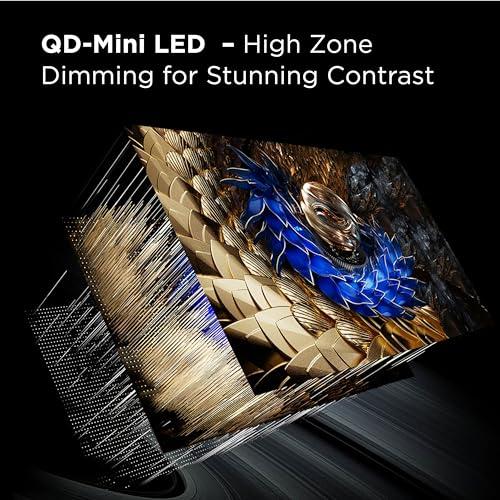
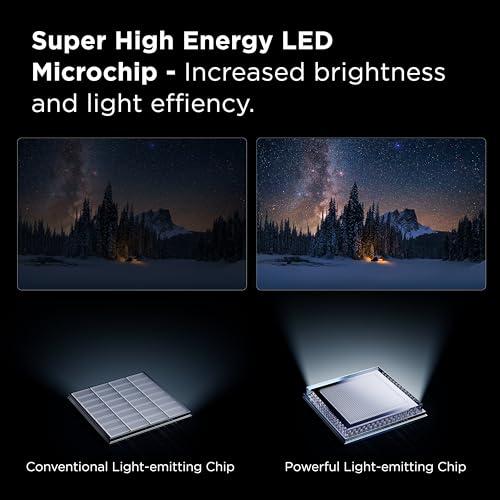
Both the QM7K and X11K use QD-Mini LED technology, which combines quantum dots (microscopic crystals that produce very pure colors) with Mini LED backlights (thousands of tiny LEDs behind the screen that can be individually controlled). This technology represents the current sweet spot between OLED's perfect blacks and traditional LED's superior brightness – you get deep, inky blacks alongside dazzling bright highlights that OLED simply can't match.
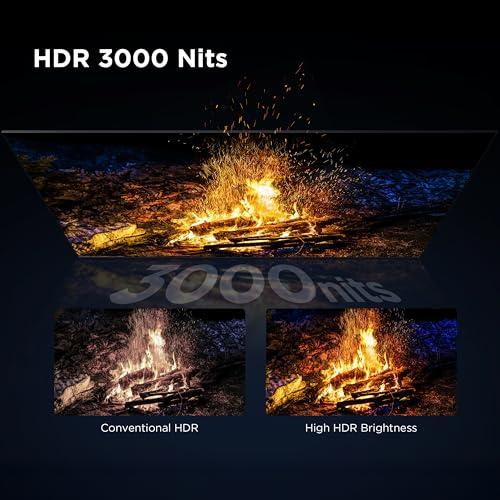
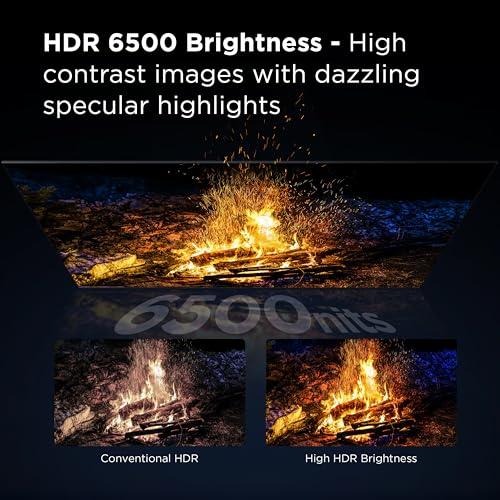
The most significant performance difference between these models lies in brightness capability. The X11K reaches up to 6,500 nits of peak brightness, while the QM7K tops out at 3,000 nits. To put this in perspective, most premium TVs struggle to exceed 1,000 nits, and even high-end models rarely surpass 2,000 nits.
Why does this matter? HDR (High Dynamic Range) content is mastered with the assumption that displays can reproduce very bright highlights alongside deep shadows. When the sun reflects off a car windshield in a movie, or when lightning illuminates a dark scene, those moments should be genuinely dazzling – not just "brighter than the rest of the image." The X11K's 6,500-nit capability means it can reproduce these peak highlights with an intensity that approaches what your eyes would see in real life.
The QM7K's 3,000 nits is still exceptional – more than enough for most content and viewing environments. But in bright rooms with lots of natural light, or when watching content with extreme bright/dark contrasts, the X11K maintains its impact where the QM7K might look slightly washed out. This difference becomes more pronounced as screen size increases, since you need more overall brightness to maintain the same visual impact across a larger viewing area.
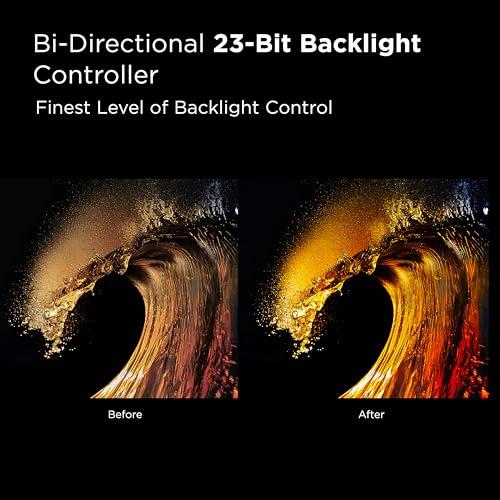
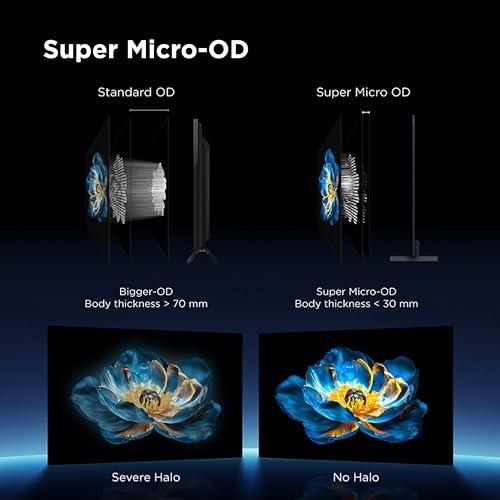
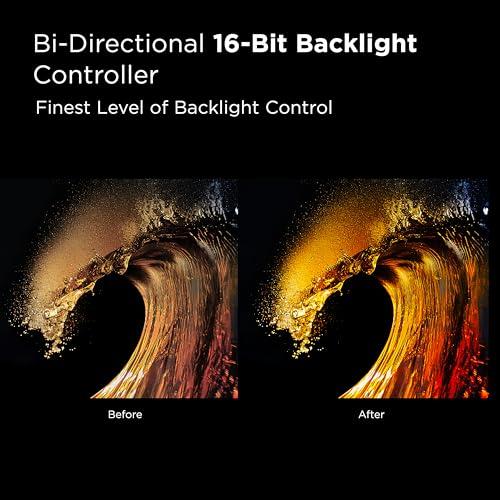
Local dimming is where Mini LED technology really shines, and it's where we see perhaps the most dramatic difference between these models. The QM7K features up to 2,500 dimming zones, while the X11K boasts an impressive 14,000 zones. A dimming zone is essentially a group of Mini LEDs that can be controlled together – more zones mean more precise control over which parts of the screen are bright or dark.
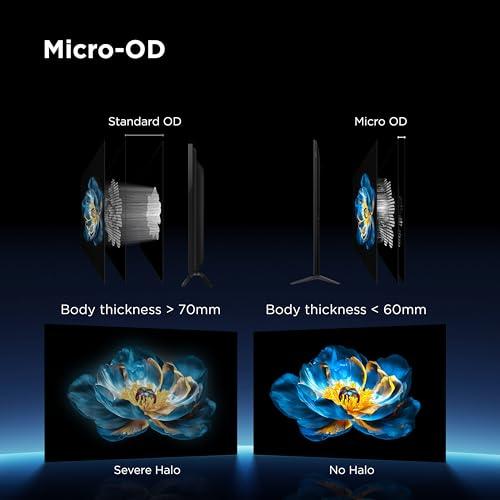
To understand why this matters, imagine watching a movie scene with stars against a black sky. With fewer dimming zones, the area around each bright star might glow slightly (called "blooming" or "haloing"), making the black sky look grayish. More dimming zones allow the TV to keep the stars bright while maintaining true blacks in the surrounding areas.
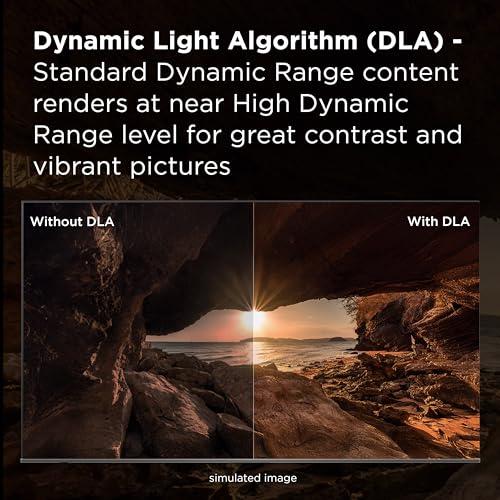
The QM7K's 2,500 zones already deliver excellent performance that approaches OLED-like contrast in most content. But the X11K's 14,000 zones take this to another level entirely, offering near pixel-level precision. This is particularly noticeable in challenging content like credits rolling over dark scenes, starfield shots in space movies, or even just navigating dark menus where text needs to pop against black backgrounds.
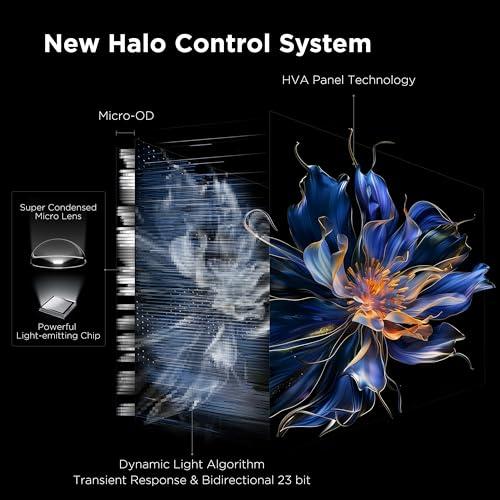
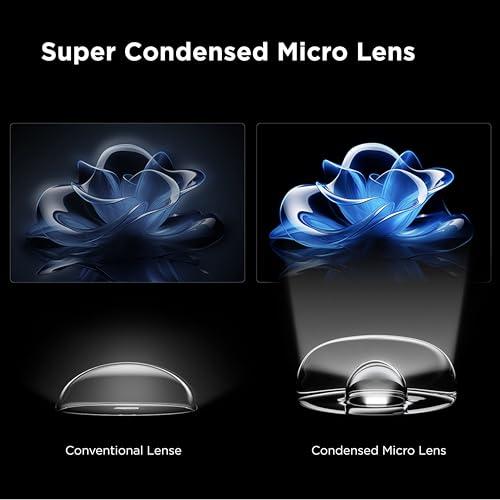
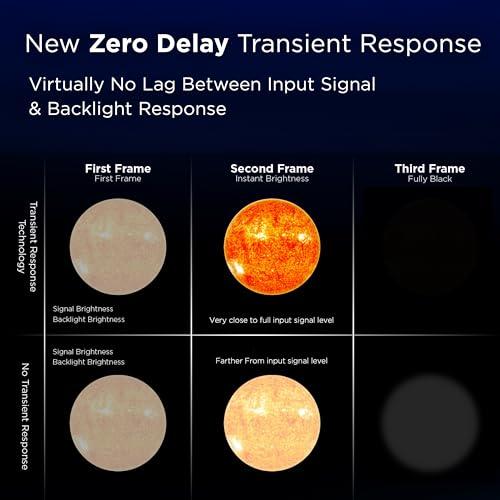
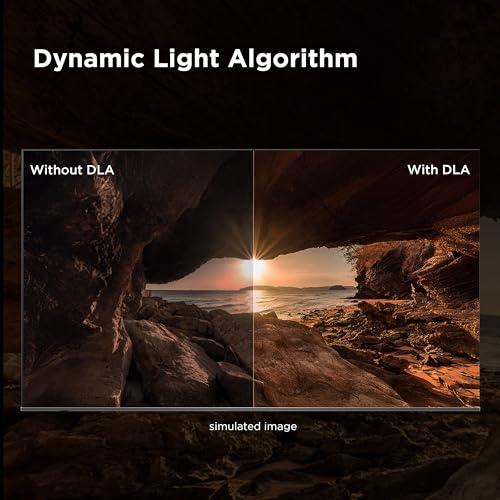
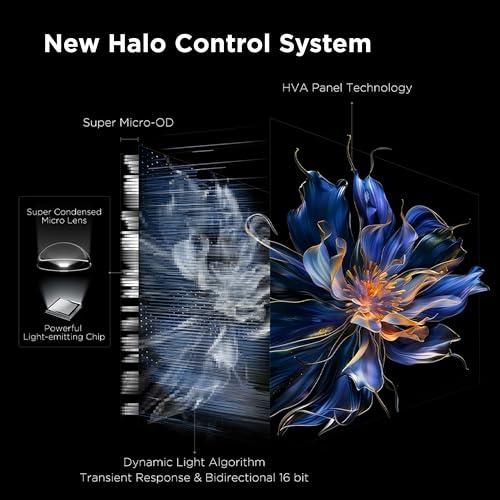
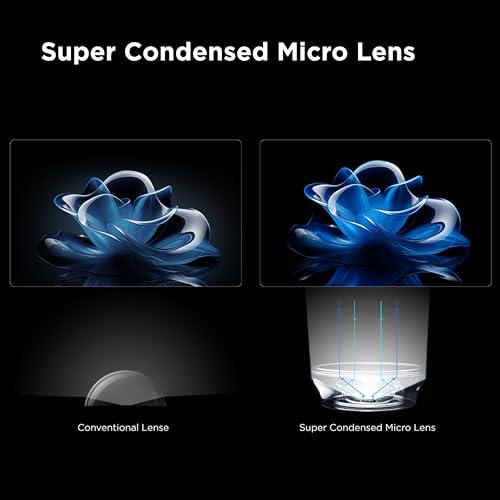
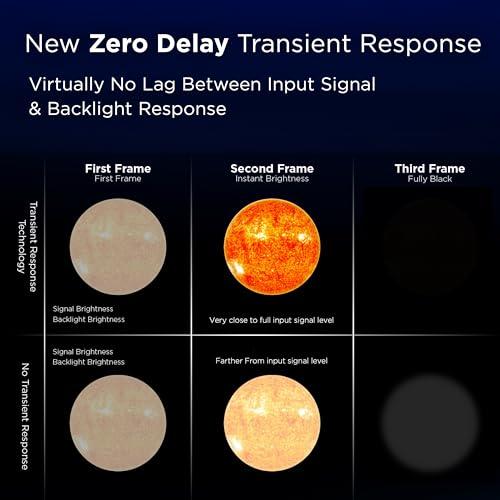
Both models incorporate TCL's Halo Control System, which uses advanced algorithms and hardware refinements to minimize the blooming effect. The system includes features like Super Condensed Micro Lens technology (which focuses each LED's light more precisely) and Zero Delay Transient Response (which ensures the dimming zones react instantly to changes in the image). These technologies work better with more zones to control, giving the X11K a clear advantage in the most demanding content.
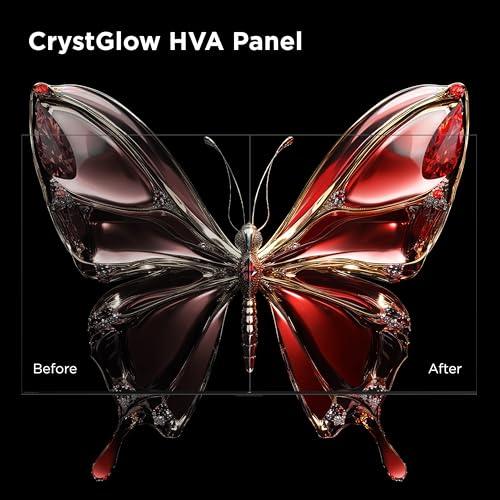
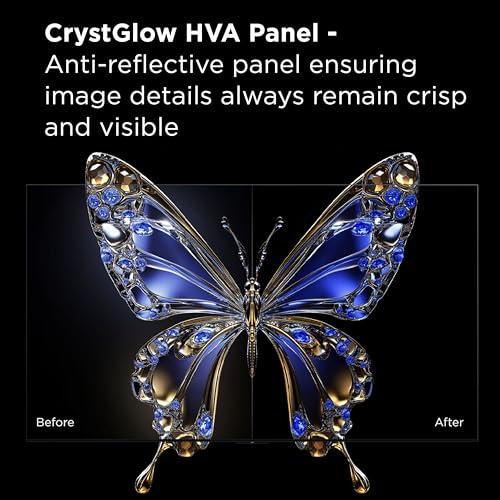
Both TVs use TCL's CrystGlow HVA (High Vertical Alignment) Panel, which incorporates nanoscale engineering to achieve better contrast ratios and reduced reflections compared to standard LCD panels. The HVA technology uses specially designed liquid crystal molecules that block more light when they're in the "closed" position, resulting in deeper blacks even before the local dimming system kicks in.
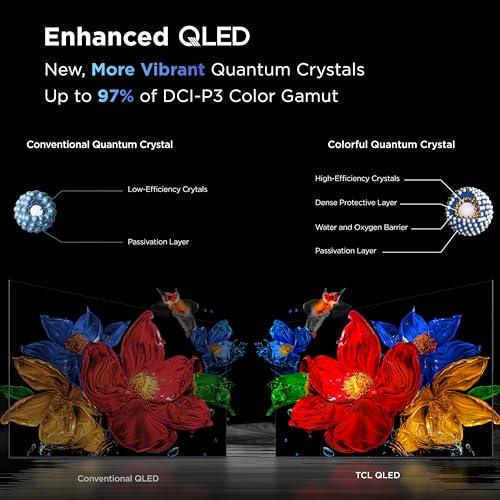
The quantum dot layer in both models covers nearly the entire DCI-P3 color space (the standard used for digital cinema), producing over 1.07 billion distinct colors. In practical terms, this means colors appear more saturated and accurate, with smoother gradients and less banding in sunset skies or color-rich animation. The enhanced quantum dot material in both TVs uses a more stable alloy structure that should maintain color accuracy over many years of use.
Where the models differ is in color processing and optimization. The X11K's more advanced processor includes sophisticated color mapping algorithms that can better handle color accuracy across different content types and in various ambient lighting conditions. This becomes particularly important when watching mixed content – switching from a vibrant animated movie to a naturally-lit drama should feel seamless rather than requiring manual picture adjustments.
The difference in processing capability between these models becomes most apparent when watching content that isn't native 4K. While both TVs excel with pristine 4K sources, the reality is that much of what we watch – from streaming services to cable TV – arrives at lower resolutions or with compression artifacts.
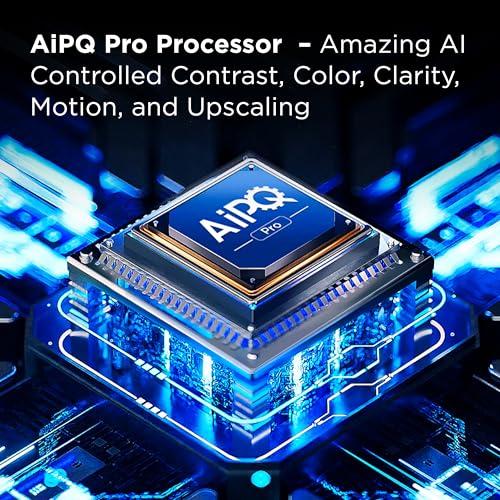
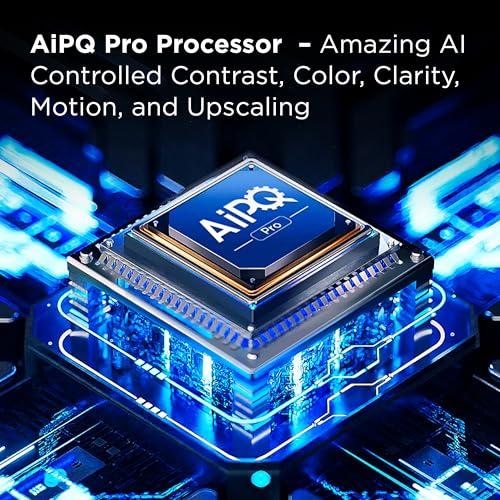
The X11K's AiPQ Pro Processor represents a significant step up in AI processing power. It analyzes each frame in real-time, identifying different elements like faces, text, motion, and background details, then applies specific enhancements to each. For example, it might sharpen text overlays while smoothing skin tones, or enhance the detail in foliage while preserving the natural softness of out-of-focus backgrounds.
This processing advantage is particularly valuable on a 98-inch screen where imperfections are magnified. Streaming compression that's invisible on a 55-inch TV can create noticeable artifacts when stretched across nearly 100 inches. The X11K's superior processing helps clean up these issues, making lower-quality sources look significantly better.
The QM7K's processor is still quite capable and handles standard upscaling tasks well. For users who primarily watch high-quality 4K content from premium sources, the difference may be minimal. But for those who watch a mix of cable TV, standard streaming services, and older content, the X11K's processing advantage becomes a daily benefit.
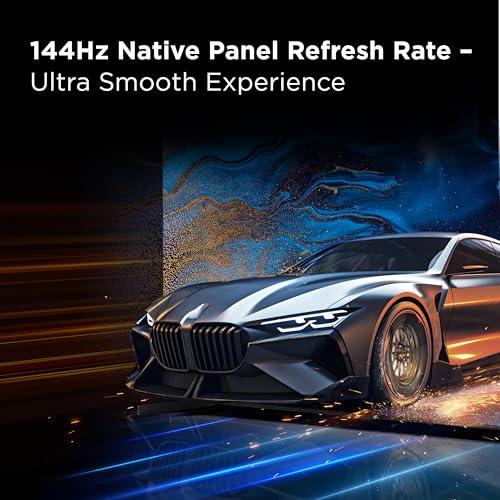
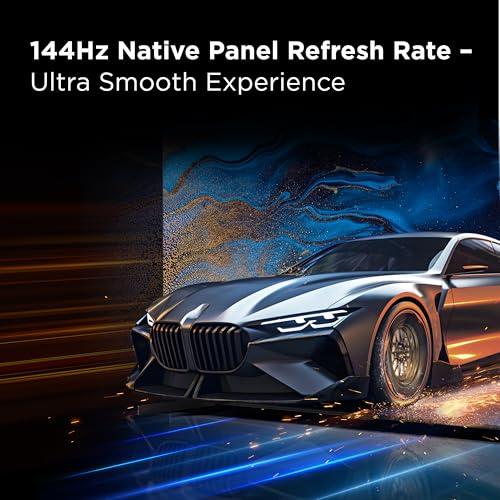
Both models feature identical 144Hz native refresh rates and Motion Rate 480 with MEMC (Motion Estimation, Motion Compensation) frame insertion. This technology analyzes motion between frames and creates intermediate frames to smooth out movement, reducing judder and blur during fast action.
The 144Hz native refresh rate is particularly important for sports and gaming. Traditional TVs operate at 60Hz, which can make fast camera pans during football games look stuttery or cause motion blur during car races. The higher refresh rate creates smoother motion that more closely matches what your eyes would see in person.
Both TVs handle motion processing well, but the X11K's more powerful processor can make more sophisticated decisions about when and how to apply motion smoothing. It's better at detecting and preserving the natural motion cadence of film content (which should look cinematic rather than smooth) while still eliminating judder and blur where appropriate.
For gaming enthusiasts, both the QM7K and X11K deliver virtually identical performance that puts them among the best gaming displays available. Both support 144Hz Variable Refresh Rate (VRR), which synchronizes the TV's refresh rate with your gaming console or PC's frame rate to eliminate screen tearing and stuttering.
The Game Accelerator 288 feature pushes this even further, supporting up to 288Hz refresh rates for incredibly smooth motion in compatible games. Auto Low Latency Mode (ALLM) automatically switches the TV to its lowest-lag picture mode when it detects a gaming signal, ensuring responsive controls whether you're playing competitive shooters or reaction-based platformers.
Both models include AMD FreeSync Premium Pro certification, which provides additional assurance of low-latency, tear-free gaming performance. The multiple HDMI 2.1 ports on each TV mean you can connect current-generation consoles and gaming PCs at their maximum capabilities without compromise.
The gaming experience on either TV is exceptional, with the massive 98-inch screen providing an incredibly immersive experience that makes you feel like you're inside the game world. The main consideration for gamers is viewing distance – you'll want to sit far enough back that you're not constantly moving your head to track action across the entire screen.
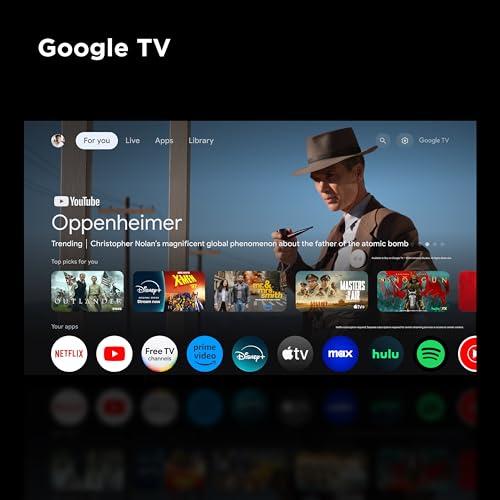
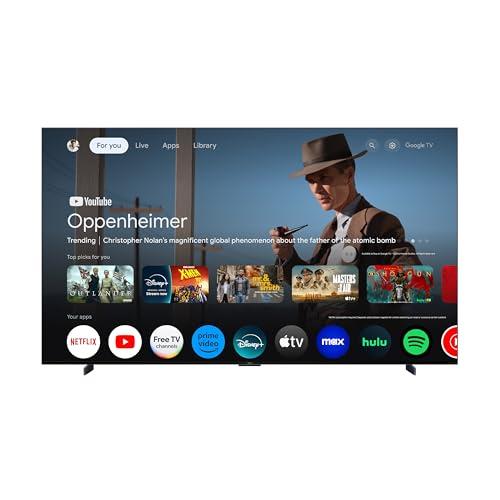
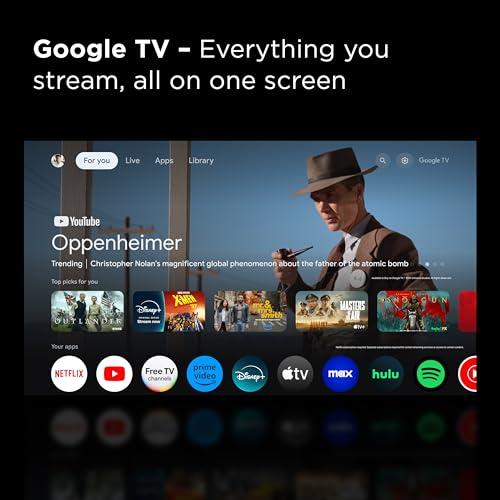
Both TVs run Google TV, which provides access to all major streaming services along with helpful content recommendations and voice search capabilities. The interface is clean and responsive, with hands-free voice control that works reliably for basic commands like changing volume or launching apps.
The key connectivity difference lies in wireless networking. The X11K includes Wi-Fi 6 support, while the QM7K uses Wi-Fi 5. Wi-Fi 6 provides faster maximum speeds, better performance in congested network environments, and improved efficiency that can extend the life of connected devices' batteries. For streaming high-bitrate 4K content or using wireless casting features, Wi-Fi 6 offers noticeably better stability and performance.
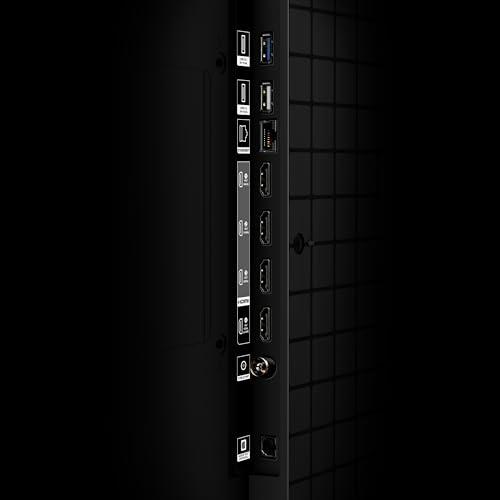
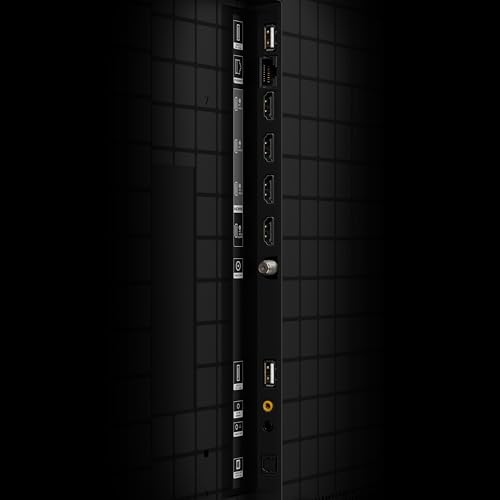
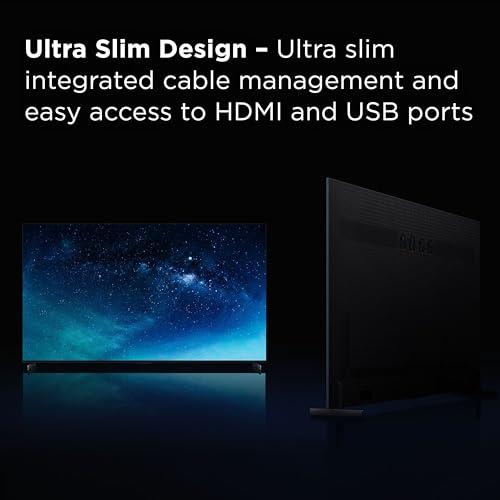
Both models support Chromecast, Apple AirPlay 2, and work with Amazon Alexa, Google Assistant, and Apple HomeKit for smart home integration. The port selection is identical, with four HDMI inputs (including eARC for sound system connection) and multiple USB ports for external storage or accessories.
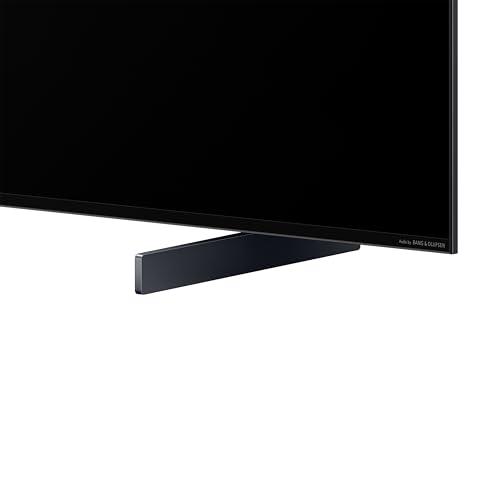
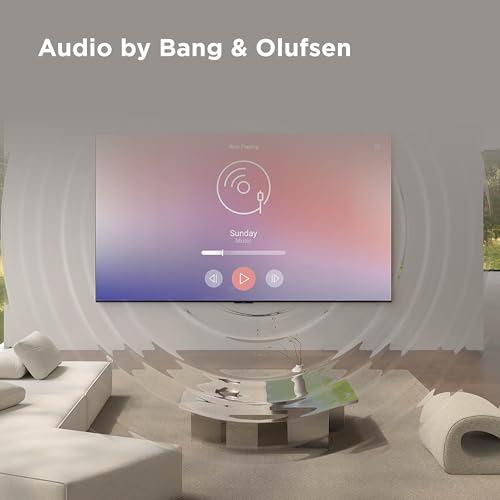
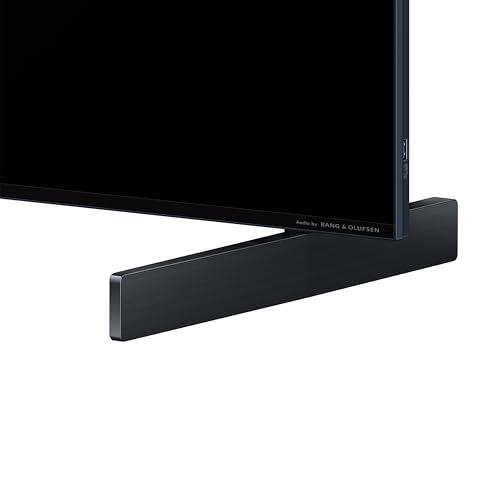
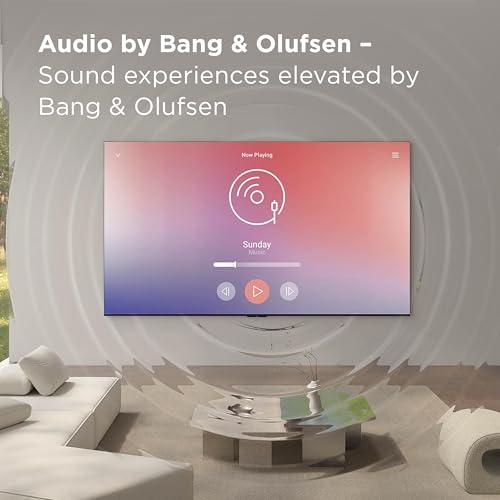
Audio is often overlooked in TV comparisons, but at this screen size, built-in sound quality becomes more important since the speakers need to fill larger rooms effectively. Both TVs feature Audio by Bang & Olufsen tuning with Dolby Atmos support, but the X11K includes a more powerful 120W 2.1.1 channel system compared to the QM7K's setup.
The enhanced audio system in the X11K provides fuller bass response and better soundstage width, which helps match the visual impact of the massive screen. However, most users investing in a 98-inch TV will likely pair it with a dedicated sound system or soundbar to fully realize the home theater potential.
Both TVs handle audio passthrough well, supporting all major surround sound formats for connection to external audio systems. The eARC (enhanced Audio Return Channel) support ensures full-quality audio transmission to compatible sound systems without compression or compatibility issues.
At the time of writing, there's a substantial price gap between these models, with the QM7K positioned as the value-oriented option and the X11K commanding a significant premium for its advanced features. The question becomes whether the X11K's superior brightness, processing, and local dimming justify the additional cost.
For most users, the QM7K delivers exceptional performance that will satisfy even demanding viewers. Its 3,000-nit brightness handles HDR content beautifully, the 2,500 dimming zones provide excellent contrast control, and the overall picture quality is genuinely impressive. The money saved could be invested in a high-quality sound system, professional calibration, or room treatments that might provide more noticeable improvements to the overall experience.
However, the X11K's offers genuinely superior performance in key areas. The dramatically higher brightness and more precise local dimming create visibly better picture quality in challenging content. The improved processing makes a real difference with lower-quality sources, which represents a significant portion of daily viewing for most households.
In a dedicated home theater environment, both TVs excel, but the choice depends on your specific setup. The QM7K works beautifully in light-controlled rooms where its 3,000-nit brightness is more than adequate. The money saved can go toward acoustic treatments, better seating, or projection system alternatives for even larger screen experiences.
The X11K provides more flexibility for multi-purpose rooms where ambient light control isn't perfect. Its superior brightness maintains impact even with some room lighting, and the advanced processing helps ensure consistent picture quality regardless of content source.
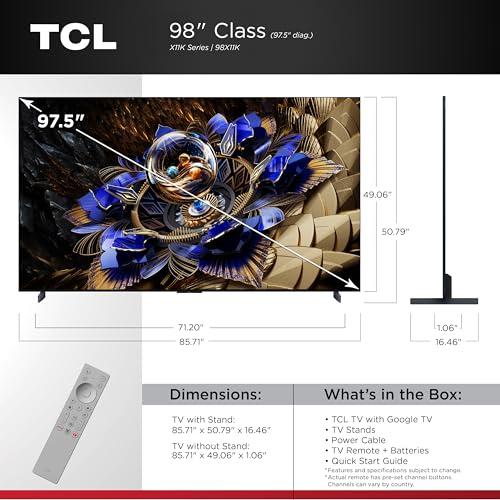
Both models' massive size requires careful consideration of viewing distance and room layout. The general recommendation is to sit 1.5-2 times the screen width away, which means 10-13 feet for a 98-inch display. This puts you in the optimal zone where you can appreciate fine details without the screen overwhelming your field of view.
The QM7K makes sense for buyers who want flagship performance without paying flagship prices. It's ideal if you primarily watch high-quality 4K content, have good control over room lighting, and want to allocate budget toward other home theater components. The picture quality is genuinely excellent, and the gaming performance matches more expensive models.
Choose the X11K if you demand the absolute best performance available, watch content from various sources including cable and standard streaming services, have bright viewing environments, or simply want the most advanced display technology available. The superior brightness and processing create a noticeably better experience that justifies the premium for users who will appreciate and utilize these advantages.
Both the TCL QM7K and TCL X11K represent excellent choices in the premium large-screen TV category, but they serve different priorities. The QM7K offers exceptional value, delivering flagship-level performance at a more accessible price point. It's the smart choice for buyers who want premium features without paying the absolute top-tier premium.
The X11K is for those who want the best possible performance regardless of cost. Its superior brightness, processing power, and local dimming precision create a genuinely better viewing experience that's particularly noticeable in challenging content and mixed lighting conditions.
Either way, you're getting a massive, impressive display that will transform your entertainment experience. The key is matching your choice to your priorities, budget, and viewing environment to ensure you get the maximum enjoyment from your investment in large-screen entertainment.
| TCL 98" QM7K QD-Mini LED 4K TV | TCL 98" X11K 4K QD-Mini LED Google TV |
|---|---|
| Peak Brightness - Critical for HDR impact and bright room viewing | |
| 3,000 nits (excellent for most content and lighting conditions) | 6,500 nits (exceptional brightness for any environment) |
| Local Dimming Zones - Controls contrast precision and blooming | |
| 2,500 zones (delivers near-OLED contrast performance) | 14,000 zones (near pixel-level precision, minimal blooming) |
| Processor - Affects upscaling quality and AI enhancements | |
| TCL AiPQ ULTRA with Deep Learning AI (solid performance) | AiPQ Pro Processor (superior upscaling and content optimization) |
| Wi-Fi Standard - Impacts streaming stability and speed | |
| Wi-Fi 5 (802.11ac) - adequate for 4K streaming | Wi-Fi 6 (802.11ax) - faster, more stable for high-bandwidth content |
| Audio System - Built-in sound quality and power | |
| Audio by Bang & Olufsen, 60W total power | Audio by Bang & Olufsen, 120W 2.1.1 channel system |
| Gaming Refresh Rate - Smoothness for fast-paced content | |
| 144Hz native, VRR up to 288Hz (identical gaming performance) | 144Hz native, VRR up to 288Hz (identical gaming performance) |
| HDR Format Support - Compatibility with premium content | |
| Dolby Vision IQ, HDR10+, HDR10, HLG (full format support) | Dolby Vision IQ, HDR10+, HDR10, HLG (full format support) |
| Smart Platform - Apps and interface experience | |
| Google TV with hands-free voice control | Google TV with hands-free voice control |
| Panel Technology - Base display quality and reflections | |
| CrystGlow HVA Panel with anti-reflective coating | CrystGlow HVA Panel with anti-reflective coating |
| Value Positioning - Performance per dollar consideration | |
| Exceptional flagship performance at accessible pricing | Premium flagship with cutting-edge brightness and processing |
The biggest difference is brightness and local dimming precision. The TCL X11K delivers 6,500 nits peak brightness with 14,000 local dimming zones, while the TCL QM7K offers 3,000 nits with 2,500 zones. The X11K also features more advanced AI processing for better upscaling of lower-resolution content.
The TCL X11K includes Wi-Fi 6 for faster, more stable streaming compared to the TCL QM7K's Wi-Fi 5. For high-bandwidth 4K content and congested network environments, the X11K offers better connectivity performance.
Choose the TCL QM7K if you want excellent flagship performance at accessible pricing and primarily watch high-quality content in controlled lighting. Choose the TCL X11K if you need maximum brightness for bright rooms, watch mixed content sources, or want the absolute best display technology available.
We've done our best to create useful and informative comparisons to help you decide what product to buy. Our research uses advanced automated methods to create this comparison and perfection is not possible - please contact us for corrections or questions. These are the sites we've researched in the creation of this article: bestbuy.com - tcl.com - youtube.com - rtings.com - tcl.com - youtube.com - youtube.com - tcl.com - tomsguide.com - manuals.plus - youtube.com - tcl.com - whathifi.com - bestbuy.com - queencityonline.com - electronicexpress.com - tcl.com - valueelectronics.com - tcl.com - bestbuy.com - bestbuy.com - youtube.com - woodruffappliance.com - karlsonline.com - tcl.com - ecoustics.com - pcrichard.com - tcl.com - valueelectronics.com - bestbuy.com - tcl.com - whathifi.com - tcl.com - youtube.com - displayspecifications.com - whathifi.com - youtube.com - notebookcheck.net - tcl.com - tcl.com - displayspecifications.com - tcl.com - tcl.com - pcguide.com - en.homecinesolutions.fr - youtube.com - tcl.com

Privacy Policy
Terms and Conditions - Affiliate Policy
Home Security
© Copyright 2008-2026.
11816 Inwood Rd #1211, Dallas, TX 75244