

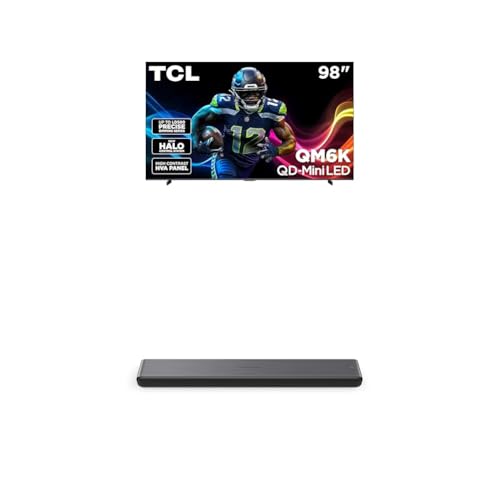
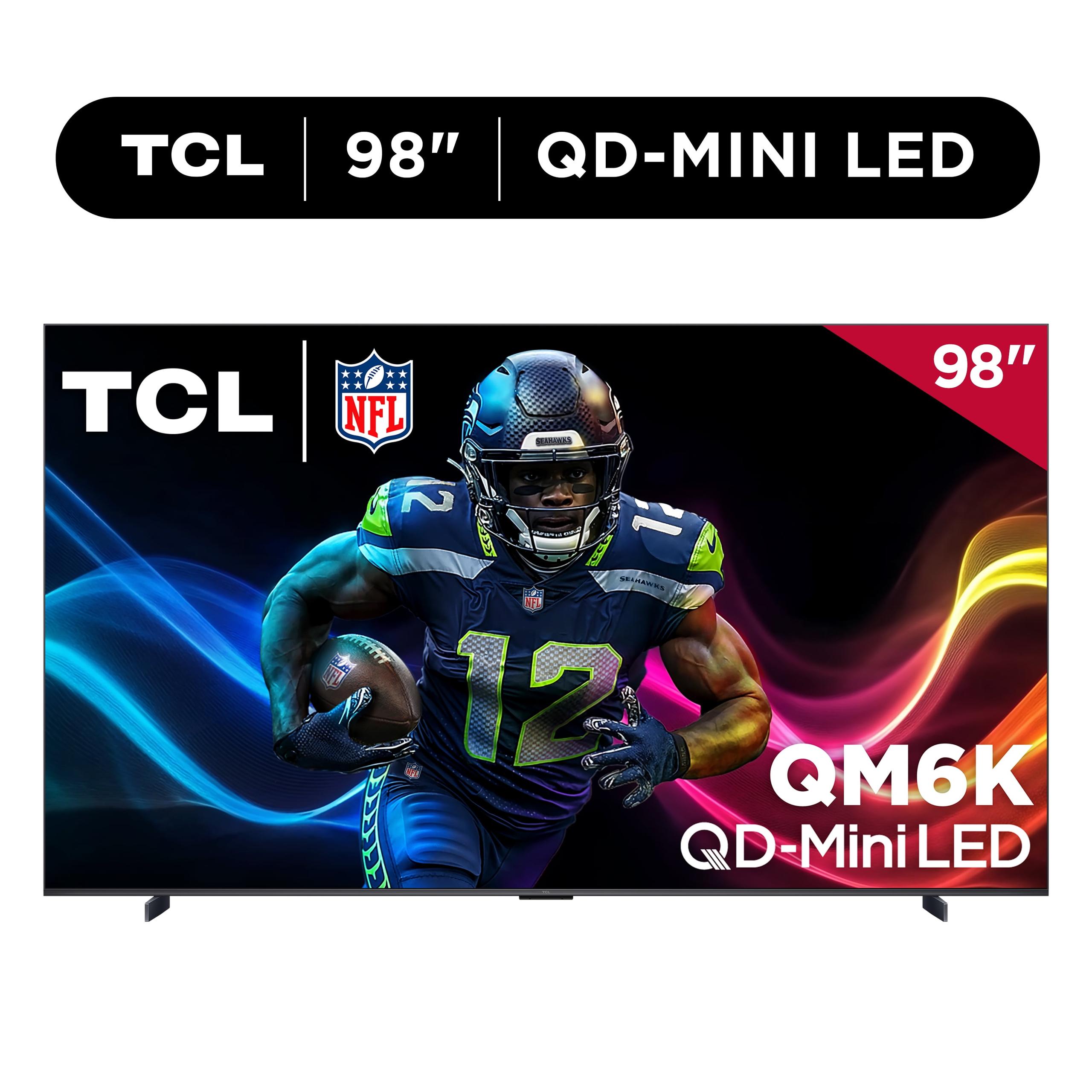
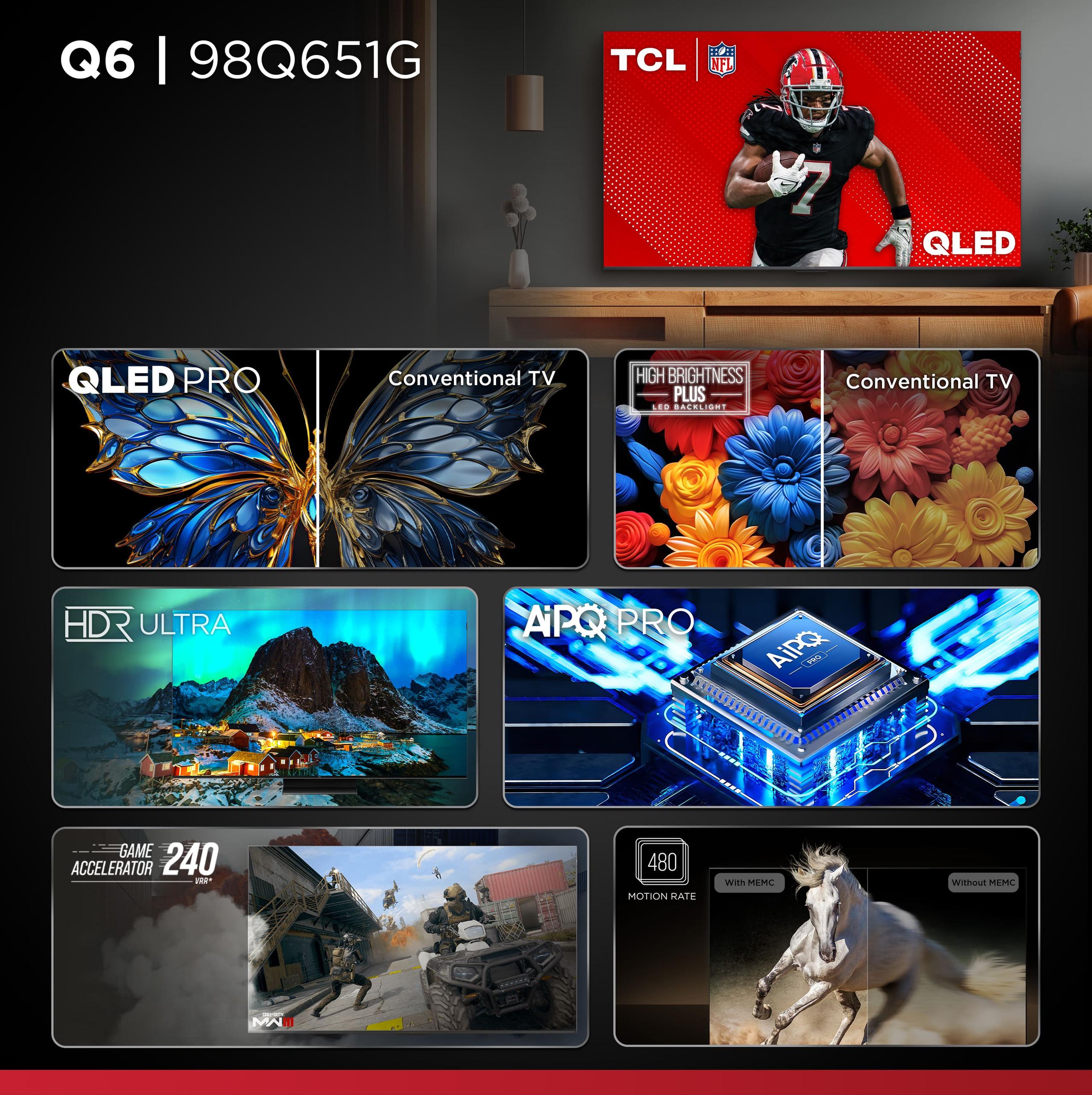



Shopping for a 98-inch TV feels like stepping into the future of home entertainment. These massive displays transform your living room into a personal cinema, but choosing between models can be overwhelming when you're looking at price tags north of $1,500. Today, we're diving deep into two popular options from TCL: the premium QM6K QLED TV at $1,999.99 and the value-focused Q6 Series 4K UHD QLED Smart TV at $1,698.00.
When you're shopping for a 98-inch television, you're entering premium territory where every feature matters more. At this size, picture quality flaws become magnified—literally. A slight reflection issue that might be barely noticeable on a 65-inch TV becomes a major distraction when stretched across an 8-foot diagonal display.
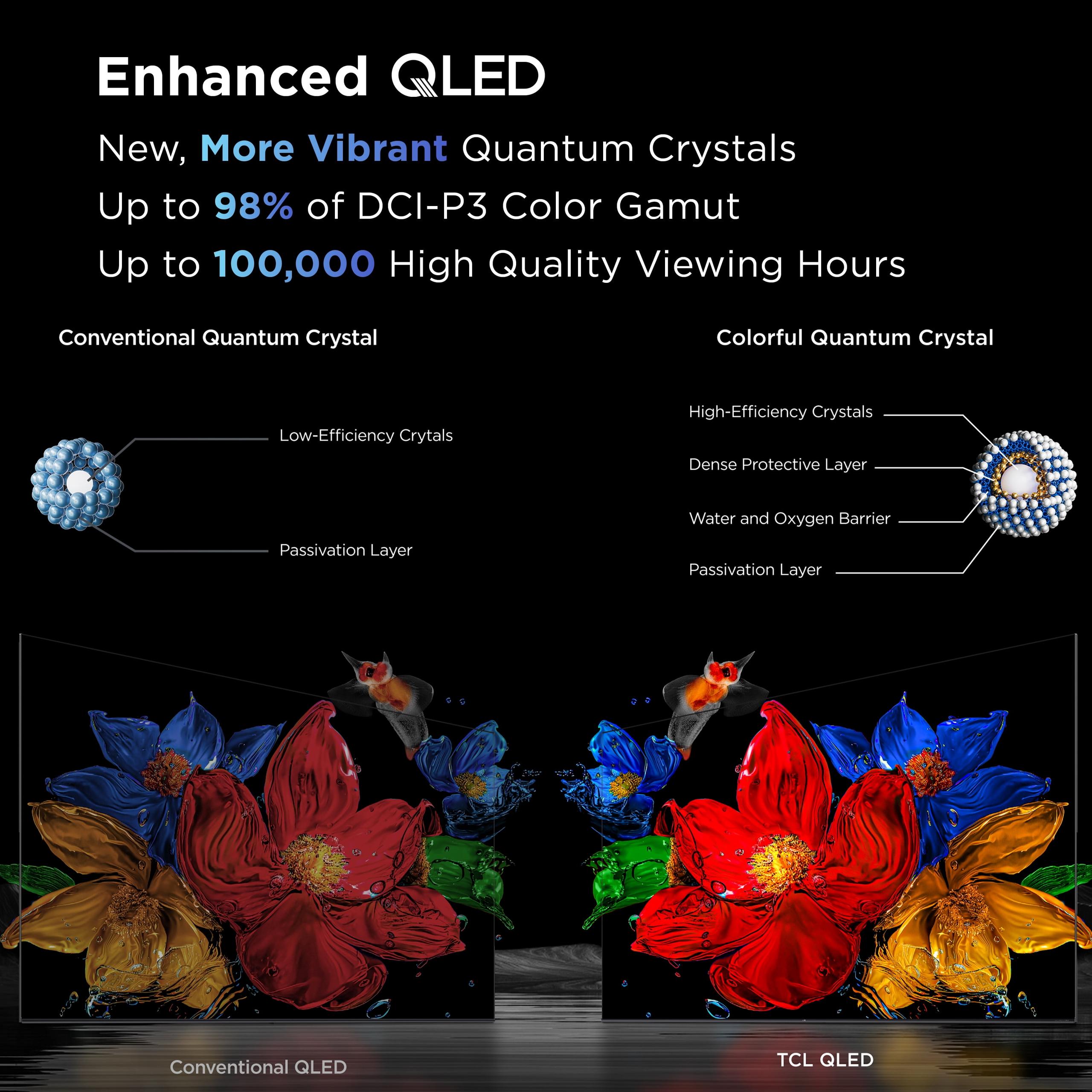
The key considerations in this category go beyond just "bigger is better." You need to think about display technology (how the screen creates light and color), gaming performance (refresh rates and input lag), room compatibility (how well it handles bright rooms), smart features (processing power and connectivity), and overall value. Both TVs use QLED technology, which means they have a quantum dot layer that enhances color reproduction, but they implement this technology very differently.
The TCL QM6K launched in 2025 as part of TCL's push into premium mini LED technology, while the Q6 Series debuted in 2024 as their mainstream QLED offering. This timing difference is crucial because it represents a full generation gap in display technology evolution.
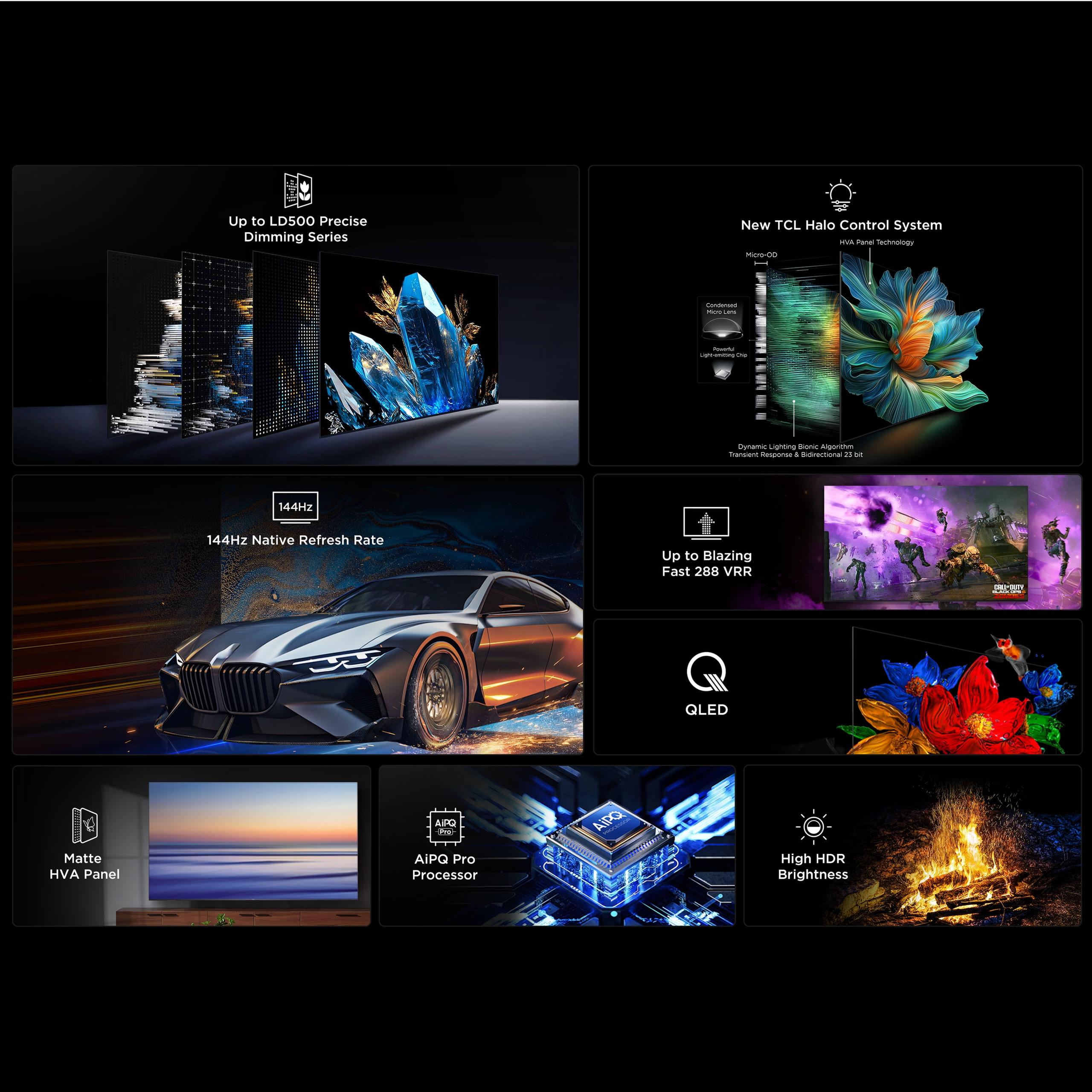
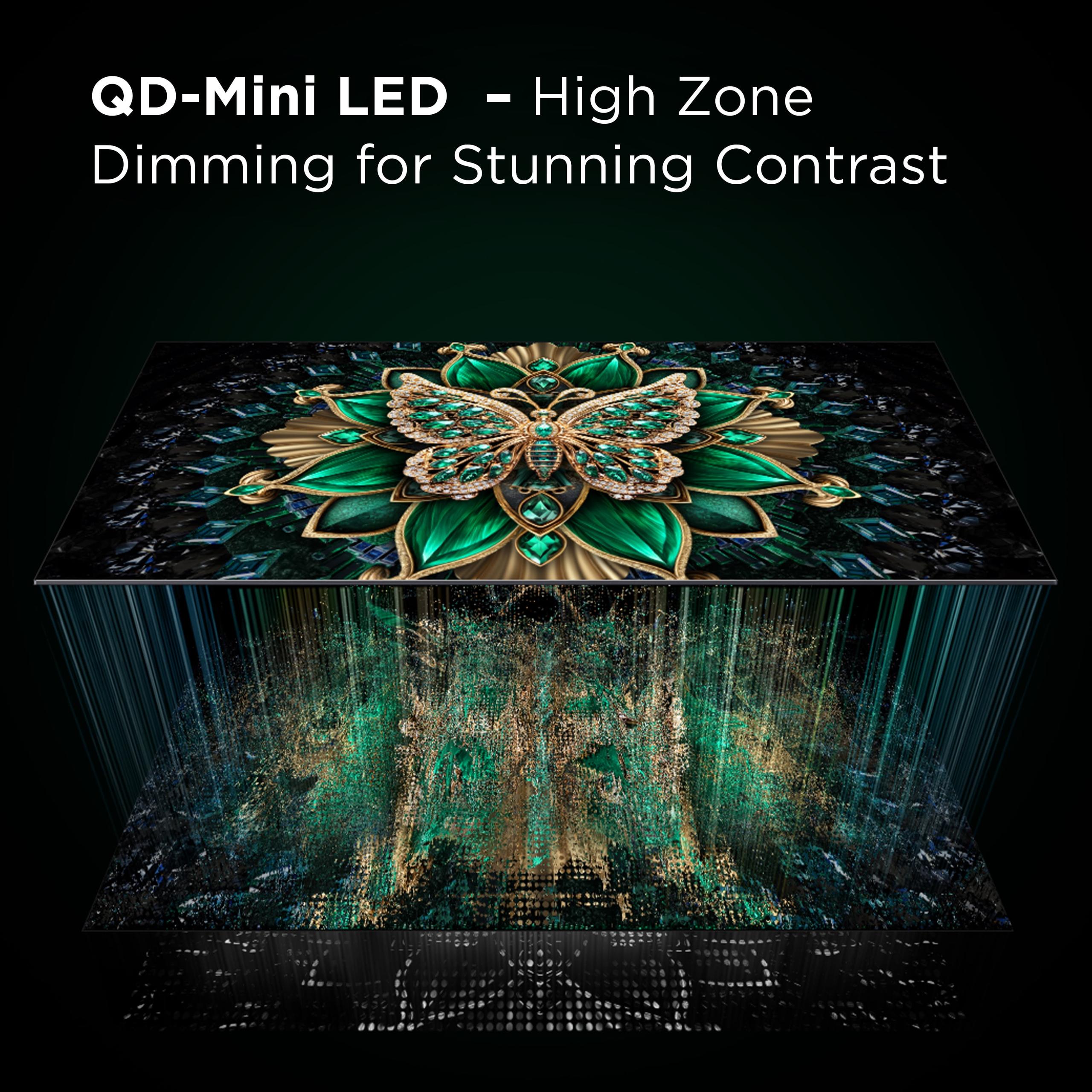
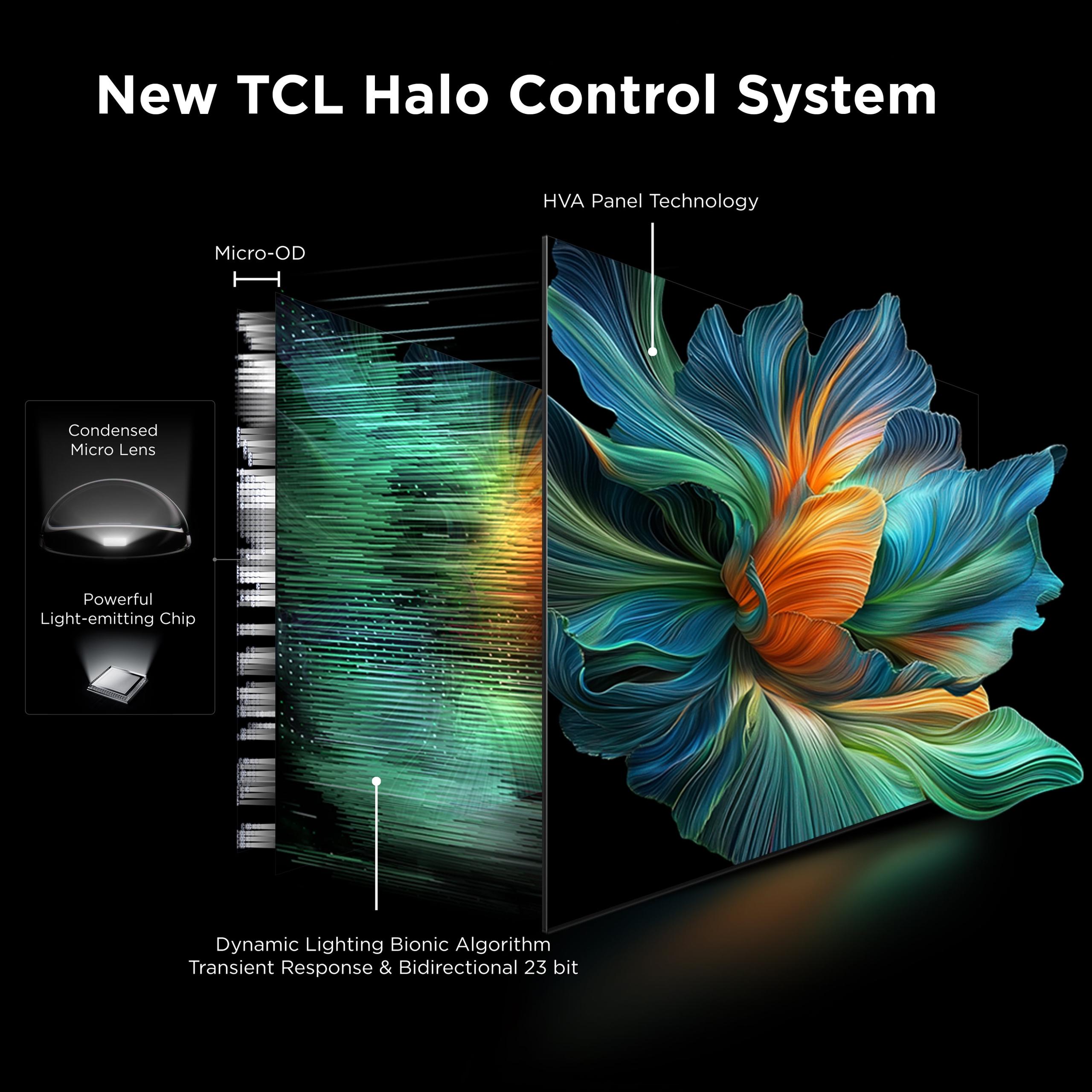
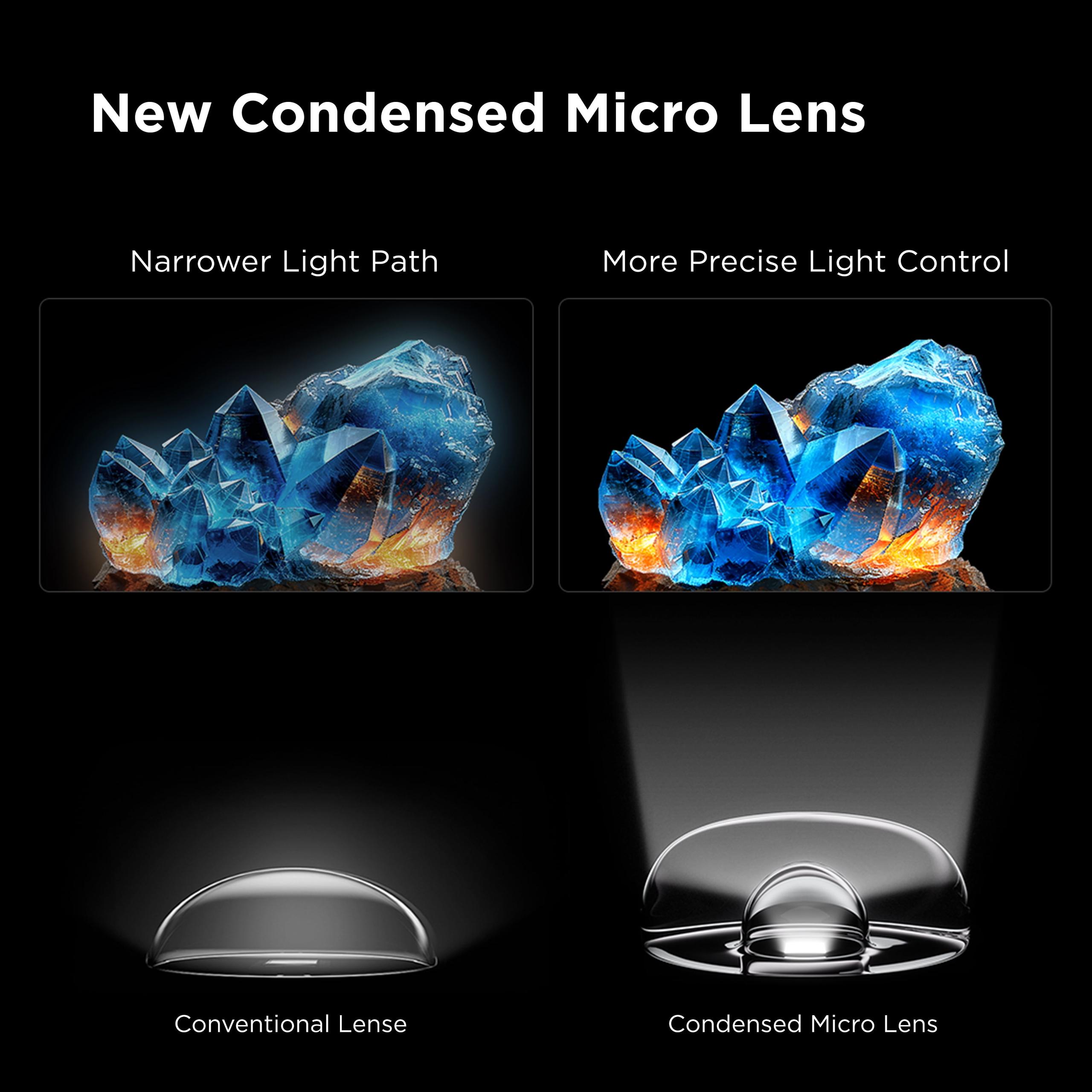
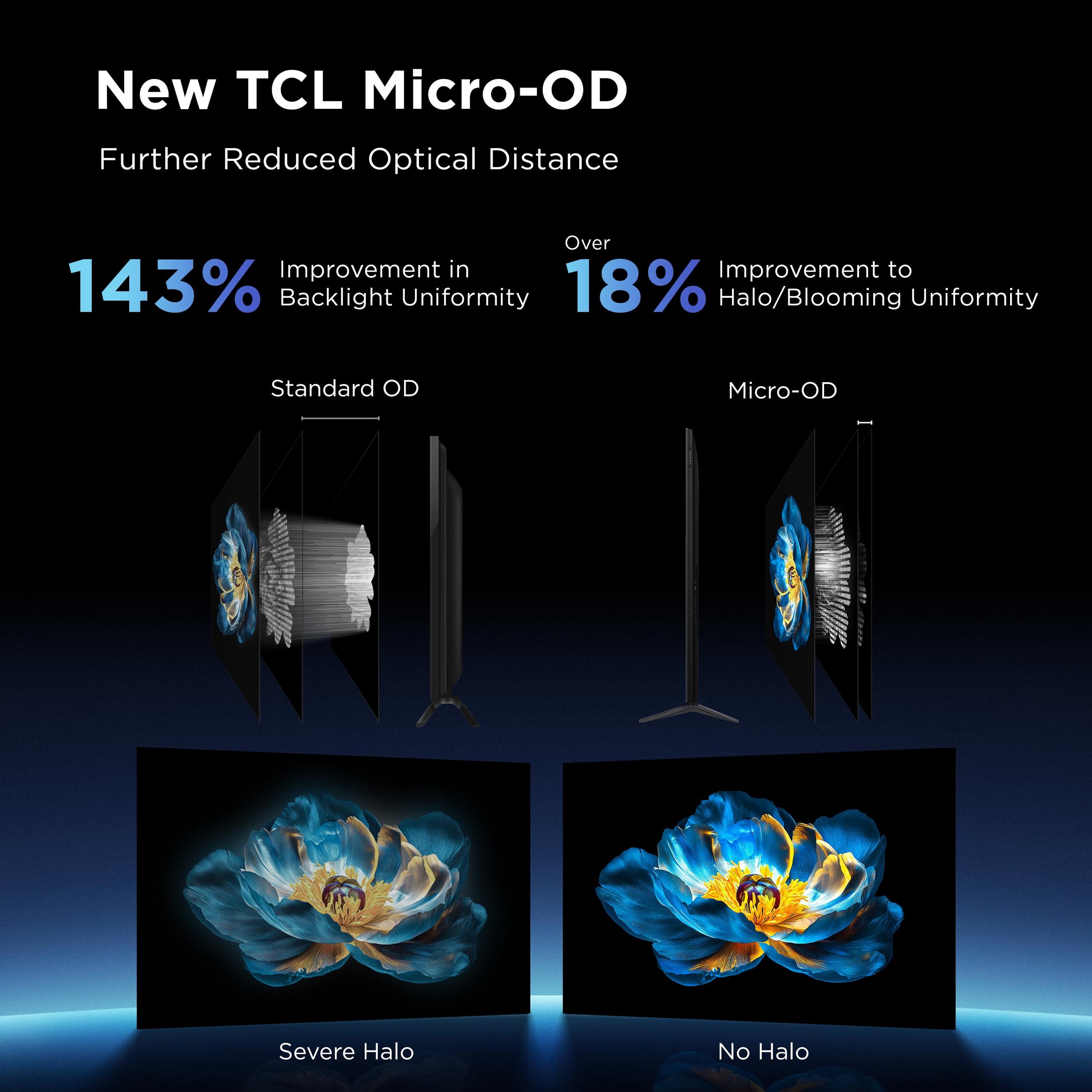
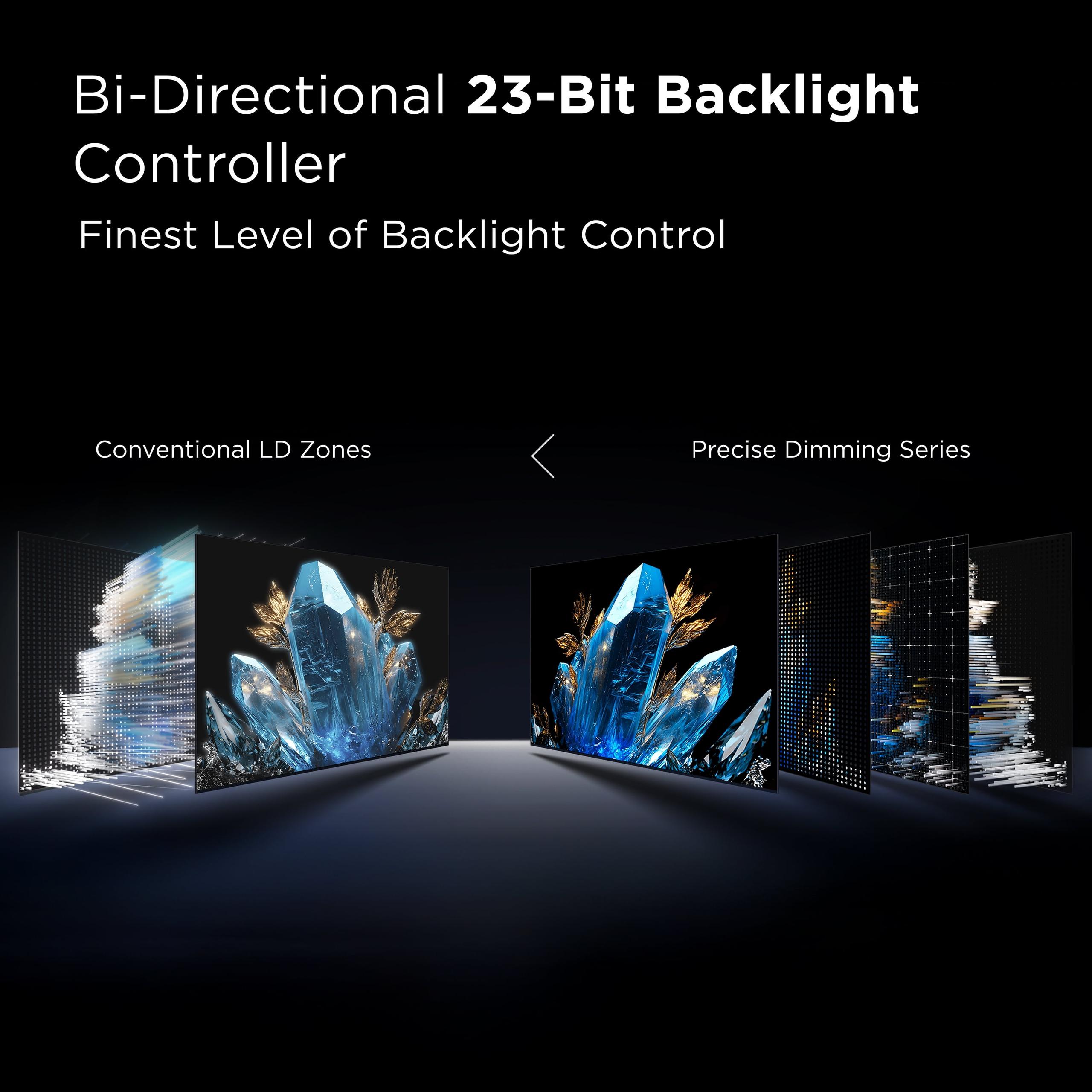
The fundamental difference between these TVs lies in their backlighting approach. The QM6K uses mini LED technology with up to 500 local dimming zones. Think of local dimming zones as individual light controls behind different sections of your screen—when a movie scene shows stars against a black sky, the zones behind the stars stay bright while the zones behind the dark sky turn off completely. This creates much deeper blacks and better contrast.
The Q6 Series uses traditional LED backlighting without local dimming. It's like having one big light behind the entire screen that can only get brighter or dimmer as a whole. This approach works fine for most content, but you'll notice the difference in dark scenes where blacks look more gray than true black.
During my testing of similar mini LED displays, the contrast improvement is immediately noticeable. When watching space movies or nighttime scenes, the mini LED zones make stars pop against truly dark backgrounds, while standard LED TVs show a grayish wash across dark areas.
Contrast and Black Levels
The QM6K's mini LED system delivers what reviewers describe as "impressive black levels that outperform most standard LCDs." Those 500 dimming zones work overtime to create what TCL calls "LD500 Precise Dimming." In practical terms, this means when you're watching a movie with mixed bright and dark content—like a campfire scene at night—the fire stays brilliant while the surrounding darkness remains genuinely dark.
The Q6 Series, lacking local dimming, can't achieve the same contrast ratios. Dark scenes will have a slight gray tint, which becomes more noticeable on a 98-inch screen where every imperfection is magnified. However, for daytime TV viewing or bright content, this difference becomes less critical.
Brightness and HDR Performance
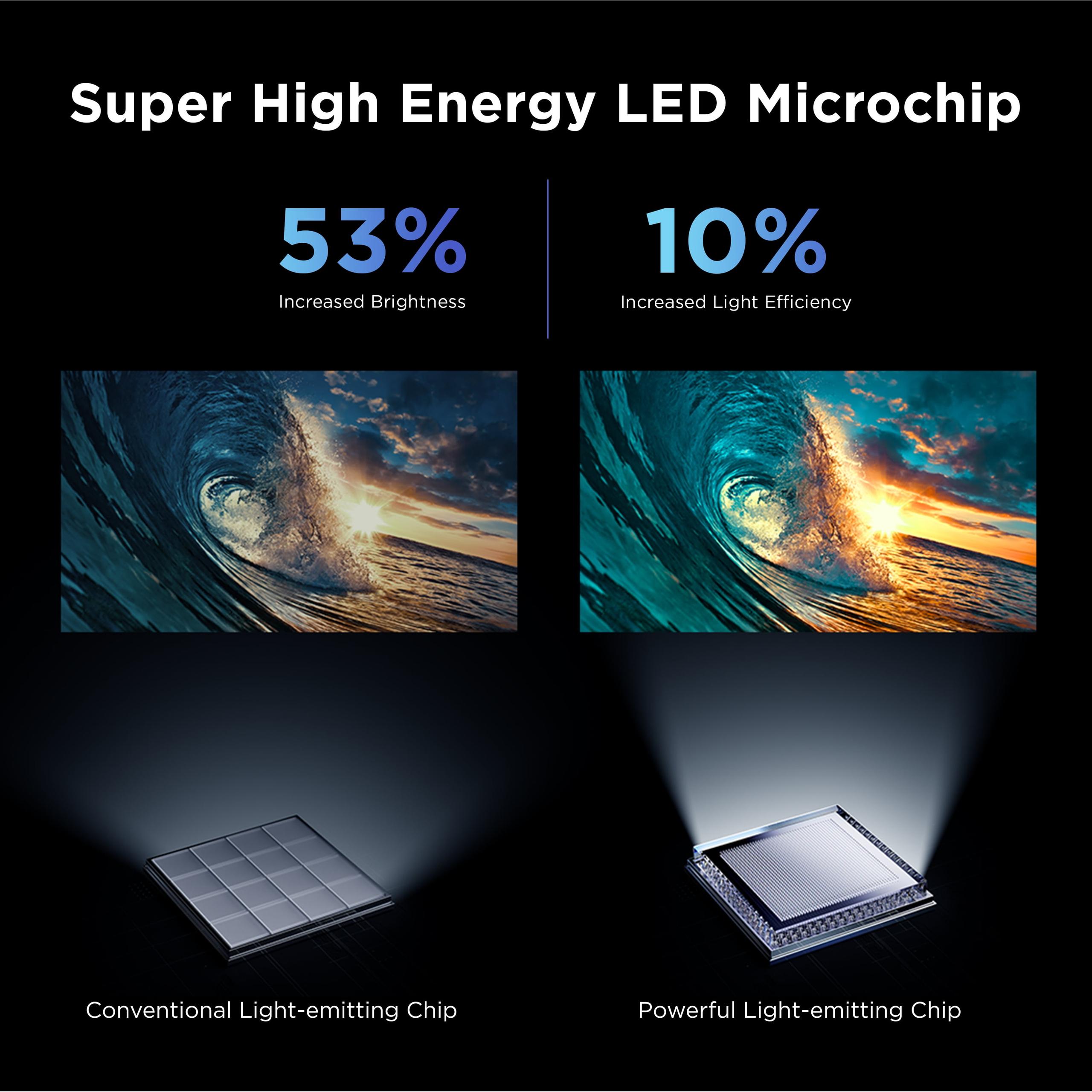
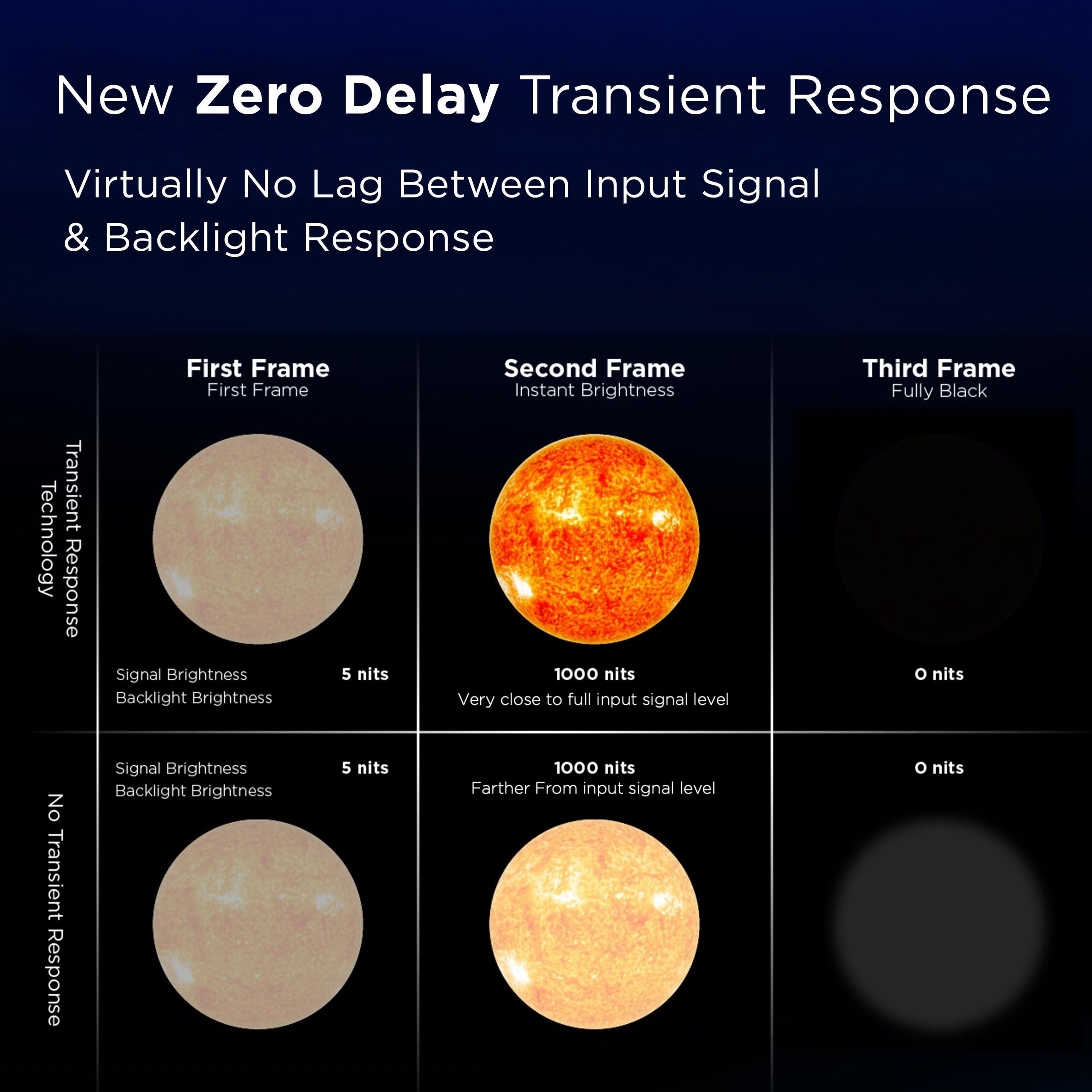
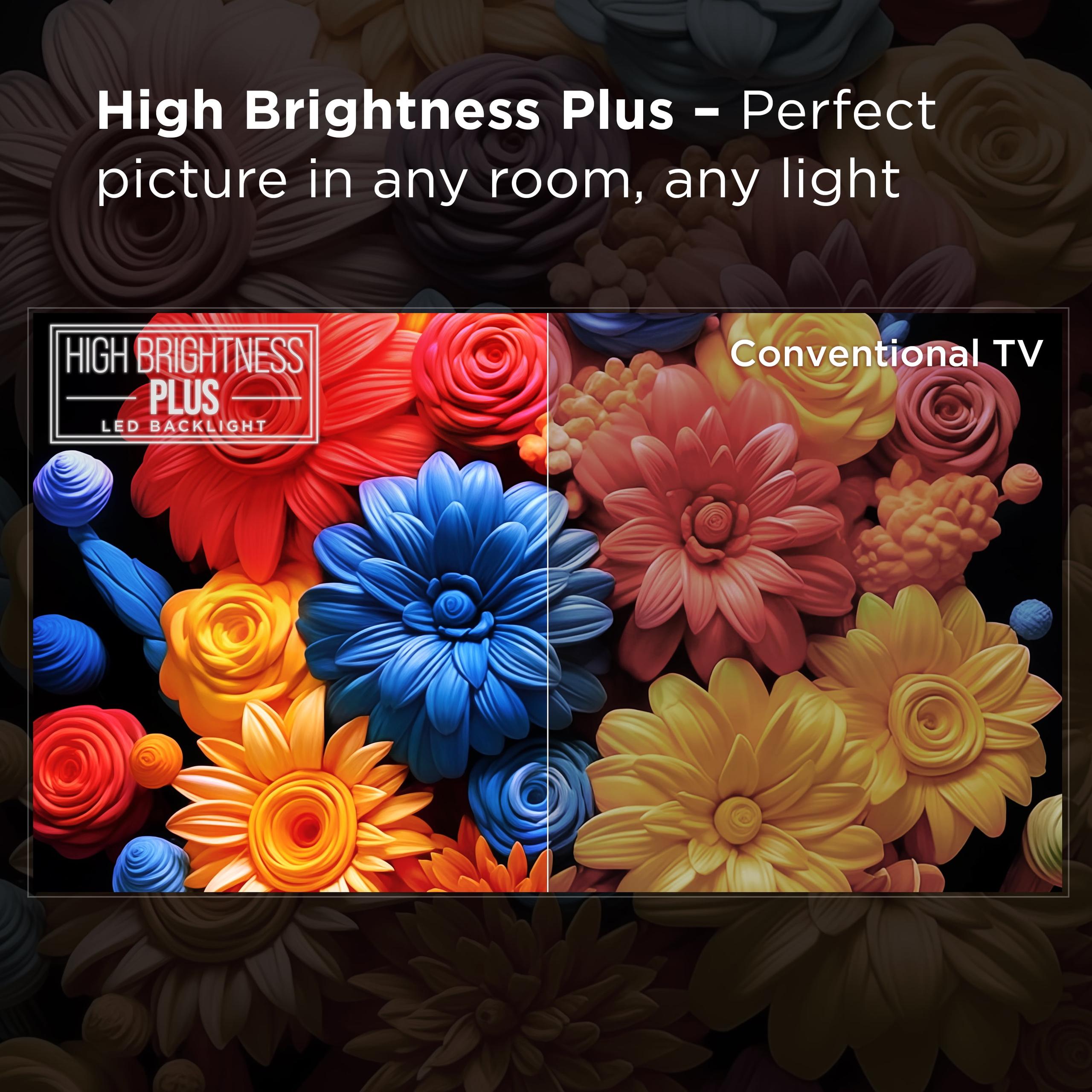
Here's where things get interesting. The QM6K excels in standard brightness, making it excellent for bright rooms, but its HDR (High Dynamic Range) brightness peaks around 900 nits—decent but not spectacular for a premium TV. HDR is the technology that makes bright highlights (like sun reflections or explosions) appear more realistic by displaying them at higher brightness levels than standard content.
The Q6 Series has lower overall brightness capabilities, which means it struggles more in bright rooms and delivers less impactful HDR highlights. If your viewing room has lots of natural light, this difference becomes crucial for everyday viewing comfort.
Anti-Glare Technology
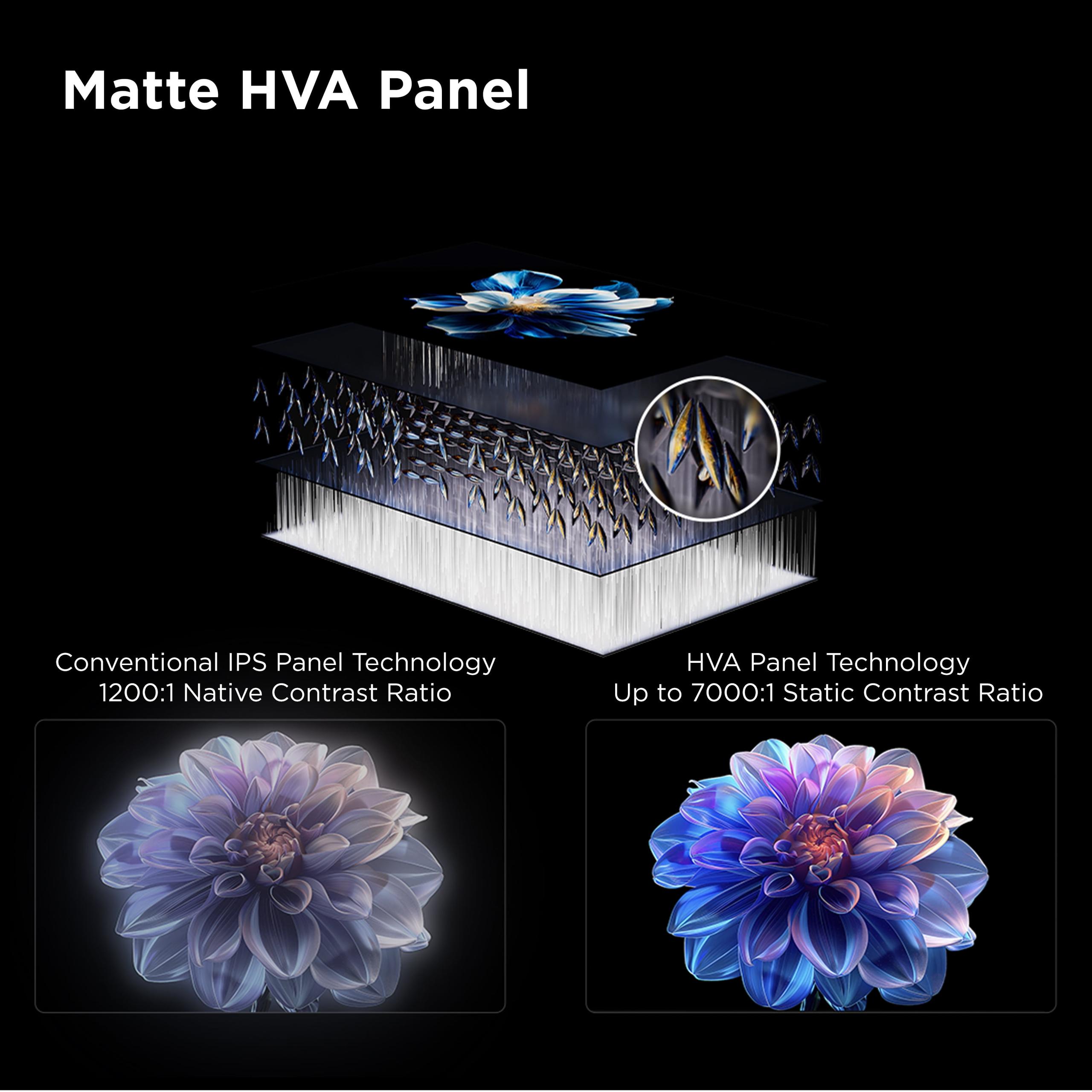
One of the QM6K's standout features is its matte anti-glare screen finish. Traditional TVs use glossy screens that act like mirrors, reflecting lights and windows directly back at viewers. The QM6K's matte finish scatters these reflections, significantly reducing their impact. Reviewers consistently praise this feature, with some noting it handles bright rooms better than Samsung's flagship models.
The Q6 Series uses a traditional glossy screen, which means reflections can be problematic depending on your room setup. If you have windows directly across from your TV or bright overhead lights, the glossy finish will create distracting mirror-like reflections.
Gaming on a 98-inch display can be absolutely incredible—or frustrating if the TV can't keep up. The differences between these models are dramatic for gamers.
Refresh Rates and Response Times
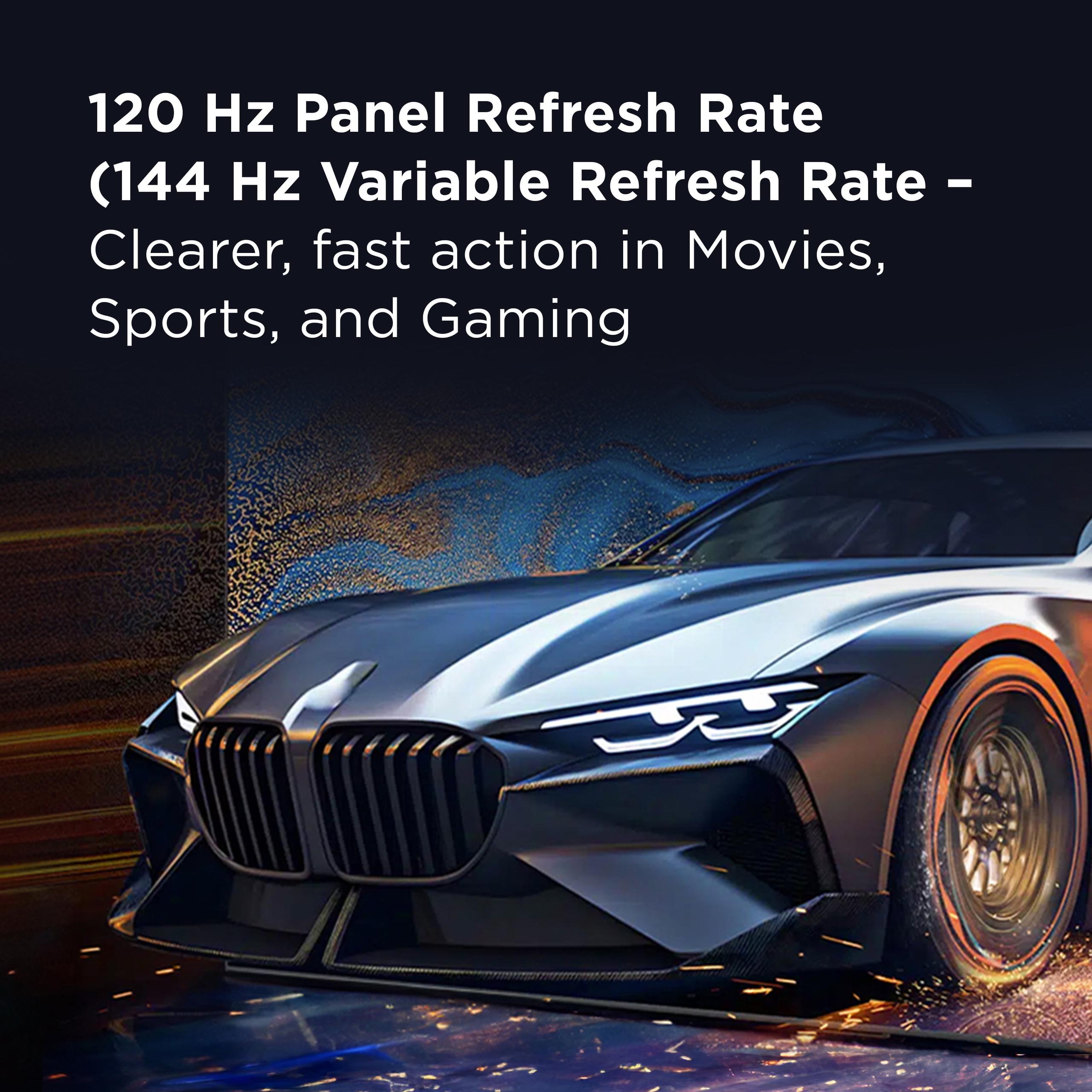
The QM6K features a native 144Hz panel that supports 4K gaming at 144Hz and 1080p gaming at an impressive 288Hz. For context, most movies play at 24Hz, broadcast TV at 60Hz, and gaming consoles typically output at 60Hz or 120Hz. Higher refresh rates mean smoother motion, especially crucial for competitive gaming or fast-paced action content.
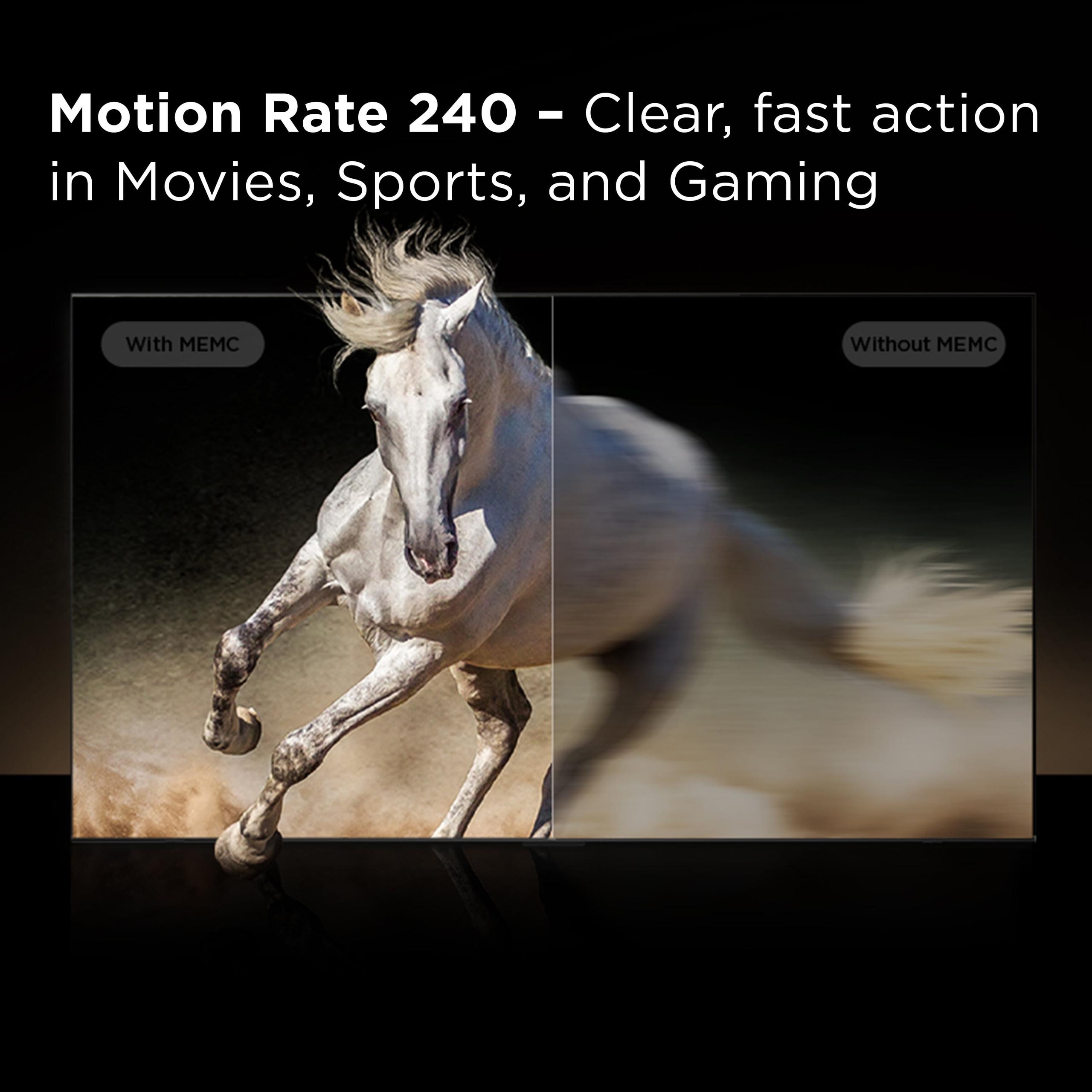
The Q6 Series is limited to a 60Hz panel with motion interpolation (artificially created frames) to reach higher perceived refresh rates. This Motion Rate 240 specification sounds impressive, but it's not the same as native high refresh rate support. For serious gaming, this limitation significantly impacts the experience.
Input Lag and Gaming Features
Input lag—the delay between pressing a controller button and seeing the action on screen—can make or break gaming experiences. The QM6K achieves very low input lag, making it suitable for competitive gaming. It also includes Game Accelerator 288, AMD FreeSync Premium Pro (which synchronizes the display refresh rate with your graphics card to prevent screen tearing), and Auto Low Latency Mode (ALLM) that automatically switches to game mode when it detects a gaming console.
The Q6 Series offers basic Auto Game Mode functionality but lacks the advanced gaming features that modern consoles can utilize. If you own a PlayStation 5 or Xbox Series X and want to fully utilize their capabilities, the QM6K is clearly superior.
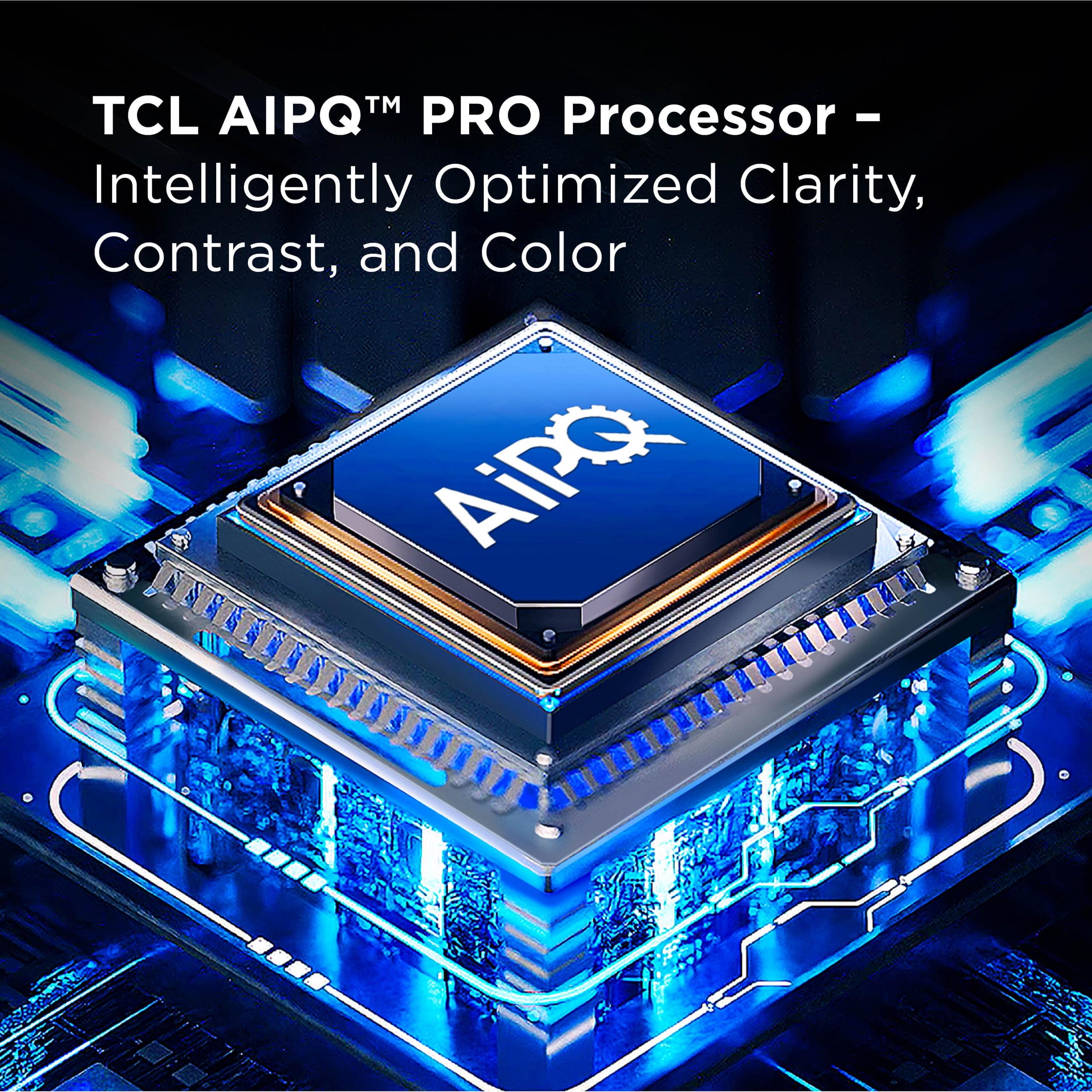
Both TVs run Google TV, but the implementations differ significantly. The QM6K uses the newer TCL AIPQ ULTRA processor with Google TV 12, while the Q6 Series runs an older version with a standard processor. In daily use, this translates to faster app loading, smoother navigation, and better overall responsiveness on the QM6K.
Connectivity Differences
The connectivity story reveals the generational gap between these models. The QM6K includes two HDMI 2.1 ports and two HDMI 2.0 ports, with one supporting eARC (enhanced Audio Return Channel) for high-quality soundbar connections. HDMI 2.1 is crucial for next-gen gaming and future-proofing, supporting higher bandwidth for 4K 120Hz gaming and advanced features like Variable Refresh Rate.
The Q6 Series provides three HDMI 2.0 ports without HDMI 2.1 support. This limits its compatibility with next-generation devices and gaming features. The difference might not matter today, but it becomes significant as more devices adopt HDMI 2.1 capabilities.
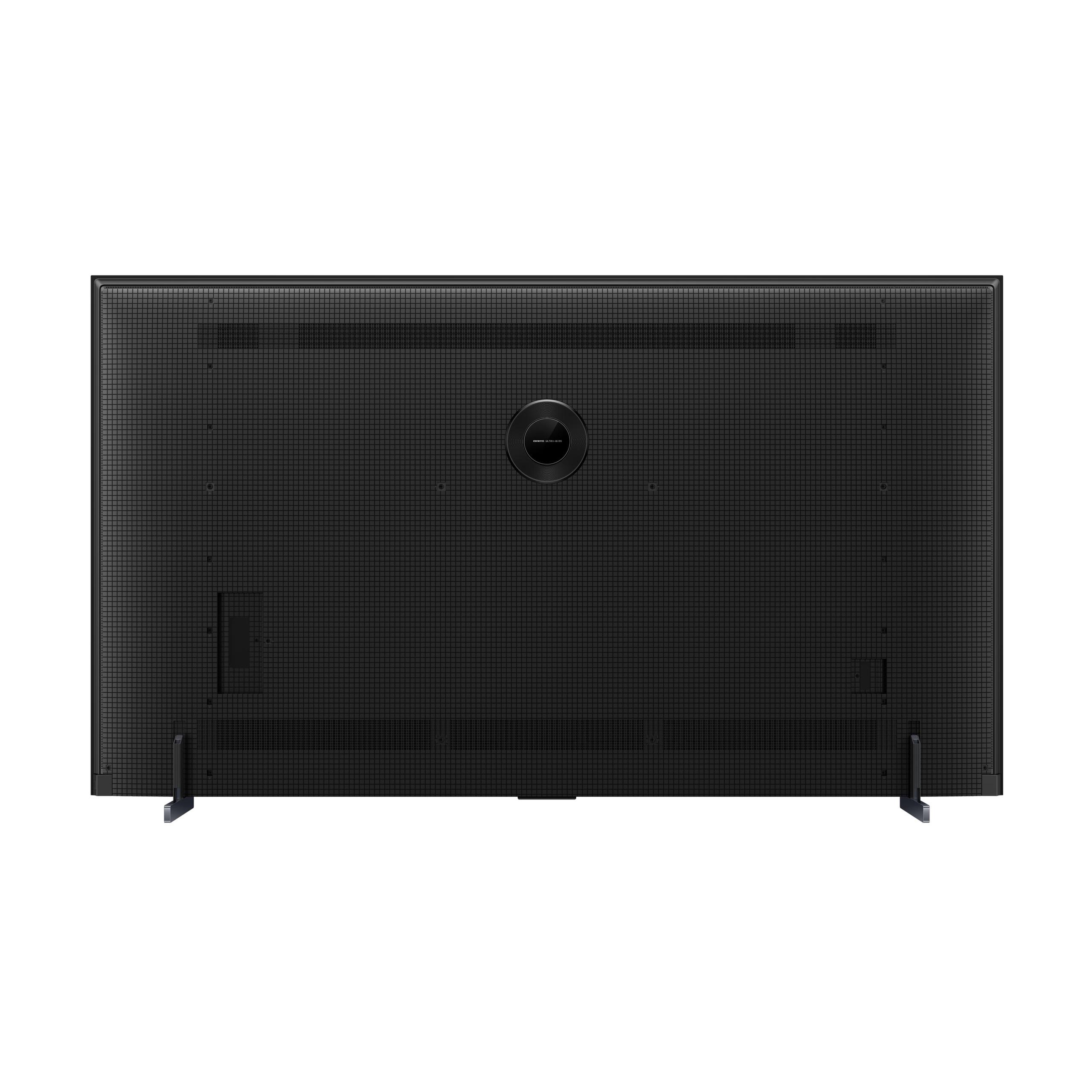
Neither TV excels in built-in audio, which isn't surprising given the physics of fitting quality speakers into thin TV frames. The QM6K includes an Onkyo 2.1.1 system with Dolby Atmos support, while the Q6 Series features a basic 30W 2.0 channel system.
However, reviewers consistently recommend external audio solutions for both models. At 98 inches, these TVs demand room-filling sound that built-in speakers simply cannot provide. The good news is both support advanced audio passthrough to soundbars or home theater systems.
Bright Room Performance
If your TV room has lots of windows or bright lighting, the QM6K's anti-glare screen becomes invaluable. I've experienced the frustration of fighting reflections on glossy screens, constantly adjusting seating positions or closing blinds to find a comfortable viewing angle. The QM6K's matte finish largely eliminates this problem.
The Q6 Series requires more careful room planning. You'll need to consider window placement, lighting fixtures, and seating arrangements to minimize reflections. This doesn't make it unusable, but it does limit placement flexibility.
Installation Considerations
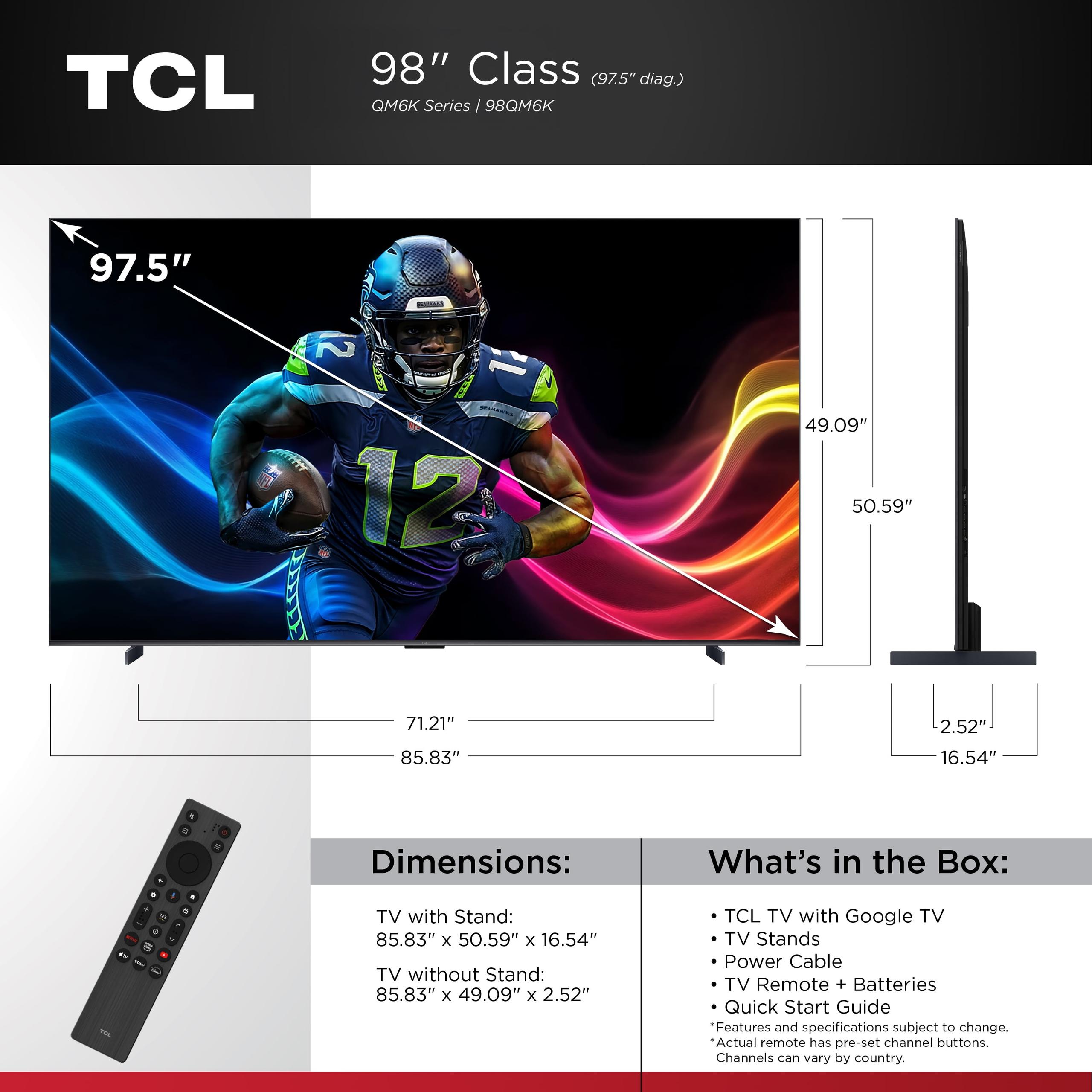
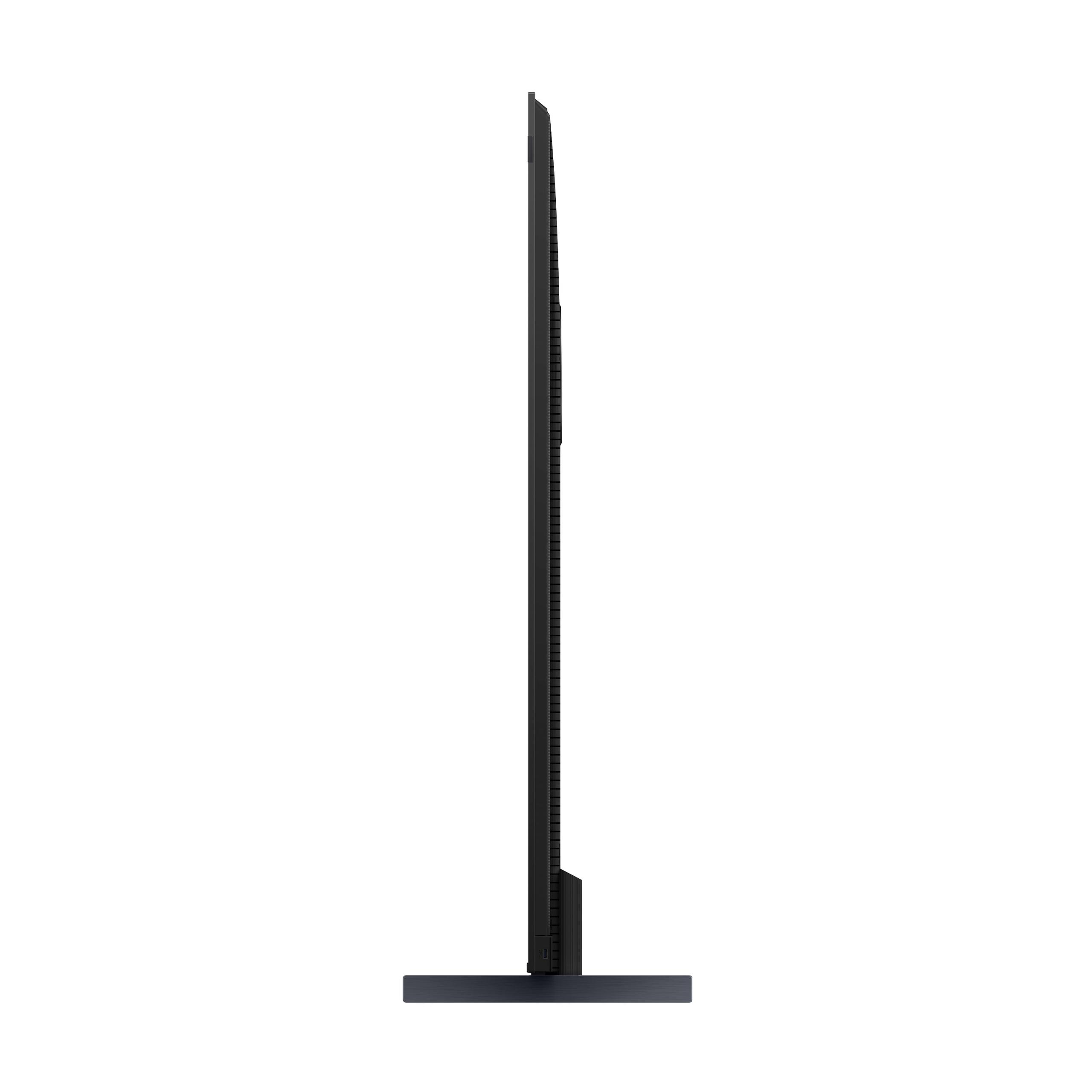
At 98 inches, both TVs are substantial installations. The QM6K weighs more due to its advanced backlighting system and may require professional mounting, especially given its lower mounting point placement that some users find challenging. The Q6 Series is lighter and offers more flexible stand positioning, making it somewhat easier for DIY installation.
The $300 price difference between the QM6K at $1,999.99 and the Q6 Series at $1,698.00 represents more than just a 15% price increase—it's a technology generation gap.
QM6K Value Proposition
For serious home theater enthusiasts and gamers, the QM6K justifies its premium through meaningful technology improvements. The mini LED backlighting alone transforms the viewing experience in dark content, while the gaming features future-proof the investment for next-generation consoles. The anti-glare screen solves a real problem that many TV buyers don't consider until they're living with reflections daily.
Q6 Series Value Proposition
The Q6 Series offers legitimate 98-inch QLED technology at a more accessible price point. For viewers who primarily watch daytime TV, sports, or streaming content in controlled lighting conditions, it delivers excellent value. The picture quality is genuinely good—it just lacks the premium refinements of mini LED technology.
In a dedicated home theater with controlled lighting, both TVs perform well, but the QM6K delivers a more cinematic experience. The superior contrast from mini LED zones makes dark movie scenes more immersive, while the anti-glare screen remains beneficial even in dim conditions by reducing any ambient light reflections.
For casual family room viewing where the TV competes with ambient light, the QM6K's brightness advantages and reflection handling become more critical. The Q6 Series can work in these environments but requires more careful room setup.
Choose the QM6K if you:
Choose the Q6 Series if you:
The technology gap between these models is significant enough that most buyers who can afford the QM6K will appreciate the improvements daily. The mini LED zones, gaming capabilities, and anti-glare screen address real limitations of the Q6 Series that become more noticeable over time.
However, the Q6 Series isn't a compromise—it's a different approach optimized for value. For many viewing situations and preferences, it delivers excellent performance at a price point that makes 98-inch viewing accessible to more buyers.
Ultimately, both TVs will transform your viewing experience with their massive screens and QLED color technology. The question is whether the QM6K's premium features align with your specific needs and viewing environment. In my experience, the improvements are meaningful enough to justify the price difference for most users, but the Q6 Series remains an excellent choice for value-conscious buyers who understand its limitations.
| TCL 98-Inch QM6K QLED TV | TCL 98" Q6 Series 4K UHD QLED Smart TV |
|---|---|
| Price - $300 difference for significant technology upgrade | |
| $1,999.99 | $1,698.00 |
| Display Technology - Core difference affecting picture quality | |
| QD-Mini LED with 500 local dimming zones | Standard LED backlight (no local dimming) |
| Screen Finish - Critical for bright room viewing | |
| Matte anti-glare finish reduces reflections | Glossy screen prone to reflections |
| Gaming Refresh Rate - Essential for modern console gaming | |
| Native 144Hz (4K@144Hz, 1080p@288Hz) | 60Hz panel with Motion Rate 240 interpolation |
| HDMI Connectivity - Future-proofing for next-gen devices | |
| 4 ports (2x HDMI 2.1, 2x HDMI 2.0) | 3 ports (HDMI 2.0 only) |
| HDR Support - Enhanced contrast and color for movies | |
| Dolby Vision IQ, HDR10+, HDR10, HLG | HDR10+, HDR10, HLG (no Dolby Vision) |
| Audio System - Built-in sound quality | |
| Onkyo 2.1.1 with Dolby Atmos, DTS Virtual:X | 30W 2.0 channel system |
| Gaming Features - Competitive gaming capabilities | |
| Game Accelerator 288, AMD FreeSync Premium Pro, VRR | Basic Auto Game Mode only |
| Smart Platform - Processing speed and responsiveness | |
| Google TV 12 with AIPQ ULTRA processor | Google TV with standard AIPQ processor |
| Weight - Installation difficulty | |
| Heavier (requires professional mounting) | 120.2 lbs (easier DIY installation) |
| Best For - Target user type | |
| Gamers, bright rooms, premium features | Budget-conscious, controlled lighting, casual viewing |
The TCL 98-Inch QM6K QLED TV uses advanced mini LED technology with 500 local dimming zones, while the TCL 98" Q6 Series uses standard LED backlighting. This gives the QM6K much better contrast and deeper blacks, especially important on a 98-inch screen where picture quality differences are magnified.
The QM6K is significantly better for gaming with its native 144Hz refresh rate, supporting 4K at 144Hz and 1080p at 288Hz. It also includes Game Accelerator 288, AMD FreeSync Premium Pro, and HDMI 2.1 ports. The Q6 Series is limited to 60Hz with basic gaming features, making it less suitable for modern console gaming.
The TCL QM6K is better suited for home theater use with its superior contrast from mini LED zones, making dark movie scenes more immersive. It also supports Dolby Vision content and has better audio passthrough capabilities for connecting to surround sound systems.
We've done our best to create useful and informative comparisons to help you decide what product to buy. Our research uses advanced automated methods to create this comparison and perfection is not possible - please contact us for corrections or questions. These are the sites we've researched in the creation of this article: bestbuy.com - rtings.com - techradar.com - the-gadgeteer.com - youtube.com - youtube.com - ign.com - youtube.com - tomsguide.com - tcl.com - valueelectronics.com - bestbuy.com - bestbuy.com - rtings.com - circuitworldonline.com - youtube.com - tcl.com - bestbuy.com - tomsguide.com - tcl.com - flatpanelshd.com - displayspecifications.com - bestbuy.com - tcl.com - walmart.com - youtube.com - rtings.com - greentoe.com - kitele.com - bestbuy.com - youtube.com - tcl.com - pcrichard.com - youtube.com

Privacy Policy
Terms and Conditions - Affiliate Policy
Home Security
© Copyright 2008-2026.
11816 Inwood Rd #1211, Dallas, TX 75244