


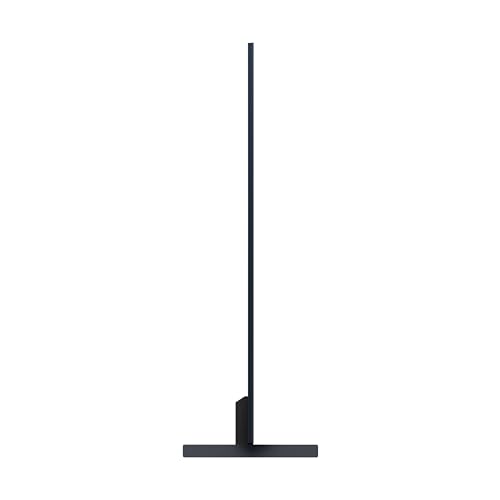
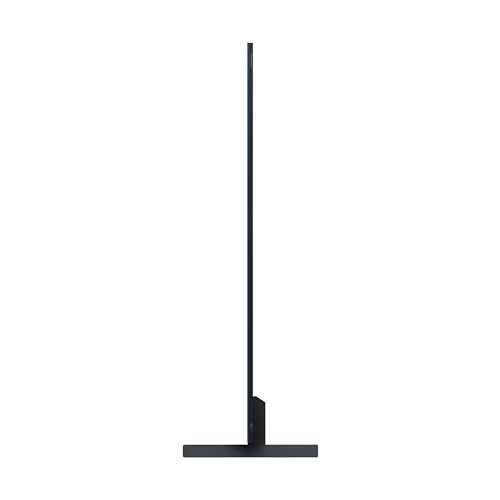
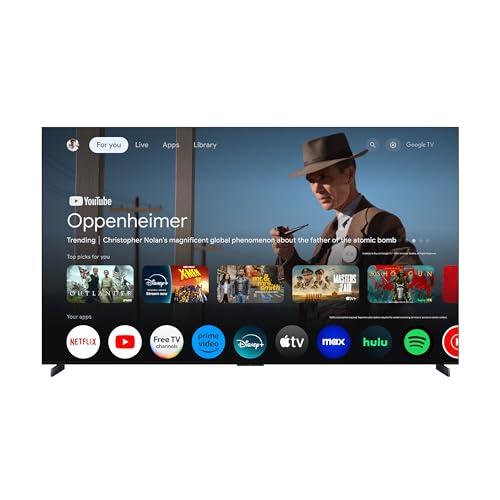
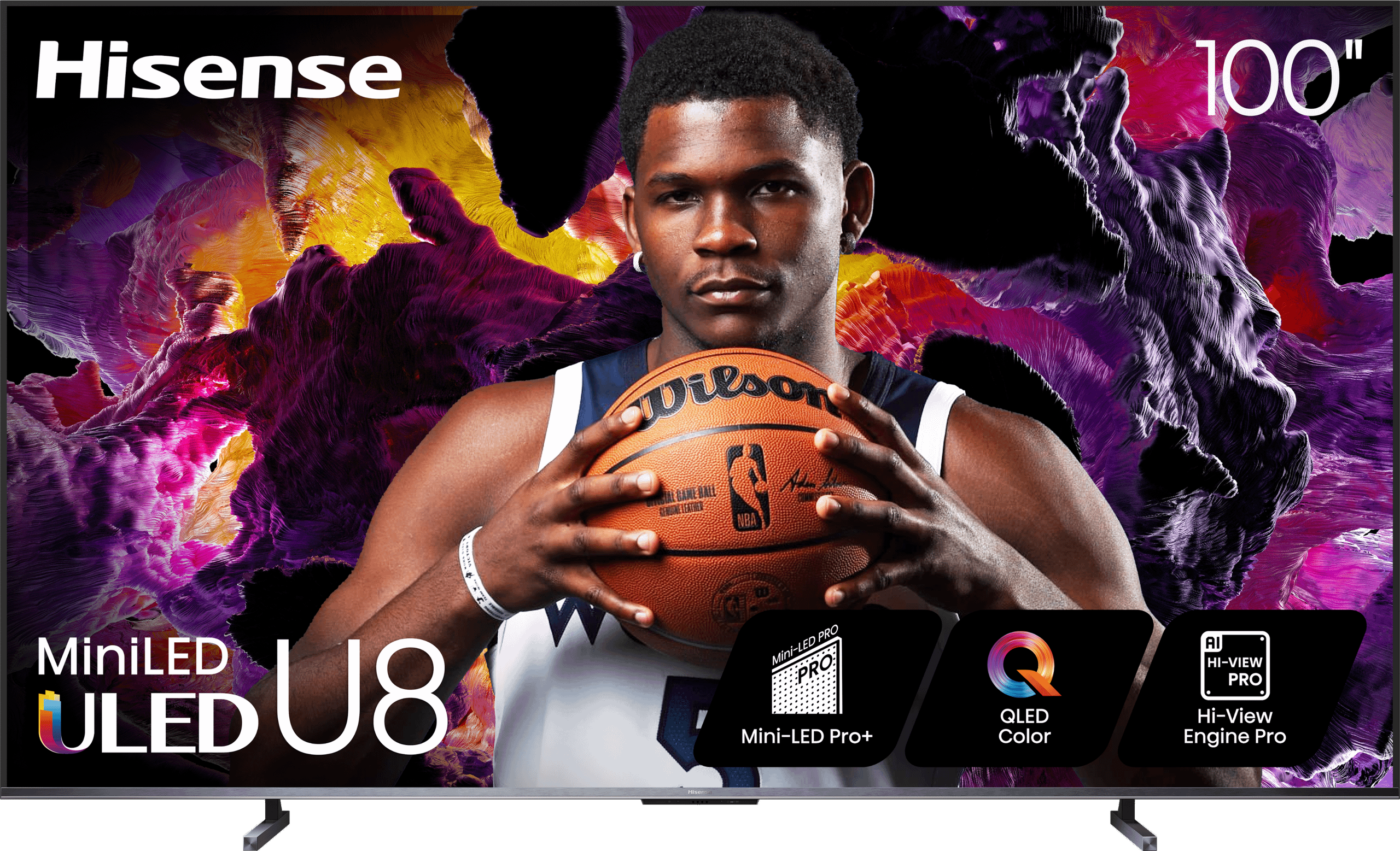

When you're shopping for a TV that's nearly as wide as a small car, you're not just buying another screen—you're investing in a centerpiece for your home entertainment system. The ultra-large TV category has exploded in recent years, and two models stand out as top contenders: the TCL 98" X11K and the Hisense 100" U8 Series. Both released in 2024, these massive displays represent different philosophies in the premium TV market.
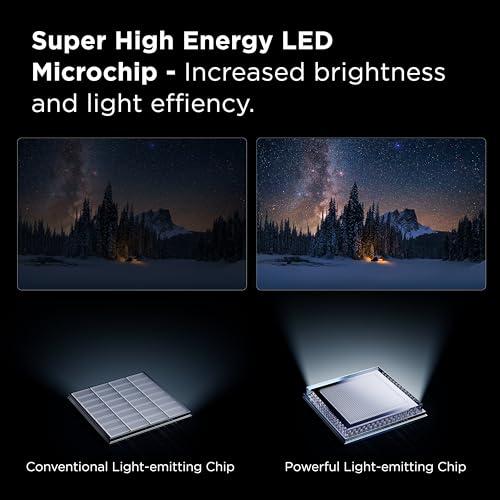
Before diving into specifics, it's worth understanding what makes these TVs special. Ultra-large displays (95+ inches) occupy a unique space in home entertainment. They're designed to deliver a cinema-like experience without the hassles of projectors—no darkened rooms required, no bulb replacements, and no complex installation. These TVs use advanced backlighting technology called Mini-LED, which packs thousands of tiny LEDs behind the screen to create incredibly bright highlights and deep blacks.
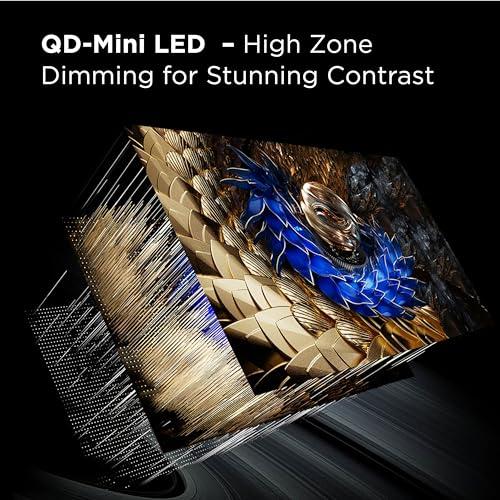
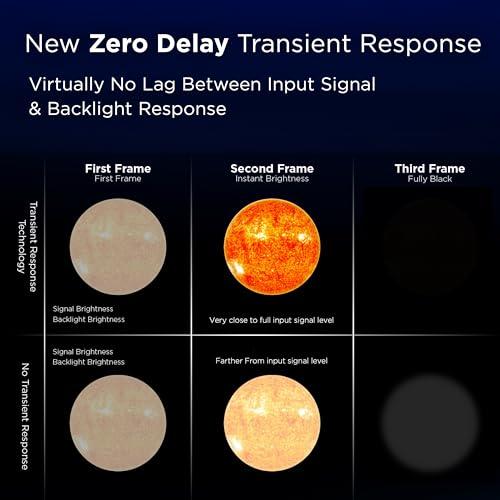
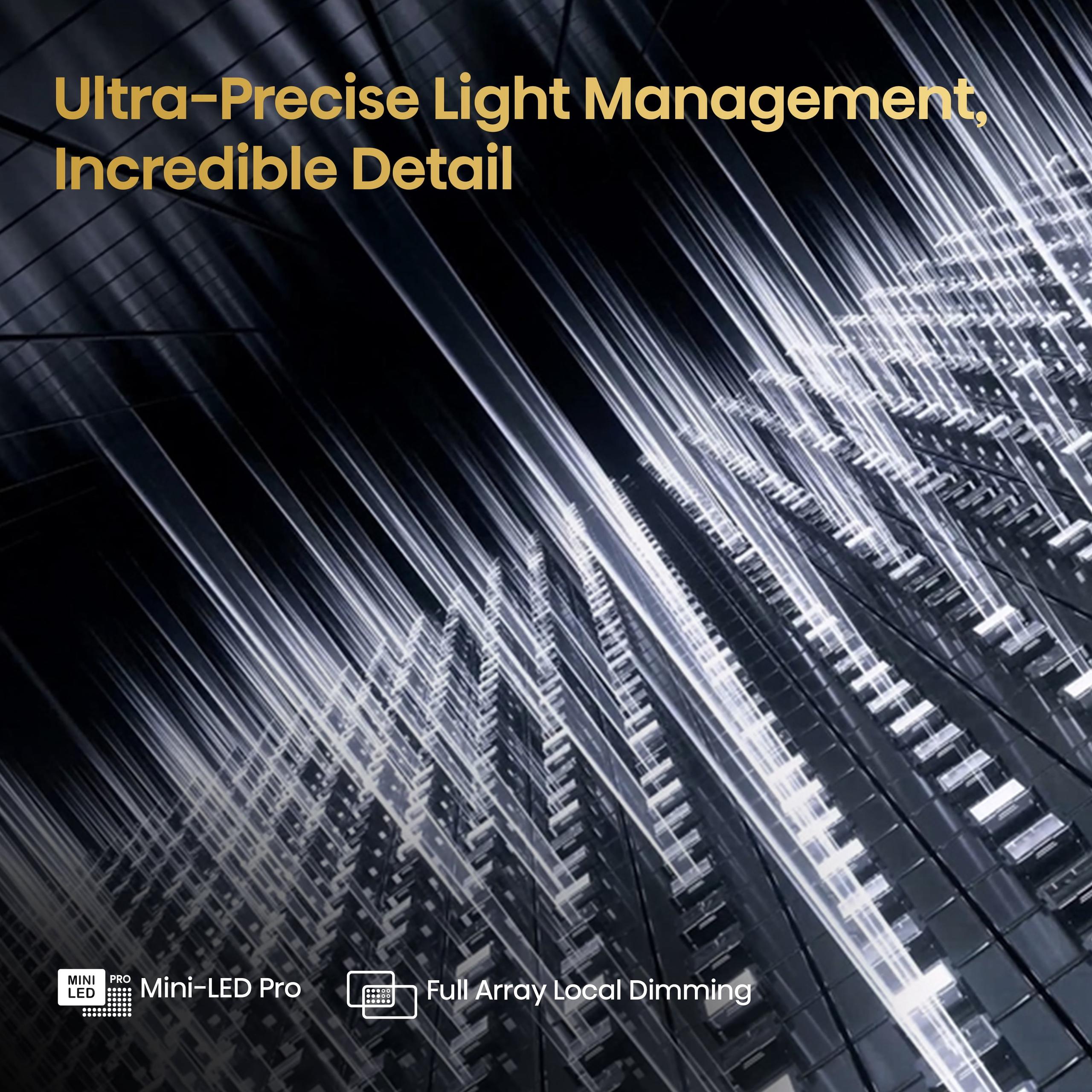
The key technical advancement here is "local dimming zones"—imagine the backlight divided into thousands of independently controlled sections. When a scene shows a bright moon against a dark sky, only the zones behind the moon light up while the rest stay dark. More zones mean better precision and less "blooming" (unwanted light spilling into dark areas).
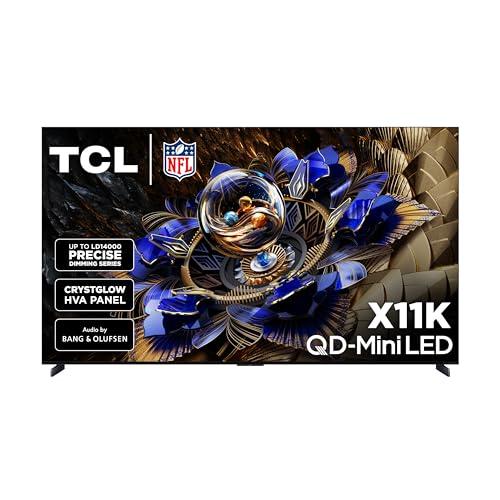
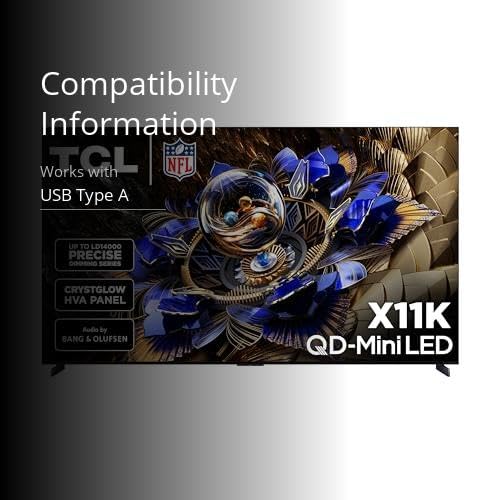
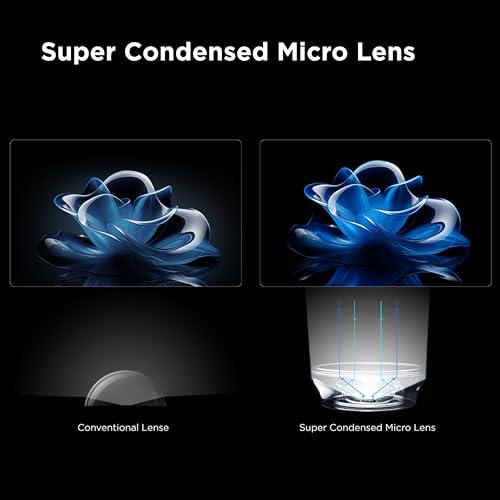
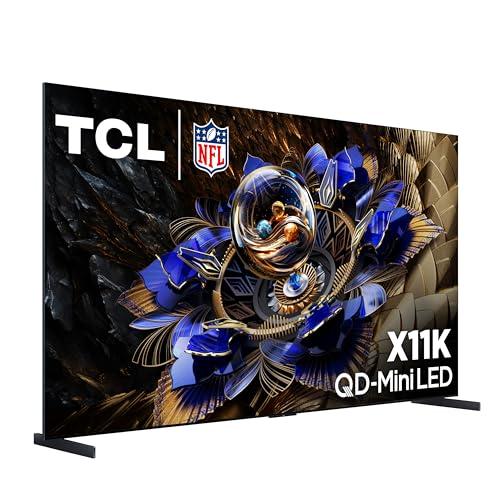
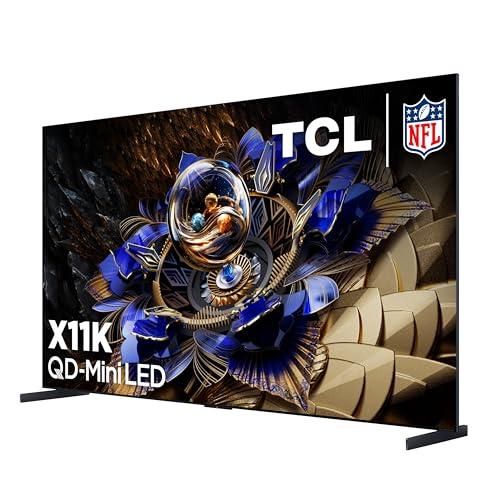
The TCL 98" X11K represents TCL's flagship offering for 2024, positioning itself as a no-compromise premium display. At its core lies Quantum Dot Mini-LED technology—a mouthful that essentially means it combines the brightness advantages of Mini-LED backlighting with quantum dots, which are microscopic crystals that produce incredibly pure colors when hit with light.
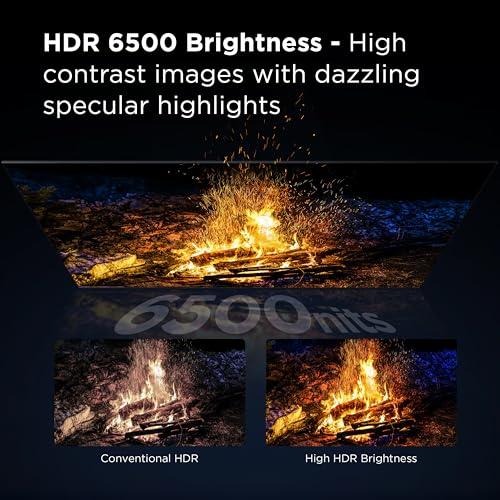
What sets the X11K apart is its staggering 14,000 local dimming zones and peak brightness of 6,500 nits. To put that brightness in perspective, a typical sunny day measures about 10,000 nits, while most TVs max out around 1,000-2,000 nits. This extreme brightness means HDR (High Dynamic Range) content—which captures the full range of light from deep shadows to blazing sunlight—can truly shine.
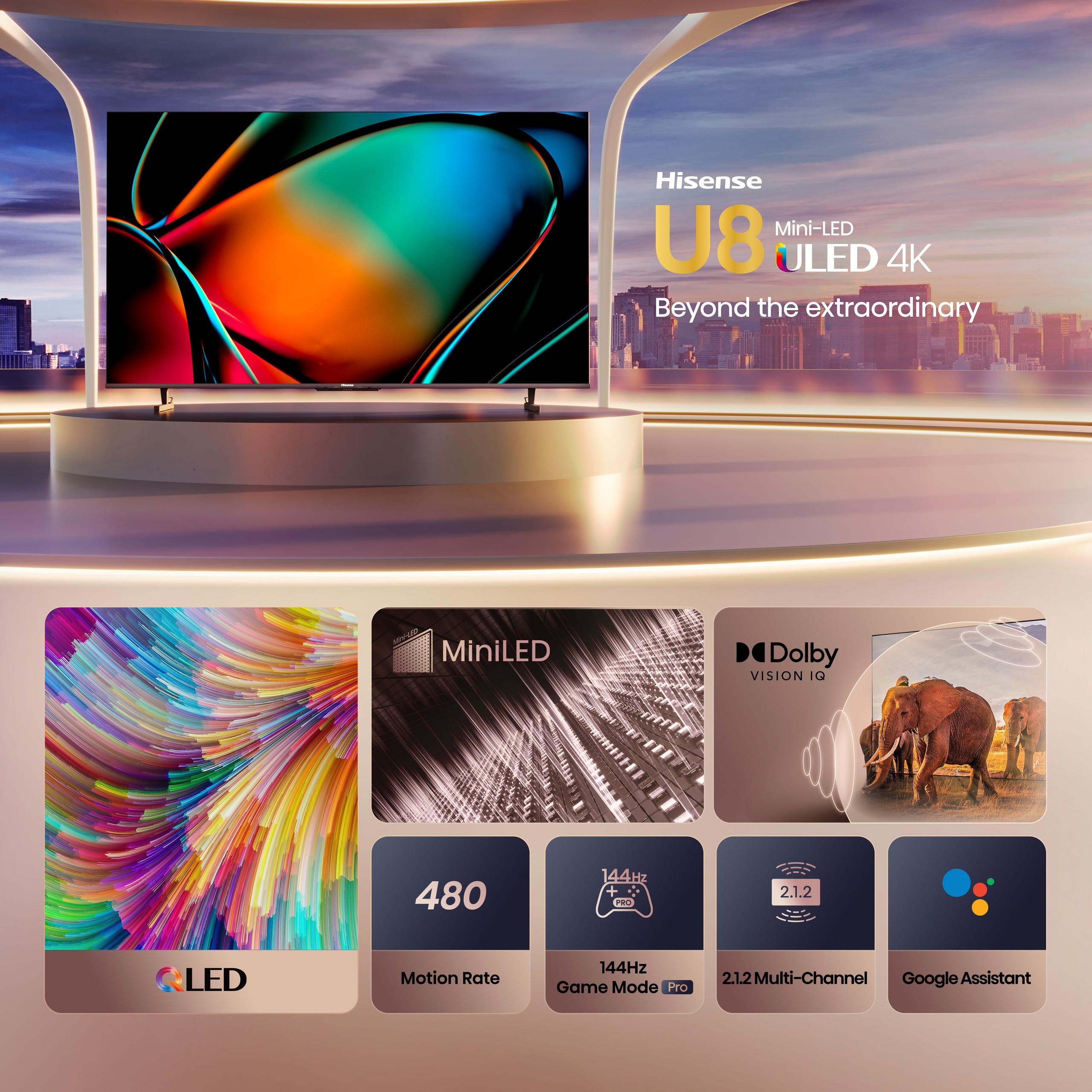
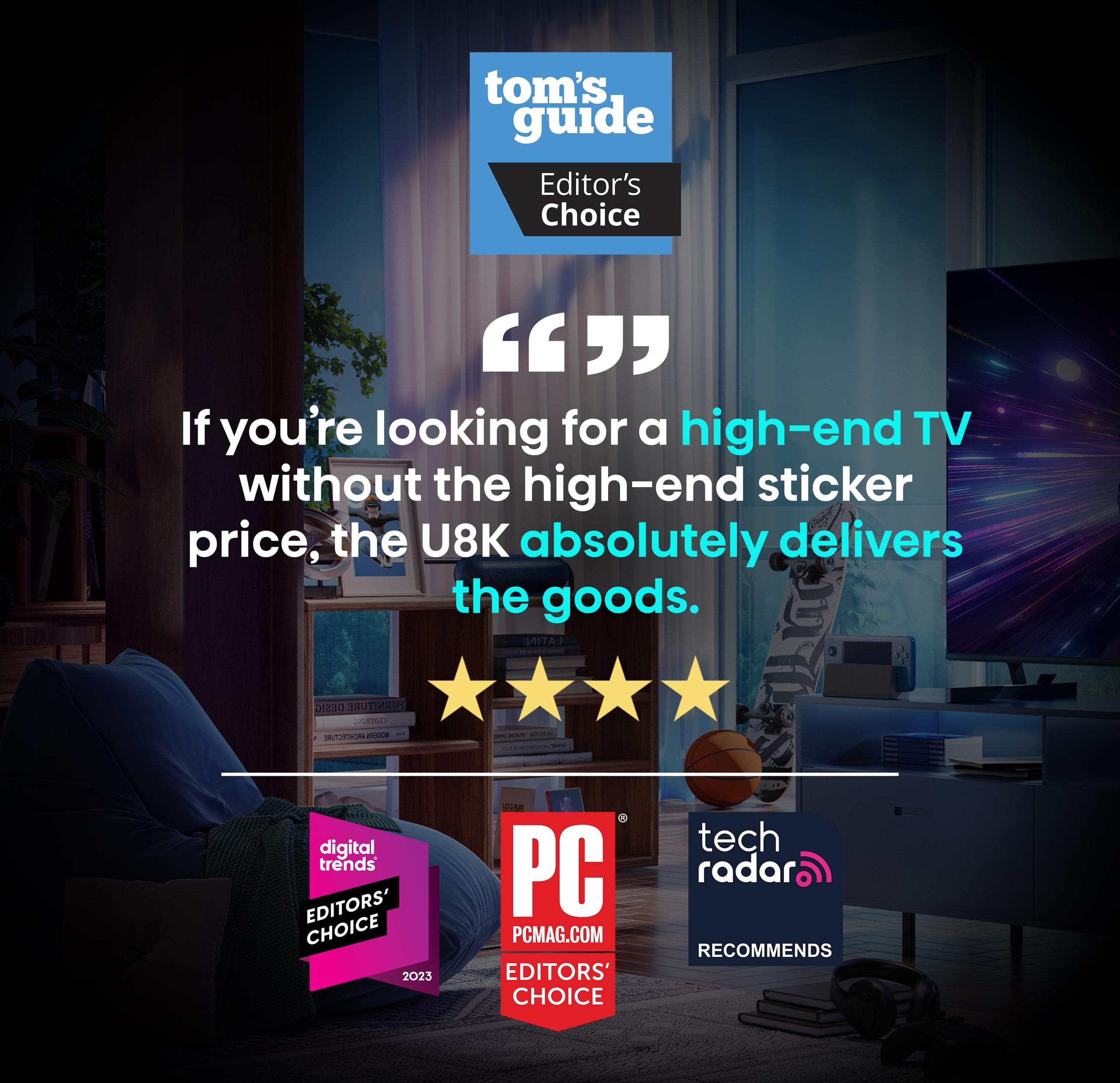
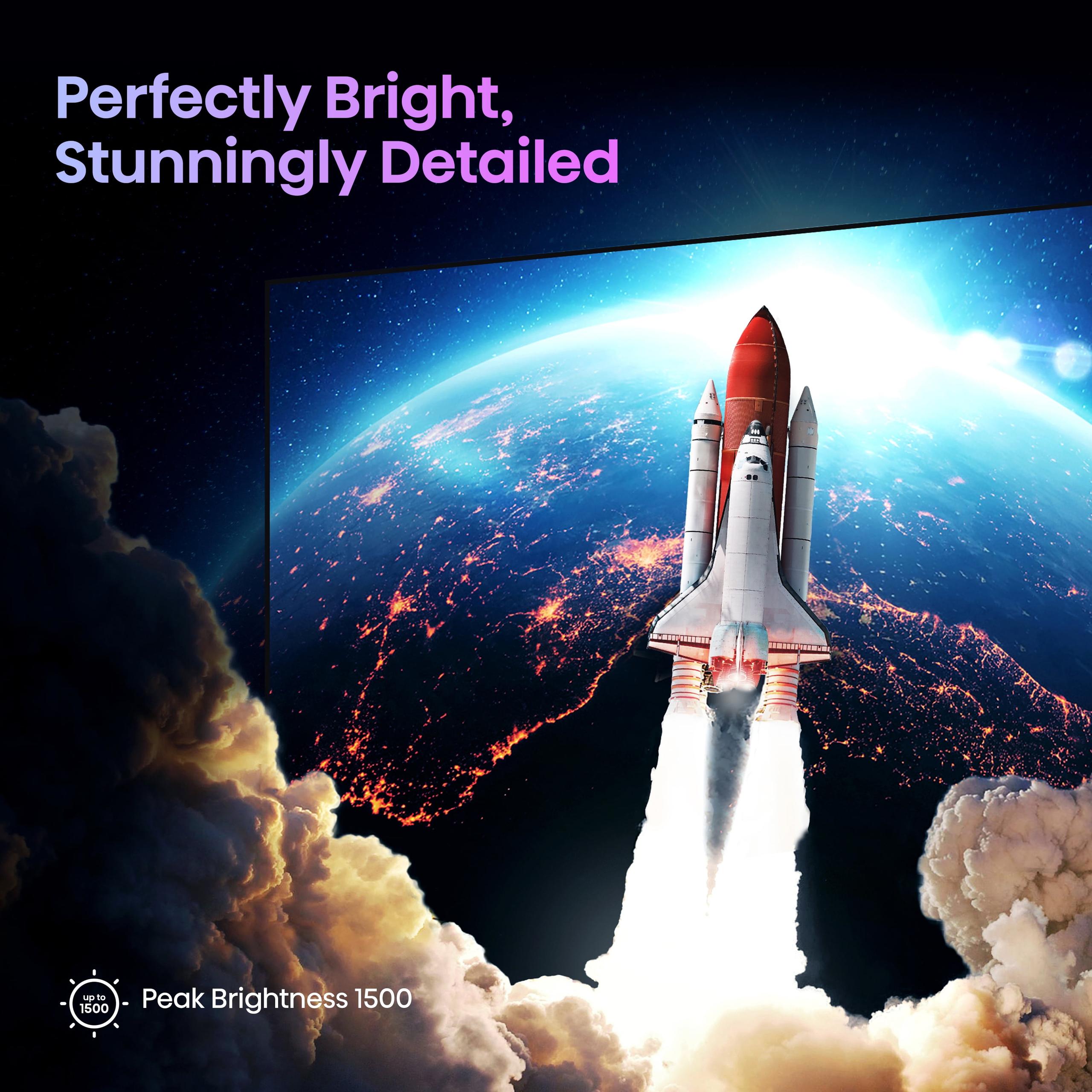
The Hisense 100" U8 Series takes a different approach, prioritizing practical performance and value. While it "only" reaches about 4,500 nits peak brightness, this is still incredibly bright by industry standards. More importantly, it delivers this performance in a 100-inch package at roughly half the price of premium competitors.
Hisense has refined their ULED technology over several generations, and the 2024 U8 shows remarkable maturity. The Full Array Local Dimming system may not have as many zones as the TCL, but it's been tuned to minimize the typical Mini-LED issues like blooming and uniformity problems.
This is where the fundamental difference between these TVs becomes clear. The TCL X11K's 6,500-nit capability isn't just a specification to brag about—it translates to real-world advantages. In bright living rooms with lots of windows, the TCL can overcome ambient light that would wash out dimmer displays. When watching HDR movies like "Dune" or "Blade Runner 2049," those spectacular desert sun scenes or neon-lit cityscapes have genuine impact.
The Hisense U8 at 4,500 nits still handles bright rooms admirably. Based on user feedback and professional reviews, it performs excellently in typical home environments. The difference becomes noticeable primarily in very bright rooms or when comparing side-by-side with premium displays.
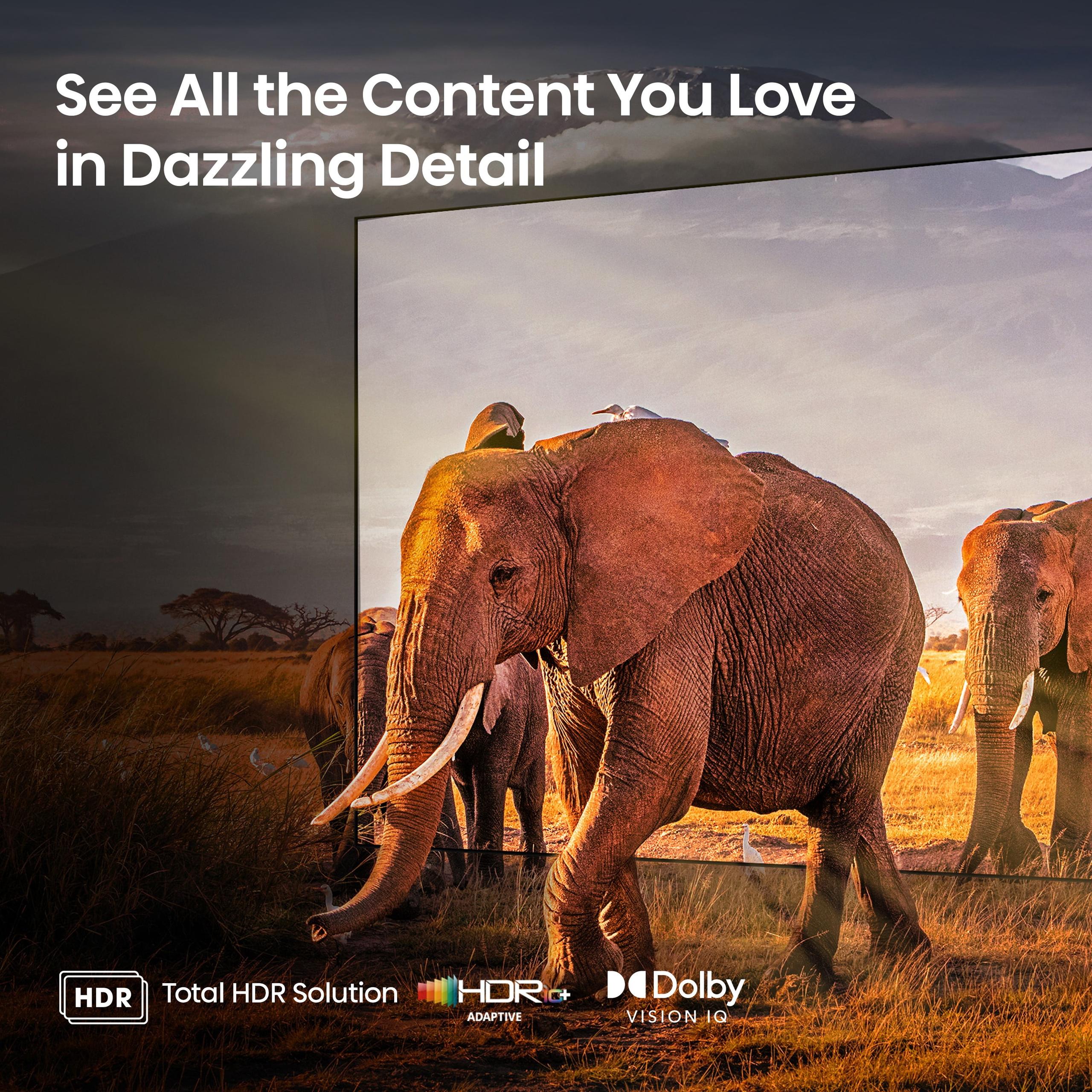
However, there's a diminishing returns effect with extreme brightness. Most HDR content is mastered for displays maxing out at 1,000-4,000 nits. The TCL's extra brightness headroom provides future-proofing and exceptional performance in challenging conditions, but many viewers will be thoroughly satisfied with the Hisense's capabilities.
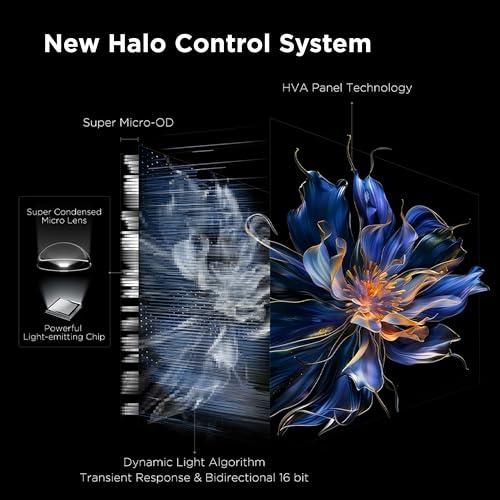
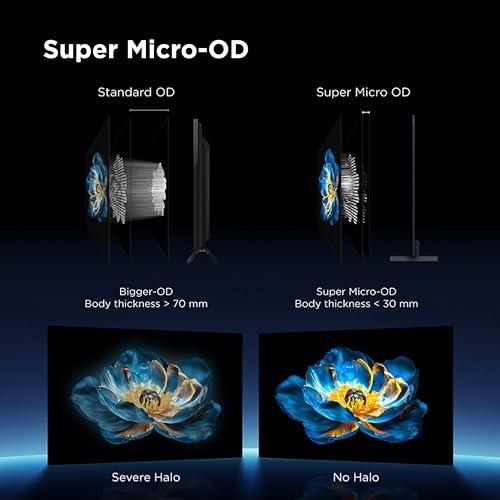
The TCL X11K's 14,000 local dimming zones create almost OLED-like precision in contrast control. This massive zone count, combined with TCL's Halo Control System, minimizes the blooming effect that can make Mini-LED displays look less refined than OLED. When watching dark scenes in movies like "The Batman" or "Game of Thrones," the TCL can render deep blacks while maintaining bright highlights without unwanted light spill.
The Hisense U8 performs admirably here as well, though with some compromises. User reports indicate good black levels with minimal blooming, though not quite matching the TCL's precision. For most content, this difference won't be deal-breaking, but videophiles will notice the distinction during critical viewing.
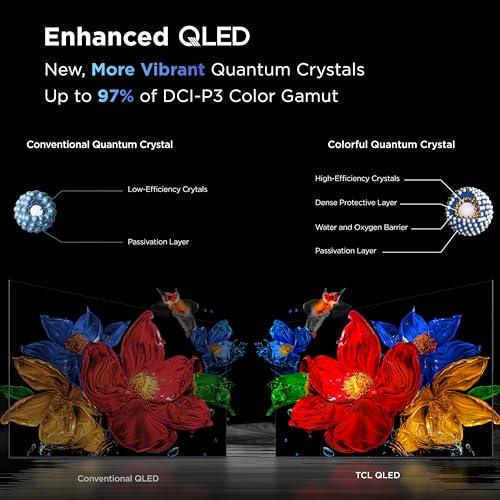
Both TVs use Quantum Dot technology, but with different implementations. The TCL's Quantum Crystals system covers 97% of the DCI-P3 color gamut used in movie theaters, ensuring colors appear as filmmakers intended. The wider color gamut means more vibrant reds, greens, and blues without appearing oversaturated.
The Hisense U8's Quantum Dot Color system delivers impressive color performance that consistently earns praise from users. While specifications suggest slightly less color gamut coverage, real-world performance is excellent for the vast majority of content.
Modern gaming demands have pushed TV manufacturers to prioritize gaming features, and both displays deliver strong performance here.
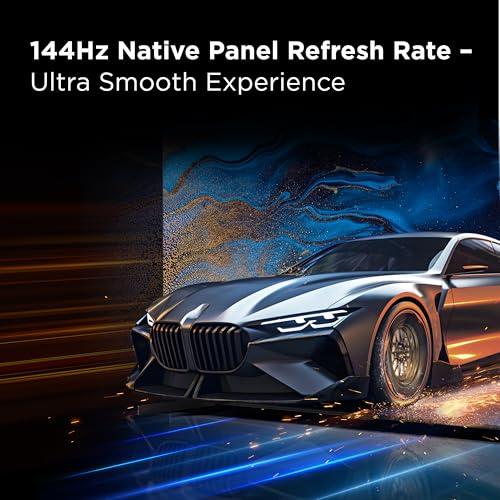
The TCL X11K offers 144Hz native refresh rate with Variable Refresh Rate (VRR) support up to 288Hz through its Game Accelerator feature. This means smoother motion in fast-paced games and reduced screen tearing. AMD FreeSync Premium Pro certification ensures compatibility with gaming PCs and consoles.
The Hisense U8 matches the gaming essentials with 144Hz refresh rate, VRR support, and low input lag. It can handle 4K gaming at 165Hz, which exceeds current console capabilities but provides headroom for future gaming hardware.
Both TVs support Auto Low Latency Mode (ALLM), which automatically switches to game mode when it detects a gaming signal, minimizing input lag—the delay between pressing a button and seeing the action on screen.
For most gamers, both displays will provide excellent experiences. The TCL has a slight edge in advanced features, while the Hisense offers practical performance that will satisfy all but the most demanding competitive gamers.
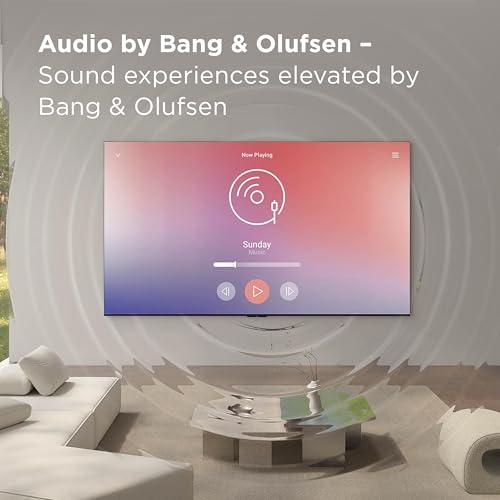
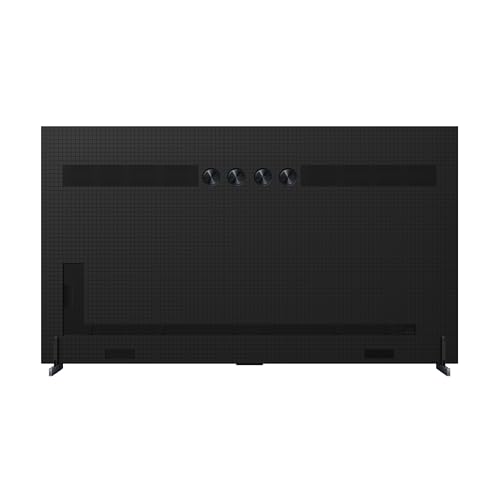
The TCL X11K partners with Bang & Olufsen for its 120-watt, 2.1.1 channel audio system. This isn't just marketing—it delivers genuinely impressive sound with Dolby Atmos support for three-dimensional audio that moves around your room. The integrated subwoofer provides bass depth that many TV speakers lack.
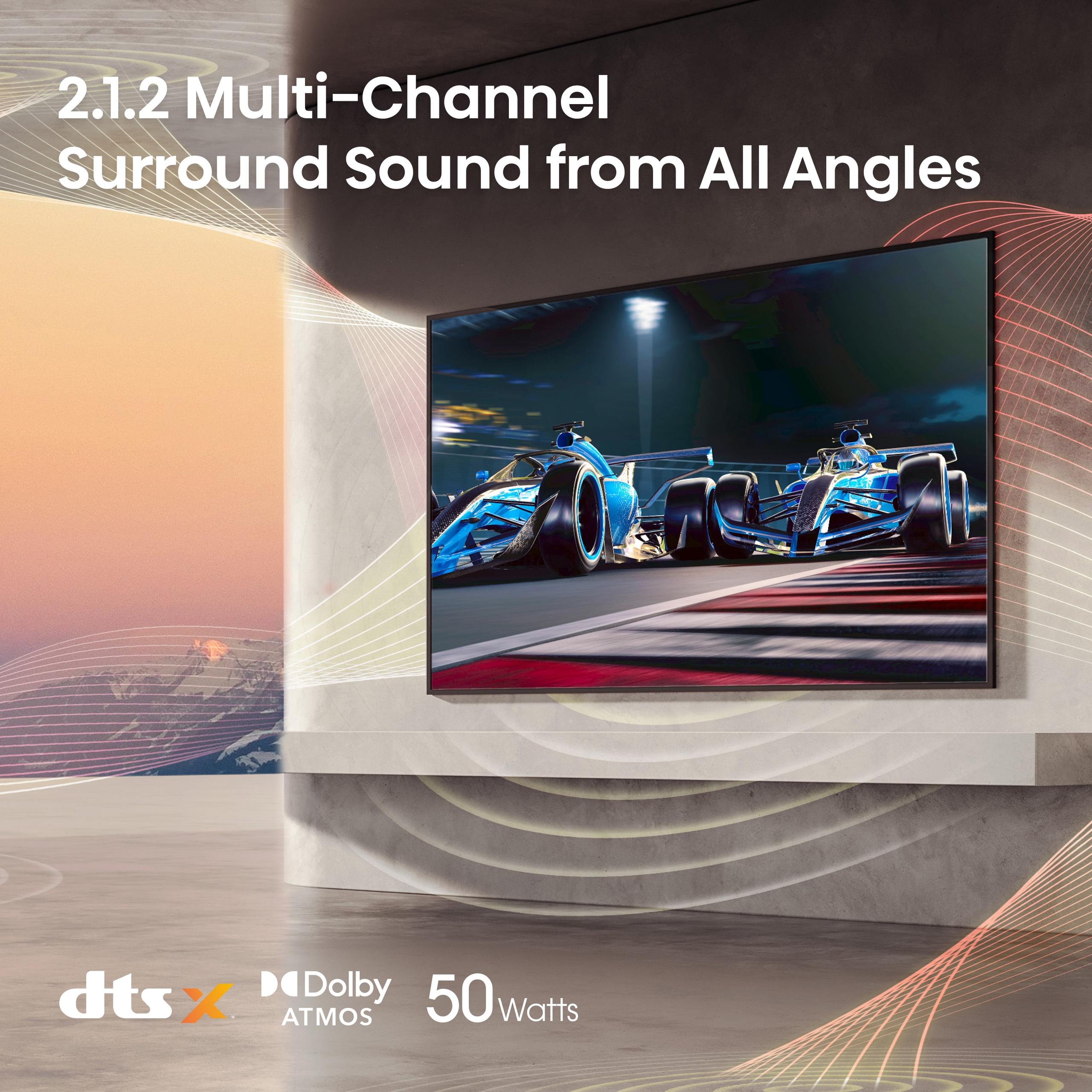
The Hisense U8 features a 50-watt, 2.1.2 multi-channel system with Dolby Atmos. While not as powerful as the TCL's setup, user reviews consistently praise its audio quality as above-average for built-in TV speakers.
Both systems represent significant improvements over typical TV audio, though serious home theater enthusiasts will likely pair either display with a dedicated sound system.
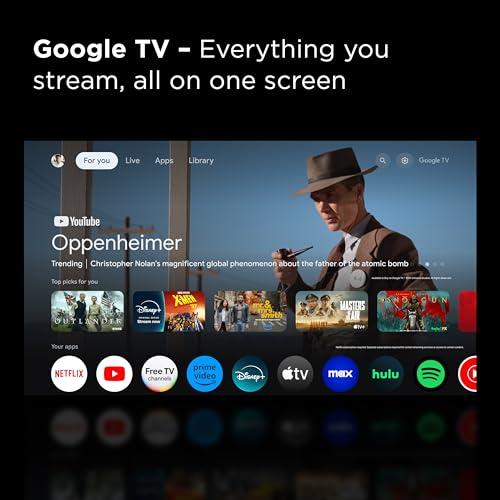
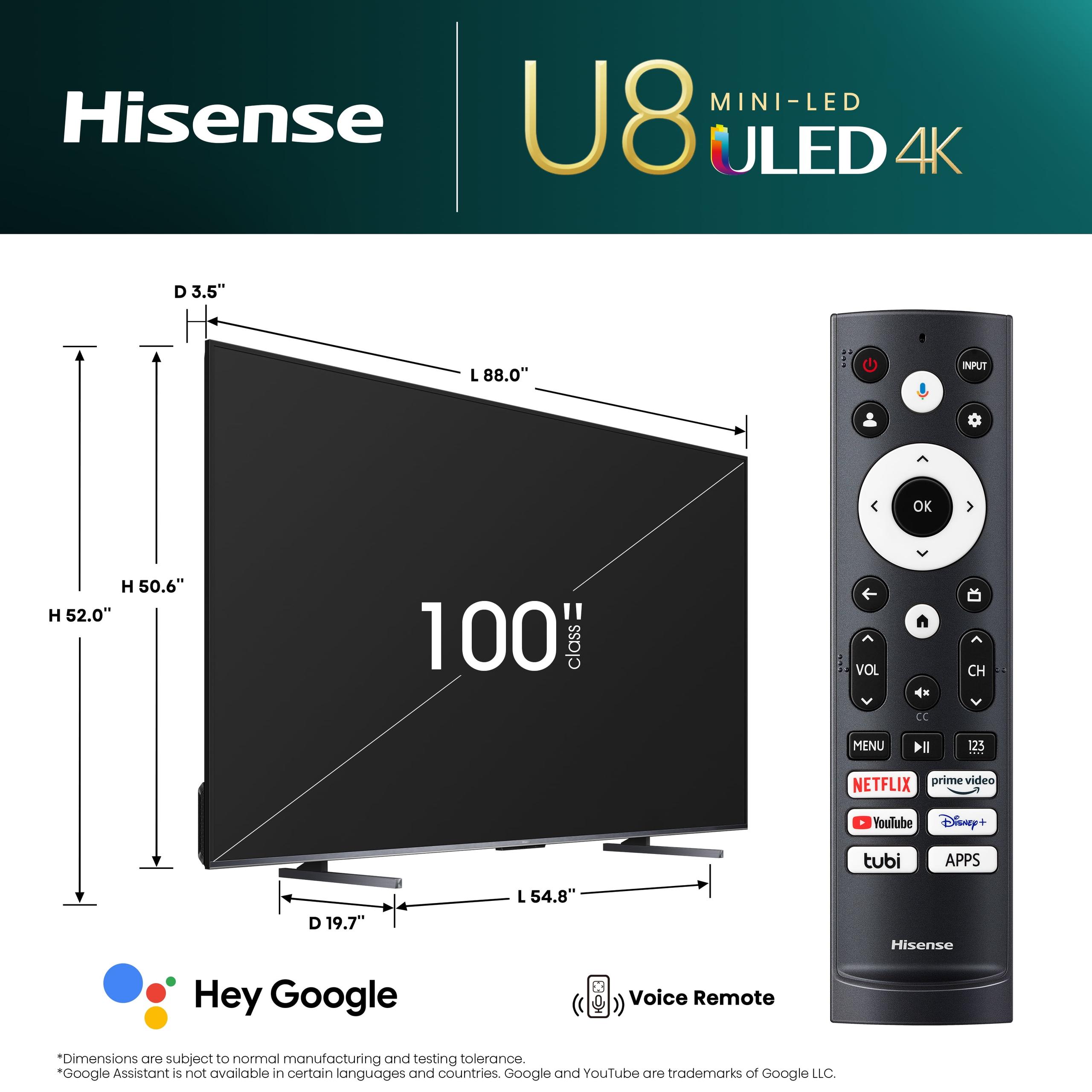
Both TVs run Google TV, which has evolved significantly since Android TV. The interface organizes content from multiple streaming services, making it easier to discover new shows and movies. Voice control through Google Assistant works reliably on both displays.
The smart TV experience has become remarkably consistent across brands, with differences mainly in remote control design and minor interface customizations. Both TVs support major streaming services, Chromecast, and Apple AirPlay.
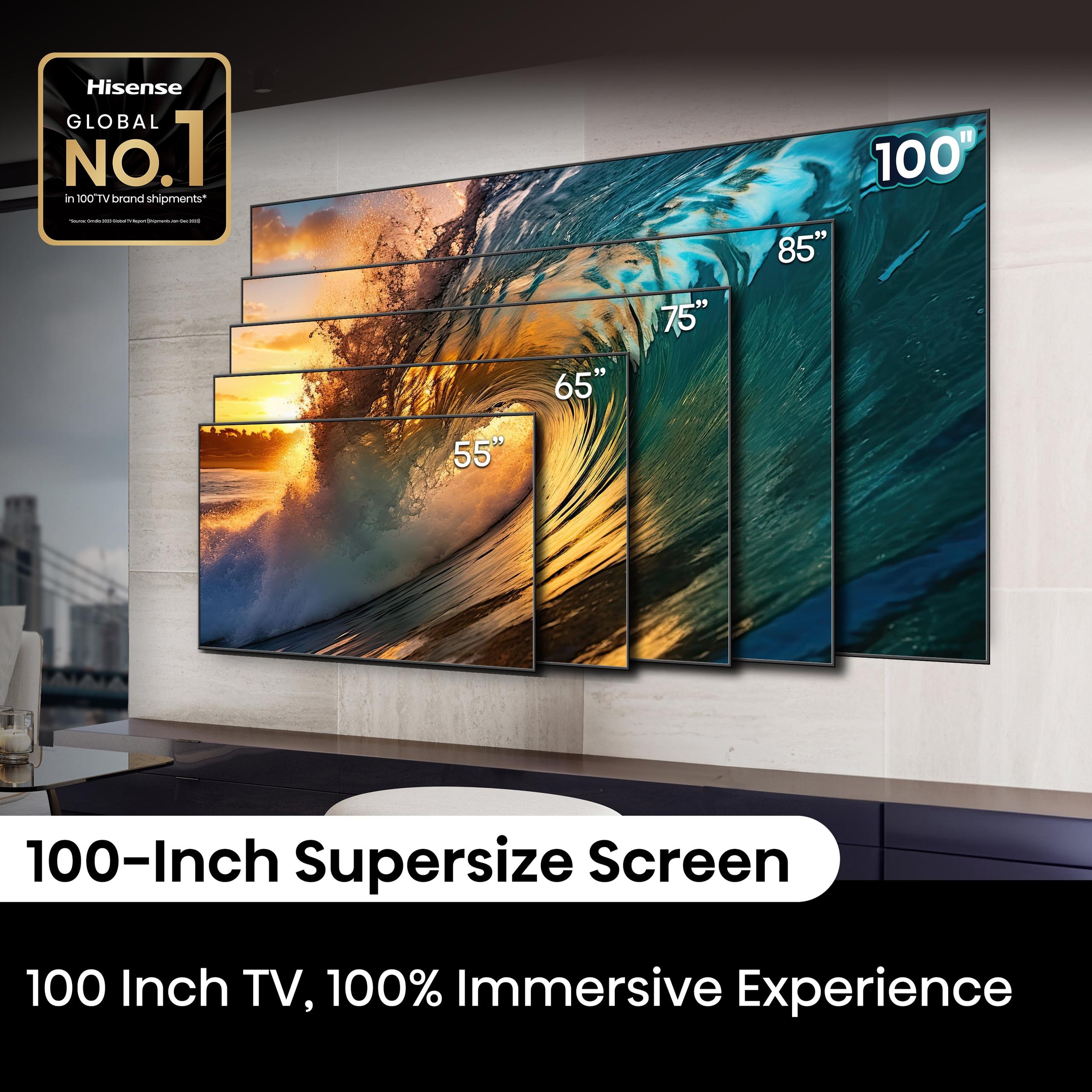
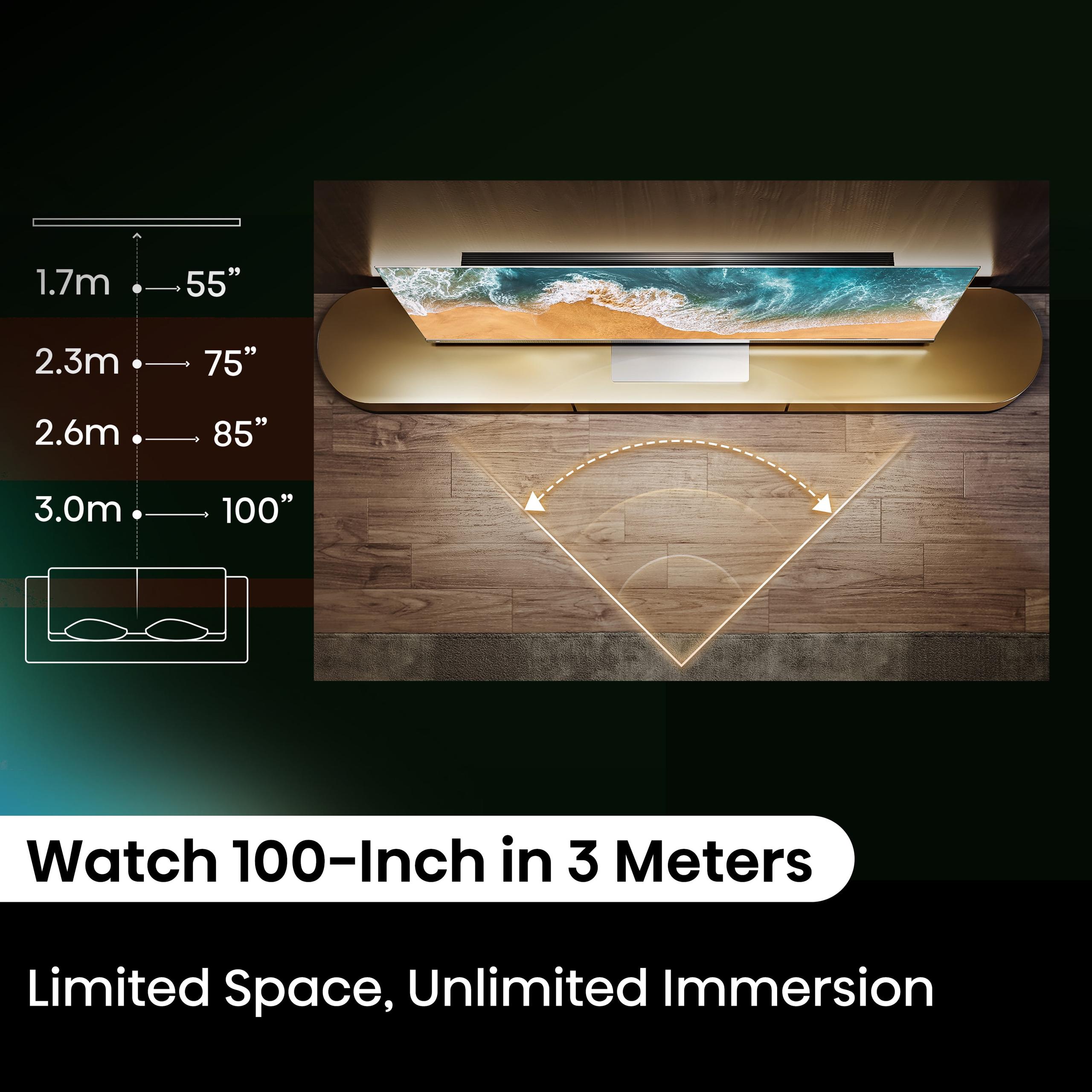
The Hisense's extra 2 inches might not sound significant, but at these sizes, every inch counts for immersion. The 100-inch screen provides about 4% more viewing area, which becomes noticeable during movie viewing. However, both sizes require careful room planning—you'll want to sit at least 8-12 feet away for comfortable viewing.
This is where the Hisense U8 truly shines. At the time of writing, it costs roughly half the price of the TCL X11K while delivering perhaps 85-90% of the performance. This represents exceptional value in the premium TV category.
The TCL commands its premium price through superior specifications and build quality. The question becomes whether that extra 10-15% performance improvement justifies the significant price difference.
For dedicated home theater rooms, the TCL X11K makes more sense. The superior contrast control, extreme brightness for HDR content, and premium audio system create a more cinema-like experience. The investment aligns with the serious home theater approach.
For living room installations, the Hisense U8 often proves more practical. Its excellent performance in bright rooms, larger screen size, and significantly lower price make it an attractive centerpiece without requiring the budget commitment of premium displays.
Choose the TCL 98" X11K if you:
Choose the Hisense 100" U8 Series if you:
Both displays represent excellent choices in the ultra-large TV category, but they serve different priorities. The TCL X11K delivers reference-level performance for serious videophiles who demand the absolute best, regardless of cost. The Hisense U8 provides exceptional value, delivering premium performance at a more accessible price point.
My research suggests that most buyers will be thoroughly satisfied with the Hisense's performance while appreciating the budget left over for other home theater components. However, if you're building a no-compromise entertainment system and have the budget, the TCL represents one of the finest large-format displays available.
The ultra-large TV category continues evolving rapidly, but both displays showcase how far the technology has advanced. Whether you choose technical excellence or exceptional value, either TV will transform your viewing experience and serve as an impressive centerpiece for years to come.
| TCL 98" X11K 4K QD-Mini LED Google TV | Hisense 100" Class U8 Series 4K Mini-LED QLED Google TV |
|---|---|
| Screen Size - Larger screens provide more immersive viewing but require bigger rooms | |
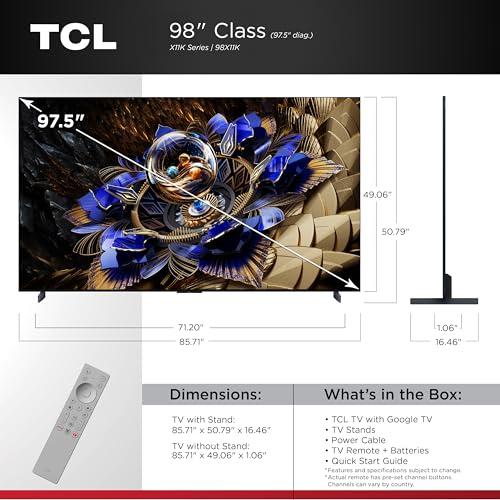
| 98 inches (97.5" viewable) | 100 inches (2" bigger for more cinema-like experience) |
| Peak HDR Brightness - Higher brightness overcomes room lighting and improves HDR impact | |
| 6,500 nits (extreme brightness for any lighting condition) | ~4,500 nits (excellent for most home environments) |
| Local Dimming Zones - More zones create better contrast and reduce blooming effects | |
| Up to 14,000 zones (near pixel-level precision) | Full Array Local Dimming (good precision, fewer zones) |
| Native Refresh Rate - Higher rates provide smoother motion for sports and gaming | |
| 144Hz native (ultra-smooth motion) | 144Hz (matches modern gaming consoles) |
| Gaming VRR Support - Variable refresh rate eliminates screen tearing in games | |
| Up to 288Hz via Game Accelerator | Up to 288Hz at 1080p, 165Hz at 4K |
| Audio System - Better built-in sound reduces need for external speakers | |
| 120W Bang & Olufsen 2.1.1 channel with Dolby Atmos | 50W 2.1.2 multi-channel with Dolby Atmos |
| Color Technology - Quantum dots produce more vibrant and accurate colors | |
| Quantum Crystals covering 97% DCI-P3 color gamut | Quantum Dot Color with excellent real-world performance |
| Anti-Reflection Coating - Reduces glare and improves visibility in bright rooms | |
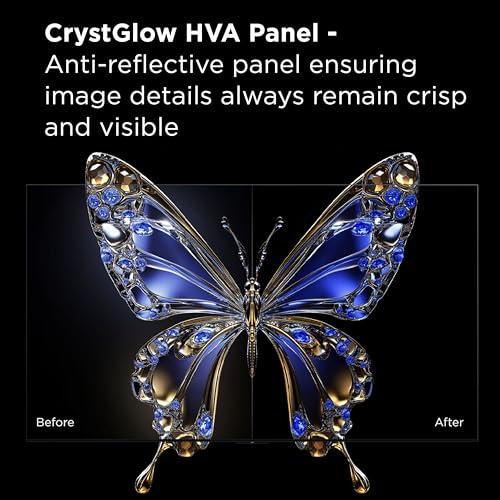
| CrystGlow HVA anti-reflection coating | Standard panel (no special anti-reflection noted) |
| Smart Platform - Both run the same Google TV interface | |
| Google TV with Wi-Fi 6 | Google TV with Wi-Fi 6E |
| Gaming Certifications - Ensures compatibility with gaming hardware | |
| AMD FreeSync Premium Pro, ALLM | FreeSync Premium Pro, ALLM, Dolby Vision Gaming |
| HDMI 2.1 Ports - Required for 4K gaming at high refresh rates | |
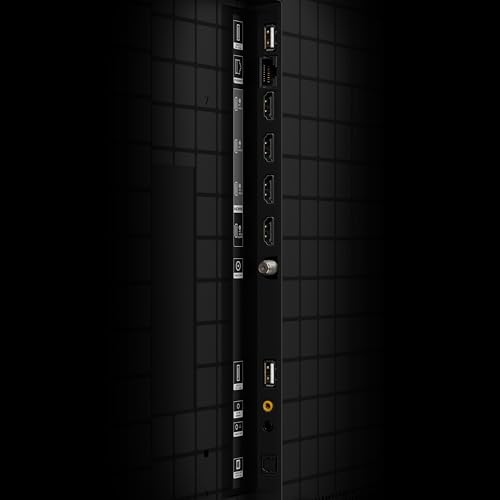
| 4 HDMI 2.1 ports (48 Gbps bandwidth) | Multiple HDMI 2.1 ports (exact count varies) |
| Value Proposition - Performance delivered relative to price point | |
| Premium flagship with top-tier specs at premium pricing | Exceptional value with 90% of premium performance at ~50% less cost |
The Hisense 100" U8 Series is slightly larger with a 100-inch screen compared to the TCL 98" X11K's 98-inch display. While the 2-inch difference may seem small, it translates to about 4% more viewing area, which becomes noticeable during movie watching. Both TVs require similar room sizes and seating distances for optimal viewing.
The TCL 98" X11K is significantly brighter with 6,500 nits peak brightness compared to the Hisense 100" U8's approximately 4,500 nits. However, both TVs perform excellently in bright rooms with windows. The TCL has an advantage in extremely bright conditions, while the Hisense handles typical home lighting very well.
The Hisense 100" U8 Series offers exceptional value, delivering roughly 90% of premium performance at approximately half the cost of the TCL 98" X11K. The Hisense provides a larger screen size and excellent picture quality, making it the better choice for budget-conscious buyers seeking maximum screen size.
Yes, both the TCL 98" X11K and Hisense 100" U8 excel for gaming. Both feature 144Hz refresh rates, Variable Refresh Rate (VRR) support, and low input lag. The TCL offers slightly more advanced gaming features with up to 288Hz VRR support, while the Hisense provides excellent gaming performance that satisfies most gamers.
The TCL 98" X11K has superior built-in audio with a 120-watt Bang & Olufsen sound system compared to the Hisense 100" U8's 50-watt system. Both support Dolby Atmos, but the TCL delivers more powerful, cinema-quality sound that may reduce the need for external speakers in smaller rooms.
Yes, both the TCL 98" X11K and Hisense 100" U8 run Google TV and support all major streaming services including Netflix, Disney+, Amazon Prime Video, and Apple TV+. Both also support Chromecast, Apple AirPlay, and voice control through Google Assistant.
For dedicated home theaters, the TCL 98" X11K is the better choice due to its superior contrast control with 14,000 local dimming zones, higher peak brightness for HDR content, and premium Bang & Olufsen audio system. The Hisense 100" U8 works well in home theaters too, especially when budget is a primary consideration.
The TCL 98" X11K delivers superior picture quality with more precise contrast control, higher brightness, and better color accuracy. The Hisense 100" U8 still provides excellent picture quality that satisfies most viewers, with vibrant colors and good contrast. The difference is noticeable side-by-side but both deliver impressive viewing experiences.
Both TVs handle bright rooms well, but the TCL 98" X11K has an advantage with its 6,500-nit peak brightness and anti-reflection coating. The Hisense 100" U8 still performs excellently in bright living rooms and can overcome glare from windows effectively, making either suitable for most home environments.
Yes, both the TCL 98" X11K and Hisense 100" U8 are well-equipped for future technology with HDMI 2.1 ports, high refresh rate gaming support, and advanced HDR formats. The TCL may have slightly better future-proofing due to its higher specifications, but both will remain relevant for many years.
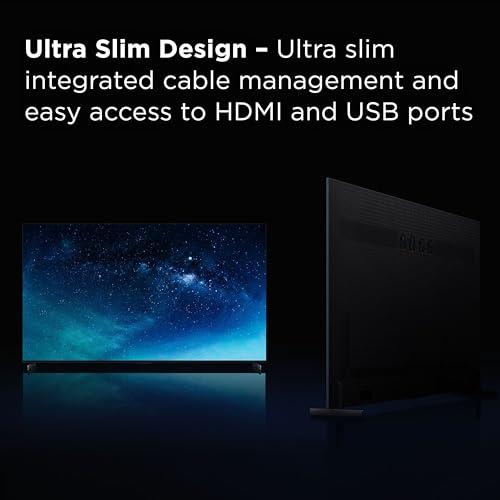
Both the TCL 98" X11K and Hisense 100" U8 offer similar setup experiences with Google TV's user-friendly interface. Both include voice remotes and hands-free voice control. The main difference is the TCL includes premium cable management features, while setup complexity is similar for both models.
Choose the TCL 98" X11K if you want the absolute best picture quality and have a premium budget. Choose the Hisense 100" U8 Series if you want the largest screen size with excellent performance at a more affordable price. The Hisense is often the better choice for most living rooms due to its combination of size, performance, and value.
We've done our best to create useful and informative comparisons to help you decide what product to buy. Our research uses advanced automated methods to create this comparison and perfection is not possible - please contact us for corrections or questions. These are the sites we've researched in the creation of this article: ecoustics.com - pcrichard.com - tcl.com - valueelectronics.com - bestbuy.com - tcl.com - whathifi.com - tcl.com - youtube.com - displayspecifications.com - whathifi.com - youtube.com - notebookcheck.net - tcl.com - tcl.com - displayspecifications.com - tcl.com - tcl.com - pcguide.com - en.homecinesolutions.fr - youtube.com - tcl.com - bestbuy.com - valueelectronics.com - pcrichard.com - youtube.com - cnet.com - bargainoutletandmore.com - bestbuy.com - files.hisense-usa.com - fouanistore.com - bestbuy.com - salesindia.com

Privacy Policy
Terms and Conditions - Affiliate Policy
Home Security
© Copyright 2008-2026.
11816 Inwood Rd #1211, Dallas, TX 75244