

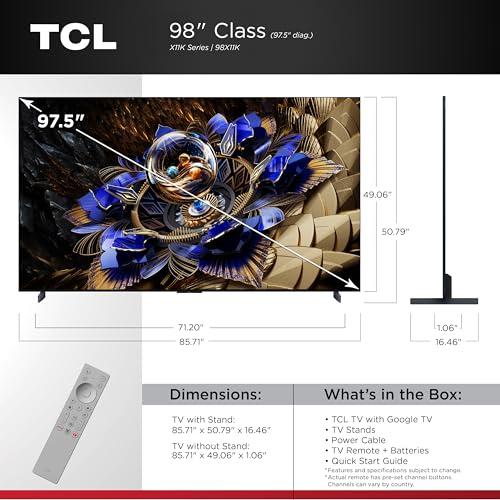

When you're shopping for a 98-inch TV, you're not just buying a television—you're creating a home theater centerpiece that will dominate your living space for years to come. These massive displays compete directly with projector setups while offering the convenience of a traditional TV with superior brightness and no need for a dark room.
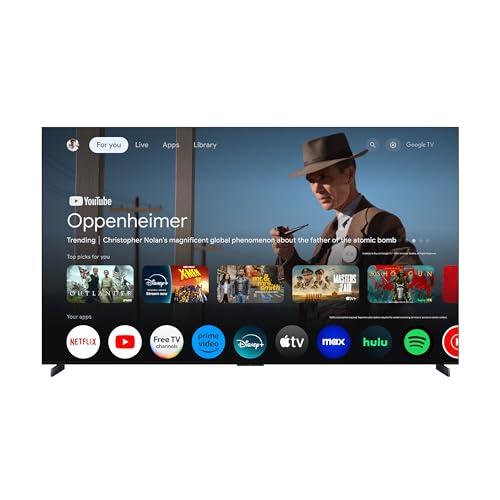
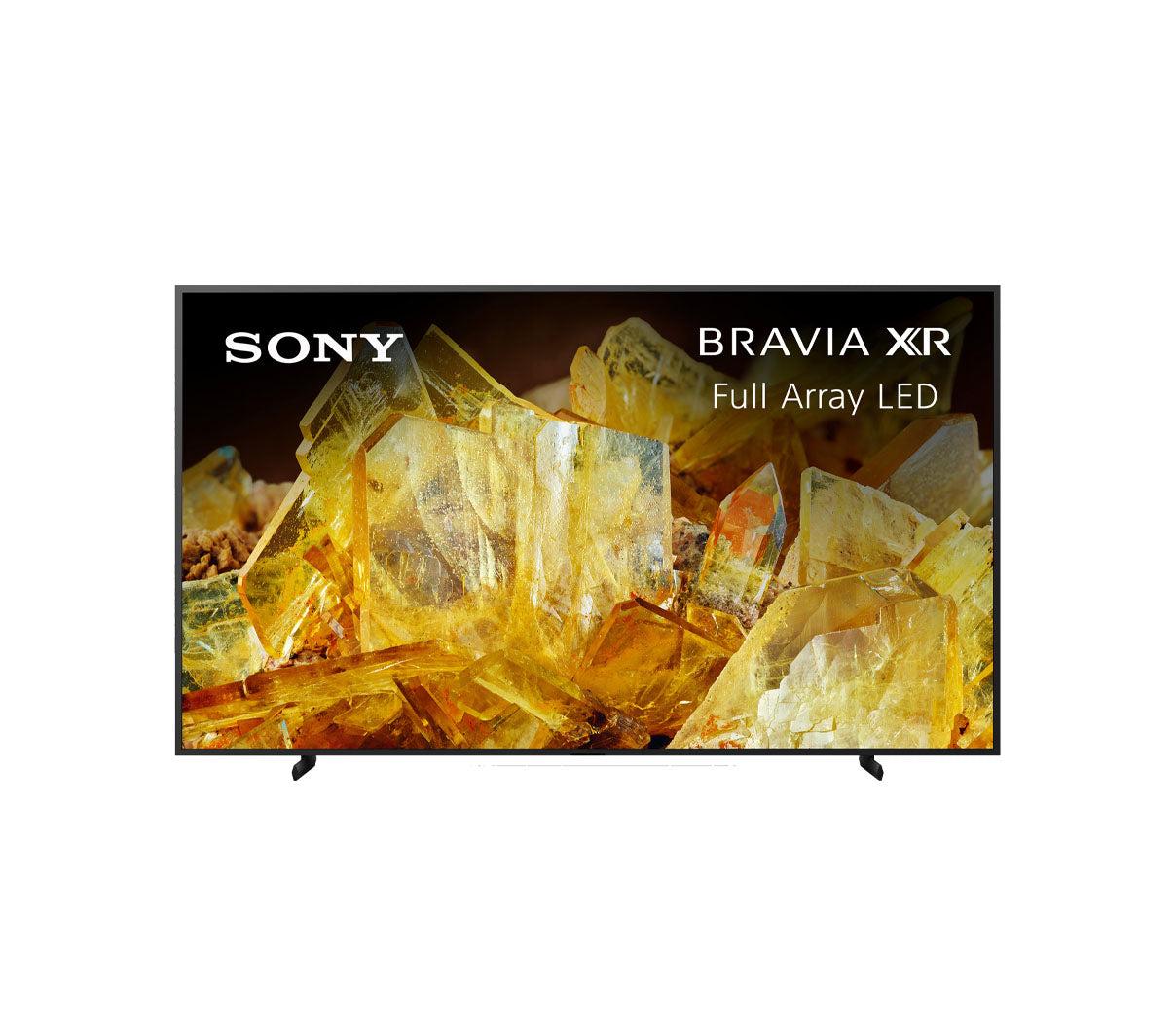
The two standout options in this ultra-premium category are the TCL 98" X11K and the Sony BRAVIA XR X90L 98". While both deliver cinema-sized entertainment, they take fundamentally different approaches to picture quality and value. Understanding these differences is crucial when you're making a five-figure investment in your home entertainment setup.
The 98-inch TV market represents the sweet spot between convenience and cinema-scale viewing. Unlike projectors that require controlled lighting and complex installation, these TVs work in any room while delivering picture quality that can exceed most home projection systems.
The key considerations when evaluating these giants include display technology (how the TV creates its picture), peak brightness (especially important for HDR content and bright rooms), processing power (how well it handles different content types), gaming capabilities, and overall value proposition. At this size and price point, you're also looking at professional installation and ensuring your room can accommodate the sheer scale of these displays.
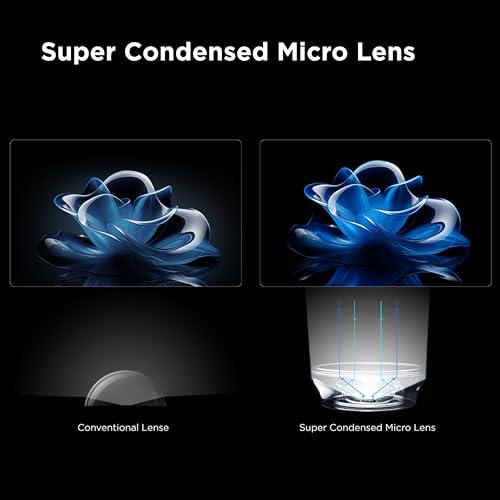
Released in 2023, the Sony BRAVIA XR X90L represents a mature approach to large-screen entertainment, building on Sony's decades of display expertise with proven Full Array LED technology. The TCL 98" X11K, arriving later in the product cycle, showcases cutting-edge Mini LED technology with quantum dot enhancement—essentially cramming thousands of tiny LEDs behind the screen for unprecedented control over brightness and contrast.
The fundamental difference lies in their display philosophy. Sony focuses on natural, film-like image reproduction through sophisticated processing, while TCL pushes the boundaries of what's technically possible with extreme brightness and precision backlighting control.
The most significant difference between these TVs lies in their backlighting systems, which directly impacts picture quality in ways you'll notice immediately.
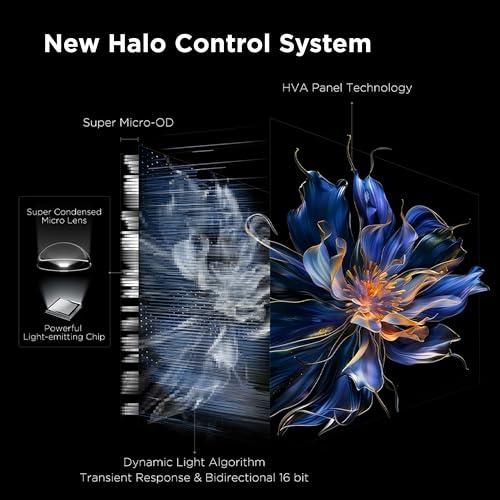
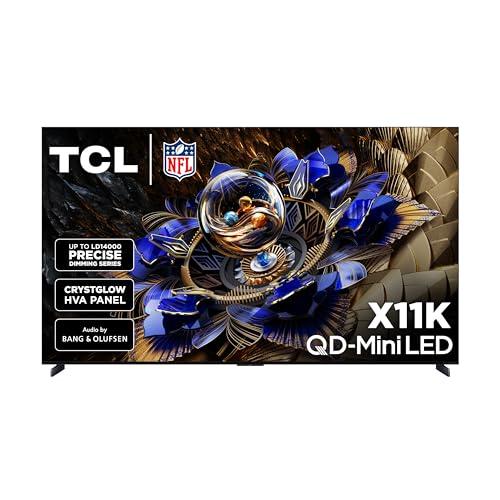
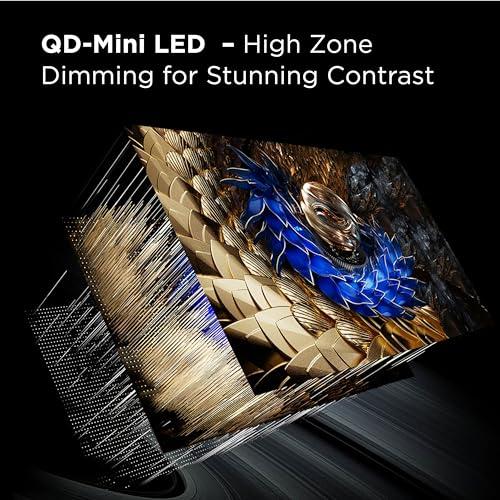
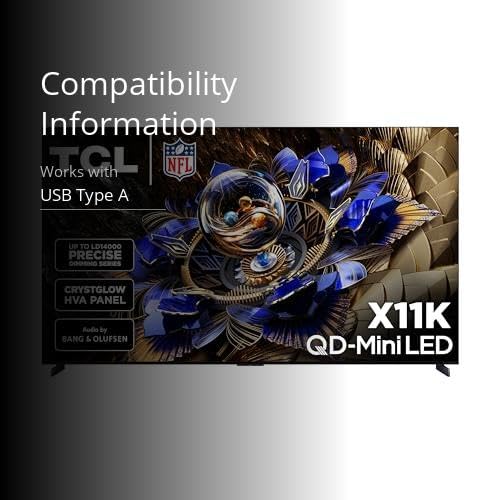
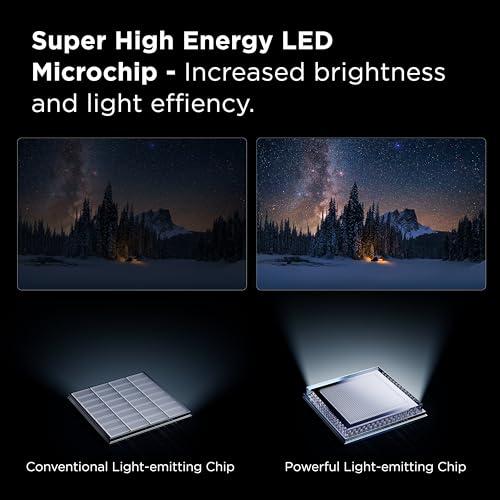
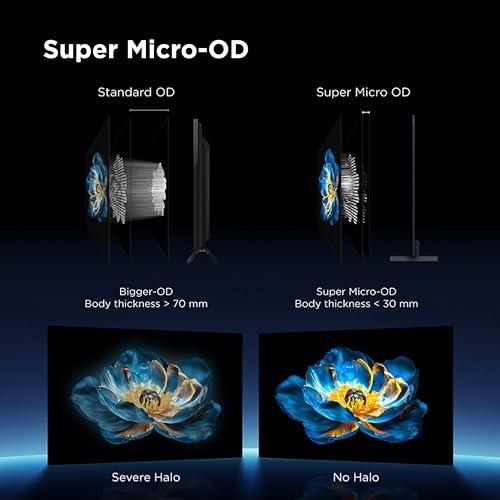
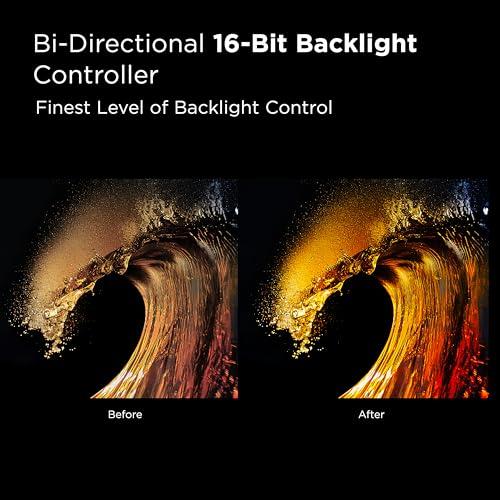
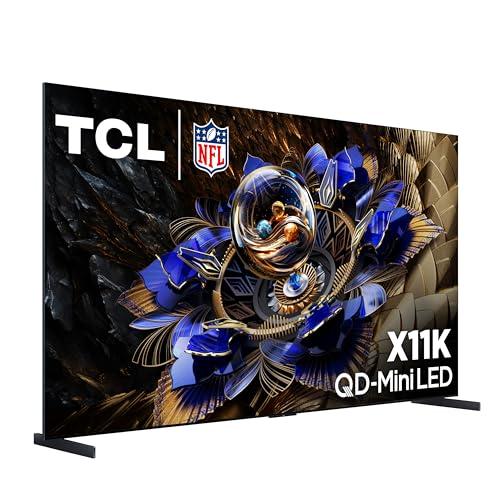
The TCL X11K uses Mini LED technology with an astounding 14,000 local dimming zones. Think of local dimming zones as individual sections of the screen that can brighten or darken independently—the more zones you have, the more precise the TV can be with contrast control. Traditional TVs might have a few dozen zones, but 14,000 zones means the TCL can control brightness at nearly pixel-level precision.
This translates to several real-world benefits. When you're watching a scene with bright stars against a dark sky, the stars can shine brilliantly while the surrounding darkness remains truly black. The TV's Halo Control System minimizes "blooming"—that annoying glow that appears around bright objects on darker backgrounds that plagues many LED TVs.
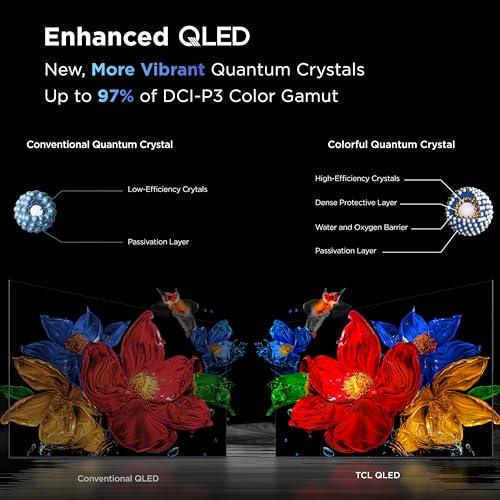
The quantum dot layer adds another dimension to picture quality. Quantum dots are microscopic particles that produce pure colors when hit by light, allowing the TCL X11K to display over one billion colors covering 97% of the DCI-P3 color space (the standard used in movie theaters). This means more vibrant, accurate colors that match what filmmakers intended.
The Sony X90L takes a different route with Full Array LED backlighting and significantly fewer dimming zones—likely in the hundreds rather than thousands. While this might sound inferior on paper, Sony compensates through superior processing and calibration.
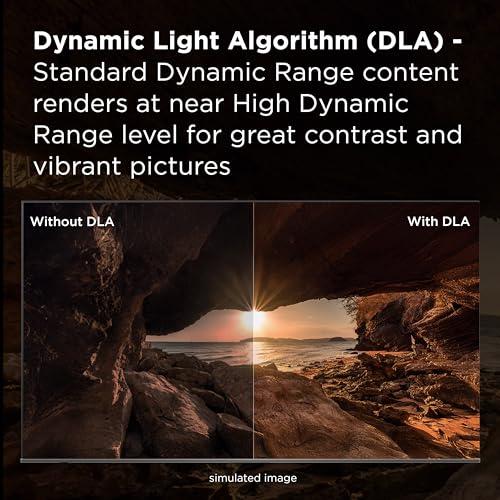
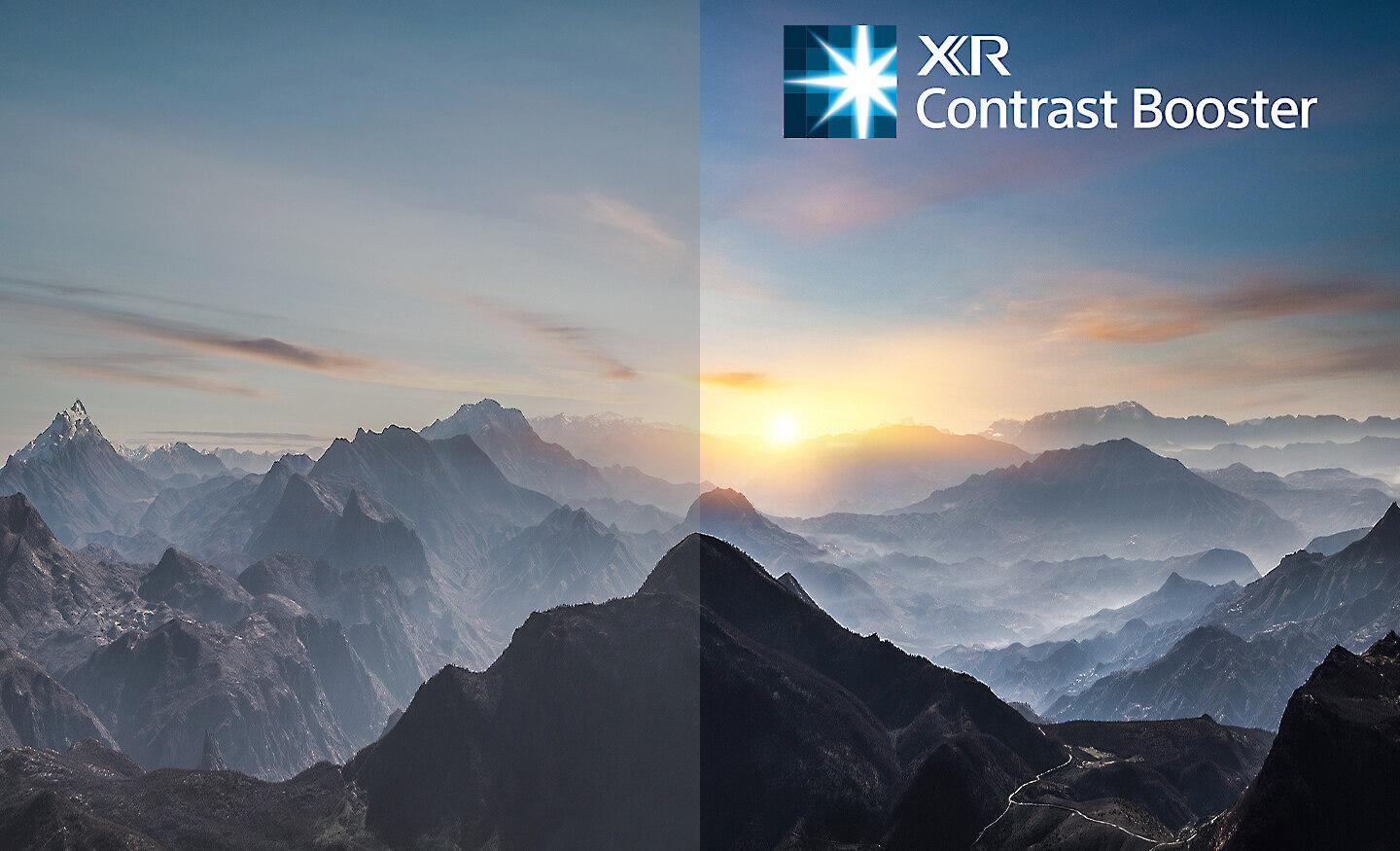
Sony's Cognitive Processor XR is where the magic happens. Instead of simply making images brighter or more colorful, it analyzes hundreds of thousands of elements in each frame and processes them the way human vision works—focusing on where your eyes naturally look and optimizing those areas while maintaining natural color reproduction throughout the image.
This processing approach particularly shines with real-world content. While the TCL X11K might impress you with demo videos showcasing extreme brightness and contrast, the Sony X90L excels at making everyday content—from Netflix shows to cable TV—look better than it has any right to. Sony's upscaling technology is particularly impressive, taking lower-resolution content and making it look sharp and detailed on the massive 98-inch screen.
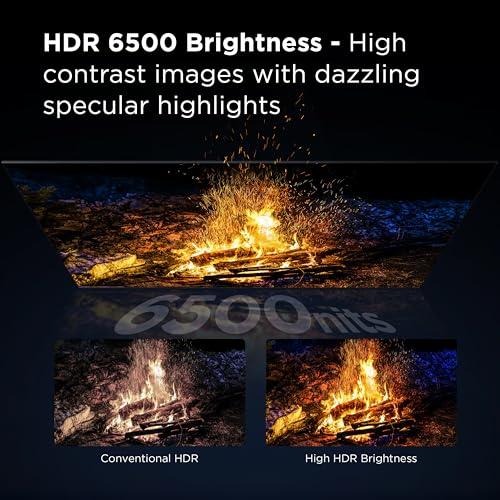
Peak brightness is where the TCL X11K absolutely dominates. With claimed peak brightness of 6,500 nits, it's among the brightest consumer TVs available. For context, most LED TVs peak around 1,000-2,000 nits, while the Sony X90L likely reaches somewhere in the 1,000-1,500 nit range based on similar models in Sony's lineup.
This brightness difference matters enormously in bright rooms. If your TV room has large windows or you prefer watching with lights on, the TCL X11K will maintain vibrant colors and deep contrast even in challenging lighting conditions. The Sony, while still capable, will appear more washed out in bright environments.
For HDR (High Dynamic Range) content—which includes most modern movies and shows on streaming services—higher peak brightness directly translates to more impactful visuals. HDR is designed to reproduce the brightness range our eyes see in real life, from deep shadows to bright sunlight. The TCL X11K's extreme brightness capabilities mean it can reproduce HDR content closer to how it was mastered, with brilliant highlights that truly pop off the screen.
However, brightness isn't everything. The Sony X90L prioritizes accurate color reproduction and natural image processing over raw brightness numbers. In controlled lighting conditions—like a dedicated home theater room—this approach often produces more pleasing, film-like images that many viewers prefer over the sometimes aggressive processing of extremely bright displays.
Gaming capabilities represent another clear differentiation between these displays, particularly important as gaming becomes increasingly central to home entertainment.
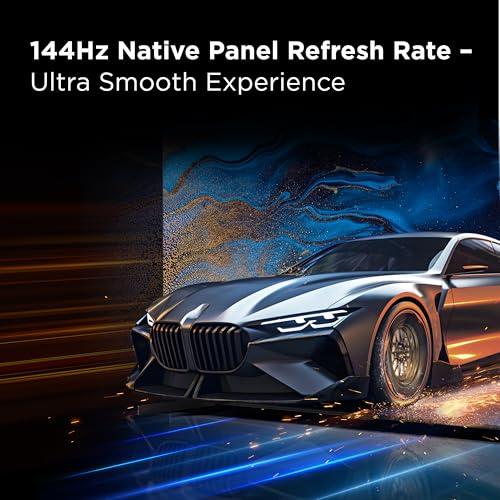
The TCL X11K goes all-in on gaming features with a native 144Hz refresh rate—higher than what current gaming consoles output but future-proofing for PC gaming and next-generation consoles. Its Game Accelerator 288 technology can actually handle variable refresh rates up to 288Hz, which is overkill for today but positions the TV well for future gaming developments.
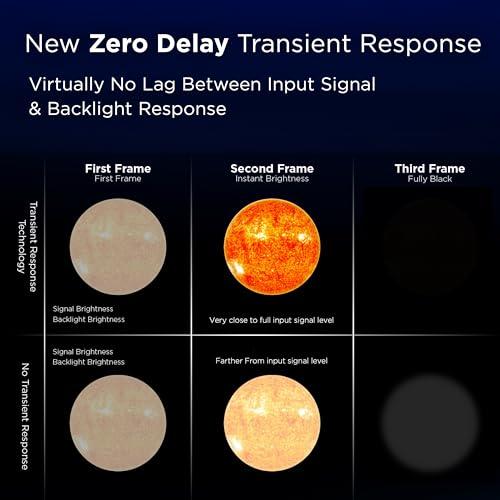
The inclusion of AMD FreeSync Premium Pro provides smooth, tear-free gaming when connected to compatible graphics cards. Input lag appears to be minimal based on the "Zero Delay Transient Response" marketing, though specific measurements weren't available in our research.
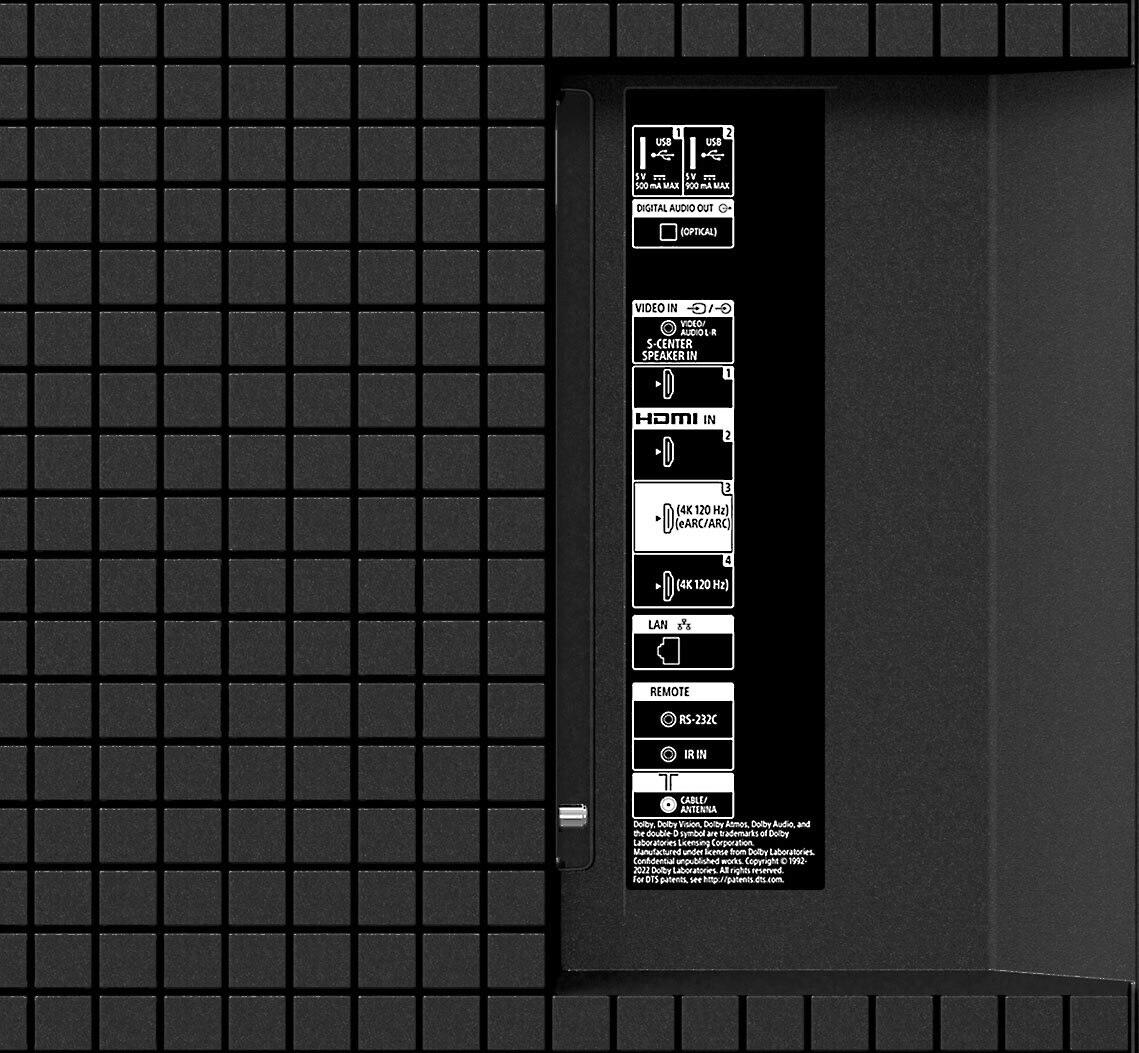
The Sony X90L offers a more conservative but thoroughly proven gaming experience. Its 120Hz refresh rate perfectly matches current PlayStation 5 and Xbox Series X capabilities, and Sony's implementation of HDMI 2.1 features like Variable Refresh Rate (VRR) and Auto Low Latency Mode (ALLM) is well-established and reliable.
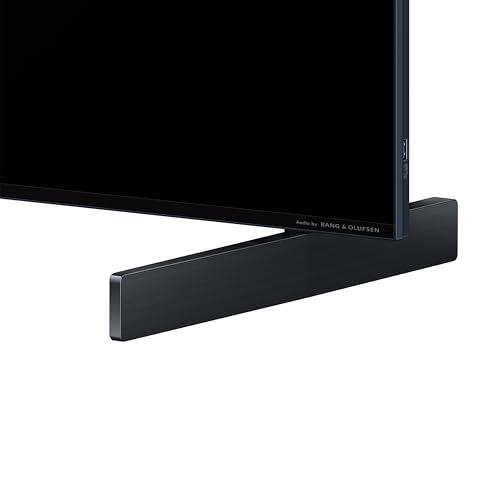
Sony's gaming performance tends to be consistent and predictable—exactly what you want when you're in the middle of a competitive match. The multi-position stand design also accommodates soundbar placement better than many competitors, which matters for gaming setups.
For most gamers today, the Sony X90L provides everything needed for an excellent experience. The TCL X11K is better for enthusiasts who game primarily on PC or want maximum future-proofing, but you'll pay a premium for capabilities you may not use for years.
Audio represents another area where these TVs diverge significantly in approach.
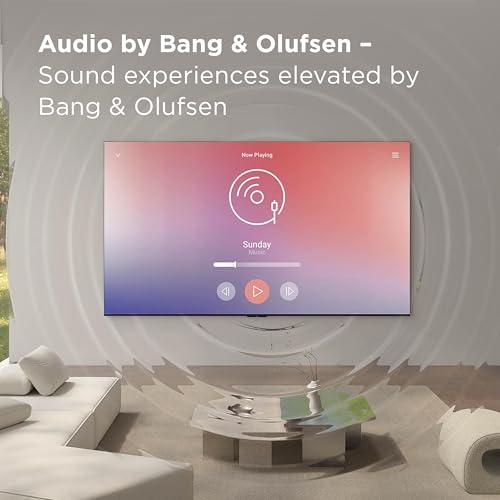
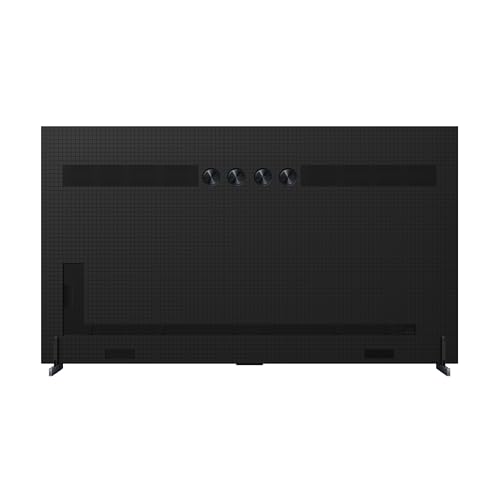
The TCL X11K partners with Bang & Olufsen for its audio system, delivering 120 watts of total power through a 2.1.1 channel setup with dedicated subwoofer. This represents substantial audio output for a TV and includes Dolby Atmos processing for three-dimensional sound effects.
The Sony X90L takes a more modest approach to built-in audio but offers superior integration with external audio systems. Its Acoustic Center Sync technology allows Sony soundbars to work as the TV's center channel, creating a more cohesive audio experience. The multi-position stand design also accommodates soundbar placement more elegantly.
In practice, both TVs benefit significantly from dedicated sound systems. At 98 inches, you're likely setting up a serious home theater where external audio components make sense. The Sony's better integration capabilities might actually provide more long-term value than the TCL's more powerful built-in system.
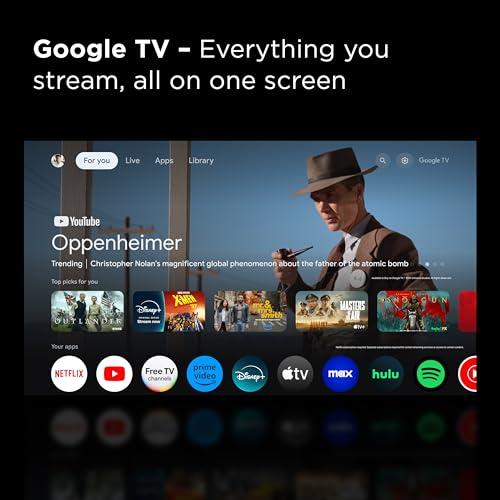
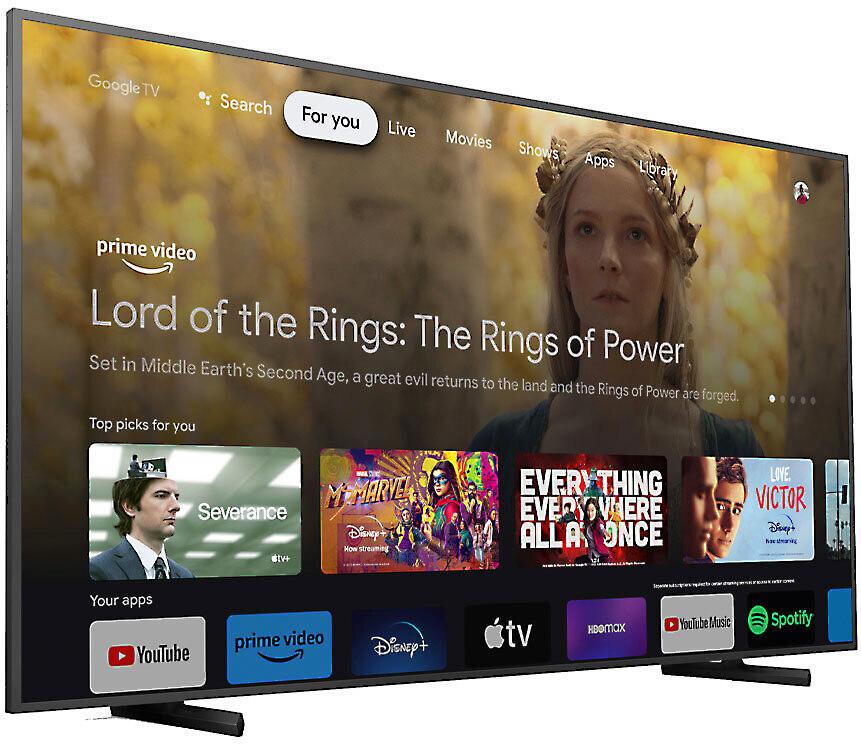
Both TVs run Google TV, providing identical access to streaming services and smart features. Voice control through Google Assistant works the same way, and both support Chromecast and Apple AirPlay for content casting.
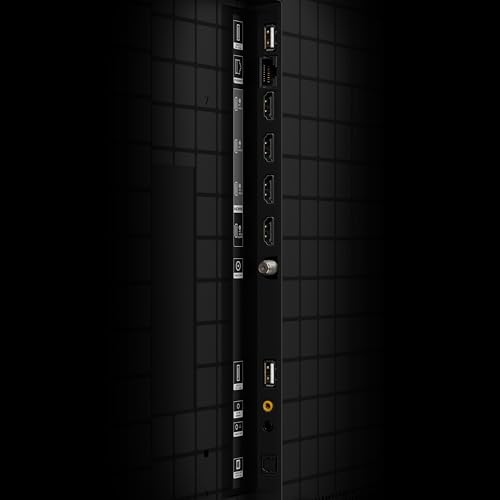
The differences emerge in connectivity standards and additional features. The TCL X11K includes Wi-Fi 6 support, providing faster and more stable wireless connections—particularly beneficial when streaming high-bitrate 4K content. It also offers USB recording capabilities, allowing you to save content directly to external storage.
The Sony X90L sticks with more established connectivity standards but offers proven reliability and better integration with Sony's broader ecosystem of audio and video products.
At the time of writing, the pricing gap between these TVs represents a significant consideration. The Sony X90L typically costs substantially less than the TCL X11K—often around $1,000 difference—while delivering most of the performance that matters to typical users.
This pricing dynamic makes the Sony particularly attractive for buyers who want a massive, high-quality display without paying for cutting-edge features they might not fully utilize. The TCL's premium reflects its advanced Mini LED technology and future-proofing capabilities, but whether those features justify the additional cost depends on your specific needs and room environment.
In a dedicated home theater environment with controlled lighting, the differences between these TVs become more nuanced. The Sony X90L's natural color reproduction and film-like processing often provide more pleasing results for movie watching, while the TCL X11K's superior contrast control delivers more dramatic visual impact.
For rooms with ambient light or those used for daytime viewing, the TCL's brightness advantage becomes crucial for maintaining picture quality. The decision often comes down to whether your viewing environment demands maximum brightness or whether you can optimize lighting conditions to favor the Sony's more natural image reproduction.
The Sony BRAVIA XR X90L makes the most sense for buyers who want excellent performance with better value. Its proven reliability, natural image processing, and significant cost savings make it the practical choice for most home theater setups. Choose Sony if you prioritize film-like image quality, have reasonable control over room lighting, and want to allocate saved budget toward audio equipment or room treatments.
The TCL X11K is the enthusiast choice for buyers who want the absolute latest display technology and don't mind paying for it. Its Mini LED backlighting and extreme brightness make it ideal for bright rooms, competitive gaming, and showcasing the most demanding HDR content. Choose TCL if you want cutting-edge technology, have a bright viewing environment, or prioritize having the most advanced display regardless of cost.
Both represent excellent choices in the ultra-large TV category, but they serve different priorities within that premium market segment. The Sony offers better value for most buyers, while the TCL pushes the boundaries of what's possible in home display technology.
| TCL 98" X11K 4K QD-Mini LED Google TV | Sony BRAVIA XR X90L 98" 4K UHD LED Google TV |
|---|---|
| Display Technology - Determines contrast quality and HDR performance | |
| QD-Mini LED with 14,000 dimming zones | Full Array LED with fewer dimming zones |
| Peak Brightness - Critical for bright rooms and HDR content | |
| Up to 6,500 nits (exceptional for any lighting) | ~1,000-1,500 nits (good for controlled lighting) |
| Contrast Ratio - How deep blacks appear next to bright whites | |
| 7,000:1 (superior dark scene detail) | 5,000:1 (good contrast performance) |
| Refresh Rate - Important for gaming and smooth motion | |
| 144Hz native (future-proof gaming) | 120Hz (perfect for current consoles) |
| Color Gamut - Range of colors the TV can display | |
| 97% DCI-P3 with Quantum Dot technology | Standard LED color reproduction |
| Gaming Features - Next-gen console and PC compatibility | |
| AMD FreeSync Premium Pro, Game Accelerator 288, up to 288Hz VRR | HDMI 2.1, VRR, ALLM, 4K/120fps support |
| Audio System - Built-in sound quality | |
| Bang & Olufsen 2.1.1 system, 120W total power | Standard TV speakers with Acoustic Center Sync |
| Smart Platform - Streaming and interface experience | |
| Google TV with Wi-Fi 6 support | Google TV with standard Wi-Fi |
| Image Processing - How the TV enhances picture quality | |
| AiPQ Pro Processor with AI enhancement | Cognitive Processor XR (natural, film-like processing) |
| HDR Support - High dynamic range compatibility | |
| HDR10+, Dolby Vision IQ, HDR10, HLG | HDR10, Dolby Vision, HLG |
| Design Features - Installation and aesthetic considerations | |
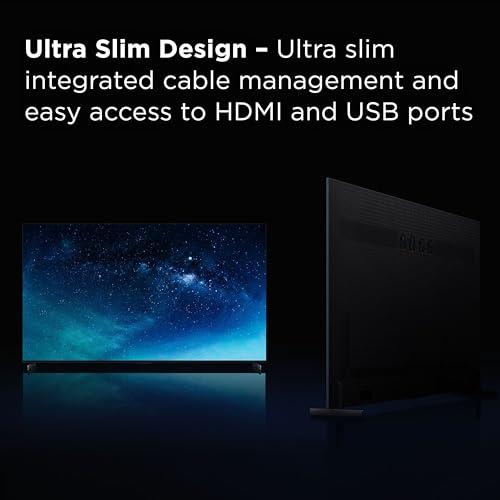
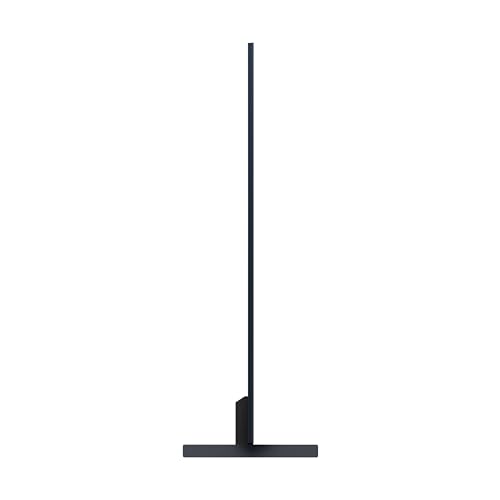
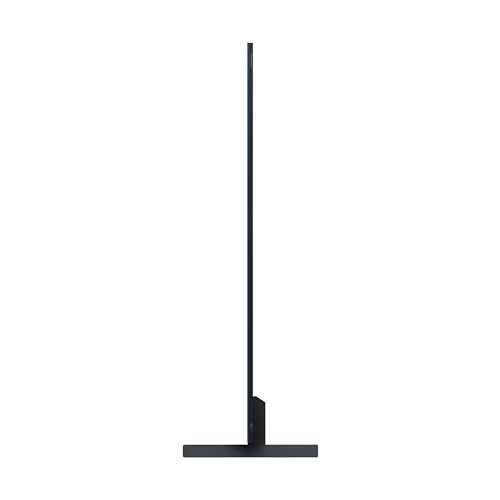
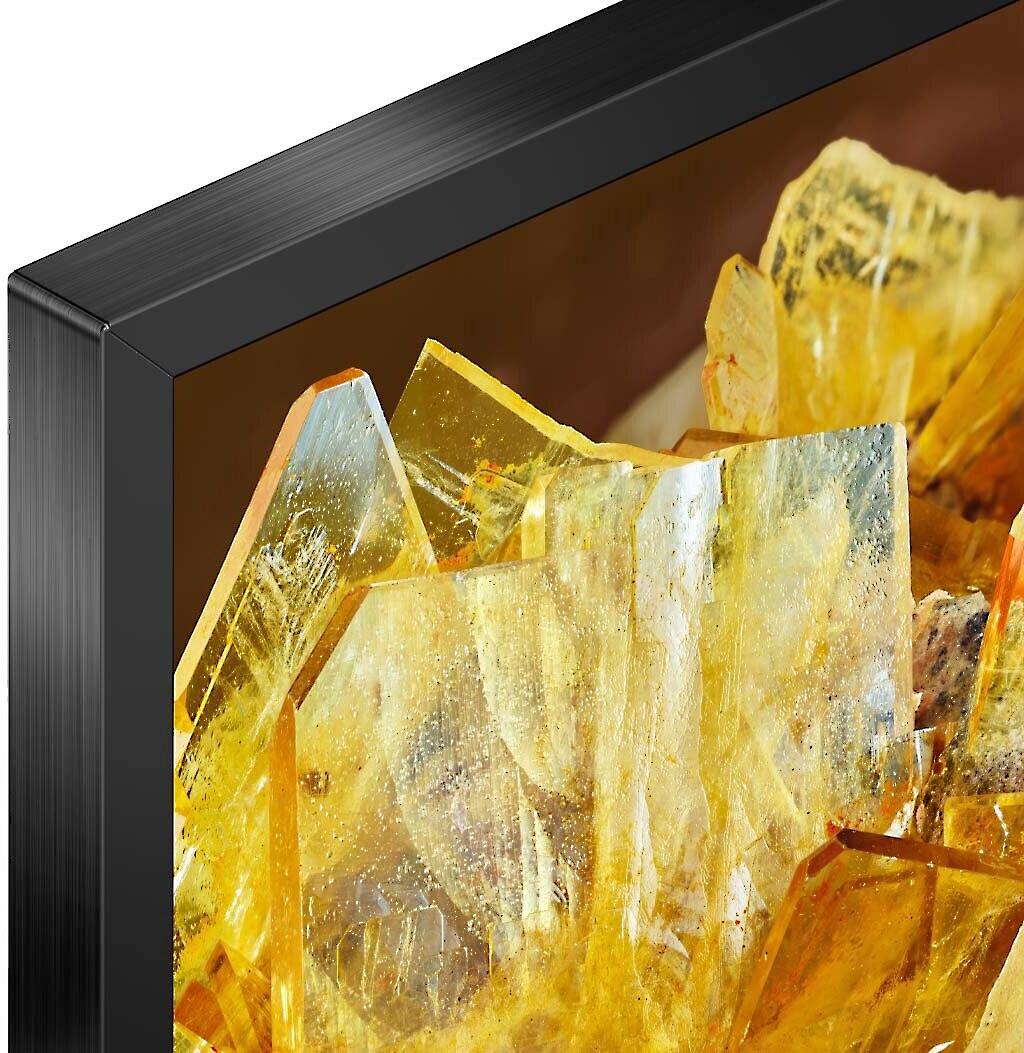
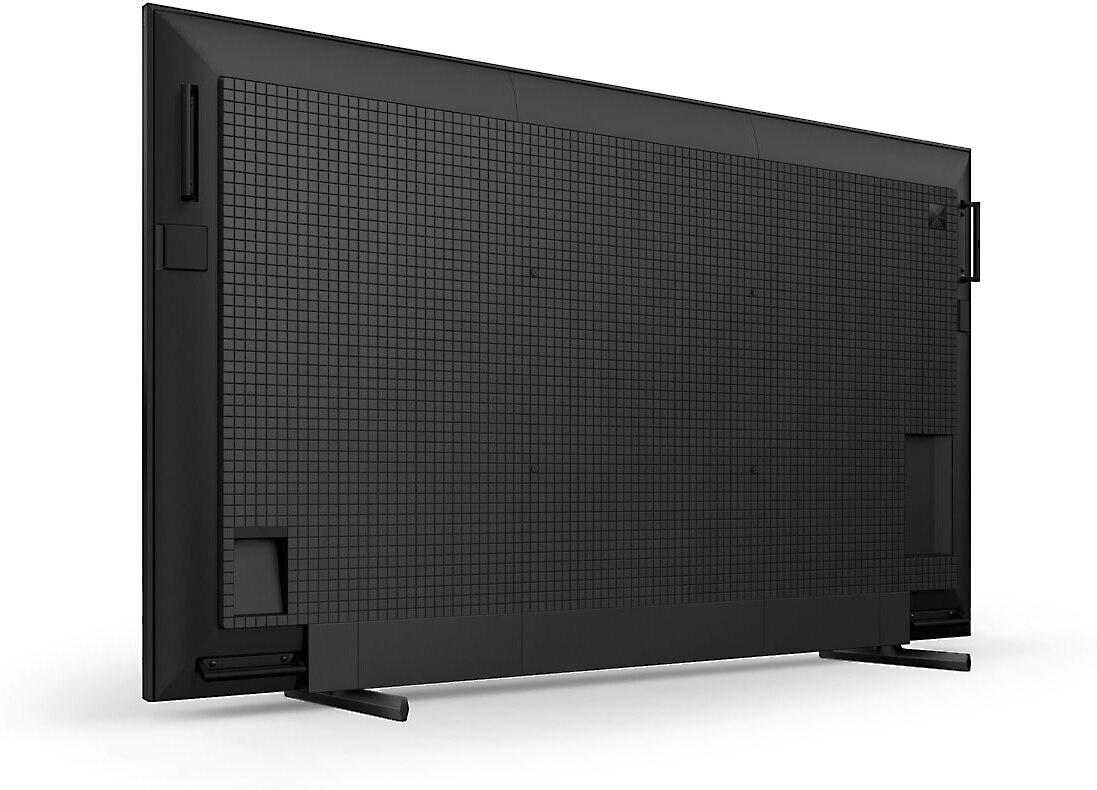
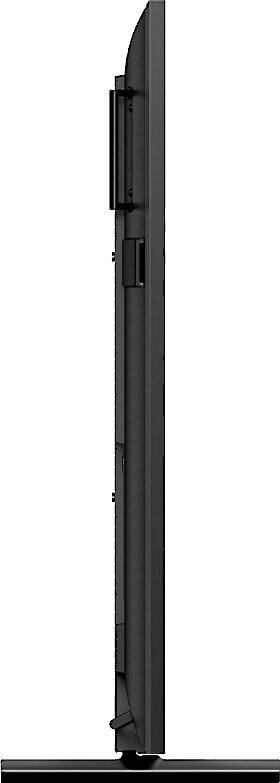
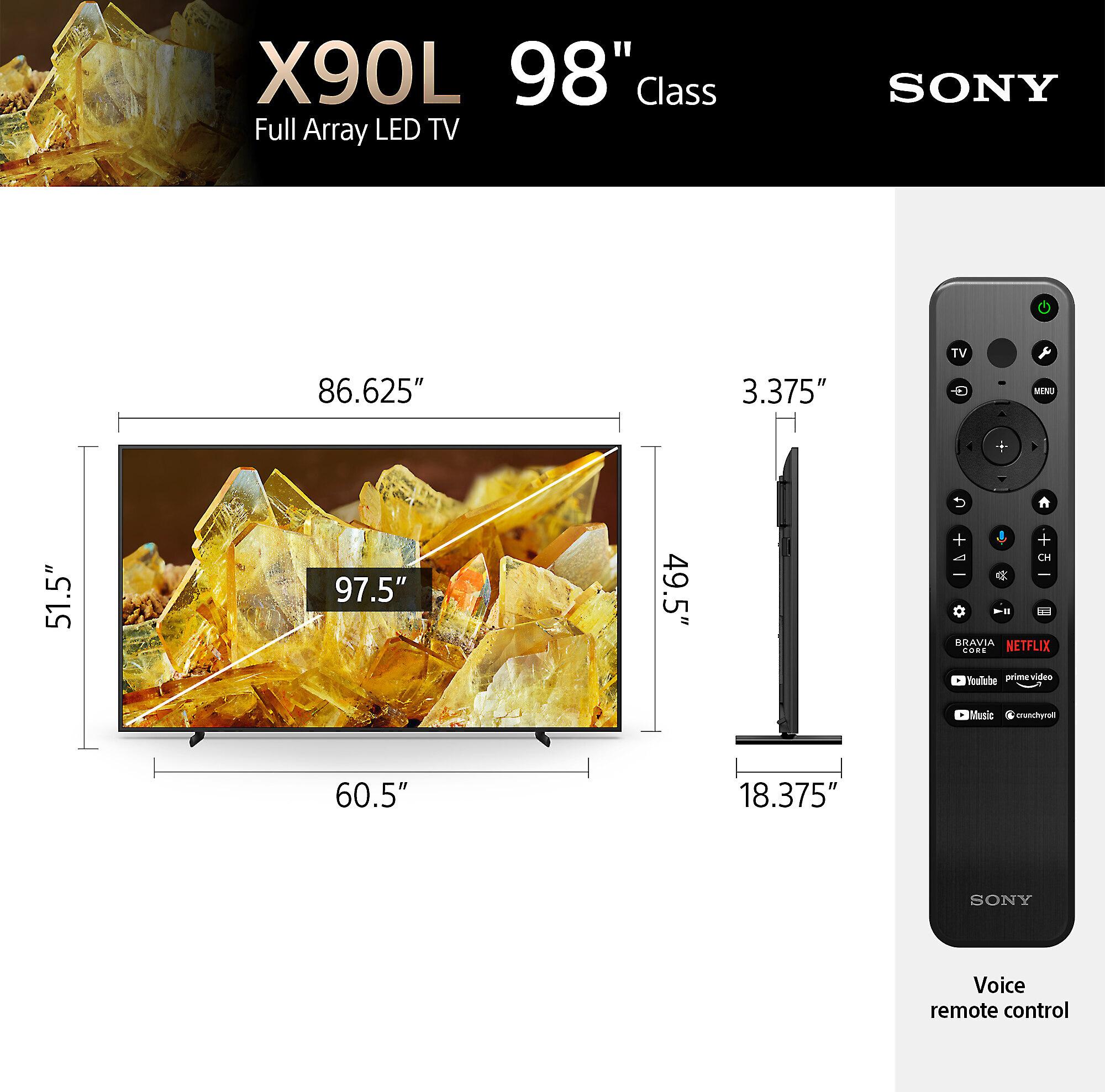
| Ultra-slim profile with integrated cable management | Multi-position stand, accommodates soundbars |
| Value Proposition - Performance per dollar consideration | |
| Premium pricing for cutting-edge Mini LED technology | Significantly lower cost with proven performance |
| Best For - Target buyer profile | |
| Enthusiasts wanting latest tech, bright rooms, competitive gaming | Value-focused buyers wanting excellent performance and reliability |
The TCL 98" X11K delivers superior contrast and brightness with its Mini LED technology and 14,000 dimming zones, making it excellent for bright rooms and HDR content. The Sony BRAVIA XR X90L focuses on natural, film-like image processing through its Cognitive Processor XR, which many viewers prefer for movies and TV shows. For raw performance metrics, the TCL wins, but for natural color reproduction, the Sony excels.
The TCL X11K uses Mini LED technology with thousands of tiny LEDs providing precise brightness control across 14,000 zones, resulting in better contrast and reduced blooming. The Sony X90L uses traditional Full Array LED with fewer dimming zones but compensates with superior processing. Mini LED offers better technical performance, while Full Array LED provides proven reliability at a lower cost.
The TCL 98" X11K offers superior gaming features with 144Hz refresh rate, AMD FreeSync Premium Pro, and Game Accelerator 288 technology, making it future-proof for next-gen gaming. The Sony BRAVIA XR X90L provides excellent current-gen gaming with 120Hz, HDMI 2.1, VRR, and ALLM support. For competitive PC gaming and future-proofing, choose the TCL. For console gaming today, the Sony is perfectly adequate.
The TCL X11K reaches up to 6,500 nits peak brightness, making it exceptional for bright rooms and daytime viewing with windows. The Sony X90L achieves around 1,000-1,500 nits, which works well in controlled lighting but may appear washed out in very bright environments. If your room has lots of natural light, the TCL's extreme brightness is a significant advantage.
The Sony BRAVIA XR X90L typically costs significantly less than the TCL 98" X11K while delivering excellent picture quality and reliable performance. The Sony offers better cost-per-feature ratio for most buyers. The TCL's premium pricing reflects cutting-edge Mini LED technology and future-proofing features that enthusiasts value but casual viewers may not fully utilize.
Both the TCL X11K and Sony X90L excel in dedicated home theater environments. The TCL's superior contrast and brightness make HDR content more impactful, while the Sony's natural color processing provides film-like image quality that many cinephiles prefer. The Sony's multi-position stand and Acoustic Center Sync features better accommodate home theater audio setups.
Both the TCL 98" X11K and Sony BRAVIA XR X90L run Google TV with identical streaming app access, voice control, and casting capabilities. The TCL adds Wi-Fi 6 support for faster streaming and USB recording features. The Sony focuses on ecosystem integration, especially with Sony audio products. Both offer comprehensive smart features for modern streaming needs.
The TCL X11K features a Bang & Olufsen 2.1.1 audio system with 120W total power and dedicated subwoofer, providing superior built-in sound. The Sony X90L has standard TV speakers but offers Acoustic Center Sync for better integration with external soundbars. For built-in audio, the TCL wins, but for home theater integration, the Sony's approach may be more practical.
The Sony BRAVIA XR X90L excels at upscaling with its Cognitive Processor XR, making cable TV, DVDs, and compressed streaming content look sharp on the massive 98-inch screen. The TCL 98" X11K uses AiPQ Pro processing for upscaling but focuses more on enhancing already high-quality content. For mixed content sources, Sony's upscaling reputation gives it an edge.
The Sony X90L benefits from Sony's established reputation for reliability and mature Full Array LED technology with proven long-term performance. The TCL X11K uses newer Mini LED technology that's impressive but has less long-term track record. Sony typically offers better customer support and service network coverage, making it the safer choice for reliability-focused buyers.
The TCL 98" X11K supports HDR10+, Dolby Vision IQ, HDR10, and HLG, covering all major HDR formats with advanced processing. The Sony BRAVIA XR X90L supports HDR10, Dolby Vision, and HLG but lacks HDR10+ compatibility. Both handle the most important HDR formats well, with the TCL offering slightly broader format support for future content.
Choose the TCL 98" X11K if you have a bright room, want cutting-edge display technology, prioritize gaming performance, and budget allows for premium features. Choose the Sony BRAVIA XR X90L if you want excellent performance at better value, prefer natural image processing, have reasonable lighting control, and want proven reliability. The Sony represents better value for most buyers, while the TCL serves enthusiasts wanting the latest technology.
We've done our best to create useful and informative comparisons to help you decide what product to buy. Our research uses advanced automated methods to create this comparison and perfection is not possible - please contact us for corrections or questions. These are the sites we've researched in the creation of this article: ecoustics.com - pcrichard.com - tcl.com - valueelectronics.com - bestbuy.com - tcl.com - whathifi.com - tcl.com - youtube.com - displayspecifications.com - whathifi.com - youtube.com - notebookcheck.net - tcl.com - tcl.com - displayspecifications.com - tcl.com - tcl.com - pcguide.com - en.homecinesolutions.fr - youtube.com - tcl.com - avsforum.com - valueelectronics.com - youtube.com - bestbuy.com - electronics.sony.com - stewartappliance.com - rcwilley.com - rtings.com - abt.com - pcrichard.com - videoandaudiocenter.com - avsforum.com

Privacy Policy
Terms and Conditions - Affiliate Policy
Home Security
© Copyright 2008-2026.
11816 Inwood Rd #1211, Dallas, TX 75244