


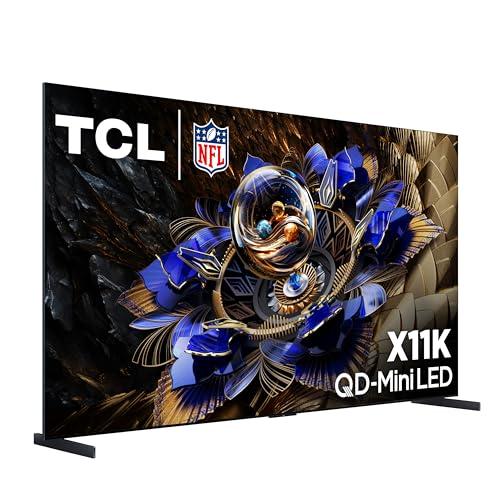
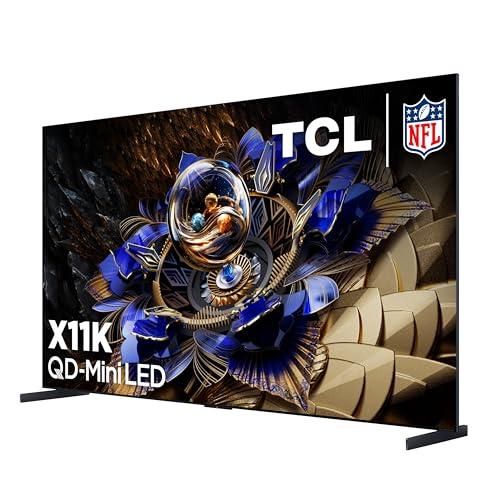
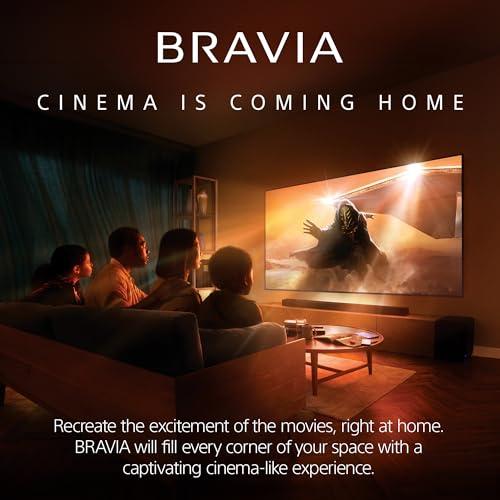
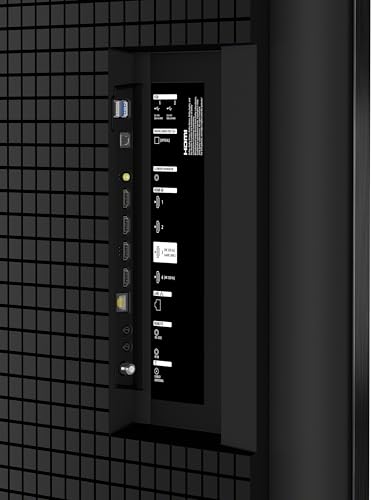
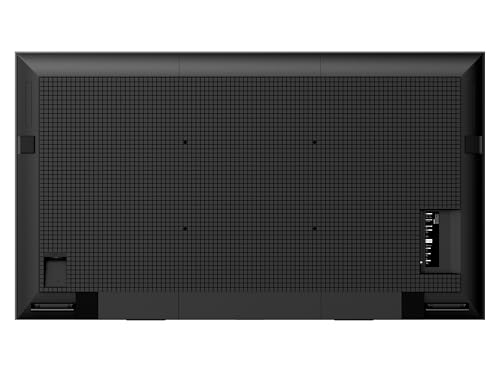
When you're shopping for a 98-inch TV, you're not just buying a display—you're creating a centerpiece for your home theater that will dominate your living space for years to come. At this size, we're talking about screens that measure over eight feet diagonally, turning your living room into something approaching a commercial cinema experience.
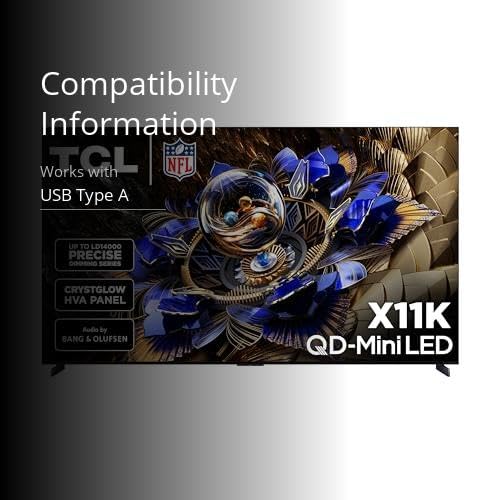
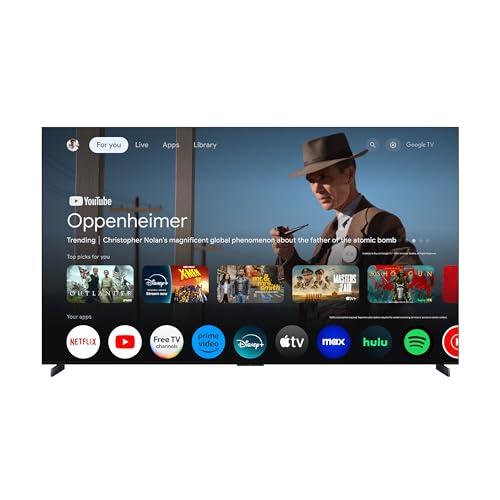
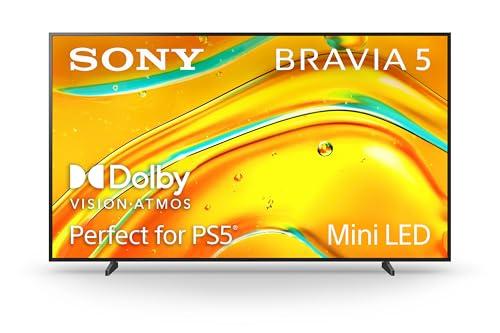
The two standout options in 2025 are the TCL 98" X11K 4K QD-Mini LED Google TV and the Sony BRAVIA 5 98" Mini LED 4K Google TV. Both launched in 2025, representing the latest evolution in large-format TV technology, but they take distinctly different approaches to delivering premium performance.
At the 98-inch size, you're entering territory where every technical specification matters significantly more than it would on smaller screens. Picture quality flaws that might be barely noticeable on a 65-inch TV become glaringly obvious when spread across nearly 100 inches of screen real estate.
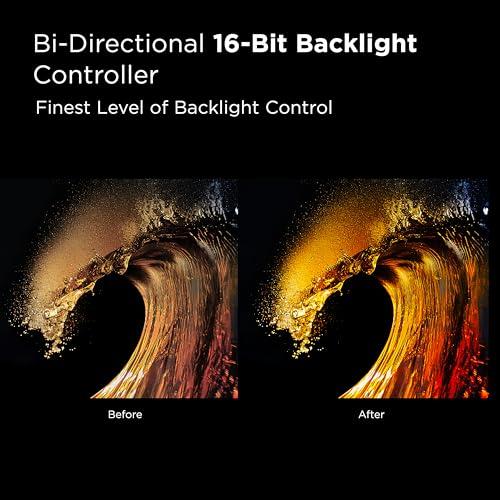
The key battlegrounds at this level include peak brightness (measured in nits—essentially how bright the screen can get), local dimming precision (how well the TV can control light in specific areas), color accuracy, and motion handling. These aren't just spec sheet bragging rights; they directly impact whether you get that jaw-dropping "wow" moment when watching your favorite movies or feel disappointed by a massive but mediocre picture.
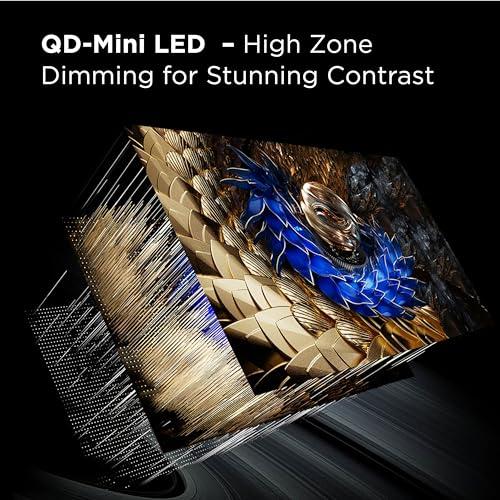
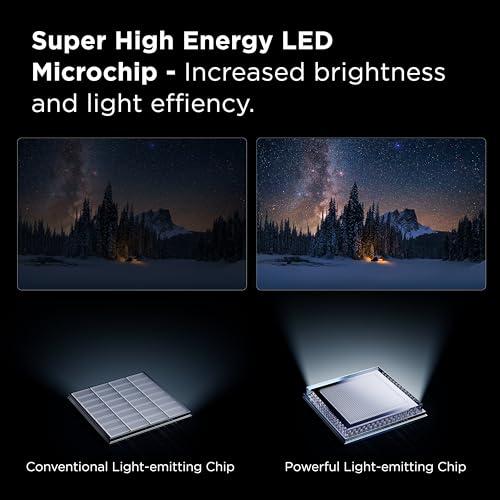
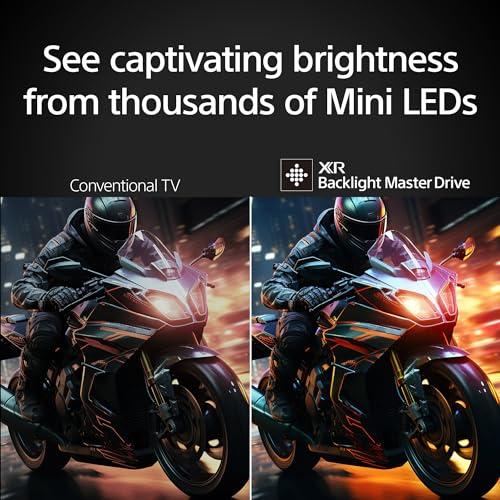
Both the TCL X11K and Sony BRAVIA 5 use Mini LED technology, which represents a significant leap forward from traditional LED backlighting. Instead of having dozens of LED zones, Mini LED uses thousands of tiny LEDs behind the screen, allowing for much more precise control over brightness and darkness in different parts of the image.
The core difference between these TVs lies in their display technology approach, and this is where things get really interesting.
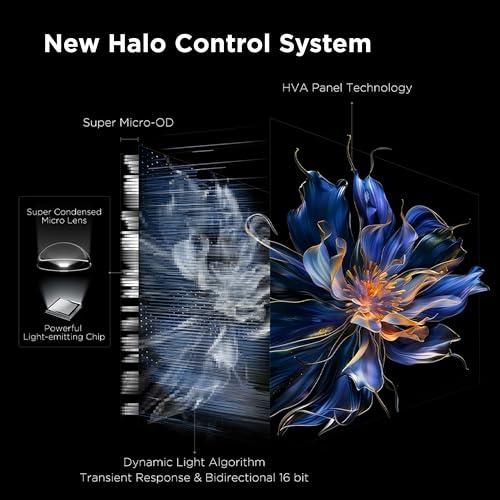
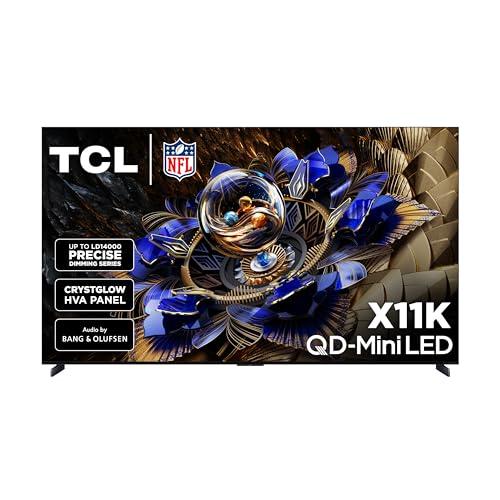
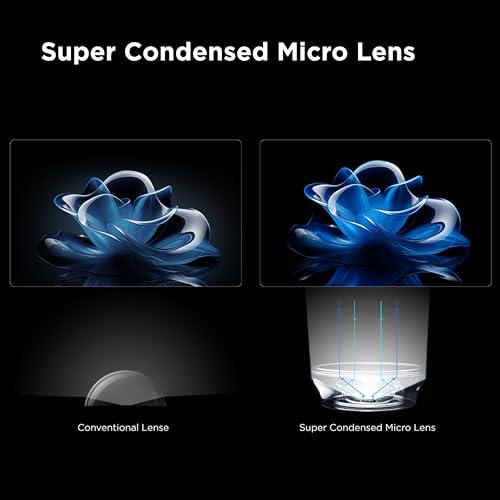
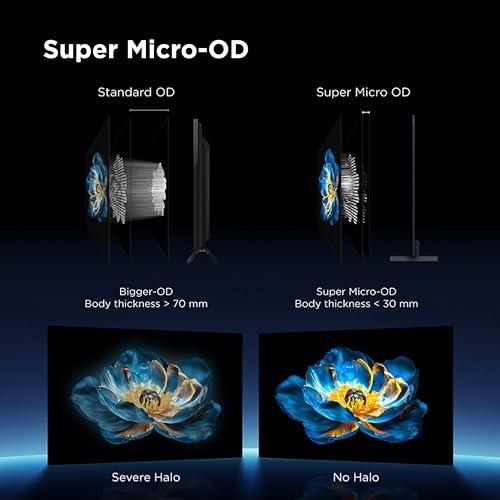
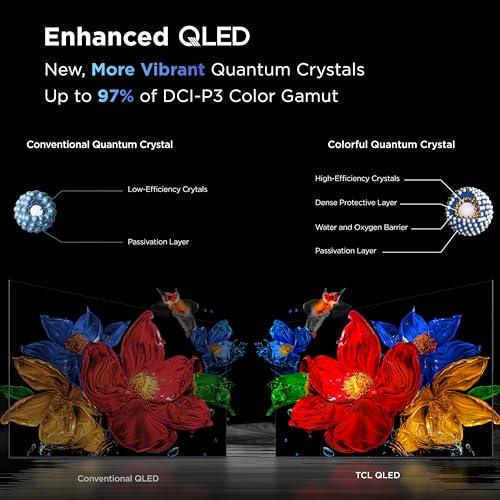
The TCL X11K uses what's called QD-Mini LED technology. The "QD" stands for Quantum Dot, which is essentially a layer of microscopic crystals that can produce incredibly pure, vibrant colors when hit by light. Think of quantum dots as tiny color factories that take blue light and convert it into perfectly saturated reds and greens. TCL combines this with their proprietary Super Micro-OD (Optical Distance) technology, which reduces the distance between the Mini LEDs and the screen surface, theoretically reducing a common problem called blooming.
Blooming is the halo effect you see around bright objects on dark backgrounds—like white text on a black screen creating a glow around the letters. It's the bane of Mini LED TVs, and TCL's approach with over 14,000 individual dimming zones aims to virtually eliminate this issue.
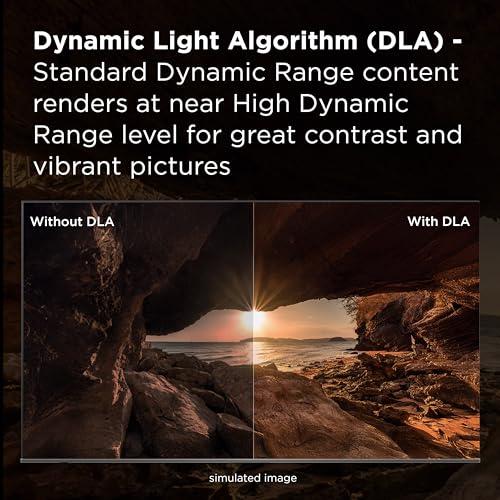
The Sony BRAVIA 5, on the other hand, uses a more traditional Mini LED approach with Sony's XR Backlight Master Drive system. Sony focuses less on having the absolute maximum number of dimming zones and more on intelligent processing. Their XR Processor uses AI to analyze each scene in real-time, deciding how to best control the thousands of Mini LEDs to create the most natural-looking image possible.
Based on our research of professional reviews and user feedback, the difference in real-world performance is fascinating. The TCL excels at high-contrast scenarios—think space movies with bright stars against deep black backgrounds, or action scenes with explosions. The Sony tends to deliver more consistent performance across all types of content, with what reviewers consistently describe as more natural color reproduction.
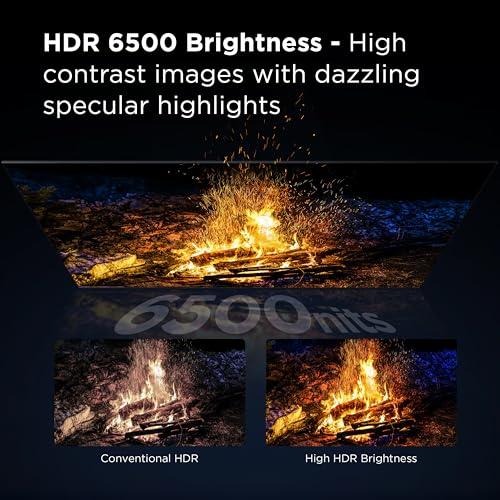
This is where the TCL X11K really flexes its muscles. With a peak brightness of 6,500 nits, it's substantially brighter than the Sony BRAVIA 5, which offers more moderate brightness levels typical of mid-tier Mini LED displays.
To put this in perspective, a typical sunny day outside measures around 100,000 nits, while a bright indoor room might be 100-300 nits. Most standard TVs peak around 400-1,000 nits. HDR (High Dynamic Range) content is mastered to take advantage of displays that can hit 4,000+ nits, so the TCL's 6,500-nit capability means it can actually display HDR content closer to how content creators intended.
This brightness advantage translates to real-world benefits in several scenarios. If you have a bright living room with large windows, the TCL will maintain picture quality even with significant ambient light. For HDR movies and shows, specular highlights—like sunlight reflecting off water, car headlights at night, or explosions—will have much more impact and realism.
However, there's a trade-off here. The Sony BRAVIA 5 takes a more conservative approach to brightness, prioritizing color accuracy and natural image processing over maximum brightness. This can actually be preferable for extended viewing sessions, as extremely bright displays can cause eye fatigue, especially in dimmer rooms.
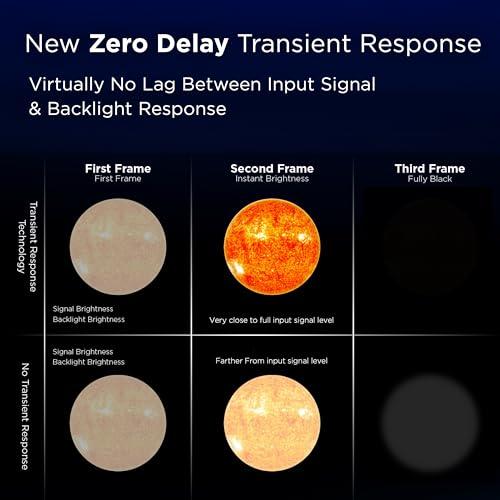
Gaming at 98 inches is an experience unlike anything else, but it requires the TV to keep up with fast-paced action without introducing lag or motion blur.
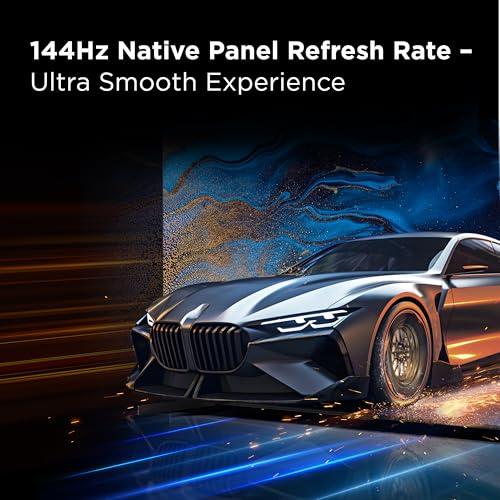
The TCL X11K operates at a native 144Hz refresh rate, which is higher than the Sony's 120Hz. This might seem like a small difference, but it's significant for competitive gaming and future-proofing. The TCL also features Game Accelerator 288 technology, supporting variable refresh rates up to 288Hz in certain modes.
Variable Refresh Rate (VRR) is crucial for modern gaming because it allows the TV to sync its refresh rate with your gaming console or PC's frame rate, eliminating screen tearing and stuttering. Both TVs support VRR, but they use different standards—the TCL supports AMD FreeSync Premium Pro, while the Sony offers G-SYNC compatibility.
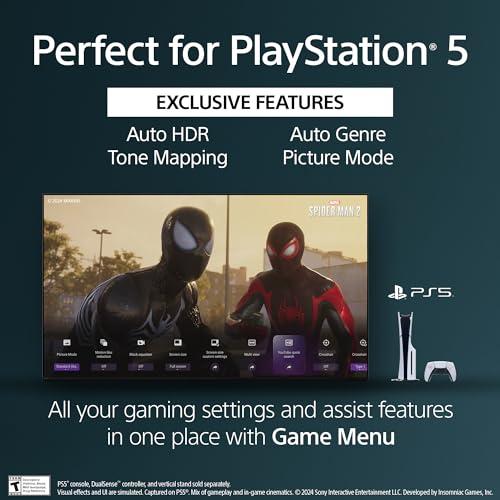
Input lag—the delay between pressing a button and seeing the action on screen—is critical for gaming. Both TVs deliver sub-10ms input lag in their gaming modes, which is excellent. However, based on reviews, the Sony has slightly more refined gaming optimizations, including automatic detection of gaming content and seamless switching to Game Mode.
For most console gamers using PlayStation 5 or Xbox Series X, the Sony's 120Hz is perfectly adequate, as these consoles rarely exceed 120fps. But if you're a PC gamer with a high-end graphics card, or want maximum future-proofing, the TCL's higher refresh rates become more valuable.
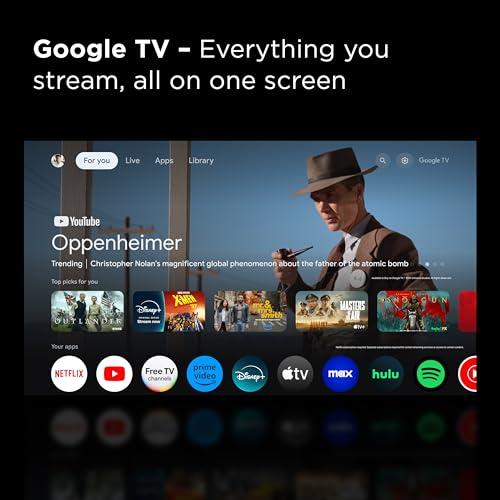
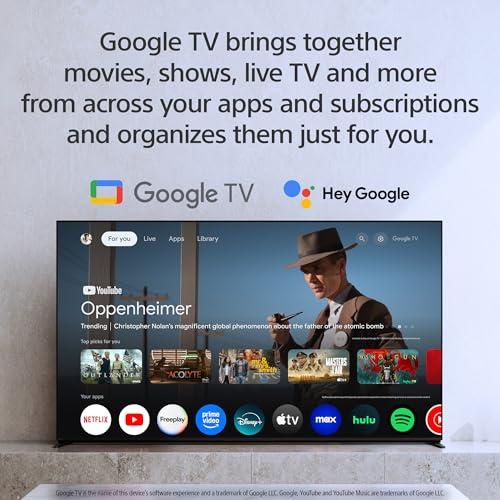
Both TVs run Google TV, but there are important differences in implementation and future support. The Sony BRAVIA 5 ships with Google TV OS version 12, which was the latest available in 2025, suggesting better long-term software support and access to new features.
Smart TV platforms are crucial at this price point because you'll likely keep this TV for 7-10 years. Google TV provides access to all major streaming apps, voice control through Google Assistant, and integration with smart home devices. Both TVs support casting from phones and tablets, but they handle it slightly differently.
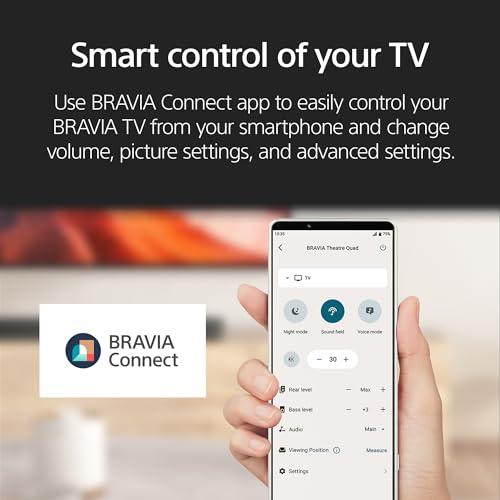
The TCL X11K offers broader voice assistant compatibility, supporting Google Assistant, Amazon Alexa, and Apple HomeKit. This flexibility is valuable if you're already invested in a particular smart home ecosystem. The Sony focuses more deeply on Google integration but also offers unique features like BRAVIA Cam compatibility (sold separately), which can optimize picture and sound based on where you're sitting.
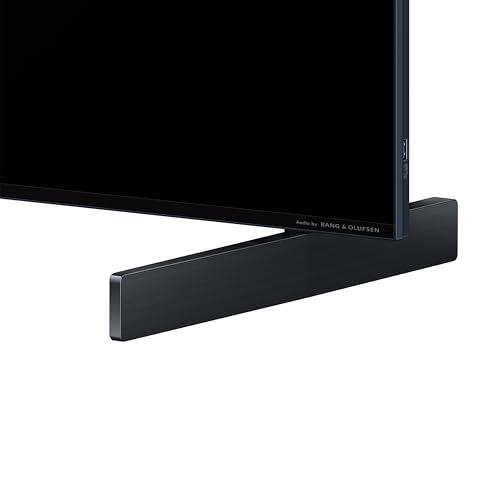
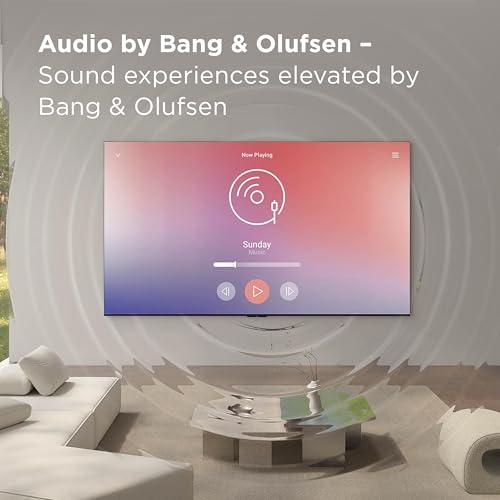
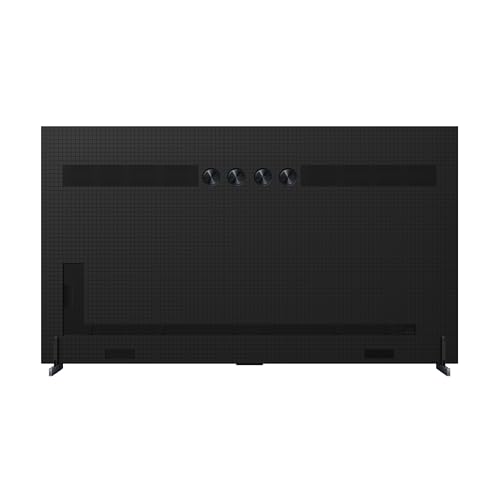
At 98 inches, built-in audio becomes more important because external speakers need to fill a much larger visual experience. The TCL X11K includes a 120-watt Bang & Olufsen audio system with a 2.1.1 channel configuration, including a dedicated subwoofer. This setup provides better bass response and overall audio presence than typical TV speakers.
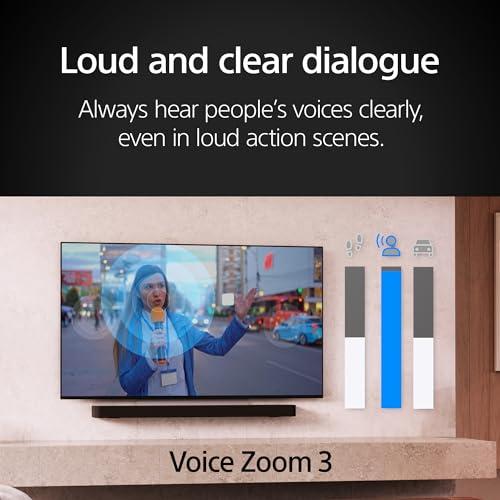
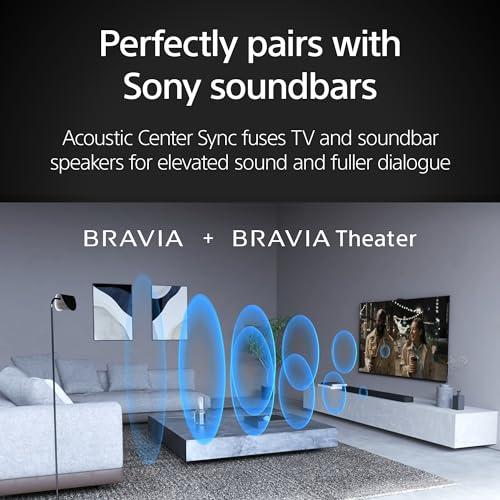
The Sony BRAVIA 5 takes a different approach with its multi-directional speaker system and Acoustic Center Sync technology. While it may not have the raw power of the TCL's system, Sony's audio processing is quite sophisticated. The Acoustic Center Sync feature allows the TV's speakers to work as a center channel when paired with compatible Sony soundbars, creating a more seamless surround sound experience.
For serious home theater enthusiasts, you'll likely want to add a dedicated sound system regardless of which TV you choose. However, the TCL's superior built-in audio makes it more capable as a standalone entertainment center.
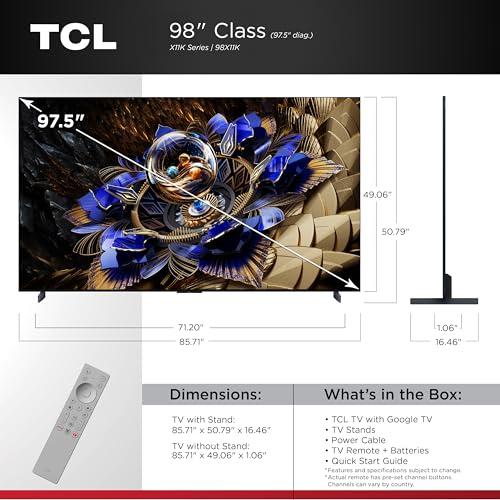
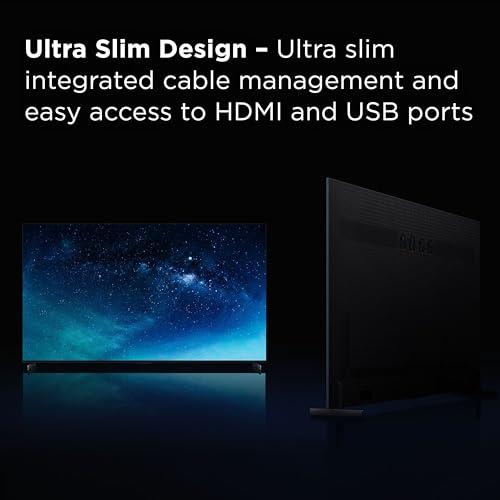
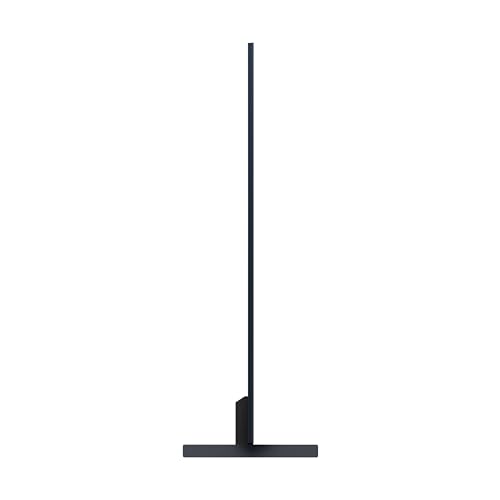
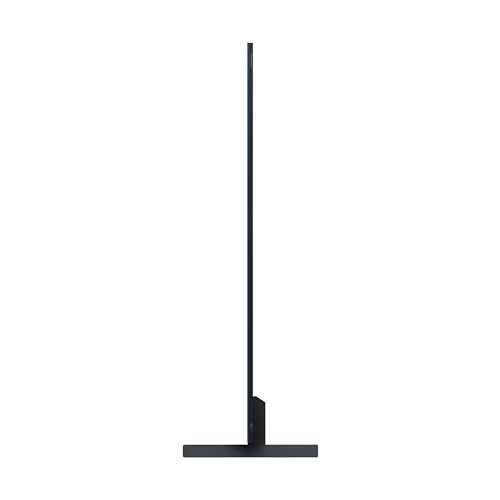
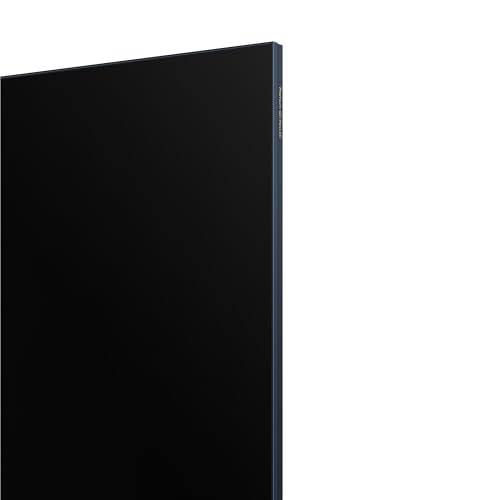
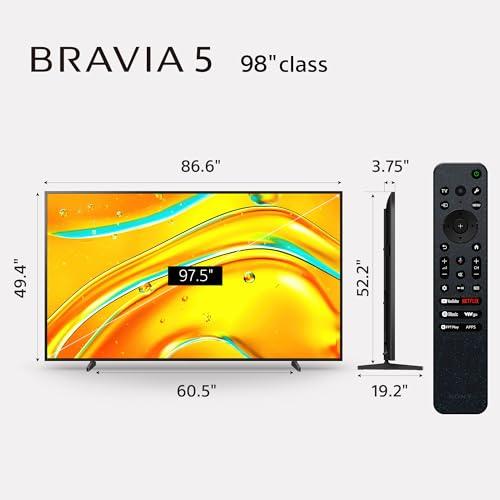
Installing a 98-inch TV is a significant undertaking that affects your entire room layout. The TCL X11K is notably thinner at just 1.1 inches deep without the stand, compared to the Sony's 3.38-inch depth. This difference matters significantly for wall mounting, where every inch counts in achieving a flush, seamless look.
Both TVs weigh over 150 pounds and require robust mounting solutions. The TCL's slimmer profile and integrated cable management system create a more premium, minimalist aesthetic when wall-mounted. The Sony's thicker build, while less elegant, often translates to more robust internal components and better heat dissipation.
At the time of writing, these TVs are positioned in the premium market with the TCL X11K typically commanding a price premium of roughly $800-1,000 over the Sony BRAVIA 5. This pricing difference reflects their different market positioning strategies.
The Sony represents what I'd call "mature premium" technology—proven, refined, and reliable, with excellent performance across all use cases. It's the safer choice that's unlikely to disappoint anyone. The TCL represents "cutting-edge premium" technology, pushing boundaries with maximum brightness, more dimming zones, and advanced gaming features.
In a dedicated home theater room with controlled lighting, both TVs excel, but in different ways. The Sony BRAVIA 5 often provides more accurate colors and better overall image processing, making it excellent for movies and TV shows where color accuracy and natural skin tones matter most.
The TCL X11K shines with content that benefits from extreme brightness and contrast—think sci-fi movies, animated films, or HDR nature documentaries. Its superior blooming control means you get deep blacks alongside brilliant highlights, creating that premium OLED-like contrast without the burn-in risks associated with OLED technology.
For sports viewing, both handle motion well, but the TCL's higher refresh rate provides slightly smoother motion during fast-paced action. The Sony's superior processing often results in more natural motion interpolation when enabled.
After researching extensive professional reviews and user feedback, here's how I'd recommend approaching this decision:
Choose the Sony BRAVIA 5 if you want a reliable, well-rounded premium TV that excels across all content types. It's the better choice for mixed-use scenarios, offers proven long-term reliability, and provides excellent value in the premium 98-inch segment. The color accuracy and image processing are consistently praised across reviews, making it ideal for movie enthusiasts who prioritize natural, cinematic image quality.
Choose the TCL X11K if you want cutting-edge display technology and don't mind paying a premium for it. It's the better choice if you have a bright room, prioritize gaming performance, or want the most impressive HDR experience possible. The advanced blooming control and extreme brightness capabilities make it exceptional for specific use cases, particularly HDR content and gaming.
The reality is that both are excellent TVs that will provide years of enjoyment. Your specific room conditions, viewing habits, and budget will ultimately determine which is right for you. In bright rooms or for HDR enthusiasts, the TCL's advantages justify its premium pricing. For most users seeking proven performance and better value, the Sony represents the smarter choice.
At this size and price point, you're making a long-term investment in your home entertainment setup. Both TVs represent significant improvements over previous generation models, with Mini LED technology finally bringing large-screen TVs closer to the contrast performance of premium OLED displays while maintaining the brightness advantages needed for large rooms and HDR content.
| TCL 98" X11K 4K QD-Mini LED Google TV | Sony BRAVIA 5 98" Mini LED 4K Google TV 2025 |
|---|---|
| Peak Brightness - Critical for HDR impact and bright room performance | |
| 6,500 nits (exceptional for bright rooms and HDR content) | Moderate brightness levels (good for most rooms, less eye strain) |
| Local Dimming Zones - Controls blooming and contrast precision | |
| 14,000+ zones with Super Micro-OD technology | Thousands of zones with XR Backlight Master Drive |
| Refresh Rate - Important for gaming and motion clarity | |
| 144Hz native (future-proof for high-end gaming) | 120Hz (perfectly adequate for current consoles) |
| Display Technology - Affects color vibrancy and accuracy | |
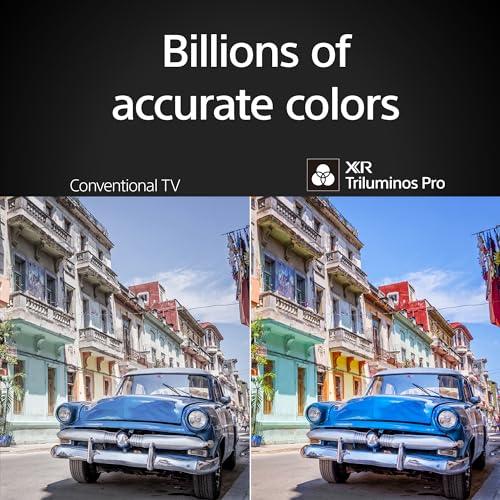
| QD-Mini LED with Quantum Dot (more vibrant colors) | Traditional Mini LED with XR Triluminos Pro (natural colors) |
| Gaming Features - Variable refresh rate support | |
| Game Accelerator 288, AMD FreeSync Premium Pro | G-SYNC compatible, ALLM, excellent Game Mode optimization |
| Smart Platform - Long-term software support | |
| Google TV (version unspecified) | Google TV OS v12 (latest 2025 version, better longevity) |
| Audio System - Built-in sound quality | |
| 120W Bang & Olufsen 2.1.1 with subwoofer | Multi-directional speakers with Acoustic Center Sync |
| Design Profile - Wall mounting aesthetics | |
| Ultra-slim 1.1" depth (premium wall-mount appearance) | Standard 3.38" depth (more robust build quality) |
| Color Gamut Coverage - Color accuracy and vibrancy | |
| 97% DCI-P3 with Quantum Dot enhancement | XR Triluminos Pro (optimized for natural skin tones) |
| Voice Assistant Support - Smart home integration | |
| Google, Alexa, Apple HomeKit compatibility | Primarily Google Assistant with deep integration |
| Blooming Control - Halo reduction around bright objects | |
| Virtually eliminated with Super Micro-OD technology | Well-controlled with XR processing algorithms |
| Value Proposition - Performance per dollar at time of writing | |
| Premium pricing for cutting-edge tech and maximum performance | Better value with proven reliability and well-rounded performance |
The TCL 98" X11K excels in brightness and gaming performance with 6,500 nits peak brightness and 144Hz refresh rate, making it ideal for bright rooms and competitive gaming. The Sony BRAVIA 5 98" offers better overall value with superior color accuracy, proven reliability, and excellent image processing across all content types.
The TCL X11K uses QD-Mini LED technology with 14,000+ dimming zones for extremely bright, vibrant images with minimal blooming. The Sony BRAVIA 5 focuses on natural color reproduction and consistent performance with its XR Triluminos Pro technology and intelligent AI processing.
The TCL 98" X11K is superior for gaming with its 144Hz native refresh rate, Game Accelerator 288 technology, and AMD FreeSync Premium Pro support. The Sony BRAVIA 5 98" offers excellent 120Hz gaming with G-SYNC compatibility and optimized Game Mode, which is perfectly adequate for current consoles.
The TCL X11K performs significantly better in bright rooms due to its exceptional 6,500 nits peak brightness that can overcome ambient lighting. The Sony BRAVIA 5 handles moderate lighting well but may struggle with very bright environments or direct sunlight.
Both the TCL 98" X11K and Sony BRAVIA 5 98" run Google TV, but Sony ships with the latest OS v12 for better long-term support. The TCL offers broader voice assistant compatibility (Google, Alexa, HomeKit) while Sony provides deeper Google integration and BRAVIA Cam support.
The TCL X11K features a superior 120W Bang & Olufsen 2.1.1 audio system with a dedicated subwoofer for better bass response. The Sony BRAVIA 5 offers multi-directional speakers with Acoustic Center Sync technology that works seamlessly with Sony soundbars.
For home theater use, the Sony BRAVIA 5 98" typically provides more natural colors and better overall image processing for movies and TV shows. The TCL 98" X11K excels with HDR content, animated films, and sci-fi movies that benefit from extreme brightness and contrast.
The TCL X11K is better for wall mounting with its ultra-slim 1.1" profile and integrated cable management for a premium appearance. The Sony BRAVIA 5 has a thicker 3.38" depth but offers more robust build quality and better heat dissipation.
The Sony BRAVIA 5 98" typically offers better value with proven performance, reliability, and comprehensive features at a lower price point. The TCL 98" X11K justifies its premium pricing with cutting-edge display technology and maximum performance capabilities.
Yes, both the TCL X11K and Sony BRAVIA 5 run Google TV and support all major streaming services including Netflix, Amazon Prime Video, Disney+, Apple TV+, and YouTube. Both also support casting from mobile devices and voice control.
The TCL 98" X11K delivers superior HDR impact with its 6,500 nits peak brightness, making HDR highlights more realistic and impactful. The Sony BRAVIA 5 98" offers more accurate HDR tone mapping and color reproduction, though with less extreme brightness levels.
The Sony BRAVIA 5 has an advantage in long-term reliability with Sony's established service network, proven track record, and latest Google TV OS v12 for extended software support. The TCL X11K offers newer technology that may provide longer relevance but has less proven long-term reliability data.
We've done our best to create useful and informative comparisons to help you decide what product to buy. Our research uses advanced automated methods to create this comparison and perfection is not possible - please contact us for corrections or questions. These are the sites we've researched in the creation of this article: ecoustics.com - pcrichard.com - tcl.com - valueelectronics.com - bestbuy.com - tcl.com - whathifi.com - tcl.com - youtube.com - displayspecifications.com - whathifi.com - youtube.com - notebookcheck.net - tcl.com - tcl.com - displayspecifications.com - tcl.com - tcl.com - pcguide.com - en.homecinesolutions.fr - youtube.com - tcl.com - tomsguide.com - rtings.com - bestbuy.com - electronics.sony.com - youtube.com - tomsguide.com - youtube.com - avsforum.com - lueckeaudiovideo.com - pro.sony - bestbuy.com - sony.com - pioneertvandappliance.com - youtube.com - valueelectronics.com - heartlandappliance.com - schaeferstv.com

Privacy Policy
Terms and Conditions - Affiliate Policy
Home Security
© Copyright 2008-2026.
11816 Inwood Rd #1211, Dallas, TX 75244