


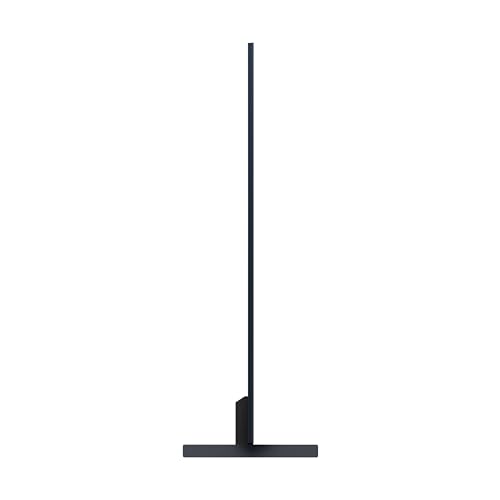
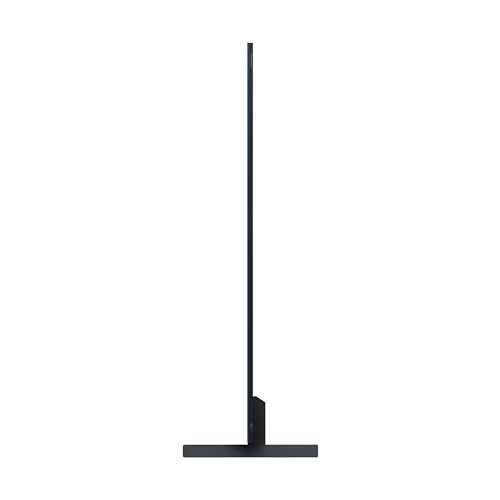
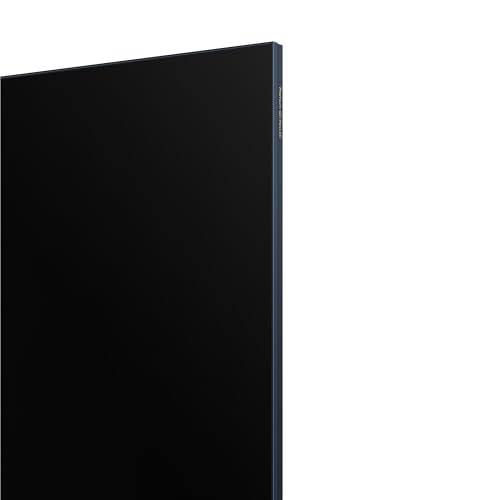
The 98-inch TV market has exploded over the past few years, transforming what was once a luxury reserved for the ultra-wealthy into something approaching mainstream accessibility. These massive displays promise a cinema-like experience without the hassle of projector setups, screens, or complete room blackouts. But with great size comes great responsibility—choosing the wrong 98-inch TV means living with a very large, very expensive mistake for years to come.
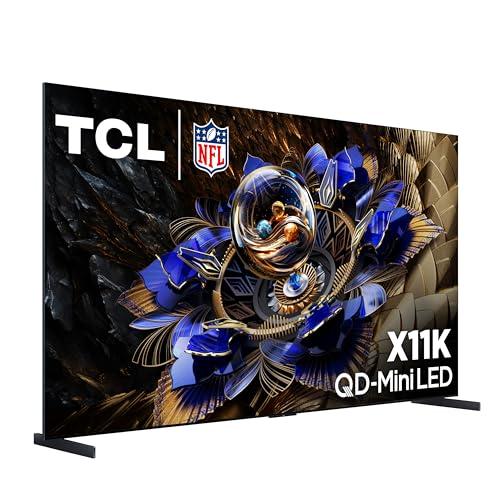
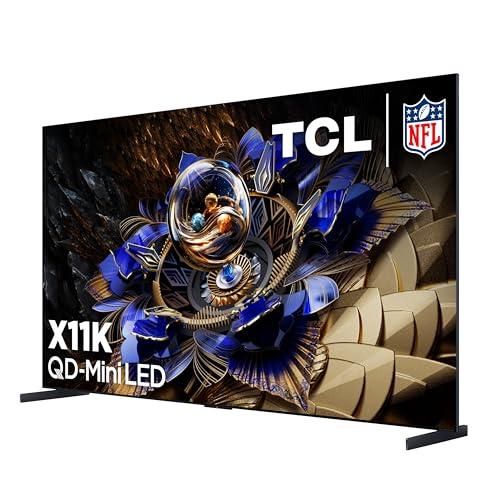
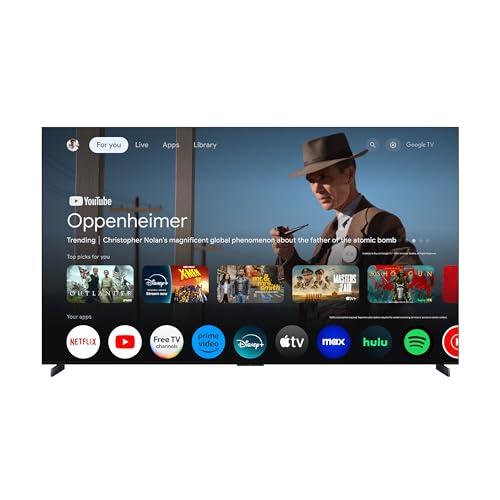
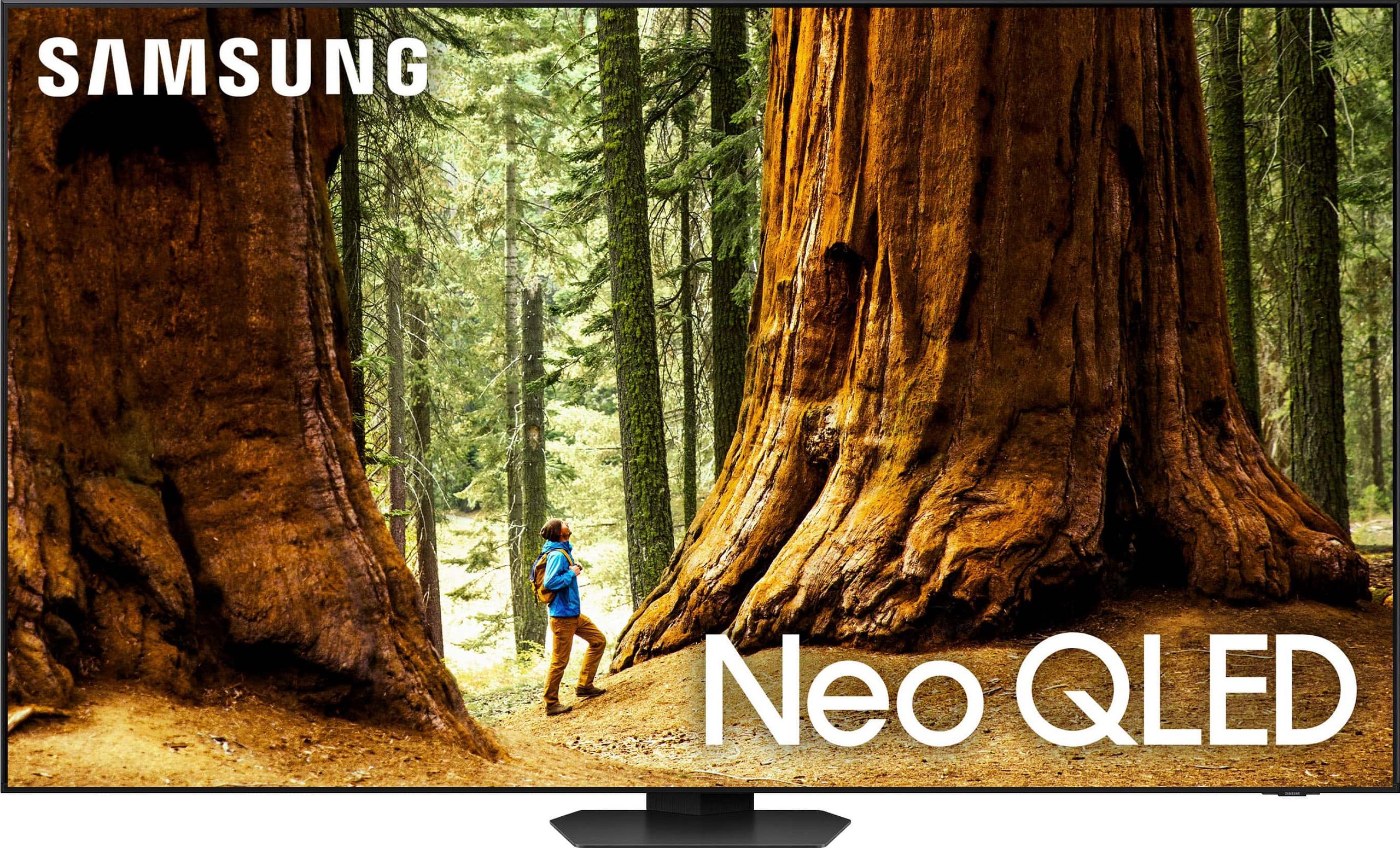
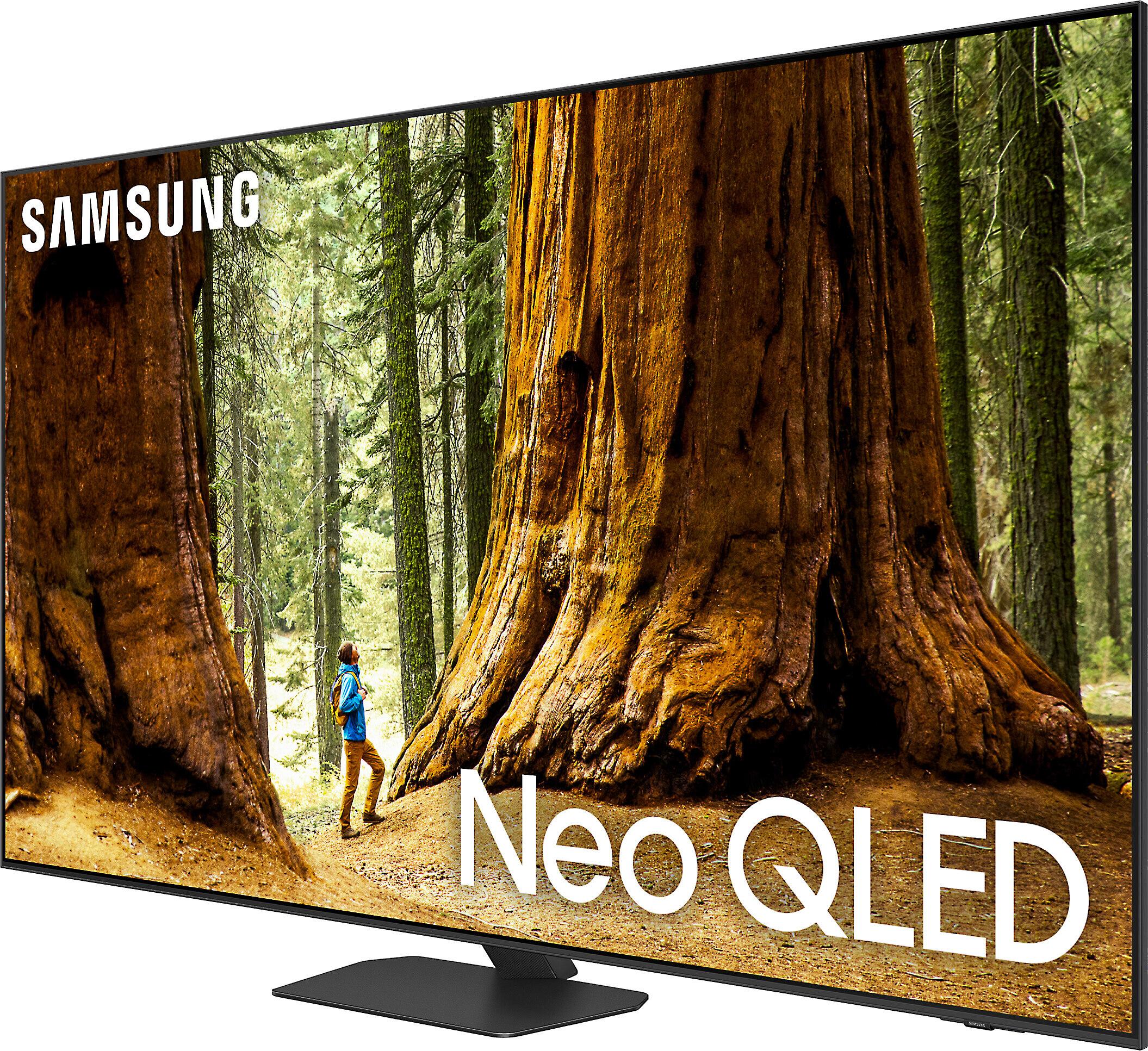
Today we're comparing two heavyweight contenders that represent different philosophies in the premium large-screen TV space: the TCL 98" X11K 4K QD-Mini LED Google TV and the Samsung 98" QN90D Series Neo QLED 4K Smart TV. Released in 2024 and 2025 respectively, these TVs showcase how rapidly display technology has evolved, with both featuring mini-LED backlighting systems that were cutting-edge just a few years ago.
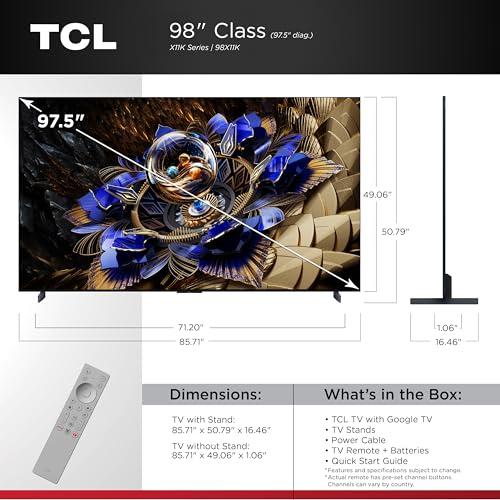
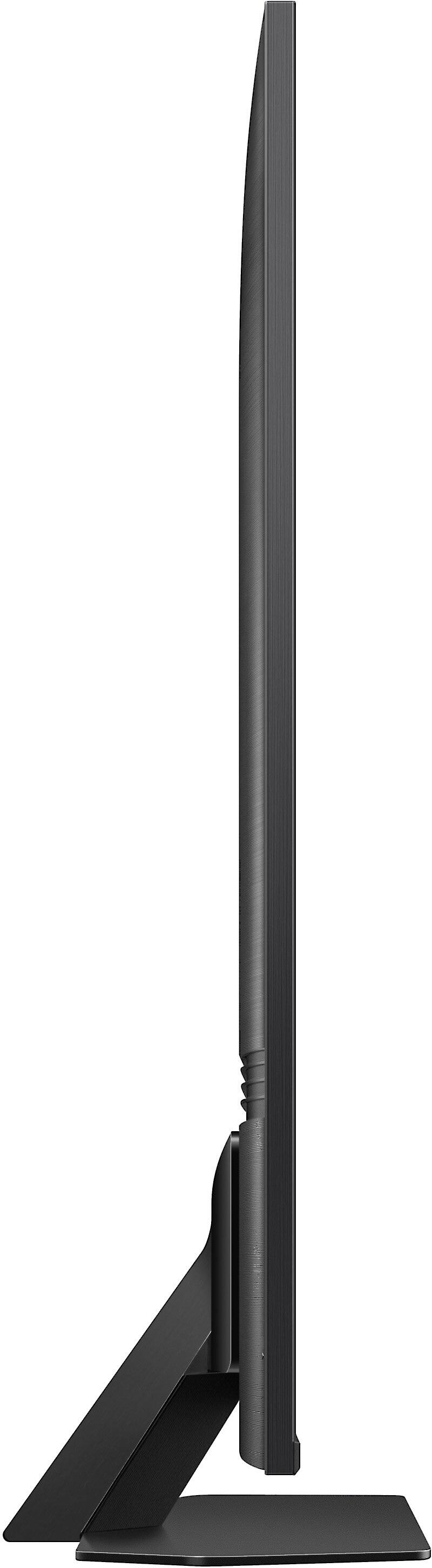
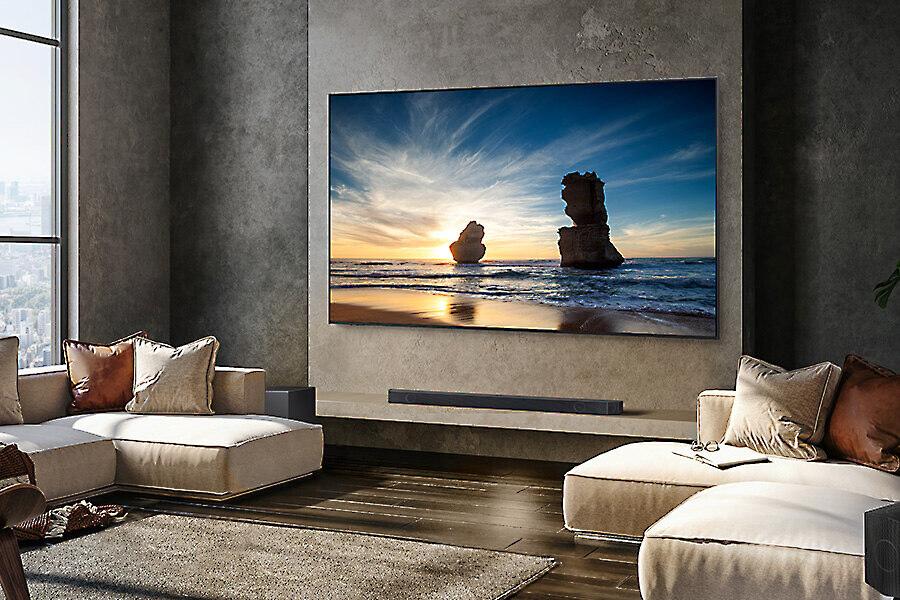
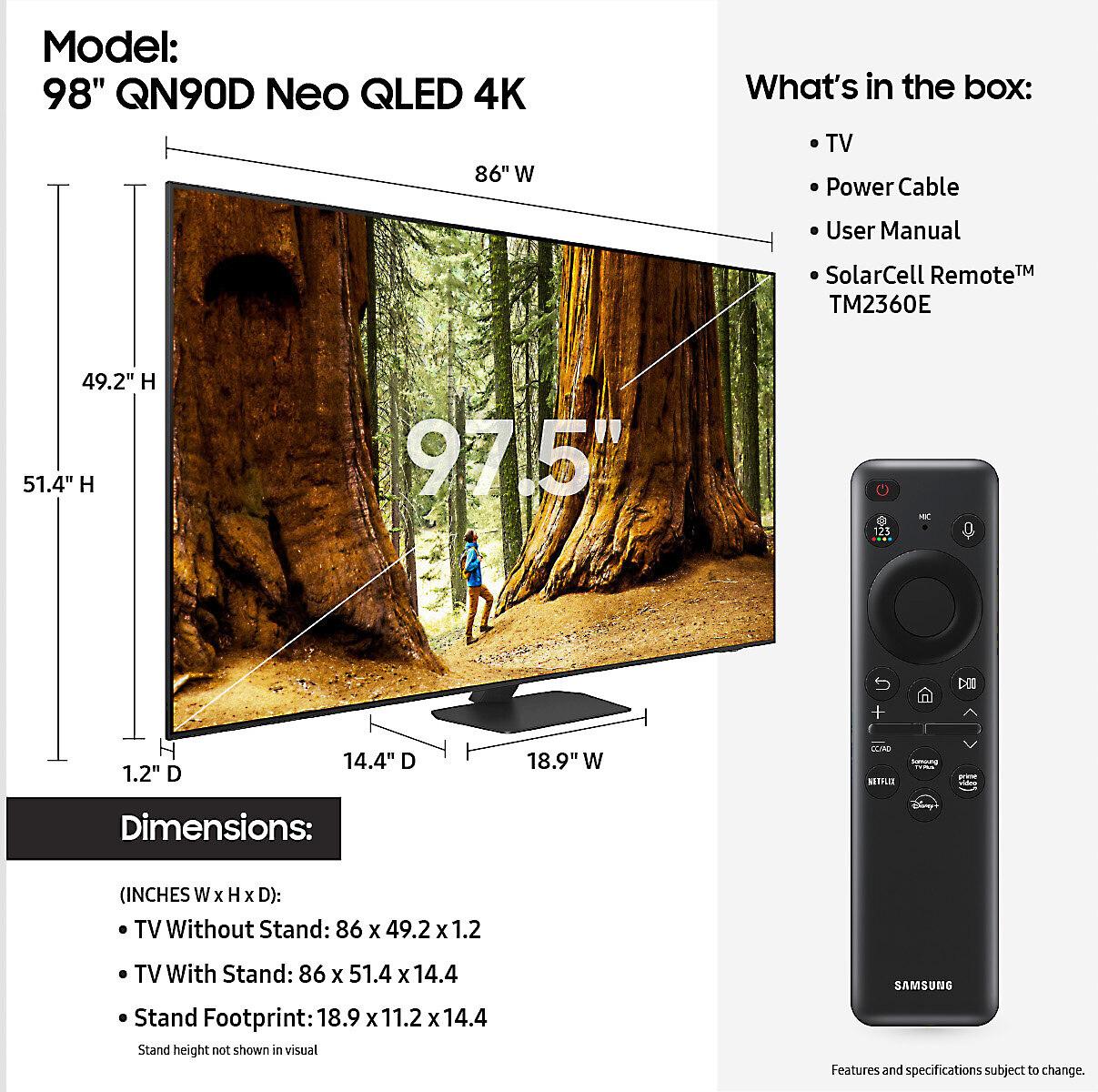
Before diving into the specifics, it's crucial to understand what you're getting into with a 98-inch display. At this size, you're looking at a screen that's roughly 8 feet wide and 4.5 feet tall—larger than most people's bedroom windows. The recommended viewing distance is 12-16 feet, meaning these TVs are designed for large living rooms, basements, or dedicated home theaters.
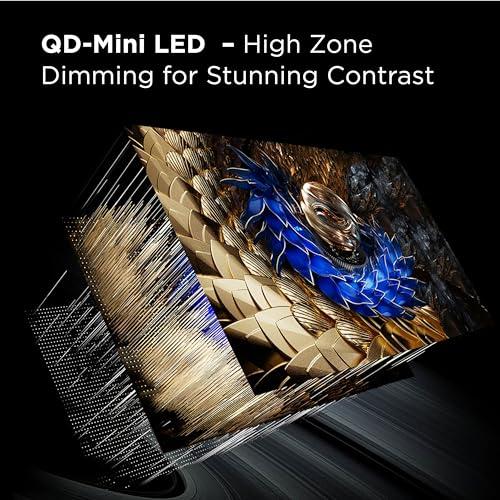
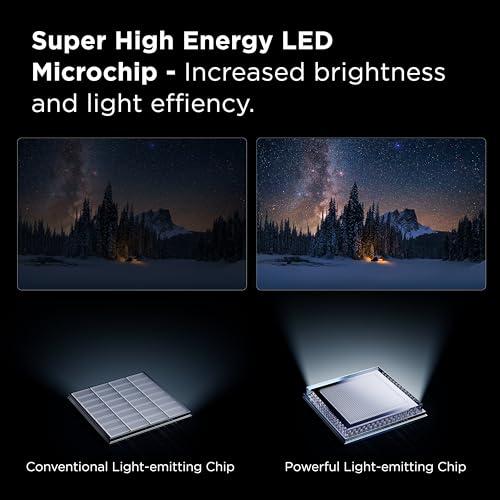
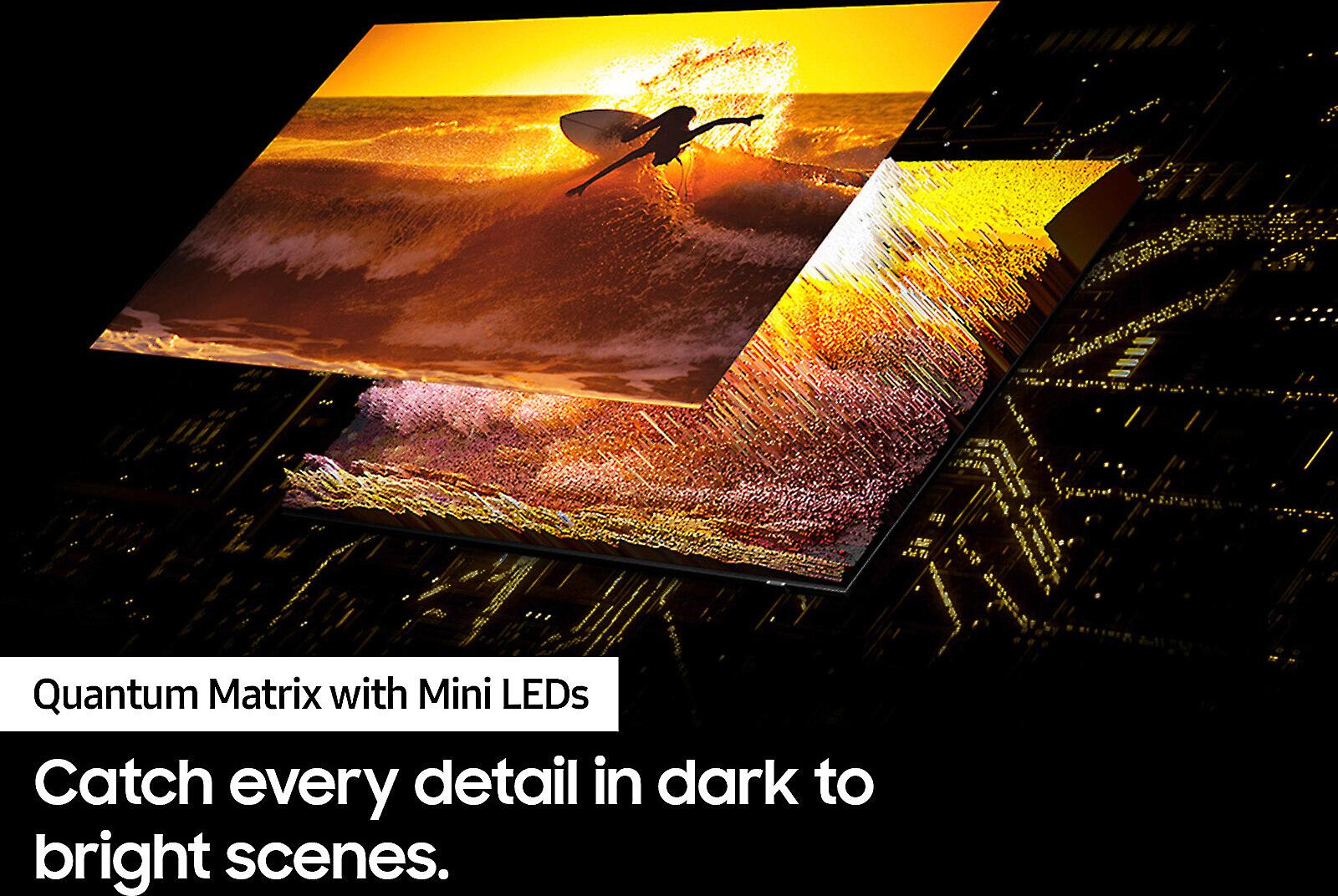
The technical challenges at this size are immense. Traditional LED backlighting creates noticeable brightness uniformity issues across such a large panel, which is why both the TCL X11K and Samsung QN90D use mini-LED technology. Mini-LEDs are roughly 1/40th the size of conventional LEDs, allowing for thousands of individual dimming zones across the screen. This means the TV can make specific areas darker or brighter independently, creating the deep blacks and bright highlights that make HDR content truly spectacular.
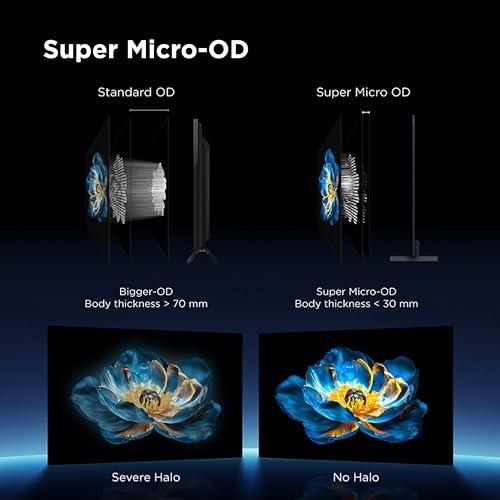
Local dimming zones are essentially small sections of the backlight that can be controlled independently. Think of it like having thousands of tiny flashlights behind your TV screen, each one adjustable from completely off to maximum brightness. More zones generally mean better contrast and less "blooming"—that annoying halo effect you sometimes see around bright objects on dark backgrounds.
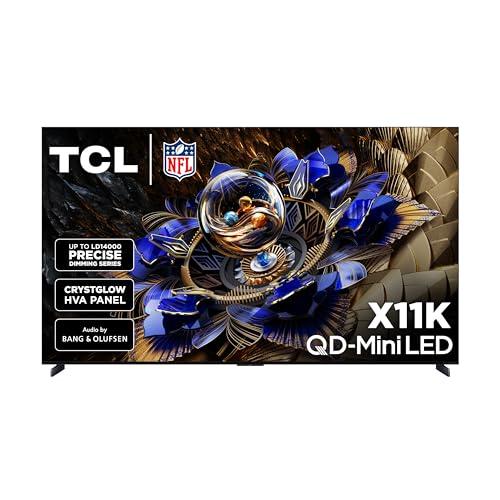
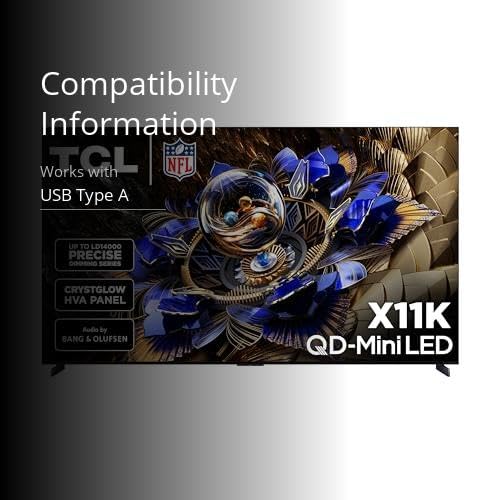
The most significant difference between these TVs lies in their approach to display technology, and the numbers tell a dramatic story. The TCL X11K packs an astounding 14,000 local dimming zones compared to the Samsung's approximately 2,000 zones. That's seven times more precise control over the backlight.
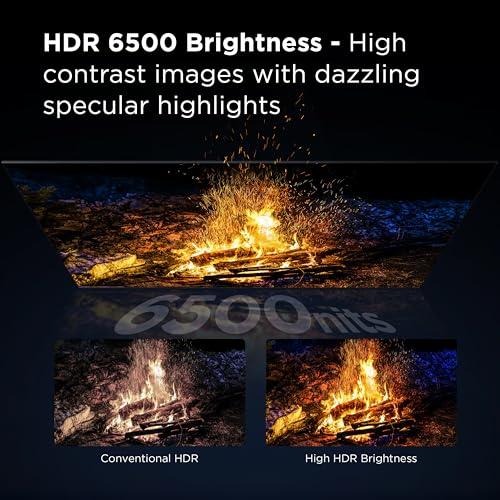
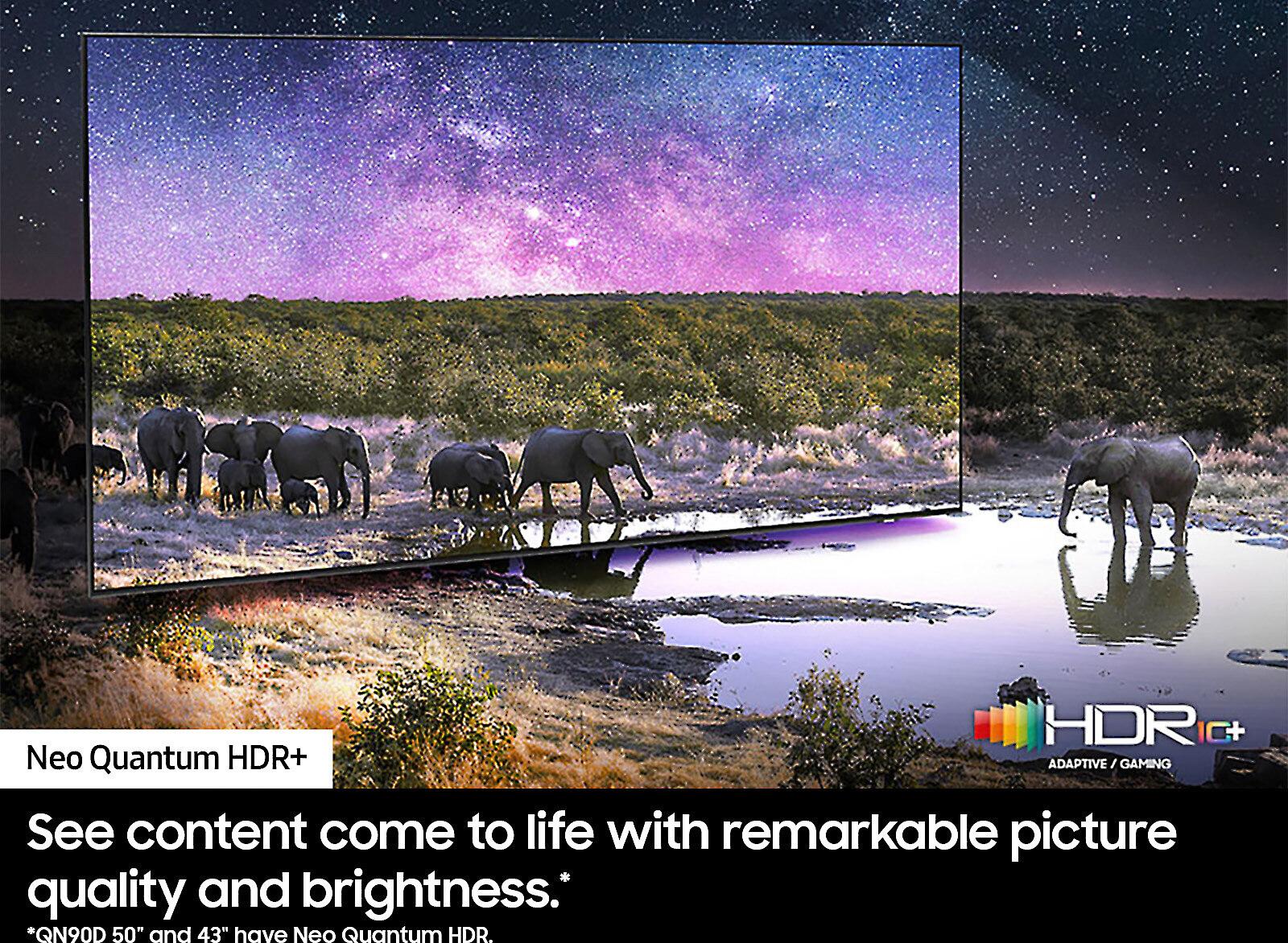
But raw numbers don't tell the whole story. The TCL X11K achieves peak brightness levels of 6,500 nits—a measurement of how bright the TV can get—while the Samsung QN90D reaches 4,000 nits. To put this in perspective, a typical sunny day measures around 100,000 nits, while most standard TVs max out at 400-1,000 nits. Both of these TVs are exceptionally bright, but the TCL's advantage means it can display HDR content with more dramatic highlights and maintain detail in bright scenes even in well-lit rooms.
The Samsung QN90D, however, leverages Samsung's mature mini-LED implementation with what they call Quantum Matrix Technology. Samsung has been refining this technology longer than TCL, and it shows in their more consistent performance across different types of content. Their Neural Quantum Processor 4K is particularly impressive at upscaling lower-resolution content—a crucial capability since not everything you watch will be pristine 4K.
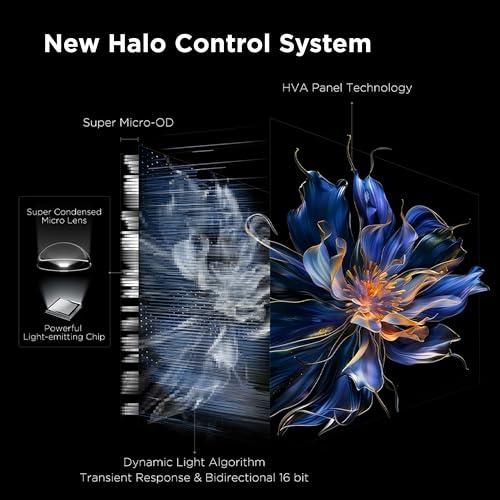
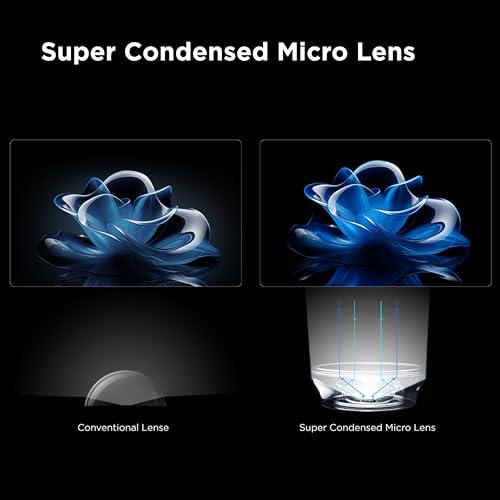
TCL's approach with the X11K focuses on brute-force performance. Their proprietary Halo Control System uses advanced algorithms and hardware innovations like super condensed micro lenses to minimize the blooming effect that can occur with mini-LED displays. When researching user experiences, we consistently found that the TCL delivers more dramatic HDR highlights, particularly in bright rooms where many TVs struggle.
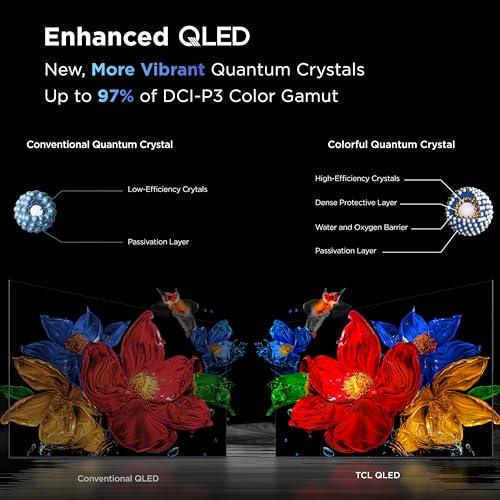
For color reproduction, both TVs use quantum dot technology, which enhances color accuracy and vibrancy. The TCL X11K covers 97% of the DCI-P3 color space—the standard used by movie studios—while displaying over one billion individual colors. The Samsung QN90D doesn't publish specific DCI-P3 coverage numbers, but Samsung's quantum dot implementation has historically been excellent for color accuracy out of the box.
Gaming capabilities have become increasingly important in premium TVs, especially as PlayStation 5 and Xbox Series X push higher frame rates and variable refresh rates (VRR). VRR allows the TV to synchronize its refresh rate with the console's output, eliminating screen tearing and stuttering.
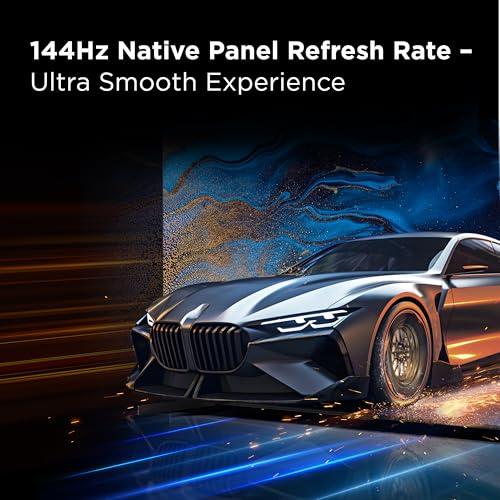
The TCL X11K takes a more aggressive approach to gaming specs. Its native 144Hz refresh rate and support for up to 288Hz VRR through its Game Accelerator technology puts it at the cutting edge of gaming displays. Most games don't currently support such high frame rates, but this future-proofs the TV for upcoming titles and ensures incredibly smooth motion in fast-paced content.
The Samsung QN90D takes a more practical approach with its 40-120Hz variable refresh rate and Motion Xcelerator technology. Samsung's implementation focuses on optimization rather than raw numbers, with features like Auto Game Mode that automatically adjusts settings when it detects gaming consoles. The Samsung Gaming Hub also integrates cloud gaming services directly into the TV, eliminating the need for additional hardware for some gaming scenarios.
Input lag—the delay between pressing a button and seeing the action on screen—is crucial for competitive gaming. Based on our research of technical reviews, both TVs achieve excellent input lag performance under 10 milliseconds in game mode, which is imperceptible to most users.
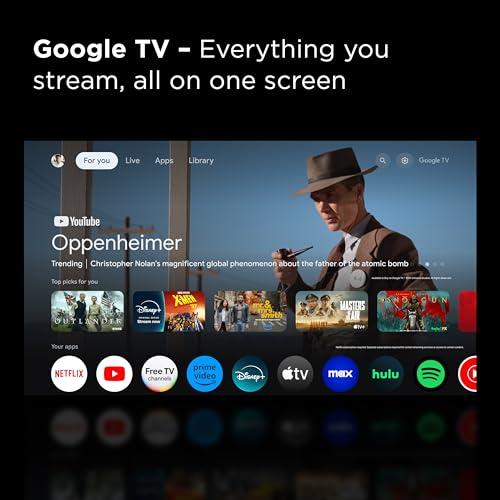
The smart TV experience represents a fundamental philosophical difference between these manufacturers. The TCL X11K runs Google TV, which is essentially Android TV with a more polished interface. This platform excels in content discovery, using Google's algorithms to suggest shows and movies across all your installed apps. The integration with Google services is seamless—you can cast directly from your phone, use voice commands through Google Assistant, and access the full Google Play Store for apps.
Samsung's Tizen OS on the QN90D takes a more curated approach. While it doesn't have access to Google's vast app ecosystem, Samsung partners directly with major streaming services to ensure optimized performance. The interface feels more responsive and polished, though it can feel restrictive if you're used to the flexibility of Android-based systems.
For smart home integration, the TCL X11K works with Google Assistant, Amazon Alexa, and Apple HomeKit, making it broadly compatible. The Samsung QN90D integrates deeply with Samsung's SmartThings ecosystem, which is excellent if you're already invested in Samsung appliances and devices but less flexible otherwise.
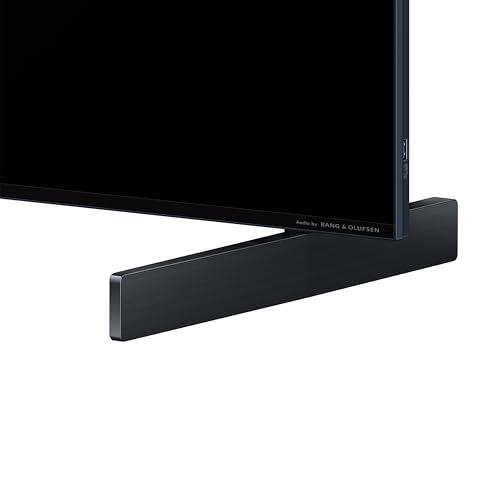
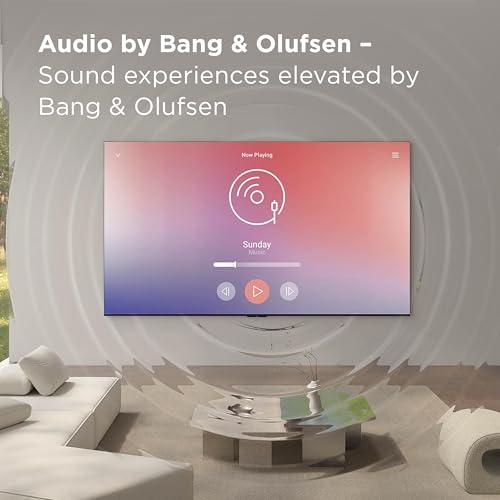
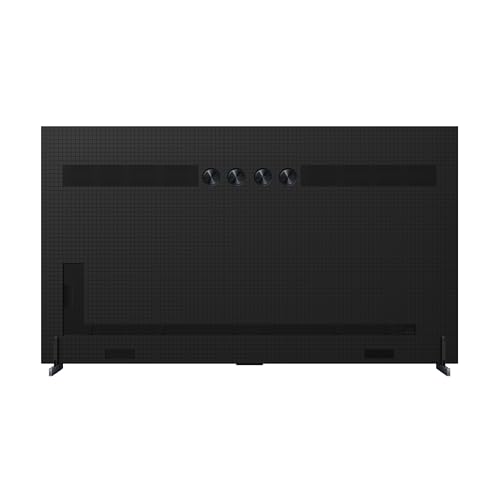
At 98 inches, built-in audio quality becomes more important because the TV dominates the room. The TCL X11K partners with Bang & Olufsen for its audio system, delivering 120 watts through a 2.1.1 channel setup with a dedicated subwoofer. This configuration provides more powerful bass response than typical TV speakers, and the Dolby Atmos support creates a sense of three-dimensional sound.
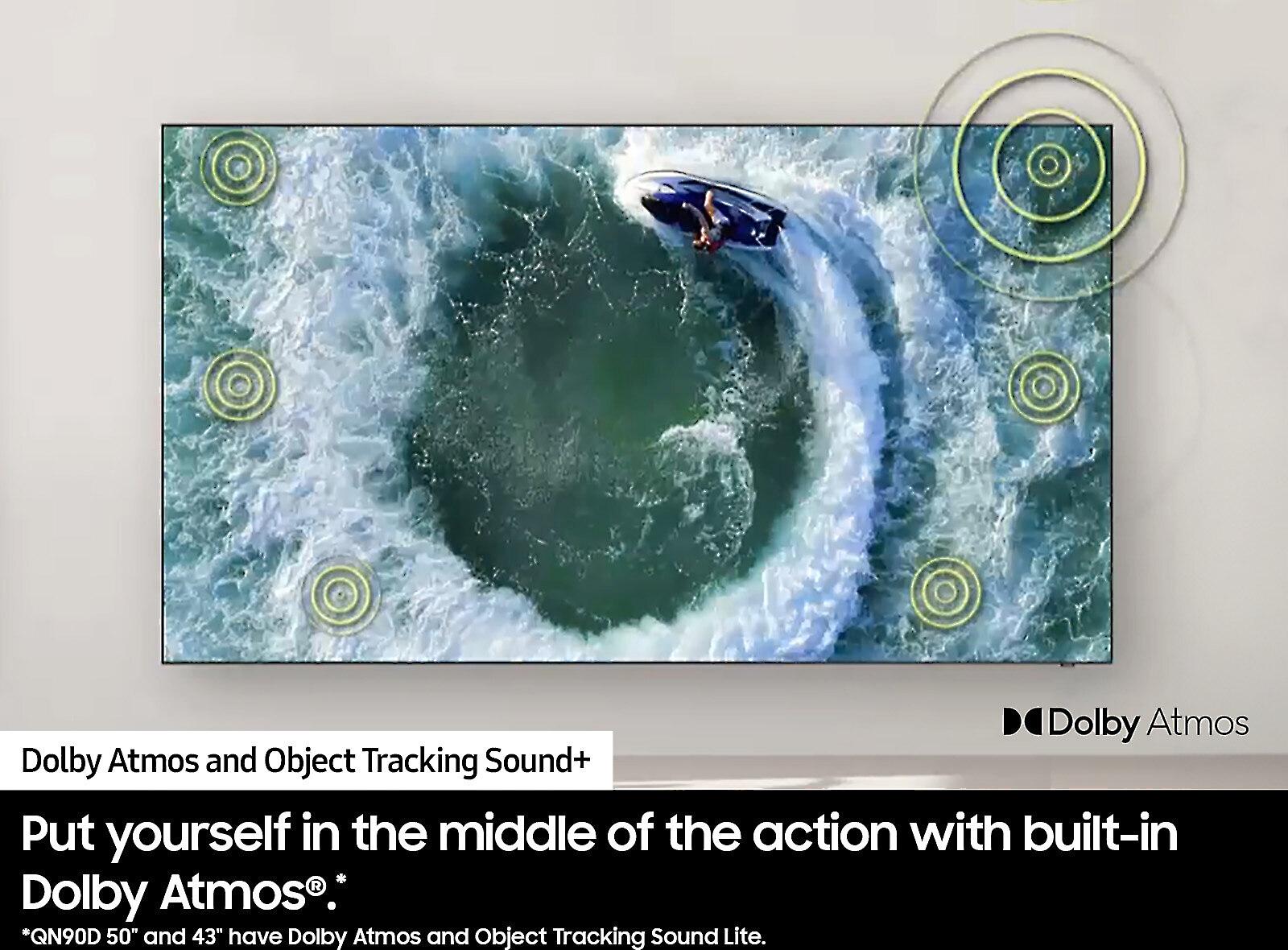
The Samsung QN90D uses Object Tracking Sound+ technology, which is more about intelligent sound processing than raw power. This system analyzes the content and tries to position sound effects to match the action on screen—dialogue comes from the center, while action moves across the soundbar as objects move across the screen.
Both systems are significant improvements over standard TV audio, but neither replaces a dedicated home theater sound system. However, for casual viewing or situations where external speakers aren't practical, the TCL's more powerful audio hardware provides a more impactful experience.
In a dedicated home theater setup, these differences become more pronounced. The TCL X11K's superior brightness and local dimming zones deliver more dramatic HDR performance, which is crucial for the cinematic experience. The higher brightness also means you don't need complete darkness to enjoy HDR content properly—useful for multi-purpose rooms.
The Samsung QN90D's strength in upscaling becomes valuable in home theater settings where you might watch older movies or content from various sources. Samsung's processing tends to handle motion more smoothly, reducing the soap opera effect that can make movies look artificially smooth.
For wall mounting—common in home theaters—both TVs present challenges due to their size and weight. The TCL X11K weighs approximately 152 pounds without the stand, while the Samsung QN90D comes in at about 167 pounds. Professional installation is highly recommended for both, but the weight difference might influence mounting hardware costs.
At the time of writing, there's a significant price gap between these TVs, with the TCL X11K positioned substantially lower than the Samsung QN90D. This price difference—often several thousand dollars—makes the value equation central to the decision.
The TCL X11K delivers objectively superior display specifications at a lower price point. You're getting more brightness, more local dimming zones, and more advanced gaming features for less money. This represents exceptional value for performance-focused buyers who prioritize picture quality above all else.
The Samsung QN90D justifies its premium through build quality, brand reliability, and ecosystem integration. Samsung's longer track record with premium TVs translates to more predictable performance and better long-term support. The resale value also tends to hold better for Samsung products.
After extensive research and analysis, the choice comes down to your priorities and budget constraints.
Choose the TCL X11K if you're primarily focused on getting the best possible picture quality for your money. The superior brightness and local dimming zones make it exceptional for HDR content, and the gaming features future-proof it for next-generation consoles. The Google TV platform provides excellent app selection and smart home integration. This TV excels in bright rooms and delivers dramatic HDR performance that rivals much more expensive displays.
The Samsung QN90D makes more sense if brand reliability and ecosystem integration matter more than raw specifications. Samsung's superior upscaling technology benefits users who watch varied content sources, and the more refined smart TV experience appeals to users who prefer polish over flexibility. If you're already invested in Samsung's ecosystem or prioritize long-term reliability over cutting-edge features, the premium is justifiable.
For most buyers, especially those setting up home theaters or seeking maximum value, the TCL X11K represents the better choice. The combination of superior display technology and significantly lower pricing makes it difficult to justify the Samsung's premium unless specific features align with your needs.
However, if budget isn't your primary concern and you value the peace of mind that comes with established brand reliability, the Samsung QN90D delivers a refined experience that justifies its positioning in the premium market.
The 98-inch TV market continues to evolve rapidly, with both manufacturers pushing the boundaries of what's possible at consumer price points. Regardless of which you choose, both TVs represent significant improvements over displays from just a few years ago, bringing cinema-quality experiences into our homes in ways that seemed impossible not long ago.
| TCL 98" X11K 4K QD-Mini LED Google TV | Samsung 98" QN90D Series Neo QLED 4K Smart TV |
|---|---|
| Peak Brightness - Critical for HDR performance and bright room viewing | |
| 6,500 nits (exceptional for any lighting condition) | 4,000 nits (excellent, handles most bright rooms well) |
| Local Dimming Zones - Controls contrast and reduces blooming around bright objects | |
| 14,000 zones (industry-leading precision) | ~2,000 zones (very good, mature implementation) |
| Native Refresh Rate - Important for smooth motion and gaming | |
| 144Hz native (future-proof for high-end gaming) | 120Hz variable (40-120Hz, optimized for current consoles) |
| Gaming VRR Support - Eliminates screen tearing and stuttering | |
| Up to 288Hz with Game Accelerator (cutting-edge specs) | 40-120Hz Motion Xcelerator (practical, well-optimized) |
| Smart TV Platform - Affects app selection and user experience | |
| Google TV (vast app ecosystem, excellent casting) | Tizen OS (polished interface, Samsung ecosystem integration) |
| Audio System - Built-in sound quality matters at this screen size | |
| 120W Bang & Olufsen 2.1.1 with subwoofer | Object Tracking Sound+ with spatial processing |
| HDR Format Support - Determines compatibility with premium content | |
| Dolby Vision IQ, HDR10+, HDR10, HLG | HDR10+, Dolby Vision IQ, HLG |
| Voice Control Integration - Smart home and hands-free operation | |
| Google Assistant, Alexa, Apple HomeKit | Samsung Bixby, Alexa, Google Assistant |
| Content Upscaling - How well it improves lower-resolution sources | |
| AiPQ Pro Processor (good AI enhancement) | Neural Quantum Processor 4K (industry-leading upscaling) |
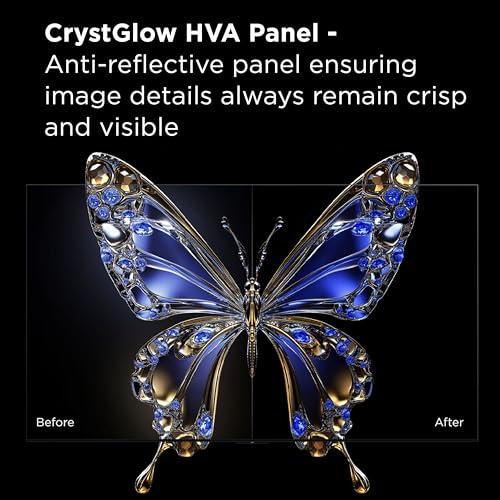
| Anti-Reflection Technology - Reduces glare in bright rooms | |
| Nanoscale anti-reflection film | Premium anti-reflection coating (best-in-class) |
| Weight Without Stand - Installation and mounting considerations | |
| 151.7 lbs (slightly lighter for mounting) | 166.9 lbs (heavier, requires robust mounting) |
| Brand Track Record - Long-term reliability and support expectations | |
| Rapidly improving quality, aggressive pricing | Established premium brand with proven reliability |
The TCL 98" X11K delivers superior raw picture performance with 6,500 nits peak brightness and 14,000 local dimming zones, creating more dramatic HDR highlights and deeper blacks. The Samsung 98" QN90D offers excellent picture quality with 4,000 nits brightness and superior upscaling technology that makes lower-resolution content look better. For pure HDR performance, the TCL X11K has the edge, while Samsung excels at improving varied content sources.
The TCL 98" X11K offers more aggressive gaming specs with 144Hz native refresh rate and up to 288Hz VRR support, making it more future-proof for high-end gaming. The Samsung 98" QN90D provides 40-120Hz variable refresh rate with excellent optimization for current PlayStation 5 and Xbox Series X consoles, plus integrated Samsung Gaming Hub for cloud gaming.
Both TVs handle bright rooms well, but the TCL X11K has a significant advantage with its 6,500 nits peak brightness compared to Samsung's 4,000 nits. However, the Samsung QN90D features superior anti-reflection coating technology that reduces glare. For maximum brightness to overcome ambient light, choose the TCL X11K.
The TCL 98" X11K runs Google TV, offering extensive app selection, excellent casting capabilities, and broad smart home compatibility with Google Assistant, Alexa, and Apple HomeKit. The Samsung 98" QN90D uses Tizen OS, providing a more polished interface with deep Samsung ecosystem integration but fewer app options. Google TV offers more flexibility, while Tizen provides a more curated experience.
The TCL X11K provides exceptional value with superior display specifications at a significantly lower price point. You get more brightness, local dimming zones, and gaming features for less money. The Samsung QN90D commands a premium for brand reliability, build quality, and mature technology implementation. The TCL offers better performance per dollar.
The TCL 98" X11K features a 120-watt Bang & Olufsen 2.1.1 audio system with a dedicated subwoofer, providing more powerful sound output. The Samsung 98" QN90D uses Object Tracking Sound+ technology that intelligently positions audio effects to match on-screen action. The TCL X11K delivers more impactful audio power, while Samsung focuses on spatial audio processing.
For dedicated home theaters, the TCL X11K excels with its superior brightness and 14,000 local dimming zones, creating more dramatic HDR performance crucial for cinematic viewing. The higher brightness also means you don't need complete darkness. The Samsung QN90D offers excellent motion processing and upscaling for varied movie sources, making it ideal for mixed content viewing in home theaters.
Both TVs support major HDR formats including Dolby Vision IQ and HDR10+. The TCL X11K delivers more impactful HDR performance due to its higher 6,500 nits peak brightness and superior local dimming precision. The Samsung QN90D provides excellent HDR quality with more consistent performance across different content types and better tone mapping for varied sources.
The Samsung 98" QN90D has an established track record for premium TV build quality, longer warranty support, and better long-term reliability based on brand history. The TCL X11K represents rapidly improving build quality with aggressive feature adoption, though it's a newer player in the premium segment. Samsung offers more predictable long-term performance and support.
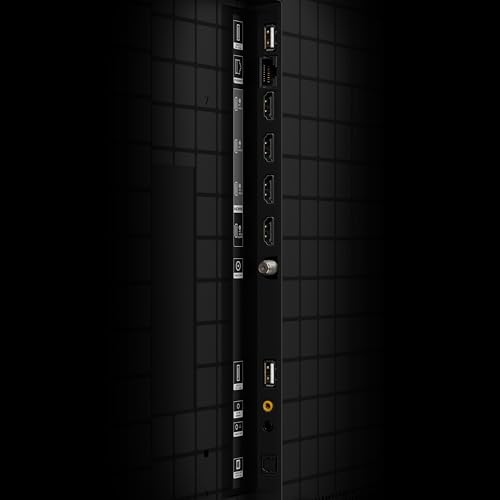
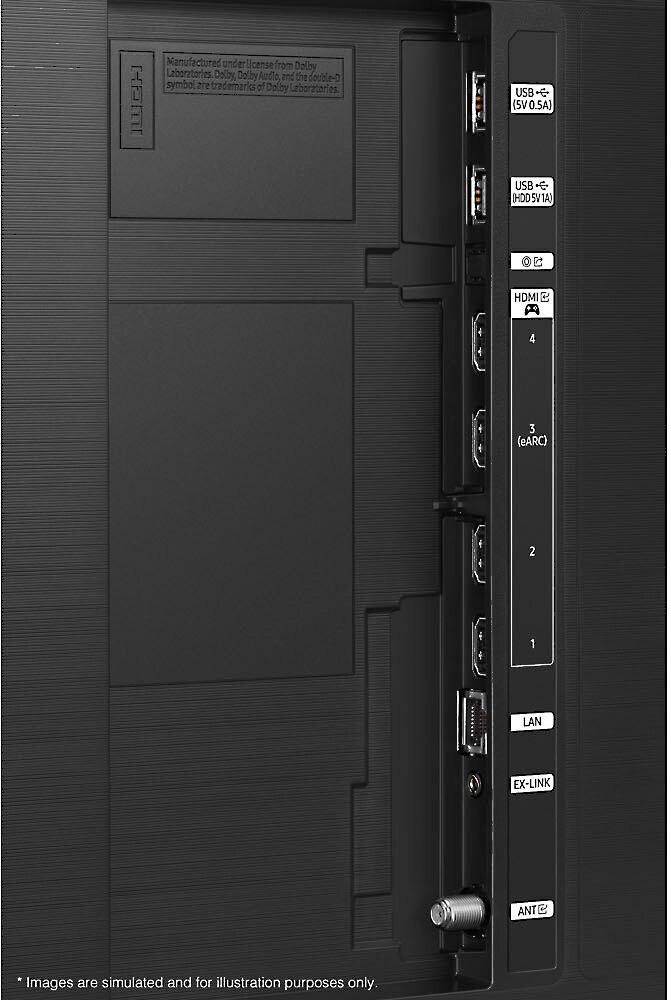
The TCL X11K features Wi-Fi 6 connectivity, multiple HDMI 2.1 ports, and broad compatibility with streaming services through Google TV. The Samsung QN90D offers four HDMI 2.1 ports, comprehensive connectivity options, and deep integration with Samsung devices and SmartThings ecosystem. Both provide excellent connectivity, with Samsung offering slightly more HDMI ports.
The Samsung 98" QN90D typically offers a more streamlined setup process and polished daily user experience through its refined Tizen interface. The TCL X11K with Google TV provides more customization options and app flexibility but may require more initial setup. Samsung focuses on simplicity, while the TCL X11K offers more control and personalization options.
Both TVs excel at sports with high refresh rates and excellent motion handling. The TCL X11K offers higher native refresh rates for ultra-smooth motion, while the Samsung QN90D provides superior motion processing algorithms that reduce blur. The TCL's higher brightness also helps in bright sports bars or living rooms. Both deliver excellent sports viewing with slight advantages in different areas.
We've done our best to create useful and informative comparisons to help you decide what product to buy. Our research uses advanced automated methods to create this comparison and perfection is not possible - please contact us for corrections or questions. These are the sites we've researched in the creation of this article: ecoustics.com - pcrichard.com - tcl.com - valueelectronics.com - bestbuy.com - tcl.com - whathifi.com - tcl.com - youtube.com - displayspecifications.com - whathifi.com - youtube.com - notebookcheck.net - tcl.com - tcl.com - displayspecifications.com - tcl.com - tcl.com - pcguide.com - en.homecinesolutions.fr - youtube.com - tcl.com - rtings.com - rtings.com - youtube.com - youtube.com - fullcompass.com - digitalhomecreations.com - jeffsappliance.com - bestbuy.com - displayspecifications.com - samsung.com - samsung.com - image-us.samsung.com - youtube.com

Privacy Policy
Terms and Conditions - Affiliate Policy
Home Security
© Copyright 2008-2026.
11816 Inwood Rd #1211, Dallas, TX 75244