


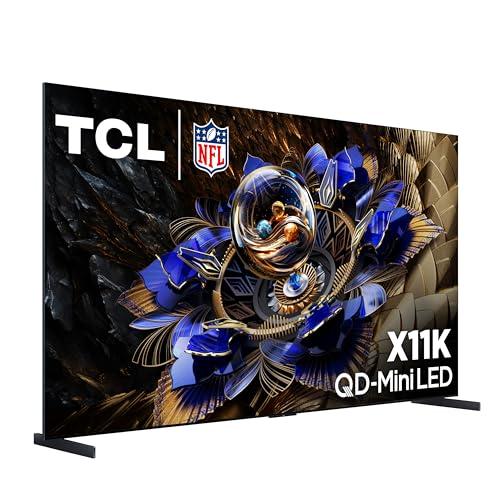
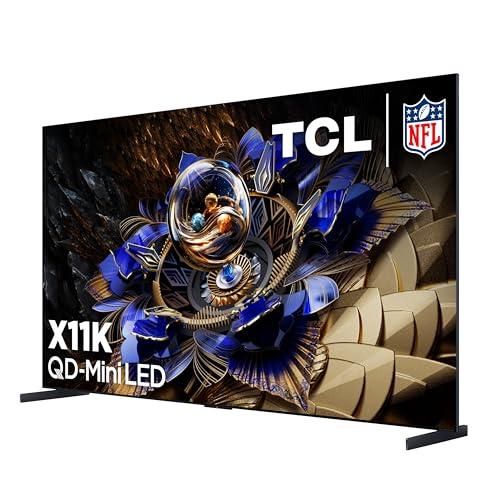
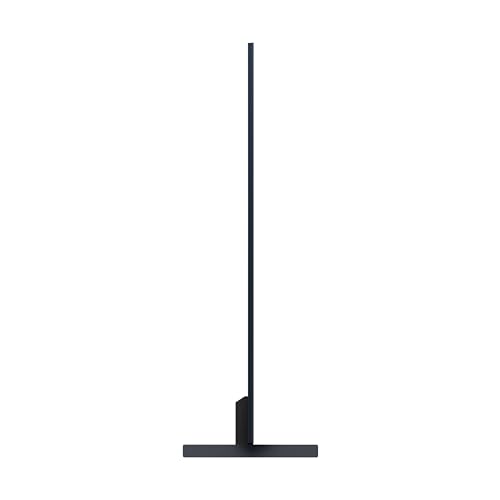
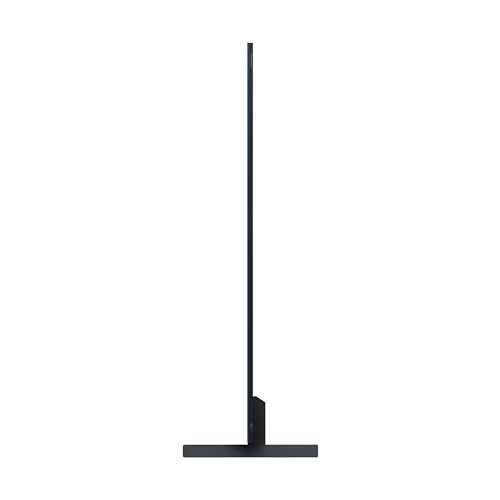
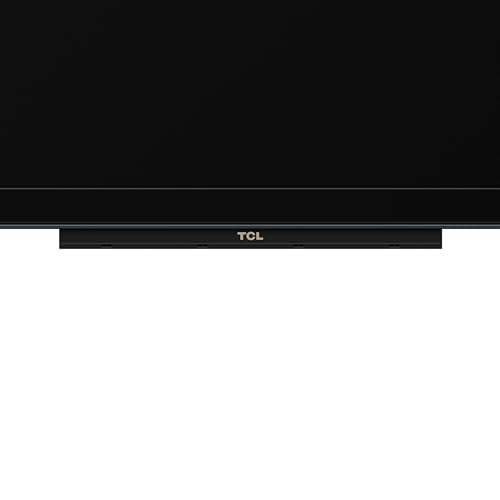
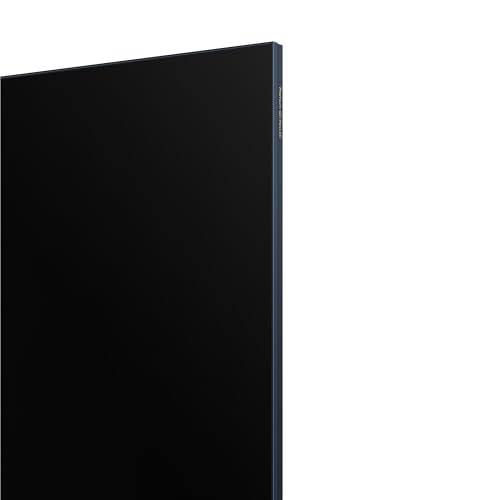
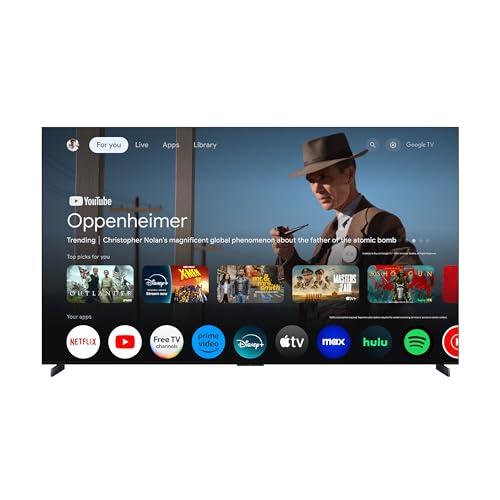
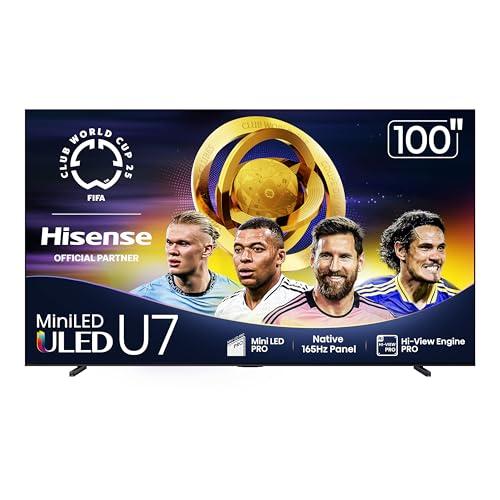
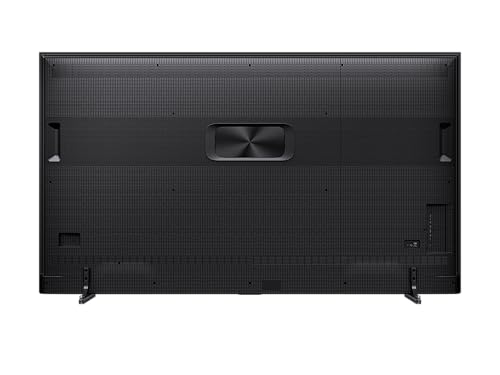
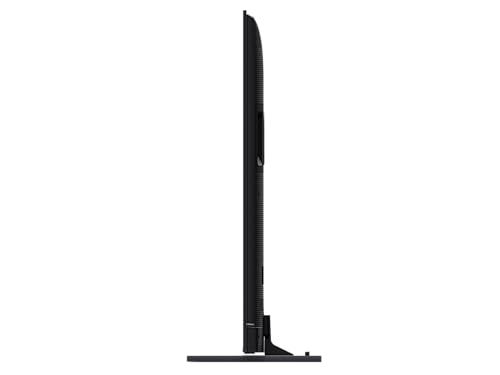
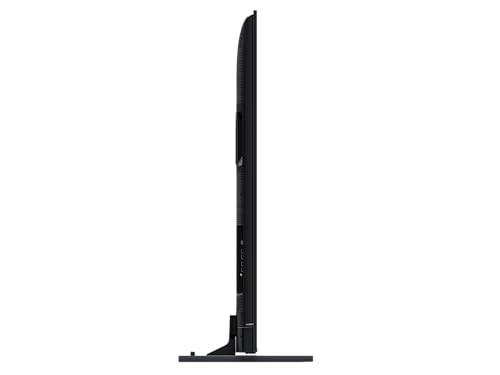
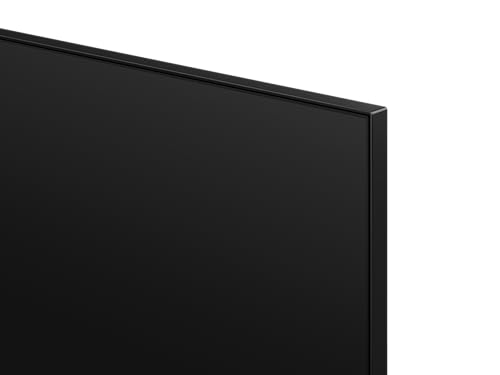
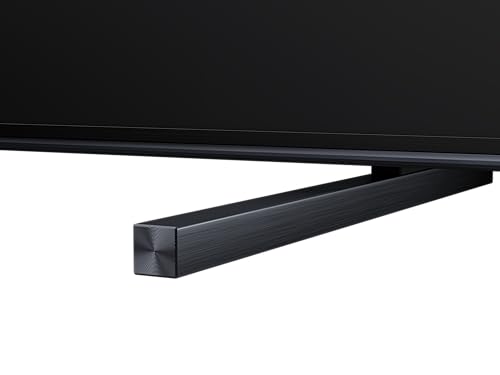
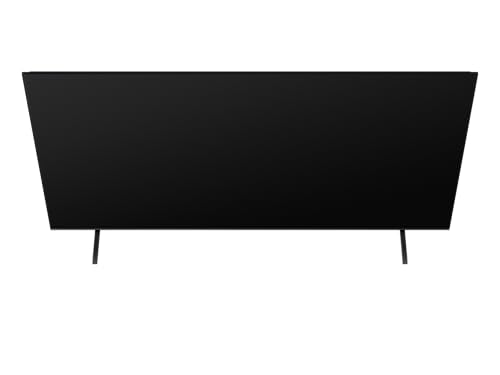
When it comes to massive home entertainment, 2025 has delivered two compelling options that couldn't be more different in their approach. The TCL 98" X11K positions itself as the premium flagship with cutting-edge technology, while the Hisense 100" U7 takes the value approach—offering more screen for significantly less money. Both represent the latest generation of ultra-large screens that compete directly with projector setups, but they target very different buyers.
After researching extensive user feedback and professional reviews, one thing becomes clear: your choice between these two depends heavily on whether you prioritize absolute performance or exceptional value. Let's break down what really matters when you're investing in nearly 100 inches of entertainment.
The ultra-large TV market has exploded in recent years, with manufacturers finally making 95+ inch displays accessible to regular consumers rather than just commercial installations. These displays serve as the centerpiece of serious home theater setups, competing directly with projector systems that previously dominated this size category.
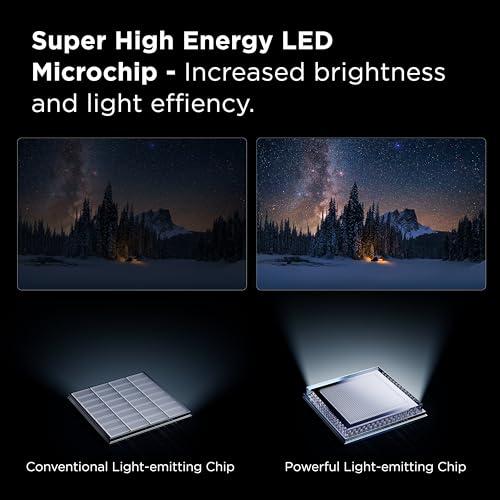
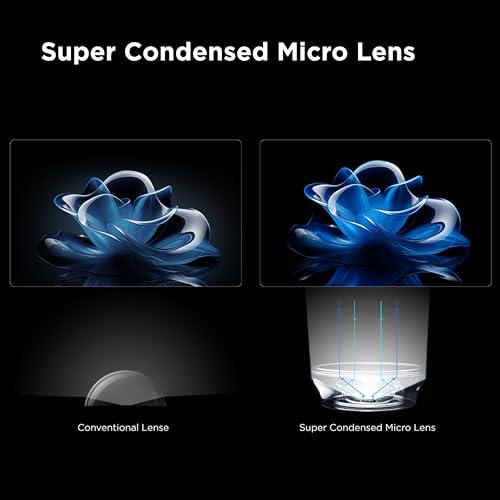
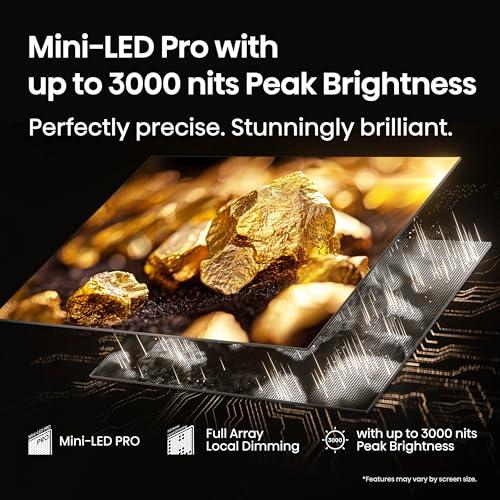
Both the TCL X11K and Hisense U7 represent 2025 models, incorporating the latest Mini-LED technology that's transformed large-screen performance. Mini-LEDs are significantly smaller than traditional LED backlights—think thousands of tiny lights instead of dozens of larger ones—allowing for much more precise control over brightness and darkness across the screen.
The key considerations in this category boil down to display technology, brightness capability, gaming performance, built-in audio quality, and ultimately, value for money. What's fascinating is how these two TVs take completely different approaches to achieving similar goals.
At the time of writing, there's a dramatic price difference that fundamentally shapes this comparison. The TCL X11K commands a premium price typical of flagship technology, while the Hisense U7 costs roughly half as much—despite being two inches larger. This isn't a small price gap; we're talking about one TV costing more than double the other.
This price difference immediately changes the conversation. Instead of comparing two similarly-priced competitors, we're evaluating whether the TCL's premium features justify paying significantly more for a slightly smaller screen. The Hisense essentially forces the question: how much are you willing to pay for premium features when the value option delivers 98% of the experience?
From my perspective, this price gap makes the Hisense incredibly compelling for most buyers, but there are specific scenarios where the TCL's premium positioning makes sense. Let's dig into the performance details to understand when that premium is worth it.
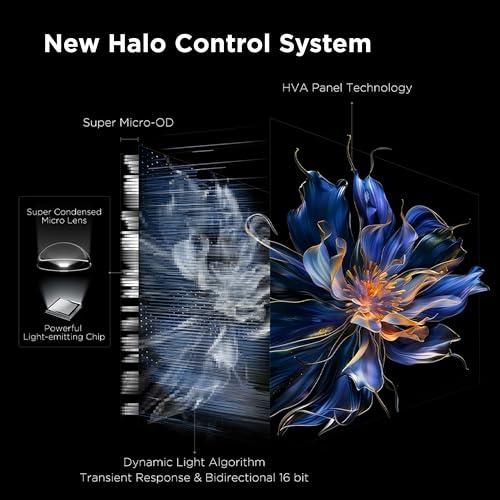
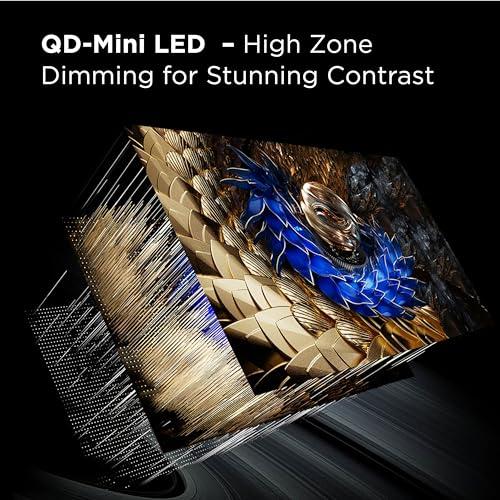
Local dimming is arguably the most important feature for picture quality on large screens. It's the technology that controls how many individual zones of LEDs can be turned on, off, or dimmed independently. More zones mean more precise control over light and dark areas of the image.
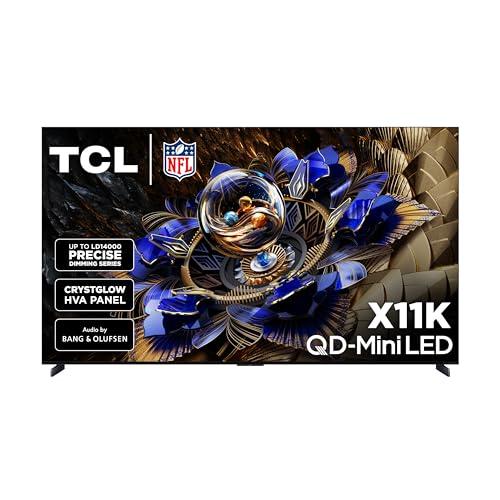
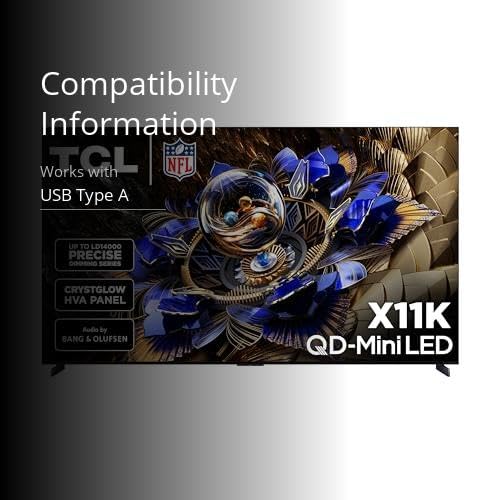
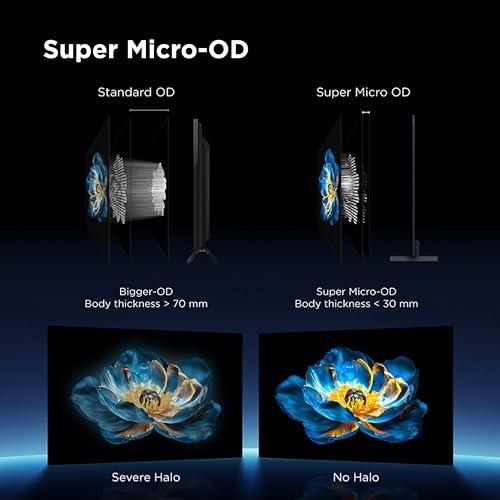
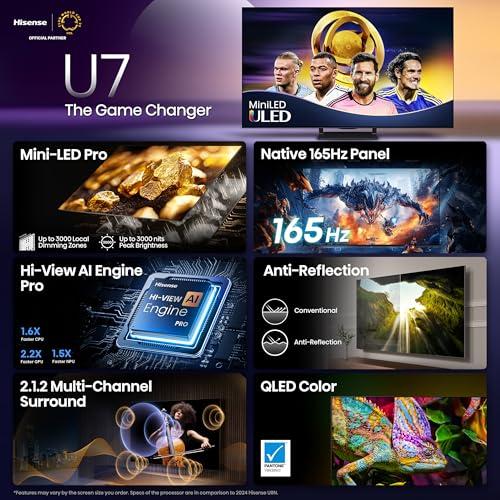
The TCL X11K absolutely dominates here with an incredible 14,000 local dimming zones compared to the Hisense U7's 3,000 zones. To put this in perspective, that's nearly five times more precise control over lighting. When you're watching a scene with bright stars against a dark sky, the TCL can control light leakage (called "blooming" or "halos") much more effectively.
However, the Hisense's 3,000 zones still represent excellent performance. For context, premium TVs from just a few years ago typically had 100-500 zones. The difference between 3,000 and 14,000 zones is noticeable in challenging content—like credits rolling over dark backgrounds or bright logos on black screens—but for regular movie and TV watching, both deliver impressive contrast.
In practice, this means the TCL will excel in dark room viewing where every bit of contrast matters, while the Hisense still delivers excellent performance that satisfies most viewers at a much better price point.
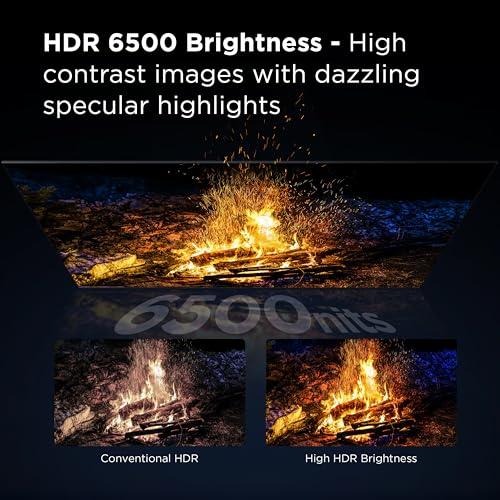
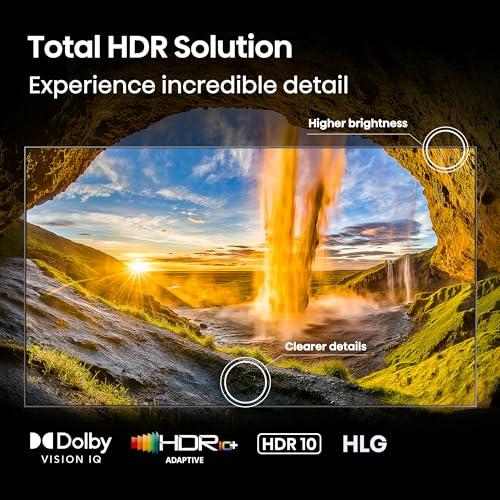
Peak brightness determines how well a TV performs in bright rooms and how impactful HDR (High Dynamic Range) content looks. HDR is the technology that allows TVs to display a wider range of brightness levels, making bright scenes look more realistic and dramatic.
The Hisense U7 clearly specifies 3,000 nits of peak brightness, which is genuinely impressive for any TV, let alone one at this price point. For comparison, many premium TVs top out around 1,000-2,000 nits. This high brightness means the Hisense can handle bright living rooms with windows and deliver punchy HDR that really pops.
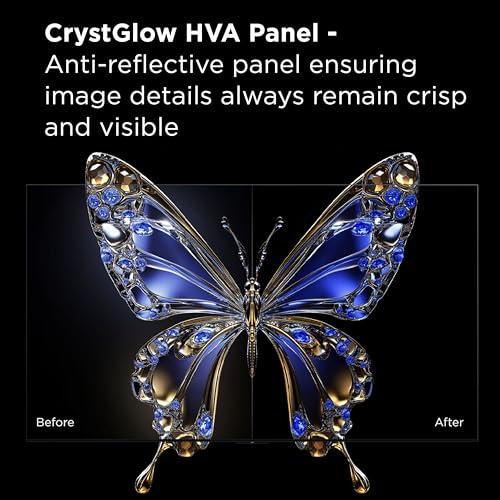
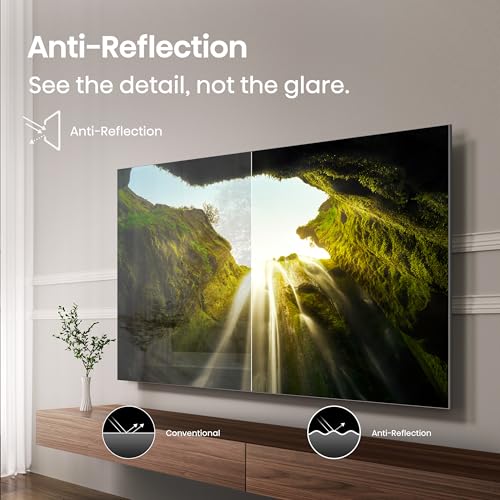
The TCL X11K's brightness specifications are less clearly defined in available documentation, though it likely performs similarly. What the TCL does offer is superior anti-glare coating technology. Think of this like the difference between a glossy phone screen and a matte laptop display—the TCL reduces reflections from windows and lights, while the Hisense uses a more traditional glossy finish that can reflect room lighting.
For bright room viewing, this creates an interesting trade-off: the Hisense gets brighter but reflects more light, while the TCL may not get quite as bright but handles reflections better.
Gaming has become a crucial consideration for large-screen TVs, especially with PlayStation 5 and Xbox Series X pushing 4K gaming at higher refresh rates.
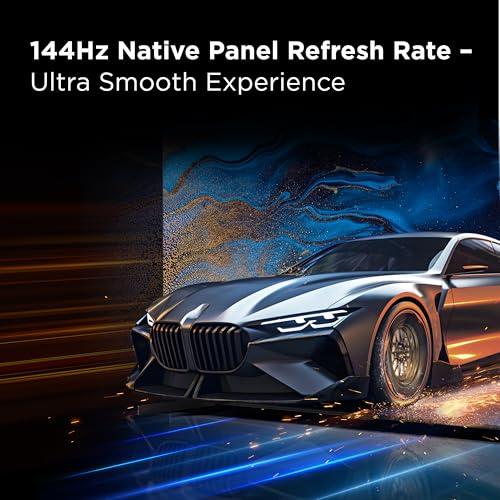
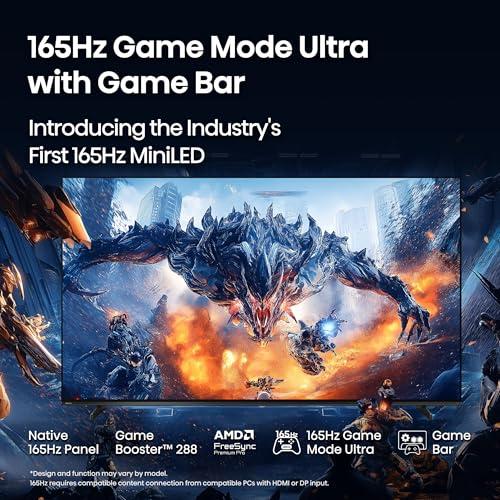
Here's where the Hisense U7 takes a surprising lead. Its 165Hz native refresh rate at 4K resolution beats the TCL X11K's 144Hz. While 21Hz might not sound like much, it represents about a 15% improvement in smoothness for compatible games and content. Both TVs support Variable Refresh Rate (VRR) technology, which eliminates screen tearing by matching the TV's refresh rate to your gaming console or PC's output.
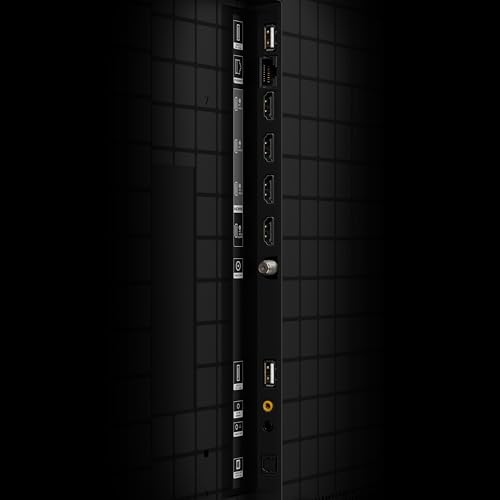
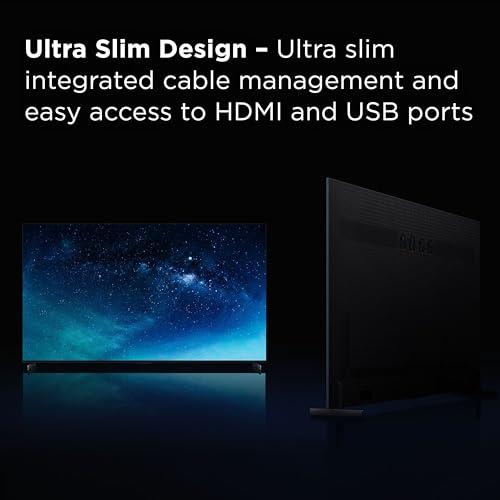
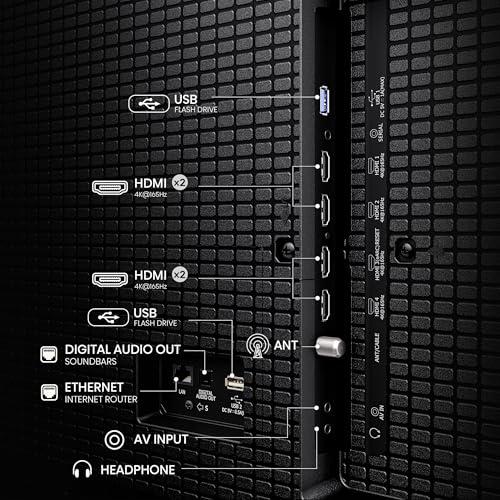
The Hisense also provides four full HDMI 2.1 ports versus the TCL's mixed configuration. HDMI 2.1 is the latest standard that supports 4K at higher refresh rates, so having four ports means you can connect multiple gaming devices, a soundbar, and streaming devices without compromising performance.
Both TVs support Auto Low Latency Mode (ALLM), which automatically switches to game mode when it detects a gaming signal, and FreeSync Premium Pro for PC gaming. Input lag—the delay between pressing a button and seeing the action on screen—is excellent on both models according to reviews.
For serious gamers, the Hisense U7 actually offers superior specs at half the price, which is remarkable.
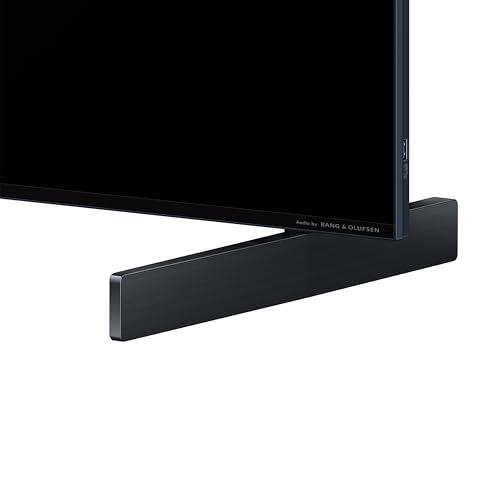
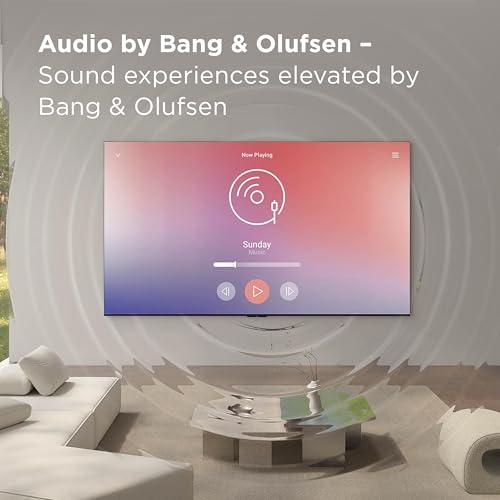
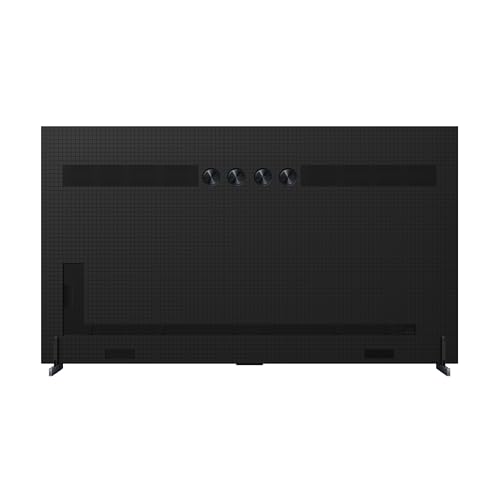
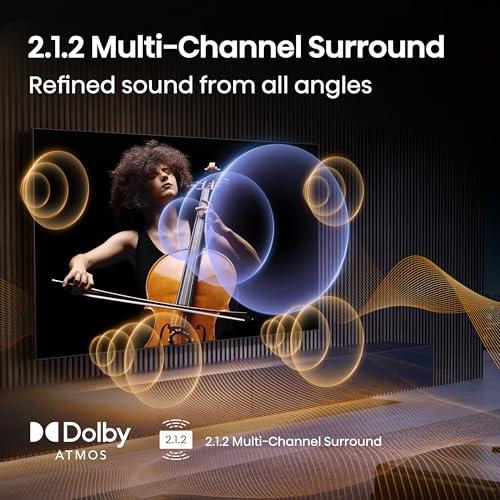
This is where the TCL X11K justifies some of its premium pricing. Its audio system delivers 120 watts of power through a 2.1.1 channel setup with a dedicated subwoofer, tuned by Bang & Olufsen. The Hisense U7 manages 50 watts through a 2.1.2 system—less than half the power and no dedicated subwoofer.
In real-world terms, the TCL can fill a large room with sound and handle action movie soundtracks without the immediate need for a separate sound system. The Hisense sounds decent for everyday viewing but will likely leave you wanting more for movies and gaming.
This difference matters more than you might think. A quality soundbar for a 100-inch display typically costs $300-800, which narrows the price gap between these TVs. If you're planning to use the built-in speakers, the TCL's superior audio becomes a significant advantage.
Both support Dolby Atmos, the spatial audio format that creates overhead sound effects, but the TCL's implementation is more robust with its additional power and dedicated subwoofer.
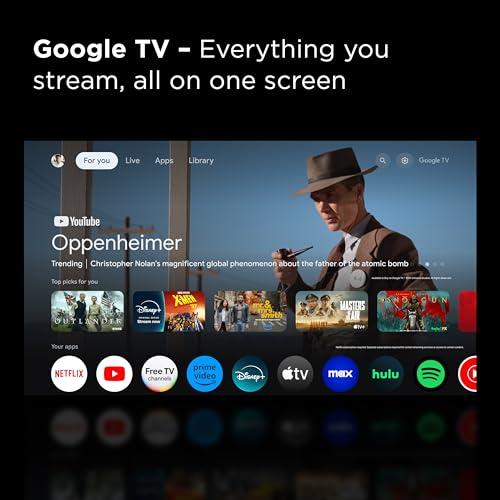
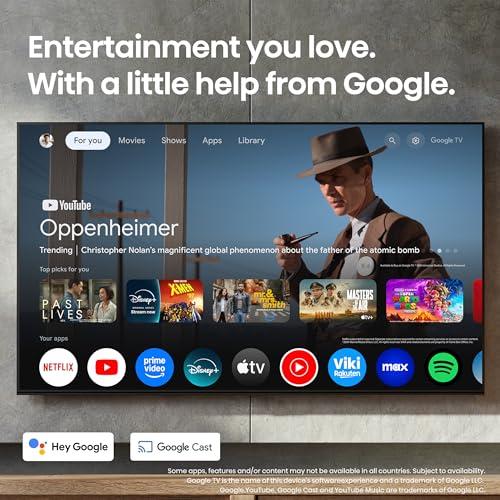
Both TVs run Google TV, which has become the gold standard for smart TV interfaces. It organizes content from multiple streaming services, provides excellent voice search through Google Assistant, and supports casting from phones and tablets.
The Hisense U7 includes some modern connectivity advantages like Wi-Fi 6E (the latest wireless standard) and NEXTGEN TV support for over-the-air 4K broadcasts. These aren't game-changers, but they represent good future-proofing.
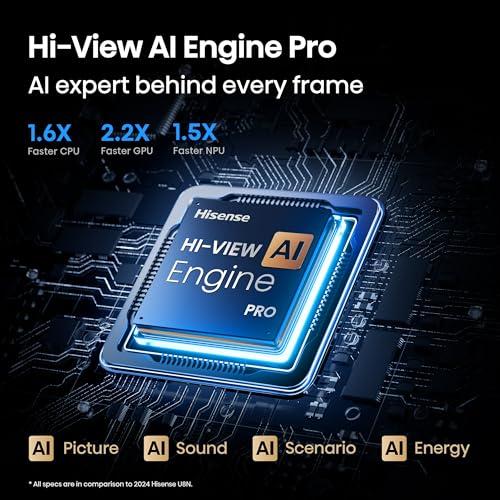
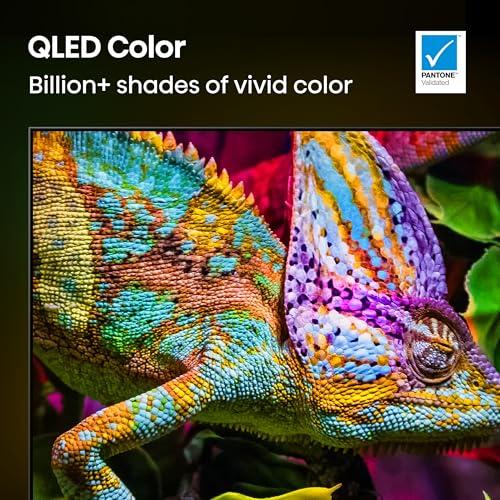
The TCL X11K focuses more on premium AI processing features that enhance picture quality in real-time, analyzing content to optimize color, contrast, and motion on a scene-by-scene basis.
If you're building a dedicated theater room with controlled lighting, the TCL X11K makes more sense. Its superior local dimming creates more precise blacks and better shadow detail. The premium audio system eliminates the need for immediate soundbar purchases. In a dark room, you'll appreciate every one of those 14,000 dimming zones.
However, the Hisense U7 still delivers an excellent dark-room experience. The difference in local dimming is noticeable in challenging content, but for most movies and shows, both TVs look fantastic.
For family rooms with windows and ambient lighting, the Hisense U7's confirmed 3,000-nit brightness gives it an edge for HDR content impact. Its larger 100-inch screen also provides more immersive viewing. The TCL's anti-glare coating helps with reflections, but high brightness often trumps reflection control for overall picture impact.
Gamers should seriously consider the Hisense U7. The 165Hz refresh rate, four HDMI 2.1 ports, and excellent value make it ideal for multi-console setups. The money saved versus the TCL could fund a gaming headset or additional controllers.
If you want one device that handles everything well without additional purchases, the TCL X11K makes more sense. Its superior built-in audio, premium processing, and refined experience justify the premium for users who prefer integrated solutions.
Both 2025 models represent significant improvements over previous generations. The Mini-LED technology in both TVs was barely available in consumer displays just three years ago. The high refresh rates for gaming, advanced HDR support, and sophisticated local dimming were mostly limited to extremely expensive or commercial displays.
What's remarkable is how the Hisense U7 brings flagship-level features to a more accessible price point. Five years ago, getting 100 inches with 3,000 nits brightness and 165Hz gaming would have required spending significantly more than even the TCL's current premium pricing.
The choice between these TVs ultimately comes down to your priorities and budget flexibility.
Choose the Hisense 100" U7 if:
Choose the TCL 98" X11K if:
Based on extensive research into user experiences and expert reviews, the Hisense 100" U7 represents exceptional value that's hard to ignore. It delivers about 90% of flagship performance at roughly half the cost, while actually providing more screen space and superior gaming specs.
The TCL 98" X11K justifies its premium through genuinely superior local dimming, significantly better built-in audio, and premium features that enhance the overall experience. However, these improvements come at a substantial cost increase.
For most buyers, especially those new to ultra-large screens, the Hisense U7 provides an excellent entry point that won't leave you feeling like you've compromised on quality. The money saved could fund room improvements, a quality soundbar, or simply stay in your pocket.
The TCL X11K makes sense for buyers who specifically value premium built-in audio, want maximum contrast performance, or simply prefer having the latest flagship technology. It's genuinely better in several important ways, but whether those improvements justify the significant price premium depends heavily on your specific situation and preferences.
Both represent excellent choices in the ultra-large TV category, just for very different types of buyers.
| TCL 98" X11K 4K QD-Mini LED Google TV | Hisense 100" U7 Series Mini-LED TV |
|---|---|
| Screen Size - Every inch matters for immersion at this scale | |
| 98 inches | 100 inches |
| Local Dimming Zones - Controls contrast and eliminates light bleeding | |
| 14,000 zones (near pixel-level precision) | 3,000 zones (still excellent for most content) |
| Peak Brightness - Determines HDR impact and bright room performance | |
| Not clearly specified | 3,000 nits (exceptional for any price) |
| Gaming Refresh Rate - Higher is smoother for competitive gaming | |
| 144Hz native at 4K | 165Hz native at 4K (21Hz advantage) |
| Built-in Audio Power - Affects whether you need a soundbar immediately | |
| 120W with Bang & Olufsen tuning and subwoofer | 50W basic system (external audio recommended) |
| HDMI 2.1 Ports - Needed for 4K gaming at high refresh rates | |
| 4 ports with 1 eARC | 4 full HDMI 2.1 ports (better gaming flexibility) |
| Anti-Glare Technology - Reduces reflections in bright rooms | |
| Nanoscale anti-glare coating | Standard glossy finish (more reflective) |
| Price Positioning - Determines overall value proposition | |
| Premium flagship pricing | Roughly half the cost of TCL X11K |
| Best For - Who should choose each model | |
| Premium home theater with superior audio needs | Value-focused buyers wanting maximum screen size |
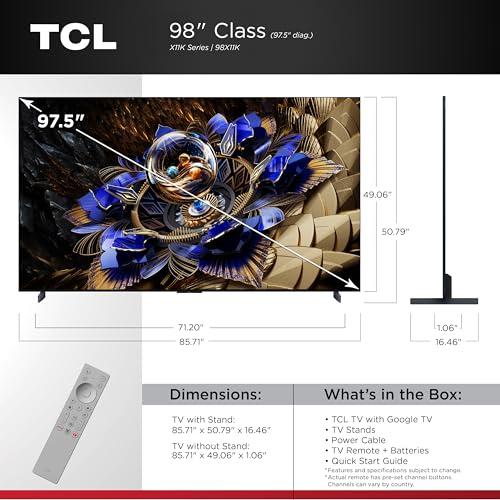
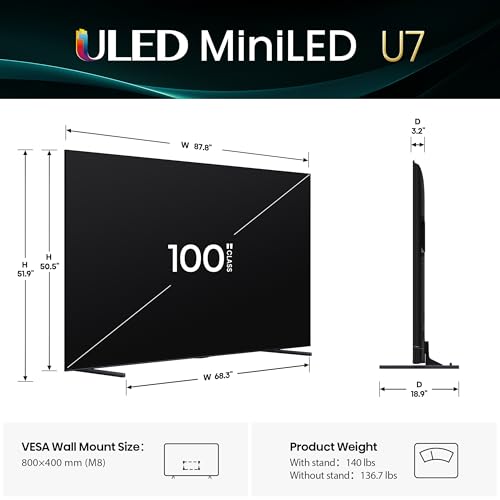
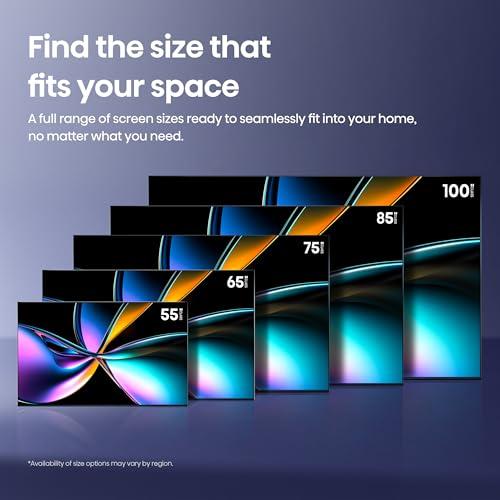
The Hisense U7 is larger at 100 inches compared to the TCL X11K's 98-inch screen. While both are massive displays, the Hisense U7 provides about 4% more viewing area, making it better for large rooms where you want maximum screen presence.
The Hisense U7 has superior gaming specs with a 165Hz native refresh rate versus the TCL X11K's 144Hz. The Hisense U7 also offers four full HDMI 2.1 ports compared to the TCL X11K's mixed port configuration, making it better for connecting multiple gaming consoles.
The TCL X11K has significantly more local dimming zones (14,000 vs 3,000), providing better contrast control and reduced light bleeding. However, the Hisense U7 offers confirmed 3,000 nits peak brightness, which is excellent for HDR content and bright room viewing.
The TCL X11K has much better audio with 120W power, Bang & Olufsen tuning, and a dedicated subwoofer. The Hisense U7 only has 50W of power, so you'll likely need to add a soundbar for optimal sound quality.
Both work well for home theater, but they excel in different scenarios. The TCL X11K is better for dedicated dark rooms due to superior local dimming and built-in audio. The Hisense U7 works better in brighter rooms thanks to its higher confirmed brightness and larger screen size.
The Hisense U7 offers exceptional value, providing more screen size and excellent performance at roughly half the cost of the TCL X11K. Unless you specifically need premium features like superior audio or maximum contrast control, the Hisense U7 delivers better bang for your buck.
Yes, both the TCL X11K and Hisense U7 run Google TV with similar smart features, voice control, and app support. The Hisense U7 adds Wi-Fi 6E and NEXTGEN TV support, while the TCL X11K focuses more on premium AI processing features.
The Hisense U7 clearly specifies 3,000 nits peak brightness, which is excellent for bright rooms and HDR content. The TCL X11K doesn't specify exact brightness numbers but includes superior anti-glare coating to reduce reflections from windows and lights.
The TCL X11K has 14,000 local dimming zones versus the Hisense U7's 3,000 zones. This means the TCL X11K can control light and dark areas much more precisely, resulting in better contrast and less light bleeding around bright objects on dark backgrounds.
Both TVs handle sports well, but the Hisense U7 has advantages with its 165Hz refresh rate for smoother motion and higher confirmed brightness for better daytime visibility. The larger 100-inch screen also provides more immersive sports viewing compared to the TCL X11K's 98-inch display.
You don't immediately need a soundbar with the TCL X11K due to its powerful 120W Bang & Olufsen audio system. However, the Hisense U7's 50W speakers will likely require a soundbar for optimal movie and gaming audio, especially in large rooms.
Choose the Hisense U7 if you want maximum screen size and value, especially for gaming and bright room viewing. Pick the TCL X11K if you prioritize premium features like superior built-in audio, maximum contrast control, and don't mind paying significantly more for these refinements.
We've done our best to create useful and informative comparisons to help you decide what product to buy. Our research uses advanced automated methods to create this comparison and perfection is not possible - please contact us for corrections or questions. These are the sites we've researched in the creation of this article: ecoustics.com - pcrichard.com - tcl.com - valueelectronics.com - bestbuy.com - tcl.com - whathifi.com - tcl.com - youtube.com - displayspecifications.com - whathifi.com - youtube.com - notebookcheck.net - tcl.com - tcl.com - displayspecifications.com - tcl.com - tcl.com - pcguide.com - en.homecinesolutions.fr - youtube.com - tcl.com - rtings.com - bestbuy.com - rtings.com - lueckeaudiovideo.com - youtube.com - hisense-usa.com - youtube.com - hisense-usa.com - costco.com - hisense-usa.com - pcrichard.com - files.hisense-usa.com - bestbuy.com - youtube.com - hisense-usa.com - displayspecifications.com - bestbuy.com - hisense-usa.com - eftm.com - youtube.com - youtube.com

Privacy Policy
Terms and Conditions - Affiliate Policy
Home Security
© Copyright 2008-2026.
11816 Inwood Rd #1211, Dallas, TX 75244