

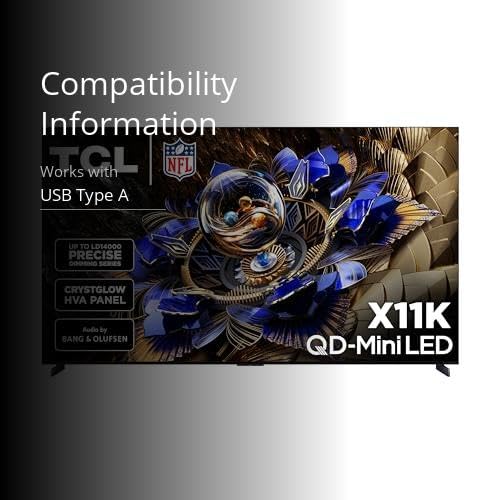
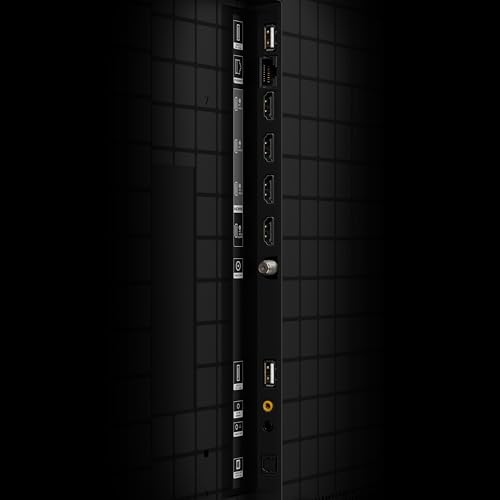

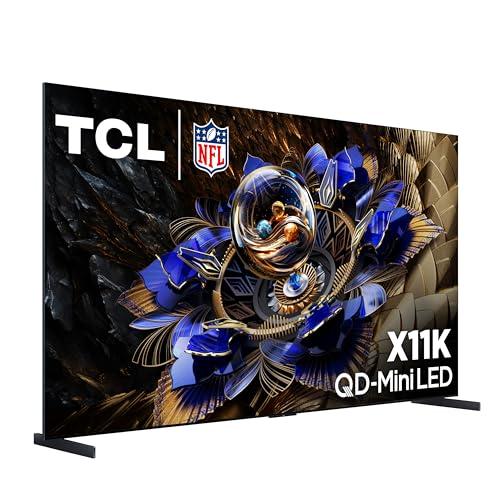
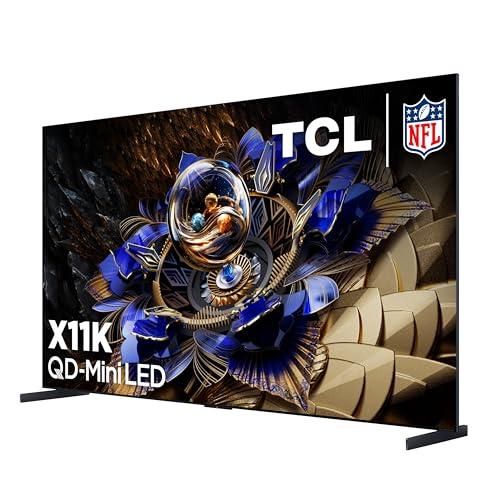
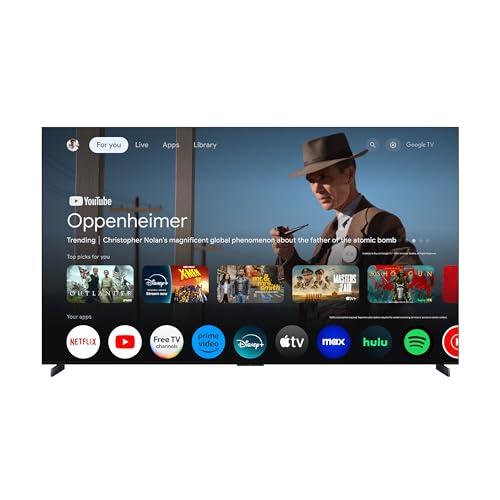
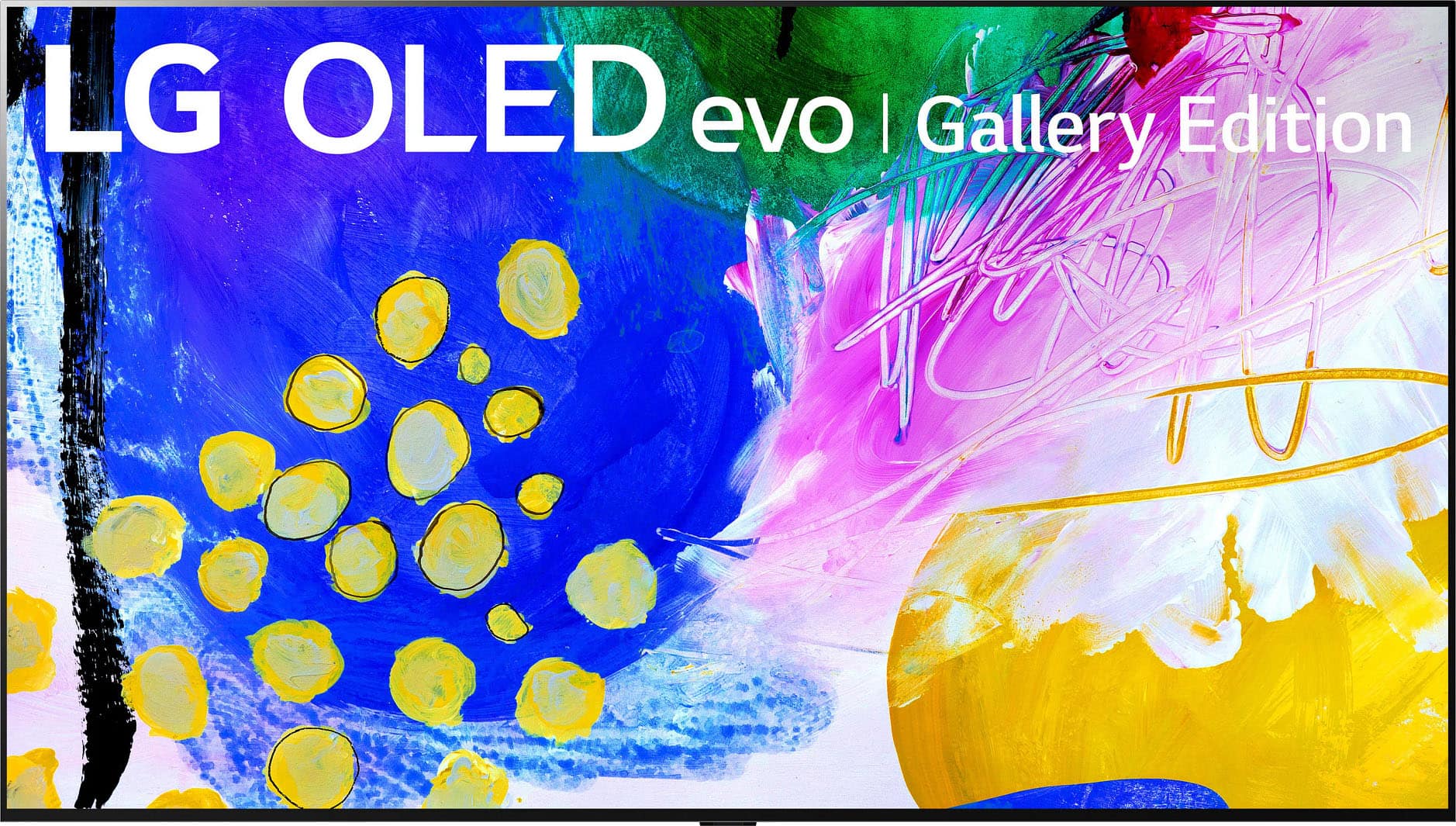
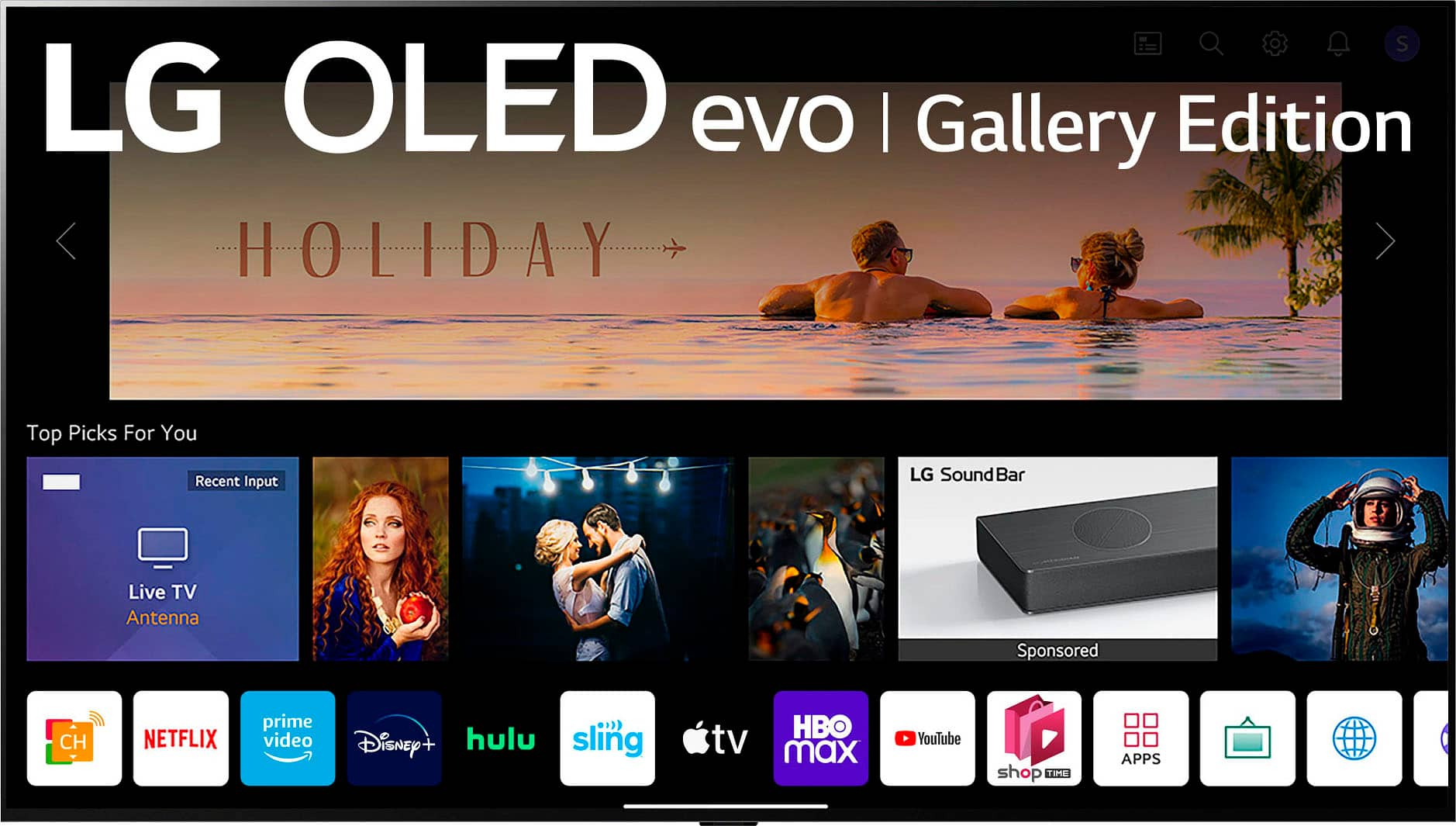
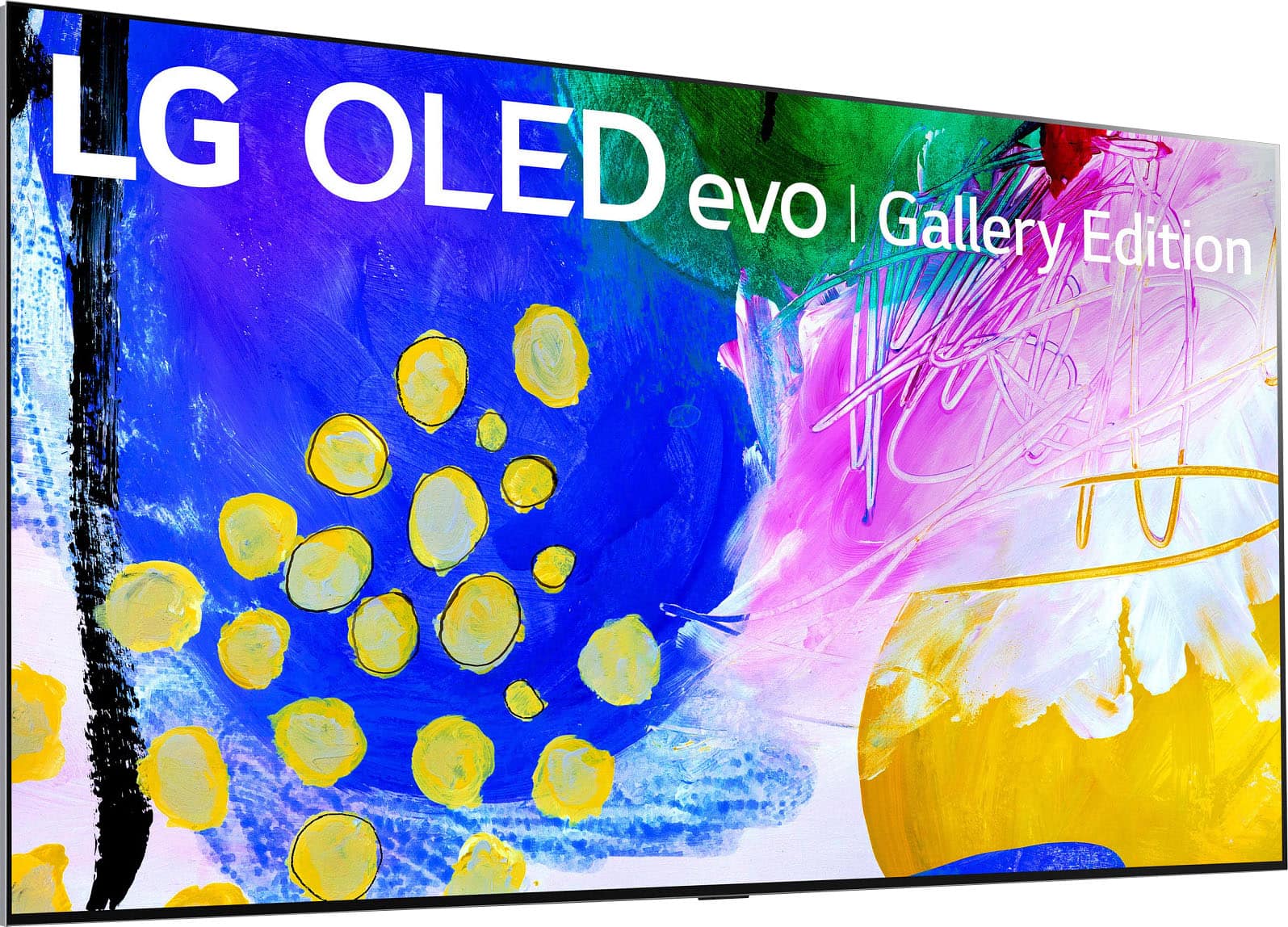
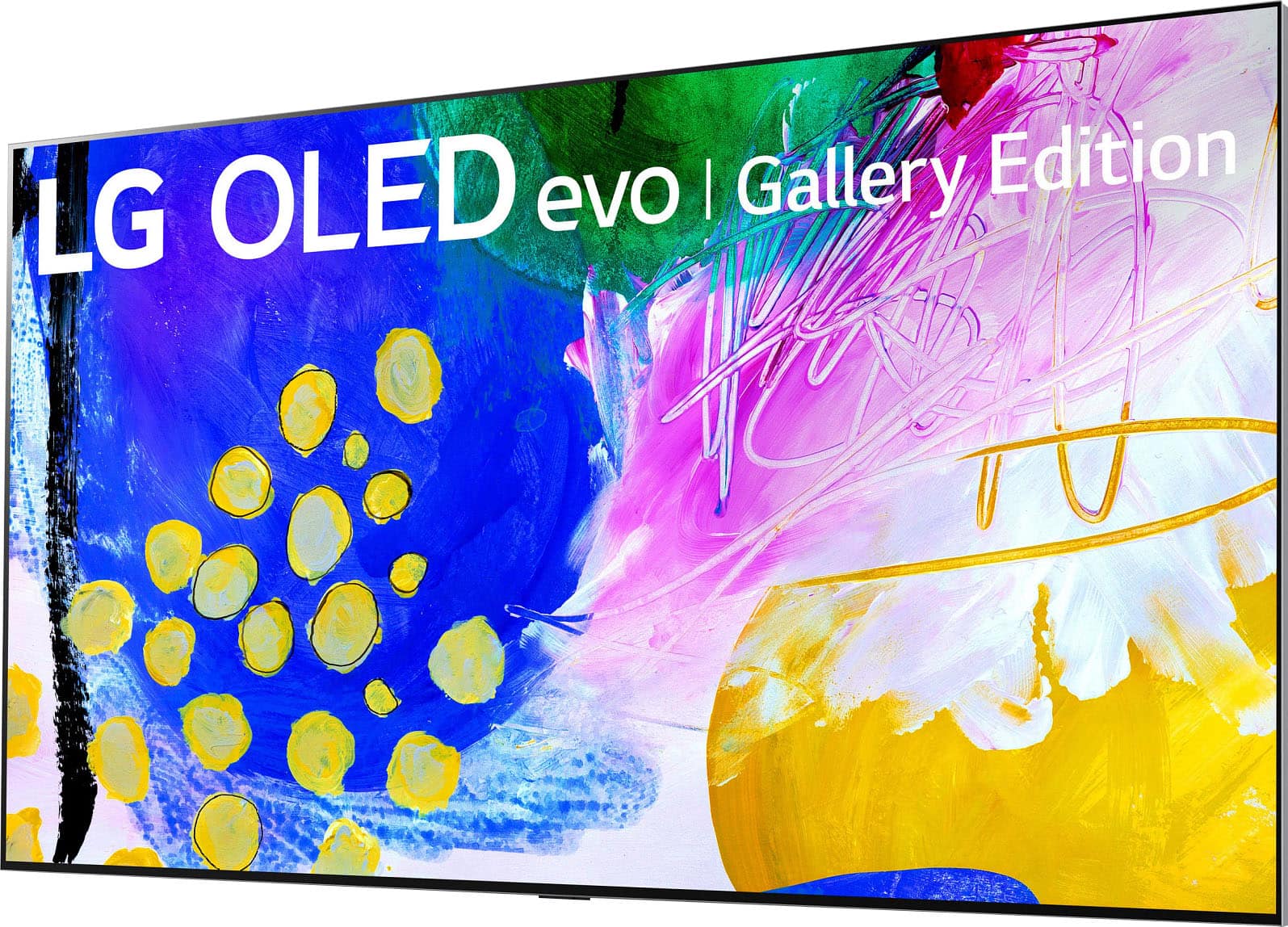
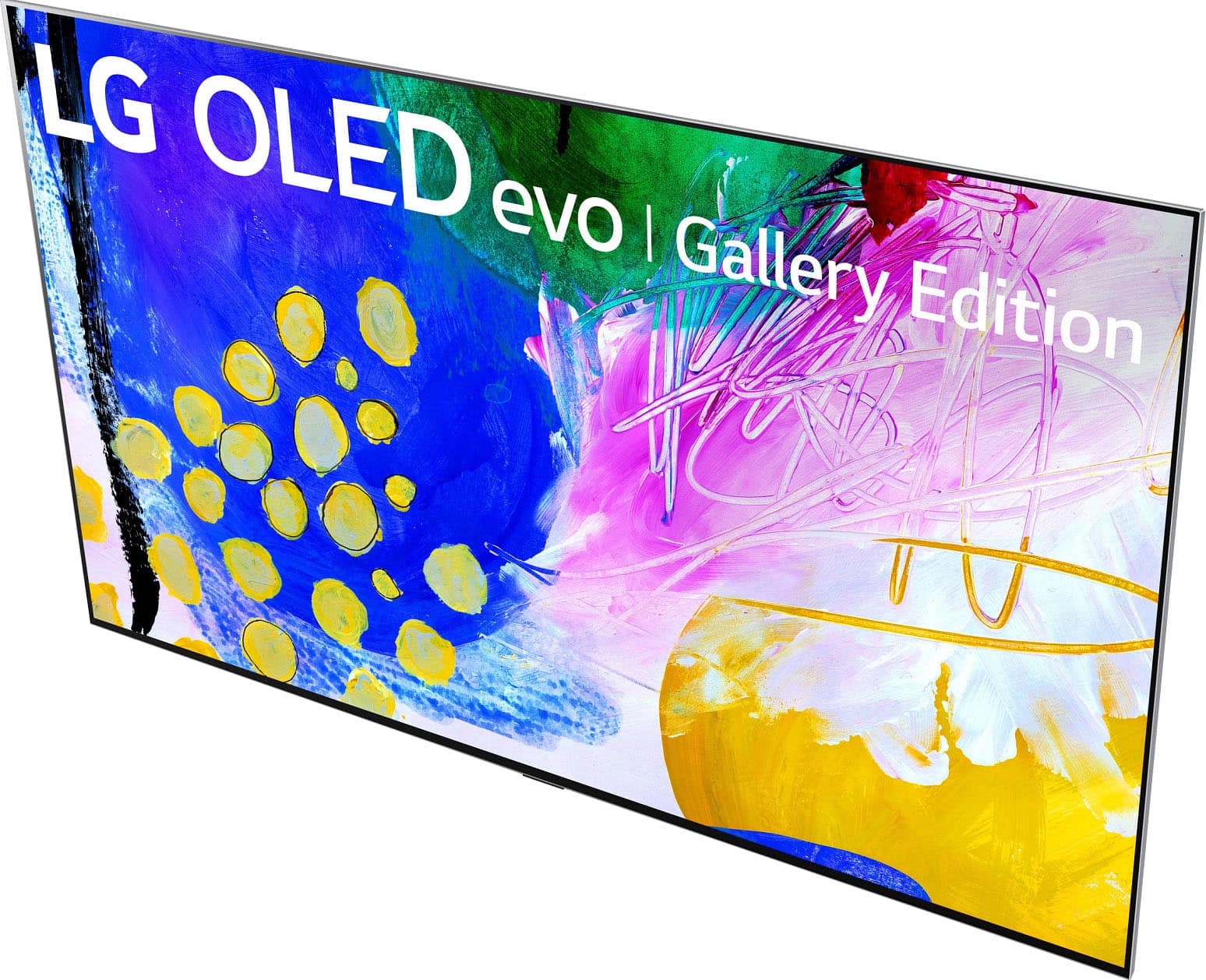
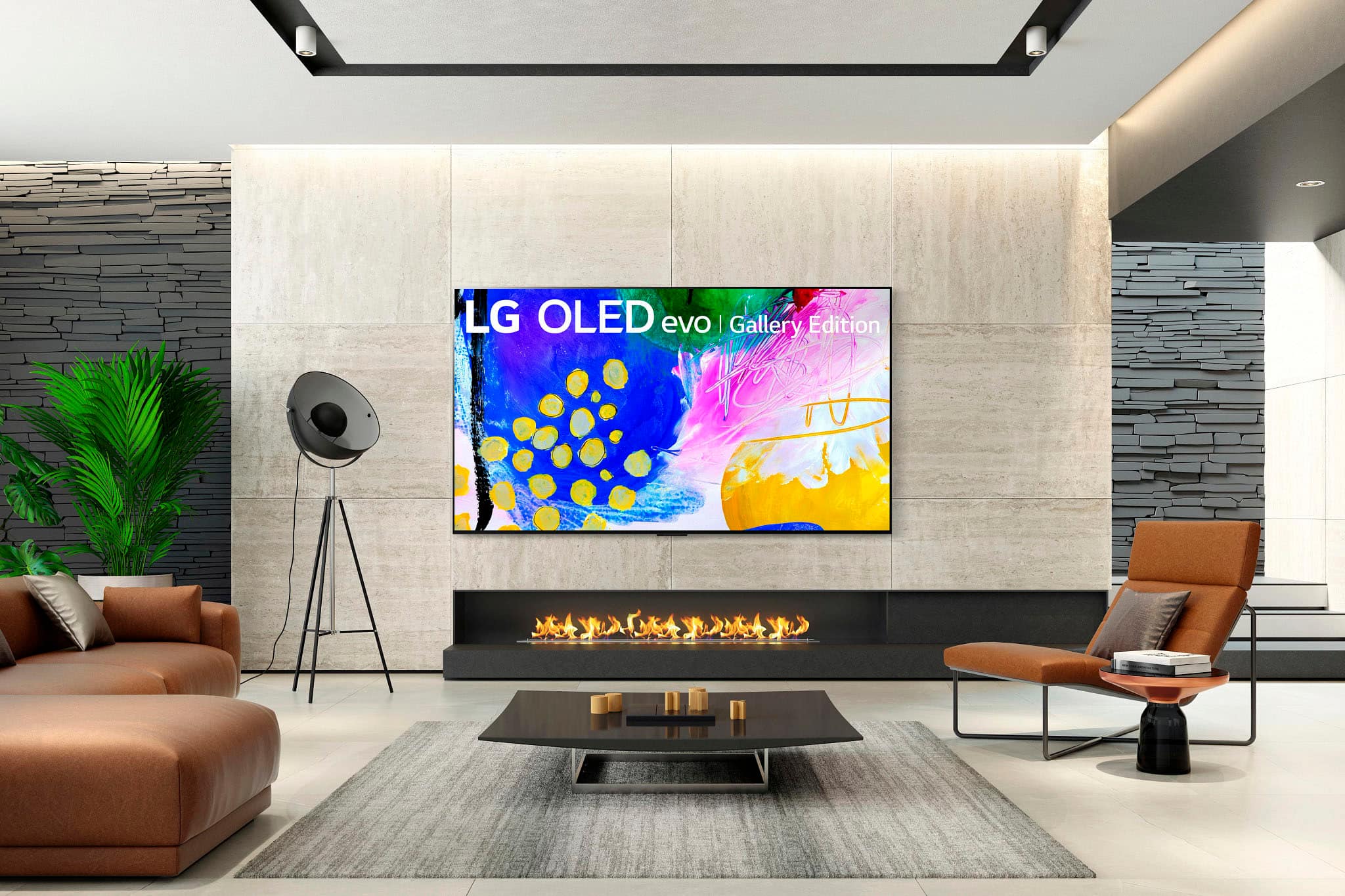
When you're shopping for a TV that's nearly as tall as a person and costs as much as a decent used car, you want to make sure you're getting it right. The TCL 98" X11K and LG 97" G2 OLED represent two completely different philosophies in large-screen TV technology, and choosing between them requires understanding what makes each approach special.
Large format premium TVs—those 95 inches and bigger—occupy a unique space in home entertainment. They're designed for people who want that cinematic experience without dealing with projectors, screens, and darkened rooms. Both the TCL X11K and LG G2 were released in 2022 as flagship models, representing the cutting edge of their respective technologies at the time.
The fundamental difference comes down to how they create the picture you see. The TCL uses QD-Mini LED technology—think of it as thousands of tiny LED lights behind a quantum dot layer that enhances colors. The LG uses OLED technology, where each individual pixel creates its own light and can turn completely off. These aren't just different brands; they're entirely different approaches to making a TV picture.
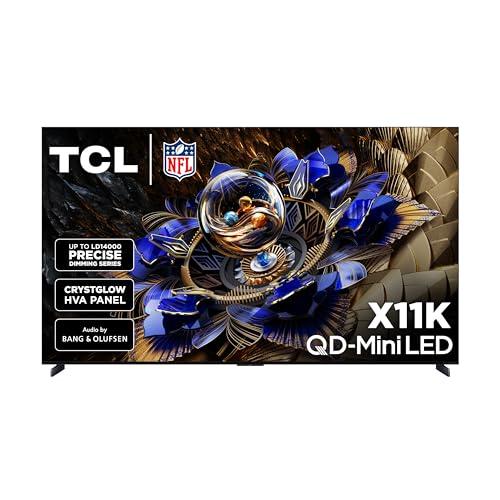
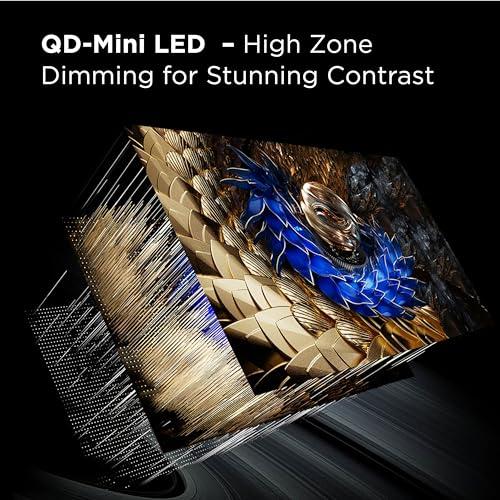
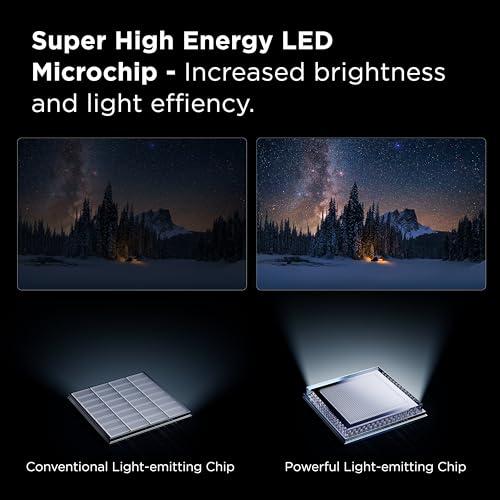
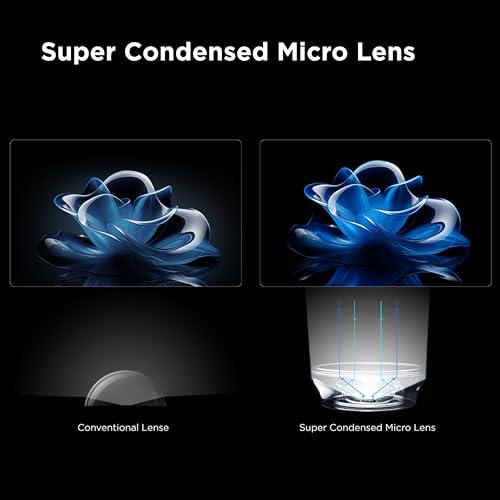
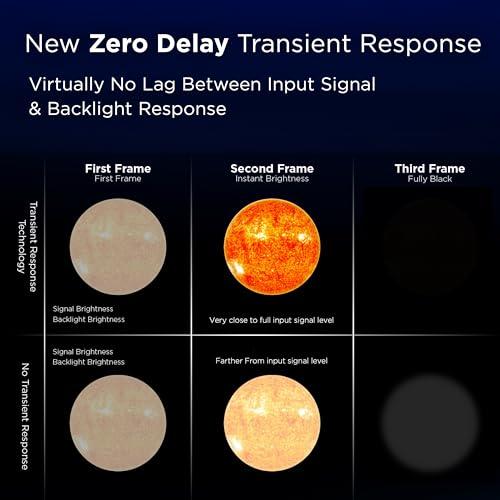
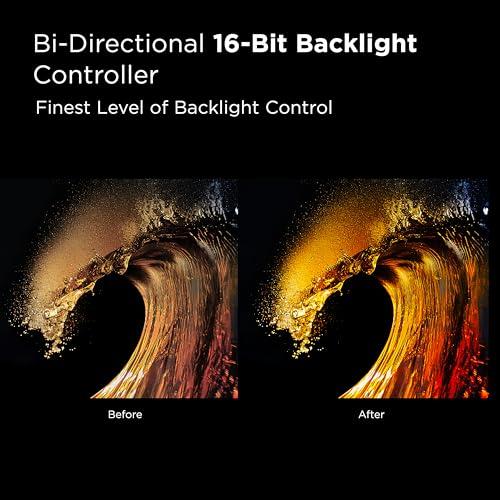
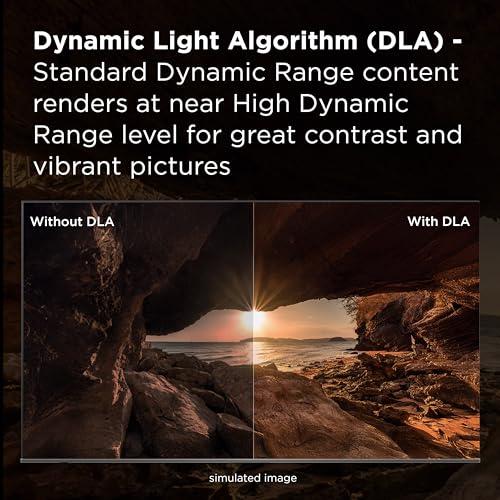
The TCL X11K represents what many consider the future of LCD technology. Instead of the traditional LED backlighting you'd find in most TVs, it uses up to 14,000 tiny LED lights arranged in zones behind the screen. Each zone can be dimmed or brightened independently—this is called "local dimming," and having 14,000 zones means incredibly precise control.
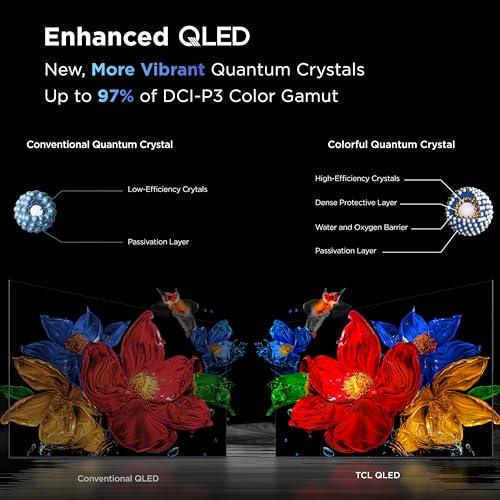
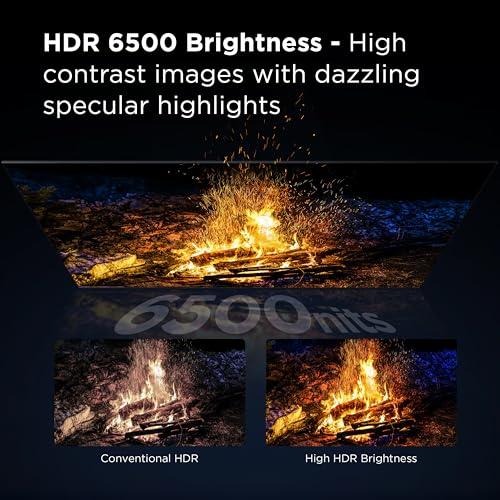
The quantum dot layer is where things get interesting. These are microscopic crystals that absorb blue light and re-emit it as pure red or green light. This process creates more accurate, saturated colors than traditional LCD TVs can manage. The result is a display that can hit an absolutely staggering 6,500 nits of peak brightness—that's bright enough to nearly hurt your eyes if you stared at a white screen.
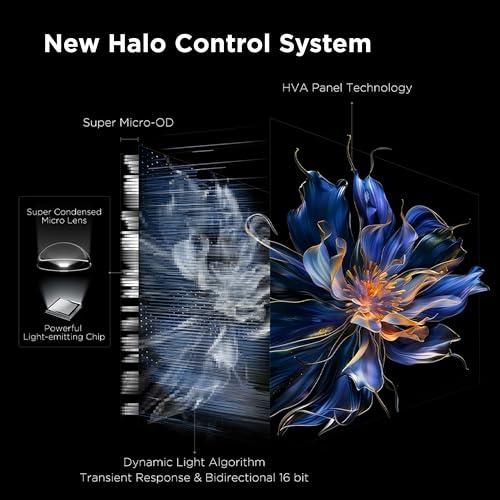
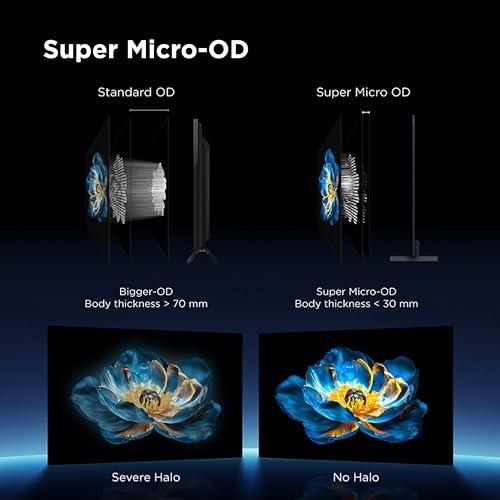
TCL's Halo Control Technology is their solution to mini-LED's biggest challenge: blooming. When you have a bright object on a dark background (think credits rolling over a black screen), cheaper mini-LED TVs create visible "halos" of light around bright objects. TCL's system uses advanced algorithms and hardware design to minimize this effect dramatically.
The LG G2 takes a fundamentally different approach with OLED (Organic Light-Emitting Diode) technology. Instead of backlighting, each of the 8.3 million pixels creates its own light. When a pixel needs to be black, it simply turns off completely. This creates what's called "infinite contrast"—the mathematical difference between perfect black (zero light) and any amount of white is technically infinite.
LG's "evo" technology, introduced in 2021 and refined in the G2, uses new phosphorescent materials that allow OLED panels to run brighter than previous generations while maintaining efficiency. The α9 Gen 5 processor uses AI algorithms to analyze content in real-time, adjusting not just brightness and color, but also making decisions about how to best use the panel's capabilities for each scene.
The trade-off is brightness. While OLED has improved significantly, the LG G2 peaks at around 800-900 nits in typical viewing conditions—impressive for OLED, but nowhere near the TCL's 6,500 nits.
This is where the technologies diverge most dramatically. HDR (High Dynamic Range) content is designed to take advantage of displays that can show both very bright highlights and very dark shadows simultaneously. Think of a scene with bright sunlight streaming through a window into a dark room—HDR tries to show both the blazing brightness of the sun and the deep shadows in the corners.
The TCL X11K absolutely dominates here. With 6,500 nits of peak brightness, HDR highlights have real punch. When you're watching something like "Top Gun: Maverick" and see the sun reflecting off aircraft, or the bright explosions in an action movie, the TCL can reproduce those brightness levels much closer to what the content creators intended. This advantage is most noticeable in bright rooms during the day—the TV can overcome ambient light and still deliver impactful HDR.
The LG G2, while much dimmer, uses every nit more effectively. OLED's perfect black levels mean that even at 800 nits, the contrast between highlights and shadows feels dramatic. In a dark room, this can actually feel more cinematic than the brighter mini-LED display because your eyes aren't fighting ambient light.
Here's where OLED technology shines—literally by not shining. When you watch a movie with letterbox bars (those black bars above and below the picture), the LG G2 makes those bars disappear completely into the bezel. Each black pixel is actually off, producing zero light.
The TCL X11K can't match this fundamental advantage, but its 14,000 dimming zones get remarkably close. In most content, you'd be hard-pressed to see any light leakage or blooming around bright objects on dark backgrounds. The sheer number of zones means that each zone controls a very small area of the screen, so bright and dark elements can coexist nearby without interfering with each other.
Both TVs excel here, but through different methods. The TCL's quantum dot technology can reproduce over 1 billion colors and covers 97% of the DCI-P3 color space (the standard used in digital cinema). Colors appear incredibly saturated and vibrant, sometimes even more so than real life.
The LG G2 takes a more naturalistic approach. OLED's color reproduction tends to be more accurate to how colors appear in real life, though it can sometimes seem less "pop" compared to quantum dot displays. For movie watching, many prefer OLED's more natural color palette, while for gaming or sports, quantum dot's extra saturation can be more engaging.
Gaming has become a crucial consideration for premium TVs, and both displays cater to serious gamers, but in different ways.
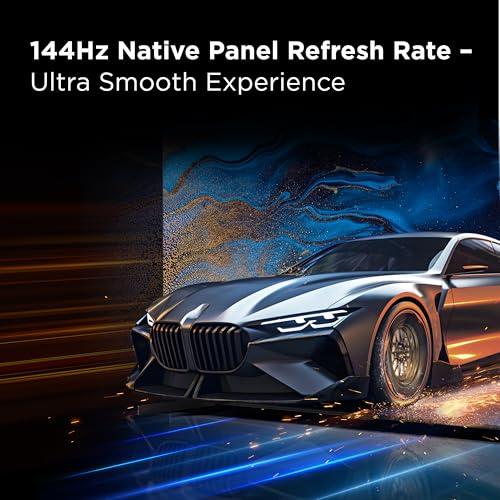
The TCL X11K is genuinely impressive for gaming. Its 144Hz native refresh rate means it can display 144 unique frames per second—crucial for competitive PC gaming where every millisecond matters. The Game Accelerator 288 feature can handle variable refresh rates up to 288Hz, though you'd need an extremely powerful PC to actually push that many frames.
The LG G2 caps out at 120Hz, which is still excellent for console gaming (PlayStation 5 and Xbox Series X both support 120Hz in many games). OLED's near-instantaneous pixel response means motion appears incredibly sharp with virtually no motion blur.
Both TVs include ALLM (Auto Low Latency Mode), which automatically switches to the fastest picture processing when it detects a gaming signal. The LG G2 has a slight edge here with sub-1ms response times, while the TCL is still excellent but not quite as fast.
For console gaming, both are exceptional. For competitive PC gaming where you're trying to achieve 240+ fps in esports titles, the TCL's higher refresh rate capabilities give it a meaningful advantage.
At these screen sizes, you're likely considering a separate sound system, but both TVs include surprisingly capable built-in audio that's worth considering.
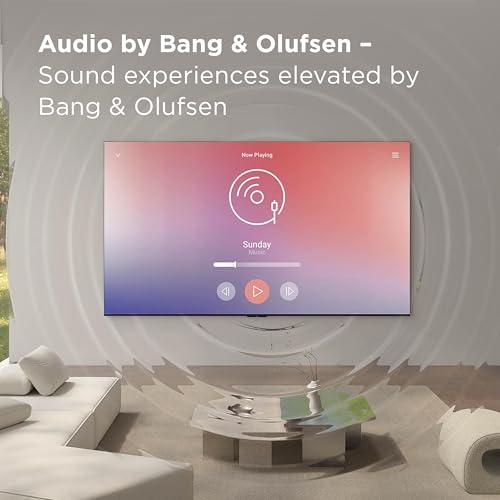
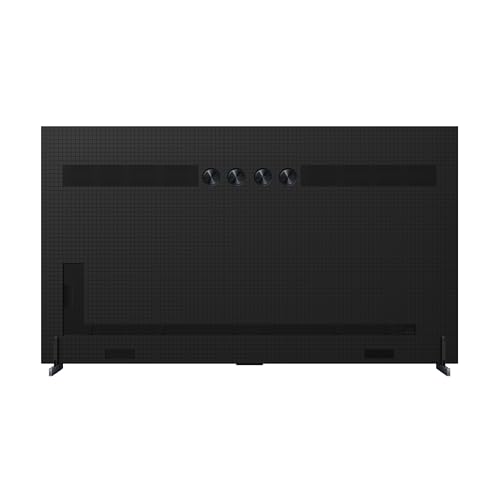
The TCL X11K features a 120-watt Bang & Olufsen audio system with a 2.1.1 channel configuration. This means you get left and right speakers, a center channel, a subwoofer, and an upward-firing speaker for Dolby Atmos effects. In practice, this system can fill a medium-sized room with rich, detailed sound that doesn't embarrass the massive screen.
The LG G2 includes AI Sound Pro, which analyzes content and adjusts the audio processing accordingly. While not as powerful as the TCL's system, it's well-tuned and benefits from LG's years of experience in audio processing.
Both support Dolby Atmos, which creates a three-dimensional sound field that can place audio effects above, around, and behind you. While neither replaces a dedicated surround sound system, both are capable enough that you could live with them while saving for that home theater upgrade.
Both TVs run sophisticated smart TV platforms, but they feel quite different in daily use.
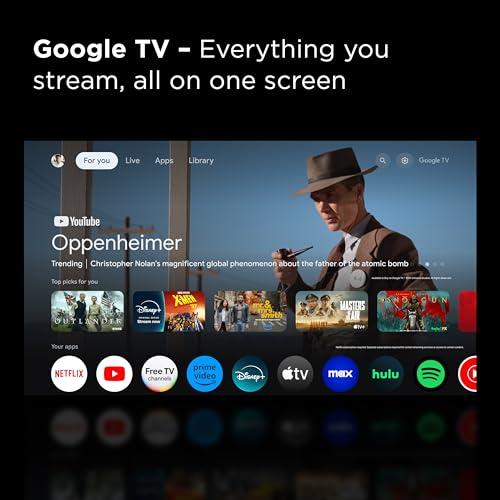
The TCL X11K uses Google TV, which is essentially Android TV with a more polished interface. If you're already invested in Google's ecosystem—using Gmail, Google Photos, or Chromecast—the integration is seamless. The interface learns your viewing habits and suggests content across all your streaming services. Google Assistant voice control is built-in and works well for basic commands.
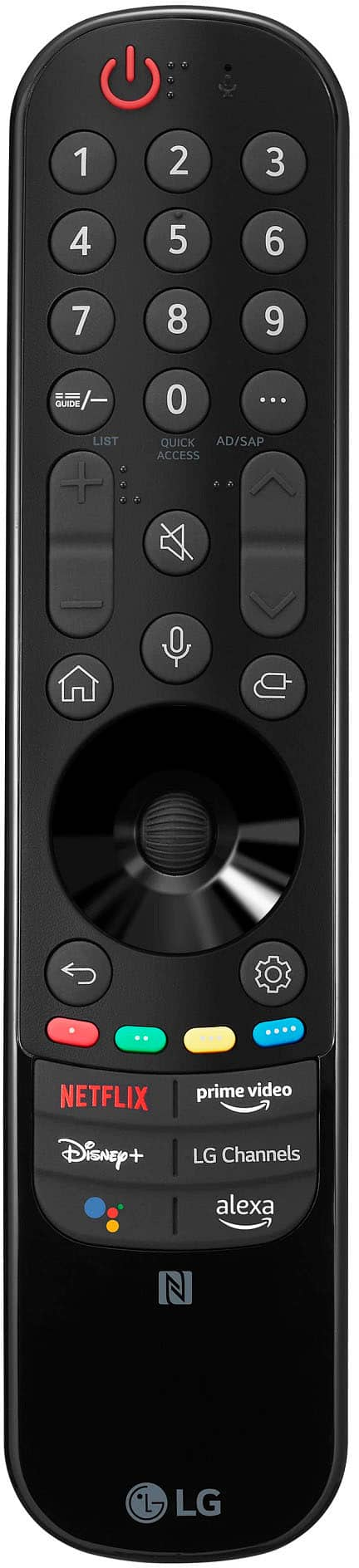
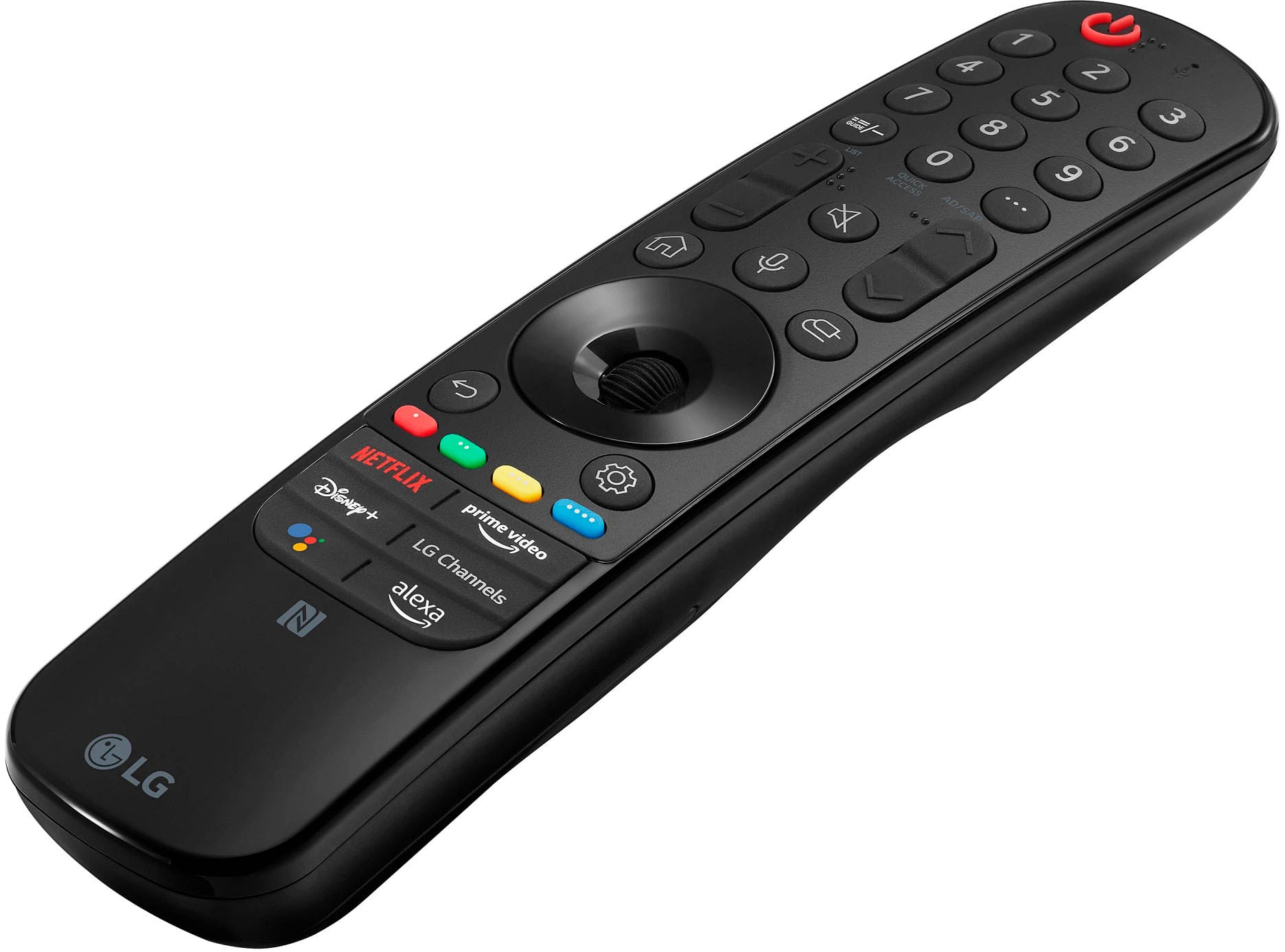
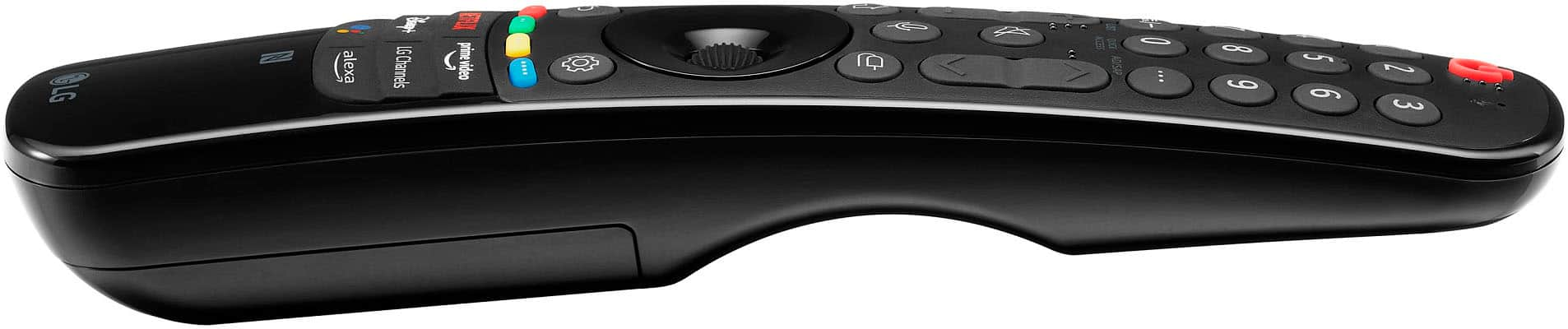
The LG G2 runs webOS, which many consider the most polished smart TV platform available. The interface is intuitive, fast, and includes LG's Magic Remote with point-and-click functionality. The system feels more responsive than most smart TV platforms, and LG's app store includes all the major streaming services.
Both support Apple AirPlay 2 for iPhone and iPad users, and both work with major voice assistants. Your choice here often comes down to personal preference and existing ecosystem investment.
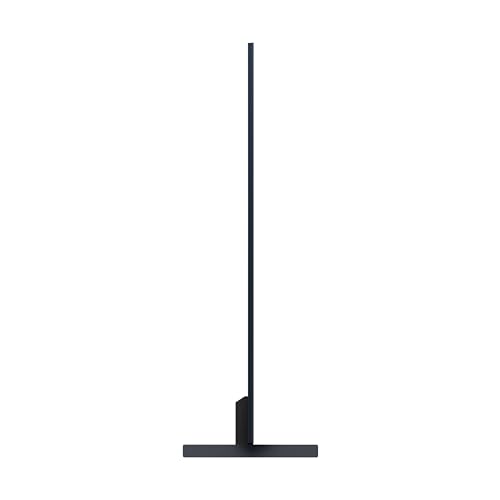
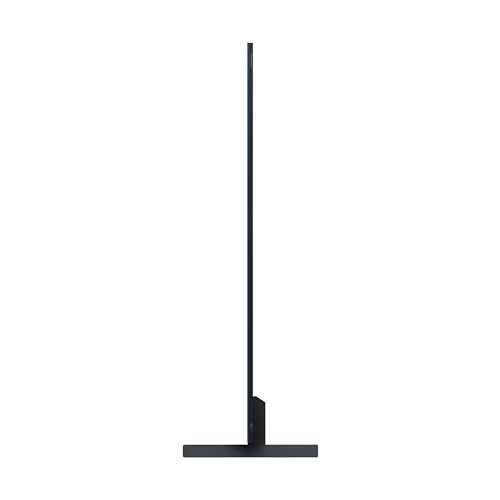
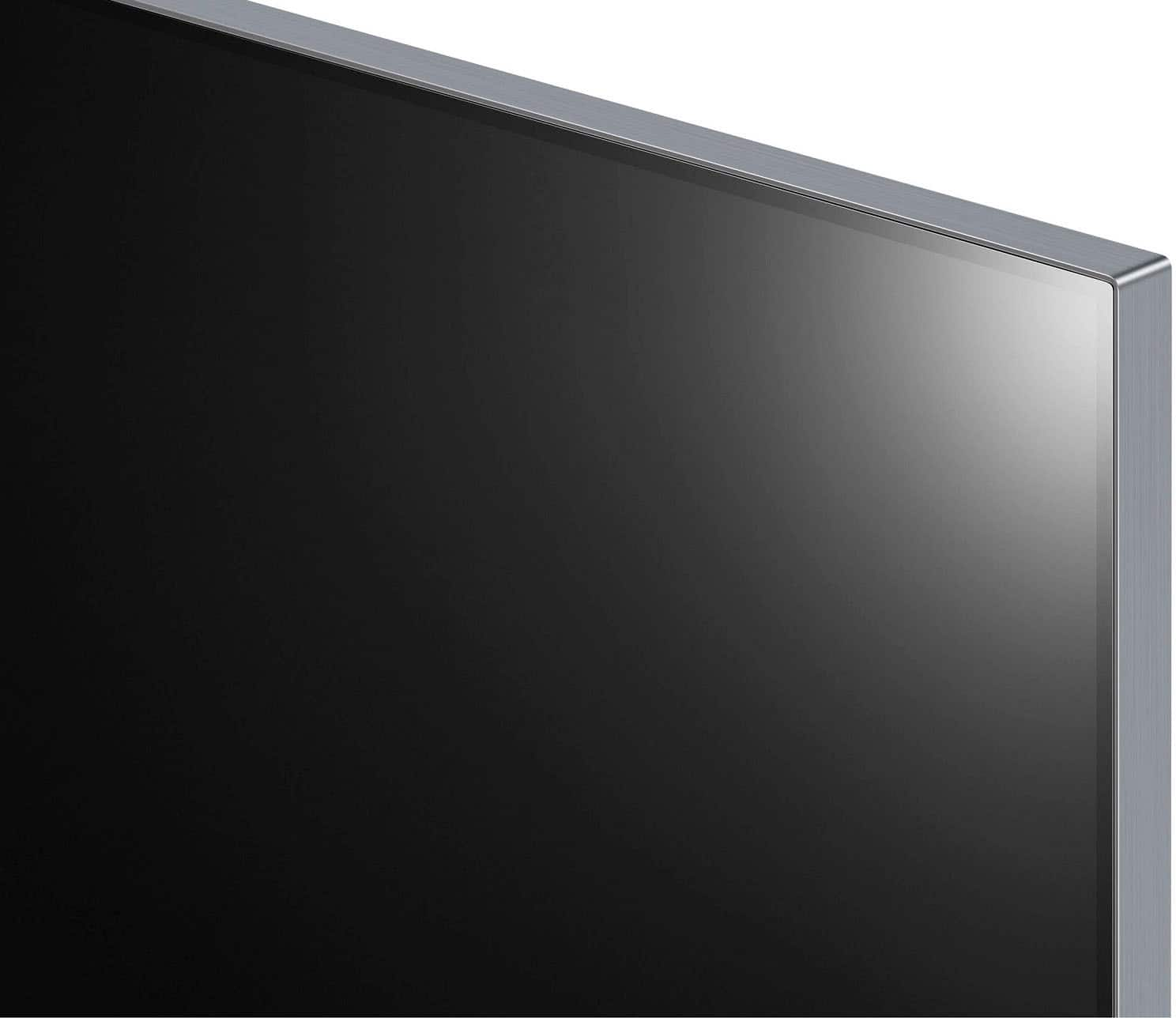
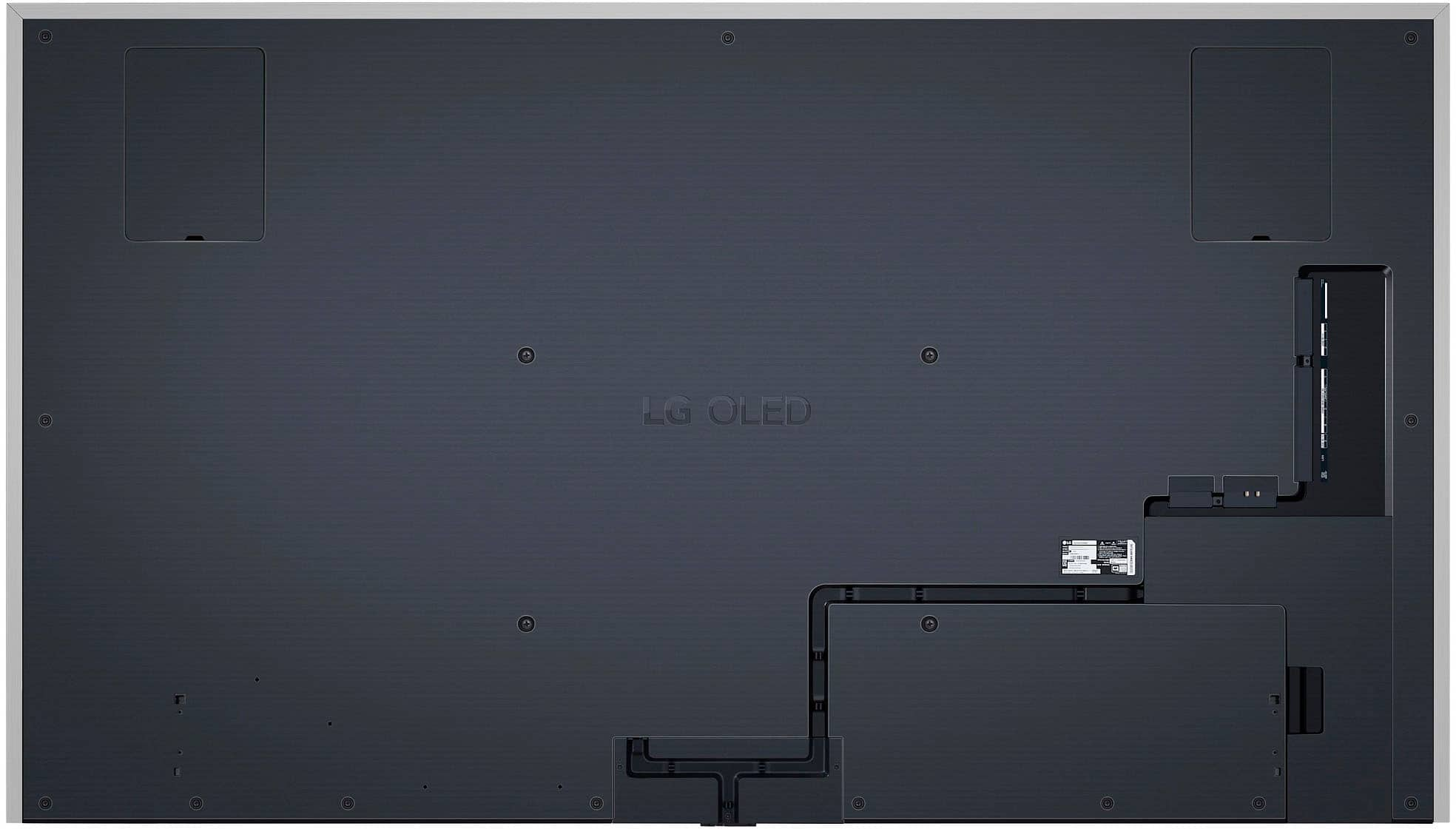
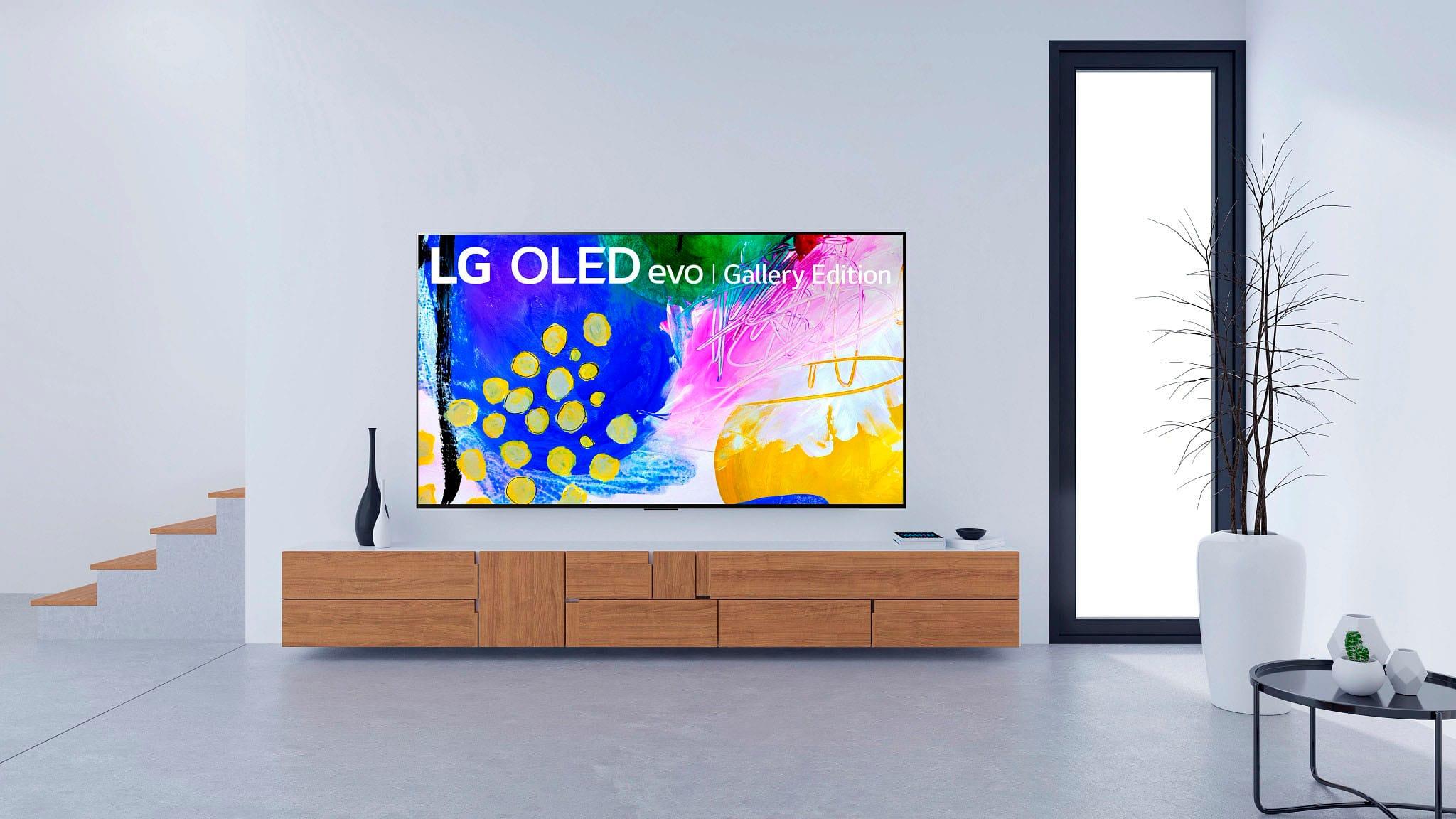
The LG G2 is designed specifically for wall mounting with its "Gallery Series" aesthetic. It sits nearly flush against the wall (about 1.1 inches deep) and looks genuinely elegant mounted properly. The included flush mount is well-engineered, though professional installation is recommended given the size and weight.
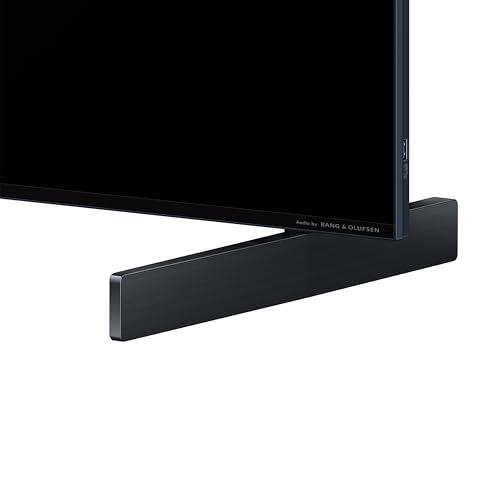
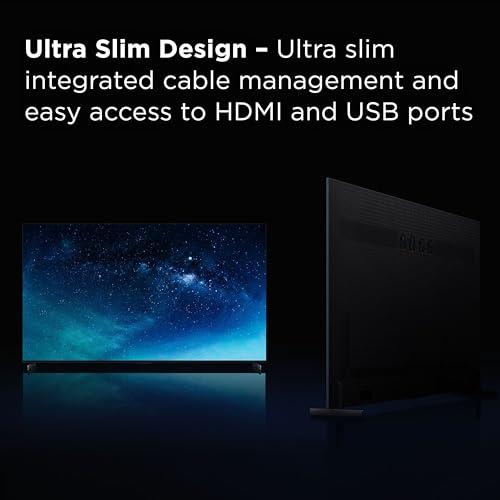
The TCL X11K offers more flexibility. While it includes cable management for clean wall mounting, it also works well on a stand (sold separately). The slightly thicker profile (still quite slim) accommodates the more complex mini-LED backlight system.
Both TVs are substantial pieces of furniture. The LG weighs about 124 pounds without a stand, while the TCL comes in at 152 pounds. Either one requires careful planning and likely professional installation.
At the time of writing, these TVs occupy different price tiers, with the TCL X11K typically priced several thousand dollars below the LG G2. This price difference reflects both the premium nature of OLED technology and LG's position as a luxury brand in the TV market.
The TCL represents exceptional value in the premium TV space. You're getting flagship-level performance, cutting-edge gaming features, and genuinely impressive build quality at a price point that makes it accessible to more households. The mini-LED technology delivers most of the benefits of OLED while adding significant brightness advantages.
The LG G2 commands its premium through refinement and the unique benefits of OLED technology. You're paying for perfect blacks, excellent motion handling, and the prestige of owning what many consider the pinnacle of display technology.
Choose the TCL 98" X11K if:
The TCL excels in bright rooms where its superior peak brightness lets HDR content shine through ambient light. It's also the clear choice for PC gamers who want to take advantage of high-refresh gaming.
Choose the LG 97" G2 OLED if:
The LG is ideal for dedicated home theaters where you can control lighting and fully appreciate OLED's contrast advantages. It's the choice for purists who want the most cinematic experience possible.
Both TVs represent the pinnacle of their respective technologies, and both will deliver experiences that most people would consider exceptional. The choice comes down to your specific needs, room conditions, and priorities.
If you have a bright room and want maximum impact from HDR content, the TCL X11K is hard to beat. Its combination of size, brightness, and gaming capabilities at a more accessible price point makes it an excellent choice for most households.
If you have a darker room and prioritize the most cinematic experience possible, the LG G2 offers refinement and image quality that's hard to match. OLED's perfect blacks create an immersive experience that mini-LED, despite its improvements, can't quite replicate.
Either choice will transform your viewing experience. The question isn't whether these TVs are good—they're both exceptional. The question is which approach better matches your specific needs and preferences. In the end, you'll likely be thrilled with either one.
| TCL 98" X11K 4K QD-Mini LED Google TV | LG 97" G2 Series OLED evo 4K UHD Smart TV |
|---|---|
| Screen Size - Bigger is better for immersive viewing | |
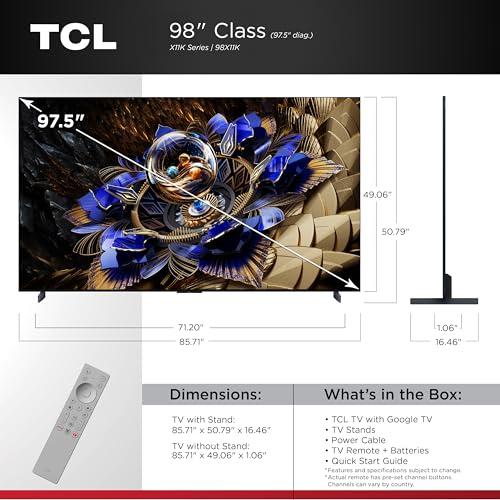
| 98 inches (97.5" viewable) | 97 inches |
| Display Technology - Fundamentally different approaches to picture quality | |
| QD-Mini LED with 14,000 local dimming zones | OLED evo with self-lit pixels |
| Peak Brightness - Critical for HDR impact and bright room viewing | |
| 6,500 nits (exceptional for any lighting condition) | ~800-900 nits (excellent for dark rooms) |
| Contrast Ratio - How well blacks and whites are separated | |
| 65,000,000:1 dynamic contrast | Infinite contrast (perfect blacks) |
| Refresh Rate - Higher numbers mean smoother motion and better gaming | |
| 144Hz native, up to 288Hz VRR | 120Hz with VRR support |
| Gaming Features - Modern console and PC gaming compatibility | |
| AMD FreeSync Premium Pro, Game Accelerator 288, ALLM | NVIDIA G-Sync Compatible, GeForce Now, ALLM, <1ms response |
| Color Coverage - How vibrant and accurate colors appear | |
| 97% DCI-P3, 1.07 billion colors with Quantum Dot | Wide color gamut with natural OLED color reproduction |
| Built-in Audio - Affects whether you need a soundbar immediately | |
| 120W Bang & Olufsen 2.1.1 system with Dolby Atmos | AI Sound Pro with Dolby Atmos support |
| Smart Platform - Your daily interface experience | |
| Google TV with Assistant, Chromecast, Wi-Fi 6 | webOS with Magic Remote, comprehensive app support |
| Design Approach - How it fits in your space | |
| Ultra-slim with stand/wall flexibility, cable management | Gallery Series flush wall-mount design |
| Weight - Important for installation planning | |
| 151.7 lbs without stand, 155 lbs with stand | 123.5 lbs without stand |
| HDR Support - Premium content compatibility | |
| Dolby Vision IQ, HDR10+, HDR10, HLG | Dolby Vision IQ, HDR10, HLG |
| Best Use Cases - Where each excels | |
| Bright rooms, PC gaming, maximum screen size, value seekers | Dark home theaters, movie purists, premium design lovers |
The TCL 98" X11K is significantly better for bright rooms due to its exceptional 6,500 nits peak brightness. This Mini-LED technology can easily overcome ambient light and maintain vibrant HDR content even during daytime viewing. The LG 97" G2 OLED peaks at around 800-900 nits, making it better suited for controlled lighting environments or dedicated home theaters.
The LG G2 OLED uses self-lit pixels that can turn completely off for perfect blacks and infinite contrast, while the TCL X11K uses thousands of tiny LED lights behind a quantum dot layer for exceptional brightness and color. OLED excels in dark rooms with superior contrast, while Mini-LED dominates in bright environments with much higher peak brightness.
The TCL 98" X11K has advantages for PC gaming with its 144Hz native refresh rate and VRR support up to 288Hz, plus AMD FreeSync Premium Pro. The LG 97" G2 offers excellent console gaming with 120Hz, sub-1ms response time, and NVIDIA G-Sync compatibility. Both support modern gaming features, but the TCL edges out for competitive PC gaming.
The TCL 98" X11K features a more powerful 120-watt Bang & Olufsen 2.1.1 channel audio system with dedicated subwoofer and Dolby Atmos support. The LG G2 includes AI Sound Pro with Dolby Atmos but lower overall power output. For immediate use without external speakers, the TCL offers superior built-in sound.
The TCL X11K runs Google TV with seamless integration for Google services, Chromecast, and Google Assistant. The LG G2 uses webOS, widely considered one of the most polished smart TV interfaces with its Magic Remote and intuitive navigation. Both platforms support all major streaming apps and voice control.
For a dedicated home theater with controlled lighting, the LG 97" G2 OLED excels with its perfect black levels and infinite contrast ratio, creating the most cinematic experience possible. The TCL X11K is better if your home theater has ambient light or if you prioritize maximum brightness for HDR content impact.
The LG G2 OLED typically provides a more cinematic experience with perfect blacks, natural color reproduction, and excellent motion handling that closely matches reference monitors used in film production. The TCL X11K offers more impactful HDR highlights and works better in varied lighting conditions, making it versatile for different viewing scenarios.
The TCL 98" X11K generally offers exceptional value with flagship Mini-LED performance, larger screen size, superior gaming features, and better built-in audio at a more accessible price point. The LG G2 commands a premium for OLED technology and refined design but delivers the ultimate dark-room viewing experience.
The LG 97" G2 is designed specifically for flush wall mounting with its Gallery Series aesthetic, sitting just over an inch from the wall. The TCL X11K offers more flexibility with both wall-mount and stand options, plus integrated cable management. Both require professional installation due to their substantial size and weight.
Both TVs excel at motion handling. The LG G2 OLED has near-instantaneous pixel response for extremely sharp motion with minimal blur. The TCL X11K uses MEMC frame insertion and high refresh rates for smooth motion. For fast-paced sports in bright rooms, the TCL's superior brightness gives it an edge, while the LG excels in darker viewing environments.
The TCL 98" X11K delivers more impactful HDR with its 6,500 nits peak brightness, making highlights truly pop and overcoming ambient light. The LG G2 OLED uses its perfect blacks more effectively, creating dramatic contrast even at lower brightness levels. Both support Dolby Vision IQ and major HDR formats, but excel in different lighting conditions.
We've done our best to create useful and informative comparisons to help you decide what product to buy. Our research uses advanced automated methods to create this comparison and perfection is not possible - please contact us for corrections or questions. These are the sites we've researched in the creation of this article: ecoustics.com - pcrichard.com - tcl.com - valueelectronics.com - bestbuy.com - tcl.com - whathifi.com - tcl.com - youtube.com - displayspecifications.com - whathifi.com - youtube.com - notebookcheck.net - tcl.com - tcl.com - displayspecifications.com - tcl.com - tcl.com - pcguide.com - en.homecinesolutions.fr - youtube.com - tcl.com - digitaltrends.com - xssentials.com - valueelectronics.com - youtube.com - bestbuy.com - rangsemart.com.bd - woodburyappliance.com - displaymate.com - youtube.com - rtings.com - displayspecifications.com - techradar.com - avsforum.com - lg.com - youtube.com

Privacy Policy
Terms and Conditions - Affiliate Policy
Home Security
© Copyright 2008-2026.
11816 Inwood Rd #1211, Dallas, TX 75244