

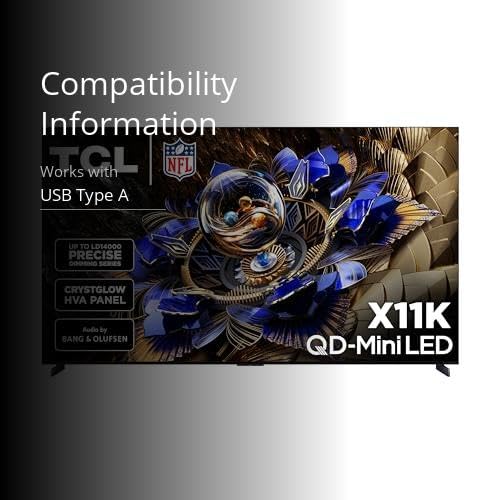

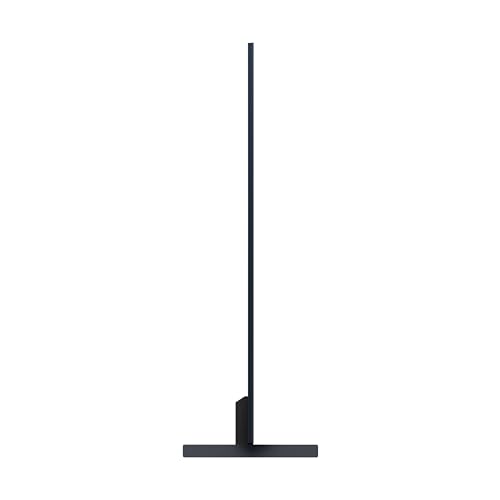
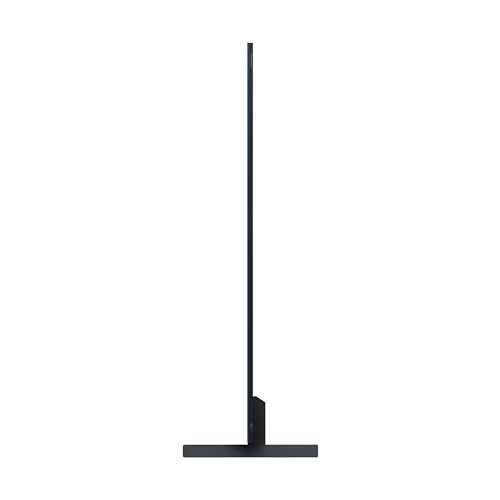
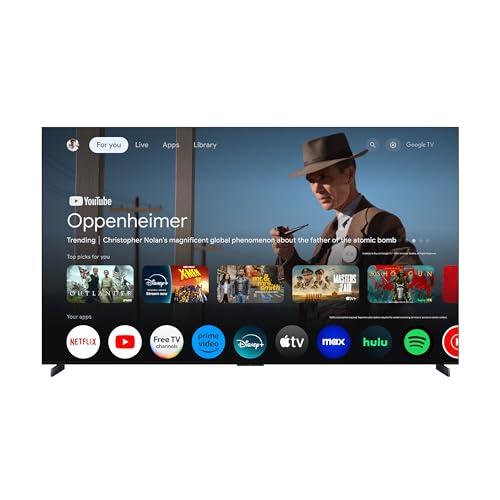
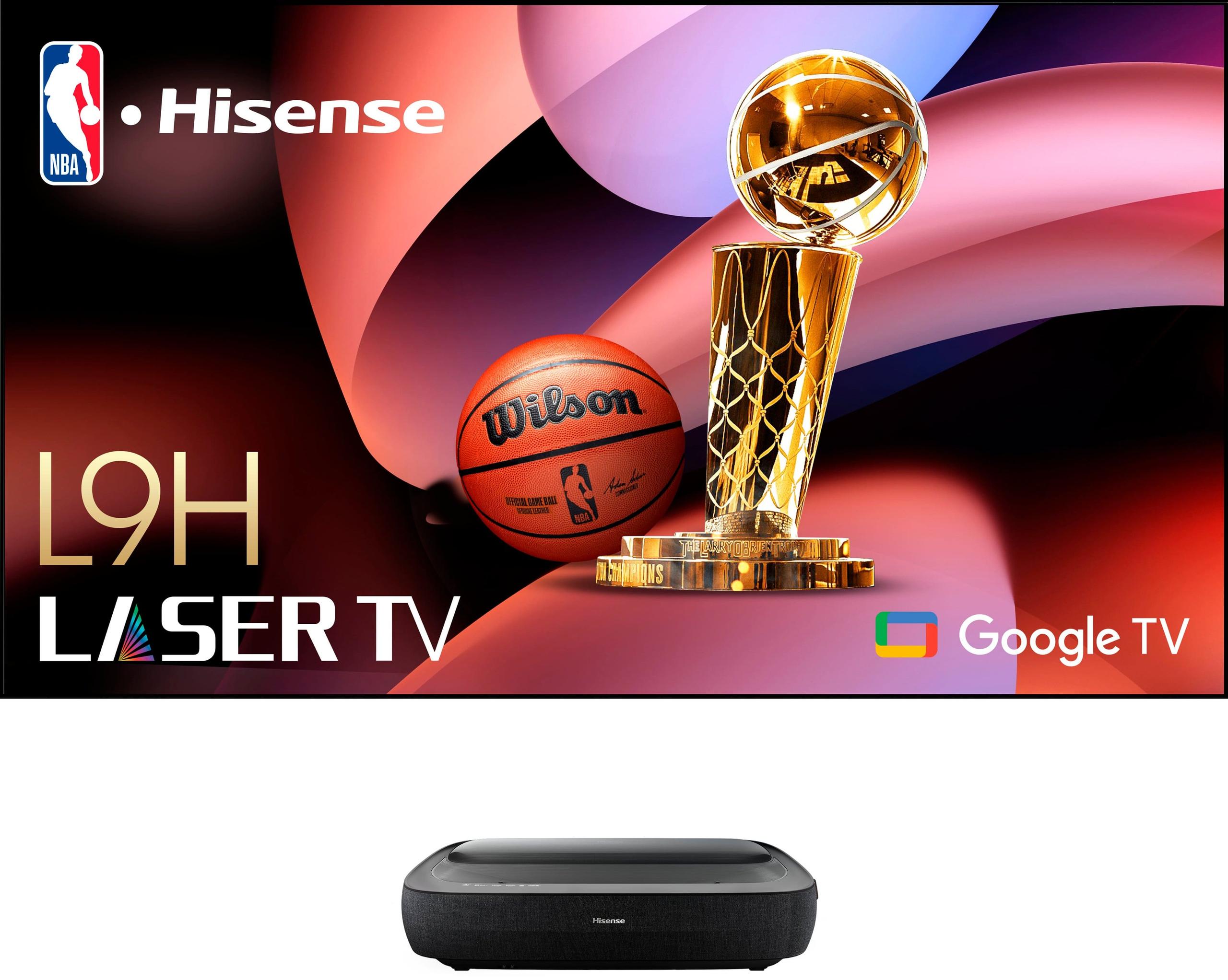
Getting a 100-inch screen in your living room used to mean either buying a house with cathedral ceilings or dealing with a bulky projector mounted somewhere near the back wall. Today's large-screen technology has evolved into two fascinating approaches that couldn't be more different. The TCL 98" X11K represents the absolute peak of traditional TV technology, while the Hisense L9H TriChroma Laser TV reimagines how we think about projection systems entirely.
Both products launched in 2023-2024, arriving during a period when display technology took some major leaps forward. The TCL X11K emerged as TCL's flagship model, showcasing their most advanced Mini LED backlighting system with an unprecedented number of dimming zones. Meanwhile, the Hisense L9H represents years of development in ultra-short throw (UST) laser projection technology, finally making laser projectors practical for normal living spaces.
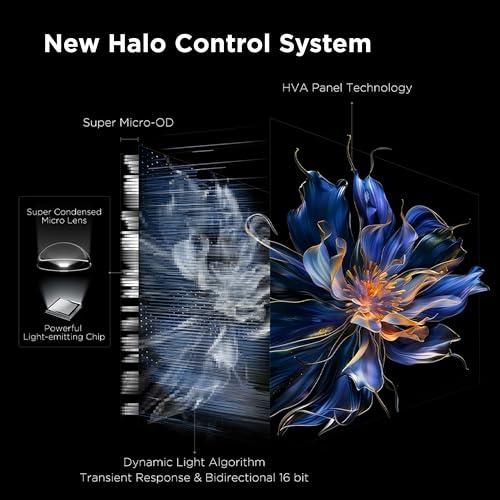
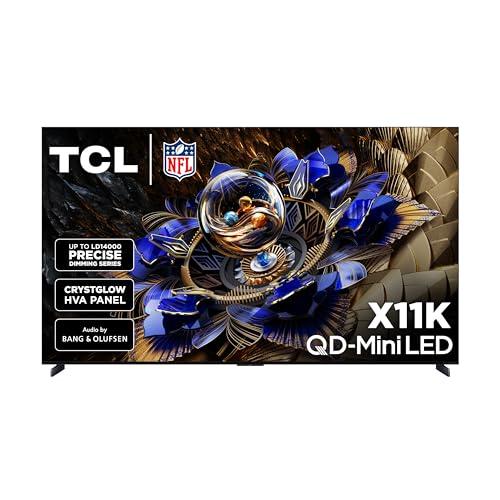
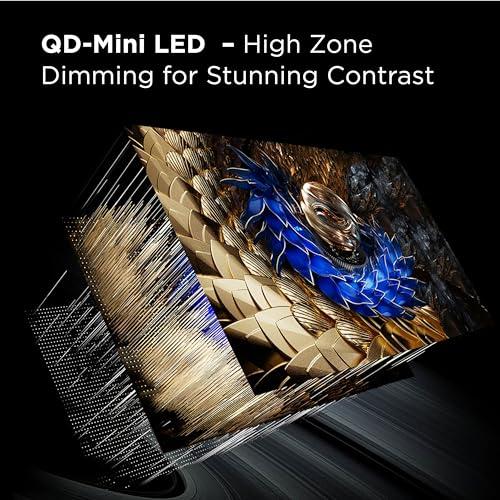
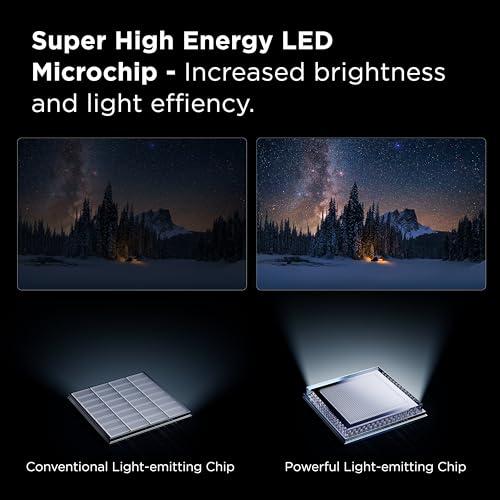
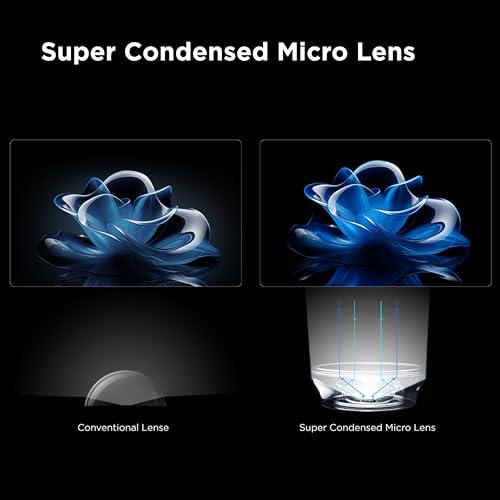
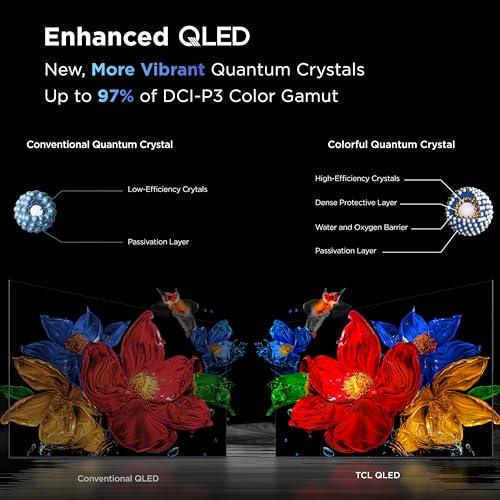
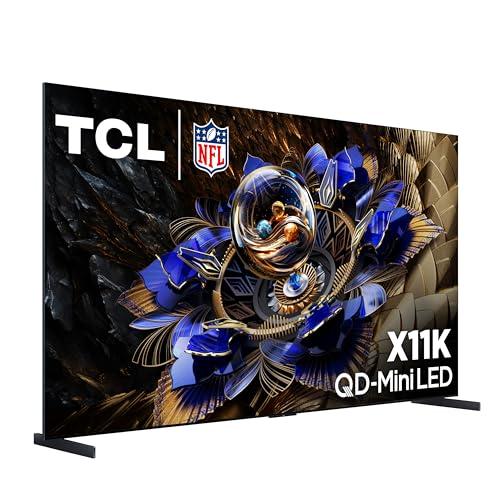
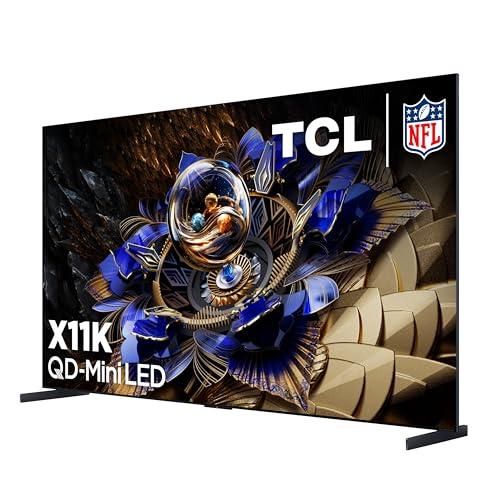
The fundamental difference between these products comes down to how they create the image you see. The TCL X11K uses what's called QD-Mini LED technology - think of it as having thousands of tiny LED lights behind the screen that can brighten or dim independently. These are combined with quantum dots (the "QD" part), which are microscopic particles that enhance color production when light passes through them. The result is a traditional flat-panel TV that can get incredibly bright and precise with its lighting.
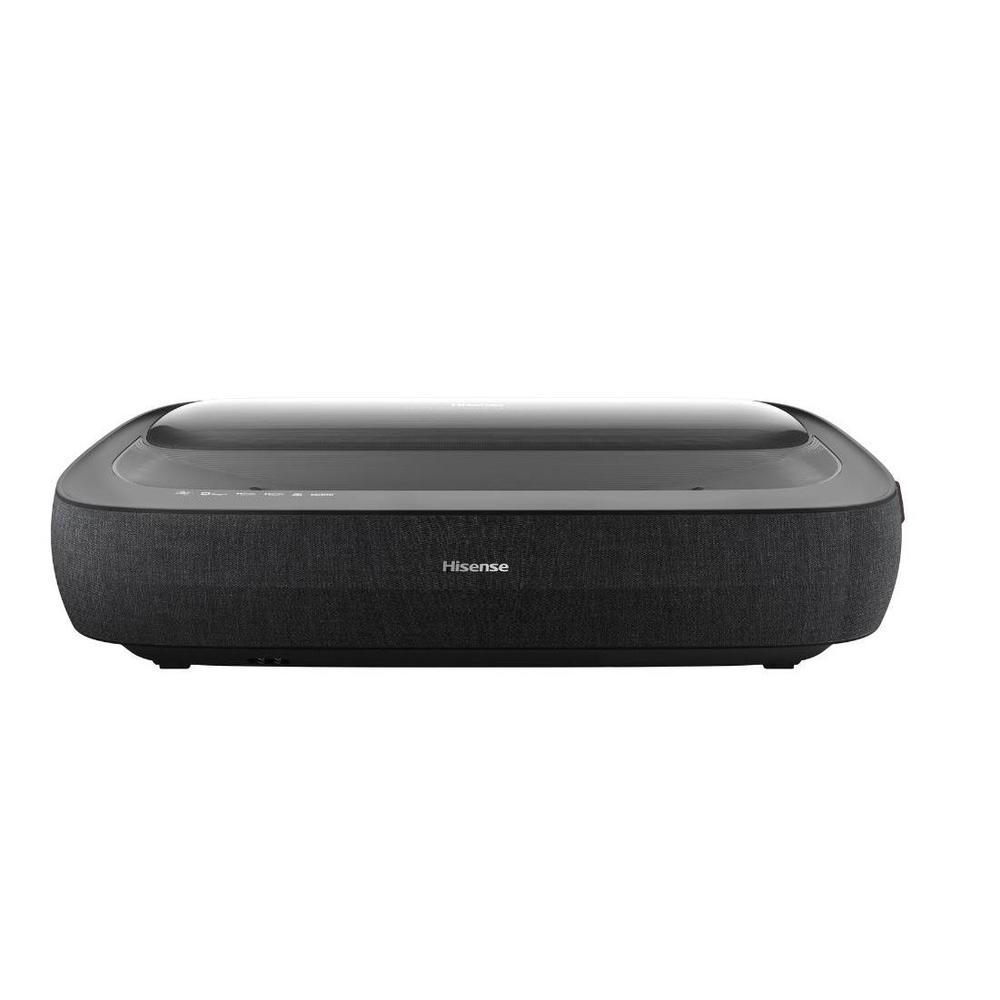
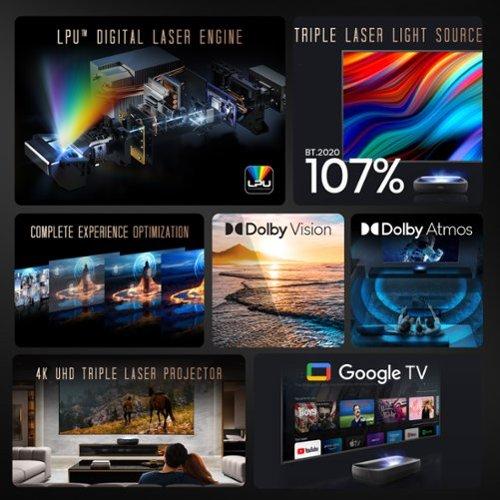
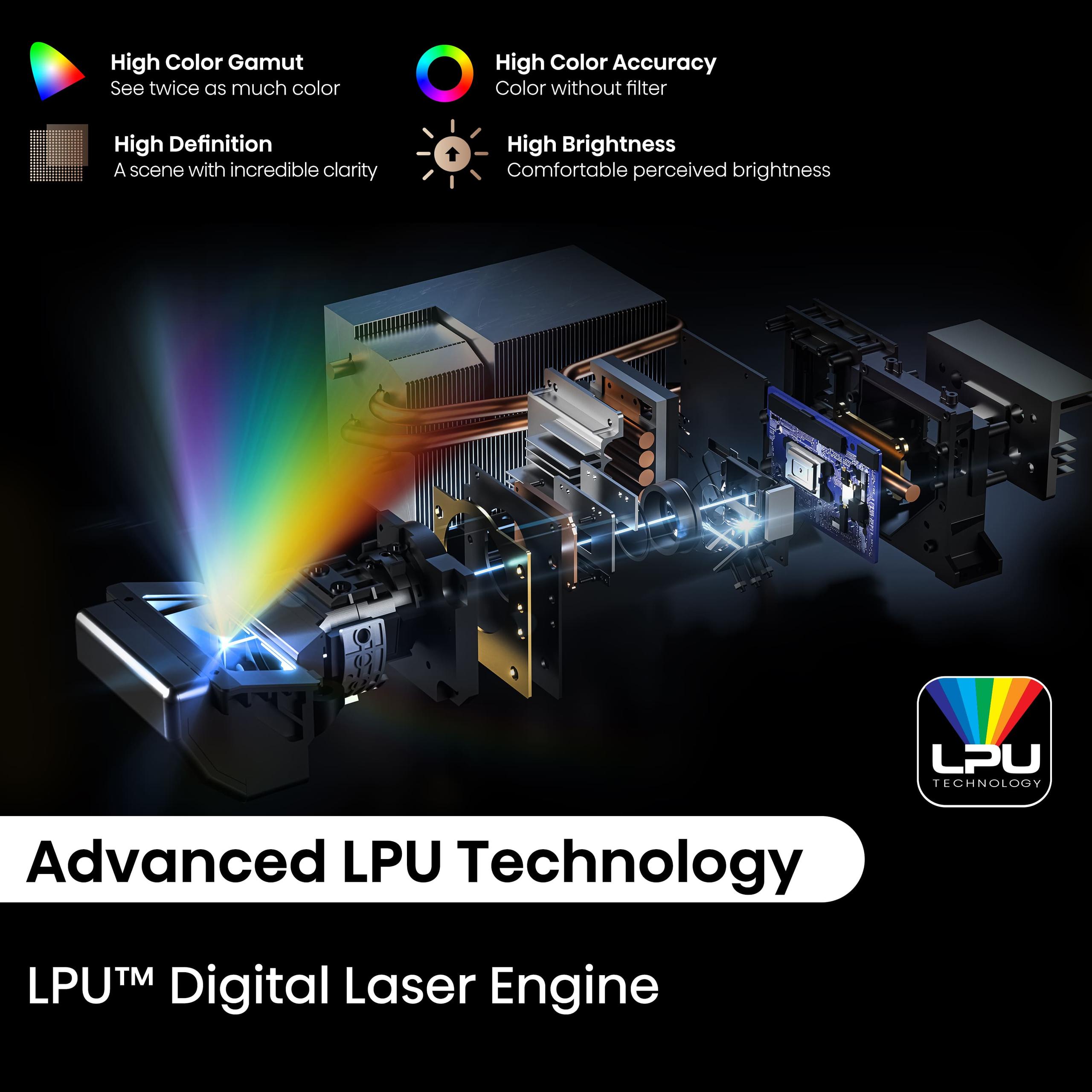
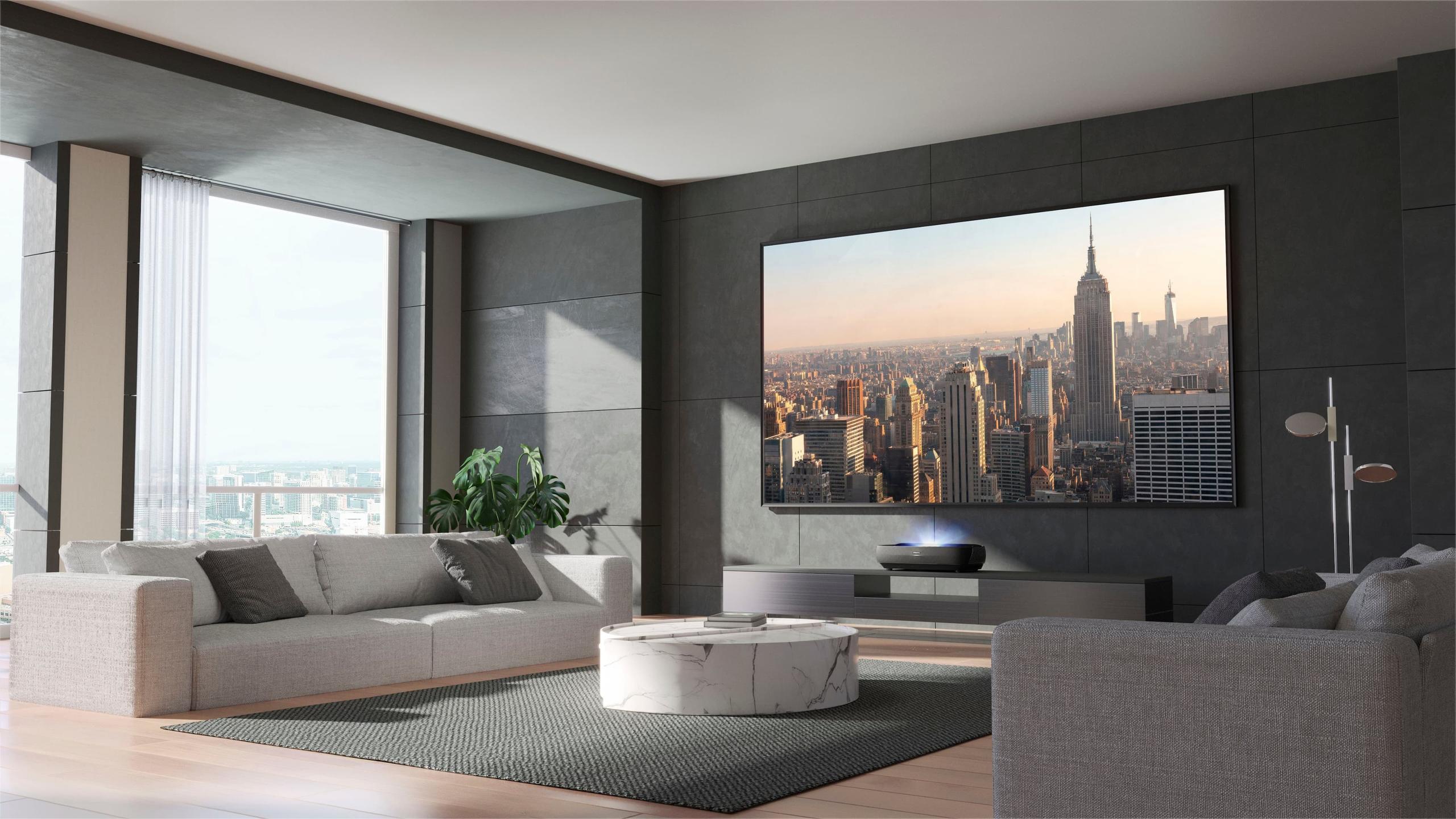
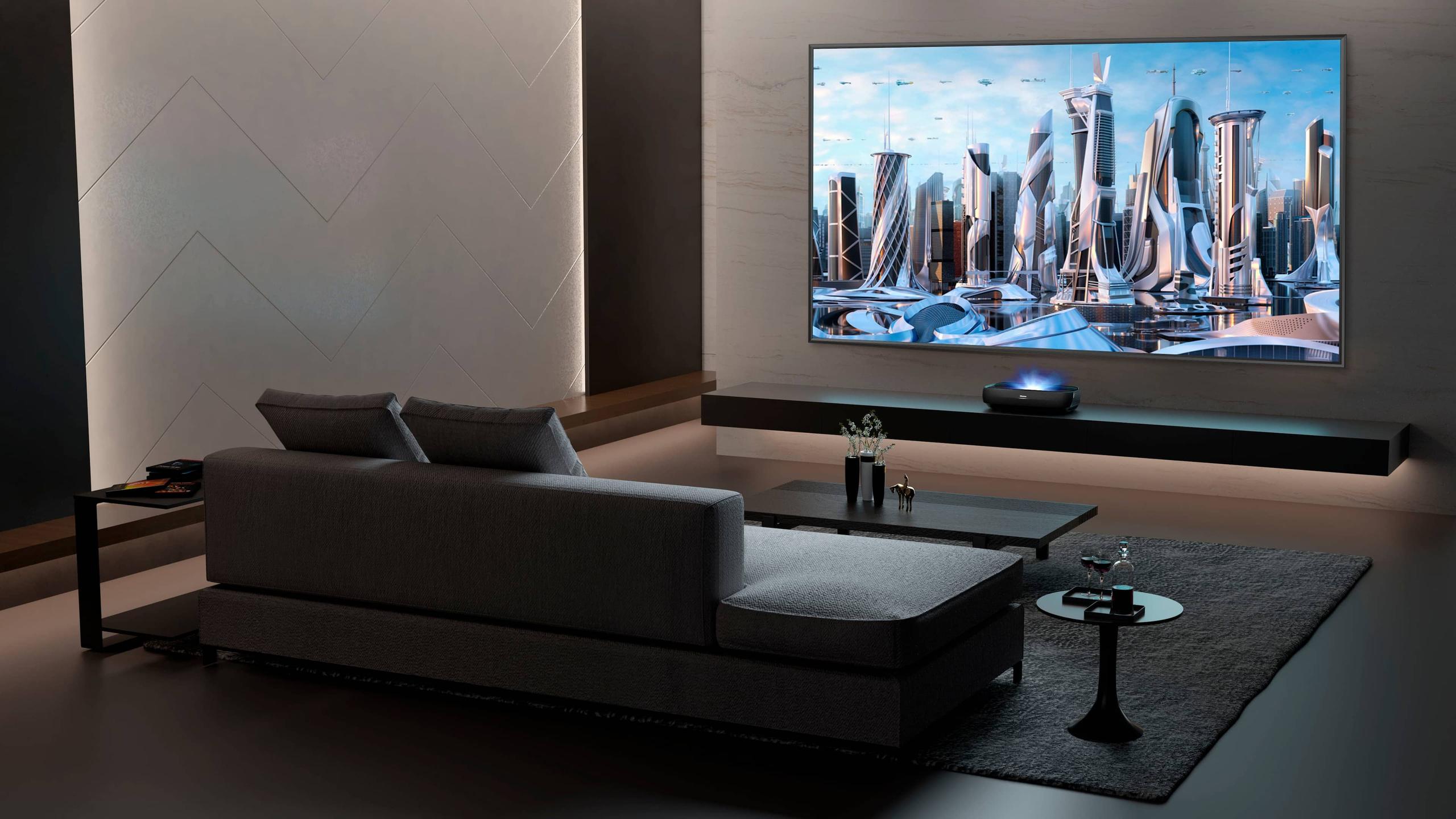
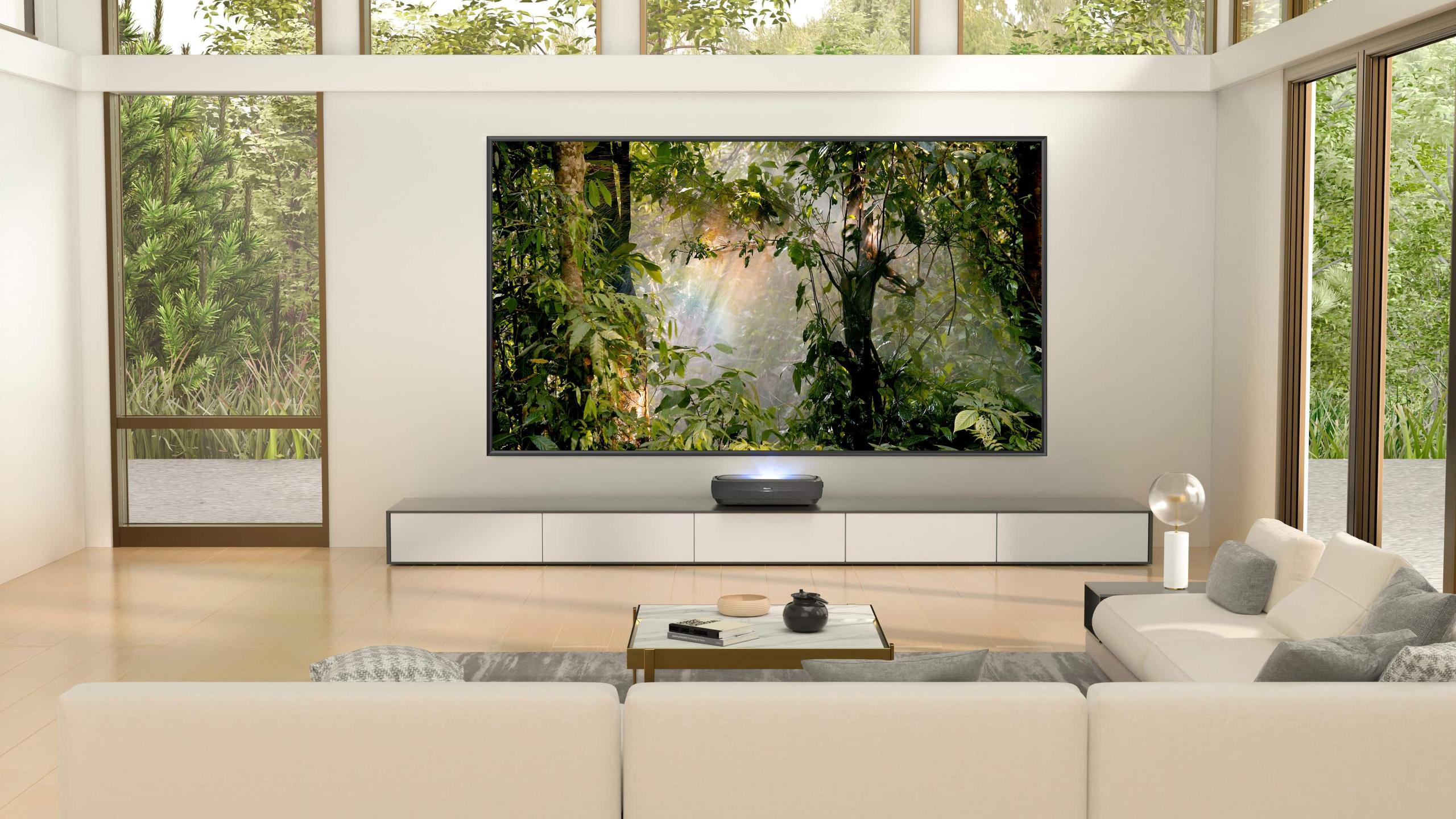
The Hisense L9H takes an entirely different approach. It's technically a projector, but not like the ones you might remember from school presentations. This ultra-short throw projector sits just inches from the wall and uses three separate lasers - red, green, and blue - to create images on a special screen. The "TriChroma" name refers to these three color lasers working together to produce what many consider the most accurate colors possible in home display technology.
What makes the UST design revolutionary is the throw ratio - that's the distance the projector needs to be from the screen relative to the screen size. Traditional projectors need to be mounted across the room, but the Hisense L9H can create a 100-inch image while sitting less than a foot from the wall. This eliminates the biggest drawback of projection systems: needing a dedicated room setup.
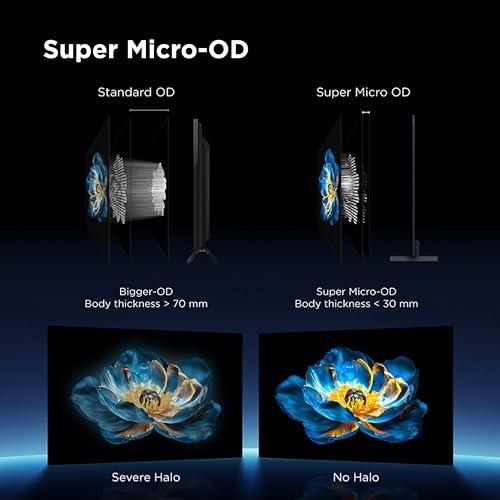
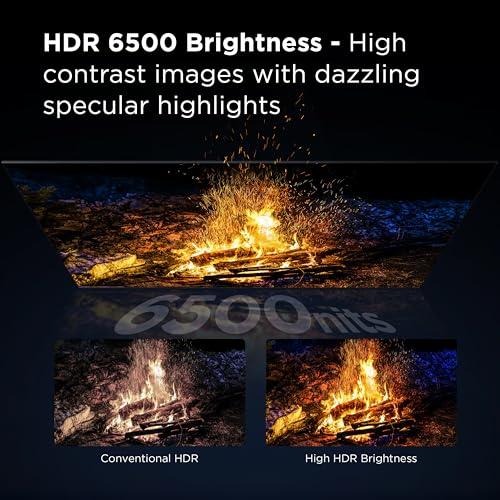
When it comes to brightness, these products exist in different universes. The TCL X11K achieves an astronomical 6,500 nits of peak brightness, supported by 14,000 individual dimming zones. To put that in perspective, a typical TV might hit 1,000 nits, while bright sunlight measures around 100,000 nits. This extreme brightness capability means the TCL can make HDR content truly pop - think of explosions in action movies or the glint of sunlight on water that actually makes you squint slightly.
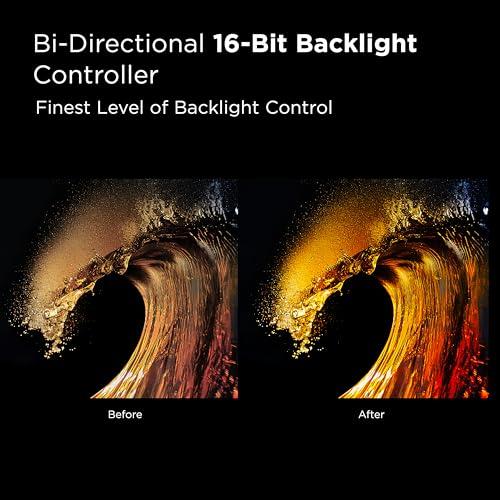
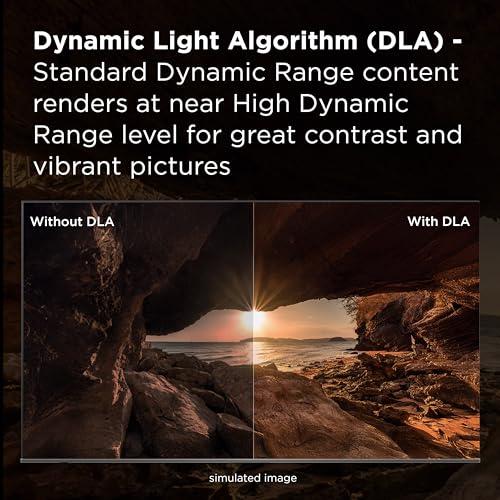
Those 14,000 dimming zones are equally impressive. Each zone can independently brighten or dim, allowing the TV to show pure black right next to brilliant white without the black areas looking gray. This level of local dimming control was unimaginable in consumer displays just a few years ago.
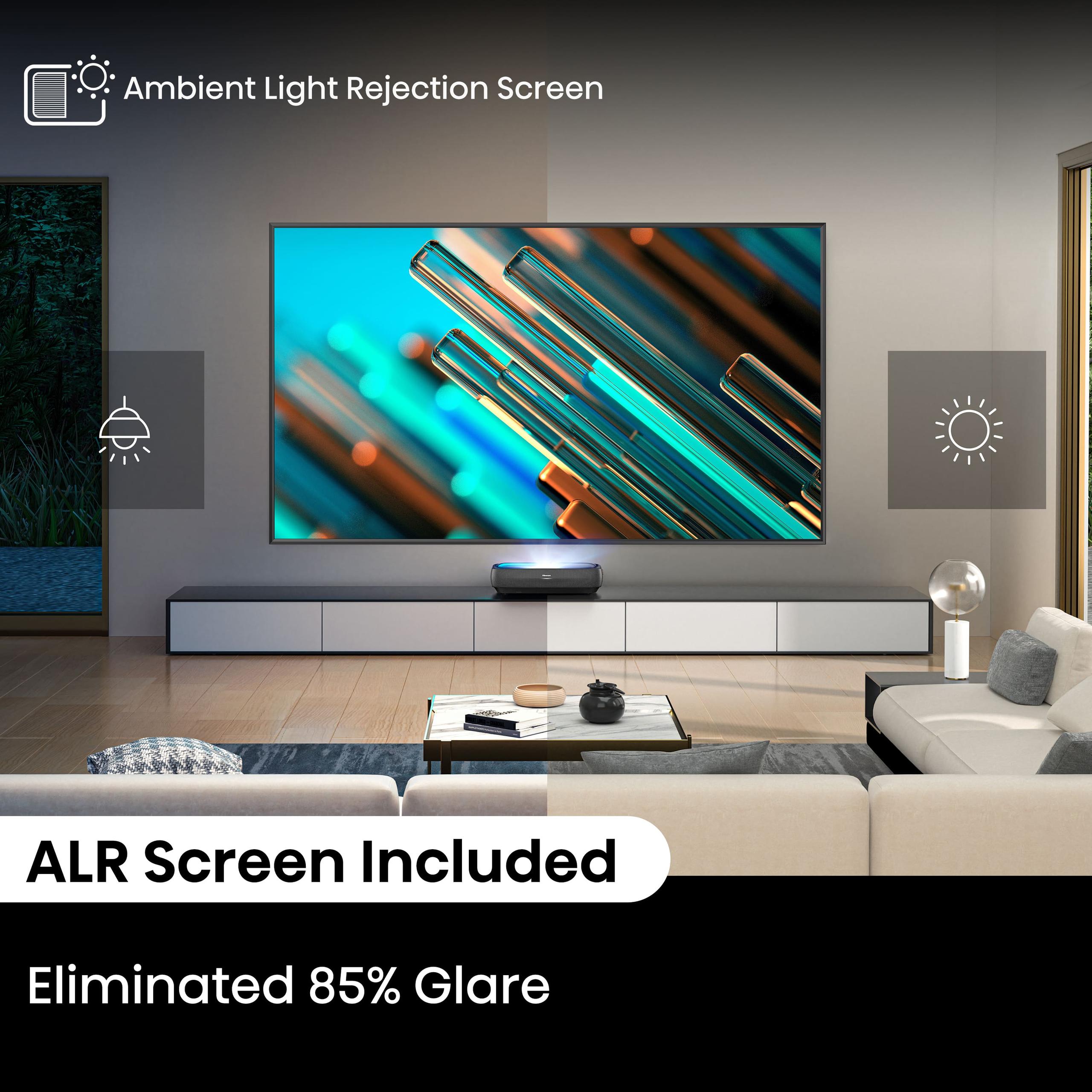
The Hisense L9H operates at 3,000 ANSI lumens, which translates to much lower peak brightness than the TCL but is still quite respectable for projection technology. ANSI lumens measure the actual light output across the entire screen, whereas nits measure brightness at specific points. The projector's strength lies in its consistent brightness across the entire 100-inch surface and its specialized ALR (Ambient Light Rejecting) screen.
This ALR screen deserves special mention because it's engineered with microscopic ridges that reflect the projector's light toward viewers while rejecting light coming from other angles - like overhead lights or windows. This technology allows the Hisense system to maintain decent image quality even with some ambient light, though it can't match the TCL's performance in bright rooms.
For practical viewing, the brightness difference means the TCL X11K dominates in bright living rooms where you might watch TV during the day with windows uncovered. The Hisense L9H performs best in controlled lighting environments, similar to a dedicated home theater.
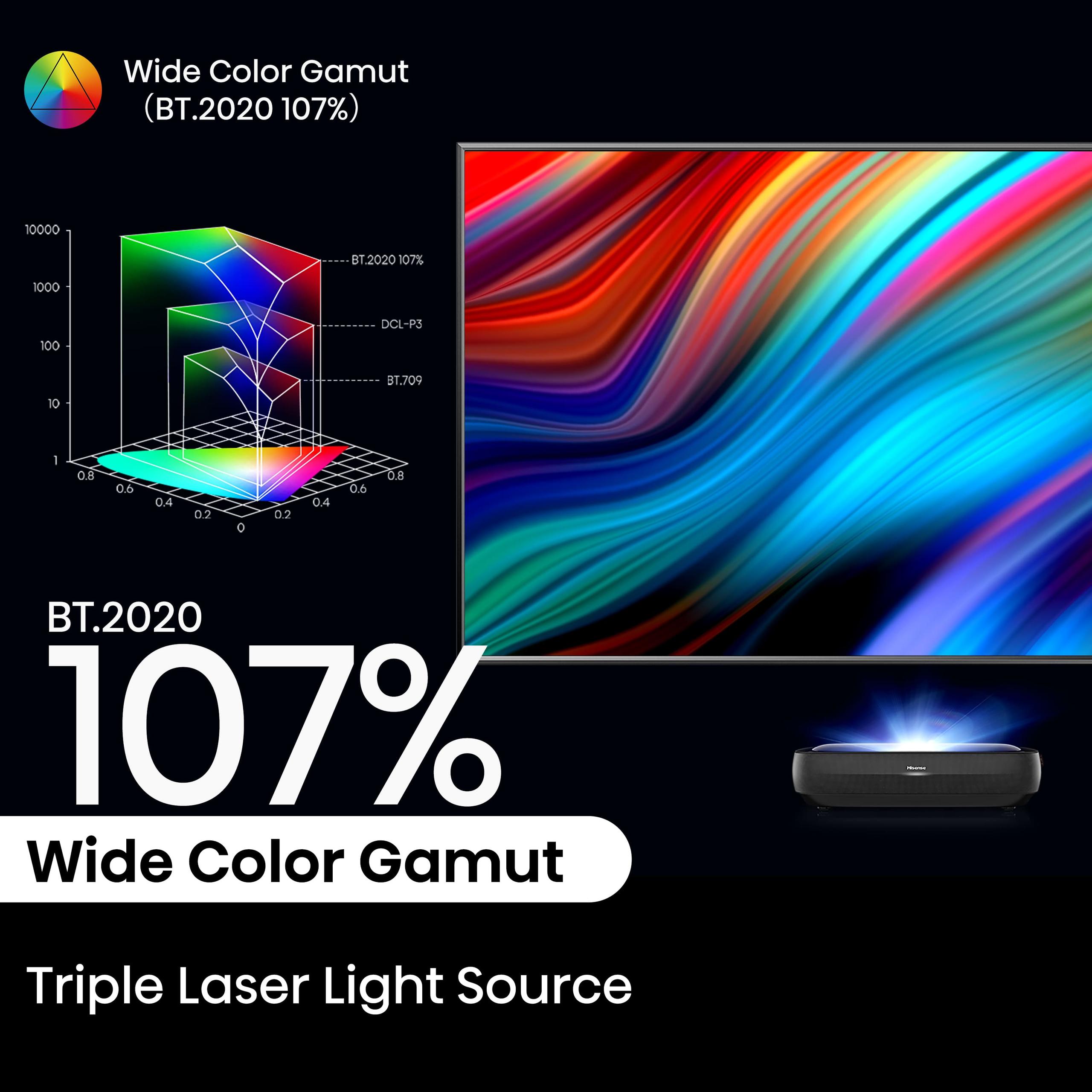
Color reproduction reveals where laser technology truly excels. The Hisense L9H achieves 107% coverage of the BT.2020 color space, which is the professional standard for HDR content. This coverage surpasses what most content creators use when mastering films and TV shows. The pure RGB lasers can produce specific wavelengths of light that correspond exactly to the colors directors intended, resulting in what many describe as the most film-accurate colors available in consumer displays.
The TriChroma laser system eliminates many compromises inherent in traditional display technology. Instead of using white light filtered through color layers, each laser produces pure red, green, or blue light. This direct color generation means no energy is lost in filtration, and no compromises are made in color purity.
The TCL X11K counters with quantum dot technology that can display over one billion distinct colors, covering 98% of the DCI-P3 color space (another professional standard focused on digital cinema). While not quite matching the laser's BT.2020 coverage, this still represents exceptional color reproduction that surpasses most consumer displays.
The practical difference comes down to accuracy versus impact. The Hisense projector reproduces colors more precisely as content creators intended, while the TCL TV can make colors more vivid and impactful due to its extreme brightness capability. Both approaches have merit depending on your priorities.
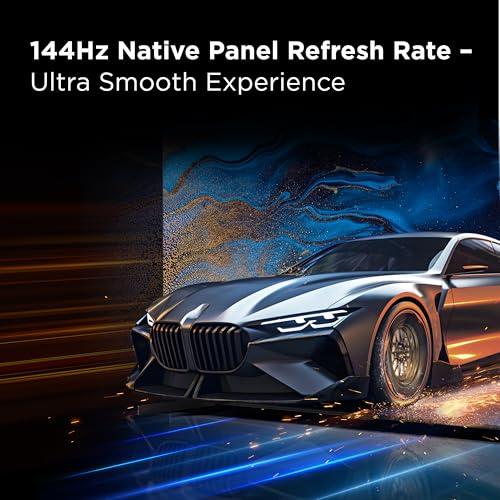
For gaming enthusiasts, the TCL X11K delivers a decisive victory. Its native 144Hz refresh rate means it can display 144 unique frames per second, creating incredibly smooth motion in fast-paced games. Combined with AMD FreeSync Premium Pro support, the TV can synchronize its refresh rate with your gaming console or PC to eliminate screen tearing and stuttering.
The TV also supports Variable Refresh Rate (VRR) up to 144Hz, meaning it can adjust its refresh rate dynamically based on what your gaming system is outputting. This flexibility is crucial for maintaining smooth gameplay across different types of games and performance scenarios.
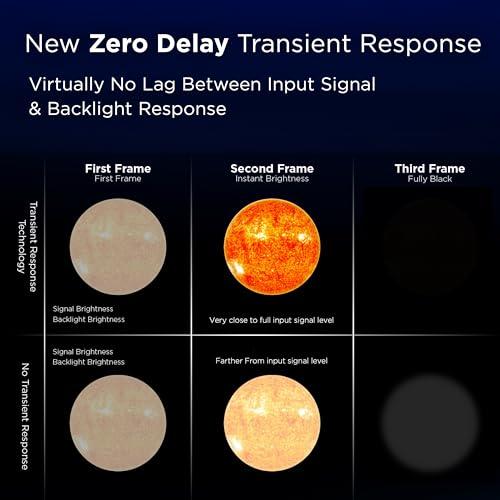
Input lag - the delay between when you press a button and see the result on screen - is optimized for competitive gaming through features like Auto Low Latency Mode (ALLM) and Game Accelerator technology that can theoretically push response times down to 10 milliseconds for high-refresh gaming.
The Hisense L9H maxes out at 4K@60Hz, which is adequate for casual gaming but limiting for competitive players or those with high-end gaming PCs capable of higher frame rates. The projection system also introduces inherent processing delays that can't match the direct-display responsiveness of the TCL.
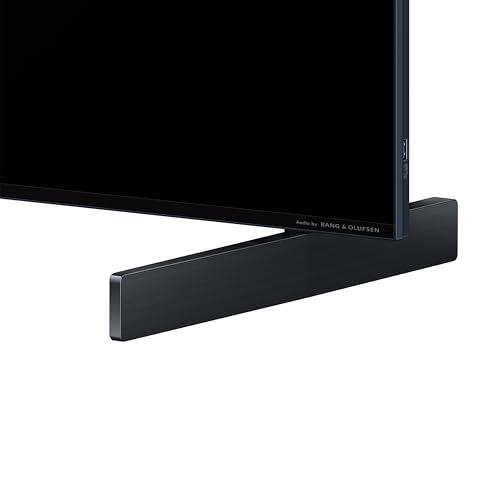
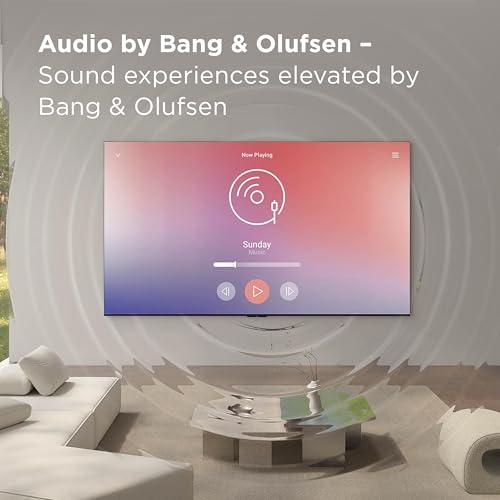
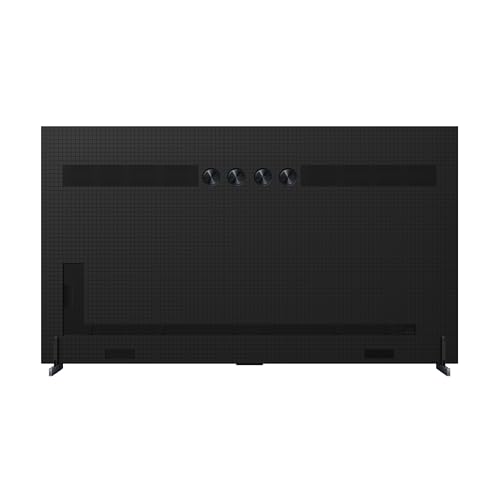
Audio capabilities reveal another significant difference between these approaches. The TCL X11K incorporates a premium Bang & Olufsen sound system delivering 120 watts of power through a 2.1.1 channel configuration. This setup includes dedicated drivers for different frequency ranges and even a built-in subwoofer for deep bass response.
The system supports advanced audio formats including Dolby Atmos and DTS Virtual:X, which create three-dimensional soundscapes that can make audio appear to come from above, beside, or behind you without additional speakers. For many users, this built-in audio system eliminates the need for a separate sound bar or home theater system.
The Hisense L9H includes a more modest 40-watt stereo system with Dolby Atmos processing. While capable of decent sound quality, it lacks the power and sophistication of the TCL's audio setup. However, many projector users prefer to pair their systems with dedicated audio equipment anyway, viewing the built-in speakers as a convenience rather than the primary audio solution.
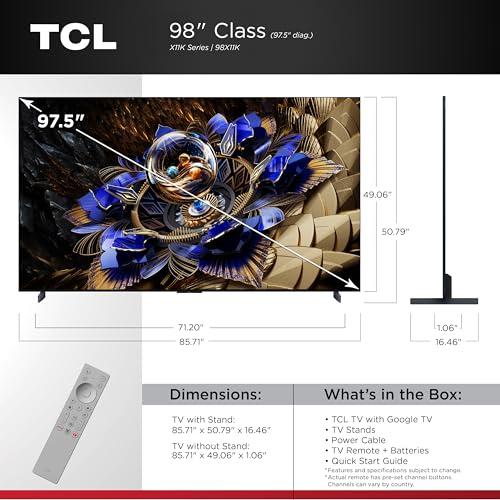
Setting up these systems reveals fundamental differences in complexity and flexibility. The TCL X11K follows traditional TV installation - mount it on the wall or place it on a stand, plug it in, and you're ready to go. The main consideration is having a wall space capable of accommodating its substantial 85.7-inch width and ensuring your room layout can handle the viewing distances appropriate for a 98-inch screen.
The Hisense L9H requires more thoughtful planning. The ultra-short throw design means the projector sits on a low cabinet or shelf just inches from the wall, but you need to ensure proper ventilation around the unit and cable management for power and connectivity. The included ALR screen requires mounting and proper tensioning to maintain image quality.
However, the UST design offers flexibility that traditional TVs can't match. If your room layout makes mounting a 98-inch TV impractical - perhaps due to windows, architectural features, or furniture placement - the projector system might work where the TV won't.
The screen size difference, while small (98" versus 100"), becomes more noticeable than you might expect. That extra diagonal measurement translates to meaningfully more screen area, and since both products target the premium large-screen market, every inch matters.
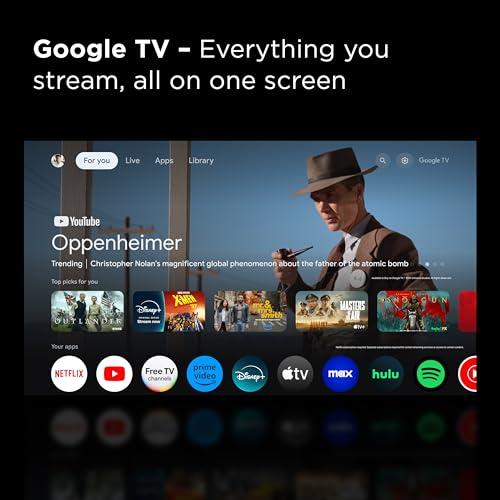
Both systems run Google TV, offering identical smart platform experiences with access to streaming apps, voice control through Google Assistant, and integration with smart home ecosystems. They support modern connectivity standards including Wi-Fi 6 for fast, stable internet connections.
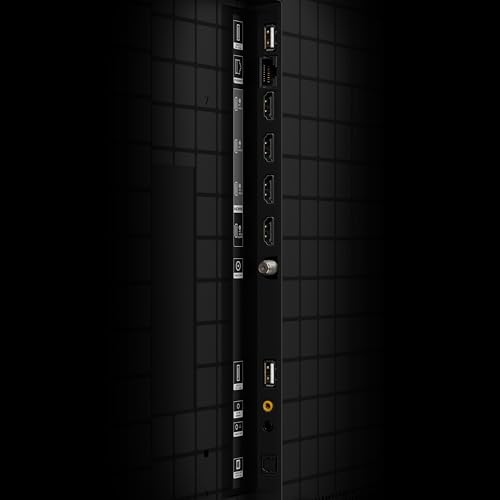
The TCL X11K includes more comprehensive connectivity with multiple HDMI ports optimized for different uses, including eARC for high-quality audio passthrough to external sound systems. Its gaming-focused features require these additional connections to support various gaming devices at their full potential.
The Hisense L9H provides adequate connectivity for most users, though the focus is more on streaming and casual use rather than supporting multiple high-performance gaming systems simultaneously.
At the time of writing, the Hisense L9H typically costs about $1,000 less than the TCL X11K, while providing a larger 100-inch screen and including the specialized ALR screen in the package. This price difference makes the projector system more accessible for users seeking premium large-screen experiences on a somewhat more constrained budget.
However, value calculations extend beyond initial cost. The TCL TV operates like any other television with no consumable components or special maintenance requirements. The Hisense projector uses laser light sources rated for 25,000+ hours of operation - roughly 10-15 years of normal viewing - but eventual replacement or service may be more complex than traditional TV repairs.
The specialized ALR screen included with the Hisense system is crucial for optimal performance but represents another component that could potentially require replacement or maintenance over the product's lifetime.
For dedicated home theater use, both products offer compelling but different experiences. The TCL X11K excels in mixed-use rooms where you might watch movies with some ambient lighting or need maximum brightness for HDR content impact. Its integrated premium audio system reduces the need for additional components in a basic home theater setup.
The Hisense L9H provides a more traditionally cinematic experience with its projection-based approach and superior color accuracy. Film enthusiasts often prefer the color reproduction of laser projection systems, particularly for content mastered in professional color standards. The 100-inch screen size also creates a more immersive viewing experience that can make the difference between feeling like you're watching a movie versus being transported into it.
The projection approach also eliminates the direct light source that some viewers find fatiguing during extended viewing sessions, instead reflecting ambient light off the screen surface in a way that's easier on the eyes.
Choose the TCL 98" X11K if you're prioritizing versatility, gaming performance, and maximum visual impact. This makes sense for bright living rooms, serious gamers, or anyone wanting the simplicity of a traditional TV experience with cutting-edge performance. The superior brightness and built-in premium audio create an impressive all-in-one entertainment solution.
The Hisense L9H makes more sense for users prioritizing color accuracy, cinematic viewing experiences, and value. It's ideal for dedicated home theaters or media rooms where lighting can be controlled, and where the authentic projection experience enhances movie watching. The cost savings and larger screen size make it attractive for users seeking maximum screen real estate at a more accessible price point.
Both represent the current peak of their respective technologies, and either choice delivers a premium large-screen experience that would have been impossible or prohibitively expensive just a few years ago. The decision ultimately comes down to your viewing environment, primary use cases, and personal preferences about display technology approaches.
The rapid evolution of both Mini LED and laser projection technology since 2023 suggests that future iterations of both approaches will likely offer even more impressive capabilities, but these current-generation products establish new benchmarks for what's possible in home display technology.
| TCL 98" X11K 4K QD-Mini LED Google TV | Hisense L9H TriChroma Laser TV 100" UST Projector |
|---|---|
| Screen Size - Every inch counts at this premium level | |
| 98 inches diagonal (97.5" viewable) | 100 inches diagonal (projected) |
| Display Technology - Fundamentally different approaches to image creation | |
| QD-Mini LED with 14,000 local dimming zones | TriChroma RGB laser projection with ALR screen |
| Peak Brightness - Critical for HDR impact and bright room viewing | |
| 6,500 nits (exceptional for any lighting condition) | 3,000 ANSI lumens (good for controlled lighting) |
| Color Accuracy - Determines how true-to-life images appear | |
| 98%+ DCI-P3 coverage with quantum dot enhancement | 107% BT.2020 coverage (exceeds professional standards) |
| Gaming Performance - Refresh rate determines smoothness in fast-action content | |
| 144Hz native with VRR up to 144Hz, AMD FreeSync Premium Pro | 4K@60Hz maximum (standard for movies, limiting for gaming) |
| Audio System - Built-in sound quality and power | |
| 120W Bang & Olufsen 2.1.1 system with Dolby Atmos | 40W stereo system with Dolby Atmos processing |
| Installation Requirements - Setup complexity and room flexibility | |
| Traditional TV mounting, plug-and-play operation | UST projector + screen mounting, requires positioning precision |
| Smart Platform - Streaming and connectivity features | |
| Google TV with Wi-Fi 6, comprehensive HDMI connectivity | Google TV with Wi-Fi 6, standard projector connectivity |
| Optimal Viewing Environment - Where each product performs best | |
| Bright living rooms, mixed lighting, gaming setups | Dedicated theaters, controlled lighting, cinematic viewing |
| Long-term Considerations - Maintenance and component lifespan | |
| Standard TV reliability, no consumables | 25,000+ hour laser life, specialized screen included |
| Best For - Primary use case recommendations | |
| Versatile living room centerpiece, serious gaming, bright environments | Color-critical movie viewing, space-efficient large screen, budget-conscious premium experience |
The TCL 98" X11K is significantly brighter with 6,500 nits peak brightness, making it excellent for bright rooms and daytime viewing. The Hisense L9H produces 3,000 ANSI lumens, which is good for controlled lighting but can't match the TCL's performance in bright environments. If you watch TV with windows open or lights on, the TCL X11K is the better choice.
The Hisense L9H offers a 100-inch diagonal screen, while the TCL X11K provides 98 inches. Though the 2-inch difference seems small, it translates to noticeably more screen area. Both qualify as premium large-screen experiences, but the Hisense L9H gives you slightly more immersive viewing.
The Hisense L9H TriChroma Laser TV excels in color accuracy with 107% BT.2020 coverage, exceeding professional color standards used in film production. Its RGB laser system produces pure colors exactly as directors intended. The TCL X11K offers excellent color with 98%+ DCI-P3 coverage, but the Hisense L9H is superior for color-critical movie viewing.
The TCL 98" X11K dominates gaming performance with its native 144Hz refresh rate, AMD FreeSync Premium Pro support, and low input lag optimization. The Hisense L9H maxes out at 60Hz, making it adequate for casual gaming but limiting for competitive players. Serious gamers should choose the TCL X11K.
The TCL X11K installs like any large TV - mount it on the wall or use a stand, then plug it in. The Hisense L9H requires positioning the projector close to the wall and mounting the included ALR screen, which needs more planning and potentially professional installation. The TCL X11K is simpler to set up.
The TCL 98" X11K features a premium 120-watt Bang & Olufsen audio system with a 2.1.1 channel configuration including a subwoofer. The Hisense L9H has a 40-watt stereo system. For built-in audio quality and power, the TCL X11K is significantly better and may eliminate the need for additional speakers.
The Hisense L9H offers superior color accuracy with its TriChroma laser technology, a larger 100-inch screen, and the unique ultra-short throw design that works in tight spaces. Laser projection also provides a more cinematic viewing experience and typically costs less than premium LED TVs. The Hisense L9H excels in dedicated home theater setups.
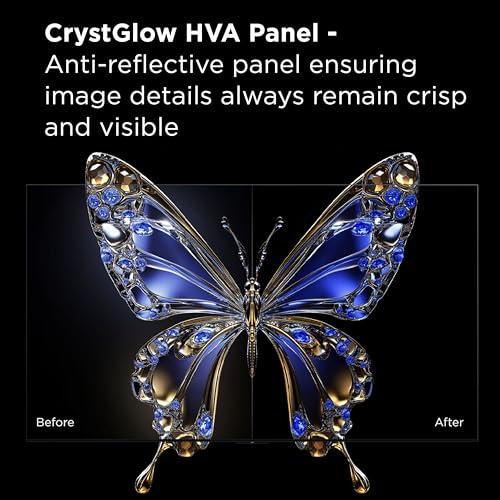
The TCL 98" X11K is designed for bright living rooms with its extreme 6,500 nits brightness and anti-reflective coating. It maintains excellent picture quality even with windows and overhead lighting. The Hisense L9H includes an ALR screen to help with ambient light, but performs best in controlled lighting environments.
Both the TCL X11K and Hisense L9H run Google TV with identical streaming capabilities, voice control, and app access. They both support Wi-Fi 6 for fast connectivity. The main difference is in physical connectivity - the TCL X11K offers more HDMI ports and gaming-optimized connections, while the Hisense L9H provides standard projector connectivity.
For dedicated home theaters with controlled lighting, the Hisense L9H offers advantages including superior color accuracy for film viewing, a larger 100-inch screen, and authentic projection-based cinema experience. The TCL X11K works well too, especially if you want maximum brightness for HDR content impact, but the Hisense L9H provides a more traditional theater aesthetic.
The TCL 98" X11K operates like a standard TV with no special maintenance requirements or consumable parts. The Hisense L9H uses laser light sources rated for 25,000+ hours (10-15 years of normal use) but involves more complex technology that may require specialized service. Both should provide years of reliable operation, but the TCL X11K has simpler long-term maintenance.
The Hisense L9H typically costs about $1,000 less than the TCL X11K while providing a larger 100-inch screen and including the specialized ALR screen. For pure screen size per dollar and color accuracy, the Hisense L9H offers better value. However, the TCL X11K provides more versatility, superior gaming performance, and premium built-in audio, which may justify the higher cost for some users.
We've done our best to create useful and informative comparisons to help you decide what product to buy. Our research uses advanced automated methods to create this comparison and perfection is not possible - please contact us for corrections or questions. These are the sites we've researched in the creation of this article: ecoustics.com - pcrichard.com - tcl.com - valueelectronics.com - bestbuy.com - tcl.com - whathifi.com - tcl.com - youtube.com - displayspecifications.com - whathifi.com - youtube.com - notebookcheck.net - tcl.com - tcl.com - displayspecifications.com - tcl.com - tcl.com - pcguide.com - en.homecinesolutions.fr - youtube.com - tcl.com - projectorreviews.com - shop.hisense-usa.com - projectorcentral.com - hometheaterhifi.com - shop.hisense-usa.com - projectorcentral.com - 2001audiovideo.com - projektoren-datenbank.com - content.syndigo.com

Privacy Policy
Terms and Conditions - Affiliate Policy
Home Security
© Copyright 2008-2026.
11816 Inwood Rd #1211, Dallas, TX 75244