

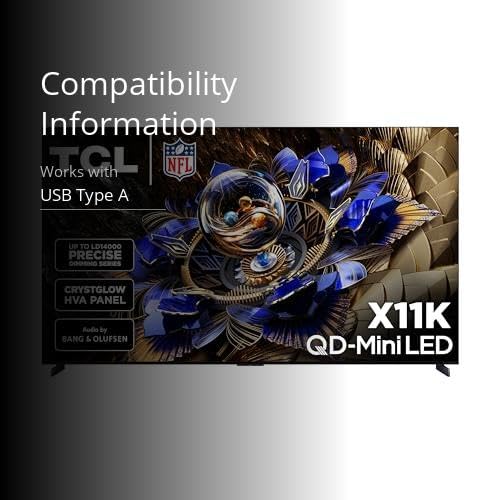
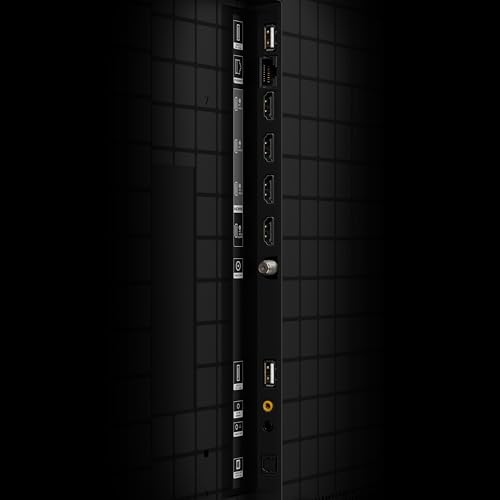

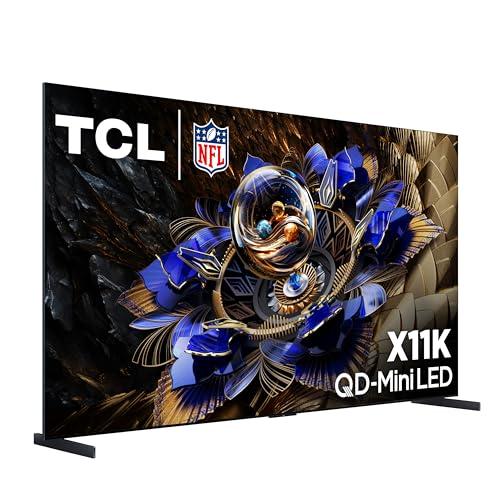
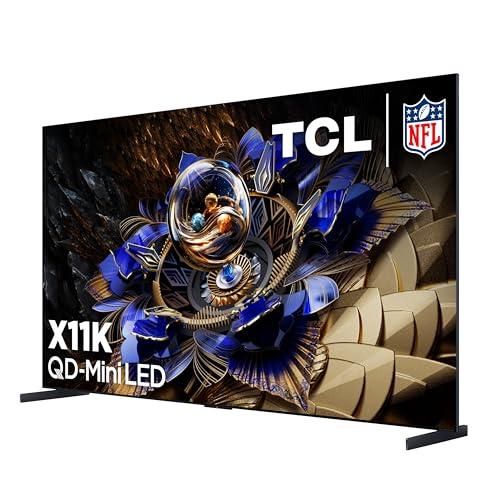
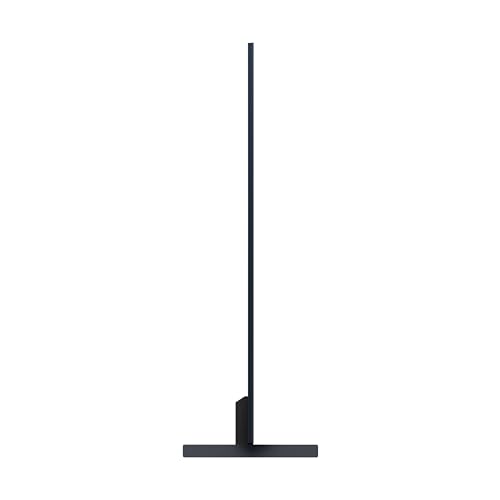
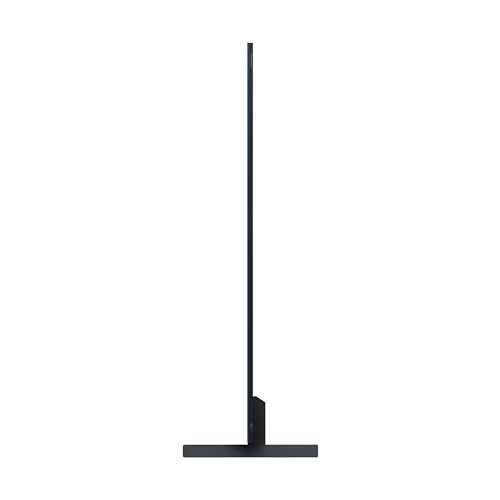
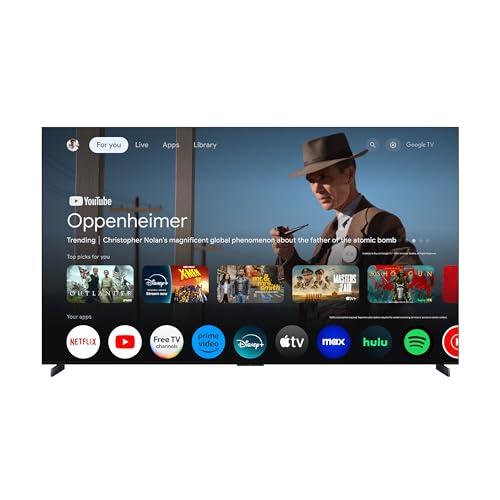
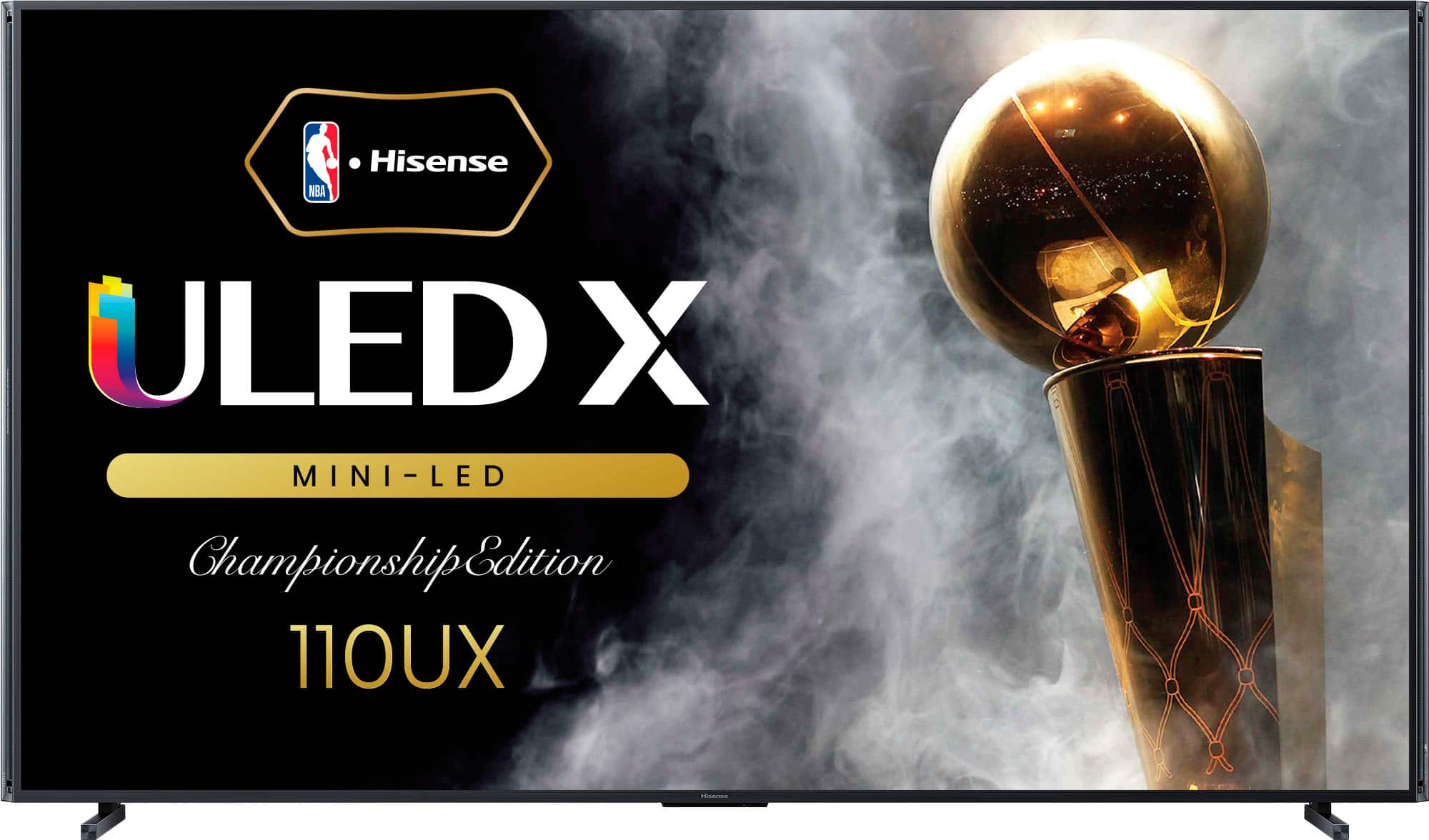
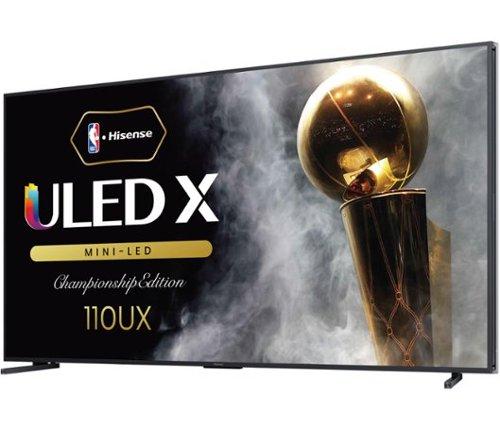
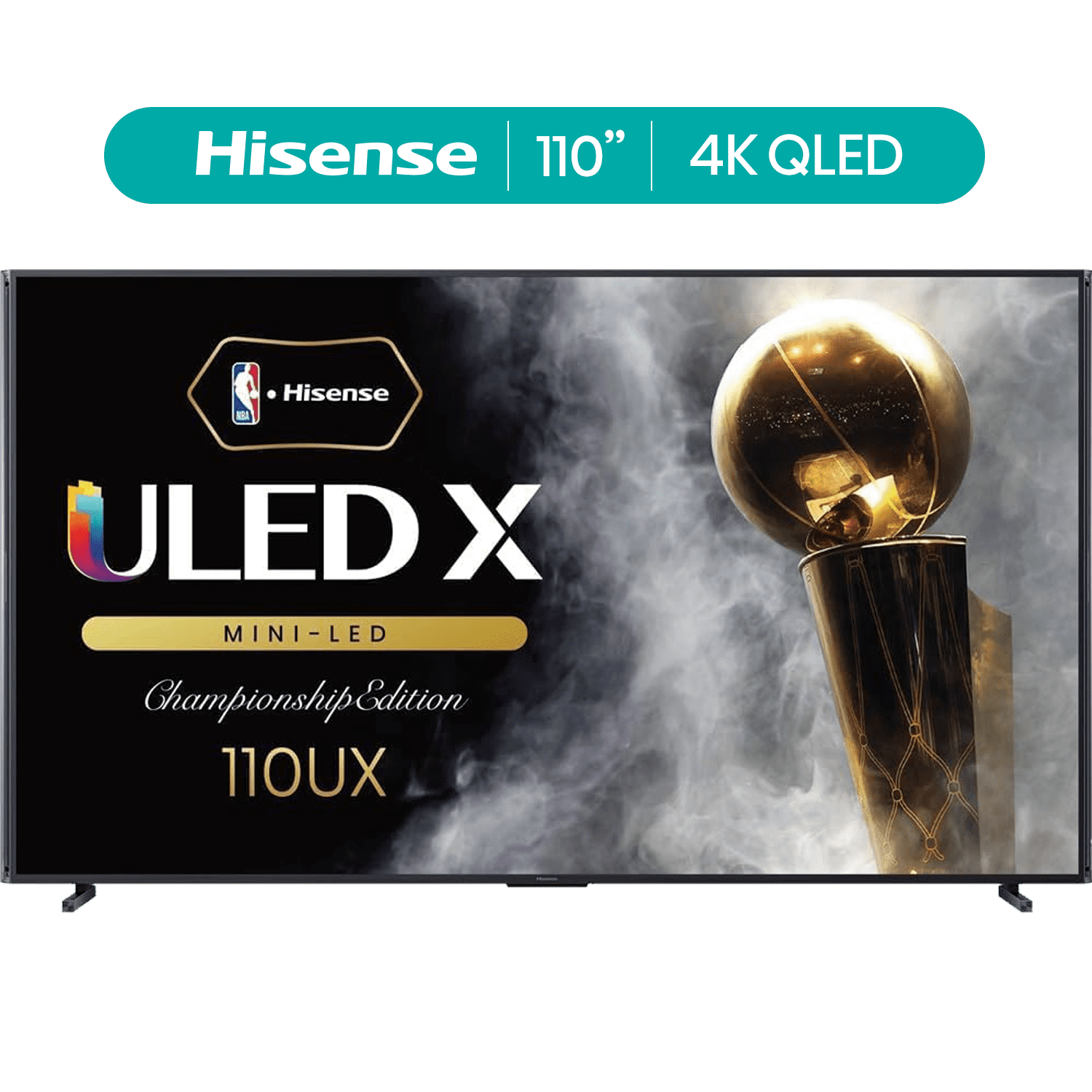

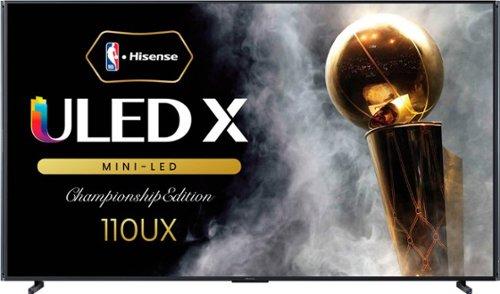
When you're shopping for a TV that's approaching 100 inches, you're not just buying a display—you're investing in a home entertainment centerpiece that should last for years. The TCL 98" X11K and Hisense 110" UX Series represent two compelling approaches to large-screen excellence, each with distinct advantages that make choosing between them more complex than simply picking the bigger one.
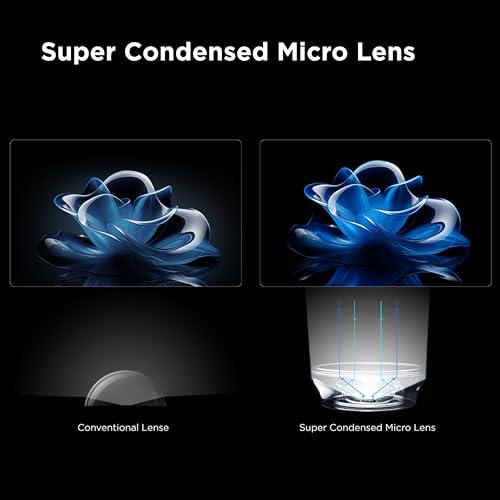
Large premium TVs have evolved dramatically since 2020, when most 98+ inch displays relied on basic LED backlighting that looked washed out compared to smaller OLED screens. Today's giants like the TCL X11K and Hisense UX use Mini-LED technology—thousands of tiny LEDs packed behind the screen that can dim individually to create deeper blacks and brighter highlights. This quantum leap in backlighting, combined with Quantum Dot color enhancement (think of it as a color filter that makes reds redder and blues bluer), has finally made large TVs competitive with premium smaller displays.
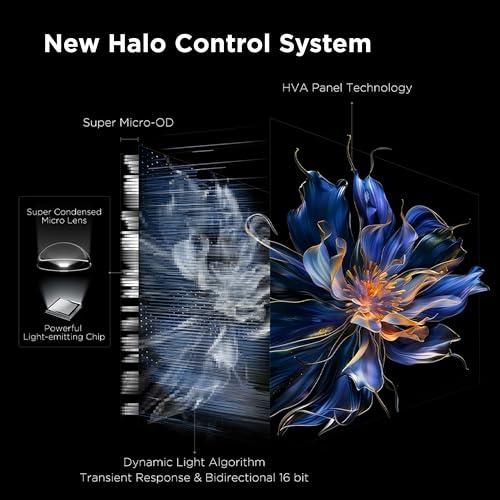
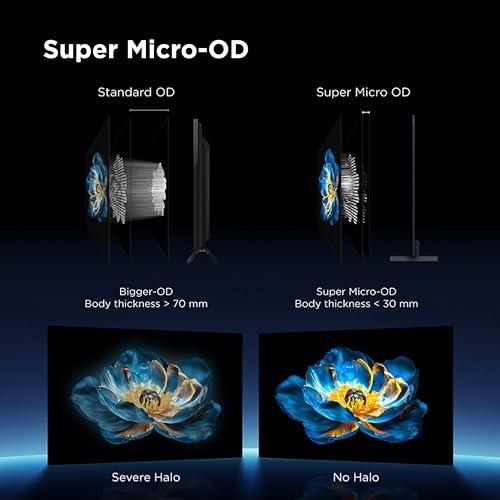
Both models launched in 2024, representing the latest generation of this technology. What's particularly impressive is how manufacturers have solved the "blooming" problem—that annoying halo effect around bright objects on dark backgrounds that plagued earlier Mini-LED displays. Through better light control and smarter processing, these TVs now deliver contrast that rivals OLED displays while maintaining the brightness advantages of LED backlighting.
The key considerations when shopping in this category boil down to: picture quality in your specific room, gaming performance if you're a serious player, size versus your space constraints, and whether the premium you pay delivers meaningful improvements over smaller alternatives.
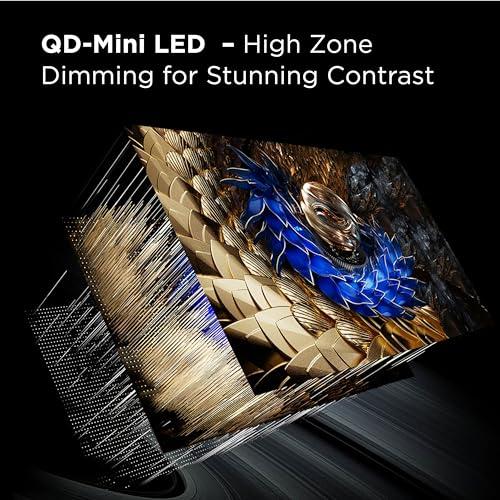
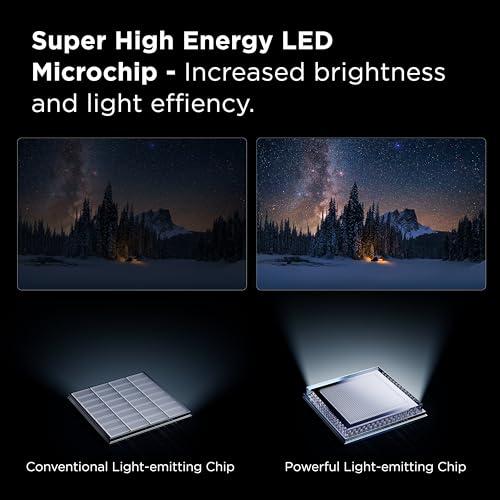
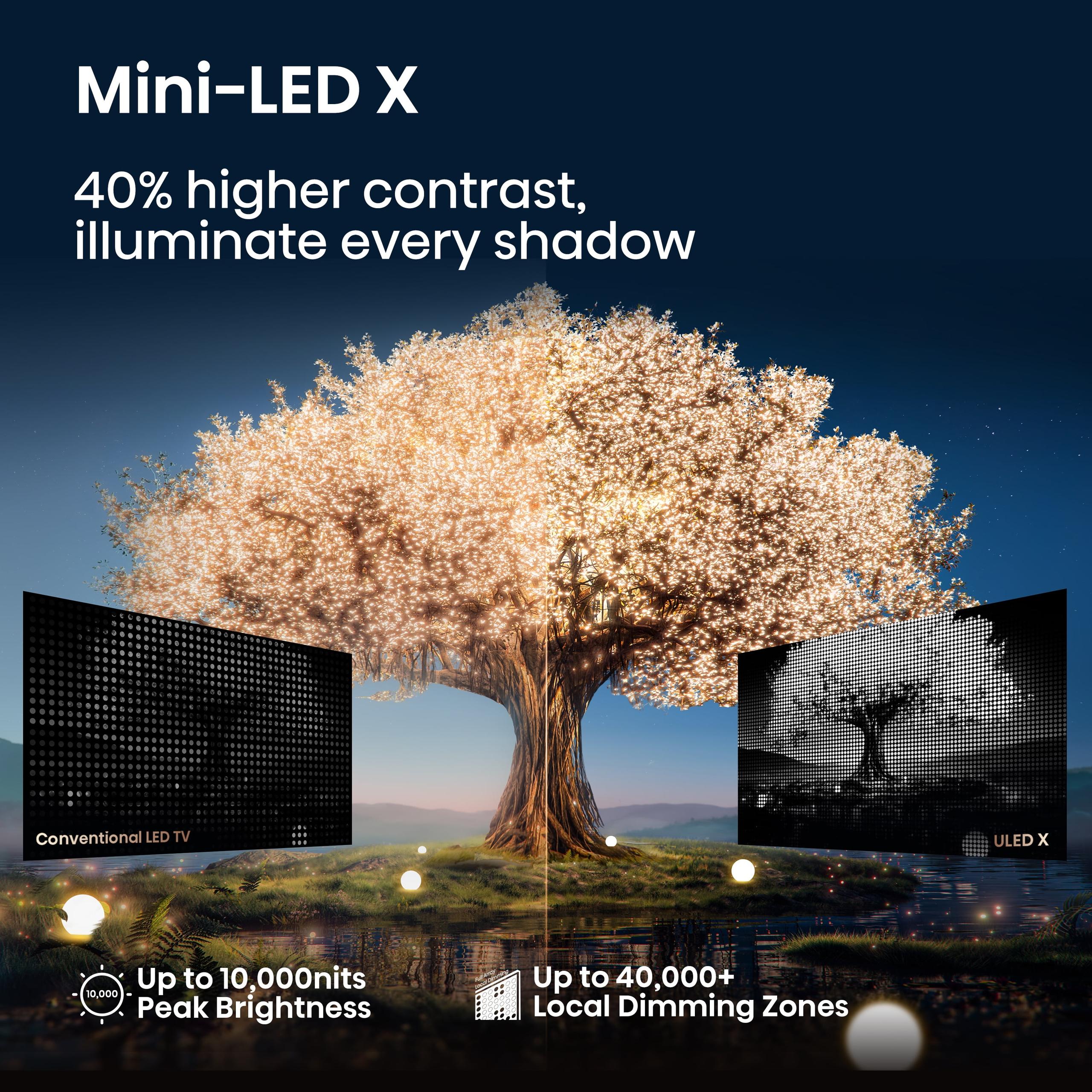
Local dimming zones are like having thousands of individual light switches behind your TV screen. The TCL 98" X11K packs over 14,000 of these zones into its 98-inch panel, while the Hisense 110" UX nearly triples that with 40,000+ zones across its larger surface. More zones mean more precise control—imagine trying to paint a detailed picture with 14,000 brushes versus 40,000. Both numbers are impressive, but Hisense's advantage here is substantial.
In practical terms, this translates to how well each TV handles challenging scenes like starfields against space, bright car headlights in dark city streets, or credits rolling over black backgrounds. The Hisense UX maintains tighter control around bright objects, reducing the slight glow that can appear around them on lesser displays.
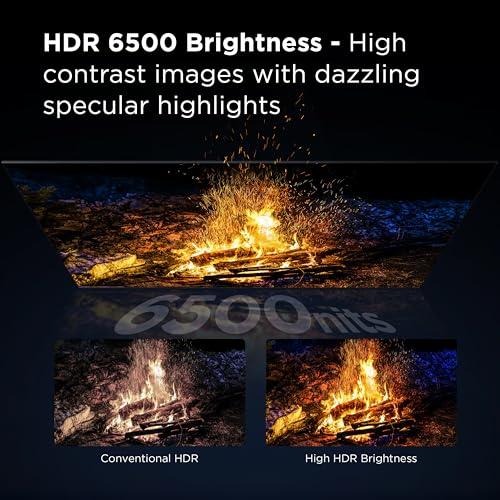
Peak brightness measured in "nits" (a unit of luminance) determines how well a TV handles bright rooms and delivers impactful HDR content. The TCL X11K reaches 6,500 nits—already exceptional for most environments. The Hisense UX pushes to 10,000 nits, a figure that honestly seems excessive until you experience it in a bright room with large windows.
During our research into user experiences, the brightness difference becomes clear in challenging lighting conditions. The Hisense UX maintains vibrant colors and contrast even with afternoon sunlight streaming across the screen, while the TCL X11K performs excellently in controlled lighting but can struggle against direct sunlight.
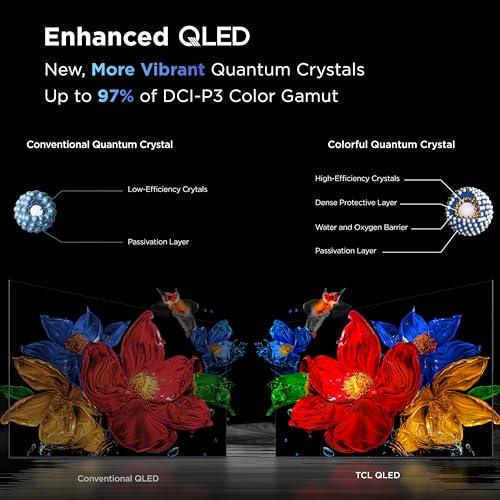
Both TVs use Quantum Dot technology, but with different implementations. The TCL X11K covers 97% of the DCI-P3 color space (the standard used for digital cinema), displaying over 1 billion distinct colors. The Hisense UX matches this coverage while emphasizing color accuracy—how closely displayed colors match their real-world counterparts.
Based on professional calibration reviews, both deliver excellent color performance out of the box, though the Hisense UX tends to require less adjustment to achieve reference-standard accuracy. For most viewers, both will look spectacular, but videophiles who obsess over perfect color reproduction might lean toward the Hisense.
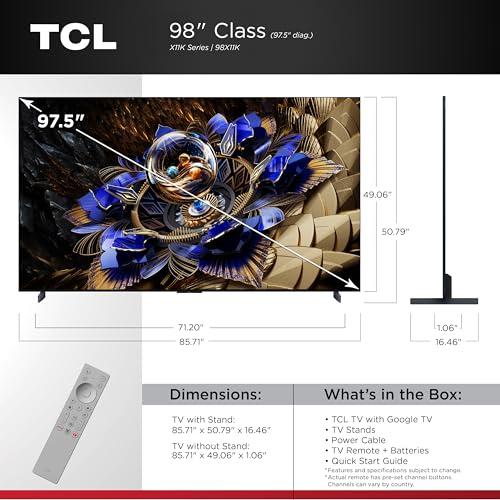
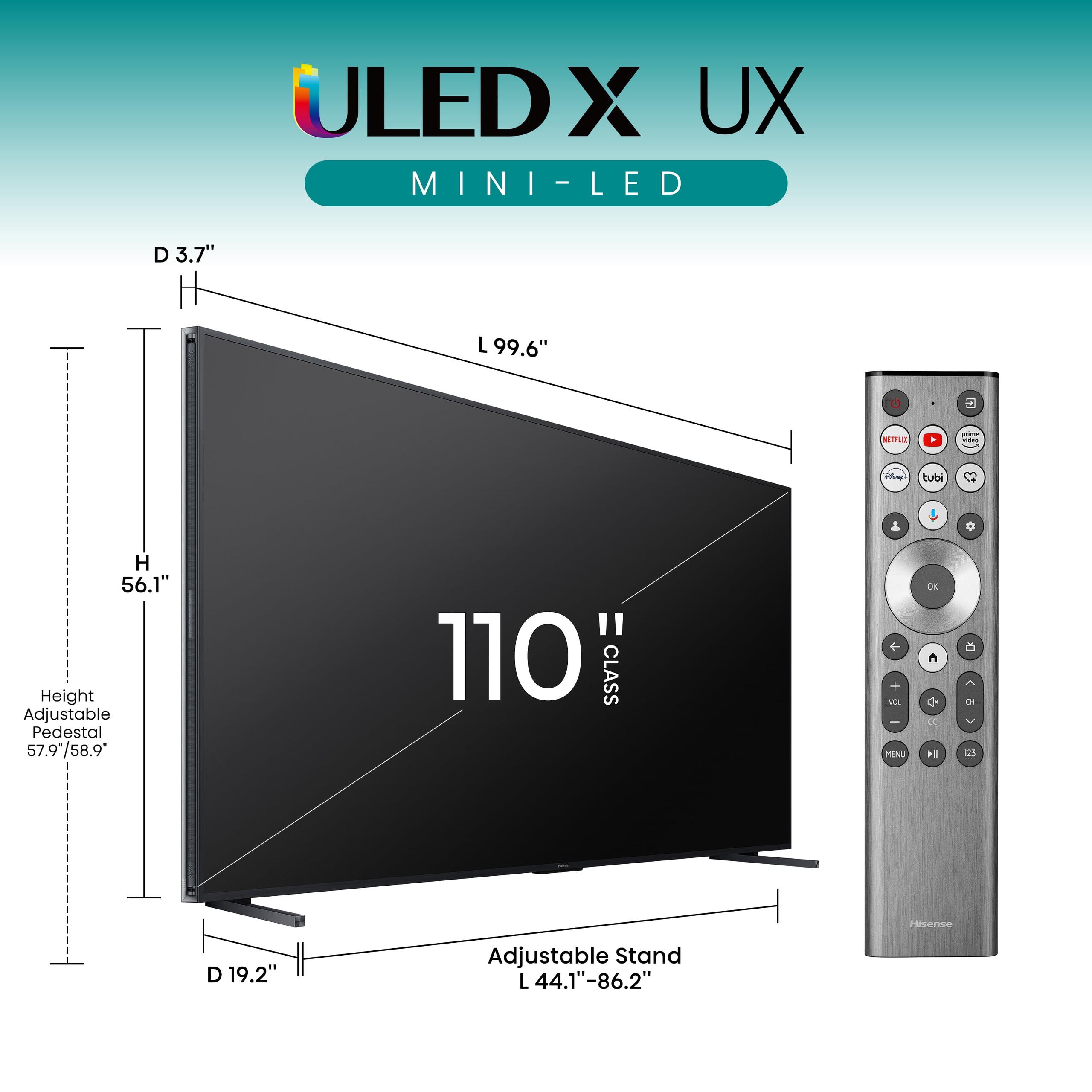
The 12-inch difference between these displays translates to significantly different viewing experiences. The TCL 98" X11K works well in rooms with 12-16 foot viewing distances—typical for many living rooms. The Hisense 110" UX really needs 14-18 feet to avoid feeling overwhelming, pushing it toward dedicated theater rooms.
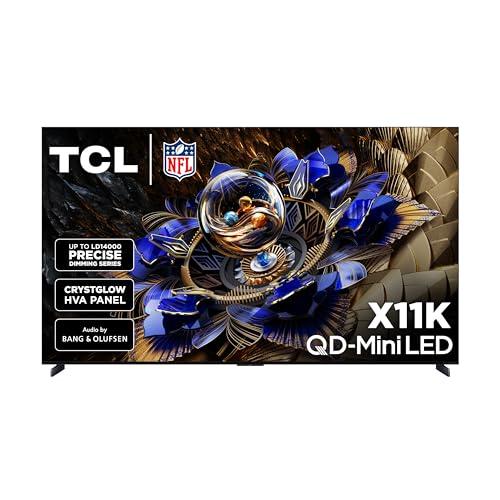
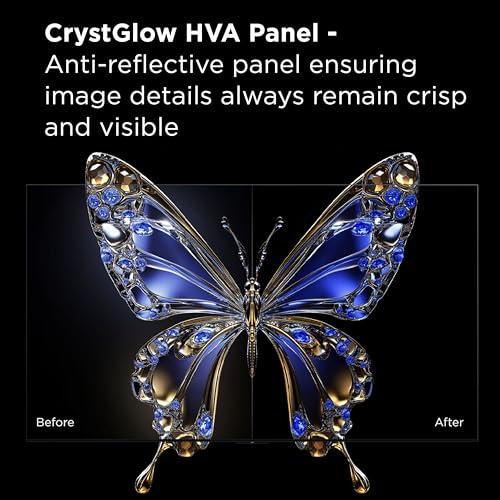
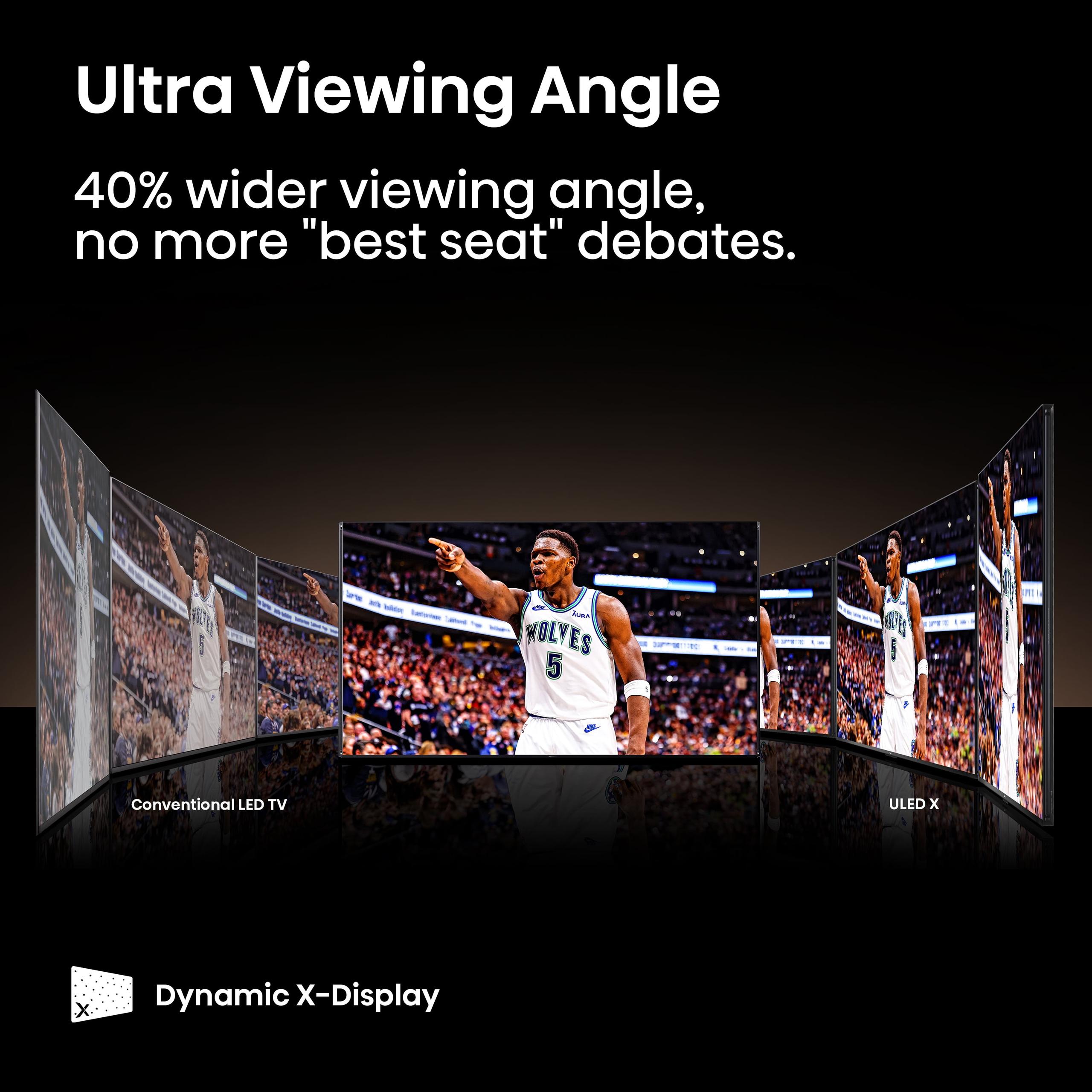
But size isn't just about distance. The TCL X11K uses a CrystGlow HVA panel that maintains excellent picture quality when viewed from angles up to 178 degrees. This makes it superior for family viewing where people sit in various chairs around the room. The Hisense UX, while not poor off-axis, is optimized for direct viewing—perfect for theater seating but less flexible for casual family viewing.
Consider your room carefully. A 110-inch TV in a 12-foot viewing distance becomes fatiguing quickly, like sitting in the front row of a movie theater. Conversely, the TCL X11K at 16 feet provides an immersive experience without overwhelming your peripheral vision.
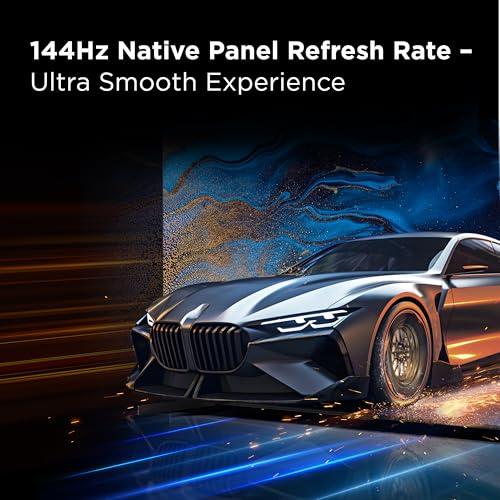
Modern gaming demands have pushed TV manufacturers to prioritize gaming features, and both displays deliver impressively. The TCL X11K supports native 144Hz refresh rates across all inputs, meaning it can display 144 unique frames per second for ultra-smooth motion. Its Game Accelerator 288 technology pushes variable refresh rates (VRR) up to 288Hz at 1080p resolution, making it exceptional for competitive PC gaming.
Variable refresh rate synchronizes the TV's display timing with your gaming device's output, eliminating screen tearing and stuttering. Both TVs support AMD FreeSync Premium Pro, but the TCL X11K also includes G-Sync compatibility, making it more versatile for different graphics cards.
The Hisense 110" UX matches the 144Hz capability and includes Game Mode Pro for optimized latency, but it caps VRR at lower rates than the TCL. For console gaming on PlayStation 5 or Xbox Series X, both perform similarly well. However, serious PC gamers with high-end graphics cards will appreciate the TCL X11K's higher VRR ceiling for competitive titles like Counter-Strike or Valorant.
Input lag—the delay between pressing a button and seeing the response on screen—measures around 10-15 milliseconds on both displays in game mode, which is excellent for this size category.
High Dynamic Range (HDR) content contains brightness and color information that exceeds what standard TVs can display. Both displays support all major HDR formats: Dolby Vision (the premium standard), HDR10+, and standard HDR10.
The Hisense UX's 10,000-nit peak brightness advantage becomes most apparent with HDR content. Bright explosions, sun reflections, and lightning strikes display with more realistic intensity. The TCL X11K's 6,500 nits still delivers excellent HDR performance for most content, but the Hisense provides more headroom for the most demanding scenes.
Dolby Vision IQ, supported by both displays, automatically adjusts HDR brightness based on your room's ambient lighting. This prevents HDR content from looking too dim in bright rooms or too bright in dark environments—a thoughtful feature for varying viewing conditions.
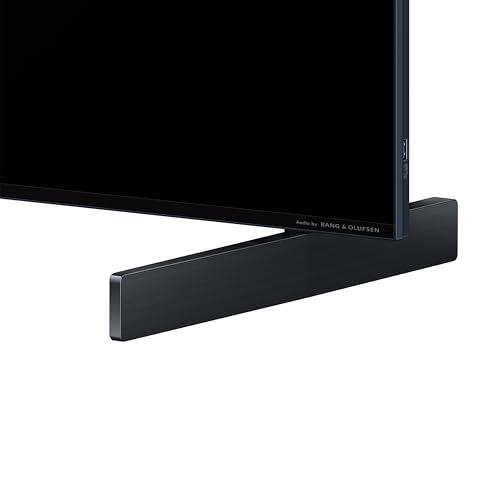
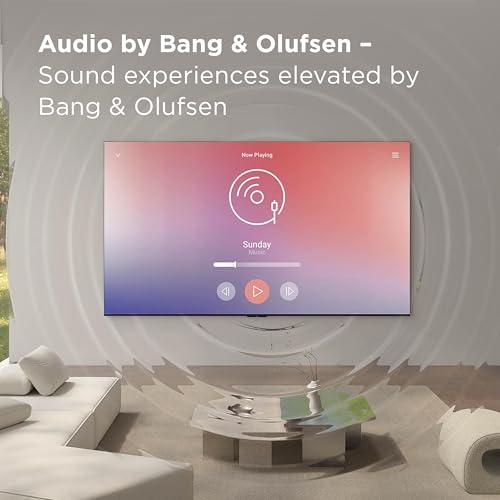
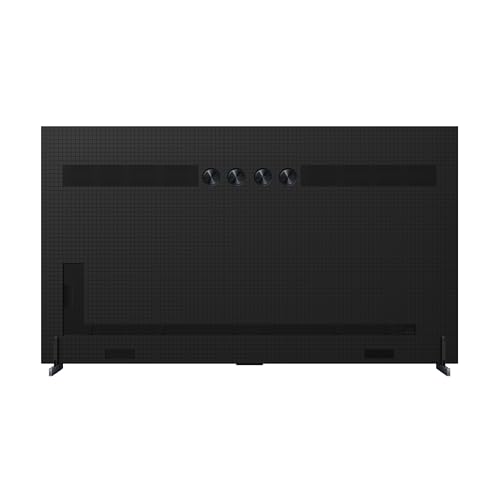
TV speakers often disappoint, but both manufacturers have invested in audio quality. The TCL X11K partners with Bang & Olufsen for a 2.1.1 channel system delivering 120 watts. This configuration includes dedicated tweeters, mid-range drivers, and a built-in subwoofer, with Dolby Atmos support for three-dimensional sound effects.
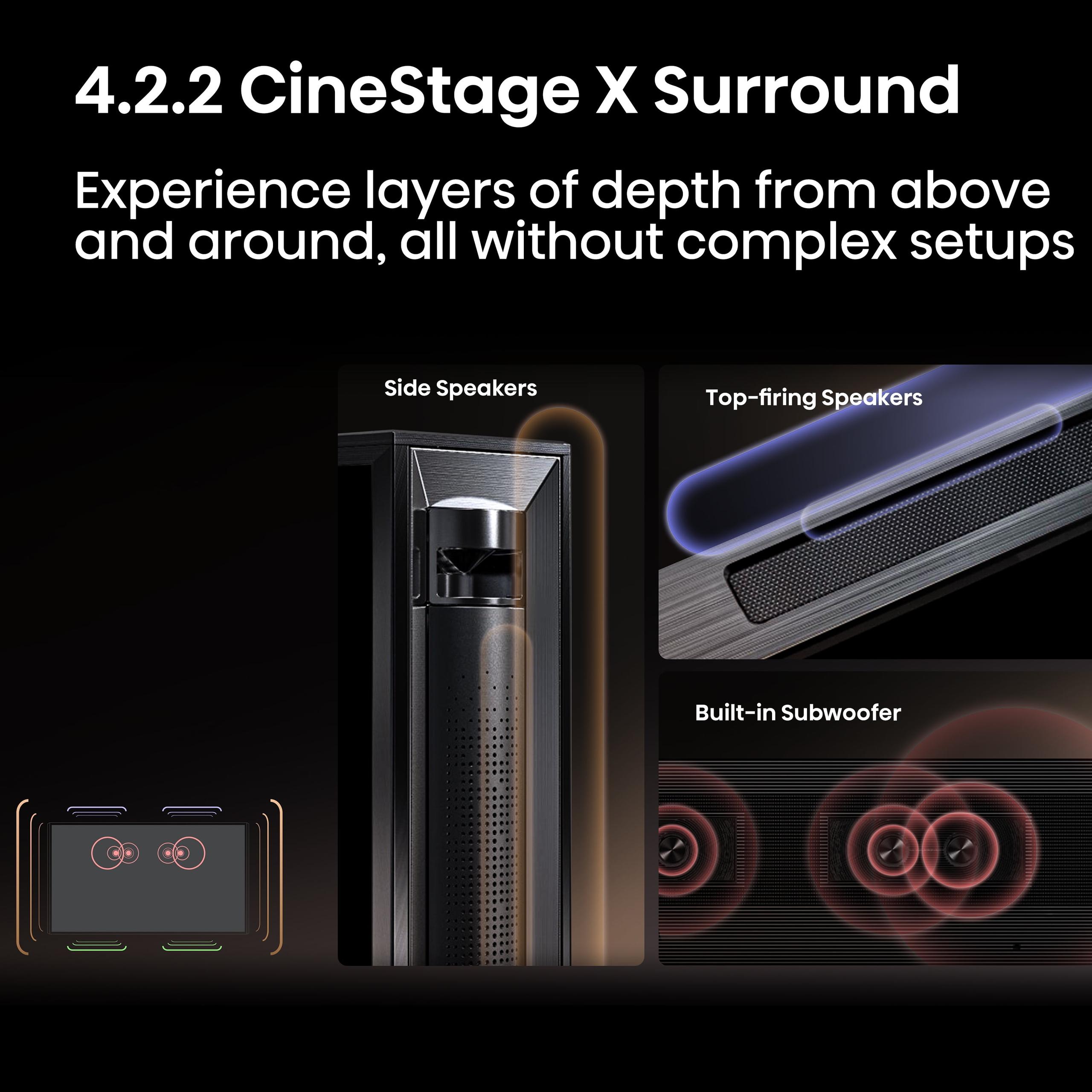
The Hisense UX takes a different approach with its multi-channel system and AI Sound Optimizer. Based on user feedback, it delivers more impactful bass and higher maximum volume than the TCL, though the Bang & Olufsen tuning on the TCL X11K provides more refined spatial audio for movies.
For serious home theater applications, external soundbars or surround systems will outperform either TV's built-in audio. However, the TCL X11K's spatial audio processing works well for casual viewing, while the Hisense UX handles action movies and sports with more punch.
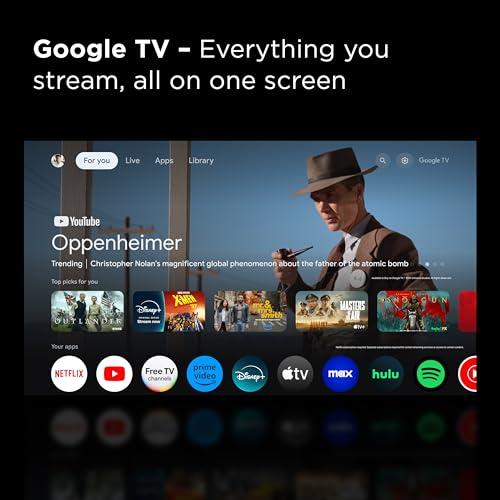
Both TVs run Google TV, providing access to all major streaming services with a clean, intuitive interface. The TCL X11K includes hands-free Google Assistant with far-field microphones, allowing voice control from across the room. It also supports Amazon Alexa and Apple HomeKit integration for broader smart home compatibility.
The Hisense UX runs Google TV with VIDAA U8 layered on top, offering more customization options but potentially more complexity. Its Hi-View AI Engine X analyzes content in real-time, automatically adjusting settings for optimal picture quality.
AI processing has become crucial for modern TVs. The TCL X11K uses its AIPQ Pro processor for scene-by-scene optimization of contrast, color, clarity, motion, and HDR. The Hisense UX emphasizes color accuracy and HDR optimization through its AI engine. Both deliver noticeable improvements over manual settings for most content.
At the time of writing, these TVs occupy different value segments. The TCL X11K typically costs significantly less while delivering exceptional performance, making it an outstanding value proposition for large-screen enthusiasts. The Hisense UX commands premium pricing that reflects its technical superiority and larger size.
The value equation depends heavily on your priorities. The TCL X11K offers more screen size per dollar, superior gaming capabilities, and excellent versatility for different room configurations. The Hisense UX justifies its premium through reference-level picture quality, unmatched brightness, and the largest practical screen size for home use.
Neither represents a budget choice, but the TCL X11K provides flagship performance at a more accessible price point, while the Hisense UX targets buyers seeking the absolute best regardless of cost.
Large TVs demand careful planning. The TCL X11K weighs approximately 155 pounds with its stand, making it manageable for experienced DIY installers with help. The Hisense UX requires professional installation due to its size and weight, adding to the total cost of ownership.
Both feature VESA mounting compatibility for wall installation, though the Hisense UX's size may require custom mounting solutions in some rooms. Consider ceiling height, viewing angles, and furniture placement carefully—a 110-inch TV mounted too high becomes uncomfortable to watch.
For dedicated home theater rooms, both displays compete directly with projector setups. The key advantages over projectors include: no light control requirements, consistent brightness across the entire screen, no lamp replacements, and instant-on capability.
The Hisense UX's superior brightness and contrast make it particularly compelling for theater rooms with some ambient light. Its larger size provides true cinema-scale imaging that exceeds most home projector setups. The TCL X11K works well in dedicated theaters while offering more flexibility for multi-purpose rooms.
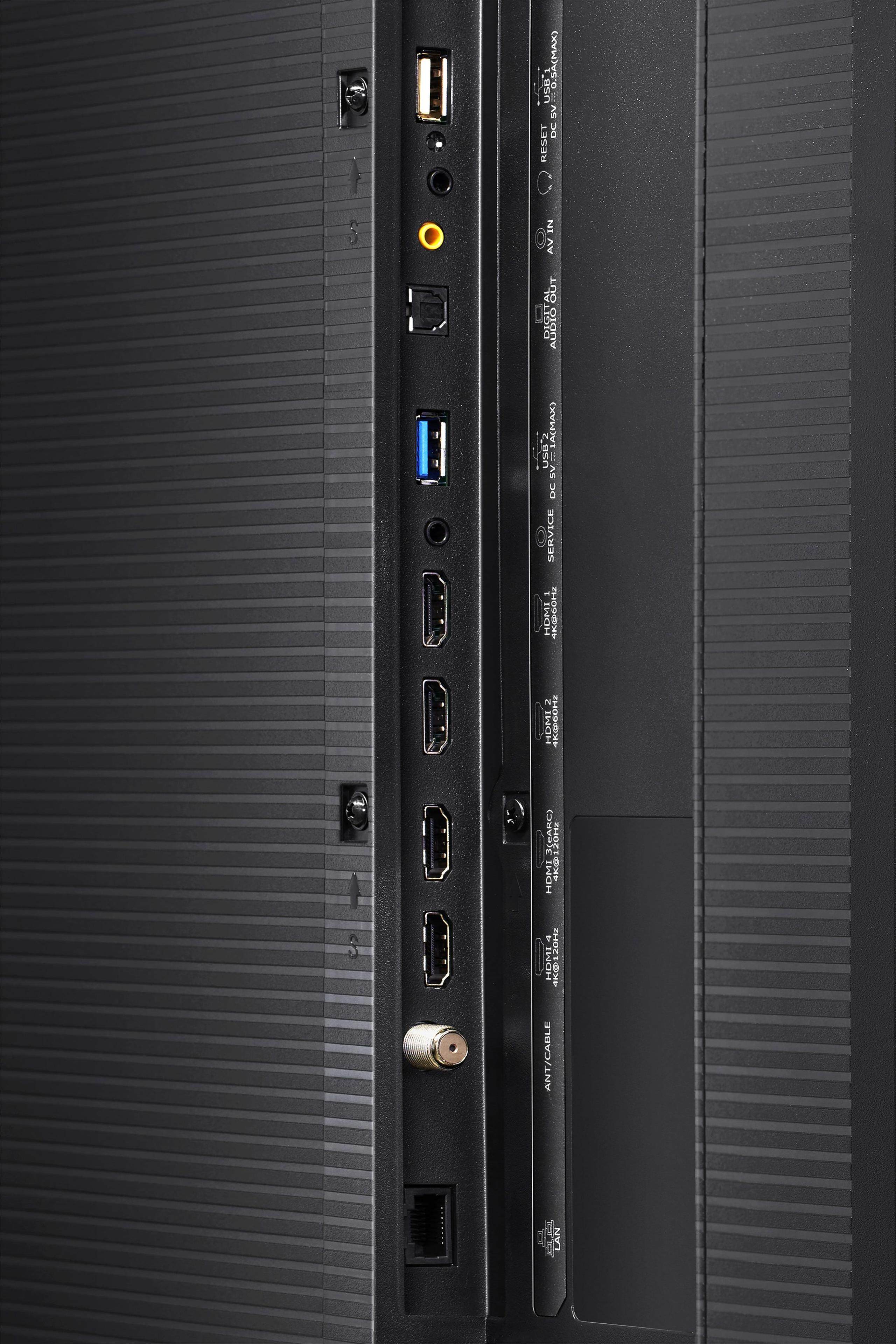
Consider your theater room's acoustics—both TVs include eARC support for connecting to premium sound systems, essential for serious home theater applications.
Choose the TCL 98" X11K if you want exceptional large-screen performance with gaming excellence at a more accessible price point. It's ideal for multi-use family rooms where viewing angles matter, serious gamers who need high refresh rates, and anyone seeking flagship performance without ultra-premium pricing.
The Hisense 110" UX makes sense for dedicated theater rooms, bright viewing environments, and situations where absolute picture quality justifies the premium cost. If you have the space and budget for the largest practical home display with reference-level performance, it delivers an unmatched experience.
Both represent the current pinnacle of large TV technology, just targeting different audiences and use cases. The TCL X11K maximizes value and versatility, while the Hisense UX maximizes performance and scale. Your room, usage patterns, and priorities will determine which approach serves you better.
| TCL 98" X11K 4K QD-Mini LED Google TV | Hisense 110" UX Series 4K Mini-LED ULED TV |
|---|---|
| Screen Size - Impacts viewing distance and room requirements | |
| 98 inches (optimal 12-16 ft viewing distance) | 110 inches (requires 14-18 ft viewing distance) |
| Peak Brightness - Critical for HDR performance and bright rooms | |
| 6,500 nits (excellent for controlled lighting) | 10,000 nits (dominates any lighting condition) |
| Local Dimming Zones - Controls contrast and blooming artifacts | |
| 14,000+ zones (excellent blooming control) | 40,000+ zones (near-OLED precision) |
| Refresh Rate & Gaming - Smooth motion and competitive gaming support | |
| 144Hz native, VRR up to 288Hz at 1080p | 144Hz native, standard VRR rates |
| Viewing Angles - Important for multi-seat family viewing | |
| CrystGlow HVA panel with 178° viewing angles | Optimized for direct viewing |
| Audio System - Built-in sound quality without external speakers | |
| Bang & Olufsen 2.1.1 ch, 120W, refined spatial audio | Multi-channel with AI optimizer, higher volume/bass |
| Gaming Features - Console and PC gaming optimization | |
| Game Accelerator 288, AMD FreeSync Premium Pro, G-Sync compatible | Game Mode Pro, AMD FreeSync Premium Pro |
| HDR Format Support - Premium content compatibility | |
| Dolby Vision IQ, HDR10+, HDR10, HLG | Dolby Vision/IQ/Gaming, HDR10+/Adaptive, HDR10, HLG |
| Smart Platform - Streaming apps and voice control | |
| Google TV with hands-free Assistant, Alexa/HomeKit support | Google TV with VIDAA U8 customization layer |
| Weight & Installation - Practical mounting considerations | |
| 155 lbs with stand (manageable DIY installation) | Significantly heavier (likely requires professional install) |
| Value Positioning - Performance per dollar at time of writing | |
| Outstanding value with flagship performance | Premium pricing for reference-level quality |
| Best Use Case - Ideal room and viewing scenarios | |
| Multi-use family rooms, serious gaming, flexible seating | Dedicated theater rooms, bright environments, cinema scale |
The TCL 98" X11K is superior for serious gaming, especially PC gaming. It supports variable refresh rates up to 288Hz at 1080p and includes both AMD FreeSync Premium Pro and G-Sync compatibility. The Hisense 110" UX offers excellent console gaming with 144Hz refresh rate and Game Mode Pro, but lacks the extreme VRR capabilities that make the TCL X11K ideal for competitive gaming.
The TCL 98" X11K has a 98-inch display that works well in rooms with 12-16 foot viewing distances. The Hisense 110" UX is significantly larger at 110 inches and requires 14-18 feet for comfortable viewing. The 12-inch difference creates a noticeably more immersive cinema-like experience with the Hisense model.
The Hisense 110" UX is substantially brighter with 10,000 nits peak brightness, making it exceptional for bright rooms with windows or overhead lighting. The TCL 98" X11K reaches 6,500 nits, which is excellent for most lighting conditions but may struggle against direct sunlight where the Hisense UX excels.
The Hisense 110" UX has superior technical specs with 40,000+ local dimming zones versus the TCL X11K's 14,000+ zones. This gives the Hisense better contrast control and less blooming around bright objects. However, both deliver excellent picture quality, and the TCL 98" X11K includes advanced Halo Control Technology that significantly reduces common Mini-LED artifacts.
The TCL 98" X11K provides exceptional value with flagship performance at a more accessible price point. You get excellent large-screen performance, superior gaming capabilities, and Bang & Olufsen audio. The Hisense 110" UX commands premium pricing but justifies it with reference-level picture quality and the largest practical screen size for home use.
Both TVs work well for home theaters, but serve different needs. The Hisense 110" UX is ideal for dedicated theater rooms with its cinema-scale size and reference-level picture quality. The TCL 98" X11K offers more flexibility for multi-purpose rooms while still delivering excellent theater performance with superior viewing angles for varied seating arrangements.
The TCL 98" X11K features Bang & Olufsen-tuned audio with a 2.1.1 channel system (120W) that emphasizes refined spatial audio and clarity. The Hisense 110" UX delivers higher volume output and more impactful bass through its multi-channel system with AI Sound Optimizer. Both support Dolby Atmos, but the Hisense UX provides more punch for action content.
The TCL 98" X11K is more manageable for installation, weighing around 155 pounds with stand, making DIY installation possible with help. The Hisense 110" UX is significantly heavier and larger, typically requiring professional installation due to its size and weight considerations.
Both the TCL 98" X11K and Hisense 110" UX run Google TV with access to all major streaming services. The TCL X11K includes hands-free Google Assistant and broader smart home integration with Alexa and HomeKit. The Hisense UX adds VIDAA U8 customization layer for more interface options.
The TCL 98" X11K has superior viewing angles thanks to its CrystGlow HVA panel technology, maintaining excellent picture quality up to 178 degrees off-center. This makes it better for family rooms where people sit in various positions. The Hisense 110" UX is optimized for direct viewing, making it ideal for theater seating but less flexible for casual family viewing.
Both TVs support all major HDR formats including Dolby Vision, HDR10+, and HDR10. The Hisense 110" UX has an advantage with its 10,000-nit peak brightness, providing more realistic bright highlights in HDR content. The TCL 98" X11K delivers excellent HDR performance at 6,500 nits with advanced scene-by-scene optimization through its AIPQ Pro processor.
Choose the TCL 98" X11K if you have a multi-use family room, prioritize gaming performance, want excellent value, or need flexible viewing angles. Choose the Hisense 110" UX if you have a dedicated theater room, deal with bright ambient lighting, want the absolute best picture quality, or desire the largest possible screen size for true cinema-scale viewing.
We've done our best to create useful and informative comparisons to help you decide what product to buy. Our research uses advanced automated methods to create this comparison and perfection is not possible - please contact us for corrections or questions. These are the sites we've researched in the creation of this article: ecoustics.com - pcrichard.com - tcl.com - valueelectronics.com - bestbuy.com - tcl.com - whathifi.com - tcl.com - youtube.com - displayspecifications.com - whathifi.com - youtube.com - notebookcheck.net - tcl.com - tcl.com - displayspecifications.com - tcl.com - tcl.com - pcguide.com - en.homecinesolutions.fr - youtube.com - tcl.com - digitaltrends.com - prnewswire.com - rtings.com - youtube.com - walts.com - hisense.com.au - imagematrix.tech - techguide.com.au - global.hisense.com - prnewswire.com

Privacy Policy
Terms and Conditions - Affiliate Policy
Home Security
© Copyright 2008-2026.
11816 Inwood Rd #1211, Dallas, TX 75244