

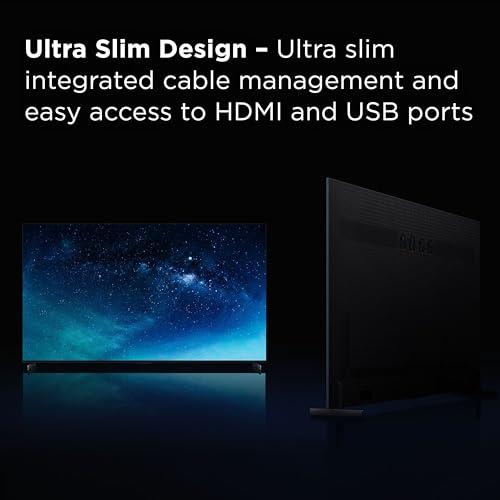
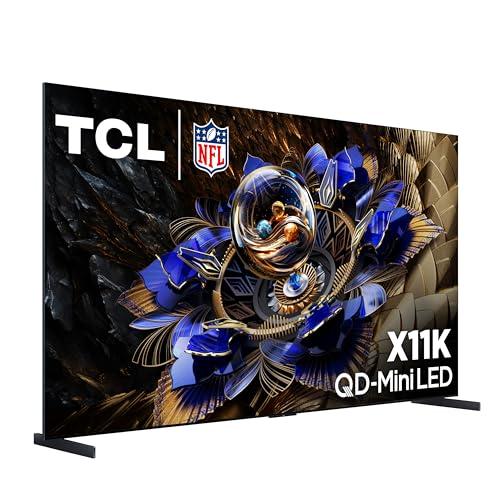
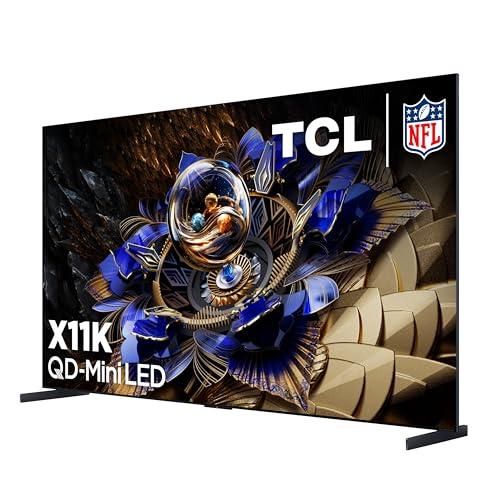
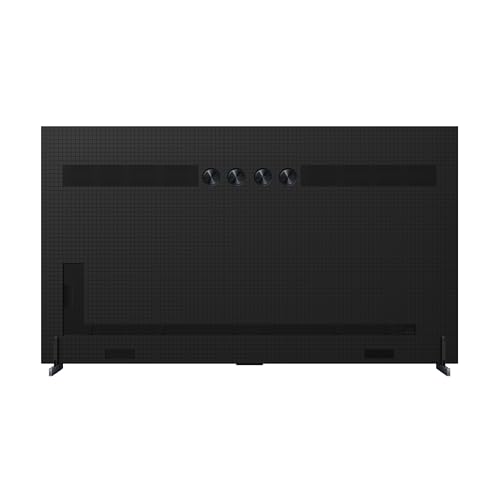
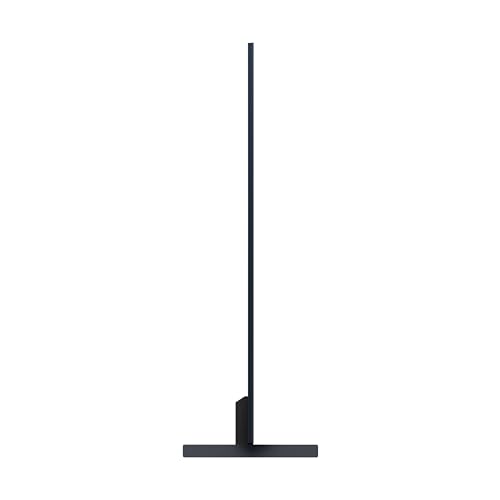
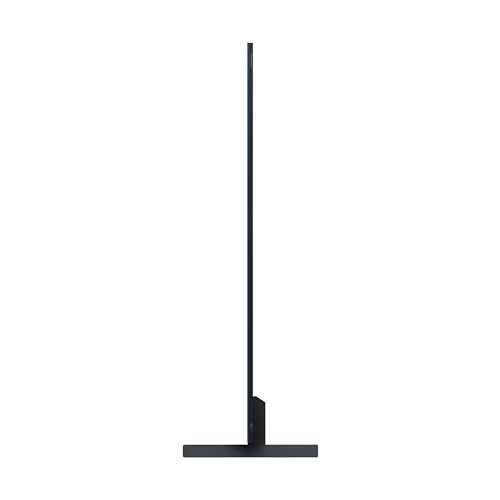
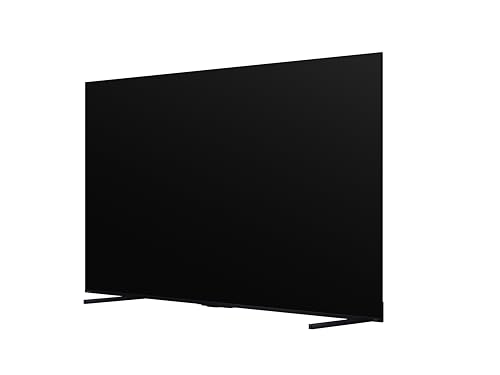
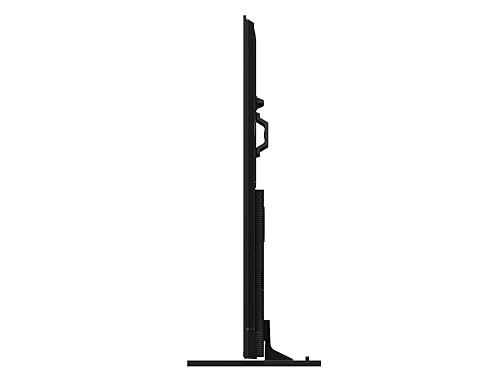
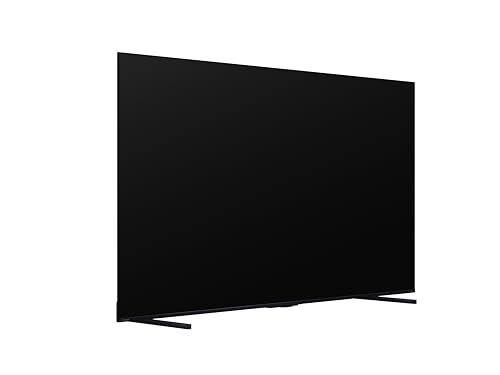
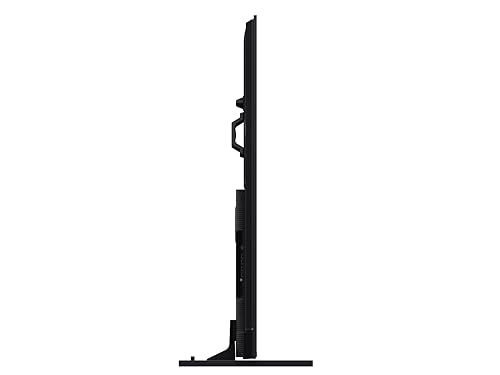
When you're shopping for a TV that's nearly as wide as a compact car, you're entering premium territory where every decision matters. The TCL 98" X11K and Hisense 100" QD6 represent two completely different philosophies in the ultra-large TV market—and understanding these differences will save you from buyer's remorse on what might be your most expensive electronics purchase.
Ultra-large TVs—anything 95 inches and bigger—have exploded in popularity since 2020, driven by supply chain improvements that made manufacturing these giants more affordable. At the time of writing, you can get a 100-inch TV for what a decent 65-inch model cost just five years ago, which is frankly incredible.
These massive displays compete directly with projectors for creating that true home theater experience. Unlike projectors, though, they work perfectly in bright rooms, don't need lamp replacements, and turn on instantly. The trade-off? They're permanent fixtures that demand significant wall space and careful room planning.
The main considerations when shopping in this category boil down to display technology, brightness capabilities, smart features, and—crucially—how much you're willing to spend for premium picture quality versus raw screen size.
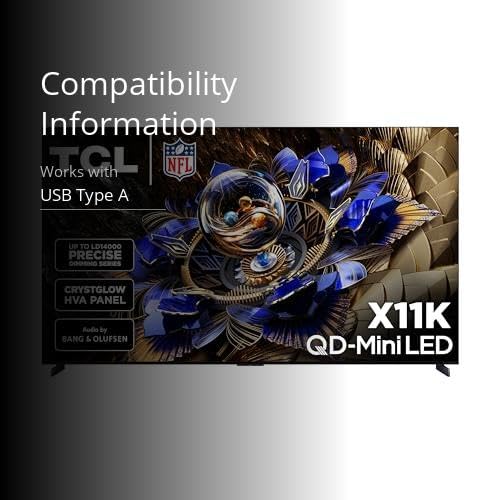
The TCL 98" X11K, released in 2025, represents TCL's flagship approach: pack cutting-edge Mini LED technology into a slightly smaller (but still massive) screen and charge accordingly. Meanwhile, the Hisense 100" QD6, also from 2025, takes the opposite strategy—maximize screen size while keeping costs down through simpler display technology.
At the time of writing, these TVs sit at opposite ends of the value spectrum, with the Hisense 100" QD6 priced like a premium 75-inch TV from a few years ago, while the TCL 98" X11K commands flagship pricing that reflects its advanced technology.
Here's where things get technical, but bear with me—this is the heart of why these TVs perform so differently.
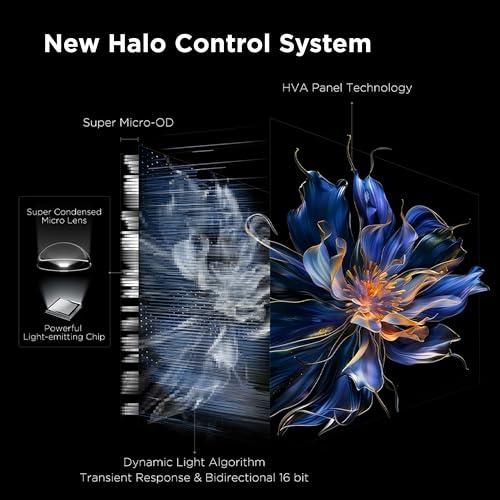
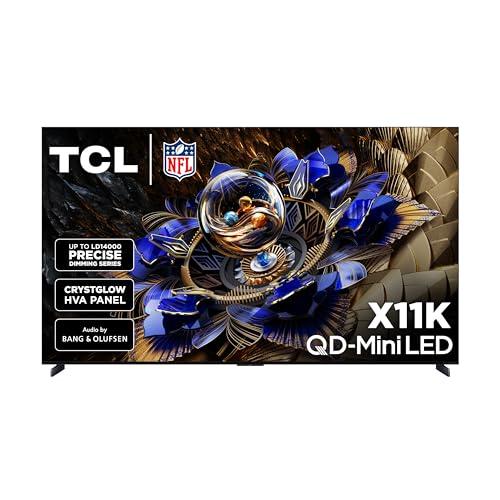
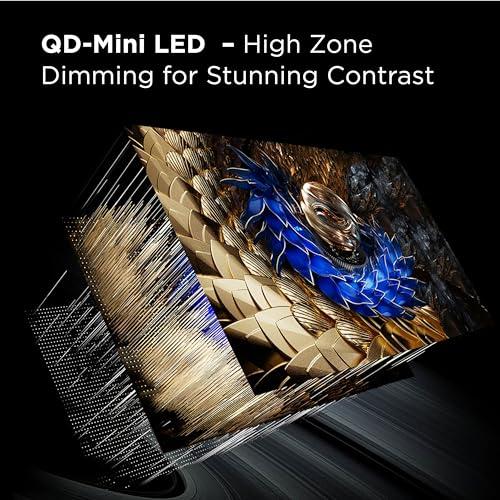
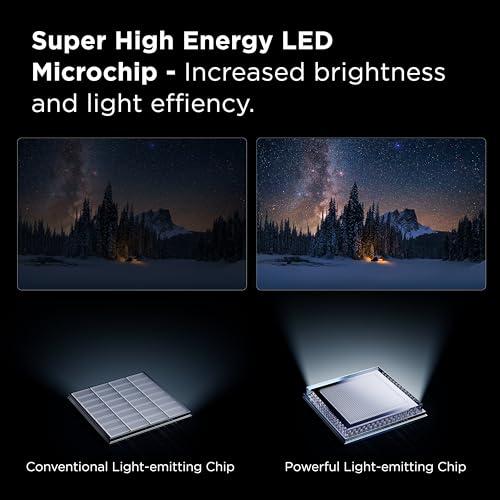
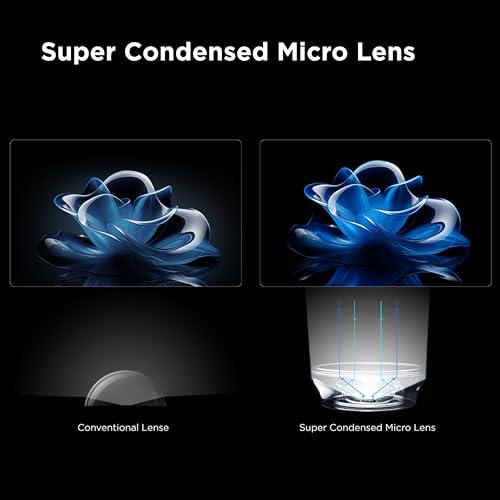
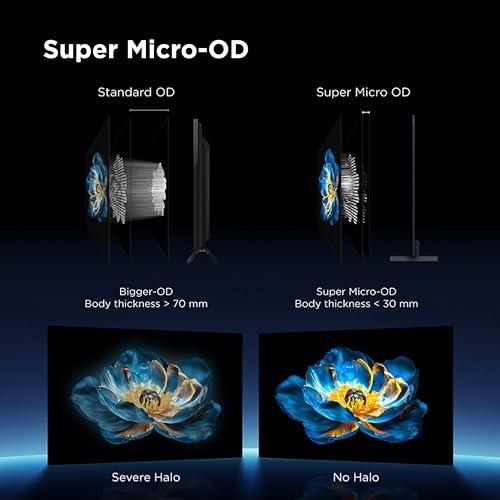
The TCL 98" X11K uses QD-Mini LED technology, which sounds like marketing speak but represents a genuine leap forward. Traditional LED TVs use dozens or maybe hundreds of LED zones behind the screen. The X11K uses 14,000 tiny LED zones—that's not a typo. Each zone can dim independently, creating what's called "local dimming."
Think of it like having 14,000 individual flashlights behind the screen, each one getting brighter or dimmer based on what the picture needs. When there's a bright explosion in a dark space scene, only the LEDs behind the explosion light up, while the rest stay dim. This creates the deep blacks and bright whites that make HDR content pop.
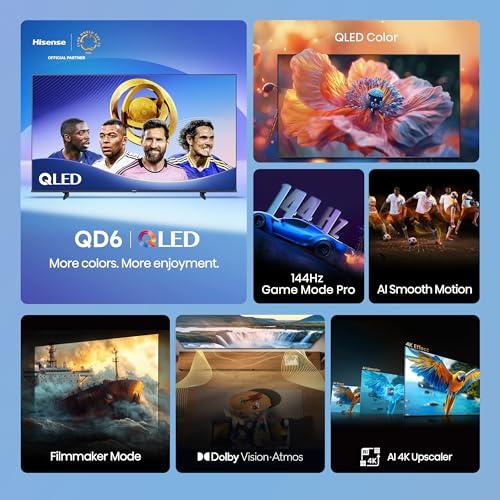
The Hisense QD6 uses traditional QLED technology without local dimming. It's got one big, uniform backlight across the entire screen. This approach works fine for most content, but it can't create those dramatic contrasts—dark scenes tend to look grayish rather than truly black.
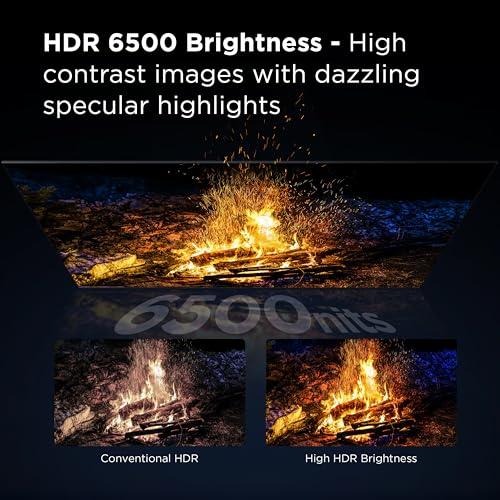
Brightness matters more than most people realize, especially for HDR (High Dynamic Range) content. The TCL X11K reaches an eye-searing 6,500 nits peak brightness. To put that in perspective, a sunny day outside is about 10,000 nits, so this TV can genuinely hurt to look at when displaying bright HDR highlights.
The Hisense QD6 maxes out around 615 nits, which is respectable for SDR content but struggles with HDR. In practical terms, HDR movies and shows will look more dramatic and lifelike on the TCL, while they'll appear somewhat flat on the Hisense.
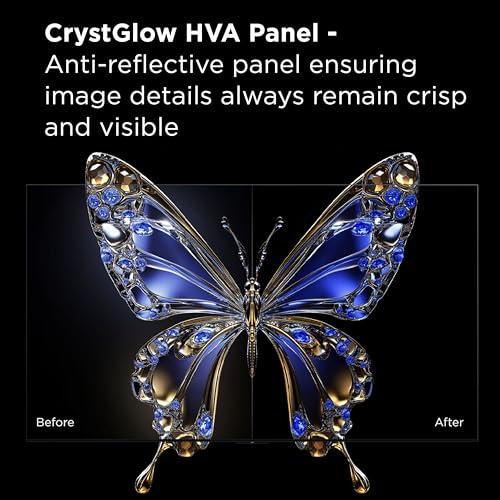
This brightness difference becomes crucial if your viewing room has windows. The TCL can overpower ambient light that would wash out the Hisense's picture entirely.
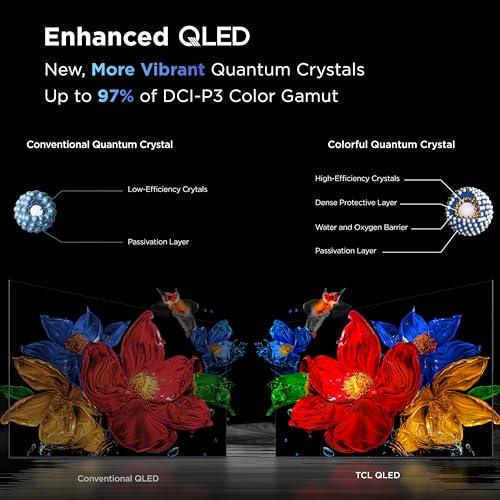
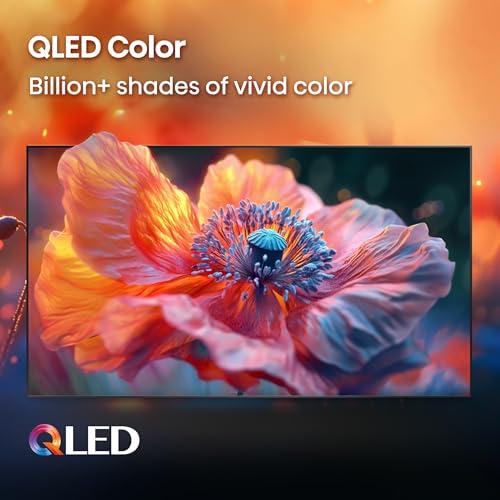
Both TVs use Quantum Dot technology, but they apply it differently. Quantum dots are microscopic crystals that, when hit by blue LED light, emit precise colors. It's like having millions of tiny prisms creating perfect reds and greens.
The TCL X11K combines quantum dots with its Mini LED system, creating what I'd call "color with depth." Colors aren't just vibrant—they can exist alongside deep blacks in the same frame. The Hisense QD6 offers vibrant colors too, but they can look artificial when the backlight can't dim properly behind them.
Both TVs arrived in 2025 with gaming features that would have been impossible just a few years ago, but they implement them differently.
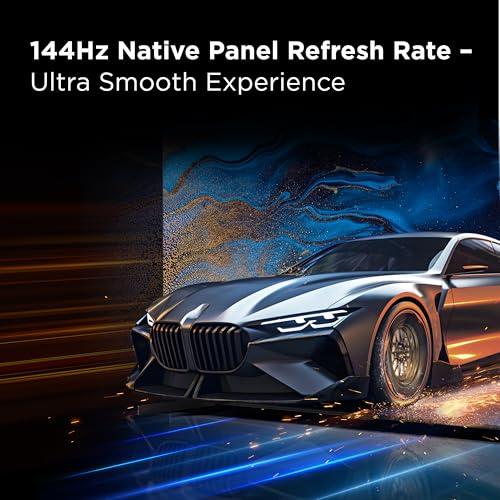
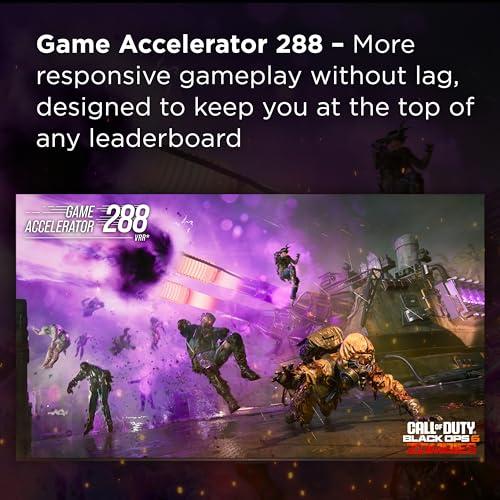
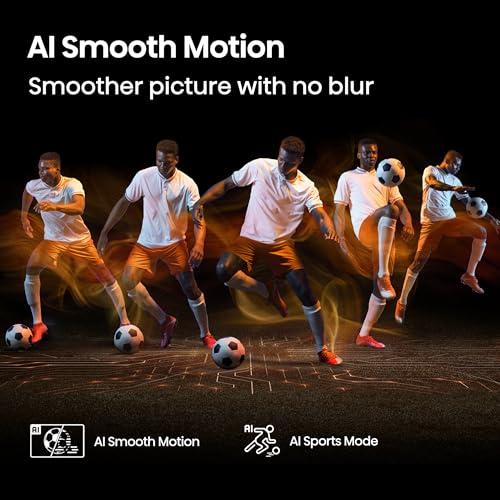
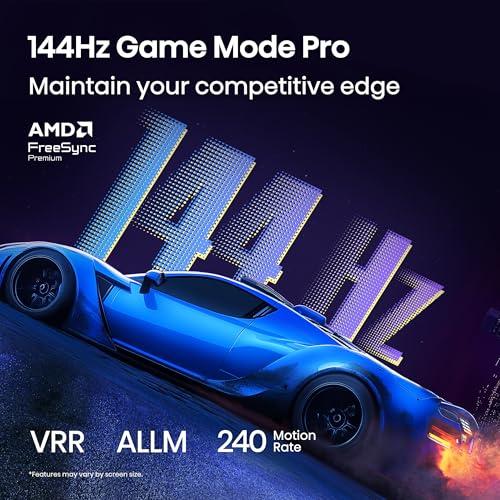
The TCL X11K offers a native 144Hz refresh rate, which means it can display 144 unique frames per second. Its Game Accelerator 288 technology can actually push variable refresh rates up to 288Hz in specific scenarios. This isn't just about showing off—higher refresh rates make motion smoother and reduce the blur that can make fast-paced games harder to follow.
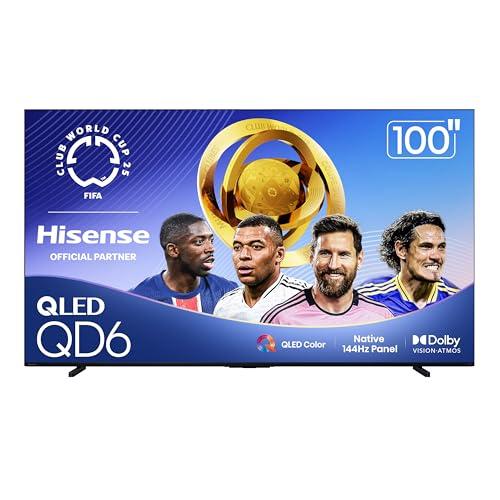
The Hisense QD6 also hits 144Hz natively, which puts it on equal footing for most gaming. Where it falls behind is in response time and advanced features. Response time measures how quickly pixels can change color—crucial for competitive gaming where every millisecond counts.
Modern gaming demands more than just high refresh rates. Variable Refresh Rate (VRR) synchronizes the TV's refresh with your console or PC's output, eliminating screen tearing. Auto Low Latency Mode (ALLM) automatically switches the TV into its fastest mode when it detects a gaming signal.
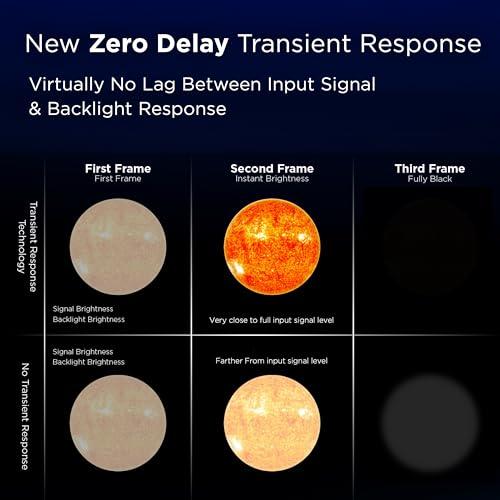
The TCL X11K includes AMD FreeSync Premium Pro certification, which is like a gold standard for gaming displays. It also features something called Zero Delay Transient Response—essentially, the TV processes gaming signals with minimal delay, crucial for competitive play.
The Hisense QD6 covers the basics well with VRR and ALLM, but lacks the advanced optimizations that serious gamers notice.
TV audio has improved dramatically in recent years, and these models showcase that evolution differently.
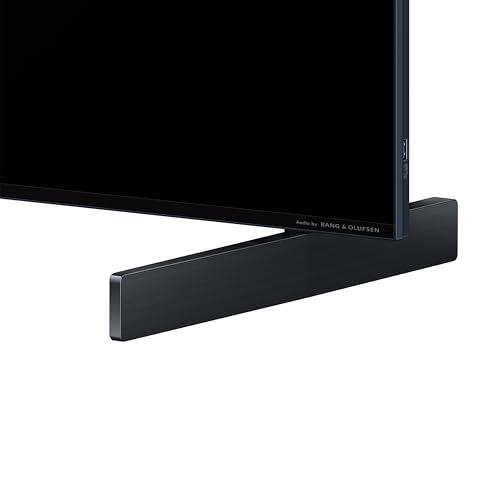
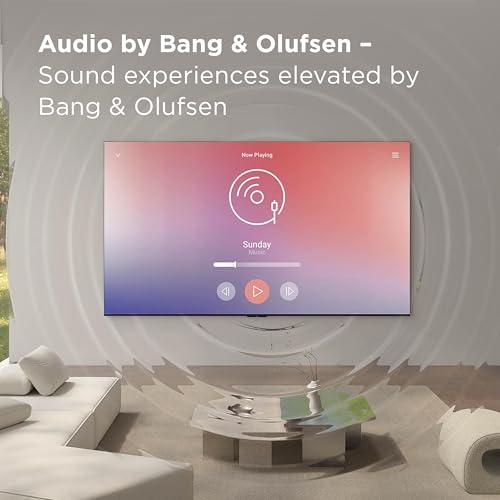
The TCL X11K includes a 2.1.1 channel system tuned by Bang & Olufsen, outputting 120 watts. The ".1" represents a dedicated subwoofer, while the additional ".1" indicates height channels for Dolby Atmos. This means sound can come from above you, creating that immersive dome effect you get in movie theaters.
Based on expert reviews and user feedback, this system actually delivers room-filling sound that many owners find adequate without a soundbar—unusual for any TV, let alone one this large.
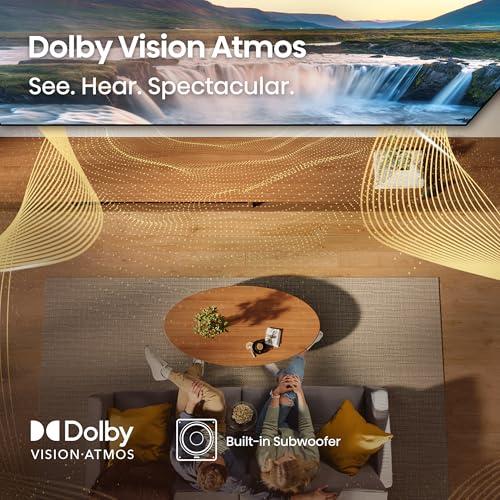
The Hisense QD6 offers a simpler 2.1 system with 50 watts and basic Dolby Atmos processing. Reviews consistently mention that while it's better than typical TV speakers, you'll want a soundbar for serious listening. That's not necessarily bad—it keeps costs down and many buyers plan to add external audio anyway.
These TVs run different smart platforms, which affects daily usability more than you might expect.
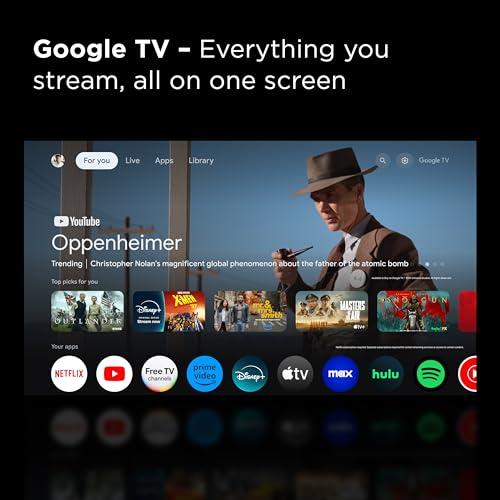
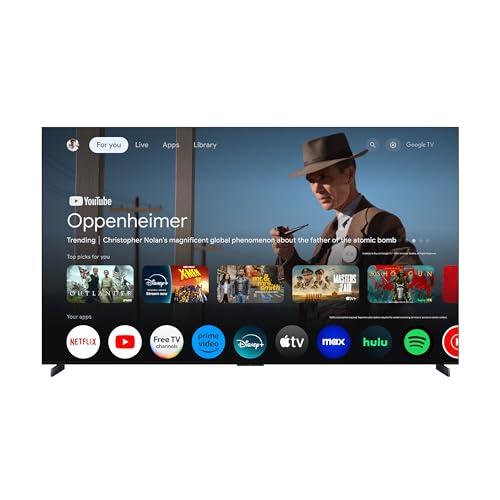
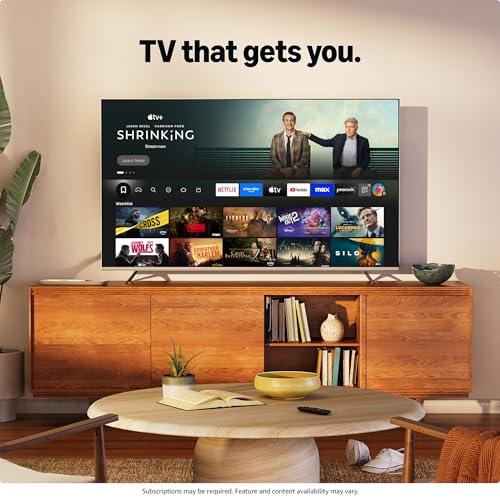
The TCL X11K runs Google TV, which aggregates content from multiple services into unified recommendations. It integrates seamlessly with other Google services and supports Chromecast natively. Voice control through Google Assistant works hands-free, meaning you can adjust settings without finding the remote.
The platform feels fast and responsive, with the AiPQ Pro processor ensuring smooth navigation even when switching between demanding apps.
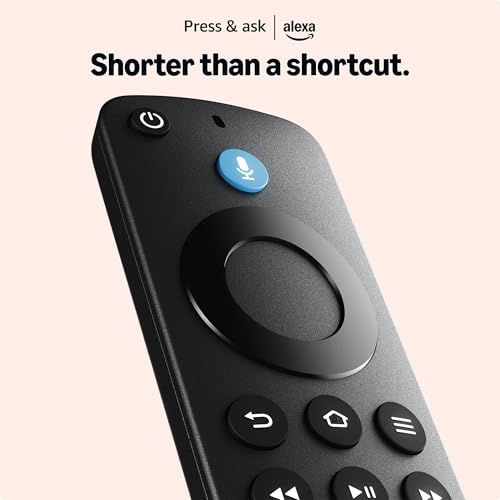
The Hisense QD6 uses Amazon's Fire TV platform, which excels if you're already in the Amazon ecosystem. Alexa integration is deep and functional, though it requires pressing the voice button on the remote rather than hands-free operation.
Fire TV's interface prioritizes Amazon content but includes all major streaming services. Some users report occasional menu sluggishness, though this seems to vary by unit and improves with software updates.
Expert reviews and user experiences paint a clear picture of how these TVs perform in actual homes.
The TCL X11K consistently impresses reviewers with its ability to handle any lighting condition. The extreme brightness and precise local dimming create images that look almost three-dimensional. Dark movie scenes reveal details that simply disappear on lesser TVs, while bright HDR content delivers the "wow factor" that justifies premium pricing.
The Hisense QD6 performs best in controlled lighting. In dark rooms, the lack of local dimming becomes less noticeable, and the QLED colors shine. But in bright rooms or mixed lighting, the picture can look washed out and lack the depth that makes large screens feel immersive.
Gaming reviews highlight the TCL X11K as a serious gaming display that competes with dedicated gaming monitors. The combination of high brightness, low lag, and advanced VRR creates smooth, responsive gameplay that works equally well for casual and competitive gaming.
The Hisense QD6 handles gaming competently, with most reviewers noting smooth motion and adequate response times for casual gaming. However, competitive players and those with high-end gaming PCs might notice the difference in processing speed and advanced features.
At the time of writing, these TVs represent fundamentally different value propositions that appeal to distinct buyer priorities.
The TCL 98" X11K costs significantly more but delivers flagship-level picture quality in a massive screen. You're paying for Mini LED technology that won't be mainstream for several more years, extreme brightness that handles any content, and audio quality that might eliminate the need for additional speakers.
This pricing makes sense when you consider the technology involved. Those 14,000 Mini LED zones require precise manufacturing and advanced processing. The Bang & Olufsen audio system adds real value. The result is a TV that performs like a premium display that happens to be huge, rather than a big TV with basic performance.
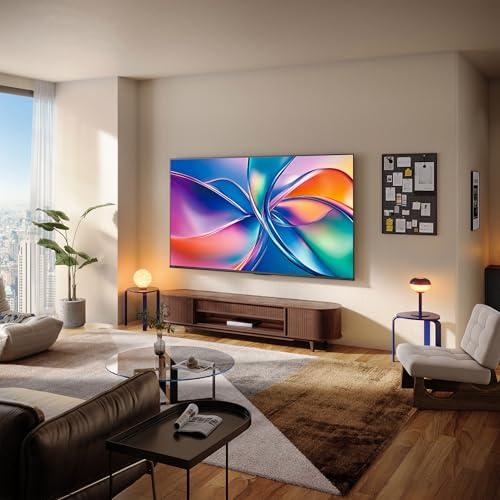
The Hisense QD6 prioritizes screen size over advanced features, delivering a 100-inch experience at a price that would have been impossible just a few years ago. You're getting QLED color enhancement, solid smart features, and respectable gaming performance in a package that costs less than many 75-inch premium TVs.
This approach works brilliantly if your primary goal is maximum immersion and you can control your viewing environment. The two-inch size advantage over the TCL becomes noticeable in typical viewing distances, and the cost savings could fund a quality soundbar and still leave money in your pocket.
Ultra-large TVs like these work best in dedicated spaces where you can optimize the viewing experience.
For a 98-100 inch TV, optimal viewing distance ranges from 8 to 12 feet, though you can sit closer with 4K content without seeing pixels. The Hisense QD6's extra two inches provides slightly more immersion at normal seating distances.
The TCL X11K's extreme brightness makes it more flexible for rooms with windows or ambient lighting. The Hisense QD6 performs best in darker environments where you can control lighting conditions.
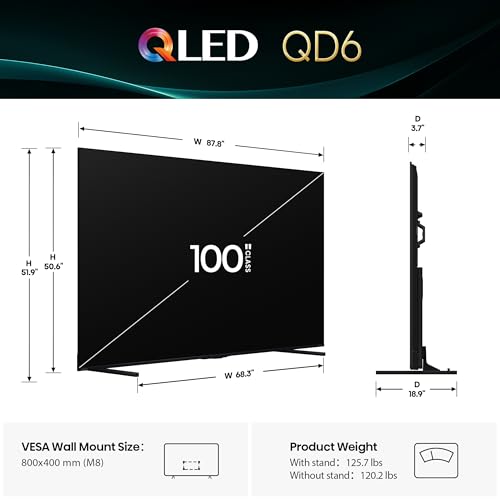
Both TVs are substantial installations that require careful planning. Wall mounting requires proper reinforcement, and you'll want professional installation for either model. The weight difference is minimal, but the TCL X11K's premium positioning often includes white-glove delivery and setup services.
Based on extensive research into user experiences and expert reviews, clear patterns emerge for who benefits most from each approach.
You're building a serious home theater where picture quality matters as much as size. If you watch a lot of HDR content, game competitively, or have a bright viewing room, the advanced display technology justifies the premium pricing. The superior built-in audio also matters if you want to avoid additional speaker purchases.
The TCL X11K makes sense for enthusiasts who want flagship performance and can afford the premium for cutting-edge technology.
Your primary goal is maximum screen size at the lowest possible cost, and you have good control over your viewing environment. If you plan to add a soundbar anyway and primarily watch streaming content in darker rooms, the Hisense QD6 delivers an incredible large-screen experience.
This TV works best for buyers who want to maximize immersion while minimizing cost, especially if you're coming from a much smaller screen.
These TVs represent two valid but different approaches to ultra-large displays. The TCL 98" X11K pushes display technology forward with Mini LED precision and flagship features, while the Hisense 100" QD6 democratizes the large-screen experience through smart cost management.
Your choice ultimately depends on whether you prioritize cutting-edge display technology or maximum screen size for your budget. Both deliver experiences that would have seemed impossible at these price points just a few years ago—but they do it in fundamentally different ways that serve different needs and preferences.
The good news? Either choice will transform your viewing experience in ways that smaller TVs simply can't match. The key is understanding which approach better fits your space, usage patterns, and budget priorities.
| TCL 98" X11K 4K QD-Mini LED Google TV | Hisense 100" QD6 Series QLED 4K UHD Fire TV 2025 |
|---|---|
| Screen Size - Two-inch difference affects immersion at typical viewing distances | |
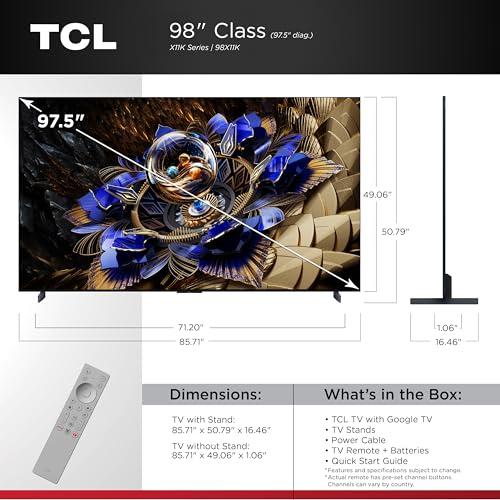
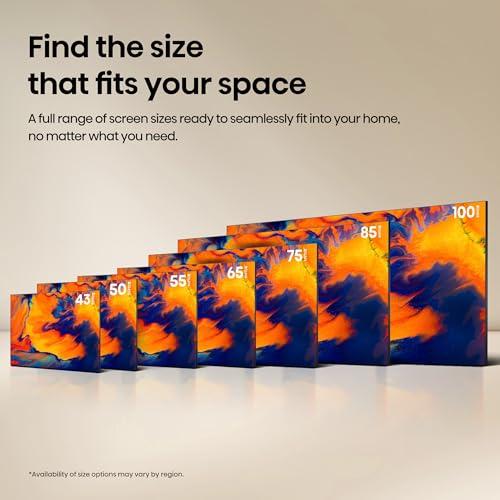
| 98 inches (97.5" viewable) | 100 inches (99.5" viewable) |
| Display Technology - Determines contrast quality and dark scene performance | |
| QD-Mini LED with 14,000 local dimming zones | QLED with no local dimming (full-array LED) |
| Peak Brightness - Critical for HDR content and bright room viewing | |
| 6,500 nits (excellent for any lighting condition) | 615 nits (adequate for dark rooms, struggles in bright spaces) |
| Gaming Features - Important for console and PC gaming performance | |
| 144Hz native, VRR up to 288Hz, AMD FreeSync Premium Pro, Zero Delay response | 144Hz native, basic VRR, AMD FreeSync, 8ms response time |
| Audio System - Affects whether you need a separate soundbar | |
| Bang & Olufsen 2.1.1 channel, 120W, Dolby Atmos with height channels | Basic 2.1 channel, 50W, Dolby Atmos processing |
| Smart Platform - Determines interface and voice control experience | |
| Google TV with hands-free Google Assistant, Chromecast built-in | Fire TV with Alexa (button required), Amazon ecosystem focus |
| HDR Support - Ensures compatibility with premium streaming content | |
| Dolby Vision IQ, HDR10+, HDR10, HLG | Dolby Vision, HDR10+, HDR10, HLG |
| HDMI Connectivity - Important for multiple gaming consoles and devices | |
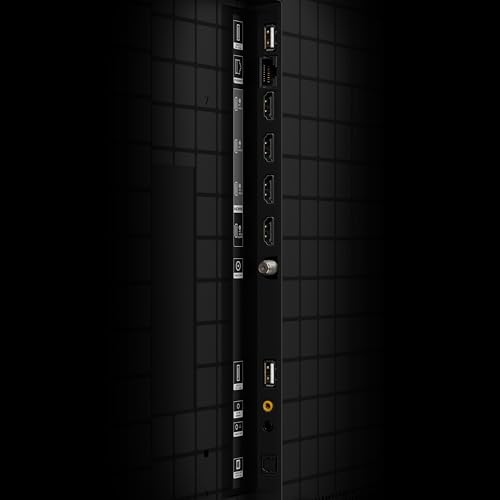
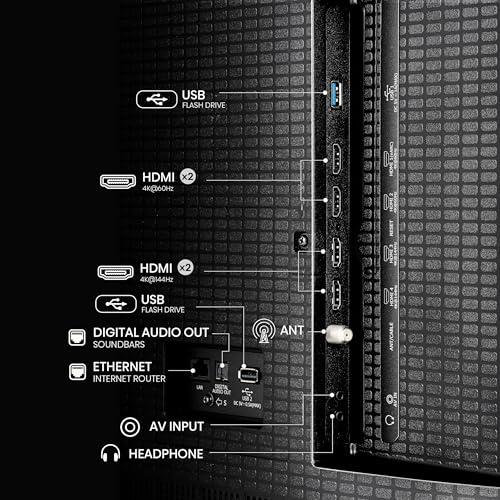
| 4 ports (HDMI 2.1 with eARC support) | 4 ports (2 x HDMI 2.1, 2 x HDMI 2.0) |
| Weight - Affects installation complexity and wall mount requirements | |
| 155 lbs with stand, 151.7 lbs without | 125.7 lbs with stand, 120.2 lbs without |
| Value Proposition - Different approaches to large-screen entertainment | |
| Premium flagship technology in large format | Maximum screen size at budget-friendly pricing |
The TCL 98" X11K is significantly better for bright rooms with its 6,500 nits peak brightness that can overpower ambient light and reflections. The Hisense 100" QD6 maxes out at 615 nits, making it better suited for darker viewing environments where you can control lighting.
The TCL 98" X11K delivers superior picture quality with 14,000 local dimming zones that create deep blacks and precise contrast. The Hisense 100" QD6 uses basic QLED technology without local dimming, resulting in good colors but less dramatic contrast and darker scenes that appear grayish rather than truly black.
Both TVs offer 144Hz refresh rates, but the TCL 98" X11K provides advanced gaming features including VRR up to 288Hz, AMD FreeSync Premium Pro, and Zero Delay response technology. The Hisense 100" QD6 handles basic gaming well but lacks the premium gaming optimizations that competitive players prefer.
The TCL 98" X11K includes a high-quality Bang & Olufsen 120W audio system that many users find adequate without additional speakers. The Hisense 100" QD6 has basic 50W speakers that work for casual viewing but will likely require a soundbar for serious listening or home theater use.
The TCL 98" X11K runs Google TV with hands-free voice control and excellent streaming integration. The Hisense 100" QD6 uses Fire TV, which works well within Amazon's ecosystem but requires pressing a button for voice commands. Both platforms support major streaming services effectively.
The Hisense 100" QD6 provides about 4% more screen area than the TCL 98" X11K. While this difference is noticeable side-by-side, it's minimal in practical viewing situations, especially when the picture quality differences are considered.
This depends on your priorities. The Hisense 100" QD6 offers exceptional value for buyers prioritizing maximum screen size at the lowest cost. The TCL 98" X11K provides better value for those wanting premium display technology and flagship features in a large format.
The TCL 98" X11K excels in dedicated home theater rooms with its superior contrast, extreme brightness, and quality built-in audio. The Hisense 100" QD6 works well for home theater use in darker rooms where its lack of local dimming is less noticeable, especially when paired with a separate sound system.
The TCL 98" X11K dramatically outperforms in HDR content thanks to its 6,500 nits brightness and local dimming zones that can display bright highlights and deep shadows simultaneously. The Hisense 100" QD6 supports HDR formats but lacks the brightness and contrast control to fully showcase HDR's benefits.
The TCL 98" X11K's main drawback is its significantly higher cost for 2 inches less screen size. The Hisense 100" QD6's limitations include washed-out dark scenes, limited brightness for HDR content, and basic audio that typically requires soundbar supplementation.
For movie watching, the TCL 98" X11K provides a more cinematic experience with its deep blacks, bright highlights, and superior audio system that enhances dramatic content. The Hisense 100" QD6 offers good movie viewing in controlled lighting but lacks the contrast depth that makes films truly immersive.
Choose the TCL 98" X11K if your living room has windows or ambient lighting and you want flagship picture quality. Select the Hisense 100" QD6 if you can control lighting, prioritize maximum screen size over premium features, and want to minimize your investment in large-screen entertainment.
We've done our best to create useful and informative comparisons to help you decide what product to buy. Our research uses advanced automated methods to create this comparison and perfection is not possible - please contact us for corrections or questions. These are the sites we've researched in the creation of this article: ecoustics.com - pcrichard.com - tcl.com - valueelectronics.com - bestbuy.com - tcl.com - whathifi.com - tcl.com - youtube.com - displayspecifications.com - whathifi.com - youtube.com - notebookcheck.net - tcl.com - tcl.com - displayspecifications.com - tcl.com - tcl.com - pcguide.com - en.homecinesolutions.fr - youtube.com - tcl.com - bestbuy.com - youtube.com - tvsbook.com - rtings.com - youtube.com - youtube.com - bestbuy.com - leaseville.com - pcrichard.com - bestbuy.com - youtube.com - hisense-usa.com - manuals.plus - hisense-usa.com - hisense-usa.com - brandsmartusa.com

Privacy Policy
Terms and Conditions - Affiliate Policy
Home Security
© Copyright 2008-2026.
11816 Inwood Rd #1211, Dallas, TX 75244