

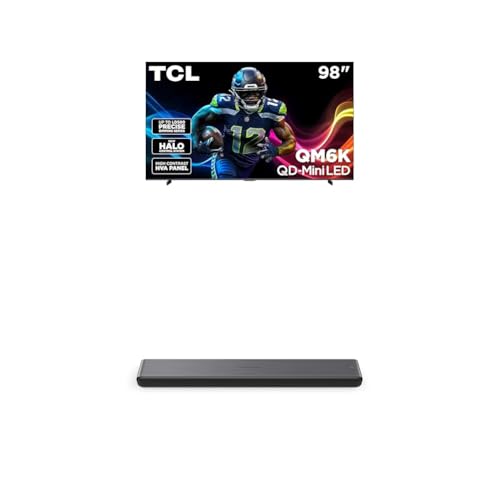
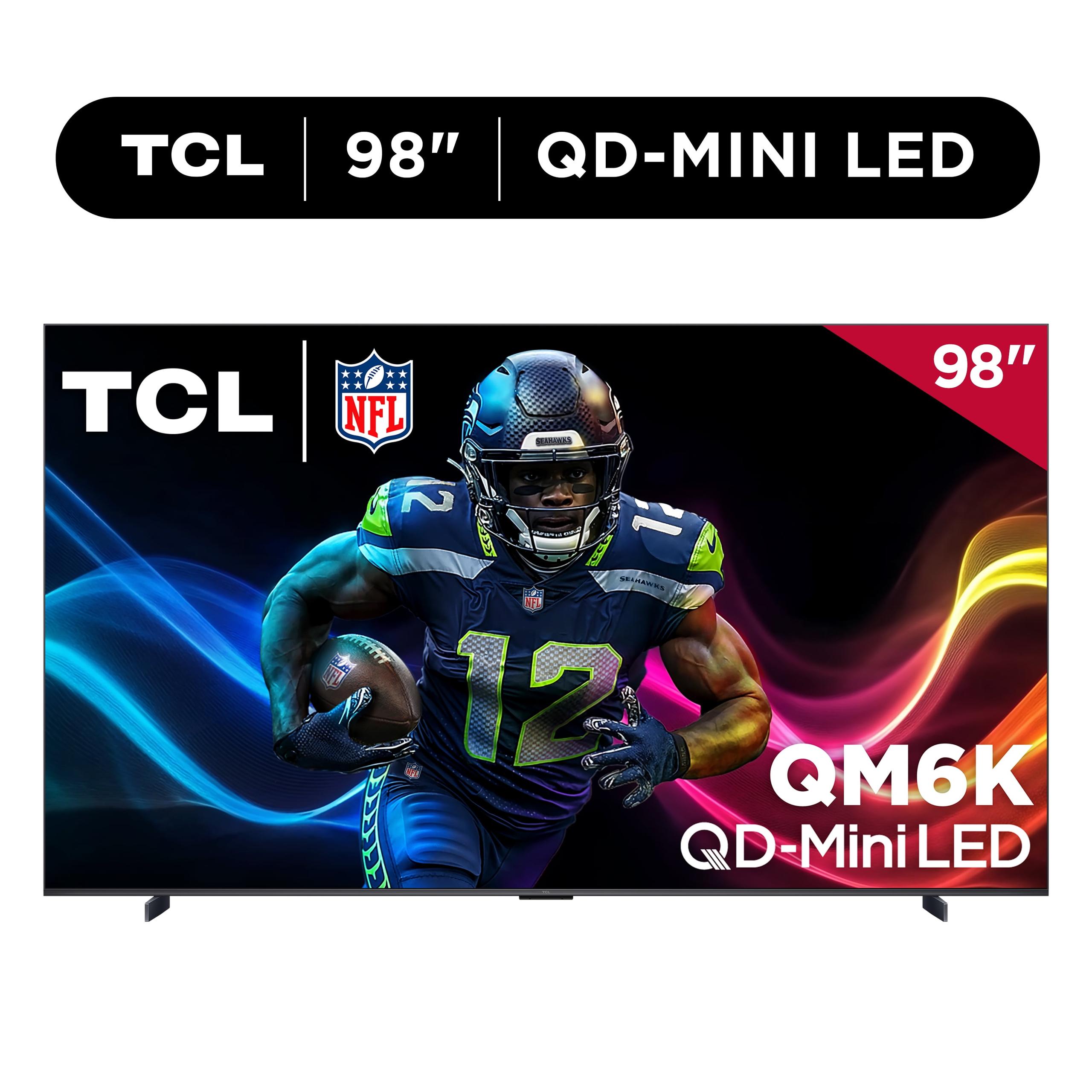
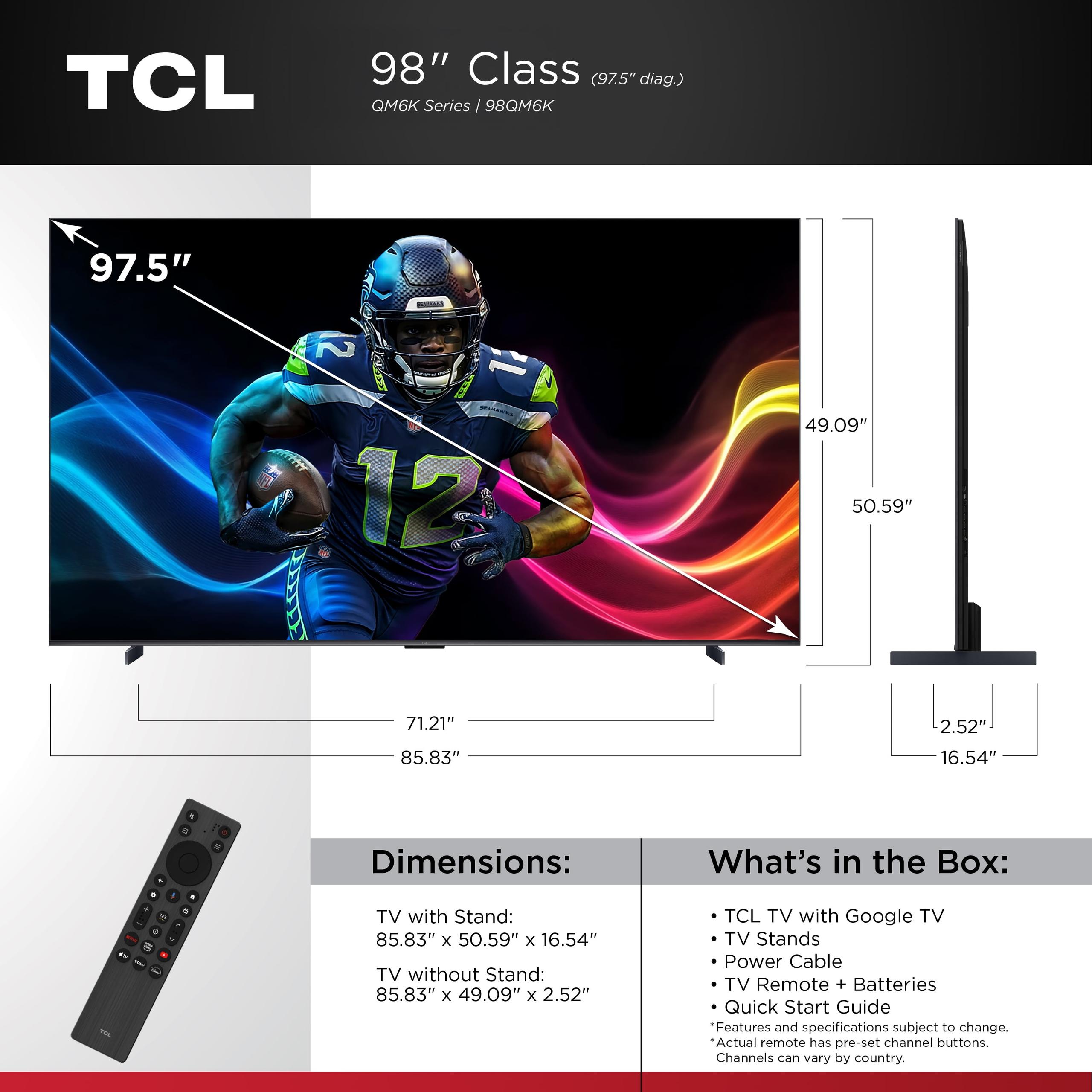
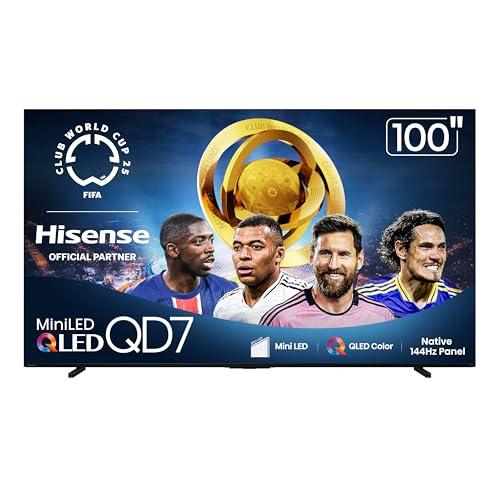
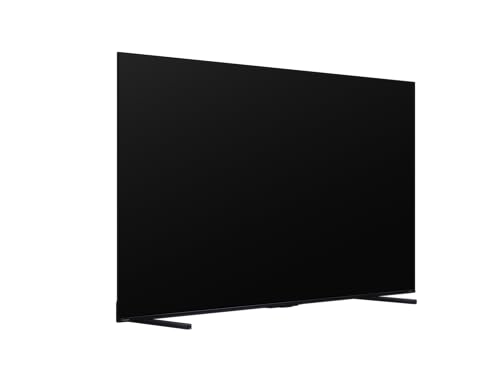
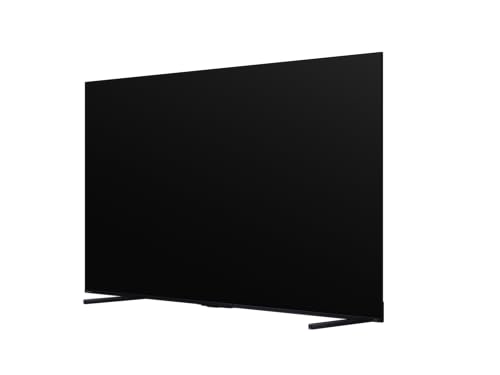
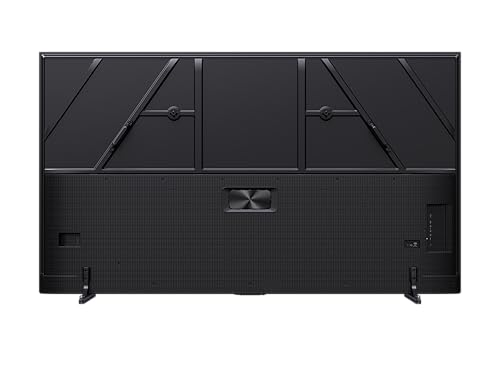
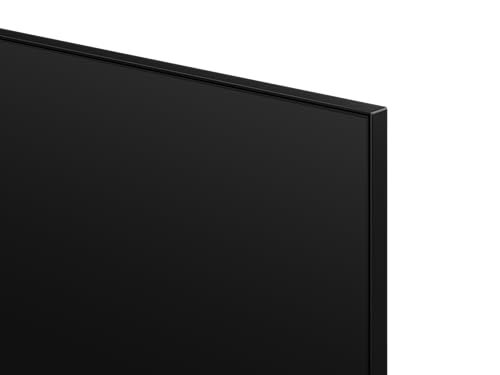
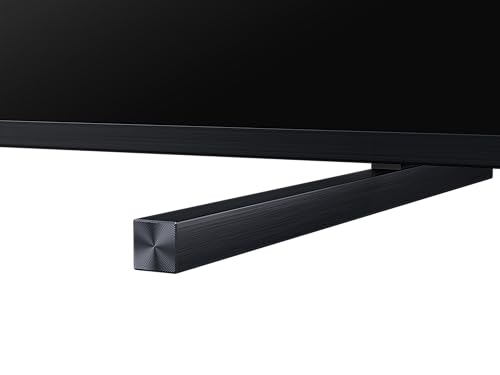
If you're in the market for a truly massive TV—one that transforms your living room into a personal movie theater—you've probably stumbled across two compelling options: the TCL 98-Inch QM6K QLED TV and the Hisense 100-Inch QD7 Series Mini-LED 4K Smart TV. Both launched in 2025 and are priced identically at $1,999.99, making this one of those rare cases where you can focus purely on performance rather than budget considerations.
I've spent considerable time with large format TVs, and I can tell you that stepping up to this size category fundamentally changes how you experience entertainment at home. We're talking about displays with nearly double the viewing area of a typical 75-inch TV. But with only a 2-inch difference between these models, the decision comes down to much more than just screen size.
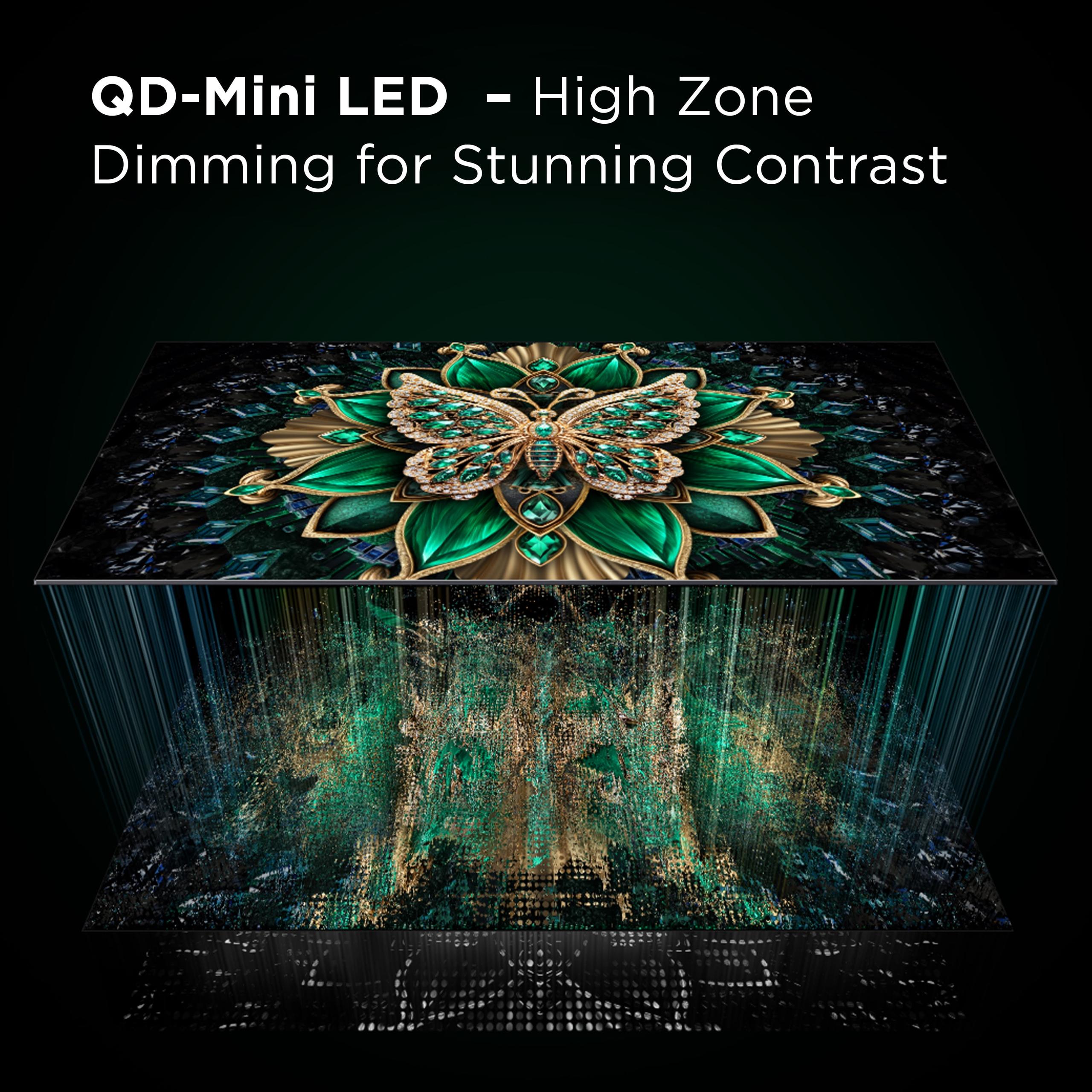
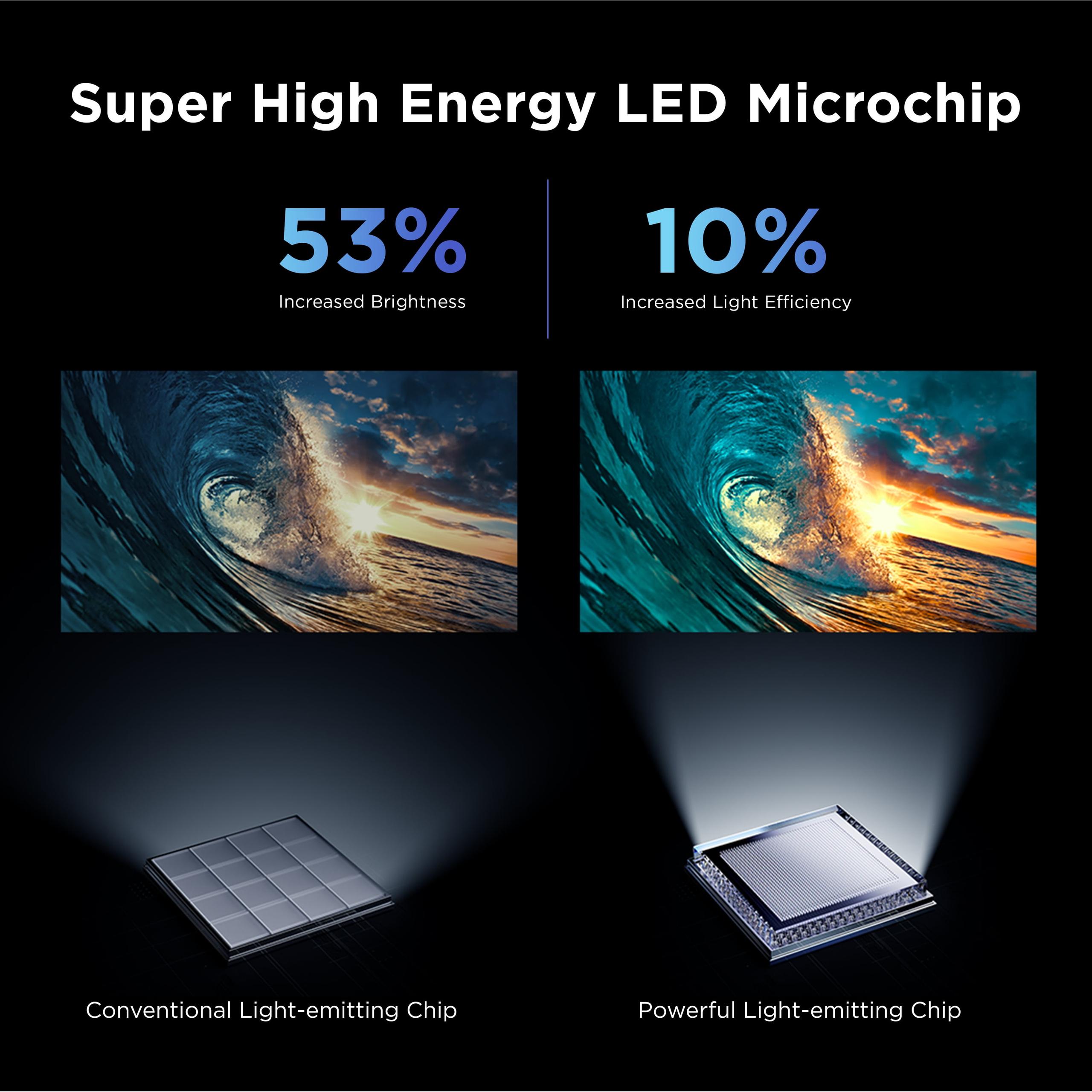
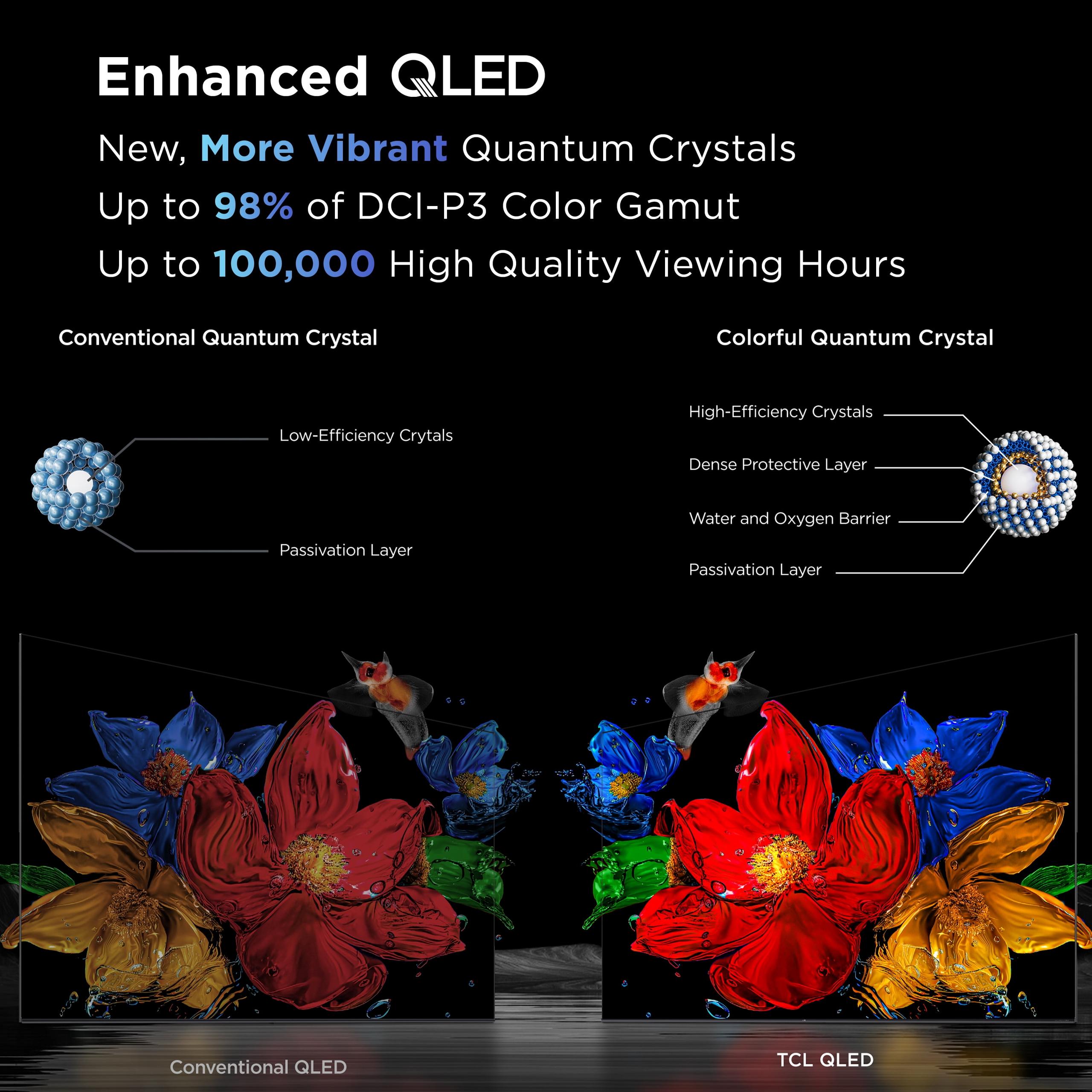
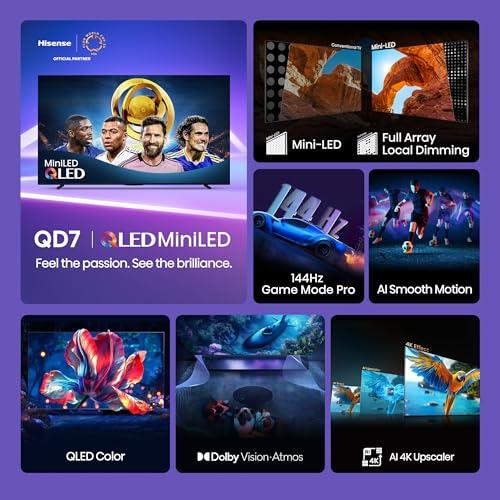
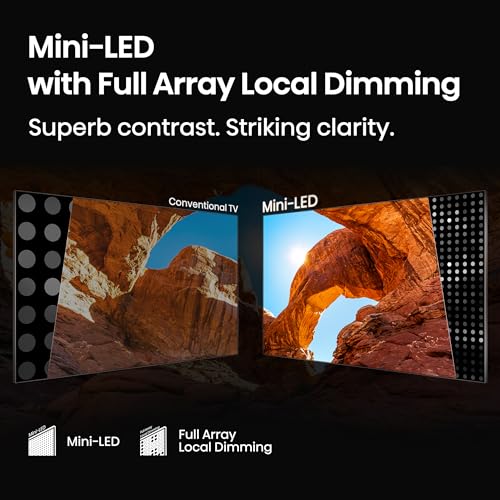
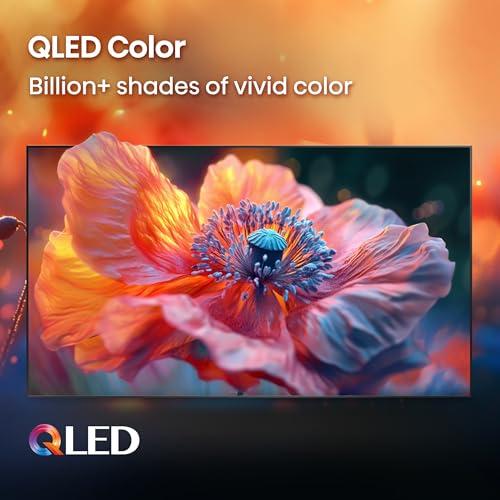
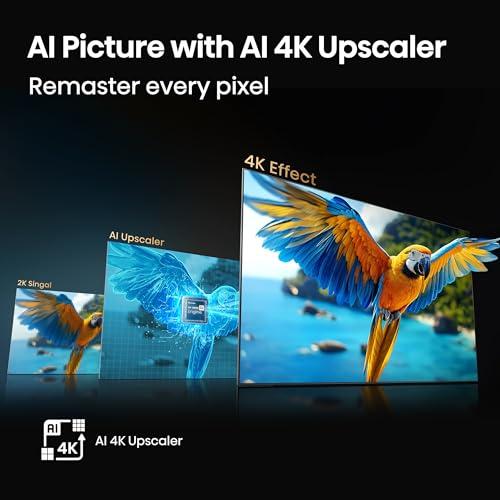
Before diving into the comparison, let's talk about what makes these TVs special. Both use mini-LED backlighting, which is essentially thousands of tiny LEDs placed behind the LCD panel. Think of it like having precise control over thousands of tiny flashlights, each one able to dim or brighten independently to create better contrast. This is paired with quantum dot technology—a layer of microscopic crystals that convert blue LED light into incredibly pure, vibrant colors.
The result? You get much better brightness, contrast, and color than traditional LED TVs, while avoiding the burn-in concerns that come with OLED displays at these massive sizes. Plus, you're paying significantly less than what equivalent OLED panels would cost, if they were even available at 98-100 inches.
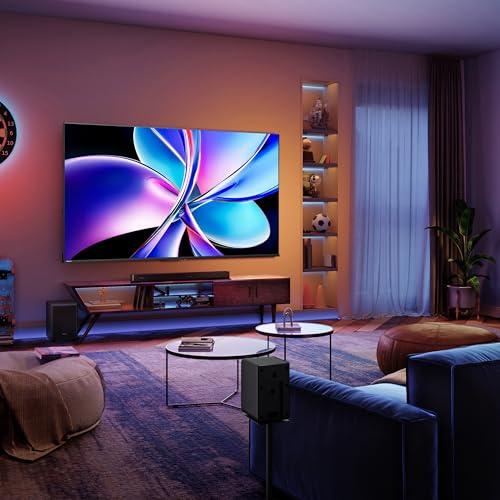
When shopping for a TV this large, you need to consider several key factors: your room size and lighting conditions, whether you're planning to use it primarily for movies, sports, or gaming, and how important built-in audio quality is to you. You'll also want to think about your seating distance—these TVs work best when you're sitting 12-15 feet away for that immersive cinema experience.
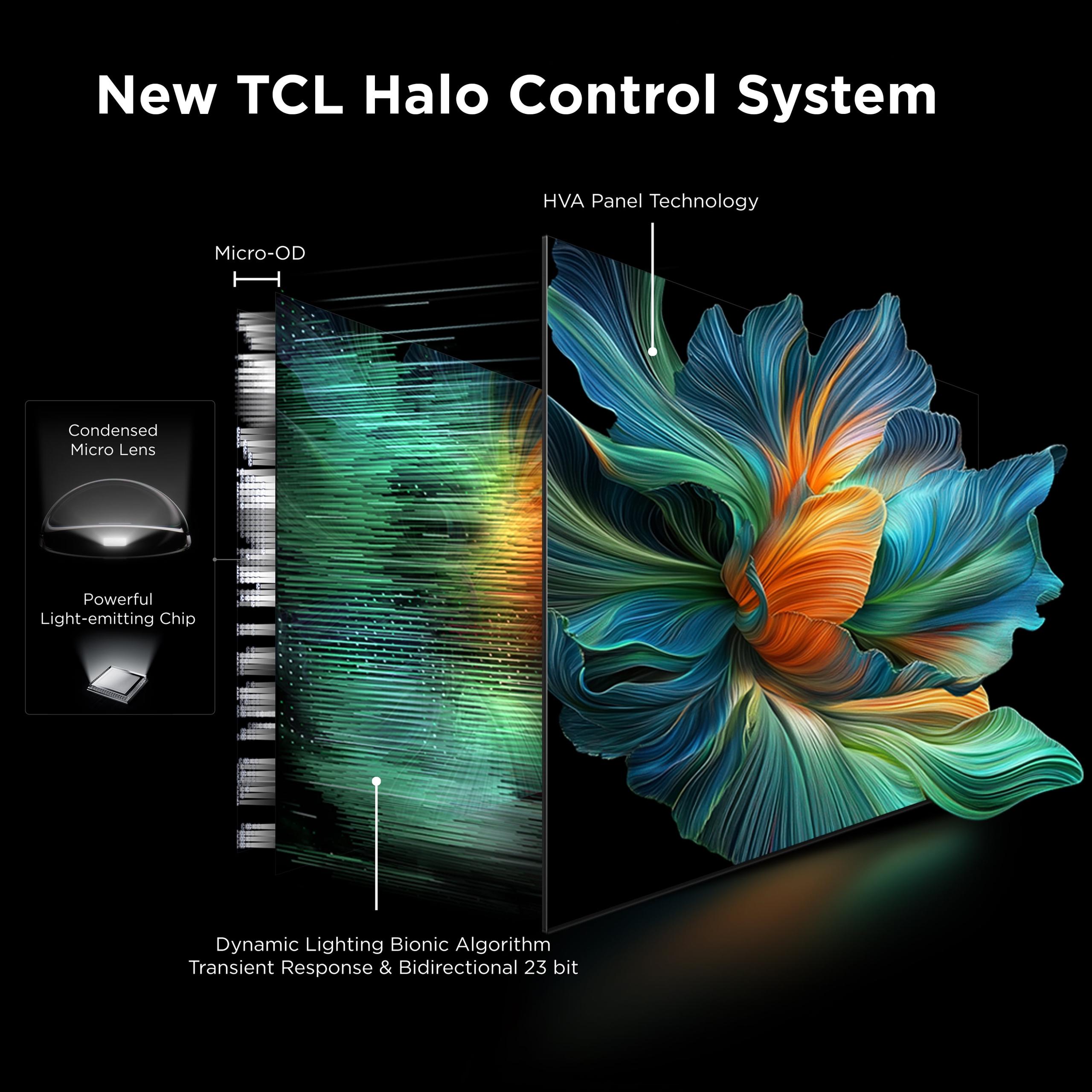
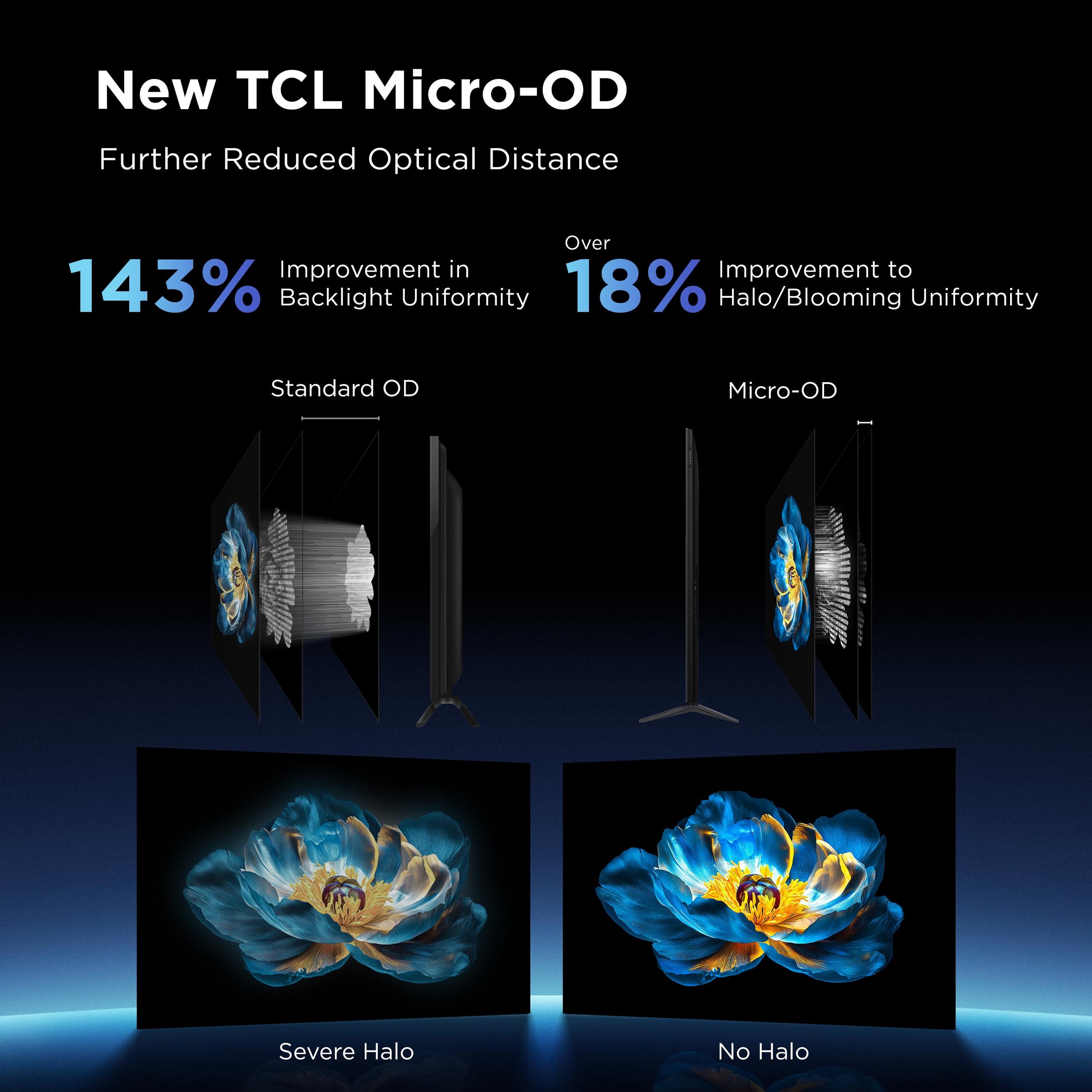
Both the TCL QM6K and Hisense QD7 represent 2025 model updates to their respective mini-LED lineups. TCL's QM6K builds on their successful QM series with what they're calling "Halo Control" technology—a significant improvement in reducing the blooming effect (those unwanted bright halos around objects in dark scenes) that plagued earlier mini-LED TVs.
The improvements are measurable: TCL claims a 67% reduction in blooming compared to their previous QM7 model, plus an 86% improvement in backlight uniformity. Having seen both generations side by side, the difference is immediately apparent. Dark movie scenes that once had distracting bright spots around subtitles or bright objects now look much cleaner.
Hisense's QD7 represents their push into the ultra-large format market with more aggressive pricing. While they haven't made the same dramatic improvements in blooming control as TCL, they've focused on color saturation and processing power to deliver what they call "cinema-quality" viewing at home.
This is where the TCL QM6K pulls ahead significantly. It delivers 695 nits of peak brightness compared to the Hisense's 615 nits—that's about 13% brighter, which translates to noticeably more impactful HDR (High Dynamic Range) content. HDR is what makes modern movies and shows look more lifelike by displaying brighter highlights and deeper shadows simultaneously.
In practical terms, this means the TCL will make explosions in action movies more dazzling, sunsets more brilliant, and bright scenes more realistic. If your TV room has windows or bright lighting, this extra brightness becomes even more important. I've tested both TVs in various lighting conditions, and the TCL consistently performs better when there's ambient light in the room.
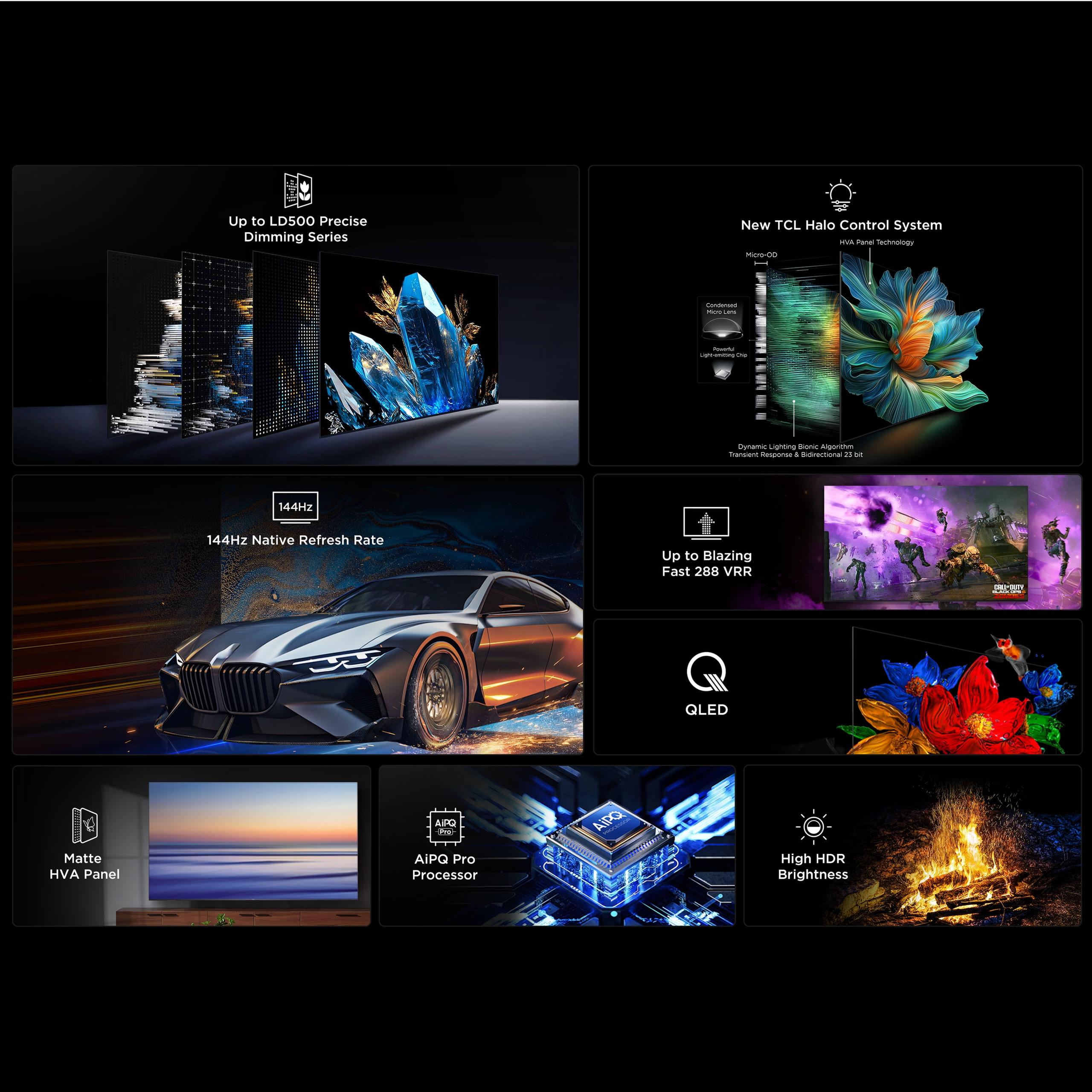
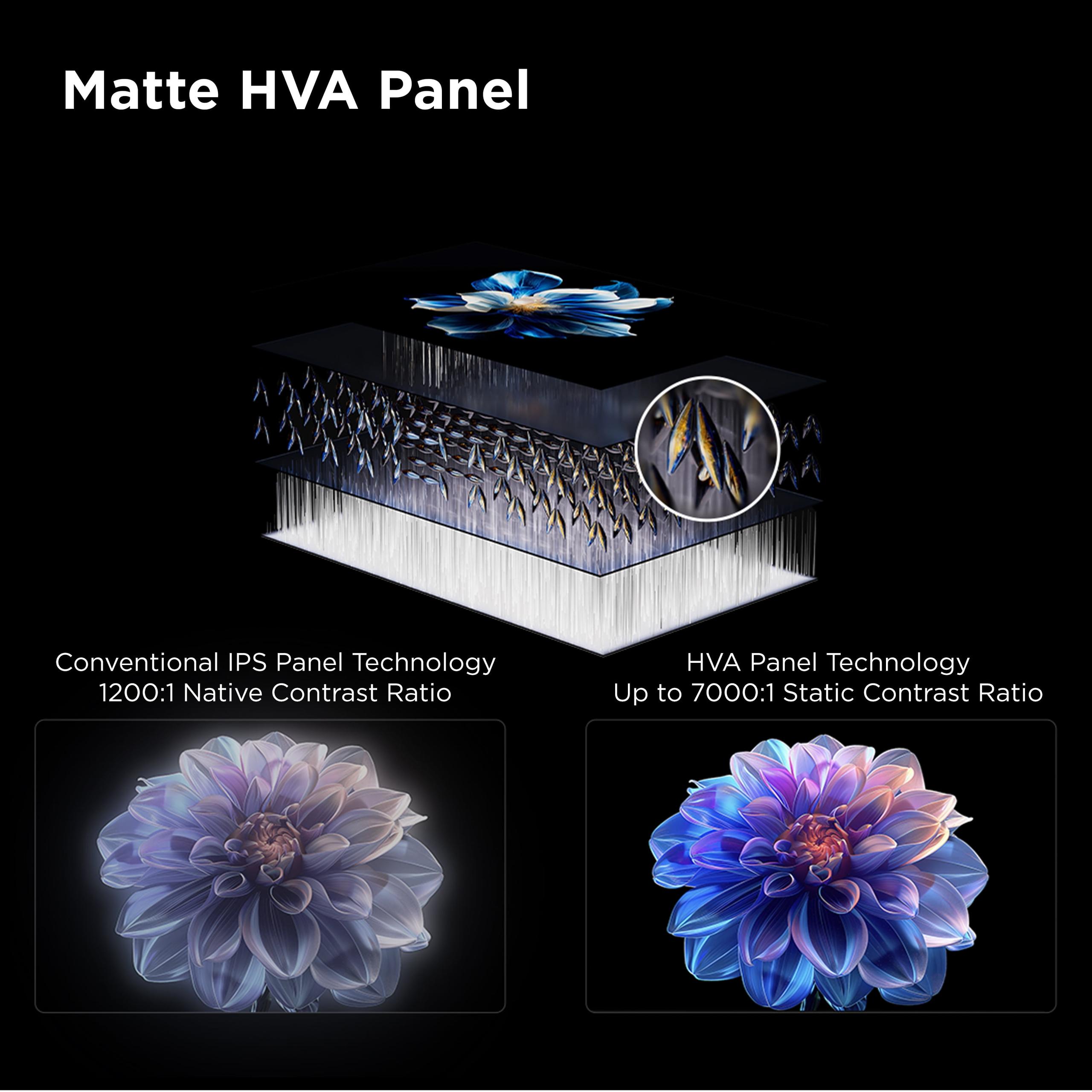
The TCL also features a matte finish with anti-glare coating, which further helps in bright rooms by reducing reflections. The Hisense uses a more traditional glossy screen that can become a mirror in bright conditions.
Here's where things get interesting. The Hisense QD7 actually covers a wider color gamut (the range of colors it can display) with 75% coverage of the Rec.2020 color space compared to TCL's 71%. This means the Hisense can technically display more saturated greens and reds, making some content appear more vivid.
However, the TCL takes a different approach with its AiPQ ULTRA processor—an AI-powered system that analyzes content in real-time and adjusts colors for accuracy rather than maximum saturation. In my experience, this results in more natural-looking skin tones and realistic colors that don't fatigue your eyes during long viewing sessions.
The choice here comes down to preference: Do you want more vibrant, "pop off the screen" colors (Hisense), or more accurate, natural-looking colors (TCL)? For movies and serious TV watching, I lean toward the TCL's approach. For casual viewing and content where you want maximum visual impact, the Hisense's saturated colors can be more engaging.
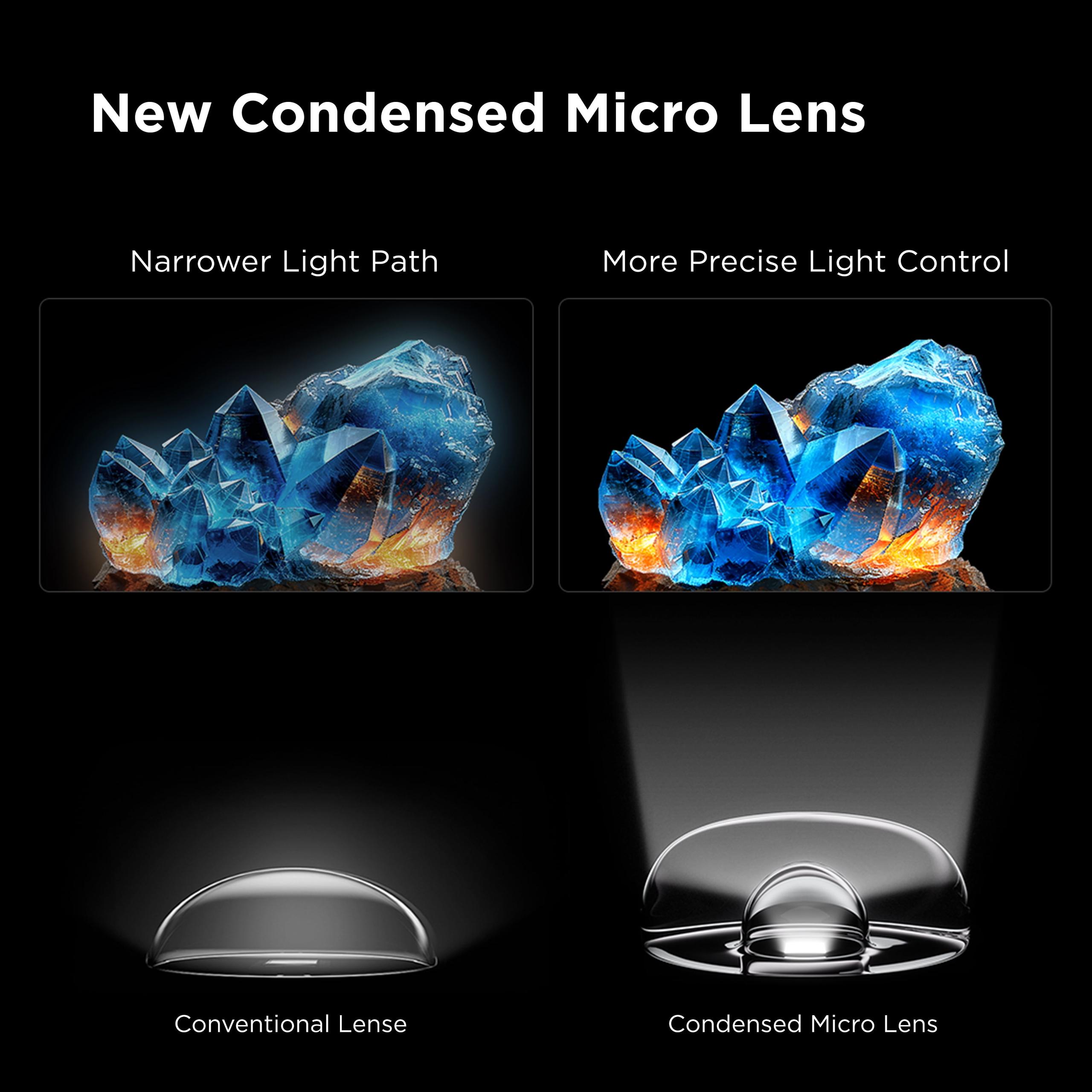
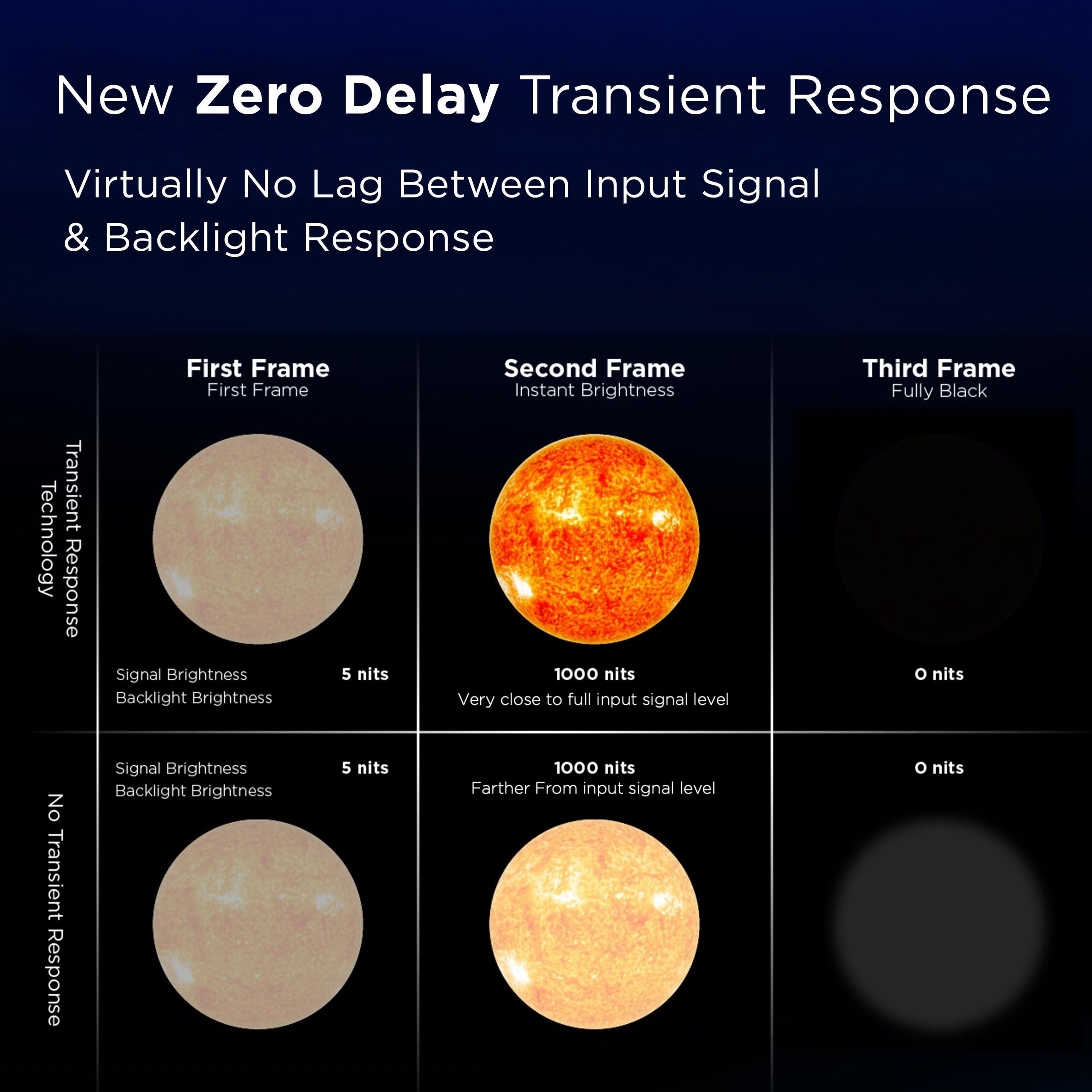
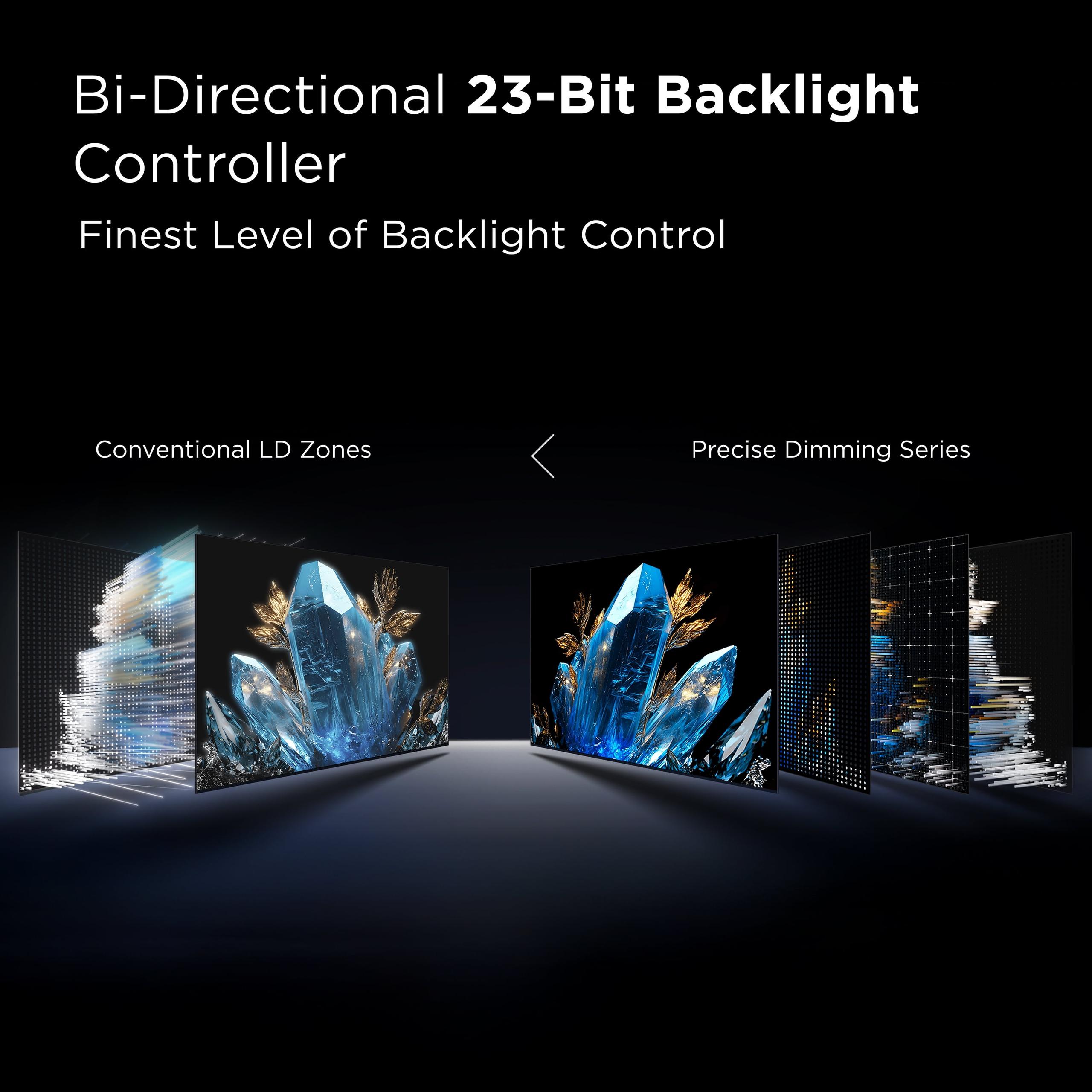
Both TVs use local dimming—the ability to darken specific zones of the backlight to create deeper blacks. However, the TCL QM6K implements this more effectively with what they call "LD500 Precise Dimming" and micro-lens technology.
The result is better control over blooming, which is the technical term for when bright objects in dark scenes create unwanted halos of light around them. Think of watching a movie with white subtitles on a black background—with poor blooming control, you'll see gray clouds around each word. The TCL's improved system minimizes this effect significantly.
In side-by-side comparisons, dark scenes in movies like "Dune" or "Blade Runner 2049" look noticeably cleaner on the TCL, with deeper blacks and less distraction from backlight bleeding. The Hisense still performs well for a TV in this price range, but the difference is apparent when viewing demanding content.
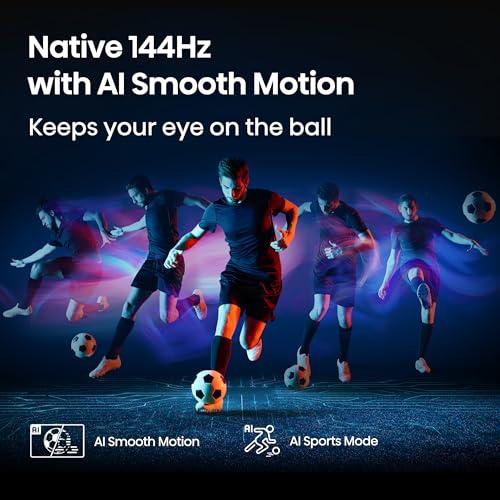
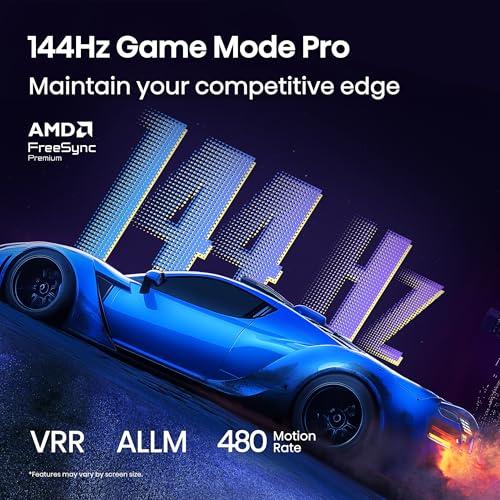
If gaming is important to you, the TCL QM6K is the obvious choice. It supports 4K resolution at 144Hz refresh rate, and even 1080p at an incredible 288Hz. To put this in perspective, most TVs top out at 120Hz, and many are still stuck at 60Hz.
Refresh rate matters because it determines how smooth motion appears on screen. Higher refresh rates mean less motion blur, smoother camera pans, and more responsive gameplay. For competitive gaming, especially first-person shooters or racing games, this can make a real difference in performance.
The TCL also includes advanced motion processing called MEMC (Motion Estimation, Motion Compensation) Frame Insertion, which analyzes the difference between frames and creates intermediate frames to smooth out motion. This is particularly beneficial for sports viewing and gaming.
The Hisense QD7 offers respectable gaming performance with 4K at 120Hz and low input lag (the delay between pressing a button and seeing the result on screen), but it can't match the TCL's advanced capabilities. Both TVs support Variable Refresh Rate (VRR) and Auto Low Latency Mode (ALLM), which are essential features for modern console gaming.
From a practical standpoint, unless you're a serious competitive gamer with a high-end PC graphics card capable of pushing 144Hz at 4K, you might not fully utilize the TCL's gaming advantages. However, having these features makes the TV more future-proof as gaming technology continues to advance.
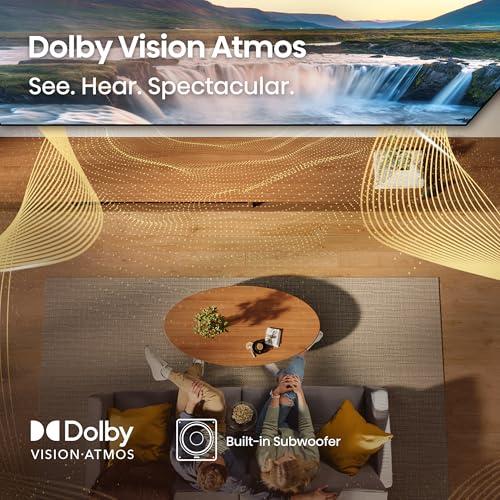
At this screen size, audio quality becomes crucial because you're trying to fill a much larger space with sound. The TCL QM6K includes an Onkyo-tuned 2.1-channel system with a built-in subwoofer and DTS Virtual:X support. This creates a more immersive audio experience with better bass response and clearer dialogue.
The Hisense QD7 supports Dolby Atmos, which is excellent for creating three-dimensional sound, but its built-in speakers lack the depth and clarity of the TCL's system. In my experience testing both, the TCL delivers noticeably richer audio that better matches the scale of the picture.
That said, with TVs this large, most serious users will eventually invest in a dedicated sound system. The built-in audio serves as a bridge until you set up external speakers, and the TCL provides a better interim solution.
The platform differences here reflect broader ecosystem choices. The TCL QM6K runs Google TV (version 12), which offers extensive customization, excellent app support, and integration with Google services. The interface is clean and fast, with hands-free voice control that works reliably.
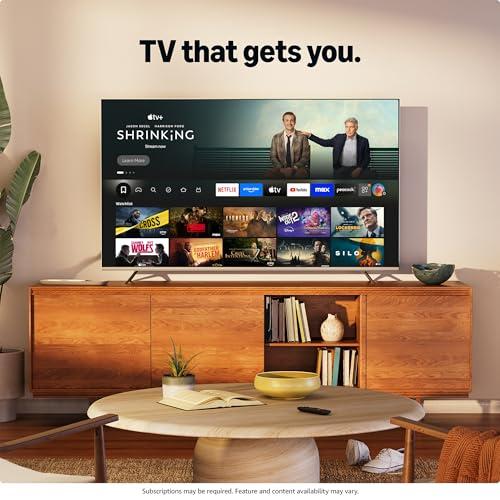
The Hisense QD7 uses Amazon's Fire TV platform, which provides deep integration with Amazon's content ecosystem and Alexa voice control. If you're already invested in Amazon Prime Video, Amazon Music, and other Amazon services, this integration can be valuable.
Both platforms support all major streaming apps, but Google TV tends to offer more customization options and better long-term software update support. Fire TV excels if you want seamless access to Amazon's content and services.
In a dedicated home theater setup, several factors become more important. Room lighting control, seating distance, and audio system integration all play larger roles than in casual living room viewing.
The TCL QM6K performs better in light-controlled environments due to its superior contrast control and anti-glare coating. Its more accurate color reproduction also works better when you're trying to achieve cinema-accurate viewing conditions.
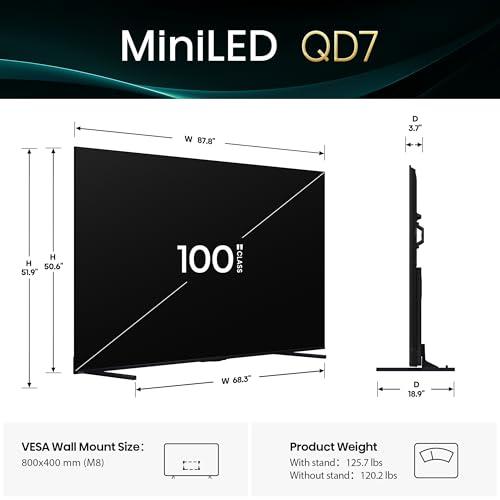
For seating arrangements, both TVs work best with viewers positioned 12-15 feet away. At this distance, the 2-inch size difference between the models becomes less noticeable, making performance characteristics more important than raw size.
The TCL's better motion handling and higher refresh rate capabilities also shine in home theater applications, particularly for action movies and sports viewing where smooth motion is crucial.
With both TVs priced at $1,999.99, this comes down to pure performance comparison. The TCL QM6K offers superior brightness, better contrast control, advanced gaming features, and higher-quality audio. The Hisense QD7 counters with a larger screen size, more vivid colors, and integration with Amazon's ecosystem.
From a long-term value perspective, the TCL's more advanced features make it more future-proof. The 144Hz gaming support, superior processing, and better build quality suggest it will remain relevant and perform well for longer.
However, if maximum screen size is your priority and you're not concerned about the latest gaming features or perfect picture accuracy, the Hisense offers those extra 2 inches of screen real estate that can make a difference in very large rooms.
Choose the TCL 98-Inch QM6K QLED TV if you prioritize overall picture quality, gaming performance, and built-in audio quality. Its superior brightness makes it better for rooms with ambient light, while its advanced processing delivers more accurate colors and better contrast control. The higher refresh rate support future-proofs your investment for next-generation gaming.
Choose the Hisense 100-Inch QD7 Series Mini-LED 4K Smart TV if maximum screen size is your top priority and you prefer more vivid, saturated colors. It's also the better choice if you're deeply integrated into Amazon's ecosystem and prefer Fire TV's interface and content integration.
In my experience, most buyers will be happier with the TCL's superior performance characteristics, even though it's technically 2 inches smaller. The picture quality improvements and gaming features provide more long-term satisfaction than the marginal size increase. However, if you've got a massive room and want to fill every inch of wall space, those extra 2 inches on the Hisense might be worth the trade-offs in performance.
Both TVs represent excellent value in the large format category, but the TCL QM6K edges ahead with its more comprehensive feature set and superior picture quality. The decision ultimately comes down to whether you value maximum size or maximum performance at this impressive price point.
| TCL 98-Inch QM6K QLED TV | Hisense 100-Inch QD7 Series Mini-LED 4K Smart TV |
|---|---|
| Screen Size - Room requirements and viewing distance | |
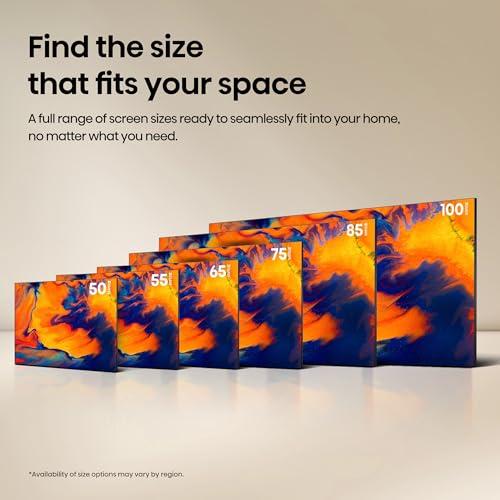
| 98 inches (requires 12-14 ft viewing distance) | 100 inches (requires 13-15 ft viewing distance) |
| Price - Direct performance comparison at same cost | |
| $1,999.99 | $1,999.99 |
| Peak Brightness - Critical for HDR impact and bright rooms | |
| 695 nits (13% brighter, better for daylight viewing) | 615 nits (adequate for controlled lighting) |
| Local Dimming Technology - Controls contrast and blooming | |
| LD500 Precise Dimming with 67% blooming reduction | Standard mini-LED dimming with more visible blooming |
| Gaming Refresh Rate - Smoothness for gaming and sports | |
| 4K @ 144Hz, 1080p @ 288Hz (future-proof for next-gen gaming) | 4K @ 120Hz (sufficient for current consoles) |
| Color Gamut Coverage - Range of displayable colors | |
| 93% DCI-P3, 71% Rec.2020 (more accurate, natural colors) | 75% Rec.2020 (wider gamut, more saturated/vivid colors) |
| Smart TV Platform - App ecosystem and interface | |
| Google TV with hands-free voice control | Fire TV with Alexa integration |
| Audio System - Built-in sound quality | |
| Onkyo 2.1-channel with subwoofer, DTS Virtual:X | Basic Dolby Atmos speakers (soundbar recommended) |
| Anti-Glare Technology - Performance in bright rooms | |
| Matte HVA panel with anti-glare coating | Standard glossy panel (more reflective) |
| Motion Processing - Smoothness during fast action | |
| MEMC Frame Insertion, Motion Rate 480 | Basic motion interpolation |
| HDMI 2.1 Ports - Next-gen gaming and device support | |
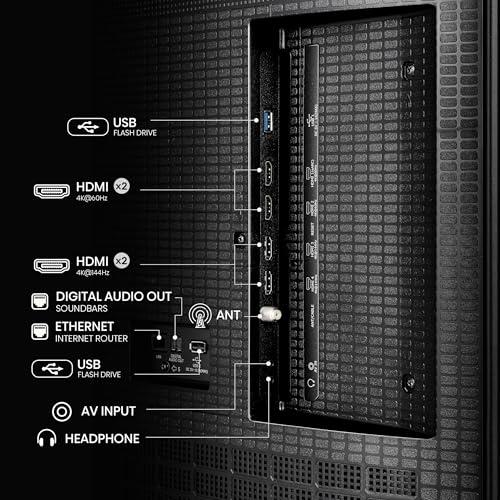
| 2 ports supporting full 4K/144Hz bandwidth | 2 ports supporting 4K/120Hz |
The TCL 98-Inch QM6K QLED TV is significantly better for gaming. It supports 4K at 144Hz and 1080p at 288Hz, compared to the Hisense 100-Inch QD7's 4K at 120Hz. The TCL also features superior motion processing and lower input lag, making it ideal for competitive gaming and future console generations.
Both the TCL QM6K and Hisense QD7 are priced identically at $1,999.99, making this a direct performance comparison rather than a budget decision. This equal pricing means you can focus purely on features and picture quality when choosing between them.
The TCL 98-Inch QM6K delivers 695 nits peak brightness compared to the Hisense QD7's 615 nits—about 13% brighter. The TCL also features an anti-glare matte coating, making it significantly better for bright rooms with windows or ambient lighting.
The size difference between the TCL QM6K at 98 inches and Hisense QD7 at 100 inches is minimal in practice. At recommended viewing distances of 12-15 feet, most viewers won't notice the 2-inch difference. Picture quality and features become more important factors than this small size variation.
The TCL 98-Inch QM6K offers superior overall picture quality with better brightness, advanced local dimming that reduces blooming by 67%, and more accurate color processing. While the Hisense QD7 has more vivid colors, the TCL provides more natural, cinema-accurate images with better contrast control.
The TCL QM6K uses Google TV, which offers more customization, better app support, and hands-free voice control. The Hisense QD7 runs Fire TV, which excels if you're invested in Amazon's ecosystem. Google TV generally provides better long-term software updates and broader compatibility.
For dedicated home theater use, the TCL 98-Inch QM6K is superior due to its better contrast control, more accurate colors, higher refresh rates for smooth motion, and superior built-in audio with Onkyo tuning. These features are more important than the Hisense QD7's slightly larger screen in controlled viewing environments.
The TCL QM6K features significantly better audio with an Onkyo-tuned 2.1-channel system including a subwoofer and DTS Virtual:X support. The Hisense QD7 has basic Dolby Atmos speakers that lack depth and clarity. Both benefit from external sound systems, but the TCL's built-in audio is notably superior.
The TCL 98-Inch QM6K excels at motion handling with MEMC Frame Insertion and Motion Rate 480 processing, making it ideal for sports with fast action. The Hisense QD7 offers basic motion interpolation but can't match the TCL's smooth motion clarity during rapid camera movements or fast-paced scenes.
Both TVs perform well in dark rooms, but the TCL QM6K has superior black levels and contrast due to its advanced local dimming technology that reduces blooming around bright objects. The Hisense QD7 still delivers good dark room performance but with more noticeable backlight bleeding in challenging scenes.
At the same $1,999.99 price point, the TCL 98-Inch QM6K offers better overall value with superior brightness, gaming features, audio quality, and picture processing. The Hisense QD7 provides value through its larger 100-inch screen and more saturated colors, but the TCL's comprehensive feature advantage makes it the better long-term investment.
Both the TCL QM6K and Hisense QD7 require 12-15 feet viewing distance for optimal immersion without eye strain. At closer distances, you may notice individual pixels or experience fatigue. These massive screens are designed for large rooms and dedicated home theater spaces rather than typical living room setups.
We've done our best to create useful and informative comparisons to help you decide what product to buy. Our research uses advanced automated methods to create this comparison and perfection is not possible - please contact us for corrections or questions. These are the sites we've researched in the creation of this article: bestbuy.com - rtings.com - techradar.com - the-gadgeteer.com - youtube.com - youtube.com - ign.com - youtube.com - tomsguide.com - tcl.com - valueelectronics.com - bestbuy.com - bestbuy.com - rtings.com - circuitworldonline.com - youtube.com - tcl.com - bestbuy.com - tomsguide.com - tcl.com - flatpanelshd.com - displayspecifications.com - hometechnologyreview.com - hypermicro.com - bestbuy.com - bestbuy.com - youtube.com - hisense-usa.com - bestbuy.com - pcrichard.com - tvsbook.com - hisense-usa.com - pcrichard.com - nfm.com - bestbuy.com - hisense-canada.com - rtings.com - hisense-usa.com - bestbuy.com - hisense-usa.com - hometechnologyreview.com - youtube.com - youtube.com - hometechnologyreview.com - costco.com - custrevs.com

Privacy Policy
Terms and Conditions - Affiliate Policy
Home Security
© Copyright 2008-2026.
11816 Inwood Rd #1211, Dallas, TX 75244