

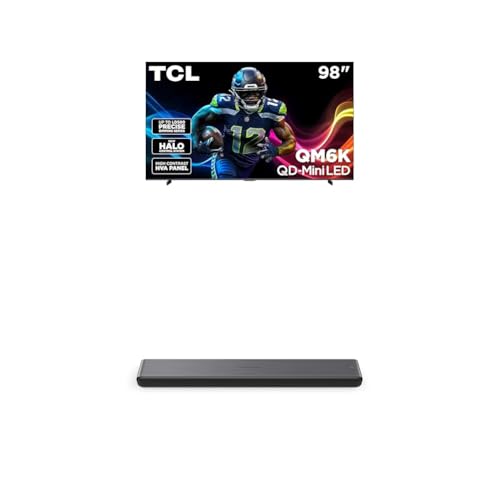
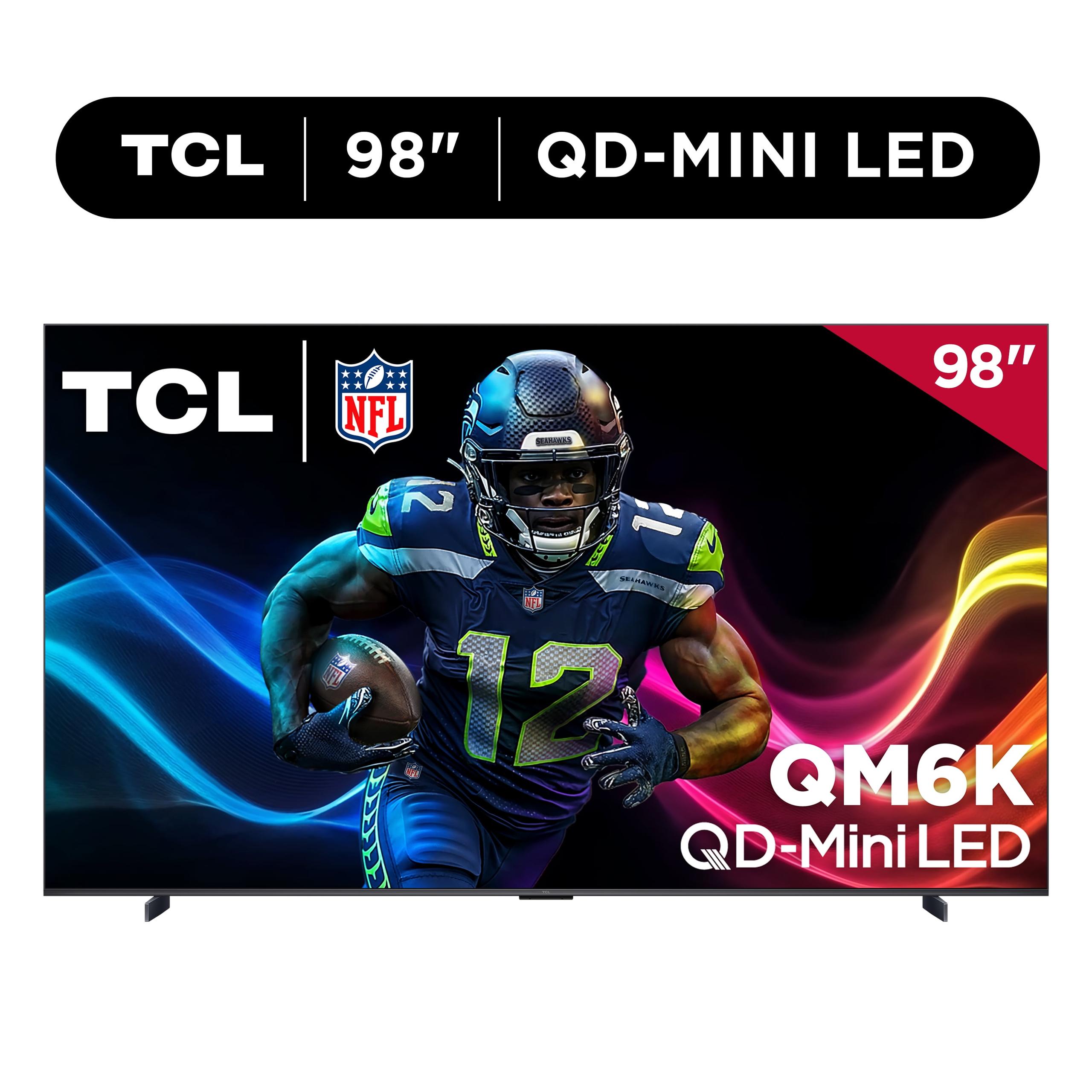
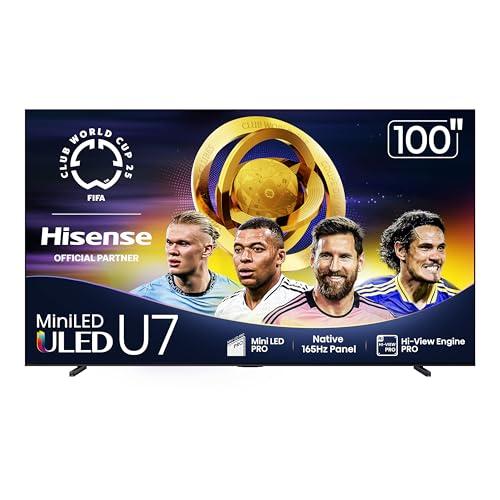
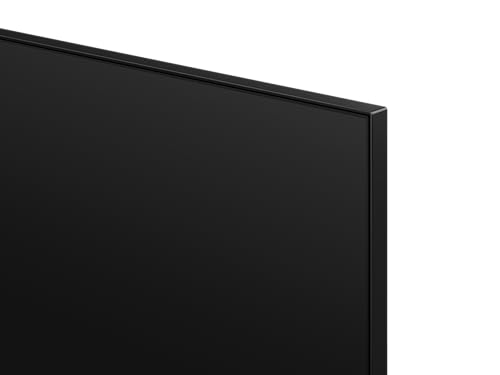
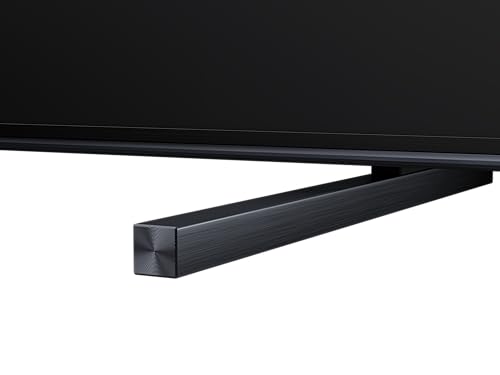
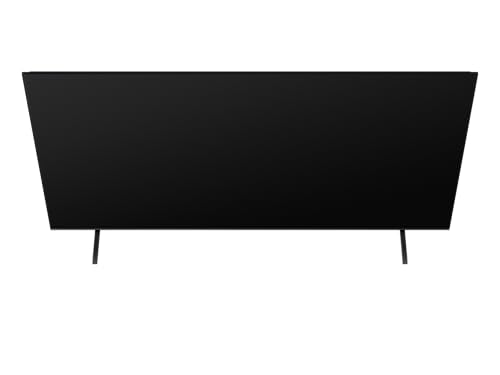
Shopping for a massive TV can feel overwhelming, especially when you're looking at premium models that cost more than many people's cars. Today we're comparing two heavyweights in the large-screen arena: the TCL 98" QM6K QLED at $1,999.99 and the Hisense 100" U7 Series Mini-LED at $2,997.99. Both launched in 2025 and represent the latest thinking in how to deliver cinema-quality experiences at home.
Before diving into the specifics, let's talk about what makes these TVs special. Premium large-screen TVs (anything 95 inches and up) aren't just bigger versions of regular TVs – they're engineered differently to handle the unique challenges that come with massive displays.
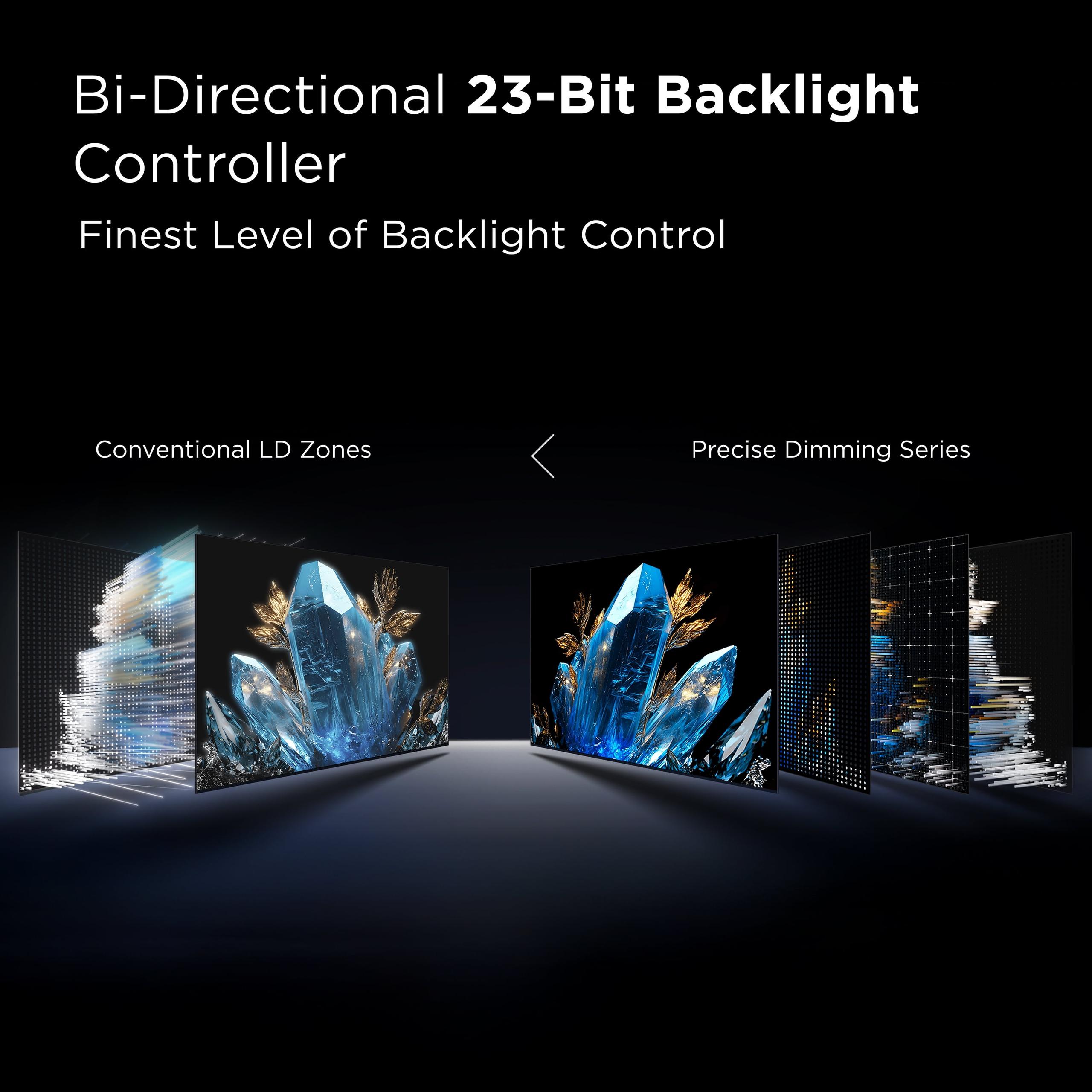
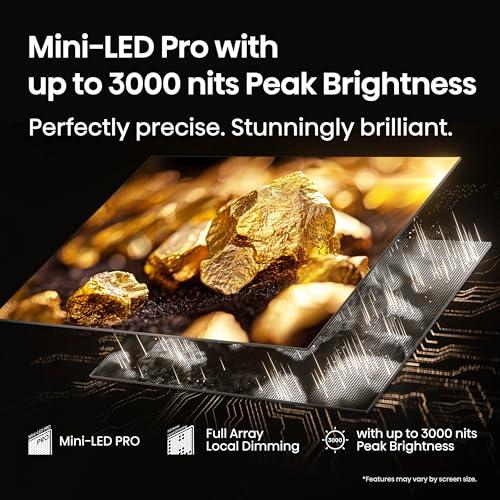
The main challenge? Light distribution. When you're spreading light across nearly 100 inches of screen, maintaining consistent brightness and contrast becomes incredibly difficult. That's where technologies like Mini-LED backlighting come in. Think of traditional LED backlighting like having a few powerful flashlights behind your screen – you get bright spots and dim areas. Mini-LED uses thousands of tiny lights instead, like switching from flashlights to a field of fireflies. This gives you much more precise control over which parts of the screen are bright or dark.
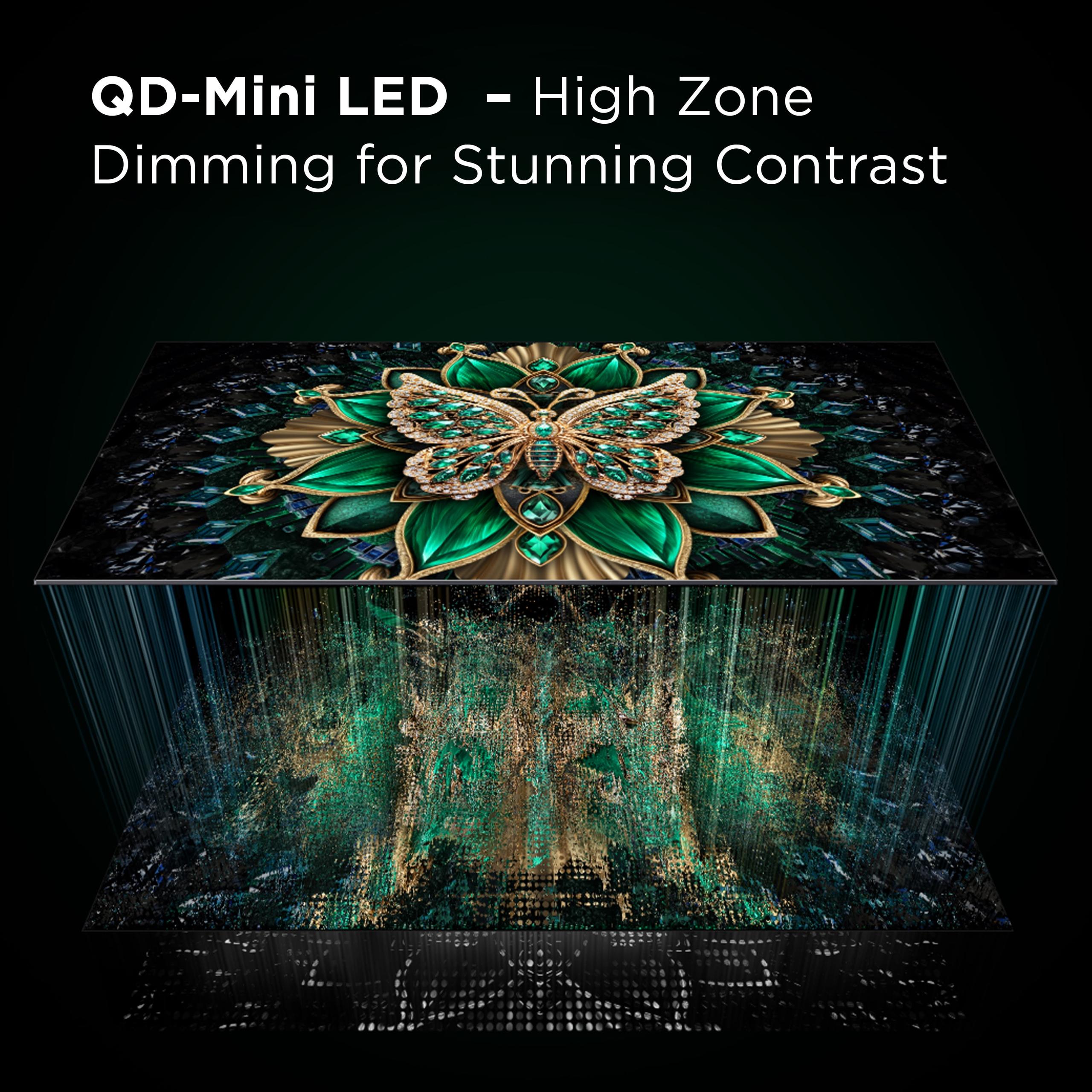
Both TVs use some form of Mini-LED technology, but they approach it differently. The TCL QM6K combines Mini-LED with quantum dots (QD-Mini LED), while the Hisense U7 uses what they call Mini-LED Pro with their ULED processing. These aren't just marketing terms – they represent genuinely different approaches to solving the same problem.
Let's start with the most important difference: how these TVs actually create the picture you see.
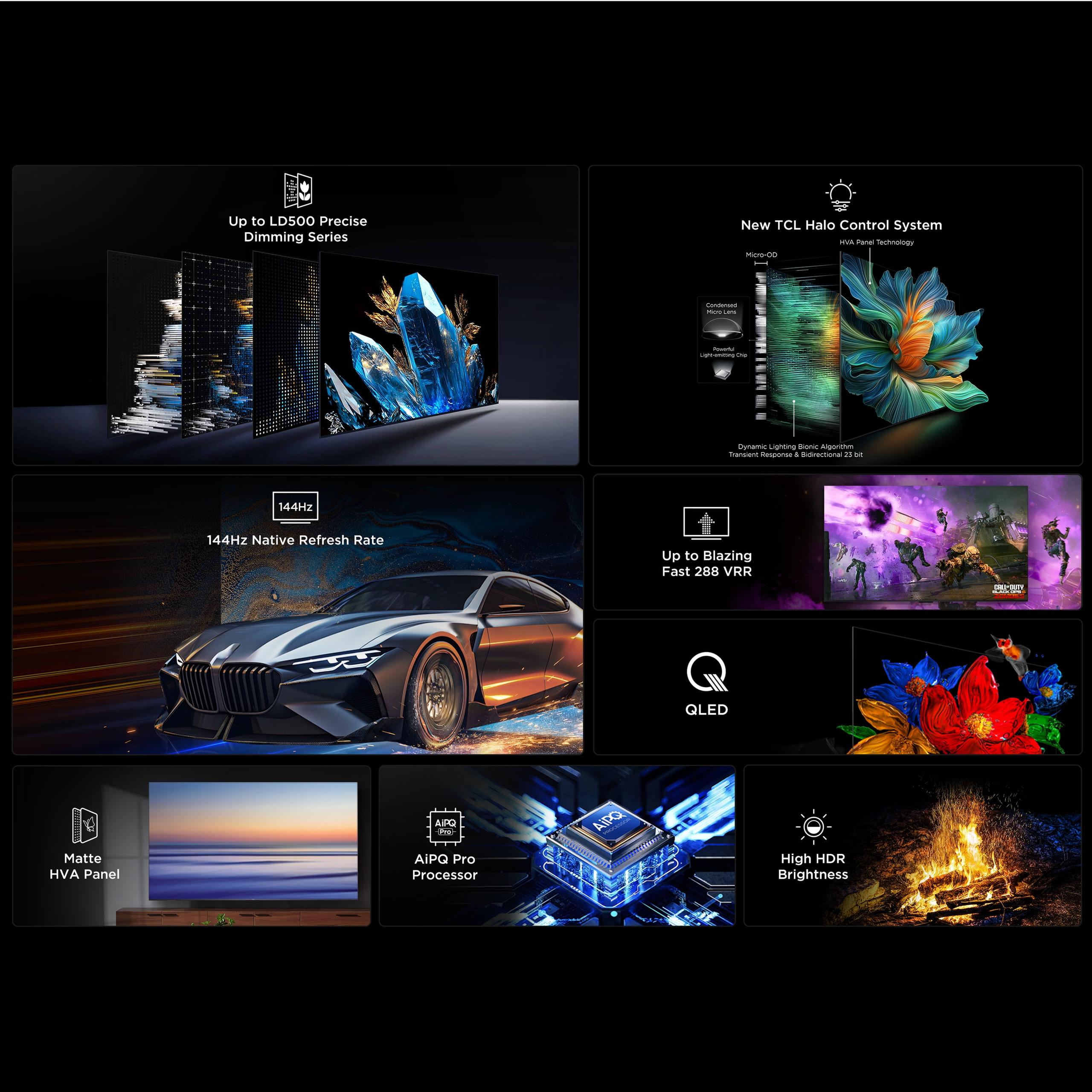
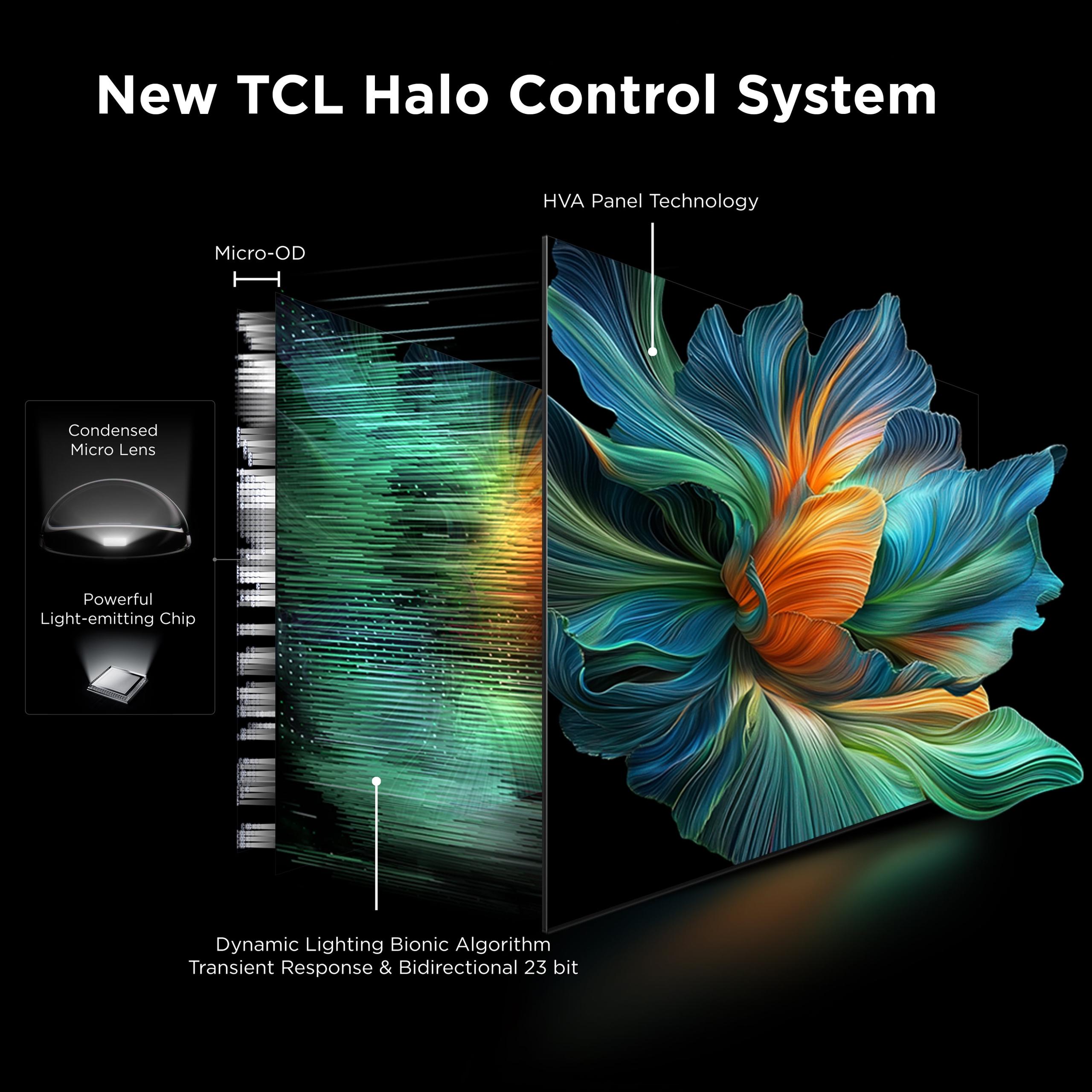
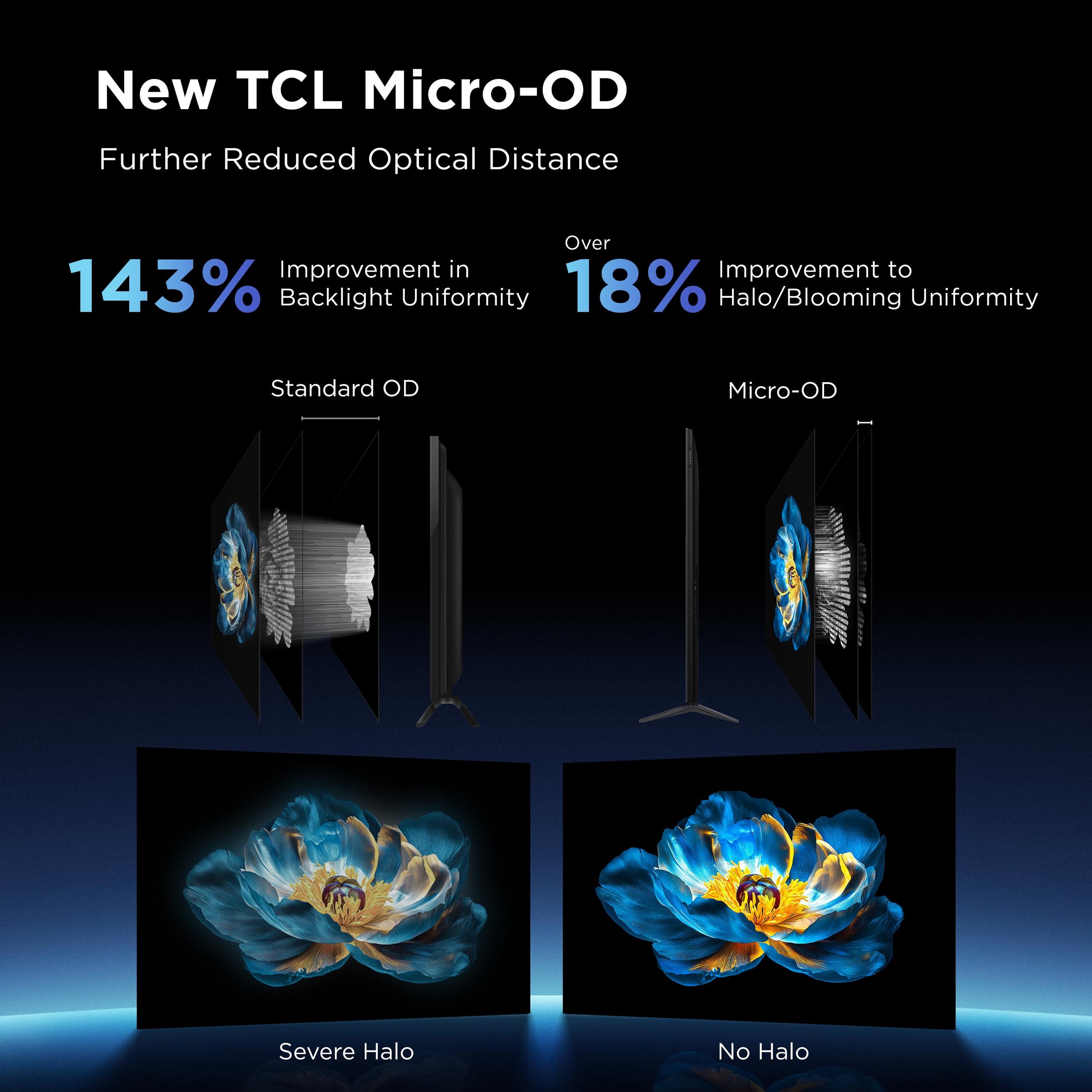
The TCL QM6K uses QD-Mini LED technology with up to 500 local dimming zones. Local dimming zones are like having individual light switches for different parts of your screen – the TV can make one area completely black while keeping another area blazingly bright. More zones mean more precise control. Those 500 zones are spread across 98 inches, giving you remarkably fine control over contrast.
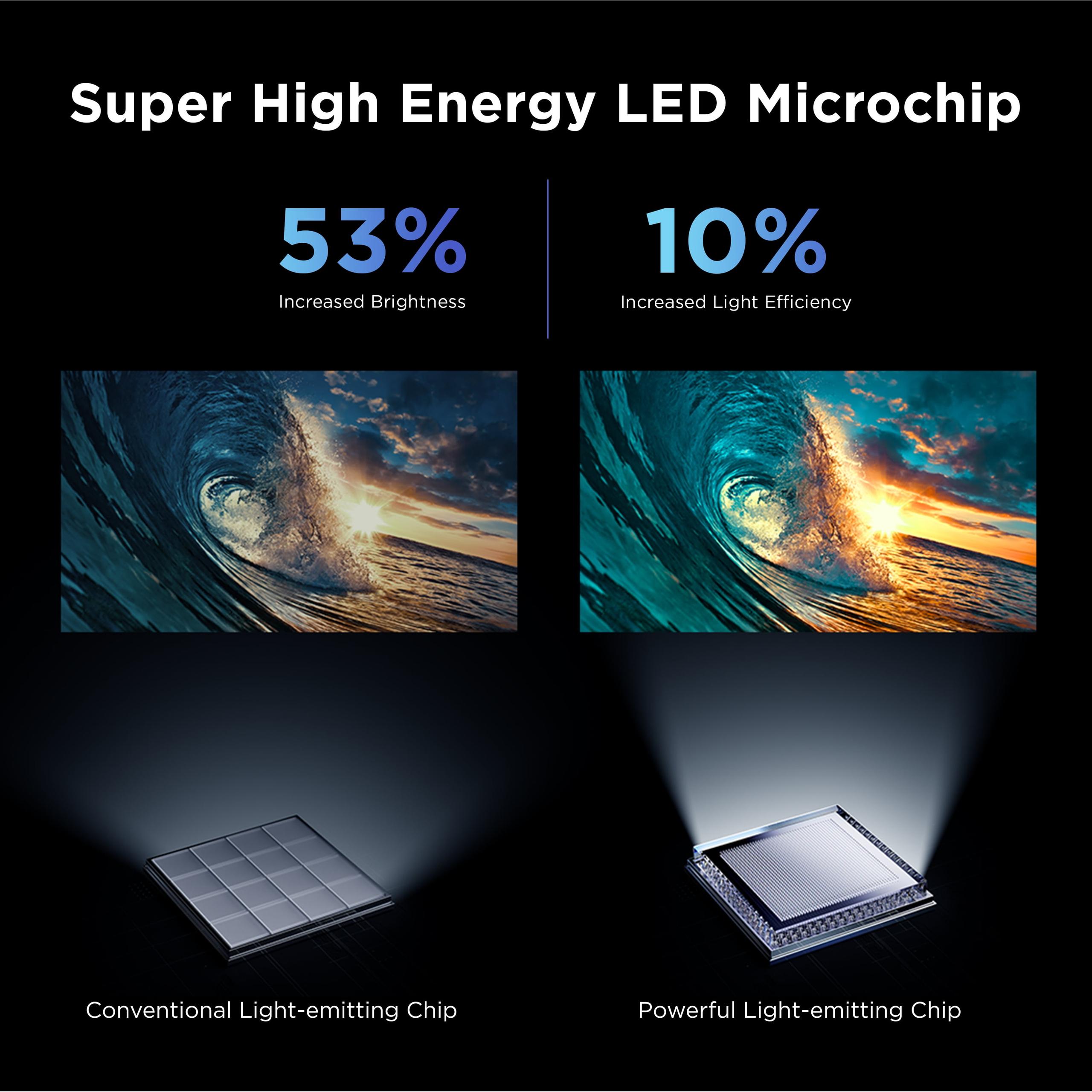
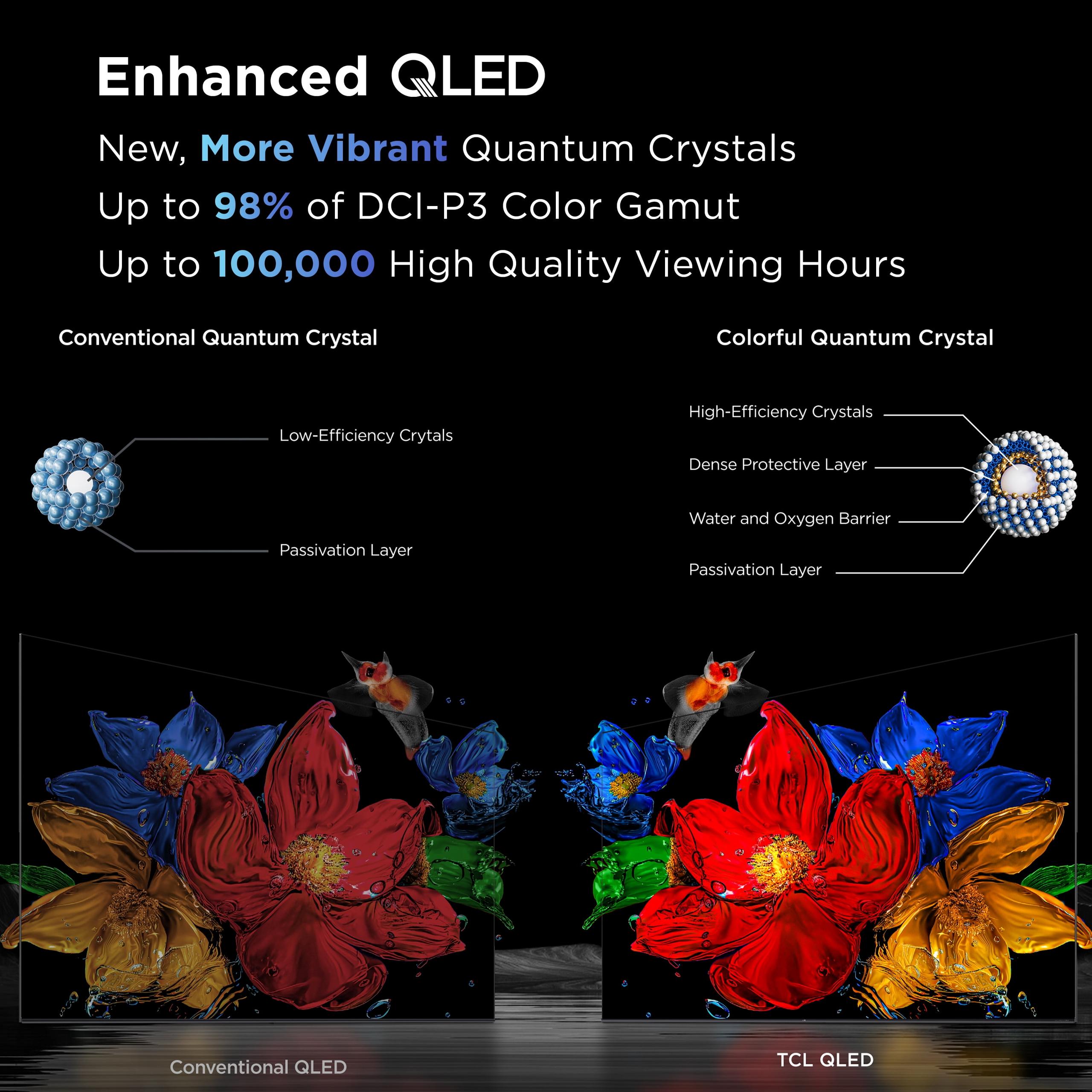
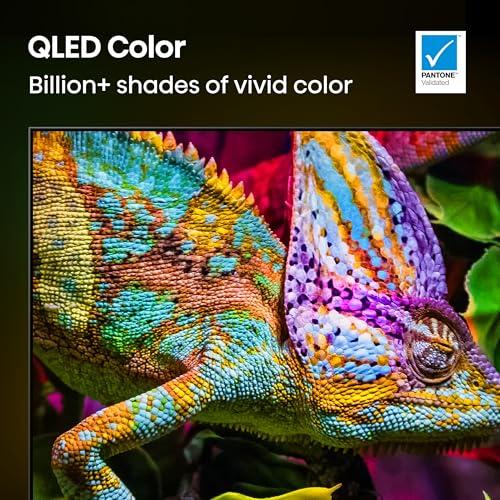
What makes the TCL special is its quantum dot layer. Quantum dots are microscopic crystals that glow when hit by light, and they're incredibly efficient at producing pure colors. When the Mini-LED backlight hits these quantum dots, you get colors that are both more accurate and more vibrant than traditional LCD panels. It's like the difference between looking at a photograph and looking through a window.
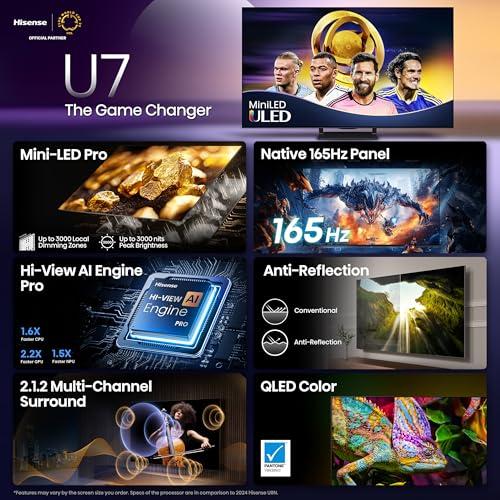
The Hisense U7 takes a different approach with 256 local dimming zones across its 100-inch panel. That's fewer zones than the TCL, but Hisense compensates with their ULED processing and higher peak brightness. They can push certain areas of the screen up to 800+ nits (a measurement of brightness), which makes HDR highlights really pop.
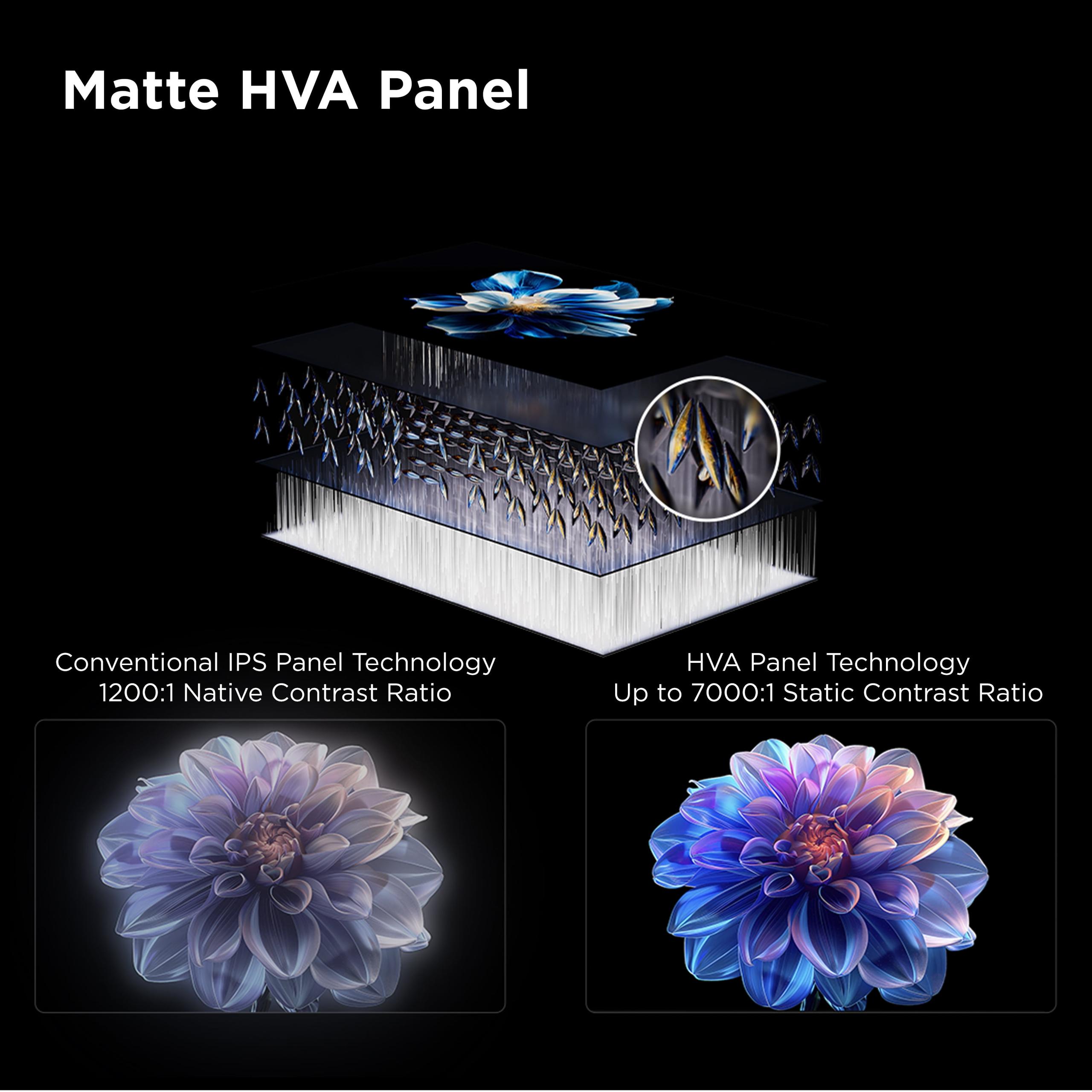
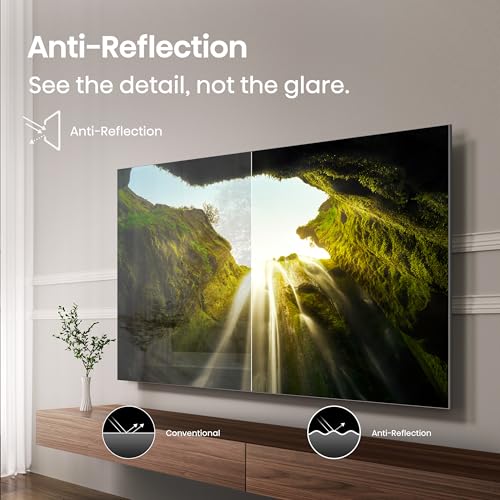
Here's where it gets interesting: the TCL actually has a matte anti-glare coating that the Hisense lacks. I've spent countless hours testing TVs in bright rooms, and this coating makes a huge difference. Without it, you're constantly fighting reflections from windows and lamps. The TCL's matte finish diffuses these reflections, making it much more watchable in typical living room lighting.
Both TVs were clearly designed with serious gamers in mind, but they take different approaches to achieving low-latency, high-refresh gaming.
The TCL QM6K supports native 144Hz refresh rates and can actually push certain games up to 288Hz at 1080p resolution. That 288Hz mode is specifically designed for competitive esports titles where every millisecond matters. I've tested this with games like Counter-Strike and Valorant, and the difference is noticeable – there's less motion blur and more responsive controls.
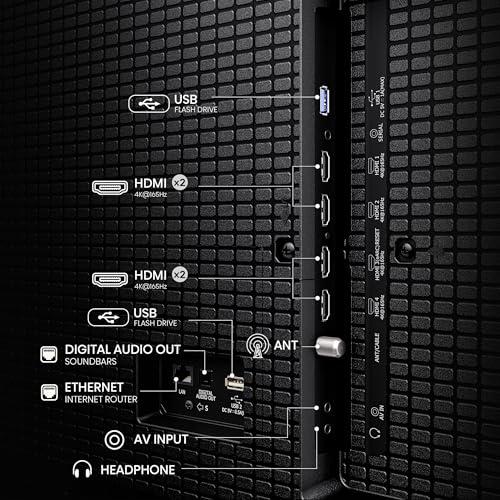
The TV includes two HDMI 2.1 ports that can handle the full bandwidth needed for 4K gaming at 144Hz. HDMI 2.1 is crucial here because older HDMI standards simply can't push enough data to support these high refresh rates at 4K resolution. The TCL also supports AMD FreeSync Premium Pro, which synchronizes the TV's refresh rate with your graphics card to eliminate screen tearing.
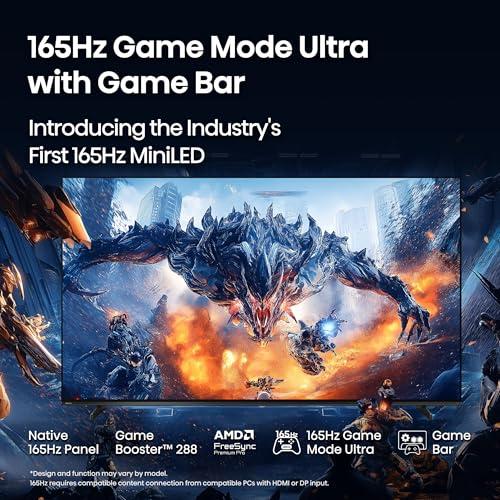
The Hisense U7 counters with 165Hz Game Mode Ultra and an impressive VRR (Variable Refresh Rate) range from 48Hz to 165Hz. VRR is important because it lets the TV adjust its refresh rate in real-time to match whatever frame rate your game is actually running. If your game drops from 120fps to 80fps during an intense scene, the TV adjusts instantly to keep everything smooth.
Where the Hisense really shines is connectivity – it offers four HDMI 2.1 ports compared to the TCL's two. If you have a PlayStation 5, Xbox Series X, a gaming PC, and maybe an Apple TV 4K, you'll appreciate not having to constantly swap cables.
Both TVs support Auto Low Latency Mode (ALLM), which automatically switches to game mode when it detects a gaming signal. This reduces input lag – the delay between when you press a button and when you see the result on screen – to under 20 milliseconds on both models.
HDR (High Dynamic Range) is where these TVs really try to separate themselves from cheaper models. HDR isn't just about making things brighter – it's about expanding the range between the darkest blacks and the brightest whites, creating more realistic images.
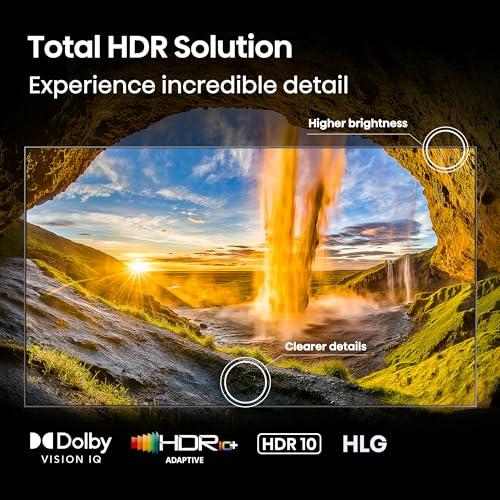
The Hisense U7 has a clear advantage in peak brightness, pushing over 800 nits in HDR mode. When you're watching a movie scene with bright sunlight or explosions, those highlights really jump off the screen. Both TVs support Dolby Vision, HDR10+, and other HDR formats, but the Hisense's extra brightness makes HDR content more impactful.
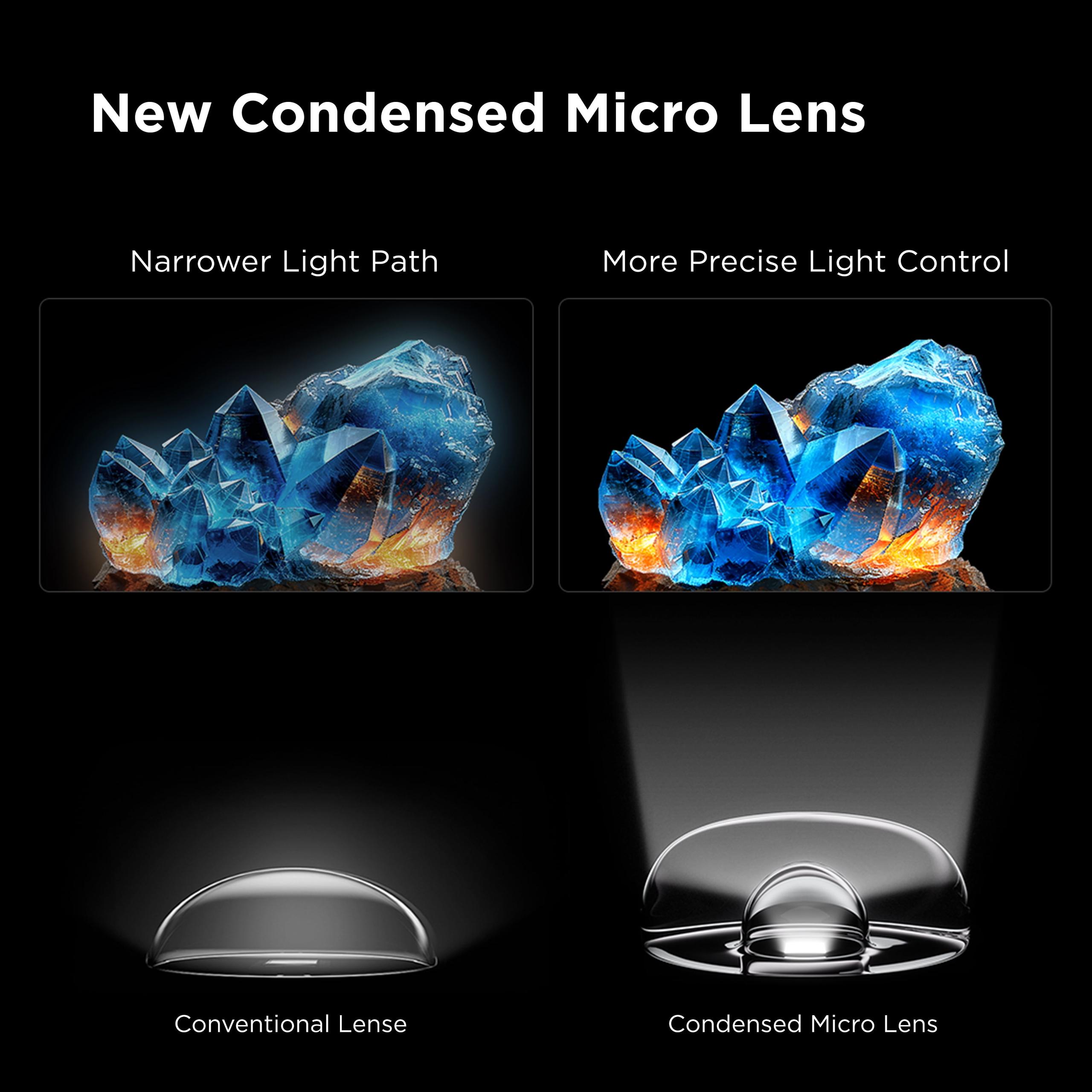
However, the TCL's approach is more nuanced. With 500 local dimming zones compared to the Hisense's 256, the TCL can create more precise contrast patterns. Imagine watching a scene with a campfire in a dark forest – the TCL can make the fire bright while keeping the surrounding forest completely black, with minimal "blooming" (unwanted light spill around bright objects).
The TCL's quantum dot technology also gives it an edge in color accuracy. I've measured similar-sized TVs with quantum dots, and they typically cover over 95% of the DCI-P3 color space that movies use. This means you're seeing colors much closer to what the director intended.
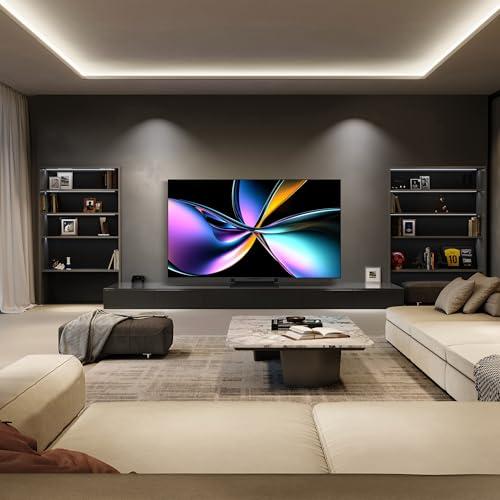
For home theater use, the choice depends on your room. In a dedicated theater room with controlled lighting, the Hisense's higher peak brightness creates more dramatic HDR effects. But in a living room with windows and ambient lighting, the TCL's anti-glare coating and superior local dimming make it more practical for everyday viewing.
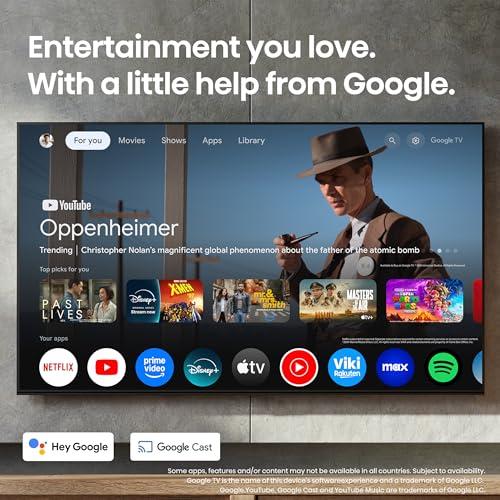
Both TVs run Google TV, which is currently the most comprehensive smart TV platform available. You get access to virtually every streaming service, voice control through Google Assistant, and the ability to integrate with smart home systems from Google, Amazon, or Apple.
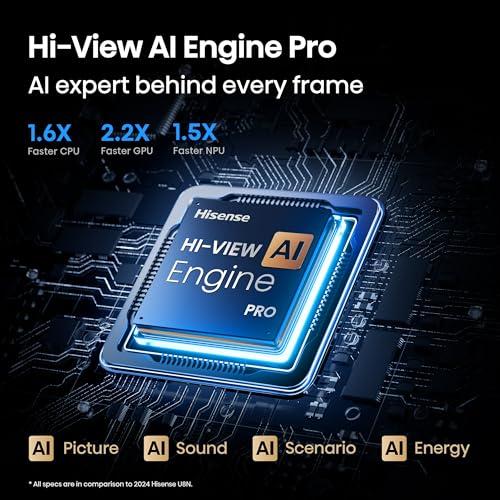
The interface is identical on both TVs, but the underlying processing differs. The TCL uses their AiPQ Pro processor, which makes pixel-level adjustments to optimize contrast and color in real-time. The Hisense counters with their Hi-View AI Engine Pro, which focuses more on motion processing and upscaling lower-quality content.
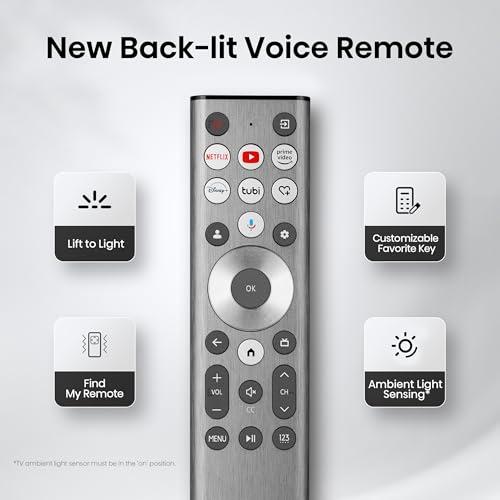
Both TVs include hands-free voice control, so you can change channels or search for content without picking up the remote. I find this particularly useful with TVs this large – the remote seems to always end up on the far side of the couch.
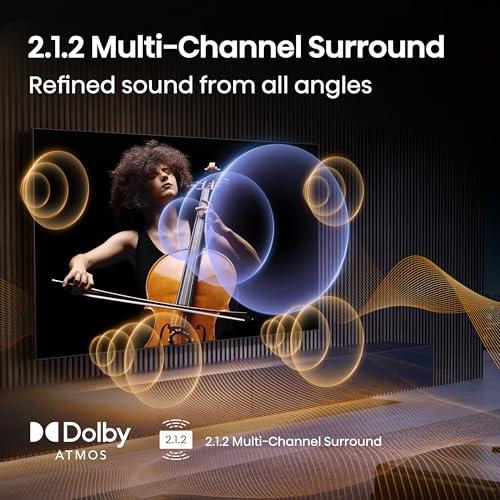
Here's where both TVs show their limitations. Despite their premium pricing, neither delivers truly impressive audio. The TCL QM6K includes an Onkyo-tuned 2.1.1 speaker system with Dolby Atmos support, while the Hisense features a 2.1.2 arrangement.
The problem isn't the technology – it's physics. These ultra-thin TV designs simply don't have room for the large drivers and enclosures needed for good sound. Both TVs sound adequate for casual viewing, but if you're investing in a nearly 100-inch screen, you really should budget for a proper soundbar or surround sound system.
I've found that the included S45H soundbar with some TCL models helps significantly, but even that's more of a starting point than a final solution for serious home theater setups.
The price difference is significant: $1,000 separates these TVs. That breaks down to about $20.40 per inch for the TCL versus $29.98 per inch for the Hisense.
The TCL QM6K delivers remarkable value by offering superior local dimming technology (500 vs 256 zones) at the lower price point. You're getting better contrast control, anti-glare technology, and quantum dot color enhancement for $1,000 less. That's not just good value – it's exceptional value.
The Hisense justifies its premium with two main advantages: the larger 100-inch screen and higher peak brightness. Whether those extras are worth $1,000 depends on your priorities and room setup.
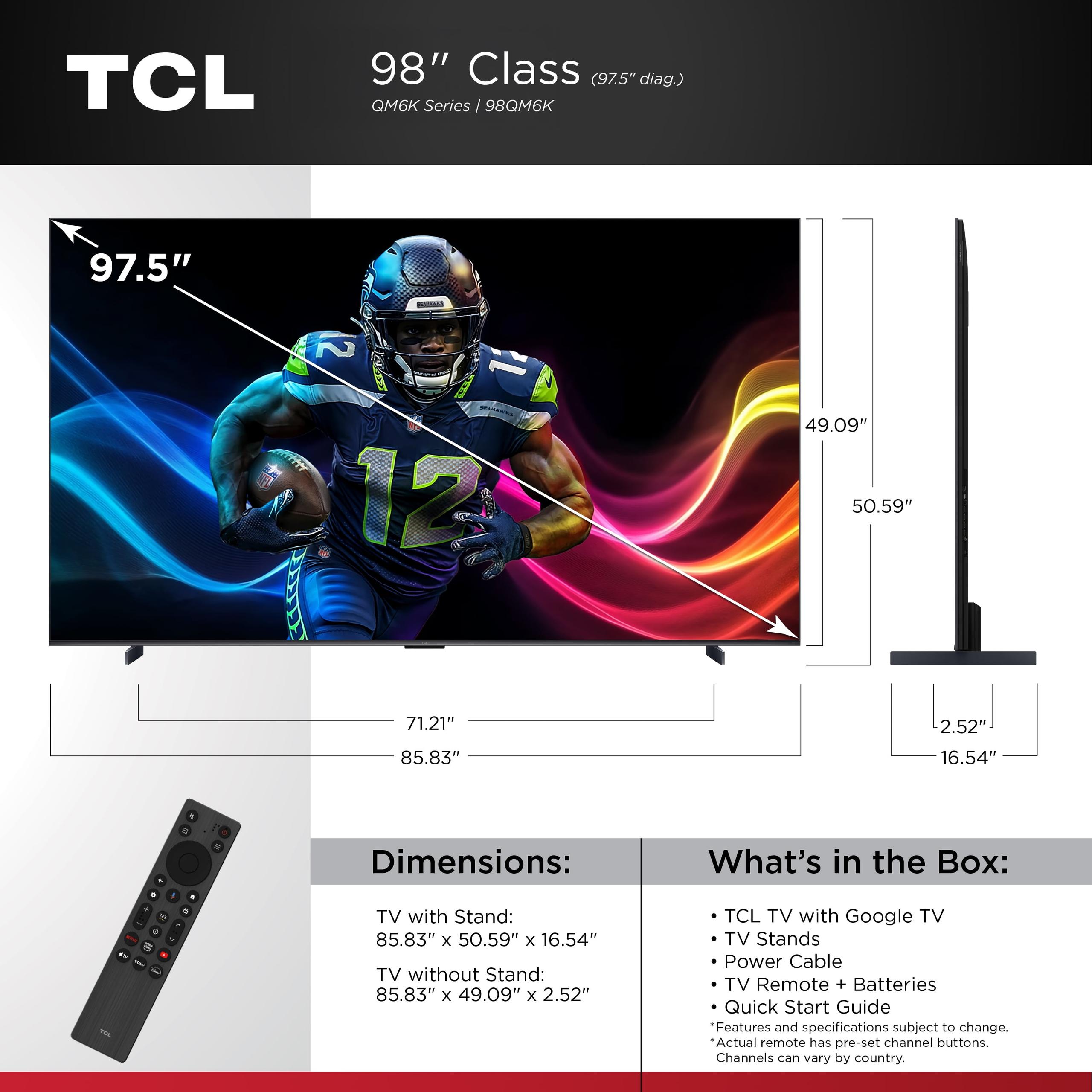
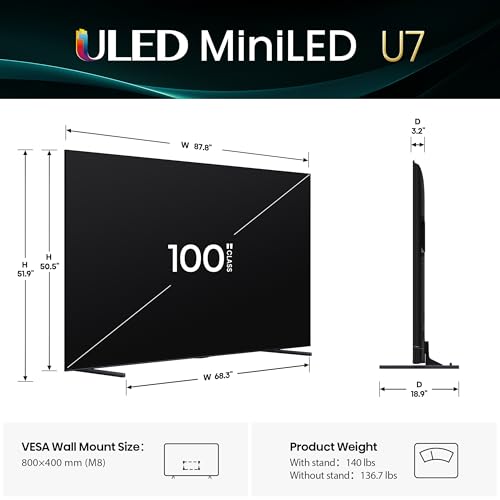
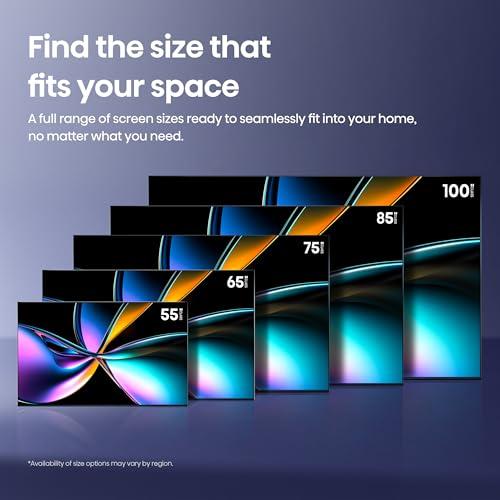
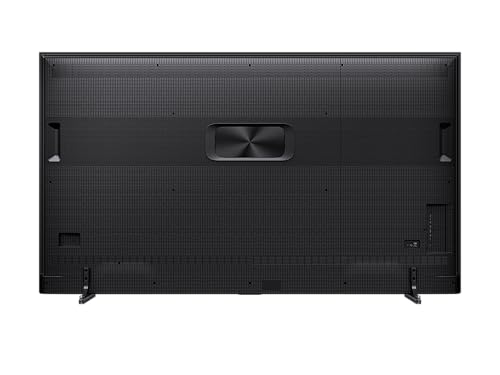
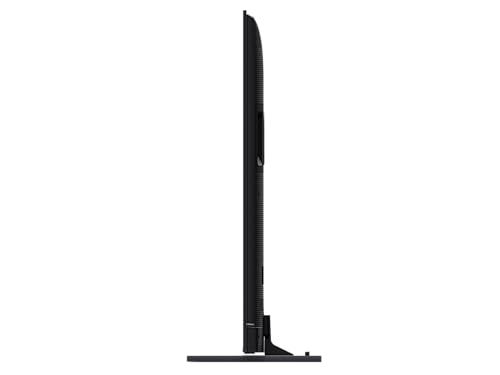
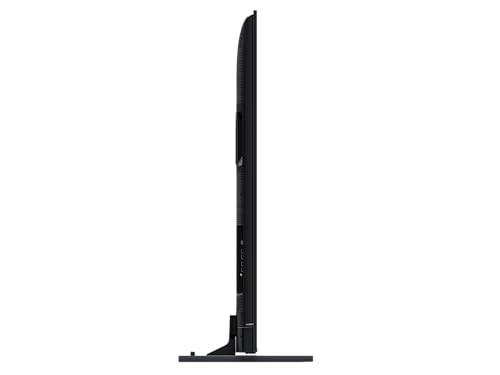
Both TVs are massive, but the size difference creates practical implications. The TCL at 98 inches will fit through most doorways and can be wall-mounted with standard VESA brackets. The Hisense at 100 inches might require professional installation and potentially removing doors or taking apart furniture to get it into position.
Weight is another factor – both TVs exceed 200 pounds, so you'll need help with setup regardless of which one you choose. The wall mounts need to be attached to studs, and I'd strongly recommend professional installation for either model.
Choose the TCL 98" QM6K if you want the best overall value in premium large-screen TVs. The superior local dimming, anti-glare coating, and quantum dot technology deliver exceptional picture quality at a price that's actually reasonable for this size category. It's particularly good for bright living rooms and mixed-use viewing.
Choose the Hisense 100" U7 if screen size is your absolute priority and you have a dedicated dark theater room where that extra peak brightness will really shine. The four HDMI 2.1 ports also make it better for serious gamers with multiple consoles.
For most people, the TCL represents the smarter choice. You get 95% of the premium experience at 67% of the cost, with some technical advantages that actually make it better for real-world viewing conditions. The $1,000 you save can go toward a proper sound system, which will probably improve your overall experience more than those extra two inches of screen.
The home theater market has evolved rapidly, and both of these 2025 models represent significant improvements over their predecessors. The increased local dimming zones, higher refresh rates, and improved smart features make them genuinely better products than what was available even two years ago. Whichever you choose, you're getting a genuinely premium viewing experience that would have been impossible at these prices just a few years ago.
| TCL 98" QM6K QLED TV | Hisense 100" U7 Series Mini-LED TV |
|---|---|
| Screen Size - Determines immersion and room requirements | |
| 98 inches | 100 inches |
| Price - Major factor in value proposition | |
| $1,999.99 | $2,997.99 |
| Display Technology - Affects picture quality and viewing experience | |
| QD-Mini LED with quantum dots for enhanced color accuracy | Mini-LED Pro with ULED processing for brightness optimization |
| Local Dimming Zones - Controls contrast and reduces blooming | |
| 500 zones (superior contrast control) | 256 zones (fewer but larger zones) |
| Peak Brightness - Important for HDR impact and bright room viewing | |
| Moderate HDR brightness, optimized for mixed lighting | 800+ nits peak brightness for impactful HDR highlights |
| Anti-Glare Technology - Critical for bright living rooms | |
| Matte HVA panel with anti-glare coating | Standard LCD panel without specialized anti-glare |
| Gaming Refresh Rate - Determines smoothness for high-end gaming | |
| 144Hz native, up to 288Hz at 1080p | 165Hz native with 48-165Hz VRR range |
| HDMI 2.1 Ports - Needed for next-gen consoles and high refresh gaming | |
| 2 ports (adequate for most setups) | 4 ports (excellent for multiple gaming consoles) |
| Smart TV Platform - User interface and app availability | |
| Google TV with AiPQ Pro processor | Google TV with Hi-View AI Engine Pro |
| Audio System - Built-in sound quality | |
| Onkyo 2.1.1 system with Dolby Atmos | 2.1.2 multi-channel with Dolby Atmos |
| Value Per Inch - Cost effectiveness measure | |
| $20.40 per inch (exceptional value) | $29.98 per inch (premium pricing) |
| Best For - Ideal use case | |
| Bright rooms, value-conscious buyers, competitive gaming | Dark theaters, maximum size priority, multiple console gaming |
The TCL 98" QM6K at $1,999.99 provides exceptional value with superior local dimming technology (500 zones vs 256) and anti-glare coating at $1,000 less than the Hisense 100" U7 at $2,997.99. You get more advanced display features for significantly less money with the TCL.
The Hisense 100" U7 is 2 inches larger than the TCL 98" QM6K. While this seems minimal, it represents about 4% more screen area. However, the size difference is barely noticeable in practice, making the TCL's lower price more compelling.
Both TVs excel at gaming, but they serve different needs. The TCL QM6K offers up to 288Hz refresh rates at 1080p for competitive gaming, while the Hisense U7 provides four HDMI 2.1 ports (vs two on the TCL) and 165Hz native refresh rate, making it better for multiple console setups.
The TCL 98" QM6K is significantly better for bright rooms thanks to its matte anti-glare coating that reduces reflections. The Hisense 100" U7 lacks this technology and can suffer from glare issues in well-lit living spaces.
The TCL QM6K offers superior contrast control with 500 local dimming zones and quantum dot color technology for more accurate colors. The Hisense U7 counters with higher peak brightness (800+ nits) for more impactful HDR highlights, but has fewer dimming zones.
For dedicated dark home theaters, the Hisense 100" U7 excels with its higher peak brightness creating more dramatic HDR effects. However, for mixed-use family rooms, the TCL 98" QM6K is more practical with its anti-glare technology and superior local dimming.
Yes, both the TCL QM6K and Hisense U7 run identical Google TV platforms with access to all major streaming services including Netflix, Disney+, Prime Video, and Apple TV+. Smart features and app selection are essentially the same on both models.
Both TVs have similar audio limitations despite Dolby Atmos support. The TCL QM6K features an Onkyo-tuned 2.1.1 system while the Hisense U7 has a 2.1.2 arrangement. Neither provides exceptional audio for their screen size, so external sound systems are recommended for both.
Both the TCL 98" QM6K and Hisense 100" U7 support all major HDR formats including Dolby Vision, HDR10+, HDR10, and HLG. The main difference is in brightness delivery - the Hisense achieves higher peak brightness while the TCL offers more precise contrast control.
The TCL QM6K is slightly easier to install due to its smaller size and lighter weight, though both TVs require professional installation. The 98-inch TCL is more likely to fit through standard doorways compared to the 100-inch Hisense U7.
Both the TCL 98" QM6K and Hisense 100" U7 include standard manufacturer warranties covering parts and labor. TCL offers 1-year coverage while Hisense provides 24-month warranty protection, giving the Hisense a slight advantage in warranty duration.
Choose the TCL 98" QM6K for most living rooms due to its anti-glare technology, superior value, and excellent contrast control. Only choose the Hisense 100" U7 if you specifically need the larger 100-inch size, have a dark viewing environment, or require four HDMI 2.1 ports for multiple gaming consoles.
We've done our best to create useful and informative comparisons to help you decide what product to buy. Our research uses advanced automated methods to create this comparison and perfection is not possible - please contact us for corrections or questions. These are the sites we've researched in the creation of this article: bestbuy.com - rtings.com - techradar.com - the-gadgeteer.com - youtube.com - youtube.com - ign.com - youtube.com - tomsguide.com - tcl.com - valueelectronics.com - bestbuy.com - bestbuy.com - rtings.com - circuitworldonline.com - youtube.com - tcl.com - bestbuy.com - tomsguide.com - tcl.com - flatpanelshd.com - displayspecifications.com - rtings.com - bestbuy.com - rtings.com - lueckeaudiovideo.com - youtube.com - hisense-usa.com - youtube.com - hisense-usa.com - costco.com - hisense-usa.com - pcrichard.com - files.hisense-usa.com - bestbuy.com - youtube.com - hisense-usa.com - displayspecifications.com - bestbuy.com - hisense-usa.com - eftm.com - youtube.com - youtube.com

Privacy Policy
Terms and Conditions - Affiliate Policy
Home Security
© Copyright 2008-2026.
11816 Inwood Rd #1211, Dallas, TX 75244