

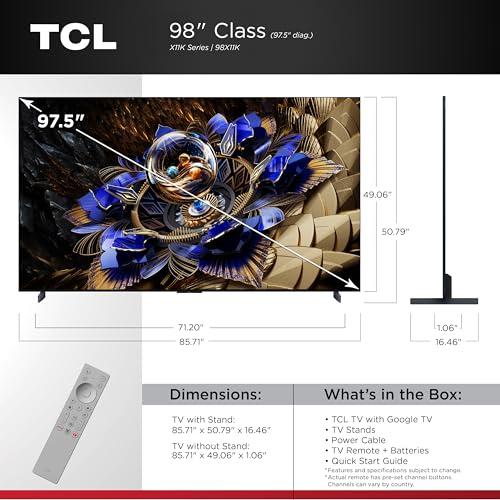
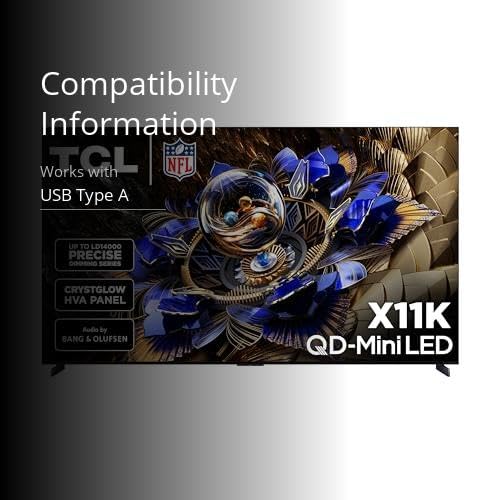
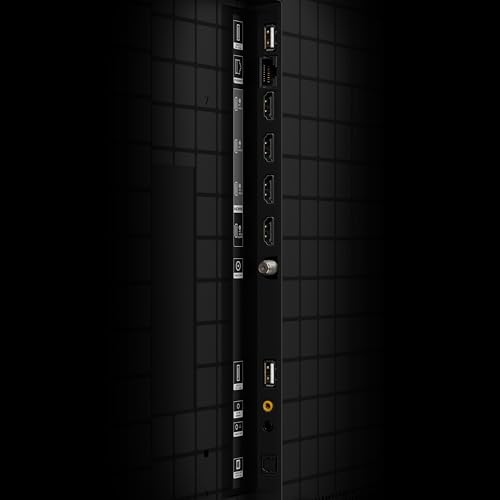

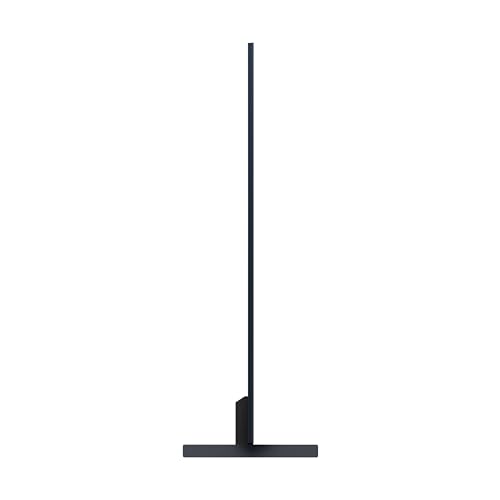
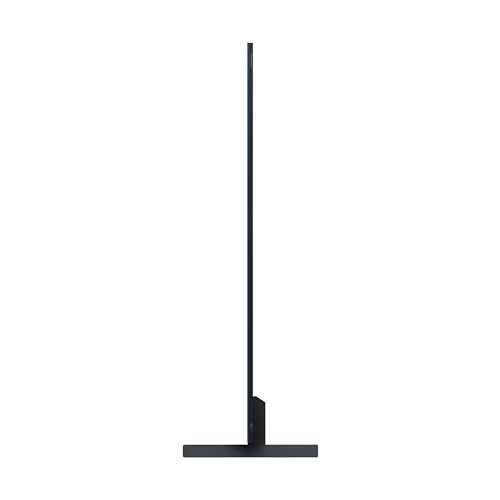

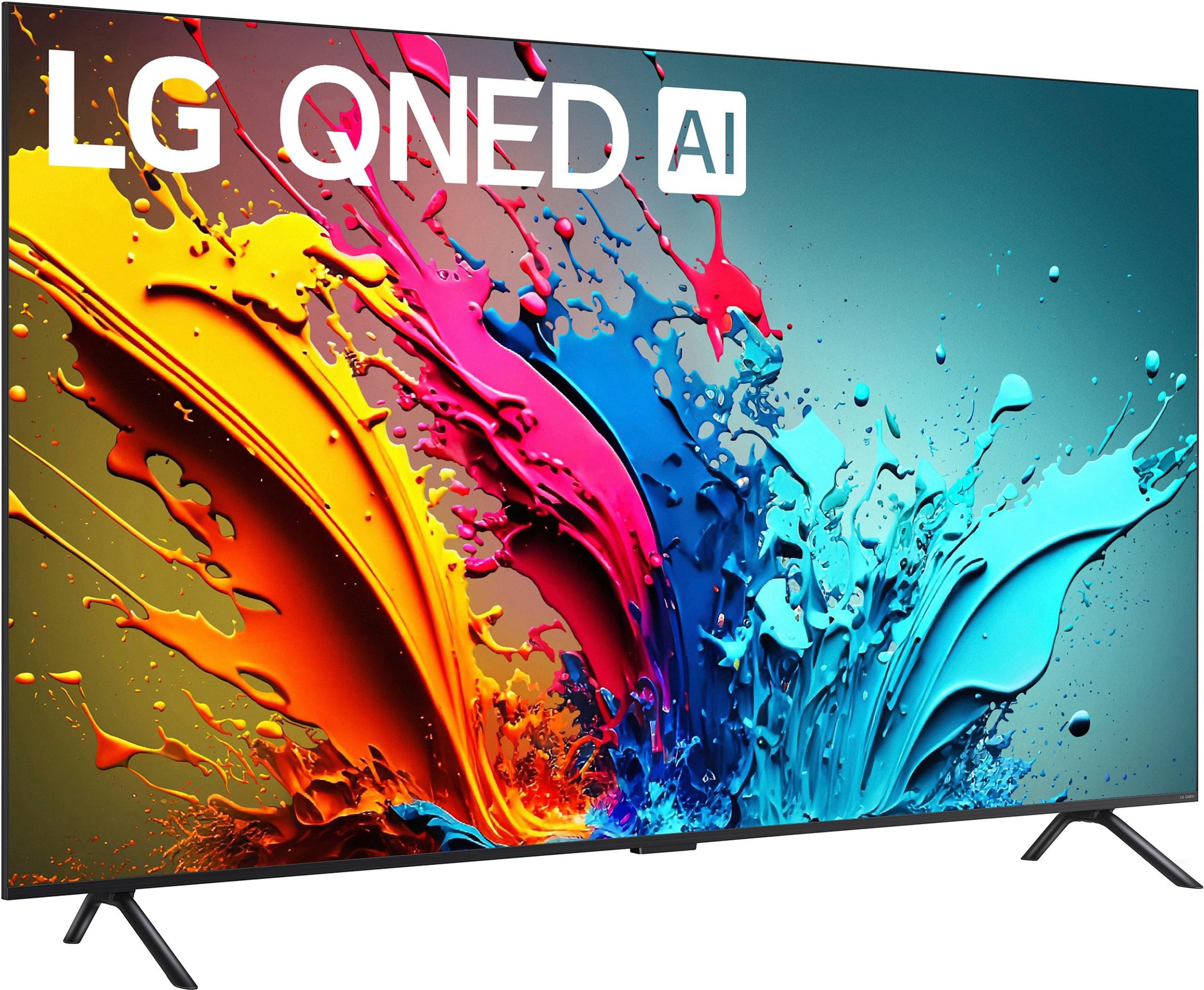
When you're shopping for a 98-inch TV, you're not just buying a display—you're making a statement. These massive screens transform any room into a home theater, but at this size and price point, every decision matters. The TCL 98" X11K and LG 98" QNED represent two fundamentally different approaches to premium large-format viewing, and understanding their differences could save you from buyer's remorse on a purchase that'll dominate your living space for years to come.
The 98-inch TV market sits at the intersection of luxury and practicality. At this size, you're getting a screen that's roughly 8 feet wide—larger than most people's dining room tables. This isn't impulse-purchase territory; it's a carefully considered investment in your home entertainment experience.
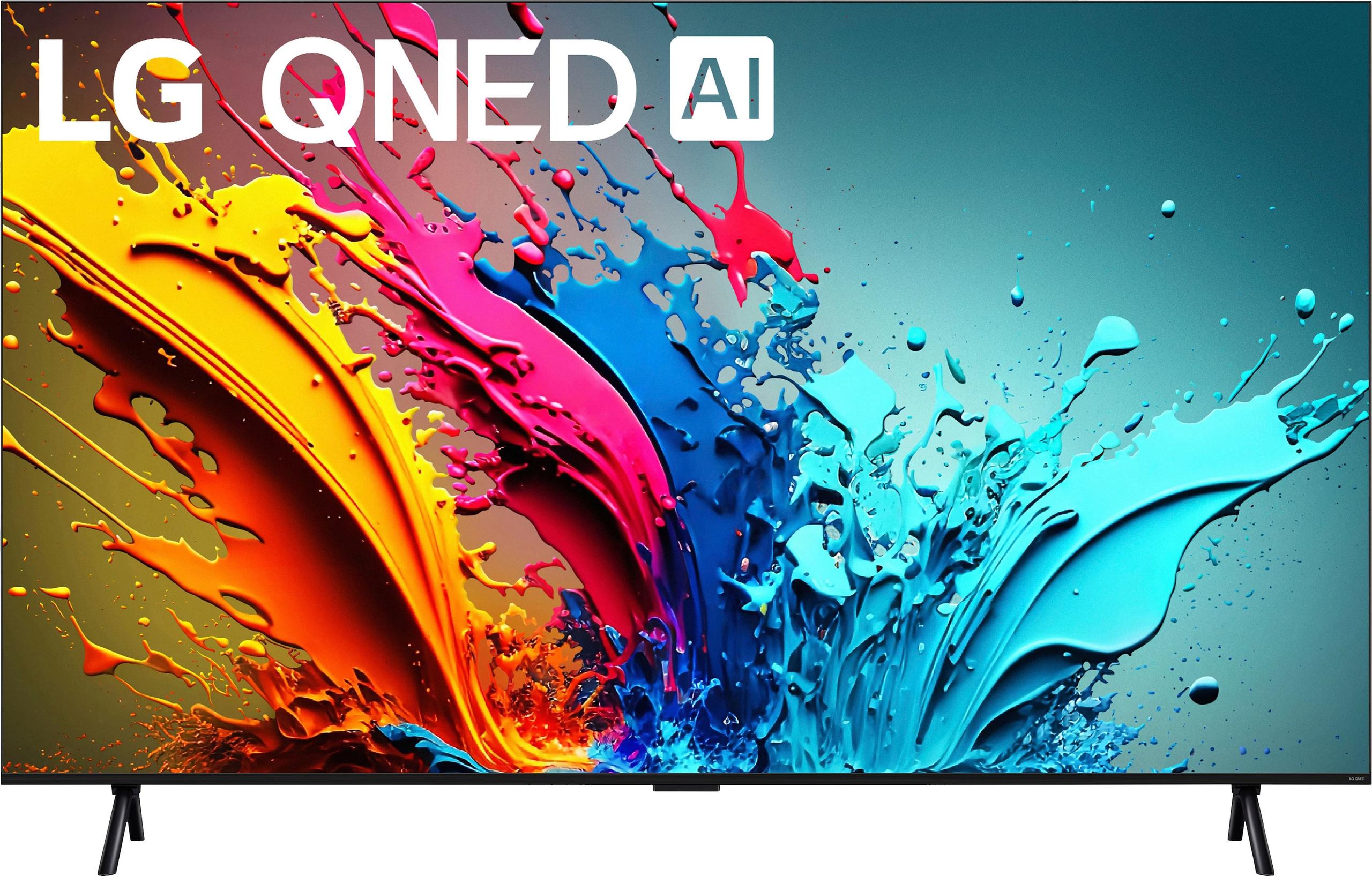
The two main technologies competing in this space take different approaches to the same goal: delivering cinema-quality visuals in your living room. The TCL X11K, released in 2025, represents the cutting edge of QD-Mini LED technology—think of it as thousands of tiny LED lights working together behind quantum dots (microscopic particles that enhance color) to create incredibly bright, precise images. The LG QNED, from 2024, combines quantum dots with NanoCell filtering, a technology that removes unwanted colors from the backlight to deliver purer, more accurate colors.
What makes these technologies important isn't just the fancy names—it's how they solve real problems. Traditional LED TVs struggle with contrast (the difference between bright and dark areas) because their backlights tend to "bleed" light into areas that should be dark. Both TVs address this differently: TCL uses an enormous number of precisely controlled LED zones, while LG focuses on cleaner, more accurate colors from fewer zones.
The most significant difference between these TVs lies in their display technology, and understanding this difference is crucial to making the right choice.
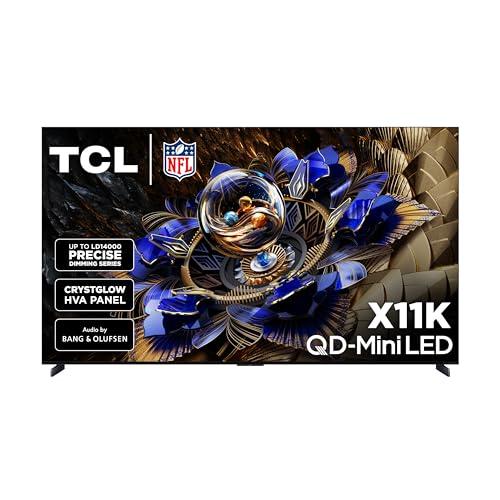
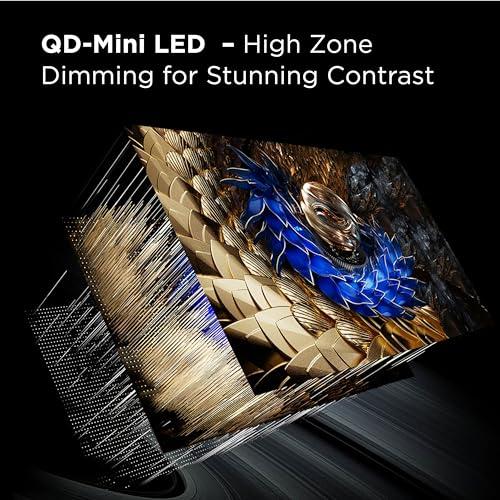
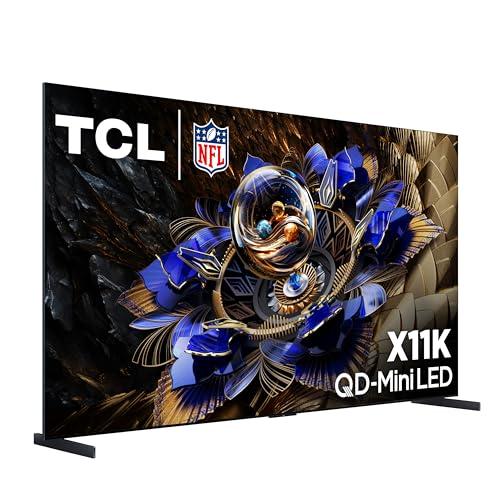
The TCL X11K uses what's called QD-Mini LED with an astounding 14,000 local dimming zones. Local dimming zones are sections of the backlight that can be independently controlled—imagine having 14,000 individual dimmer switches behind your TV screen. When a scene shows bright fireworks against a dark sky, those 14,000 zones can make the fireworks brilliant while keeping the surrounding sky truly dark. This level of precision was impossible just a few years ago.
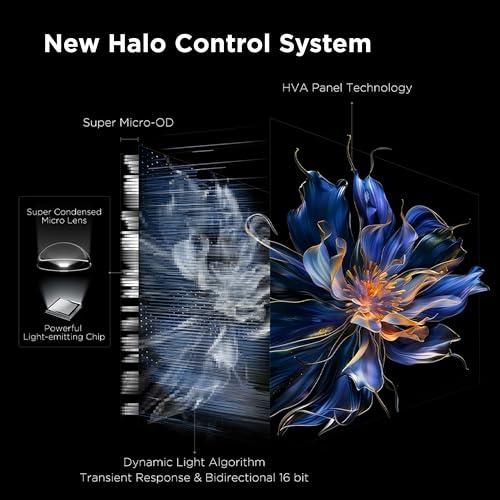
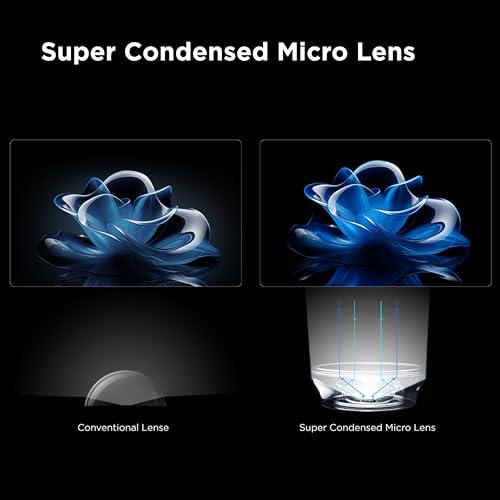
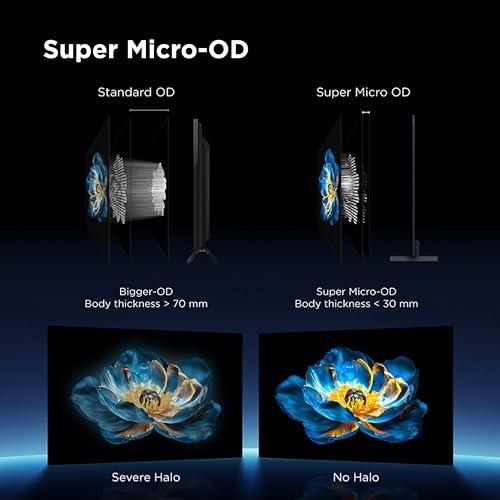
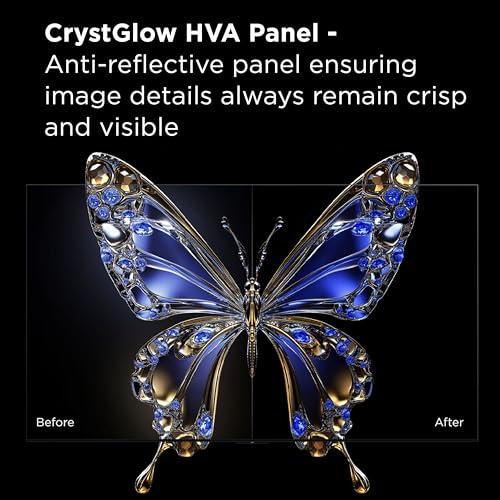
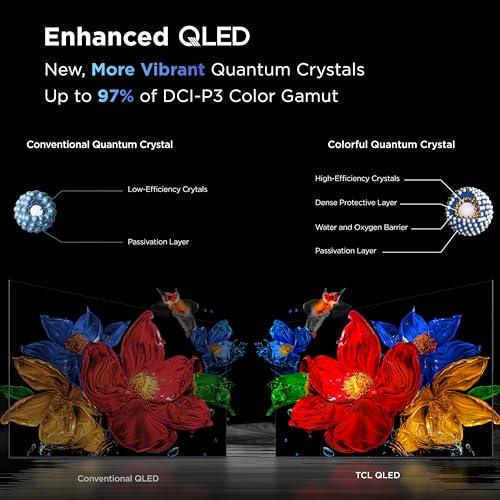
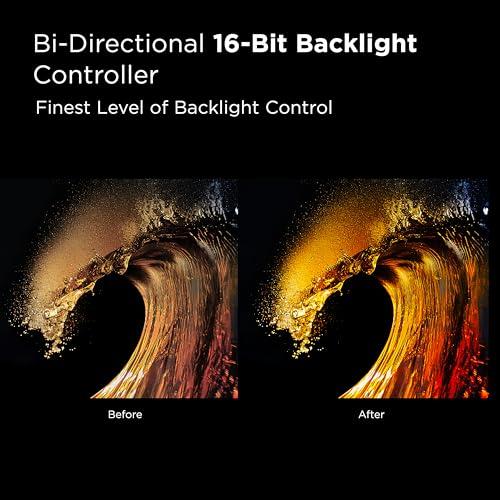
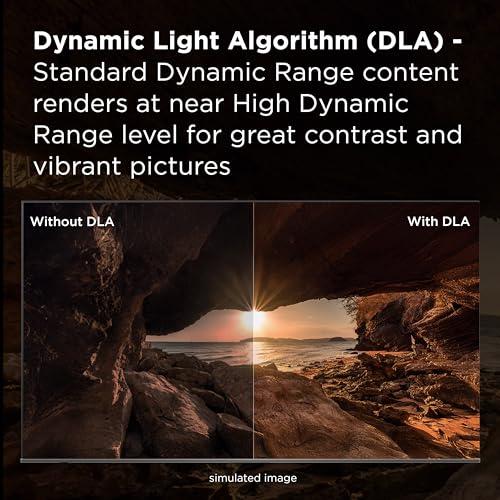
TCL's Halo Control Technology addresses mini LED's biggest weakness: blooming. Blooming happens when bright objects create unwanted "halos" of light around them—think of how streetlights look fuzzy on a foggy night. TCL's solution involves four key technologies: a special anti-reflective panel called CrystGlow HVA, enhanced quantum dots that produce over a billion colors, a bi-directional controller that manages brightness across 65,000 different levels per LED, and dynamic algorithms that constantly adjust the backlight in real-time.
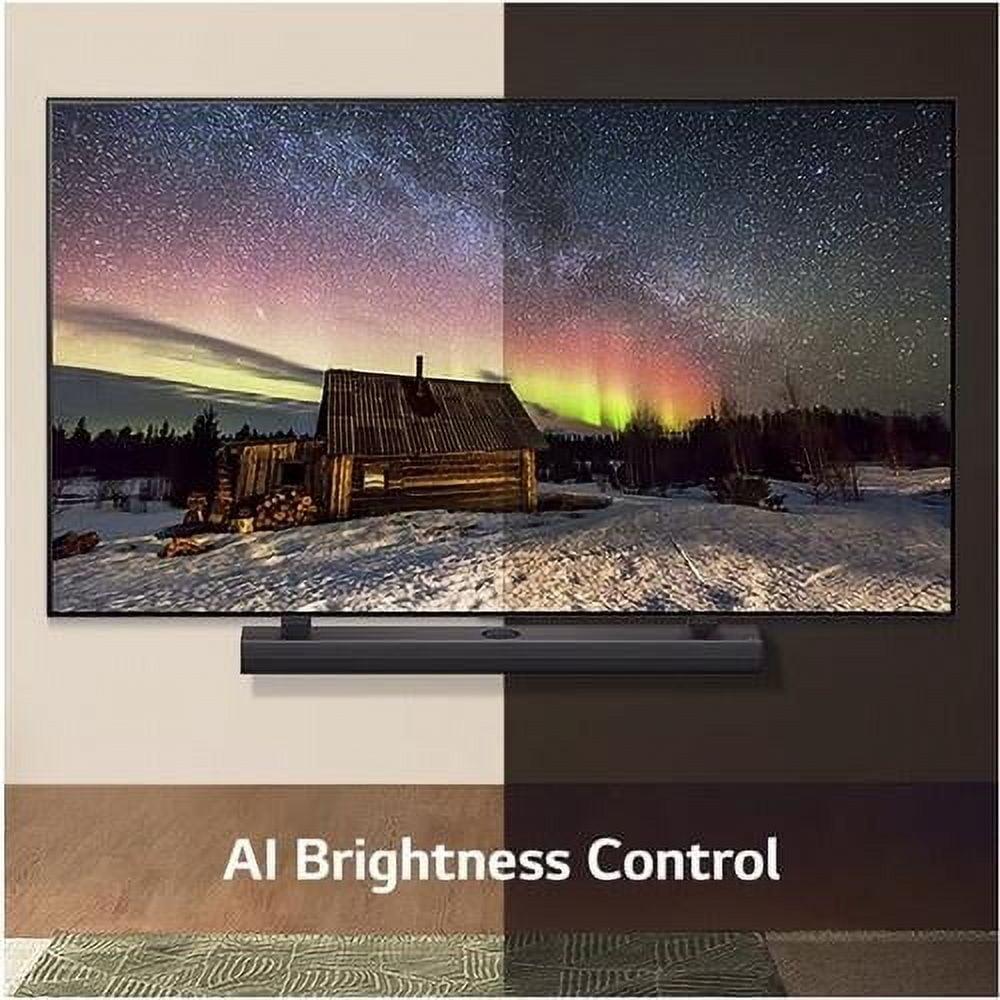
The LG QNED takes a different approach with its QNED technology. QNED stands for Quantum NanoCell Emitting Diode, which combines quantum dots with NanoCell filtering. NanoCell technology uses particles about one nanometer in size (roughly 100,000 times thinner than human hair) to filter out unwanted light wavelengths. This creates purer colors and wider viewing angles—important when you have a 98-inch screen that family members will be watching from various positions around the room.
Where the TCL X11K prioritizes contrast precision and brightness, the LG QNED focuses on color accuracy and viewing consistency. Both approaches have merit, but they excel in different situations.
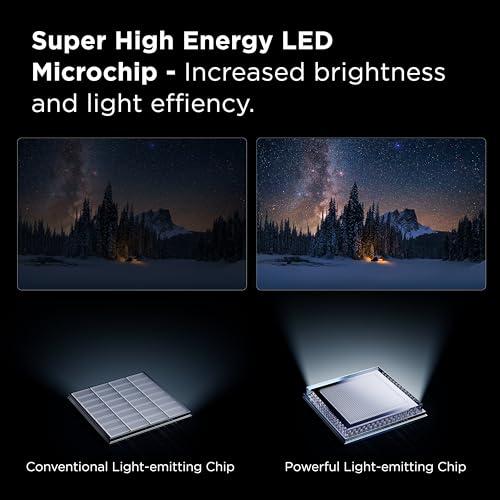
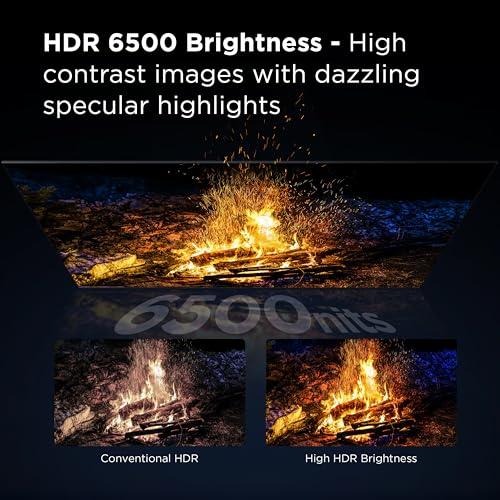
Peak brightness is where the TCL X11K absolutely dominates. With 6,500 nits of peak brightness, it's among the brightest consumer TVs ever made. To put this in perspective, a typical bright day outdoors measures around 10,000 nits, while most TVs struggle to reach 1,500 nits. This extreme brightness isn't just for show—it's essential for proper HDR (High Dynamic Range) reproduction.
HDR content contains information about how bright different parts of an image should be, from the subtle details in shadows to the blazing intensity of the sun. When a TV can't get bright enough, HDR content looks flat and lifeless. The TCL X11K's 6,500 nits means it can reproduce HDR content almost exactly as filmmakers intended, making explosions genuinely dazzling and making you squint at bright scenes.
The LG QNED's brightness specifications aren't as aggressively marketed, typically falling in the 1,500-2,000 nits range based on similar QNED models. This is still quite bright—more than adequate for most viewing scenarios—but it won't deliver the same HDR impact as the TCL in bright rooms or with the most demanding content.
Here's where viewing environment becomes crucial. If your 98-inch TV will live in a bright living room with large windows, the TCL X11K's superior brightness becomes a significant advantage. In a dedicated home theater with controlled lighting, the difference becomes less critical, and other factors like color accuracy might matter more.
Both TVs recognize that a 98-inch screen is a gamer's dream, but they approach gaming performance differently.
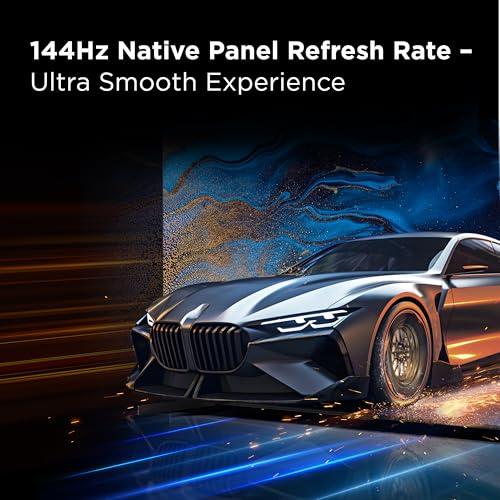
The TCL X11K offers a 144Hz native refresh rate—the highest available in TVs today. Refresh rate determines how many times per second the image updates, and higher rates mean smoother motion. For context, most movies are filmed at 24Hz, broadcast TV at 60Hz, and high-end gaming can push 120Hz or beyond. The difference between 120Hz and 144Hz might seem small, but for competitive gaming, every frame matters.
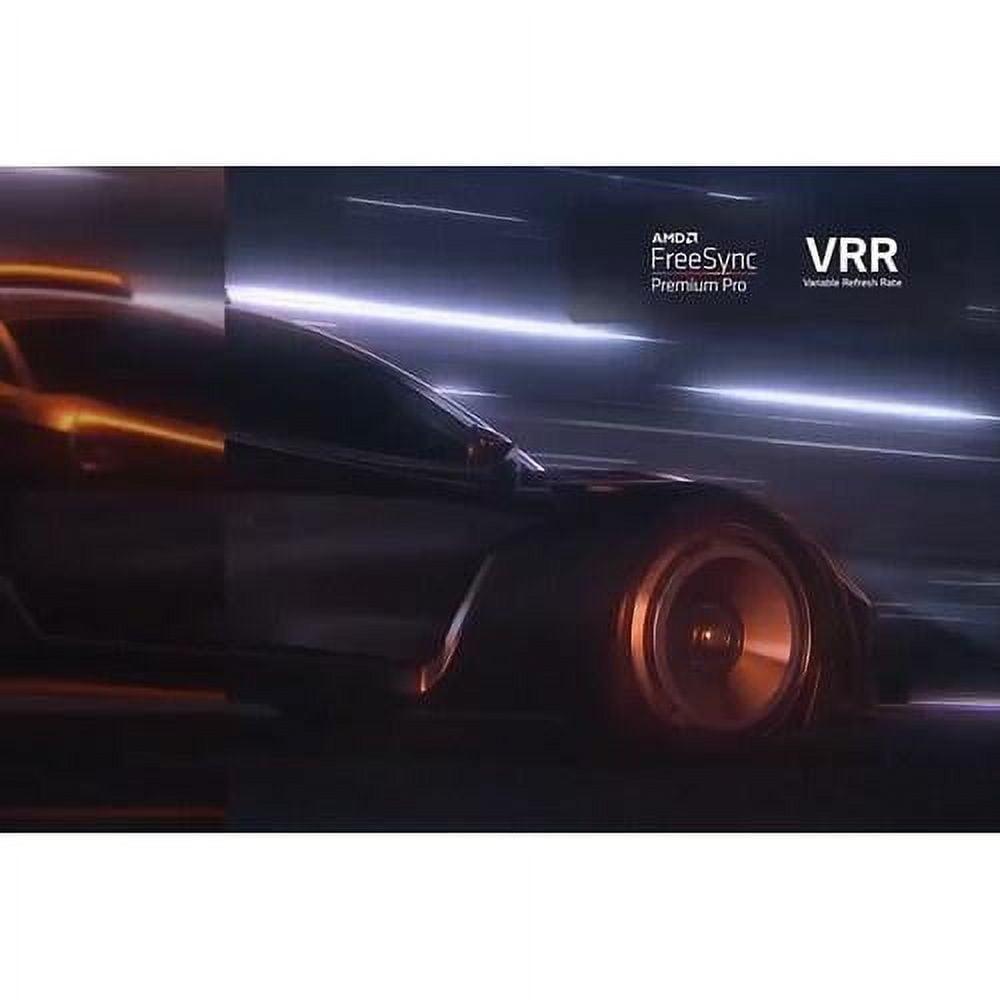
The LG QNED provides a 120Hz refresh rate, which is still excellent for gaming and more than adequate for virtually all current content. Both TVs support Variable Refresh Rate (VRR), which synchronizes the TV's refresh rate with your gaming console's output to eliminate screen tearing—that annoying horizontal line that can appear when frame rates don't match perfectly.
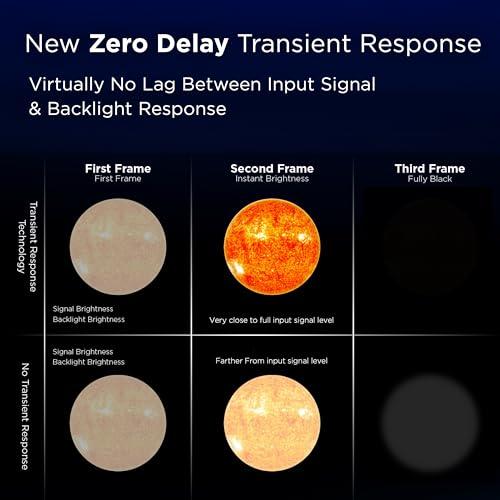
For input lag—the delay between pressing a button and seeing the result on screen—both TVs offer gaming modes that prioritize responsiveness over picture processing. The TCL X11K's "Zero Delay Transient Response" technology and the LG QNED's Auto Low Latency Mode (ALLM) both deliver gaming-appropriate performance, though the TCL's marketing suggests slightly superior responsiveness.
The reality is that both TVs will satisfy serious gamers, but the TCL X11K's higher refresh rate provides a slight edge for competitive gaming and future-proofing as gaming hardware continues to evolve.
This is where the philosophy difference between these TVs becomes most apparent.
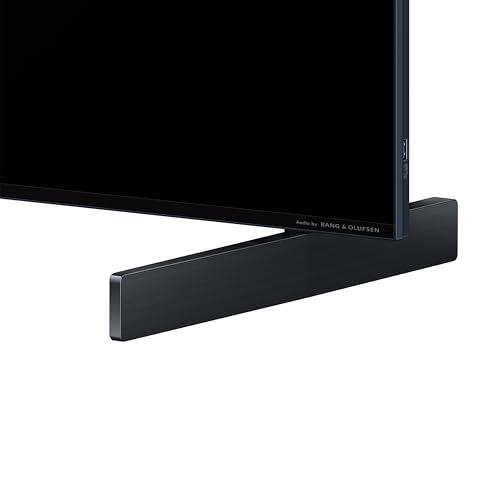
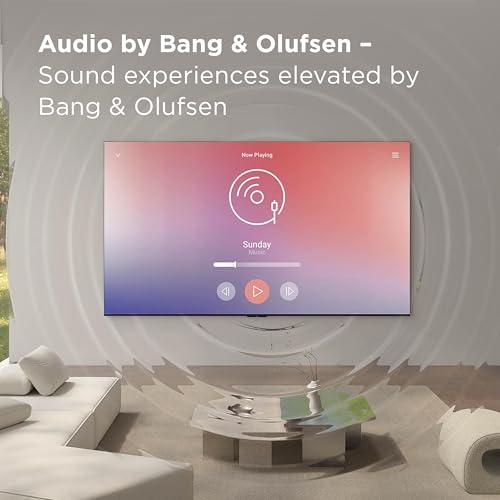
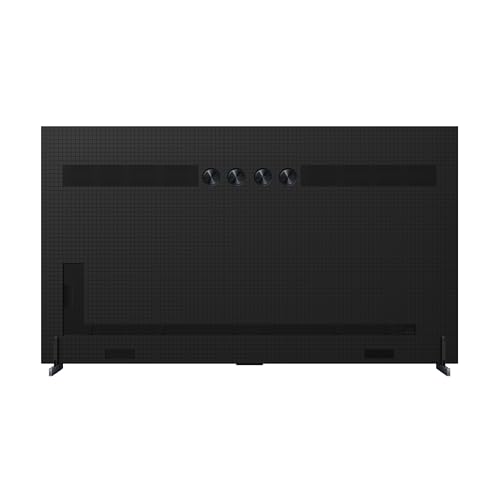
The TCL X11K includes a comprehensive 120-watt Bang & Olufsen audio system with a 2.1.1 channel configuration. This means separate left and right channels, a dedicated subwoofer for bass, plus height channels for Dolby Atmos effects. Dolby Atmos creates three-dimensional soundscapes where helicopters seem to fly overhead and rain appears to fall around you. The system supports advanced audio formats like DTS Virtual:X and even IMAX Enhanced audio.
At 120 watts, this built-in system has enough power to fill a large room without additional speakers. Bang & Olufsen's involvement isn't just marketing—they've tuned the system specifically for this TV's acoustic characteristics. For many buyers, this integrated solution eliminates the need for a separate soundbar or speaker system, simplifying setup and reducing additional costs.
The LG QNED takes the opposite approach with a more modest 40-watt system clearly designed to be paired with external audio equipment. While it includes AI Sound Pro technology and basic Dolby Atmos support, the power output and speaker configuration suggest LG expects serious buyers to invest in a separate soundbar or home theater system.
Neither approach is wrong, but they serve different audiences. The TCL X11K appeals to buyers who want a complete, high-quality solution out of the box. The LG QNED allows more flexibility for buyers who already have audio systems or who want to choose their own speakers.
Both TVs offer sophisticated smart platforms, but with different strengths.
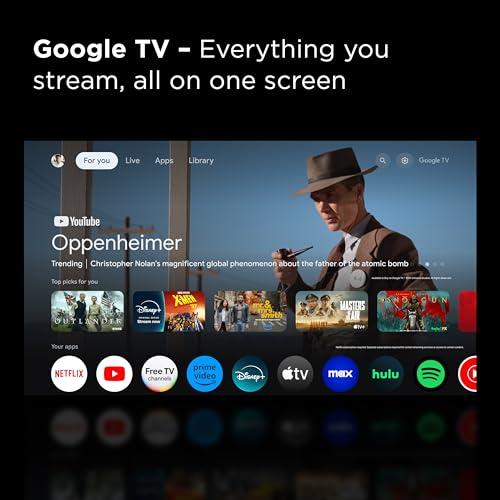
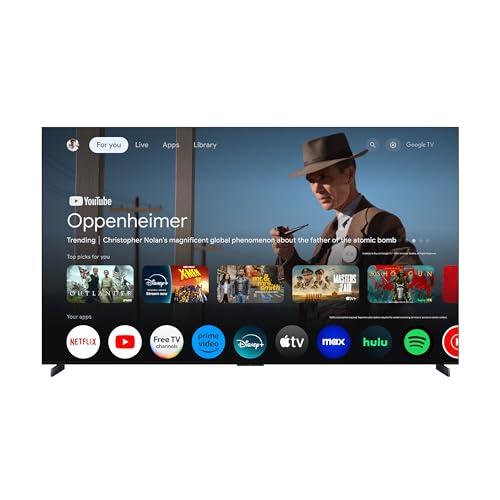
The TCL X11K runs Google TV, which integrates seamlessly with Google services and offers excellent content discovery. Google TV learns your viewing preferences across different streaming services and suggests content accordingly. The platform includes Chromecast built-in, hands-free Google Assistant, and compatibility with Apple HomeKit and Amazon Alexa. The TV also supports Wi-Fi 6, the latest wireless standard that provides faster, more stable connections—important when streaming 4K content to a 98-inch screen.
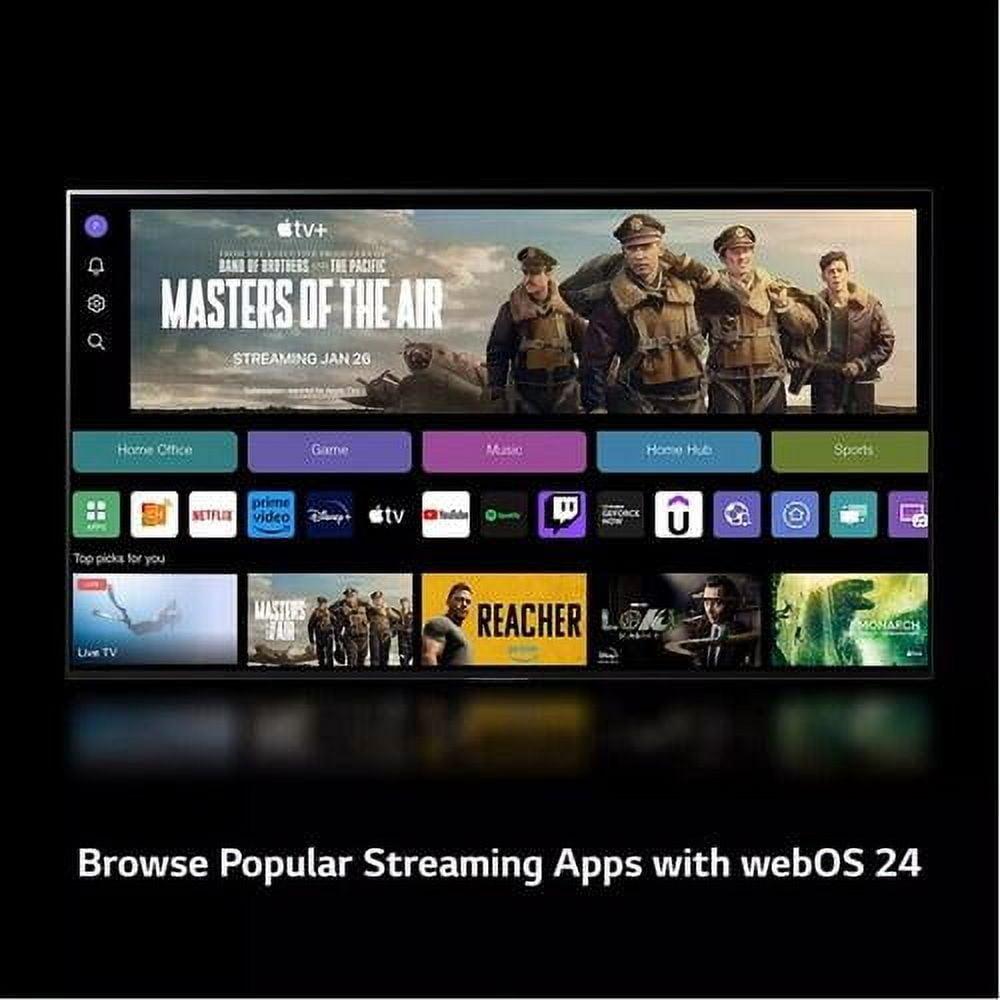
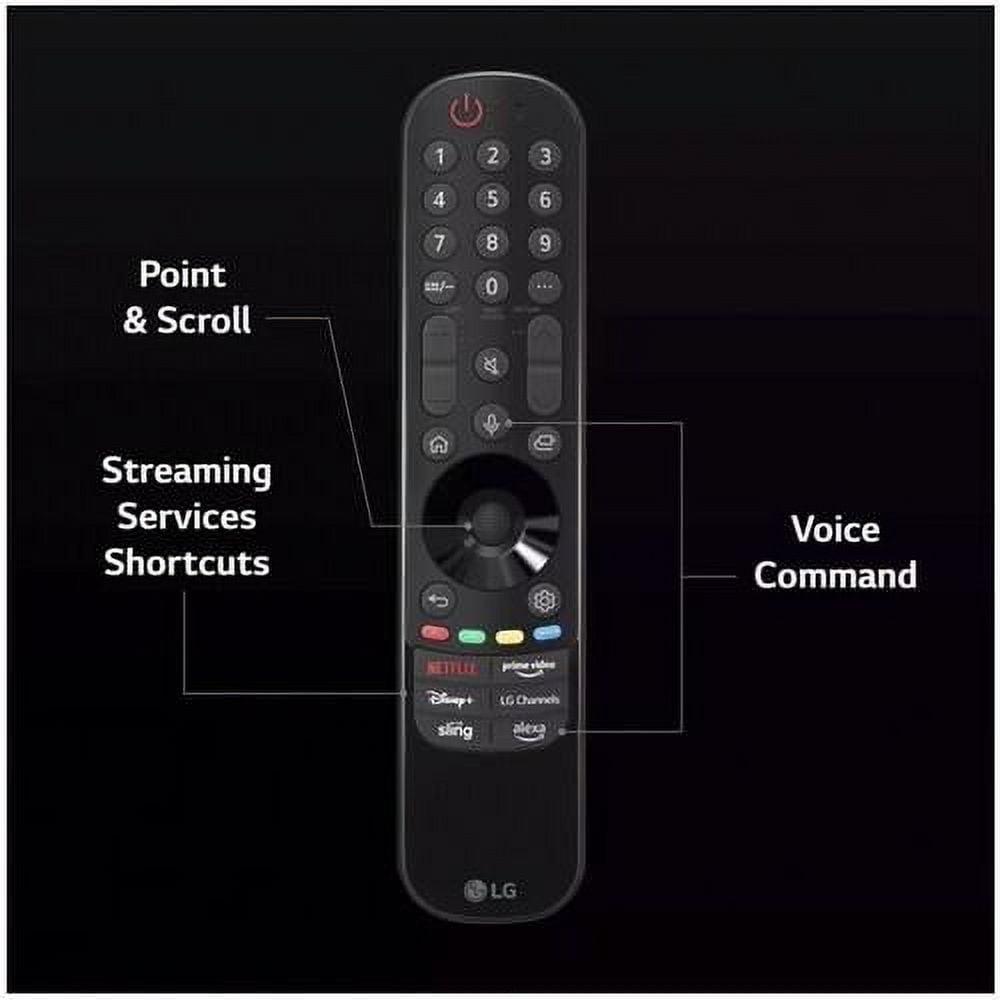
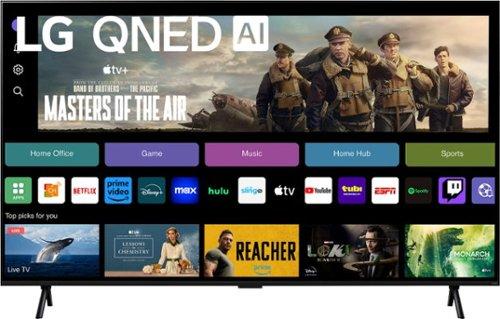
The LG QNED features webOS 24, widely considered the most polished TV interface available. webOS is intuitive, fast, and includes LG's Magic Remote, which works like a computer mouse for point-and-click navigation. The interface is clean, responsive, and includes comprehensive streaming app support. However, it uses the older Wi-Fi 5 standard, which is adequate but not as future-proof as Wi-Fi 6.
Both platforms provide access to all major streaming services, but webOS has a slight edge in interface refinement, while Google TV offers better integration with smart home ecosystems.
At the time of writing, these TVs occupy different value positions in the premium 98-inch market. The TCL X11K commands a significant premium—roughly 35-40% more than the LG QNED. This price difference represents about $1,500, which is substantial even in the luxury TV market.
The TCL X11K's premium pricing reflects its cutting-edge technology: that 6,500-nit brightness, 14,000 dimming zones, 144Hz refresh rate, and premium audio system all cost money to implement. For buyers who want the absolute best available technology and are willing to pay for it, the price premium may be justified.
The LG QNED represents what I'd call "accessible premium"—exceptional performance at a more reasonable price point. At roughly $40 per inch of screen, it delivers genuine large-format luxury without the flagship premium. The cost savings could fund a high-quality soundbar and still leave money in your pocket.
For dedicated home theater use, both TVs excel but in different ways.
In a controlled lighting environment—the ideal home theater setup—the TCL X11K's extreme brightness becomes less critical, but its superior local dimming still delivers exceptional contrast. Those 14,000 dimming zones create almost OLED-like black levels while maintaining the brightness advantages of LED technology. The integrated premium audio system is particularly valuable in home theaters, where the TV often serves as the primary audio source.
The LG QNED shines in home theaters through its superior viewing angles and color accuracy. NanoCell technology maintains image quality even when viewed from the sides—important in home theaters where seating might extend beyond the TV's centerline. The lower brightness output actually becomes an advantage in dark rooms, reducing eye strain during long movie sessions.
For home theater use, I lean slightly toward the LG QNED for most buyers. The cost savings allow investment in a dedicated home theater audio system, and the viewing angle advantages better serve multiple seating positions. However, if your "home theater" has ambient light challenges, the TCL X11K's brightness superiority becomes more valuable.
After extensive research into user feedback and professional reviews, here's how I'd recommend choosing between these excellent TVs:
Choose the TCL X11K if you want the absolute best available technology and can justify the premium pricing. It's ideal for bright living rooms where its superior brightness will be appreciated daily. The integrated premium audio makes it perfect for buyers who want a complete, high-end solution without additional purchases. Serious gamers will appreciate the 144Hz capability, and home theater enthusiasts who prioritize cutting-edge performance over value will find it compelling.
Choose the LG QNED if you want excellent 98-inch performance at a more accessible price point. It's perfect for family rooms with varied seating positions, thanks to superior viewing angles. The cost savings make it attractive for buyers who want to invest in separate audio equipment or who simply prefer not to pay the premium for flagship features. It's also the better choice for buyers who prioritize proven, mature technology over cutting-edge innovations.
Both TVs will transform your viewing experience and provide years of enjoyment. The TCL X11K represents the bleeding edge of TV technology, while the LG QNED offers exceptional performance at a more reasonable price. Your choice should depend on your budget, room conditions, and whether you prioritize absolute performance or overall value.
In my assessment, most buyers will be thrilled with either choice, but the LG QNED offers the better balance of performance and value for the majority of 98-inch TV buyers. However, if you're building a no-compromises home theater and budget isn't the primary concern, the TCL X11K's superior technology justifies its premium positioning.
| TCL 98" X11K 4K QD-Mini LED Google TV | LG 98" QNED 4K UHD Smart TV |
|---|---|
| Peak Brightness - Critical for HDR impact and bright room viewing | |
| 6,500 nits (exceptional HDR performance, works in very bright rooms) | ~1,500-2,000 nits (good HDR performance, adequate for most rooms) |
| Local Dimming Zones - Determines contrast precision and blooming control | |
| 14,000 zones (near pixel-level precision, minimal blooming) | Precision Dimming (fewer zones, some blooming in high-contrast scenes) |
| Display Technology - Core approach to picture quality | |
| QD-Mini LED with Halo Control (maximum brightness and contrast) | QNED with NanoCell (superior viewing angles and color purity) |
| Refresh Rate - Important for gaming and smooth motion | |
| 144Hz native (future-proof for high-end gaming) | 120Hz native (excellent for current gaming and content) |
| Gaming Features - Console and PC gaming support | |
| AMD FreeSync Premium Pro, VRR up to 144Hz, Game Accelerator 288 | FreeSync Premium, VRR up to 120Hz, ALLM, Game Dashboard |
| Audio System - Built-in sound quality and power | |
| 120W Bang & Olufsen 2.1.1 system with Dolby Atmos (no soundbar needed) | 40W 2.2 system with AI Sound Pro (designed for external audio) |
| Smart Platform - Interface and app ecosystem | |
| Google TV with Wi-Fi 6 (excellent content discovery, future-proof connectivity) | webOS 24 with Wi-Fi 5 (most polished TV interface, proven reliability) |
| Color Performance - Accuracy and gamut coverage | |
| 98%+ DCI-P3, Enhanced Quantum Dot, 1+ billion colors | High color accuracy via NanoCell filtering, excellent color purity |
| Viewing Angles - Picture quality from side positions | |
| Good (standard for VA panels) | Excellent (178° horizontal/vertical, maintains quality off-center) |
| HDR Support - High dynamic range format compatibility | |
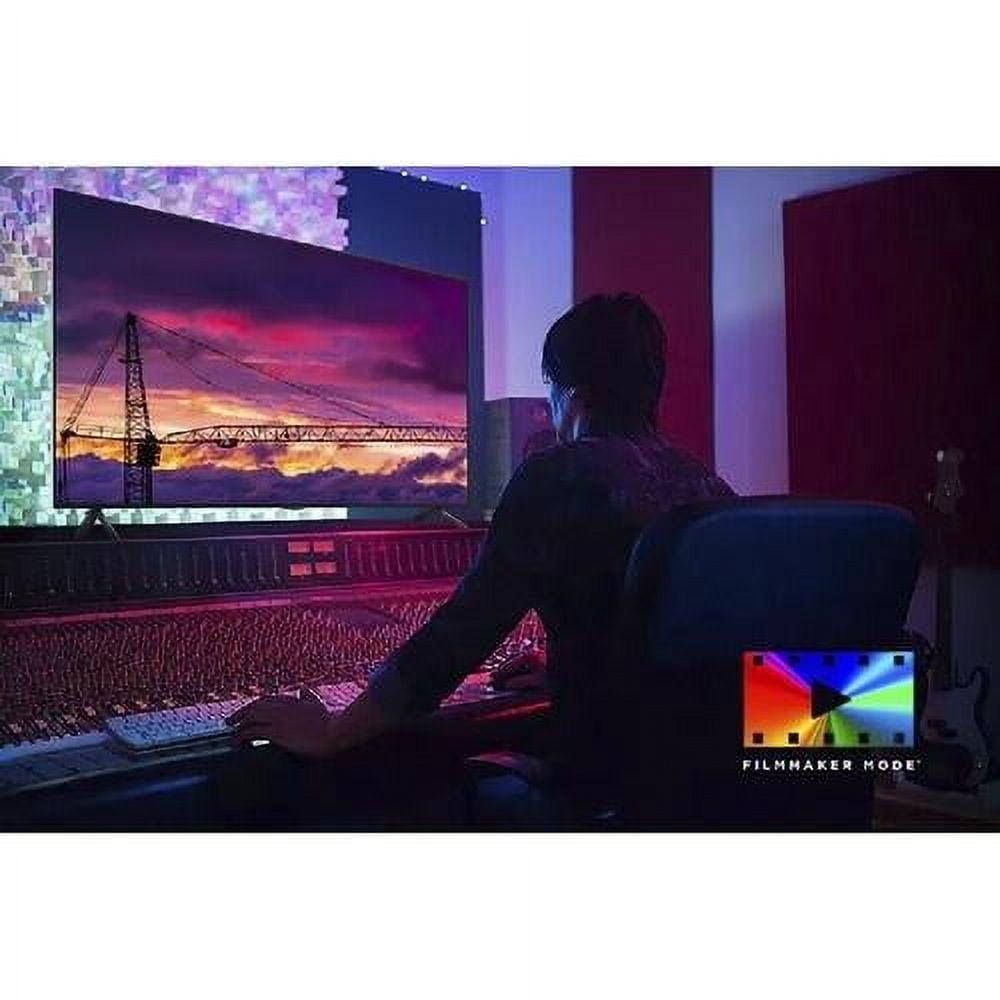
| Dolby Vision IQ, HDR10+, HDR10, HLG, Filmmaker Mode | HDR10, HLG with Dynamic Tone Mapping Pro |
| Price Positioning - Value for money at time of writing | |
| Premium flagship pricing (~35-40% more expensive) | Accessible premium pricing (excellent value for 98-inch performance) |
| Release Year - Technology generation and future-proofing | |
| 2025 (latest generation with cutting-edge features) | 2024 (proven technology with established performance) |
| Best Use Cases - Optimal viewing scenarios | |
| Bright rooms, premium home theaters, serious gaming, all-in-one solution | Family rooms, wide seating, value-focused buyers, existing audio systems |
The TCL 98" X11K delivers superior picture quality in bright rooms with its exceptional 6,500 nits peak brightness and 14,000 local dimming zones. The LG 98" QNED offers more consistent picture quality across different viewing angles thanks to its NanoCell technology. For pure brightness and contrast, the TCL X11K wins, while the LG QNED excels in color accuracy and viewing flexibility.
The TCL 98" X11K has a slight gaming advantage with its 144Hz refresh rate compared to the LG 98" QNED's 120Hz. Both TVs support Variable Refresh Rate (VRR), Auto Low Latency Mode, and have excellent input lag performance. The TCL X11K is more future-proof for high-end gaming, while the LG QNED handles all current gaming needs perfectly.
QD-Mini LED in the TCL X11K uses thousands of tiny LEDs with quantum dots for extreme brightness and precise contrast control. QNED in the LG TV combines quantum dots with NanoCell filtering for superior color purity and wider viewing angles. The TCL approach prioritizes peak performance, while the LG technology focuses on consistent quality from any seating position.
The TCL 98" X11K is significantly better for bright rooms due to its 6,500 nits peak brightness, which can overcome ambient light and maintain HDR impact. The LG 98" QNED performs well in moderately bright spaces but cannot match the TCL's brightness levels. If your TV faces windows or has significant ambient light, choose the TCL X11K.
The TCL 98" X11K includes a powerful 120-watt Bang & Olufsen audio system that eliminates the need for a soundbar in most setups. The LG 98" QNED has a basic 40-watt system clearly designed to be paired with external audio. If you want great sound without additional purchases, the TCL X11K is the better choice.
The LG 98" QNED offers better value, providing excellent 98-inch performance at a more accessible price point. The TCL 98" X11K costs significantly more but justifies the premium with cutting-edge brightness, superior audio, and advanced gaming features. For most buyers seeking 98-inch luxury, the LG QNED delivers the best price-to-performance ratio.
Both platforms are excellent but serve different preferences. The TCL X11K's Google TV offers superior content discovery and smart home integration with Wi-Fi 6 connectivity. The LG QNED's webOS is widely considered the most polished TV interface with intuitive navigation. Choose Google TV for ecosystem integration or webOS for interface refinement.
The LG 98" QNED has significantly better viewing angles thanks to its NanoCell technology, maintaining color accuracy and contrast from 178-degree viewing positions. The TCL 98" X11K uses a VA panel with more limited off-axis performance. For family rooms with varied seating positions, the LG QNED is the better choice.
Both TVs excel in home theaters but differently. The TCL 98" X11K offers superior contrast with its advanced local dimming and includes premium integrated audio perfect for dedicated theater rooms. The LG 98" QNED provides excellent color accuracy and viewing angles while allowing budget for separate audio equipment. For all-in-one simplicity, choose the TCL; for flexibility, choose the LG.
The TCL 98" X11K supports more HDR formats including Dolby Vision IQ, HDR10+, HDR10, HLG, and Filmmaker Mode. The LG 98" QNED supports HDR10 and HLG with Dynamic Tone Mapping Pro but lacks Dolby Vision support. For the widest HDR compatibility, especially with streaming content, the TCL X11K has the advantage.
Both TVs should provide years of excellent service. The TCL 98" X11K offers more future-proofing with Wi-Fi 6, 144Hz gaming support, and 2025 technology. The LG 98" QNED uses proven, mature technology with LG's established reliability record. The TCL may stay current longer with gaming trends, while the LG offers more predictable long-term performance.
Choose the TCL 98" X11K if you have a bright room, want cutting-edge performance, prefer integrated premium audio, and can justify the higher cost. Choose the LG 98" QNED if you want excellent 98-inch performance at better value, have multiple viewing positions, or prefer to pair with your own audio system. Most buyers will be thrilled with the LG QNED's combination of performance and value.
We've done our best to create useful and informative comparisons to help you decide what product to buy. Our research uses advanced automated methods to create this comparison and perfection is not possible - please contact us for corrections or questions. These are the sites we've researched in the creation of this article: ecoustics.com - pcrichard.com - tcl.com - valueelectronics.com - bestbuy.com - tcl.com - whathifi.com - tcl.com - youtube.com - displayspecifications.com - whathifi.com - youtube.com - notebookcheck.net - tcl.com - tcl.com - displayspecifications.com - tcl.com - tcl.com - pcguide.com - en.homecinesolutions.fr - youtube.com - tcl.com - bestbuy.com - greentoe.com - pcrichard.com - rtings.com - rtings.com - videoandaudiocenter.com - ecdcom.com - youtube.com - bestbuy.com - displayspecifications.com - techradar.com - youtube.com - kitele.com - youtube.com

Privacy Policy
Terms and Conditions - Affiliate Policy
Home Security
© Copyright 2008-2026.
11816 Inwood Rd #1211, Dallas, TX 75244