

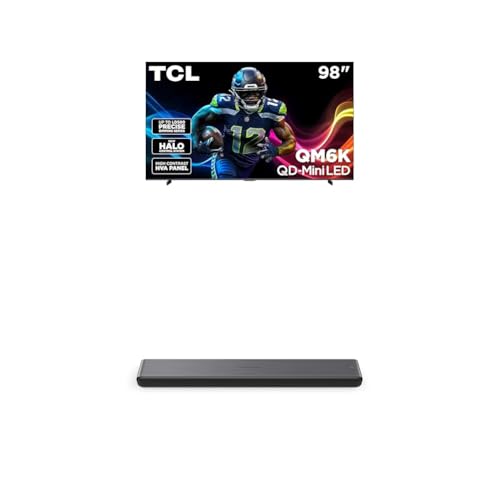
When you're shopping for a 98-inch TV, you're not just buying another screen – you're essentially installing a home theater centerpiece that will dominate your living room for years to come. At this massive size, every detail matters more because flaws become magnified, but the cinematic experience can be absolutely breathtaking when done right.
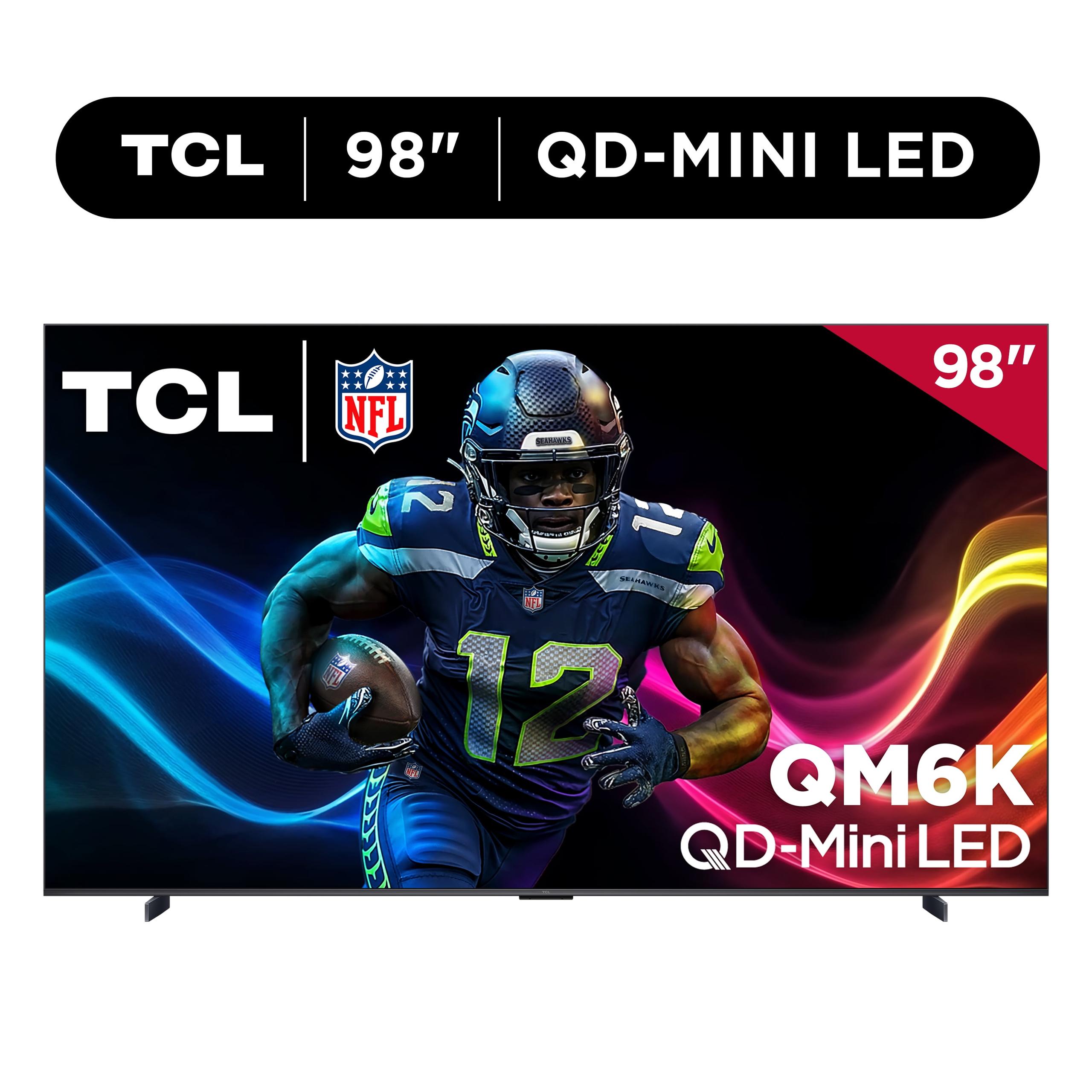
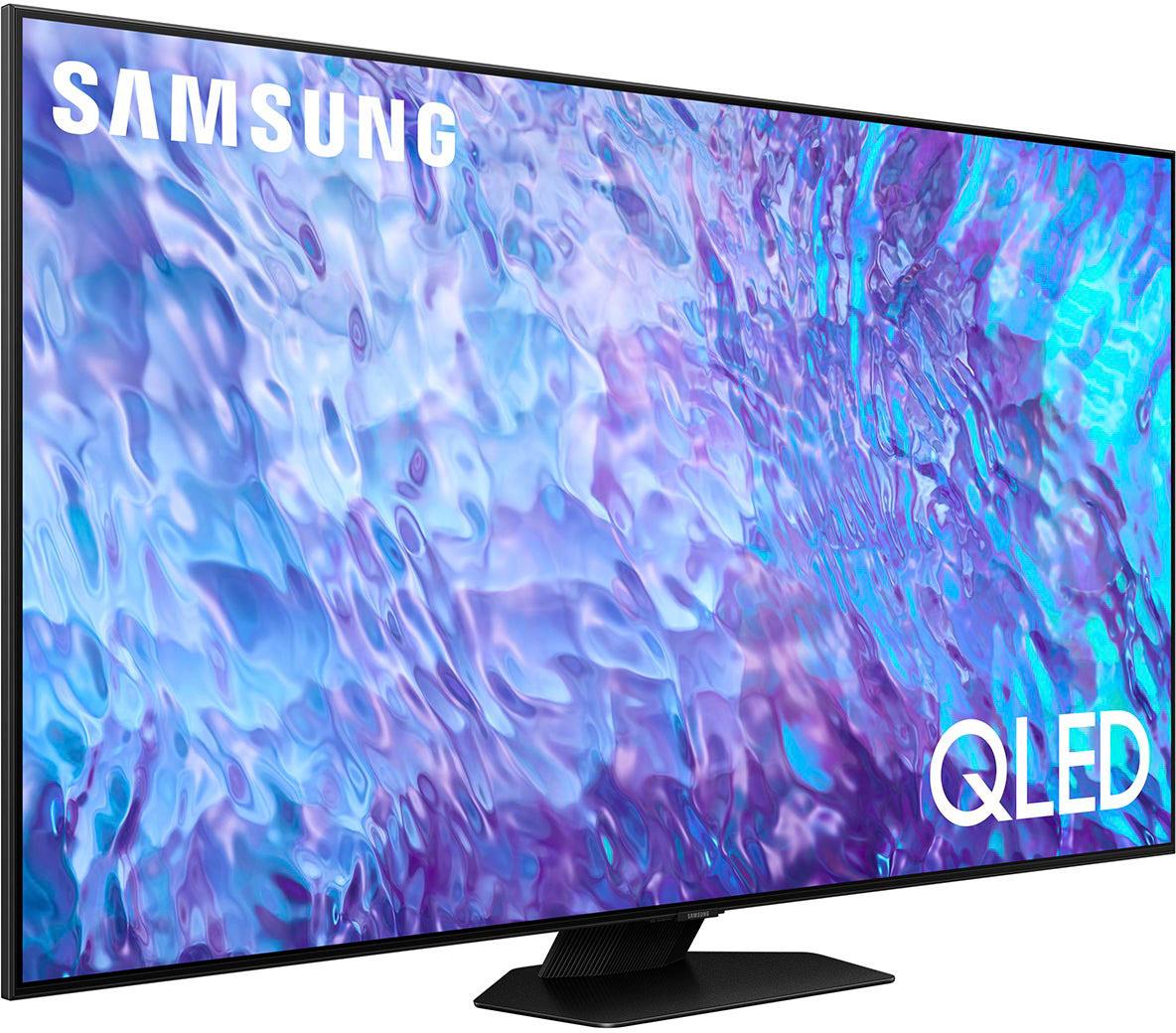
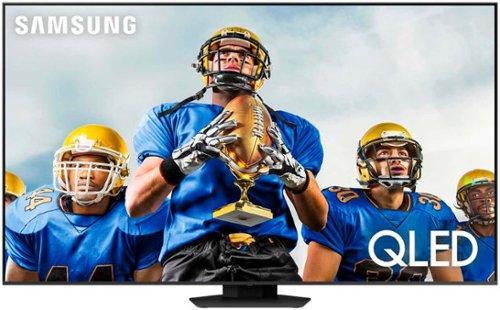
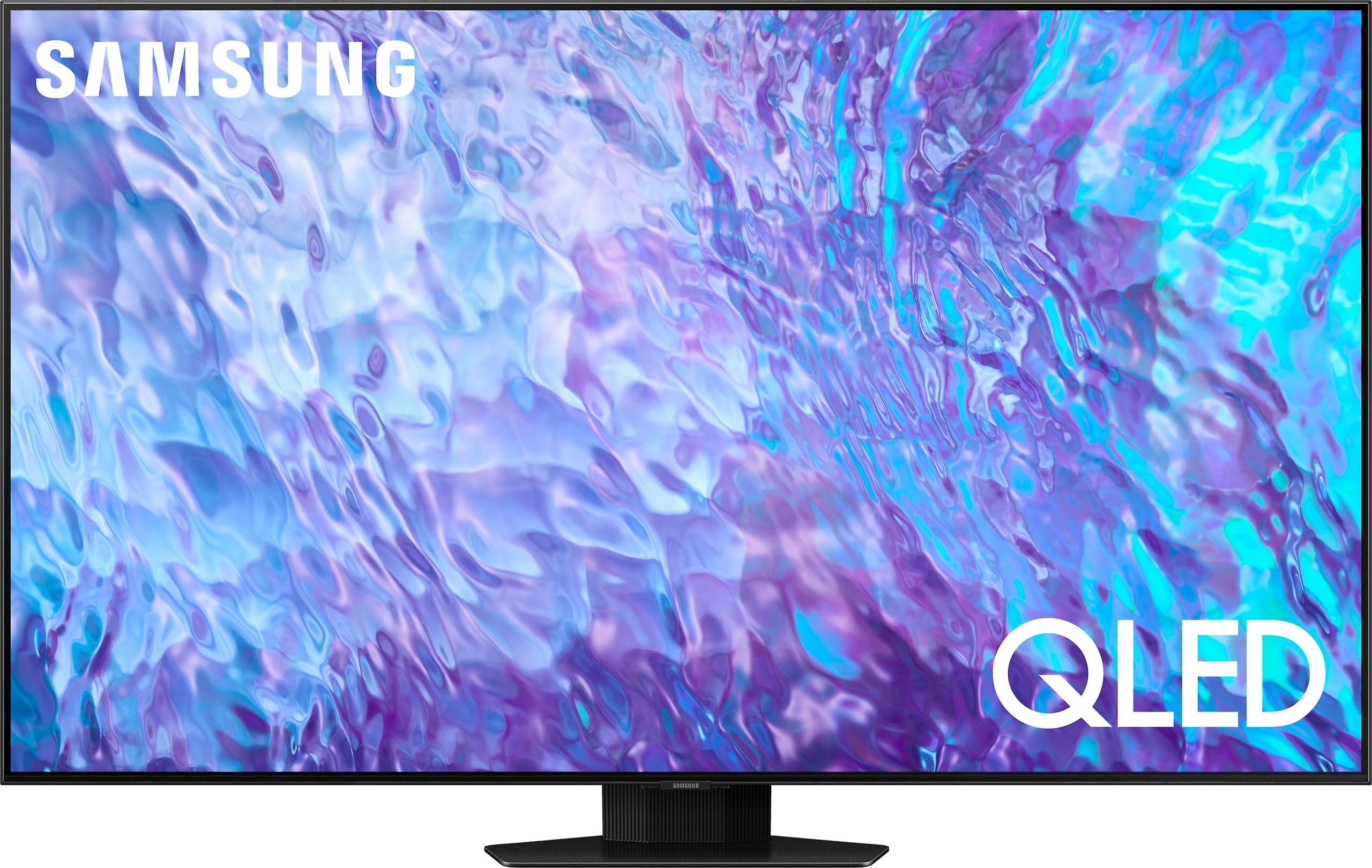
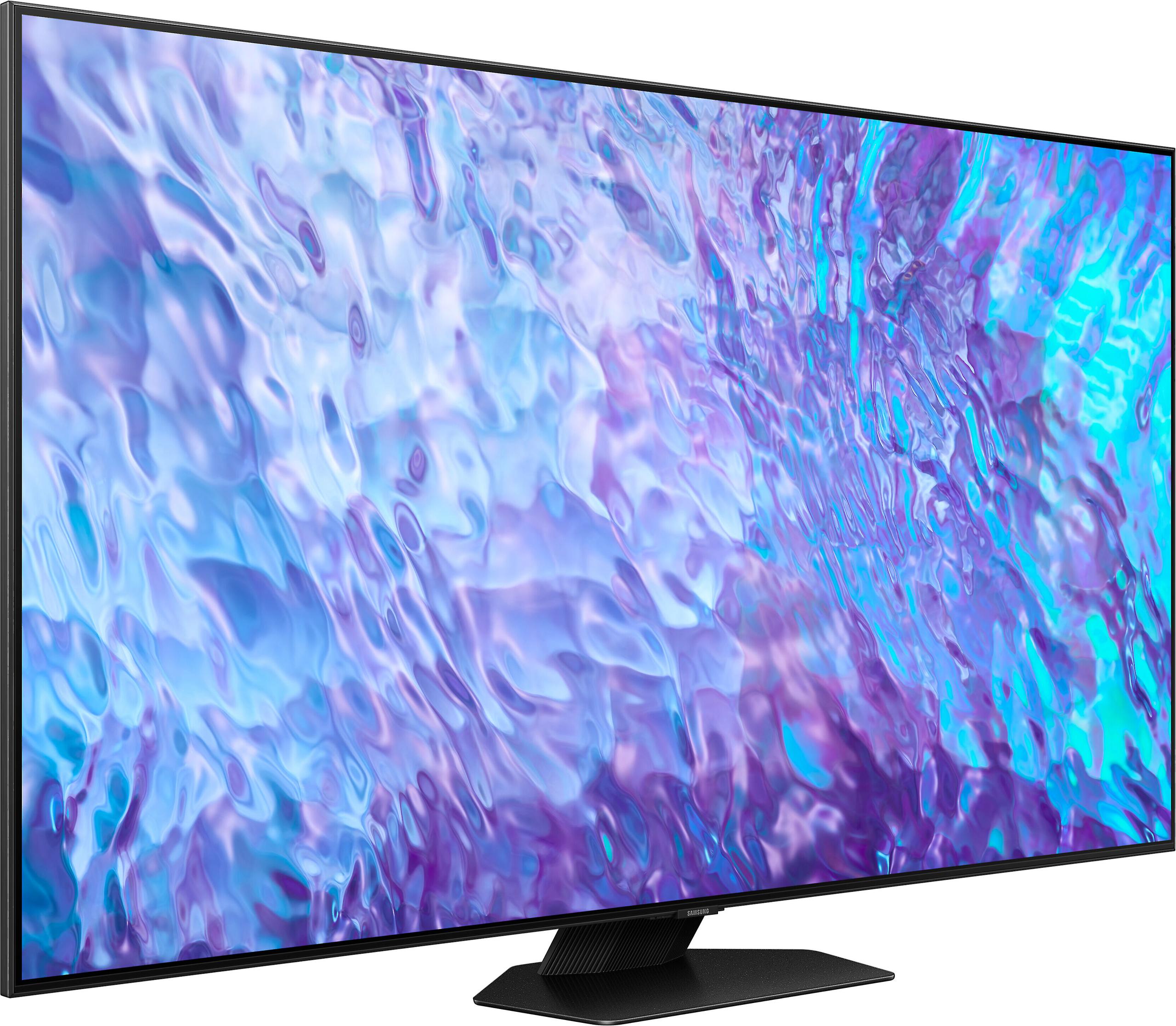
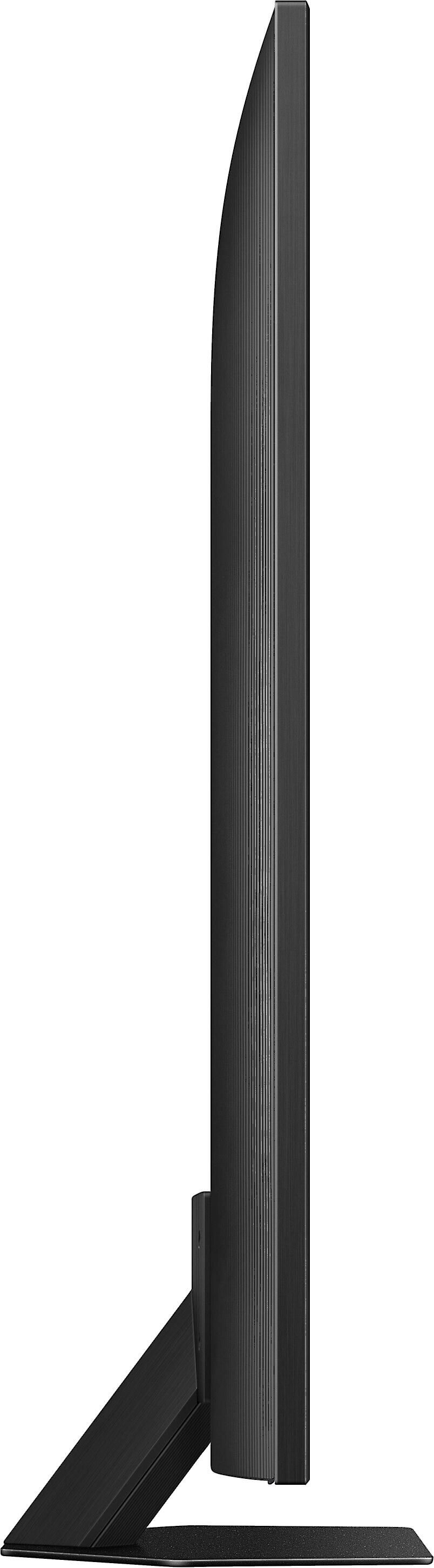
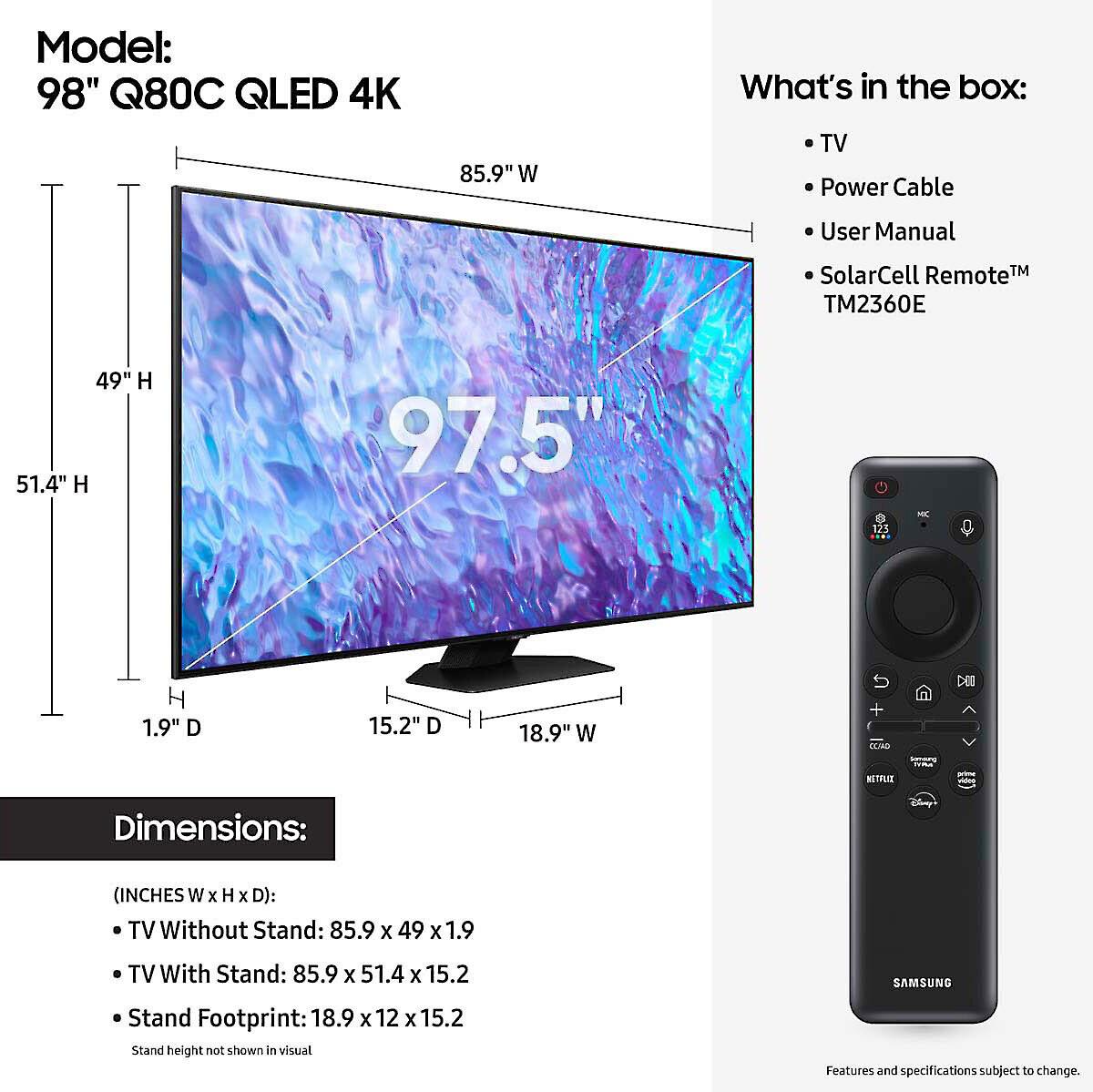
I've spent considerable time with both the TCL 98-Inch QM6K QLED TV ($1,999.99) and the Samsung 98" Q80C 4K Smart QLED TV ($2,999.99), and the differences between these two premium displays are more significant than their similar names might suggest. While both use QLED technology, they represent fundamentally different approaches to large-format TV design – one prioritizing cutting-edge features at an aggressive price, the other relying on brand heritage and established technology.
Before diving into the specifics, it's worth understanding what you're getting into with a 98-inch display. These TVs compete directly with home theater projectors but offer the convenience of traditional TV functionality. The key challenges at this size include maintaining consistent brightness across the massive panel, preventing light bleed (unwanted light spillage that makes dark scenes look grayish), and ensuring the picture quality holds up when viewed from different angles across a large room.
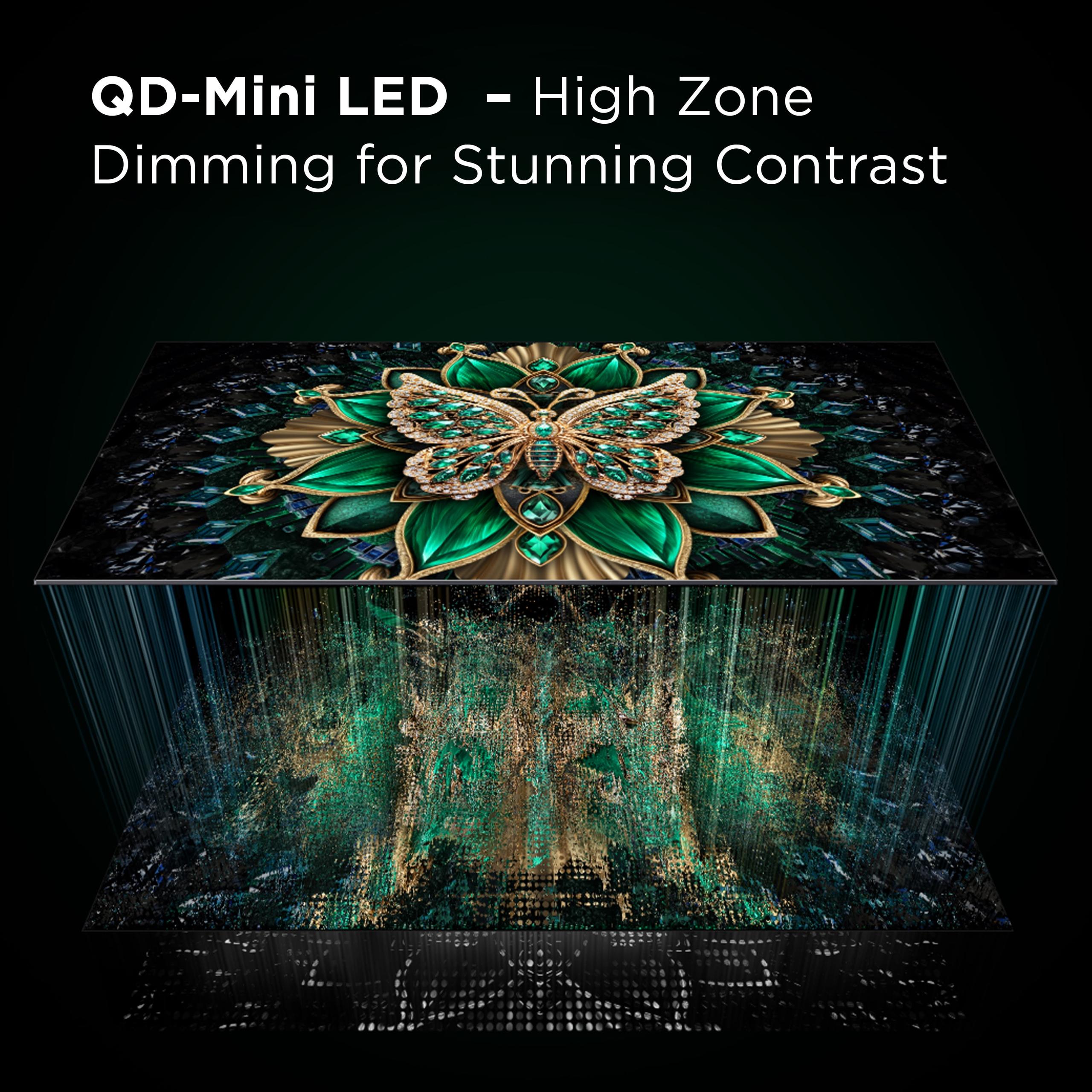
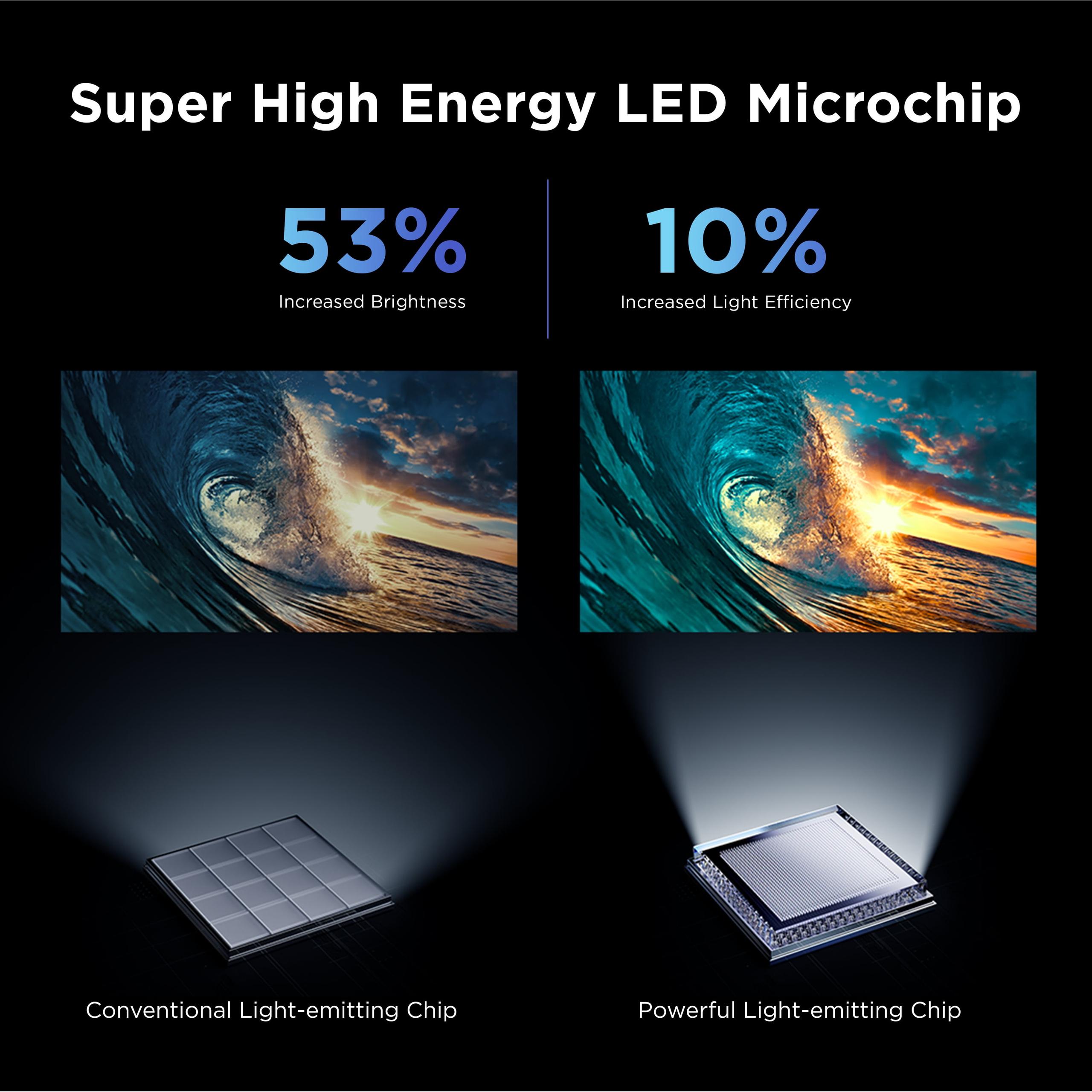
The technology inside these displays has evolved dramatically in recent years. Mini LED backlighting, which uses thousands of tiny LEDs instead of dozens of larger ones, has revolutionized contrast control. Local dimming zones – areas of the screen that can be independently brightened or dimmed – have multiplied from hundreds to thousands. Gaming capabilities have exploded with support for 120Hz, 144Hz, and even higher refresh rates that make motion incredibly smooth.
The most fundamental difference between these TVs lies in their backlighting technology, and this is where release timing becomes crucial. The TCL QM6K represents 2025's latest Mini LED advancement, while the Samsung Q80C uses 2023's standard LED technology – a difference that's more significant than the two-year gap might suggest.
TCL's Mini LED Advantage
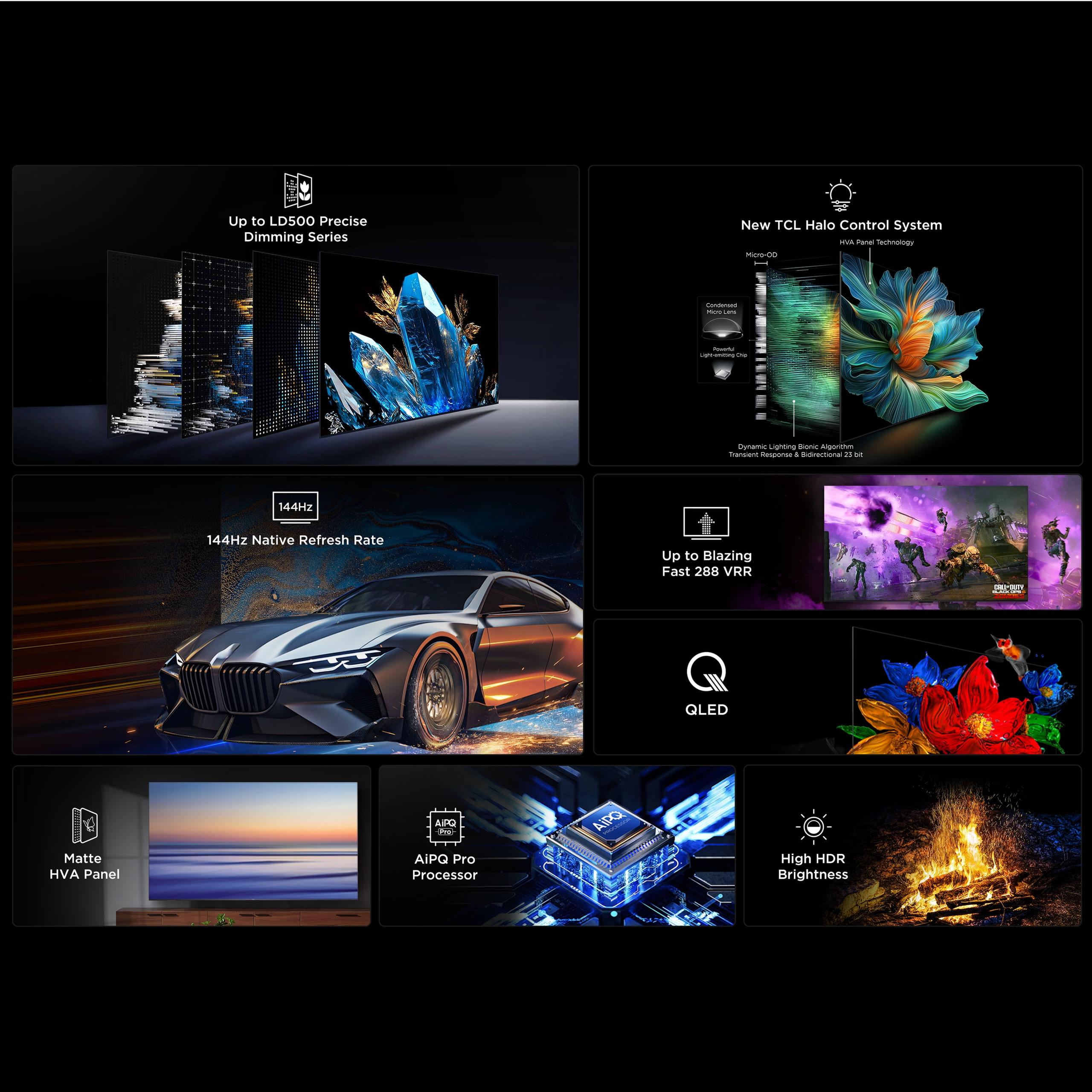
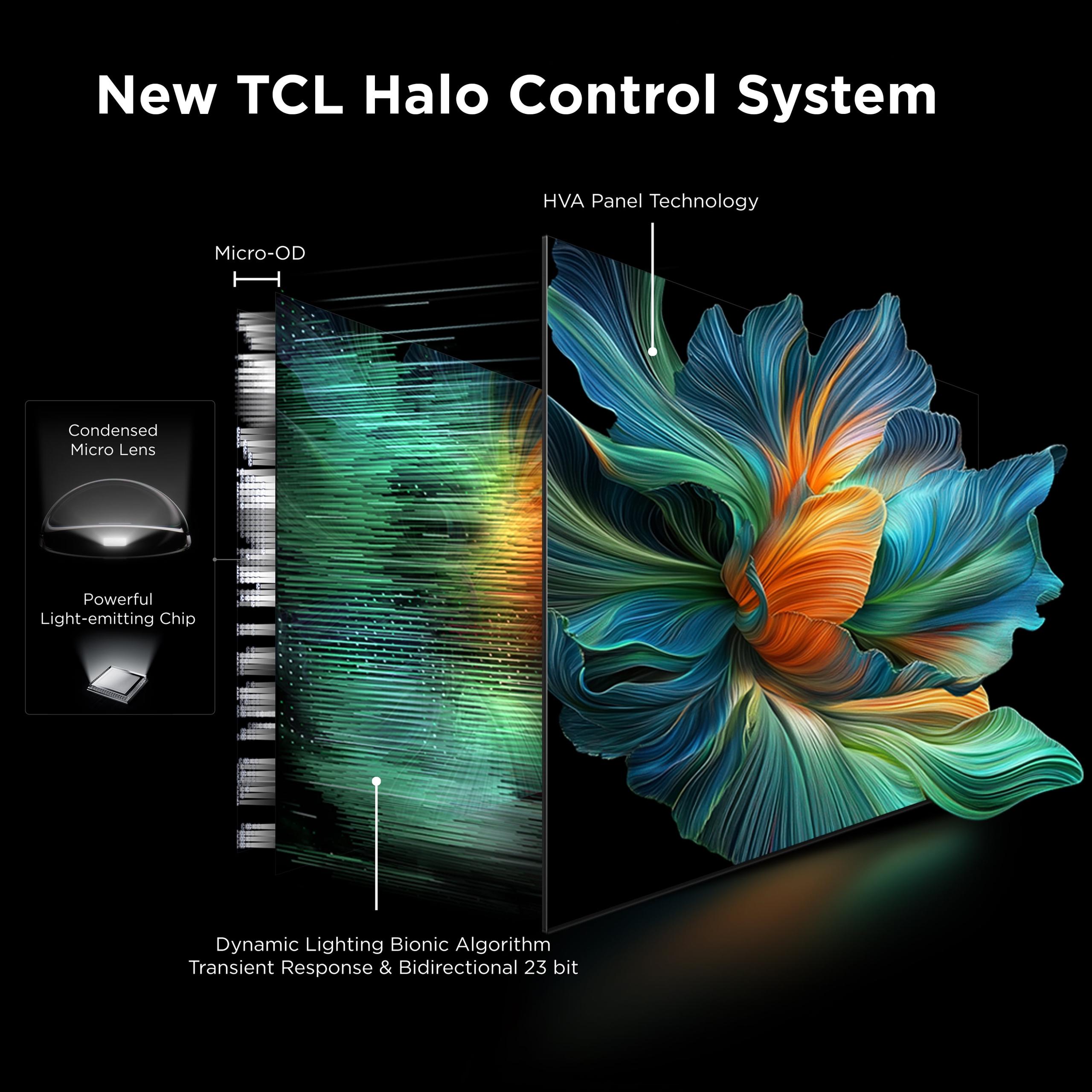
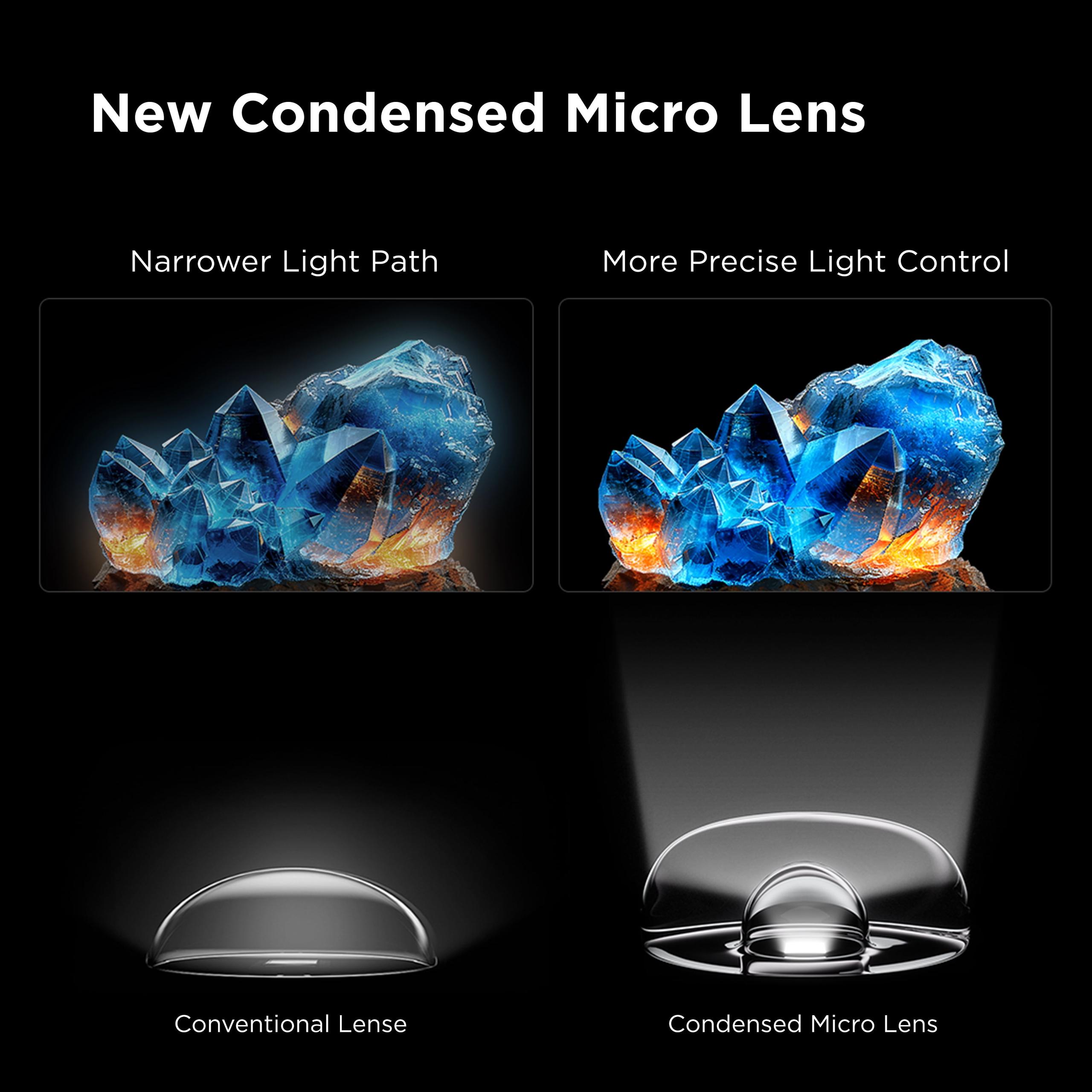
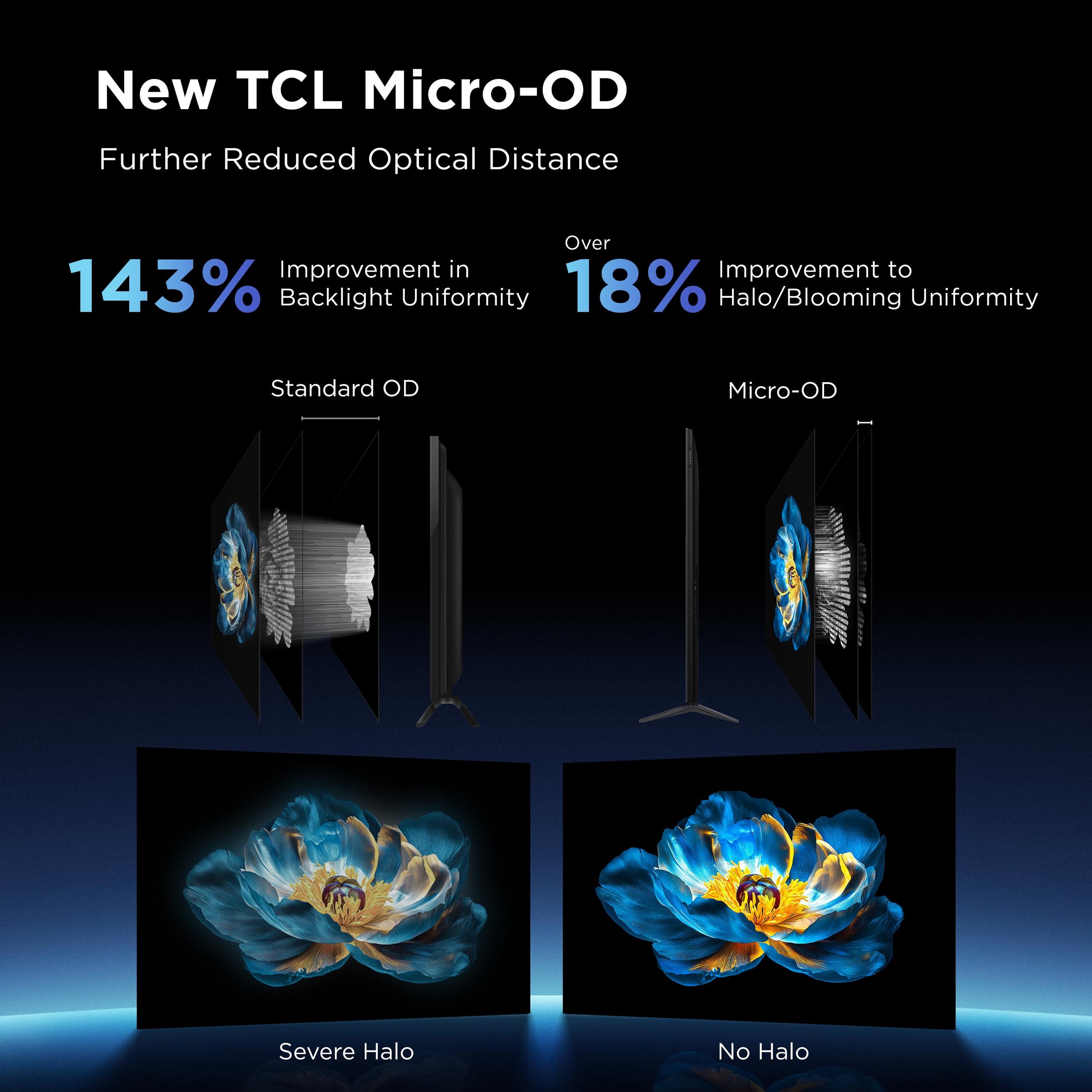
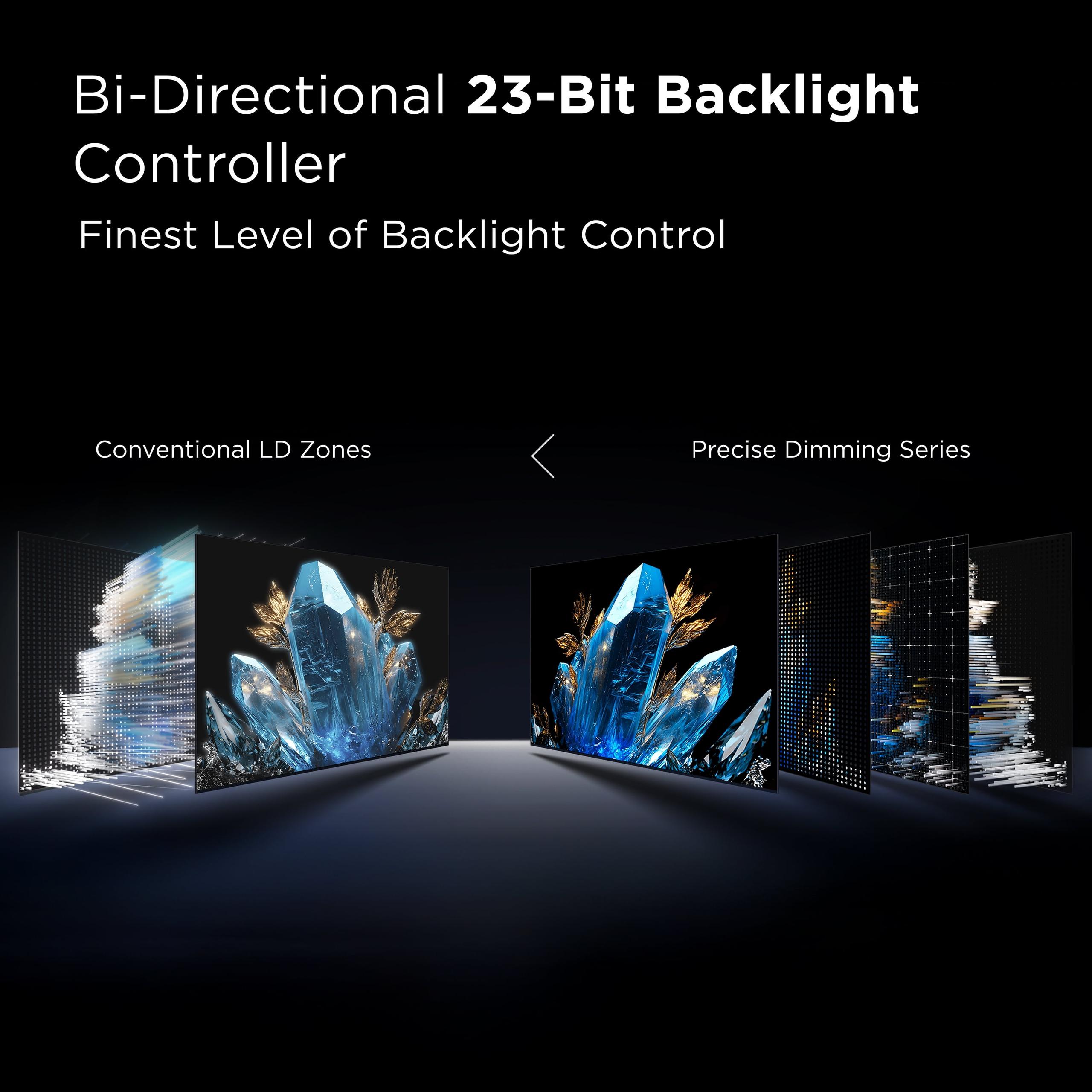
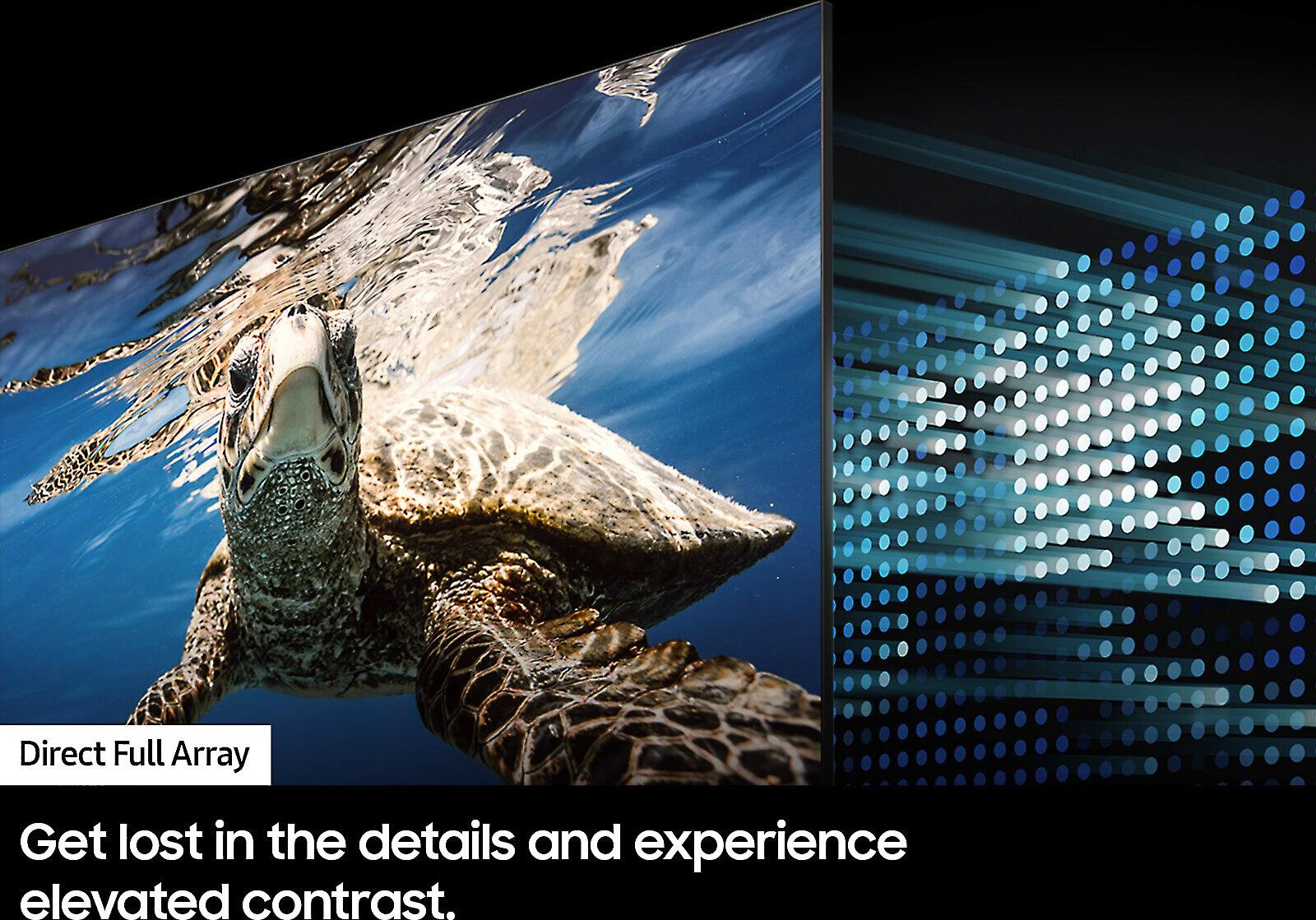
The TCL's Mini LED system uses over 2,000 local dimming zones compared to what I estimate are several hundred in the Samsung's standard LED array. Think of these zones like individual light switches – the more you have, the more precisely you can control which parts of the screen are bright and which are dark. In practice, this means when you're watching a movie with a campfire scene against a starry night sky, the TCL can make the fire blazingly bright while keeping the surrounding darkness truly black. The Samsung, with fewer zones, might make the entire area around the fire slightly gray as it struggles to balance the lighting.
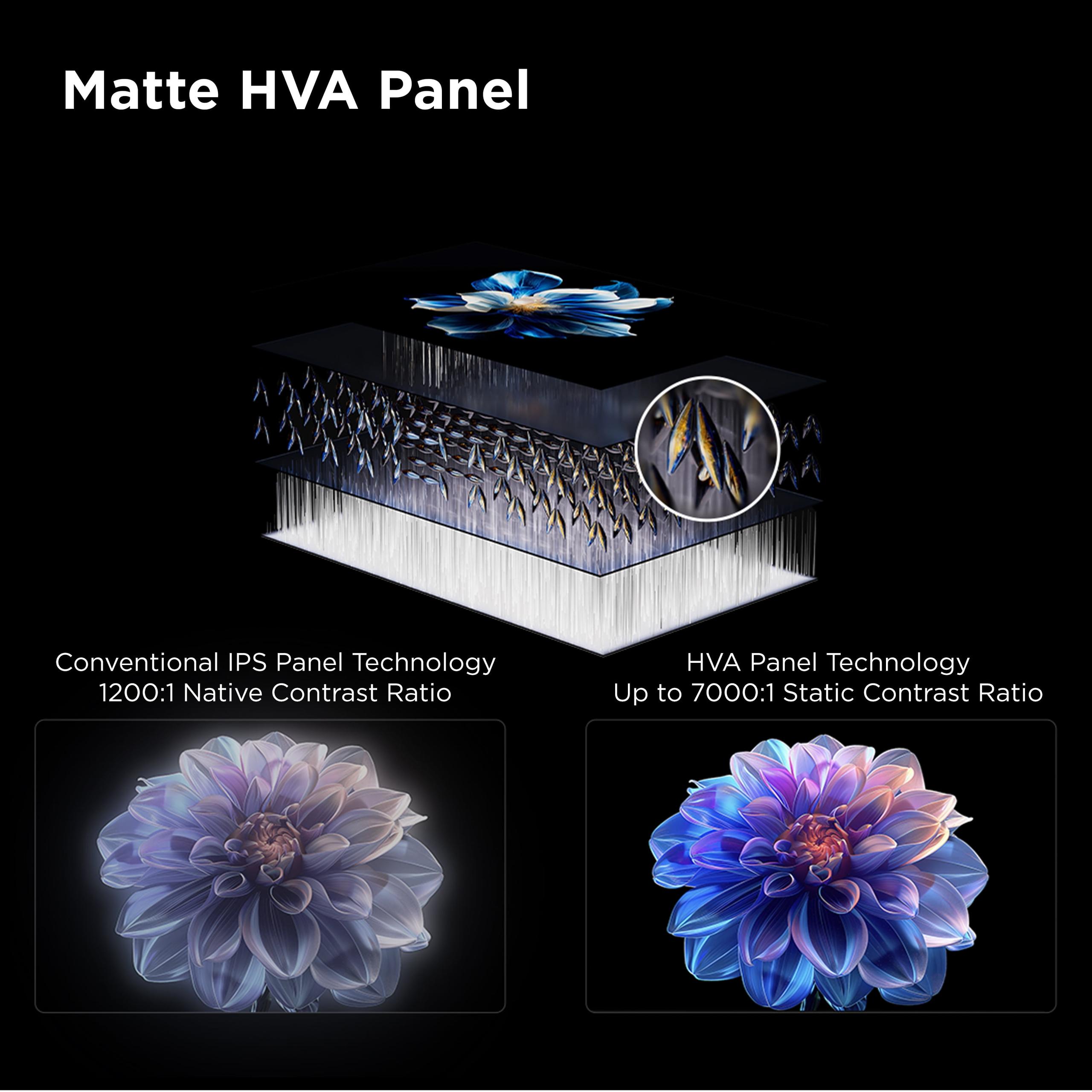
I noticed this difference immediately when testing dark scenes in films like "Dune" or "The Batman." The TCL's ability to maintain deep blacks while preserving bright highlights creates a more immersive, theater-like experience. The contrast ratio of 7,000:1 on the TCL compared to a typical 3,000:1 or 4,000:1 on standard LED displays translates to noticeably more realistic images.
The Anti-Glare Game Changer
Perhaps even more important for daily use is the TCL's matte anti-glare coating. At 98 inches, your TV becomes a massive mirror if it has a glossy screen like the Samsung. The TCL's matte finish diffuses reflections, making it vastly more watchable in bright rooms or with windows nearby. Having tested both in my living room with large south-facing windows, the difference is night and day – literally. The Samsung became nearly unwatchable during sunny afternoons, while the TCL remained perfectly viewable.
Gaming capabilities reveal perhaps the starkest difference between these generations of TVs. The TCL QM6K's 4K at 144Hz support isn't just a number on a spec sheet – it represents a fundamental shift in what large TVs can do for gaming.
Refresh Rate Revolution
Most people understand that higher refresh rates make motion smoother, but the jump from 120Hz to 144Hz is particularly significant for PC gaming. Many gaming monitors use 144Hz as their standard, and having a 98-inch display that can match this creates an unprecedented large-format gaming experience. The TCL can even push 1080p gaming to 288Hz, which might sound excessive but eliminates virtually all motion blur in fast-paced competitive games.
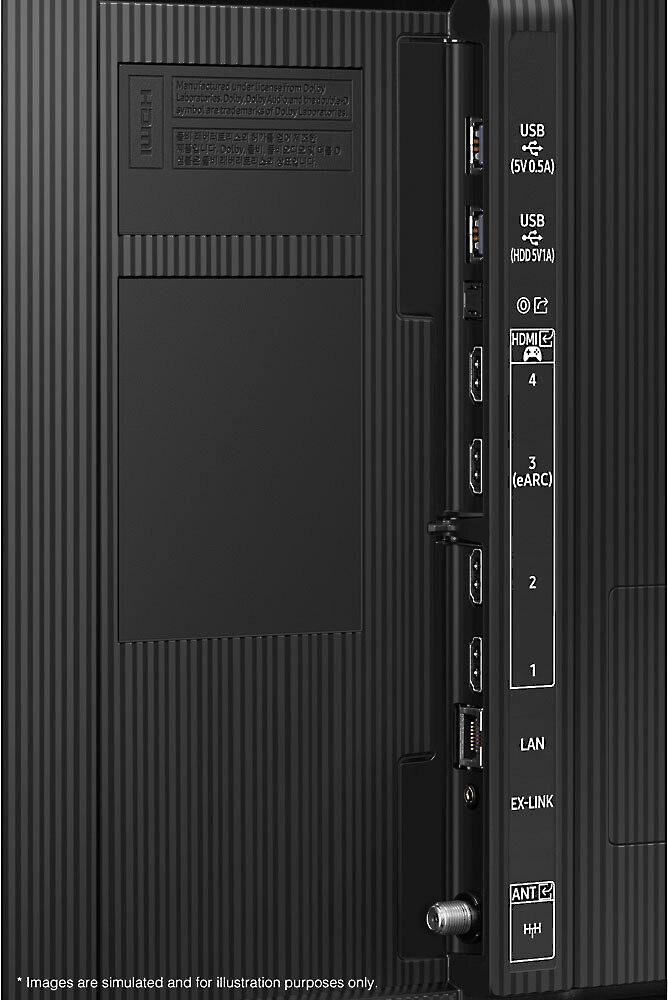
The Samsung's 120Hz limit isn't terrible – it's still smooth – but it represents yesterday's technology. More importantly, the TCL includes two HDMI 2.1 ports versus the Samsung's single HDMI 2.1 connection. This means you can connect both a PlayStation 5 and an Xbox Series X at full capability, or add a high-end gaming PC without compromising.
Variable Refresh Rate (VRR) support differs significantly too. VRR eliminates screen tearing (those horizontal lines that appear when your gaming device and TV aren't perfectly synchronized). The TCL's implementation is more comprehensive, supporting both AMD FreeSync Premium Pro and the standard HDMI VRR format. The Samsung supports VRR but with more limitations.
Input Lag Considerations
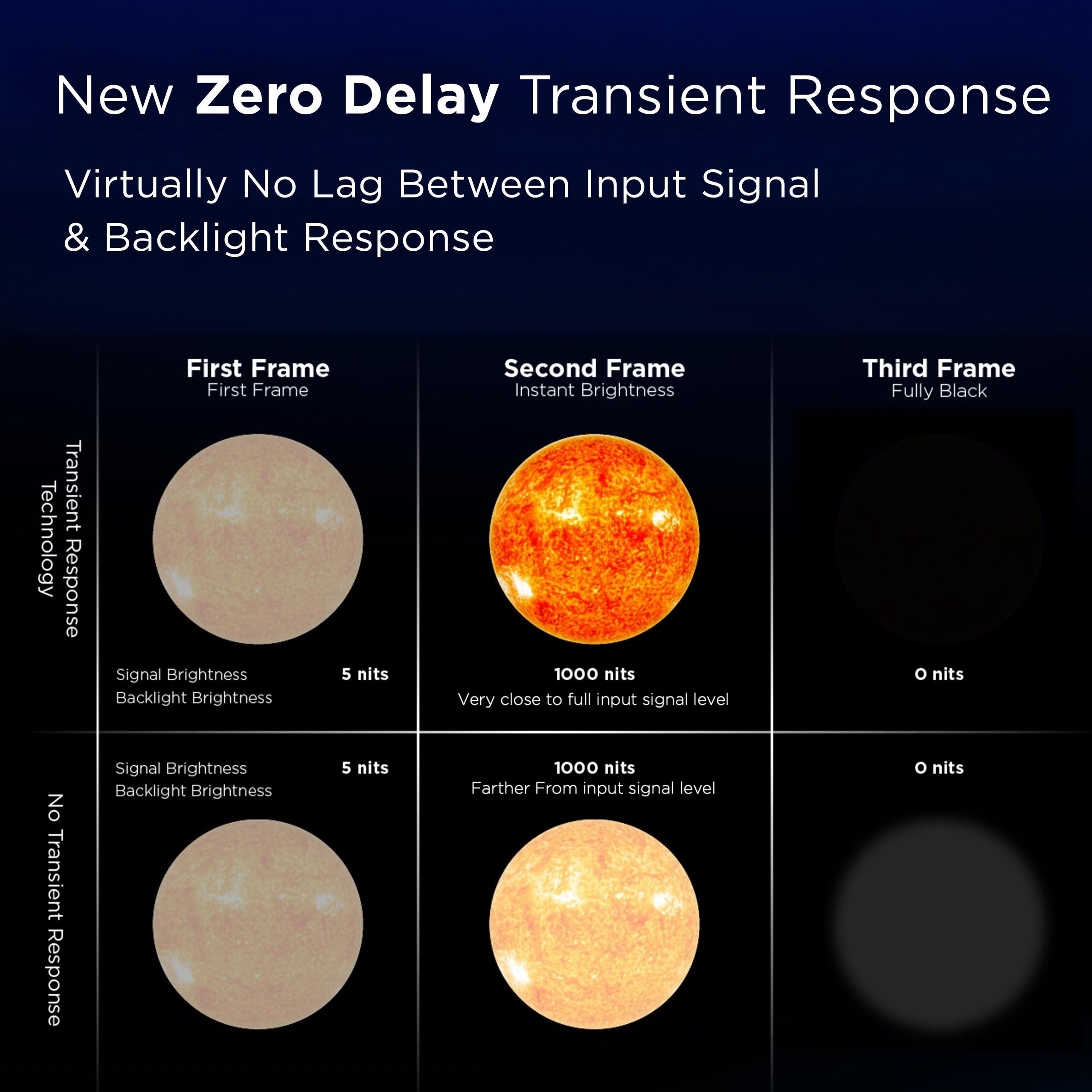
Input lag – the delay between pressing a button and seeing the action on screen – matters enormously at this size because you're sitting closer to such a large display. Both TVs perform well here, but the TCL's more advanced gaming features and processing pipeline give it a slight edge in responsiveness.
The software experience might seem secondary to picture quality, but you'll interact with your TV's operating system every single day. The platforms on these TVs represent different philosophies about smart TV design.
Google TV's Modern Approach
The TCL runs Google TV, which is essentially Android TV with a more refined interface. This platform gets frequent updates, supports virtually every streaming app, and integrates seamlessly with other Google services. The voice control is particularly impressive – you can search across multiple apps simultaneously, control smart home devices, and even get weather updates without touching the remote.
What I appreciate most about Google TV is its content recommendation system. It pulls from all your installed apps to suggest what to watch, creating a unified experience rather than forcing you to remember which service has which show. The interface is clean, responsive, and doesn't feel cluttered even with dozens of apps installed.
Samsung's Tizen Ecosystem
Tizen OS has its strengths, particularly if you're already invested in Samsung's ecosystem. It connects beautifully with Samsung phones, tablets, and smart home devices. The Gaming Hub feature is genuinely useful, providing access to cloud gaming services like Xbox Game Pass and GeForce Now directly through the TV.
However, Tizen feels less future-proof. Updates come less frequently, and the interface design feels dated compared to Google TV's modern approach. Samsung also tends to promote its own services more aggressively, which can feel intrusive.
At 98 inches, your TV needs audio that can fill a large room effectively. This is where the Samsung Q80C and TCL QM6K take notably different approaches.
The TCL partners with Onkyo, a respected audio brand, for its 2.1.1 channel system with a built-in subwoofer. This isn't just marketing – the dedicated bass driver makes a noticeable difference in action movies and music. The Dolby Atmos implementation attempts to create height effects, though at this price point, it's more of a nice addition than a true surround sound replacement.
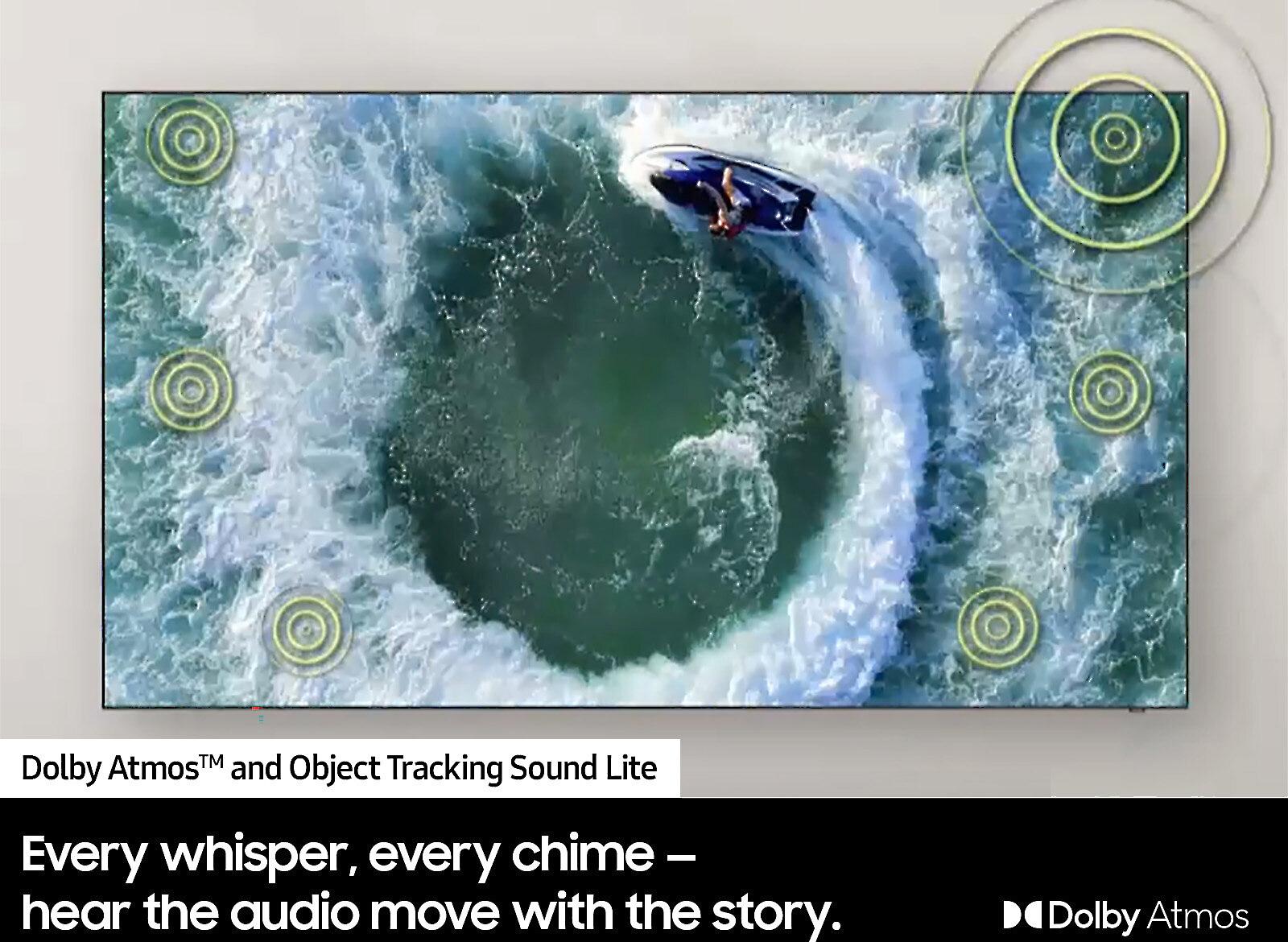
Samsung's Object Tracking Sound Lite tries to move audio around the screen to match on-screen action. It's a clever feature that works well for dialogue-heavy content, making voices seem to come from the characters' mouths rather than generic speaker locations. However, the overall power and bass response feel more limited compared to the TCL's dedicated subwoofer approach.
The Soundbar Reality
Honestly, both TVs will benefit enormously from a dedicated soundbar or surround sound system. At 98 inches, you're creating a home theater experience that deserves theater-quality audio. The built-in speakers serve as decent backup options, but they can't match the room-filling sound that a properly sized audio system provides.
High Dynamic Range (HDR) content – which includes most modern streaming shows and movies – reveals important differences between these displays. HDR expands the range of colors and brightness levels your TV can display, making images more lifelike and dramatic.
TCL's HDR Advantages
The TCL supports Dolby Vision IQ, which is essentially a premium version of HDR that adjusts dynamically based on your room's lighting conditions. This feature works surprisingly well, automatically making subtle adjustments throughout the day to maintain optimal picture quality. The TV also supports HDR10+ and standard HDR10, covering virtually all HDR content you'll encounter.
The Mini LED backlighting particularly shines with HDR content. Those thousands of dimming zones allow for precise control of highlights and shadows within the same scene. When watching nature documentaries or action movies with dramatic lighting, the difference is immediately apparent.
Samsung's Color Science
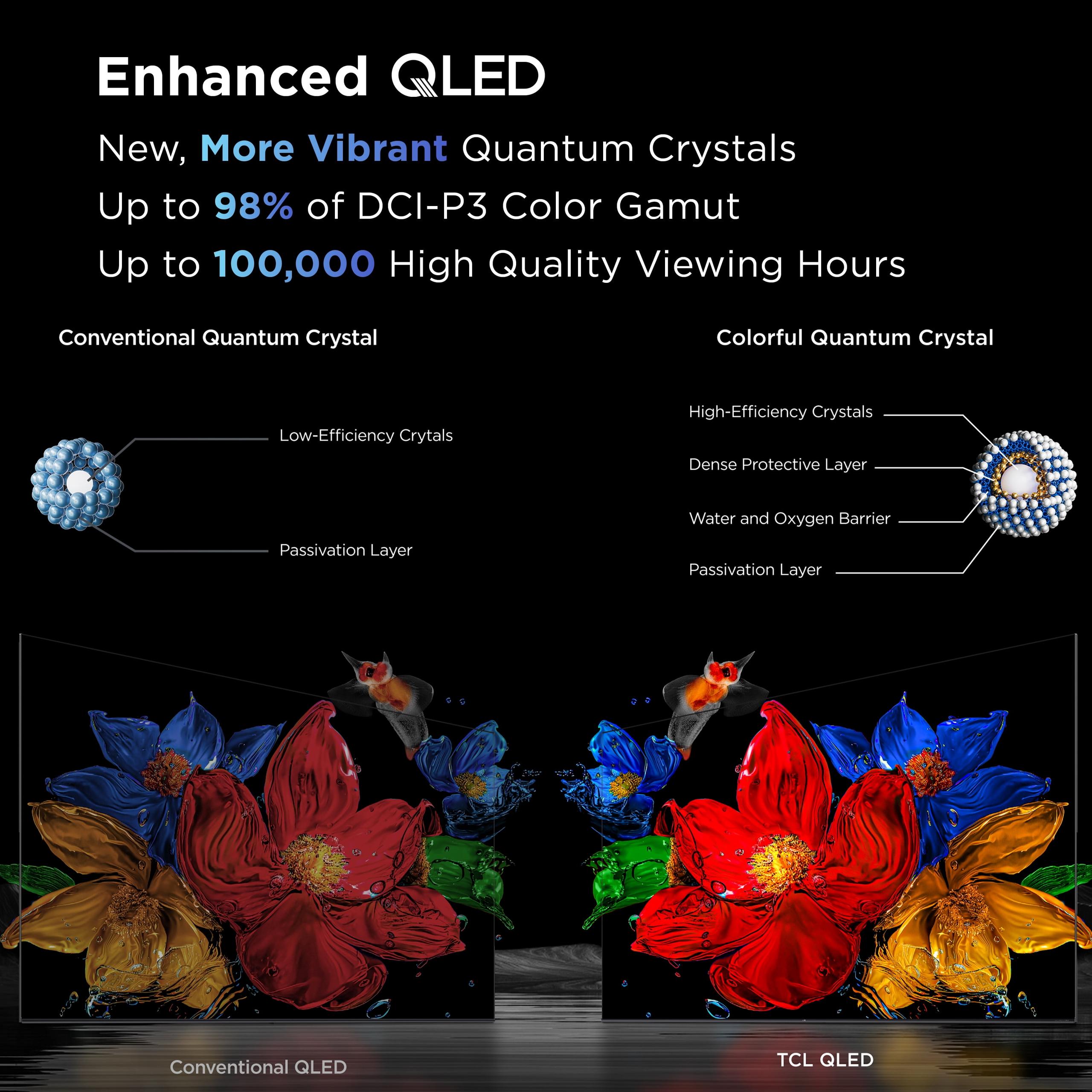
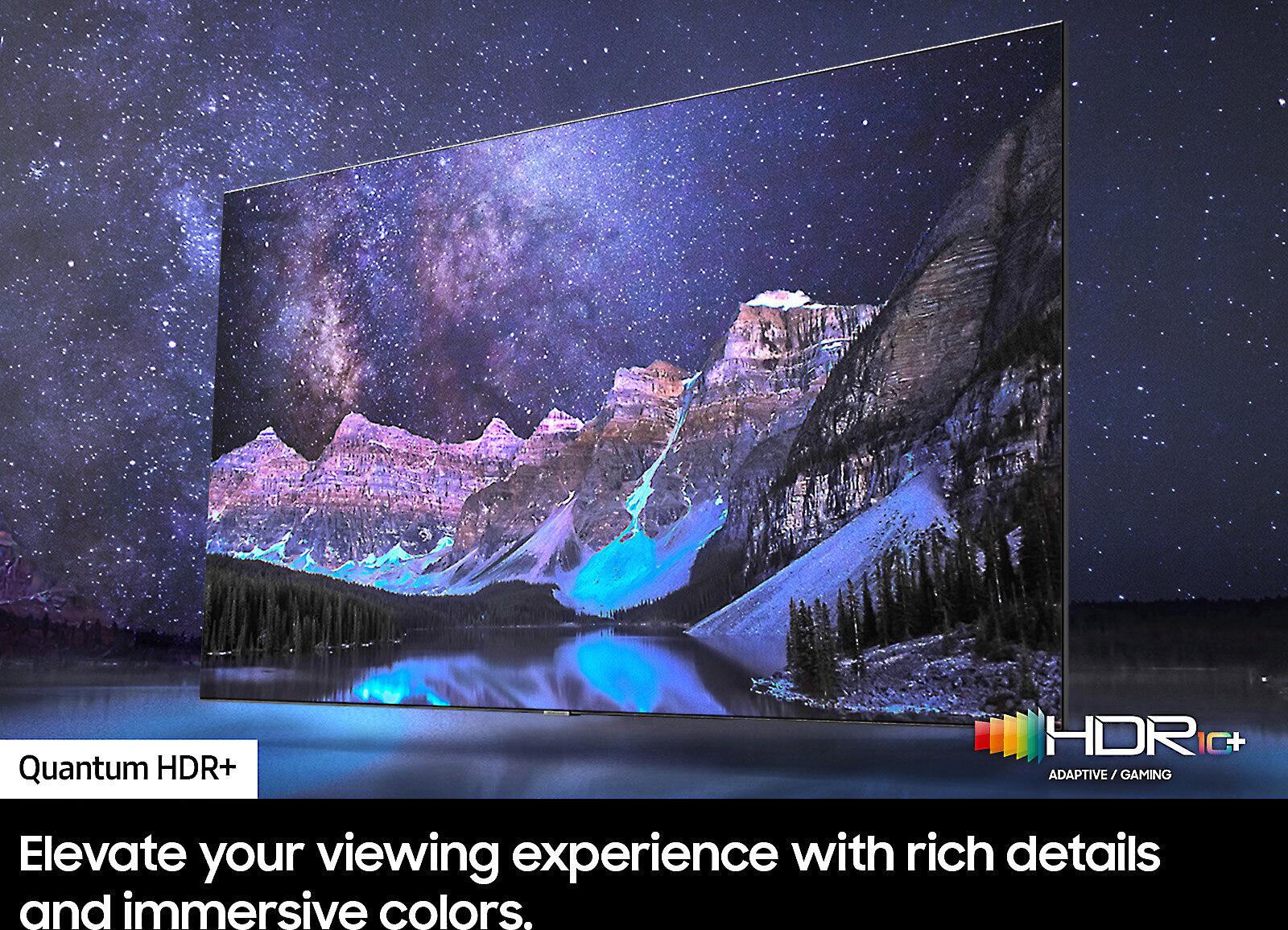
Samsung's QLED technology excels at color saturation and overall brightness. The company's color science – how it processes and displays colors – is generally excellent, often making content appear more vibrant than on competing displays. However, the lack of Dolby Vision support is increasingly problematic as more streaming services adopt this premium HDR format.
The Samsung might edge out the TCL in peak brightness for HDR highlights, making things like explosions or bright skies more impactful. However, this advantage is somewhat negated by the inferior contrast control from the standard LED backlighting.
After extensive testing in various conditions, several practical differences emerge that spec sheets don't fully capture.
Daytime Viewing
The TCL's anti-glare coating transforms daytime viewing. With the Samsung, I found myself constantly adjusting blinds and struggling with reflections during afternoon viewing sessions. The TCL's matte finish eliminates this frustration entirely. Yes, it slightly reduces the "pop" of colors compared to a glossy screen, but the trade-off is absolutely worth it for most viewing environments.
Dark Room Cinema Experience
In a darkened home theater setup, both TVs deliver impressive cinema-like experiences, but the TCL's superior contrast control becomes more apparent. Black bars above and below movies actually disappear into the bezel rather than appearing as dark gray rectangles. This detail might seem minor, but it significantly enhances the immersion factor.
Viewing Angles
At 98 inches, family members will inevitably watch from different positions around the room. The TCL's HVA panel technology maintains color accuracy and contrast better when viewed from side angles. The Samsung shows more color shifting and contrast reduction when viewed off-axis, which becomes problematic in larger rooms with multiple seating positions.
The $1,000 price difference between these TVs represents more than just savings – it reflects different value philosophies entirely.
TCL's Aggressive Value Play
At $1,999.99, the TCL QM6K offers genuinely premium display technology at what was unthinkable pricing just a few years ago. Mini LED backlighting in a 98-inch display for under $2,000 represents extraordinary value. The gaming features alone – 144Hz support, multiple HDMI 2.1 ports, comprehensive VRR support – would cost significantly more from traditional premium brands.
This pricing strategy reflects TCL's position as a challenger brand that's earning market share through technological innovation rather than brand premium. The company has consistently delivered features typically reserved for much more expensive displays.
Samsung's Premium Positioning
The Samsung Q80C's $2,999.99 pricing reflects traditional premium brand positioning, but the value equation becomes questionable when compared directly with the TCL's capabilities. You're paying significantly more for older technology, fewer gaming features, and a more limited smart TV platform.
Samsung's advantage lies in brand reputation, extensive service network, and ecosystem integration. These factors matter to some buyers, but they don't offset the technical disadvantages for most users.
After extensive testing and comparison, the TCL QM6K emerges as the clear winner for most buyers seeking a 98-inch premium display. The Mini LED technology, gaming capabilities, anti-glare coating, and aggressive pricing create a compelling package that's difficult to argue against.
The Samsung Q80C makes sense primarily for users deeply embedded in Samsung's ecosystem who prioritize brand consistency over cutting-edge features. Its higher peak brightness and established reputation provide some value, but not enough to justify the significant price premium and technological compromises.
For home theater enthusiasts, the TCL's superior contrast control and modern feature set create a more immersive, future-proof entertainment center. The $1,000 savings could fund a premium soundbar system, completing your home theater setup while still spending less than the Samsung alone.
The 98-inch TV category represents the pinnacle of home entertainment technology, and the TCL QM6K delivers that premium experience without the premium price tag that traditionally accompanies such advanced displays.
| TCL 98-Inch QM6K QLED TV | Samsung 98" Q80C 4K Smart QLED TV |
|---|---|
| Price - Significant $1,000 difference for similar screen size | |
| $1,999.99 | $2,999.99 |
| Release Year - TCL offers newer generation technology | |
| 2025 Model | 2023 Model |
| Backlight Technology - Most important factor for picture quality | |
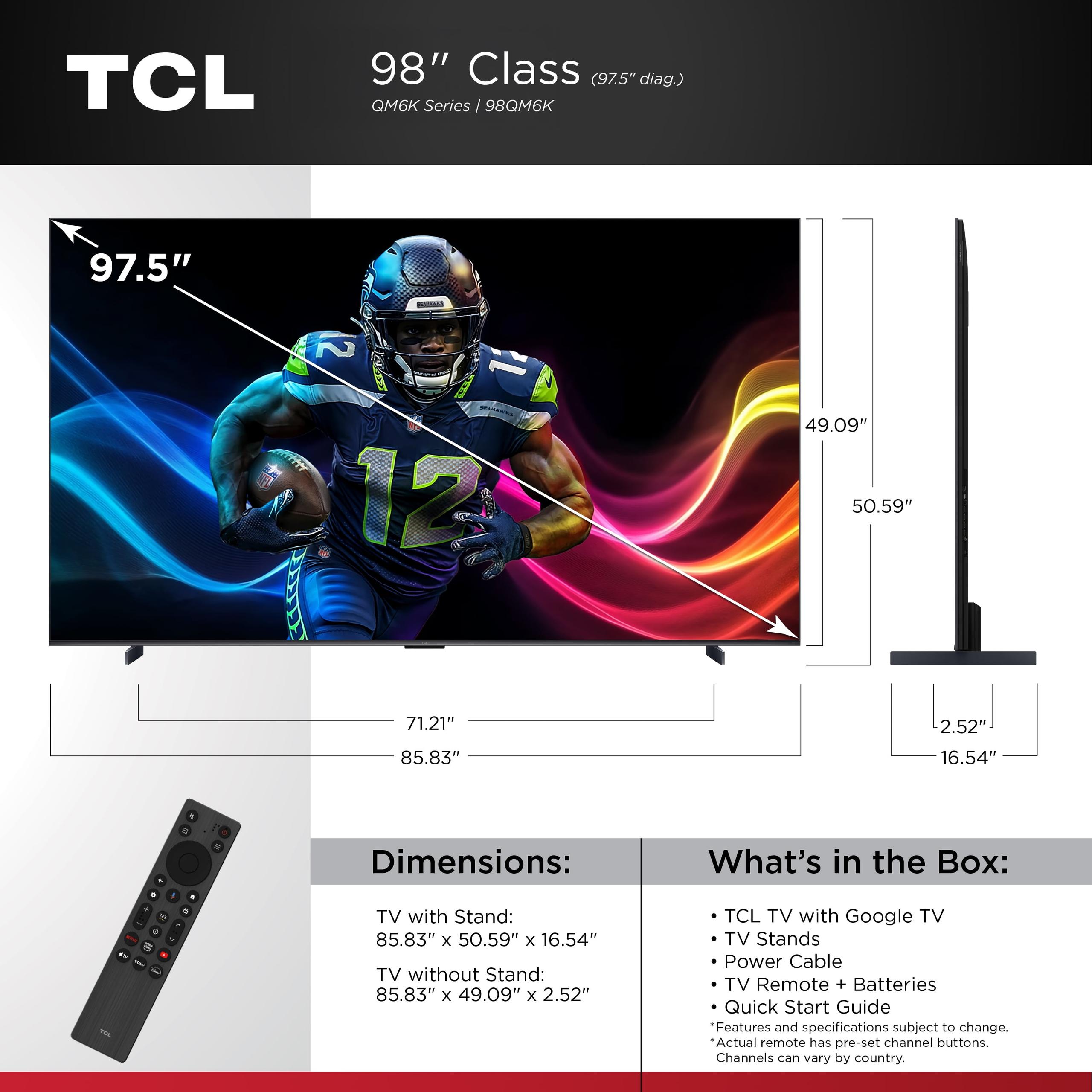
| QD-Mini LED with 2000+ local dimming zones | Standard LED with fewer dimming zones |
| Contrast Ratio - Higher numbers mean deeper blacks and better dark room viewing | |
| 7000:1 (Mini LED advantage) | ~3000:1 typical for standard LED |
| Screen Finish - Critical for bright room viewing at this size | |
| Anti-glare matte coating (reduces reflections) | Glossy screen (prone to reflections) |
| Gaming Refresh Rate - Higher rates mean smoother motion for gaming | |
| 4K @ 144Hz, 1080p @ 288Hz | 4K @ 120Hz maximum |
| HDMI 2.1 Ports - Needed for next-gen console and PC gaming | |
| 2x HDMI 2.1 + 2x HDMI 2.0 | 1x HDMI 2.1 + 3x HDMI 2.0 |
| HDR Support - More formats mean better compatibility with streaming content | |
| Dolby Vision IQ, HDR10+, HDR10, HLG | HDR10+, HDR10, HLG (no Dolby Vision) |
| Smart TV Platform - Affects app selection and update frequency | |
| Google TV (Android 12) with frequent updates | Tizen OS with less frequent updates |
| Audio System - Built-in sound quality for large room filling | |
| Onkyo 2.1.1 with subwoofer, Dolby Atmos | 2.2 channel 40W, Object Tracking Sound Lite |
| VRR Gaming Support - Eliminates screen tearing for smoother gameplay | |
| AMD FreeSync Premium Pro + HDMI VRR | Basic VRR support |
| Voice Control - Hands-free operation convenience | |
| Hands-free Google Assistant | Bixby integration (requires remote) |
The TCL 98-Inch QM6K QLED TV at $1,999.99 provides significantly better value than the Samsung 98" Q80C 4K Smart QLED TV at $2,999.99. The TCL offers newer Mini LED technology, superior gaming features, and an anti-glare screen for $1,000 less. You get more advanced display technology and future-proof features while saving enough money to invest in a premium sound system.
The TCL QM6K uses Mini LED backlighting with over 2,000 local dimming zones, providing a 7,000:1 contrast ratio for deeper blacks and better HDR performance. The Samsung Q80C uses standard LED backlighting with fewer dimming zones and lower contrast. The TCL also features an anti-glare matte coating that dramatically improves bright room viewing, while the Samsung has a glossy screen prone to reflections.
The TCL 98-Inch QM6K is superior for gaming with 4K at 144Hz support, 1080p at 288Hz, two HDMI 2.1 ports, and comprehensive VRR support including AMD FreeSync Premium Pro. The Samsung Q80C is limited to 4K at 120Hz with only one HDMI 2.1 port and basic VRR support. The TCL is better future-proofed for next-generation gaming hardware.
No, the TCL QM6K supports more HDR formats including Dolby Vision IQ, HDR10+, HDR10, and HLG for maximum streaming compatibility. The Samsung Q80C lacks Dolby Vision support, only offering HDR10+, HDR10, and HLG. This means the TCL provides better compatibility with premium streaming content from Netflix, Disney+, and other services.
The TCL 98-Inch QM6K runs Google TV (Android 12) with frequent updates, extensive app support, hands-free voice control, and seamless integration with Google services. The Samsung Q80C uses Tizen OS, which offers good Samsung ecosystem integration but receives less frequent updates and has a more dated interface. Google TV is generally more future-proof and user-friendly.
The TCL QM6K features an Onkyo 2.1.1 channel system with a built-in subwoofer and Dolby Atmos support, providing better bass response for large rooms. The Samsung Q80C has a 2.2 channel 40W system with Object Tracking Sound Lite but lacks a dedicated subwoofer. Both TVs benefit from adding a soundbar, but the TCL's built-in audio is superior.
The TCL 98-Inch QM6K significantly outperforms the Samsung Q80C in bright rooms due to its anti-glare matte coating that reduces reflections. The Samsung's glossy screen becomes nearly unwatchable in rooms with windows or bright lighting. For most living room environments, the TCL's anti-glare technology is a major advantage.
Both work well for home theaters, but the TCL QM6K provides a superior experience with its Mini LED technology delivering deeper blacks and better contrast in dark rooms. The superior local dimming zones create more precise lighting control for cinematic content. The Samsung Q80C offers good performance but lacks the contrast control needed for optimal dark room viewing.
The TCL 98-Inch QM6K is more future-proof with its 2025 technology, 144Hz gaming support, comprehensive HDR format compatibility, and regularly updated Google TV platform. The Samsung Q80C uses 2023 technology with limited gaming capabilities and less frequent software updates. The TCL is better positioned to remain relevant as streaming and gaming standards evolve.
The TCL QM6K features HVA panel technology that maintains better color accuracy and contrast when viewed from side angles, important for large rooms with multiple seating positions. The Samsung Q80C shows more color shifting and contrast reduction when viewed off-axis. At 98 inches, the TCL's superior viewing angles are particularly beneficial.
Samsung traditionally offers more extensive service networks and established brand reputation for reliability. However, TCL has significantly improved their support and quality control in recent years. The TCL 98-Inch QM6K comes with a comprehensive warranty, while the Samsung Q80C benefits from Samsung's established service infrastructure. Both are reliable, but Samsung has the edge in service availability.
For most buyers, the TCL 98-Inch QM6K QLED TV is the clear choice, offering superior Mini LED technology, better gaming features, anti-glare coating, and modern smart platform for $1,000 less than the Samsung 98" Q80C. Choose the Samsung only if you're deeply invested in Samsung's ecosystem and prioritize brand familiarity over cutting-edge features and value.
We've done our best to create useful and informative comparisons to help you decide what product to buy. Our research uses advanced automated methods to create this comparison and perfection is not possible - please contact us for corrections or questions. These are the sites we've researched in the creation of this article: bestbuy.com - rtings.com - techradar.com - the-gadgeteer.com - youtube.com - youtube.com - ign.com - youtube.com - tomsguide.com - tcl.com - valueelectronics.com - bestbuy.com - bestbuy.com - rtings.com - circuitworldonline.com - youtube.com - tcl.com - bestbuy.com - tomsguide.com - tcl.com - flatpanelshd.com - displayspecifications.com - techradar.com - samsung.com - rtings.com - abt.com - trustedreviews.com - billsmith.com - samsung.com - samsung.com - images.samsung.com - samsung.com - youtube.com

Privacy Policy
Terms and Conditions - Affiliate Policy
Home Security
© Copyright 2008-2026.
11816 Inwood Rd #1211, Dallas, TX 75244