






When you're shopping for a 98-inch TV, you're not just buying a television – you're installing the centerpiece of your entertainment system. At this massive size, every detail matters more. Colors need to be vibrant across the entire screen, motion has to stay smooth during fast action scenes, and the picture quality needs to hold up whether you're watching in a bright living room or a darkened home theater.
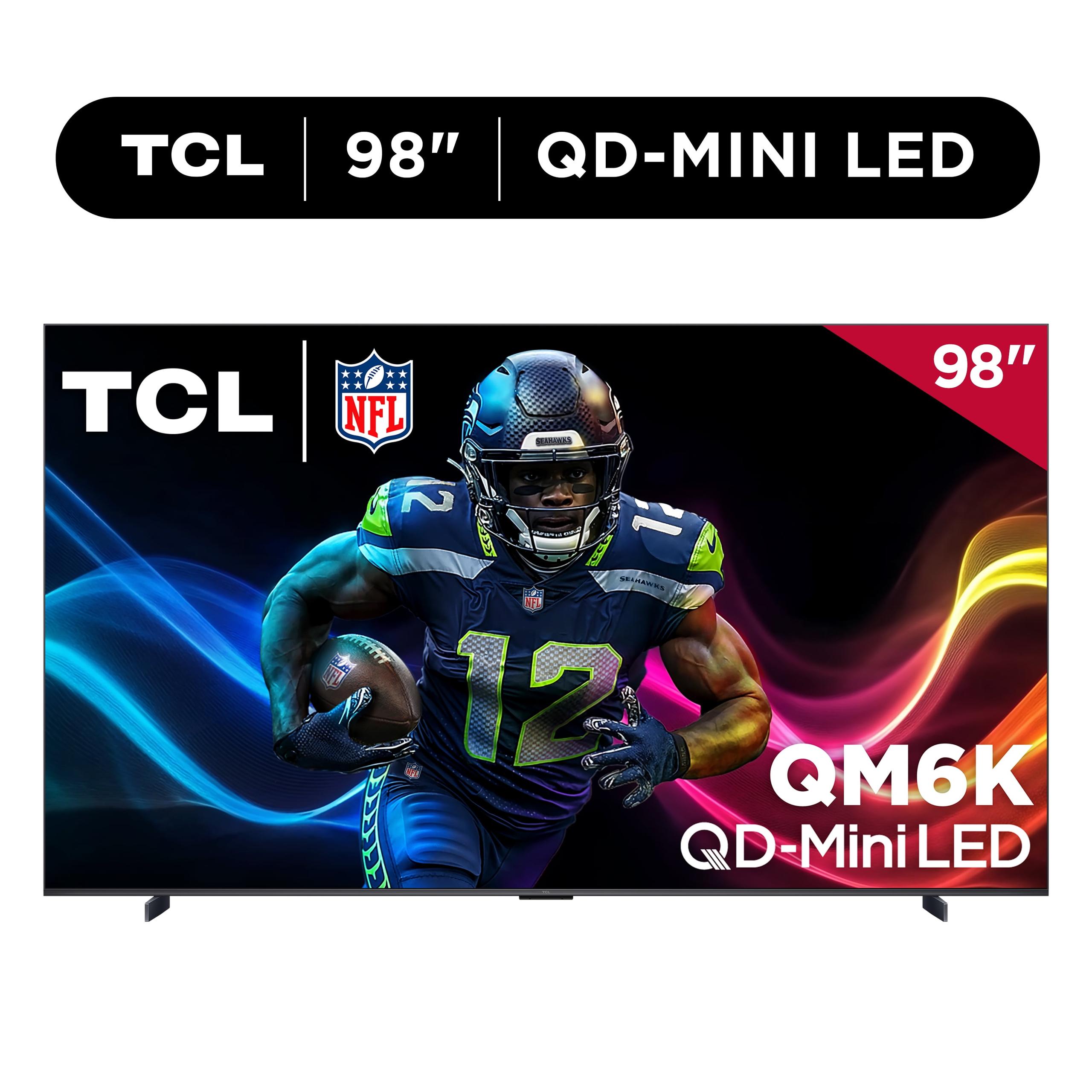
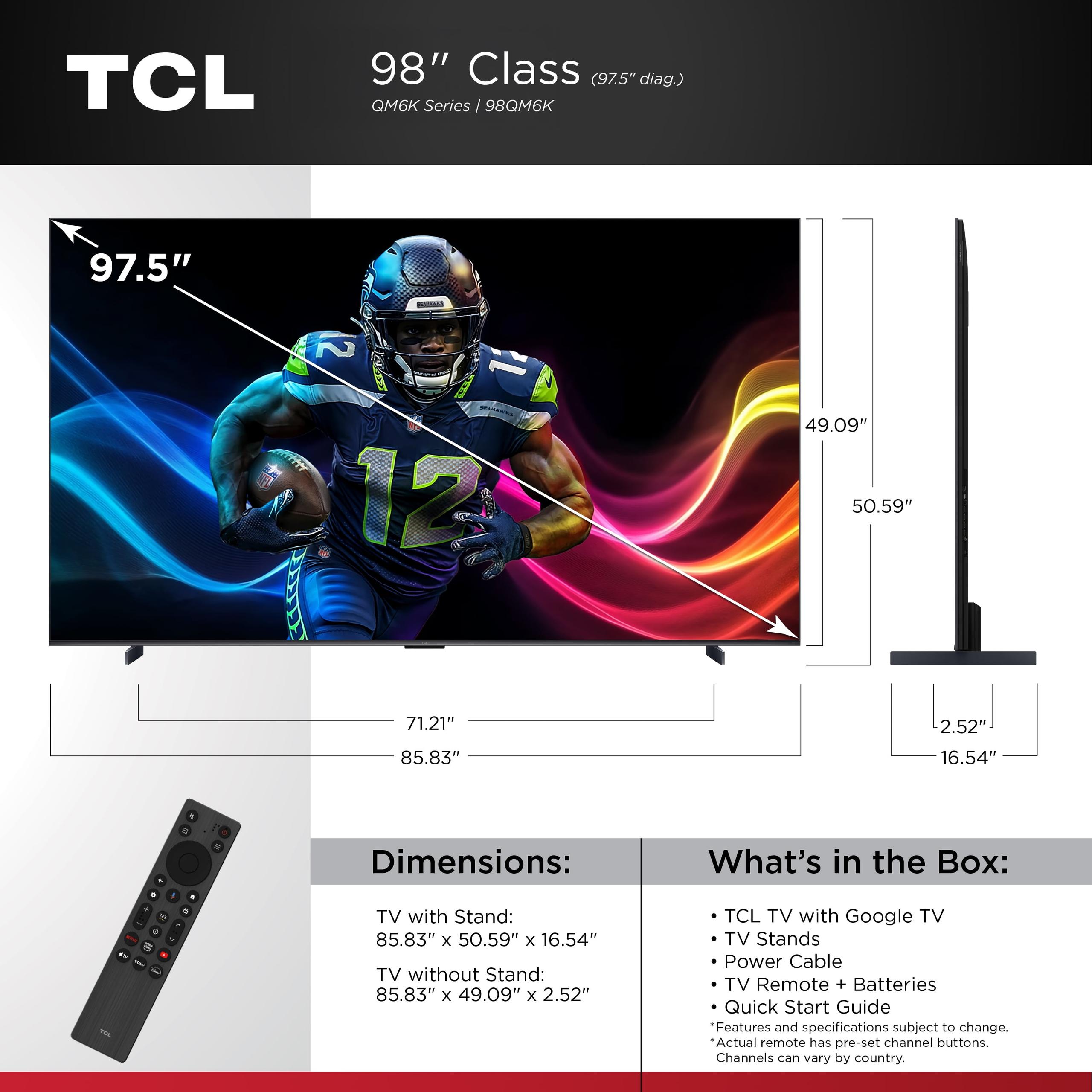
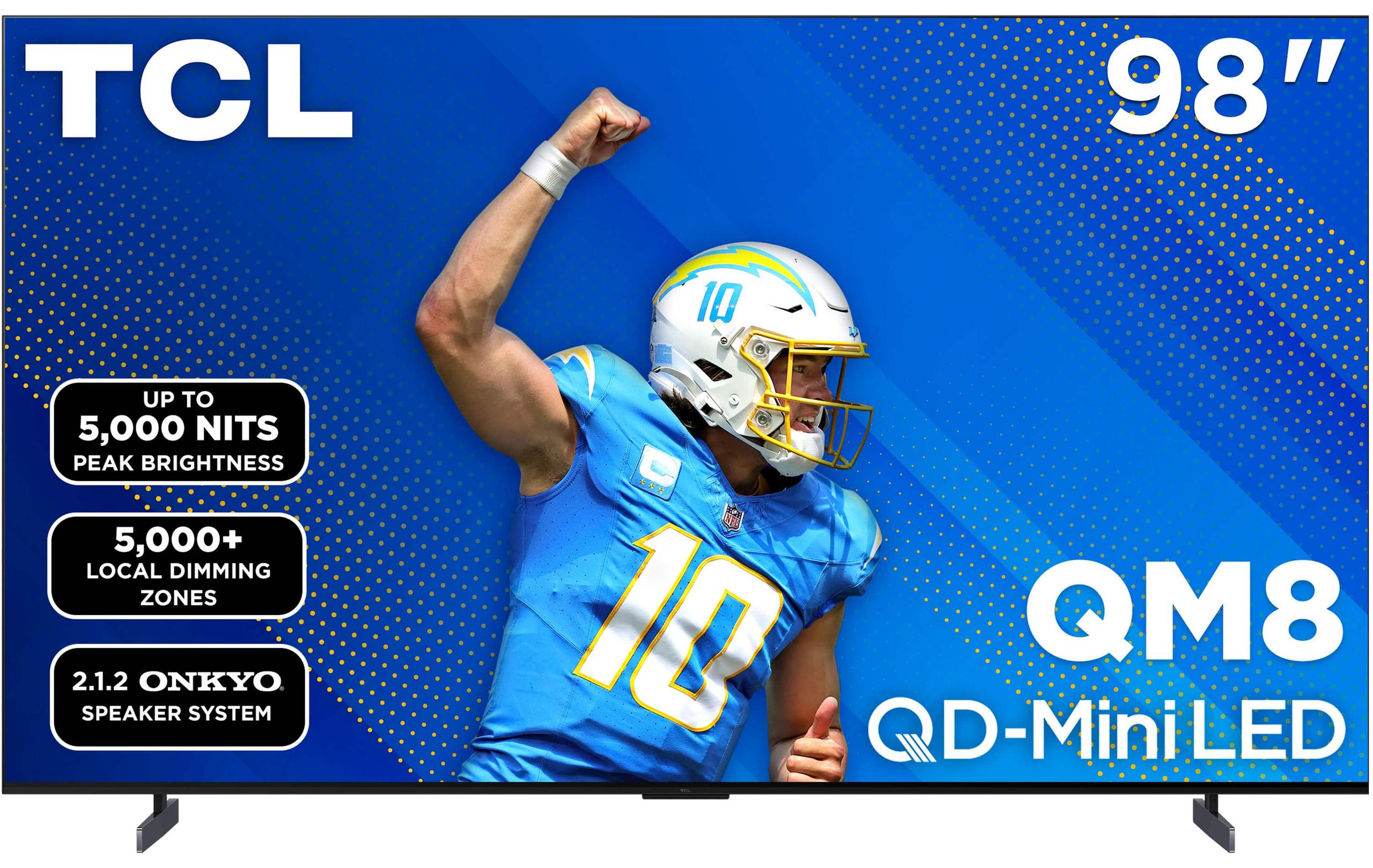
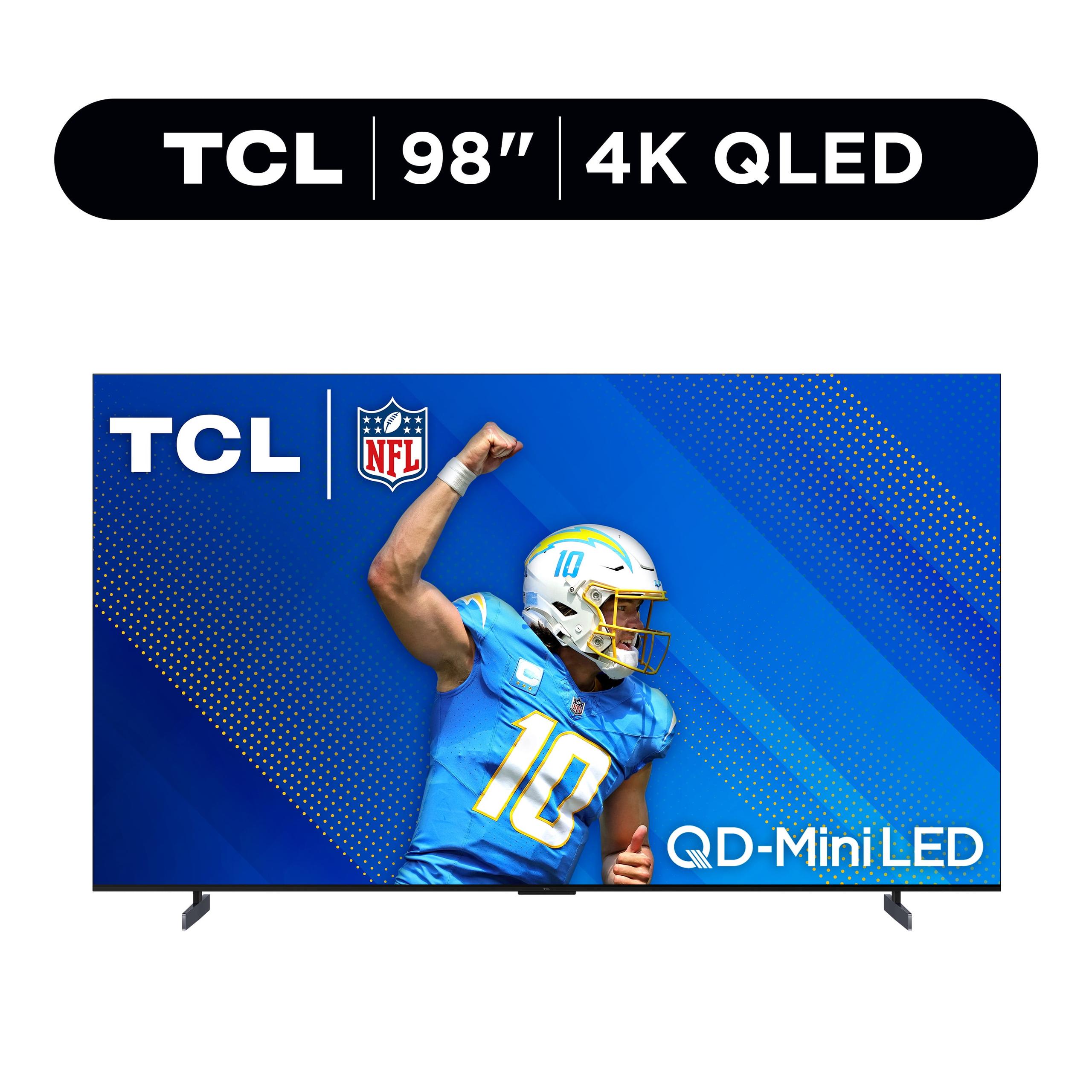
The good news is that TCL has made giant screens much more affordable than they used to be. The TCL 98-Inch QM6K QLED TV at $1,999.99 and the TCL 98" QM8 Series 4K UHD Smart Google TV at $3,999.99 both offer impressive technology, but they take different approaches to get there. Let me walk you through what makes each one special and help you figure out which might work better for your setup.
At this screen size, you're dealing with physics that smaller TVs don't have to worry about. Picture uniformity becomes crucial – you don't want one corner looking different from another. Brightness needs to be consistent across the massive panel, and viewing angles matter more because people sitting off to the side are much further from the TV's center than they would be with a 65-inch screen.
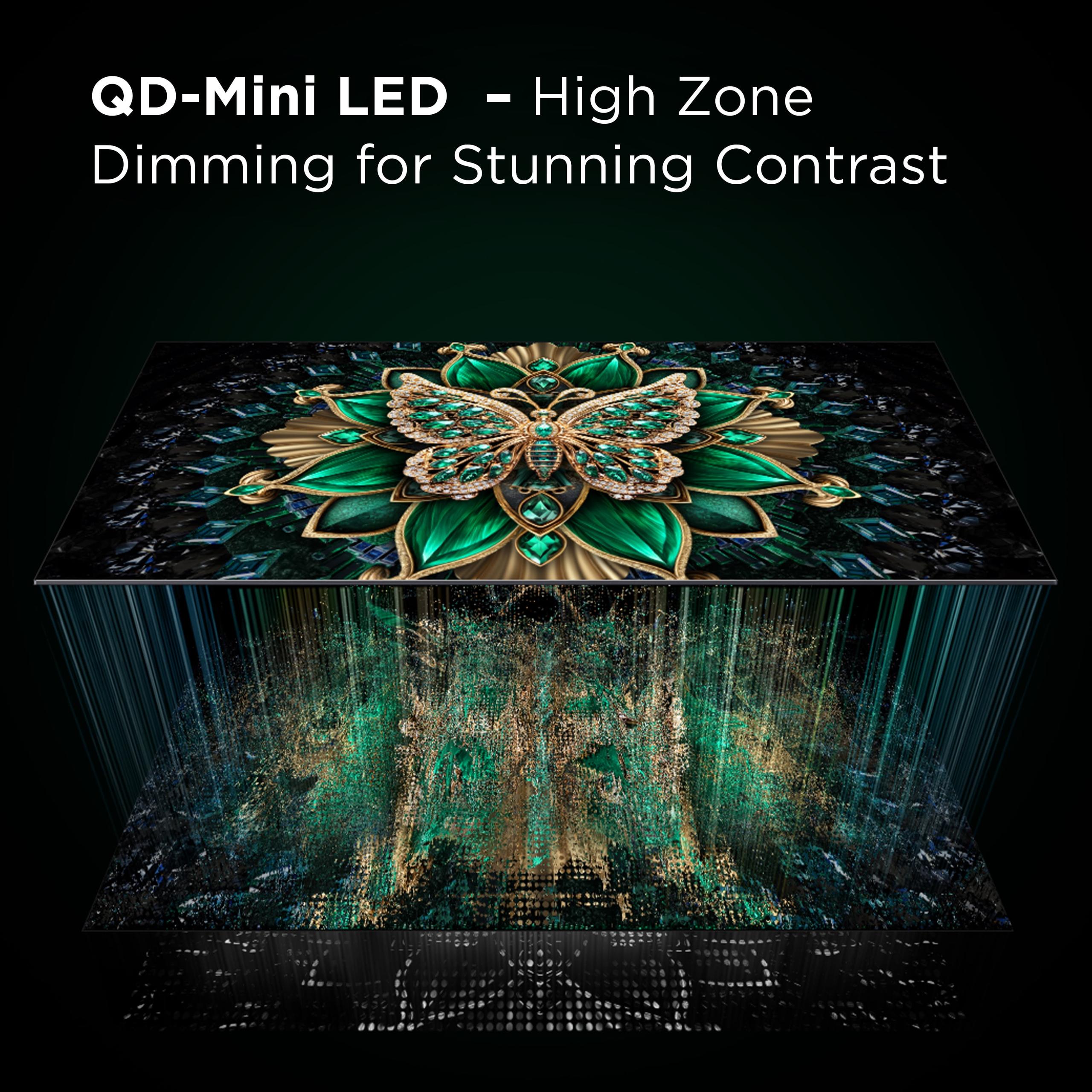
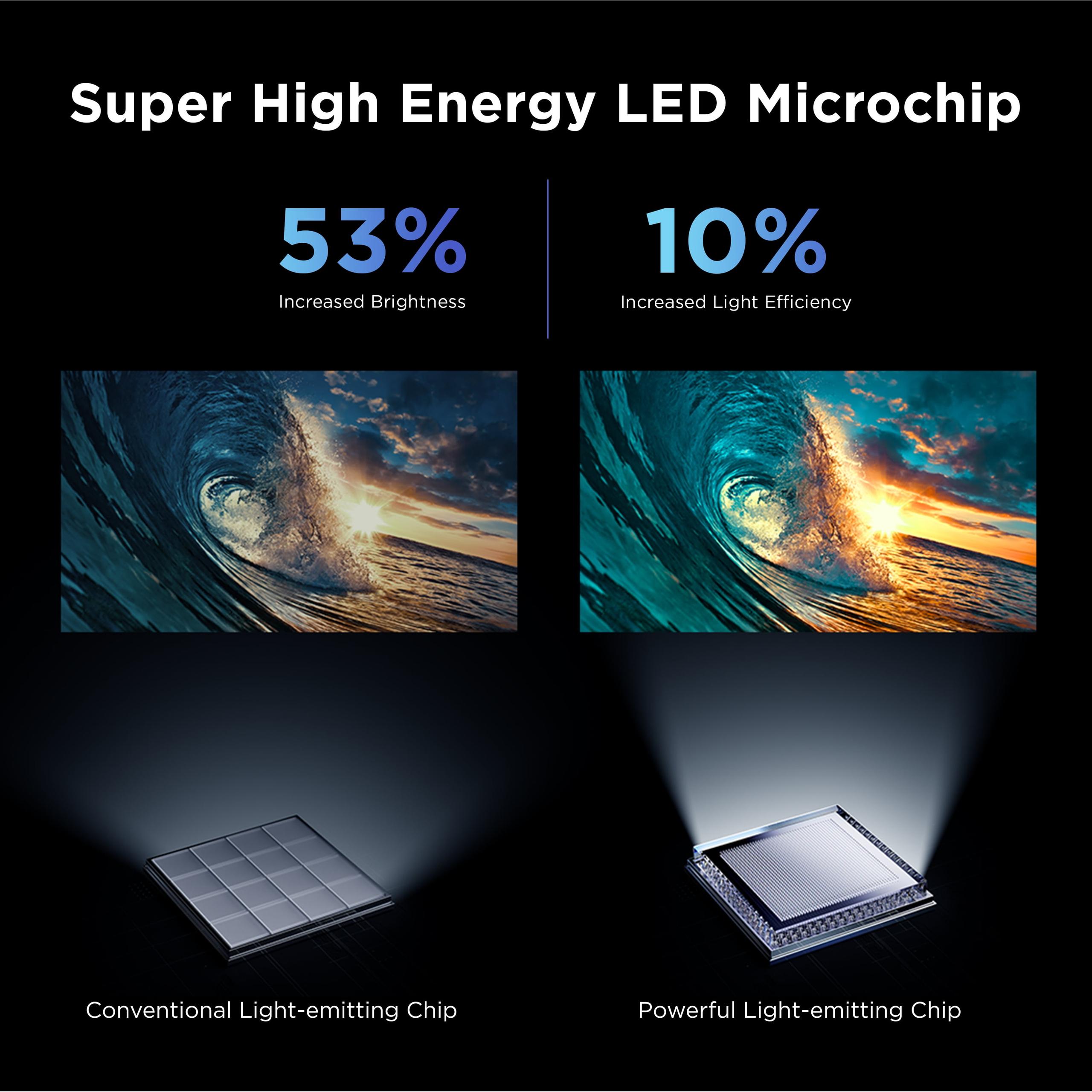
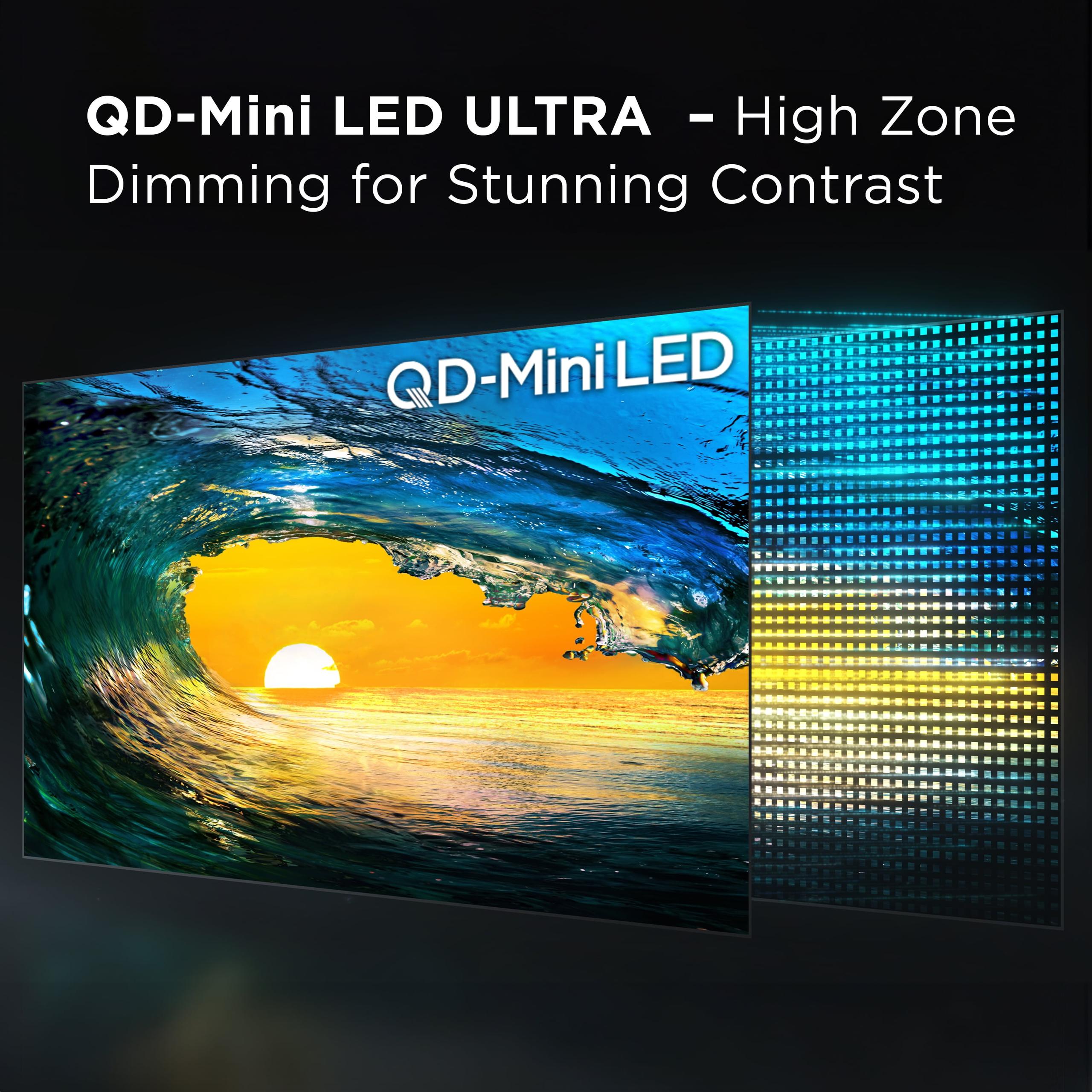
The main things to focus on are picture quality (especially HDR brightness and contrast), gaming performance if that matters to you, how well the TV handles bright rooms, and ultimately, what kind of value you're getting for your money. Both of these TCL models use mini-LED technology, which means they have thousands of tiny LED lights behind the screen that can dim independently. This creates much better contrast than regular LED TVs by making dark areas truly dark while keeping bright areas bright.
The QM6K came out in 2025 as TCL's value-focused mini-LED option. It's designed to bring premium features like 144Hz gaming and quantum dot color technology to buyers who don't want to spend flagship money. Think of it as TCL's way of democratizing features that used to cost twice as much.
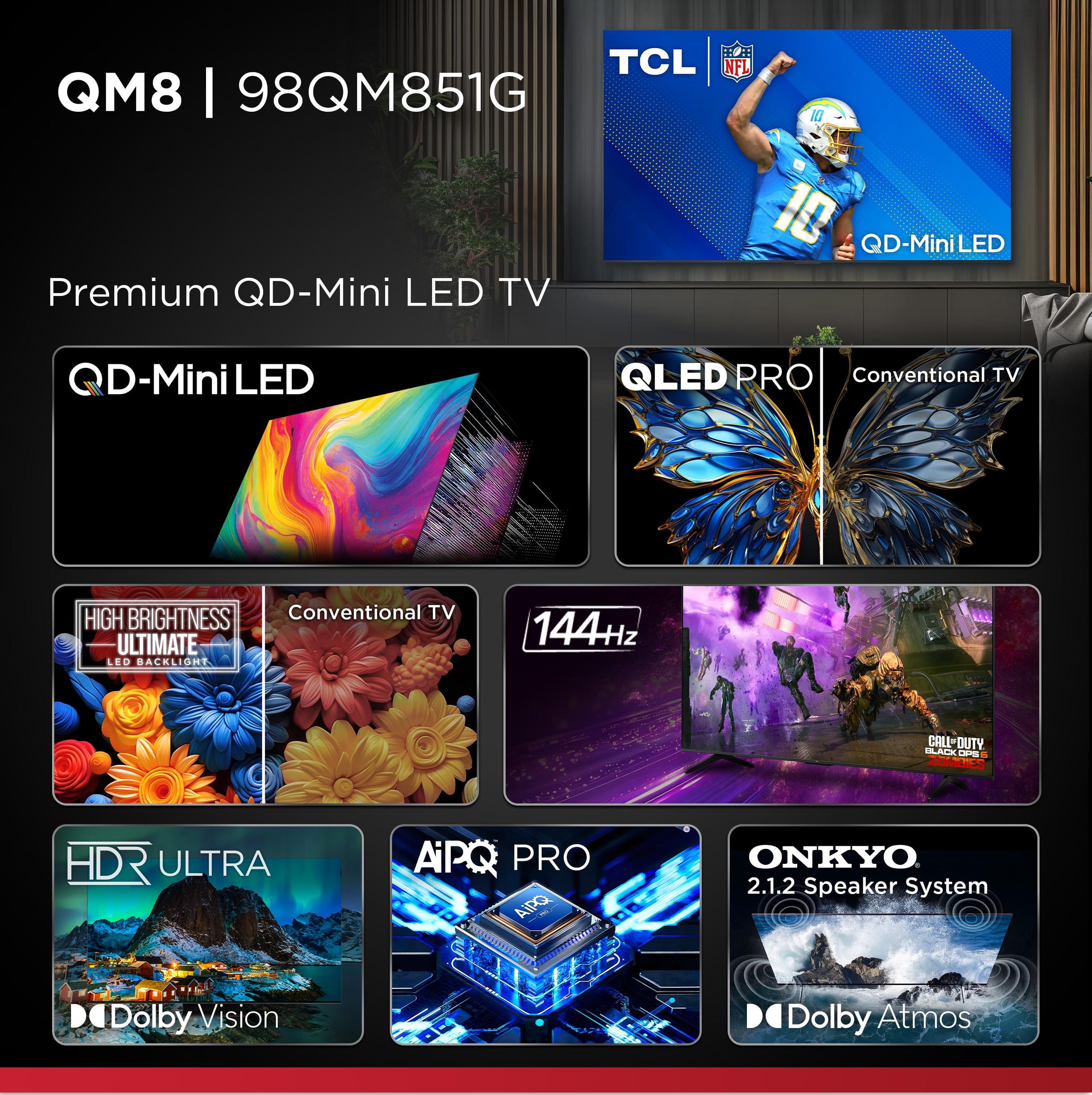
The QM8 Series represents TCL's more premium approach. While I don't have the exact release date, it follows TCL's typical pattern of using higher numbers for more advanced models. It focuses on delivering the best possible picture quality with enhanced brightness and more sophisticated local dimming.
HDR Performance and Brightness
This is probably the most significant difference between these two TVs. HDR (High Dynamic Range) is what makes modern movies and shows look more realistic by showing a wider range of brightness levels – from deep shadows to bright highlights like the sun or explosions.
The QM6K delivers what reviewers call "mediocre" HDR brightness, peaking around 900 nits. Now, that might sound bad, but it's actually decent for the price range. The problem is that at 98 inches, you really want those HDR highlights to pop. When I'm watching something like a Marvel movie with lots of bright special effects, I want those moments to feel impactful, not just slightly brighter than everything else.
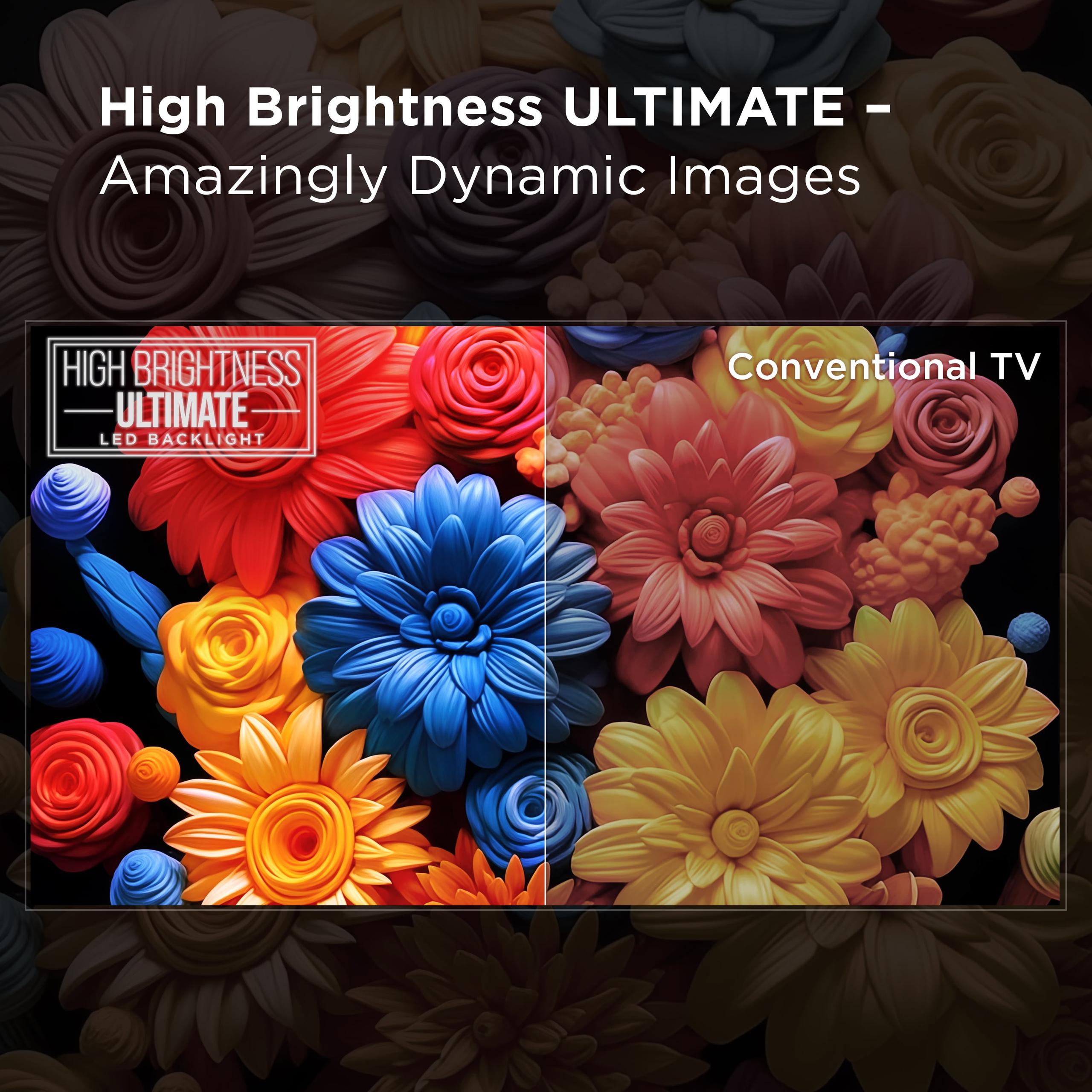
The QM8 Series pushes much higher brightness levels, likely exceeding 1,500 nits. This makes a real difference in HDR content – explosions actually look bright, sunsets have that golden glow, and the overall image has more depth and dimensionality. If you're planning to watch a lot of 4K Blu-rays or premium streaming content, this brightness advantage becomes really important.
Contrast and Black Levels
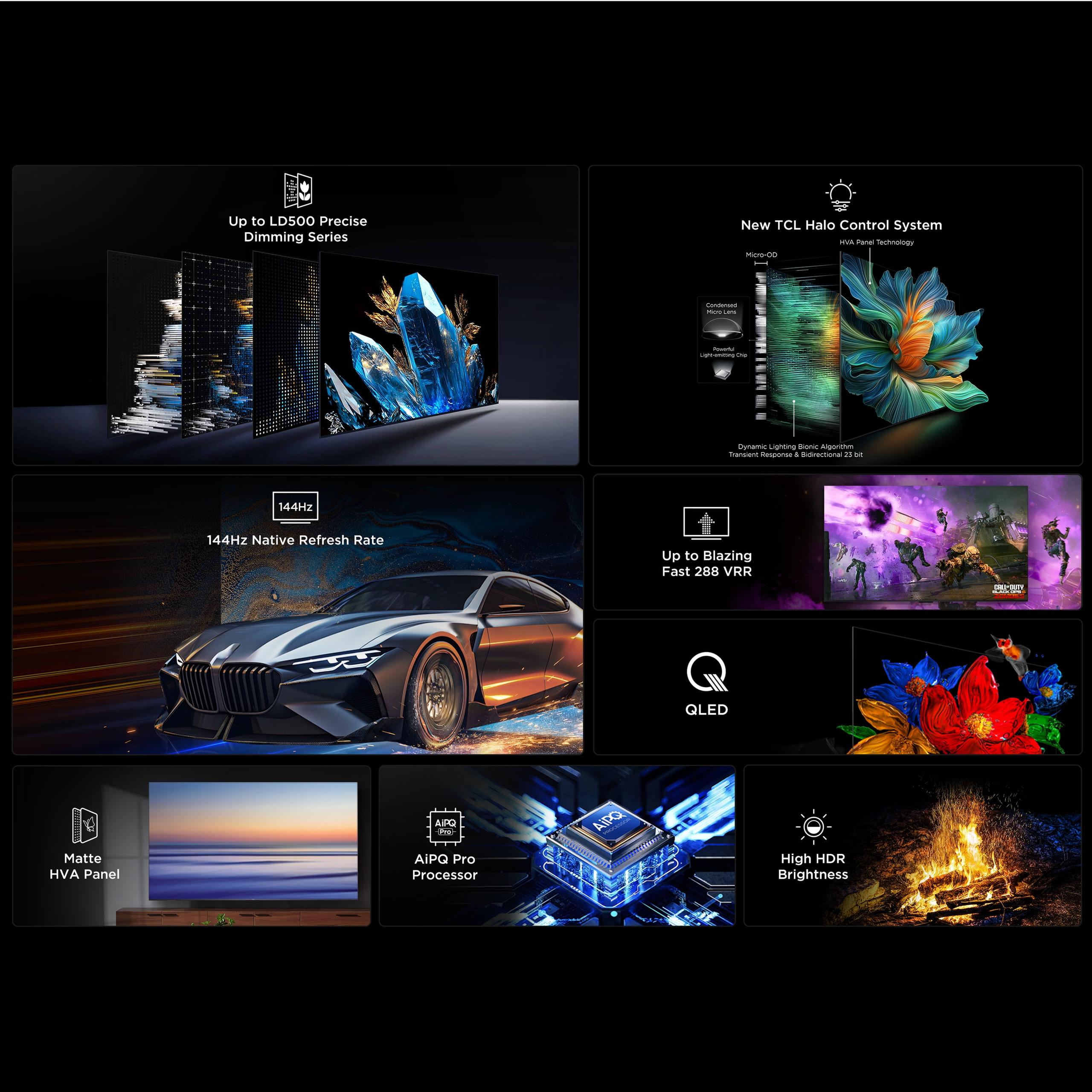
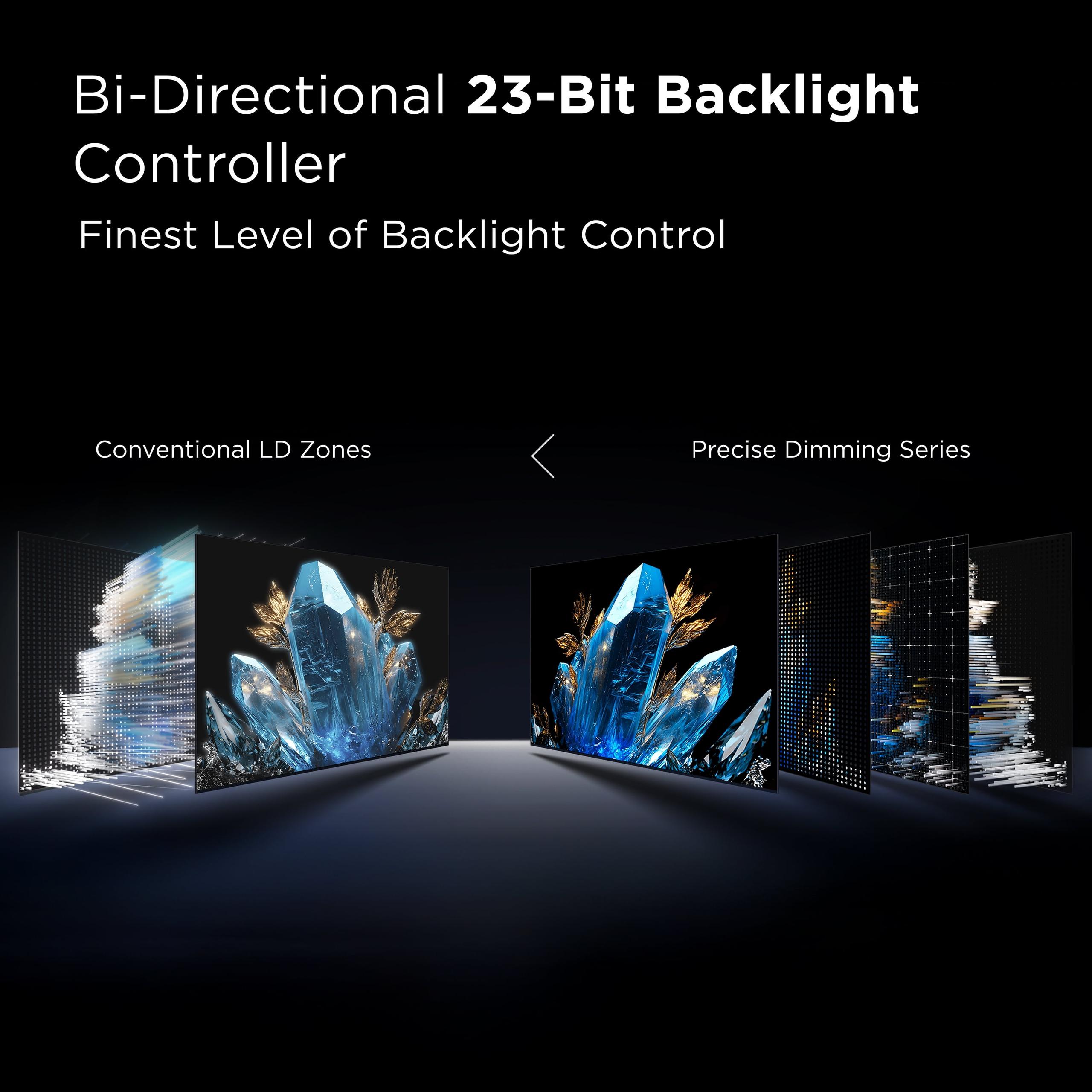
Both TVs use mini-LED backlighting, but they implement it differently. The QM6K has hundreds of dimming zones (TCL calls it "LD500 Precise Dimming"), while the QM8 likely has significantly more. These zones are like individual dimmers for different parts of the screen – the more you have, the more precisely you can control brightness.
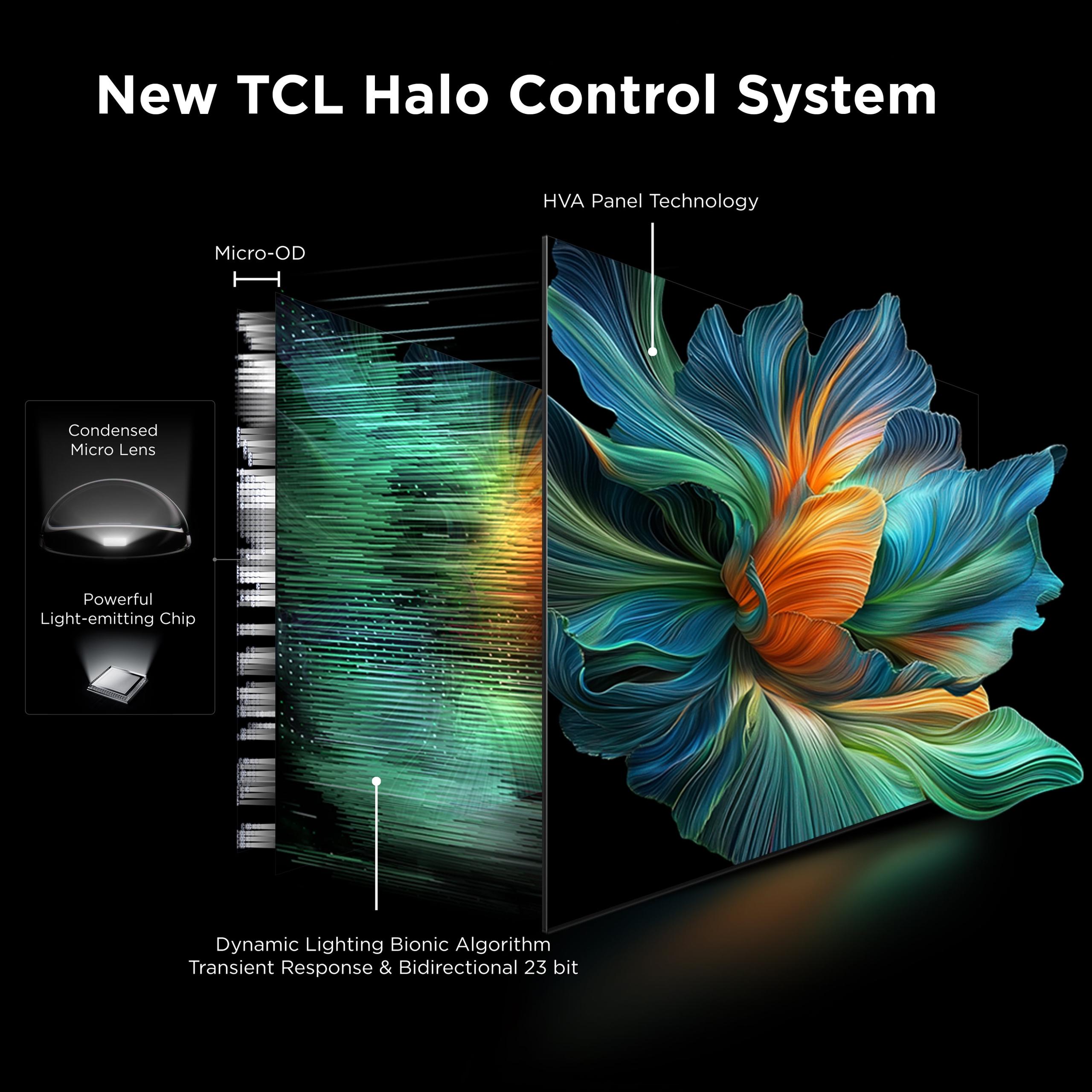
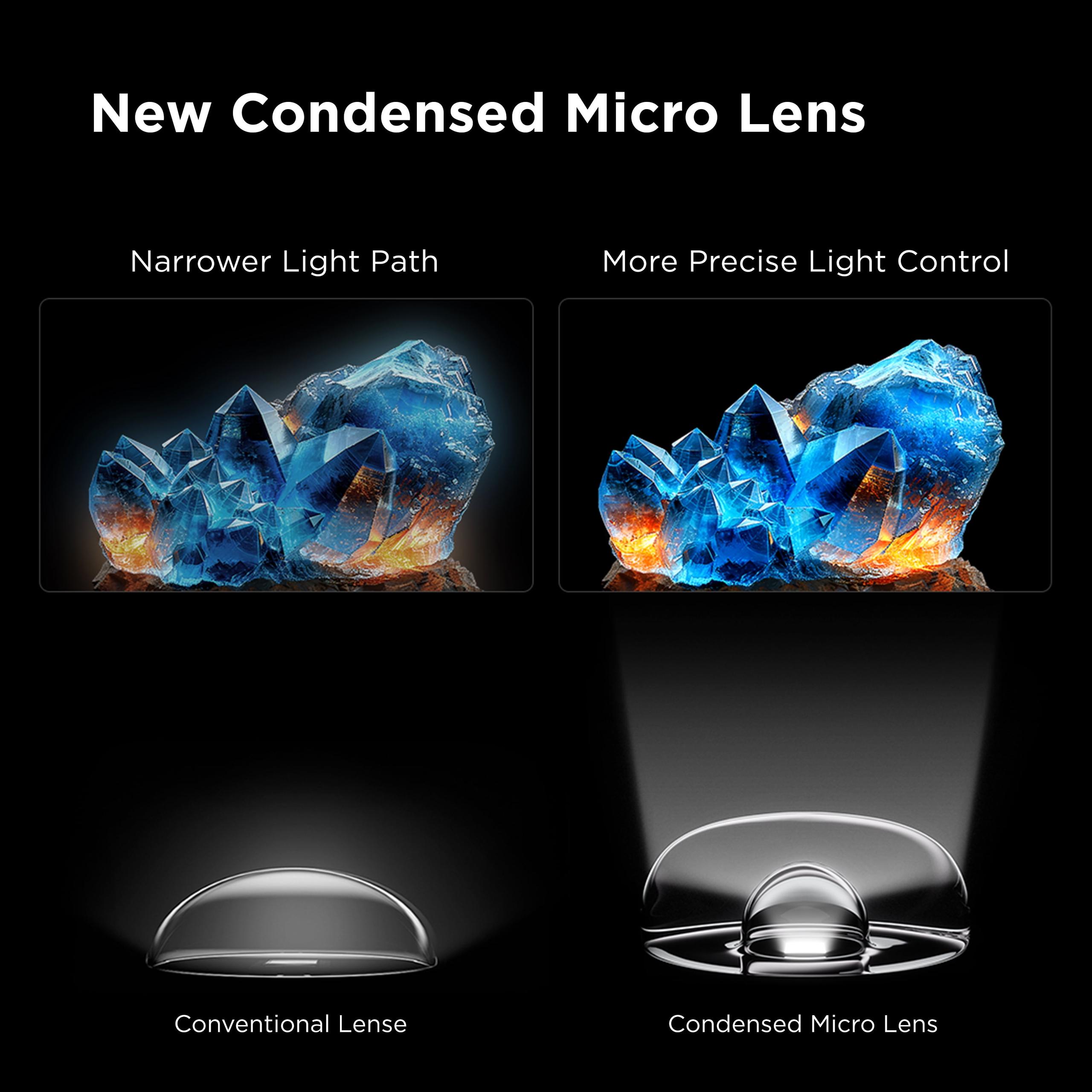
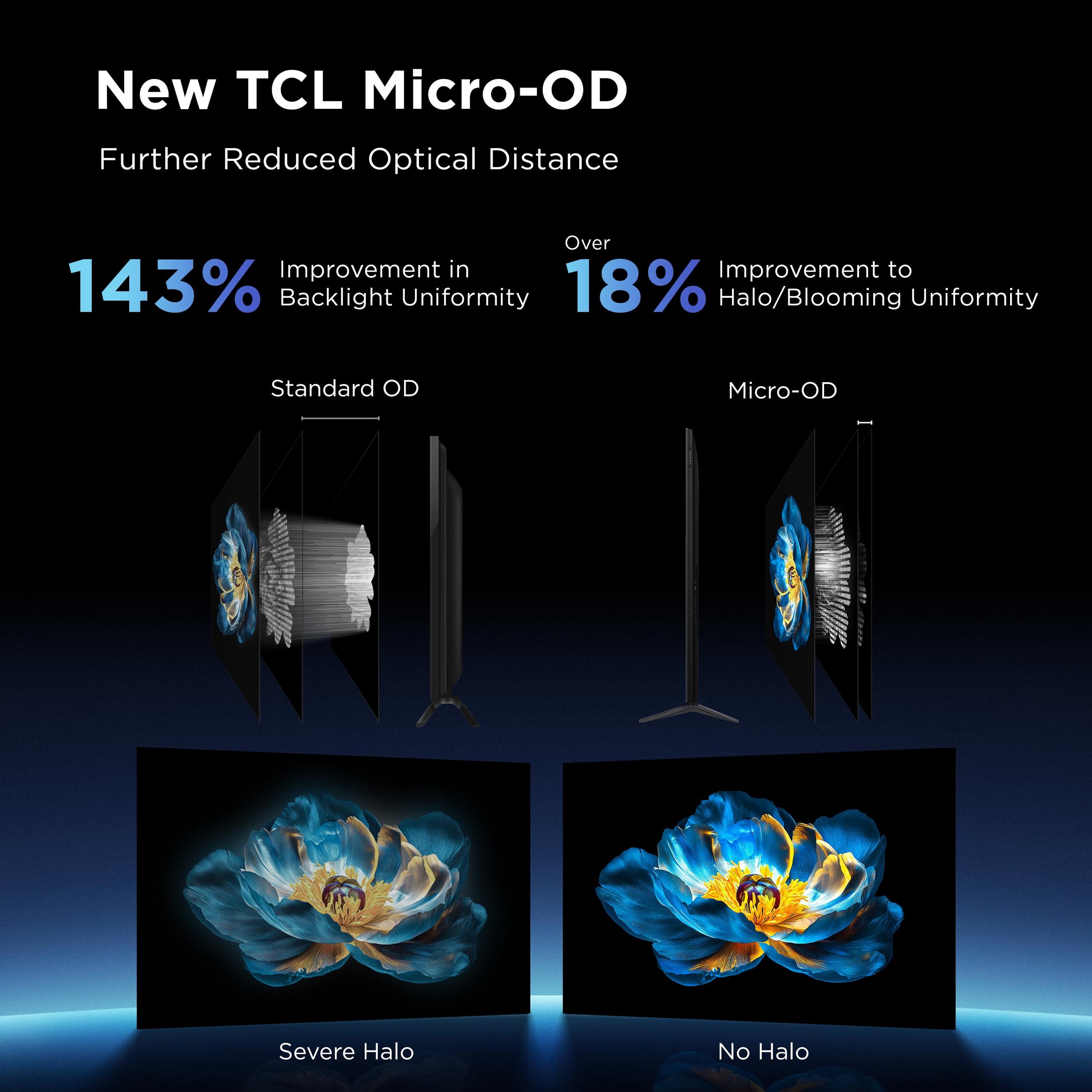
The QM6K does a good job with black levels, meaning dark scenes in movies actually look dark rather than gray. However, there's still some noticeable "blooming" – that halo effect you sometimes see around bright objects against dark backgrounds. TCL's Halo Control technology helps minimize this, and reviewers say it's much better than older models, but it's still there.
The QM8 Series should have superior contrast with minimal blooming thanks to more sophisticated local dimming. This means when you're watching something like a space movie with stars against black space, those stars won't have distracting halos around them.
Color Accuracy and Vibrancy
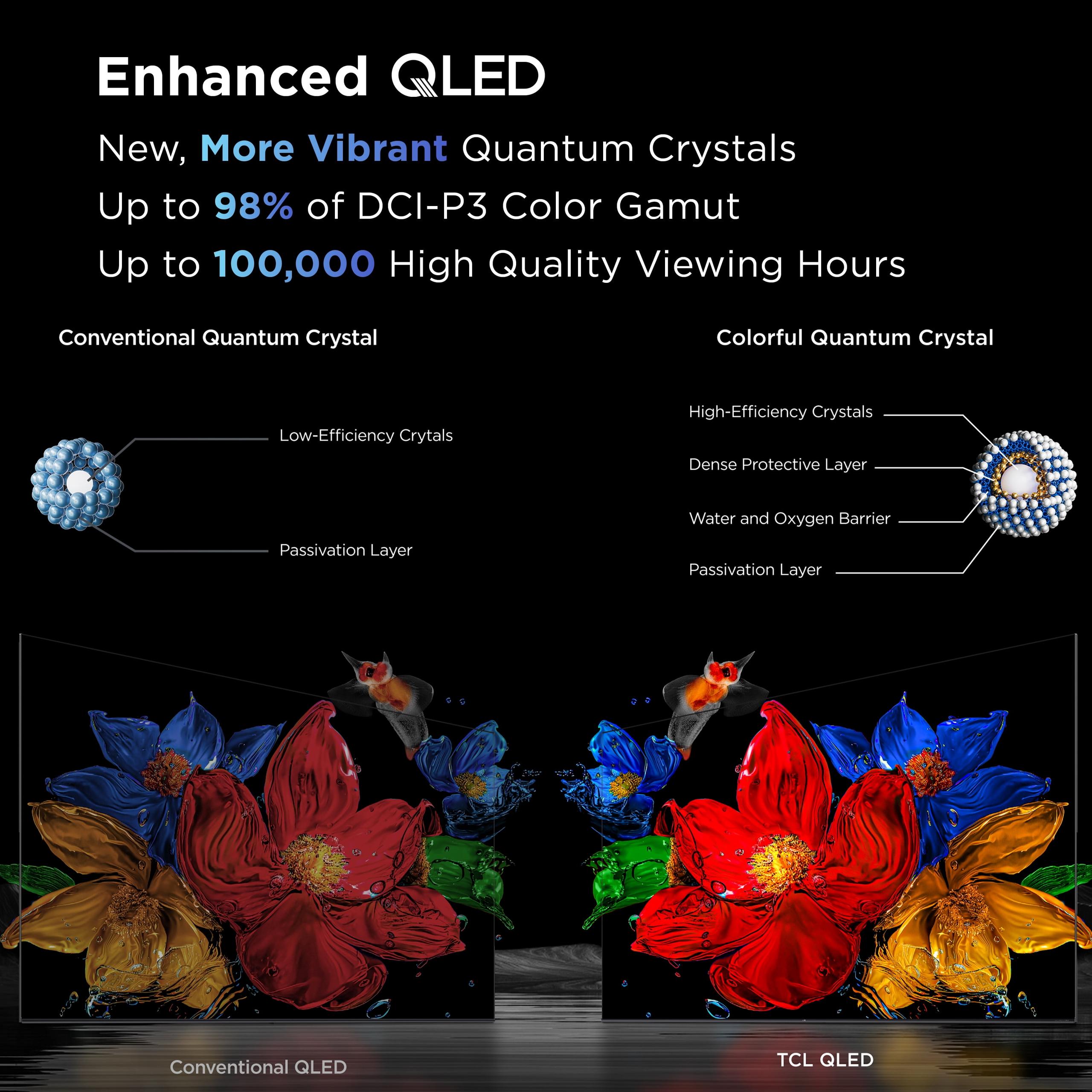
Here's where both TVs actually perform quite well. The QM6K delivers vibrant, accurate colors right out of the box, supporting all the major HDR formats including Dolby Vision, HDR10+, and HDR10. The quantum dot technology (that's what the "Q" in QLED stands for) helps produce more saturated and accurate colors than regular LED TVs.
The QM8 Series builds on this with enhanced color volume, meaning it can display those vibrant colors even in very bright or very dark scenes. This is particularly noticeable in HDR content where you might have bright, colorful elements against dark backgrounds.
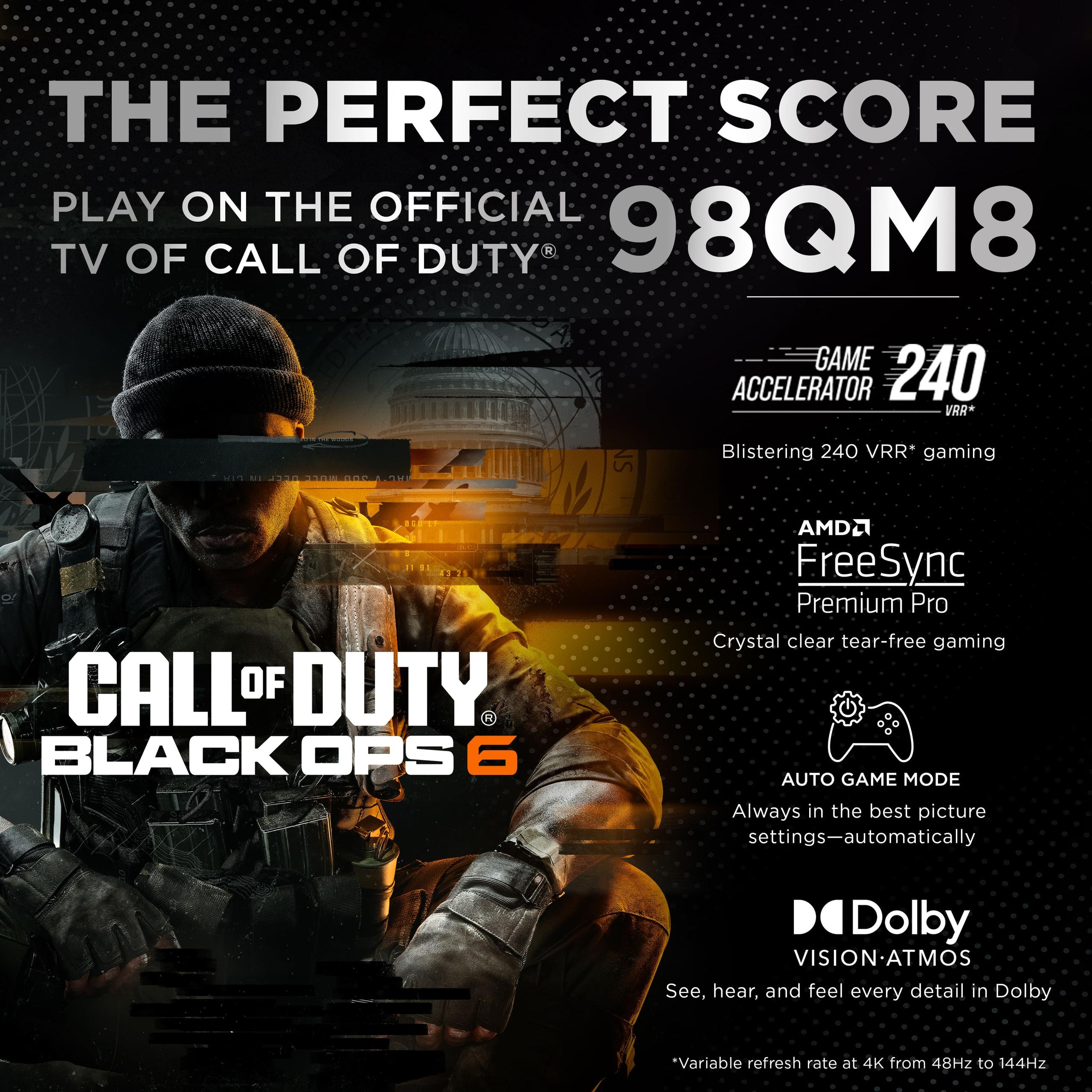
If gaming is important to you, the QM6K has some impressive advantages. It features a native 144Hz panel that can actually display 4K content at 144 frames per second, and it can push 1080p content all the way up to 288Hz. For context, most TVs max out at 120Hz, and many are still stuck at 60Hz.
This matters because modern gaming consoles and high-end PCs can output games at these higher frame rates, making everything look smoother and more responsive. The QM6K also includes Game Accelerator 288, AMD FreeSync Premium Pro, and Auto Game Mode (ALLM). These features work together to minimize input lag – the delay between when you press a button and when something happens on screen – and eliminate screen tearing.
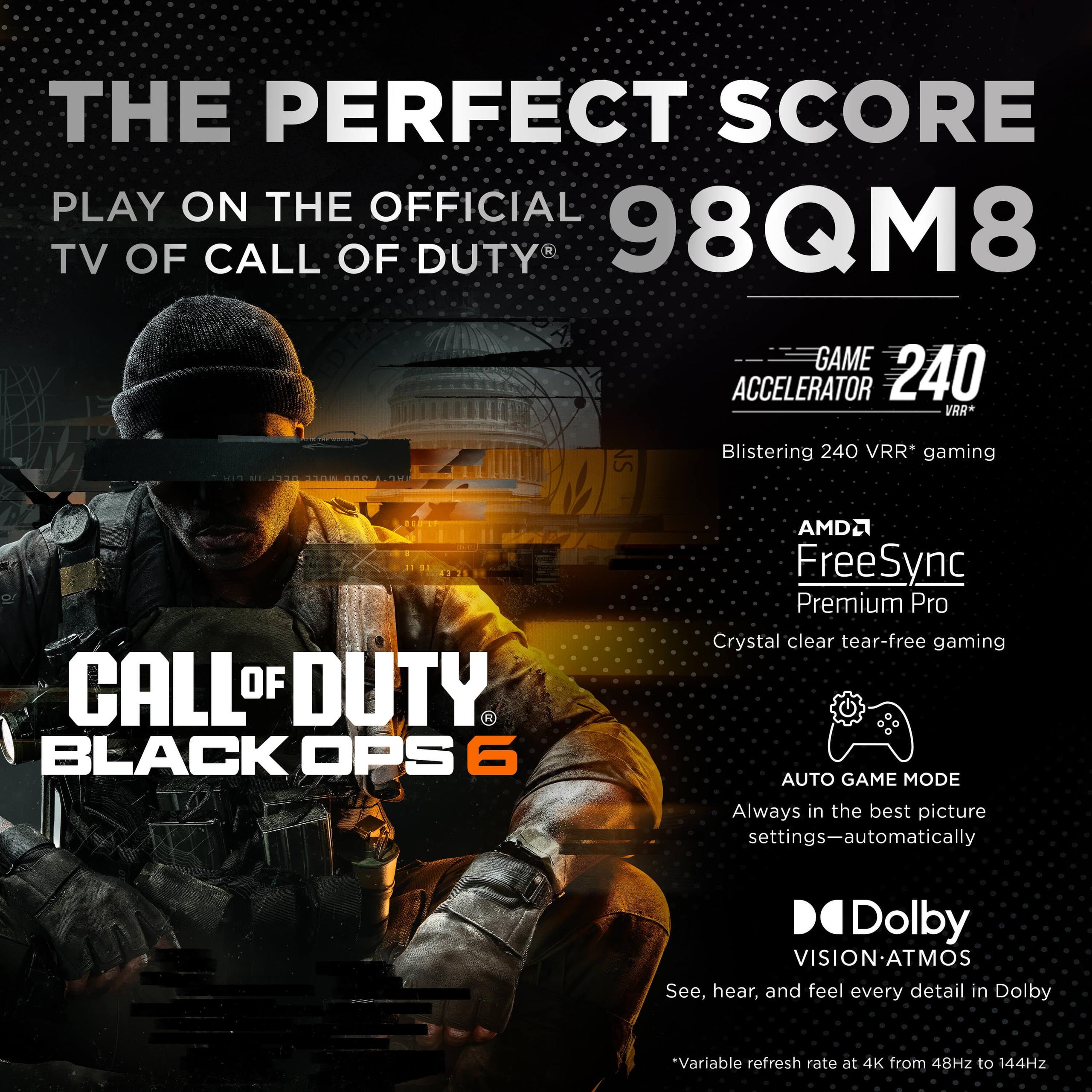
The QM8 Series has a 120Hz panel with VRR (Variable Refresh Rate) support up to 144Hz, plus excellent response time and low input lag. It's still very good for gaming, but the QM6K's higher native refresh rates give it an edge for competitive gaming or if you have a high-end PC gaming setup.
Both TVs support HDMI 2.1, which is essential for getting the most out of modern gaming consoles. However, the QM6K's gaming features are more comprehensive overall.
At 98 inches, how a TV handles motion becomes really important. Fast action scenes, sports, or panning shots in movies can look stuttery or blurry if the TV doesn't process motion well.
Both TVs feature Motion Rate 480 with MEMC (Motion Estimation, Motion Compensation) Frame Insertion. This technology analyzes the video and creates additional frames between the original ones to make motion appear smoother. It's particularly helpful for sports and action movies.
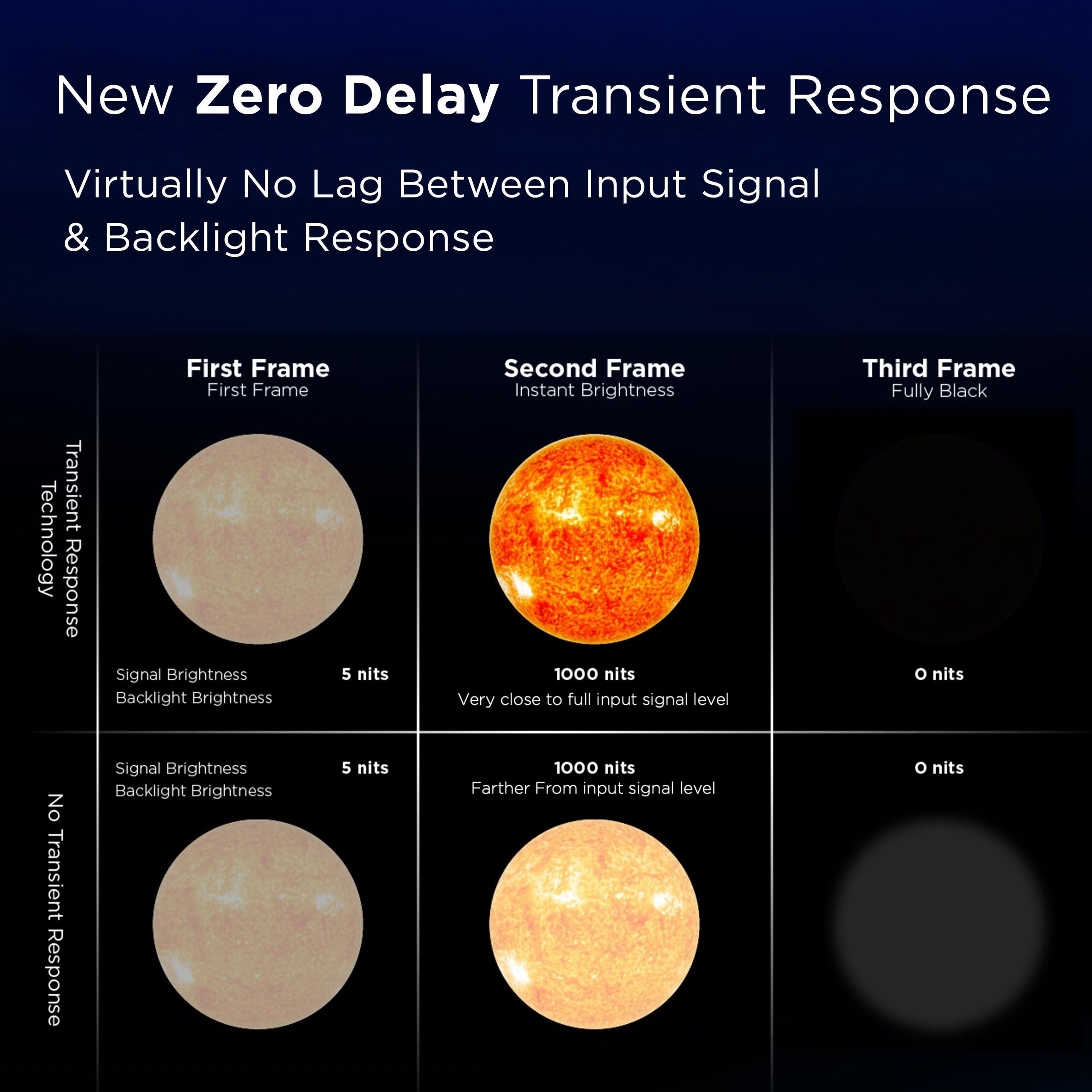
The QM6K does well here, though some reviewers noted minor stutter in certain modes that can be adjusted through the settings. The QM8 Series likely has more advanced motion processing, though both should handle typical content without issues.
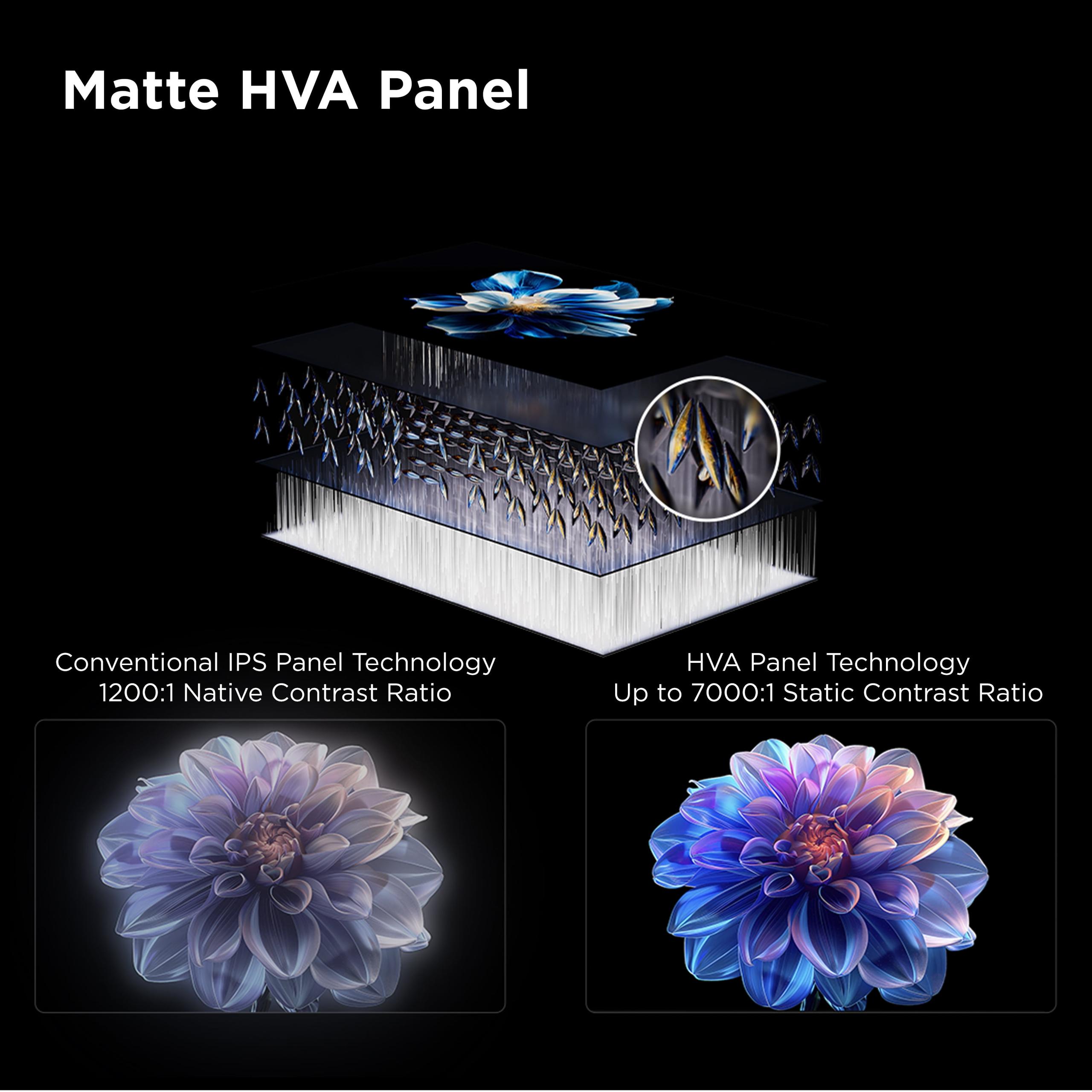
This is where the QM6K actually has some advantages. It features a matte HVA panel with anti-glare coating, which means it handles reflections really well. If your TV room has windows or bright lights, this coating prevents those reflections from washing out the picture.
The QM6K's SDR (Standard Dynamic Range) brightness is actually quite good, making it suitable for bright rooms during daytime viewing. This is important because many people assume bigger TVs need darker rooms, but that's not necessarily true with the right technology.
The QM8 Series has higher overall brightness, which helps in bright rooms too, but it may not have the same anti-glare properties as the QM6K's matte coating.
Both TVs run Google TV, which I find to be one of the better smart TV platforms. It's fast, has good app selection, and integrates well with other Google services if you use them. The interface is clean and makes finding content relatively easy.
The QM6K includes hands-free voice control and a backlit remote, which are nice conveniences. Both TVs support Google Chromecast built-in, Apple AirPlay 2, and work with smart home systems like Amazon Alexa and Apple HomeKit.
The AI-powered features on both TVs help optimize picture and sound settings based on what you're watching, though the QM8 Series likely has more advanced processing capabilities.
Here's where I need to be honest with you – neither TV's built-in audio is going to do justice to a 98-inch screen. The QM6K includes an Onkyo 2.1.1 speaker system with a built-in subwoofer and Dolby Atmos support, while the QM8 Series has a 60W system with Dolby Atmos and DTS:X.
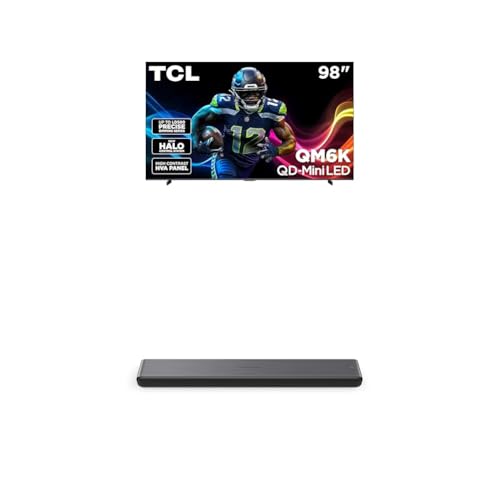
While these sound okay for casual viewing, at this screen size, you really want audio that matches the visual impact. Both TVs will benefit significantly from adding a soundbar or surround sound system. The QM6K does come with a bundled S45H soundbar in some packages, which adds value to the overall package.
If you're setting up a dedicated home theater, several factors become more important. The QM8 Series' superior HDR brightness and contrast make it better suited for that cinematic experience, especially in a controlled lighting environment where you can take advantage of its deeper blacks and brighter highlights.
However, the QM6K shouldn't be dismissed for home theater use. Its color accuracy is excellent, and while the HDR brightness isn't flagship-level, it's still quite good. For many people, the QM6K will provide a satisfying home theater experience at a much more accessible price point.
The viewing angle performance matters more in a home theater where multiple people might be watching. Both TVs have decent but not exceptional viewing angles, which is typical for this type of LCD panel technology.
At $1,999.99, the QM6K represents exceptional value in the 98-inch TV market. You're getting mini-LED technology, quantum dot color, 144Hz gaming support, and a massive screen for about half what premium alternatives cost. The inclusion of the soundbar in some packages sweetens the deal further.
The QM8 Series at $3,999.99 asks you to pay double for superior picture quality. Whether that's worth it depends on how much you value peak performance and whether you're using the TV primarily for premium content viewing.
TCL has made significant strides in mini-LED technology over the past few years. The QM6K benefits from improved Halo Control technology that reduces blooming compared to earlier models. The local dimming algorithms have gotten more sophisticated, and the overall panel uniformity has improved.
The processing power in both TVs is substantially better than older models, with AI-driven optimizations that actually make a noticeable difference in picture quality. The gaming features in particular represent a major leap forward from TVs just a few years ago.
Choose the QM6K if you want the most screen for your money and don't need absolute peak performance. It's perfect for bright family rooms, offers excellent gaming capabilities, and provides a great overall experience without the premium price tag. The anti-glare coating makes it particularly good for rooms that aren't always dark.
Go with the QM8 Series if picture quality is your top priority and you have the budget for it. It's the better choice for dedicated home theaters, heavy HDR content viewing, and situations where you want the absolute best image quality TCL offers at this size.
For most people, I think the QM6K hits the sweet spot of features, performance, and value. The QM8 Series is undoubtedly better in several key areas, but the QM6K gets you about 80% of the way there for half the price. In a world where 98-inch TVs used to cost $10,000 or more, having two solid options under $4,000 is pretty remarkable.
The bottom line is that both of these TVs will transform your viewing experience compared to smaller screens. The size alone creates an immersive experience that's hard to replicate, and both offer modern features that keep them relevant for years to come.
| TCL 98-Inch QM6K QLED TV | TCL 98" QM8 Series 4K UHD Smart Google TV |
|---|---|
| Price - Major factor in value equation | |
| $1,999.99 | $3,999.99 |
| HDR Peak Brightness - Critical for impactful movie and gaming visuals | |
| ~900 nits (mediocre HDR impact, but decent for price) | 1,500+ nits (dramatic HDR highlights that really pop) |
| Gaming Refresh Rate - Essential for smooth gaming performance | |
| Native 144Hz panel, supports 4K@144Hz and 1080p@288Hz | 120Hz panel with VRR up to 144Hz |
| Local Dimming Zones - Controls contrast and blooming effects | |
| LD500 Precise Dimming (hundreds of zones, some blooming visible) | QD-Mini LED ULTRA (thousands of zones, minimal blooming) |
| Anti-Glare Technology - Important for bright room viewing | |
| Matte HVA panel with anti-glare coating (excellent reflection handling) | Advanced reflection handling but may lack matte coating |
| Gaming Features - Determines competitive gaming capability | |
| Game Accelerator 288, AMD FreeSync Premium Pro, ALLM | VRR, ALLM, gaming-optimized modes |
| Audio System - Built-in sound quality | |
| Onkyo 2.1.1 system with subwoofer, Dolby Atmos | 60W system with Dolby Atmos and DTS:X |
| Smart Platform - User experience and app performance | |
| Google TV with hands-free voice control, backlit remote | Google TV with AI-powered optimizations |
| Panel Coating - Affects viewing in different lighting conditions | |
| Semi-gloss/matte coating reduces glare but may affect colors slightly | Likely glossier finish for vibrant colors but more reflections |
| Motion Processing - Smoothness during fast action scenes | |
| Motion Rate 480 with MEMC (minor stutter in some modes) | Motion Rate 480 with enhanced processing algorithms |
| Value Proposition - Performance per dollar spent | |
| Exceptional value - 80% of premium performance at 50% cost | Premium pricing justified by superior brightness and contrast |
The TCL 98-Inch QM6K QLED TV at $1,999.99 offers exceptional value, delivering about 80% of premium performance at half the cost of the TCL 98" QM8 Series at $3,999.99. For most buyers, the QM6K provides the best balance of features and price.
The biggest difference is HDR brightness. The QM8 Series delivers much brighter HDR highlights (1,500+ nits) that make movies and shows more impactful, while the QM6K peaks around 900 nits, which is decent but less dramatic for HDR content.
The TCL 98-Inch QM6K QLED TV has superior gaming features with native 144Hz support, 4K@144Hz capability, 1080p@288Hz, Game Accelerator 288, and AMD FreeSync Premium Pro. The QM8 Series is good for gaming but maxes out at 120Hz with VRR.
Yes, both handle bright rooms well. The QM6K actually has an advantage with its matte anti-glare coating that reduces reflections, while the QM8 Series relies on higher overall brightness to overcome ambient light.
The TCL 98" QM8 Series has superior contrast with deeper blacks and minimal blooming thanks to more sophisticated local dimming zones. The QM6K has good black levels but more noticeable blooming around bright objects.
Neither TV's built-in speakers are ideal for a 98-inch screen. The QM6K includes an Onkyo 2.1.1 system and the QM8 Series has a 60W Dolby Atmos system, but both benefit significantly from adding a soundbar or surround sound system.
The TCL 98" QM8 Series is better suited for dedicated home theaters due to its superior HDR brightness, deeper contrast, and minimal blooming in dark room environments. However, the QM6K can still provide an excellent home theater experience at a much lower cost.
Yes, both run Google TV with access to all major streaming apps, voice control, and smart home integration. The QM6K includes hands-free voice control and a backlit remote, while the QM8 Series has more advanced AI processing features.
Both TVs handle sports well with Motion Rate 480 and MEMC processing. The QM6K may have a slight edge due to its anti-glare coating for daytime viewing, while the QM8 Series offers smoother motion processing overall.
Both TVs have similar viewing angle limitations typical of LCD panels. Neither excels for wide seating arrangements, but the TCL 98-Inch QM6K QLED TV and QM8 Series are adequate for most living room setups.
Both TVs use similar mini-LED technology and should have comparable reliability. The QM6K is newer (2025 model) with updated processing, while the QM8 Series represents TCL's more established premium line with proven performance.
Choose the TCL 98-Inch QM6K QLED TV if you want maximum value and excellent gaming features. Choose the TCL 98" QM8 Series if picture quality is your top priority and you have the budget for premium HDR performance and superior contrast.
We've done our best to create useful and informative comparisons to help you decide what product to buy. Our research uses advanced automated methods to create this comparison and perfection is not possible - please contact us for corrections or questions. These are the sites we've researched in the creation of this article: bestbuy.com - rtings.com - techradar.com - the-gadgeteer.com - youtube.com - youtube.com - ign.com - youtube.com - tomsguide.com - tcl.com - valueelectronics.com - bestbuy.com - bestbuy.com - rtings.com - circuitworldonline.com - youtube.com - tcl.com - bestbuy.com - tomsguide.com - tcl.com - flatpanelshd.com - displayspecifications.com - rtings.com - camelcamelcamel.com - youtube.com - techradar.com - avsforum.com - bestbuy.com - greentoe.com - tcl.com

Privacy Policy
Terms and Conditions - Affiliate Policy
Home Security
© Copyright 2008-2026.
11816 Inwood Rd #1211, Dallas, TX 75244