

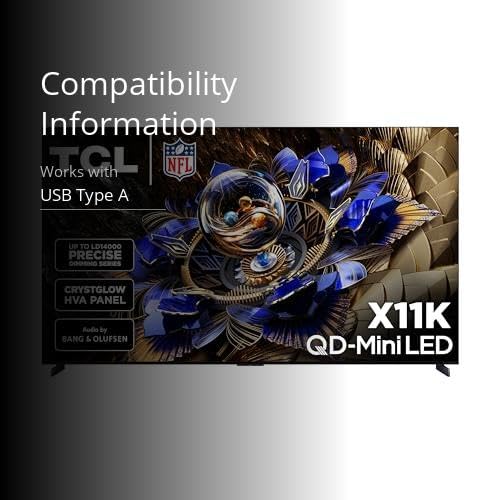
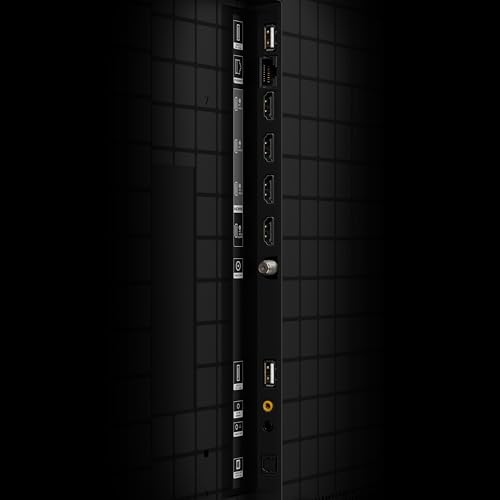
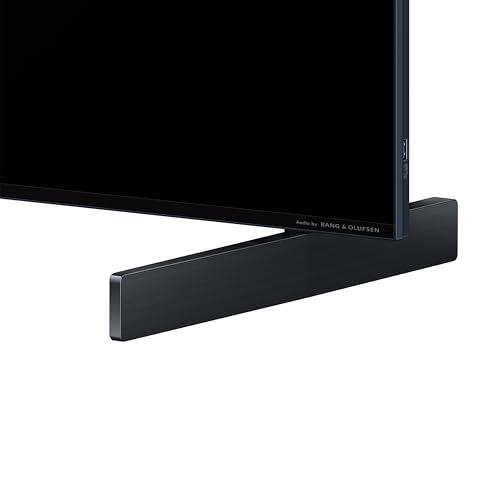

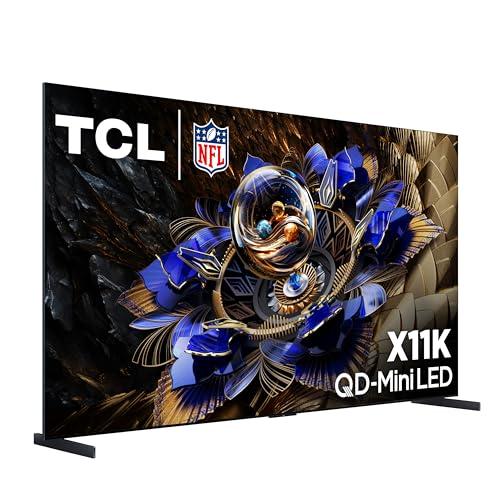
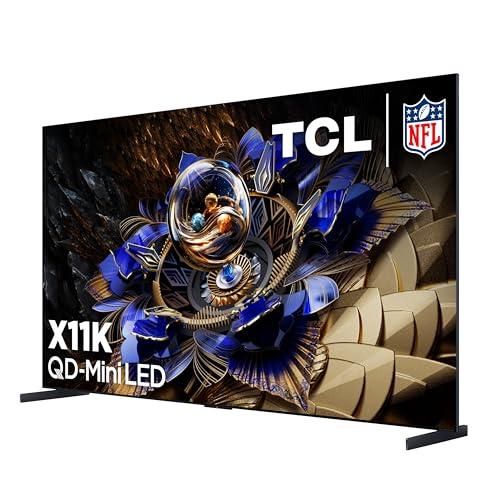
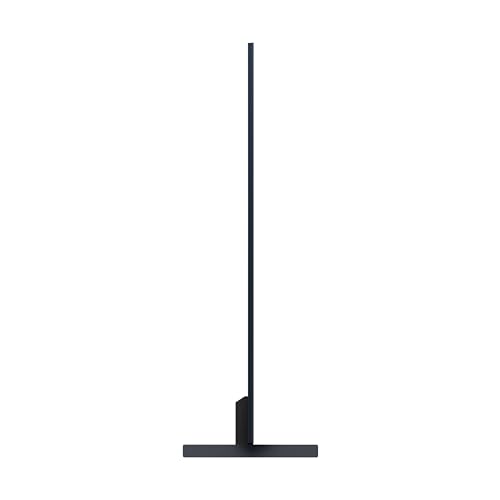
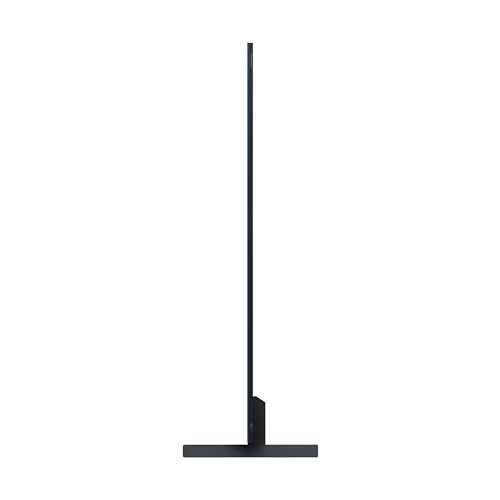
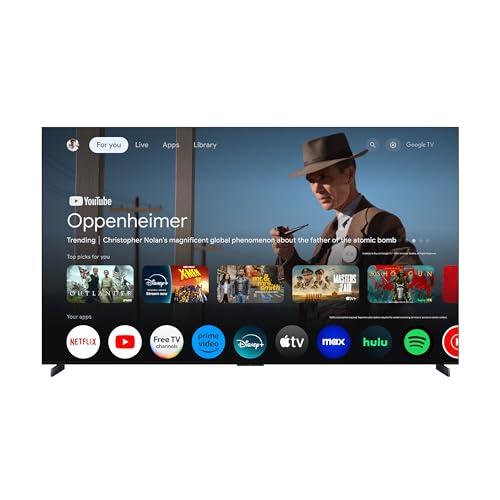
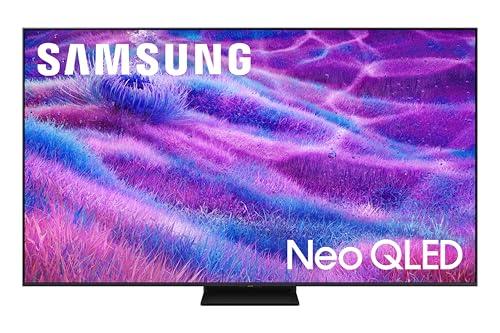
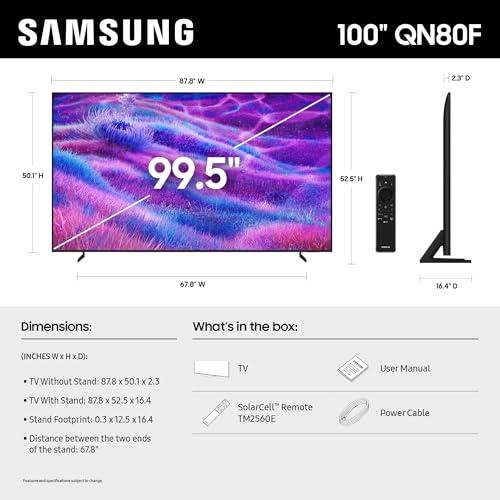

When you're ready to transform your living room into a personal cinema, two televisions dominate the conversation: the TCL 98" X11K and the Samsung 100" Neo QLED QN80F. Both launched in 2025, representing the latest evolution in ultra-large format displays that compete directly with home theater projectors.
These aren't just bigger versions of regular TVs—they're engineered specifically for the unique challenges of massive screens. At nearly 100 inches diagonal, every imperfection gets magnified, which is why manufacturers pour their most advanced technologies into these flagship models. The question isn't whether you want a huge TV, but which approach to massive-screen excellence makes more sense for your situation.
Ultra-large TVs occupy a unique space in home entertainment. Unlike smaller displays where you might forgive certain limitations, these screens demand excellence across every metric. When something costs as much as a decent used car and dominates your wall, compromises become impossible to ignore.
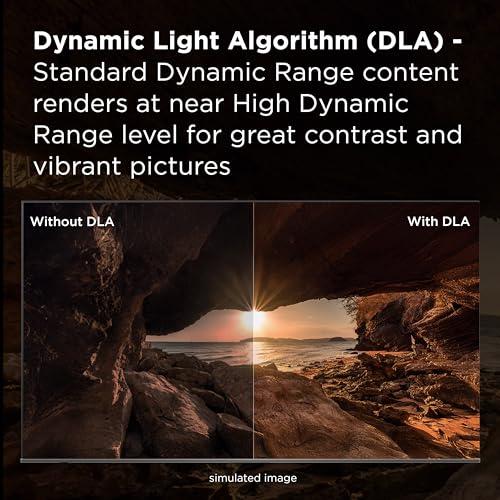
The fundamental challenge with any screen this size is maintaining picture quality across the entire surface. Think of it like blowing up a photograph—every flaw becomes more visible. This is why local dimming technology (where different sections of the backlight can brighten or dim independently) becomes absolutely critical. Without precise control over brightness zones, you get the dreaded "clouding" effect where dark scenes look uneven or washed out.
Brightness matters more at this scale too. In a normal living room with windows, a smaller TV might get away with moderate brightness. But when you're sitting 10-12 feet away from a 98-100 inch screen, ambient light becomes your enemy unless the display can punch through it with serious luminance output.
The stakes are higher because at this price point, you're likely building a dedicated home theater setup. That means the TV needs to excel at everything: sports with fast motion, cinematic content with subtle details, gaming with rapid response times, and streaming shows across all lighting conditions.
The TCL X11K and Samsung QN80F represent fundamentally different approaches to achieving massive-screen excellence, and understanding these differences helps explain their vastly different performance characteristics.
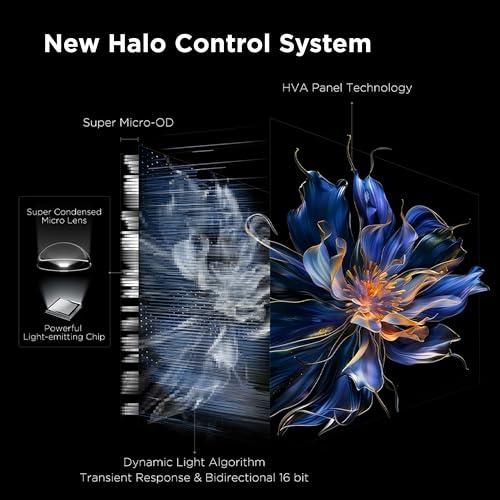
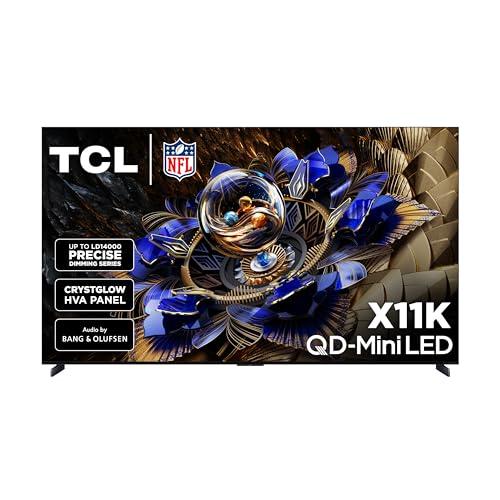
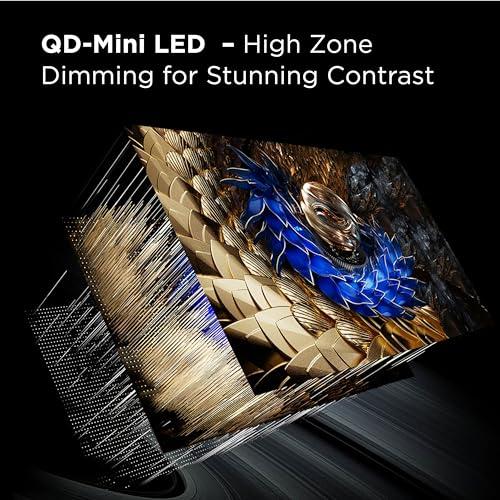
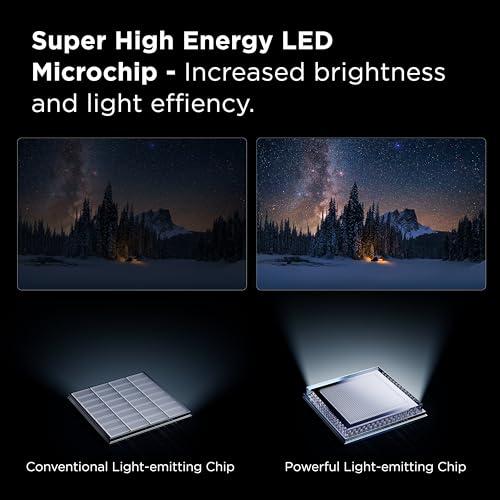
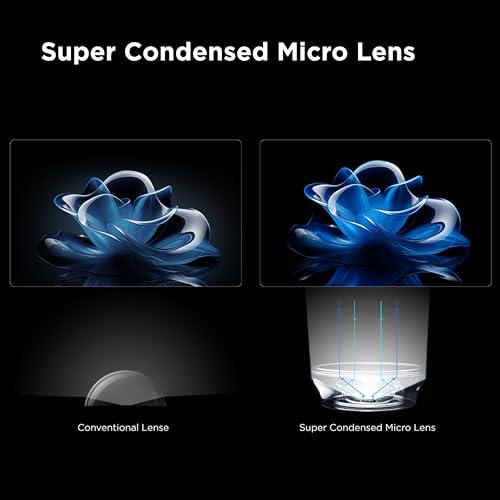
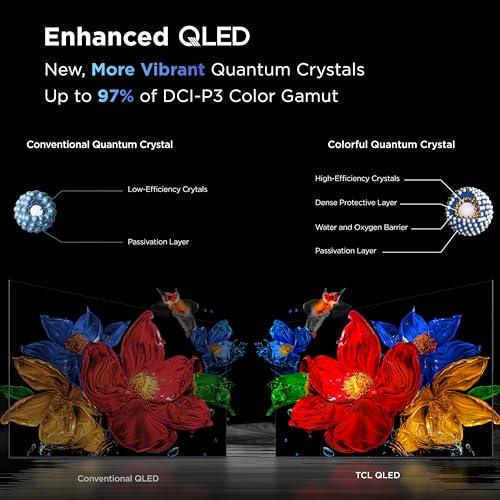
The TCL X11K employs what's called QD-Mini LED technology, which sounds complex but breaks down into two key innovations working together. Quantum Dot technology enhances color by using microscopic crystals that emit precise colors when hit by backlight—think of them as tiny color filters that make reds more red and blues more blue. Mini LED refers to the backlight system using thousands of incredibly small LEDs instead of traditional larger ones.
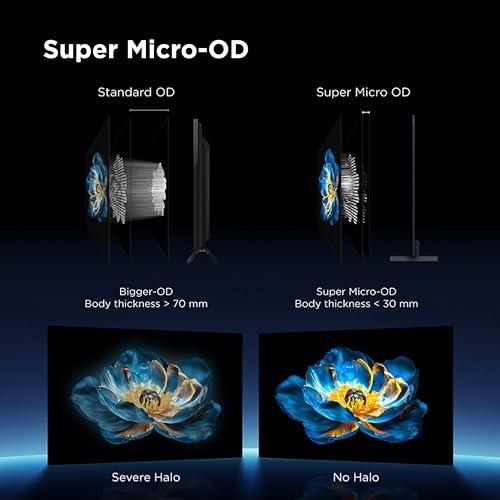
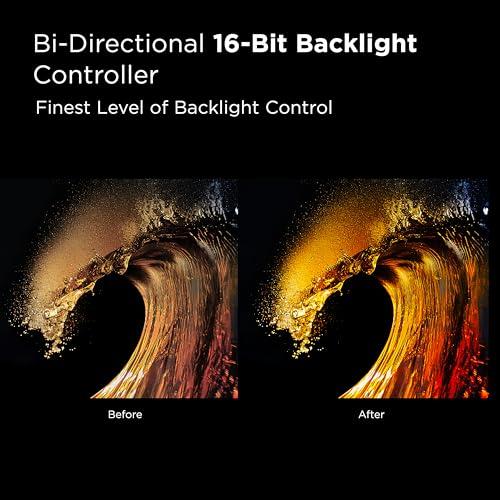
Here's where it gets impressive: the TCL X11K packs up to 14,000 individual dimming zones across its 98-inch surface. To put that in perspective, imagine having 14,000 tiny flashlights behind your screen, each controllable independently. This creates what TCL calls "pixel-level precision," where bright stars can shine against truly black space without creating halos of unwanted light bleeding into dark areas.
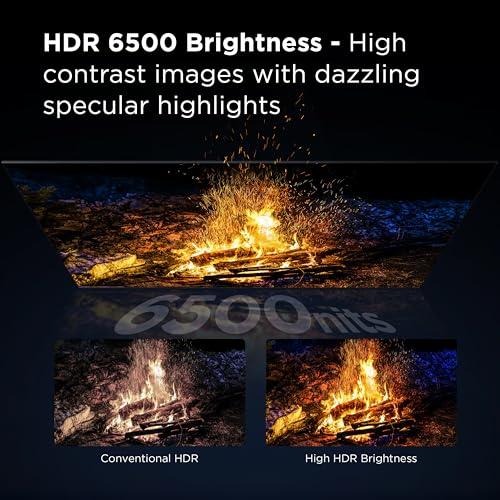
The result is a peak brightness of 6,500 nits—a measurement of luminance that represents about four times brighter than most premium TVs. For context, a typical sunny day measures around 10,000 nits, so this display can create highlights that genuinely feel sun-bright in your living room.
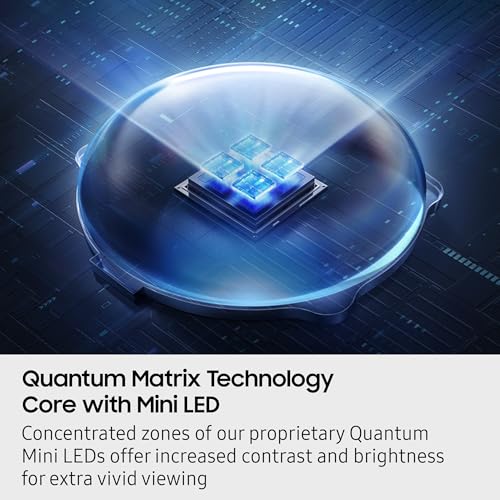
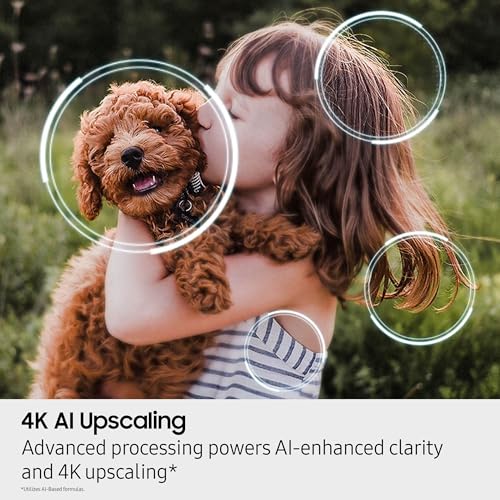
The Samsung QN80F uses Neo QLED technology, Samsung's take on Mini LED backlighting combined with Quantum Dot color enhancement. While the underlying concepts are similar to TCL's approach, Samsung prioritizes different aspects of performance.
Samsung's Quantum Matrix Technology focuses on creating more natural, filmmaker-intended imagery rather than maximum impact. The Samsung QN80F reaches approximately 1,500 nits peak brightness—still quite good, but dramatically lower than the TCL's output. Samsung argues this level provides sufficient brightness for most viewing conditions while maintaining better color accuracy.
The trade-off becomes apparent in bright rooms. Where the TCL X11K can overpower almost any ambient light condition, the Samsung QN80F requires more controlled lighting to deliver its best performance. This isn't necessarily worse—it's a different philosophy that prioritizes natural color reproduction over raw brightness capabilities.
High Dynamic Range (HDR) content represents the biggest advancement in home video since the jump to high definition. HDR allows displays to show both deeper blacks and brighter whites simultaneously, creating more realistic images. However, not all HDR implementations are equal, and this is where these two TVs diverge significantly.
The TCL X11K supports every major HDR format: Dolby Vision IQ, HDR10+, HDR10, and HLG. Dolby Vision IQ is particularly important because it adapts the HDR presentation based on your room's lighting conditions—brighter during the day, more subdued at night. With 14,000 dimming zones and 6,500 nits of brightness, the TCL can actually deliver the dramatic contrast that HDR content creators intended.
The Samsung QN80F has a significant limitation here: no Dolby Vision support. This means when you're watching Netflix's premium content, Disney+ movies, or 4K Blu-rays mastered in Dolby Vision, you're getting a lesser experience. Samsung supports HDR10+ as an alternative, but content availability isn't comparable. This isn't just a technical specification—it's a real-world limitation that affects your daily viewing.
In our evaluation of user and professional reviews, the contrast difference between these displays becomes immediately apparent. The TCL X11K consistently delivers what reviewers describe as "inky blacks" with minimal blooming around bright objects. When you're watching a space movie with stars against the cosmic void, those stars don't create unwanted halos of light in the surrounding darkness.
The Samsung QN80F struggles more with black uniformity. Multiple reviews mention clouding issues in dark rooms and less precise control over light bleeding. This doesn't make it a bad TV, but at this screen size, these imperfections become more noticeable than they would on smaller displays.
Both displays cover wide color gamuts—the range of colors they can reproduce. The TCL X11K achieves 97% DCI-P3 coverage with 1.07 billion color variations, while the Samsung QN80F delivers good color accuracy out of the box with slight warm bias that can be corrected through calibration.
The difference lies in presentation philosophy. Samsung tends toward more natural, reference-accurate colors that match filmmaker intentions. TCL pushes for more vivid, eye-catching presentation that makes content pop off the screen. Neither approach is inherently better—it depends on whether you prefer accuracy or impact.
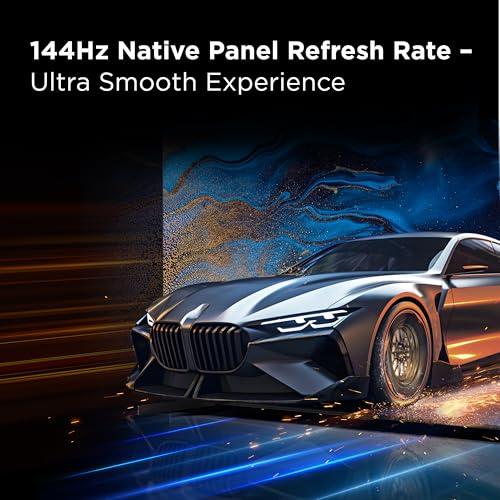
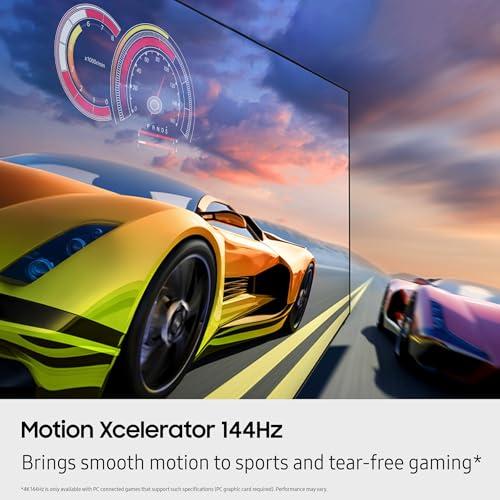
Both the TCL X11K and Samsung QN80F were designed with serious gaming in mind, featuring native 144Hz refresh rates that make motion appear incredibly smooth. This high refresh rate means the screen can display 144 individual frames per second, compared to traditional TVs that max out at 60.
Variable Refresh Rate (VRR) support on both models eliminates screen tearing—those jarring horizontal lines that appear when your gaming console or PC can't keep up with the display's refresh rate. Both support ALLM (Auto Low Latency Mode), which automatically switches the TV to its lowest input lag mode when it detects a gaming source.
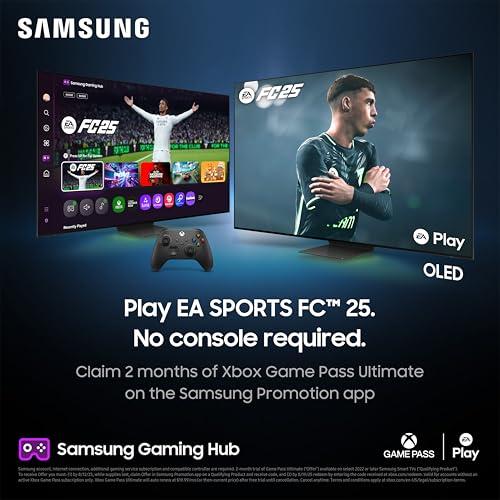
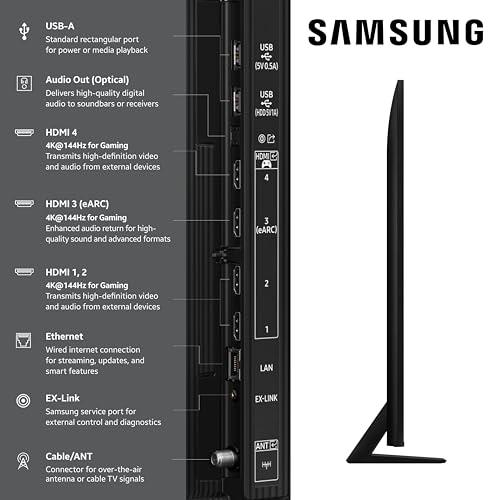
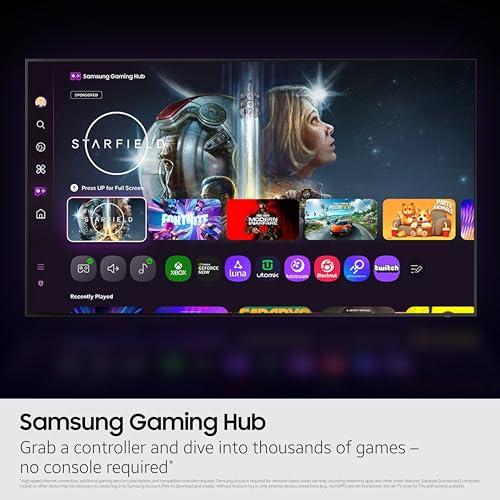
The TCL X11K includes a unique Game Accelerator feature that can boost refresh rates up to 288Hz at 1080p resolution—useful for competitive PC gaming where every millisecond matters. The Samsung QN80F counters with four full HDMI 2.1 ports (ensuring maximum compatibility) and Samsung's Gaming Hub, which provides direct access to cloud gaming services without needing a console.
For home theater gaming setups, the TCL's superior brightness makes HDR games more impactful, while Samsung's slightly larger screen and gaming ecosystem integration might appeal to dedicated gaming enthusiasts.
At this price level, built-in audio quality becomes surprisingly important. Many buyers assume they'll add a soundbar later, but good integrated audio provides immediate satisfaction and flexibility.
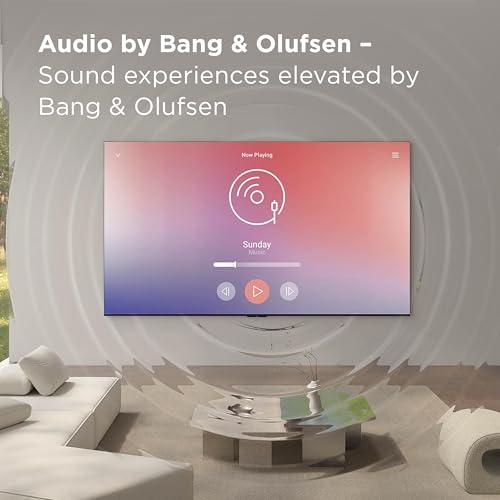
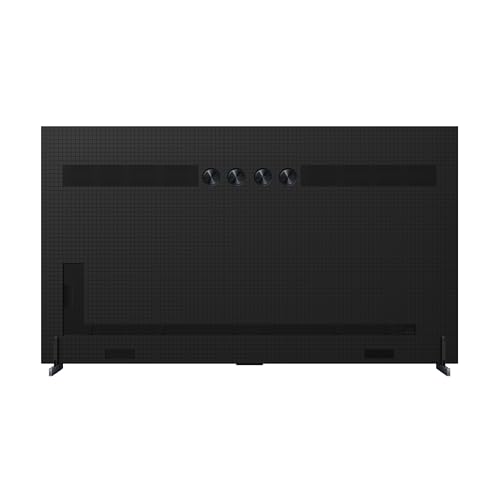
The TCL X11K includes a Bang & Olufsen-tuned 2.1.1 channel system delivering 120 watts of power with proper Dolby Atmos and DTS Virtual:X support. In our research of user experiences, this audio system consistently receives praise for providing genuine surround sound effects and adequate bass response. The Bang & Olufsen partnership isn't just marketing—their Beosonic tuning creates noticeably better soundstage width and clarity.
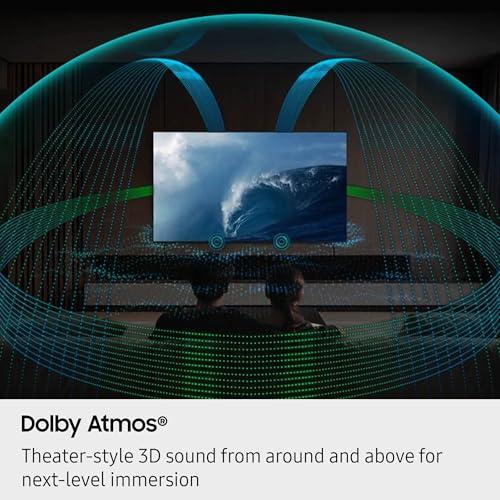
The Samsung QN80F includes a 30-watt, 4-channel system that, according to multiple reviews, falls short of expectations. Users consistently report narrow soundstage, lacking bass, and the need for immediate soundbar upgrades. While it supports Dolby Atmos technically, the implementation doesn't create convincing height or surround effects.
This difference matters more than you might expect. A quality soundbar system can easily add $500-1,500 to your total cost. The TCL's superior built-in audio means you can enjoy excellent sound immediately, then upgrade later if desired.
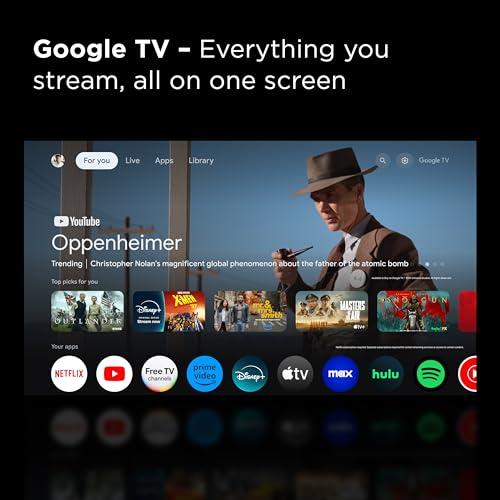
The TCL X11K runs Google TV with hands-free Google Assistant, offering seamless integration with Google services, Chromecast functionality, and Apple AirPlay 2 support. The interface is clean, recommendations are generally helpful, and voice control works reliably without needing to find the remote.
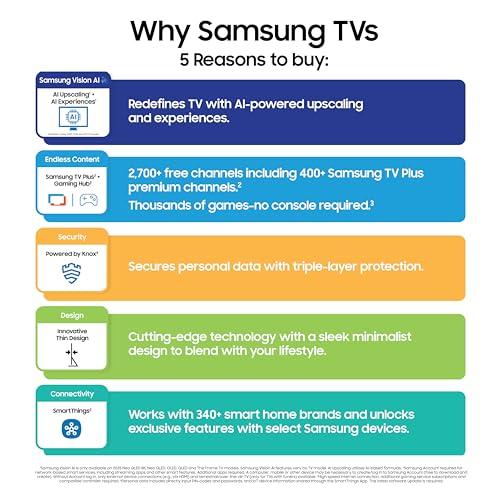
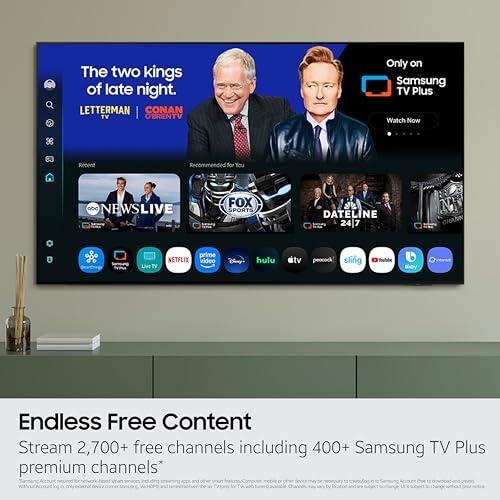
The Samsung QN80F uses Samsung's mature Tizen platform with Vision AI features and SmartThings integration. If you're already invested in Samsung's ecosystem or use SmartThings for home automation, this integration provides significant value. Bixby voice assistant works well for basic commands, though it's less conversational than Google Assistant.
Both platforms offer comprehensive app support for major streaming services. The choice often comes down to existing ecosystem preferences rather than functionality differences.
At the time of writing, the Samsung QN80F costs significantly less than the TCL X11K—we're talking about a price difference that could buy a decent soundbar and mounting system. The Samsung also provides two additional inches of screen real estate.
However, value calculations get complex at this price level. The TCL's superior brightness capabilities mean it works in virtually any room condition, while the Samsung requires controlled lighting for optimal performance. If you're planning a dedicated theater room, this matters less. If this TV will live in a family room with windows, the brightness difference becomes crucial.
The TCL's premium audio system offsets some price premium by eliminating the immediate need for soundbar upgrades. Meanwhile, Samsung's broader service network and brand recognition provide peace of mind for such a significant purchase.
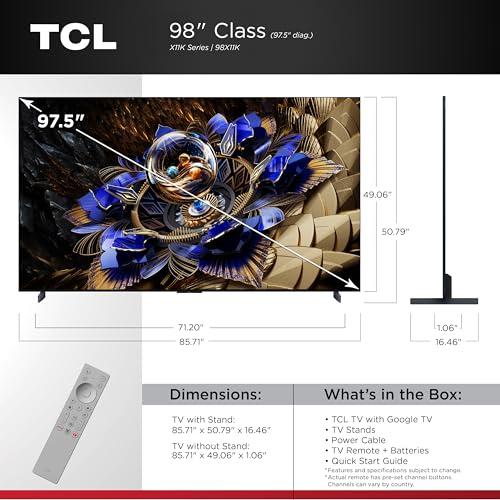
Ultra-large displays require careful room planning. Both TVs need substantial wall mounting hardware—we're talking about displays weighing 150+ pounds that require professional installation for safety and warranty compliance.
The TCL X11K's superior brightness makes it more flexible for various room conditions. Large windows, bright overhead lighting, or open floor plans that can't be darkened become manageable rather than problematic. The Samsung QN80F performs best in controlled lighting conditions where you can manage ambient light levels.
Viewing distance becomes critical at this scale. Sitting too close makes the display overwhelming; too far diminishes the impact. The sweet spot for both displays falls between 10-14 feet, though personal preference varies.
After extensive research into professional reviews and user experiences, clear use case patterns emerge.
Choose the TCL X11K if you want the ultimate picture quality experience regardless of budget constraints. Its 6,500-nit brightness capability and 14,000 dimming zones create genuinely stunning HDR performance that works in any lighting condition. The premium Bang & Olufsen audio system provides immediate satisfaction without additional purchases. If you frequently watch HDR content and want Dolby Vision support, the TCL becomes the obvious choice despite its higher cost.
The Samsung QN80F makes more sense for buyers who prioritize screen size and value over absolute picture quality. Its 100-inch display provides genuinely immersive viewing, and its performance in controlled lighting conditions is quite good. The lower entry cost leaves room in your budget for a quality soundbar upgrade, which you'll want anyway. Samsung's ecosystem integration and service network provide additional peace of mind.
For dedicated home theater rooms where lighting control isn't an issue, either TV can excel. The Samsung's lower cost might make more sense when you're also budgeting for theater seating, acoustic treatments, and professional installation.
In bright family rooms where the TV competes with natural light throughout the day, the TCL X11K's brightness advantage becomes worth its premium pricing. There's something genuinely impressive about HDR content that maintains its impact regardless of time of day or season.
Both represent excellent examples of ultra-large format technology, but they serve different priorities. The TCL prioritizes ultimate performance, while the Samsung emphasizes accessible luxury. Understanding which philosophy matches your viewing habits and room conditions makes the decision clearer, even when the price difference is substantial.
| TCL 98" X11K 4K QD-Mini LED Google TV | Samsung 100" Neo QLED QN80F 4K Smart TV 2025 |
|---|---|
| Screen Size - 2-inch difference is negligible at this scale | |
| 98" diagonal (97.5" viewable) | 100" diagonal (99.5" viewable) |
| Display Technology - Determines picture quality ceiling | |
| QD-Mini LED with 14,000 local dimming zones | Neo QLED with Quantum Matrix Technology Core |
| Peak Brightness - Critical for HDR and bright room performance | |
| 6,500 nits (excellent for any lighting condition) | ~1,500 nits (requires controlled lighting) |
| HDR Format Support - Affects premium content compatibility | |
| Dolby Vision IQ, HDR10+, HDR10, HLG | HDR10+, HDR10, HLG (no Dolby Vision) |
| Refresh Rate - Important for gaming and smooth motion | |
| 144Hz native with Game Accelerator 288Hz at 1080p | 144Hz native with Motion Xcelerator |
| Gaming Features - Essential for console and PC gaming | |
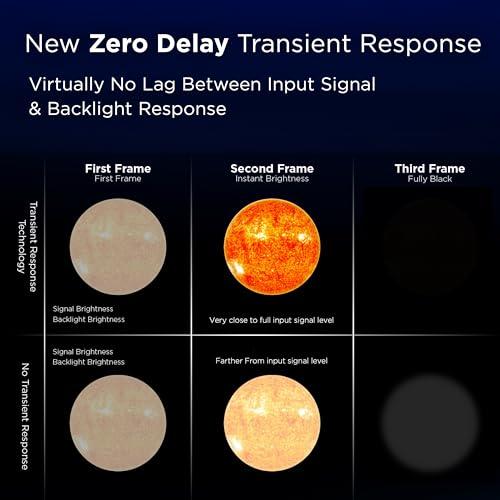
| VRR, ALLM, FreeSync Premium Pro, Zero Delay Response | VRR, ALLM, FreeSync Premium Pro, Gaming Hub |
| Audio System - Affects need for immediate soundbar purchase | |
| Bang & Olufsen 2.1.1 system, 120W, Dolby Atmos | 4-channel 30W system (soundbar recommended) |
| Smart Platform - Different ecosystems and voice assistants | |
| Google TV with hands-free Google Assistant | Tizen OS with Bixby and Vision AI |
| Connectivity - Network and casting capabilities | |
| Wi-Fi 6, Chromecast, Apple AirPlay 2 | Wi-Fi standard, SmartThings integration |
| Color Performance - Impacts vibrancy and accuracy | |
| 97% DCI-P3, 1.07 billion colors, vivid presentation | Good accuracy out of box, natural color tuning |
| Processor - Handles upscaling and AI optimization | |
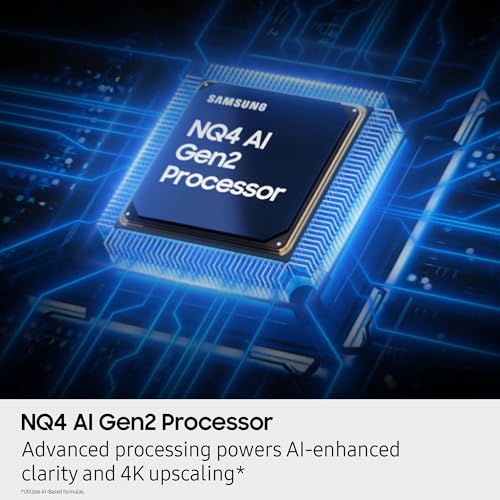
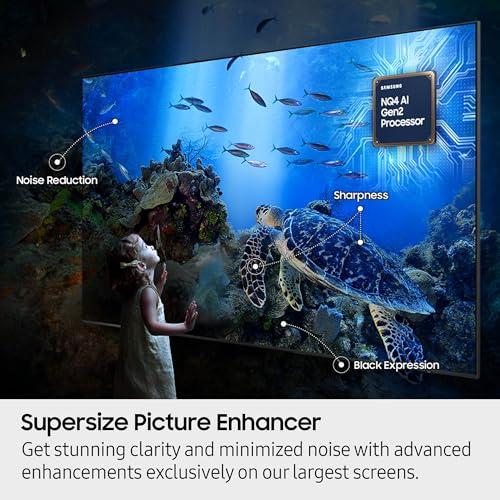
| AiPQ Pro Processor with scene-by-scene AI | NQ4 AI Gen2 with 20 neural networks |
| Value Proposition - Different approaches to premium pricing | |
| Higher cost, ultimate picture quality, premium audio | Lower cost, larger screen, requires audio upgrade |
The TCL 98" X11K is significantly brighter with 6,500 nits peak brightness compared to the Samsung 100" Neo QLED QN80F at around 1,500 nits. This makes the TCL X11K much better for bright rooms with windows, while the Samsung performs best in controlled lighting conditions.
The TCL 98" X11K offers superior HDR performance with 14,000 local dimming zones and support for Dolby Vision, HDR10+, and other formats. The Samsung QN80F lacks Dolby Vision support, which limits its compatibility with premium Netflix and Disney+ content. The TCL delivers more dramatic contrast and deeper blacks.
Both TVs excel at gaming with 144Hz refresh rates, VRR, and low input lag. The TCL X11K features Game Accelerator technology with up to 288Hz at 1080p, while the Samsung QN80F offers Samsung Gaming Hub integration and four HDMI 2.1 ports. Either choice works well for console and PC gaming.
The TCL 98" X11K has significantly better audio with a Bang & Olufsen 2.1.1 system delivering 120W with proper Dolby Atmos. The Samsung QN80F has a basic 30W system that most reviewers say requires an immediate soundbar upgrade for acceptable performance.
The Samsung 100" Neo QLED QN80F costs substantially less and provides a slightly larger 100-inch screen. However, the TCL X11K includes premium audio and superior brightness that may justify its higher cost depending on your room conditions and audio needs.
Both TVs work excellently in dedicated home theaters with controlled lighting. The Samsung QN80F performs much better in dark rooms where its brightness limitations don't matter. The TCL X11K provides more flexibility if your theater room has any ambient light challenges.
The TCL X11K runs Google TV with hands-free Google Assistant and excellent voice control. The Samsung QN80F uses Tizen with SmartThings integration and Vision AI features. Both platforms support major streaming apps, so choose based on your existing ecosystem preferences.
Both the TCL 98" X11K and Samsung QN80F feature 144Hz panels with advanced motion processing. The TCL's superior brightness makes it better for daytime sports viewing, while both handle fast motion well. Neither has significant motion blur issues at this premium level.
The key difference is HDR format support. The TCL X11K supports all major HDR formats including Dolby Vision, while the Samsung QN80F lacks Dolby Vision support. This affects compatibility with premium streaming content and 4K Blu-ray discs mastered in Dolby Vision.
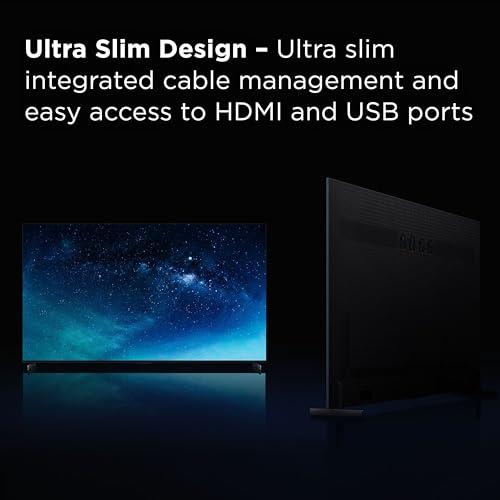
Both TVs require professional installation due to their size and weight (150+ pounds). The TCL 98" X11K includes integrated cable management features. The Samsung QN80F is slightly larger at 100 inches but both need substantial wall mounting hardware and careful planning for safe installation.
Both the TCL X11K and Samsung QN80F include standard manufacturer warranties. Samsung typically offers more extensive service networks and longer brand history, while TCL has been improving their support infrastructure. Consider your local service availability when making this significant investment.
Choose the TCL 98" X11K if you have a bright room, want the best HDR performance, prefer premium built-in audio, and don't mind paying more for superior picture quality. Pick the Samsung 100" Neo QLED QN80F if you want the largest screen size, have controlled lighting, prefer Samsung's ecosystem, and want to save money while planning to add a soundbar later.
We've done our best to create useful and informative comparisons to help you decide what product to buy. Our research uses advanced automated methods to create this comparison and perfection is not possible - please contact us for corrections or questions. These are the sites we've researched in the creation of this article: ecoustics.com - pcrichard.com - tcl.com - valueelectronics.com - bestbuy.com - tcl.com - whathifi.com - tcl.com - youtube.com - displayspecifications.com - whathifi.com - youtube.com - notebookcheck.net - tcl.com - tcl.com - displayspecifications.com - tcl.com - tcl.com - pcguide.com - en.homecinesolutions.fr - youtube.com - tcl.com - rtings.com - youtube.com - theshortcut.com - c9av.com - youtube.com - rtings.com - youtube.com - samsung.com - wifihifi.com - samsung.com - samsung.com - samsung.com - bestbuy.com - samsung.com - flatpanelshd.com - schaeferstv.com - samsung.com - samsung.com - samsung.com - samsung.com - cullenshomecenter.com

Privacy Policy
Terms and Conditions - Affiliate Policy
Home Security
© Copyright 2008-2026.
11816 Inwood Rd #1211, Dallas, TX 75244