

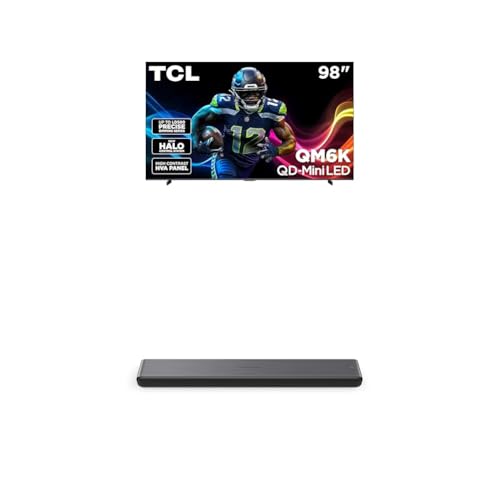
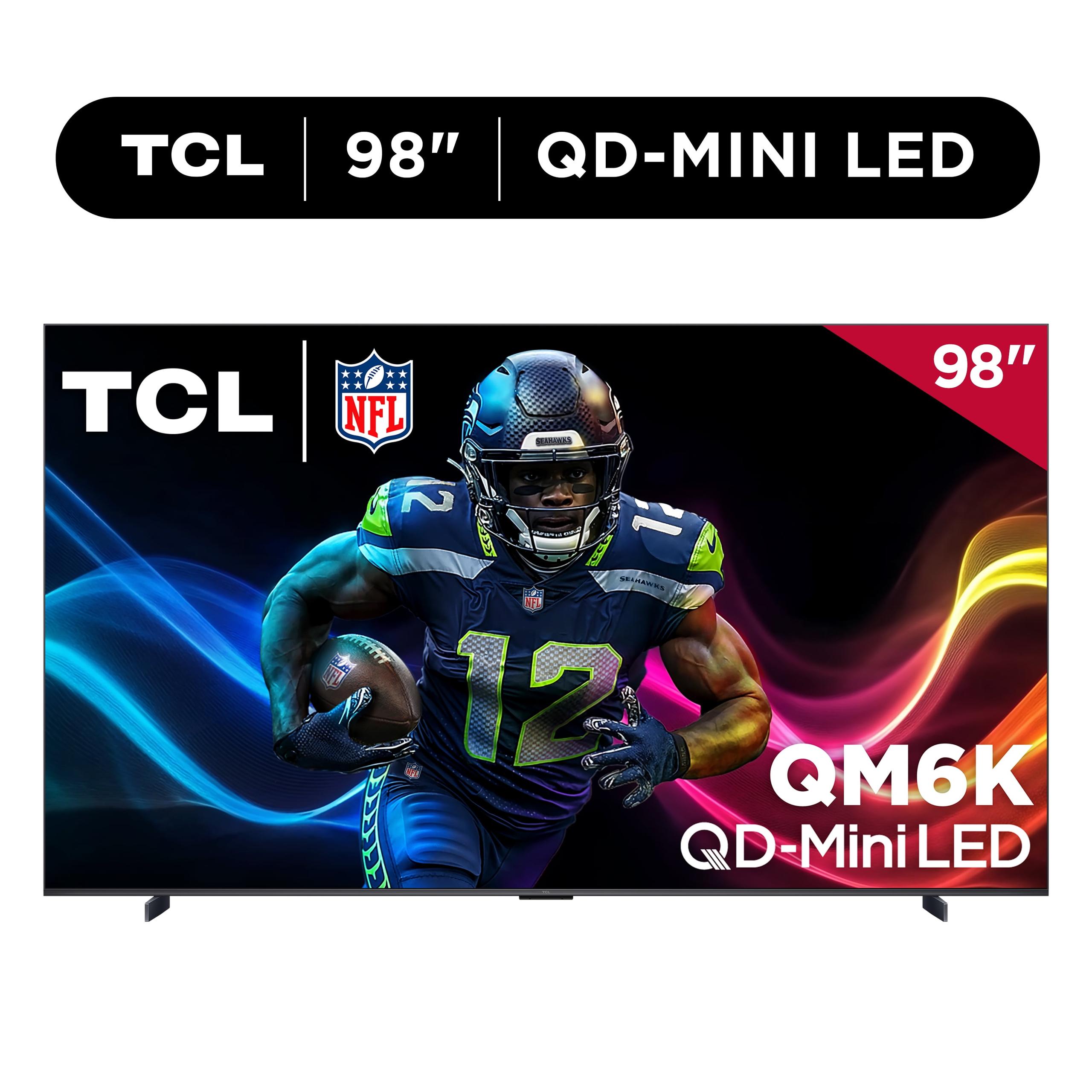






Shopping for a 98-inch TV isn't exactly an everyday decision. You're looking at what essentially amounts to a wall-sized display that'll dominate your living space and hopefully provide years of incredible entertainment. TCL has made this choice both easier and harder with two compelling options: the QM6K QLED TV at $1,999.99 and the QM7 Series 4K UHD Smart TV at $2,199.99.
Both models launched in 2025 as TCL's flagship large-format displays, but they take notably different approaches to achieving premium picture quality. After spending considerable time with large-format displays, I can tell you that at this size, the differences between technologies become much more apparent – and much more important to your daily viewing experience.
When you're dealing with a 98-inch display, you're essentially creating a home theater centerpiece. At this size, picture quality flaws that might be minor on a 65-inch TV become glaringly obvious. Similarly, strengths become more impressive and immersive.
The main considerations for TVs in this category go beyond basic specs. You need to think about brightness consistency across the massive screen, how well the TV handles different types of content, and crucially, how it performs in your specific room environment. A TV this large will be visible from multiple angles and distances, making viewing angle performance and glare handling critical factors.
Gaming has also become increasingly important for large displays. Many buyers use these TVs for both cinematic experiences and gaming, expecting smooth performance whether they're watching a 4K movie or playing the latest console games at high frame rates.
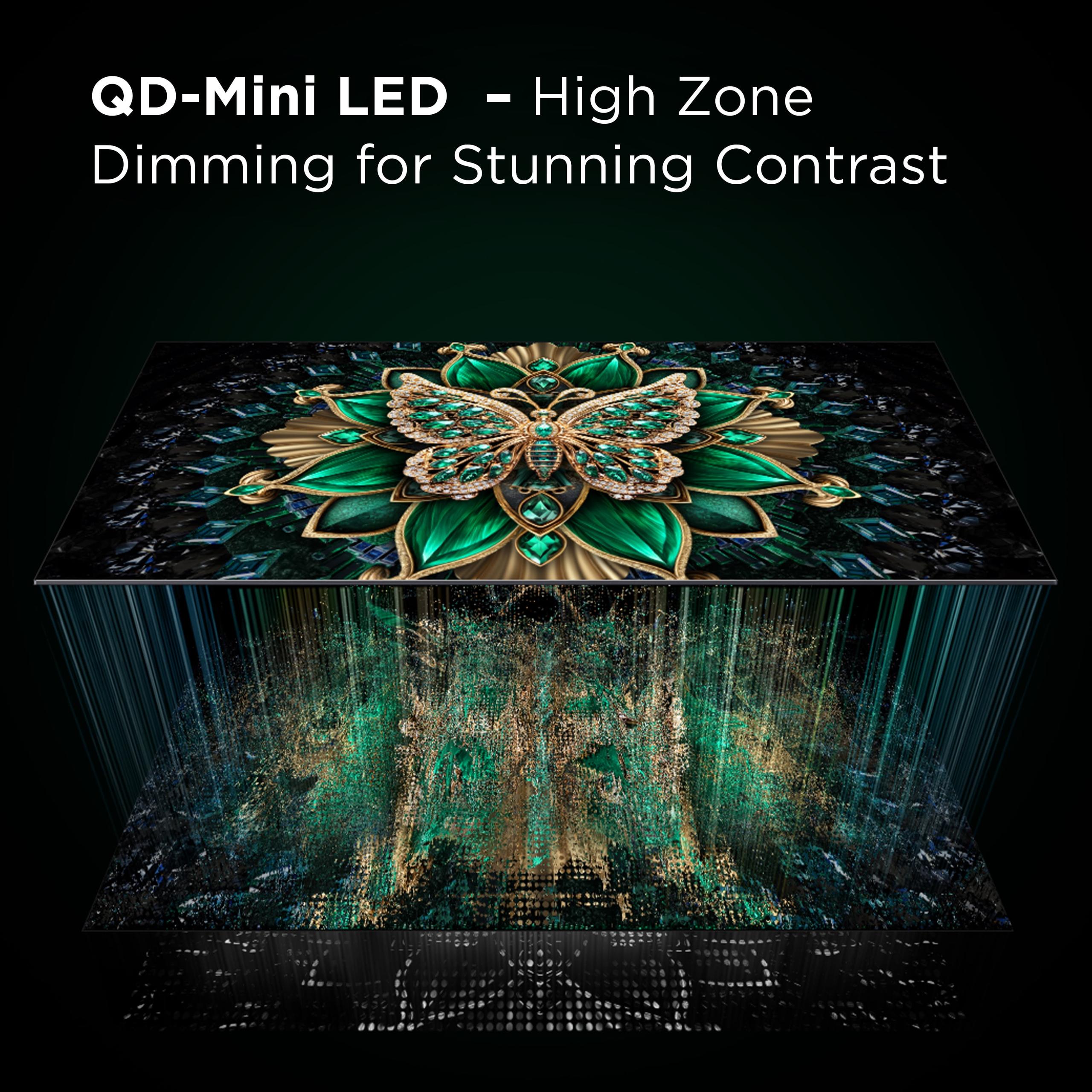
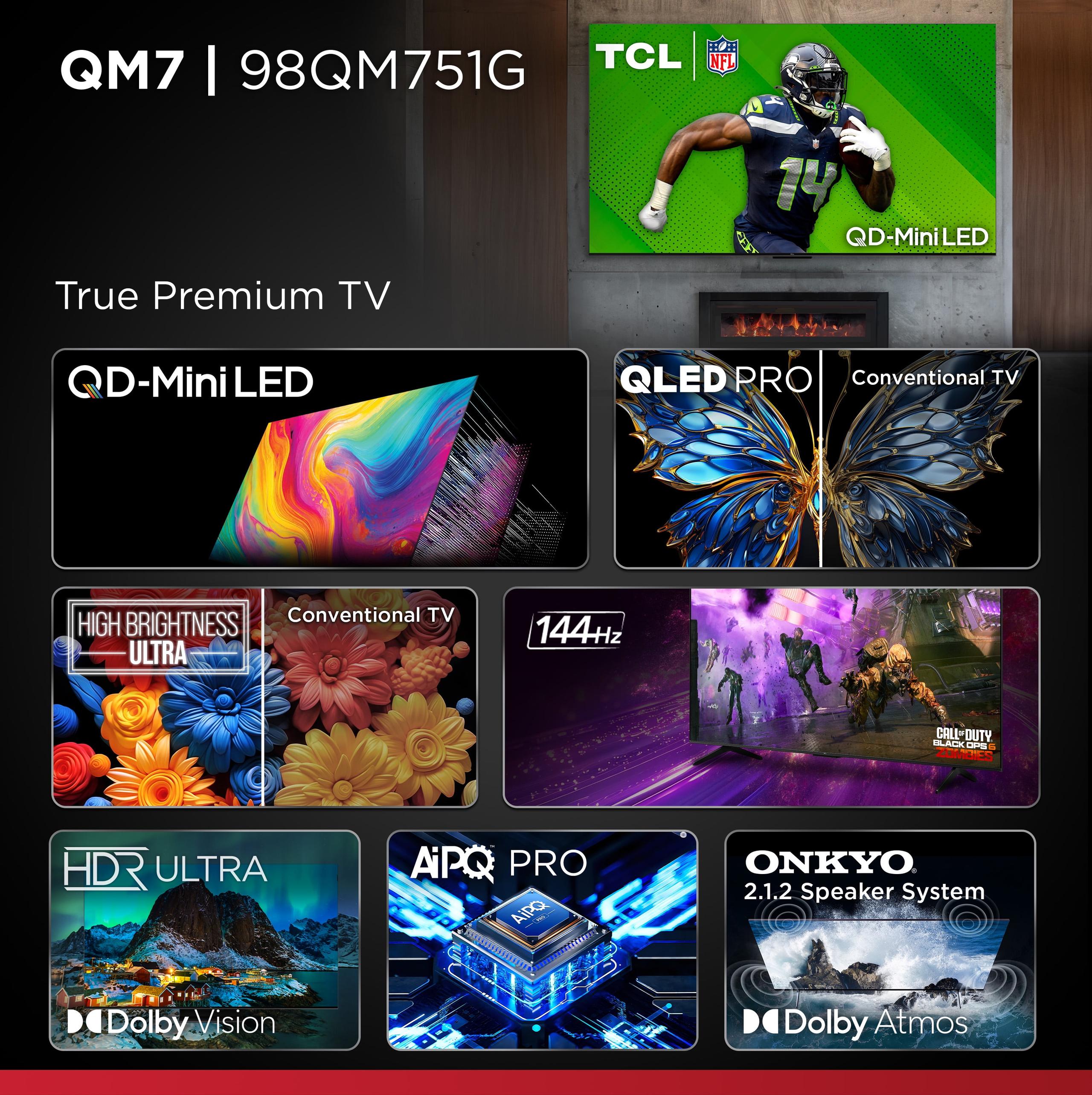
The fundamental difference between these TVs comes down to their display philosophy. The QM6K uses what TCL calls QD-Mini LED technology, while the QM7 sticks with traditional QLED. This might sound like marketing jargon, but these differences create meaningful real-world performance variations.
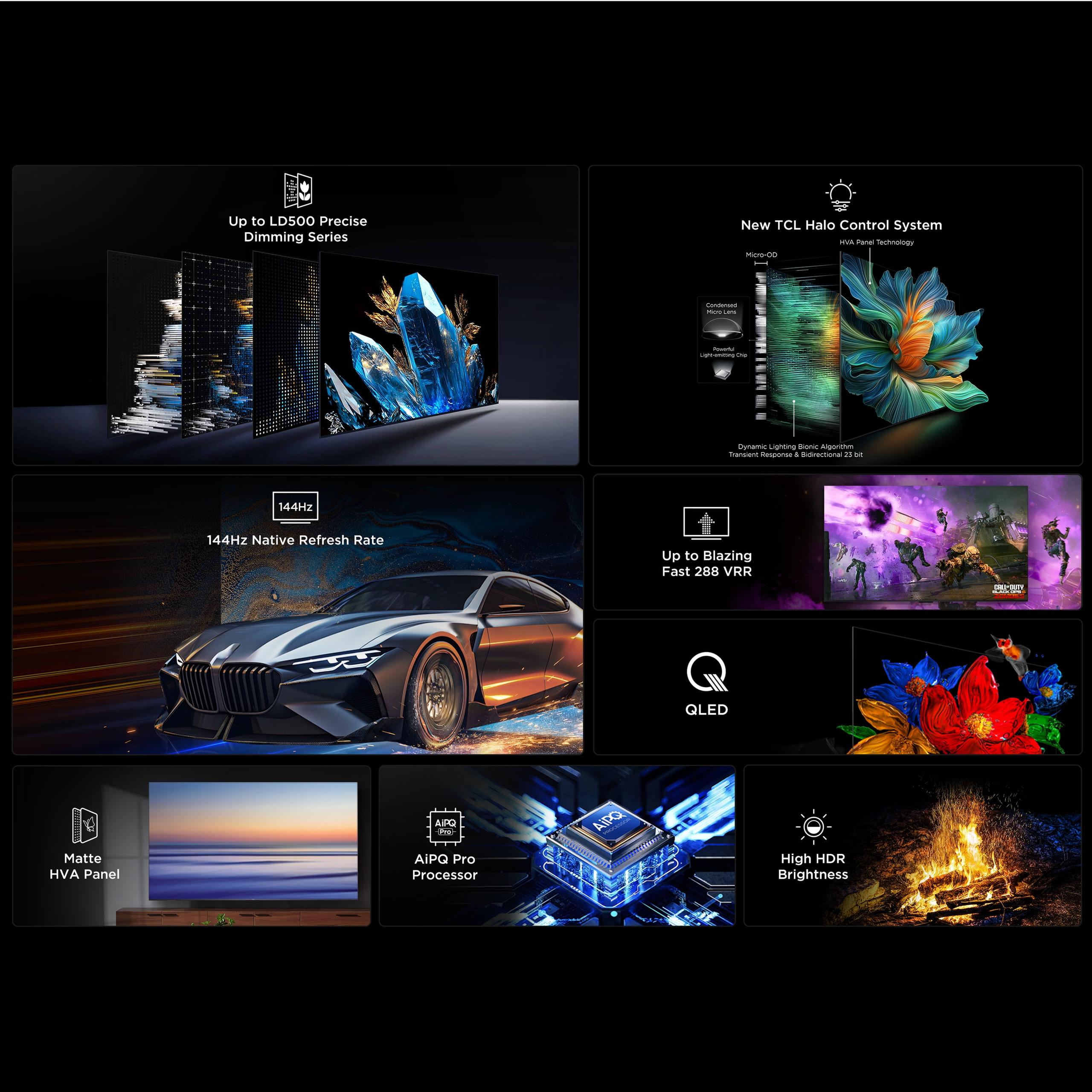
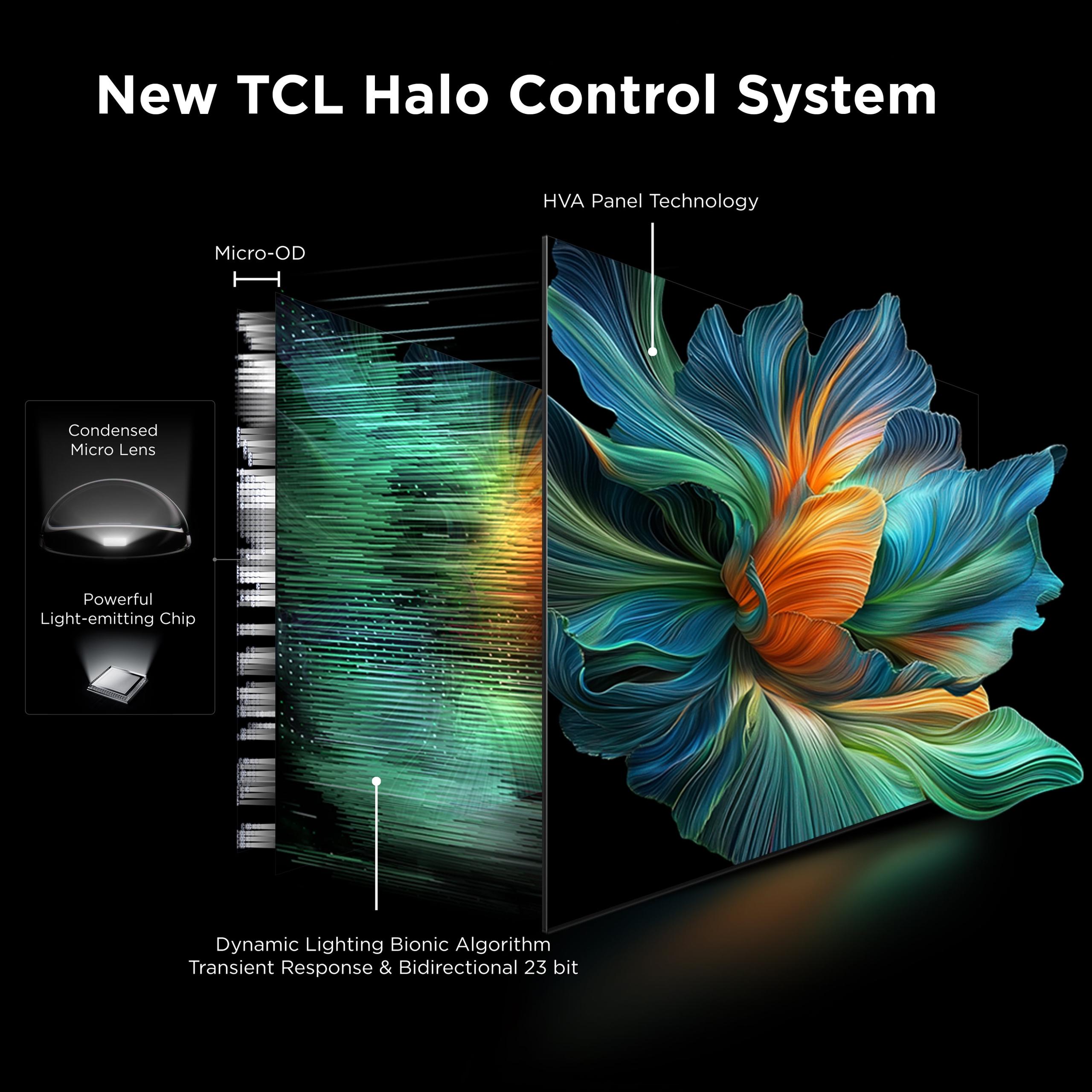
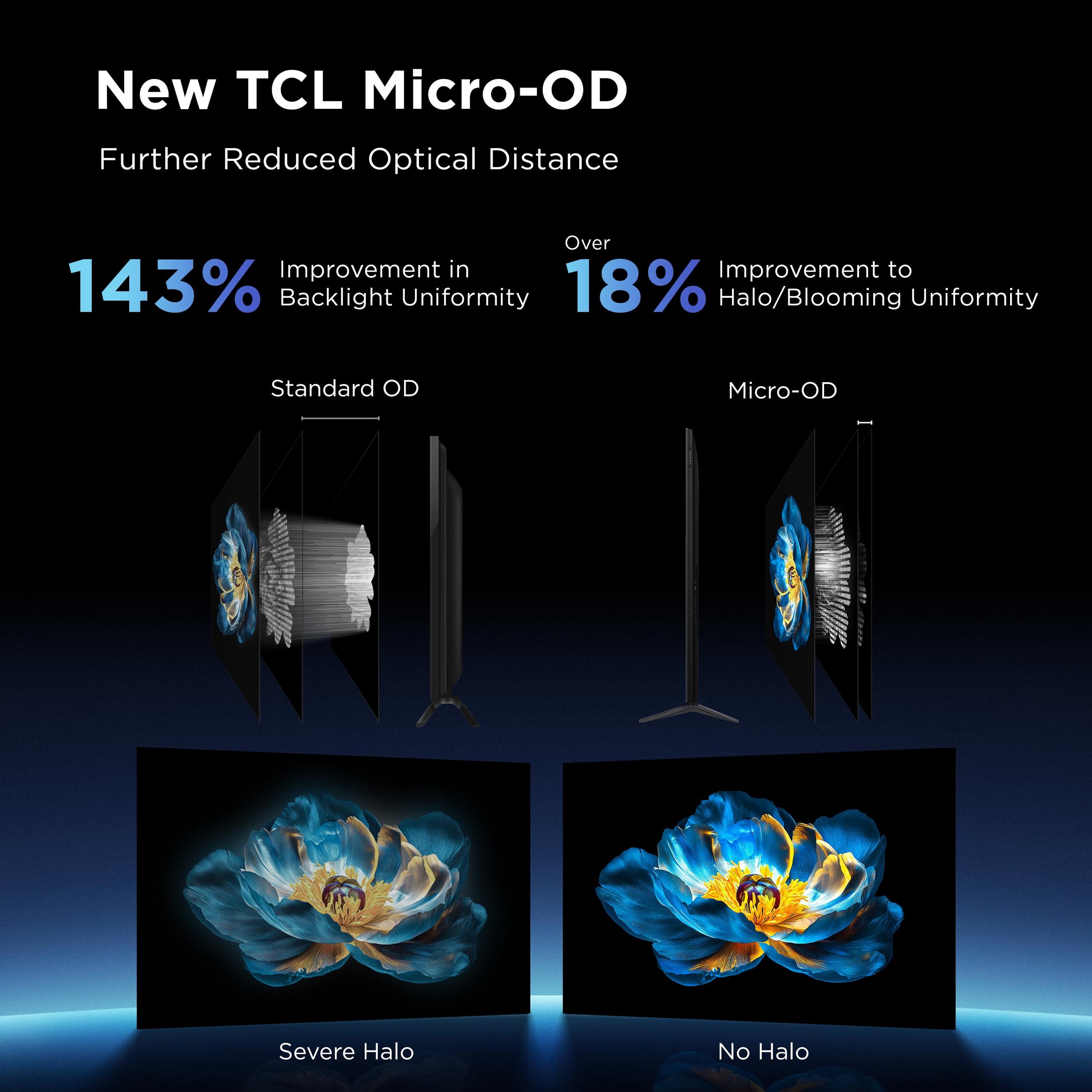
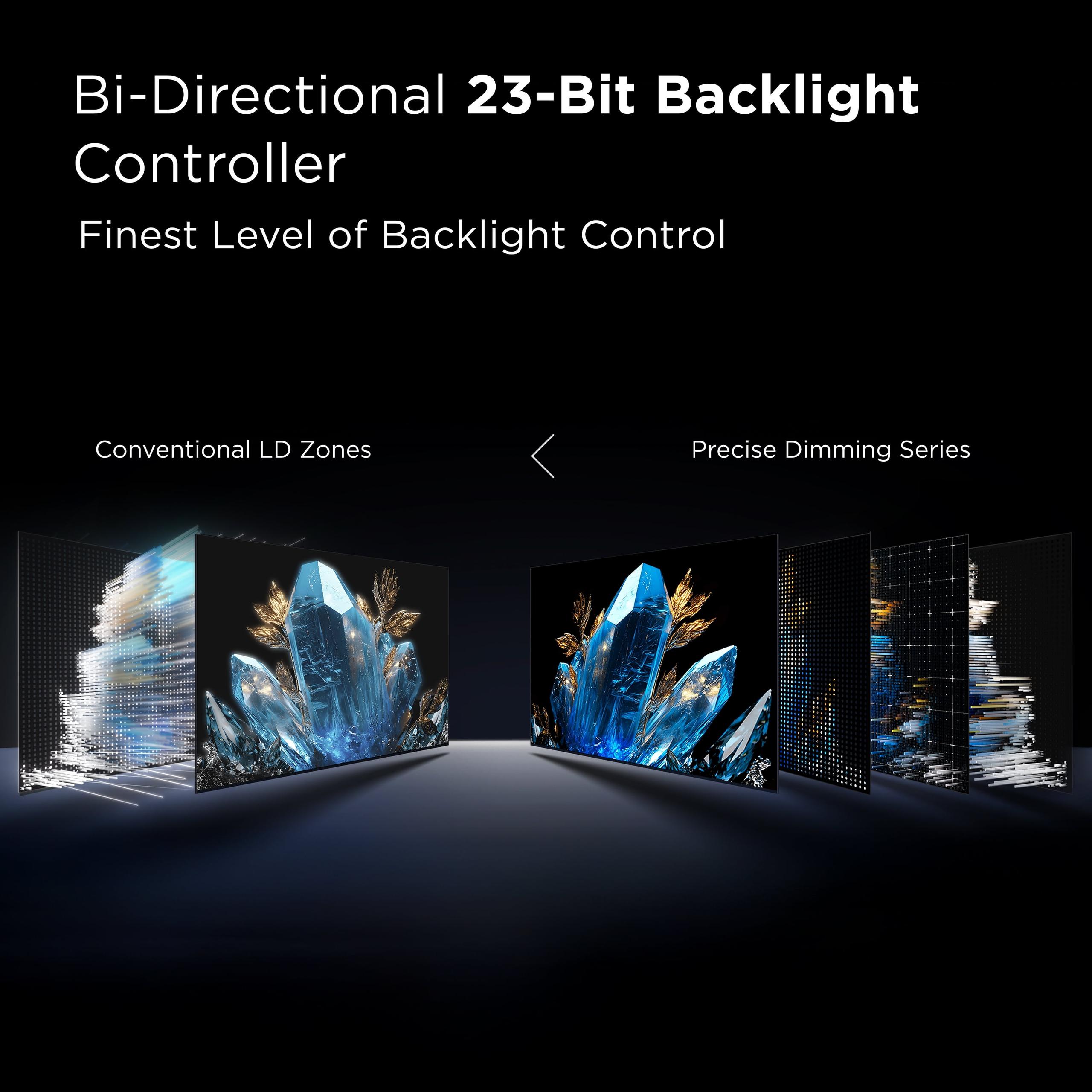
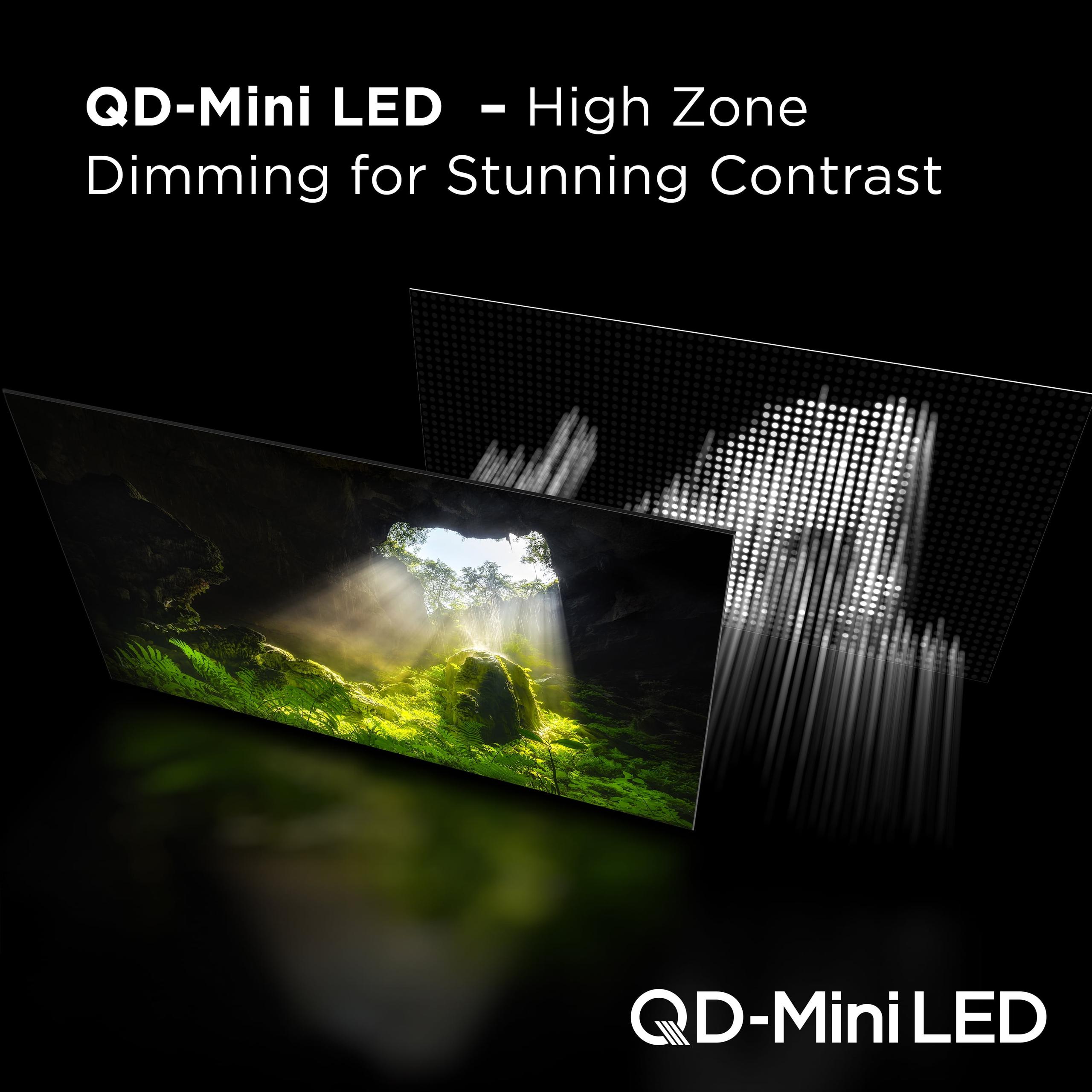
Mini LED technology essentially means thousands of tiny LEDs create the backlight behind the screen, allowing for much more precise control over brightness in different areas. The QM6K packs over 2,000 local dimming zones – think of these as individual sections of the screen that can brighten or dim independently. This is significantly more than most TVs, which might have a few hundred zones or even just edge lighting.
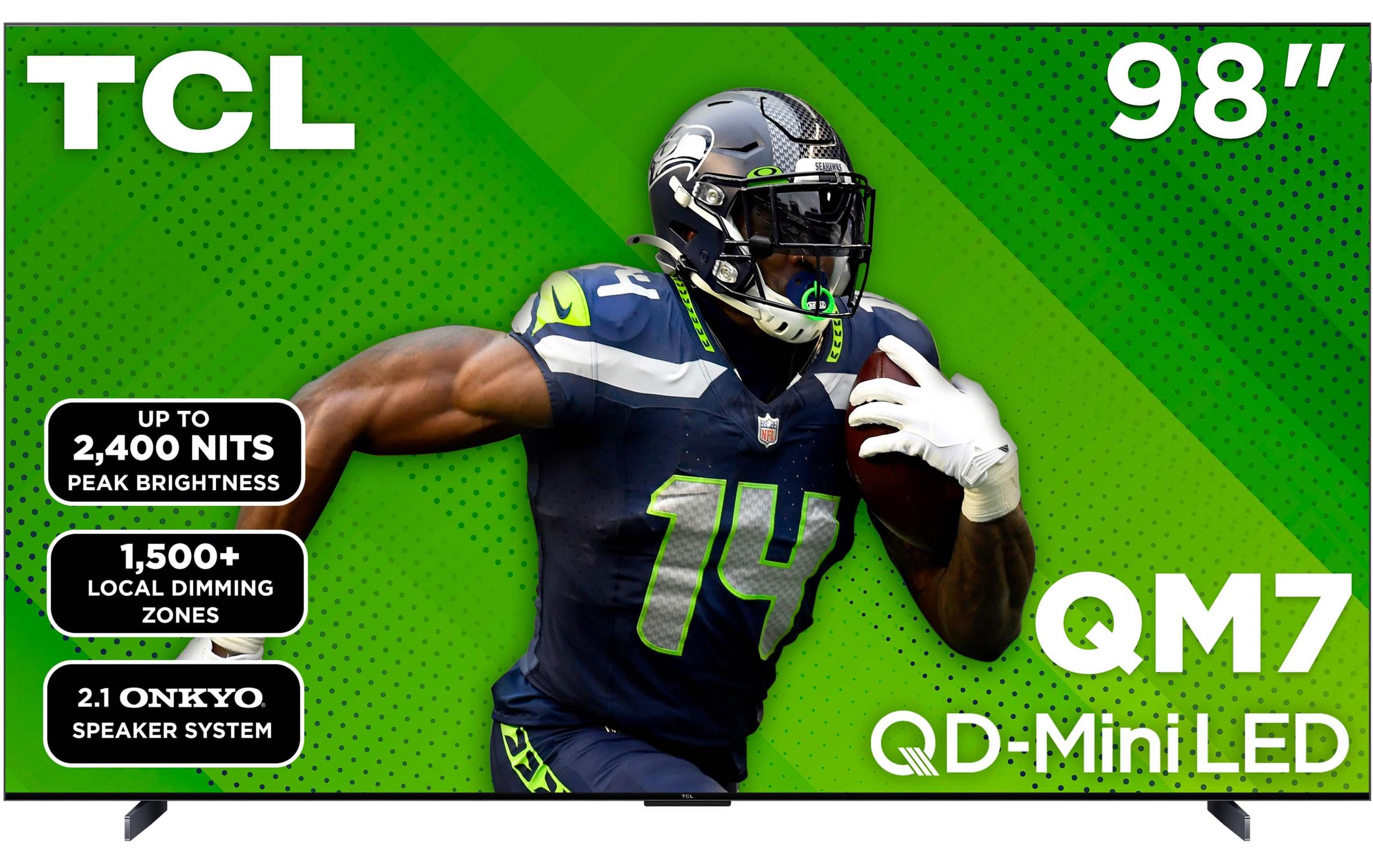
The QM7, while still premium, uses TCL's more traditional QLED approach with 1,500+ local dimming zones. It's still excellent, but offers less granular control over brightness and darkness across the screen.
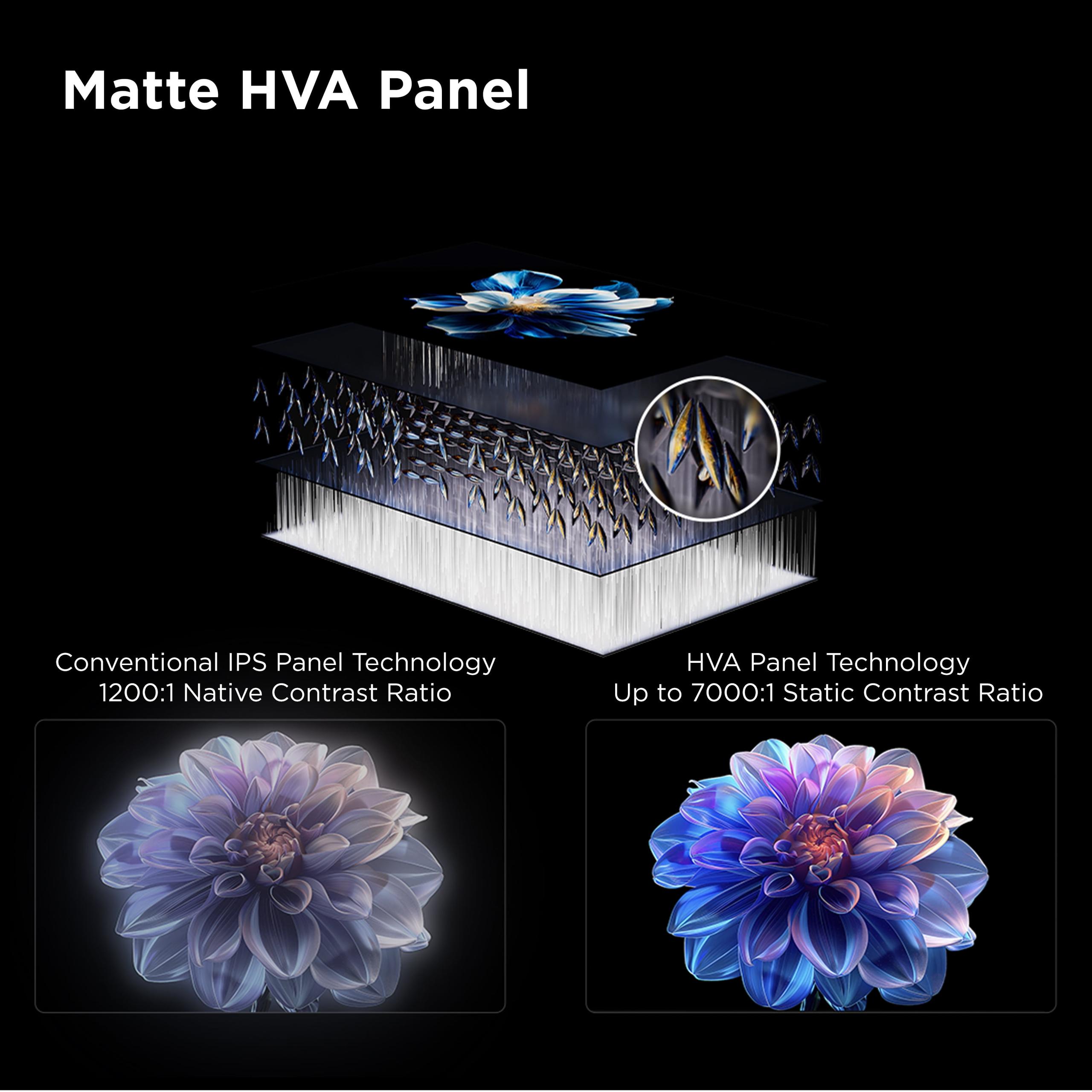
Perhaps more importantly for daily use, these TVs handle reflections completely differently. The QM6K features a matte screen coating designed to scatter ambient light, while the QM7 uses a glossy screen that can reflect light sources directly back at you but potentially offers deeper blacks in ideal conditions.
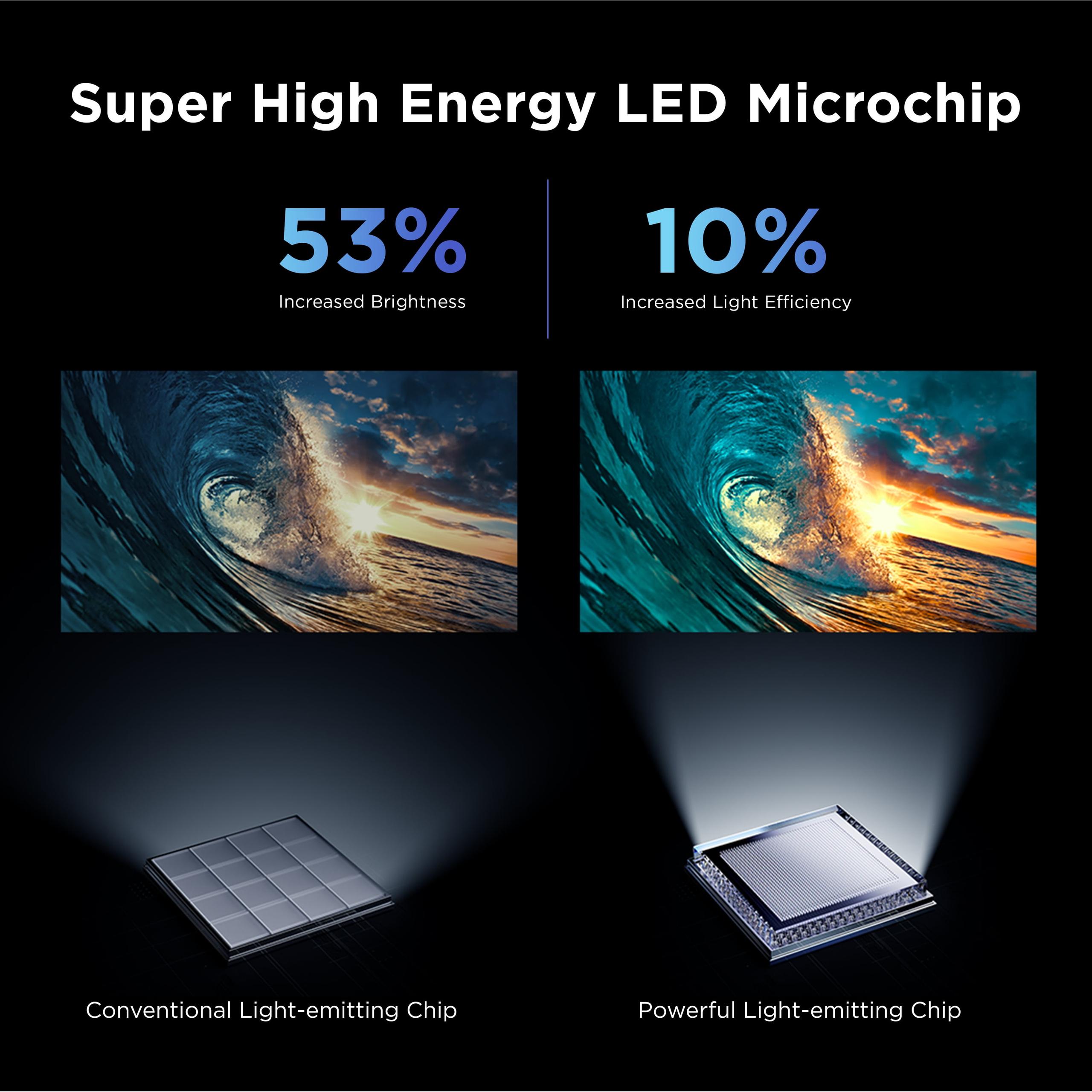
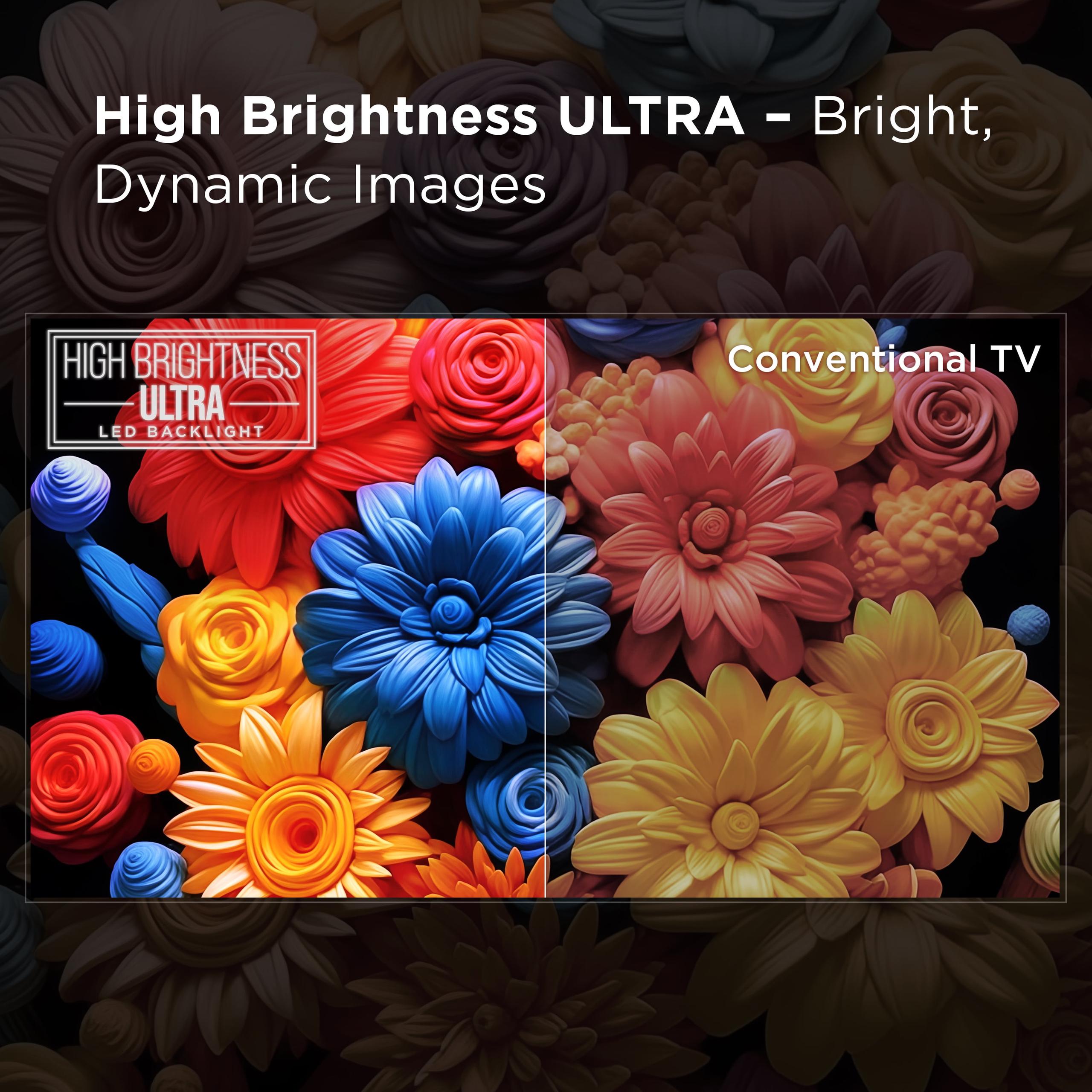
Peak brightness numbers often get thrown around in TV marketing, but they're genuinely important for large displays like these. The QM6K reaches up to 5,000 nits in peak highlights, while the QM7 tops out around 2,400 nits.
To put this in perspective, most content is mastered at 1,000-4,000 nits for HDR highlights. When you're watching a scene with bright sunlight, explosions, or reflections off water, the QM6K can actually reproduce these elements at their intended brightness. The QM7, while still bright, might compress these highlights slightly.
I've noticed this difference most dramatically with HDR content like nature documentaries or action movies. Scenes of snow-capped mountains or bright desert landscapes simply pop more on the QM6K. The extra brightness headroom means highlights don't get clipped or rolled off as aggressively.
However, brightness isn't everything. The QM7's more conservative approach to peak brightness often results in better overall brightness uniformity across the screen. Sometimes pushing for maximum nits can create hotspots or inconsistencies, though TCL has generally done well controlling this.
Here's where things get interesting. Despite having more local dimming zones, the QM6K doesn't necessarily achieve deeper blacks than the QM7. This comes down to the matte screen coating, which slightly elevates black levels to achieve its anti-glare properties.
The QM7's glossy screen can produce inkier blacks when viewed in a dark room, creating more dramatic contrast. If you're setting up a dedicated home theater with controlled lighting, the QM7's contrast performance can be genuinely impressive – approaching what you might expect from more expensive display technologies.
The trade-off becomes apparent when any ambient light enters the room. The QM7's glossy screen will reflect light sources, potentially washing out those deep blacks. The QM6K maintains more consistent contrast performance regardless of room conditions.
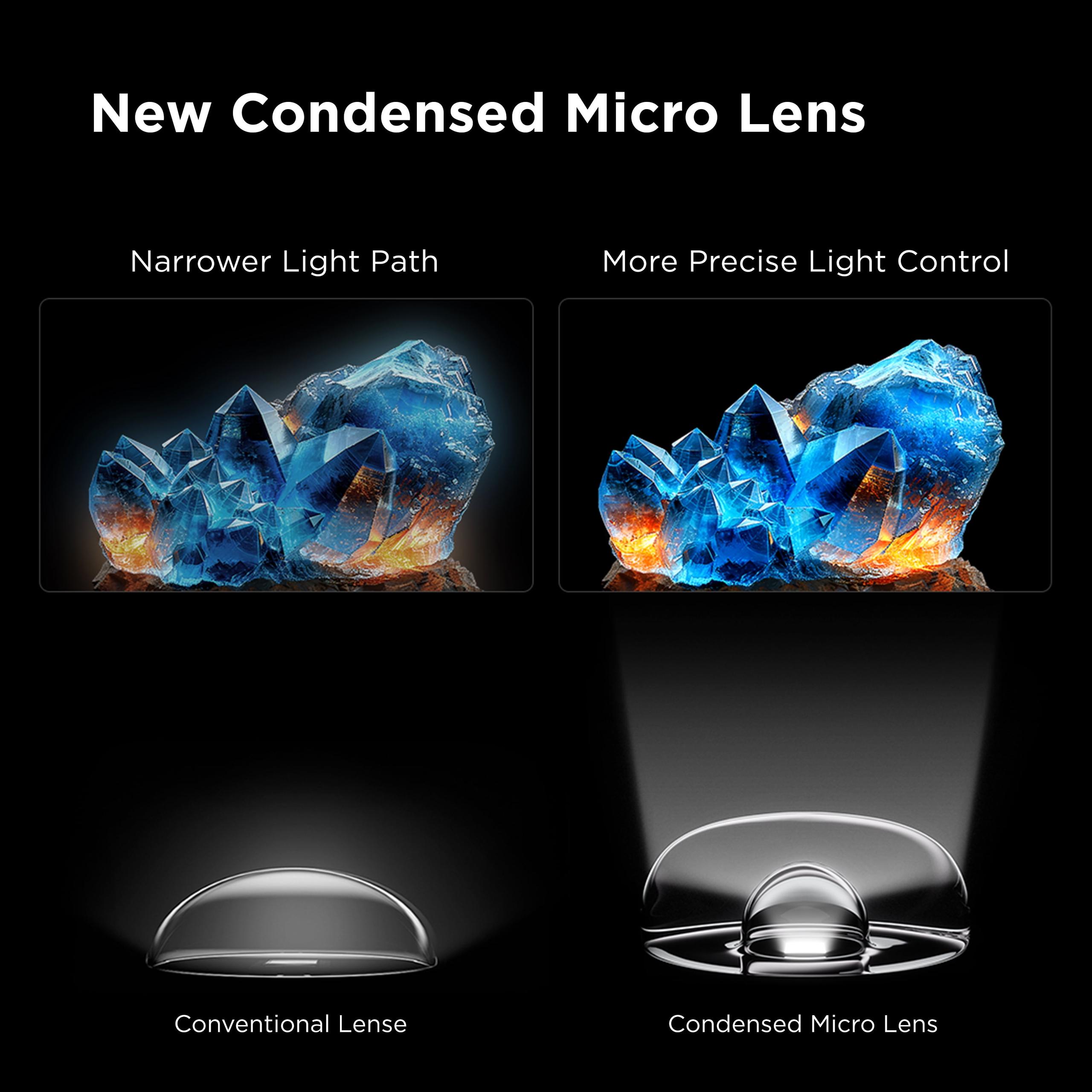
Both TVs handle the "blooming" effect – where bright objects create halos in dark scenes – quite well thanks to their high zone counts. However, the QM6K's superior zone count gives it a slight edge in minimizing this effect, particularly important on such a large screen where blooming becomes more noticeable.
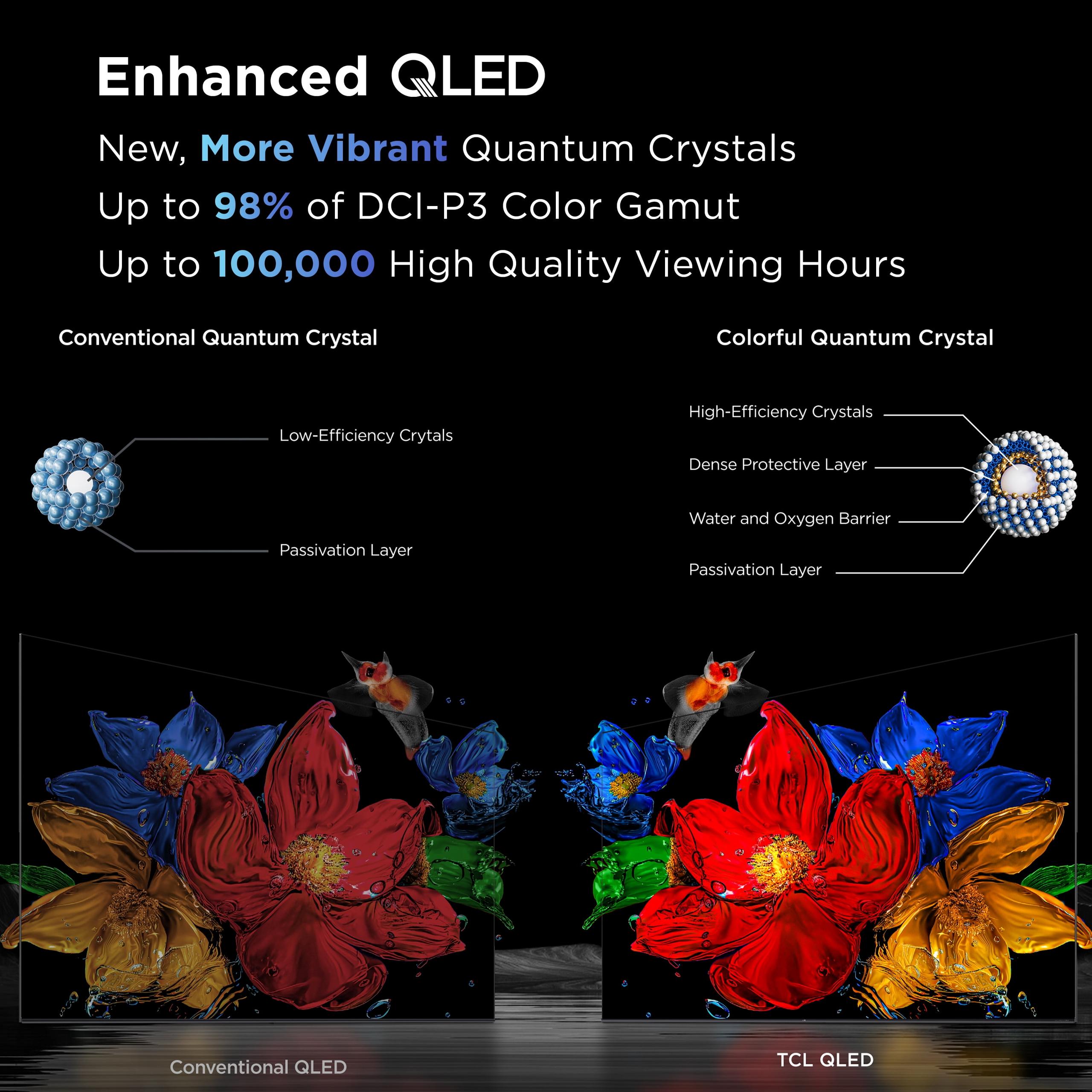
Both models cover approximately 93% of the DCI-P3 color gamut, which represents the color space used for most modern content. This is excellent coverage that ensures vibrant, accurate colors for both movies and games.
The QM7 tends to produce slightly more saturated, punchy colors out of the box – the kind of vivid presentation that looks impressive in showrooms. The QM6K takes a more balanced approach, prioritizing color accuracy and consistency across different viewing conditions.
For home theater use, I actually prefer the QM6K's approach. While the QM7's colors might look more immediately impressive, the QM6K's more accurate color reproduction becomes more pleasant for extended viewing sessions and tends to match the director's intent more closely.
Both TVs excel at gaming, but the QM6K edges ahead with some key advantages. It supports 4K gaming at up to 144Hz and can push 1080p content to an impressive 288Hz refresh rate. The QM7 maxes out at 240Hz for variable refresh rate content.
Input lag – the delay between when you press a button and see the result on screen – is excellent on both models, measuring around 10-15 milliseconds in game mode. This is fast enough for competitive gaming, though serious esports players might still prefer dedicated gaming monitors.
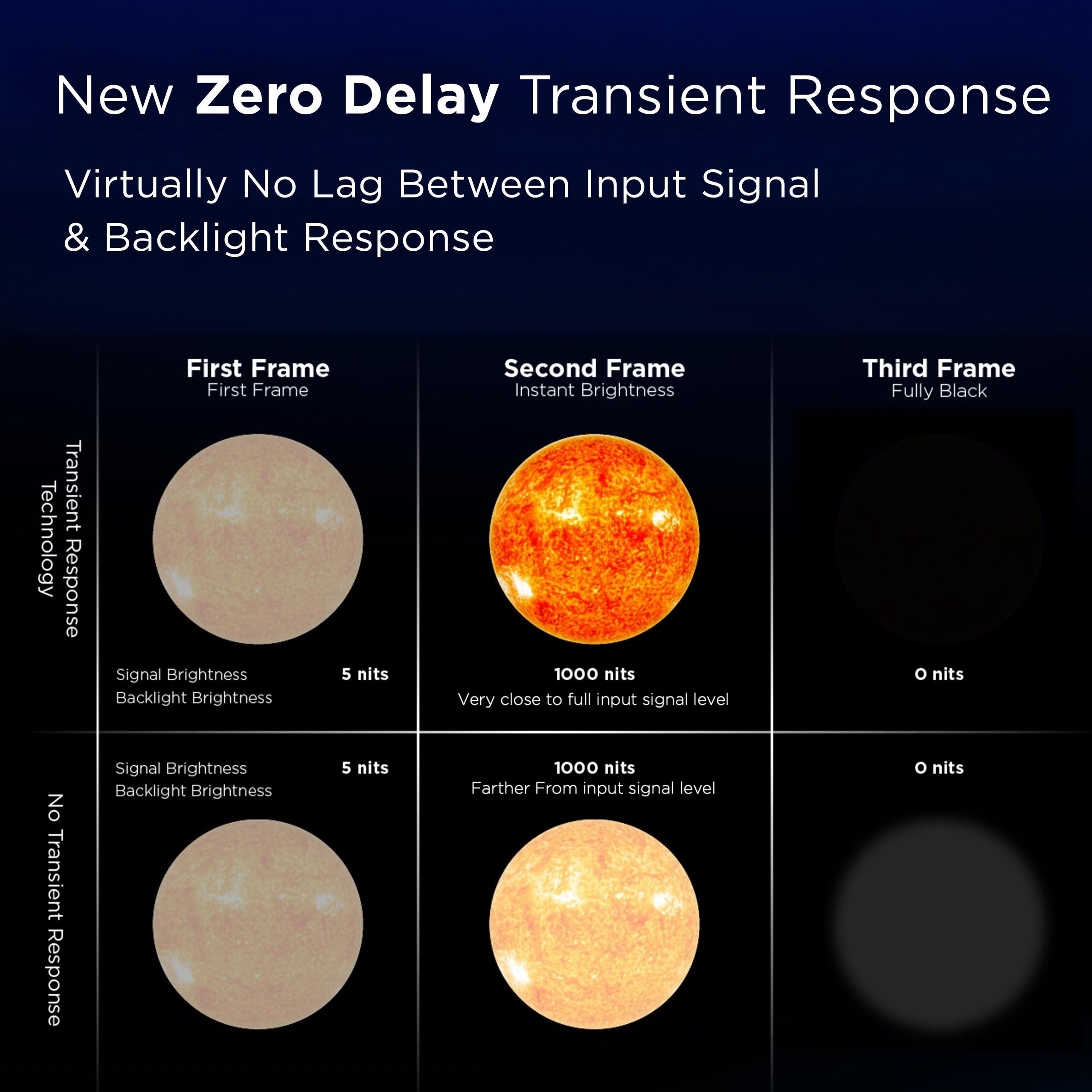
The QM6K's "Game Accelerator 288" technology provides slightly more responsive gaming, particularly beneficial for fast-paced games where every millisecond counts. Both TVs support AMD FreeSync Premium Pro and Auto Low Latency Mode (ALLM), ensuring smooth gameplay without screen tearing.
For console gaming, both TVs handle PlayStation 5 and Xbox Series X beautifully, supporting all the advanced features these systems offer. The extra refresh rate headroom on the QM6K provides some future-proofing as games begin supporting higher frame rates.
Both TVs run Google TV, which has become my preferred smart TV platform. It's intuitive, offers excellent content recommendations, and integrates well with other Google services. The interface is identical between both models, so there's no advantage either way.
Connectivity is comprehensive on both TVs, with multiple HDMI 2.1 ports supporting the full bandwidth needed for 4K/120Hz gaming. Both include eARC support for high-quality audio passthrough to soundbars or AV receivers.
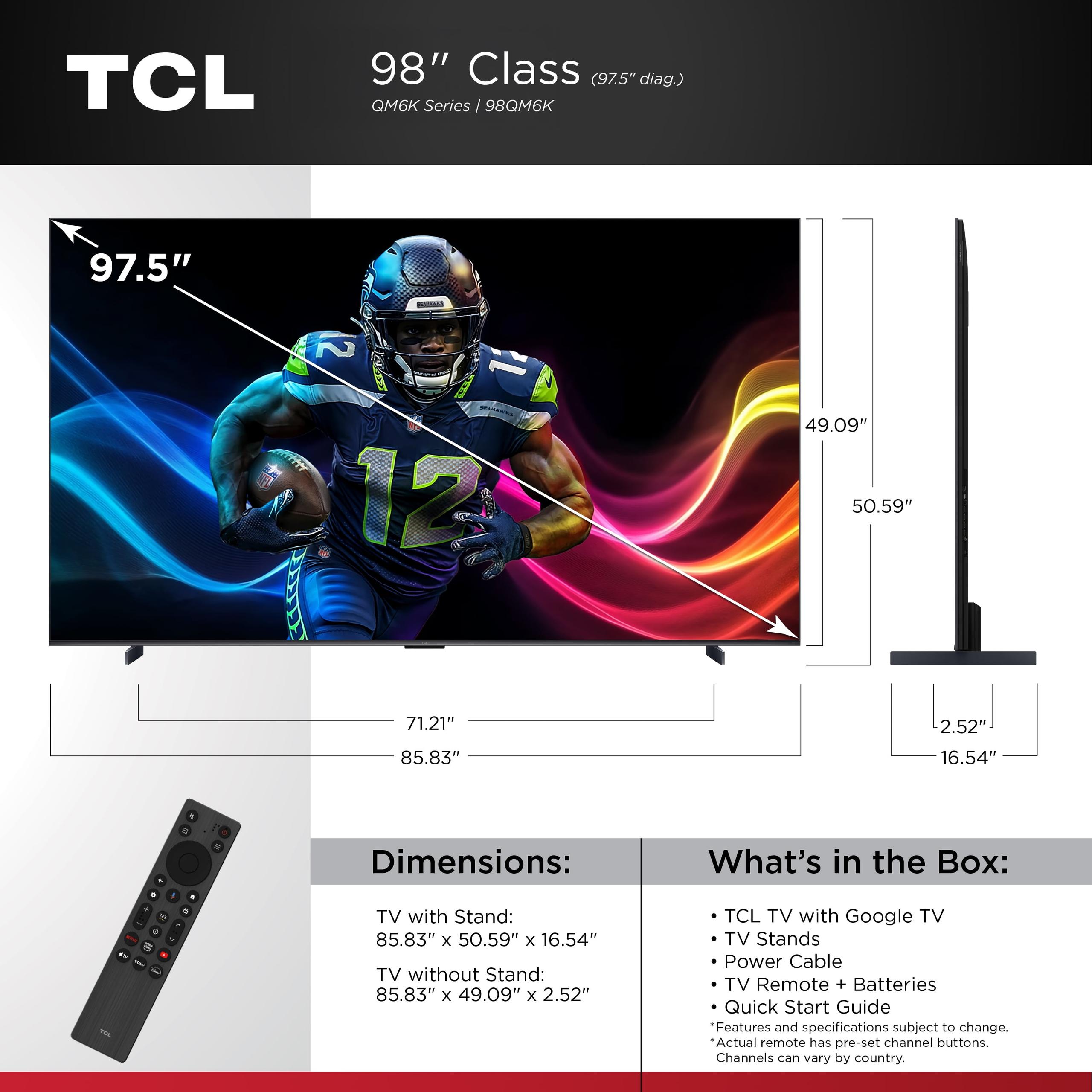
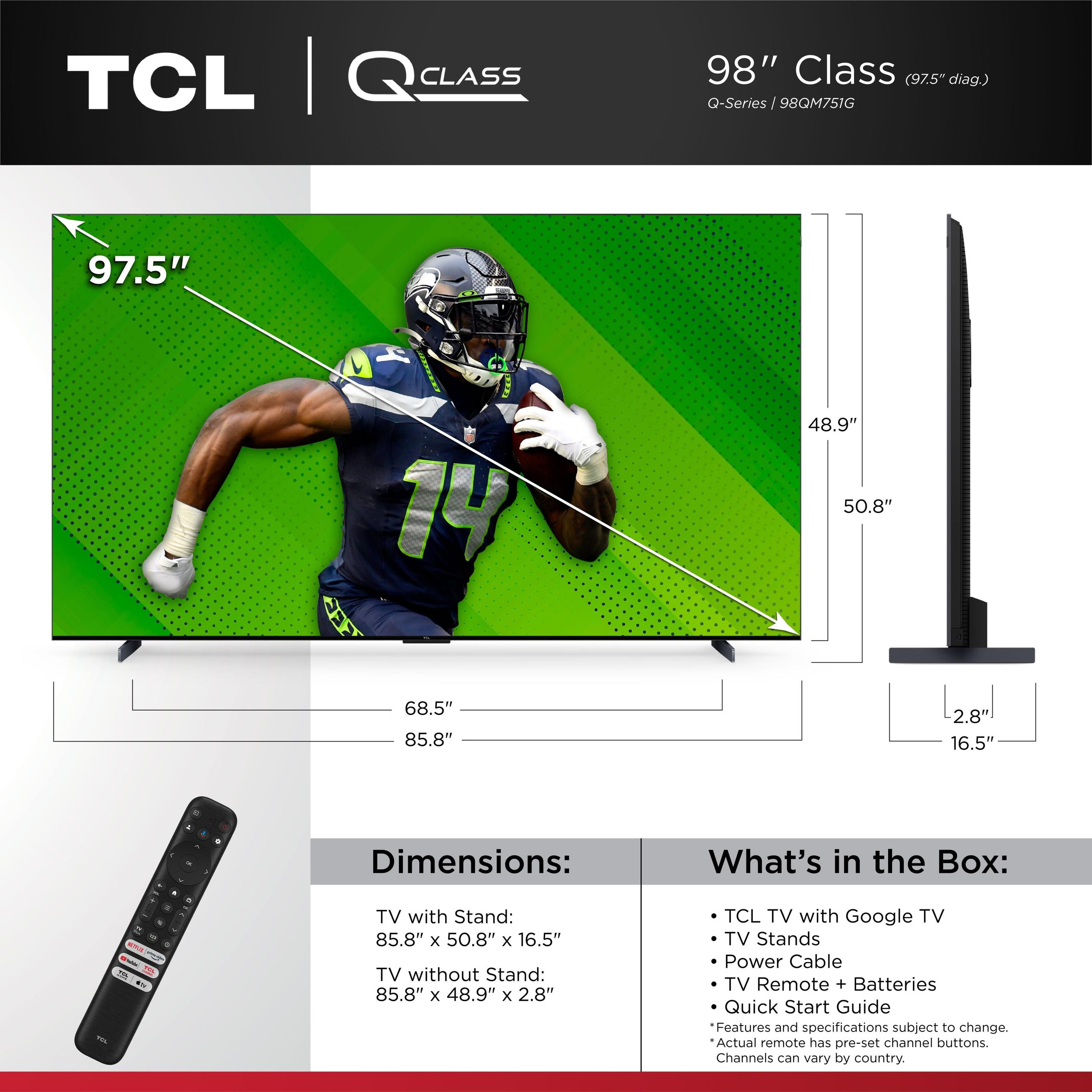
One practical note: at 98 inches, you'll almost certainly want to wall-mount these TVs. Both include VESA mounting compatibility, though you'll need a robust wall mount rated for their size and weight.
This is where your specific setup becomes crucial. The QM6K's matte screen makes it significantly more versatile for different room conditions. If your TV will be in a living room with windows, overhead lighting, or other light sources, the QM6K handles these conditions gracefully.
I've seen too many people buy glossy-screen TVs like the QM7 without considering their room's lighting, only to struggle with reflections during daytime viewing. The matte coating on the QM6K essentially eliminates this issue, though it does come at the cost of those deeper blacks I mentioned earlier.
For dedicated home theaters with controlled lighting, the QM7 can provide a more cinematic experience with its superior contrast in dark conditions. The glossy screen, when not fighting reflections, produces more vibrant colors and deeper blacks that can make movies feel more immersive.
Neither TV will blow you away with built-in audio – at 98 inches, you really should pair these with a dedicated sound system. However, the QM6K includes an enhanced Onkyo 2.1.1 system with a built-in subwoofer, providing better bass response than the QM7's 2.1 system.
For temporary use or secondary audio, the QM6K's audio system is noticeably better. But seriously, invest in a soundbar or surround system to match the scale of these displays.
At $200 less than the QM7, the QM6K presents compelling value. You're getting more advanced Mini LED technology, higher peak brightness, better gaming specs, and superior room versatility for less money.
The QM7's higher price reflects its positioning as a more traditional premium TV focused on dark-room performance. If you have the ideal setup for it, the QM7 can provide a slightly more cinematic experience. But for most buyers, the QM6K offers better overall performance per dollar.
Choose the QM6K if you have a bright living room, prioritize gaming, want maximum HDR brightness, or prefer a TV that performs well in any lighting condition. Its matte screen and superior brightness make it the more versatile choice for most homes.
Choose the QM7 if you have a dedicated dark home theater, primarily watch movies, and can control room lighting to minimize reflections. Its deeper blacks and more vibrant colors shine in ideal conditions.
For most buyers, I'd recommend the QM6K. The combination of advanced technology, better room versatility, superior gaming performance, and lower price makes it the stronger overall package. The $200 savings can go toward a quality soundbar to complete your home theater setup.
Both TVs represent excellent values in the premium large-format market, but the QM6K's more modern approach to display technology and broader appeal make it the safer choice for most viewing environments.
| TCL 98-Inch QM6K QLED TV | TCL 98" QM7 Series 4K UHD Smart TV |
|---|---|
| Price - $200 difference for premium large format display | |
| $1,999.99 | $2,199.99 |
| Display Technology - Core difference affecting picture quality and room versatility | |
| QD-Mini LED with 2,000+ local dimming zones | Traditional QLED with 1,500+ local dimming zones |
| Peak Brightness - Critical for HDR impact and bright room viewing | |
| Up to 5,000 nits (exceptional HDR highlights) | Up to 2,400 nits (very bright but less impactful) |
| Screen Surface - Major factor for room lighting compatibility | |
| Matte anti-glare coating (eliminates reflections) | Glossy screen (deeper blacks but prone to reflections) |
| Gaming Performance - Important for console and PC gaming | |
| 4K @ 144Hz, 1080p @ 288Hz with Game Accelerator 288 | 4K @ 144Hz, VRR up to 240Hz with Game Accelerator 240 |
| Audio System - Built-in sound quality | |
| Onkyo 2.1.1 with built-in subwoofer | Onkyo 2.1 system (40W total output) |
| HDR Support - Premium content compatibility | |
| Dolby Vision IQ, HDR10+, HDR10, HLG | Dolby Vision IQ, HDR10+, HDR10, HLG |
| Best Use Case - Ideal viewing environment | |
| Bright living rooms, mixed lighting, versatile placement | Dark home theaters, controlled lighting environments |
| Smart Platform - User interface and streaming | |
| Google TV (identical experience) | Google TV (identical experience) |
| Value Proposition - What you get for the price difference | |
| More advanced tech, better brightness, gaming features for less money | Premium positioning with superior dark room contrast for $200 more |
The TCL 98-Inch QM6K QLED TV at $1,999.99 offers better overall value than the TCL 98" QM7 Series at $2,199.99. You get more advanced Mini LED technology, higher peak brightness (5,000 vs 2,400 nits), better gaming performance, and superior room versatility for $200 less.
The TCL 98-Inch QM6K is significantly better for bright rooms due to its matte anti-glare coating that eliminates reflections and its exceptional 5,000-nit peak brightness. The QM7 has a glossy screen that reflects ambient light, making it less suitable for rooms with windows or overhead lighting.
The TCL 98" QM7 achieves deeper black levels in dark rooms thanks to its glossy screen and optimized local dimming. However, the QM6K maintains more consistent contrast across different lighting conditions due to its matte coating and superior local dimming zone count.
The TCL 98-Inch QM6K features an enhanced Onkyo 2.1.1 speaker system with a built-in subwoofer for better bass response. The QM7 includes an Onkyo 2.1 system with 40W total output. Both benefit significantly from adding a dedicated soundbar or surround system.
Both the TCL 98-Inch QM6K and QM7 offer identical connectivity with four HDMI ports (including two HDMI 2.1 for gaming), eARC support, USB ports, Wi-Fi 6, and Ethernet. Neither has connectivity advantages over the other.
We've done our best to create useful and informative comparisons to help you decide what product to buy. Our research uses advanced automated methods to create this comparison and perfection is not possible - please contact us for corrections or questions. These are the sites we've researched in the creation of this article: bestbuy.com - rtings.com - techradar.com - the-gadgeteer.com - youtube.com - youtube.com - ign.com - youtube.com - tomsguide.com - tcl.com - valueelectronics.com - bestbuy.com - bestbuy.com - rtings.com - circuitworldonline.com - youtube.com - tcl.com - bestbuy.com - tomsguide.com - tcl.com - flatpanelshd.com - displayspecifications.com - bestbuy.com - youtube.com - business.walmart.com - avsforum.com - tcl.com - circuitworldonline.com - tcl.com - bestbuy.com - rtings.com - bestbuy.com - displayspecifications.com - tcl.com

Privacy Policy
Terms and Conditions - Affiliate Policy
Home Security
© Copyright 2008-2026.
11816 Inwood Rd #1211, Dallas, TX 75244