


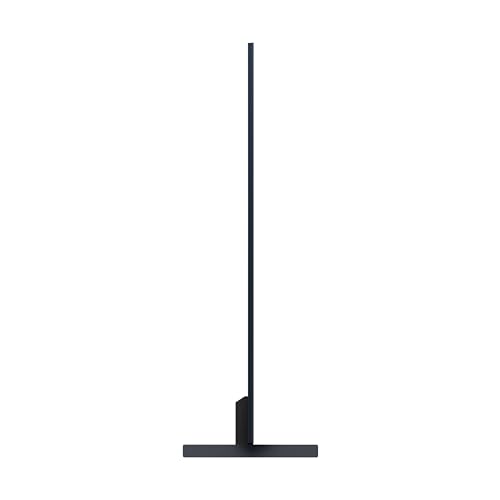
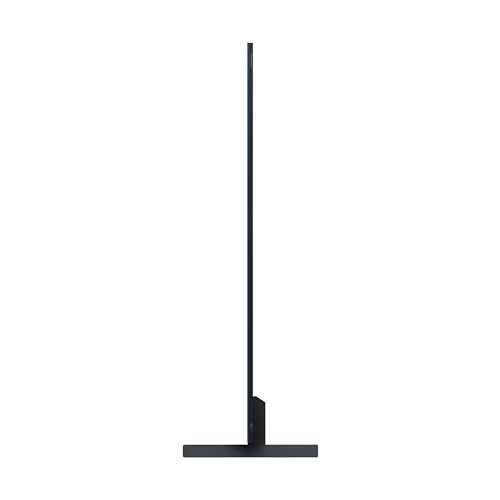
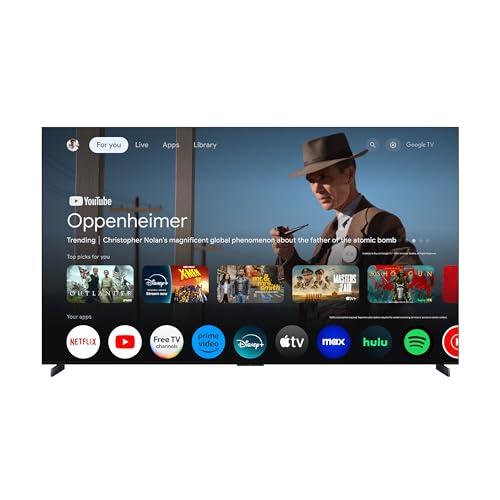
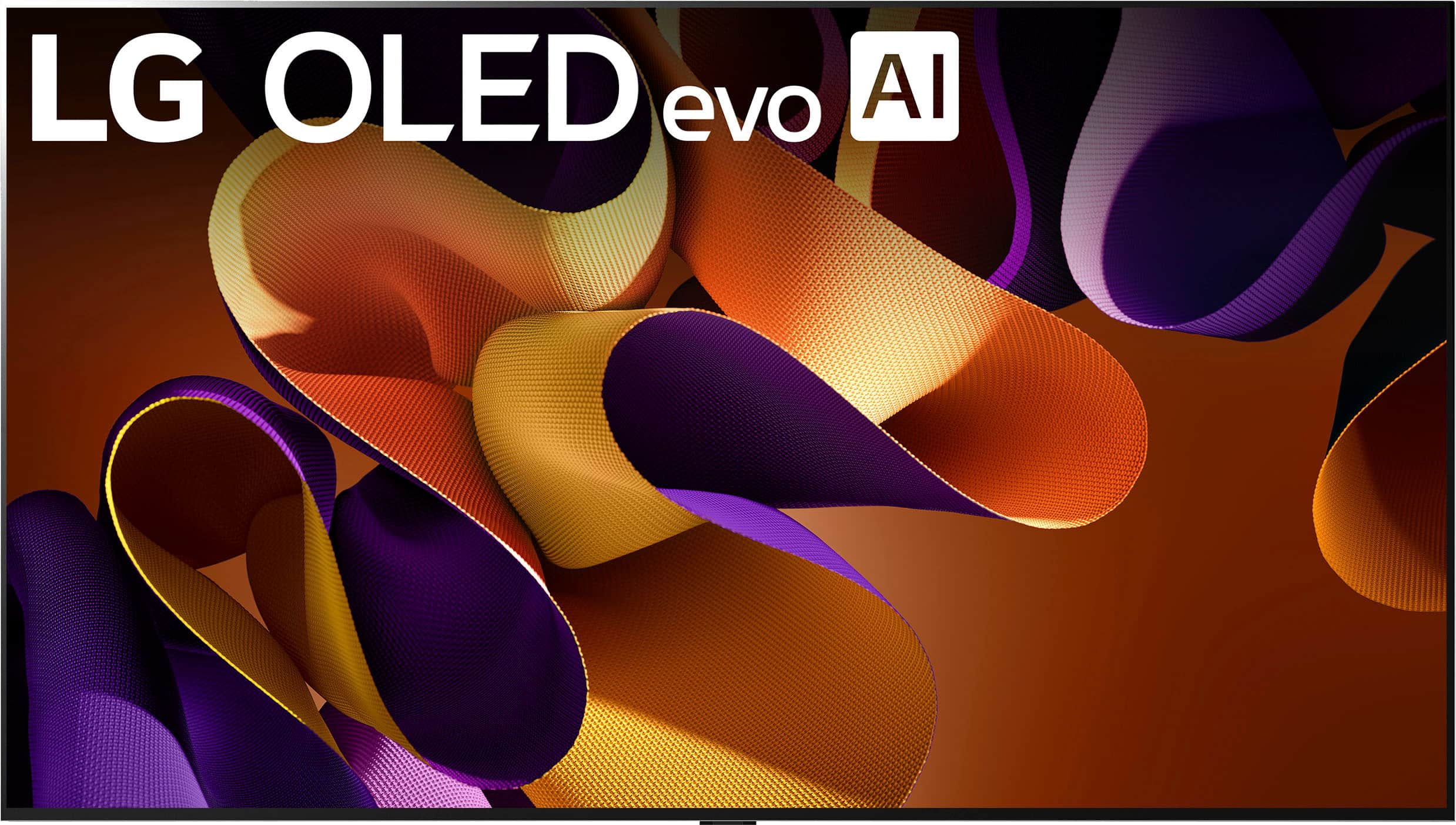
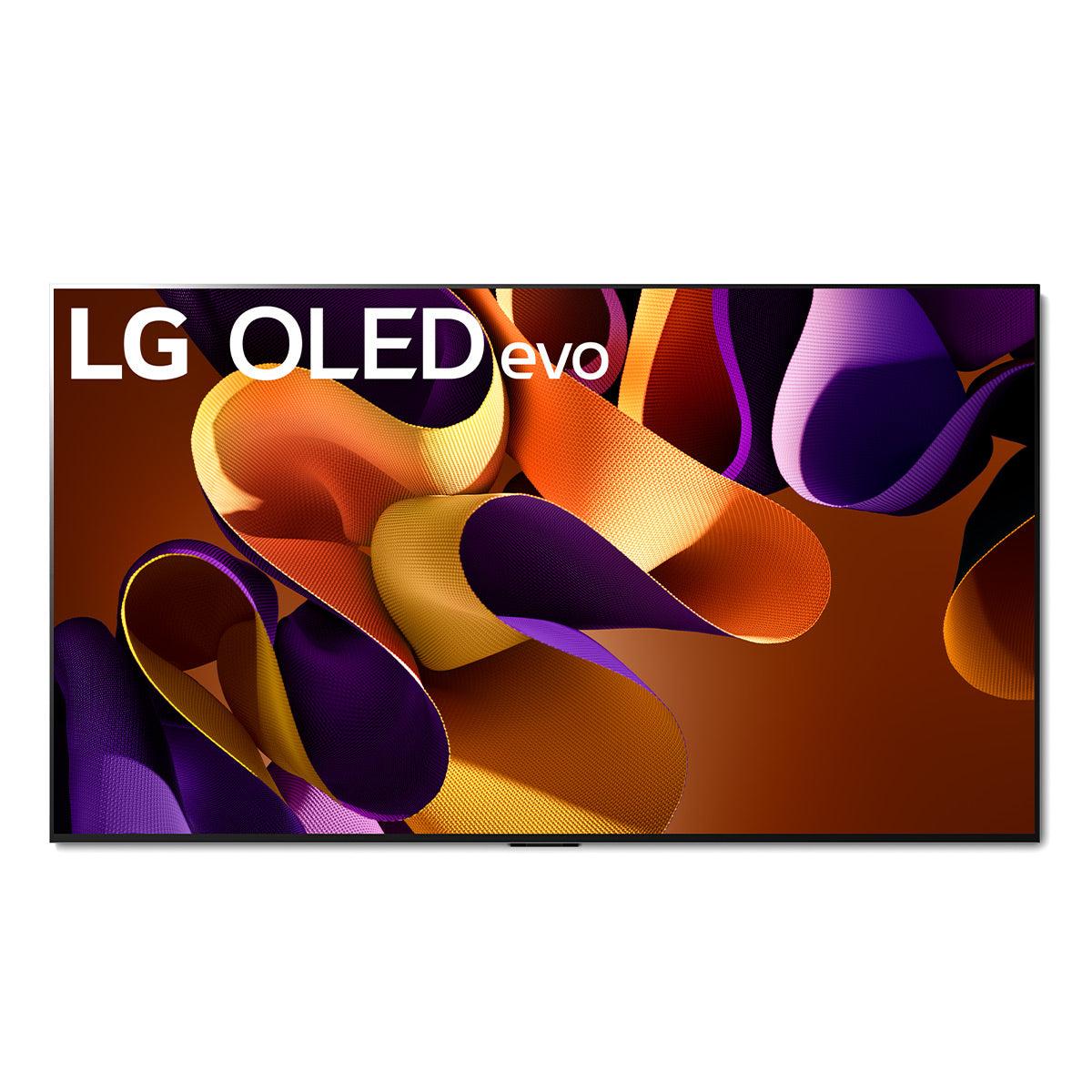
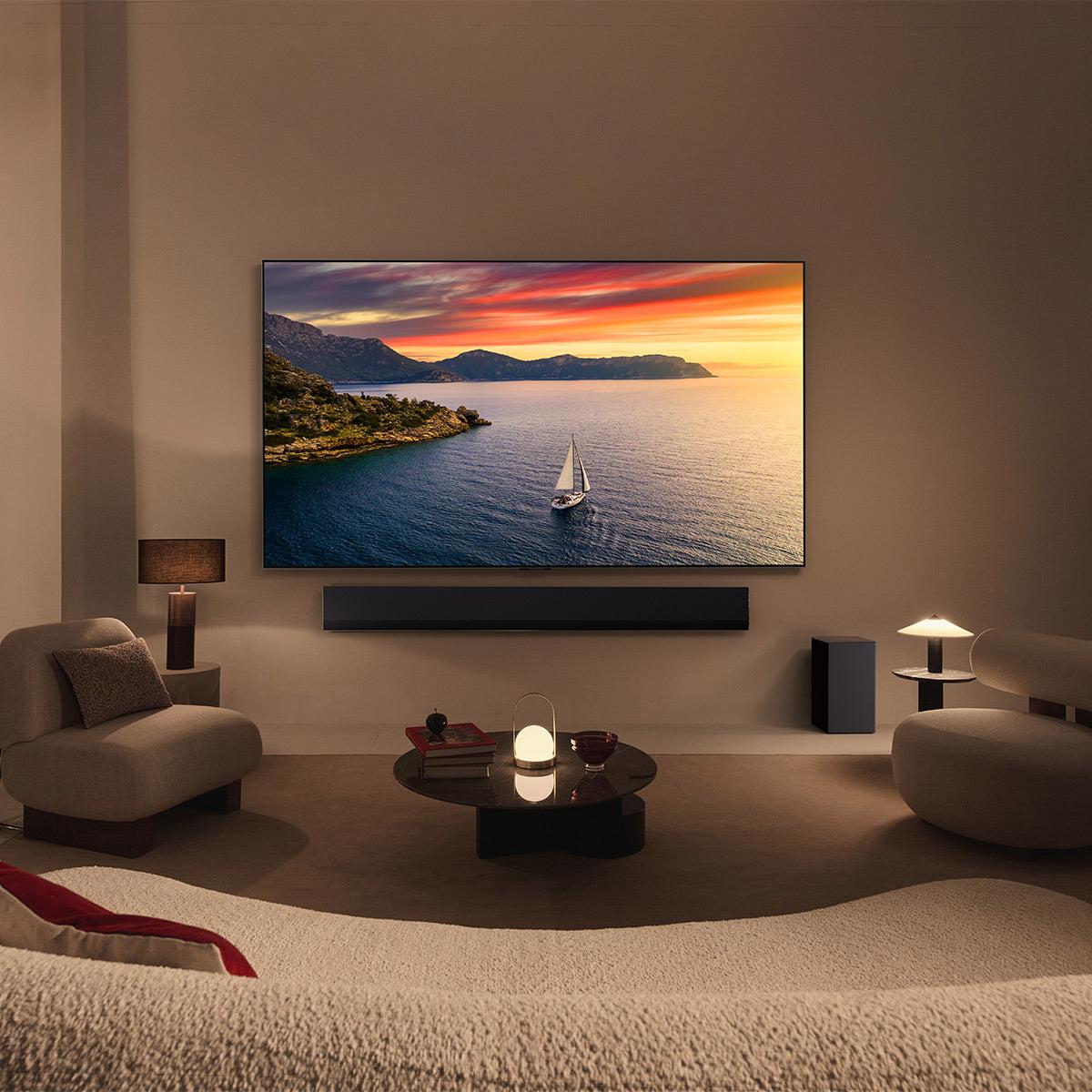
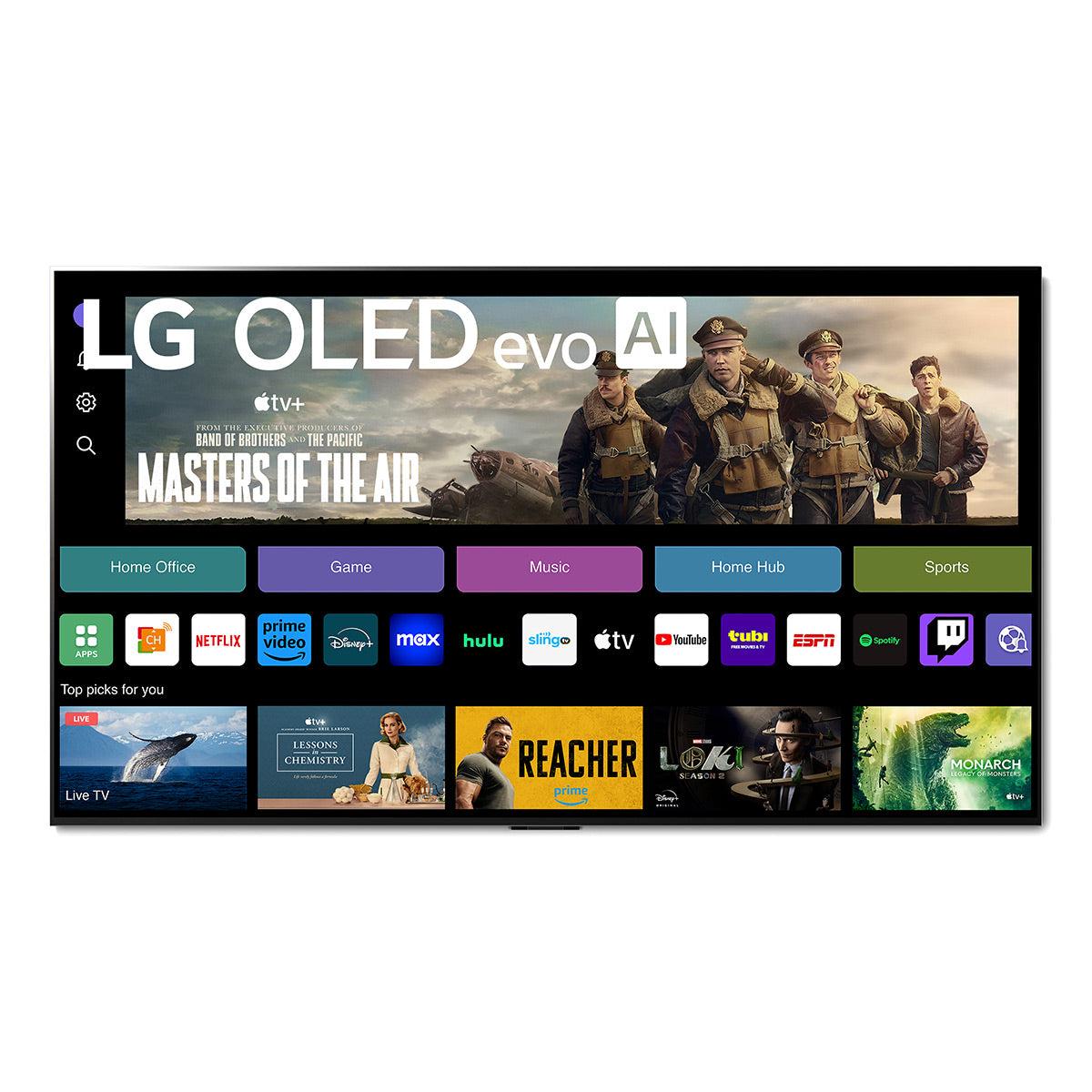
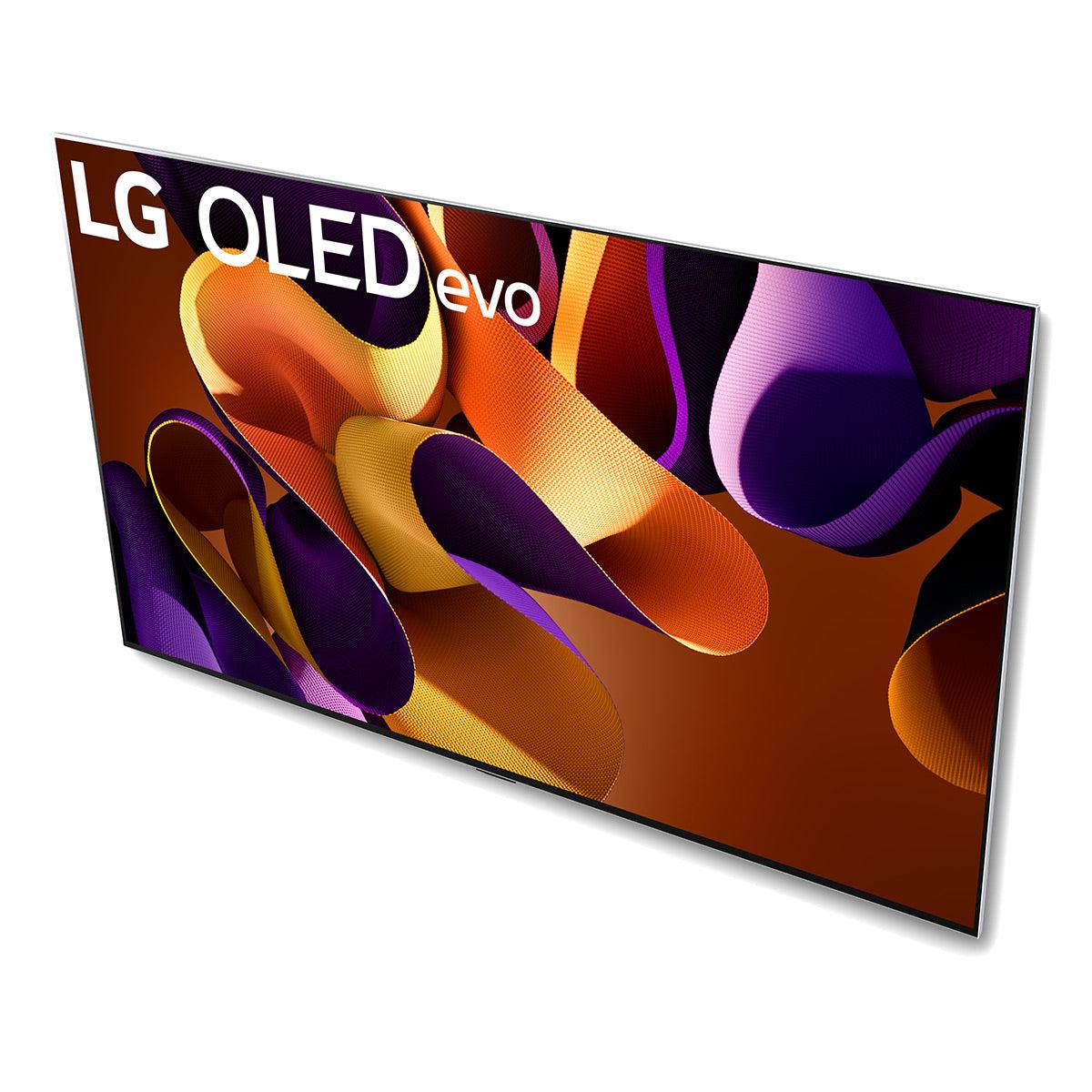
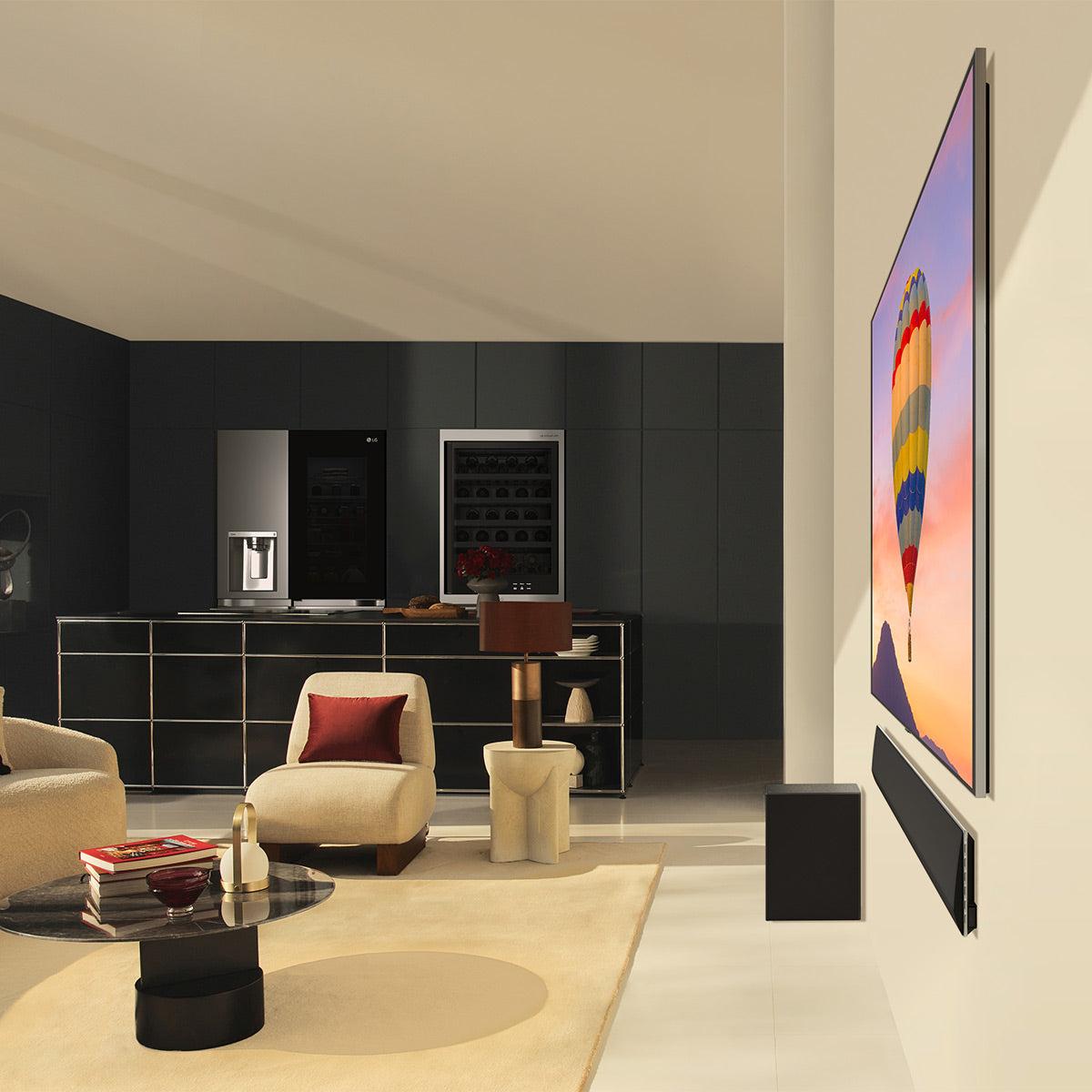
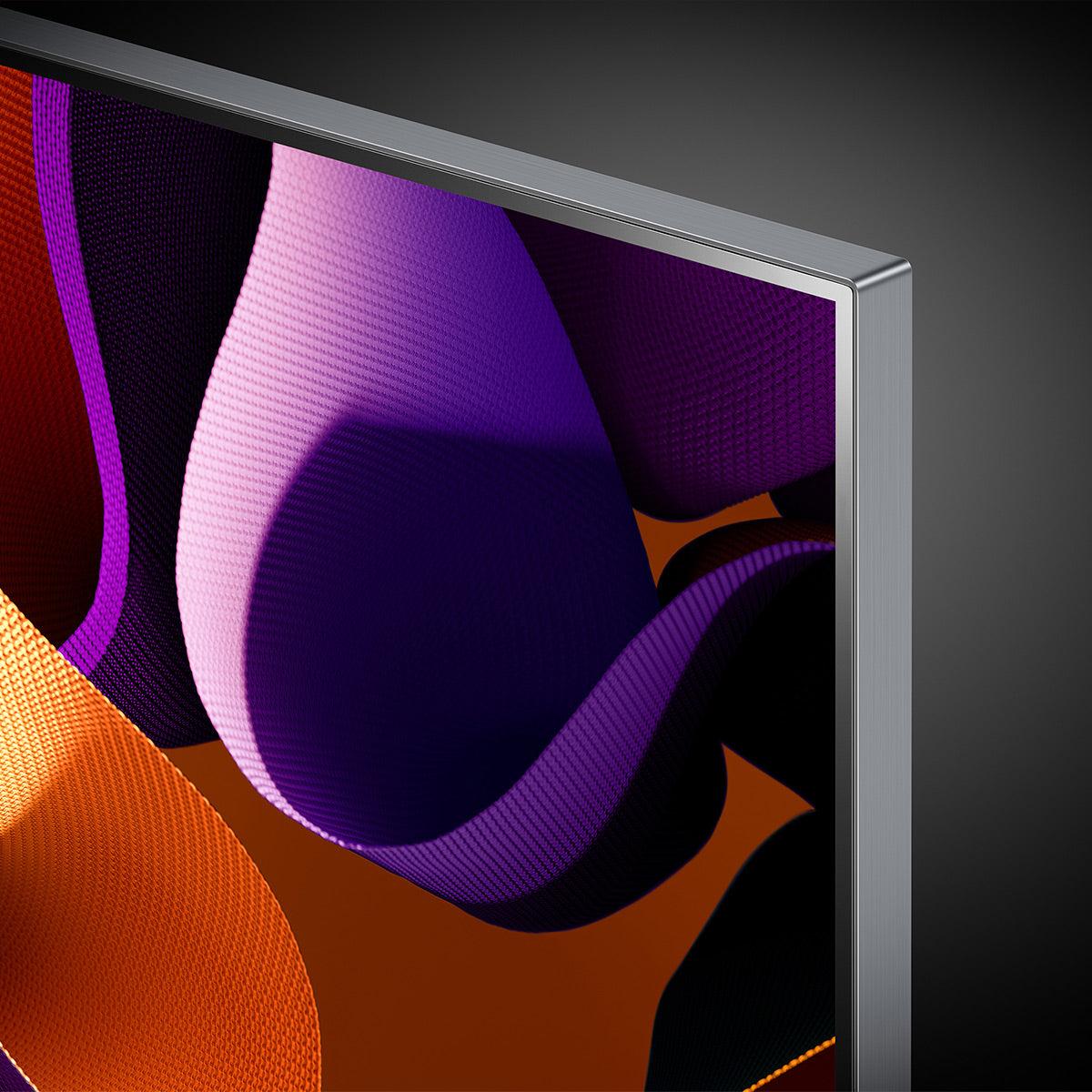
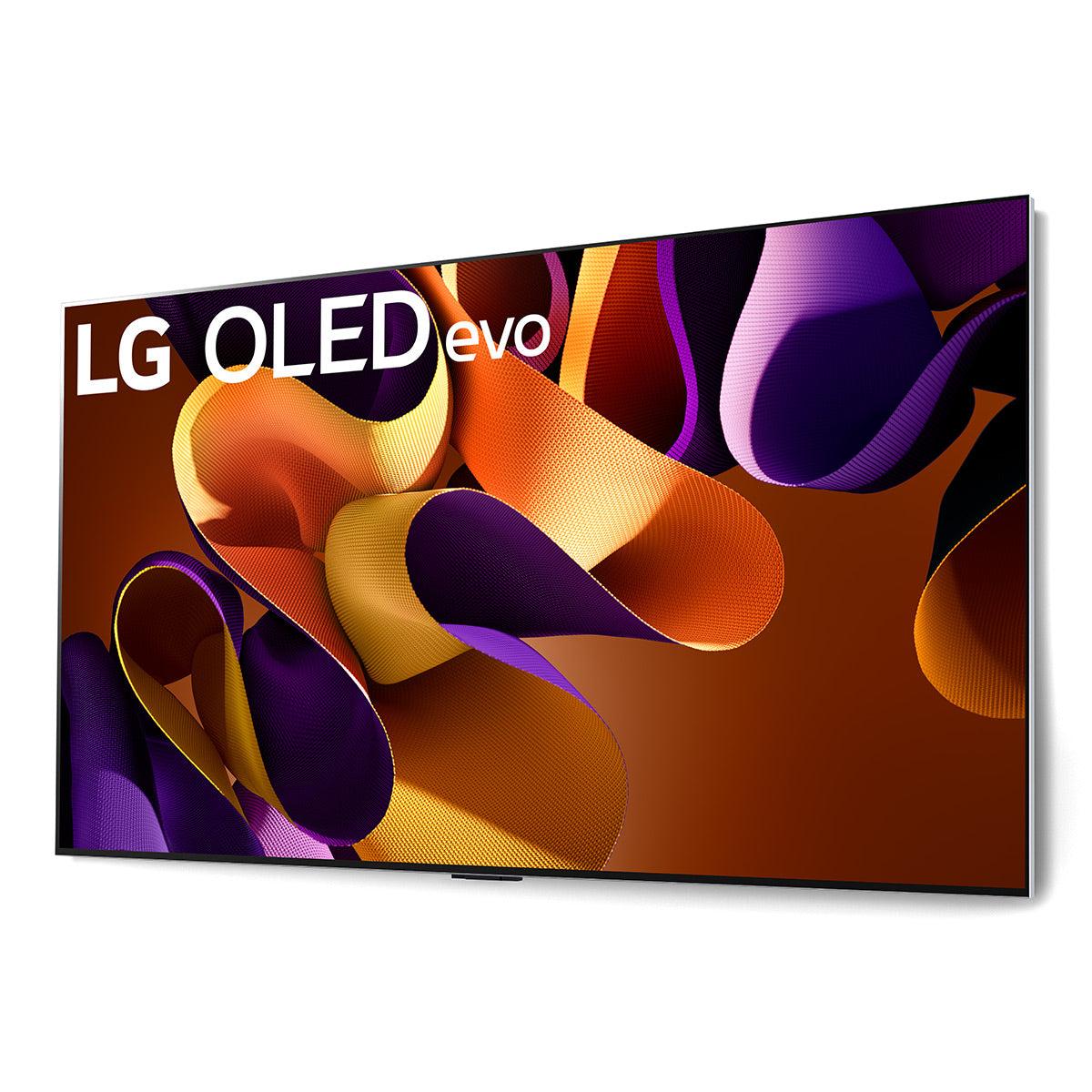
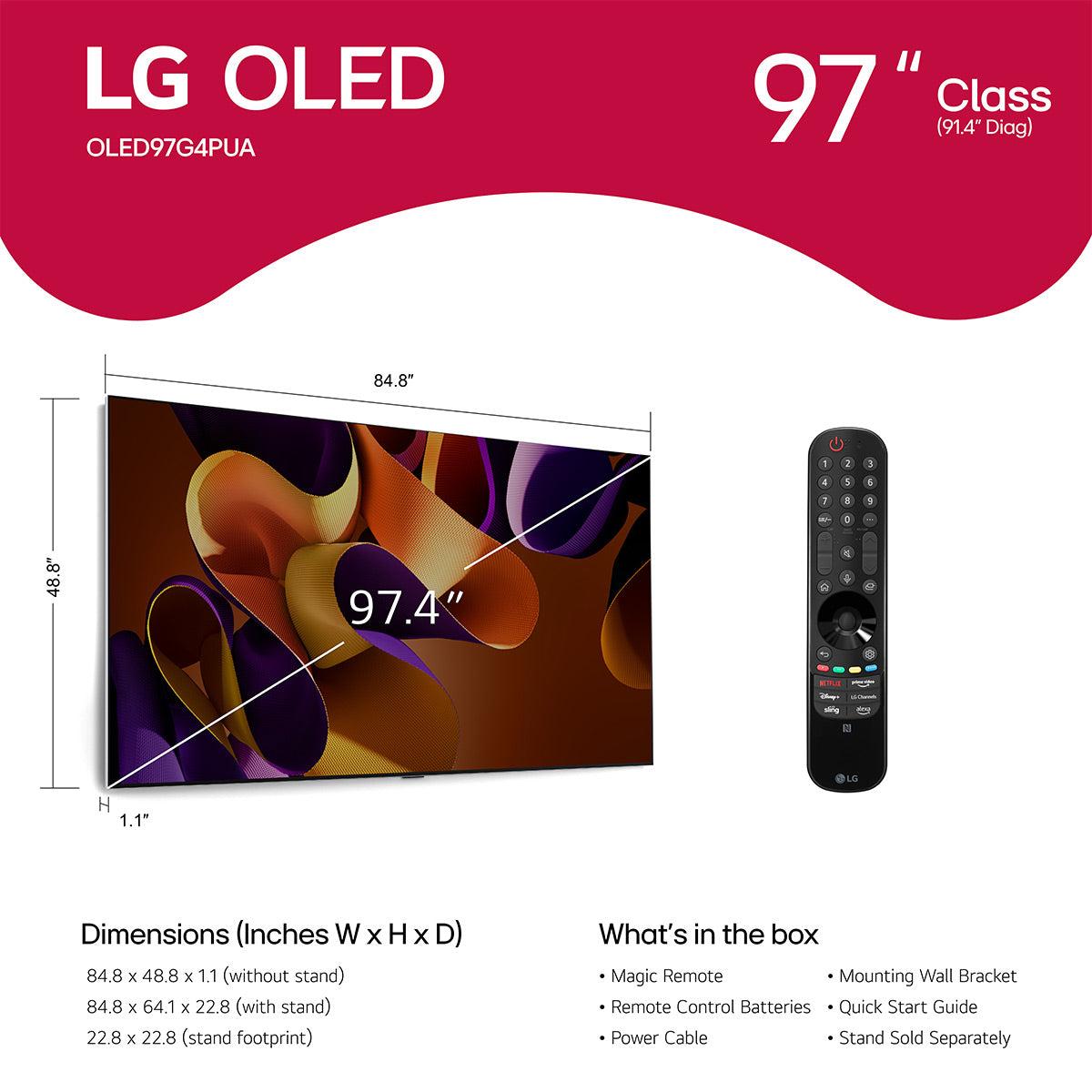
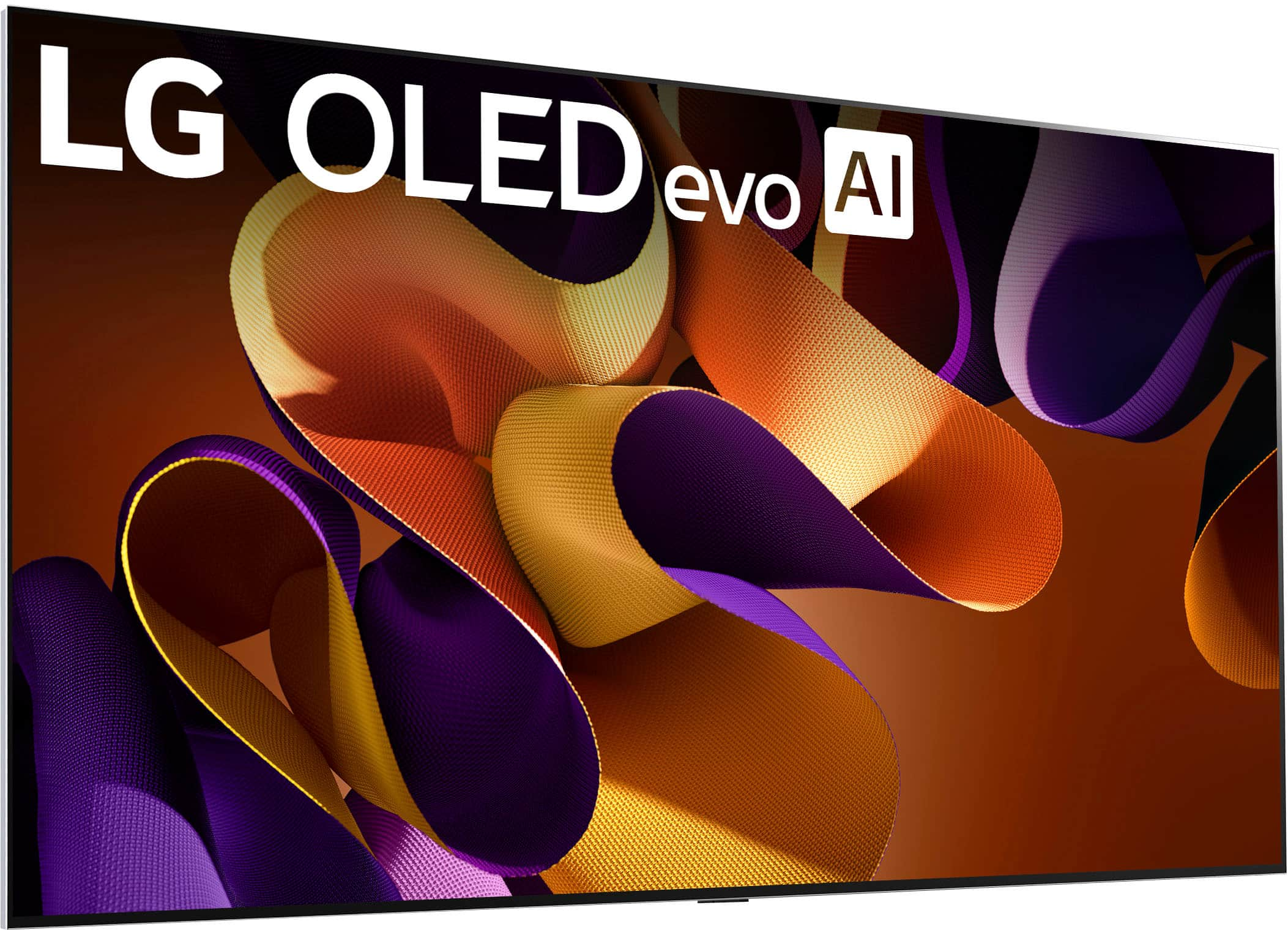
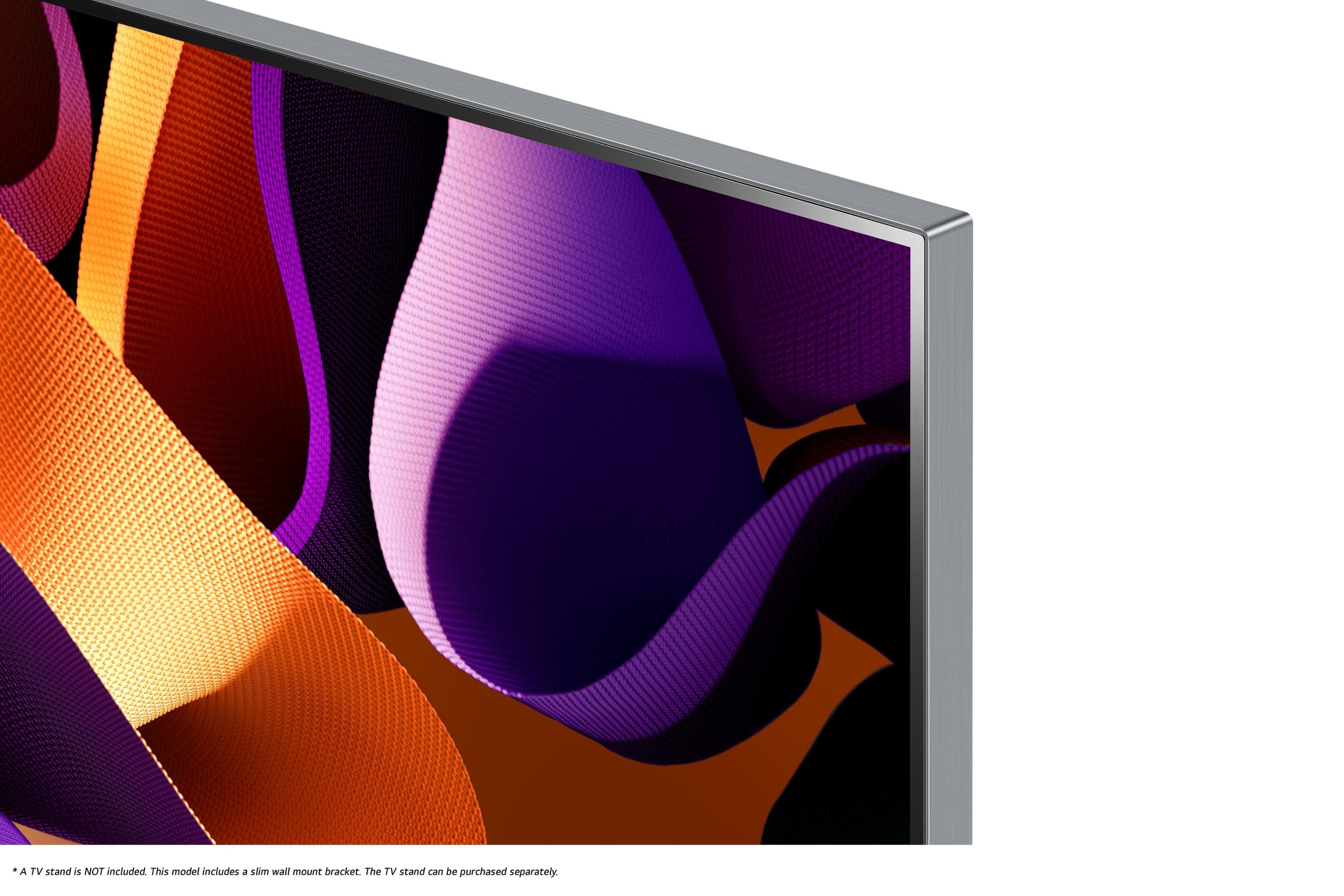
When you're shopping for a TV that takes up most of your wall, you're entering territory where the stakes get serious. We're talking about displays that cost as much as a decent used car and dominate your living space like a piece of furniture. The TCL 98" X11K and LG 97" OLED evo G4 represent two completely different philosophies for creating massive, premium viewing experiences—and understanding their differences could save you from buyer's remorse on a very expensive purchase.
Large format TVs—anything 95 inches and bigger—used to be the exclusive domain of projectors. But display technology has evolved dramatically in recent years, making it possible to create true TV panels at these enormous sizes. The TCL 98" X11K launched in 2024 as part of TCL's flagship lineup, while the LG 97" OLED evo G4 represents LG's 2024 push into ultra-large OLED territory.
These aren't just bigger versions of regular TVs. At this size and price point, you're looking at completely different display technologies, each with distinct advantages and limitations. The fundamental choice comes down to two competing approaches: Mini LED backlighting with quantum dots versus self-illuminating OLED pixels.
Think of it like choosing between a incredibly powerful flashlight shining through colored filters (Mini LED) versus millions of tiny colored lightbulbs that can turn on and off individually (OLED). Both can create stunning images, but they do it in fundamentally different ways that affect everything from how bright the picture gets to how deep the blacks appear.
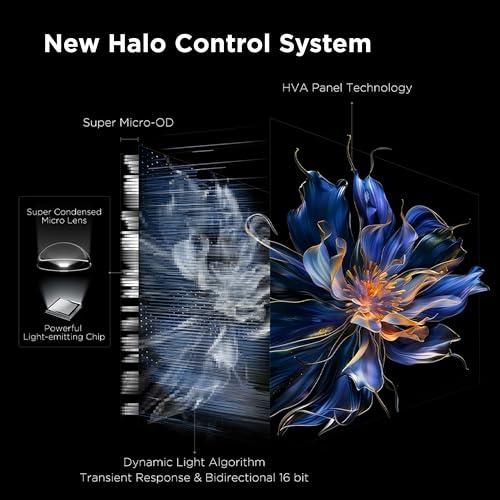
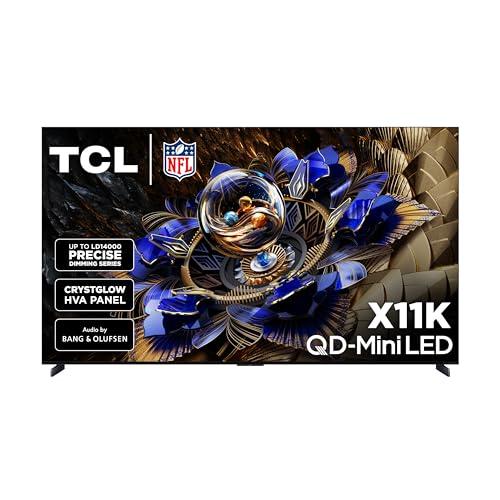
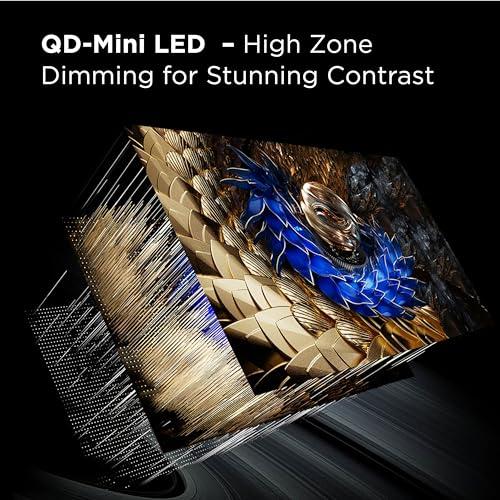
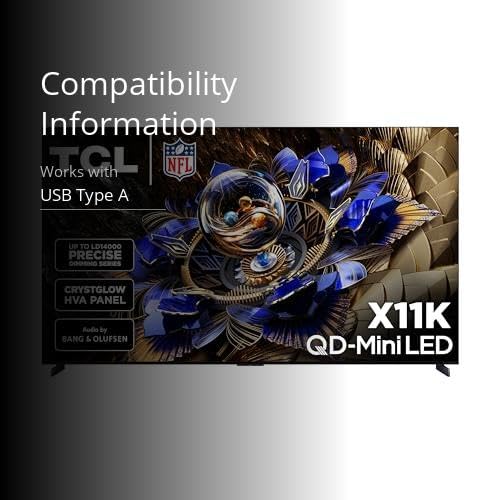
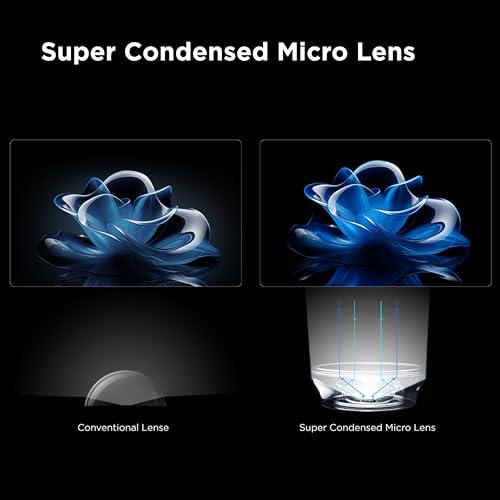
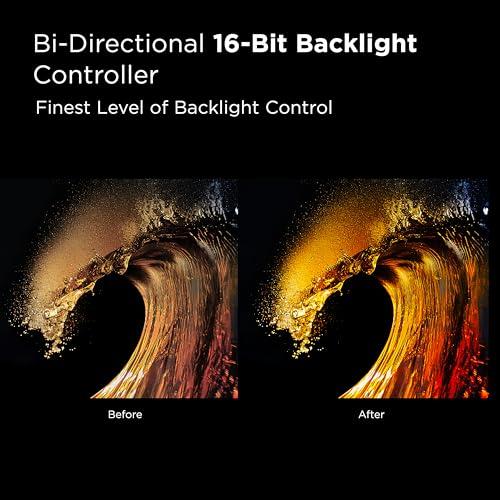
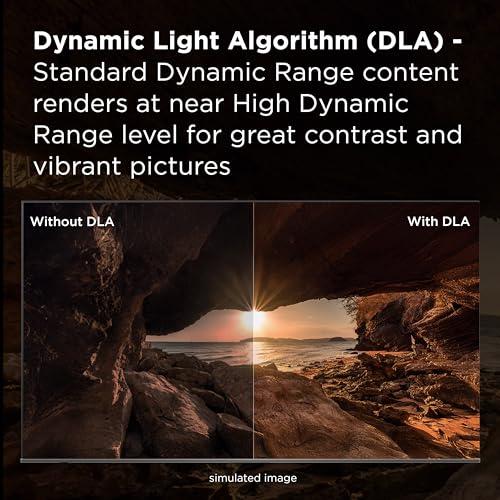
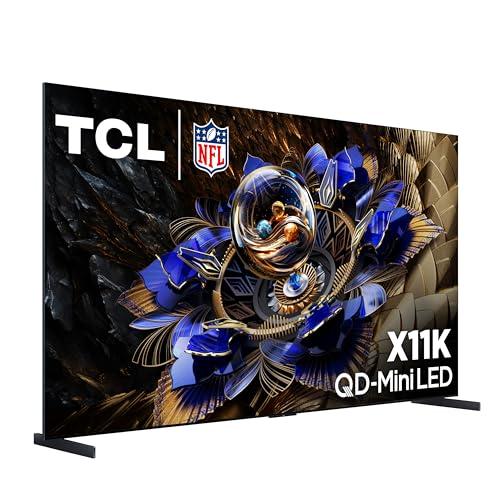
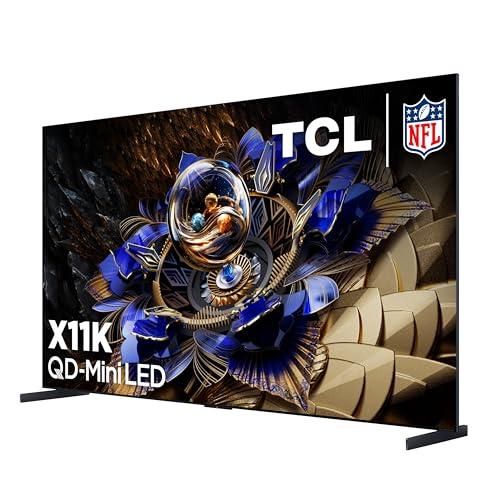
The TCL 98" X11K uses what's called QD-Mini LED technology—essentially thousands of tiny LED lights arranged behind the screen in precise zones. TCL has packed over 14,000 of these dimming zones into the 98-inch panel, meaning the TV can independently control the brightness of incredibly small sections of the screen.
Here's why this matters: when you're watching a movie scene with a bright explosion against a dark sky, those 14,000+ zones can make the explosion blazingly bright while keeping the surrounding sky genuinely dark. This is called local dimming, and having more zones means more precise control.
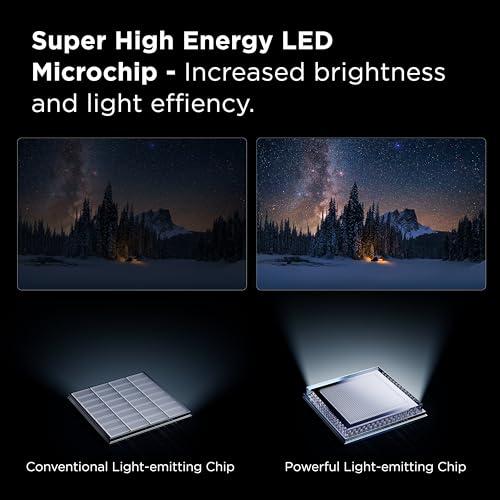
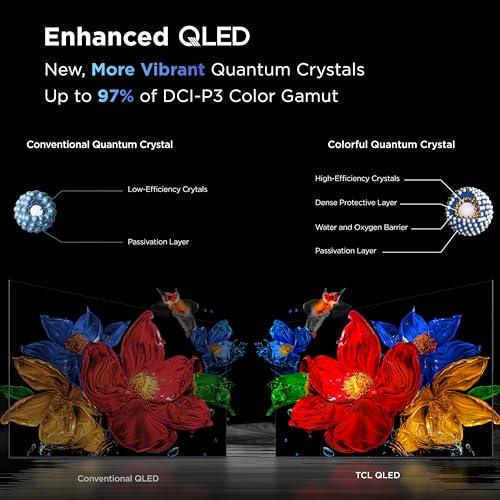
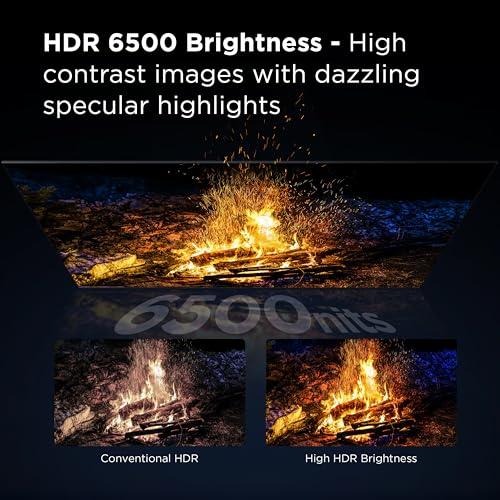
The "QD" part stands for Quantum Dot—a layer of microscopic particles that convert blue LED light into perfectly tuned red and green colors. This combination allows the TCL X11K to achieve colors that cover 97% of the DCI-P3 color space (the standard used in movie theaters) while reaching peak brightness levels of 6,500 nits. To put that in perspective, a typical TV might hit 400-1,000 nits, while this display can get roughly six times brighter than most premium TVs.
The LG 97" OLED evo G4, on the other hand, takes a completely different approach. Instead of using a backlight, each of the 8.3 million pixels creates its own light using organic compounds that glow when electricity passes through them. This means when a pixel needs to be black, it simply turns off completely—creating true, perfect black with no light bleed or blooming effects.
LG's "evo" technology represents their latest generation OLED panels, introduced in 2021 and refined through 2024. These panels are significantly brighter than earlier OLED generations, addressing one of the technology's traditional weaknesses. While the LG G4 can't match the extreme brightness of Mini LED displays, it achieves what's called infinite contrast ratio—the mathematical difference between the brightest whites and deepest blacks approaches infinity because true black produces zero light.
Contrast ratio—the difference between the brightest and darkest parts of an image—arguably matters more than any other single picture quality metric. This is where these two displays show their most dramatic differences.
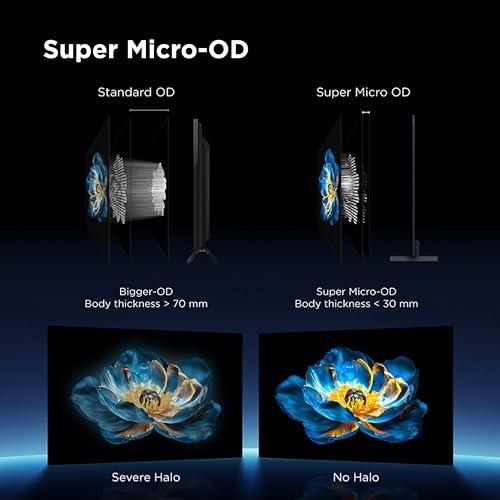
The TCL X11K achieves impressive contrast through its local dimming system, reaching a claimed dynamic contrast ratio of 65,000,000:1. But here's the reality: because it still uses LED backlighting behind an LCD panel, it can't achieve true black. Even with 14,000+ dimming zones, some light bleeds through in dark scenes, creating a slightly grayish black rather than true black.
The LG G4 delivers something the TCL simply cannot: perfect blacks. When an OLED pixel turns off, it produces zero light—not 0.1 nits, not 0.01 nits, but literally zero. This creates an infinite contrast ratio that makes dark scenes look dramatically more realistic, especially in dedicated theater environments.
Based on professional reviews and user feedback, the OLED approach wins decisively for dark room viewing. Movies like "Blade Runner 2049" or "Dune" showcase the dramatic difference—space scenes with perfect blacks make stars and lights pop with an almost three-dimensional quality that Mini LED cannot match.
Brightness capability tells a different story entirely. The TCL X11K can reach peak brightness levels of 6,500 nits in HDR mode—bright enough to create genuinely eye-searing highlights that approach real-world light levels. This makes HDR (High Dynamic Range) content look incredibly realistic, especially scenes with bright sunlight, explosions, or reflections.
The LG G4, despite improvements in OLED brightness over the years, typically peaks around 1,000-1,500 nits. While this proves perfectly adequate for most content and viewing environments, it cannot create the dramatic highlights that make HDR content truly spectacular on the TCL display.
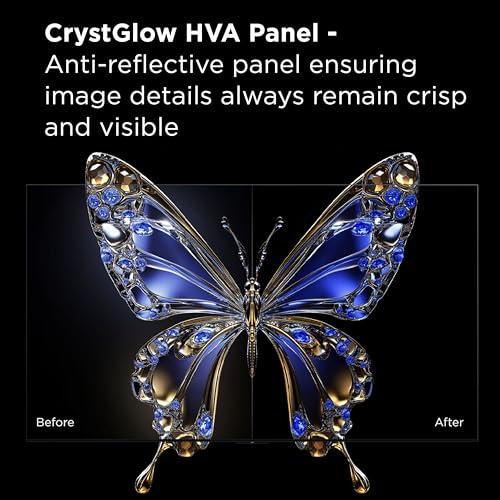
This brightness difference becomes critically important in room placement. The TCL X11K can overcome ambient light in ways the LG G4 cannot. If your viewing room has large windows, skylights, or you frequently watch during daytime, the Mini LED display maintains picture quality that would wash out on the OLED.
Both displays excel at color reproduction but achieve it differently. The TCL X11K uses quantum dots to create incredibly saturated, vibrant colors that pop off the screen. Colors appear punchy and dramatic—perfect for animated content, nature documentaries, and HDR movies where you want maximum visual impact.
The LG G4 takes a more nuanced approach, delivering what professionals call "color accuracy." Instead of maximum saturation, OLED tends to reproduce colors as they were intended to be seen, with natural skin tones and realistic color relationships. The G4 achieves 100% color volume and fidelity, meaning colors remain accurate at all brightness levels—something that can be challenging for quantum dot displays.
Gaming performance on displays this large creates unique considerations. You're not just looking at input lag and refresh rates—you're considering how gaming feels on a screen that fills your peripheral vision.
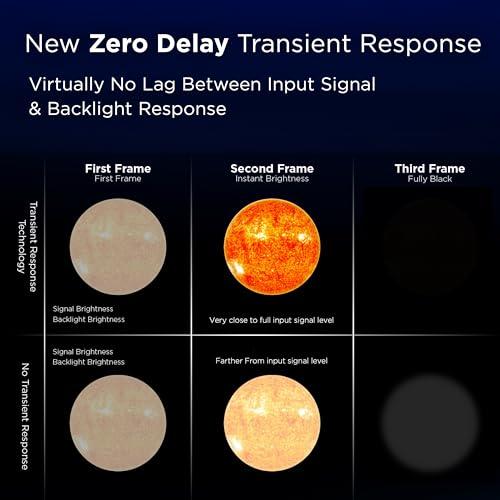
The LG G4 dominates in pure responsiveness with its 0.1 millisecond response time—essentially instantaneous. OLED pixels switch states so quickly that motion blur becomes virtually nonexistent. For competitive gaming, especially first-person shooters or fighting games, this responsiveness provides a genuine advantage.
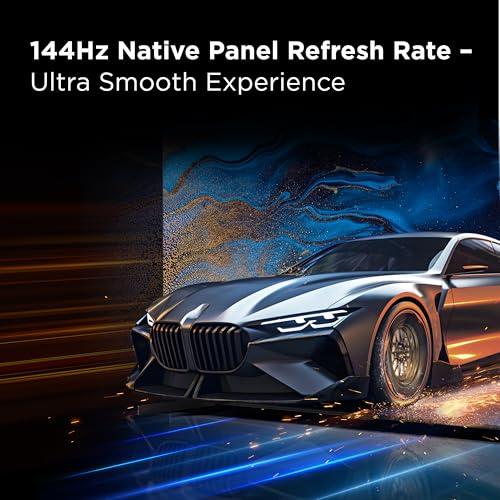
The TCL X11K offers competitive gaming performance but cannot match OLED's instantaneous response. However, it compensates with higher refresh rate capabilities, supporting up to 288Hz variable refresh rate at 1080p resolution and 144Hz at 4K. For PC gaming with high-end graphics cards, this higher refresh rate support could prove more valuable than the marginal response time difference.
Both displays support modern gaming features like Variable Refresh Rate (VRR) and Auto Low Latency Mode (ALLM), but they implement these differently. The TCL X11K includes Game Master Pro 3.0, which provides extensive gaming optimizations and a dedicated game bar interface for adjusting settings without leaving your game.
The LG G4 offers NVIDIA G-Sync and AMD FreeSync compatibility along with HGIG (HDR Gaming Interest Group) mode for proper HDR gaming implementation. While it caps at 120Hz, this perfectly matches current gaming console capabilities.
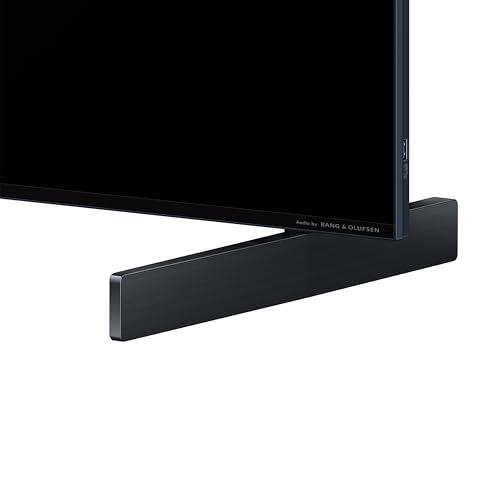
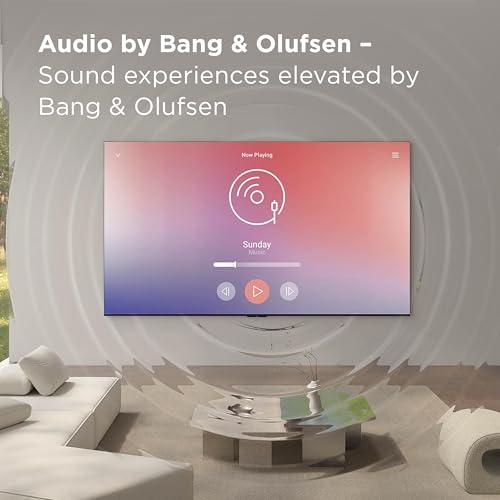
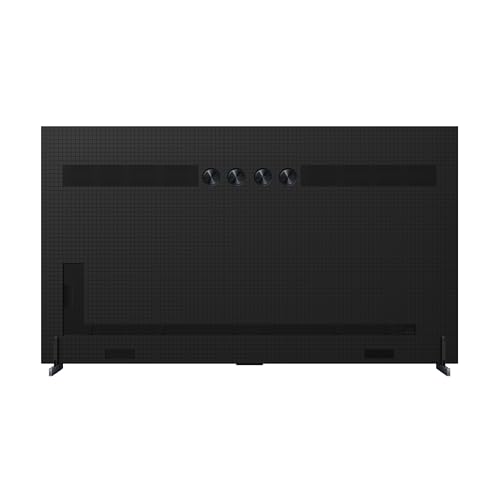
At this price point, integrated audio becomes more important than typical TVs. The TCL X11K includes a 120-watt Bang & Olufsen-tuned 2.1.1 channel system with a dedicated subwoofer. This provides genuinely room-filling sound that can eliminate the immediate need for a separate sound system—a significant value consideration given the display's premium pricing.
The LG G4 includes a 60-watt 4.2-channel Dolby Atmos system with AI Sound Pro processing. While competent, it lacks the power and bass extension of the TCL's system. For most buyers of the LG display, a separate sound system becomes more essential.
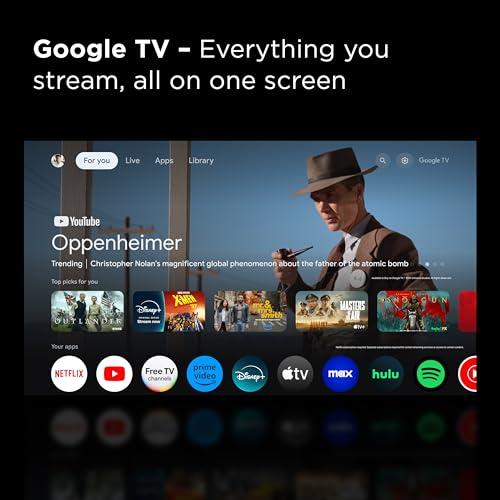
Both TVs run modern smart platforms, but with different philosophies. The TCL X11K uses Google TV, providing access to the full Android app ecosystem along with hands-free Google Assistant integration. The interface feels familiar to Android phone users and offers extensive customization options.
The LG G4 runs webOS 24, LG's proprietary platform known for its clean, intuitive interface. WebOS has evolved significantly since its introduction, now offering LG Channels integration and seamless content discovery. The Magic Remote with NFC provides point-and-click navigation that many users find more natural than traditional remote controls.
Room lighting dramatically affects the viewing experience on displays this large. The TCL X11K excels in bright environments—its 6,500-nit peak brightness cuts through ambient light in ways that would wash out the LG G4. If your viewing space has large windows, open floor plans, or you frequently watch during daytime, the Mini LED display maintains picture quality across all lighting conditions.
The LG G4 requires more controlled lighting to showcase its contrast advantages. In bright rooms, you lose the perfect black performance that makes OLED special, and the lower peak brightness can make the image appear dim or washed out.
In dark, controlled environments, the tables turn dramatically. The LG G4 creates a viewing experience that approaches commercial cinema quality. Perfect blacks make every other element of the image pop with three-dimensional depth. Movie watching becomes genuinely cinematic in ways that the TCL display, despite its impressive brightness, cannot match.
The TCL X11K still performs excellently in dark rooms, but you'll notice slight gray levels in what should be black areas. This becomes most apparent during credit sequences, letterboxed content, or space-themed movies where large areas of the screen should be completely black.
At the time of writing, these displays represent significantly different value propositions. The TCL X11K typically costs roughly half the price of the LG G4, while delivering 90% of the performance in many scenarios. This pricing difference affects the total cost calculation—the savings could fund a premium sound system, seating upgrades, or room treatment.
However, value calculations extend beyond initial purchase price. OLED technology has proven longevity advantages in color accuracy and uniformity over time. Modern OLED panels have largely overcome early concerns about burn-in, especially with LG's 5-year panel warranty providing additional peace of mind.
Mini LED technology avoids burn-in concerns entirely but may experience LED aging or uniformity issues over extended periods. The TCL X11K represents newer technology with less long-term performance data compared to OLED's established track record.
Your room has significant ambient light or mixed usage throughout the day. The exceptional brightness makes this display significantly more versatile for real-world room placement. If you're setting up in a family room, great room, or space with windows, the TCL X11K maintains picture quality where OLED would struggle.
Gaming performance matters more than absolute picture quality. The higher refresh rate support and competitive response times, combined with the larger screen size (98" vs 97"), create an immersive gaming experience that rivals dedicated gaming monitors.
You value the price-to-performance ratio. At roughly half the cost, the TCL display delivers exceptional brightness, excellent gaming features, and premium audio in a package that represents better value for many buyers.
You're creating a dedicated theater environment with controlled lighting. The perfect blacks and infinite contrast ratio create a viewing experience that justifies the premium pricing for serious movie enthusiasts.
Picture quality perfection matters more than versatility. If you can control your viewing environment and want reference-quality contrast performance, the LG G4 delivers visual experiences that Mini LED cannot match.
You prefer established premium technology with proven longevity. OLED has a longer track record in the premium display market, and LG's manufacturing expertise in large OLED panels provides confidence in long-term ownership.
These represent two excellent but fundamentally different approaches to large format premium displays. The TCL 98" X11K offers exceptional versatility, gaming performance, and value in a package that works in more real-world scenarios. The LG 97" OLED evo G4 provides reference-quality contrast performance that creates genuinely cinematic experiences in properly configured viewing environments.
Your room setup probably determines the right choice more than any other factor. Bright rooms with ambient light favor the TCL's Mini LED technology, while dedicated dark theaters showcase the LG's OLED advantages. Both deliver impressive performance that justifies their premium positioning—just in different ways that serve different viewing priorities and environments.
| TCL 98" X11K 4K QD-Mini LED Google TV | LG 97" OLED evo G4 Series 4K UHD Smart TV |
|---|---|
| Screen Size - Bigger is better for immersive viewing | |
| 98 inches (1 inch larger for maximum impact) | 97 inches (still massive, virtually identical experience) |
| Display Technology - Fundamental difference in how images are created | |
| QD-Mini LED with 14,000+ local dimming zones (exceptional brightness, some blooming) | Self-illuminating OLED pixels (perfect blacks, lower brightness) |
| Peak Brightness - Critical for HDR performance and bright room viewing | |
| 6,500 nits (cuts through any ambient light, spectacular HDR) | ~1,000-1,500 nits (adequate for most content, requires controlled lighting) |
| Contrast Ratio - Determines how deep blacks appear | |
| 65,000,000:1 dynamic (impressive but not true blacks) | Infinite contrast (perfect blacks by turning pixels completely off) |
| Gaming Refresh Rate - Higher numbers mean smoother motion | |
| 144Hz native, up to 288Hz VRR at 1080p (future-proof for high-end PC gaming) | 120Hz with VRR (perfectly matched to current gaming consoles) |
| Gaming Response Time - Lower is better for competitive gaming | |
| Competitive performance with Game Master Pro features | 0.1ms (virtually instantaneous, best possible for gaming) |
| Color Coverage - How vibrant and accurate colors appear | |
| 97% DCI-P3 with Quantum Dot enhancement (punchy, saturated colors) | 100% color volume and fidelity (natural, accurate color reproduction) |
| Built-in Audio System - Reduces need for separate sound equipment | |
| 120W Bang & Olufsen 2.1.1 with subwoofer (room-filling sound) | 60W 4.2-channel Dolby Atmos (competent but less powerful) |
| Smart Platform - User interface and app ecosystem | |
| Google TV with Android 12 (extensive app support, Google Assistant) | webOS 24 with Magic Remote (intuitive interface, LG ThinQ integration) |
| Best Room Environment - Where each display performs optimally | |
| Bright rooms, mixed lighting, versatile placement | Dark dedicated theaters, controlled lighting environments |
| Typical Price Range - Value proposition at time of writing | |
| Significantly lower cost (roughly half the OLED price) | Premium OLED pricing (roughly double the Mini LED cost) |
| Primary Advantage - What this display does better | |
| Exceptional brightness and gaming performance at better value | Perfect contrast and reference-quality picture in dark rooms |
The TCL 98" X11K is significantly better for bright rooms due to its exceptional 6,500 nits peak brightness. This Mini LED display can cut through ambient light and maintain picture quality even with windows or overhead lighting. The LG 97" OLED evo G4 performs best in darker, controlled environments where its perfect blacks can shine.
The TCL X11K uses Mini LED backlighting with over 14,000 dimming zones behind an LCD panel, creating extremely bright images but with some light bleed in dark areas. The LG G4 uses self-illuminating OLED pixels that can turn completely off for perfect blacks but can't get as bright as Mini LED displays.
Both excel at gaming but differently. The LG 97" OLED offers superior 0.1ms response time for competitive gaming, while the TCL 98" X11K provides higher refresh rates up to 288Hz VRR and a slightly larger screen. Console gamers might prefer the OLED's responsiveness, while PC gamers may favor the TCL's higher refresh rates.
The LG 97" OLED evo G4 excels in dedicated theater environments with controlled lighting. Its perfect blacks and infinite contrast create a truly cinematic experience that the TCL X11K cannot match in dark rooms, despite the TCL's impressive brightness capabilities.
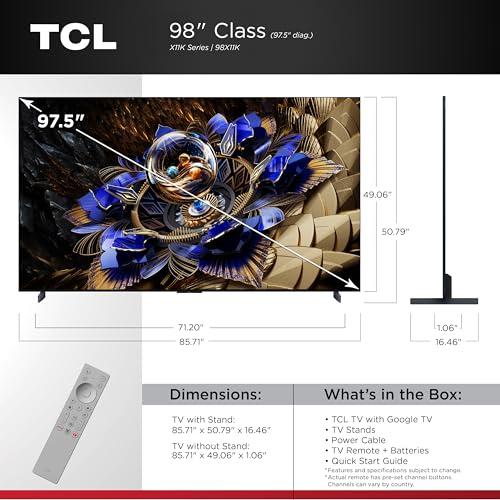
The TCL 98" X11K offers a 98-inch screen while the LG G4 provides 97 inches. This 1-inch difference is virtually imperceptible in real-world viewing, so screen size shouldn't be the deciding factor between these displays.
The TCL X11K typically costs roughly half the price of the LG OLED G4 while delivering excellent performance, making it the better value proposition. However, the LG provides reference-quality contrast that some buyers consider worth the premium pricing.
The TCL 98" X11K delivers superior HDR performance due to its 6,500 nits peak brightness, creating spectacular highlights and realistic HDR content. The LG G4 supports the same HDR formats but with lower brightness levels, though its perfect blacks enhance HDR contrast in dark scenes.
The TCL Mini LED display has no burn-in risk since it uses traditional LCD technology with LED backlighting. The LG OLED G4 has greatly improved burn-in resistance compared to earlier OLED generations, and LG provides a 5-year panel warranty for additional peace of mind.
Both displays excel at motion handling. The LG 97" OLED provides virtually instantaneous pixel response with no motion blur, while the TCL X11K offers higher refresh rates and advanced motion processing. The difference is minimal for most viewers, with both delivering smooth sports and action content.
Both the TCL X11K and LG G4 can effectively replace projector systems in many scenarios. The TCL's extreme brightness works better in rooms where projectors struggle, while the LG's perfect contrast rivals high-end projectors in dark theater environments. The convenience factor strongly favors these TV displays over projector maintenance and setup requirements.
We've done our best to create useful and informative comparisons to help you decide what product to buy. Our research uses advanced automated methods to create this comparison and perfection is not possible - please contact us for corrections or questions. These are the sites we've researched in the creation of this article: ecoustics.com - pcrichard.com - tcl.com - valueelectronics.com - bestbuy.com - tcl.com - whathifi.com - tcl.com - youtube.com - displayspecifications.com - whathifi.com - youtube.com - notebookcheck.net - tcl.com - tcl.com - displayspecifications.com - tcl.com - tcl.com - pcguide.com - en.homecinesolutions.fr - youtube.com - tcl.com - rtings.com - marketplace.sce.com - abt.com - youtube.com - walts.com - videoandaudiocenter.com - youtube.com - fullspecs.net - big-georges.com - techradar.com - youtube.com

Privacy Policy
Terms and Conditions - Affiliate Policy
Home Security
© Copyright 2008-2026.
11816 Inwood Rd #1211, Dallas, TX 75244