

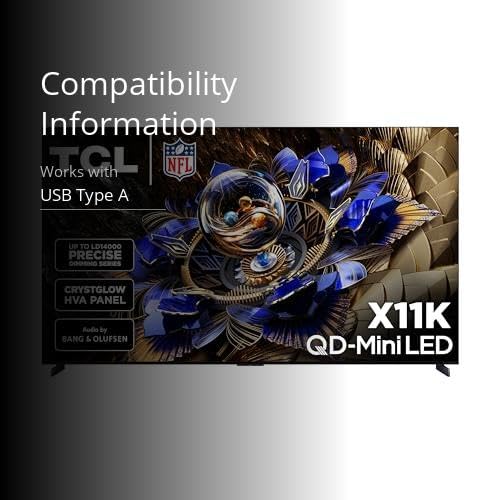

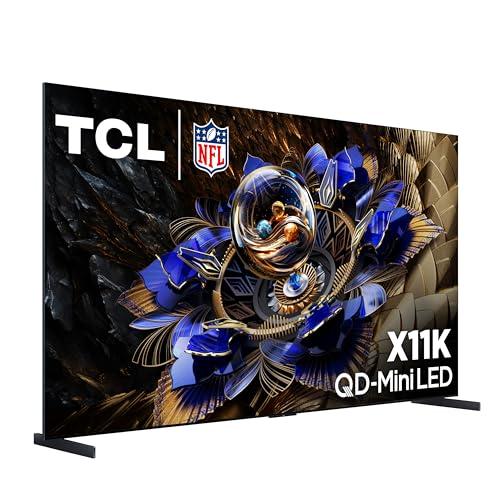
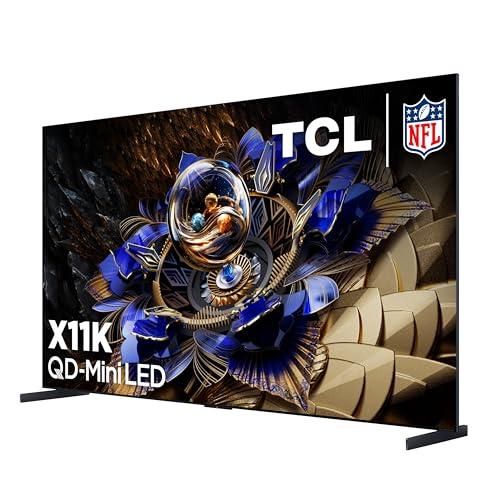
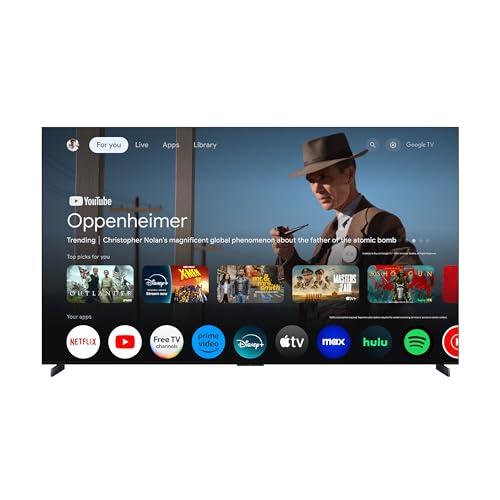
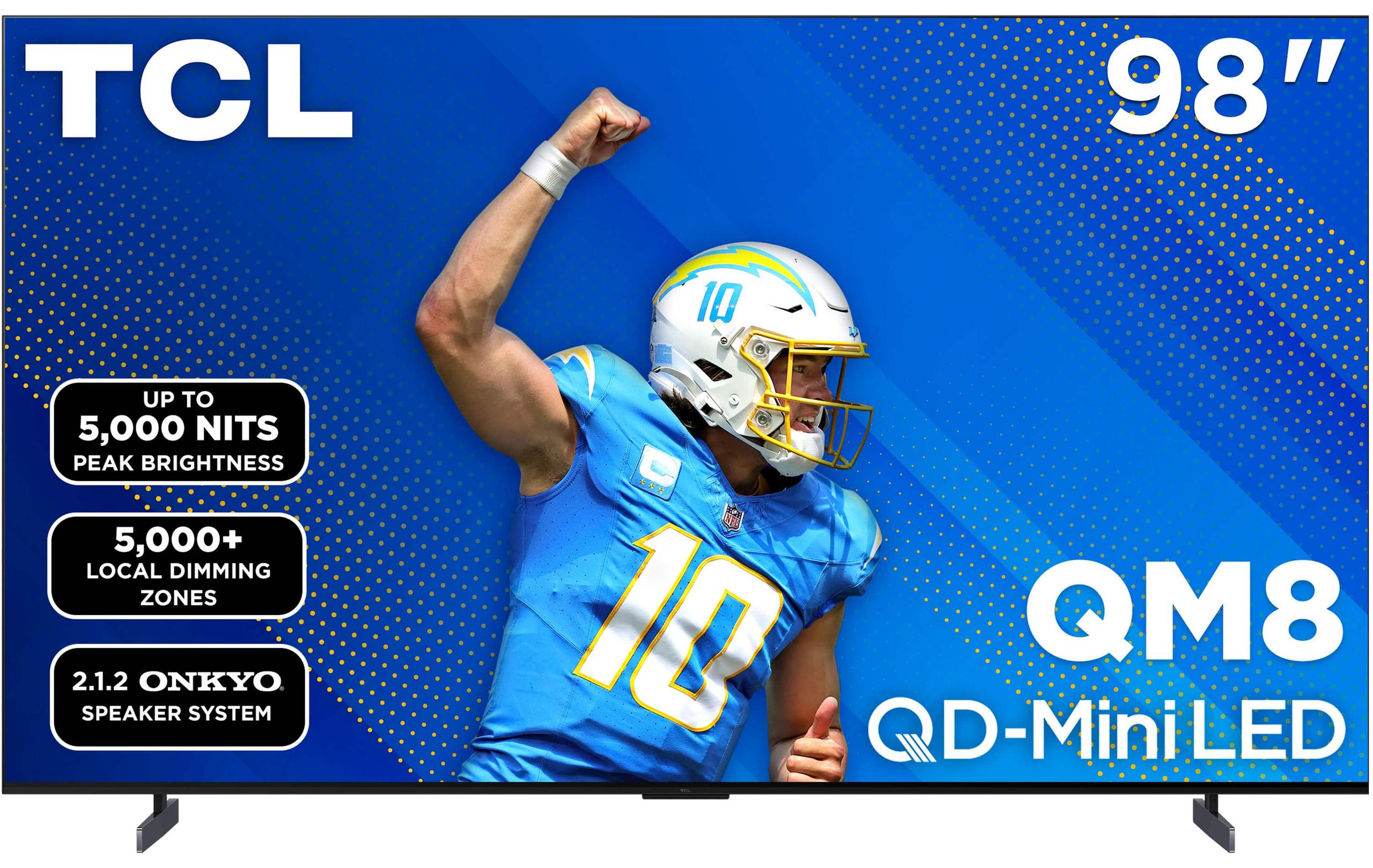
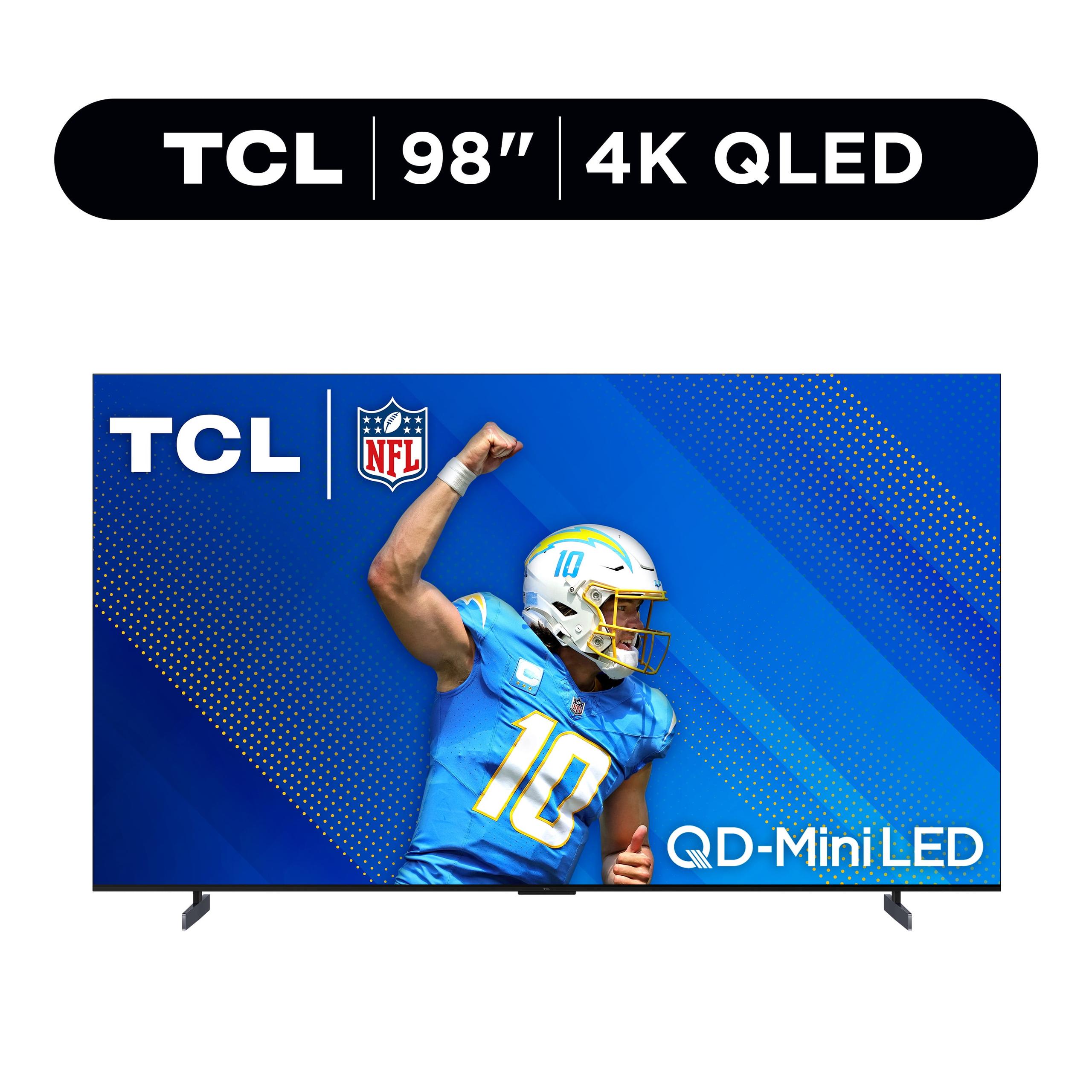





When you're shopping for a 98-inch TV, you're not just buying a television – you're investing in a home theater centerpiece that'll dominate your wall for years to come. TCL has positioned two compelling options in this premium large-screen category: the flagship TCL 98" X11K and the more value-oriented TCL 98" QM8 Series. Both launched in 2024, representing TCL's latest push into the ultra-premium TV market where they're directly challenging Samsung and Sony's dominance.
The large-format TV market has exploded in recent years as manufacturing costs have dropped and streaming services have embraced 4K content. At 98 inches, these TVs offer an immersive experience that rivals many home theater projector setups, but with the convenience of a traditional TV – no dark room required, instant-on capability, and integrated smart features.
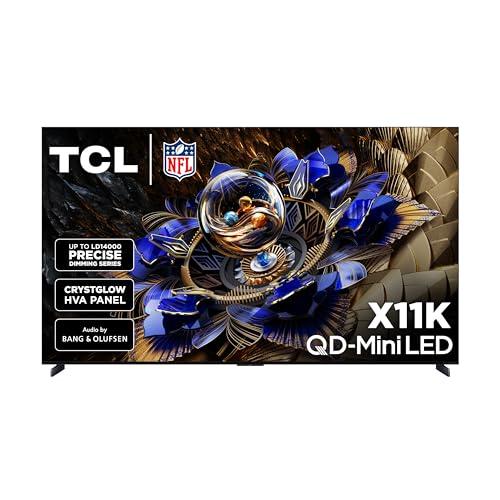
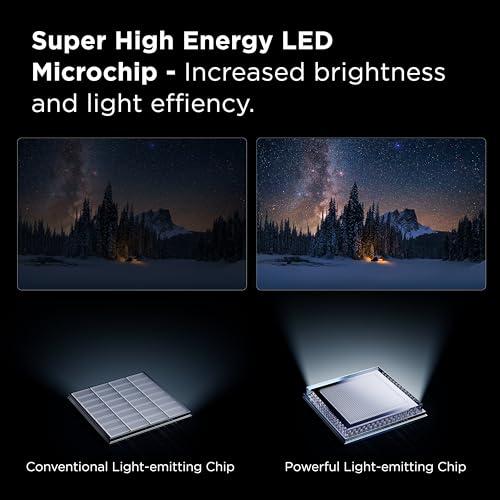
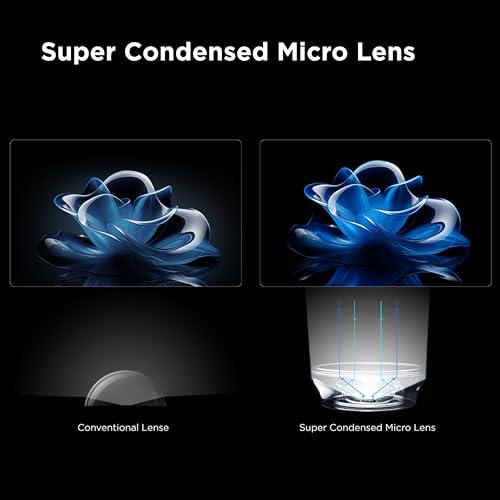
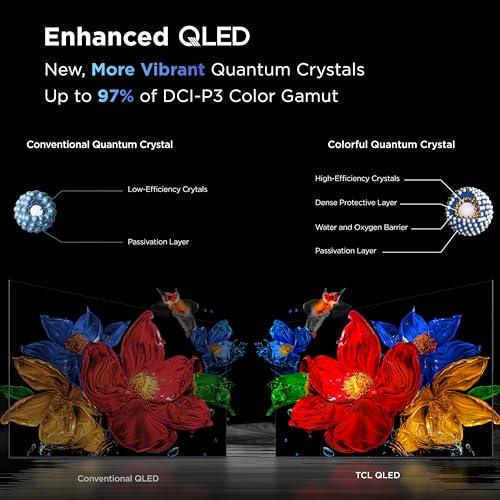
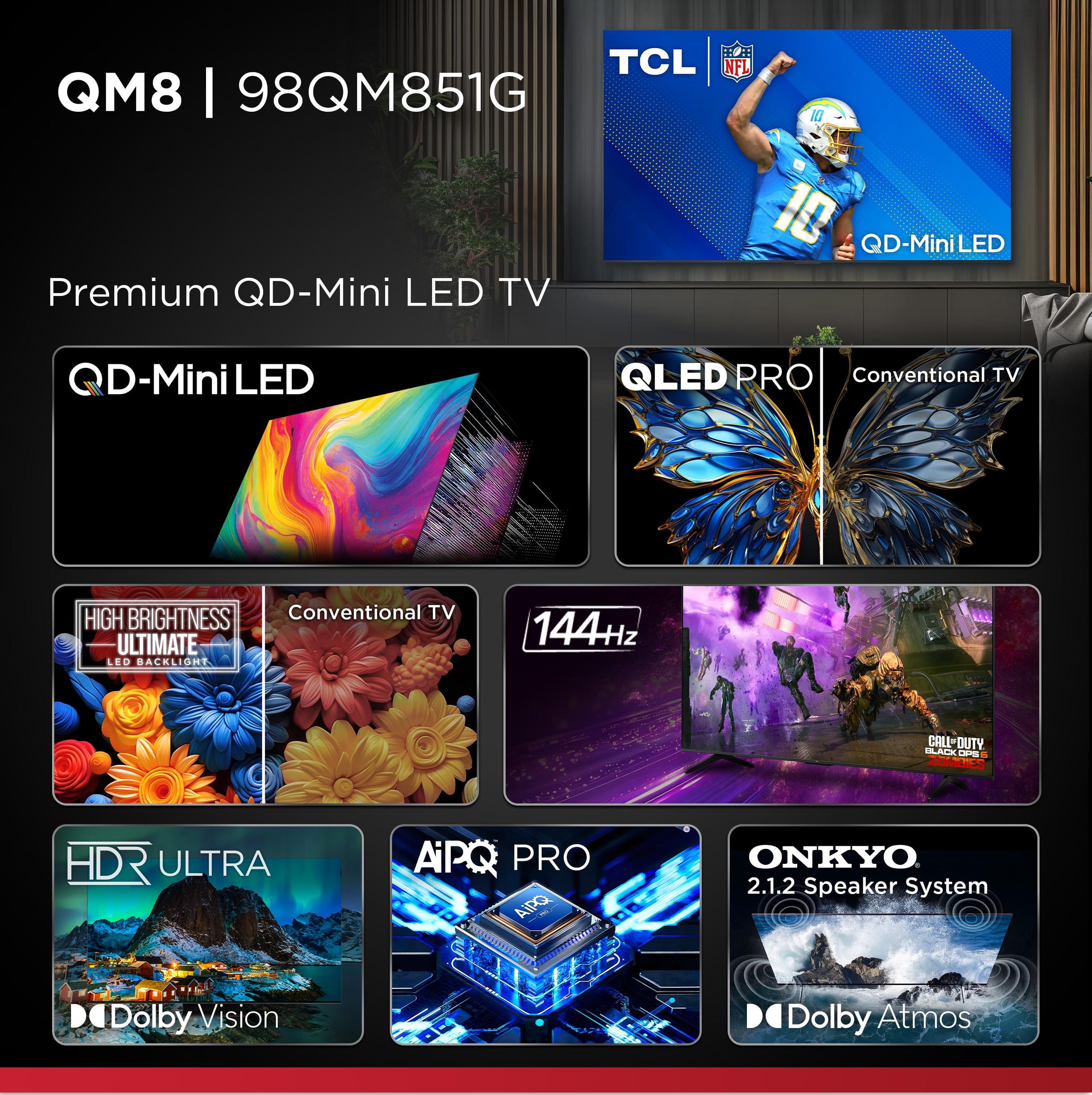
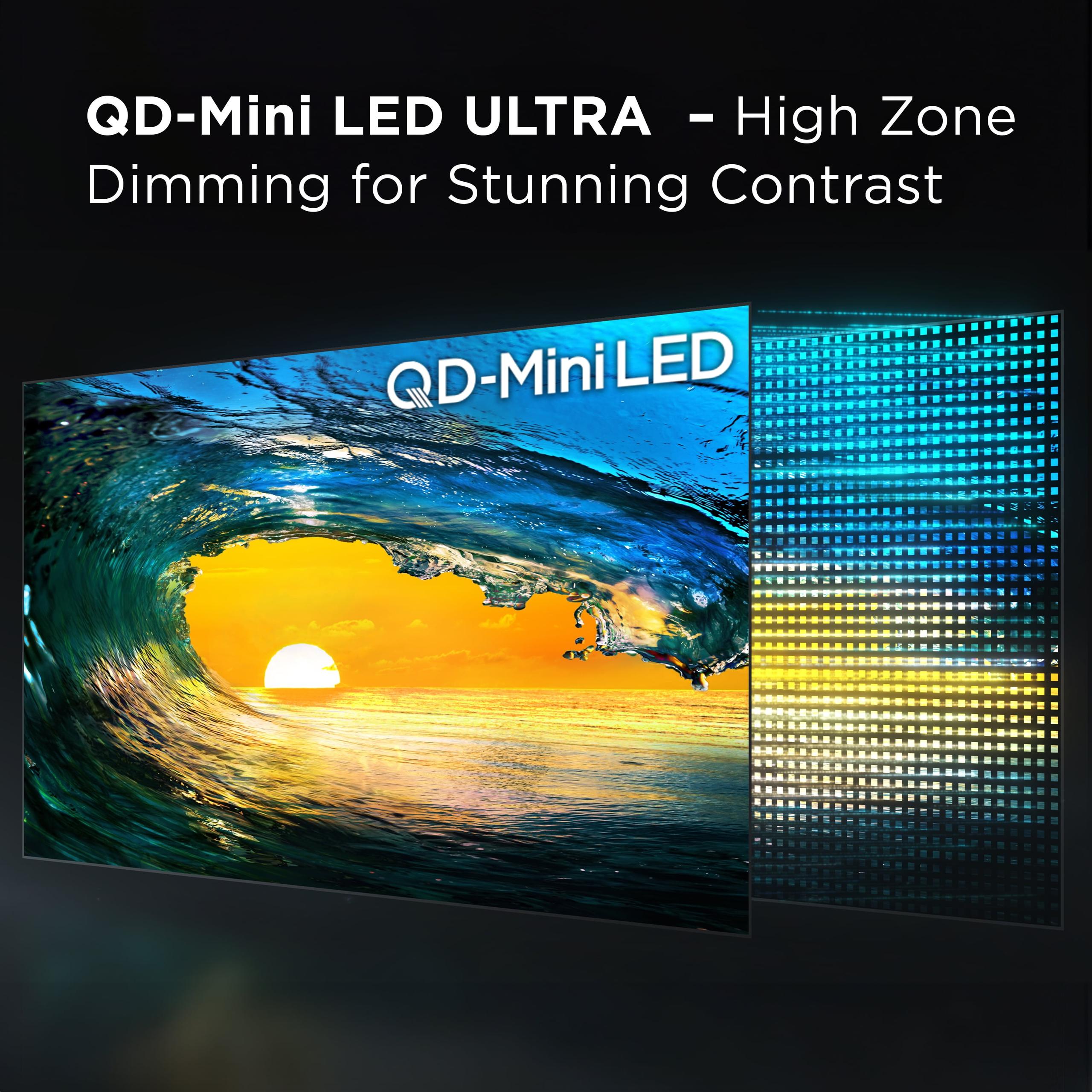
Before diving into specifics, it's worth understanding what separates premium TVs from budget models. The key differentiators are display technology, brightness capabilities, local dimming (how precisely the TV can control different areas of the backlight), processing power, and build quality. Both the TCL X11K and QM8 use QD-Mini LED technology, which combines quantum dots for enhanced color with mini LED backlights for precise brightness control.
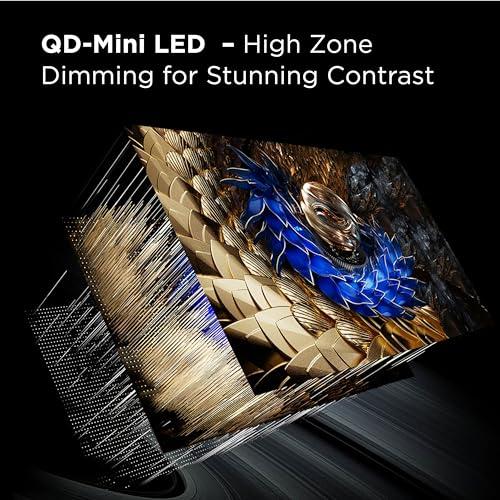
QD-Mini LED represents the current sweet spot between OLED (which offers perfect blacks but limited brightness) and traditional LED TVs (which get very bright but lack contrast control). Think of it as having thousands of tiny LED lights behind your screen, each controllable independently to create bright highlights and deep shadows simultaneously.
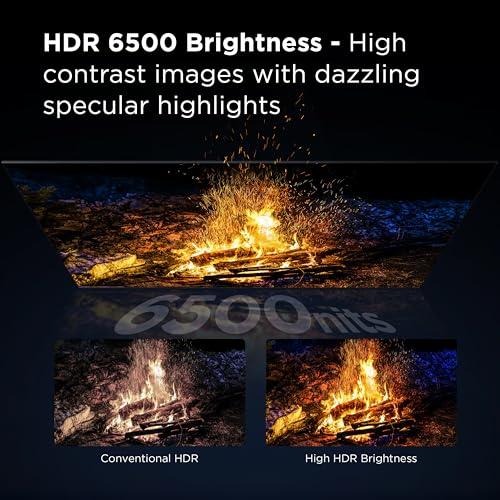
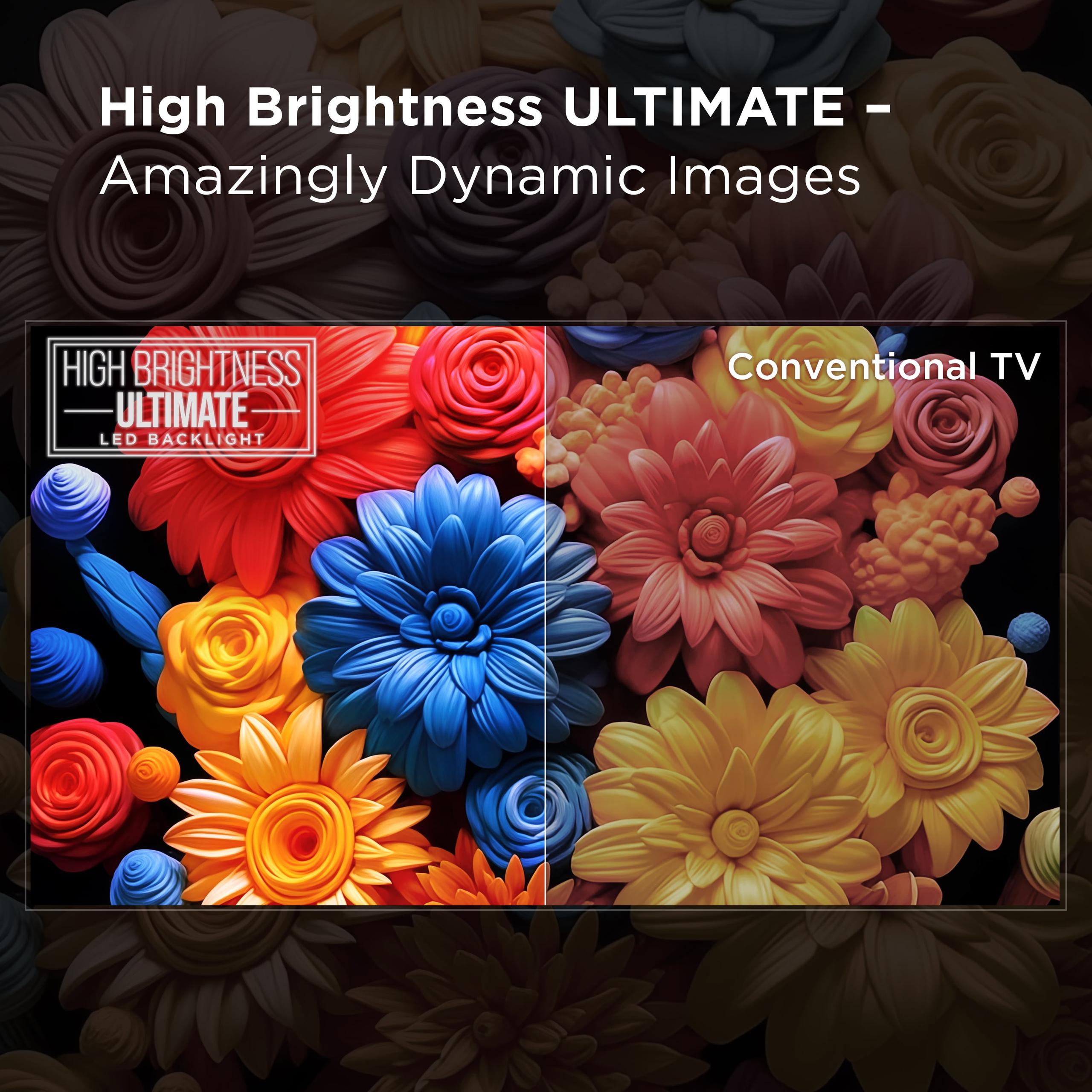
The most significant performance gap between these TVs lies in peak brightness. The TCL X11K hits an impressive 6,500 nits, while the QM8 reaches 5,000 nits. To put this in perspective, a typical sunny day measures around 100,000 nits, while indoor lighting ranges from 100-500 nits. For HDR content (High Dynamic Range, which allows for brighter highlights and deeper shadows), every additional nit of brightness translates to more impactful visuals.
That 1,500-nit difference might seem academic, but it's genuinely transformative in real-world viewing. The X11K maintains HDR punch even in bright living rooms with large windows, while the QM8 may struggle to deliver the same impact during daytime viewing. If your TV room gets significant natural light, the X11K's extra brightness isn't just nice-to-have – it's essential for maintaining picture quality throughout the day.
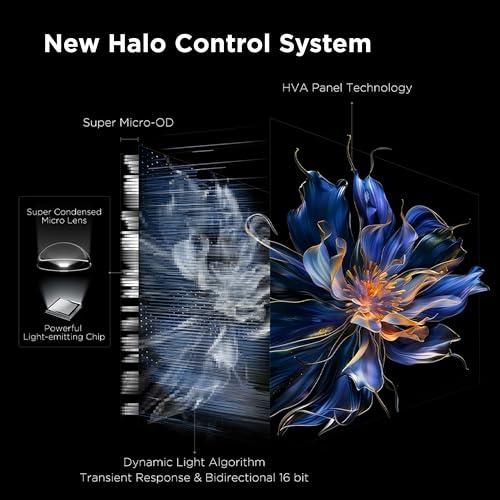
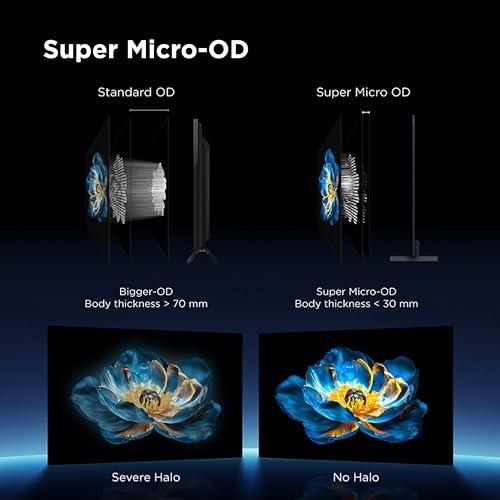
However, brightness alone doesn't tell the whole story. The X11K also features 14,000+ local dimming zones compared to the QM8's 5,000+. Local dimming zones are sections of the backlight that can be independently controlled – more zones mean more precise control over which parts of the screen are bright or dark at any given moment. This translates to better contrast and reduced "blooming" (unwanted light spilling around bright objects on dark backgrounds).
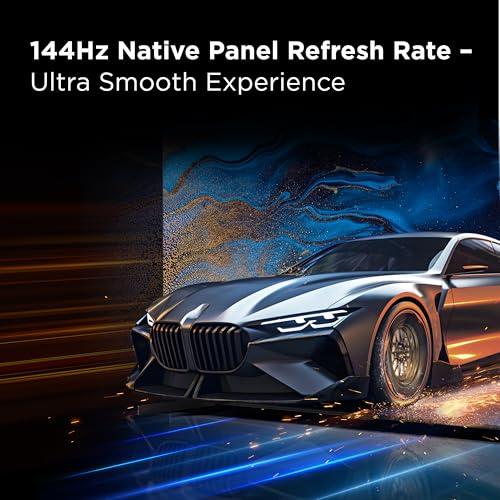
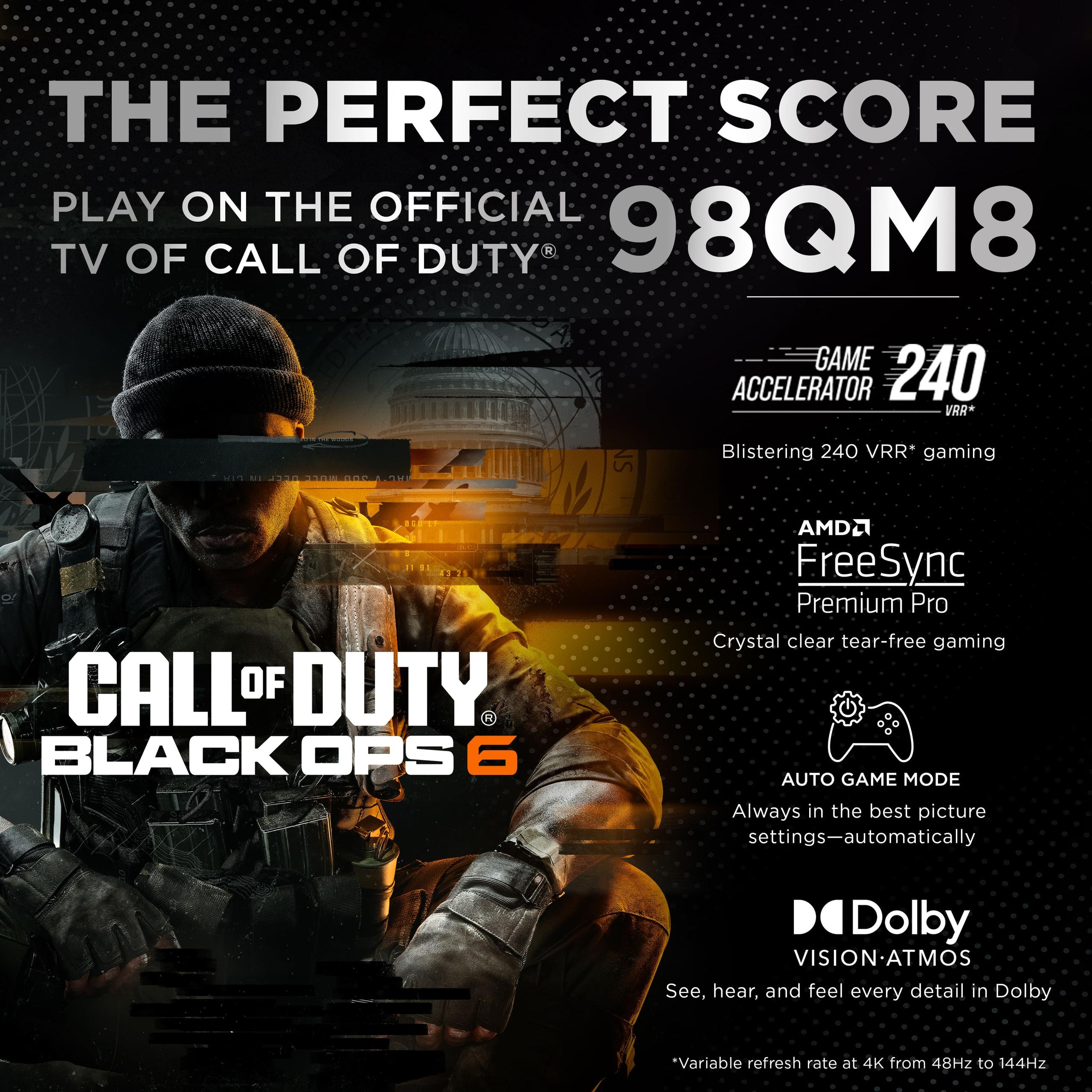
Gaming has become a crucial consideration for premium TVs, and both models deliver, though with important differences. The TCL X11K supports a native 144Hz refresh rate, meaning it can display 144 unique frames per second without any processing tricks. The QM8 offers 120Hz native, which is still excellent but slightly behind.
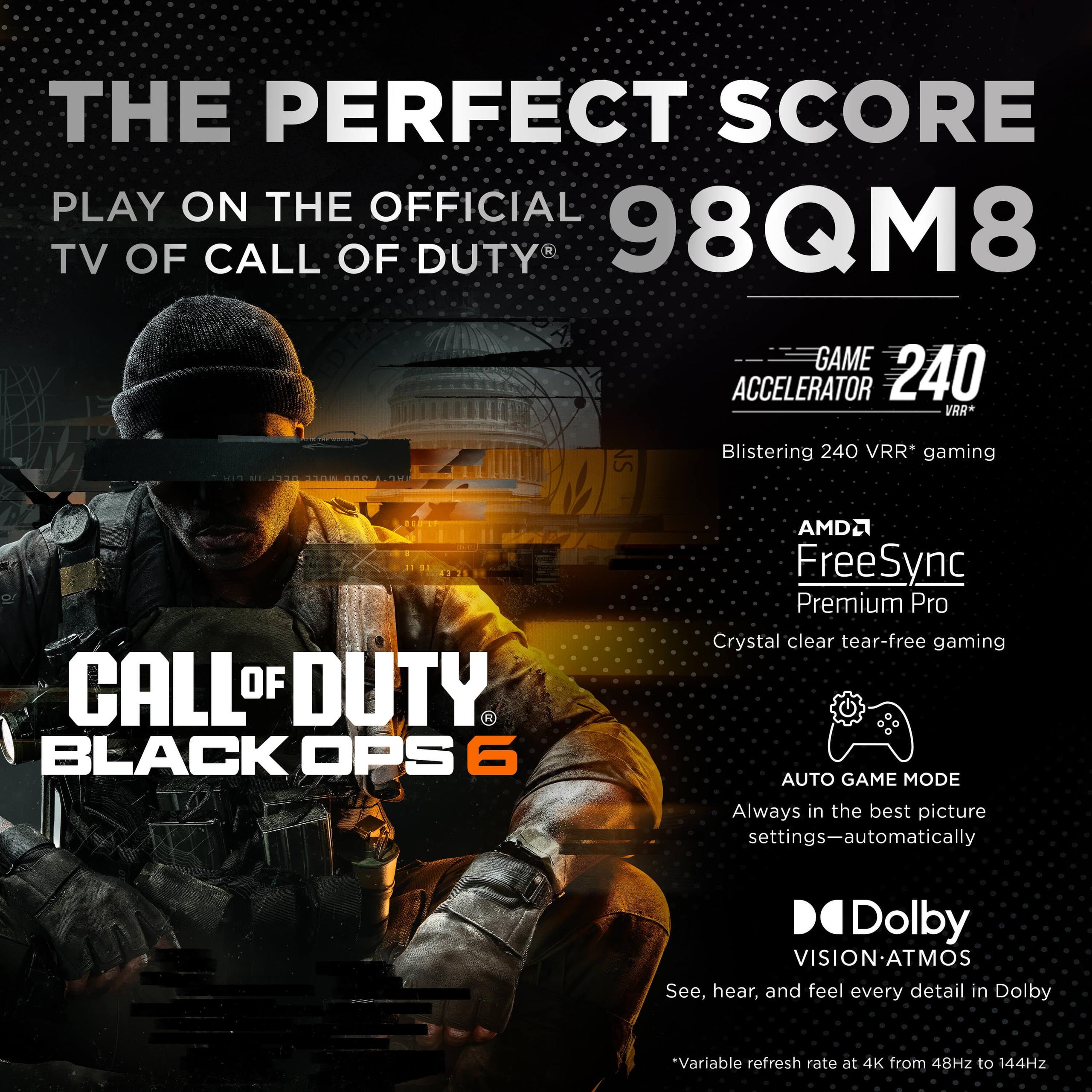
For context, most movies run at 24 frames per second, TV shows at 30 or 60, and console games typically target 60 or 120 fps. PC gaming can push higher frame rates, making the X11K's 144Hz capability more future-proof for serious gamers. Both TVs support Variable Refresh Rate (VRR), which synchronizes the TV's refresh rate with your gaming device's output to eliminate screen tearing – a visual artifact where the image appears to split horizontally.
The X11K also includes Game Accelerator 288, which uses processing to interpolate additional frames for even smoother motion, though this adds slight input lag. Input lag – the delay between pressing a button and seeing the action on screen – remains excellent on both models, with the QM8 actually having a slight edge in some gaming modes due to less processing overhead.
For most console gamers, the QM8's 120Hz will be perfectly adequate. The PS5 and Xbox Series X rarely exceed 120fps, and when they do, the visual difference between 120Hz and 144Hz is subtle. However, if you're a PC gamer with a high-end graphics card, the X11K's extra refresh rate capability provides a noticeable smoothness improvement in fast-paced competitive games.
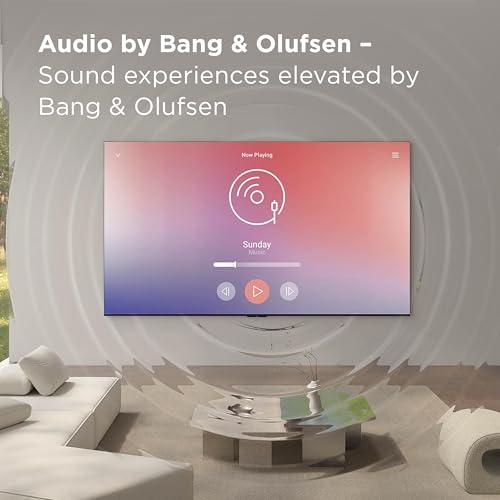
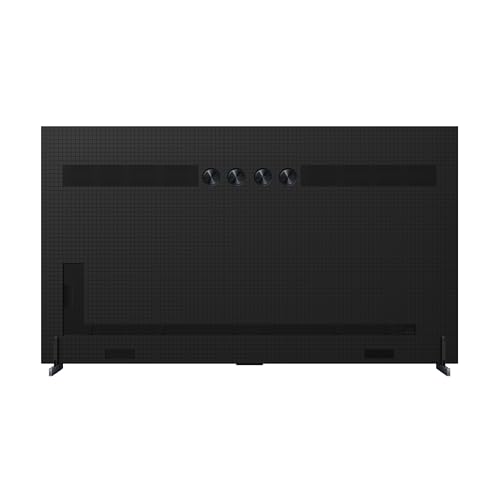
Here's where the TCL X11K pulls significantly ahead. Its 120-watt Bang & Olufsen audio system with 2.1.1 channel configuration (two main speakers, one subwoofer, one upward-firing speaker) doubles the power output of the QM8's 60-watt ONKYO system. In practical terms, this means the X11K can fill larger rooms with sound and handle dynamic movie soundtracks without distortion.
The upward-firing speakers in the X11K create a more immersive Dolby Atmos experience by bouncing sound off your ceiling to simulate overhead effects. While both TVs support Dolby Atmos, the X11K's hardware implementation is far more capable of delivering the intended experience without requiring additional speakers.
For most buyers, built-in audio quality matters more than they initially expect. While audiophiles will eventually add a soundbar or surround system, having excellent built-in audio means the TV sounds great immediately and provides a better experience for casual viewing, late-night sessions, or secondary viewing areas.
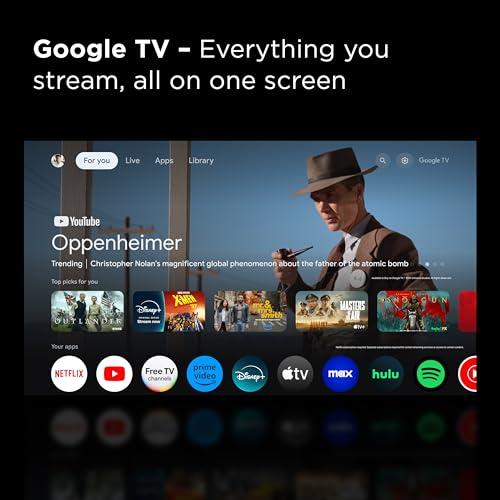
Both models run Google TV, Google's latest smart TV platform that replaced Android TV in 2024. The experience is identical across both TVs – same interface, same app selection, same performance. Google TV integrates content recommendations from multiple streaming services, supports voice commands through Google Assistant, and works seamlessly with Chromecast and other Google ecosystem products.
The smart TV performance depends more on the underlying processor than the platform itself. Both TVs feature capable processors that handle 4K streaming, app switching, and interface navigation without noticeable lag. Wi-Fi 6 support ensures robust connectivity for high-bandwidth 4K streams.
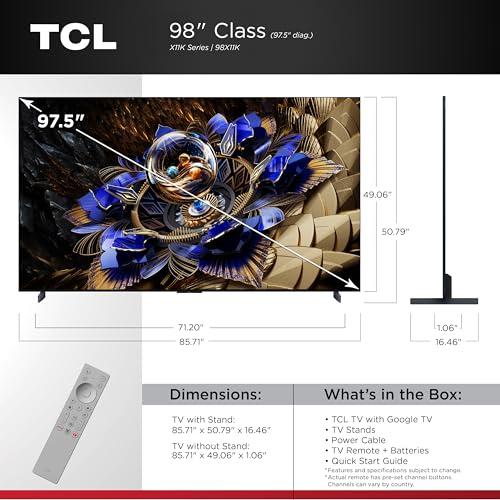
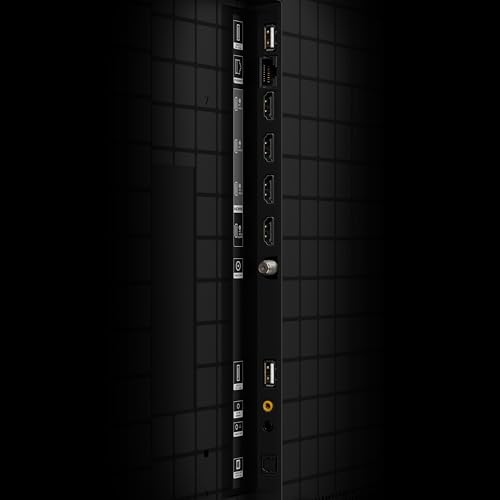
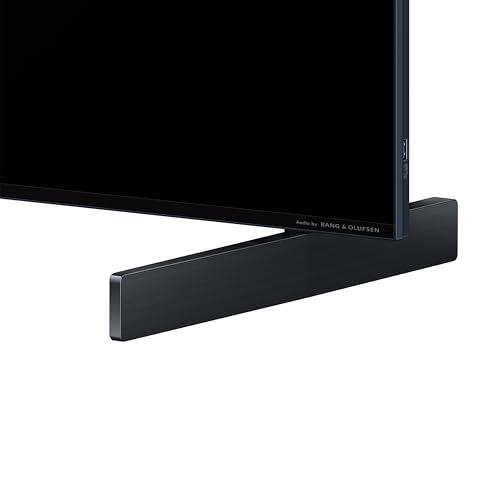
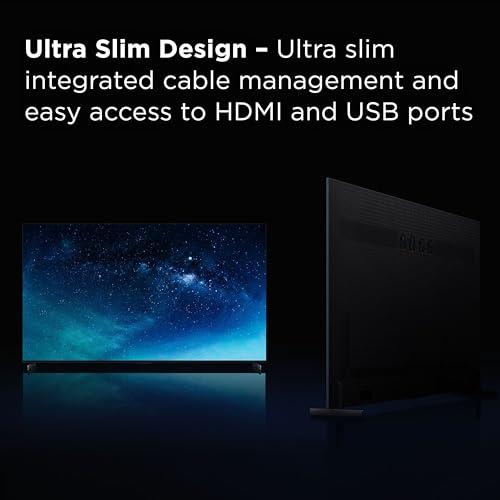
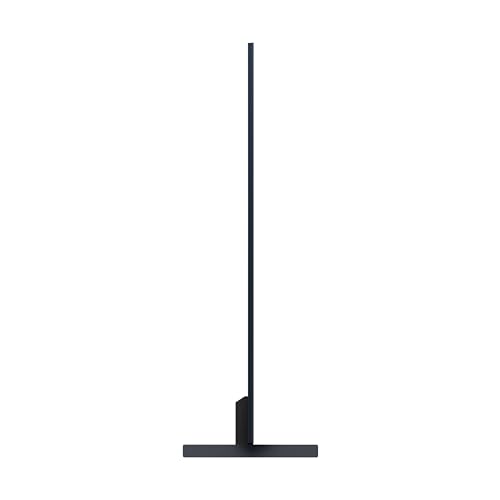
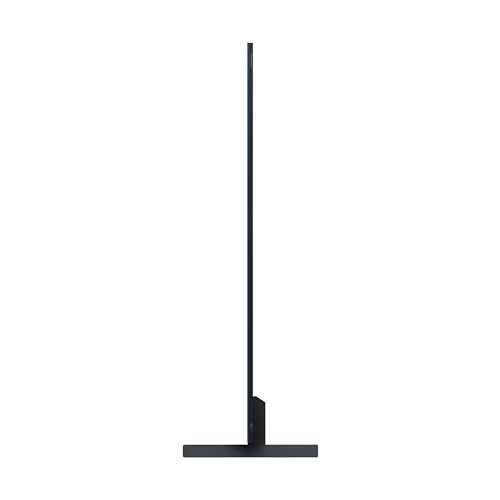
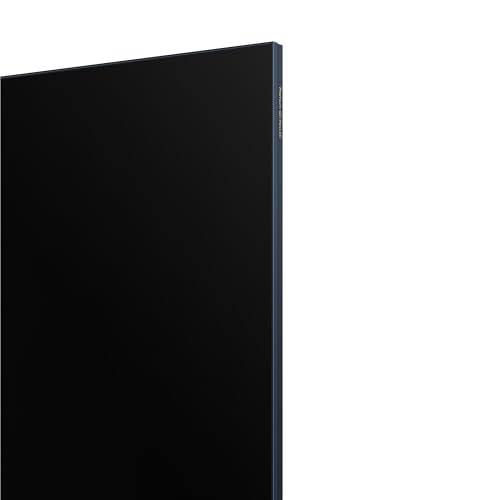
At 98 inches, both TVs are substantial pieces of furniture that demand careful consideration of your space. The X11K features a more premium build with better cable management and a slightly slimmer profile, but both models require similar wall mounting considerations and support structures.
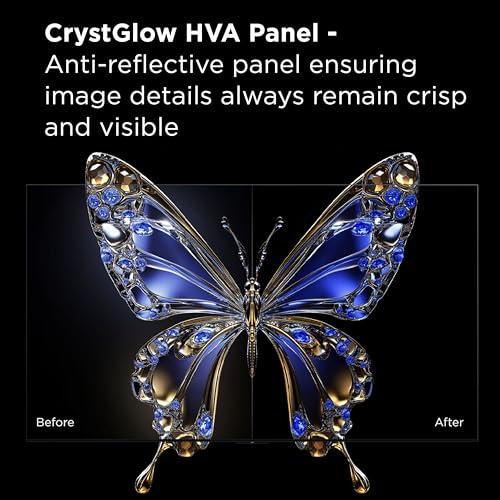
The anti-reflection coating on the X11K proves particularly valuable at this size. Large screens naturally collect more ambient light reflection, and the superior coating makes a meaningful difference in bright rooms. The QM8 still handles reflections well, but not quite to the same degree.
At the time of writing, there's a significant price gap between these models, with the X11K commanding a substantial premium over the QM8. The question becomes whether the performance improvements justify the additional cost.
The QM8 represents exceptional value in the premium TV category, delivering 90% of flagship performance at a more accessible price point. For buyers with controlled lighting environments, primarily console gaming usage, and plans to add external audio, the QM8 provides an outstanding experience.
The X11K justifies its premium through meaningful improvements in the areas that matter most for large-screen viewing: brightness for bright room performance, superior audio for immediate enjoyment, and gaming features for future-proofing. If budget allows and you want the best possible experience, the performance gaps are substantial enough to warrant consideration.
In a dedicated home theater setup, both TVs shine, but with different strengths. The X11K's superior brightness actually becomes less critical in a controlled lighting environment, while its better audio system remains valuable for content that doesn't warrant firing up a full surround system.
For home theater enthusiasts, seating distance becomes crucial at 98 inches. The optimal viewing distance is typically 8-12 feet for 4K content, ensuring you can appreciate the resolution without seeing individual pixels. Both TVs handle upscaling of lower-resolution content well, though the X11K's more advanced AiPQ Pro processor provides slightly better results with older content.
The local dimming advantage of the X11K proves most valuable with cinematic content featuring stark contrast – think space movies with bright stars against black voids, or night scenes with streetlights. The additional dimming zones create more precise control over these challenging scenes.
Choose the TCL X11K if you have a bright living room, prioritize gaming performance, care about built-in audio quality, or simply want the best possible performance regardless of price. The brightness advantage alone makes it worth considering for rooms with significant natural light, and the superior audio system adds substantial value for those not immediately planning external speakers.
The QM8 makes more sense for buyers with controlled lighting, existing audio systems, or those seeking excellent performance at a more reasonable price point. It delivers genuinely impressive picture quality that will satisfy most viewers, and the savings can be invested in room treatments, mounting solutions, or audio equipment.
For most buyers, I lean toward the QM8 as the smarter choice. The performance is excellent, the price is more reasonable, and the real-world differences, while measurable, aren't transformative for typical viewing scenarios. However, if your room setup demands maximum brightness or you're building a no-compromise entertainment system, the X11K delivers meaningful improvements that justify its premium positioning.
The 98-inch TV market continues evolving rapidly, with both models representing significant improvements over their 2023 predecessors in brightness, processing power, and gaming features. Either choice will provide years of exceptional viewing experiences – the decision ultimately comes down to your specific room conditions, usage patterns, and budget priorities.
| TCL 98" X11K 4K QD-Mini LED Google TV | TCL 98" QM8 Series 4K UHD Smart Google TV |
|---|---|
| Peak Brightness - Critical for HDR impact and bright room viewing | |
| 6,500 nits (exceptional for any lighting condition) | 5,000 nits (excellent but may struggle in very bright rooms) |
| Local Dimming Zones - Controls contrast and reduces blooming | |
| 14,000+ zones (flagship-level precision) | 5,000+ zones (very good, noticeable difference in dark scenes) |
| Native Refresh Rate - Smoothness for gaming and sports | |
| 144Hz (future-proof for high-end PC gaming) | 120Hz (perfect for console gaming and most content) |
| Audio System - Built-in sound quality and room-filling capability | |
| 120W Bang & Olufsen 2.1.1 system with upfiring speakers | 60W ONKYO system (adequate but benefits from external audio) |
| Game Accelerator - Enhanced motion processing for gaming | |
| 288Hz processing (ultra-smooth competitive gaming) | 240Hz processing (excellent for most gaming scenarios) |
| Panel Technology - Anti-reflection and viewing experience | |
| CrystGlow HVA with advanced anti-reflection coating | Standard QD-Mini LED (good but more reflective) |
| Variable Refresh Rate Range - Eliminates screen tearing | |
| 48-144Hz with FreeSync Premium Pro and G-Sync | 48-144Hz with standard VRR support |
| HDR Format Support - Enhanced color and contrast standards | |
| Dolby Vision IQ, HDR10+, HDR10, HLG (full premium support) | Dolby Vision IQ, HDR10+, HDR10, HLG (identical support) |
| Smart Platform - Streaming and interface experience | |
| Google TV with identical performance and features | Google TV with identical performance and features |
| Color Gamut Coverage - Color accuracy and vibrancy | |
| 97% DCI-P3 with 1.07 billion colors | Standard DCI-P3 coverage with 1.07 billion colors |
| Processor - AI enhancement and upscaling quality | |
| AiPQ Pro with advanced machine learning | TCL AIPQ PRO with Deep Learning AI (very similar) |
| Design Premium Features - Build quality and aesthetics | |
| Ultra-slim profile, integrated cable management, premium finish | Standard premium build with good cable management |
The TCL 98" X11K is significantly better for bright rooms with its 6,500 nits peak brightness compared to the TCL 98" QM8's 5,000 nits. The X11K also features advanced anti-reflection coating that reduces glare from windows and lights, making it the clear choice for living rooms with lots of natural light.
The primary differences are brightness capabilities and local dimming zones. The TCL X11K offers 6,500 nits brightness with 14,000+ dimming zones, while the TCL QM8 provides 5,000 nits with 5,000+ zones. The X11K also features superior Bang & Olufsen audio and 144Hz native refresh rate versus the QM8's 120Hz.
We've done our best to create useful and informative comparisons to help you decide what product to buy. Our research uses advanced automated methods to create this comparison and perfection is not possible - please contact us for corrections or questions. These are the sites we've researched in the creation of this article: ecoustics.com - pcrichard.com - tcl.com - valueelectronics.com - bestbuy.com - tcl.com - whathifi.com - tcl.com - youtube.com - displayspecifications.com - whathifi.com - youtube.com - notebookcheck.net - tcl.com - tcl.com - displayspecifications.com - tcl.com - tcl.com - pcguide.com - en.homecinesolutions.fr - youtube.com - tcl.com - rtings.com - camelcamelcamel.com - youtube.com - techradar.com - avsforum.com - bestbuy.com - greentoe.com - tcl.com

Privacy Policy
Terms and Conditions - Affiliate Policy
Home Security
© Copyright 2008-2026.
11816 Inwood Rd #1211, Dallas, TX 75244