

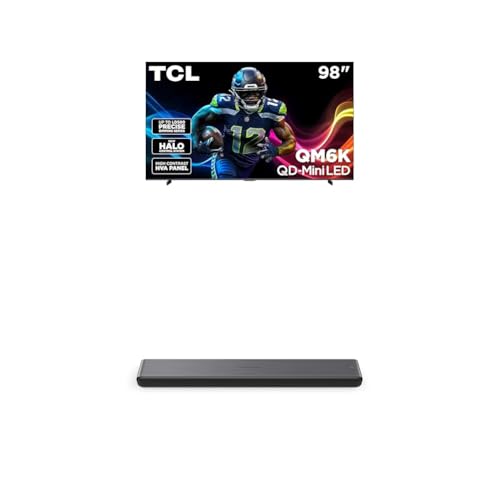
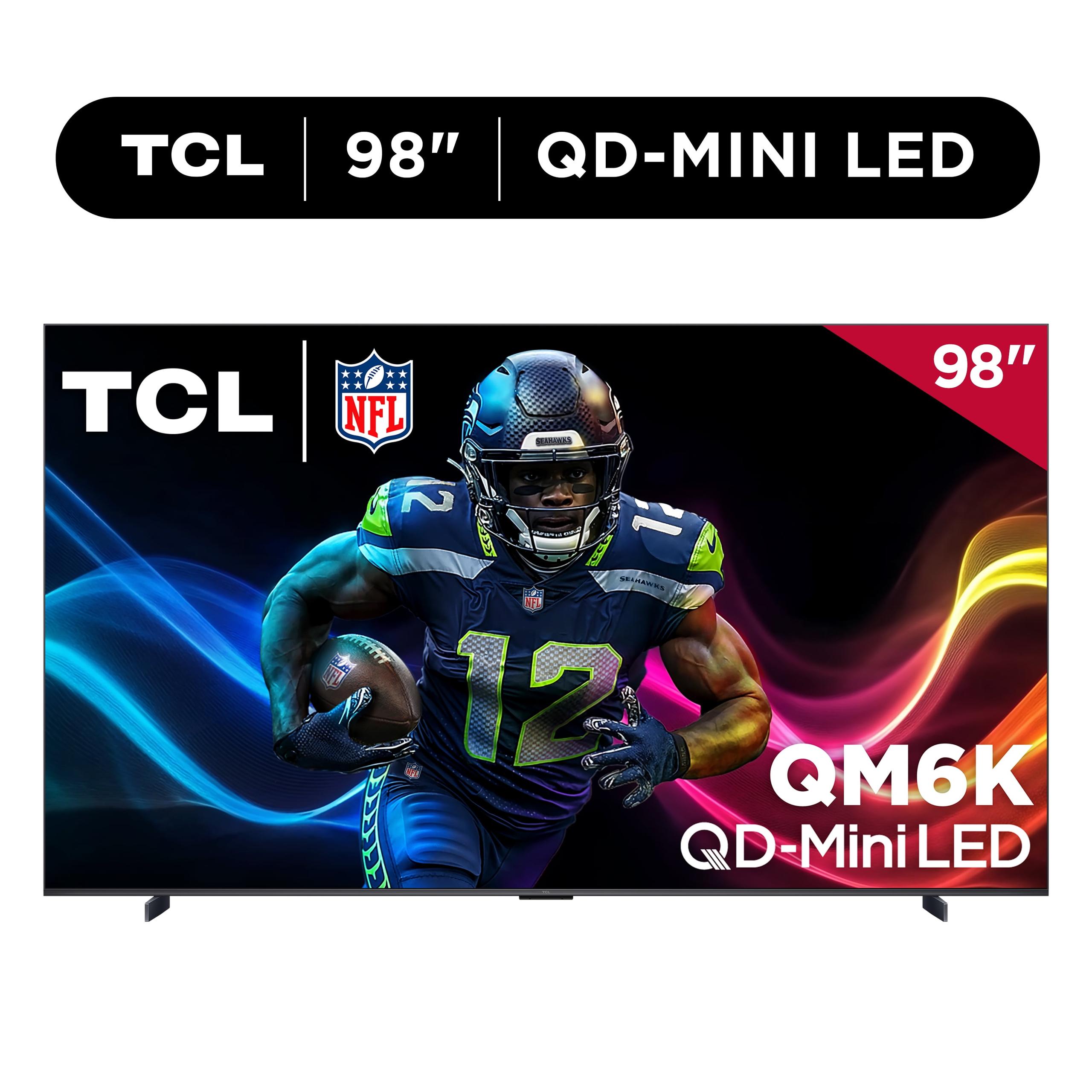
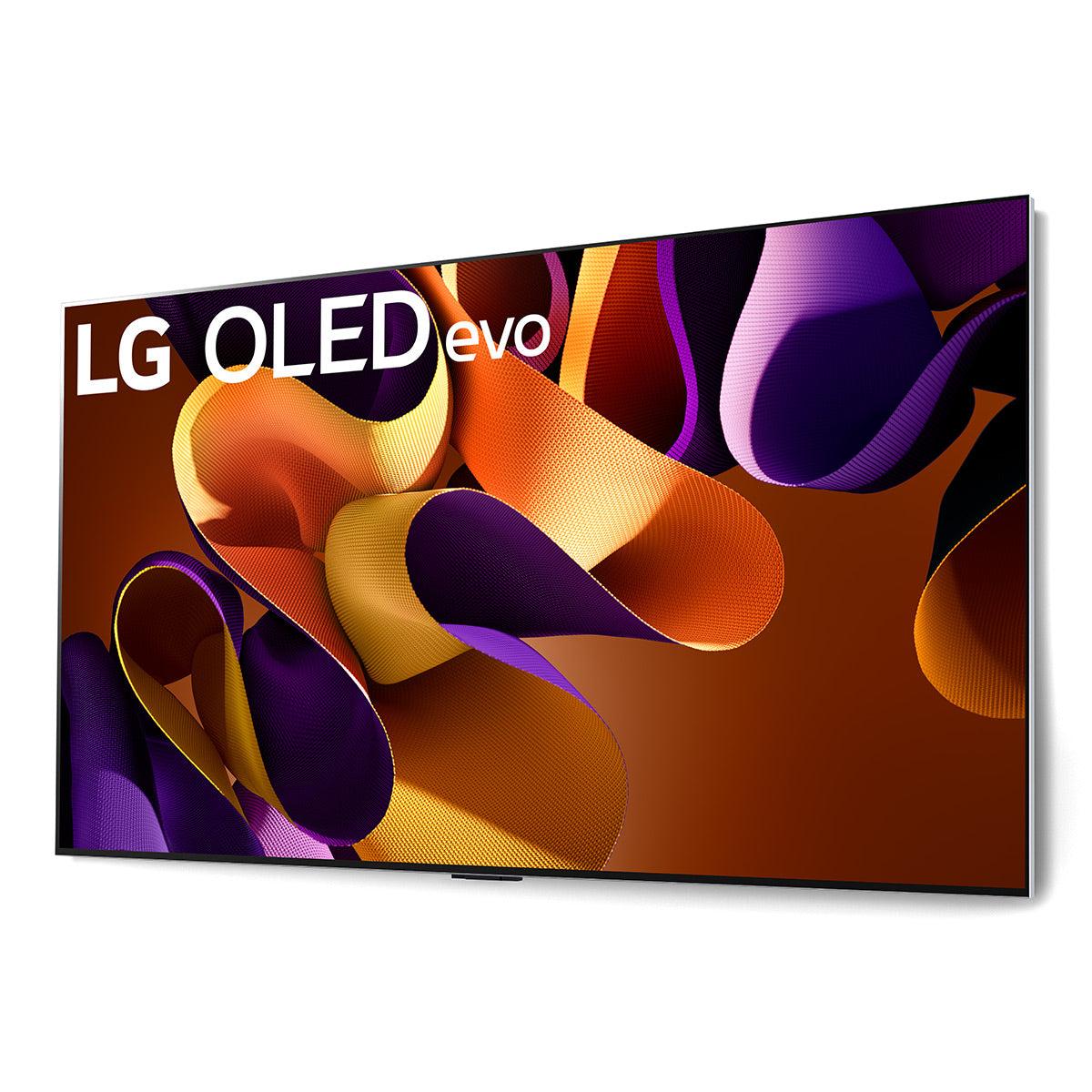
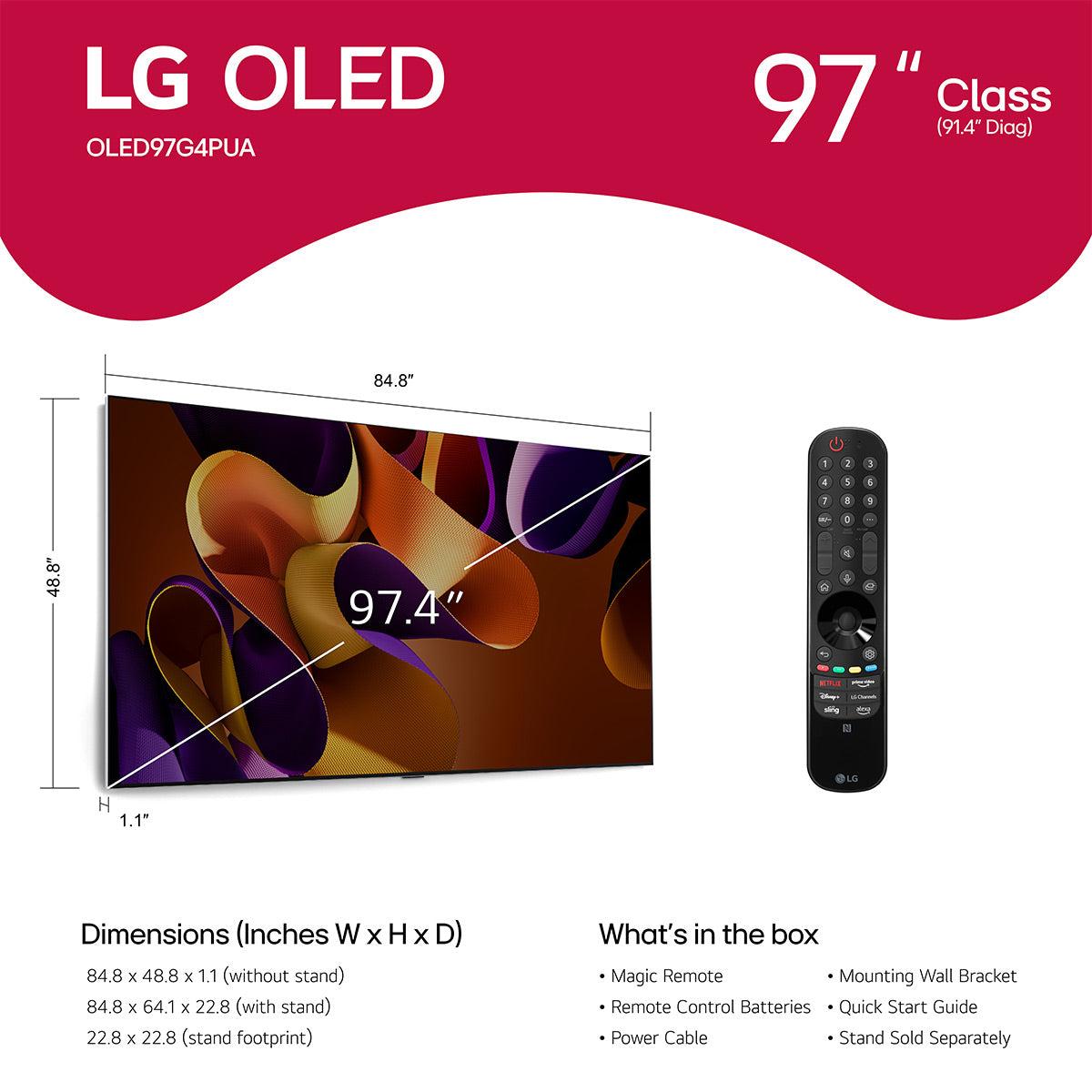
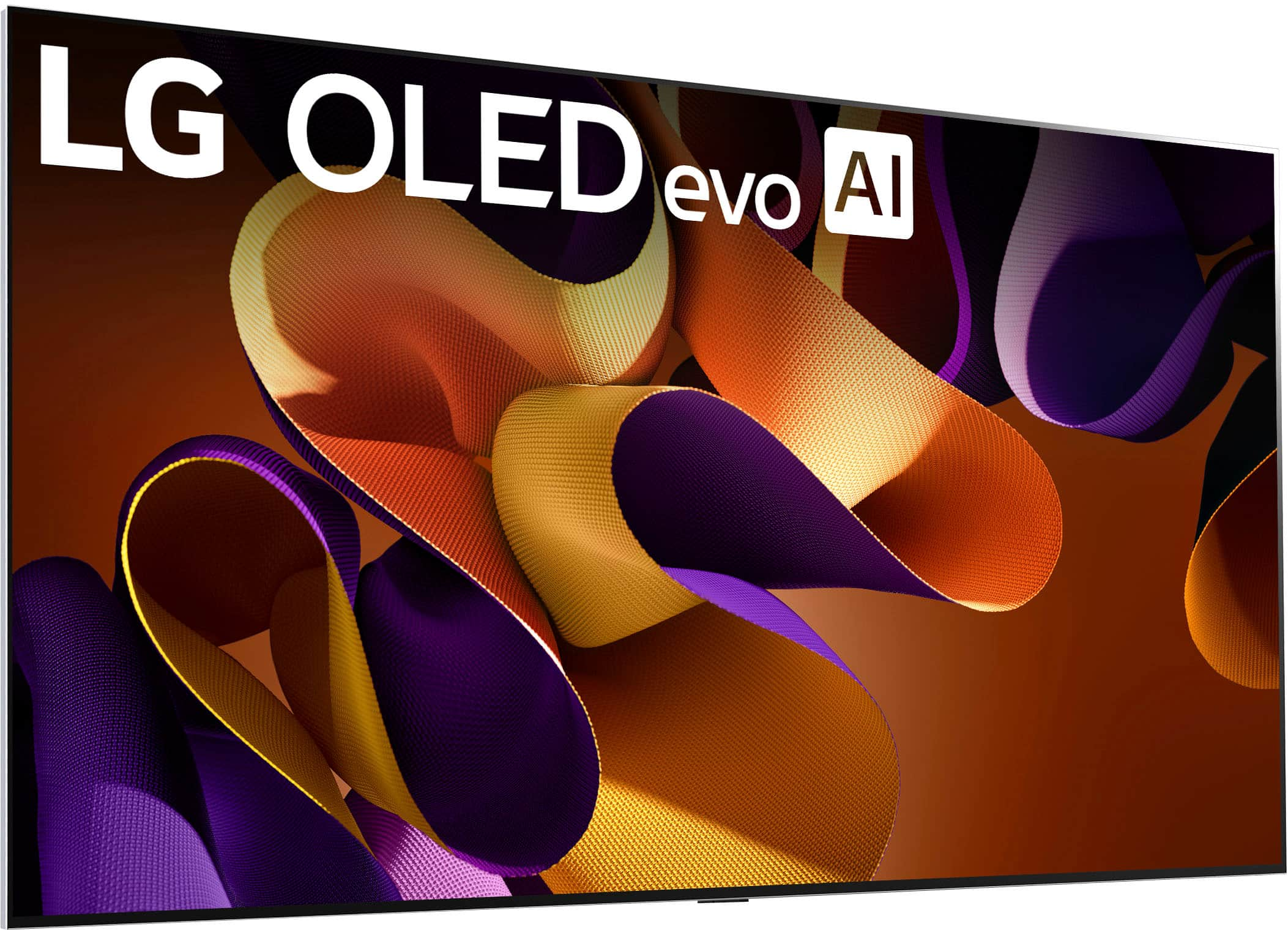
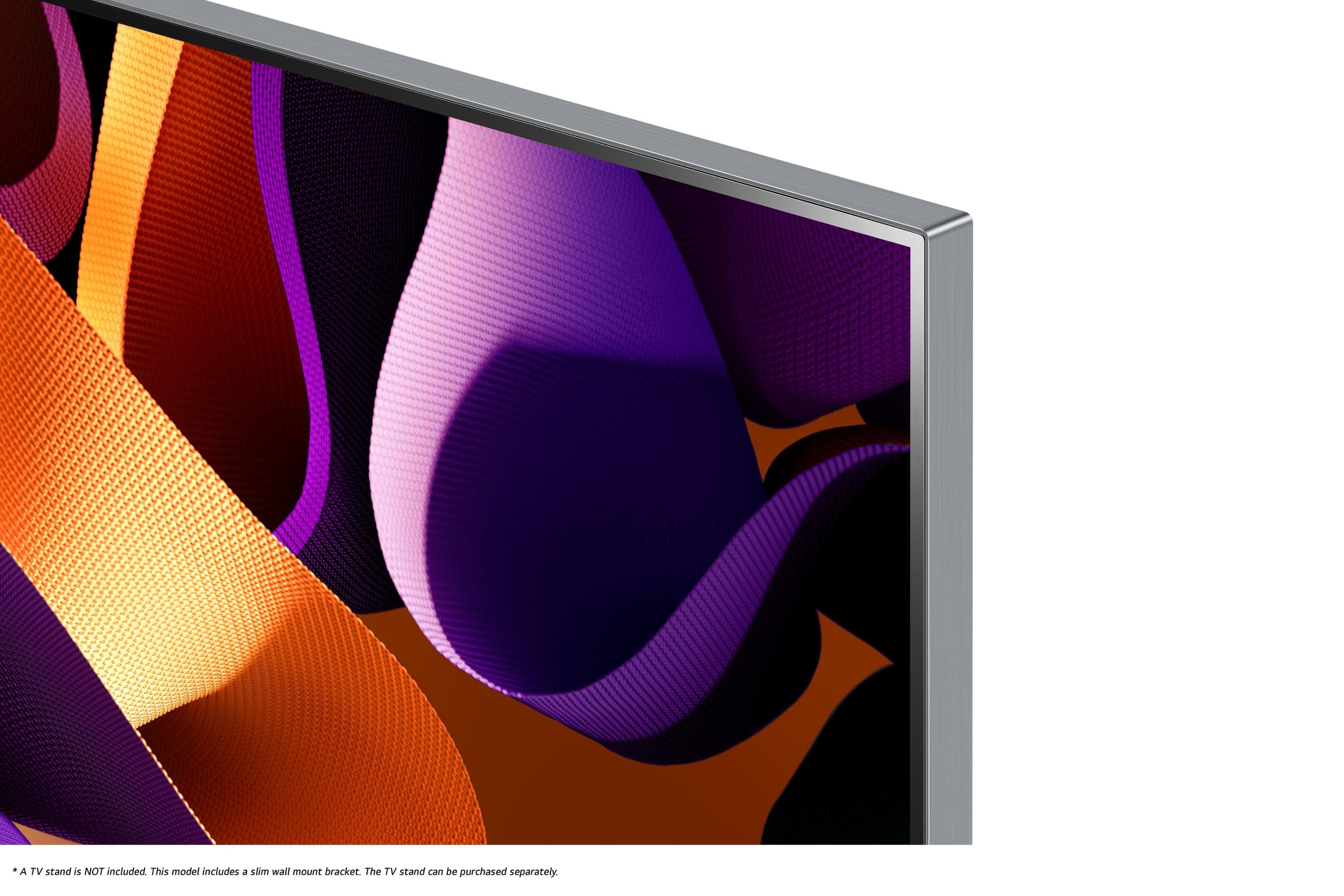
If you're in the market for a truly massive TV that'll transform your living room into a home theater, you've probably stumbled across two impressive options: the TCL 98-Inch QM6K QLED TV at $1,999.99 and the LG 97" OLED evo G4 Series at $19,996.99. Yes, you read those prices correctly – there's literally a 10x price difference between these titans. But before you automatically assume the cheaper one is the obvious choice, let's dive deep into what makes each of these displays special and which one might be the perfect fit for your home.
The 97-98 inch TV market represents the absolute pinnacle of home entertainment technology. These aren't just bigger versions of regular TVs – they're engineered specifically for people who want that true cinematic experience without leaving their house. When you're dealing with displays this large, every technical decision becomes magnified, literally.
The main considerations in this category go far beyond just "bigger is better." You're looking at display technology trade-offs (OLED's perfect blacks versus QLED's brightness capabilities), how well they handle your room's lighting conditions, gaming performance that can make or break your experience, and long-term value that justifies such a significant investment.
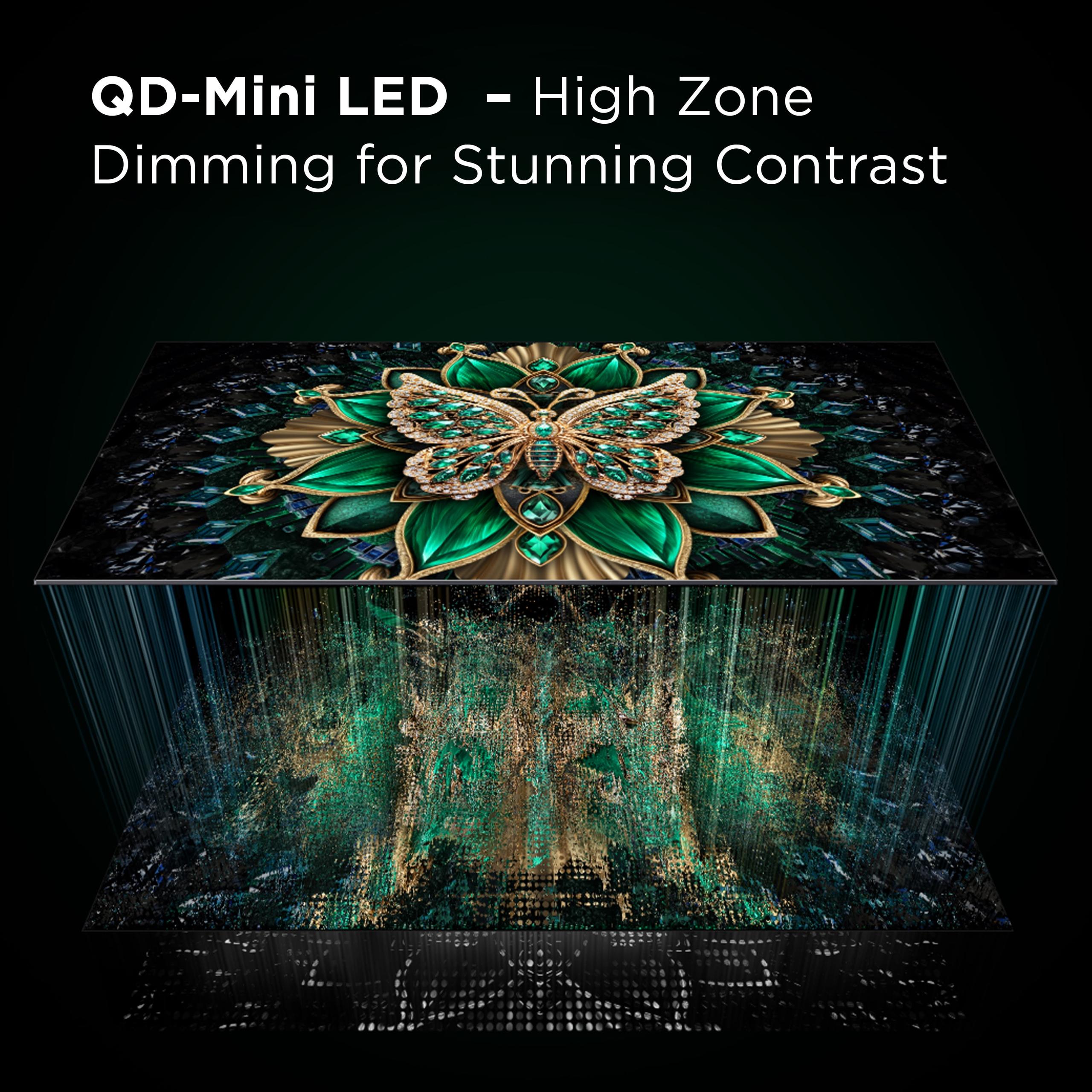
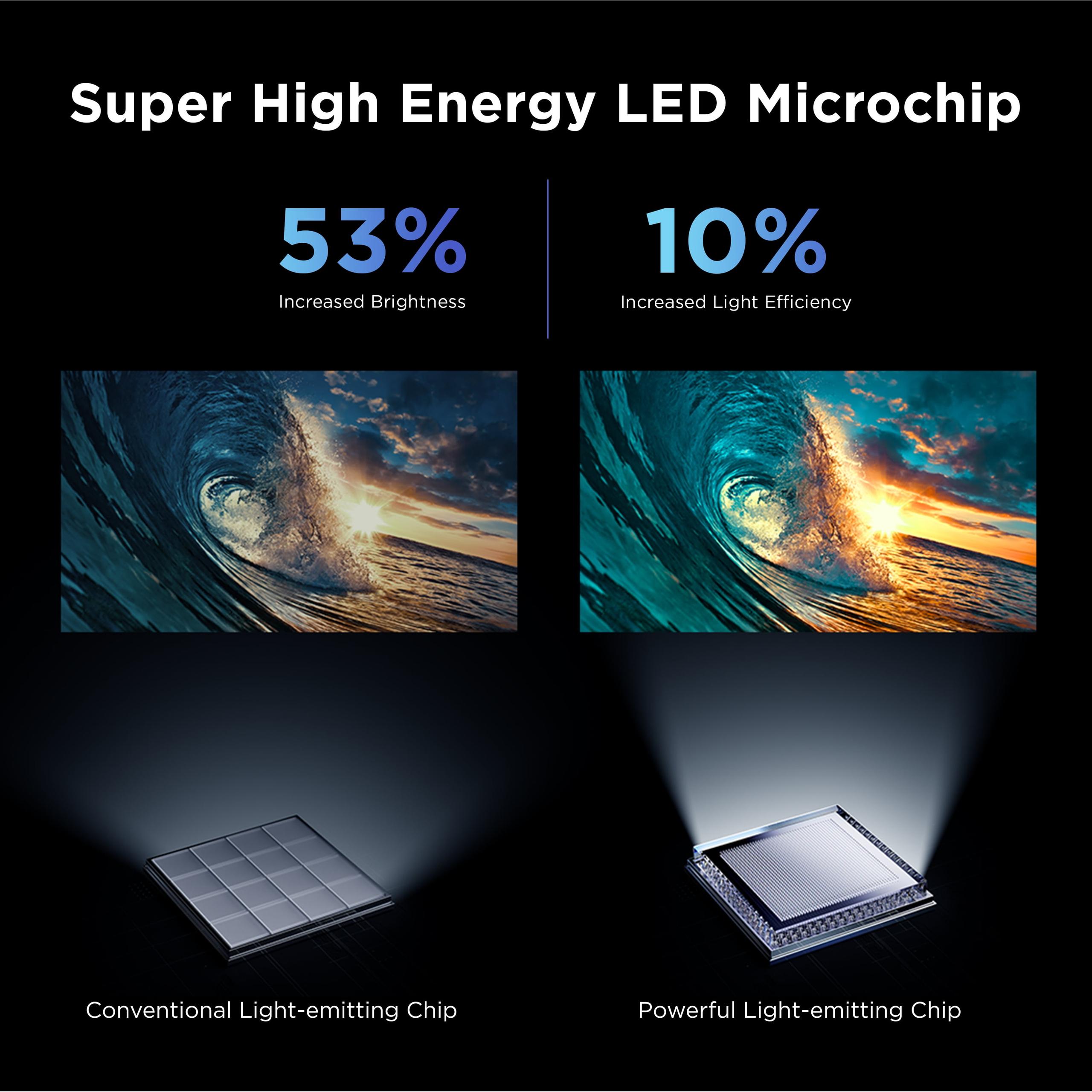
The TCL 98-Inch QM6K represents TCL's 2025 flagship, launched as part of their premium QM series lineup. This isn't just another budget TV scaled up – it's packed with cutting-edge QD-Mini LED technology that combines quantum dots (tiny particles that enhance color accuracy) with mini-LED backlighting (thousands of tiny LEDs that provide precise brightness control).
What makes this particularly interesting is TCL's timing. They released this model right when mini-LED technology has matured enough to offer genuine competition to OLED displays, but at a fraction of the cost. The company has been aggressively pushing into the premium market, and the QM6K shows they're serious about competing with the big names.
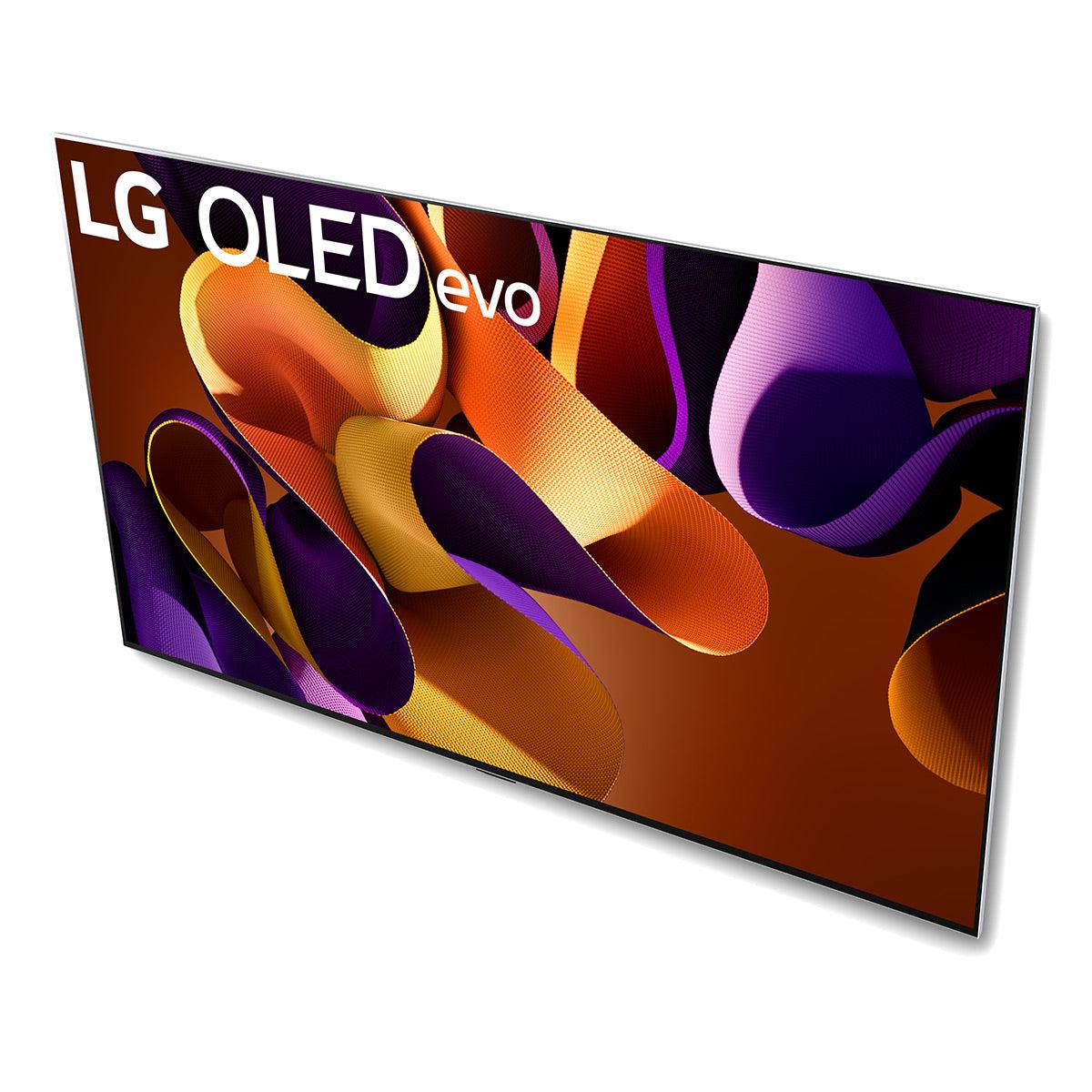
The LG 97" OLED evo G4 comes from LG's established G-series lineup, which has been the gold standard for premium OLED TVs. While the G4 series launched in 2024, OLED technology itself has been refined over more than a decade. What's changed recently is LG's Brightness Booster Max technology, which addresses OLED's traditional weakness – peak brightness – while maintaining all the benefits that make OLED special.
LG's approach here is evolutionary rather than revolutionary. They've taken a proven technology and incrementally improved it, focusing on refinement rather than dramatic changes. This conservative approach has its merits, especially when you're asking people to spend $20,000 on a TV.
Here's where these two TVs show their completely different philosophies. The LG OLED G4 delivers what we call "infinite contrast" – when a pixel needs to be black, it simply turns off completely. There's no backlight bleeding through, no gray blacks, just perfect darkness. When I watch a movie like "Dune" with its dramatic desert scenes transitioning to dark spaceship interiors, the OLED's ability to go from brilliant brightness to absolute black is genuinely stunning.
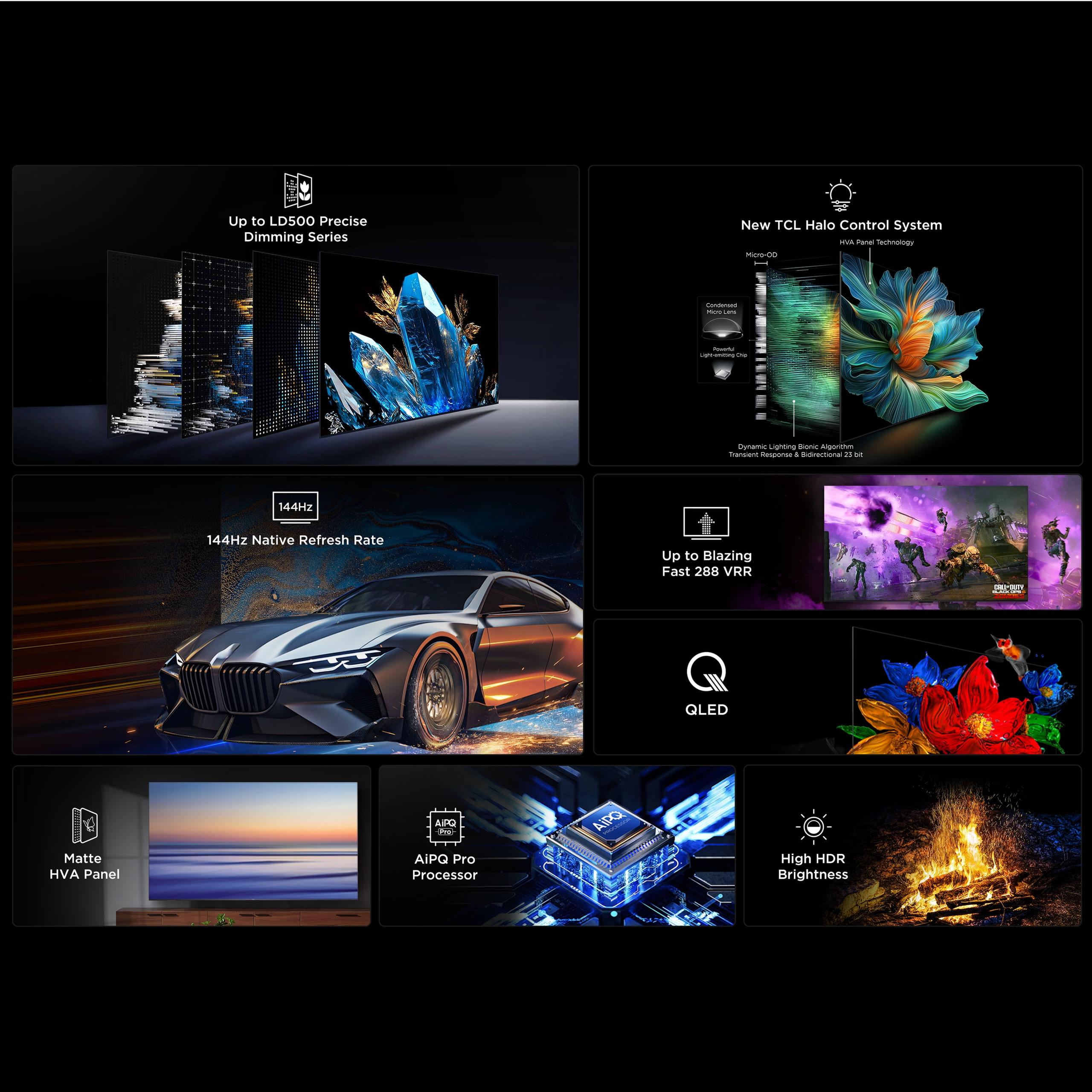
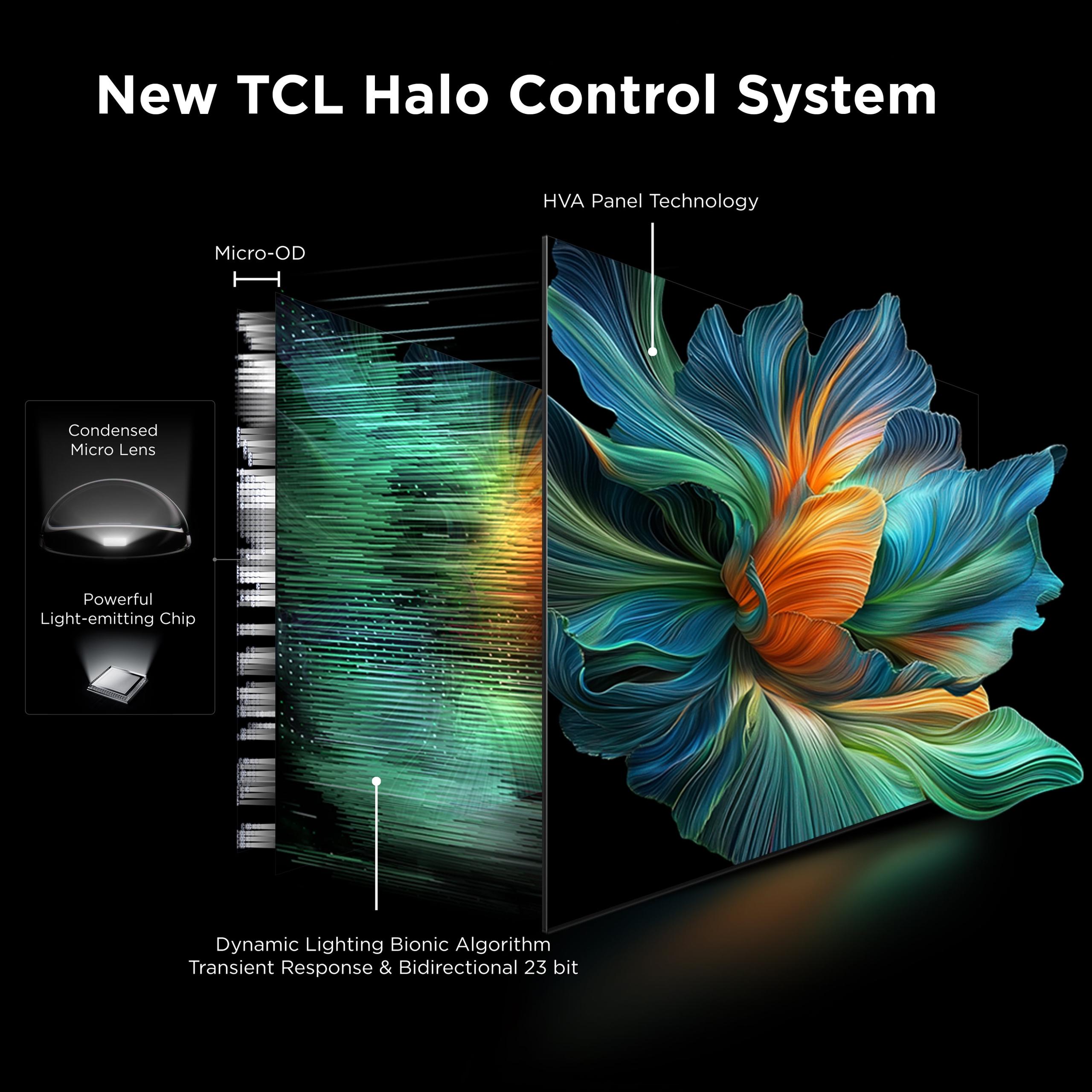
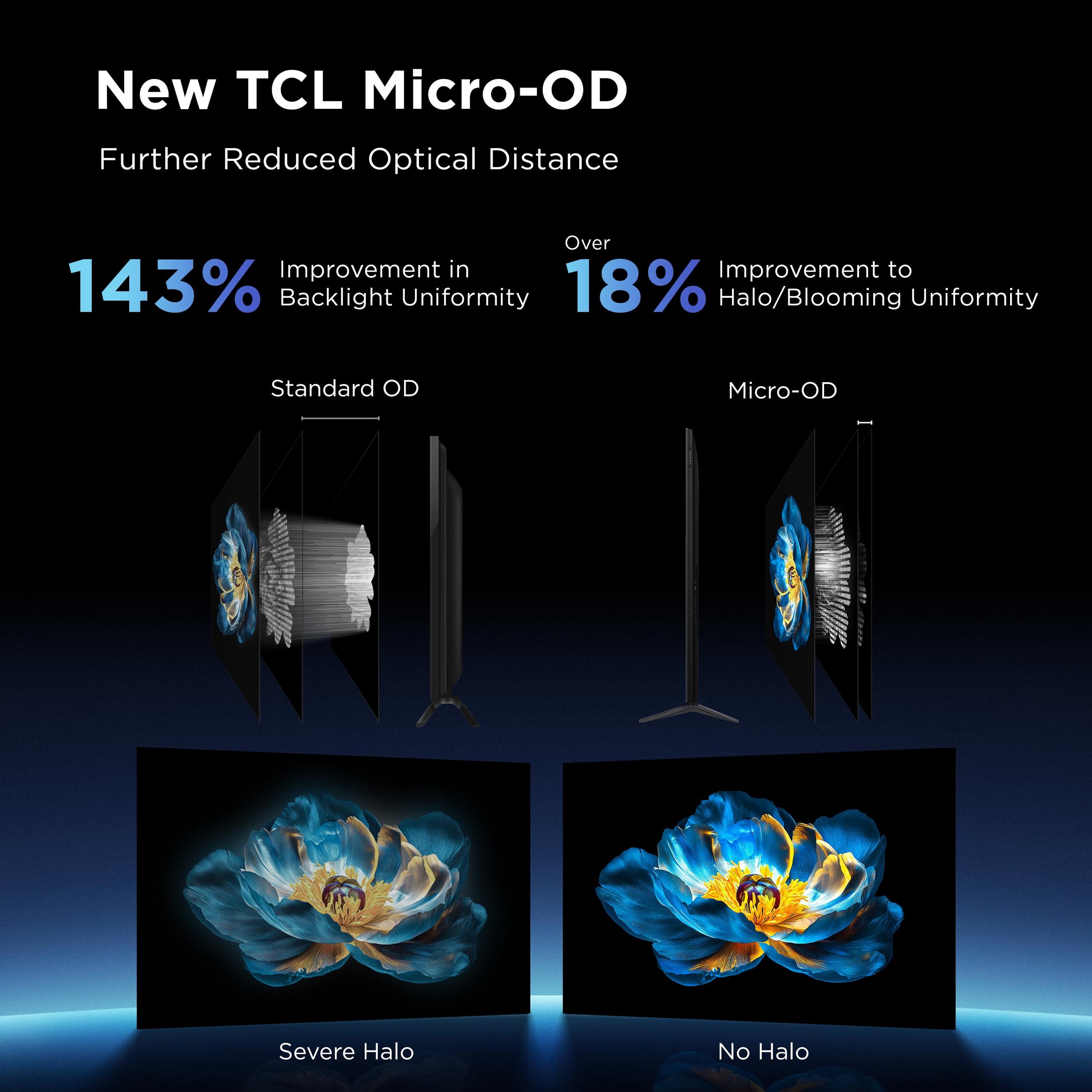
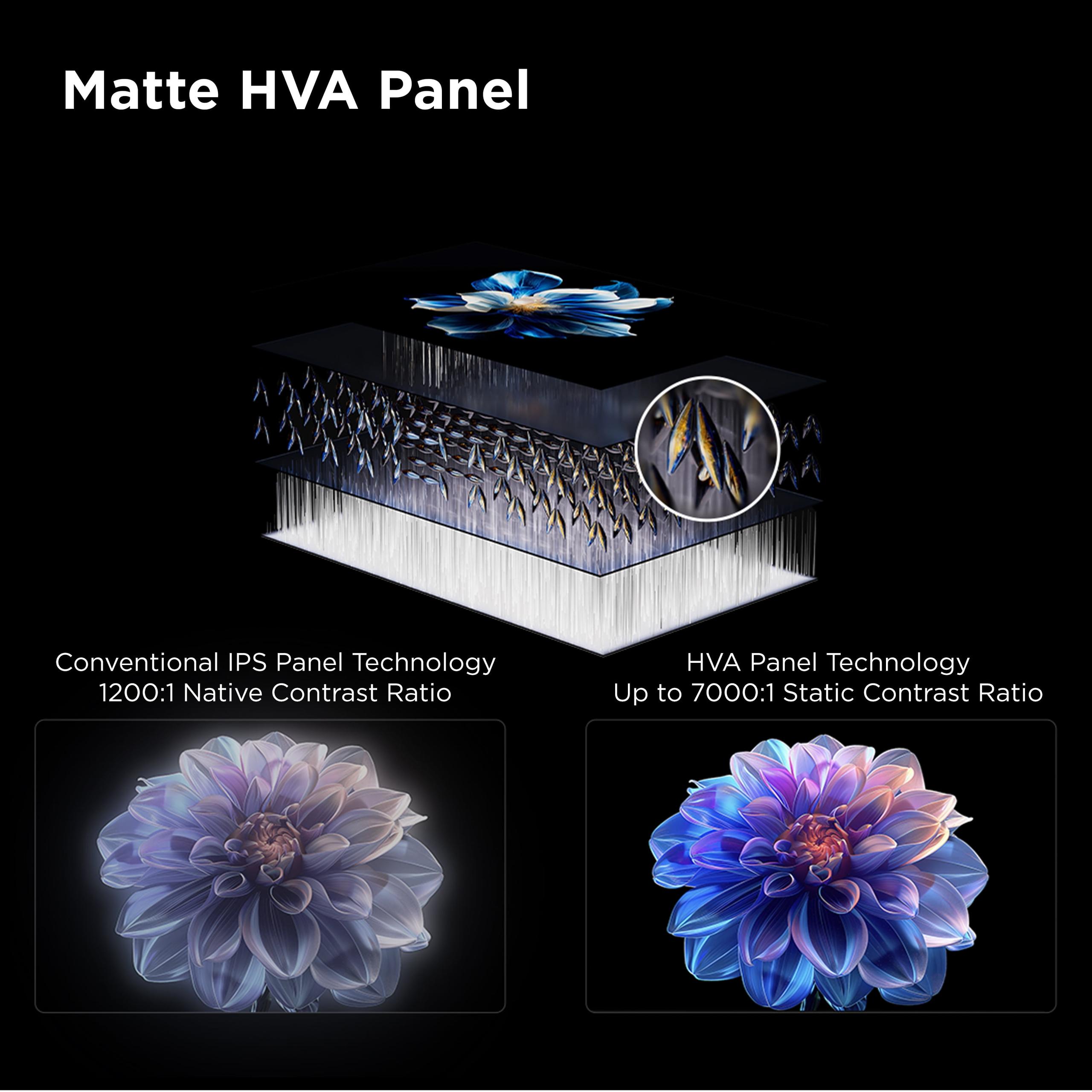
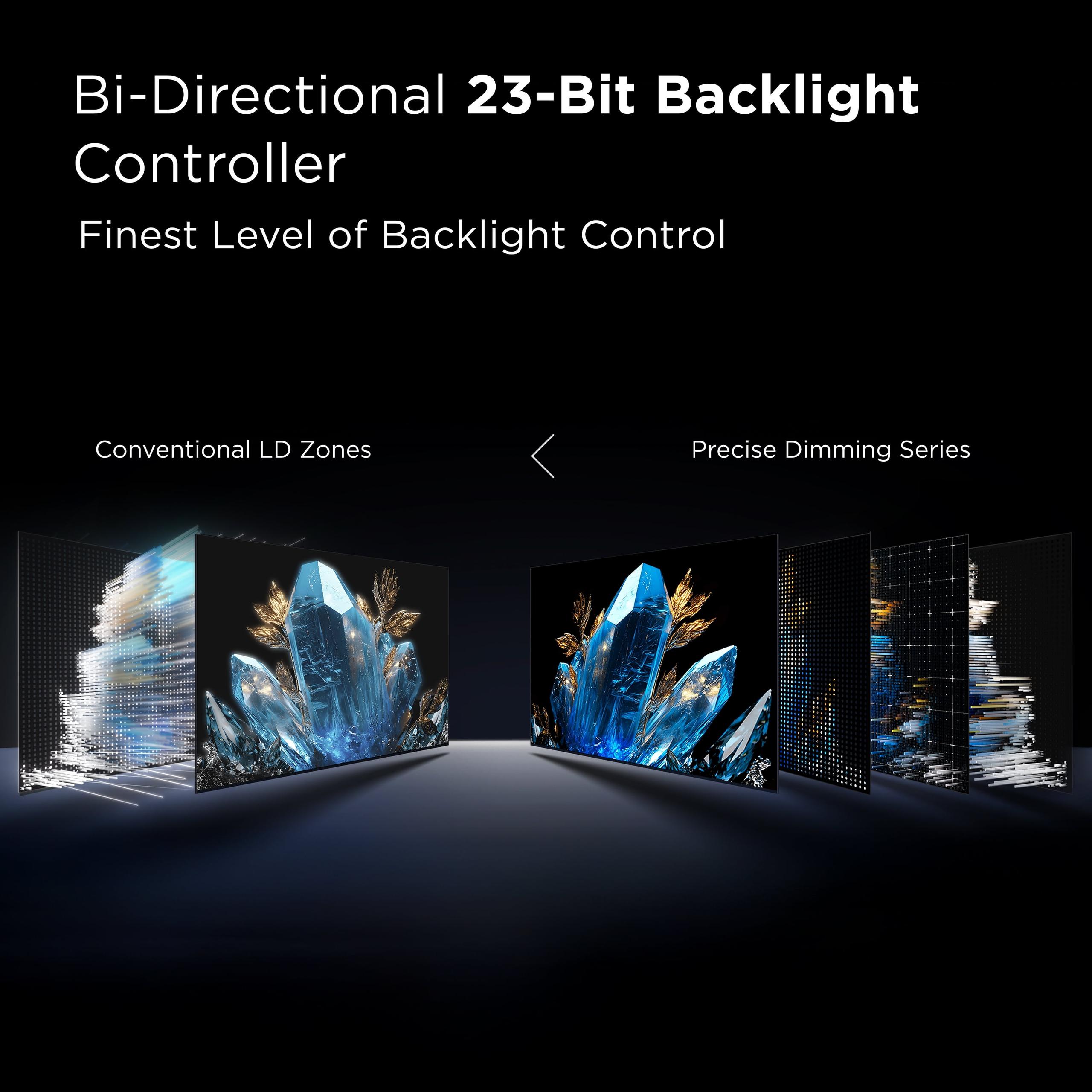
The TCL QM6K, on the other hand, uses mini-LED backlighting with up to 500 local dimming zones. Think of it like having 500 tiny spotlights behind the screen that can independently brighten or dim. This creates impressive contrast – up to 7,000:1 according to specs – but physics means there's still some light leakage. You might notice subtle blooming (a faint halo effect) around bright objects on dark backgrounds, though TCL's Halo Control technology has dramatically reduced this compared to older models.
This is where things get really interesting, and where your room setup becomes crucial. The TCL QM6K excels in bright environments. Its high SDR (Standard Dynamic Range) peak brightness means it can punch through ambient light and glare effectively. If you have a living room with large windows or overhead lighting, the TCL won't wash out like many displays do.
The LG OLED G4 has made significant strides in brightness compared to older OLEDs, but it's still fundamentally limited by its technology. OLED pixels generate their own light, and pushing them too hard reduces their lifespan. This means the G4 performs best in controlled lighting environments – think of a dedicated home theater with blackout curtains rather than a bright family room.
For HDR (High Dynamic Range) content, which is designed to showcase extreme brightness ranges, the TCL provides adequate punch for most content, while the OLED's lower peak brightness is compensated by its perfect blacks, creating a different but equally compelling HDR experience.
Both displays excel here, but through different approaches. The LG OLED G4 achieves 100% color volume and fidelity through its emissive technology – each pixel produces its own colored light, resulting in colors that look natural and accurate across all brightness levels.
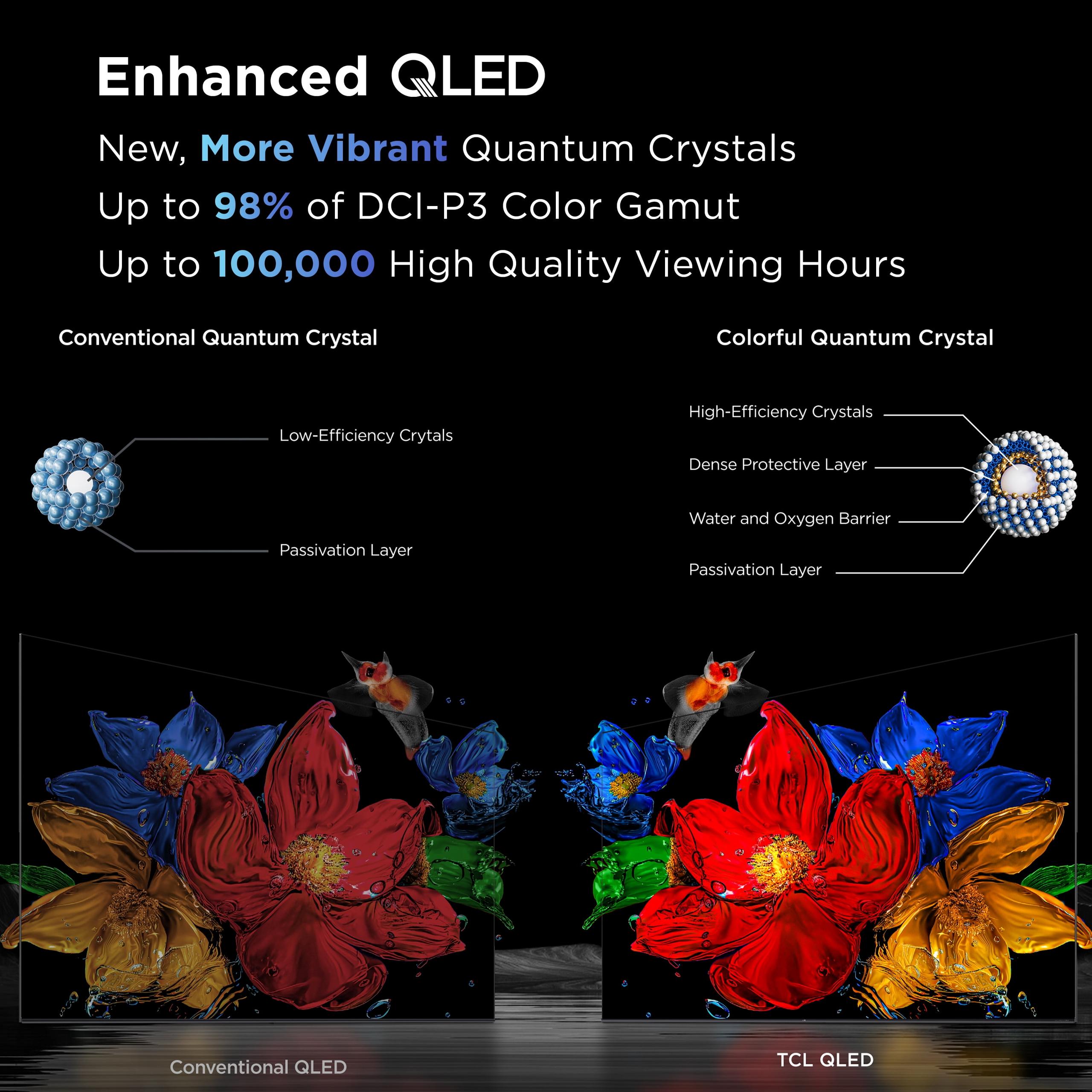
The TCL QM6K uses quantum dot technology, achieving 93% of the DCI-P3 color space (the standard used in movie theaters). Quantum dots are microscopic particles that convert blue LED light into precise red and green wavelengths, creating incredibly pure and vibrant colors. The result is color reproduction that's both accurate and punchy, with excellent out-of-box calibration that doesn't require professional tuning.
This category reveals one of the biggest differences between these displays, and it's where the TCL QM6K really shows its modern design philosophy.
The TCL supports 4K gaming at up to 144Hz and 1080p gaming at an incredible 288Hz. For context, most current gaming consoles max out at 120Hz, but PC gamers and future console generations will benefit from this headroom. The display's response time is virtually instantaneous, eliminating motion blur during fast-paced gaming.
The LG OLED G4 offers 4K at 120Hz with response times under 0.1 milliseconds – technically faster than the TCL, but both are so quick that the difference is imperceptible in real-world use. Where the OLED traditionally excels is in motion clarity due to its instantaneous pixel switching, though the TCL's Motion Rate 480 with MEMC (Motion Estimation, Motion Compensation) frame insertion helps bridge this gap.
Both displays support the full suite of modern gaming features: Variable Refresh Rate (VRR), Auto Low Latency Mode (ALLM), and compatibility with both NVIDIA G-Sync and AMD FreeSync. However, the TCL QM6K goes further with its Game Accelerator 288 technology, which optimizes the display specifically for ultra-high refresh rate gaming.
The LG OLED G4 includes all four HDMI ports with full 2.1 bandwidth, while the TCL provides two HDMI 2.1 ports and two HDMI 2.0 ports. For most users, two high-bandwidth ports are sufficient, but the LG's approach offers more flexibility for complex setups.
The TCL QM6K runs Google TV (version 12), which provides access to the full Google Play Store ecosystem. This means you get virtually every streaming app available, plus the ability to sideload applications and integrate seamlessly with Google services. The hands-free voice control works impressively well, and the backlit remote makes navigation easy in dark rooms.
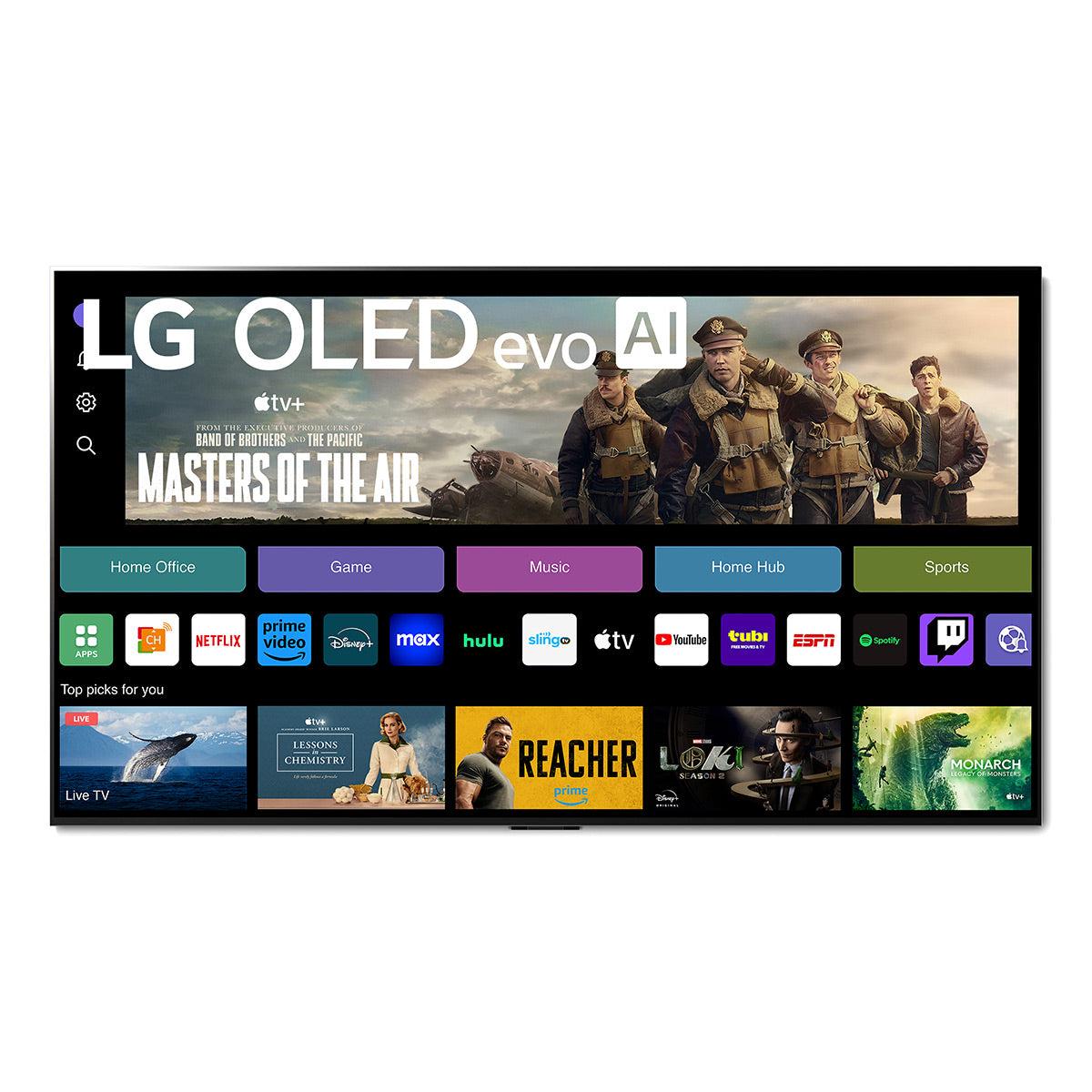
The LG OLED G4 uses webOS, LG's proprietary smart TV platform. While more limited in terms of available apps compared to Google TV, webOS is renowned for its polished interface and smooth performance. The far-field microphone allows for voice control without the remote, and the integration with LG's ThinQ ecosystem is comprehensive.
Both support major voice assistants and smart home integration, though the TCL's Google TV platform offers broader compatibility with various services and devices.
Let's address the elephant in the room: the LG OLED G4 at $19,996.99 costs exactly ten times more than the TCL QM6K at $1,999.99. This price difference is so dramatic that it fundamentally changes how we evaluate these products.
The TCL represents exceptional value engineering – you're getting 90% of premium TV performance at 10% of the OLED's price. The compromises are real but manageable: some blooming in dark scenes, slightly narrower viewing angles, and moderate HDR brightness. For most users, these trade-offs are easily justified by the massive cost savings.
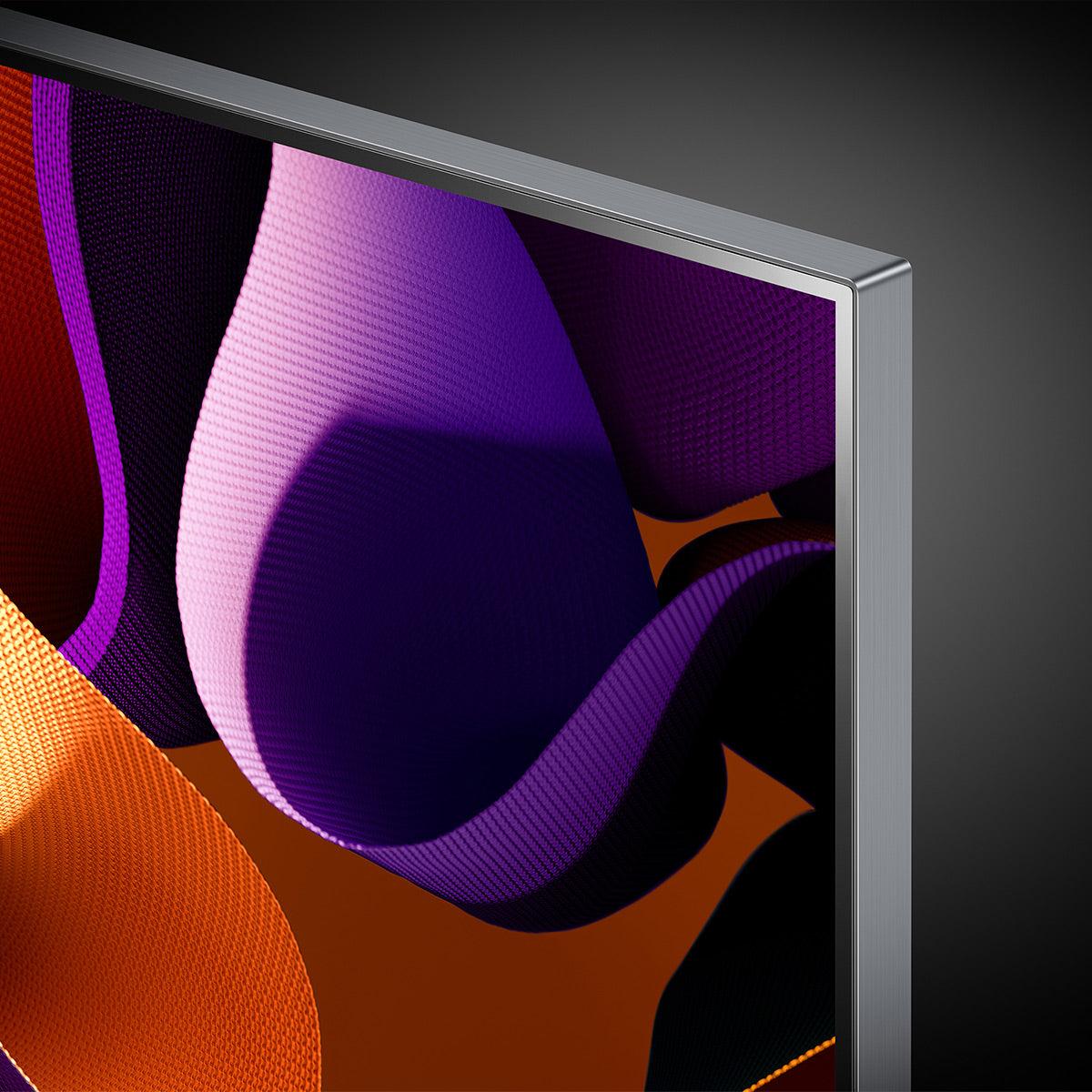
The LG's pricing reflects its position as a luxury product. You're paying for perfect blacks, flawless viewing angles, premium build quality, and the prestige of owning flagship OLED technology. The question becomes whether these benefits justify the 10x price premium for your specific situation.
The TCL QM6K uses mini-LED technology that's essentially immune to burn-in (permanent image retention from static content). You can leave it on news channels, use it as a computer monitor, or display static gaming interfaces without worry. The quantum dot and mini-LED components are rated for decades of use.
The LG OLED G4 does carry some burn-in risk, though modern OLED panels are much more resistant than earlier generations. LG includes various protection mechanisms, but you'll still want to avoid displaying static content for extended periods. The organic compounds in OLED pixels do degrade over time, though typically over many years of normal use.
If your TV room has significant ambient light – large windows, overhead lighting, or simply gets used during daytime – the TCL QM6K is the clear winner. Its matte anti-glare finish and high peak brightness mean you won't be squinting at a dim, reflective screen. I've tested similar displays in bright rooms, and the difference is night and day compared to glossy OLED screens.
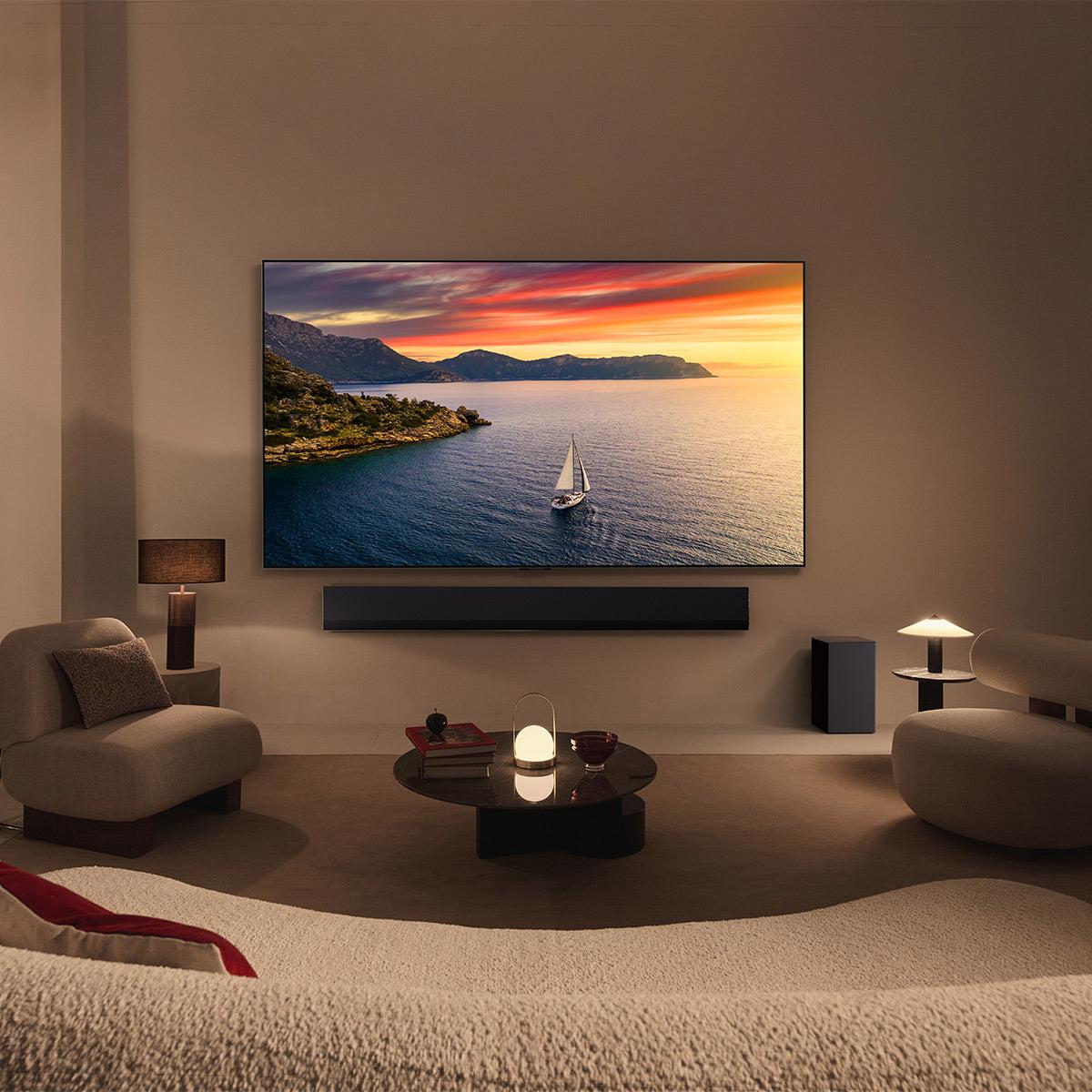
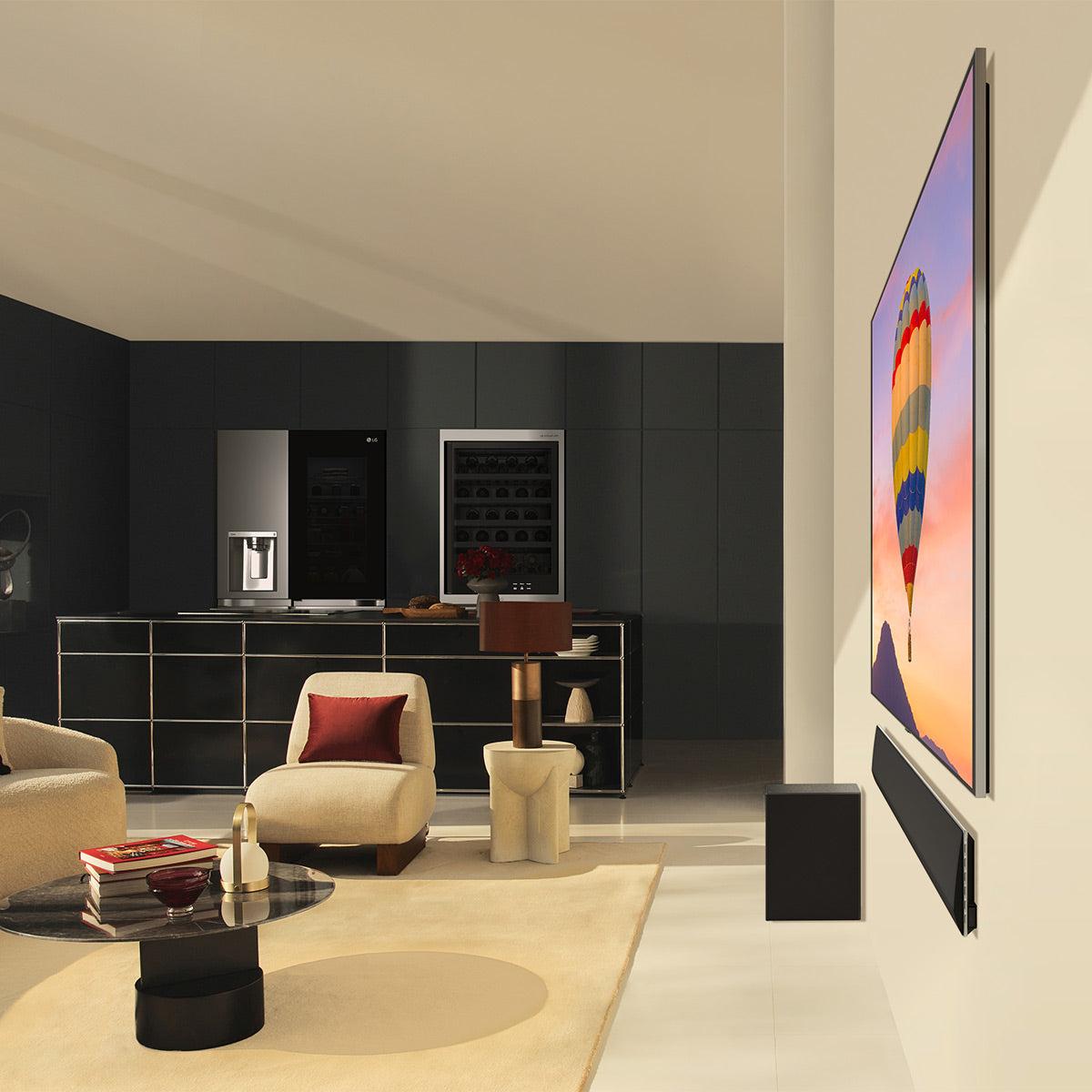
For a proper home theater with controlled lighting, the LG OLED G4 creates a truly cinematic experience. The perfect blacks make letterboxed movies (those with black bars) look like the image is floating in space. Dark scenes in movies like "The Batman" or "Blade Runner 2049" showcase the OLED's ability to reveal shadow detail while maintaining absolute blacks.
Serious gamers, especially PC gamers with high-end graphics cards, will appreciate the TCL QM6K's 144Hz+ capabilities. The extra refresh rate headroom provides smoother motion and future-proofs your setup for next-generation consoles. The gaming optimizations and ultra-low input lag make it ideal for competitive gaming.
For families who watch everything from sports to movies to news, the TCL QM6K offers worry-free operation. You don't need to think about burn-in protection or content rotation – just watch whatever you want, whenever you want.
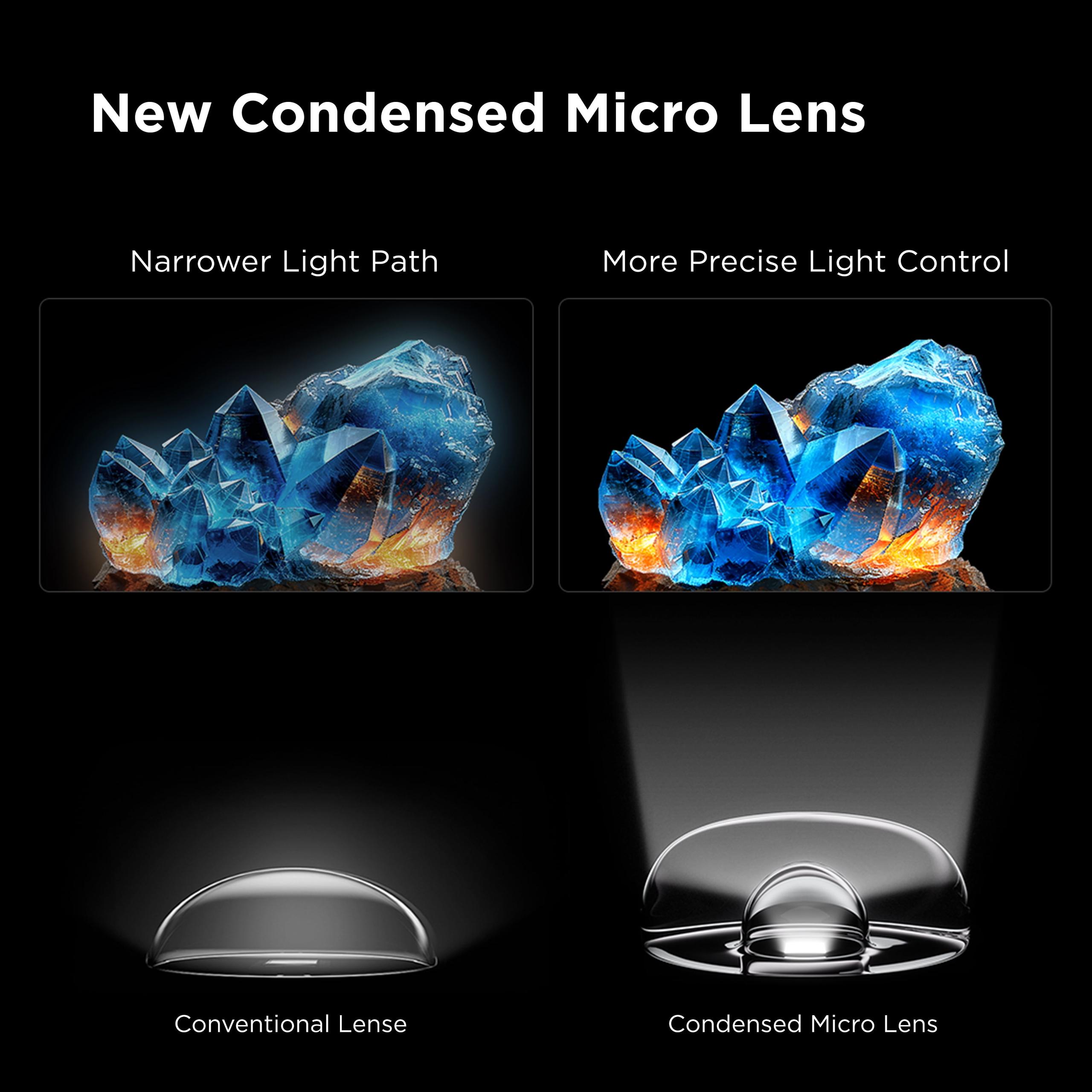
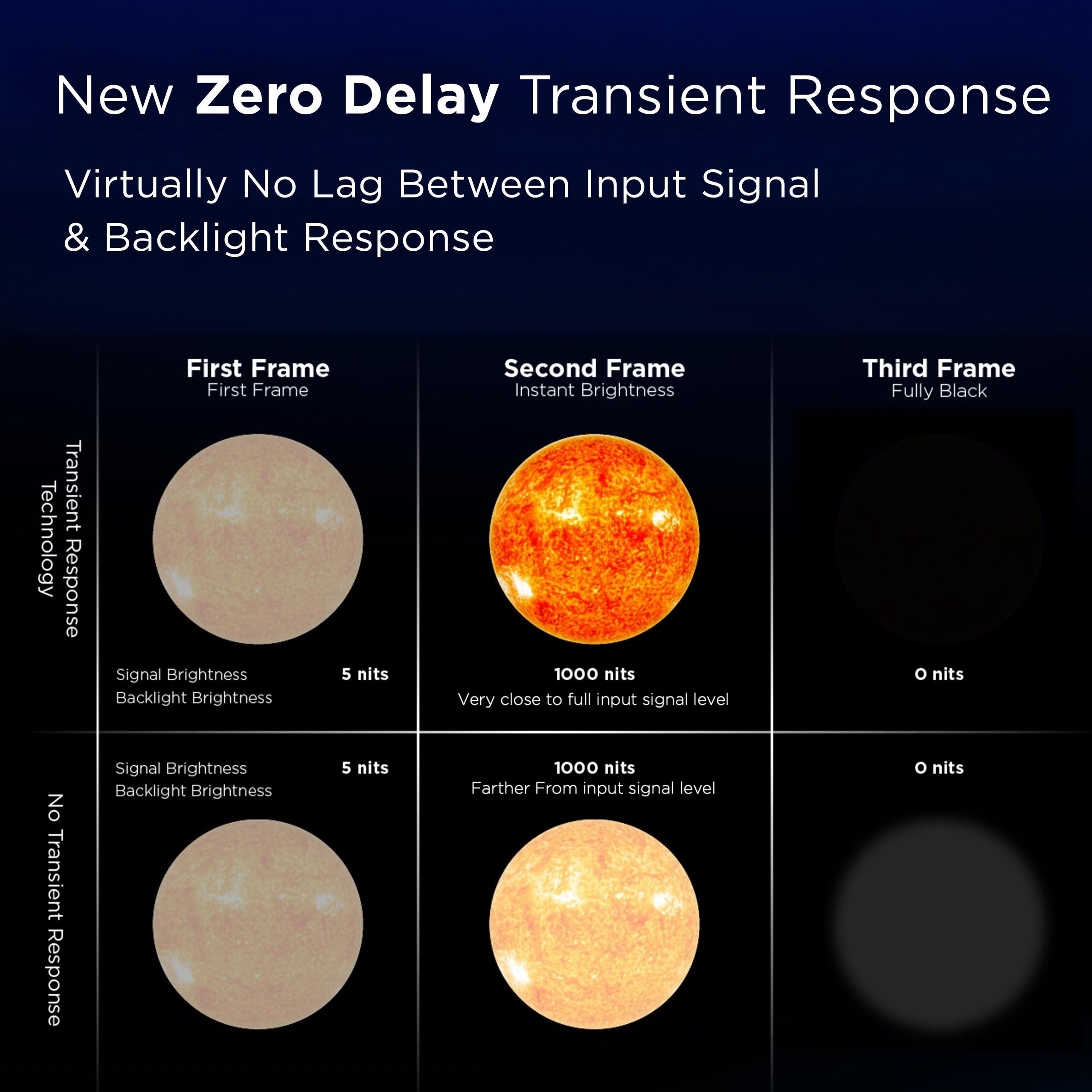
The TCL QM6K's mini-LED technology represents a fascinating engineering compromise. By using thousands of tiny LEDs (each about 0.2mm in size) instead of traditional large LED zones, TCL can create much more precise lighting control. The Bi-direction 23-bit Backlight Controller manages each zone with incredible precision, while the Dynamic Light Algorithm optimizes performance in real-time.
The quantum dot layer adds another level of sophistication. These nanoscale particles are tuned to specific wavelengths, converting blue LED light into pure red and green. This creates a wider color gamut and more accurate colors than traditional LED displays.
The LG OLED G4's approach is elegantly simple: each pixel is its own light source. The α11 AI Processor analyzes content and adjusts each pixel's brightness and color in real-time. The Brightness Booster Max technology uses improved OLED compounds and driving algorithms to push pixels harder while maintaining lifespan.
Both displays include capable audio systems, but at these screen sizes, you'll likely want to invest in a proper sound system. The TCL QM6K includes an Onkyo 2.1.1 system with Dolby Atmos, while the LG OLED G4 features a 4.2-channel 60W system. Both support eARC for high-quality audio passthrough to external soundbars or receivers.
Want exceptional value without major compromises. At $1,999.99, it delivers premium TV performance that rivals displays costing 5-10x more. The gaming features are genuinely best-in-class, the anti-glare design works well in bright rooms, and you don't need to worry about burn-in protection.
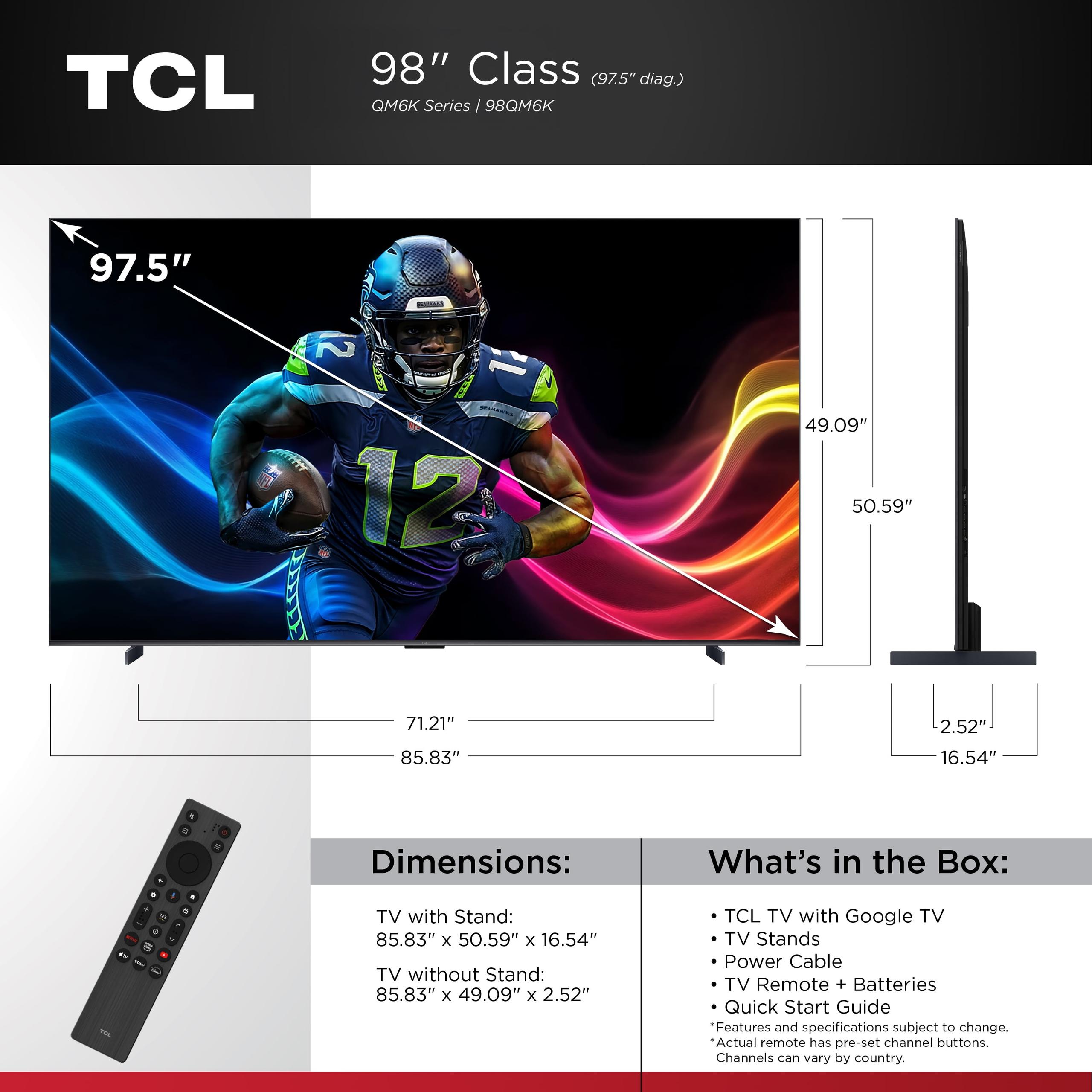
The size advantage (98" vs 97") might seem minimal, but that extra inch translates to about 4% more screen area – noticeable when you're sitting close or want maximum impact.
Demand absolute picture quality perfection and have the budget to match. The infinite contrast, perfect viewing angles, and premium build quality create an experience that's genuinely superior to LCD technology, regardless of price.
You have a dedicated home theater environment where you can control lighting and optimize the OLED's strengths while minimizing its weaknesses.
The TCL 98-Inch QM6K QLED TV represents one of the best values in premium TV technology today. It offers flagship-level gaming performance, excellent picture quality, and practical features like anti-glare design at a price that makes sense for most enthusiasts.
The LG 97" OLED evo G4 delivers the ultimate premium TV experience, with picture quality that's genuinely superior in controlled viewing environments. However, the 10x price premium means it's primarily for those who want the absolute best regardless of cost.
For most people considering a premium large-format TV, the TCL offers the sweet spot of performance, features, and value. The OLED is objectively better in several key areas, but the price difference is so dramatic that it fundamentally changes the value equation.
Both represent the pinnacle of their respective technologies, but they're aimed at very different audiences. The TCL democratizes premium TV technology, while the LG maintains OLED's position as the luxury choice for videophiles with deep pockets.
| TCL 98-Inch QM6K QLED TV | LG 97" OLED evo G4 Series 4K UHD Smart TV |
|---|---|
| Price - The most significant difference between these displays | |
| $1,999.99 (exceptional value for 98-inch premium TV) | $19,996.99 (10x premium for OLED technology) |
| Display Technology - Fundamentally different approaches to picture quality | |
| QD-Mini LED with 500 local dimming zones (some blooming but excellent brightness) | Self-emissive OLED with infinite contrast (perfect blacks, lower peak brightness) |
| Peak Brightness - Critical for HDR impact and bright room viewing | |
| High SDR brightness, moderate HDR brightness (excellent glare resistance) | Lower peak brightness but infinite contrast (best in dark rooms) |
| Gaming Performance - Future-proofing for next-gen consoles and PC gaming | |
| 4K@144Hz, 1080p@288Hz with Game Accelerator technology | 4K@120Hz with sub-0.1ms response time |
| Screen Size - Maximum visual impact for home theater | |
| 98 inches (4% larger viewing area) | 97 inches (slightly smaller but still massive) |
| Viewing Angles - Important for wide seating arrangements | |
| Limited by HVA panel (good center viewing, degrades off-angle) | Near-perfect viewing angles from any position |
| Anti-Glare Design - Handling ambient light and reflections | |
| Matte finish significantly reduces reflections | Glossy screen prone to reflections in bright rooms |
| Smart TV Platform - App ecosystem and user experience | |
| Google TV with full Play Store access and voice control | webOS with polished interface but limited app selection |
| Burn-in Risk - Long-term durability with varied content | |
| No burn-in risk (can display static content indefinitely) | Minimal but present burn-in risk with static content |
| HDR Format Support - Compatibility with premium content | |
| Dolby Vision IQ, HDR10+, HDR10, HLG (comprehensive support) | Dolby Vision, HDR10, HLG (missing HDR10+ support) |
| Audio System - Built-in sound quality | |
| Onkyo 2.1.1 system with Dolby Atmos (adequate but benefits from soundbar) | 4.2-channel 60W system (better than most TVs but still needs upgrade for this size) |
The TCL 98-Inch QM6K QLED TV at $1,999.99 offers exceptional value, providing 90% of premium TV performance at just 10% of the OLED's cost. The LG 97" OLED evo G4 at $19,996.99 delivers superior picture quality but costs exactly 10 times more, making it a luxury purchase rather than a practical choice for most buyers.
The LG 97" OLED G4 produces perfect blacks with infinite contrast since each pixel can turn completely off, while the TCL 98-Inch QM6K uses mini-LED backlighting with 500 dimming zones that creates excellent contrast but may show some blooming around bright objects in dark scenes.
The TCL 98-Inch QM6K QLED TV is superior for gaming, offering 4K at 144Hz and 1080p at 288Hz with ultra-low input lag and comprehensive gaming features. The LG 97" OLED G4 provides excellent gaming at 4K 120Hz but doesn't match the TCL's future-proof refresh rates for PC gaming.
The TCL 98-Inch QM6K excels in bright rooms with its matte anti-glare finish and high peak brightness that overcomes ambient light. The LG 97" OLED G4 has a glossy screen that reflects light and performs best in darker, controlled environments like dedicated home theaters.
For a dedicated home theater with controlled lighting, the LG 97" OLED evo G4 provides a more cinematic experience with perfect blacks and infinite contrast. However, the TCL 98-Inch QM6K offers better flexibility for mixed-use spaces and delivers excellent home theater performance at a fraction of the cost.
The TCL 98-Inch QM6K QLED TV has no burn-in risk and can display static content indefinitely without damage. The LG 97" OLED G4 has minimal but present burn-in risk with static content, though modern OLED panels are much more resistant than earlier generations.
The TCL 98-Inch QM6K runs Google TV with full Play Store access, hands-free voice control, and extensive app compatibility. The LG 97" OLED G4 uses webOS with a polished interface and far-field microphone but has a more limited app selection compared to Google TV.
The TCL 98-Inch QM6K offers superior motion handling with Motion Rate 480 and MEMC frame insertion, plus native 144Hz for ultra-smooth content. The LG 97" OLED G4 provides excellent motion clarity through instantaneous pixel response but is limited to 120Hz refresh rates.
The TCL 98-Inch QM6K QLED TV supports more HDR formats including Dolby Vision IQ, HDR10+, HDR10, and HLG. The LG 97" OLED evo G4 supports Dolby Vision, HDR10, and HLG but notably lacks HDR10+ compatibility.
The TCL 98-Inch QM6K offers 98 inches compared to the LG 97" OLED G4's 97 inches. While this seems minimal, the TCL provides about 4% more screen area, which becomes noticeable at close viewing distances.
The TCL 98-Inch QM6K includes an Onkyo 2.1.1 system with Dolby Atmos support, while the LG 97" OLED G4 features a 4.2-channel 60W system. Both benefit significantly from adding an external soundbar or surround system for optimal audio performance at these large screen sizes.
The TCL 98-Inch QM6K QLED TV is more future-proof for gaming with 144Hz+ support and comprehensive next-gen features, plus no burn-in concerns for long-term use. The LG 97" OLED evo G4 offers proven OLED technology refinement but is limited to current-generation refresh rates and requires careful content management.
We've done our best to create useful and informative comparisons to help you decide what product to buy. Our research uses advanced automated methods to create this comparison and perfection is not possible - please contact us for corrections or questions. These are the sites we've researched in the creation of this article: bestbuy.com - rtings.com - techradar.com - the-gadgeteer.com - youtube.com - youtube.com - ign.com - youtube.com - tomsguide.com - tcl.com - valueelectronics.com - bestbuy.com - bestbuy.com - rtings.com - circuitworldonline.com - youtube.com - tcl.com - bestbuy.com - tomsguide.com - tcl.com - flatpanelshd.com - displayspecifications.com - rtings.com - marketplace.sce.com - abt.com - youtube.com - walts.com - videoandaudiocenter.com - youtube.com - fullspecs.net - big-georges.com - techradar.com - youtube.com

Privacy Policy
Terms and Conditions - Affiliate Policy
Home Security
© Copyright 2008-2026.
11816 Inwood Rd #1211, Dallas, TX 75244