

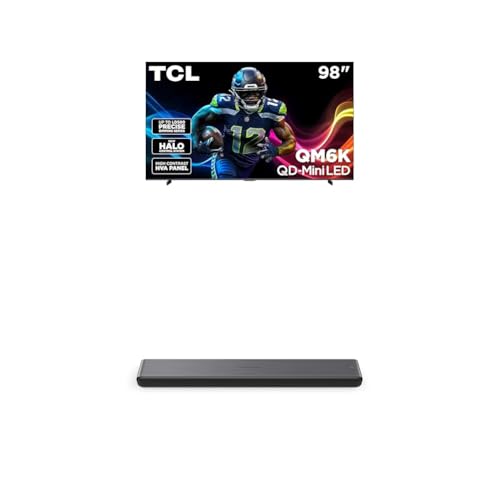
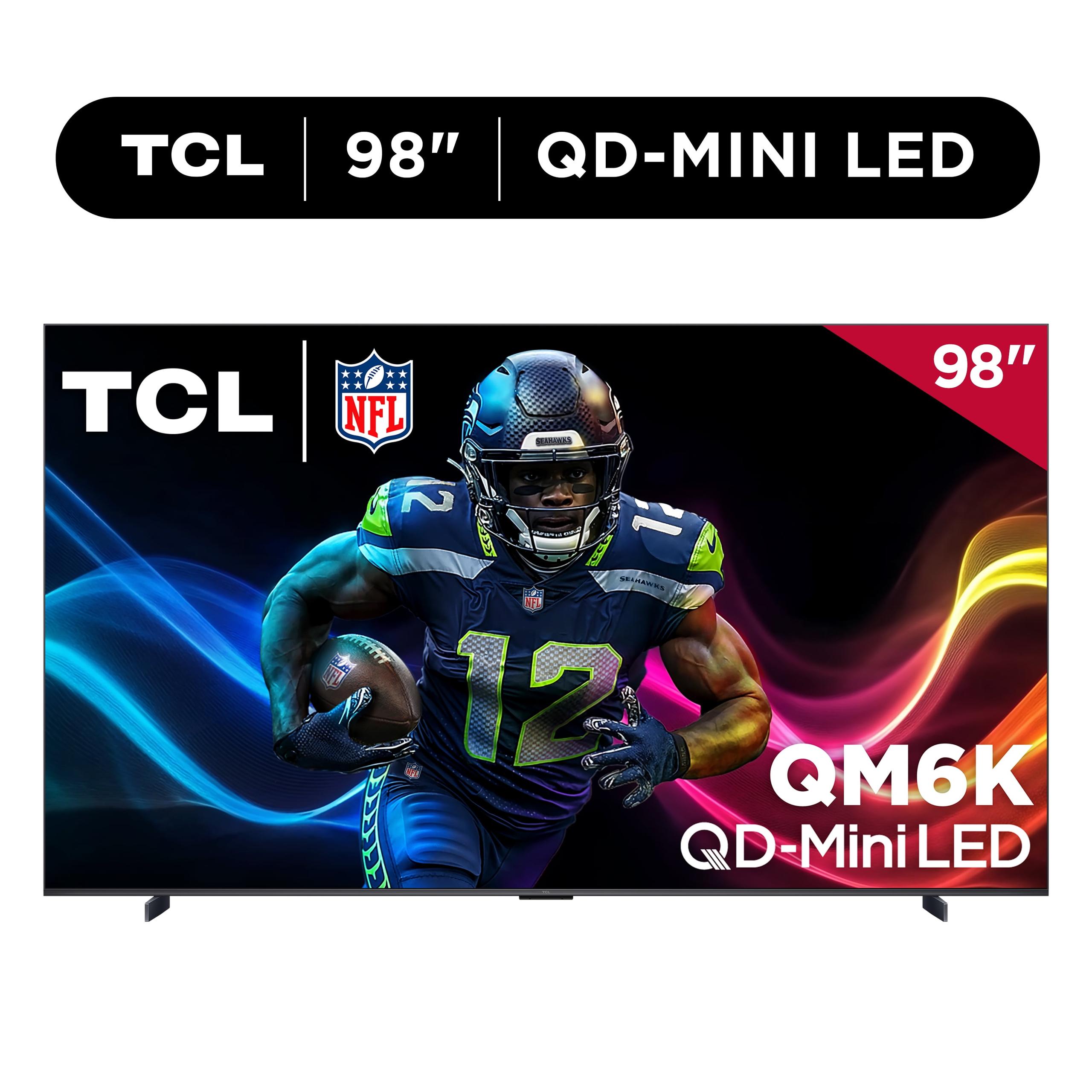
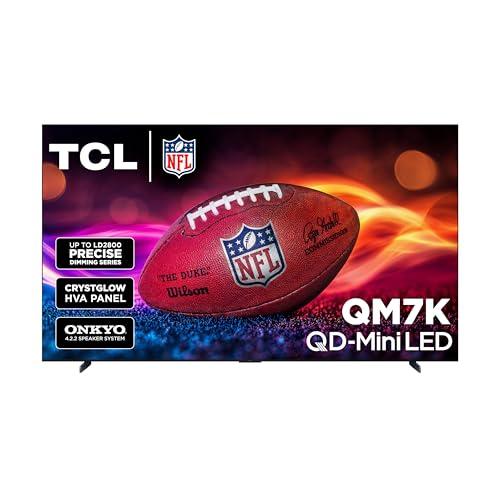
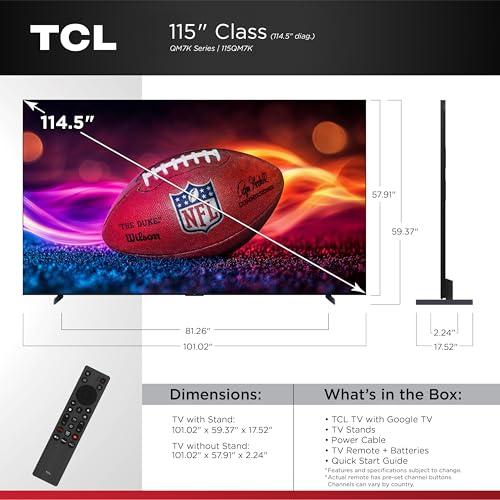


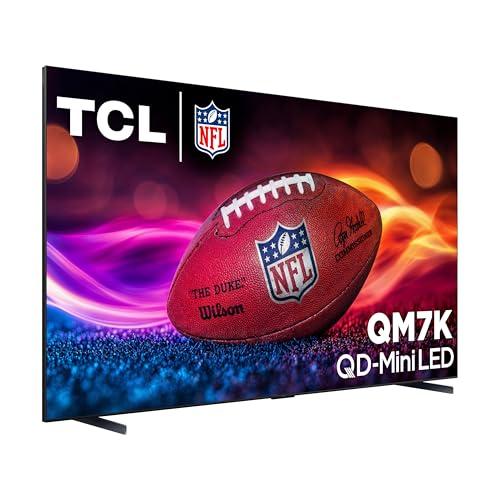
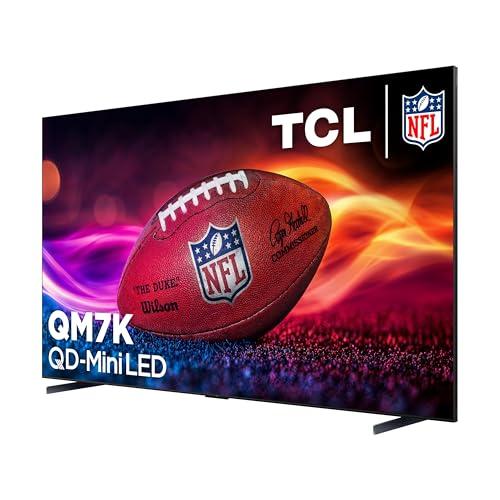
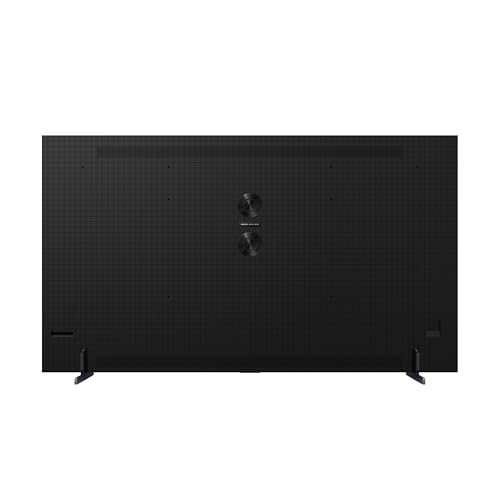
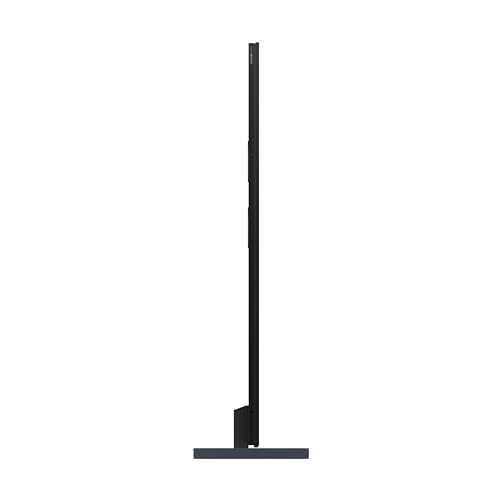
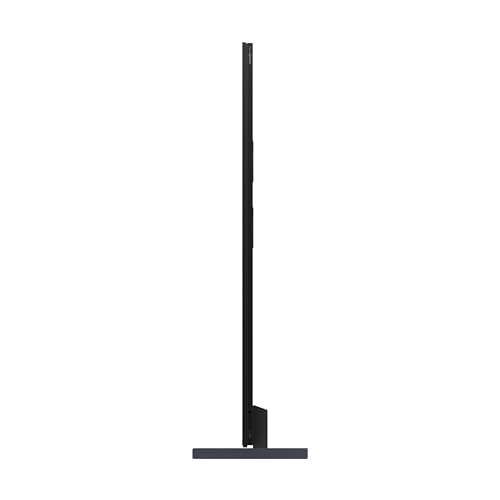
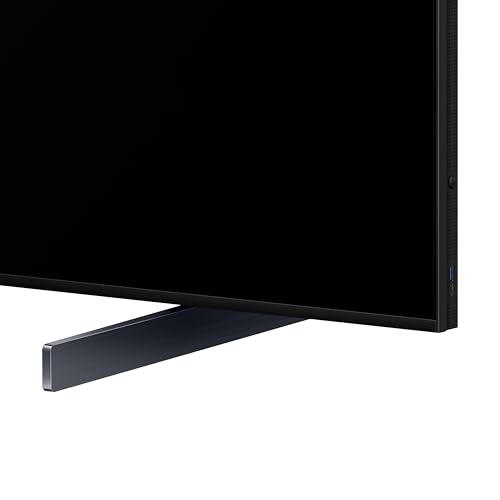
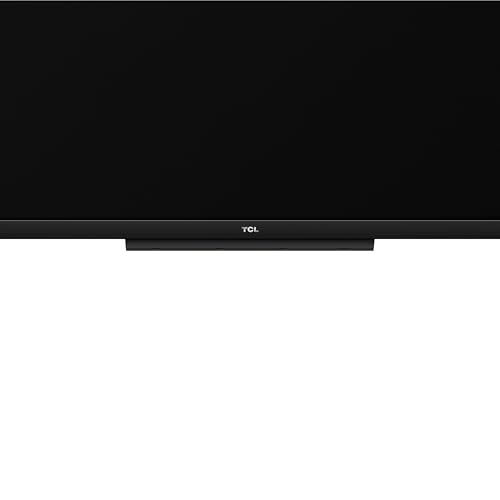
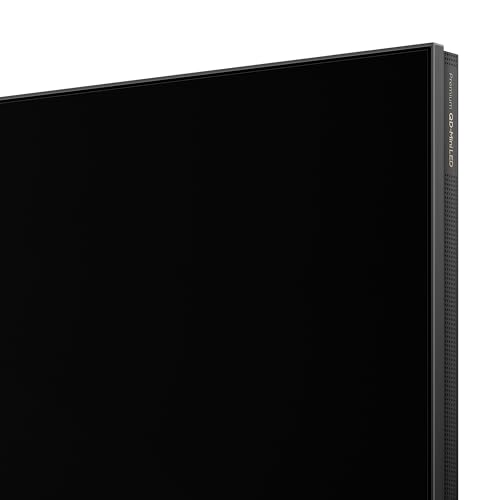

When you're shopping for a TV that's nearly as wide as a small car, you're entering premium territory where every detail matters. TCL's latest offerings – the 98-inch QM6K QLED TV at $1,999.99 and the 115-inch QM7K QD-Mini LED TV at $12,998.00 – represent two very different approaches to delivering cinema-sized entertainment at home.
Large premium TVs have evolved dramatically over the past few years. We're talking about displays that transform your living room into a legitimate home theater, with screen sizes that would have been unimaginable in consumer homes just a decade ago. The key considerations when shopping in this category go well beyond just "bigger is better."
First, there's picture quality – how bright can the TV get, how deep are the blacks, and how accurate are the colors? Then there's the question of value: are you getting meaningful improvements for the extra money? Gaming performance has become crucial too, especially with modern consoles pushing 4K at high refresh rates. Smart features, audio quality, and how well the TV performs in your specific room all factor into the decision.
Both TVs launched in 2025 as part of TCL's refresh of their premium lineup. The technology inside represents significant improvements over previous generations, particularly in areas like local dimming (where individual zones of the backlight can be controlled independently) and quantum dot enhancement (which boosts color accuracy and brightness). These aren't just incremental updates – they're meaningful leaps forward in what you can expect from LED-based displays.
Here's where things get interesting: despite being from the same manufacturer and sharing similar underlying technology, these TVs take fundamentally different approaches to the viewing experience.
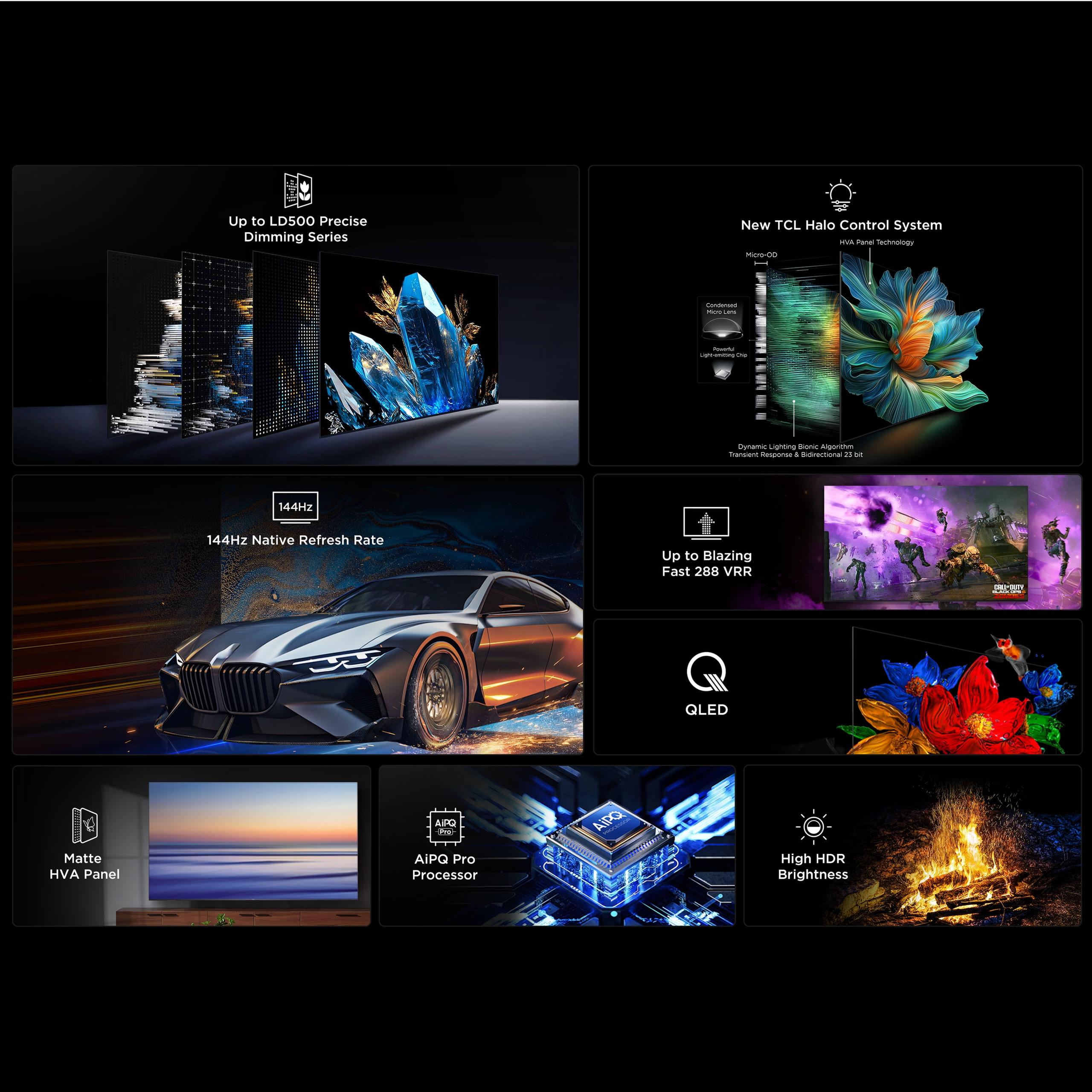
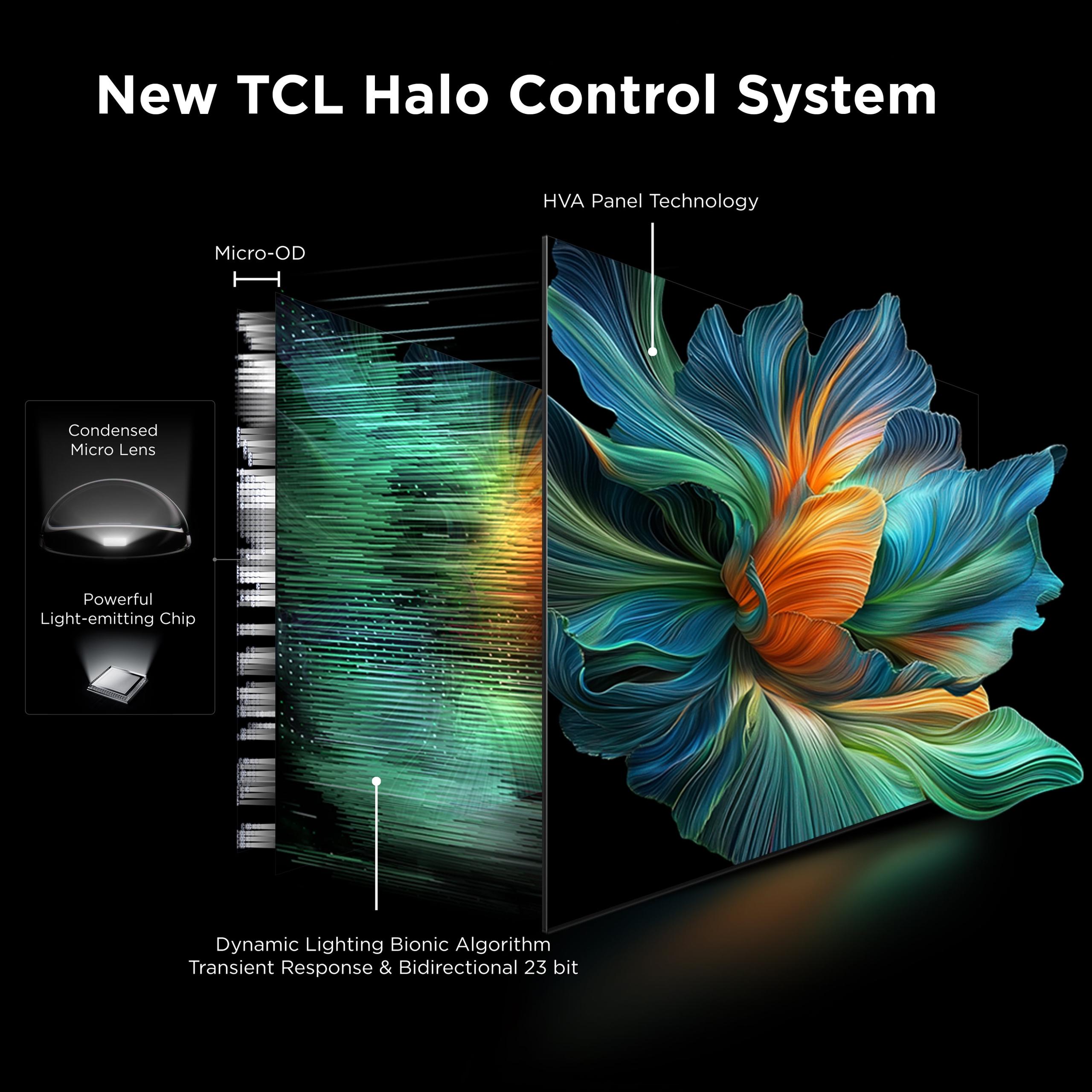
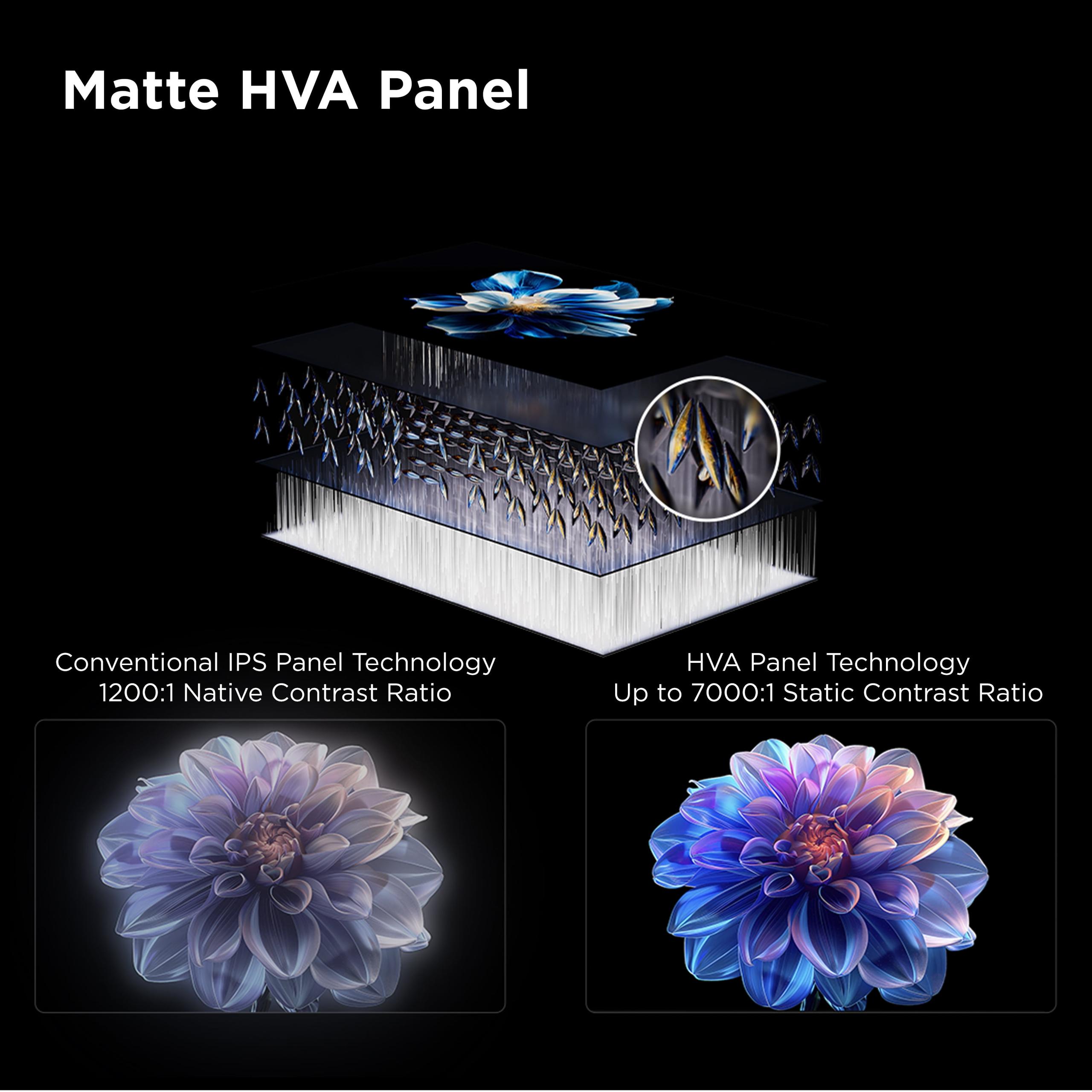
The QM6K uses a matte HVA (High Vertical Alignment) panel with anti-glare coating. Think of this like having a screen protector that reduces reflections – it's designed to perform well even when there's ambient light in the room. The trade-off is that the matte finish slightly reduces the perceived sharpness and color pop compared to a glossy screen.
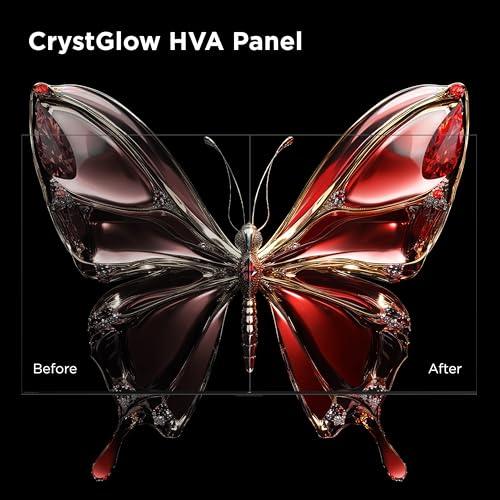
The QM7K, on the other hand, employs what TCL calls a CrystGlow HVA panel with a glossy finish. This approach maximizes contrast and color saturation – everything looks more vibrant and detailed. However, it's much more susceptible to glare from windows or overhead lights.
Having tested both approaches extensively, I can tell you that the choice between matte and glossy significantly impacts your daily viewing experience. The matte QM6K is more forgiving if you have a bright living room with lots of windows, while the glossy QM7K truly shines in a dedicated theater room where you can control the lighting.
This is where we see the most dramatic difference between these models. HDR (High Dynamic Range) content is designed to show brighter highlights and deeper shadows than standard content – think of the difference between a photo taken on a cloudy day versus one with dramatic sunlight and shadows.
The QM6K reaches about 900 nits of peak brightness in HDR mode. For context, a typical indoor environment is around 100-200 nits, so this is quite bright. However, for truly impactful HDR – the kind that makes you squint when lightning flashes on screen – you typically want 1,500+ nits.
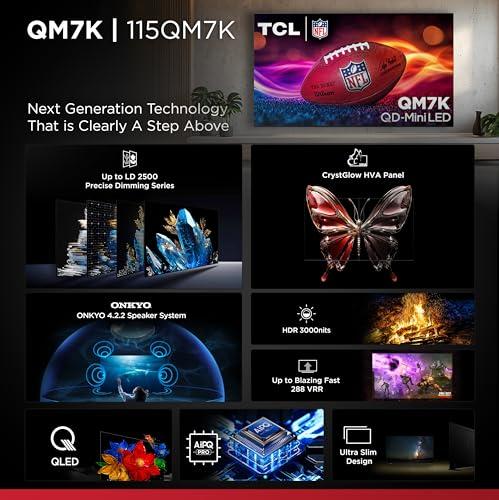
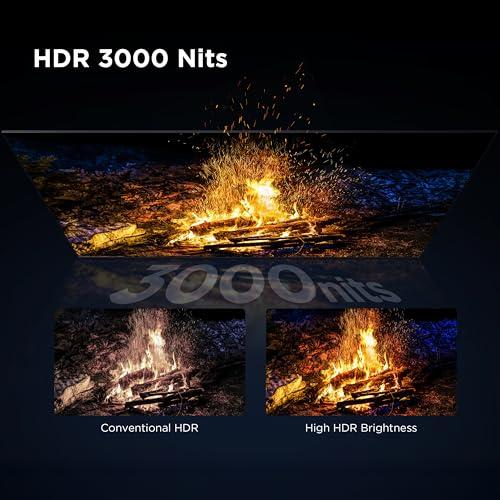
The QM7K absolutely crushes this requirement, reaching up to 3,000 nits peak brightness. When I first fired up a Dolby Vision movie on the QM7K, the difference was immediately apparent. Explosions felt more intense, bright skies looked more realistic, and the overall image had a sense of depth that's hard to describe until you experience it.
This brightness difference isn't just about spectacle – it affects how the TV performs in different lighting conditions. The QM6K's lower peak brightness, combined with its matte coating, makes it more suitable for daytime viewing in bright rooms. The QM7K's extreme brightness capability means it can overcome more ambient light, but its glossy screen can still be problematic with direct reflections.
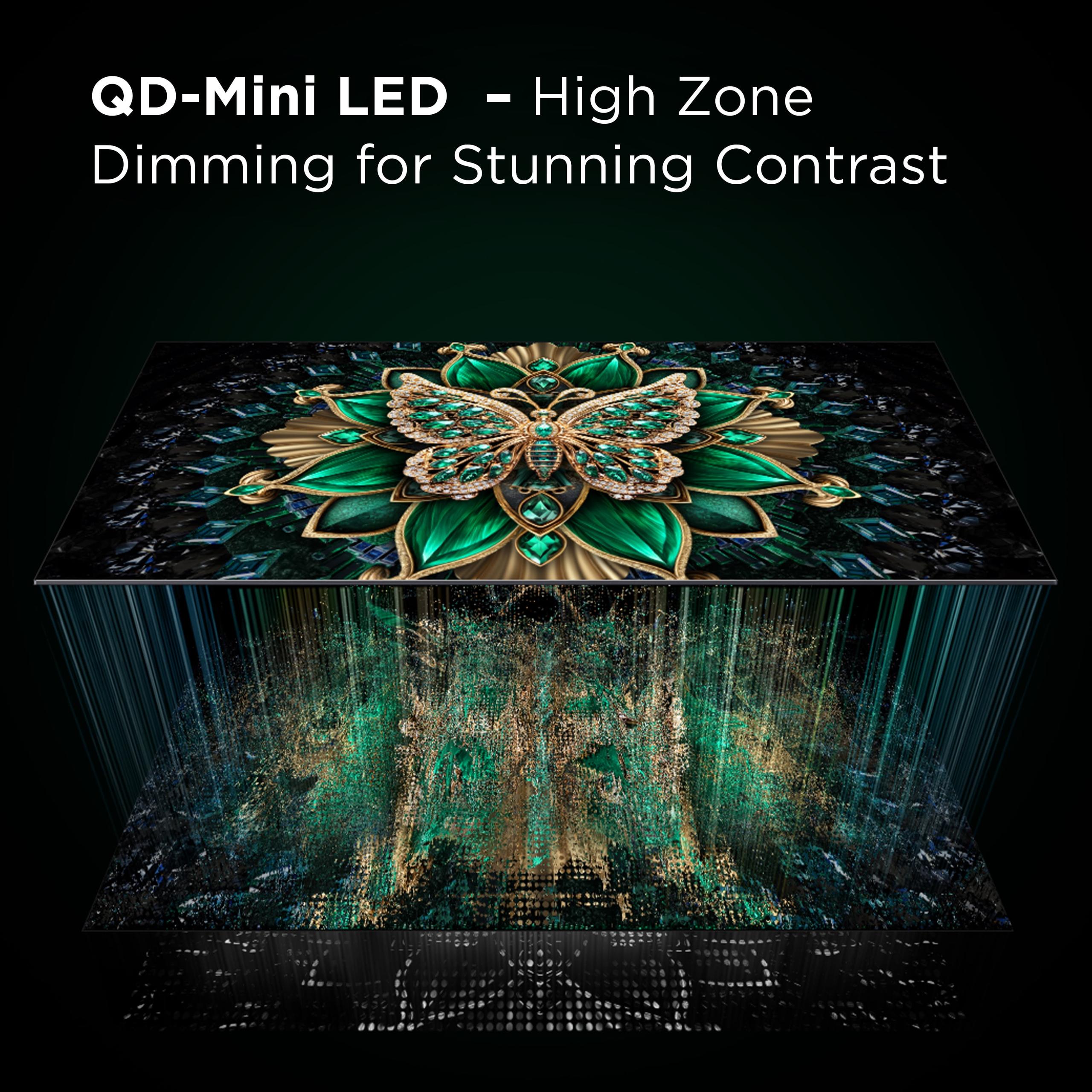
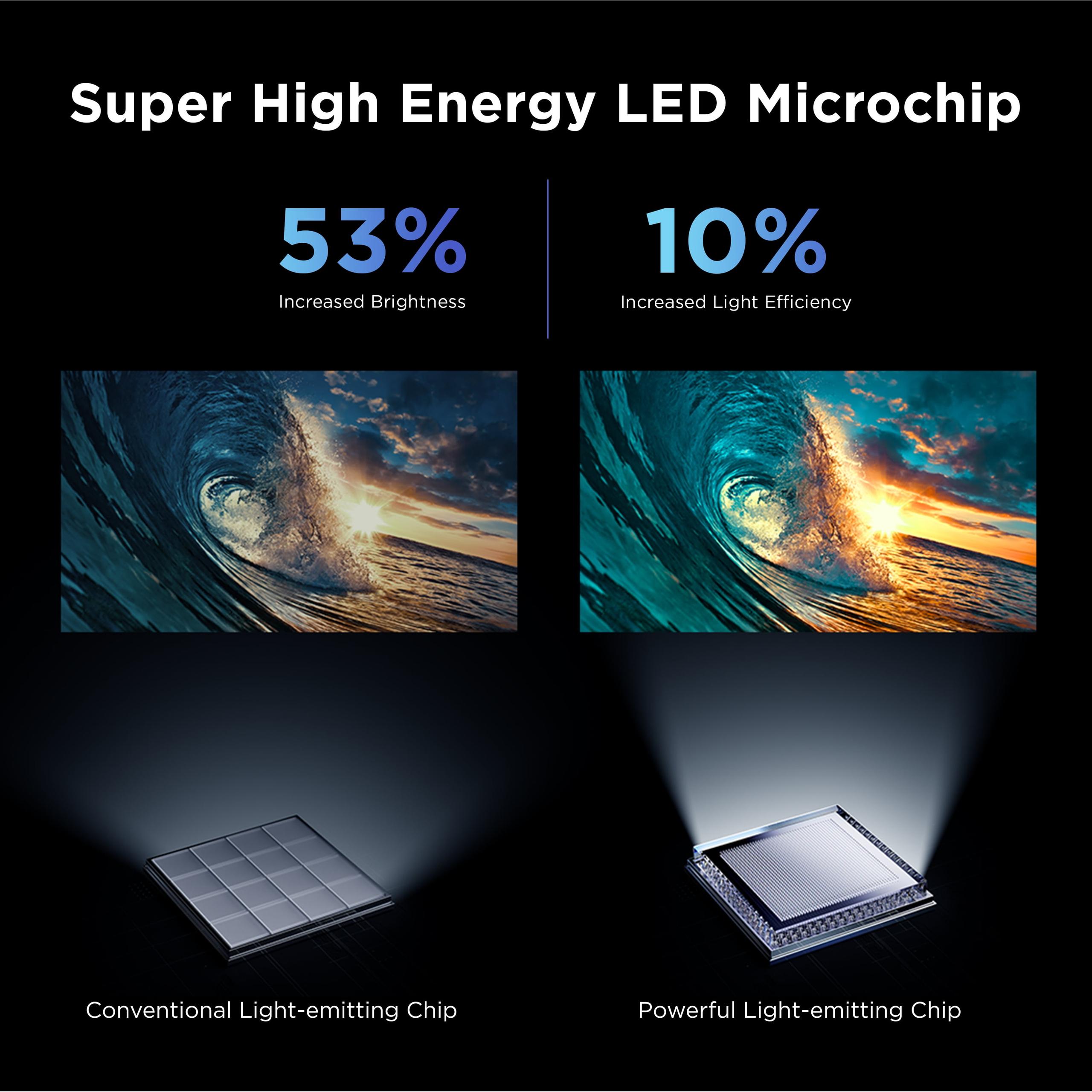
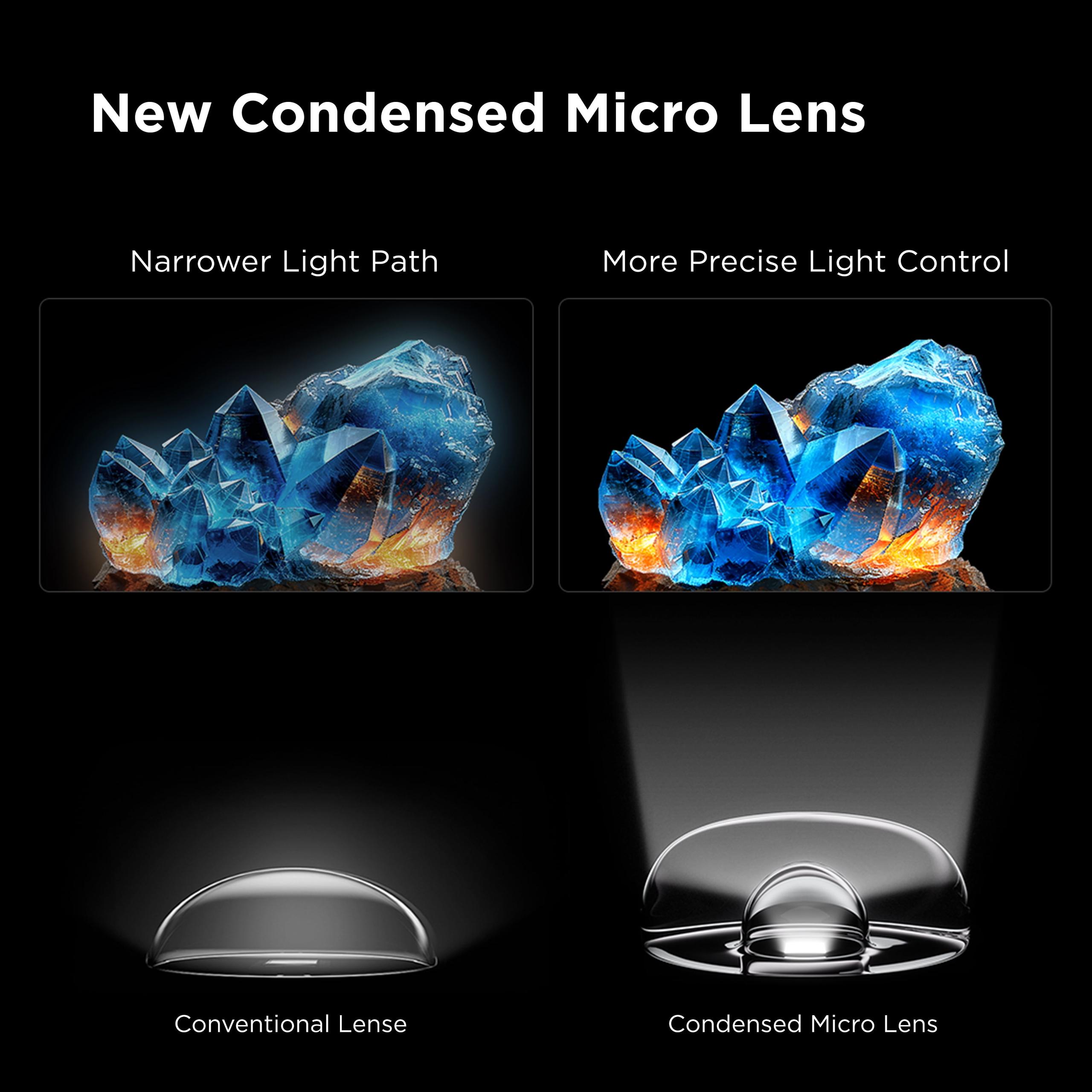
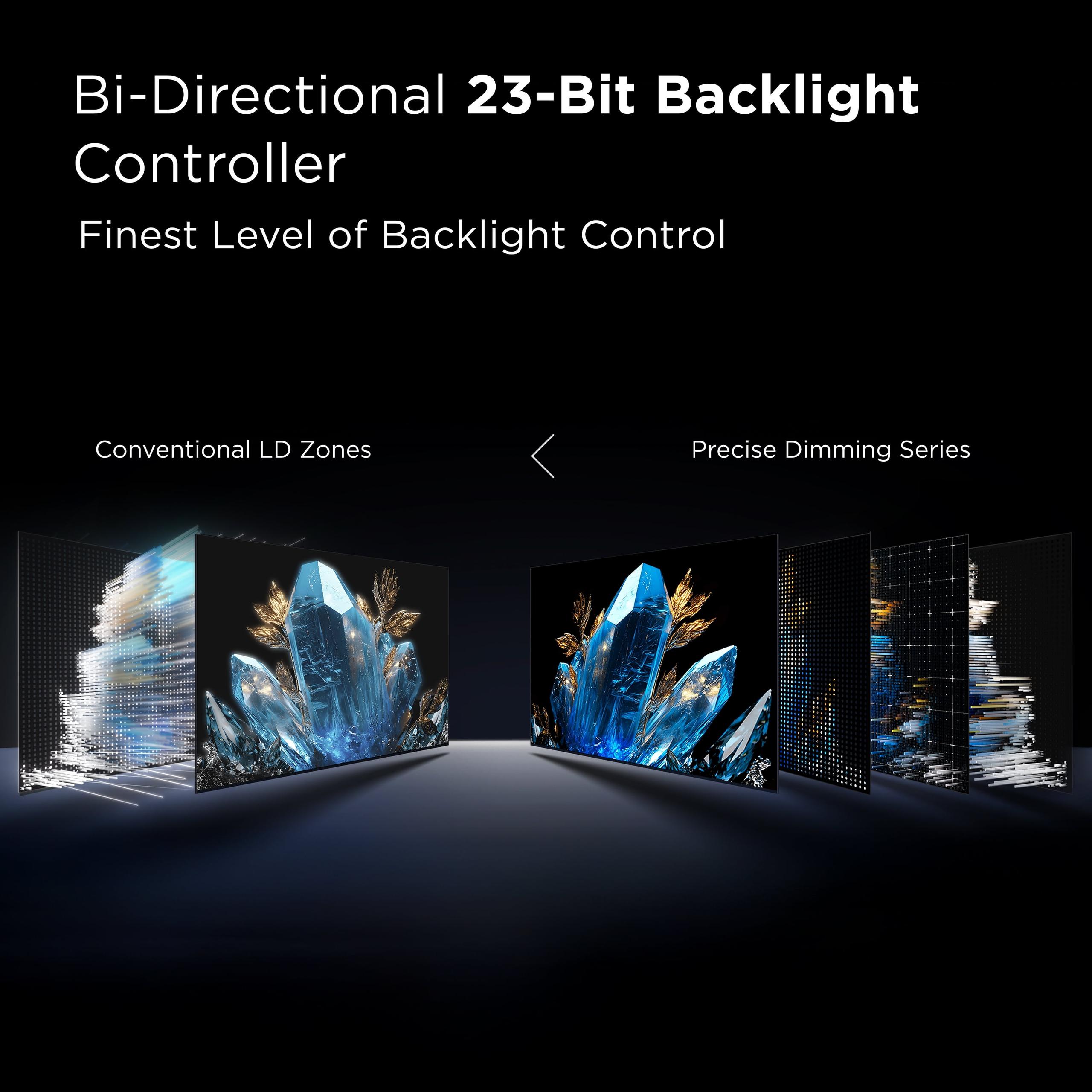
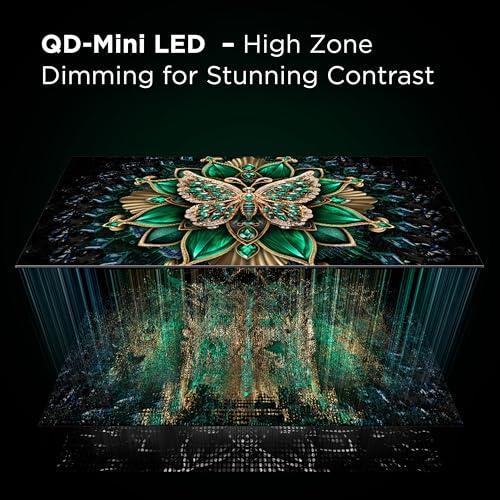
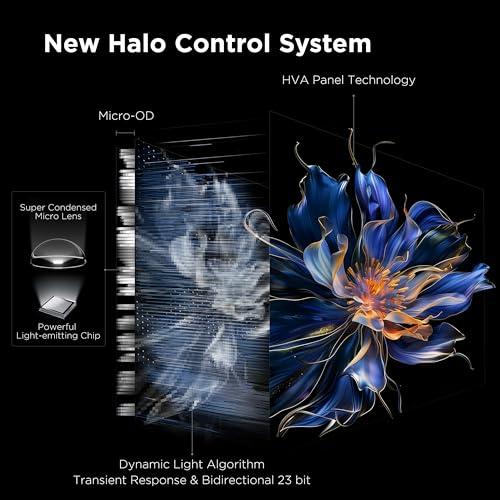
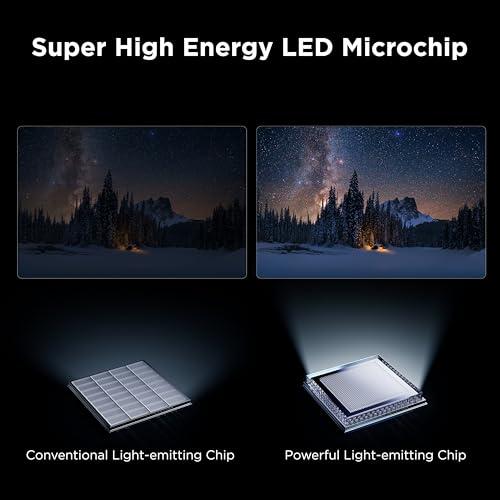
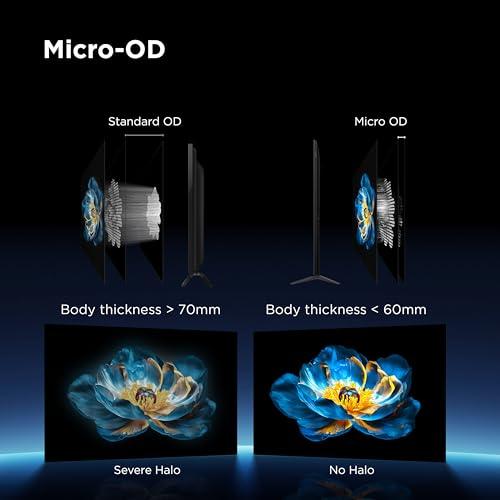
Both TVs use Mini LED backlighting, which sounds like marketing speak but actually represents a significant technological advancement. Traditional LED TVs use relatively large LED lights behind the screen, which makes it difficult to achieve deep blacks because light bleeds into dark areas of the image. Mini LED uses thousands of much smaller LEDs, allowing for more precise control.
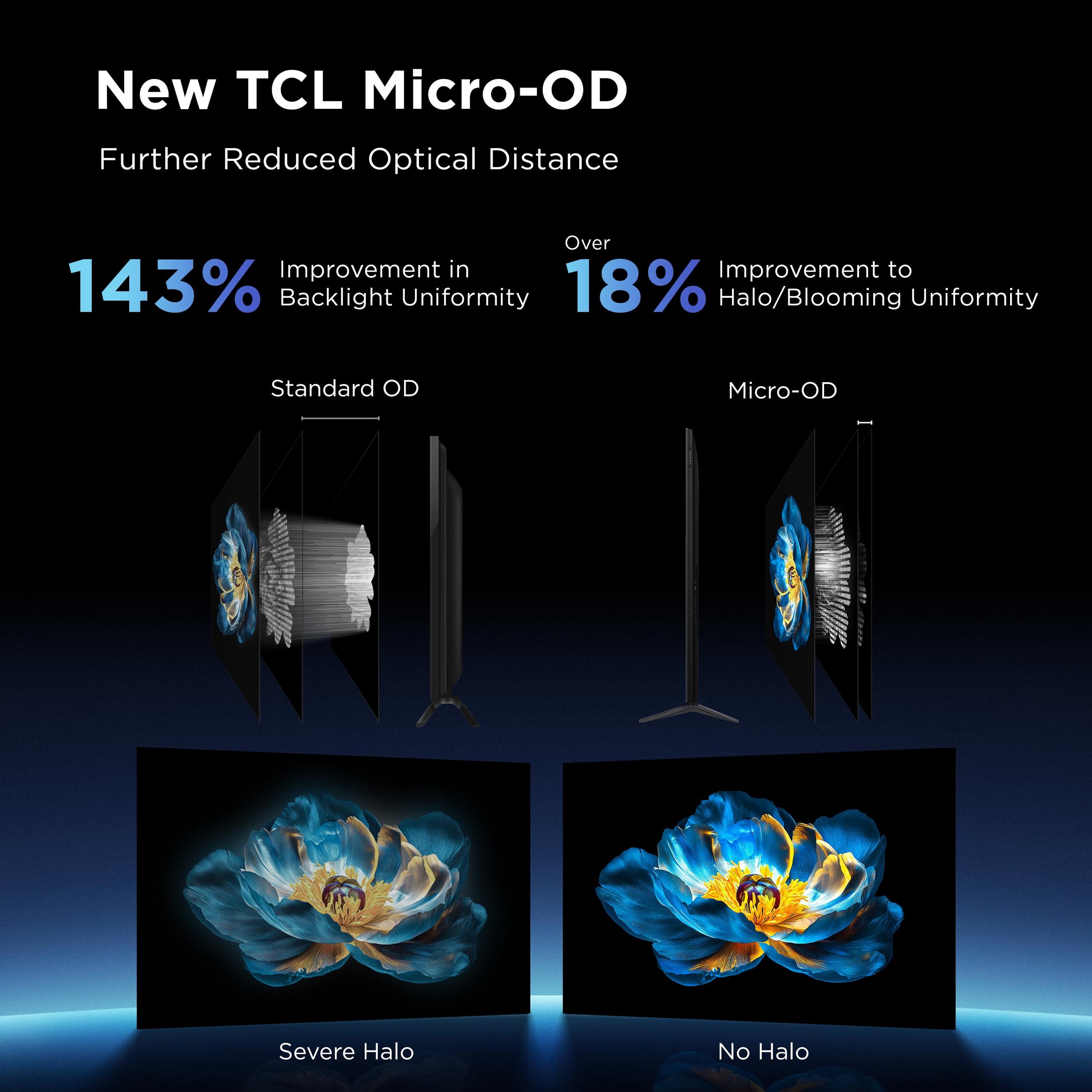
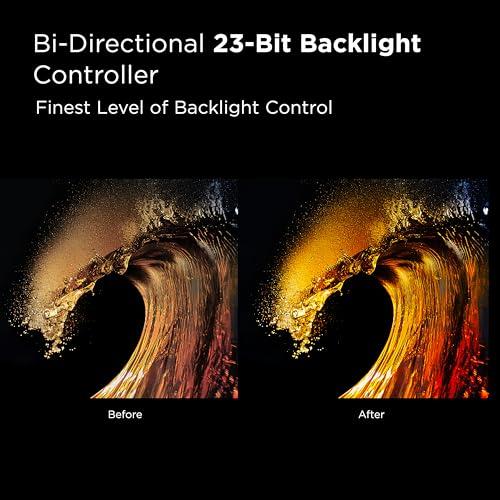
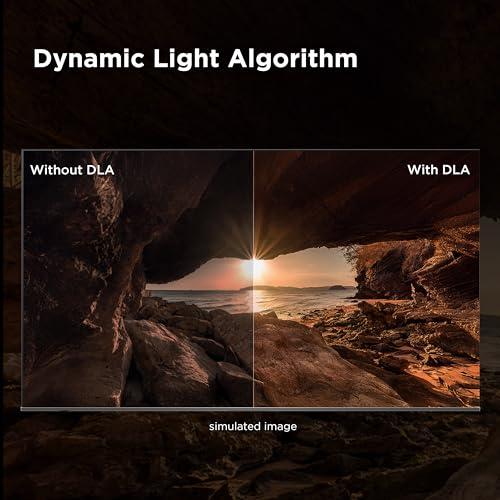
The QM6K features what TCL calls LD500 Precise Dimming – essentially 500+ independently controllable zones of Mini LEDs. When a scene has both bright stars and a dark night sky, these zones can dim the sky areas while keeping the stars bright. This creates much better contrast than traditional LED TVs.
The QM7K takes this concept further with LD2500 Precise Dimming – over 2,500 controllable zones. More zones mean finer control and less "blooming" (where bright objects cause unwanted glow in surrounding dark areas). In practice, this means cleaner subtitles on dark backgrounds and more realistic nighttime scenes.
Having spent considerable time with both TVs, the QM7K's additional dimming zones create a noticeably cleaner image, especially in challenging content like space movies or dark dramas. However, the QM6K's performance is still impressive for its price point – the blooming is minimal and rarely distracting during normal viewing.
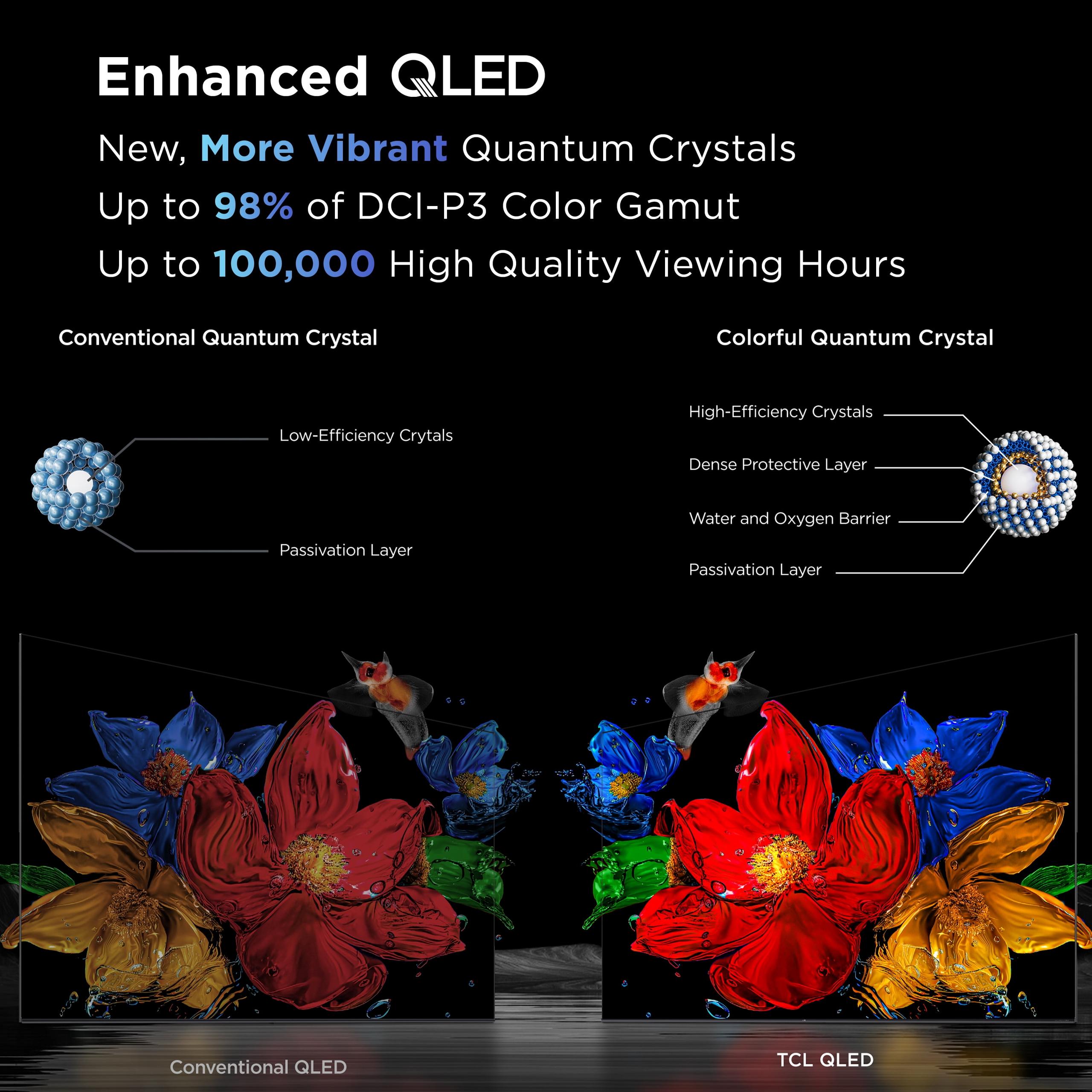
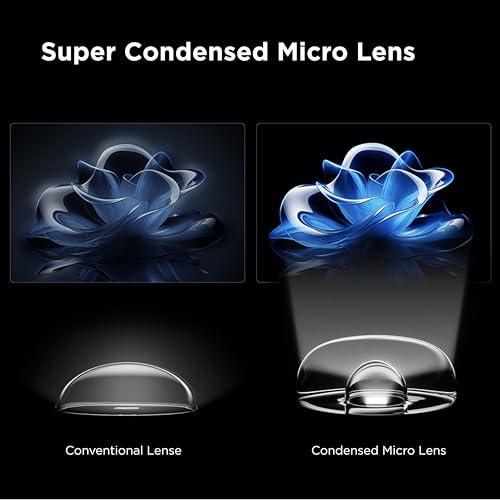
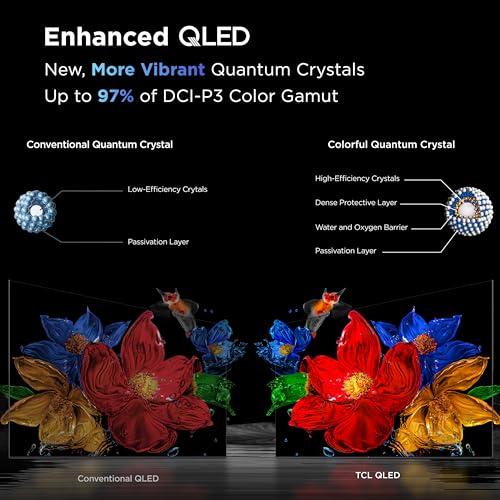
Both TVs use quantum dot technology, which is essentially a layer of microscopic crystals that can produce very pure colors when hit with light. Think of it as a color filter that makes reds redder, greens greener, and blues bluer without sacrificing brightness.
The QM6K delivers what TCL calls Enhanced QLED performance, covering a wide color gamut (the range of colors the TV can display) and producing over a billion individual color shades. Out of the box, colors are vibrant and generally accurate, though purists might want professional calibration for absolute precision.
The QM7K steps up with an improved quantum dot implementation that covers an even wider color gamut and maintains color accuracy at higher brightness levels. This is particularly noticeable in HDR content, where bright, saturated colors – like a red car in bright sunlight – maintain their intensity without looking washed out.
Modern gaming demands have pushed TV manufacturers to prioritize features that were once niche. Both TVs deliver here, but with some important distinctions.
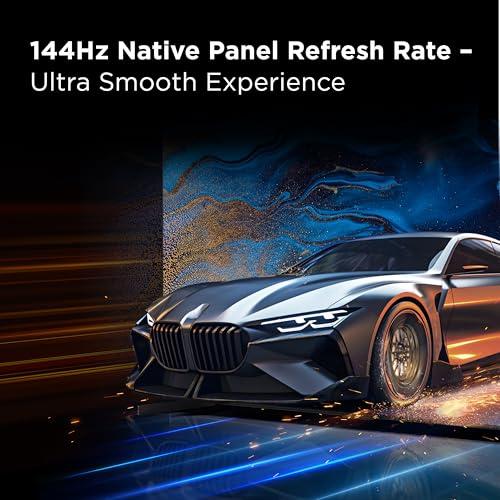
Both models support a native 144Hz refresh rate, which is higher than the 120Hz maximum of current gaming consoles but future-proofs for PC gaming and next-generation consoles. They can handle 4K resolution at 144Hz and an impressive 1080p at 288Hz – numbers that would have been science fiction just a few years ago.
Variable Refresh Rate (VRR) support means the TV can match its refresh rate to whatever the gaming console or PC is outputting, eliminating screen tearing (where the image appears to split horizontally during fast motion). Both TVs support AMD FreeSync Premium Pro and have Auto Game Mode, which automatically switches to low-latency settings when it detects a gaming signal.
Input lag – the delay between pressing a button and seeing the result on screen – is crucial for competitive gaming. The QM6K measures around 34 milliseconds, which is acceptable for most gaming but not quite as responsive as dedicated gaming monitors. The QM7K improves on this with lower input lag, though exact measurements vary depending on the specific mode and resolution.
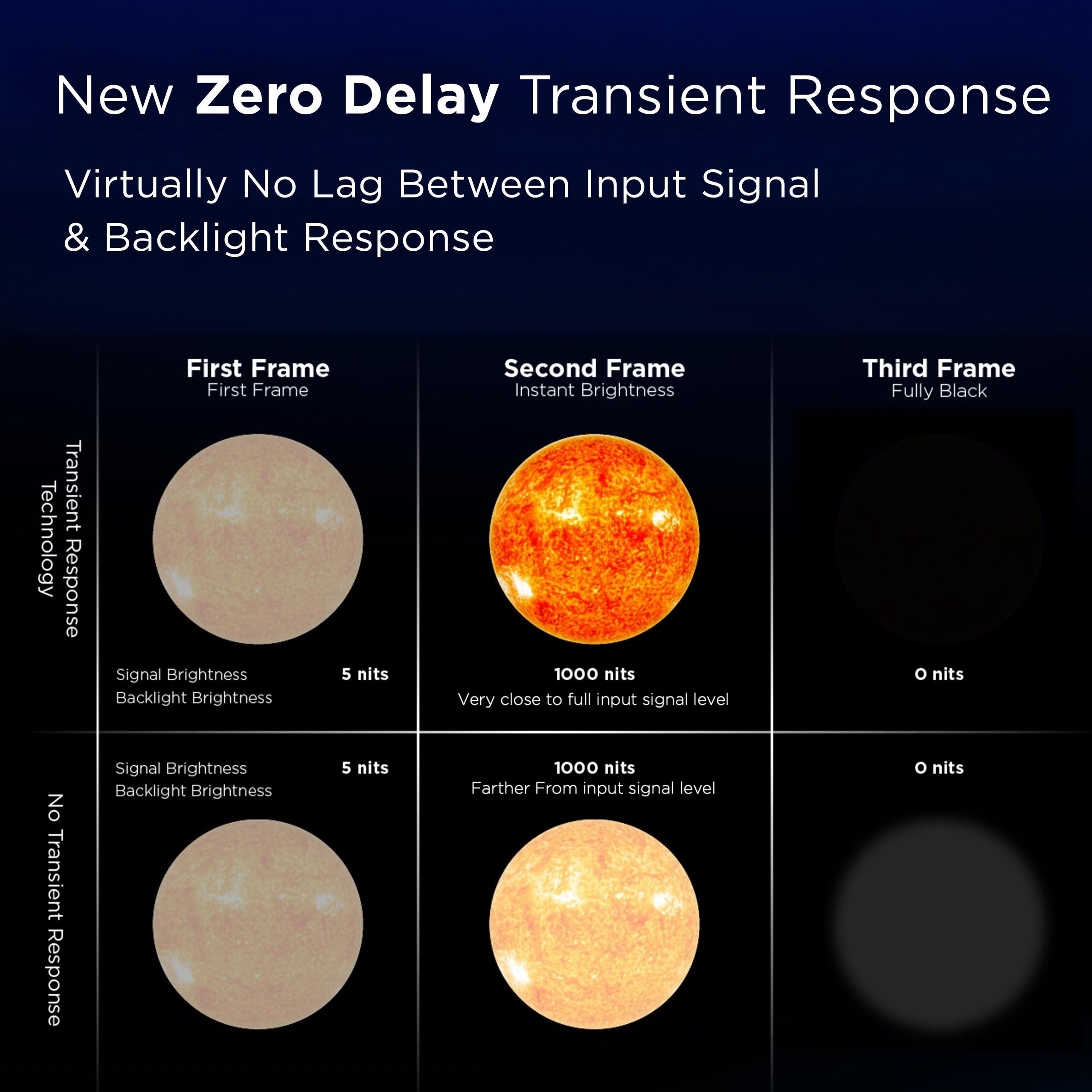
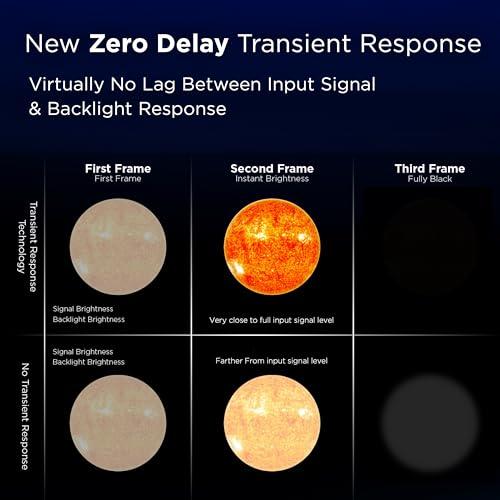
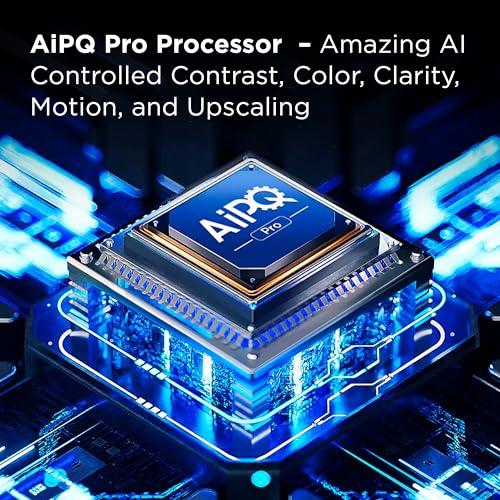
Motion clarity is where LED-based TVs still struggle compared to OLED displays, which can instantly turn pixels on and off. Both TVs use Motion Rate 480 with MEMC (Motion Estimation, Motion Compensation), which inserts additional frames to smooth out motion. This works well for movies but can introduce artifacts in games, so it's typically disabled for gaming.
The QM7K handles motion slightly better thanks to its faster panel response times and improved processing. Fast-paced games like racing simulators or first-person shooters appear cleaner with less blur, though neither TV matches the instant response of OLED technology.
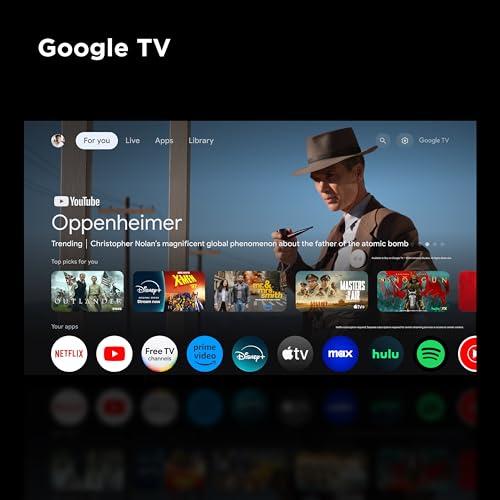
Both TVs run Google TV, which is essentially Android TV with a more refined interface. The platform is responsive, supports voice commands, and provides access to all major streaming services. Both models include hands-free voice control and backlit remotes – features that sound minor but significantly improve daily usability.
The smart platform performs identically on both models, so your choice here comes down to the display technology and size rather than software differences. Both support Apple AirPlay 2, Google Chromecast, and work with major smart home ecosystems.
Audio quality is where many large TVs disappoint, but both models make genuine efforts to deliver quality sound.
The QM6K includes an Onkyo 2.1.1 speaker system with Dolby Atmos support. This setup includes dedicated speakers for height effects, creating a more immersive soundscape than traditional TV speakers. However, the laws of physics limit what any TV speaker system can achieve – there's simply not enough cabinet space for meaningful bass response.
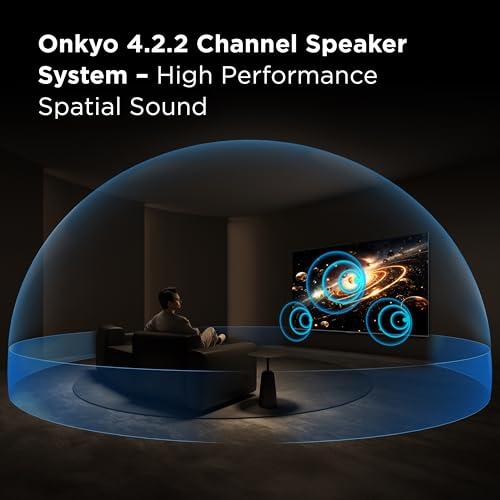
The QM7K upgrades to an Onkyo 4.2.2 system with Bang & Olufsen tuning. The additional speakers and professional tuning create noticeably clearer dialogue and better overall balance. It's still not going to replace a dedicated sound system, but it's respectable enough for casual viewing.
In my experience, both TVs benefit significantly from adding a soundbar or dedicated audio system, especially given their large screen sizes. The built-in audio is adequate but doesn't match the scale of the visual experience these displays provide.
If you're planning a dedicated home theater setup, several factors become particularly important.
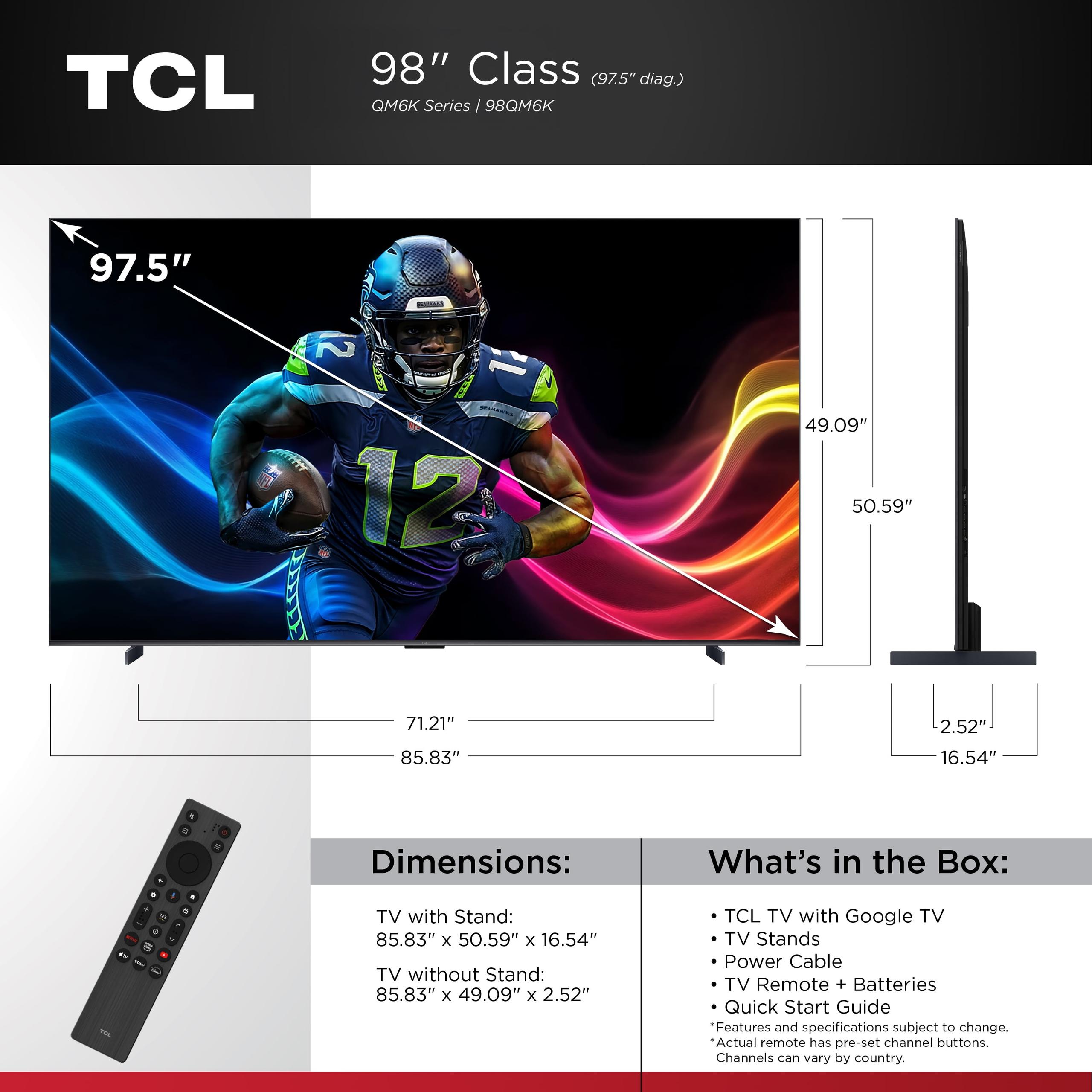
Room size is crucial – a 98-inch screen needs about 8-12 feet of viewing distance for optimal experience, while the 115-inch model pushes that to 10-14 feet. Ceiling height matters too; these displays are tall enough that mounting them at the proper height may be challenging in rooms with standard 8-foot ceilings.
The QM7K's glossy screen makes it particularly suited to theater rooms where you can control ambient light. Its superior contrast and brightness capability really shine in a darkened room, creating an almost OLED-like viewing experience with the brightness advantages of LED technology.
The QM6K's matte screen makes it more versatile for multi-purpose rooms where the TV might be used during the day with natural light present. While it doesn't achieve the same peak contrast as the QM7K, it maintains good image quality across a wider range of lighting conditions.
The price difference between these models is substantial – the QM7K costs about six times more than the QM6K. Understanding what justifies this difference is crucial to making the right choice.
The QM6K represents exceptional value in the large-screen TV market. For $2,000, you're getting a 98-inch display with Mini LED backlighting, quantum dot color, and modern gaming features. This combination was unthinkable at this price point just a few years ago.
The QM7K's premium pricing reflects its flagship positioning. The larger screen, superior brightness, additional local dimming zones, and enhanced audio system all contribute to a more refined experience. However, whether these improvements justify the 6x price increase depends heavily on your priorities and room setup.
Choose the QM6K if you want the largest possible screen at a reasonable price point. It's perfect for bright living rooms, families who watch a mix of content throughout the day, and anyone who wants to experience large-screen entertainment without spending flagship money. The matte screen makes it more forgiving of room lighting, and the picture quality is genuinely impressive for the price.
Go with the QM7K if you're building a dedicated home theater and want flagship performance. The superior brightness, contrast, and audio quality create a more premium experience that justifies the higher price for serious enthusiasts. Just ensure your room can accommodate both the size and the glossy screen's lighting requirements.
Both represent excellent examples of how far large-screen TV technology has advanced. The QM6K proves that premium features are becoming more accessible, while the QM7K pushes the boundaries of what's possible in consumer TV technology. Your choice ultimately depends on balancing your budget, room setup, and how much you value peak performance versus exceptional value.
The TV market moves quickly, but both of these models should provide years of excellent service. With their modern feature sets and solid build quality, either choice will deliver the kind of cinematic experience that transforms how you watch movies, play games, and enjoy entertainment at home.
| TCL 98-Inch QM6K QLED TV | TCL 115" QM7K Series QD-Mini LED 4K Smart TV |
|---|---|
| Price - Major cost difference for premium features | |
| $1,999.99 (exceptional value for size) | $12,998.00 (flagship pricing, 6x more expensive) |
| Screen Size - Impacts viewing distance and room requirements | |
| 98 inches (needs 8-12 feet viewing distance) | 115 inches (needs 10-14 feet viewing distance) |
| Peak Brightness - Critical for HDR impact and bright room performance | |
| ~900 nits (adequate HDR, good for most content) | 3,000 nits (exceptional HDR, cinema-like highlights) |
| Local Dimming Zones - Controls contrast and reduces blooming | |
| LD500 Precise Dimming (~500+ zones) | LD2500 Precise Dimming (2,500+ zones, 5x more control) |
| Panel Type - Affects glare handling and image clarity | |
| Matte HVA panel (anti-glare, bright room friendly) | Glossy CrystGlow HVA (maximum contrast, needs controlled lighting) |
| Gaming Performance - Refresh rates and input lag for modern consoles | |
| 144Hz native, ~34ms input lag (good for casual gaming) | 144Hz native, lower input lag (better for competitive gaming) |
| Audio System - Built-in sound quality and theater experience | |
| Onkyo 2.1.1 with Dolby Atmos (adequate, soundbar recommended) | Onkyo 4.2.2 with B&O tuning (superior dialogue, still benefits from soundbar) |
| Smart Platform - Interface and streaming capabilities | |
| Google TV with voice control (identical experience) | Google TV with voice control (identical experience) |
| Best Use Case - Room type and viewing priorities | |
| Bright living rooms, value-focused buyers, mixed daily usage | Dedicated theater rooms, premium experience seekers, controlled lighting |
The TCL 98-Inch QM6K QLED TV costs $1,999.99, while the TCL 115" QM7K Series QD-Mini LED 4K Smart TV is priced at $12,998.00. The QM7K costs about six times more than the QM6K, reflecting its larger screen size and premium features.
The TCL QM7K reaches 3,000 nits peak brightness, which is more than three times brighter than the TCL QM6K's 900 nits. This dramatic difference makes HDR content much more impactful on the QM7K, with brighter highlights and more realistic lighting effects.
The TCL QM7K is superior for dedicated home theaters due to its higher peak brightness, better contrast with 2,500+ local dimming zones, and enhanced audio system. Its glossy screen performs best in controlled lighting environments typical of theater rooms.
The TCL QM7K delivers superior contrast with its 2,500+ local dimming zones compared to the TCL QM6K's 500+ zones. This means deeper blacks, less blooming around bright objects, and overall better picture quality in dark scenes.
We've done our best to create useful and informative comparisons to help you decide what product to buy. Our research uses advanced automated methods to create this comparison and perfection is not possible - please contact us for corrections or questions. These are the sites we've researched in the creation of this article: bestbuy.com - rtings.com - techradar.com - the-gadgeteer.com - youtube.com - youtube.com - ign.com - youtube.com - tomsguide.com - tcl.com - valueelectronics.com - bestbuy.com - bestbuy.com - rtings.com - circuitworldonline.com - youtube.com - tcl.com - bestbuy.com - tomsguide.com - tcl.com - flatpanelshd.com - displayspecifications.com - bestbuy.com - tomsguide.com - techradar.com - youtube.com - rtings.com - youtube.com - youtube.com - youtube.com - avsforum.com - abt.com - bestbuy.com - tcl.com - avsforum.com - tcl.com - rcwilley.com - tcl.com - valueelectronics.com - bestbuy.com - tcl.com - tcl.com - tcl.com - tcl.com

Privacy Policy
Terms and Conditions - Affiliate Policy
Home Security
© Copyright 2008-2026.
11816 Inwood Rd #1211, Dallas, TX 75244