

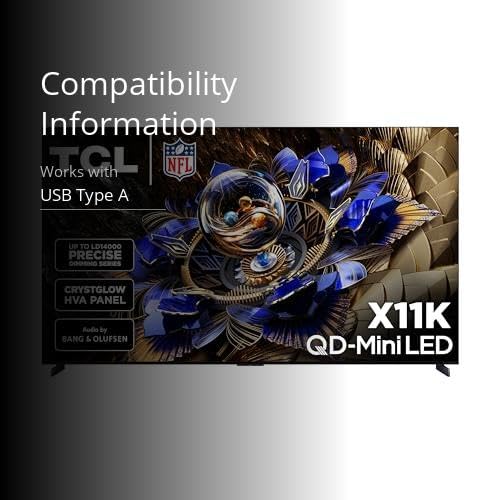

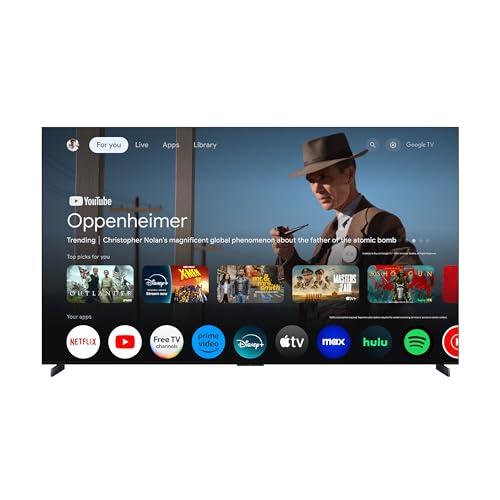
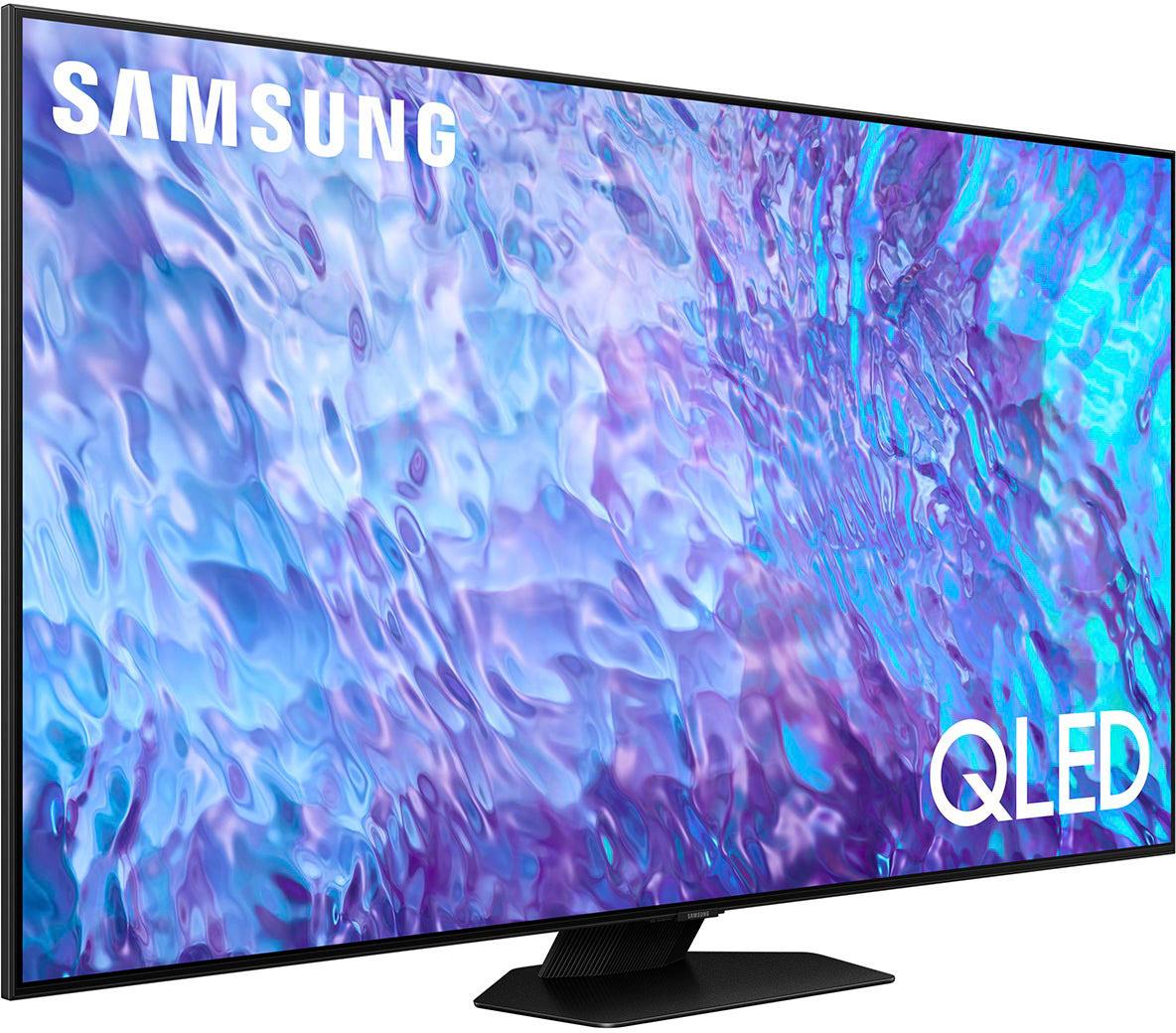
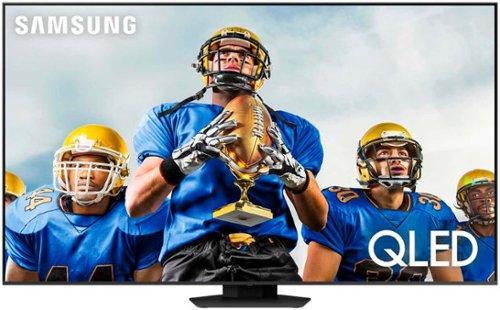
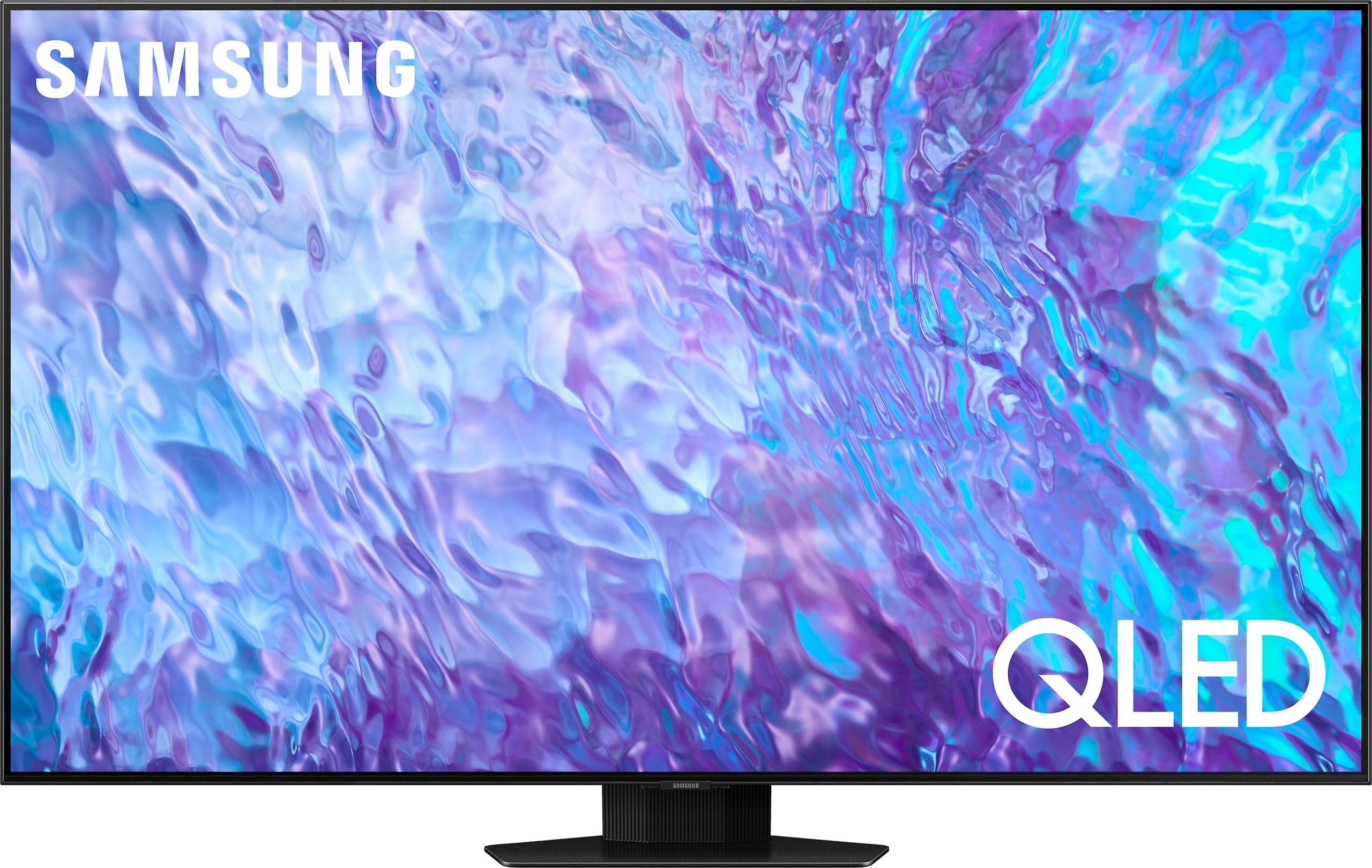
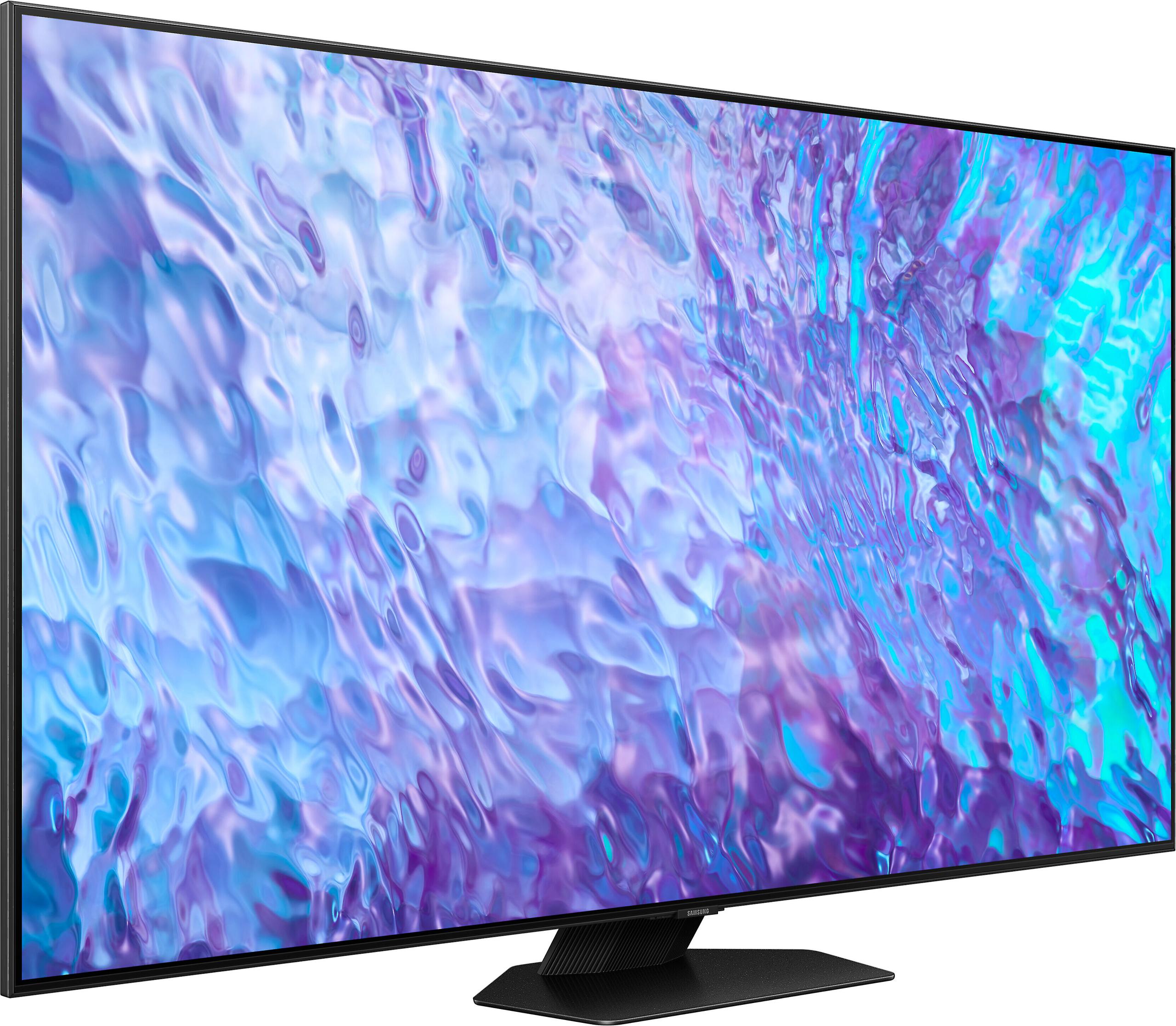
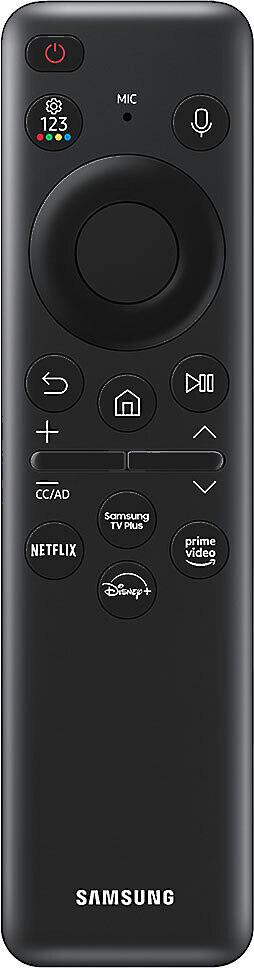
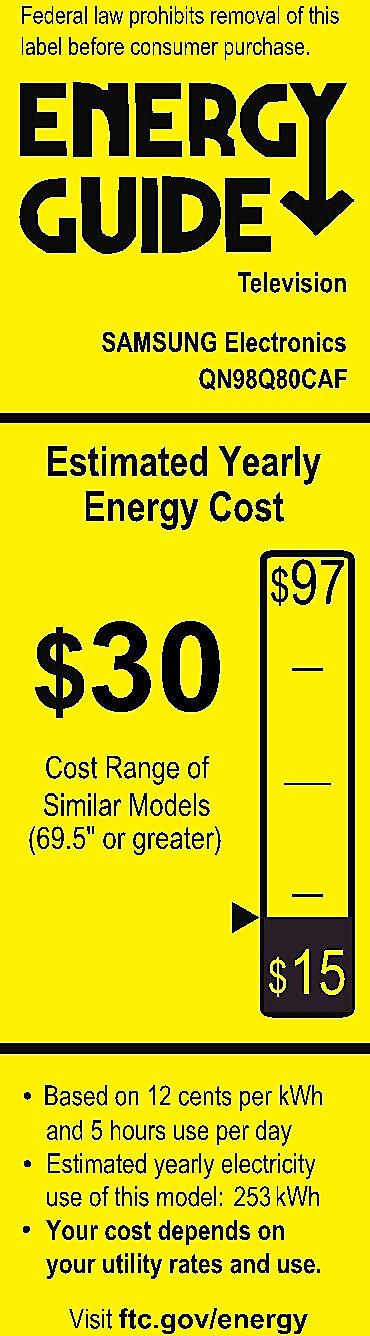
When you're shopping for a 98-inch TV, you're not just buying a screen—you're investing in the centerpiece of your home entertainment system. These massive displays compete directly with projector setups while offering the plug-and-play convenience that only TVs provide. In 2023, two compelling options emerged in this premium space: the TCL 98" X11K with its cutting-edge Mini LED technology, and the Samsung 98" Q80C representing Samsung's refined QLED approach.
The choice between these titans isn't just about brand preference—it's about fundamentally different display technologies that create very different viewing experiences. Let me break down what matters most when you're spending this kind of money on a TV that will likely serve as your home's entertainment hub for years to come.
At 98 inches, both the TCL X11K and Samsung Q80C enter territory where every technical decision becomes magnified—literally. Picture quality flaws that might go unnoticed on smaller screens become glaringly obvious when spread across nearly 8 feet of diagonal display space.
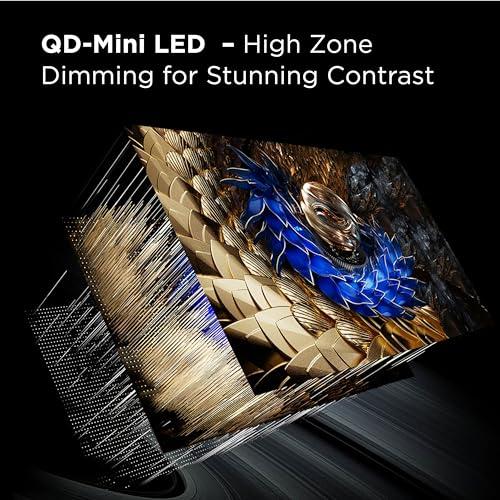
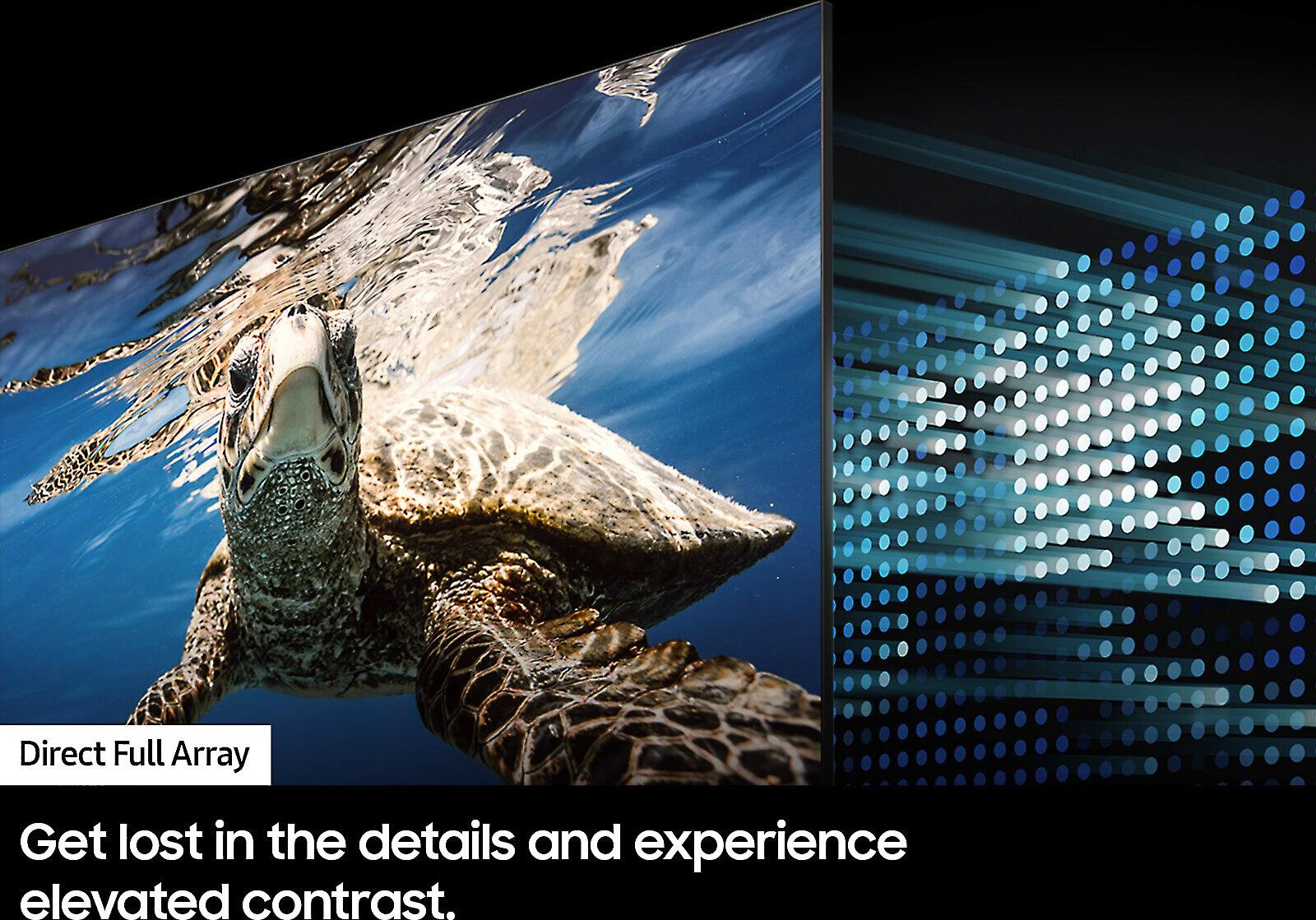
The fundamental difference lies in their backlighting approach. Traditional LED TVs like the Samsung Q80C use relatively large LED clusters behind the panel, with local dimming zones numbered in the hundreds. This system, called Direct Full Array, represents the established way of controlling contrast by dimming specific screen areas independently.
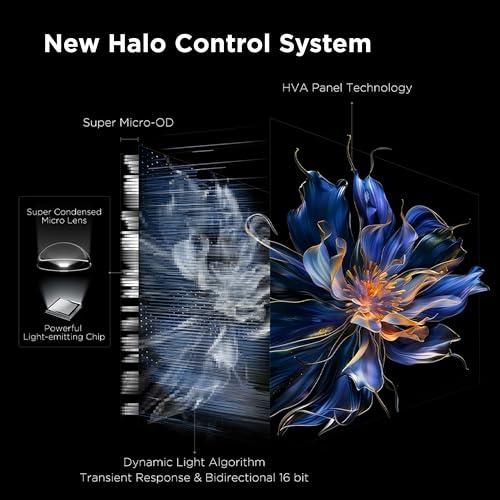
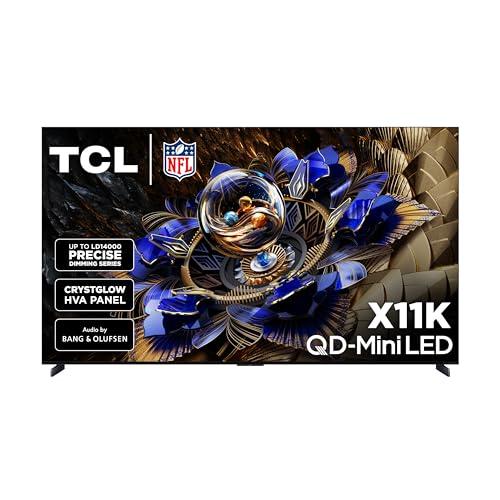
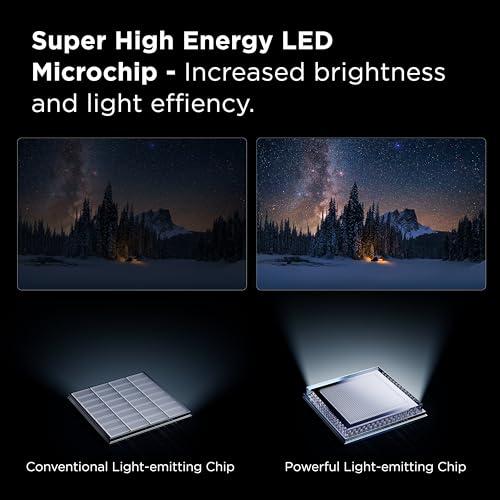
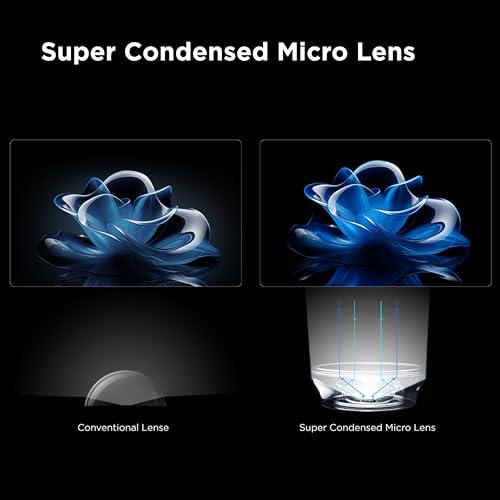
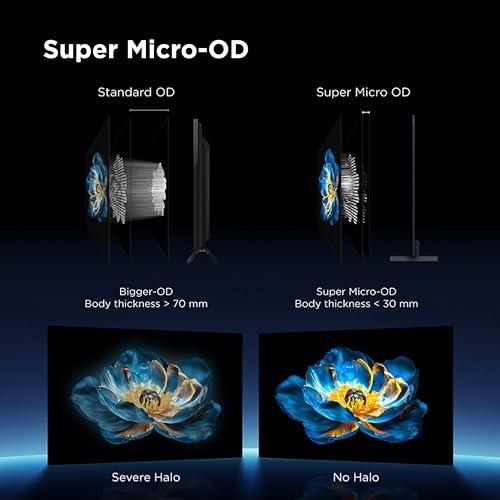
The TCL X11K, however, employs Mini LED technology—a newer approach using thousands of LEDs that are roughly one-tenth the size of traditional LEDs. Think of it like the difference between painting with a house brush versus a fine detail brush. More LEDs means more precise control, and in this case, we're talking about up to 14,000 individual dimming zones versus the Samsung's more modest zone count.
This technical difference translates into real-world performance gaps that become especially apparent in challenging content like space movies with bright stars against black backgrounds, or sports broadcasts with bright stadium lights contrasting against darker crowd sections.
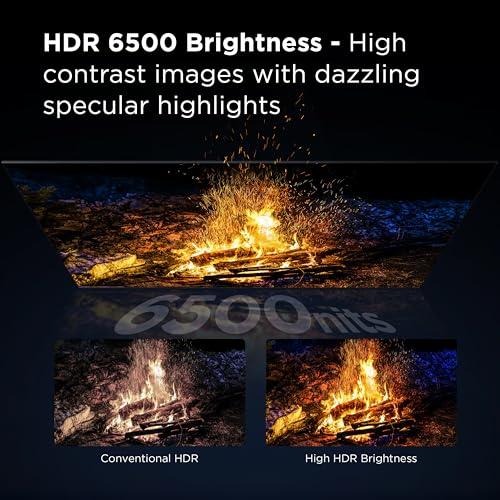
The most striking difference between these displays is raw brightness capability. The TCL X11K achieves up to 6,500 nits of peak brightness, while the Samsung Q80C maxes out around 1,000 nits. To put this in perspective, a sunny day outdoors measures about 10,000 nits, while indoor lighting typically ranges from 100-500 nits.
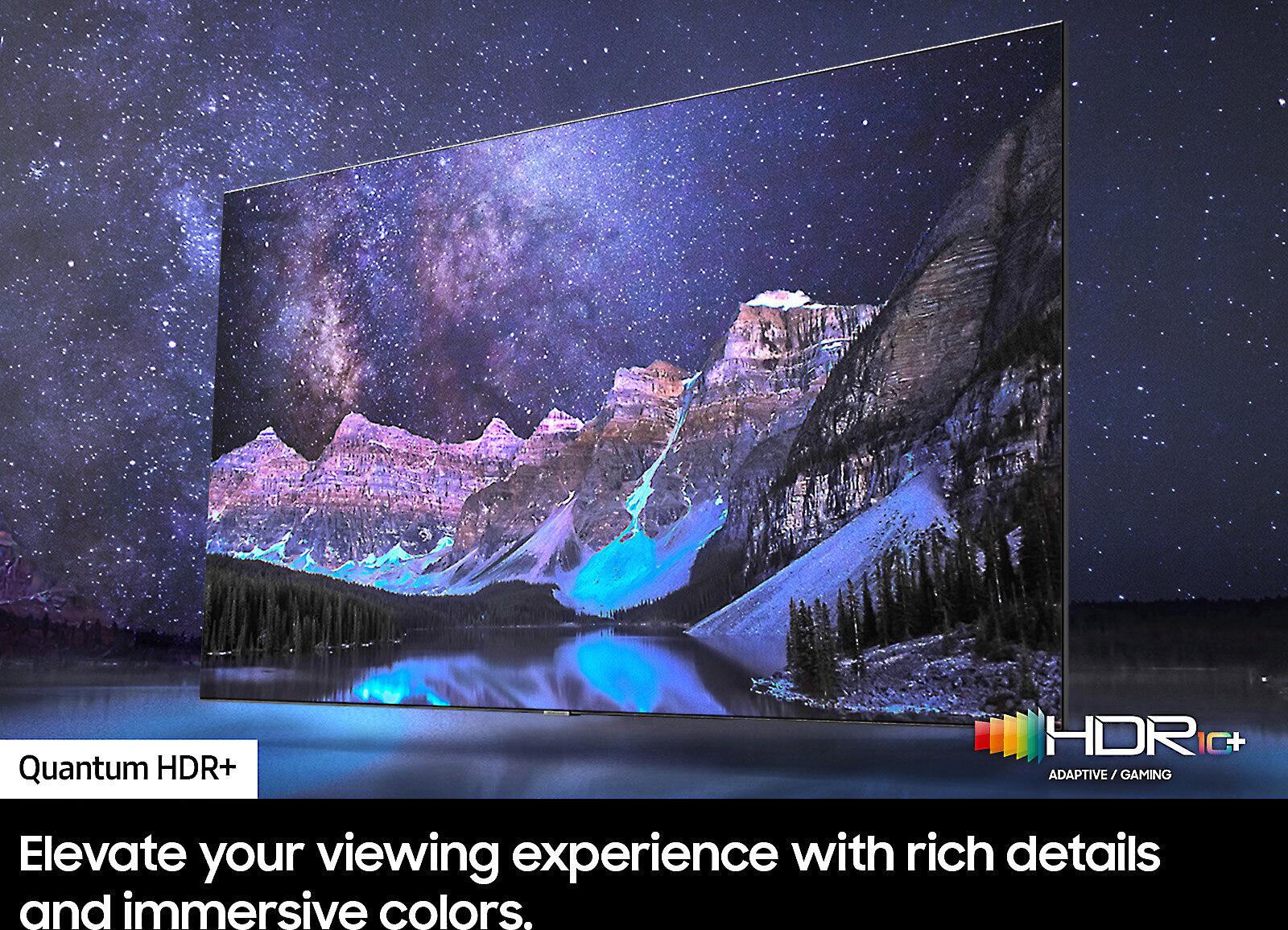
Why does this matter? High Dynamic Range (HDR) content—which includes most modern movies, shows, and games—relies on brightness extremes to create realistic images. When a movie shows a car's headlights cutting through fog or sunlight reflecting off water, those bright highlights need actual brightness to look convincing. The TCL X11K can reproduce these effects with stunning realism, making HDR content appear almost three-dimensional in its depth and impact.
The brightness advantage becomes even more crucial in real-world viewing environments. Many living rooms have windows, overhead lights, or other sources of ambient light that can wash out TV images. The TCL X11K's extreme brightness ensures excellent visibility even in challenging lighting conditions, while the Samsung Q80C may struggle to maintain image impact in brighter rooms.
Both TVs support multiple HDR formats, but there's an important distinction: the TCL X11K includes Dolby Vision IQ support, while the Samsung Q80C does not. Dolby Vision is widely considered the premium HDR format, used by Netflix, Apple TV+, and major movie studios. The "IQ" variant automatically adjusts the HDR presentation based on your room's ambient lighting, optimizing the experience throughout the day.
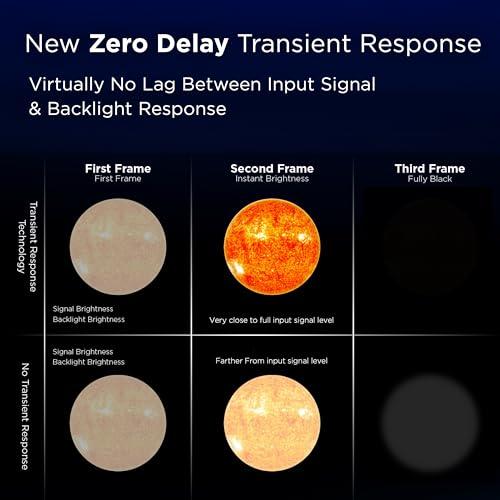
Local dimming—the ability to darken specific screen areas while keeping others bright—determines how convincing dark scenes appear. The TCL X11K's 14,000 dimming zones create almost pixel-perfect control, allowing individual elements in a scene to be lit independently. When watching something like a nighttime thriller where characters move through shadowy environments punctuated by streetlights, the precision becomes immediately apparent.
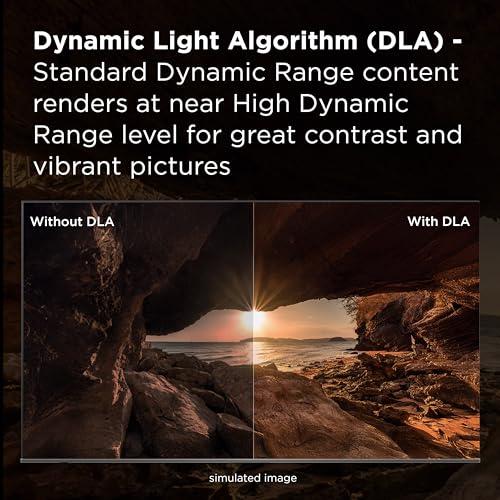
The Samsung Q80C, with its fewer dimming zones, still delivers solid black levels for an LED TV, but cannot match the precision of Mini LED technology. You might notice subtle halos around bright objects against dark backgrounds, or slightly grayish areas that should appear perfectly black.
This difference becomes particularly important for home theater enthusiasts who watch movies in darkened rooms. The TCL X11K can create the deep, inky blacks that approach OLED quality without the brightness limitations that OLED displays face.
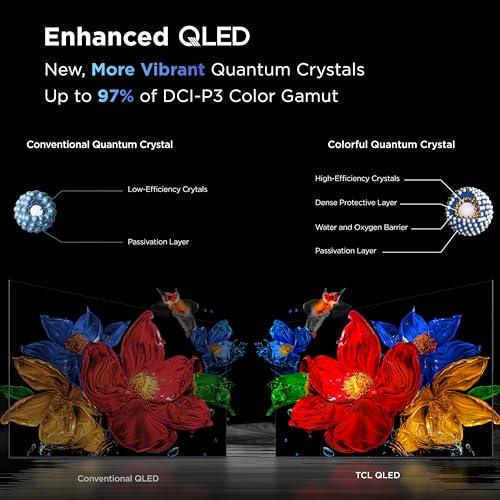
Both televisions use Quantum Dot technology to enhance color reproduction. This involves a layer of microscopic crystals that convert blue LED light into precise red and green wavelengths, creating purer colors across the spectrum. The Samsung Q80C achieves 100% color volume in its supported range, while the TCL X11K covers 97% of the DCI-P3 color space used by movie studios.
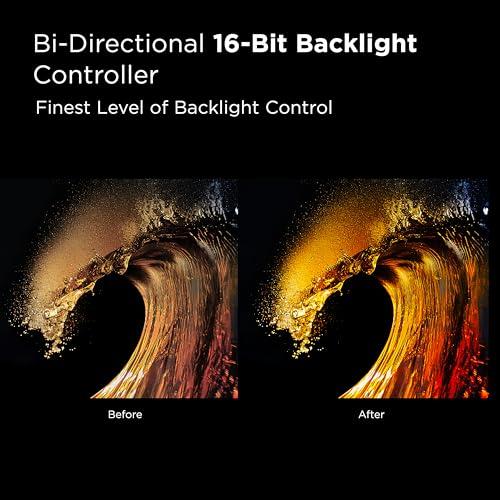
In practical terms, both displays produce vibrant, accurate colors that significantly surpass standard LED TVs. The difference lies more in how consistently these colors are maintained across different brightness levels—an area where the TCL X11K's superior brightness control provides advantages.
Modern gaming demands have pushed TV manufacturers to prioritize features that were once exclusive to computer monitors. Both displays support 4K gaming at high refresh rates, but their approaches and capabilities differ significantly.
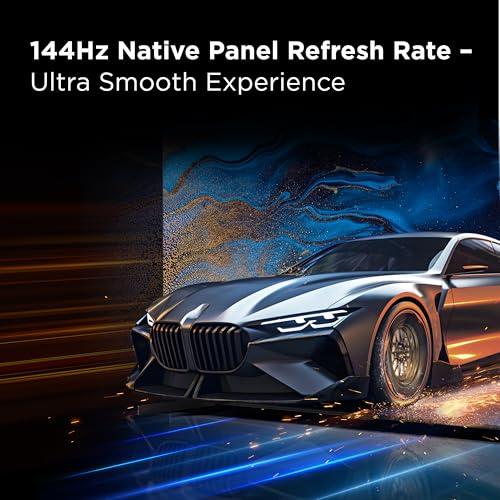
The TCL X11K offers a native 144Hz refresh rate with Variable Refresh Rate (VRR) support up to 144Hz, and even includes a Game Accelerator mode that can handle up to 288Hz VRR for compatible content. This high refresh rate capability makes motion appear incredibly smooth, whether you're playing fast-paced shooters or racing games where every frame counts.
The Samsung Q80C provides 120Hz refresh rate with VRR support—still excellent for current gaming consoles like PlayStation 5 and Xbox Series X, which typically output at 120Hz maximum. However, PC gamers with high-end graphics cards may find the TCL's higher refresh rate capabilities more appealing.
Both TVs support Auto Low Latency Mode (ALLM), which automatically switches to optimized settings when gaming input is detected, minimizing the delay between controller input and on-screen action. Input lag—the time between pressing a button and seeing the result—measures around 9-10 milliseconds for both displays in game mode, which is excellent for competitive gaming.
The TCL X11K includes AMD FreeSync Premium Pro certification, ensuring compatibility with a wide range of graphics cards and consoles. This technology synchronizes the display's refresh rate with the graphics processor's output, eliminating screen tearing and stuttering that can occur when frame rates fluctuate.
Large premium TVs often include sophisticated audio systems to match their impressive visuals, and both displays take this seriously, though with different approaches.
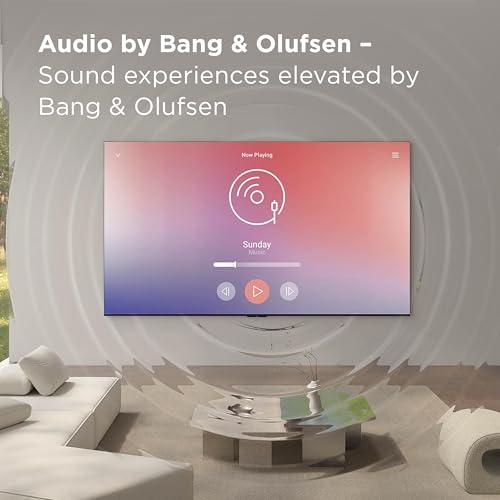
The TCL X11K features a 120-watt audio system developed in partnership with Bang & Olufsen, the renowned Danish audio company. This 2.1.1 channel setup includes a dedicated subwoofer and supports both Dolby Atmos and DTS Virtual:X for three-dimensional sound. The Bang & Olufsen tuning provides sophisticated audio processing that adapts to different content types and room acoustics.
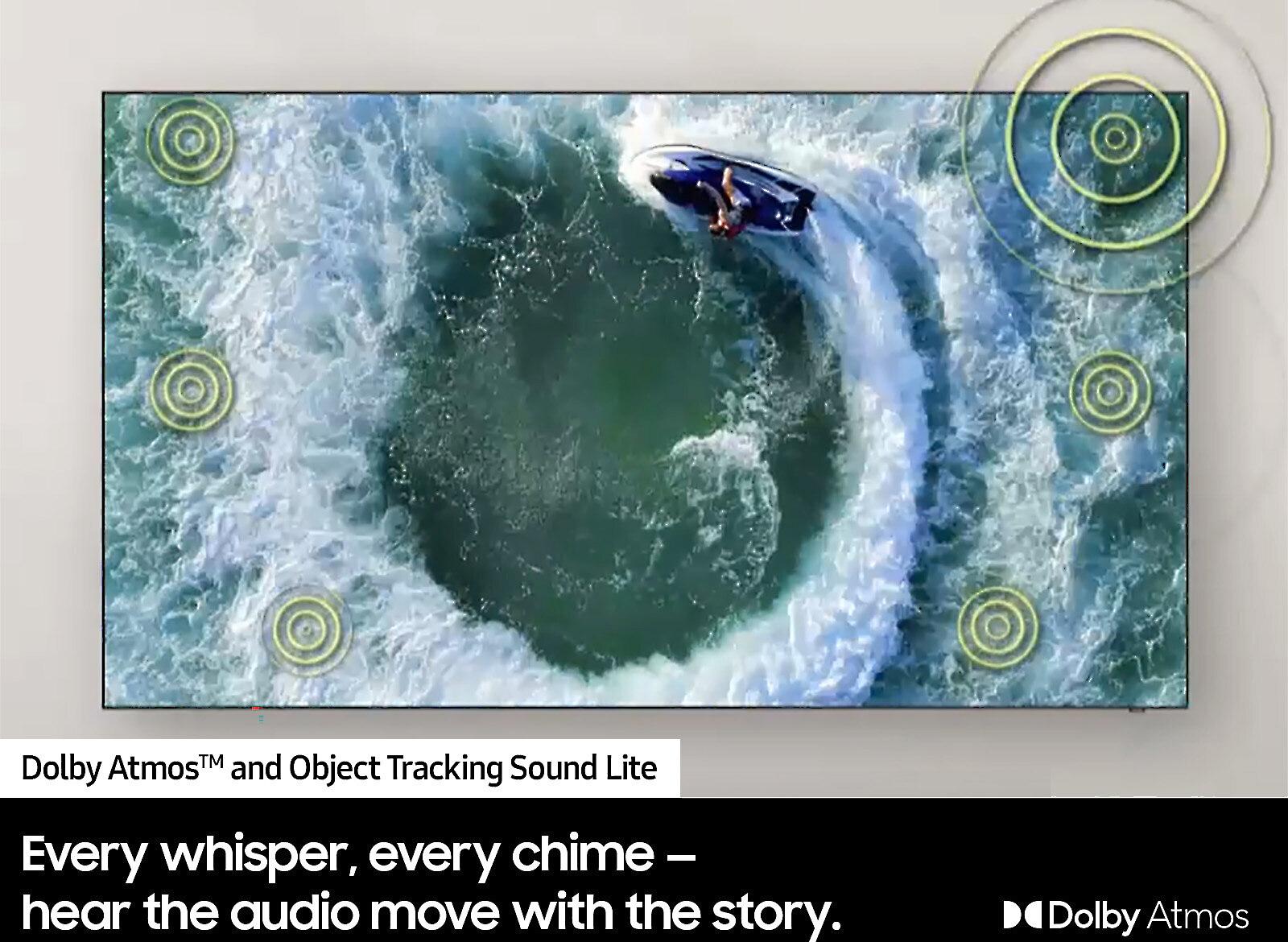
The Samsung Q80C includes a 40-watt 2.2 channel system with Dolby Atmos support and Samsung's Object Tracking Sound Lite technology. This feature attempts to match audio positioning with visual action on screen—for instance, making a car's engine sound move from left to right as the vehicle crosses the screen.
While both systems provide decent built-in audio, the power difference is substantial. The TCL X11K's 120-watt system can fill larger rooms with adequate volume and bass response, potentially eliminating the need for additional soundbars or speaker systems. The Samsung Q80C's 40-watt system, while clear and well-balanced, may require audio supplementation in larger spaces or for users who prioritize powerful sound.
The software experience differs significantly between these displays, reflecting each manufacturer's ecosystem approach.
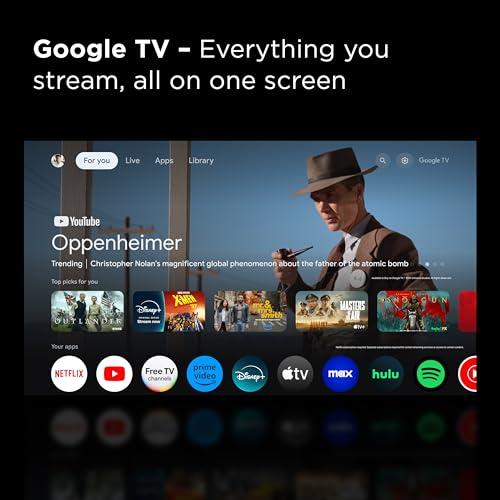
The TCL X11K runs Google TV, which evolved from Android TV with a more content-focused interface. It provides excellent integration with Google services, native Chromecast support, and compatibility with both Google Assistant and Amazon Alexa. The platform also supports Apple AirPlay 2 and HomeKit, making it relatively ecosystem-agnostic.
Samsung's Tizen OS on the Q80C represents one of the most mature smart TV platforms available. It offers extensive app selection, smooth performance, and deep integration with Samsung's SmartThings ecosystem. If you own other Samsung devices—phones, tablets, or smart home products—the integration experience is particularly seamless.
Both platforms receive regular updates and support all major streaming services. The choice often comes down to personal preference and existing device ecosystems rather than fundamental capability differences.
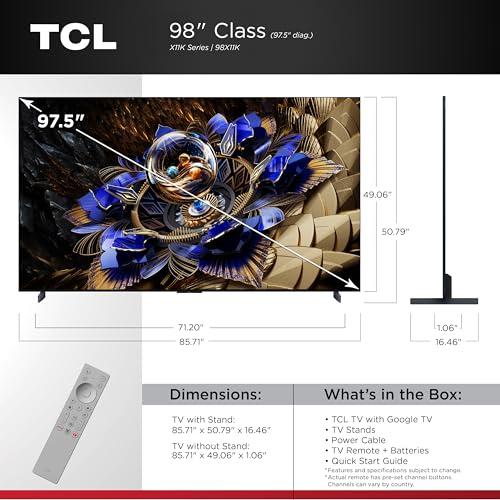
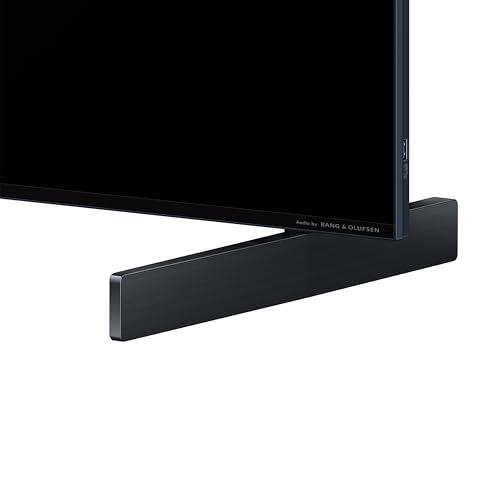
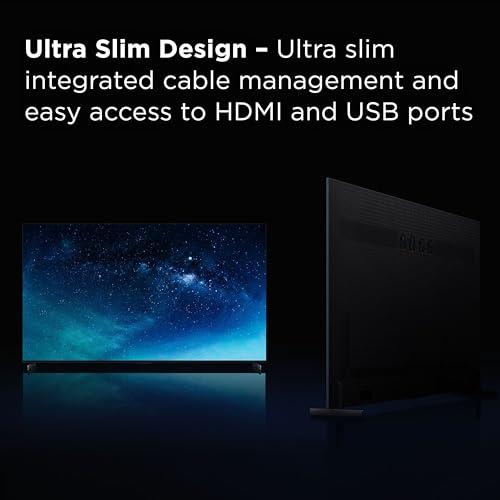
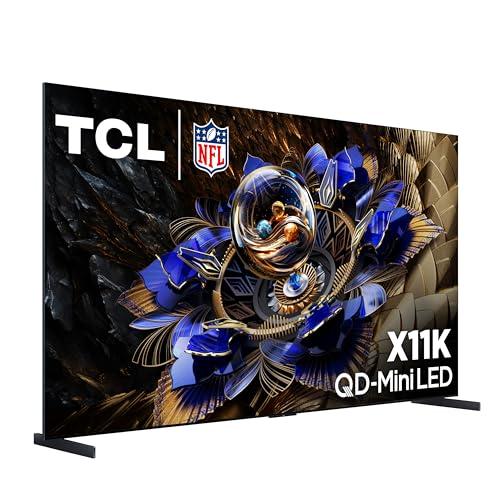
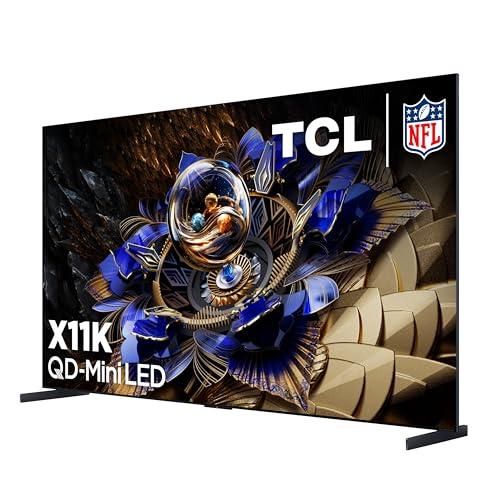
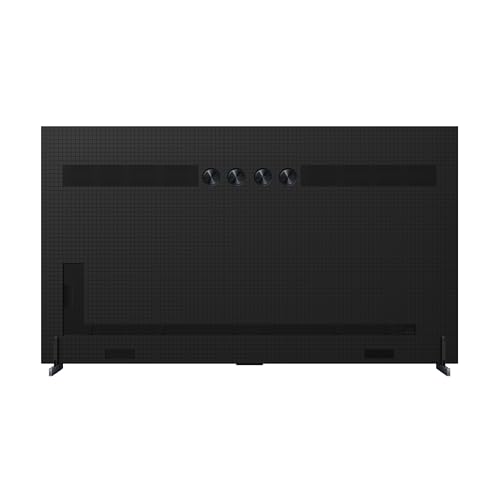
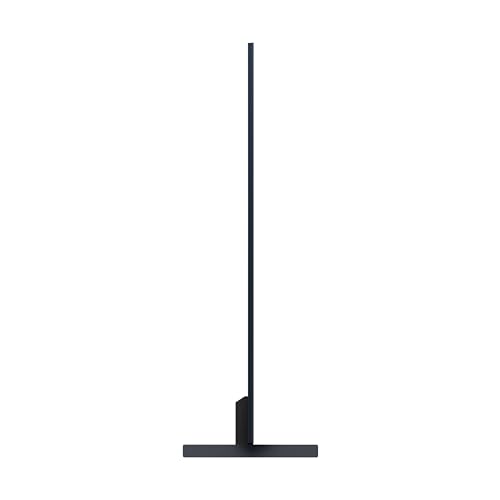
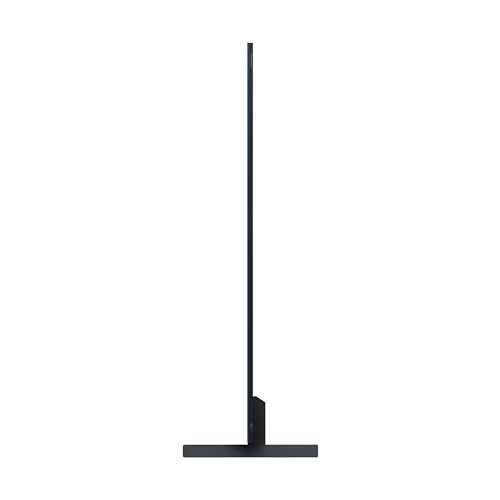
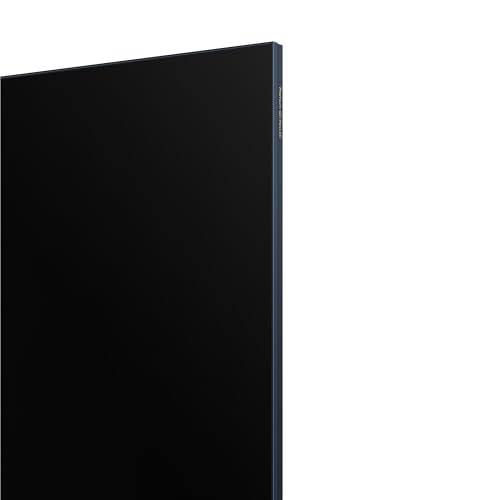
At 98 inches, physical design becomes crucial for both aesthetics and practical installation considerations. The TCL X11K features an ultra-slim profile measuring just 1.1 inches thick, with integrated cable management systems that create cleaner wall-mounted installations. The bezel-less design maximizes screen real estate while maintaining a premium appearance.
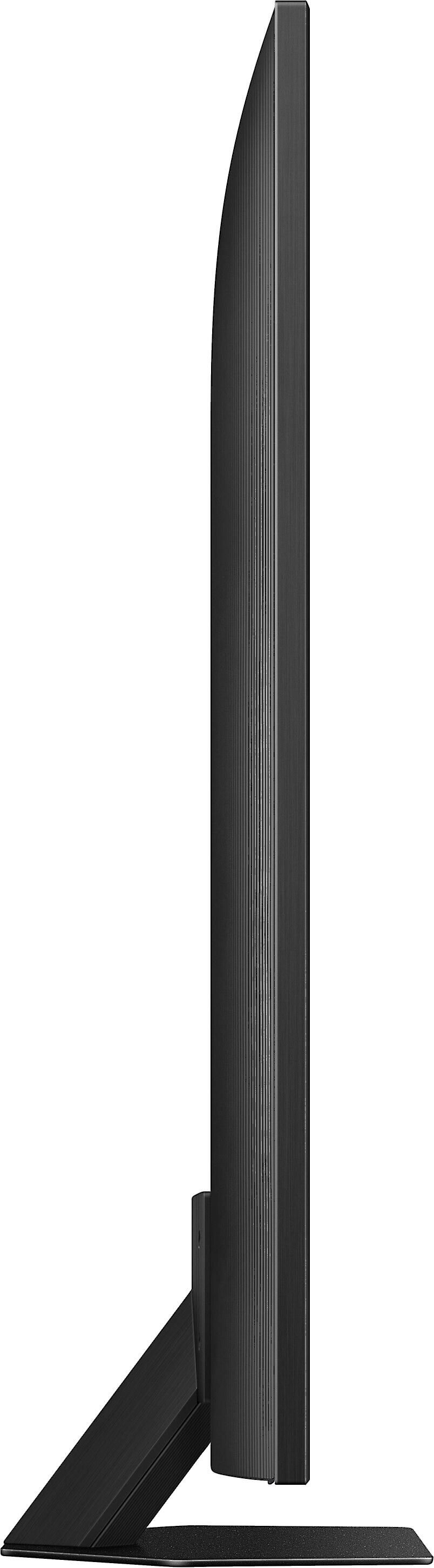
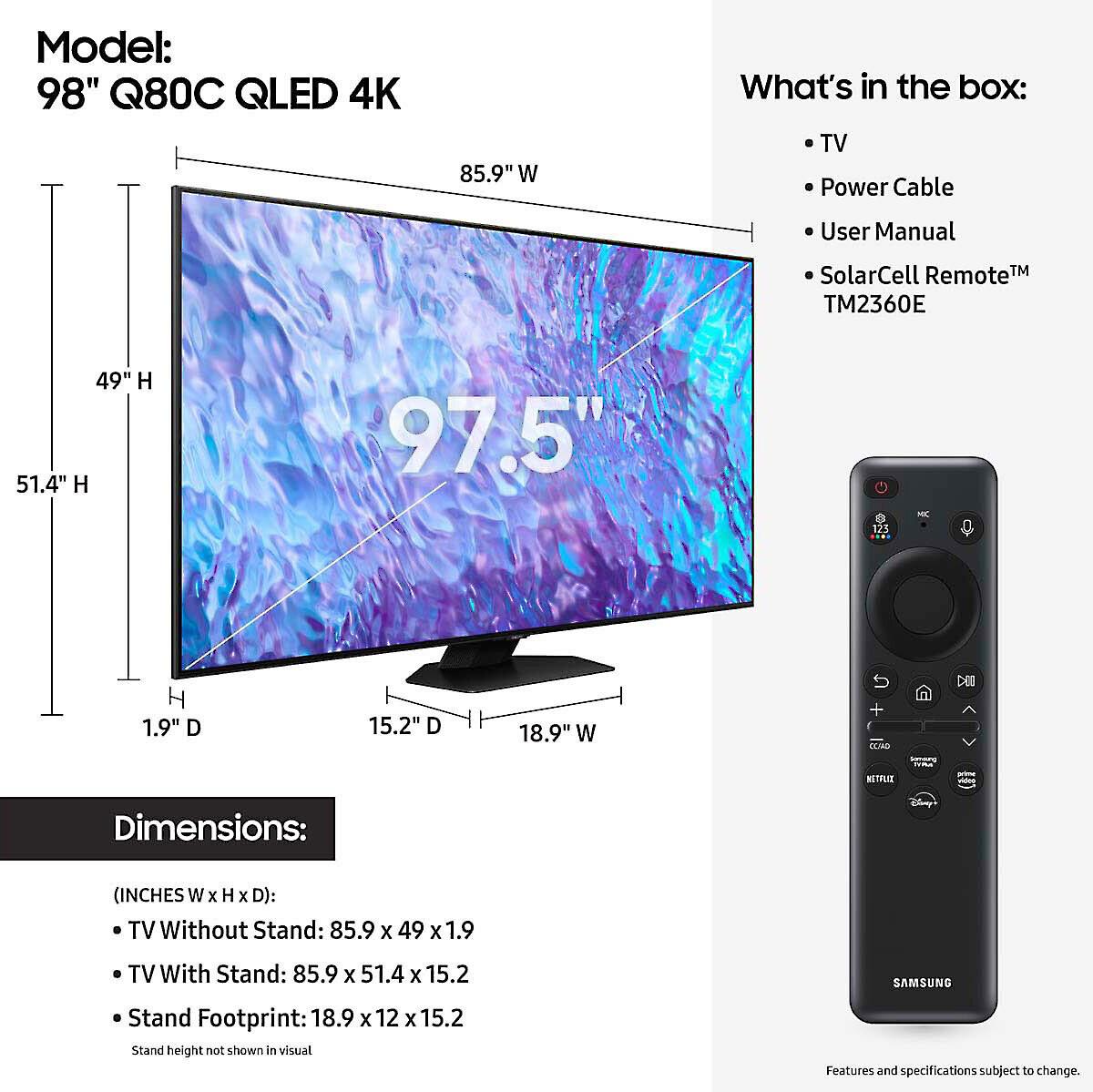
The Samsung Q80C uses a more traditional design approach with a hexagon plate stand and slightly thicker profile. While still well-built, it lacks some of the refined design elements found in Samsung's higher-tier models or the TCL's more modern aesthetic.
Both displays support VESA wall mounting, though the TCL X11K's slimmer profile and cable management features provide advantages for wall installation scenarios.
At the time of writing, the TCL X11K represents exceptional value in the premium large-format TV market. It delivers display technology typically found in much more expensive models, including Mini LED backlighting, extreme brightness, and comprehensive gaming features. TCL has positioned this model as a flagship offering that competes directly with premium brands while maintaining more aggressive pricing.
The Samsung Q80C, while more expensive than the TCL, represents Samsung's mid-tier QLED offering. It provides solid performance with the reliability and brand recognition that Samsung commands. However, the traditional LED backlighting technology cannot match the advanced capabilities of the TCL's Mini LED implementation.
For home theater enthusiasts specifically, the TCL X11K's superior contrast control, brightness capabilities, and Dolby Vision support make it particularly compelling. The deep blacks and bright highlights create a more cinema-like experience, while the advanced gaming features future-proof the investment for evolving content standards.
The TCL X11K emerges as the clear winner for users prioritizing cutting-edge display technology and maximum performance per dollar. Its Mini LED backlighting, extreme brightness, comprehensive gaming features, and premium audio system create an compelling package that rivals much more expensive alternatives.
Choose the TCL X11K if you want the best possible picture quality, plan to use the TV for gaming, watch content in bright environments, or simply want the most advanced technology available. The display's capabilities make it particularly suitable for home theater setups where picture quality takes precedence.
The Samsung Q80C remains a solid choice for buyers who prioritize brand familiarity, prefer Samsung's ecosystem integration, or want proven reliability over cutting-edge features. Samsung's extensive service network and mature platform provide peace of mind that appeals to many consumers.
However, the technological gap between these displays is significant enough that most users would benefit from choosing the TCL X11K. The Mini LED advantage isn't subtle—it fundamentally changes the viewing experience in ways that become immediately apparent with HDR content, gaming, and challenging lighting conditions.
In the rapidly evolving premium TV market, the TCL X11K represents the direction the industry is heading, while the Samsung Q80C reflects established technology that, while competent, cannot match newer innovations. For an investment this significant, choosing the more advanced technology ensures longer-term satisfaction and better compatibility with future content standards.
| TCL 98" X11K 4K QD-Mini LED Google TV | Samsung 98" Q80C 4K Smart QLED TV |
|---|---|
| Display Technology - Fundamentally determines picture quality and contrast | |
| QD-Mini LED with 14,000 local dimming zones | Direct Full Array QLED with fewer dimming zones |
| Peak Brightness - Critical for HDR impact and bright room viewing | |
| 6,500 nits (exceptional for any lighting condition) | 1,000 nits (good for moderate lighting) |
| HDR Format Support - Affects compatibility with premium streaming content | |
| Dolby Vision IQ, HDR10+, HDR10, HLG | HDR10+, HDR10, HLG (no Dolby Vision) |
| Refresh Rate - Important for smooth gaming and sports | |
| 144Hz native with VRR up to 288Hz | 120Hz with standard VRR support |
| Gaming Features - Essential for modern console and PC gaming | |
| AMD FreeSync Premium Pro, ALLM, Game Accelerator 288 | ALLM, basic VRR, Motion Xcelerator Turbo+ |
| Color Performance - Determines color accuracy and vibrancy | |
| 97% DCI-P3, 1.07 billion colors with Quantum Dot | 100% color volume with Samsung Quantum Dot |
| Audio System - Built-in sound quality and room-filling capability | |
| 120W Bang & Olufsen 2.1.1 with subwoofer | 40W 2.2CH with Object Tracking Sound Lite |
| Smart Platform - User interface and app ecosystem | |
| Google TV with hands-free Assistant, Chromecast built-in | Samsung Tizen OS with SmartThings integration |
| Design Profile - Affects wall mounting and room aesthetics | |
| Ultra-slim 1.1" thick with integrated cable management | Traditional design with hexagon plate stand |
| Voice Control - Smart home integration capabilities | |
| Google Assistant, Amazon Alexa, Apple HomeKit | Multiple assistants with Samsung ecosystem focus |
| Connectivity - Future-proofing and device compatibility | |
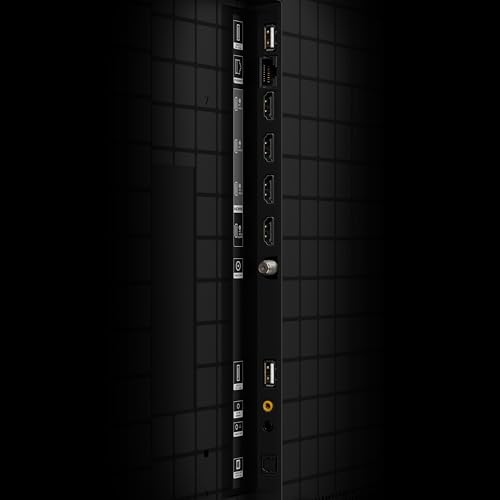
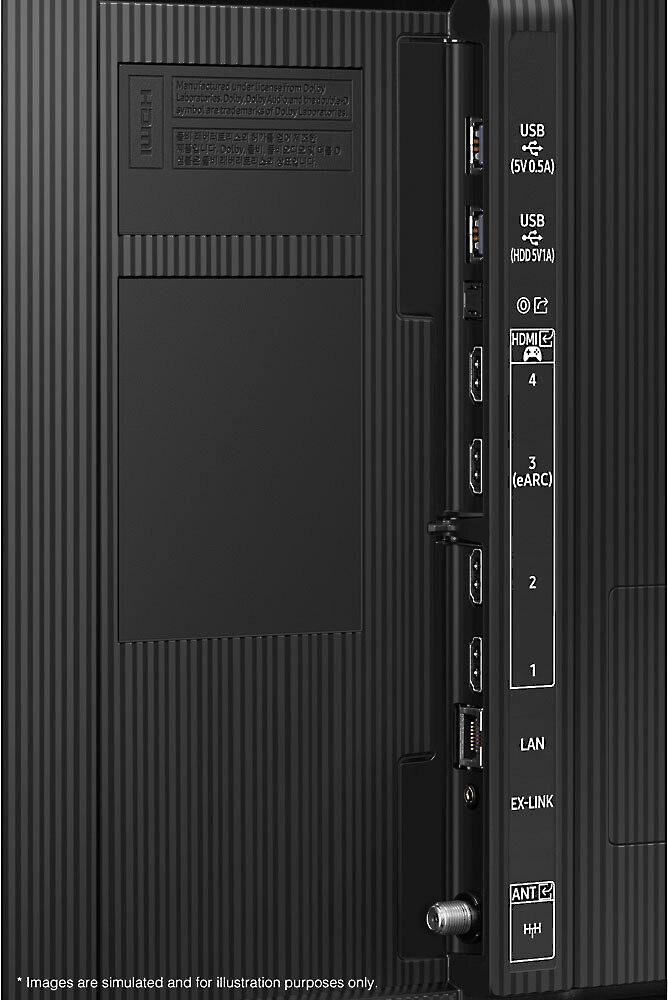
| 4x HDMI 2.1, Wi-Fi 6, comprehensive port selection | 4x HDMI 2.1, Wi-Fi 5, standard connectivity |
| Value Proposition - Performance-to-price consideration at time of writing | |
| Flagship Mini LED technology at competitive premium pricing | Mid-tier QLED with Samsung brand reliability at higher cost |
The TCL 98" X11K delivers superior picture quality thanks to its QD-Mini LED technology with 14,000 local dimming zones and 6,500 nits peak brightness. This creates deeper blacks, brighter highlights, and more precise contrast control compared to the Samsung 98" Q80C, which uses traditional Direct Full Array QLED with fewer dimming zones and 1,000 nits peak brightness. For home theater enthusiasts, the TCL X11K also supports Dolby Vision, while the Samsung does not.
The TCL 98" X11K is superior for gaming with its 144Hz native refresh rate, VRR support up to 288Hz, and AMD FreeSync Premium Pro certification. The Samsung 98" Q80C offers 120Hz with basic VRR, which is still excellent for console gaming but cannot match the TCL's PC gaming capabilities and future-proofing for high refresh rate content.
The TCL 98" X11K is significantly brighter with 6,500 nits peak brightness, making it excellent for bright rooms with windows or ambient lighting. The Samsung 98" Q80C reaches 1,000 nits, which is adequate for moderate lighting but may struggle in very bright environments. For daytime viewing, the TCL X11K maintains better image impact and visibility.
The TCL 98" X11K runs Google TV with built-in Chromecast, hands-free Google Assistant, and support for Apple AirPlay 2 and HomeKit. The Samsung 98" Q80C uses Samsung's Tizen OS with SmartThings integration and multiple voice assistant support. Both platforms offer extensive app libraries, but the choice depends on your existing device ecosystem and preferences.
The TCL 98" X11K features a more powerful 120-watt Bang & Olufsen 2.1.1 audio system with a dedicated subwoofer and Dolby Atmos support. The Samsung 98" Q80C includes a 40-watt 2.2 channel system with Object Tracking Sound Lite. For home theater use without a soundbar, the TCL X11K's superior audio system provides better room-filling sound.
Yes, but the TCL 98" X11K offers superior HDR performance with support for Dolby Vision IQ, HDR10+, HDR10, and HLG formats, plus the brightness to properly display HDR highlights. The Samsung 98" Q80C supports HDR10+ and HDR10 but lacks Dolby Vision and has lower peak brightness, limiting its HDR impact compared to the TCL X11K.
Samsung has an established reputation for reliability and extensive service networks, making the Samsung 98" Q80C a safe choice for buyers prioritizing brand recognition. TCL has improved significantly in recent years, and the TCL 98" X11K represents their flagship technology. Both offer standard warranties, but Samsung traditionally has broader service availability.
The TCL 98" X11K features an ultra-slim 1.1-inch profile with integrated cable management and a bezel-less design for wall mounting. The Samsung 98" Q80C has a more traditional design with a hexagon plate stand. For modern home theater setups, the TCL X11K's sleeker design and cable management provide aesthetic advantages.
The TCL 98" X11K typically offers better value with flagship Mini LED technology, superior brightness, advanced gaming features, and premium audio at competitive pricing. The Samsung 98" Q80C costs more for traditional QLED technology but provides Samsung's brand reliability and ecosystem integration. For performance per dollar, the TCL X11K generally leads.
Yes, both the TCL 98" X11K and Samsung 98" Q80C fully support PlayStation 5 and Xbox Series X gaming at 4K/120Hz with ALLM and VRR. However, the TCL X11K offers higher refresh rates and more comprehensive VRR support for future gaming developments and PC gaming scenarios.
The TCL 98" X11K excels in dark rooms thanks to its 14,000 local dimming zones creating near-perfect black levels and precise contrast control. The Samsung 98" Q80C provides good black levels for an LED TV but cannot match the Mini LED precision. For dedicated home theater environments, the TCL X11K delivers a more cinema-like experience.
The TCL 98" X11K may have limited service network availability compared to Samsung, though this varies by region. The Samsung 98" Q80C lacks Dolby Vision support and has significantly lower peak brightness, which limits its HDR performance. Both are excellent TVs, but buyers should consider their priorities: cutting-edge display technology with the TCL X11K versus established brand reliability with the Samsung Q80C.
We've done our best to create useful and informative comparisons to help you decide what product to buy. Our research uses advanced automated methods to create this comparison and perfection is not possible - please contact us for corrections or questions. These are the sites we've researched in the creation of this article: ecoustics.com - pcrichard.com - tcl.com - valueelectronics.com - bestbuy.com - tcl.com - whathifi.com - tcl.com - youtube.com - displayspecifications.com - whathifi.com - youtube.com - notebookcheck.net - tcl.com - tcl.com - displayspecifications.com - tcl.com - tcl.com - pcguide.com - en.homecinesolutions.fr - youtube.com - tcl.com - techradar.com - samsung.com - rtings.com - abt.com - trustedreviews.com - billsmith.com - samsung.com - samsung.com - images.samsung.com - samsung.com - youtube.com

Privacy Policy
Terms and Conditions - Affiliate Policy
Home Security
© Copyright 2008-2026.
11816 Inwood Rd #1211, Dallas, TX 75244