

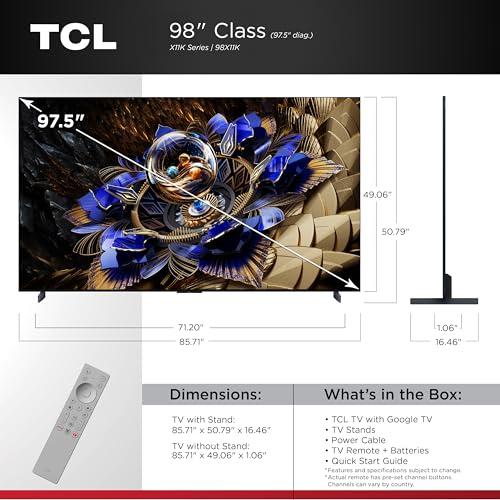

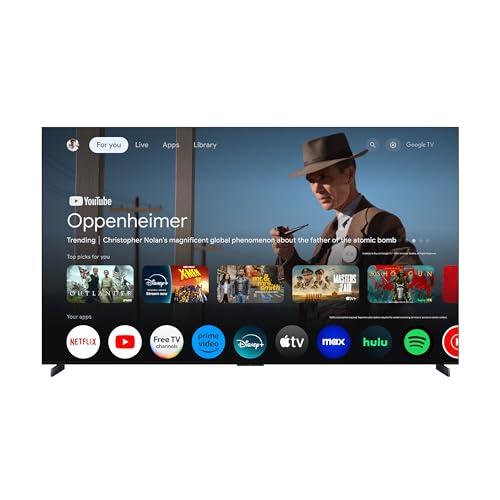
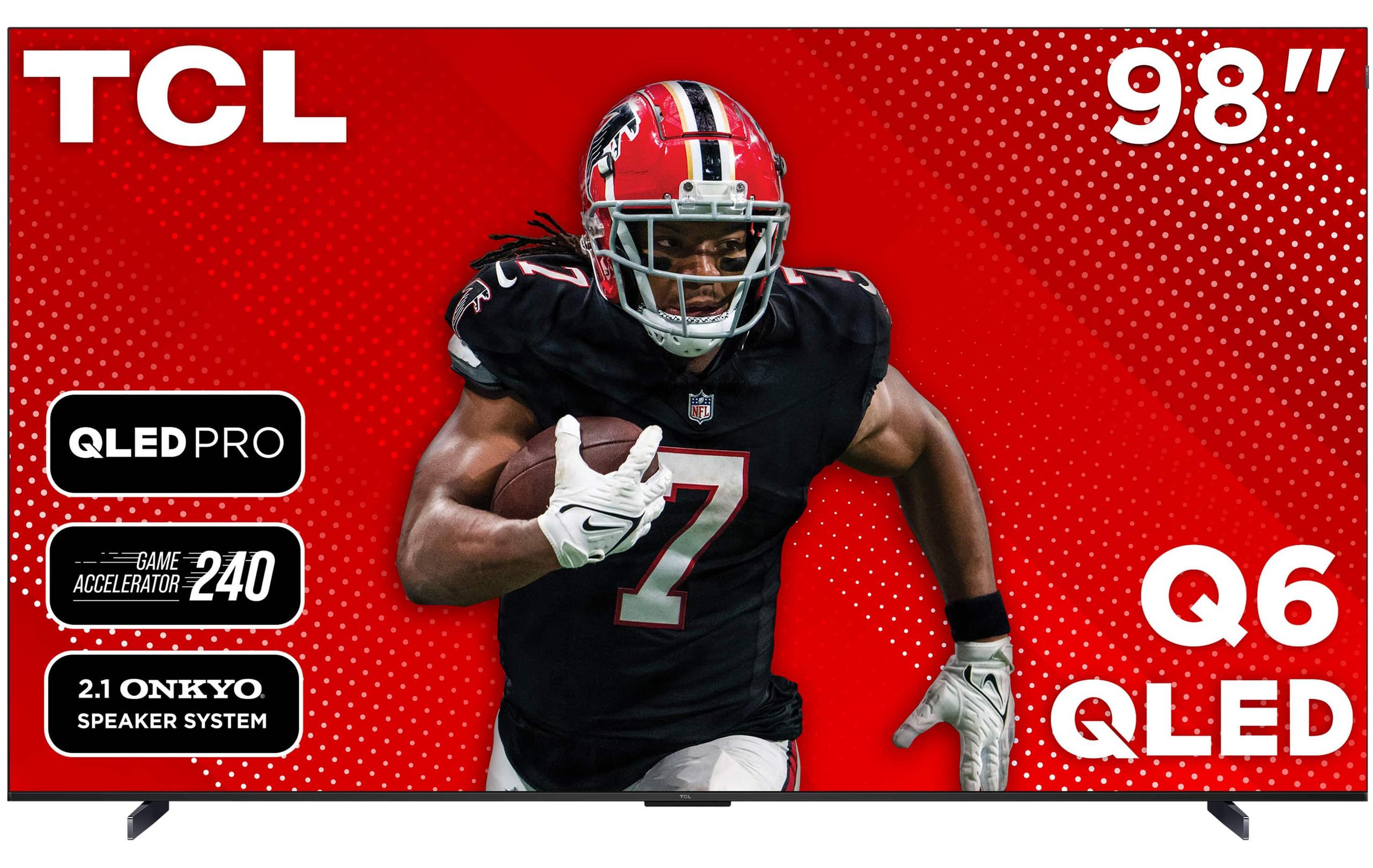


When you're shopping for a 98-inch TV, you're essentially buying a wall-sized entertainment system that will dominate your living room for years to come. The sheer scale of these displays transforms how you experience movies, sports, and gaming, but the technology gap between premium and budget options in this size category is massive. Today we're comparing two very different approaches to the giant screen experience: the flagship TCL 98" X11K and the value-focused TCL 98" Q6 Series.
Large format TVs face unique engineering challenges. When you're spreading a picture across nearly 100 inches, maintaining consistent brightness, color accuracy, and contrast becomes exponentially harder. Think of it like enlarging a photograph—imperfections that are invisible on smaller screens become glaringly obvious on massive displays.
The key technologies that separate premium from budget models all revolve around controlling light with precision. Local dimming (the ability to brighten or darken specific screen areas independently) becomes crucial for creating true blacks and preventing bright objects from creating unwanted halos. Peak brightness determines how punchy HDR content looks, especially in bright rooms. Color gamut (the range of colors a TV can display) affects how lifelike images appear.
At 98 inches, even small compromises in these areas become highly visible, which is why the technology gap between the X11K and Q6 matters so much.
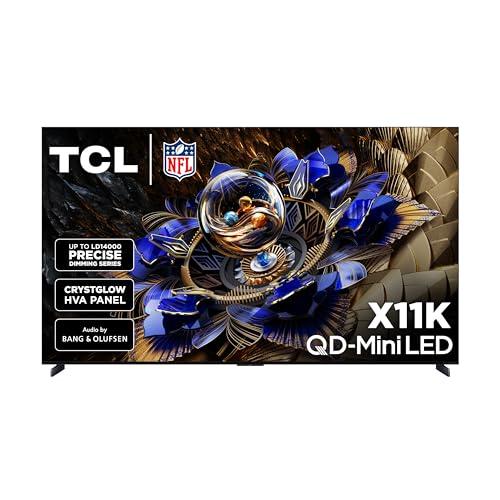
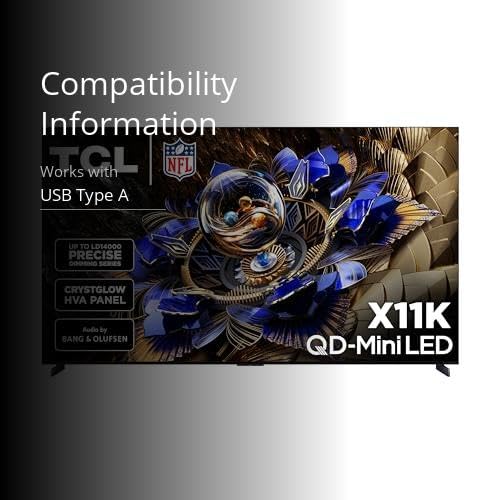
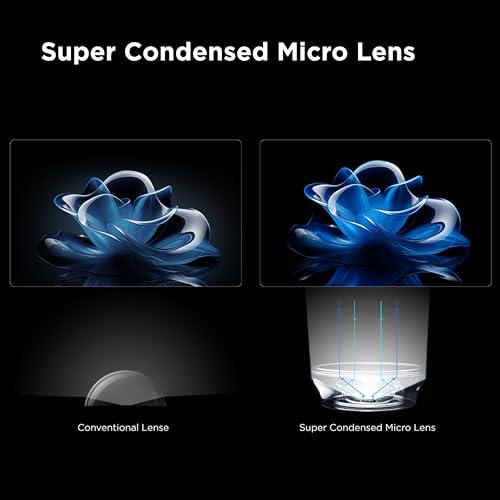
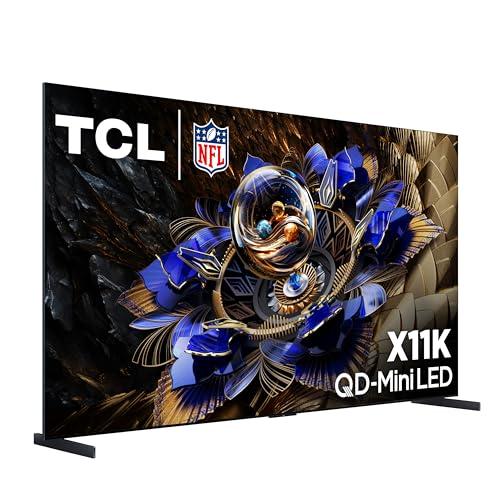
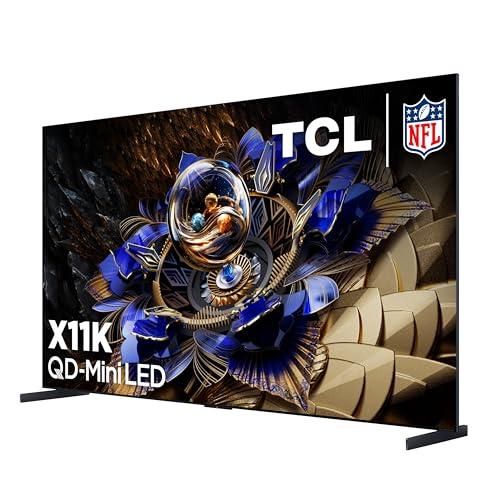
The TCL X11K, released in 2024, represents TCL's flagship technology showcase. At the time of writing, it commands premium pricing that puts it in direct competition with high-end Samsung and Sony models. This isn't just a big TV—it's a statement piece built around cutting-edge QD-Mini LED technology (quantum dot-enhanced mini LED backlighting that offers OLED-like contrast with superior brightness).
The TCL Q6 Series, also from 2024, takes the opposite approach. Rather than cramming in every possible premium feature, it focuses on delivering a satisfying 98-inch experience at a price point that makes giant screens accessible to mainstream buyers. At the time of writing, it costs roughly one-third the price of the X11K.
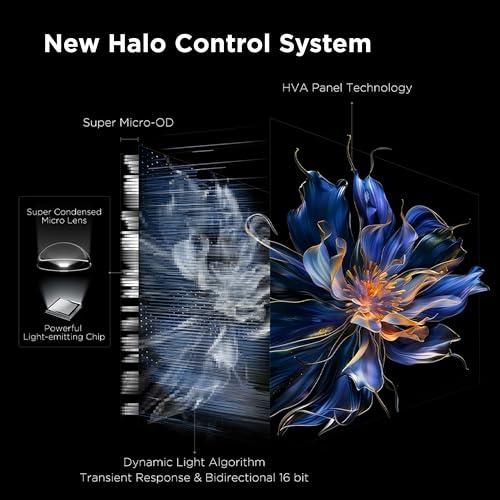
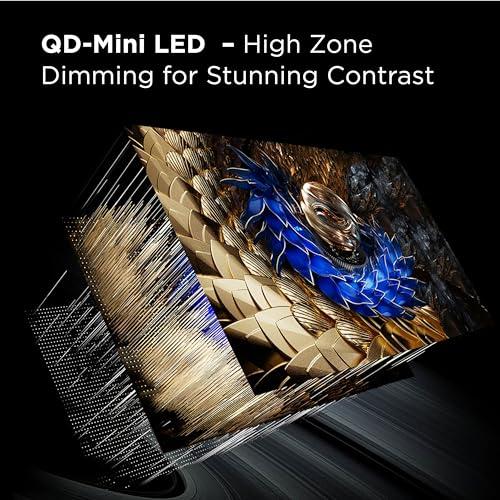
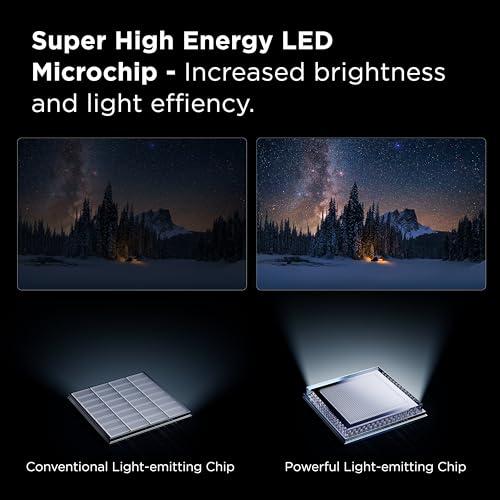
The X11K uses QD-Mini LED technology with over 14,000 individual dimming zones. To understand why this matters, imagine your TV's backlight as a grid of tiny flashlights. Traditional LED TVs might have a few dozen of these "flashlights," but the X11K has over 14,000. Each one can be independently controlled to create precise contrast.
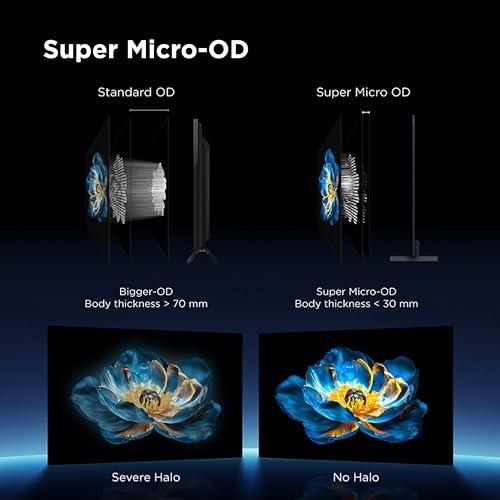
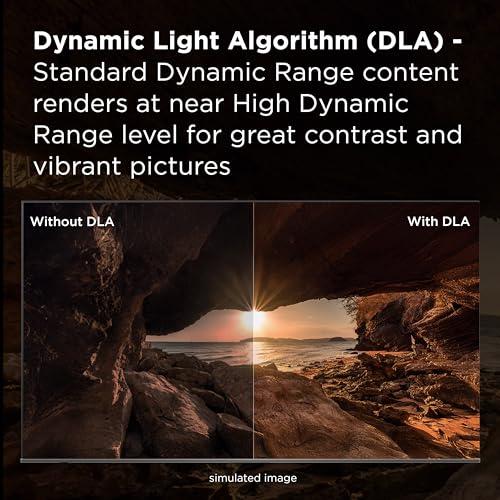
This massive number of local dimming zones means when you're watching a movie scene with stars against a black sky, those stars can be brilliantly bright while the surrounding areas remain truly black. The Halo Control Technology prevents bright objects from creating unwanted light bleeding—a common issue that makes cheaper TVs look washed out.
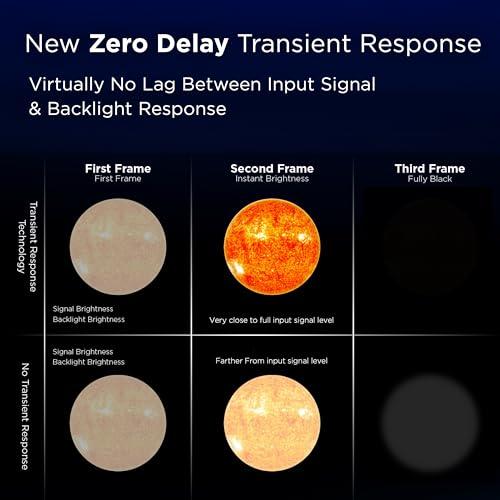
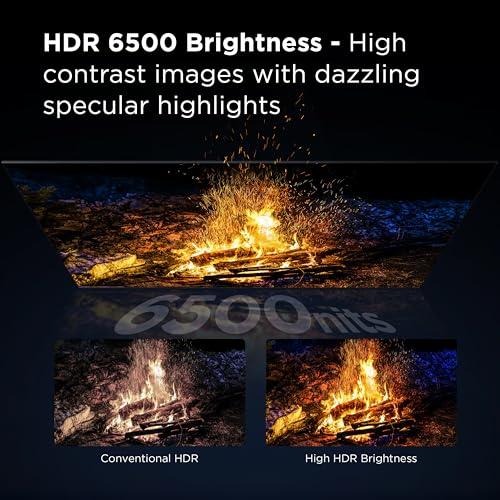
The 6,500 nits peak brightness capability puts the X11K in professional display territory. For context, most budget TVs struggle to exceed 400 nits, while good mid-range models hit around 1,000 nits. This extreme brightness means HDR content (high dynamic range video with enhanced contrast and color) looks spectacular even in bright, sunny rooms.
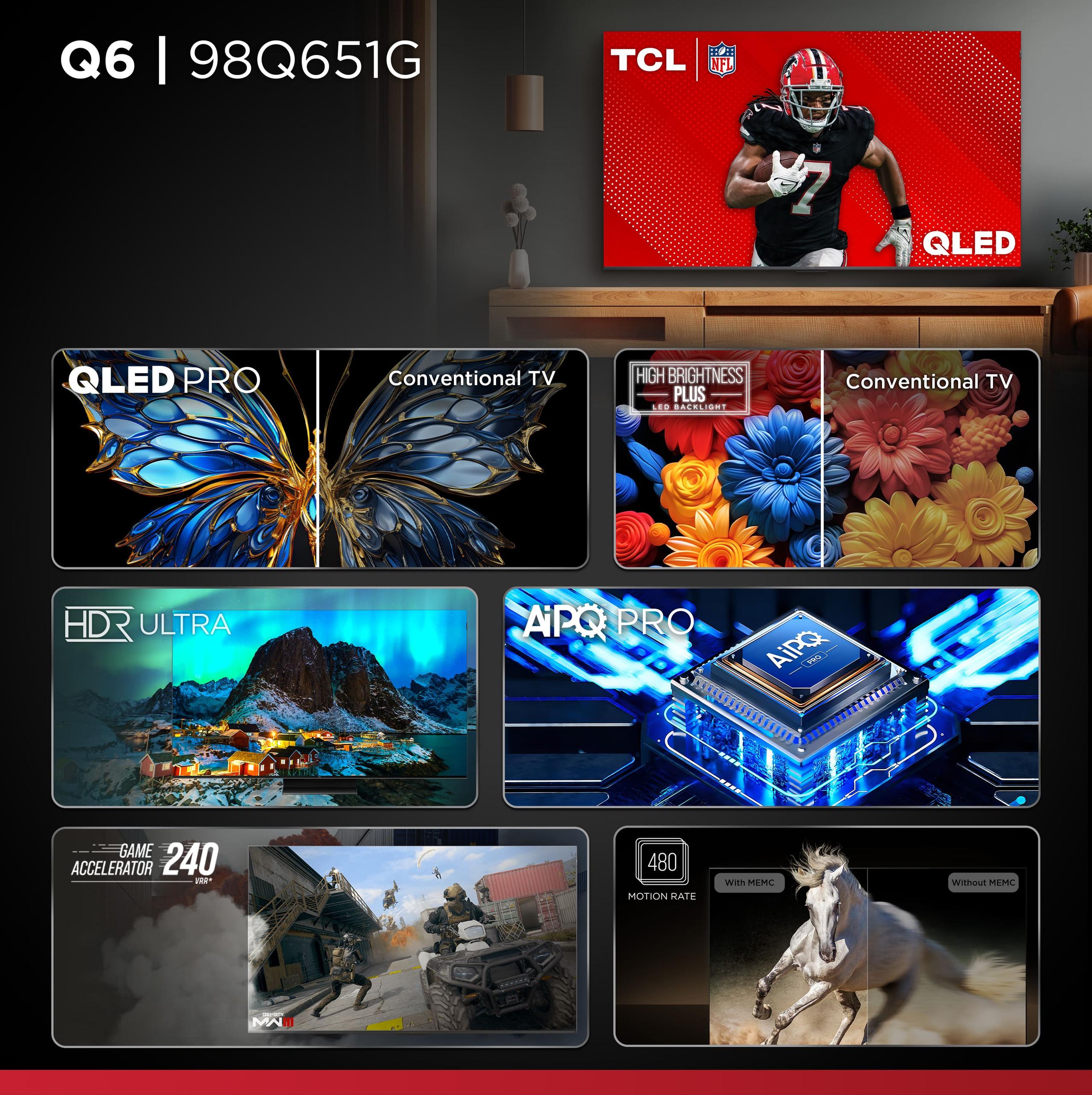
The Q6 uses traditional Direct LED backlighting with significantly fewer dimming zones. Think of it as having maybe 50-100 of those "flashlights" instead of 14,000. While this creates less precise contrast control, TCL's implementation still delivers solid performance for the price.
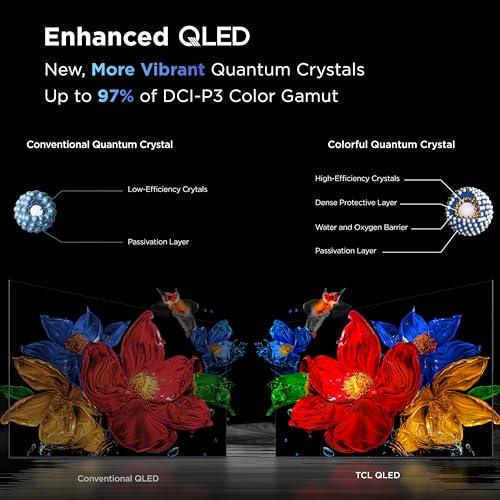
The QLED Quantum Dot technology enhances color reproduction by using microscopic particles that emit pure colors when hit by backlight. This gives the Q6 more vibrant colors than basic LED TVs, though it can't match the X11K's color accuracy and brightness.
HDR PRO+ support means the Q6 can display enhanced contrast content, but without the mini LED precision, the effect is less dramatic. It's like the difference between using a spotlight versus a floodlight—both illuminate, but one offers much more control.
Based on expert reviews and user feedback, the difference is immediately apparent. The X11K delivers what reviewers consistently describe as "reference quality" images with OLED-like blacks and LCD-beating brightness. Dark movie scenes maintain detail in shadows while bright elements pop with intensity.
The Q6 provides what most users describe as "very good" picture quality that satisfies the majority of viewers. Colors are vibrant, motion is smooth, and HDR content looks enhanced, but it lacks the precision and impact of premium displays. It's the difference between "wow, this looks great" and "wow, this looks like a movie theater."
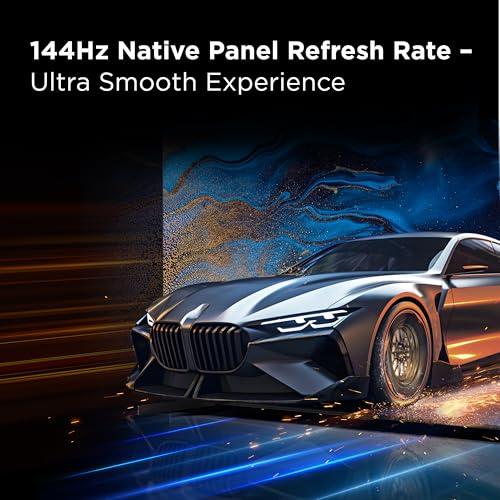
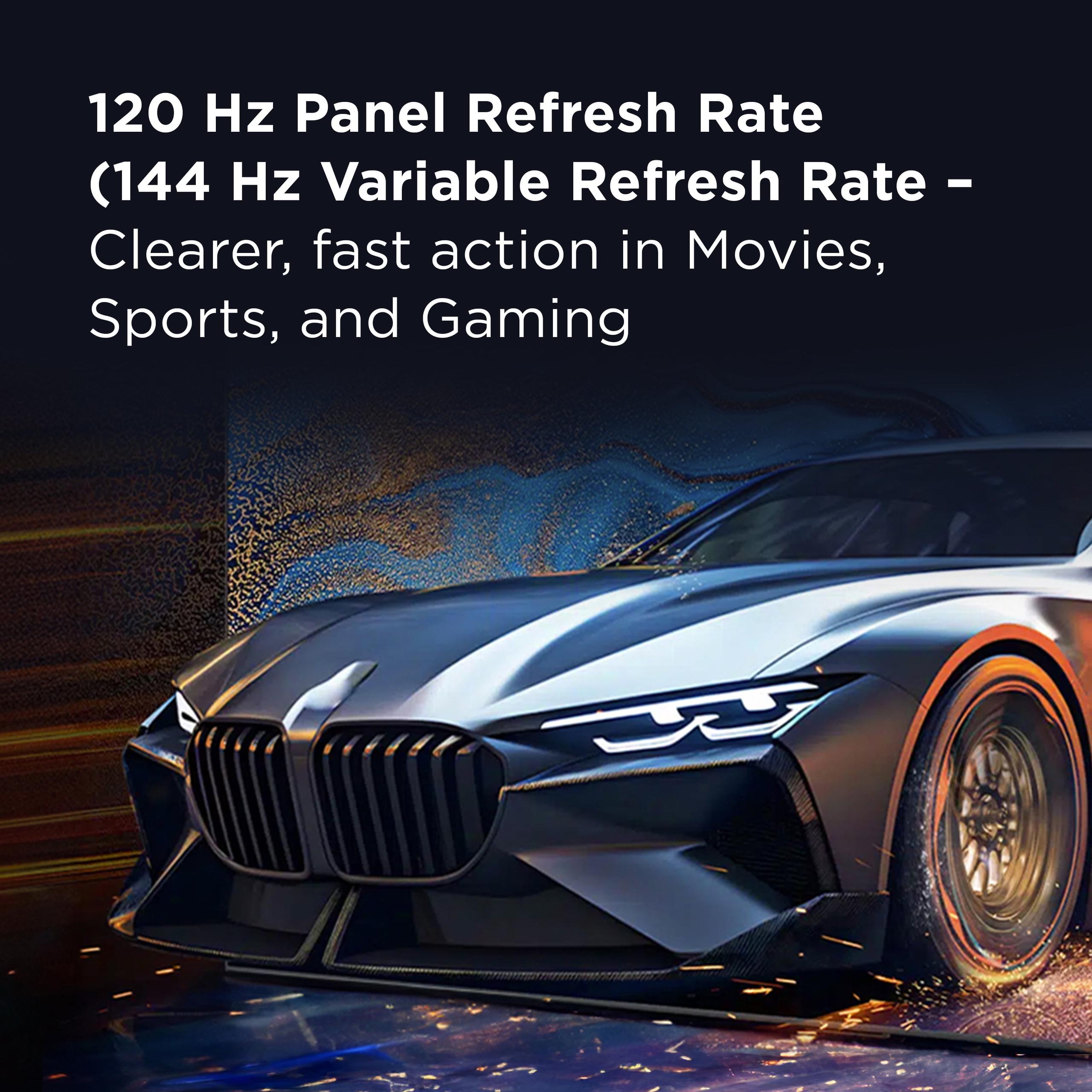
The X11K targets serious gamers with a native 144Hz refresh rate (meaning the screen updates 144 times per second for ultra-smooth motion). The Game Accelerator 288 feature can push variable refresh rates up to 288Hz, which is overkill for current gaming consoles but future-proofs the display.
Variable Refresh Rate (VRR) technology synchronizes the TV's refresh rate with your gaming device's output, eliminating screen tearing and stuttering. Combined with Auto Low Latency Mode (ALLM), which automatically optimizes settings when gaming is detected, the X11K delivers what reviewers call "desktop monitor-like responsiveness" on a giant screen.
The AMD FreeSync Premium Pro certification ensures compatibility with modern gaming PCs, while console gamers benefit from optimized modes for PlayStation 5 and Xbox Series X features.
The Q6 offers a native 60Hz panel with Game Accelerator 240 support, meaning it can handle up to 144Hz input through processing. While not as smooth as native high refresh rate panels, this approach works well for most gaming scenarios.
The Auto Game Mode reduces input lag to acceptable levels for casual to moderate gaming. Console gaming feels responsive, and most users report satisfaction with gaming performance, though competitive gamers might notice the difference compared to the X11K.
For serious gamers, especially those with high-end PCs or who prioritize competitive gaming, the X11K's superior refresh rates and response times justify the premium. Casual console gamers will find the Q6 perfectly adequate for most gaming experiences.
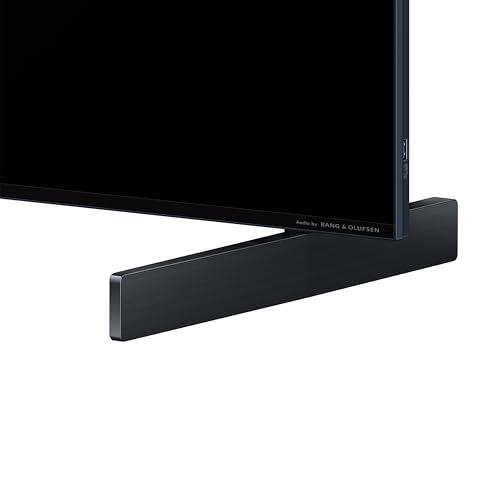
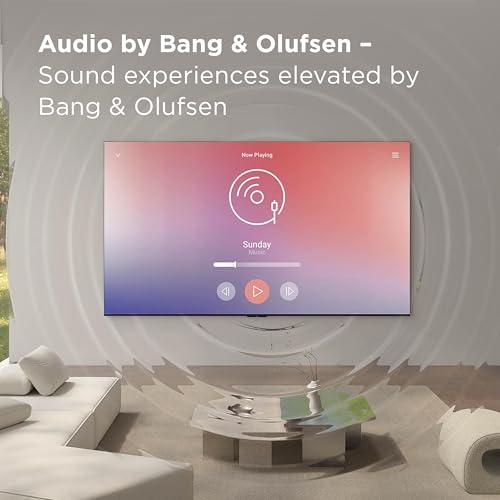
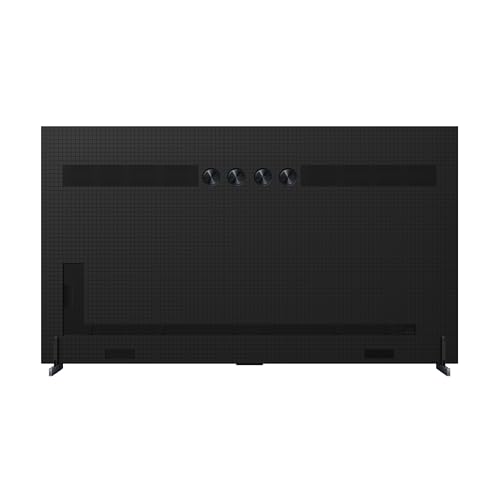
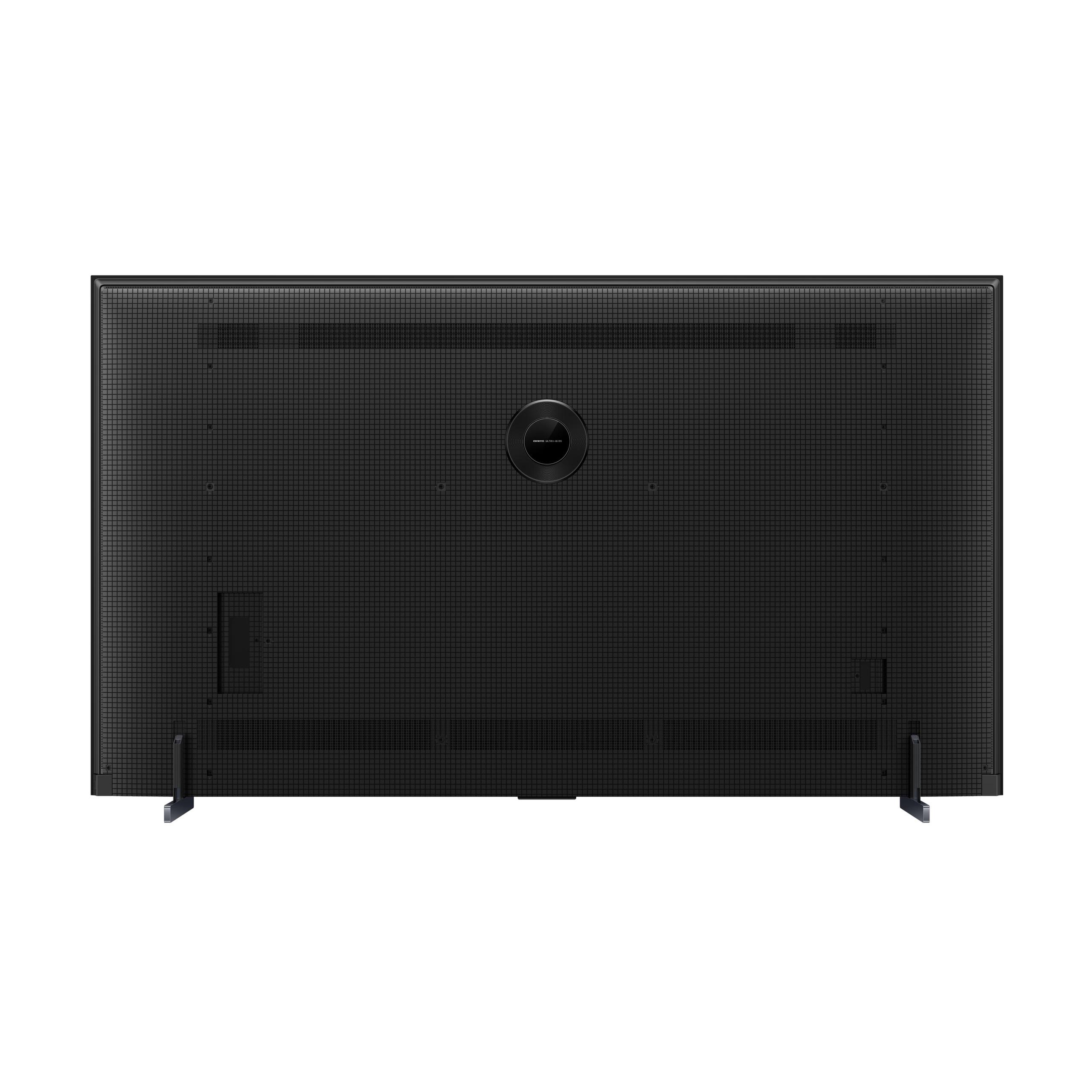
The X11K's Bang & Olufsen 2.1.1 channel system with 120W total output creates genuinely impressive sound from built-in speakers. The dedicated subwoofer produces meaningful bass, while Dolby Atmos processing creates spatial audio effects that work surprisingly well without external speakers.
User reviews consistently praise the audio quality, with many noting they postponed soundbar purchases because the built-in system exceeded expectations. For a room-filling 98-inch experience, having audio that matches the visual scale makes a significant difference.
The Q6's 30W 2.0 channel system provides clear dialogue and adequate volume for most viewing. Dolby Atmos support is included, though with less power and no dedicated subwoofer, the effect is more subtle.
Most users describe the audio as "fine" or "adequate," which is typical for budget-oriented large TVs. The Enhanced Dialogue Mode helps with speech clarity, but users planning serious movie watching often pair it with external speakers.
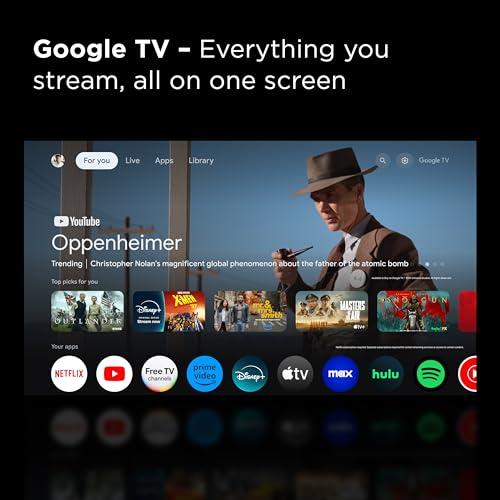
Both TVs run Google TV, which has evolved significantly since its 2024 launch. The platform offers excellent app selection, intuitive navigation, and strong voice control integration. Wi-Fi 6 support ensures stable streaming performance for 4K content.
The X11K includes premium touches like a backlit voice remote and more sophisticated AI processing for scene optimization, but both offer the core smart TV experience most users need.
At the time of writing, the X11K commands flagship pricing that puts it in premium territory. The price premium is justified if you:
The technology gap is substantial enough that the X11K will likely maintain its performance advantage throughout a longer ownership period.
The Q6 delivers roughly 70-80% of the X11K's performance at about one-third the cost. This makes it compelling for buyers who:
In dedicated theater rooms with controlled lighting, the X11K's superior contrast control and brightness really shine. The ability to display true blacks while maintaining bright highlights creates a more cinematic experience that justifies the premium for serious enthusiasts.
For family rooms with ambient lighting, both TVs perform well, though the X11K's high brightness provides better daytime viewing performance. The Q6 works fine in most lighting conditions but struggles in very bright environments.
Both 2024 models benefit from TCL's recent advances in quantum dot technology and AI processing. The X11K represents the culmination of several years of mini LED refinement, with the Halo Control system solving many of the blooming issues that plagued earlier mini LED displays.
The Q6 incorporates trickle-down technologies from premium models, offering features that were flagship exclusives just a few years ago. The AIPQ PRO processor brings sophisticated scene optimization to the mainstream price tier.
You're building a serious home theater setup and want reference-quality performance. The premium is justified if picture quality is your top priority and you have the budget for flagship features. Serious gamers and movie enthusiasts will appreciate the technical advantages immediately.
The X11K also makes sense if you plan long-term ownership. Premium display technologies tend to age better, and the advanced features provide future-proofing value.
You want the biggest possible screen at an accessible price point and are satisfied with very good rather than exceptional picture quality. It's ideal for families prioritizing size over cutting-edge features, or buyers planning to upgrade more frequently.
The Q6 delivers the "wow factor" of a giant screen without the premium technology costs, making 98-inch entertainment accessible to mainstream budgets.
Both TVs succeed at their intended missions. The X11K delivers flagship performance that rivals the best displays available, while the Q6 makes giant-screen entertainment accessible without major compromises.
The choice comes down to your priorities and budget. If you want the absolute best picture quality and have a premium budget, the X11K delivers technology that will impress for years. If you want massive screen size with solid performance at a reasonable price, the Q6 provides exceptional value.
Either way, you're getting a wall-dominating entertainment experience that transforms how you watch content. The question is whether the premium technologies in the X11K matter enough to justify the substantial price difference for your specific viewing habits and room environment.
| TCL 98" X11K 4K QD-Mini LED Google TV | TCL 98" Q6 Series 4K UHD QLED Smart TV |
|---|---|
| Display Technology - Core difference affecting picture quality and price | |
| QD-Mini LED with 14,000+ local dimming zones | Direct LED with standard local dimming |
| Peak Brightness - Critical for HDR performance and bright room viewing | |
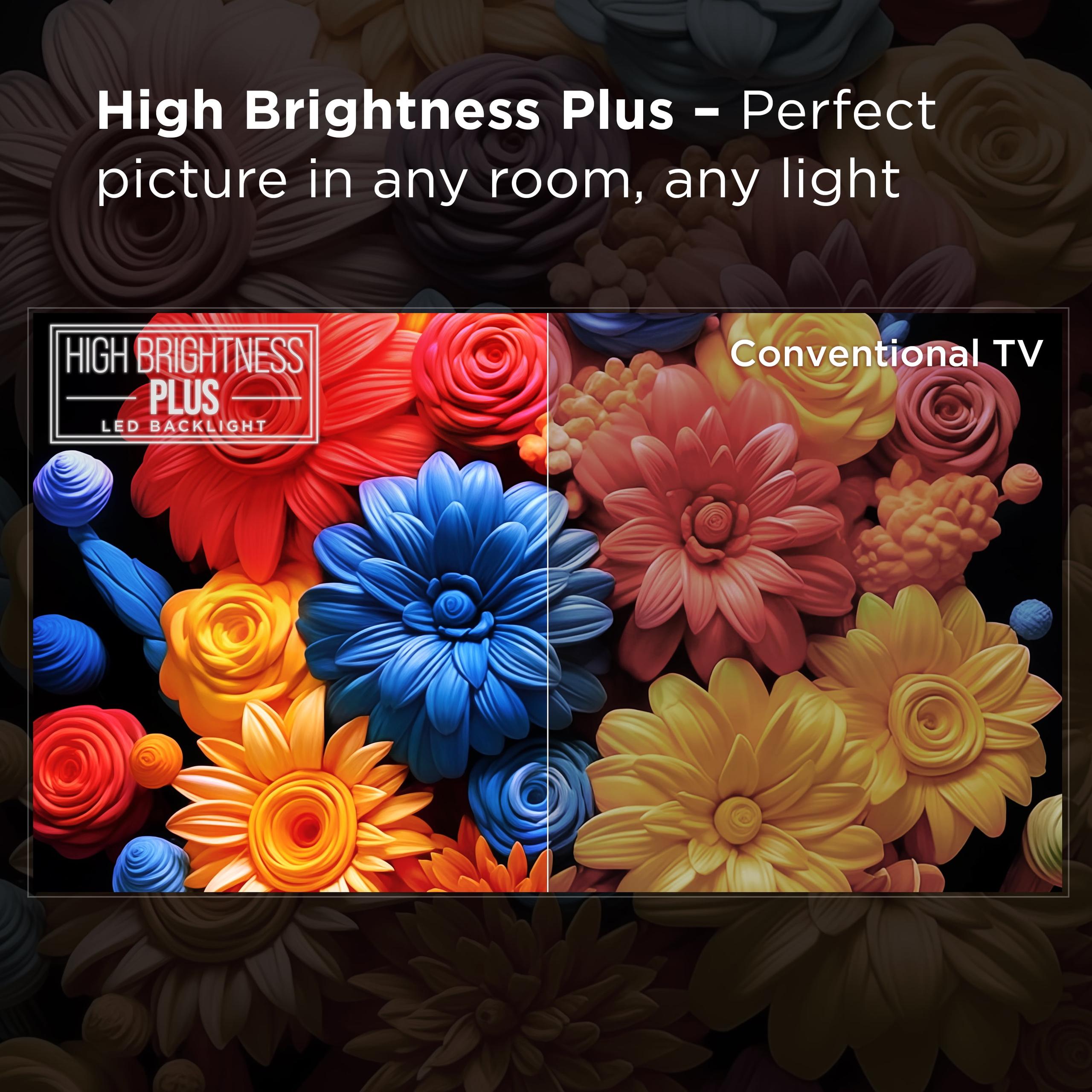
| 6,500 nits (professional display territory) | High Brightness+ LED (estimated 400-600 nits) |
| Panel Type - Affects viewing angles and reflection handling | |
| CrystGlow HVA with anti-reflection coating | Standard QLED panel |
| Native Refresh Rate - Important for smooth motion and gaming | |
| 144Hz native panel | 60Hz native panel |
| Variable Refresh Rate - Gaming performance for consoles and PCs | |
| Game Accelerator 288 (up to 288Hz VRR) | Game Accelerator 240 (up to 144Hz VRR) |
| Gaming Features - Advanced gaming capabilities | |
| AMD FreeSync Premium Pro, G-Sync compatible, ALLM | Auto Game Mode, basic VRR support |
| Audio System - Built-in sound quality without external speakers | |
| Bang & Olufsen 2.1.1 channel, 120W with subwoofer | 30W 2.0 channel system |
| Audio Processing - Immersive sound technologies | |
| Dolby Atmos, DTS Virtual:X, Beosonic tuning | Dolby Atmos, DTS Virtual:X, Enhanced Dialogue Mode |
| Color Performance - Affects color accuracy and vibrancy | |
| 97% DCI-P3 color gamut, 1.07 billion colors | QLED Quantum Dot technology, standard color range |
| HDR Support - High dynamic range format compatibility | |
| Dolby Vision IQ, HDR10+, HDR10, HLG | HDR PRO+ with Dolby Vision, HDR10+, HDR10, HLG |
| Processing Power - AI enhancement and image optimization | |
| AiPQ Pro Processor with deep learning AI | AIPQ PRO Processor with scene optimization |
| Motion Enhancement - Smooth motion for sports and action | |
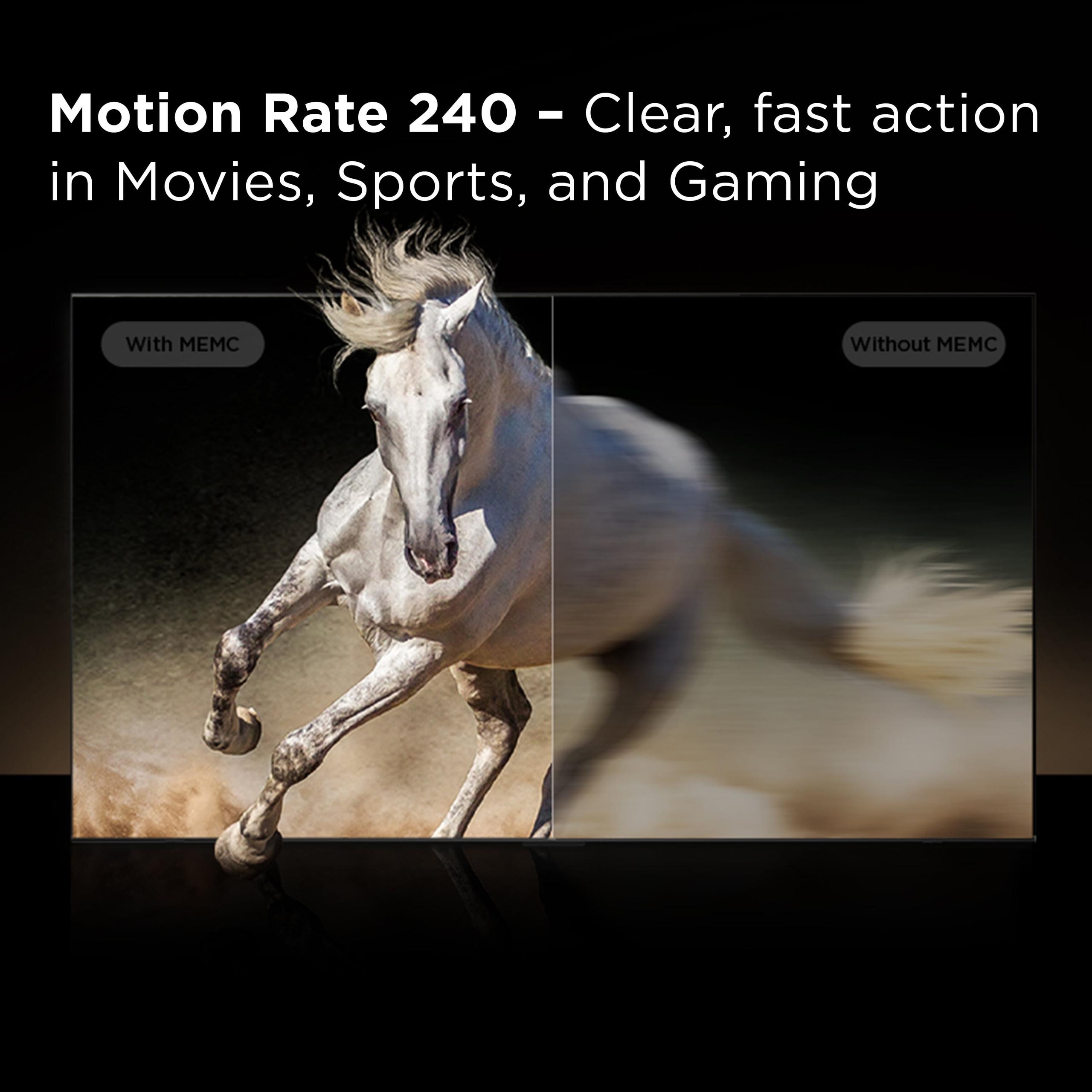
| Motion Rate 480 with MEMC frame insertion | Motion Rate 240 with MEMC frame insertion |
| Smart Platform - Operating system and app ecosystem | |
| Google TV with backlit voice remote | Google TV with standard remote |
| Connectivity - Ports and wireless capabilities | |
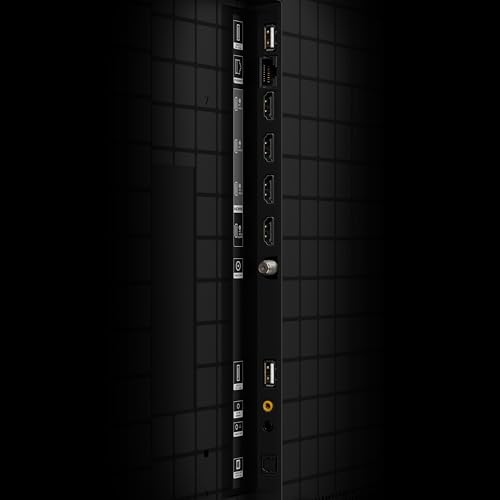
| 4x HDMI 2.1, USB 2.0/3.0, Wi-Fi 6 | 3x HDMI, 1x USB, Wi-Fi 6 |
| Build Quality - Premium materials and design features | |
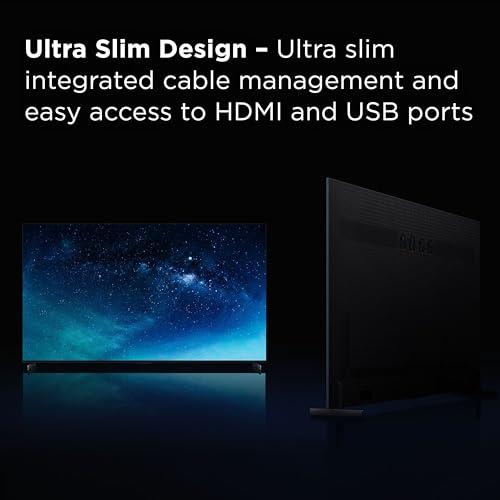
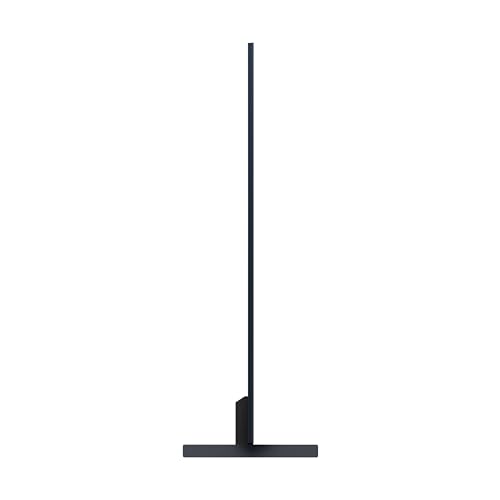
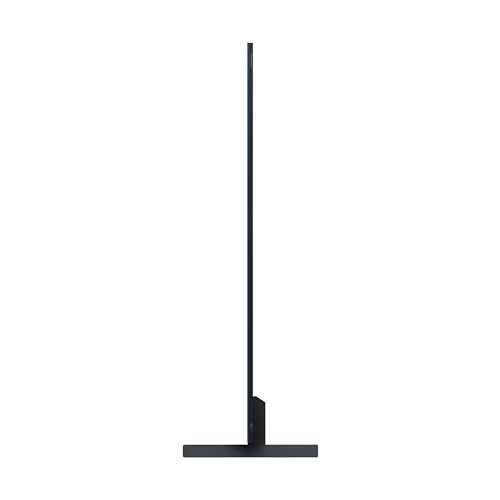
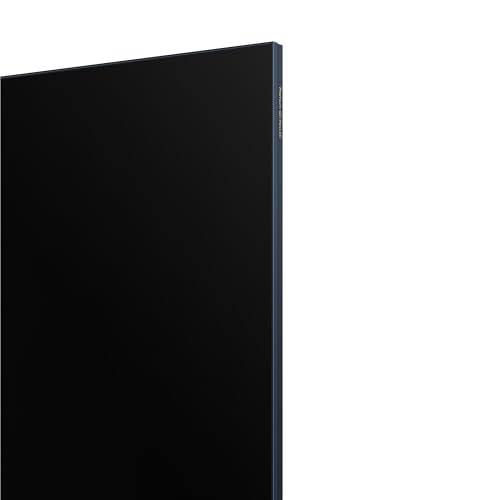
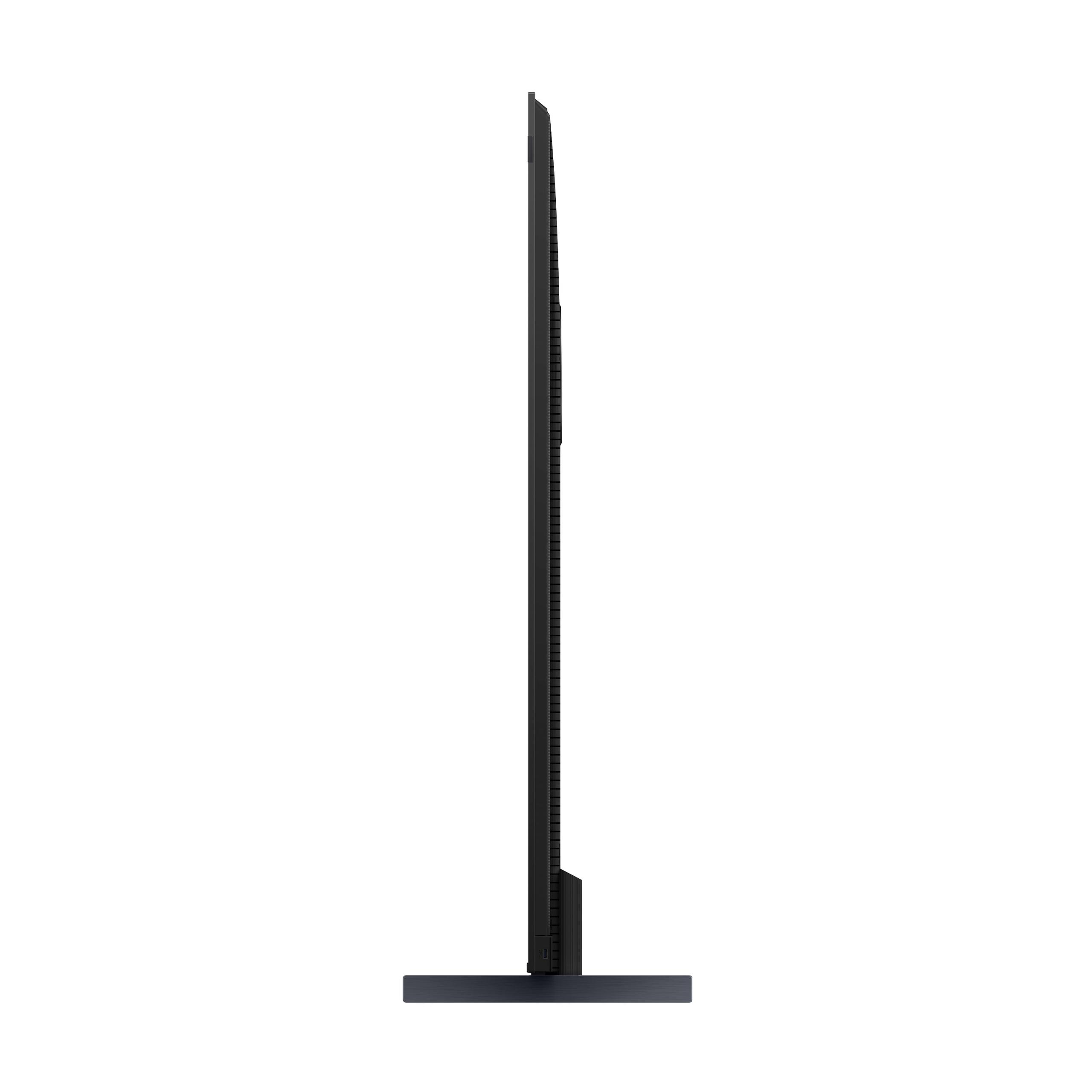
| Ultra-slim design, integrated cable management | Standard TV design with flexible stand positioning |
| Value Positioning - Target market and pricing tier | |
| Premium flagship with cutting-edge technology | Mainstream value option with solid performance |
The primary difference is display technology. The TCL 98" X11K uses advanced QD-Mini LED with over 14,000 local dimming zones, while the TCL 98" Q6 Series uses traditional Direct LED backlighting. This gives the X11K significantly better contrast, deeper blacks, and brighter highlights for a more premium viewing experience.
The TCL 98" X11K is superior for gaming with its native 144Hz refresh rate, Game Accelerator 288 (up to 288Hz VRR), and AMD FreeSync Premium Pro support. The TCL 98" Q6 Series offers decent gaming with 60Hz native refresh and Game Accelerator 240, which works well for casual gaming but isn't as responsive for competitive play.
The TCL 98" X11K features a Bang & Olufsen 2.1.1 channel system with 120W output and a dedicated subwoofer, delivering impressive sound quality that many users find adequate without external speakers. The TCL 98" Q6 Series has a basic 30W 2.0 channel system that provides clear audio but typically requires a soundbar for the best experience.
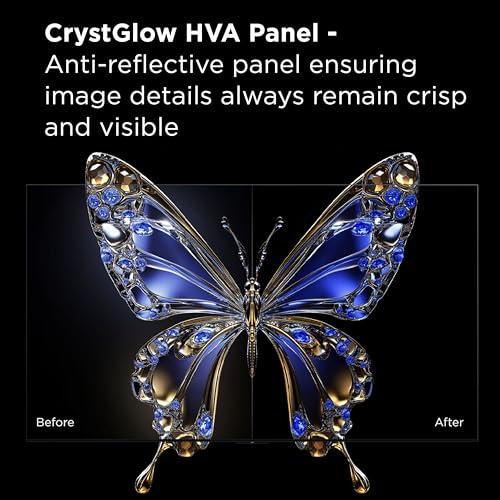
The TCL 98" X11K excels in bright rooms with its 6,500 nits peak brightness and anti-reflection CrystGlow panel, maintaining excellent picture quality even with lots of ambient light. The TCL 98" Q6 Series works adequately in most lighting conditions but may struggle in very bright environments.
Yes, both the TCL 98" X11K and TCL 98" Q6 Series run Google TV with access to the same streaming apps including Netflix, Disney+, Amazon Prime Video, and YouTube. The X11K includes a premium backlit remote, while the Q6 comes with a standard remote control.
The TCL 98" Q6 Series provides exceptional value, delivering solid 98-inch performance at a mainstream price point. The TCL 98" X11K offers premium performance that justifies its higher cost for buyers prioritizing cutting-edge picture quality and features.
Both support major HDR formats, but the TCL 98" X11K delivers superior HDR performance due to its mini LED technology and extreme brightness capability, creating more impactful contrast and color. The TCL 98" Q6 Series supports HDR PRO+ but with less dramatic results due to its traditional backlighting.
The TCL 98" X11K is ideal for dedicated home theaters, offering reference-quality picture with precise contrast control and premium audio that matches the cinematic scale. The TCL 98" Q6 Series works well in family rooms and casual viewing environments where extreme performance isn't the primary concern.
The TCL 98" X11K provides smoother motion with its 144Hz native refresh rate and Motion Rate 480, making it excellent for fast-paced sports. The TCL 98" Q6 Series offers adequate sports viewing with its 60Hz panel and Motion Rate 240, handling most content well without the ultra-smooth motion of the premium model.
The TCL 98" X11K delivers superior color performance with 97% DCI-P3 coverage and 1.07 billion color reproduction, providing more accurate and vibrant colors. The TCL 98" Q6 Series uses QLED Quantum Dot technology for good color reproduction but can't match the precision of the X11K's advanced display technology.
Yes, both the TCL 98" X11K and TCL 98" Q6 Series support PlayStation 5 and Xbox Series X features, though the X11K provides better gaming performance with higher refresh rates and more advanced VRR support for optimal next-gen console gaming.
For long-term ownership (5+ years), the TCL 98" X11K offers better future-proofing with its advanced technology and premium build quality. The TCL 98" Q6 Series is better suited for buyers who prefer upgrading more frequently or want immediate access to 98-inch viewing without premium investment.
We've done our best to create useful and informative comparisons to help you decide what product to buy. Our research uses advanced automated methods to create this comparison and perfection is not possible - please contact us for corrections or questions. These are the sites we've researched in the creation of this article: ecoustics.com - pcrichard.com - tcl.com - valueelectronics.com - bestbuy.com - tcl.com - whathifi.com - tcl.com - youtube.com - displayspecifications.com - whathifi.com - youtube.com - notebookcheck.net - tcl.com - tcl.com - displayspecifications.com - tcl.com - tcl.com - pcguide.com - en.homecinesolutions.fr - youtube.com - tcl.com - bestbuy.com - tcl.com - walmart.com - youtube.com - rtings.com - greentoe.com - kitele.com - bestbuy.com - youtube.com - tcl.com - pcrichard.com - youtube.com

Privacy Policy
Terms and Conditions - Affiliate Policy
Home Security
© Copyright 2008-2026.
11816 Inwood Rd #1211, Dallas, TX 75244