

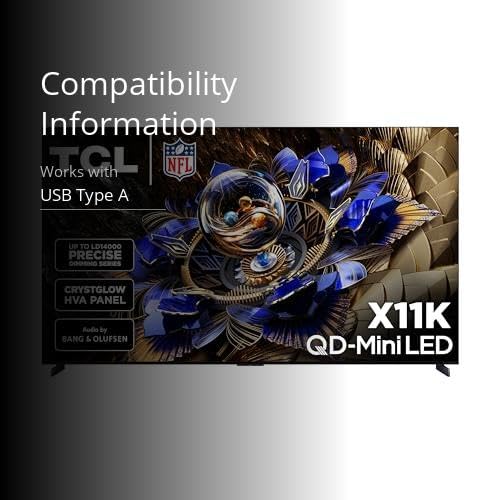
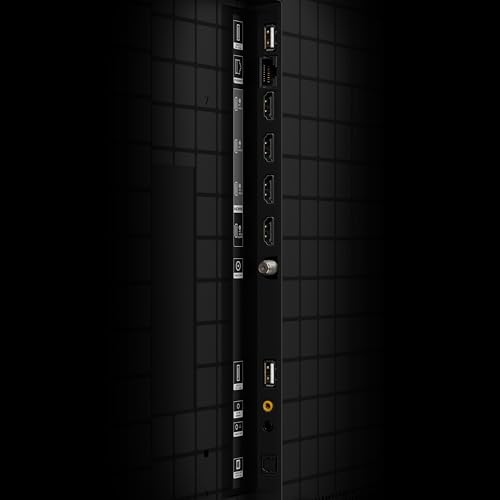

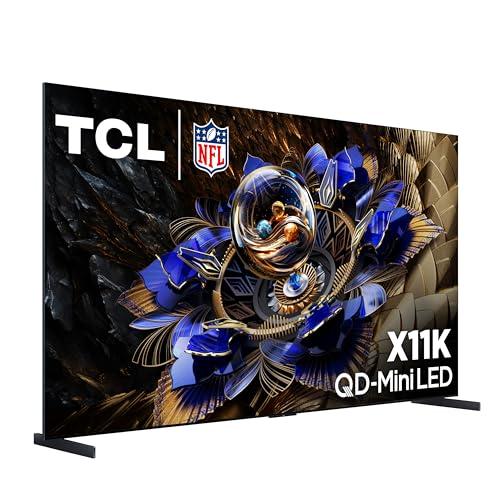
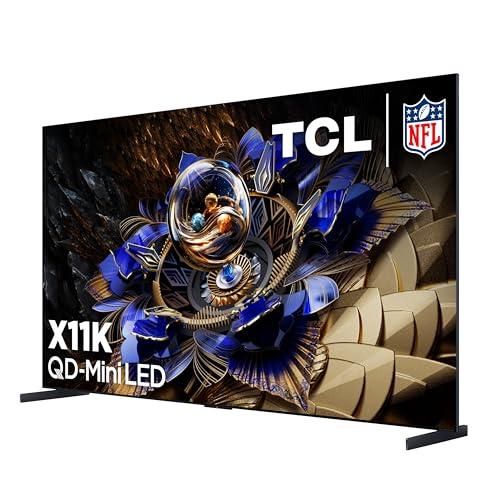
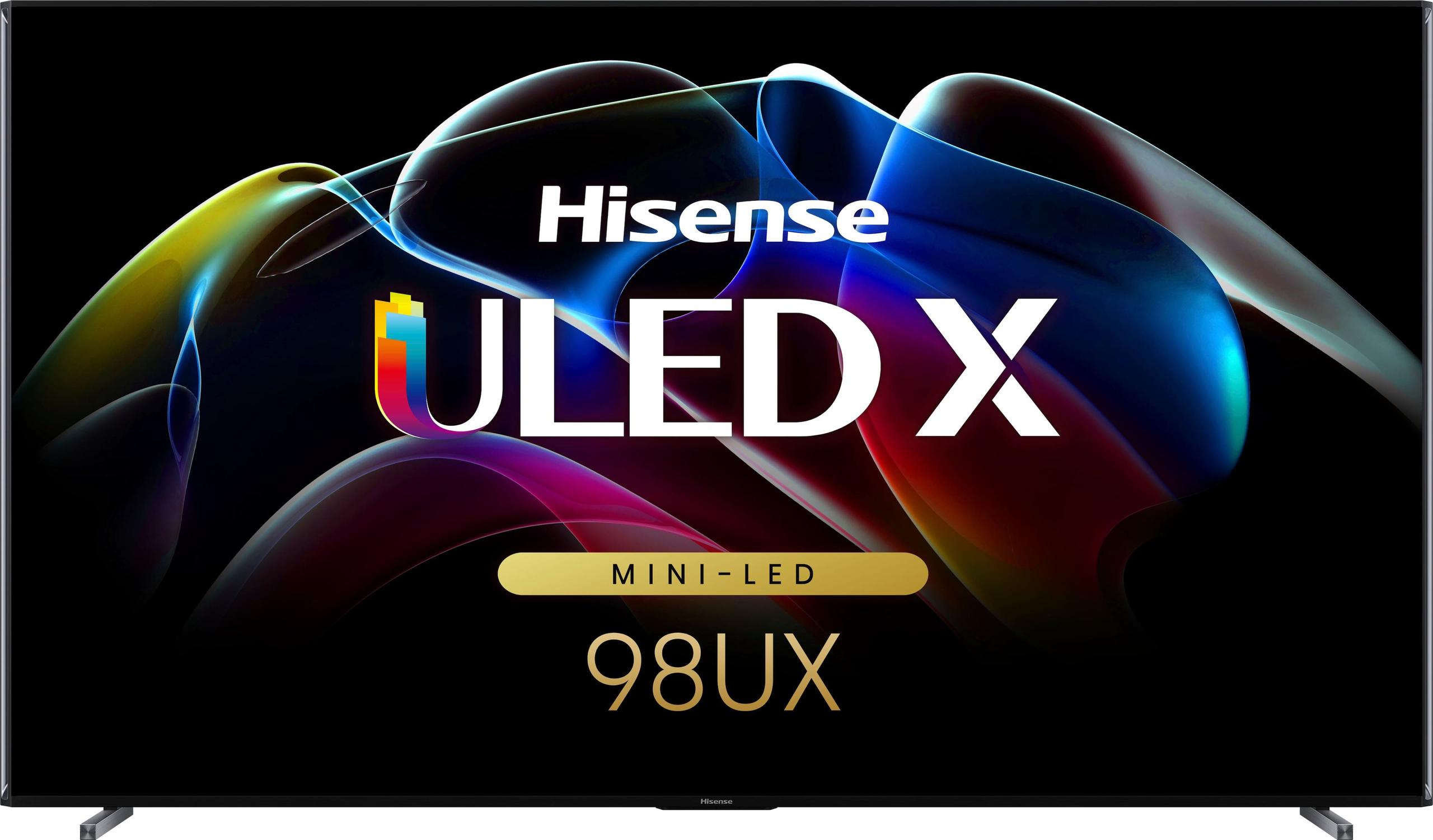


If you're shopping for a massive 98-inch TV, you're already committed to creating something special in your home. These aren't impulse purchases—they're investments in transforming your living space into a legitimate home theater. The two standout options in 2024 are the TCL 98" X11K and the Hisense 98" UX Series, both representing the cutting edge of what Mini-LED technology can deliver at this enormous scale.
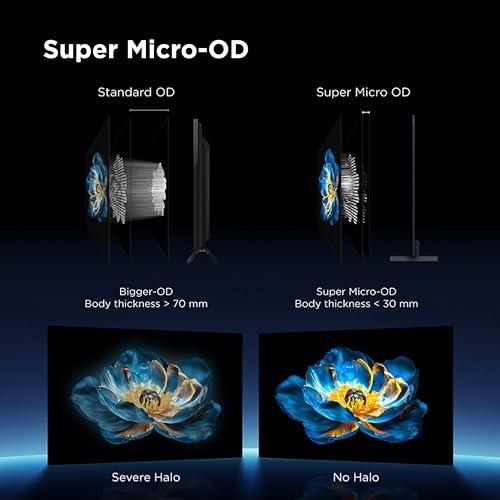
Both TVs launched in 2024 as flagship models from their respective manufacturers, incorporating years of Mini-LED refinements and the latest smart TV platforms. The timing matters because Mini-LED technology has matured significantly since its consumer debut around 2021. Early models suffered from noticeable "blooming" (unwanted light halos around bright objects) and inconsistent brightness zones. These 2024 models represent a major leap forward in addressing those early limitations.
When you're looking at 98-inch premium TVs, you're entering territory that directly competes with projector systems. The key advantage these massive screens offer over projectors is consistent brightness regardless of room lighting, no need for screen installation, and zero maintenance of bulbs or filters. However, they command premium prices that reflect their advanced technology.
The main considerations at this level aren't just about having a big screen—they're about picture quality that justifies the investment. Peak brightness becomes crucial because it determines how well HDR (High Dynamic Range) content displays those eye-searing highlights that make explosions pop and sunsets glow. Local dimming zones matter because they control how precisely the TV can make specific areas of the screen darker or brighter, creating the contrast that makes images look three-dimensional rather than flat.
Gaming performance has become increasingly important as well, especially with PlayStation 5 and Xbox Series X pushing 4K gaming at high refresh rates. The ability to display 120Hz or even higher refresh rates with minimal input lag can make the difference between winning and losing in competitive gaming.
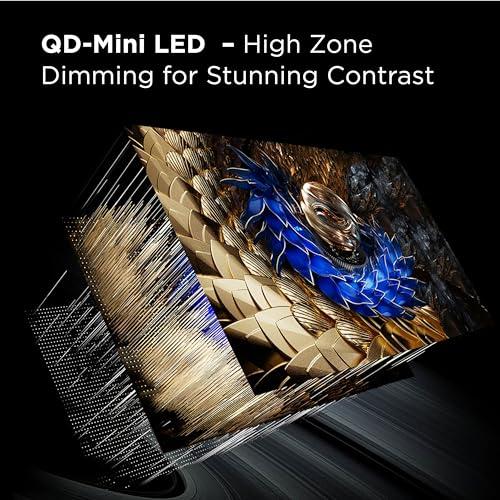
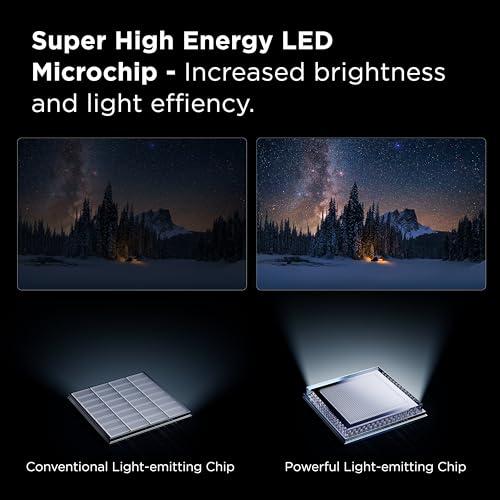
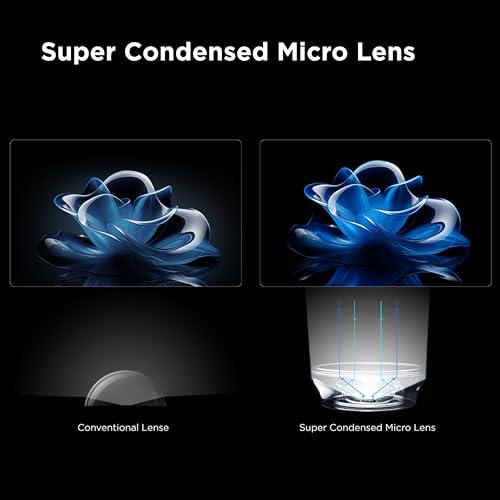
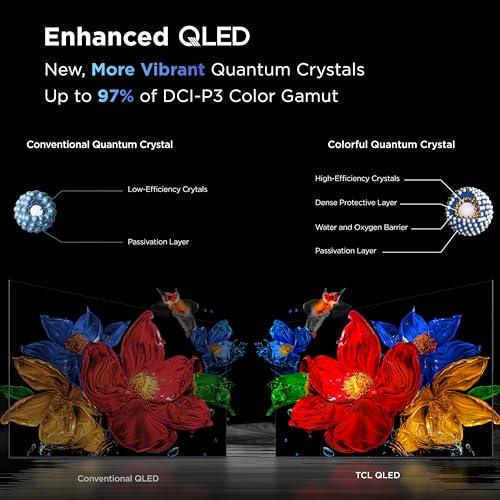
Both the TCL X11K and Hisense UX use Mini-LED backlighting, but their implementation differs significantly. Mini-LED technology uses thousands of tiny LED lights behind the LCD panel, organized into zones that can be independently controlled. This allows for much more precise brightness control compared to traditional LED TVs that might only have a few dozen zones.
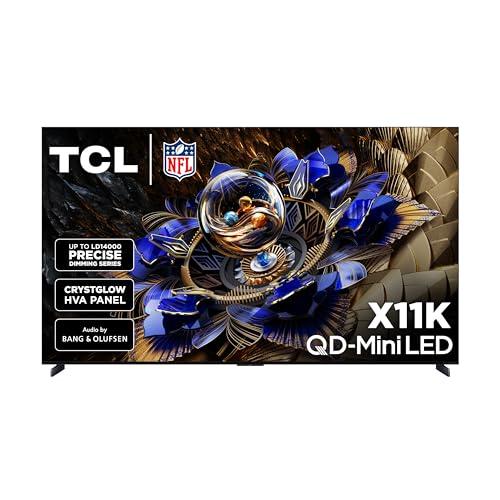
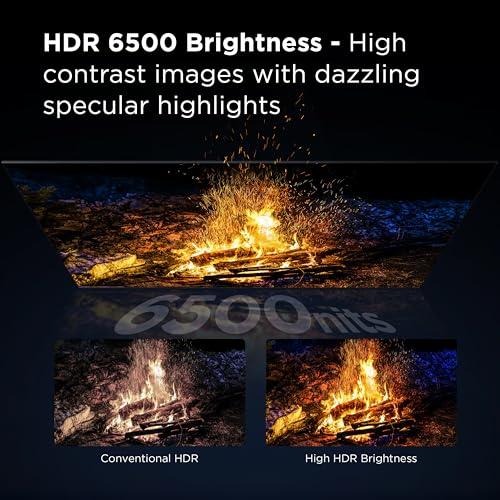
The TCL X11K pushes this concept to an extreme with over 14,000 local dimming zones and peak brightness reaching 6,500 nits. To put that brightness in perspective, a typical LED TV might peak at 1,000-2,000 nits, while OLED TVs usually max out around 800 nits. This massive brightness capability means HDR content can display those brilliant highlights—like sunlight reflecting off water or the glow of a lightsaber—with intensity that approaches what you'd see in real life.
The Hisense UX takes a slightly different approach with over 10,000 local dimming zones and peak brightness exceeding 5,000 nits. While these numbers are lower than the TCL, they're still exceptional by industry standards. Where Hisense focuses differently is on viewing angles and glare reduction. The UX uses an IPS-ADS panel (In-Plane Switching with Advanced Dimming System) that maintains color accuracy even when viewed from the side, plus anti-glare technology that reduces reflections by up to 75%.
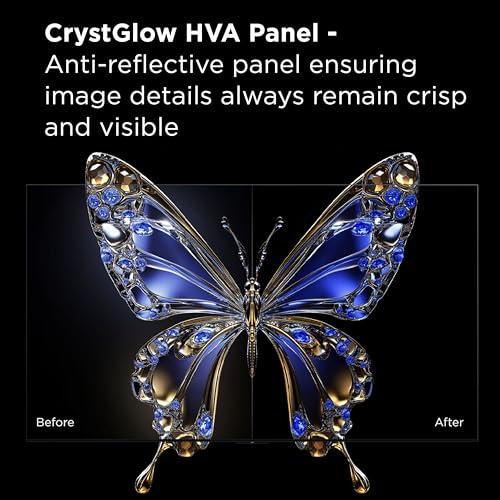
This difference matters more than you might think. If your seating arrangement has people watching from various angles—think a large sectional or open floor plan—the Hisense's viewing angle advantage becomes significant. The TCL X11K uses an HVA (Horizontal Vertical Alignment) panel that offers better contrast when viewed straight-on but can shift colors when viewed from the sides.
Modern gaming demands have pushed TV manufacturers to prioritize features that were once exclusive to computer monitors. Both TVs deliver here, but with different strengths.
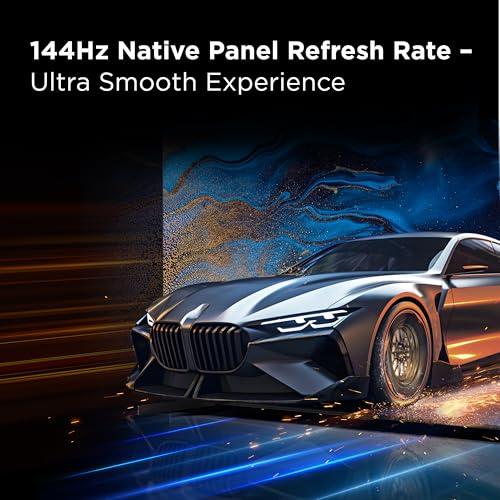
The TCL X11K goes all-out on gaming specifications. Its native 144Hz refresh rate matches high-end gaming monitors, and it can push variable refresh rates up to an incredible 288Hz at 1080p resolution through its Game Accelerator feature. Variable Refresh Rate (VRR) eliminates screen tearing by synchronizing the display's refresh with your gaming device's output frame rate. The TV supports both AMD FreeSync Premium Pro and NVIDIA G-Sync compatibility, meaning it works optimally with virtually any modern graphics card.
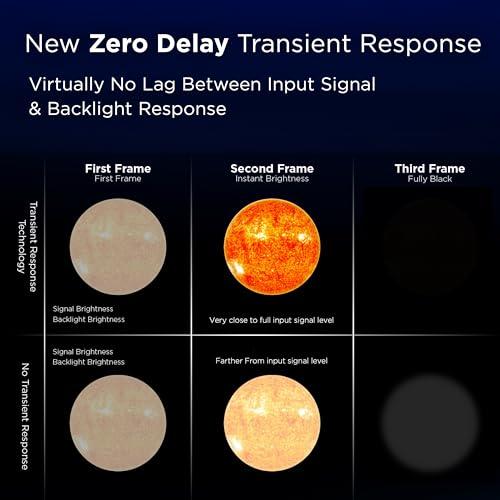
Input lag—the delay between pressing a button and seeing the action on screen—measures extremely low on the TCL X11K thanks to its Zero Delay Transient Response technology. For competitive gaming, especially first-person shooters or fighting games, this responsiveness can be the difference between victory and defeat.
The Hisense UX offers solid gaming performance with 144Hz refresh rate and VRR support, plus Game Mode Pro optimization. While it doesn't match the TCL's extreme 288Hz capability, 144Hz is more than sufficient for current gaming consoles and most PC gaming scenarios. The UX also supports Dolby Vision Gaming, which enhances HDR gaming with more accurate color and contrast mapping specifically tuned for interactive content.
Large TVs often struggle with audio because their thin profiles leave little room for substantial speakers. Both manufacturers address this challenge differently.
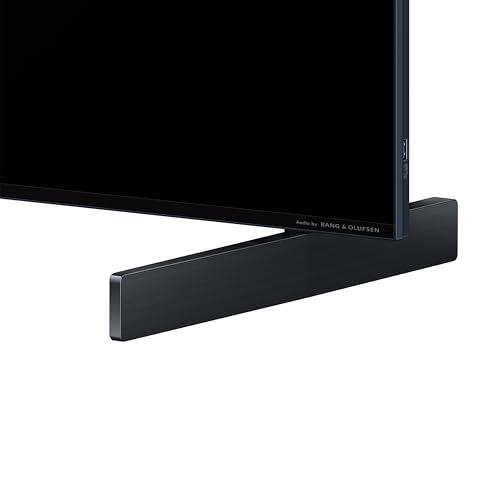
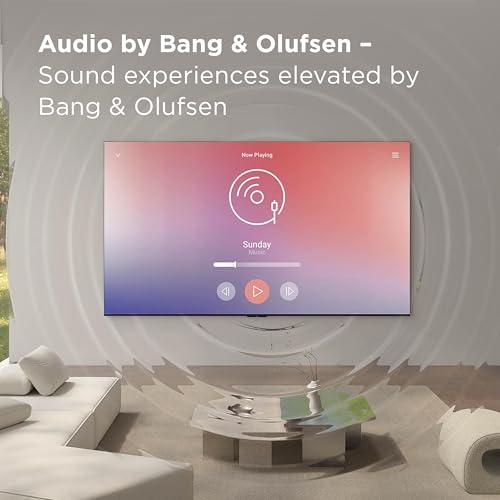
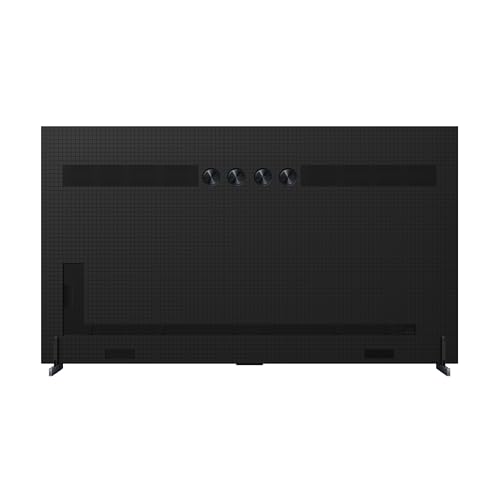
The TCL X11K partners with Bang & Olufsen, the Danish audio company known for premium sound systems. This collaboration delivers a 2.1.1 channel system with 120 watts of total power, including a dedicated subwoofer for bass response. The Bang & Olufsen tuning includes their Beosonic feature, which allows real-time adjustment of audio characteristics based on content type or personal preference.
The Hisense UX features CineStage X Surround, a 4.2.2 multi-channel system that uses seven speakers and a built-in subwoofer. While the channel configuration might seem more complex, the overall power output and tuning don't quite match the premium positioning of the TCL's Bang & Olufsen system.
Both support Dolby Atmos, which creates three-dimensional audio by bouncing sound off your ceiling to simulate overhead effects. However, built-in TV audio has fundamental limitations compared to dedicated soundbars or speaker systems. The physics of cramming quality drivers into a thin TV chassis means compromises in bass response and overall dynamics.
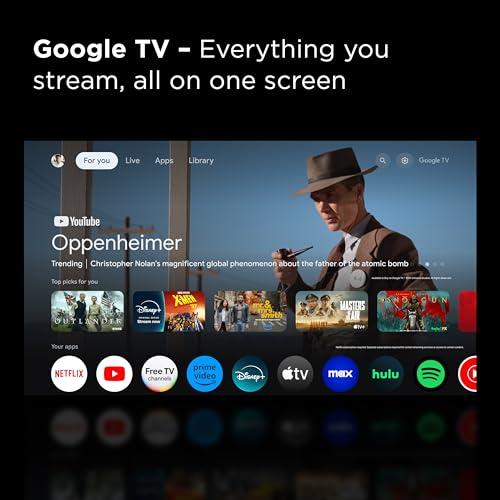
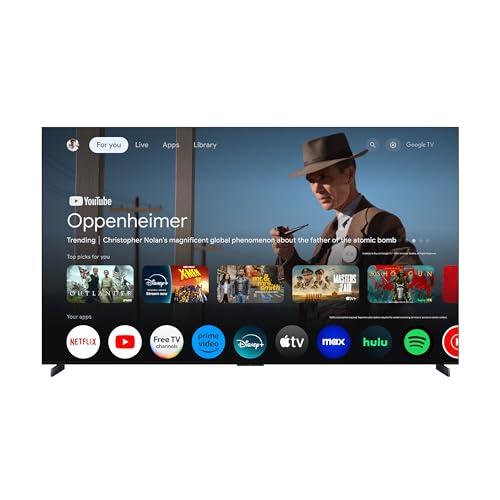
Both TVs run Google TV, Google's latest smart TV platform that succeeded Android TV. Google TV offers a more curated interface that surfaces content from various streaming services in a unified home screen, rather than requiring you to navigate individual apps.
The TCL X11K stands out with its AiPQ Pro Processor, which uses machine learning to analyze content in real-time and optimize picture settings. This AI processing can upscale lower-resolution content to approach native 4K quality, adjust color and contrast based on scene content, and even optimize motion handling for different content types. The processor also includes Wi-Fi 6 support, providing faster and more stable connections for streaming high-bandwidth content.
Processing power matters more at this screen size because any image imperfections become magnified. Poor upscaling of 1080p content, for instance, becomes much more noticeable on a 98-inch screen than on a 65-inch display.
At the time of writing, these TVs occupy different positions in the premium market. The TCL X11K commands a significant price premium, positioning itself as a flagship product that competes with the most expensive offerings from Samsung and Sony. The Hisense UX typically prices several thousand dollars lower while still delivering premium Mini-LED performance.
This pricing difference reflects their target audiences. The TCL X11K targets enthusiasts and early adopters willing to pay for absolute performance leadership. Every specification pushes boundaries—highest brightness, most dimming zones, fastest gaming response, premium audio partnership.
The Hisense UX targets buyers who want excellent premium TV performance without paying for absolute peak specifications. It delivers outstanding picture quality, solid gaming capabilities, and practical advantages like superior viewing angles at a more accessible price point.
In a dedicated home theater setup, the TCL X11K's extreme brightness might actually be excessive. Traditional home theaters with controlled lighting typically don't need 6,500 nits of peak brightness. However, that brightness capability provides incredible flexibility—you can watch HDR content with impactful highlights even with some ambient lighting in the room.
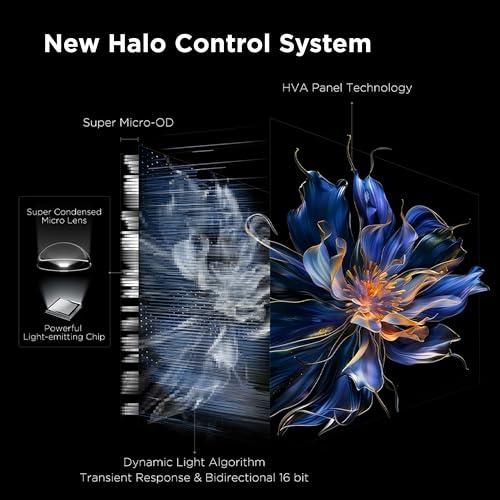
The contrast precision from 14,000+ dimming zones becomes more valuable in darker viewing environments where you can appreciate subtle shadow details and gradual brightness transitions. The TCL X11K's Halo Control Technology specifically addresses the blooming issues that can be distracting during dark movie scenes.
For family rooms or great rooms with lots of windows, the Hisense UX's anti-glare technology and wide viewing angles become more important than absolute peak brightness. The 75% glare reduction makes a significant difference during daytime viewing, while the IPS panel technology ensures everyone gets a good picture regardless of seating position.
The TCL X11K makes sense if you're building a serious home theater setup and want the absolute best picture quality available. It's ideal for enthusiasts who watch primarily movies and TV shows in optimized lighting conditions, competitive gamers who need every performance advantage, and anyone who views their TV purchase as a long-term investment in premium technology.
The extreme brightness also makes the TCL X11K excellent for rooms that can't be fully darkened. If your viewing space has large windows or opens to other rooms, that 6,500-nit capability ensures HDR content maintains its impact even with ambient light present.
Choose the Hisense UX if you want outstanding Mini-LED performance at a more reasonable price point. It's perfect for families with diverse viewing habits, rooms with wide seating arrangements, or spaces where daytime viewing is common. The practical advantages—viewing angles, glare reduction, solid overall performance—make it more versatile for everyday use.
The Hisense UX also makes sense if you're upgrading from a much smaller TV and want to experience the benefits of massive screen size without committing to absolute flagship pricing. You'll still get exceptional picture quality that surpasses most TVs on the market.
Both TVs represent excellent choices in the 98-inch premium category, but they serve different priorities. The TCL X11K pushes every specification to extremes, delivering measurably superior performance that justifies its premium positioning. The Hisense UX offers outstanding real-world performance with practical advantages at a more accessible price.
Your decision should align with how you actually use your TV. If you're building a dedicated theater room and want the absolute best picture quality available, the TCL X11K's advantages in brightness, contrast precision, and gaming performance justify the investment. If you want premium Mini-LED performance in a family-friendly package with excellent value, the Hisense UX delivers without compromise where it matters most.
Either choice transforms your viewing experience dramatically compared to conventional TVs. At 98 inches with advanced Mini-LED technology, both options deliver that cinema-at-home experience that makes the investment worthwhile.
| TCL 98" X11K 4K QD-Mini LED Google TV | Hisense 98" UX Series 4K Mini-LED ULED Google TV |
|---|---|
| Peak Brightness - Critical for HDR impact and bright room viewing | |
| 6,500 nits (industry-leading brightness for stunning HDR) | 5,000+ nits (excellent brightness, still premium level) |
| Local Dimming Zones - Controls contrast precision and blooming | |
| 14,000+ zones (exceptional contrast control, minimal halos) | 10,000+ zones (very good contrast, some minor blooming possible) |
| Panel Type - Affects viewing angles and color accuracy | |
| CrystGlow HVA Panel (best contrast straight-on, colors shift at angles) | IPS-ADS Panel (consistent colors from all viewing positions) |
| Gaming Refresh Rate - Important for console and PC gaming | |
| 144Hz native, up to 288Hz VRR (competitive gaming advantage) | 144Hz native, 144Hz VRR (excellent for all current gaming needs) |
| Audio System - Built-in sound quality | |
| Bang & Olufsen 2.1.1 system, 120W (premium tuning, dedicated subwoofer) | CineStage X 4.2.2 system (good surround sound, standard tuning) |
| Anti-Glare Technology - Reduces reflections for daytime viewing | |
| Standard anti-reflection coating | Advanced anti-glare reduces reflections by 75% |
| Smart TV Processing - Affects upscaling and AI features | |
| AiPQ Pro Processor with Wi-Fi 6 (advanced AI optimization) | Hi-View Engine X with standard Wi-Fi (solid processing) |
| Gaming Features - Console optimization and input lag | |
| AMD FreeSync Premium Pro, G-Sync compatible, Zero Delay response | Game Mode Pro, AMD FreeSync Premium, Dolby Vision Gaming |
| Design Philosophy - Target audience and use case | |
| Maximum performance flagship (home theater enthusiasts) | Balanced premium features (family entertainment focus) |
| Value Positioning - Performance per dollar consideration | |
| Premium pricing for cutting-edge specs | Strong value for high-end Mini-LED performance |
The TCL 98" X11K delivers superior picture quality with 6,500 nits peak brightness and 14,000+ local dimming zones compared to the Hisense 98" UX Series's 5,000+ nits and 10,000+ zones. The TCL offers more precise contrast control and brighter HDR highlights, making it better for home theater setups where picture quality is the top priority.
Both TVs excel at gaming, but the TCL X11K has a slight edge with variable refresh rates up to 288Hz and Zero Delay response technology. The Hisense UX offers solid 144Hz gaming with Game Mode Pro optimization. For competitive gaming, choose the TCL; for casual gaming, either TV performs excellently.
The Hisense UX Series uses IPS-ADS panel technology that maintains consistent colors and brightness from all viewing angles, making it ideal for wide seating arrangements. The TCL X11K uses an HVA panel that offers better contrast when viewed straight-on but may show color shifts when viewed from the sides.
The Hisense UX handles bright rooms better due to its advanced anti-glare technology that reduces reflections by 75%. While the TCL X11K has higher peak brightness, the Hisense's glare reduction makes it more comfortable for daytime viewing in rooms with lots of windows.
Yes, both the TCL X11K and Hisense UX Series run Google TV with similar app selections and voice control features. The TCL includes more advanced AI processing and Wi-Fi 6 connectivity, while the Hisense offers the standard Google TV experience with solid performance.
The TCL X11K features a Bang & Olufsen audio system with 120W power and premium tuning, delivering superior built-in sound quality. The Hisense UX includes CineStage X surround sound that's good but not as refined. Both support Dolby Atmos, though external audio systems are recommended for either TV.
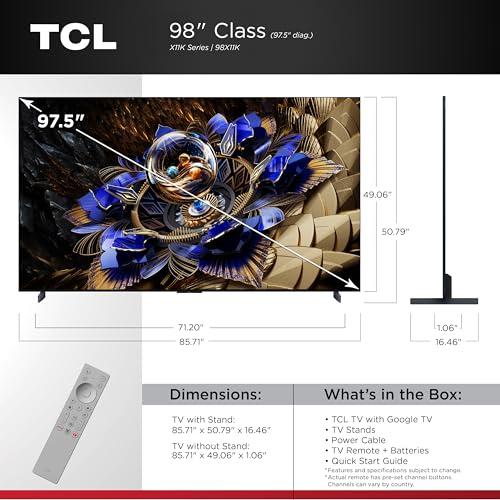
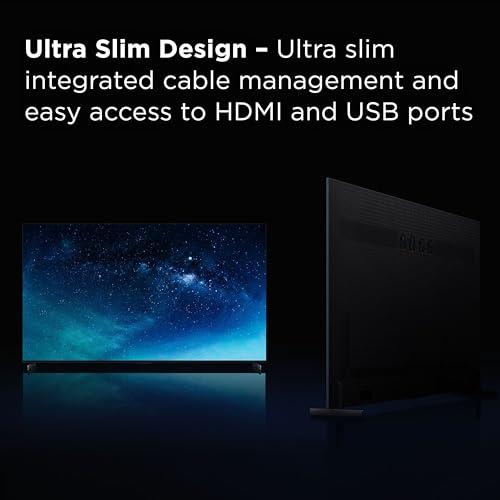
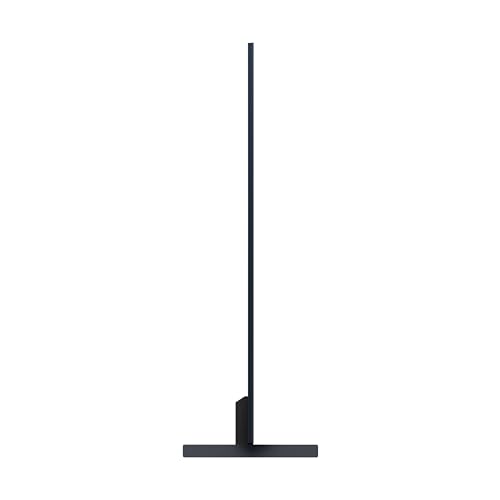
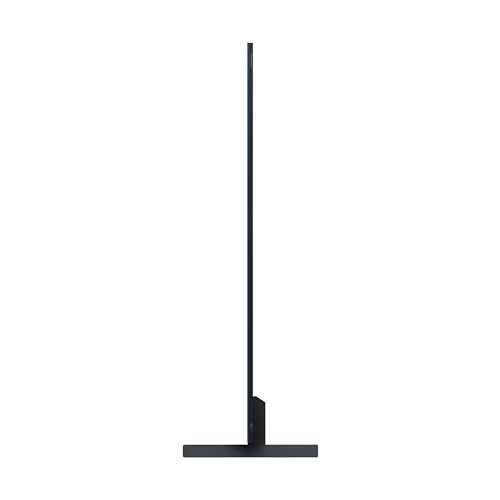
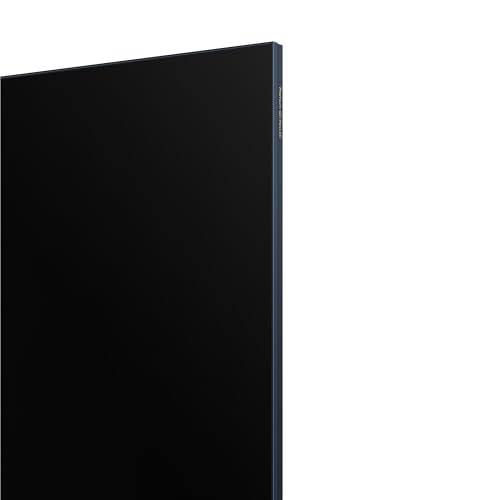
Both the TCL X11K and Hisense UX Series are true 98-inch displays with similar overall dimensions. The main physical difference is the TCL's ultra-thin 1.1-inch depth without the stand, making it slightly more suitable for wall mounting in shallow spaces.
The Hisense UX Series typically offers better value with excellent Mini-LED performance at a more accessible price point. The TCL X11K justifies its premium pricing with industry-leading brightness, more dimming zones, and luxury features like Bang & Olufsen audio.
For dedicated home theaters, the TCL X11K excels with superior contrast control, extreme brightness for HDR content, and premium audio. The Hisense UX works well in home theaters too, especially in rooms where multiple seating positions benefit from its wider viewing angles.
The Hisense UX Series is excellent for sports viewing due to its wide viewing angles and anti-glare properties, perfect for group viewing. The TCL X11K offers smoother motion handling and brighter images but works best when viewed straight-on.
Yes, both the TCL X11K and Hisense UX Series support all major HDR formats including Dolby Vision, HDR10+, and HDR10. The TCL's higher peak brightness allows it to display HDR content with more impactful highlights and better dynamic range.
Choose the Hisense UX Series for family rooms due to its superior viewing angles, excellent glare reduction, and strong overall value. The TCL X11K is better suited for dedicated viewing spaces where you can control lighting and seating positions to maximize its performance advantages.
We've done our best to create useful and informative comparisons to help you decide what product to buy. Our research uses advanced automated methods to create this comparison and perfection is not possible - please contact us for corrections or questions. These are the sites we've researched in the creation of this article: ecoustics.com - pcrichard.com - tcl.com - valueelectronics.com - bestbuy.com - tcl.com - whathifi.com - tcl.com - youtube.com - displayspecifications.com - whathifi.com - youtube.com - notebookcheck.net - tcl.com - tcl.com - displayspecifications.com - tcl.com - tcl.com - pcguide.com - en.homecinesolutions.fr - youtube.com - tcl.com - bestbuy.com - walmart.com - stealthoptional.com - youtube.com - soundandvision.com - youtube.com - hdtvtest.co.uk - avsforum.com - hisense-canada.com - fouanistore.com - displayspecifications.com

Privacy Policy
Terms and Conditions - Affiliate Policy
Home Security
© Copyright 2008-2026.
11816 Inwood Rd #1211, Dallas, TX 75244