

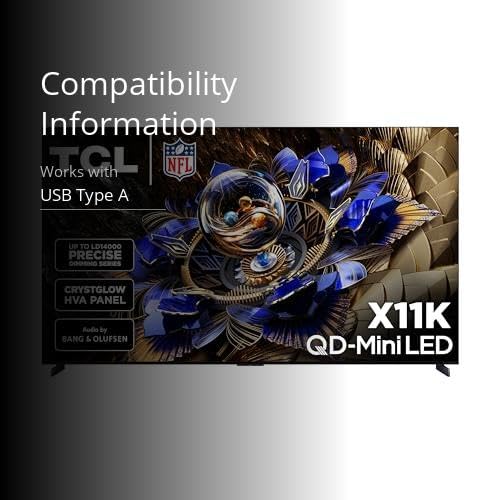
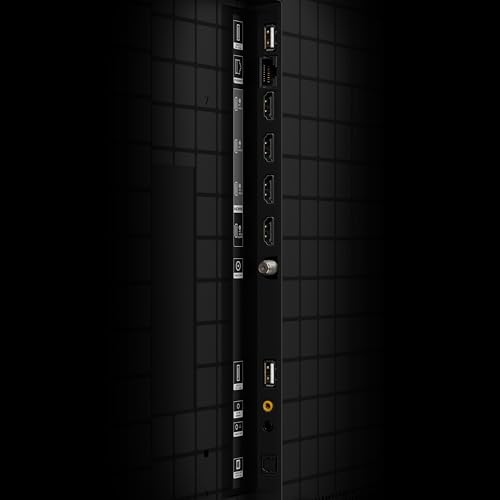

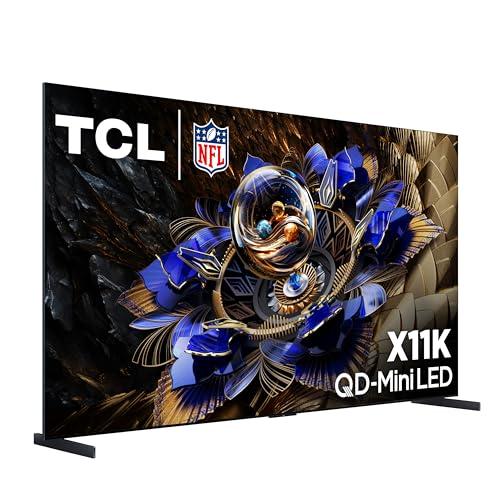
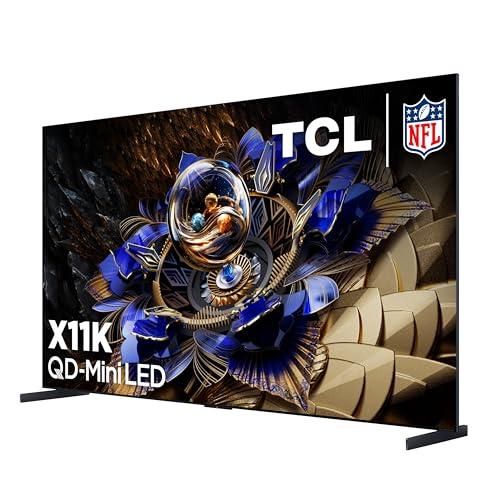
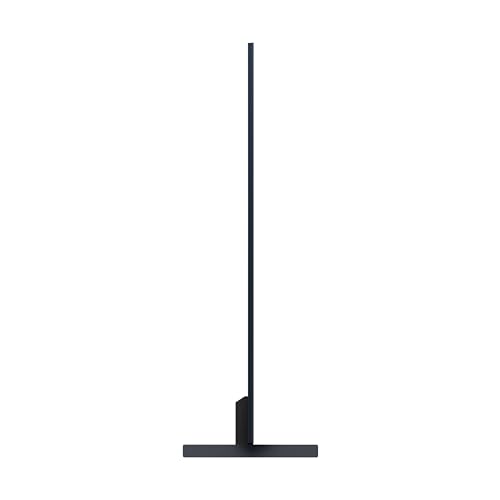
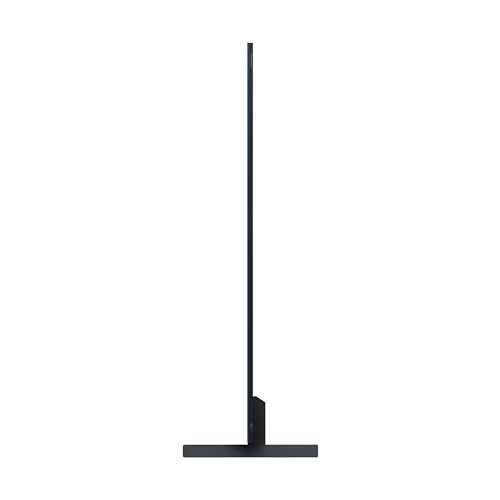
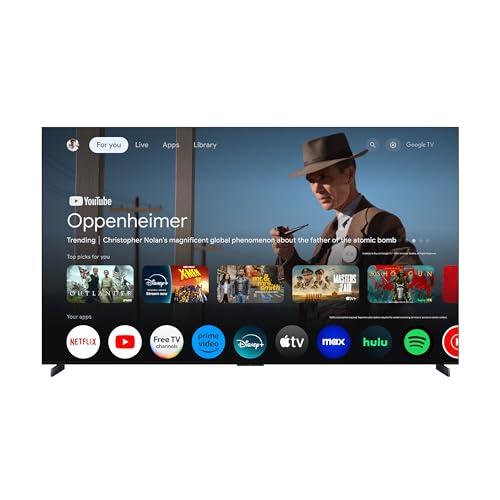
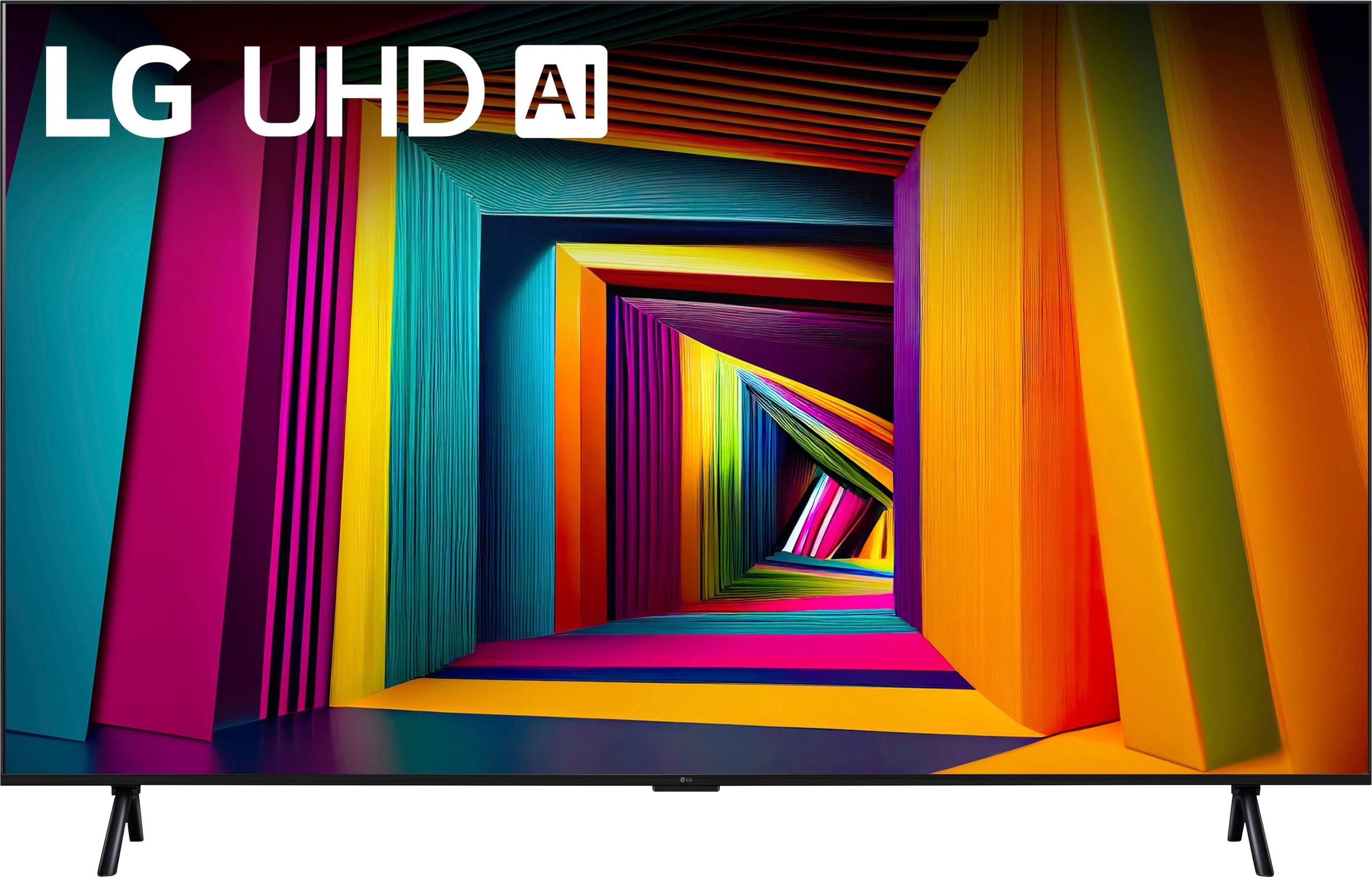
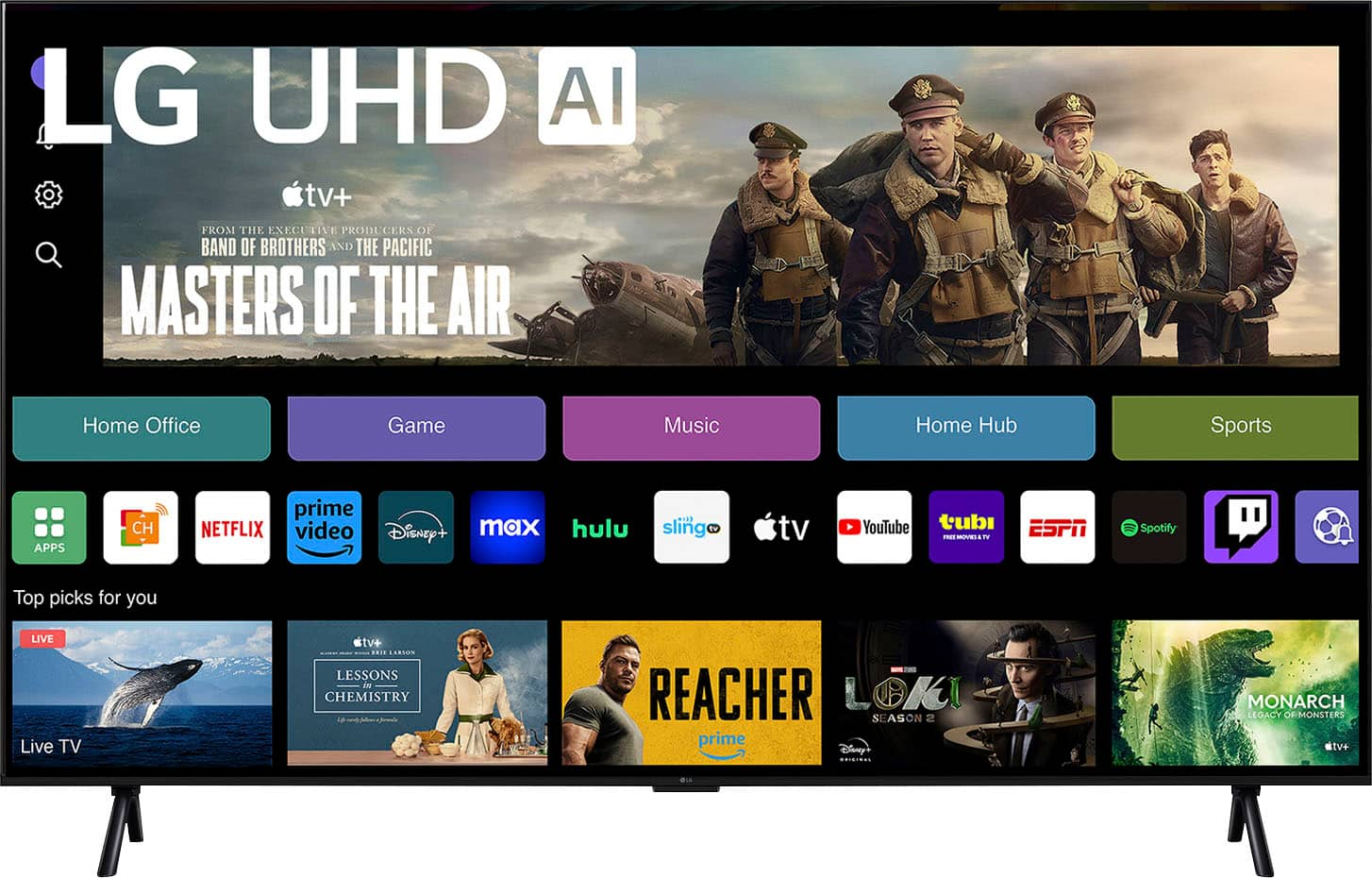
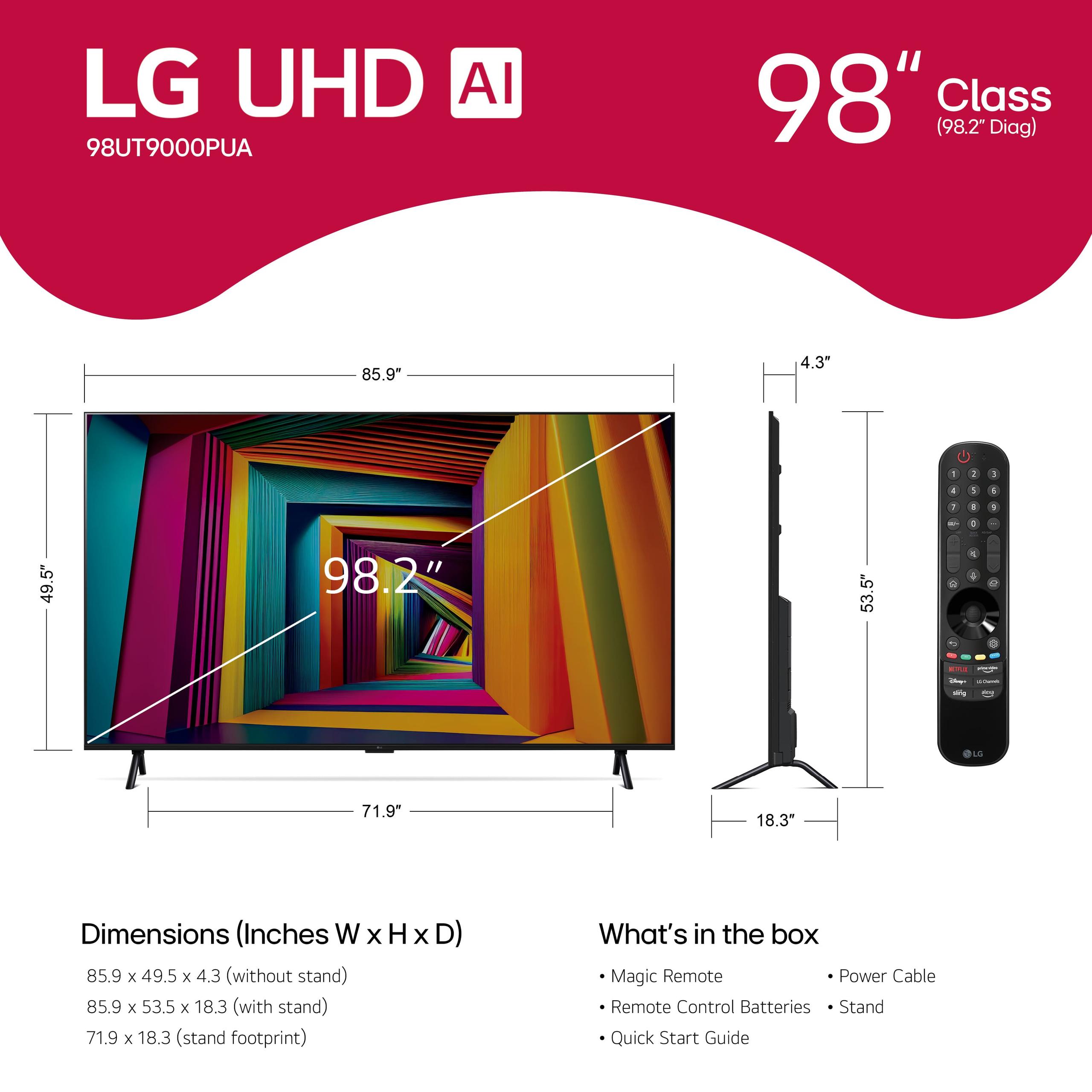
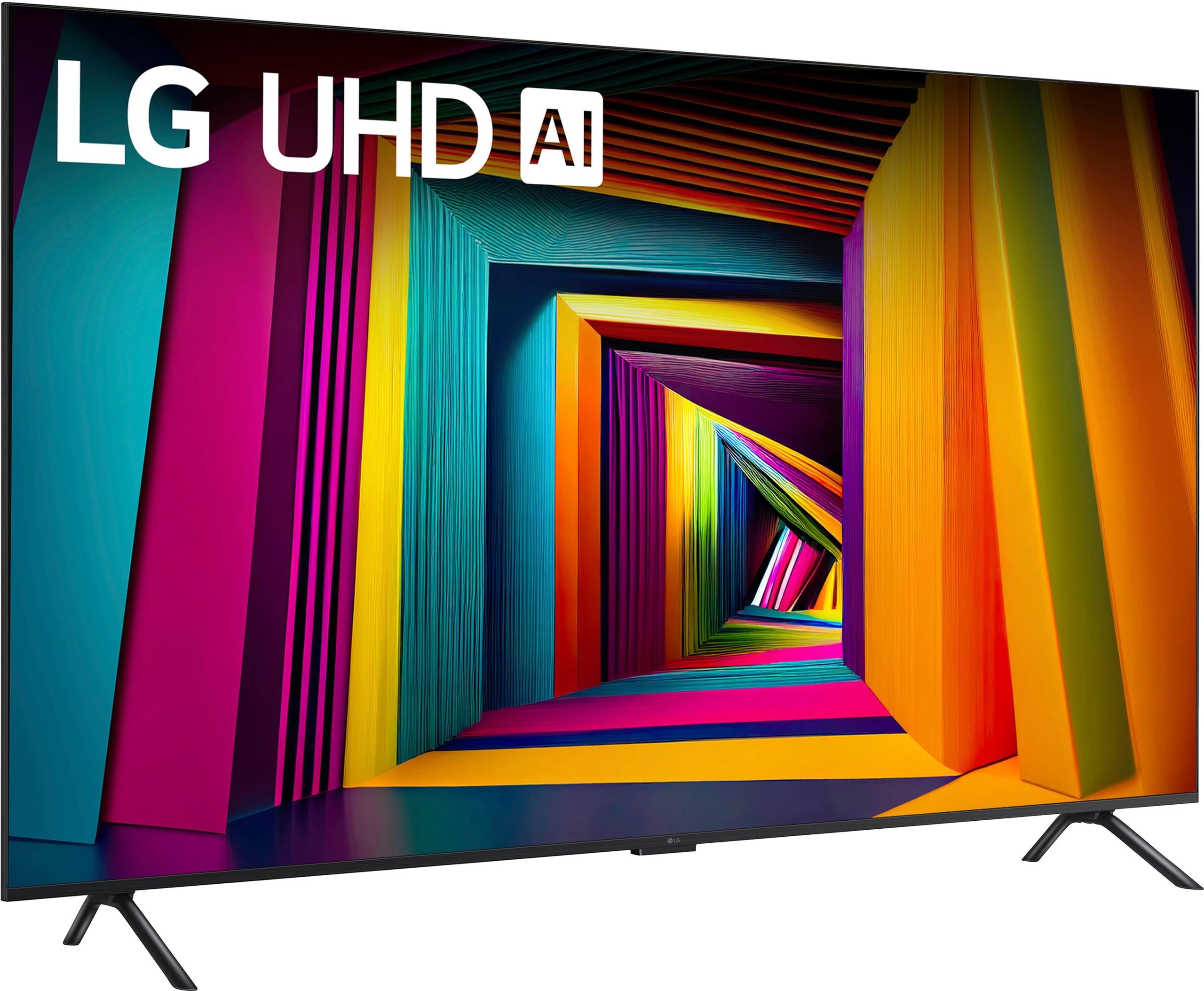
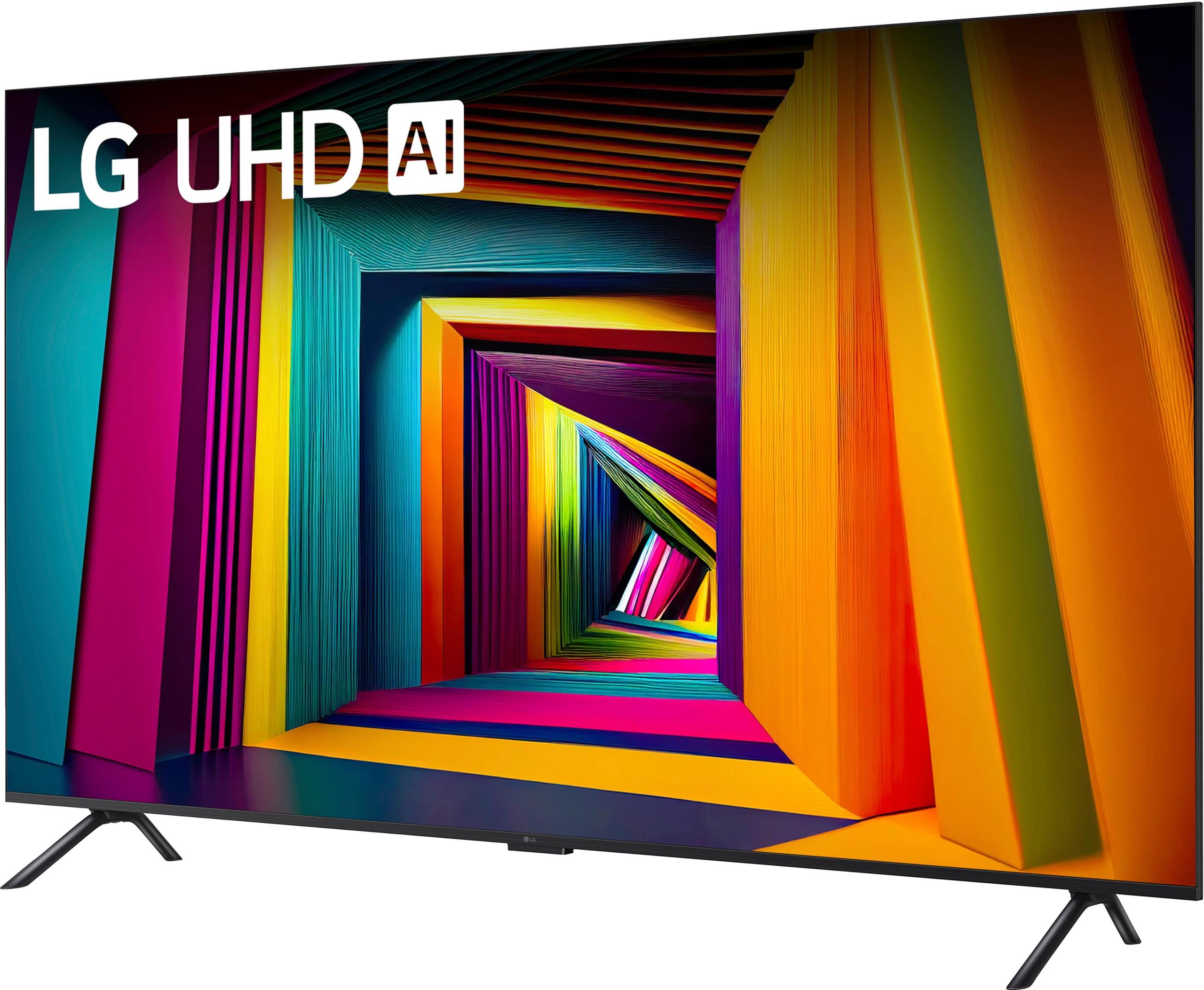
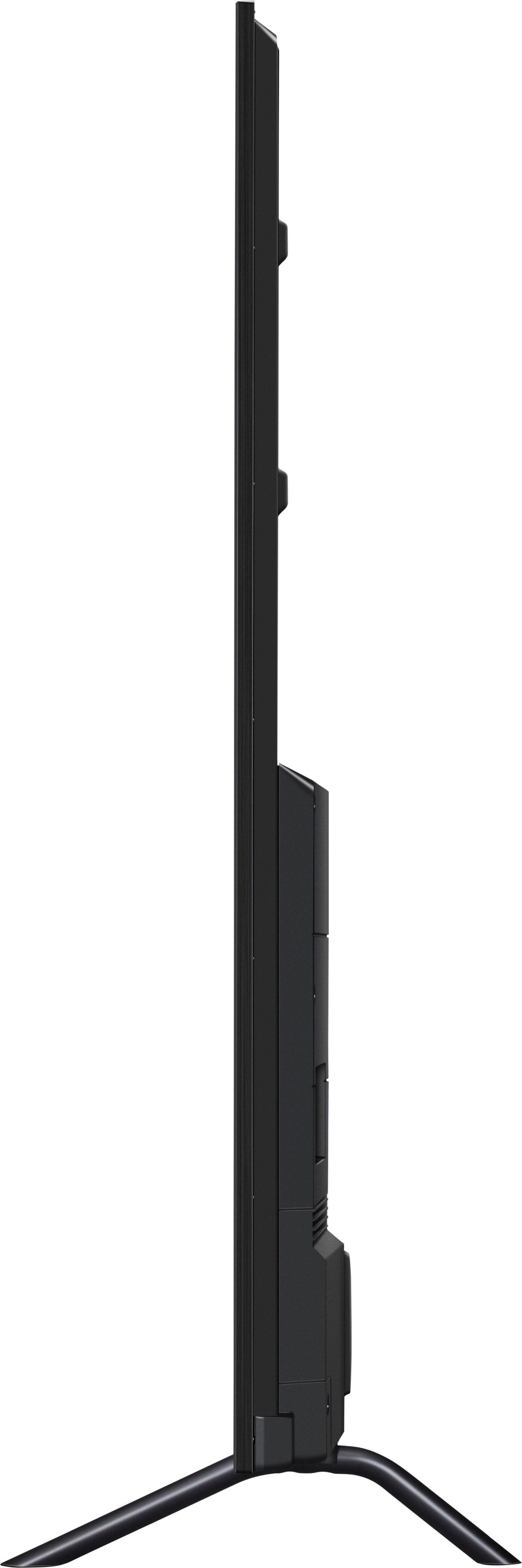
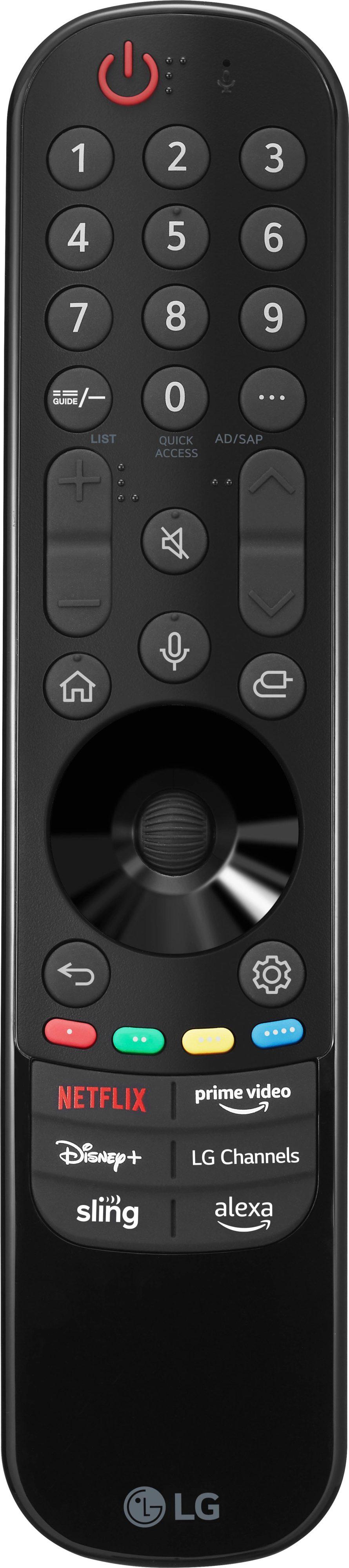
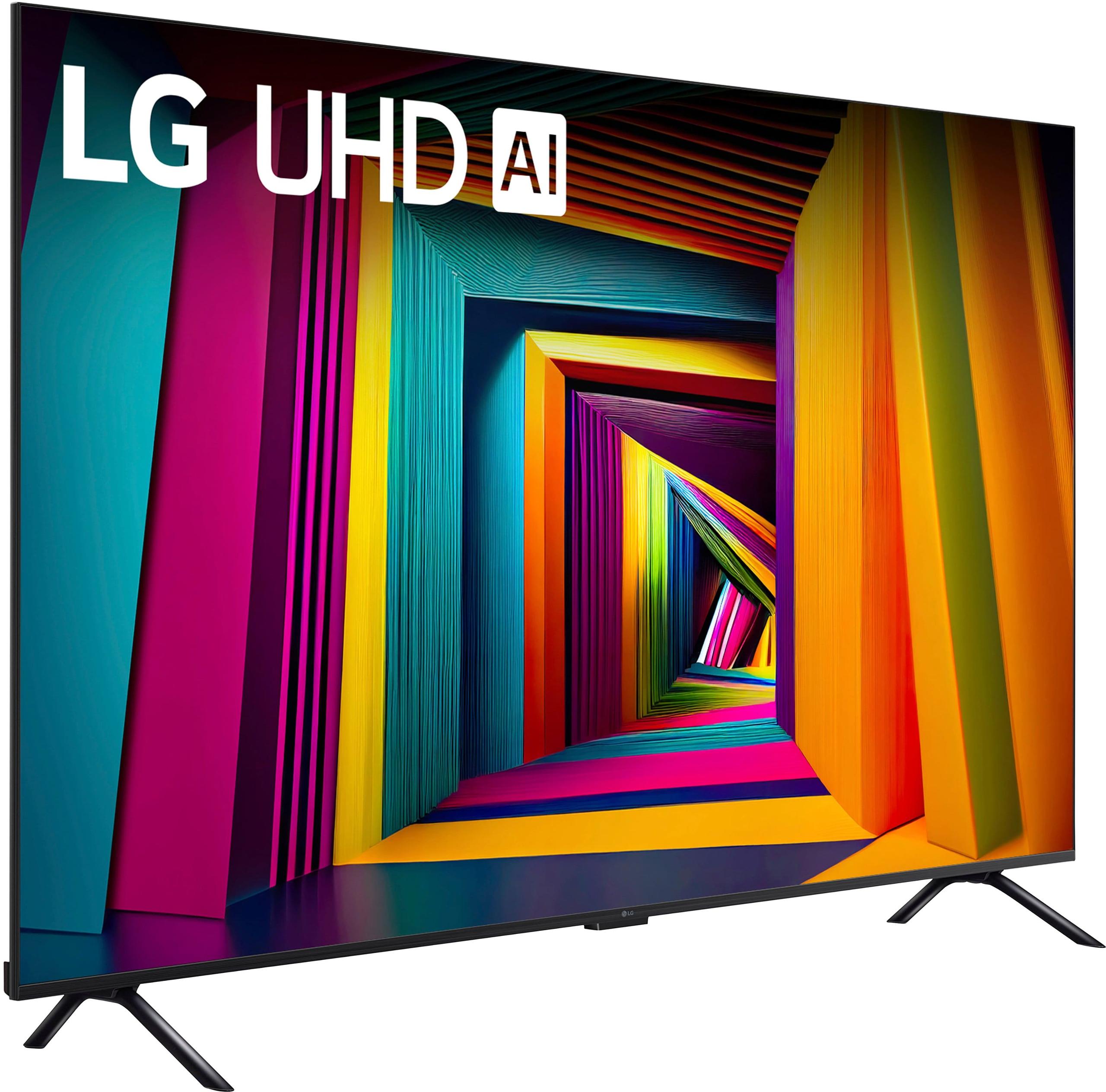
When it comes to home entertainment, bigger really is better—and 98-inch TVs represent the sweet spot where massive screens become genuinely affordable compared to projector setups. But within this exciting category, you'll find dramatically different approaches to delivering that wall-filling experience. Today, we're comparing two compelling options: the premium TCL 98" X11K QD-Mini LED Google TV and the budget-friendly LG 98" Class UT90 Series 4K UHD Smart TV.
At the time of writing, these TVs sit at opposite ends of the 98-inch market, with the TCL X11K commanding roughly three times the price of the LG UT90. That price gap isn't arbitrary—it reflects fundamentally different philosophies about what a massive TV should deliver and who it's designed for.
The 98-inch TV market has exploded in recent years as manufacturing costs have dropped and living room sizes have grown. At this scale, traditional considerations like "where will it fit" give way to more nuanced questions about picture quality, brightness performance, and feature sets.
The most critical factors at 98 inches are peak brightness (how well the TV handles bright rooms), local dimming (the ability to make specific areas of the screen darker for better contrast), color accuracy, and motion handling. These massive displays also serve double duty as gaming monitors and home theater centerpieces, making input lag and refresh rates increasingly important.
Since 2024, we've seen significant improvements in Mini-LED backlighting technology, which uses thousands of tiny LEDs instead of dozens of larger ones to create more precise lighting control. This technology bridges the gap between traditional LED TVs and expensive OLED displays, offering better contrast without the brightness limitations of OLED panels.
The biggest difference between these TVs lies in their backlighting systems—the technology that illuminates the LCD panels to create the images you see.
The LG UT90 uses direct LED backlighting, where LEDs are positioned directly behind the LCD panel to provide even illumination across the entire 98-inch surface. Think of it like having a giant light table behind your TV screen. This approach works well and keeps costs reasonable, but it offers limited control over specific areas of the screen.
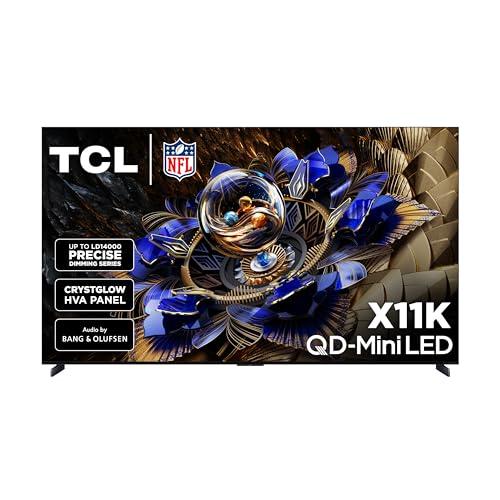
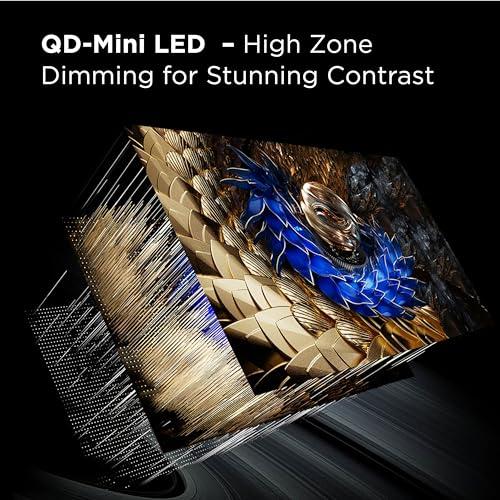
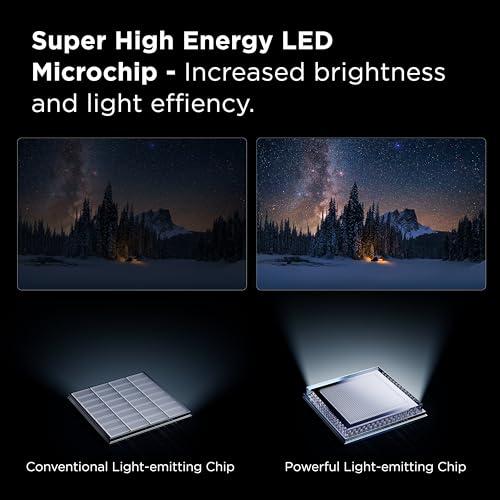
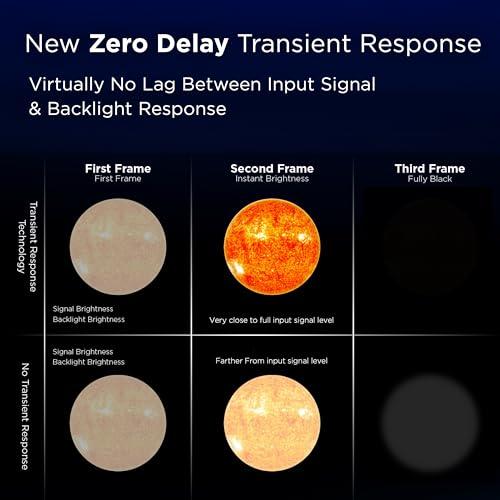
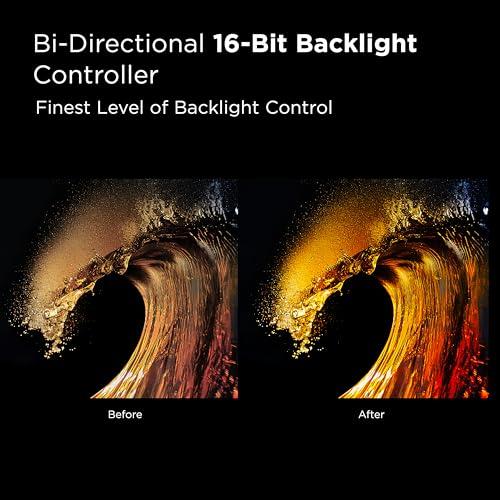
The TCL X11K, meanwhile, employs QD-Mini LED technology—a sophisticated system combining Quantum Dot color enhancement with Mini-LED backlighting. Here's where it gets interesting: instead of dozens of LED zones, the TCL uses an astounding 14,000 individual dimming zones. Each zone can be controlled independently, meaning when you're watching a movie with bright stars against a dark sky, the TV can make the star areas bright while keeping the surrounding sky truly black.
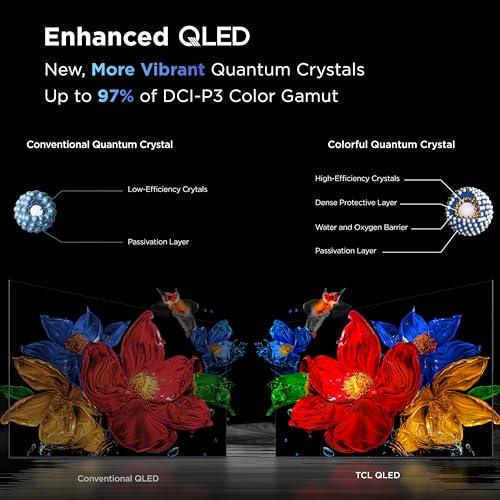
Quantum Dot technology deserves special mention here. These microscopic semiconductor crystals convert blue LED light into precise red and green wavelengths, resulting in more accurate colors and wider color coverage. The TCL X11K covers 97% of the DCI-P3 color space—the standard used in movie theaters—meaning you're seeing colors as directors intended them.
Peak brightness might be the most underappreciated spec in TV shopping, but it's absolutely crucial for 98-inch displays. These massive screens often live in family rooms with lots of windows, making brightness performance make-or-break.
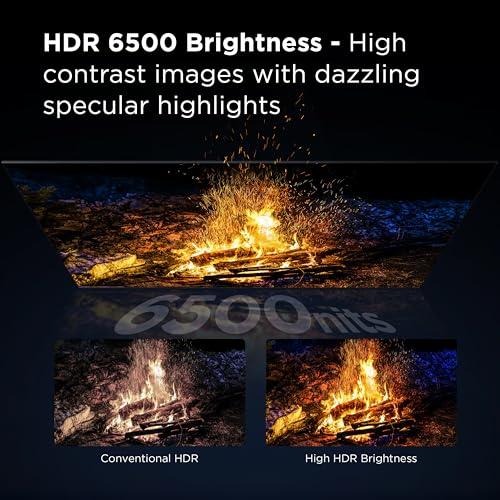
The TCL X11K delivers an exceptional 6,500 nits peak brightness. To put that in perspective, a typical sunny day outdoors measures around 10,000 nits, while most budget TVs top out around 400-600 nits. This extreme brightness means the TCL can overcome significant glare and maintain vivid colors even with afternoon sun streaming through windows.
The LG UT90 offers what reviewers consistently describe as "good" brightness performance, though LG doesn't publish specific nit measurements for this model. Based on our research into similar LG models and user feedback, it likely peaks around 600-800 nits—perfectly adequate for controlled lighting but potentially problematic in very bright rooms.
This brightness difference becomes critical for HDR content (High Dynamic Range video that includes brighter highlights and darker shadows). HDR content is mastered expecting displays capable of 1,000+ nits, so the TCL's higher brightness allows it to display HDR as intended, while the LG must compress those highlights into its more limited range.
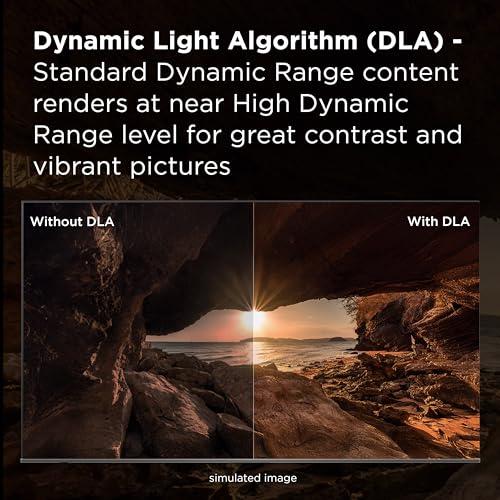
Local dimming is arguably the most important feature separating good TVs from great ones. It's the ability to darken specific areas of the screen independently, creating the contrast between bright and dark elements that makes images pop.
The TCL X11K's 14,000 dimming zones represent the current pinnacle of local dimming technology. When you're watching a movie scene with a campfire in a dark forest, the TV can make the fire area brilliant while keeping the surrounding forest genuinely dark. This creates contrast ratios approaching those of OLED displays, which can turn off individual pixels entirely.
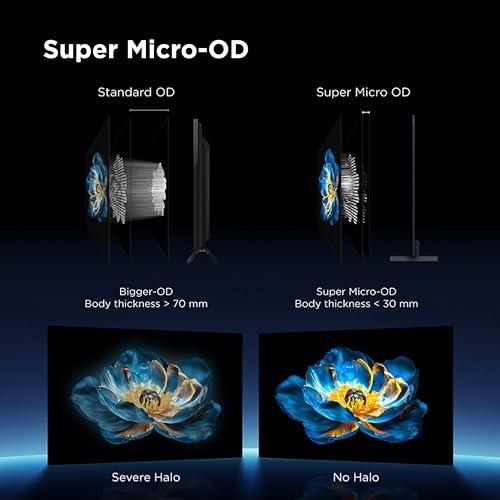
The LG UT90 uses basic local dimming with far fewer zones—likely fewer than 100 based on its direct LED architecture. This means larger areas of the screen must share lighting control. That campfire scene might look good, but you'll notice some blooming (unwanted light spill around bright objects) and less precise contrast.
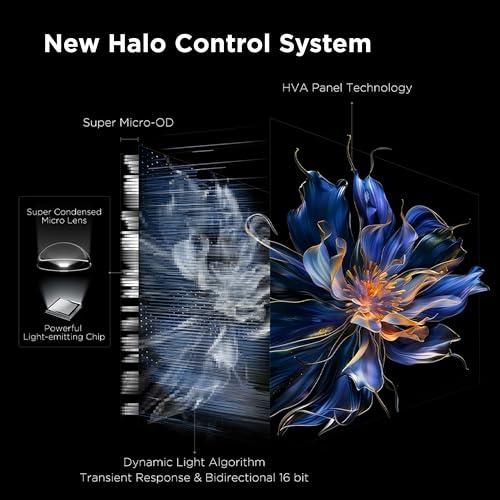
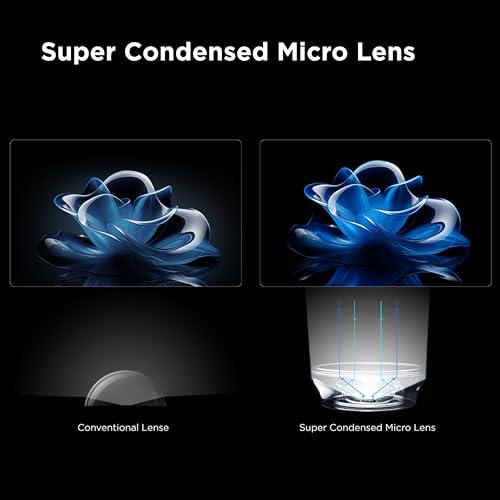
TCL's Halo Control Technology deserves special recognition here. Traditional Mini-LED displays sometimes suffer from halos or light bloom around bright objects on dark backgrounds. TCL's system includes a Super Condensed Micro Lens and advanced algorithms that minimize this blooming, creating cleaner, more precise images.
Gaming on 98-inch displays has become increasingly popular, and both TVs offer solid gaming features, though at different performance levels.
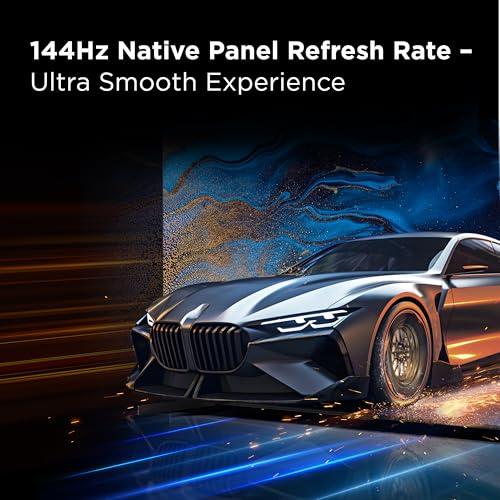
The TCL X11K operates at a native 144Hz refresh rate, meaning it can display up to 144 individual frames per second. This higher refresh rate creates smoother motion, particularly important for fast-paced games like first-person shooters or racing simulators. It also supports Variable Refresh Rate (VRR) up to 144Hz, which synchronizes the TV's refresh rate with your gaming console or PC to eliminate screen tearing.
The LG UT90 maxes out at 120Hz, which is still excellent for gaming. Most current games target 60fps or 120fps, so you won't miss much in practical use. The LG includes Game Optimizer mode, which automatically adjusts settings for optimal gaming performance, and achieves respectable input lag around 13 milliseconds.
Input lag—the delay between pressing a button and seeing the action on screen—is crucial for competitive gaming. While specific measurements weren't available for the TCL X11K, similar TCL models typically achieve sub-10ms input lag, giving serious gamers a slight edge over the LG.
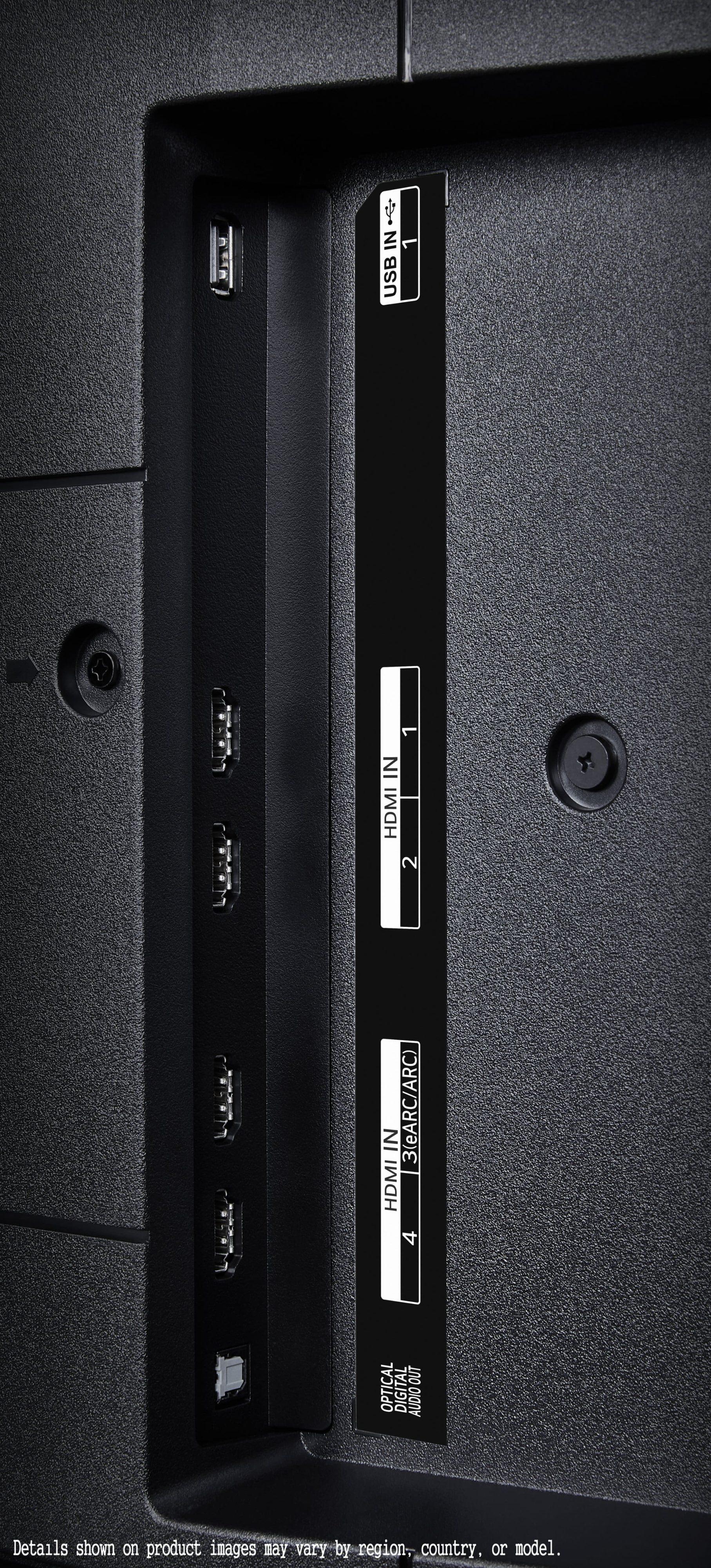
Both TVs support Auto Low Latency Mode (ALLM), which automatically switches to game mode when it detects a gaming console, ensuring optimal performance without manual adjustment.
The smart TV platform might seem less important than picture quality, but it's what you interact with every time you turn on the TV.
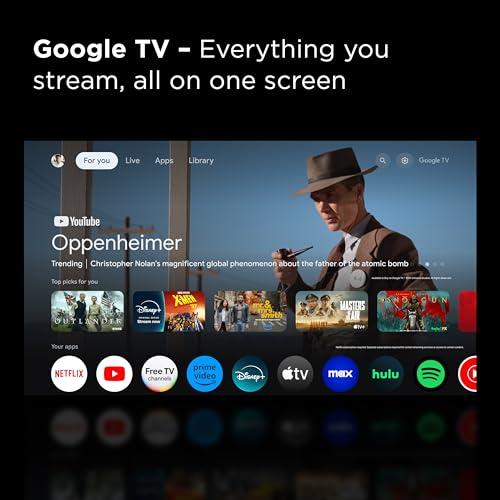
The TCL X11K runs Google TV, which excels at content discovery. It aggregates shows and movies from across your streaming services, making recommendations based on your viewing habits. The hands-free Google Assistant integration means you can control the TV, smart home devices, and search for content using voice commands without picking up the remote.
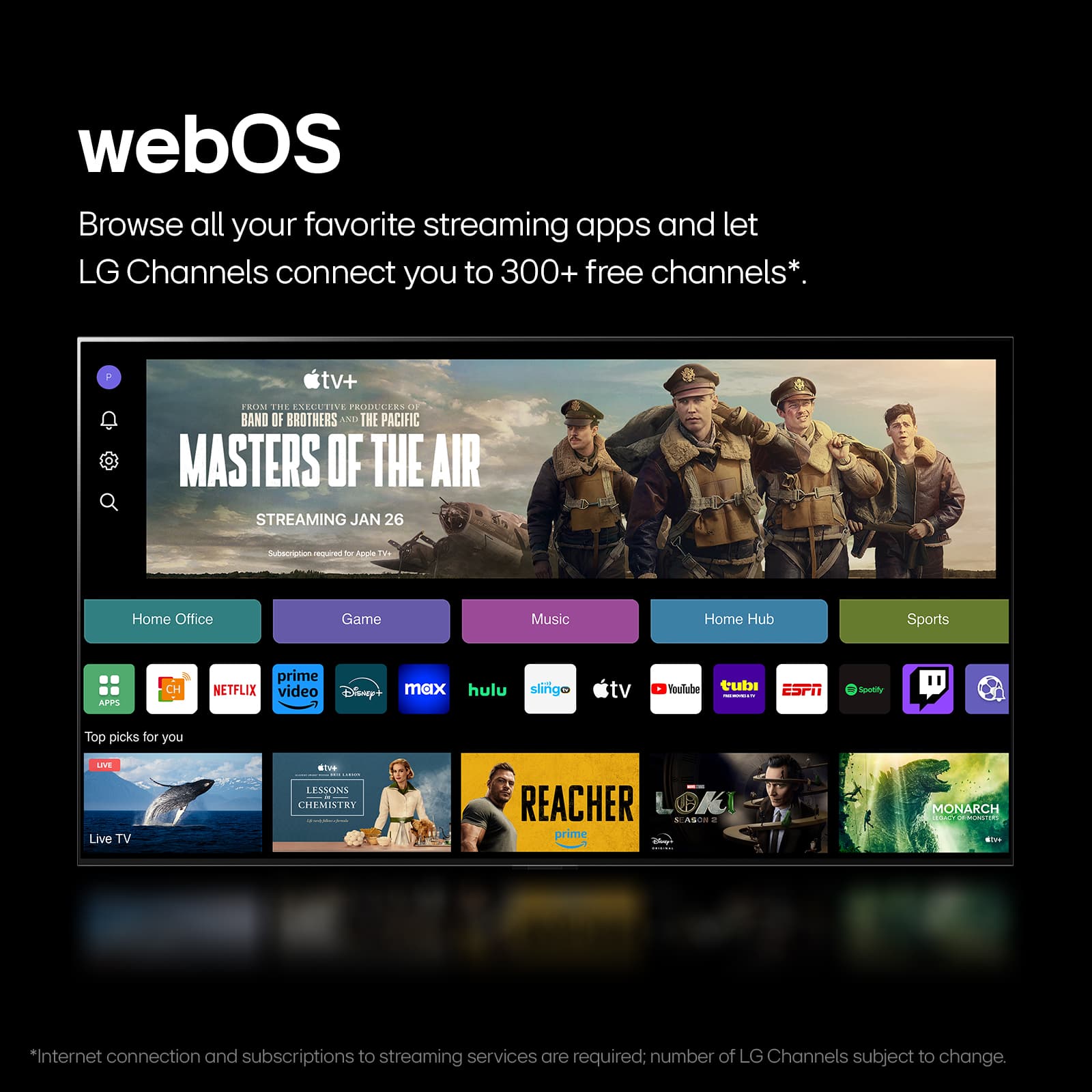
The LG UT90 uses webOS 24, LG's proprietary platform known for its intuitive interface and smooth performance. webOS features a clean, card-based layout that makes navigating between apps effortless. It supports both Google Assistant and Amazon Alexa, giving you flexibility in voice control options.
Both platforms offer comprehensive streaming app support, though Google TV sometimes gets new apps slightly faster due to its Android foundation. The choice between them often comes down to personal preference—Google TV for content discovery, webOS for interface elegance.
Large TVs often get paired with dedicated sound systems, but built-in audio quality still matters for casual viewing and late-night sessions when you can't crank the soundbar.
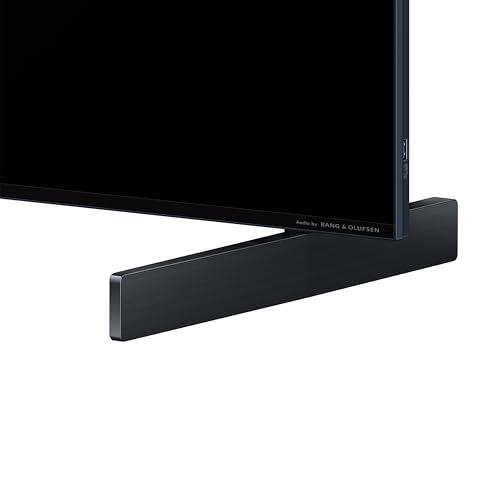
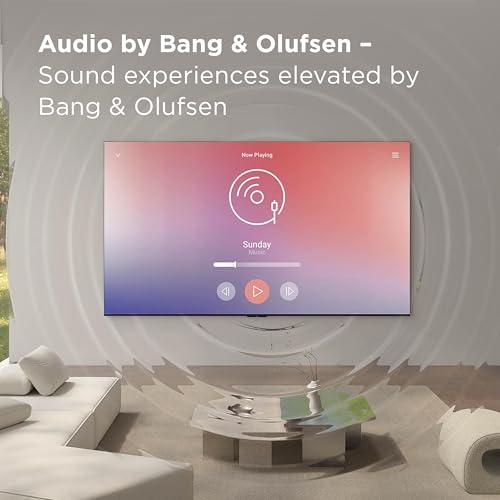
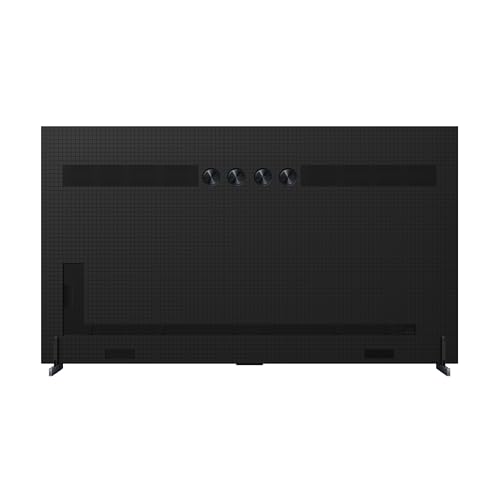
The TCL X11K includes a 120-watt Bang & Olufsen audio system with Dolby Atmos support. This 2.1.1 channel setup includes dedicated drivers for different frequency ranges and attempts to create spatial audio—sound that appears to come from specific locations around the room. For many users, this built-in system eliminates the immediate need for external speakers.
The LG UT90 includes standard TV speakers without specified wattage or premium branding. Based on user feedback, they're adequate for dialogue and casual viewing but lack the depth and clarity for movie nights or music listening.
This audio difference represents another value consideration. If you're planning to add a soundbar or home theater system anyway, the LG's basic speakers are perfectly fine. But if you prefer the simplicity of excellent built-in audio, the TCL's Bang & Olufsen system adds significant value.
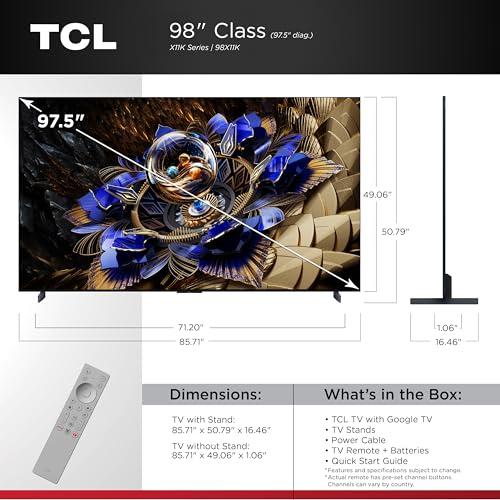
Both 98-inch TVs face the same physical challenges: they're massive, heavy, and need robust mounting solutions. At this size, build quality becomes crucial for long-term reliability.
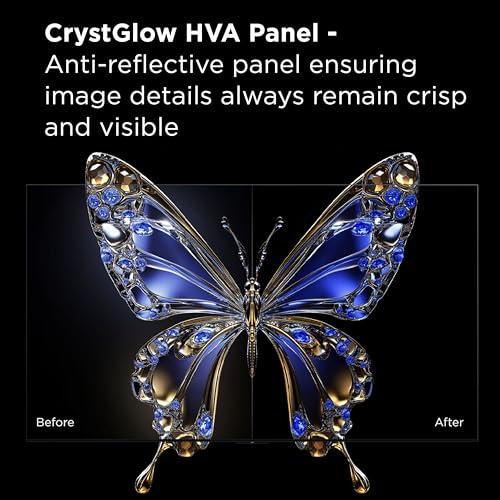
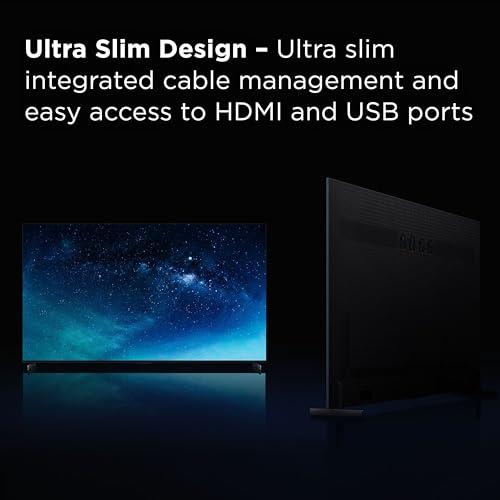
The TCL X11K features integrated cable management and an anti-reflective coating that reduces glare beyond what brightness alone can achieve. These premium touches matter when the TV becomes a room's focal point.
The LG UT90 opts for a clean, minimalist design that prioritizes function over premium materials. It's well-built for its price point but lacks the premium touches that justify higher-end pricing.
Both TVs require professional installation due to their size and weight. A 98-inch TV isn't something you casually wall-mount as a weekend project.
In dedicated home theater environments, different priorities emerge. Color accuracy becomes more important than peak brightness, motion handling matters more for film content, and uniformity across the massive screen becomes critical.
The TCL X11K excels in home theater applications thanks to its precise local dimming and wide color gamut. The 14,000 dimming zones create the contrast that makes movies immersive, while Filmmaker Mode preserves the director's intended color and motion settings.
The LG UT90 performs admirably in controlled lighting theater environments. Without competing against bright ambient light, its contrast limitations become less noticeable, and its color accuracy proves quite good for the price point.
For serious home theater enthusiasts, the TCL's superior technology justifies its premium. For casual movie watching in a family room that doubles as a theater, the LG provides an excellent experience at a more accessible price.
The decision between these TVs ultimately depends on your priorities, room conditions, and budget flexibility.
Choose the TCL 98" X11K if you have a bright living room with lots of windows, want the absolute best picture quality available, are a serious gamer seeking competitive advantages, or plan to rely primarily on built-in audio. The premium features justify the higher cost if you'll actually benefit from them.
Choose the LG 98" UT90 if you want maximum screen size within a tighter budget, have controlled lighting conditions, primarily watch standard streaming content, or prefer investing savings in external audio and accessories.
The performance gap between these TVs is real and significant, but so is the price difference. For most viewers in typical living room conditions, the LG UT90 delivers a satisfying 98-inch experience at exceptional value. However, if your budget allows and your viewing conditions demand it, the TCL X11K's advanced technology creates a genuinely superior experience that justifies its premium positioning.
At this scale, either TV transforms your viewing experience compared to smaller displays. The question isn't whether 98 inches is worth it—it absolutely is—but rather which approach to 98-inch viewing best matches your specific needs and budget reality.
| TCL 98" X11K 4K QD-Mini LED Google TV | LG 98" Class UT90 Series 4K UHD Smart TV 2024 |
|---|---|
| Display Technology - Determines picture quality and contrast performance | |
| QD-Mini LED with 14,000 local dimming zones | Direct LED backlighting with basic local dimming |
| Peak Brightness - Critical for bright rooms and HDR content | |
| 6,500 nits (exceptional for any lighting condition) | Moderate brightness ~600-800 nits (good for controlled lighting) |
| Refresh Rate - Important for gaming and smooth motion | |
| 144Hz native (superior for competitive gaming) | 120Hz native (excellent for most gaming needs) |
| Color Gamut - Affects color accuracy and vibrancy | |
| 97% DCI-P3 with Quantum Dot technology | Standard LED color reproduction |
| HDR Support - Enhanced contrast and color in premium content | |
| Dolby Vision IQ, HDR10+, HDR10, HLG | HDR10, HLG (basic HDR support) |
| Audio System - Built-in sound quality | |
| 120W Bang & Olufsen 2.1.1 with Dolby Atmos | Standard TV speakers (external audio recommended) |
| Smart Platform - Daily user experience | |
| Google TV with hands-free Assistant | webOS 24 with intuitive interface |
| Gaming Features - Performance for console and PC gaming | |
| VRR up to 144Hz, AMD FreeSync Premium Pro, ALLM | Game Optimizer, VRR, ALLM, ~13ms input lag |
| Anti-Glare Technology - Reduces reflections in bright rooms | |
| Advanced anti-reflective coating with HALO Control | Standard reflection handling |
| Target Use Case - Best suited for | |
| Bright rooms, premium home theater, competitive gaming | Controlled lighting, budget-conscious large screen viewing |
The TCL 98" X11K is significantly better for bright rooms with its 6,500 nits peak brightness and anti-reflective coating. The LG 98" UT90 performs well in controlled lighting but struggles with glare in very bright environments. If your living room has lots of windows, the TCL X11K will maintain vivid colors and clear visibility throughout the day.
The primary difference is display technology. The TCL 98" X11K uses advanced QD-Mini LED with 14,000 local dimming zones for superior contrast and brightness, while the LG 98" UT90 uses traditional direct LED backlighting. This translates to much better picture quality on the TCL but at a significantly higher cost.
The TCL 98" X11K offers superior gaming performance with its 144Hz refresh rate, VRR up to 144Hz, and AMD FreeSync Premium Pro support. The LG 98" UT90 is still excellent for gaming with 120Hz and Game Optimizer features, but the TCL provides a competitive edge for serious gamers.
Both work well for home theaters, but with different strengths. The TCL 98" X11K excels with its precise local dimming, wide color gamut, and superior HDR performance, making it ideal for dedicated theater rooms. The LG 98" UT90 performs admirably in controlled lighting and offers excellent value for casual movie watching.
Both offer excellent smart platforms. The TCL 98" X11K runs Google TV with superior content discovery and hands-free Google Assistant. The LG 98" UT90 uses webOS 24, known for its intuitive interface and smooth performance. The choice depends on personal preference rather than clear superiority.
The TCL 98" X11K includes a premium 120W Bang & Olufsen audio system with Dolby Atmos, eliminating the immediate need for external speakers. The LG 98" UT90 has standard TV speakers that are adequate for dialogue but will likely require a soundbar for optimal movie and music experiences.
Value depends on your needs and budget. The LG 98" UT90 offers exceptional value for buyers wanting maximum screen size at an accessible price point. The TCL 98" X11K provides premium features that justify its higher cost if you'll benefit from superior brightness, contrast, and gaming performance.
The TCL 98" X11K delivers superior HDR performance with support for Dolby Vision IQ, HDR10+, and exceptional peak brightness that displays HDR as intended. The LG 98" UT90 supports HDR10 and HLG with decent performance, though it must compress bright highlights due to lower peak brightness capabilities.
Both handle sports well, but the TCL 98" X11K has advantages with its higher brightness for daytime viewing, superior motion handling at 144Hz, and better performance in bright rooms. The LG 98" UT90 provides smooth sports viewing at 120Hz and works great in controlled lighting environments.
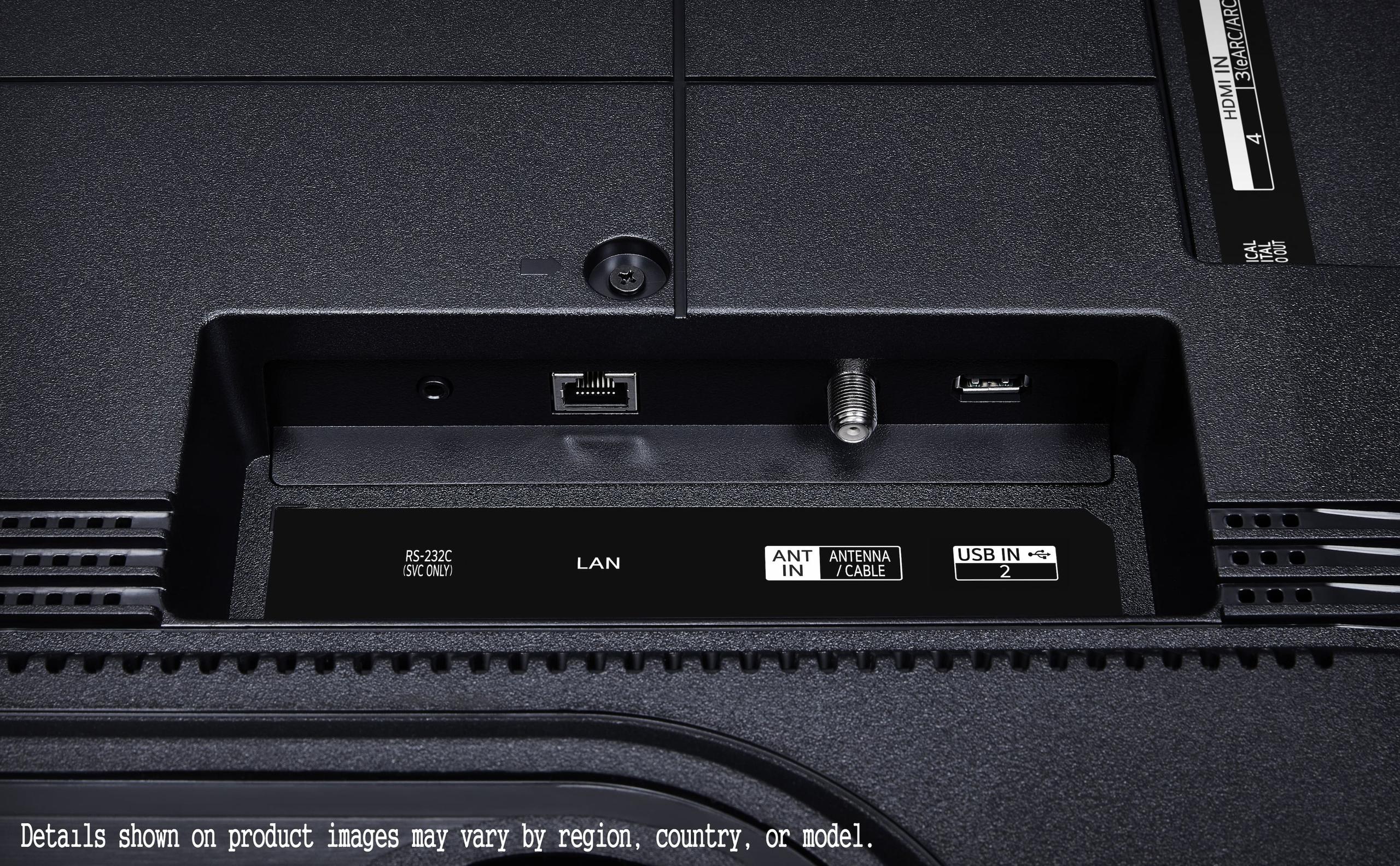
Both require professional installation due to their massive size and weight. The TCL 98" X11K includes integrated cable management for cleaner installations, while the LG 98" UT90 offers standard mounting options. Both need robust wall mounts and careful planning for room placement.
Both brands offer solid reliability, with the TCL 98" X11K featuring more advanced components that could potentially require more maintenance over time. The LG 98" UT90 uses simpler, proven technology that typically offers good long-term reliability. Both come with manufacturer warranties for peace of mind.
Choose the TCL 98" X11K if you have bright rooms, want the absolute best picture quality, are a serious gamer, or plan to use built-in audio. Choose the LG 98" UT90 if you want maximum screen size within a tighter budget, have controlled lighting, or prefer investing savings in external audio and accessories.
We've done our best to create useful and informative comparisons to help you decide what product to buy. Our research uses advanced automated methods to create this comparison and perfection is not possible - please contact us for corrections or questions. These are the sites we've researched in the creation of this article: ecoustics.com - pcrichard.com - tcl.com - valueelectronics.com - bestbuy.com - tcl.com - whathifi.com - tcl.com - youtube.com - displayspecifications.com - whathifi.com - youtube.com - notebookcheck.net - tcl.com - tcl.com - displayspecifications.com - tcl.com - tcl.com - pcguide.com - en.homecinesolutions.fr - youtube.com - tcl.com - rtings.com - shopjetson.com - abt.com - rtings.com - rtings.com - pcrichard.com - lg.com - rcwilley.com - lg.com - elechid.com - lg.com

Privacy Policy
Terms and Conditions - Affiliate Policy
Home Security
© Copyright 2008-2026.
11816 Inwood Rd #1211, Dallas, TX 75244