

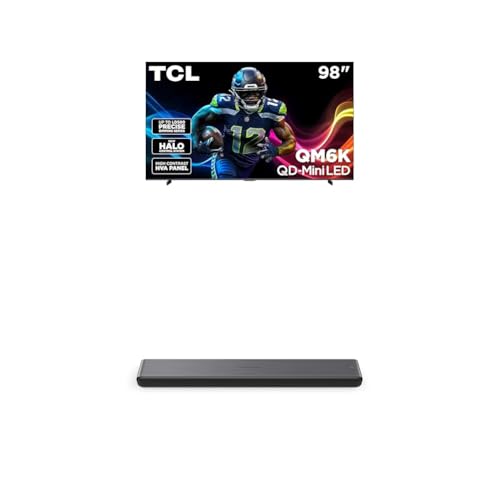
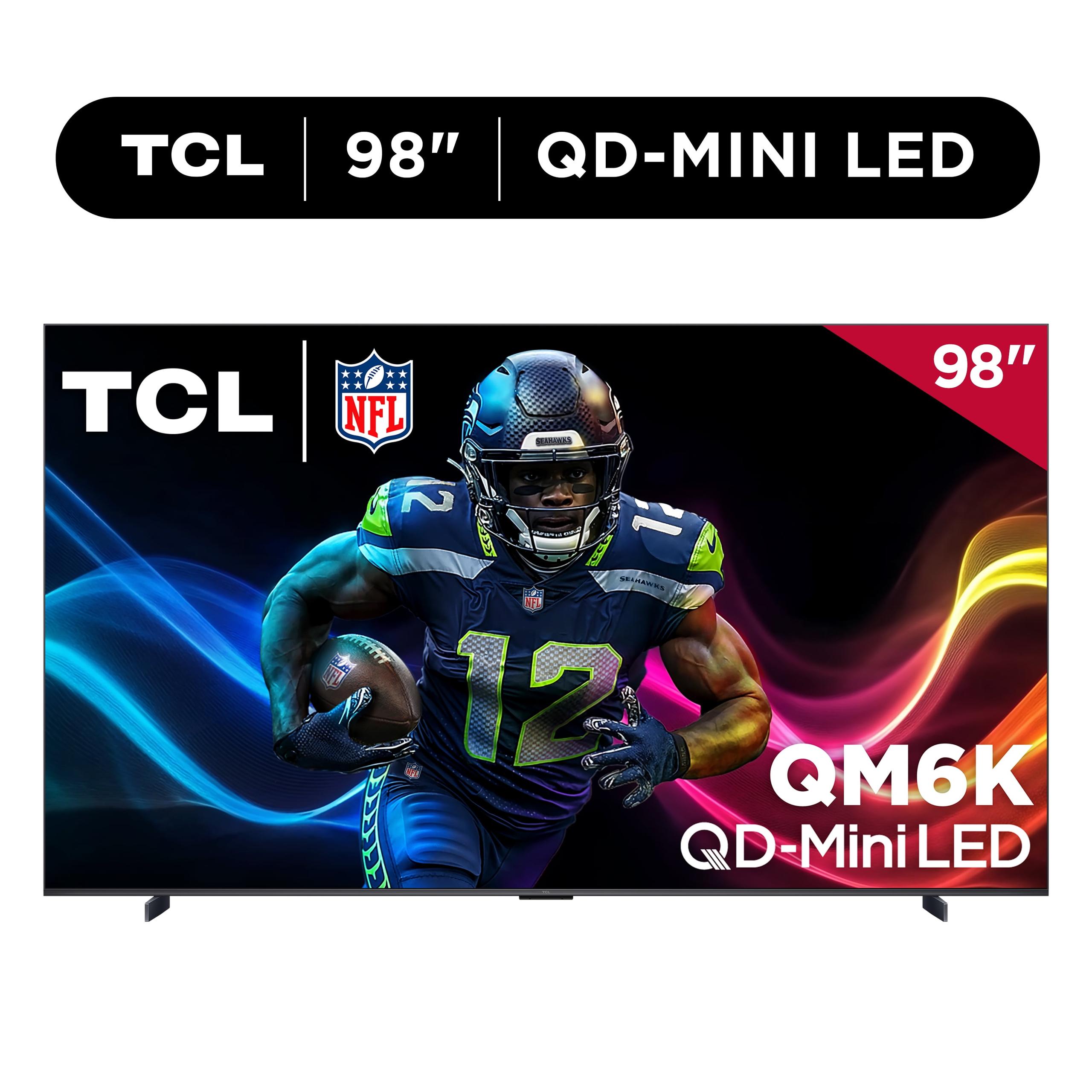
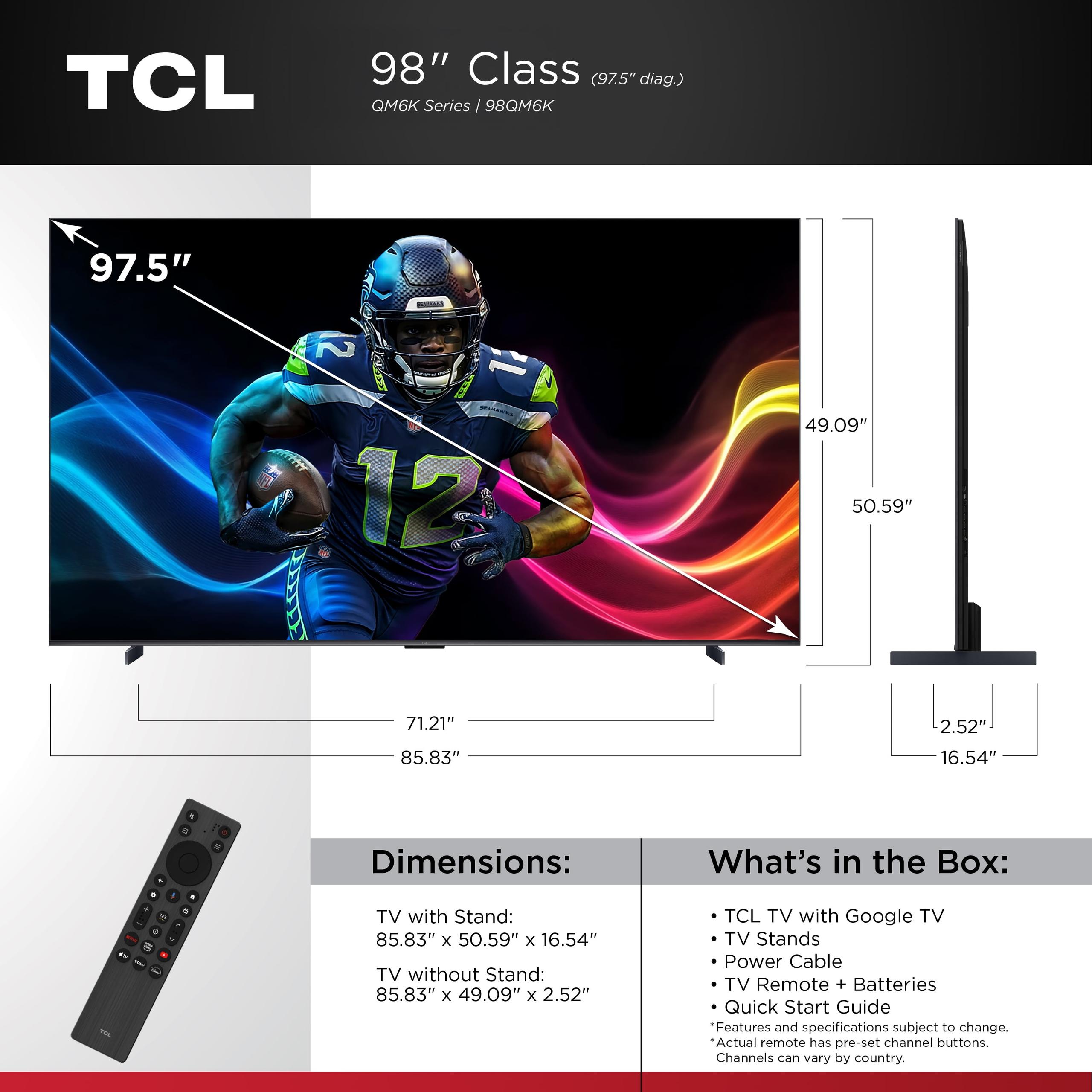
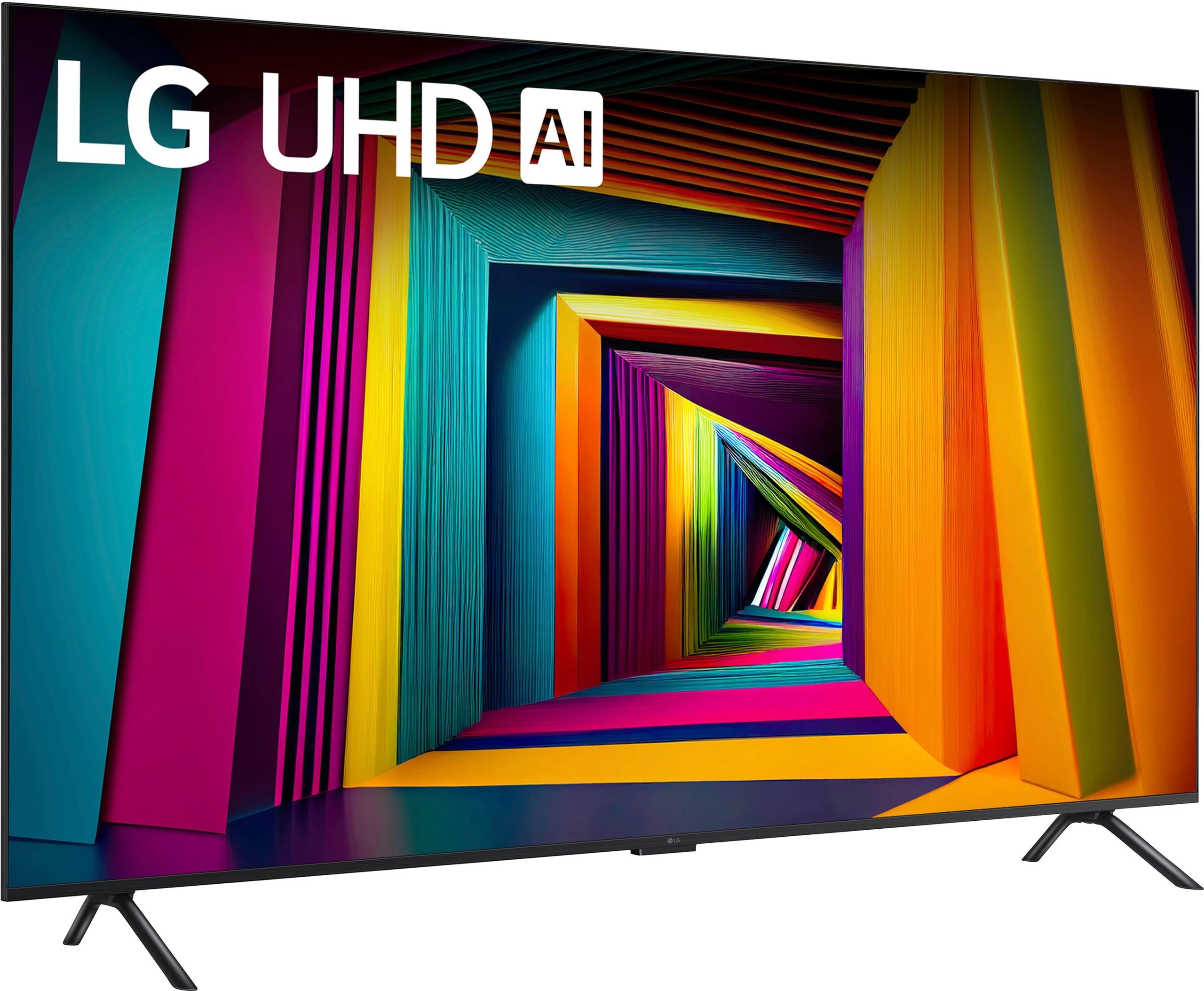
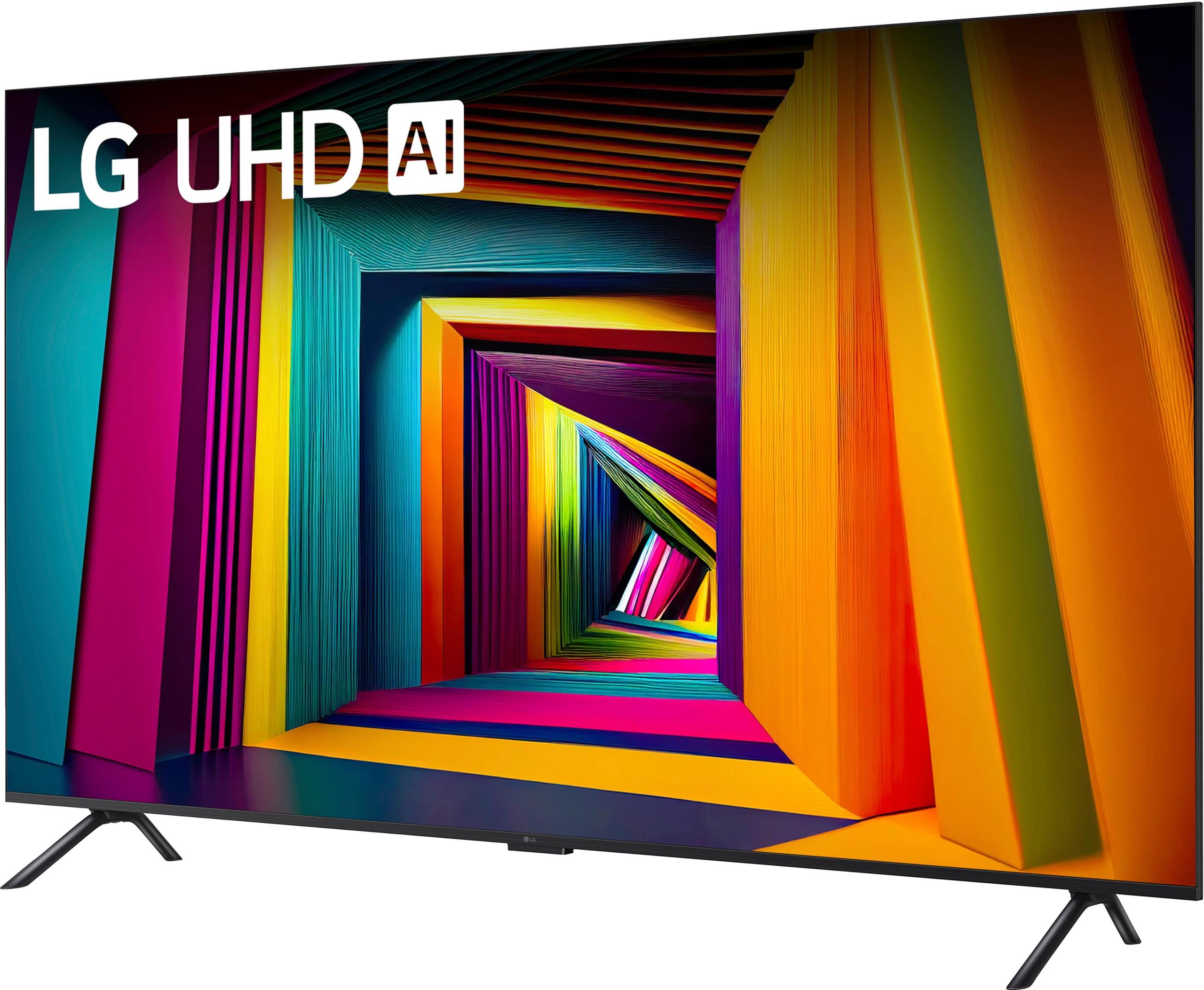
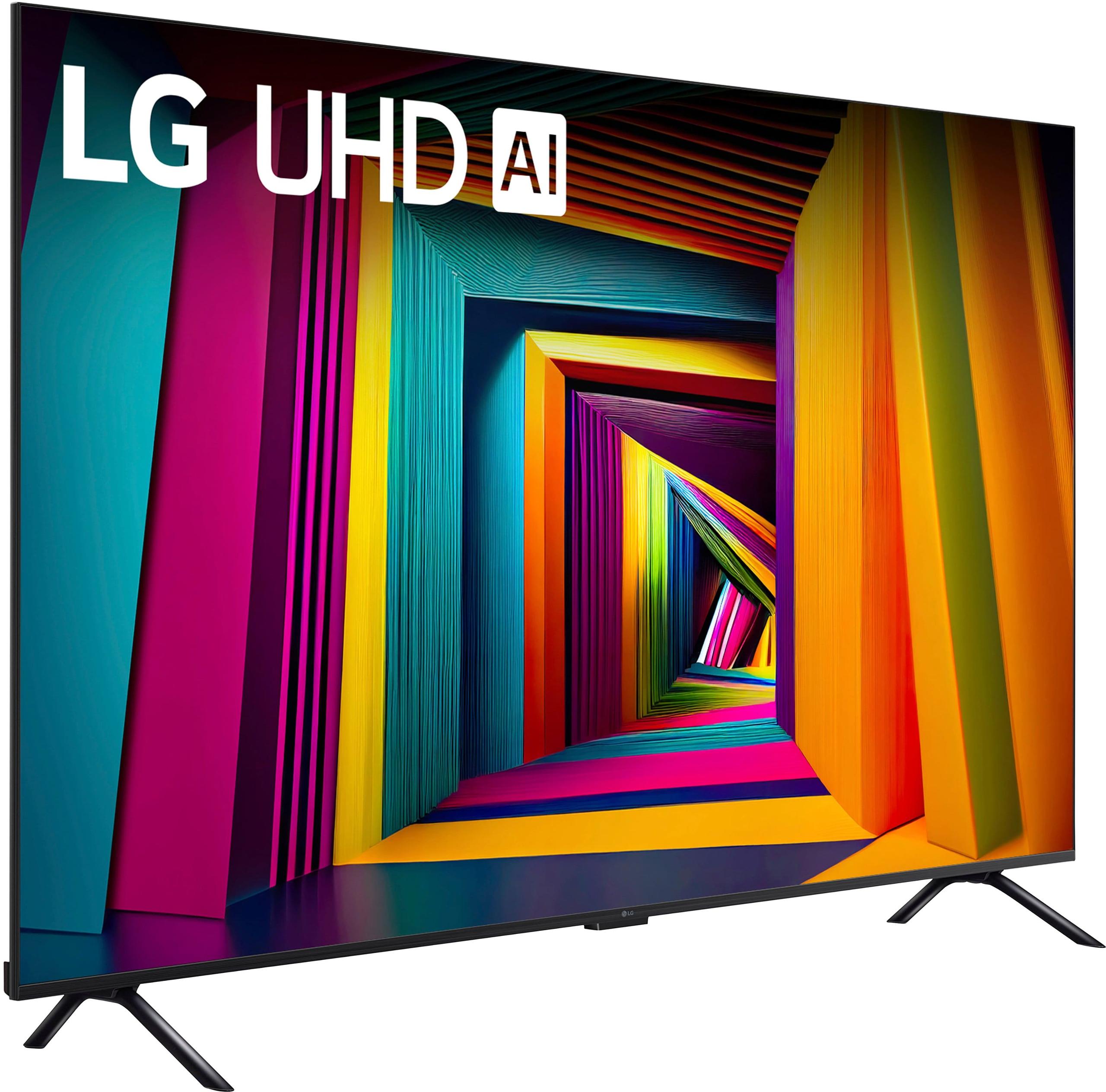
When you're shopping for a 98-inch TV, you're entering premium territory. These massive displays transform your living room into a personal theater, but they also represent a significant investment. Two models that frequently come up in conversations are the TCL 98-Inch QM6K QLED at $1,999.99 and the LG 98" Class UT90 Series, which typically retails for $2,497 but can often be found on sale for around $627.
Having spent considerable time with large format displays, I can tell you that size alone doesn't guarantee a great viewing experience. The technology behind these giant screens makes all the difference in how much you'll enjoy your investment over the years.
Large format TVs face unique engineering challenges that smaller displays don't encounter. When you stretch a display to 98 inches, maintaining consistent brightness across the entire panel becomes incredibly difficult. You also need more powerful processing to handle the massive amount of visual data, and the viewing experience changes dramatically based on where you sit in the room.
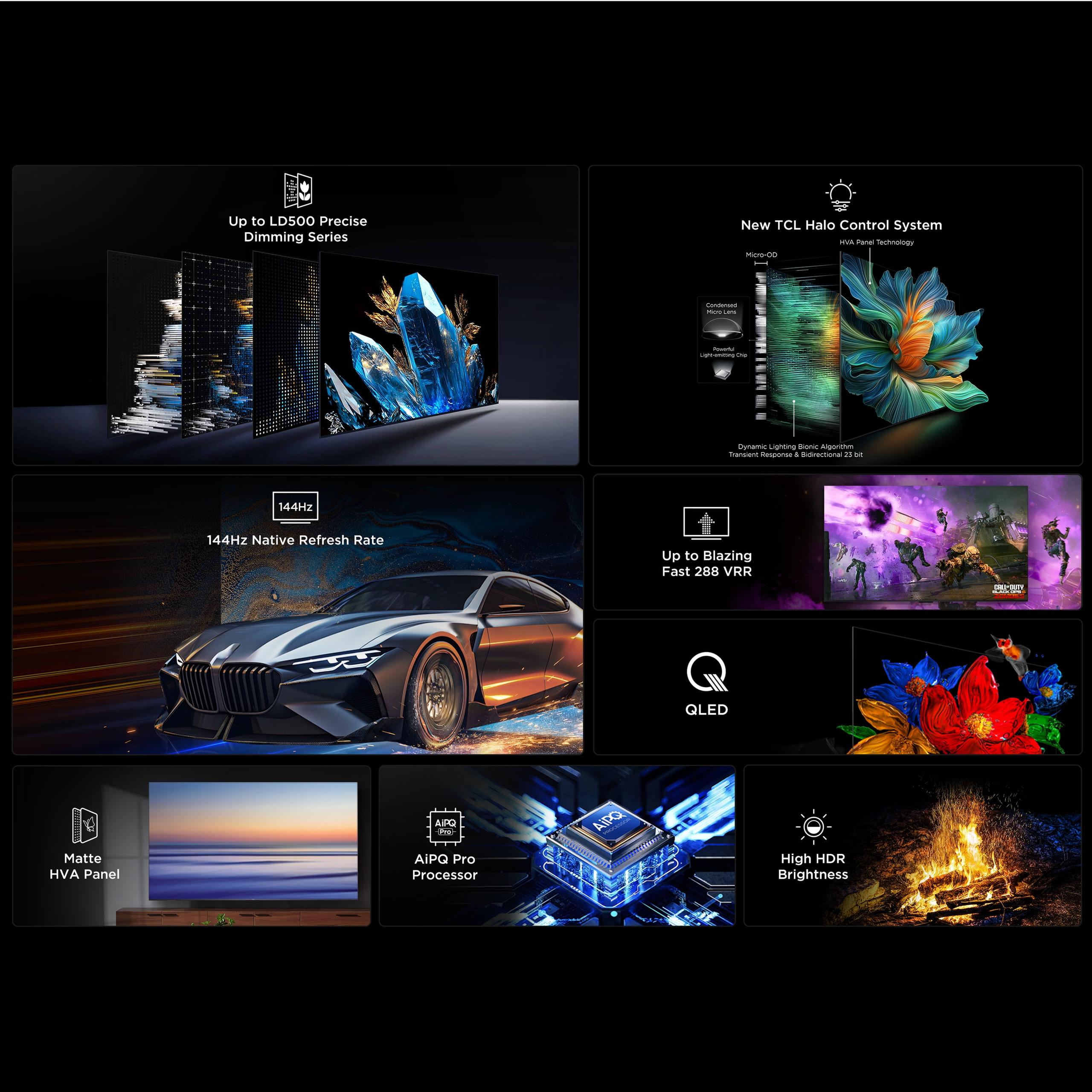
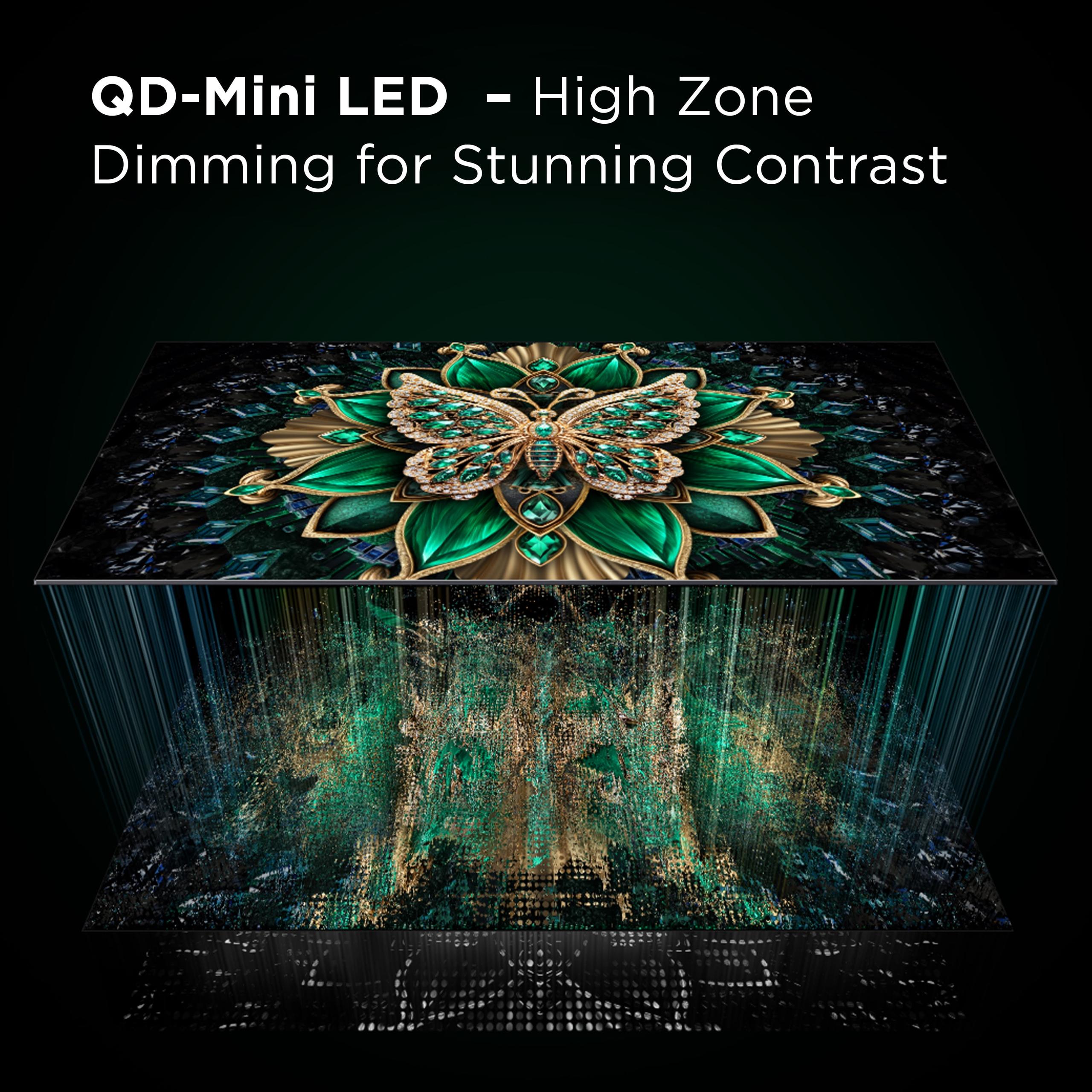
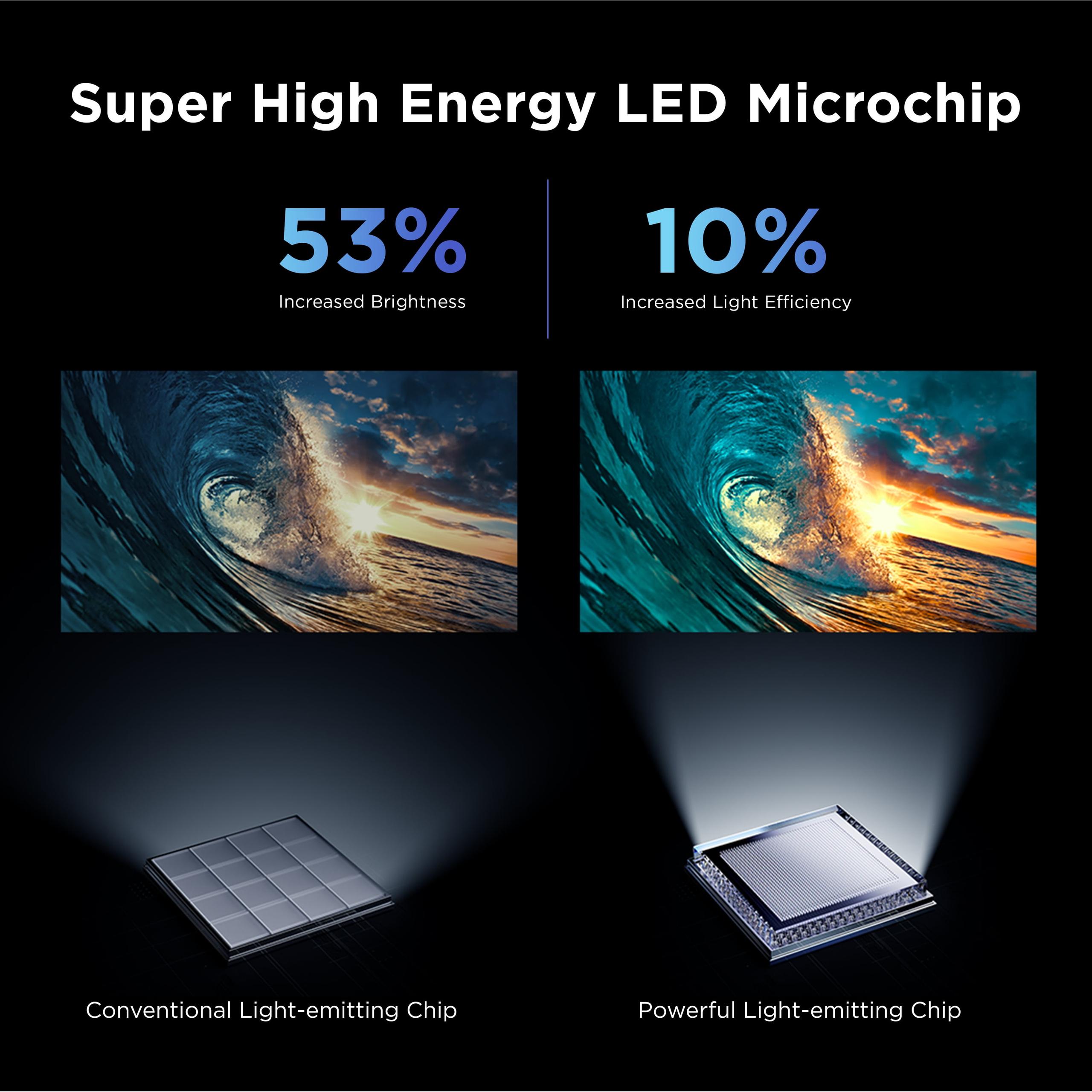
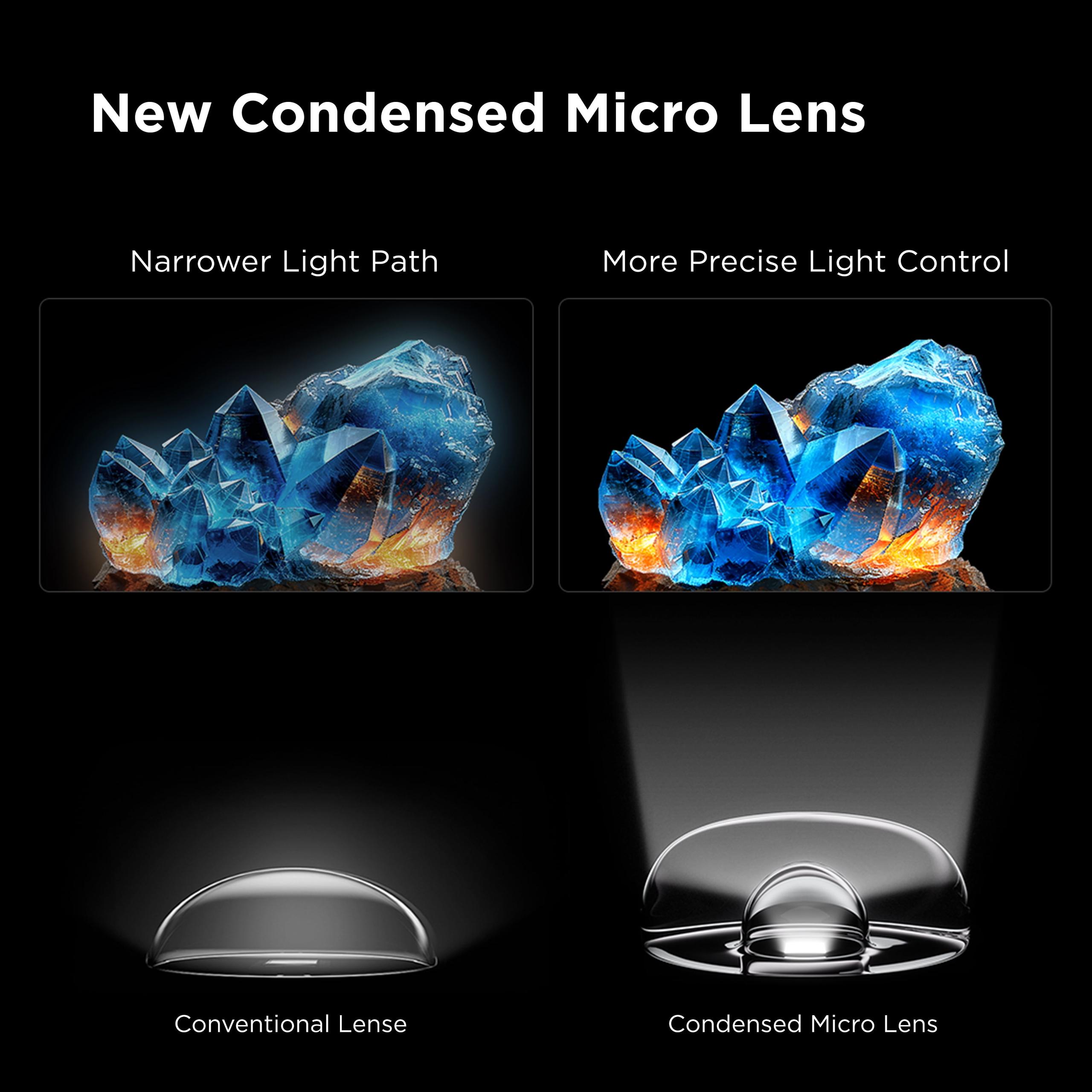
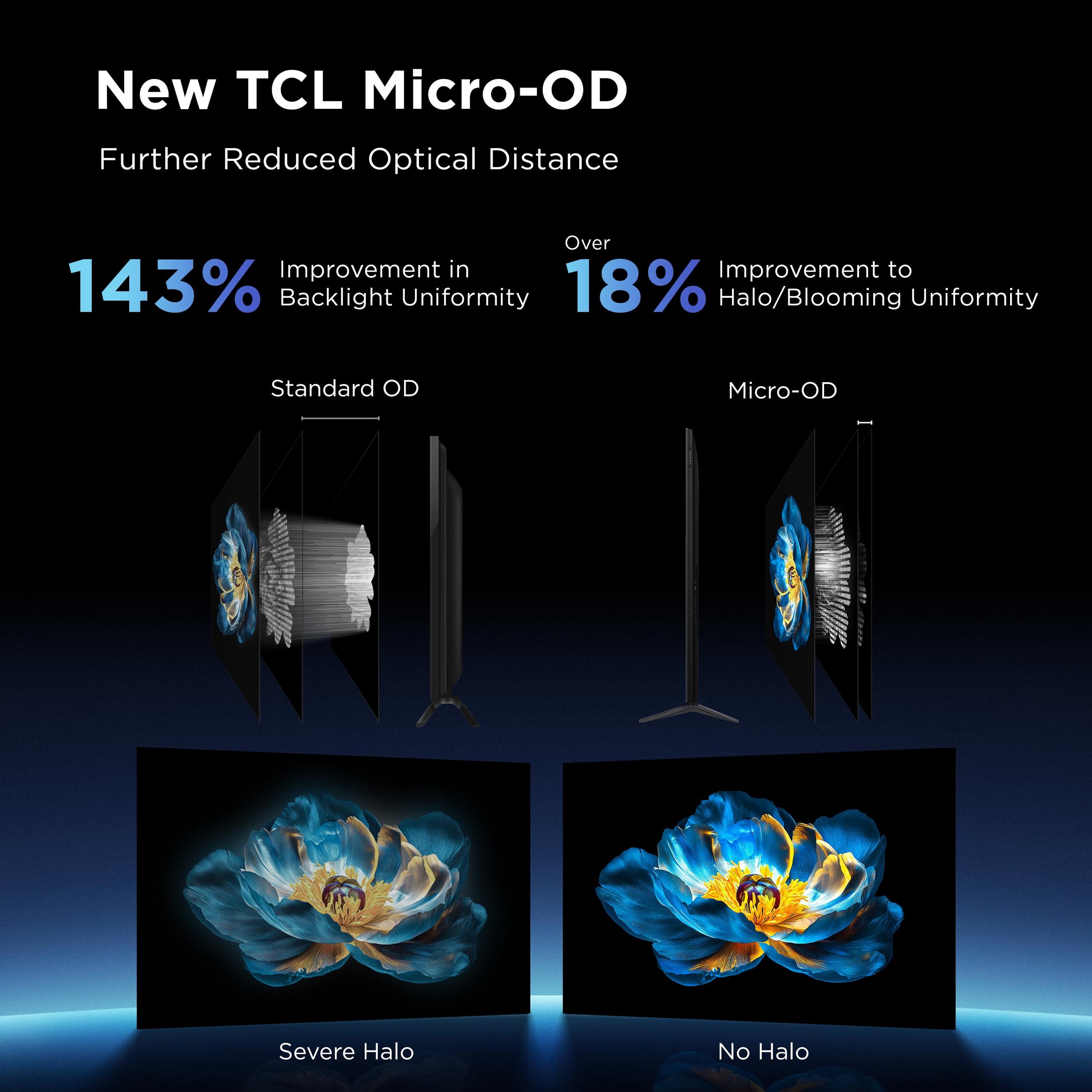
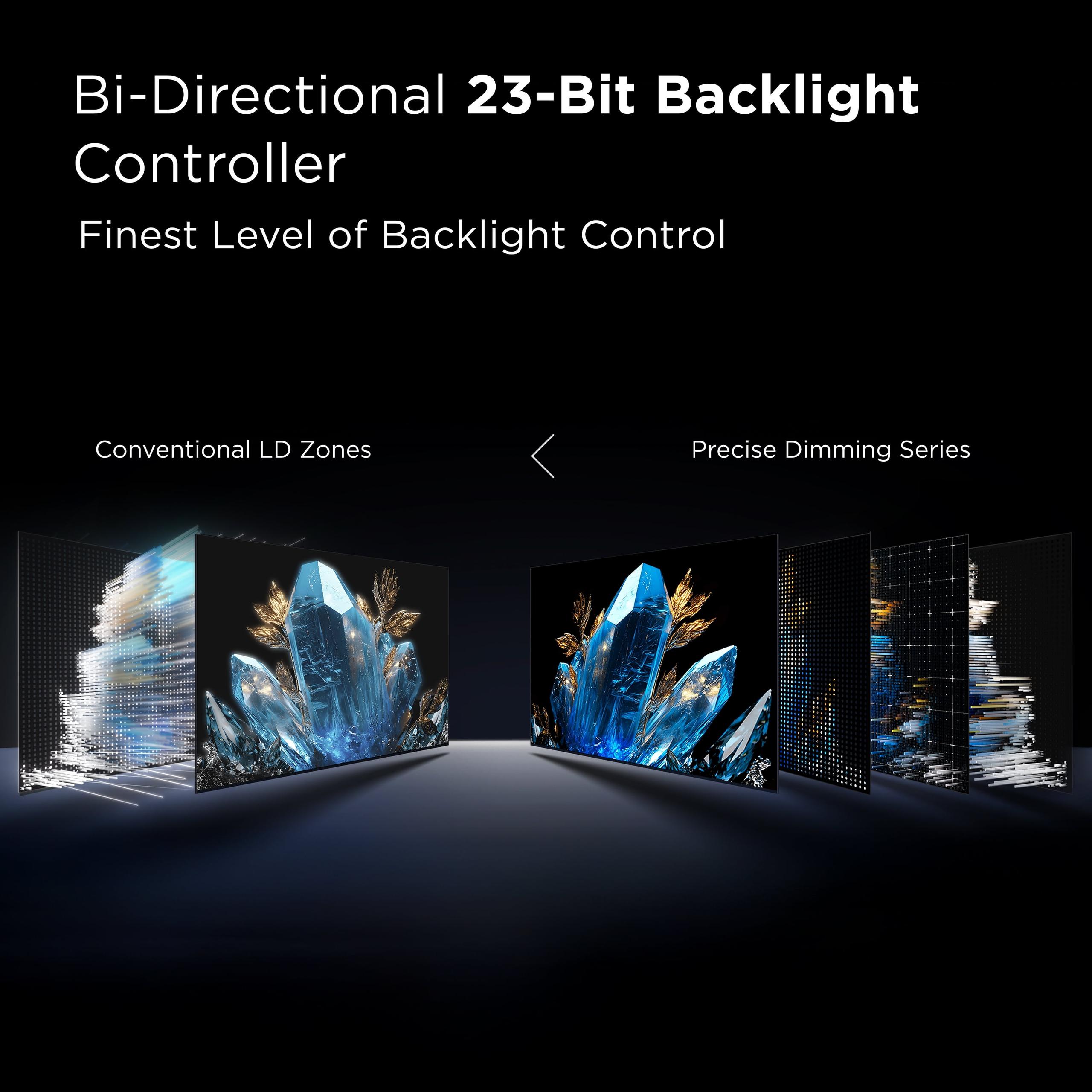
The most important consideration is the display technology itself. Traditional LED TVs use a backlight behind an LCD panel, but they struggle with contrast because the backlight affects the entire screen. Mini LED technology, which the TCL QM6K uses, places thousands of tiny LEDs behind the screen in zones that can be controlled independently. This creates much better contrast – deeper blacks and brighter highlights – though it's still not as precise as OLED technology.
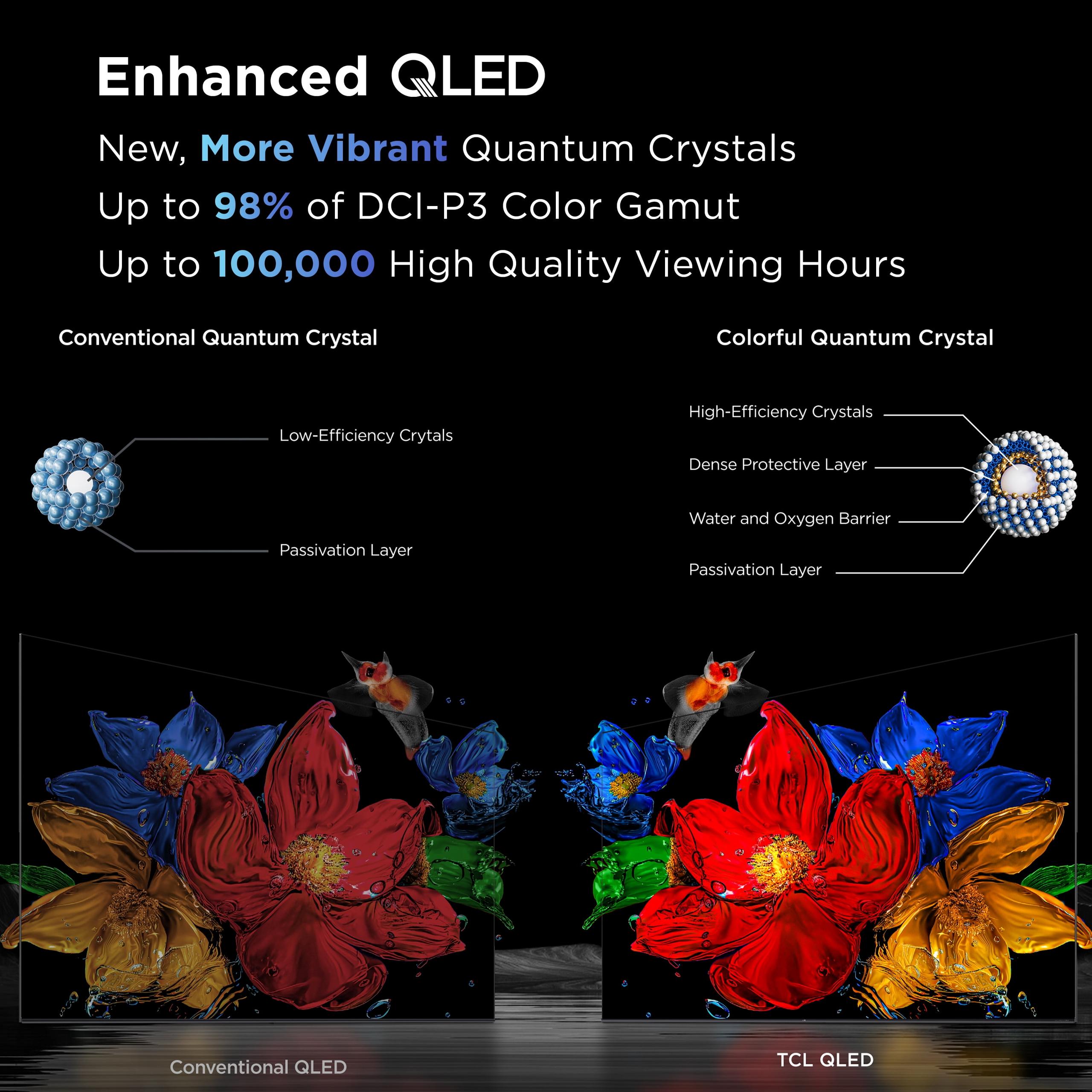
Quantum dot technology, another feature in the TCL, uses microscopic crystals that emit pure colors when hit by light. Think of it like a color filter that makes reds redder and blues bluer, resulting in more vibrant and accurate colors than standard LED displays.
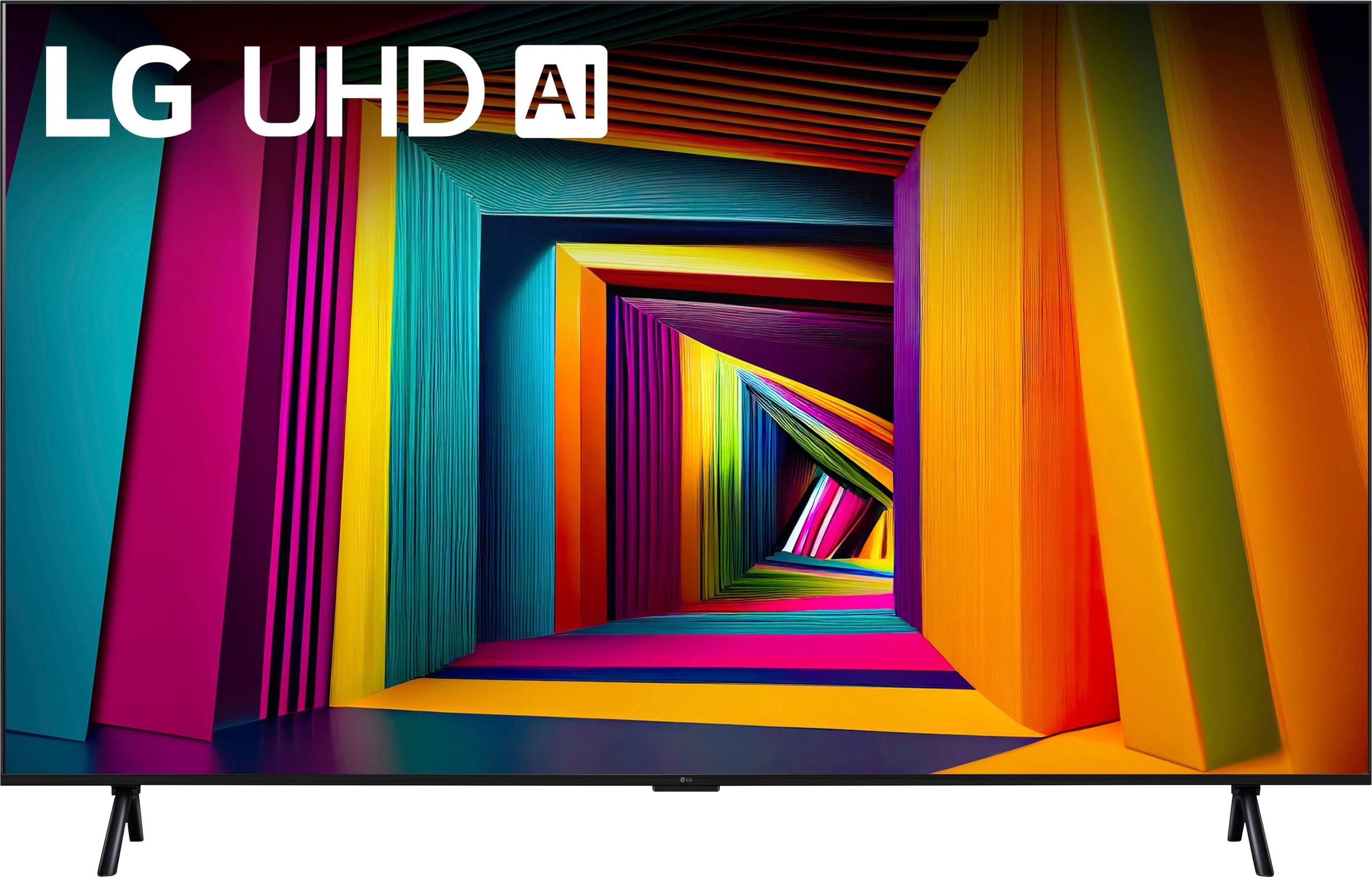
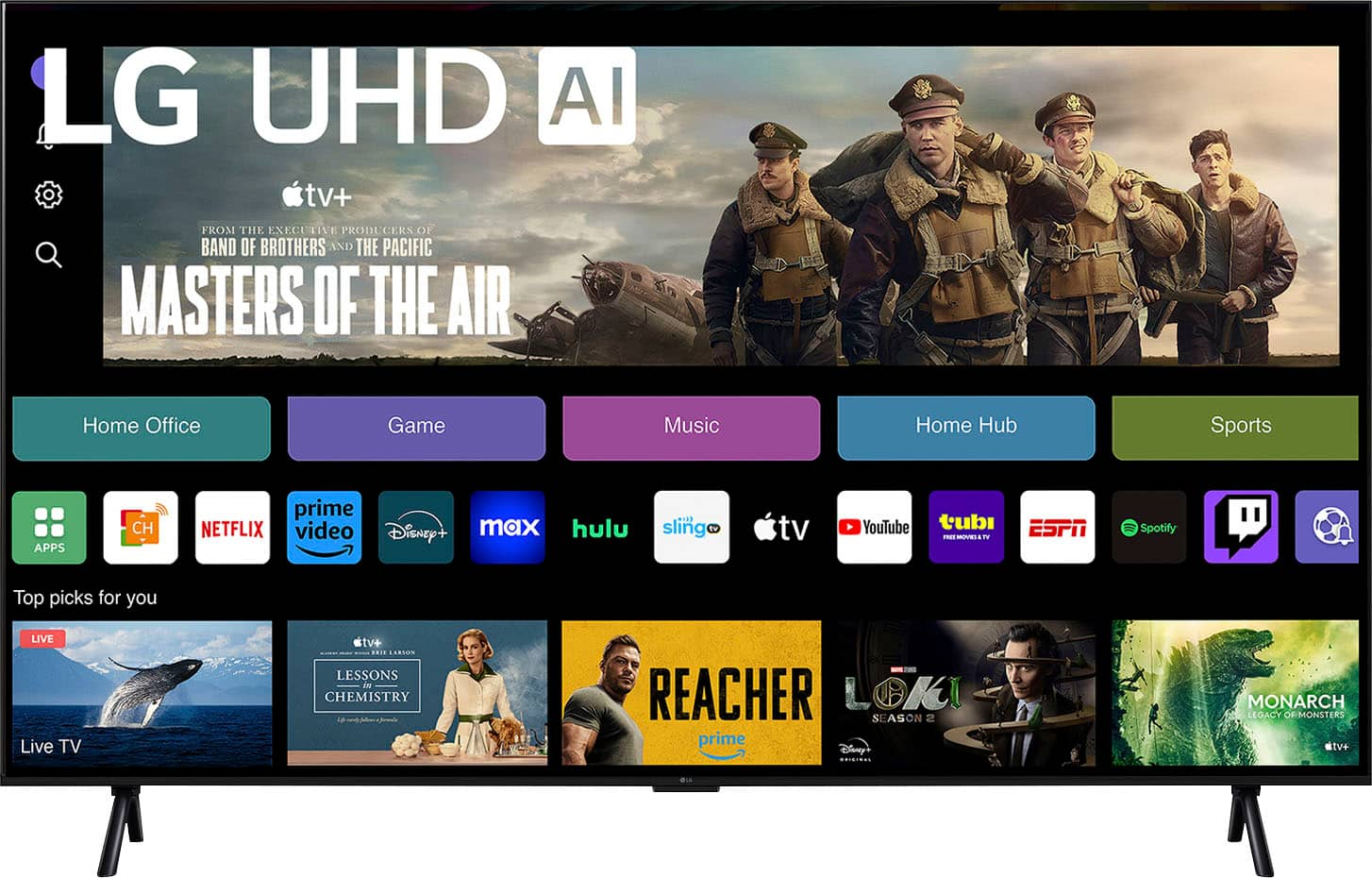
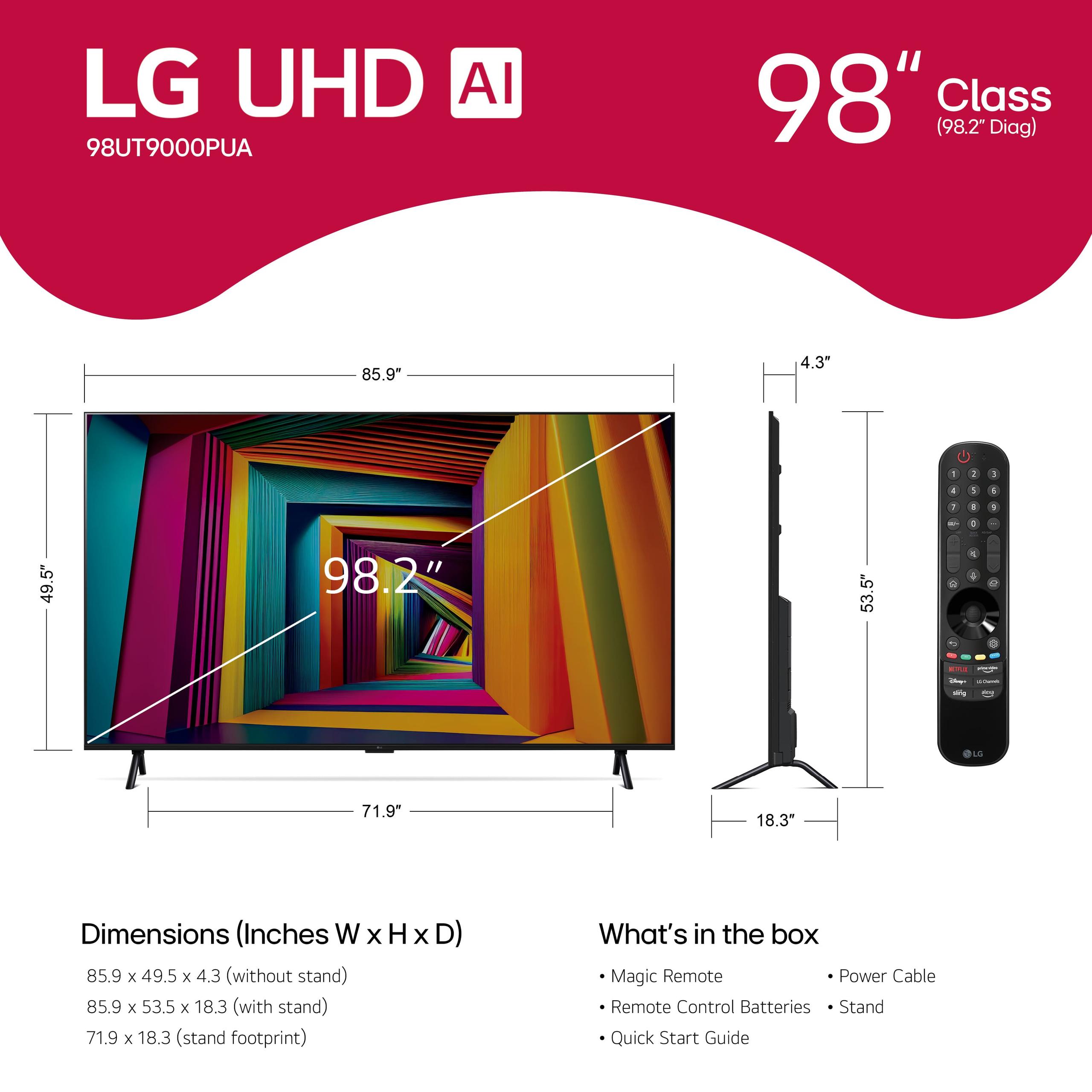
The LG UT90 Series launched in 2024 as part of LG's mid-range lineup, representing the company's approach to making large screens more affordable. LG has traditionally focused on OLED technology for their premium displays, so the UT90 uses more conventional LED backlighting to hit lower price points.
The TCL QM6K arrived in 2025 as TCL's answer to premium large format displays. TCL has been aggressively pushing Mini LED technology across their lineup, and the QM6K represents their latest refinement of this approach. The 2025 model introduces several improvements over previous generations, including better local dimming algorithms and enhanced gaming features.
What's particularly interesting about the timing is how these releases reflect different market strategies. LG launched the UT90 during a period when consumers were becoming more price-sensitive, while TCL's 2025 QM6K launch coincided with increased demand for gaming-focused features as next-generation consoles matured.
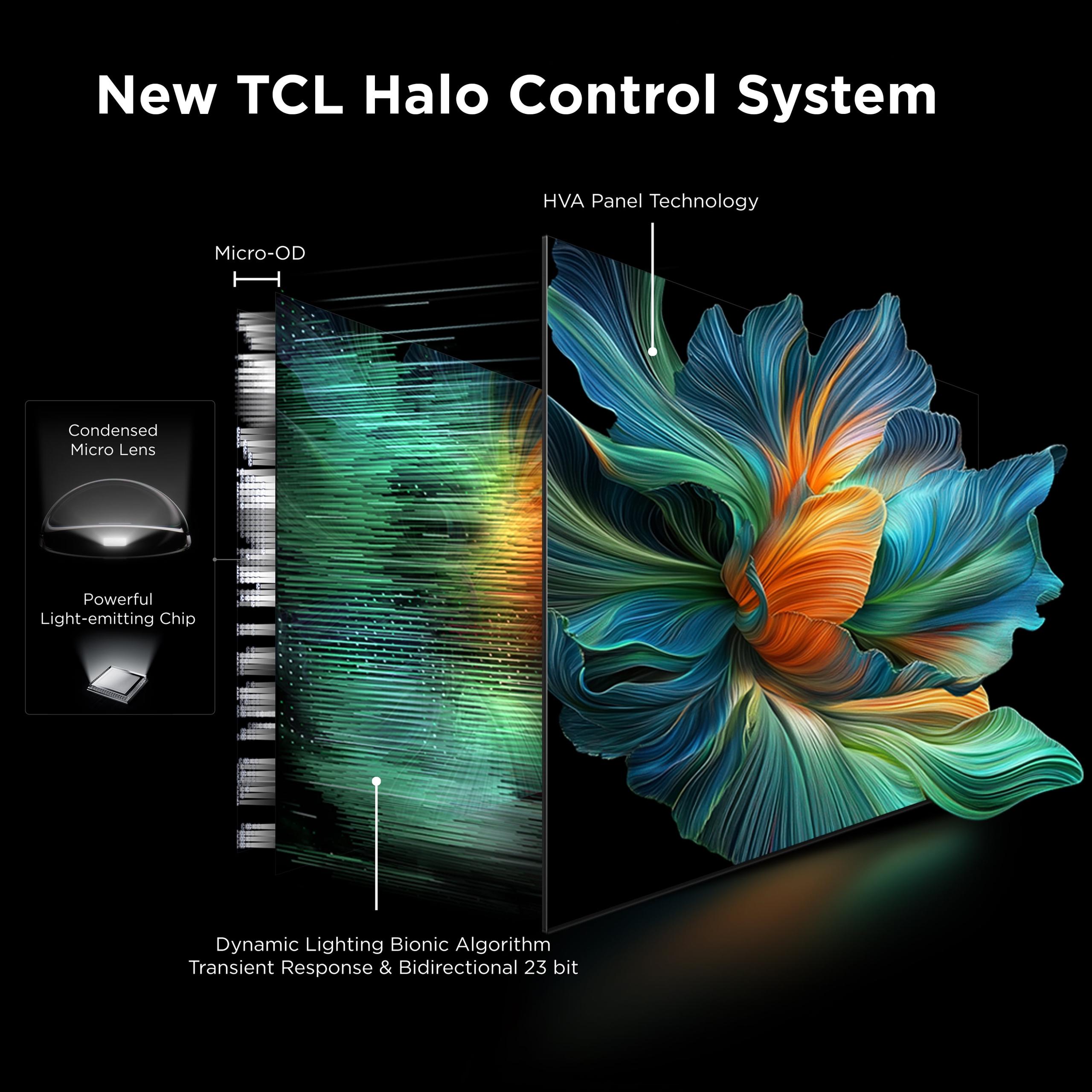
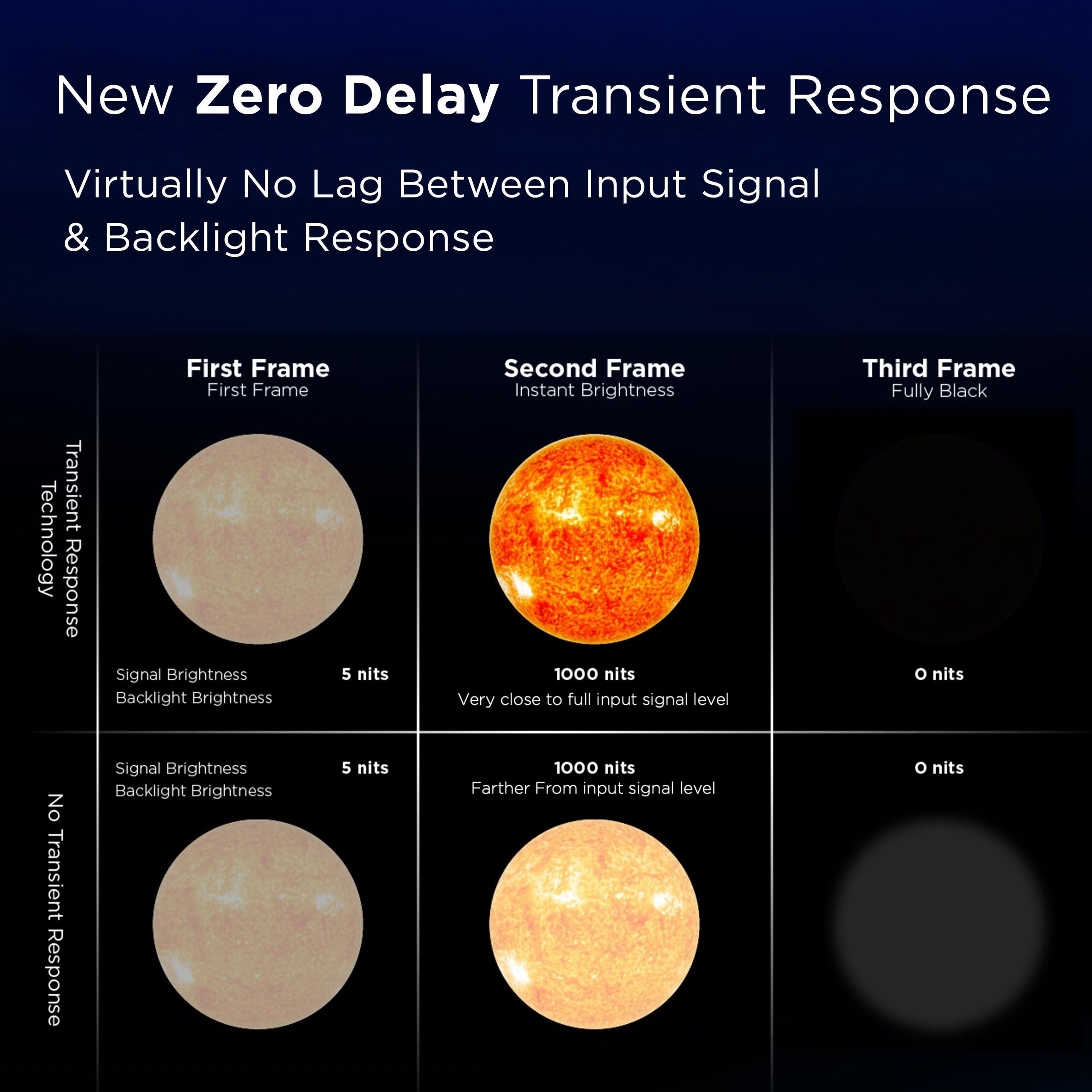
The picture quality difference between these TVs is substantial, and it comes down to fundamental display technology choices. The TCL QM6K's Mini LED backlighting uses up to 500 local dimming zones. Each zone can brighten or dim independently, allowing the TV to show a bright explosion in one corner of the screen while keeping a night sky perfectly black in another area.
I've noticed this makes a huge difference when watching movies with mixed lighting – think of a campfire scene where faces are lit by firelight against a dark forest background. The TCL can make that fire glow brilliantly while keeping the forest shadows truly dark, creating depth and realism that draws you into the scene.
The quantum dot layer adds another dimension to color reproduction. The TCL achieves 93% coverage of the DCI-P3 color space, which is the standard used for digital cinema. In practical terms, this means colors look more saturated and accurate, particularly in the red and green spectrum. Skin tones appear more natural, and nature documentaries really pop with vibrant greens and blues.
The LG UT90, using direct-lit LED technology, spreads its backlight more evenly but can't achieve the same level of local control. This results in what we call "blooming" – when bright objects create a subtle glow around them in dark scenes. While the α8 AI processor does impressive work optimizing the image, it's working with fundamental hardware limitations that processing alone can't overcome.
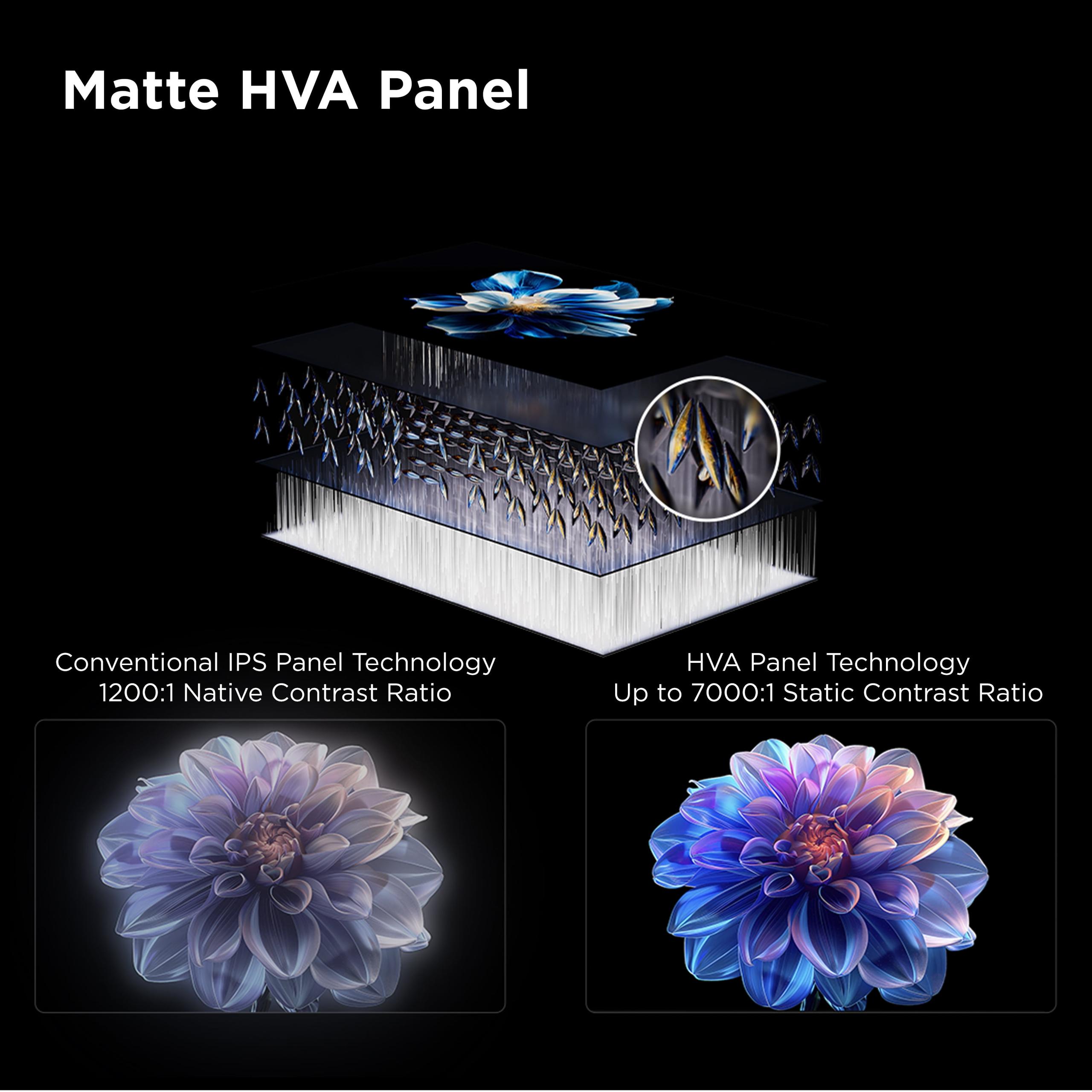
However, the LG does have an advantage in viewing angles. Its IPS-based panel maintains color accuracy and brightness when viewed from the side, which matters in a large room where people might be sitting at angles to the screen. The TCL's VA panel looks best when viewed straight-on, though its anti-glare coating helps significantly in bright rooms.
Gaming on a 98-inch display is an experience unlike anything else, but it requires the right technology to work properly. The TCL QM6K truly excels here with its native 144Hz refresh rate. This means the panel can display 144 unique frames per second, creating incredibly smooth motion in fast-paced games.
What makes this even more impressive is the TV's ability to handle 4K resolution at 144Hz through its HDMI 2.1 ports. If you have a high-end gaming PC or are planning to upgrade, this TV can take full advantage of that hardware. For competitive gaming, it can even display 1080p content at 288Hz – though you'll need specialized hardware to generate that many frames per second.
The Game Accelerator 288 feature optimizes the TV's processing specifically for gaming, reducing input lag to nearly imperceptible levels. Input lag is the delay between when you press a button and when you see the action on screen – crucial for competitive gaming where milliseconds matter.
Variable Refresh Rate (VRR) and Auto Low Latency Mode (ALLM) work together to eliminate screen tearing and automatically switch the TV to its fastest gaming mode when it detects a console or PC. AMD FreeSync Premium Pro support adds another layer of optimization for PC gamers using compatible graphics cards.
The LG UT90 offers more basic gaming features with its 120Hz refresh rate and LG Game Optimizer interface. While perfectly adequate for console gaming, it lacks the advanced features that serious PC gamers will appreciate. The Game Optimizer provides a convenient interface for adjusting settings, but the underlying hardware simply can't match the TCL's gaming-focused capabilities.
Both TVs offer sophisticated smart platforms, but they take different philosophical approaches. The TCL QM6K runs Google TV version 12, which focuses on content discovery across all your streaming services. The interface learns your viewing habits and suggests content from Netflix, Disney+, Amazon Prime, and other services in a unified experience.
Google TV's strength lies in its integration with the broader Google ecosystem. Voice commands work naturally – you can ask for specific shows, control smart home devices, or even ask questions about what you're watching. The hands-free voice control means you don't need to find the remote for basic commands.
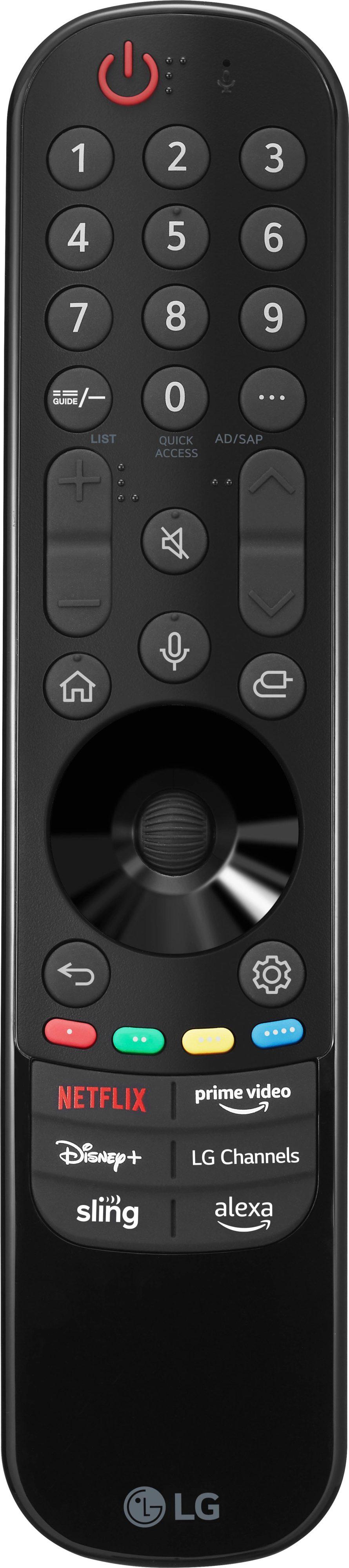
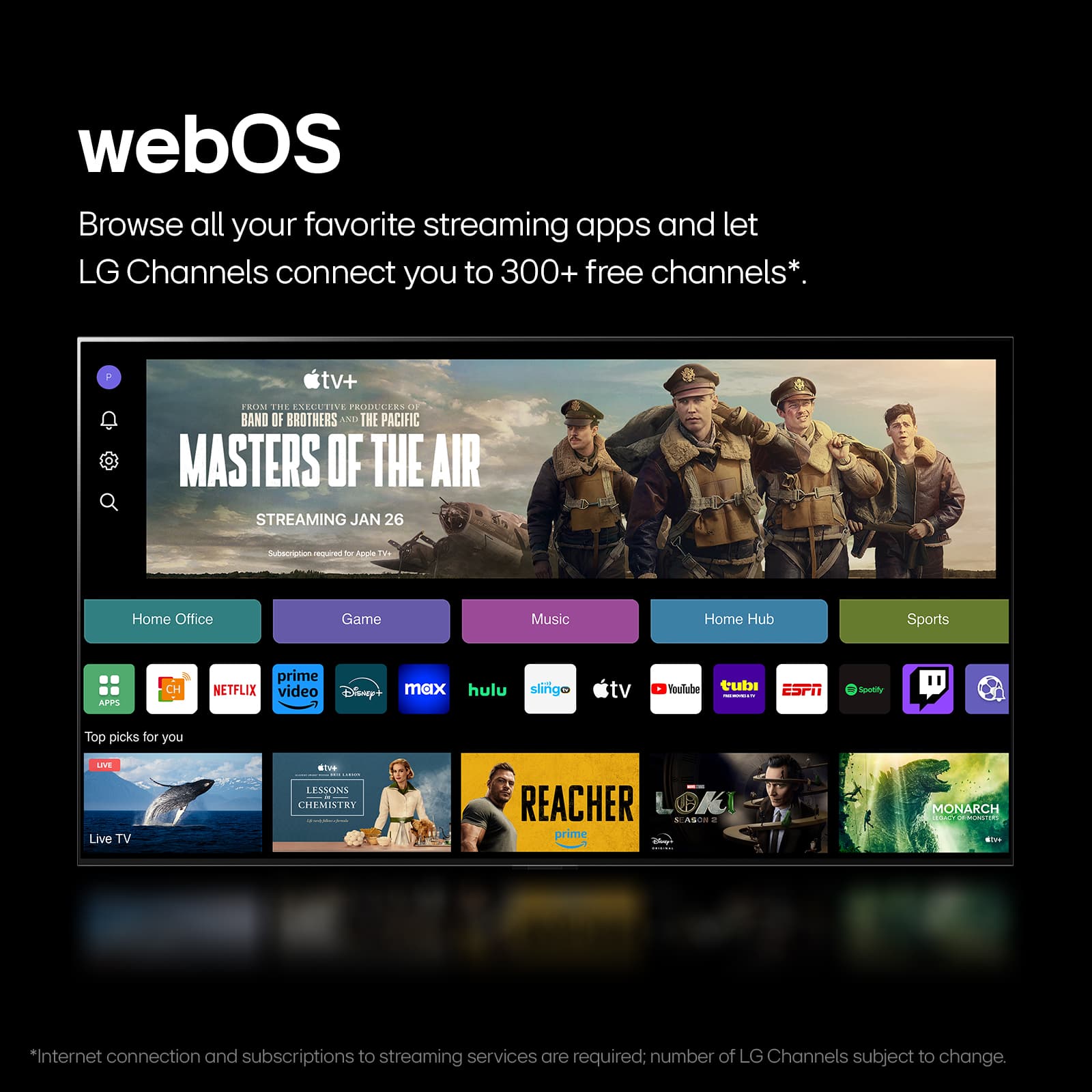
The LG UT90 uses webOS 24, LG's proprietary smart platform that's evolved significantly over the years. WebOS feels more polished in some ways, with smooth animations and an intuitive card-based interface. The Magic Motion Remote acts like a computer mouse, making navigation feel more natural than traditional directional remotes.
LG's platform includes some unique features like Multi View, which lets you split the screen to watch two different sources simultaneously. This could be useful for keeping an eye on sports while browsing social media, though the practicality depends on your viewing habits.
Both platforms handle the essential streaming apps well, but Google TV tends to get new apps and updates faster due to its connection to the Android ecosystem. WebOS sometimes lags behind, particularly with smaller or newer streaming services.
Audio quality becomes more critical as screen size increases – a 98-inch display creates certain expectations for sound that match the visual scale. The TCL QM6K includes an Onkyo 2.1.1 channel system with a built-in subwoofer, supporting both Dolby Atmos and DTS Virtual:X.
Dolby Atmos creates a three-dimensional sound field that makes audio seem to come from above and around you, not just from the TV. The built-in subwoofer handles low-frequency effects that smaller speakers can't reproduce – explosions have weight, and music has deeper bass response.
In my experience, this audio system is genuinely impressive for built-in TV speakers, though it still can't match a dedicated surround sound system. The Bluetooth Personal Audio feature lets you connect wireless headphones for private listening, which is surprisingly useful for late-night viewing.
The LG UT90 uses more conventional built-in speakers that, while adequate, don't provide the same immersive experience. At the TV's sale price, this is understandable, but it means you'll likely want to budget for a soundbar or surround system to match the visual experience.
In a dedicated home theater setting, both TVs present interesting opportunities and challenges. The TCL QM6K's Mini LED technology and quantum dot color make it genuinely competitive with much more expensive displays. The anti-glare coating is particularly valuable if your theater room has any ambient light – even small amounts of light can create distracting reflections on glossy screens.
The 144Hz refresh rate eliminates motion blur in action sequences, making fast-paced scenes more engaging. Combined with Dolby Vision IQ support, which automatically adjusts HDR settings based on room lighting, the TCL adapts well to different viewing environments.
However, the TV's peak brightness, while good, doesn't quite reach the levels of flagship models. In a completely dark theater room, this limitation becomes more noticeable during bright HDR highlights. The Mini LED backlighting helps significantly, but you won't get the same punch as from higher-end displays or OLED panels.
The LG UT90 works best in controlled lighting situations where its viewing angle advantages matter less. Its processing does admirable work with motion and upscaling, making it suitable for mixed content sources. The lower price point leaves more budget for audio equipment, which might be the right trade-off for some setups.
Value in the large format TV market isn't just about initial price – it's about satisfaction over years of ownership. The TCL QM6K at $1,999.99 represents what I consider the sweet spot for premium features without flagship pricing. You're getting Mini LED technology, high refresh gaming, and premium audio in a package that would have cost significantly more just a few years ago.
The gaming features alone future-proof the TV as consoles and PC hardware continue advancing. Support for the latest HDMI standards means you won't need to upgrade when new devices arrive.
The LG UT90 presents a different value equation, especially at sale prices around $627. At that price point, you're getting remarkable screen real estate for the money, along with LG's reliable smart platform and processing. However, the display technology feels more like a placeholder – adequate for today but potentially limiting as content and source devices improve.
Choose the TCL QM6K if picture quality and gaming performance are your priorities. The Mini LED technology, quantum dot color, and high refresh gaming features create a premium experience that justifies the higher investment. This TV will satisfy enthusiasts and adapt well to future technology improvements.
The anti-glare coating makes it particularly suitable for rooms with challenging lighting, and the built-in audio system reduces the immediate need for additional equipment.
Choose the LG UT90 if you're primarily seeking maximum screen size within a specific budget constraint. At sale prices, it offers exceptional value for casual viewing, and LG's smart platform provides a solid foundation for streaming content. Plan to invest in external audio equipment to match the visual scale.
Both TVs represent different philosophies in the large format market – the TCL prioritizes advanced display technology and gaming features, while the LG focuses on accessibility and reliable smart TV functionality. Your choice should align with how you plan to use the display and what aspects of the viewing experience matter most to your household.
The 98-inch format transforms how you experience content, regardless of which TV you choose. These displays create an immersive environment that smaller screens simply can't match, making them worthy centerpieces for entertainment-focused living spaces.
| TCL 98-Inch QM6K QLED TV | LG 98" Class UT90 Series 4K UHD Smart TV 2024 |
|---|---|
| Price - Significant difference in upfront cost | |
| $1,999.99 | $2,497.00 (often on sale for $627) |
| Display Technology - Core difference affecting picture quality | |
| QD-Mini LED with up to 500 local dimming zones | Direct-lit LED with basic backlighting |
| Refresh Rate - Critical for gaming and smooth motion | |
| Native 144Hz (supports 4K@144Hz, 1080p@288Hz) | 120Hz standard refresh rate |
| Gaming Features - Important for console and PC gaming | |
| Game Accelerator 288, VRR, ALLM, AMD FreeSync Premium Pro | LG Game Optimizer, basic gaming features |
| HDR Support - Affects contrast and color in premium content | |
| Dolby Vision IQ, HDR10+, HDR10, HLG | HDR10, HLG (no Dolby Vision) |
| Color Gamut - Determines color vibrancy and accuracy | |
| 93% DCI-P3 with quantum dot technology | Standard LED color reproduction |
| Smart Platform - Different ecosystems and app support | |
| Google TV v12 with voice control | webOS 24 with Magic Motion Remote |
| Audio System - Built-in sound quality | |
| Onkyo 2.1.1 with subwoofer, Dolby Atmos, DTS Virtual:X | Standard built-in speakers |
| HDMI Ports - Connectivity for gaming and devices | |
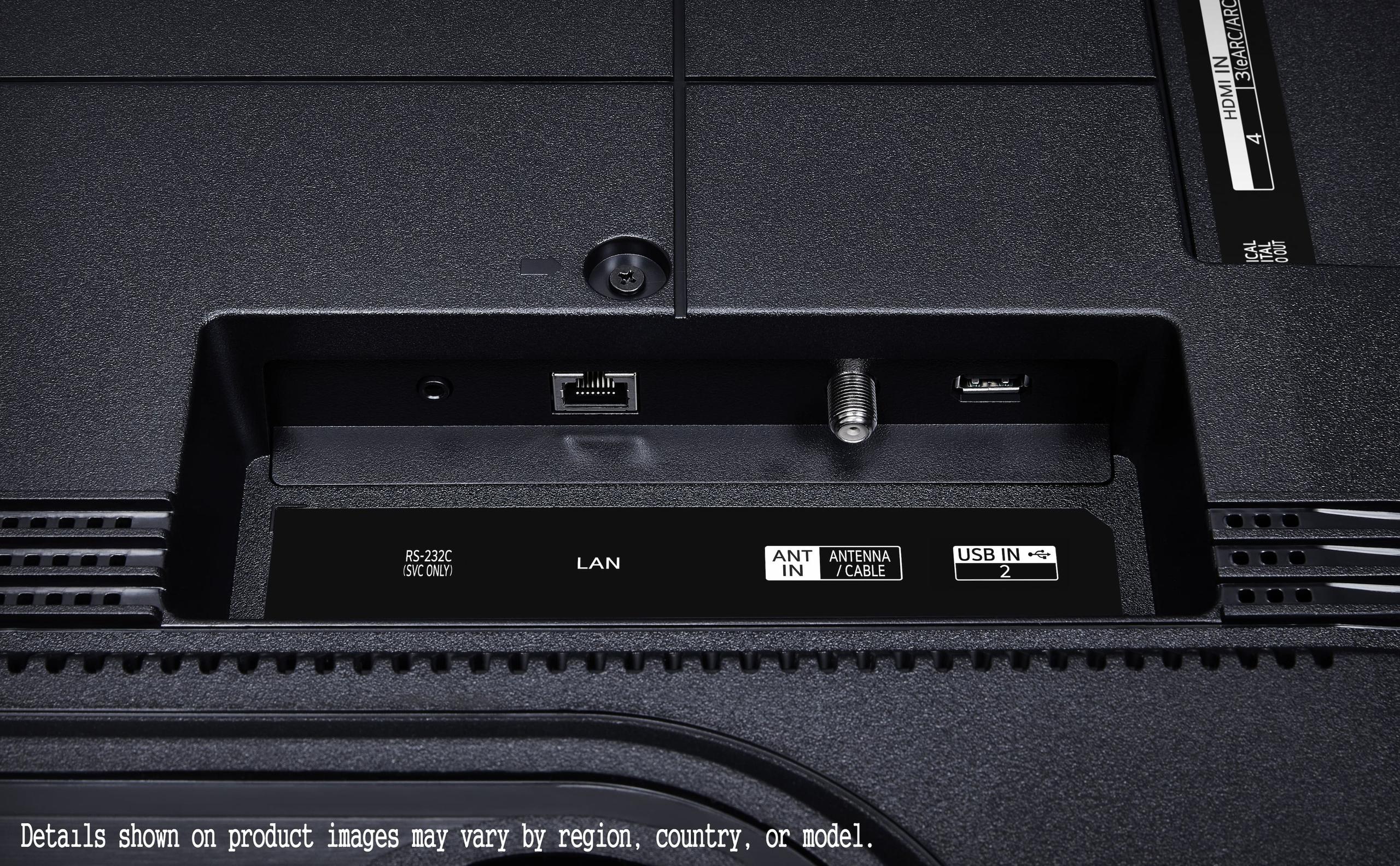
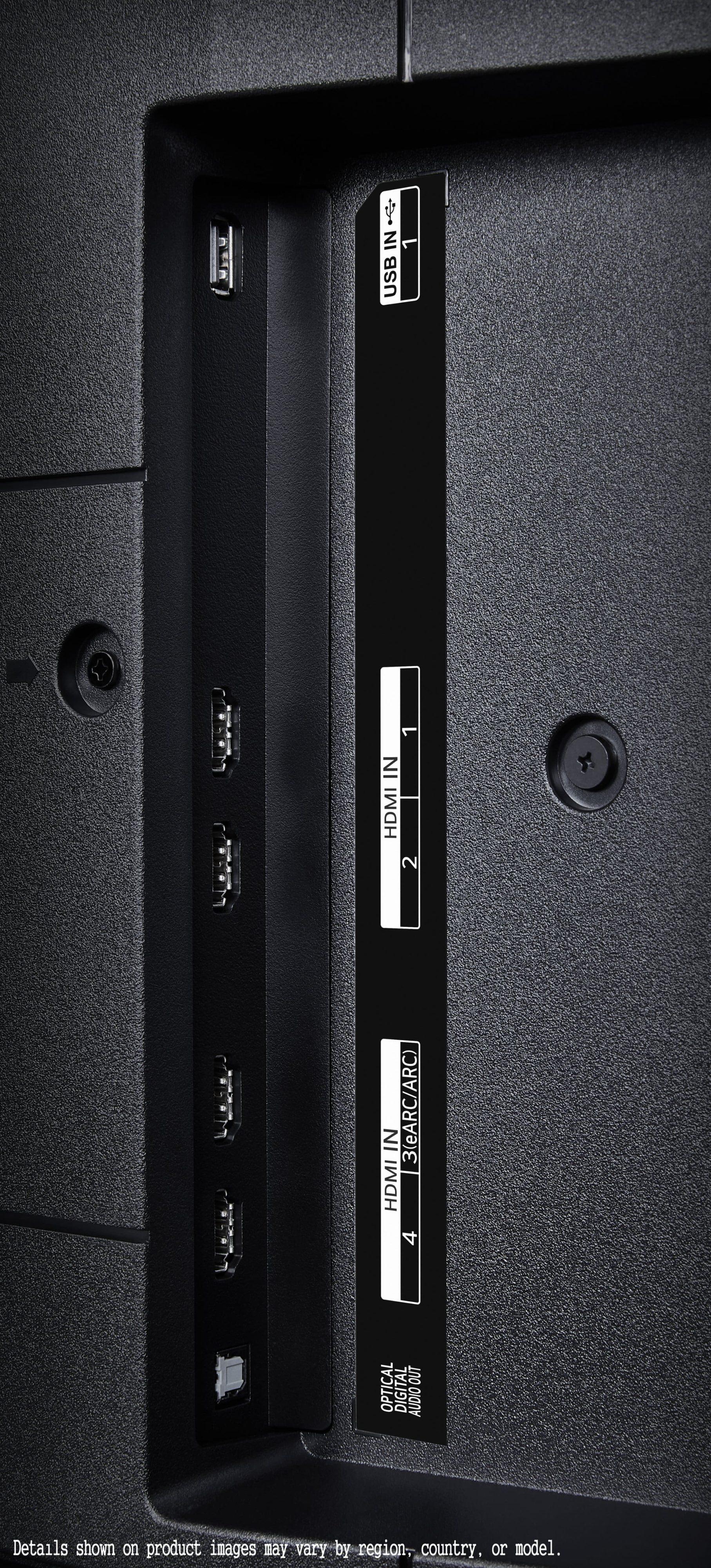
| 4 total (2x HDMI 2.1, 2x HDMI 2.0, 1 with eARC) | 4 HDMI inputs (specifications not detailed) |
| Viewing Angles - Important for wide seating arrangements | |
| VA panel with anti-glare coating (best viewed straight-on) | IPS-based panel with consistent off-angle viewing |
| Processor - Affects upscaling and smart TV performance | |
| TCL AIPQ ULTRA Processor with Deep Learning AI | α8 AI Processor 4K with AI Picture Pro |
| Special Features - Unique capabilities | |
| Anti-glare matte screen, Bluetooth Personal Audio | Multi View, FILMMAKER MODE, LG Channels (300+ free) |
The TCL 98-Inch QM6K QLED TV delivers superior picture quality with its QD-Mini LED technology and up to 500 local dimming zones. This creates deeper blacks, brighter highlights, and better contrast compared to the LG 98" Class UT90 Series, which uses standard direct-lit LED backlighting. The TCL also features quantum dot technology for 93% DCI-P3 color coverage, resulting in more vibrant and accurate colors.
The TCL QM6K is priced at $1,999.99, while the LG UT90 Series has an MSRP of $2,497.00 but is frequently available on sale for around $627. This makes the LG significantly more affordable when on sale, though the TCL offers more premium features at its regular price point.
The TCL 98-Inch QM6K QLED TV is superior for gaming with its native 144Hz refresh rate, supporting 4K at 144Hz and 1080p at 288Hz. It features Game Accelerator 288, VRR, ALLM, and AMD FreeSync Premium Pro. The LG UT90 offers basic gaming features with 120Hz refresh rate and LG Game Optimizer, making it adequate for casual gaming but less suitable for competitive or high-end PC gaming.
Yes, the TCL QM6K runs Google TV version 12 with hands-free voice control and Google ecosystem integration. The LG UT90 Series uses webOS 24 with LG's Magic Motion Remote and includes features like Multi View for split-screen viewing. Both platforms support major streaming apps, but offer different user experiences and ecosystem integrations.
The TCL 98-Inch QM6K QLED TV features a superior Onkyo 2.1.1 channel system with built-in subwoofer, supporting Dolby Atmos and DTS Virtual:X for immersive sound. The LG UT90 has standard built-in speakers that are adequate but don't match the TCL's audio quality. For a 98-inch display, the TCL's enhanced audio system better matches the visual scale.
The LG 98" Class UT90 Series uses an IPS-based panel that maintains better color accuracy and brightness when viewed from side angles, making it better for wide seating arrangements. The TCL QM6K uses a VA panel that looks best when viewed straight-on, though its anti-glare coating helps reduce reflections in bright rooms.
The TCL 98-Inch QM6K QLED TV provides comprehensive HDR support including Dolby Vision IQ, HDR10+, HDR10, and HLG formats. The LG UT90 Series supports HDR10 and HLG but lacks Dolby Vision support. The TCL's Mini LED backlighting also delivers better HDR performance with improved contrast and local dimming capabilities.
The TCL 98-Inch QM6K QLED TV excels in bright rooms with its anti-glare matte coating that significantly reduces reflections. While the LG UT90 Series has decent brightness levels, it lacks specialized anti-glare treatment. The TCL's quantum dot technology also maintains color vibrancy better under ambient lighting conditions.
Both TVs work for home theater, but the TCL QM6K is better suited with its Mini LED local dimming, superior contrast, Dolby Atmos audio, and comprehensive HDR support. The LG UT90 can work in home theater settings, especially at its sale price, but you'll likely need to invest in external audio equipment to match the visual experience.
The core difference is display technology: the TCL 98-Inch QM6K QLED TV uses advanced QD-Mini LED backlighting with hundreds of dimming zones and quantum dot color enhancement, while the LG 98" Class UT90 Series uses conventional direct-lit LED technology. This fundamental difference affects contrast, color accuracy, and overall picture quality significantly.
The TCL QM6K at $1,999.99 offers better long-term value for users wanting premium features, with Mini LED technology, high-refresh gaming, and built-in premium audio that will remain relevant as content and gaming evolve. The LG UT90 provides exceptional short-term value at sale prices around $627, making it ideal for budget-conscious buyers who prioritize screen size over advanced features.
We've done our best to create useful and informative comparisons to help you decide what product to buy. Our research uses advanced automated methods to create this comparison and perfection is not possible - please contact us for corrections or questions. These are the sites we've researched in the creation of this article: bestbuy.com - rtings.com - techradar.com - the-gadgeteer.com - youtube.com - youtube.com - ign.com - youtube.com - tomsguide.com - tcl.com - valueelectronics.com - bestbuy.com - bestbuy.com - rtings.com - circuitworldonline.com - youtube.com - tcl.com - bestbuy.com - tomsguide.com - tcl.com - flatpanelshd.com - displayspecifications.com - rtings.com - shopjetson.com - abt.com - rtings.com - rtings.com - pcrichard.com - lg.com - rcwilley.com - lg.com - elechid.com - lg.com

Privacy Policy
Terms and Conditions - Affiliate Policy
Home Security
© Copyright 2008-2026.
11816 Inwood Rd #1211, Dallas, TX 75244