

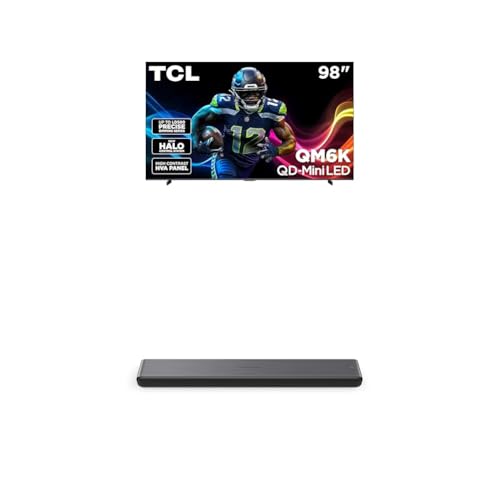
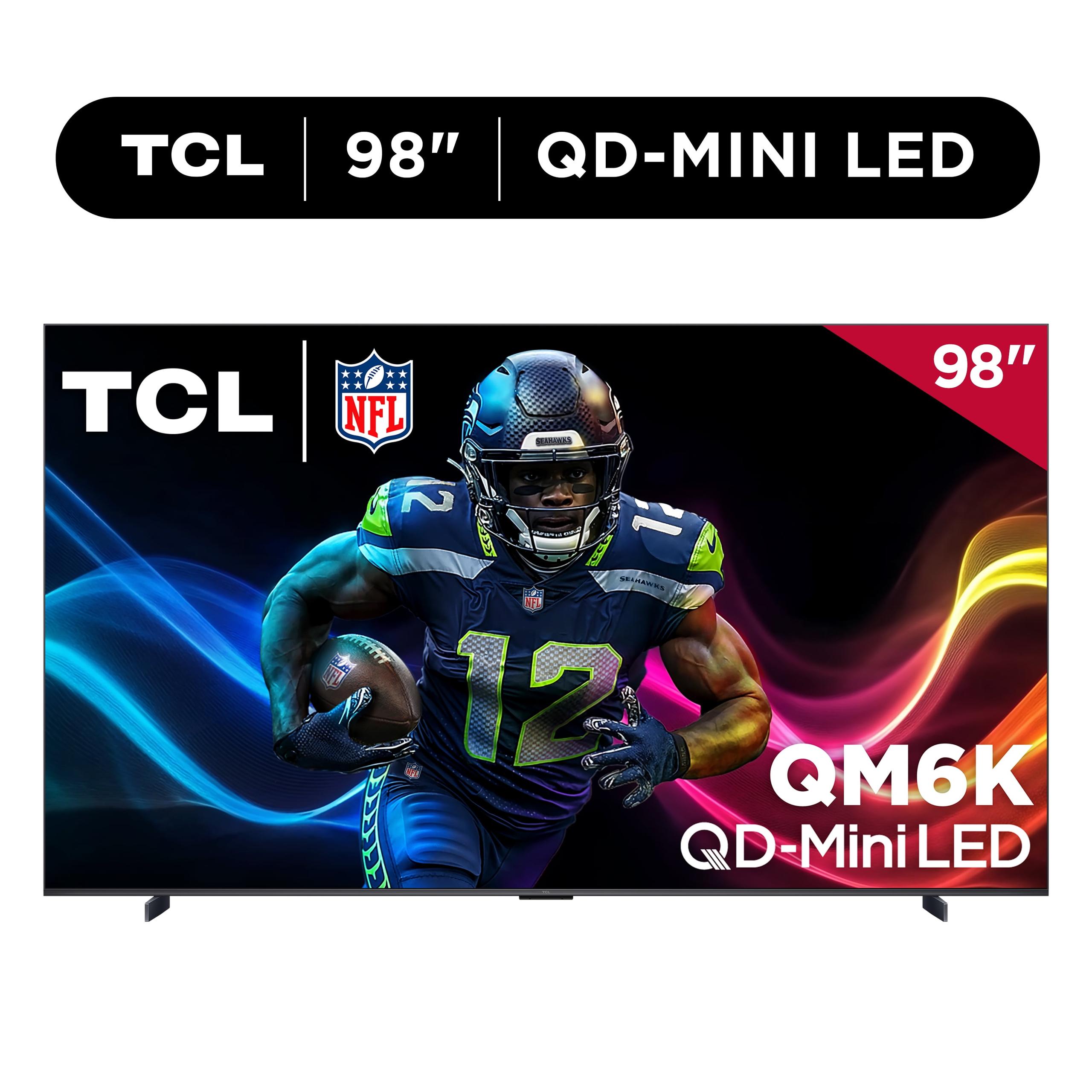
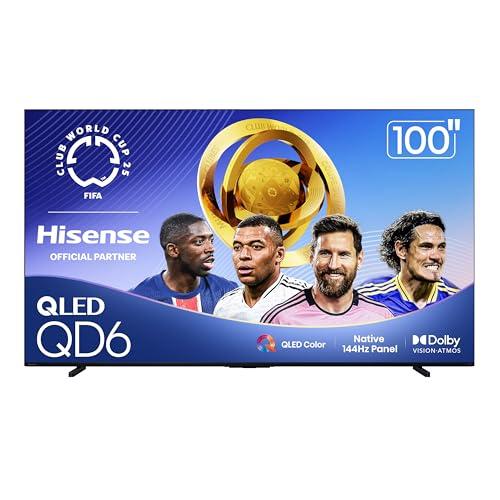
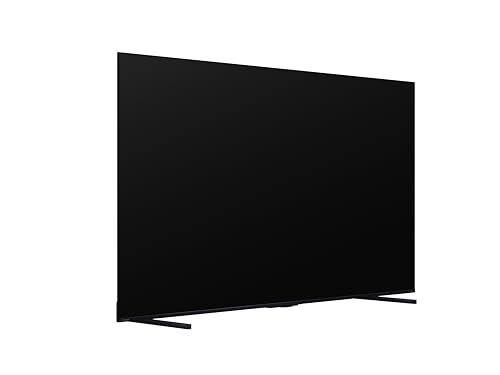
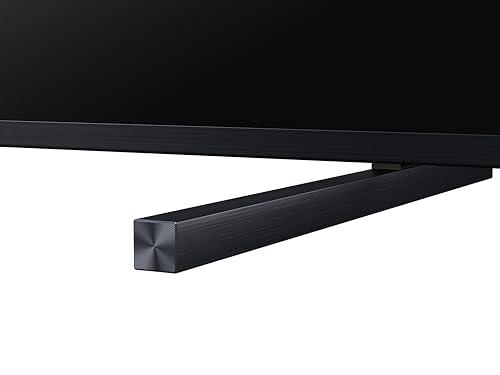
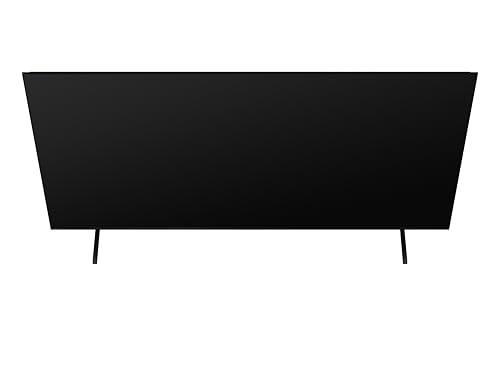
If you're in the market for a truly massive TV that transforms your living room into a home theater, you've probably narrowed it down to two compelling options: the TCL 98-Inch QM6K QLED TV at $1,999.99 and the Hisense 100" QD6 Series QLED 4K UHD Fire TV at $1,999.99. Both launched in July 2025 at identical prices, making this decision particularly interesting – you're not just choosing between brands, but between two very different approaches to large-screen entertainment.
The large-format TV market has exploded in recent years as prices have dropped and technology has improved. These aren't just "big TVs" – they're sophisticated displays that rival commercial cinema equipment from just a decade ago. When you're spending two thousand dollars on a TV that will dominate your wall for the next 5-10 years, understanding the differences becomes crucial.
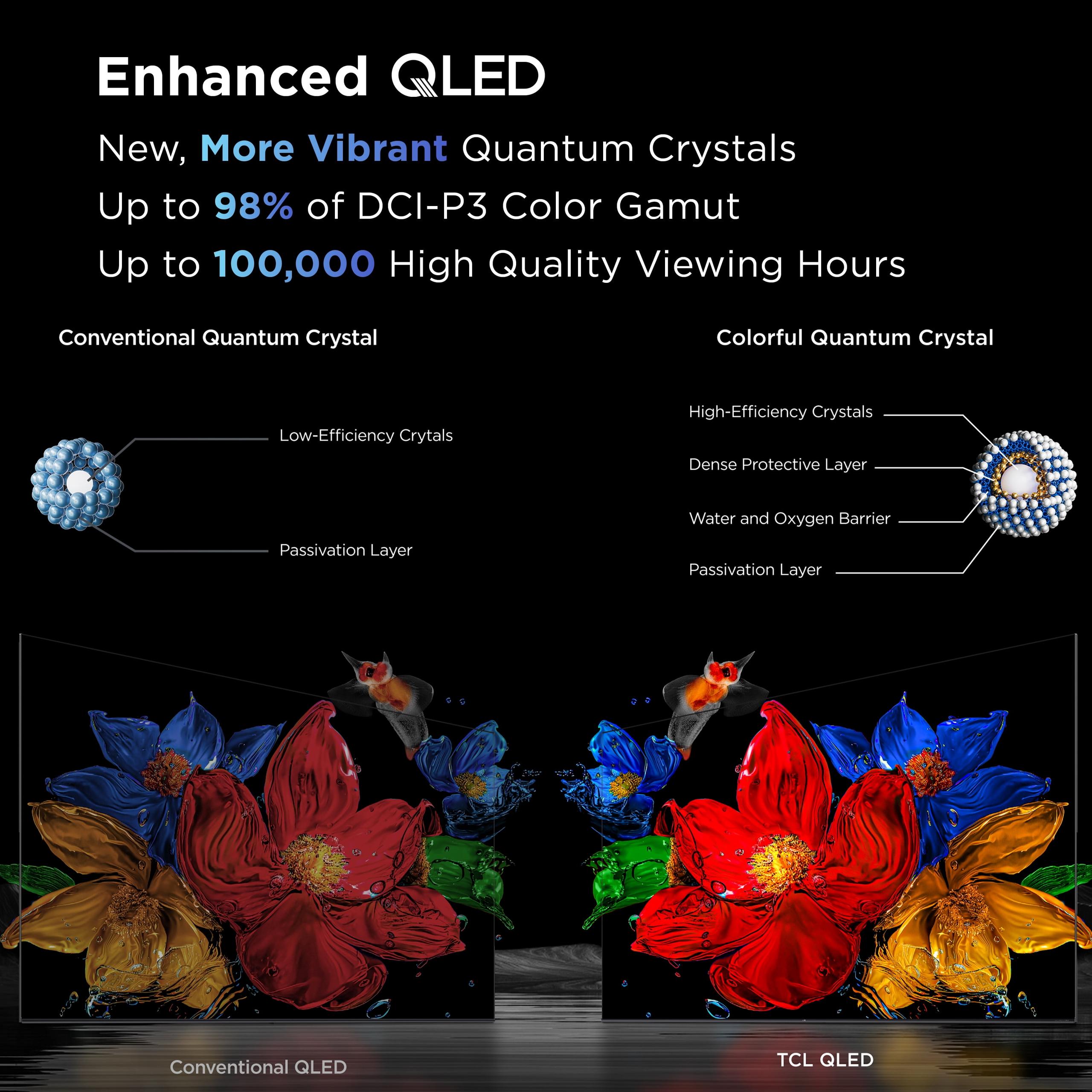
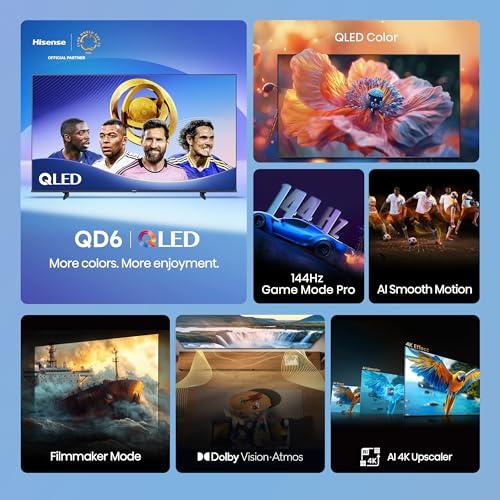
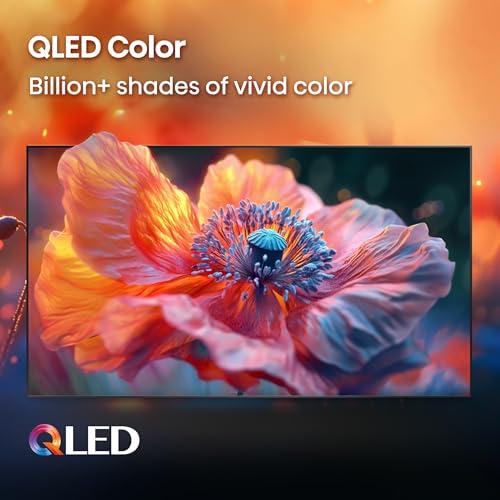
Before diving into specifics, let's talk about what you're actually getting with these massive displays. Both TVs use QLED technology, which stands for Quantum Dot Light Emitting Diode. This isn't just marketing speak – quantum dots are microscopic particles that emit specific colors when hit by light, creating more accurate and vibrant colors than traditional LED TVs.
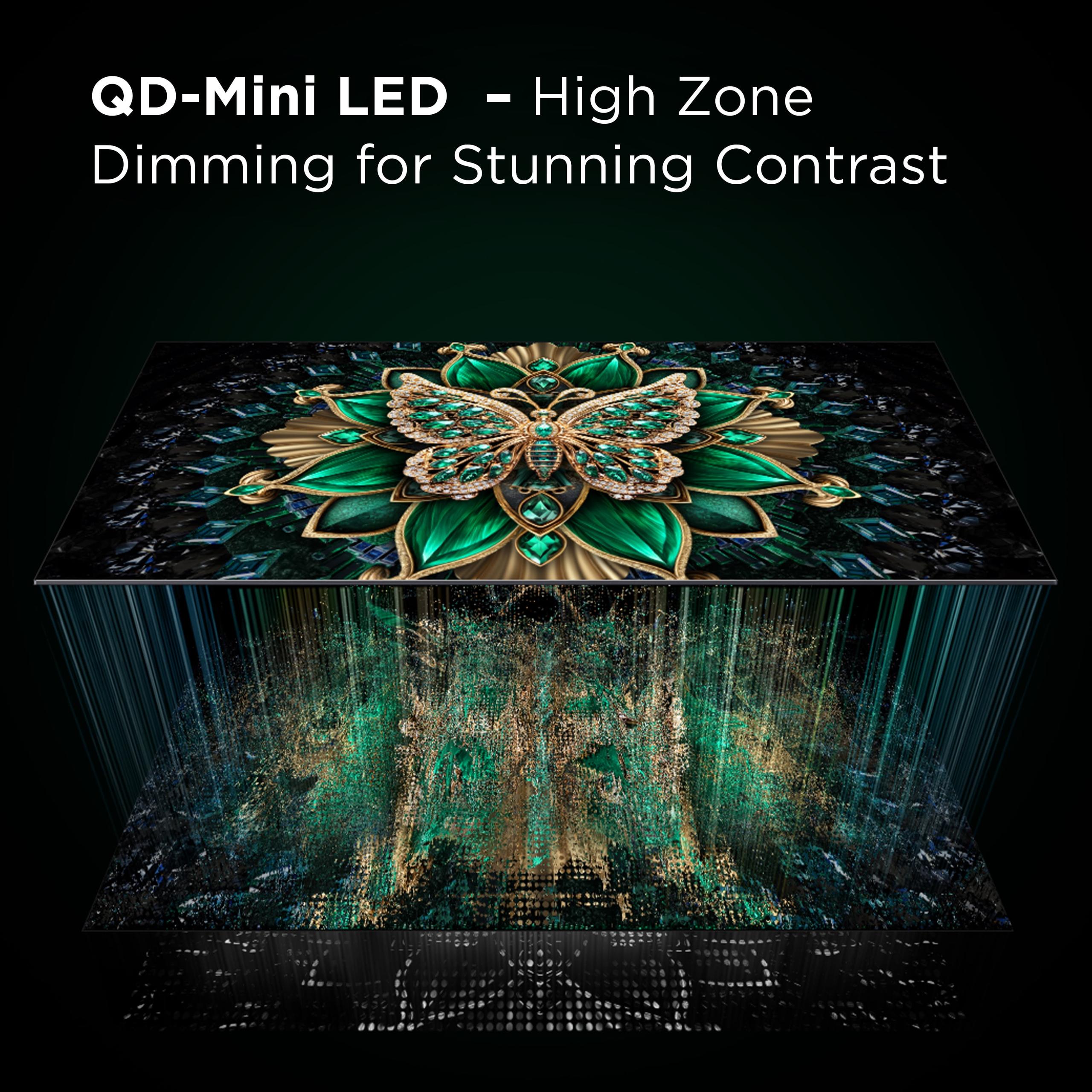
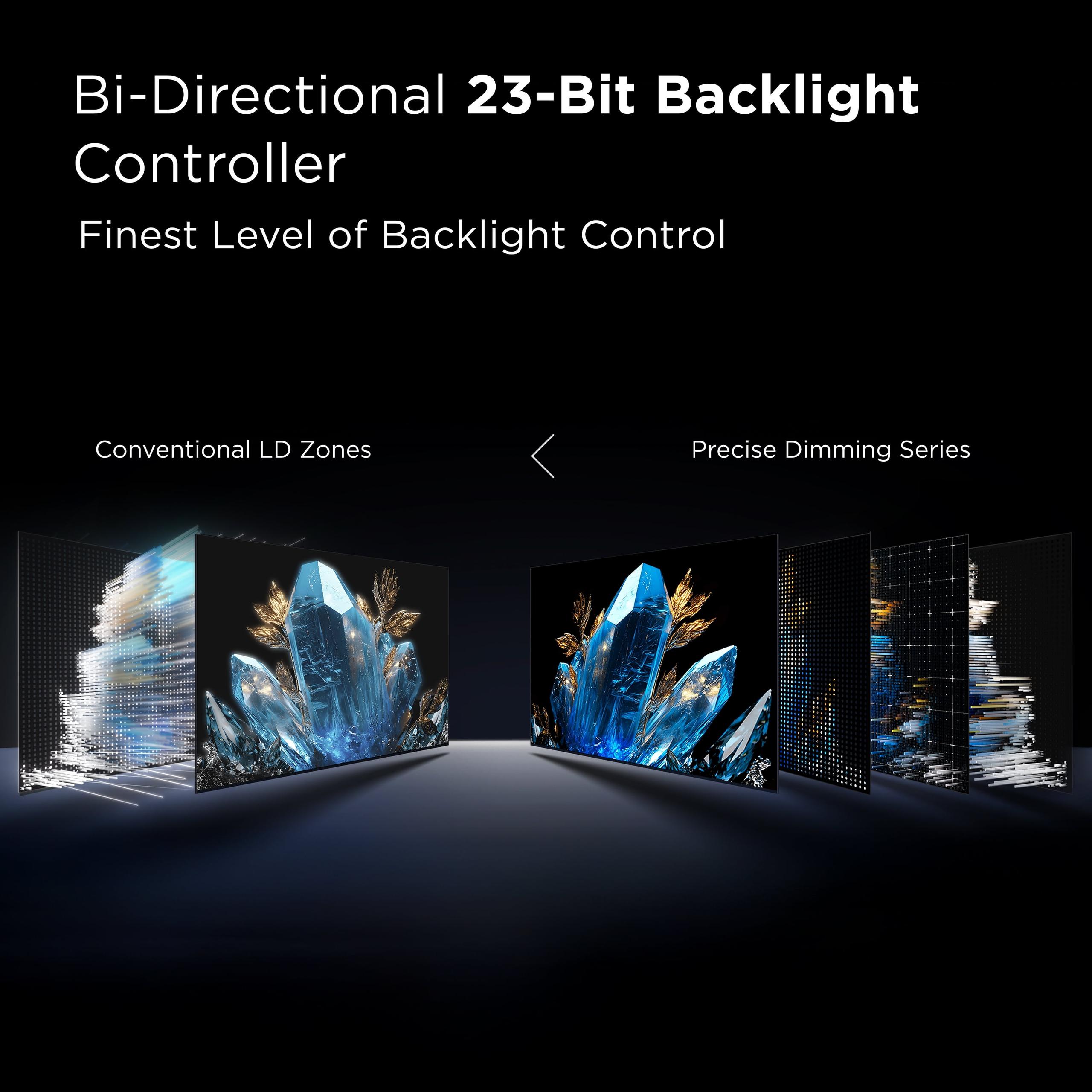
However, the implementation differs significantly between these two models. The TCL QM6K uses what's called QD-Mini LED technology, while the Hisense QD6 uses standard QLED with direct-lit LED backlighting. Think of it like the difference between having thousands of tiny, controllable lights behind your screen versus having a few dozen larger lights spread out. This fundamental difference affects everything from how dark your blacks look to how much detail you can see in bright scenes.
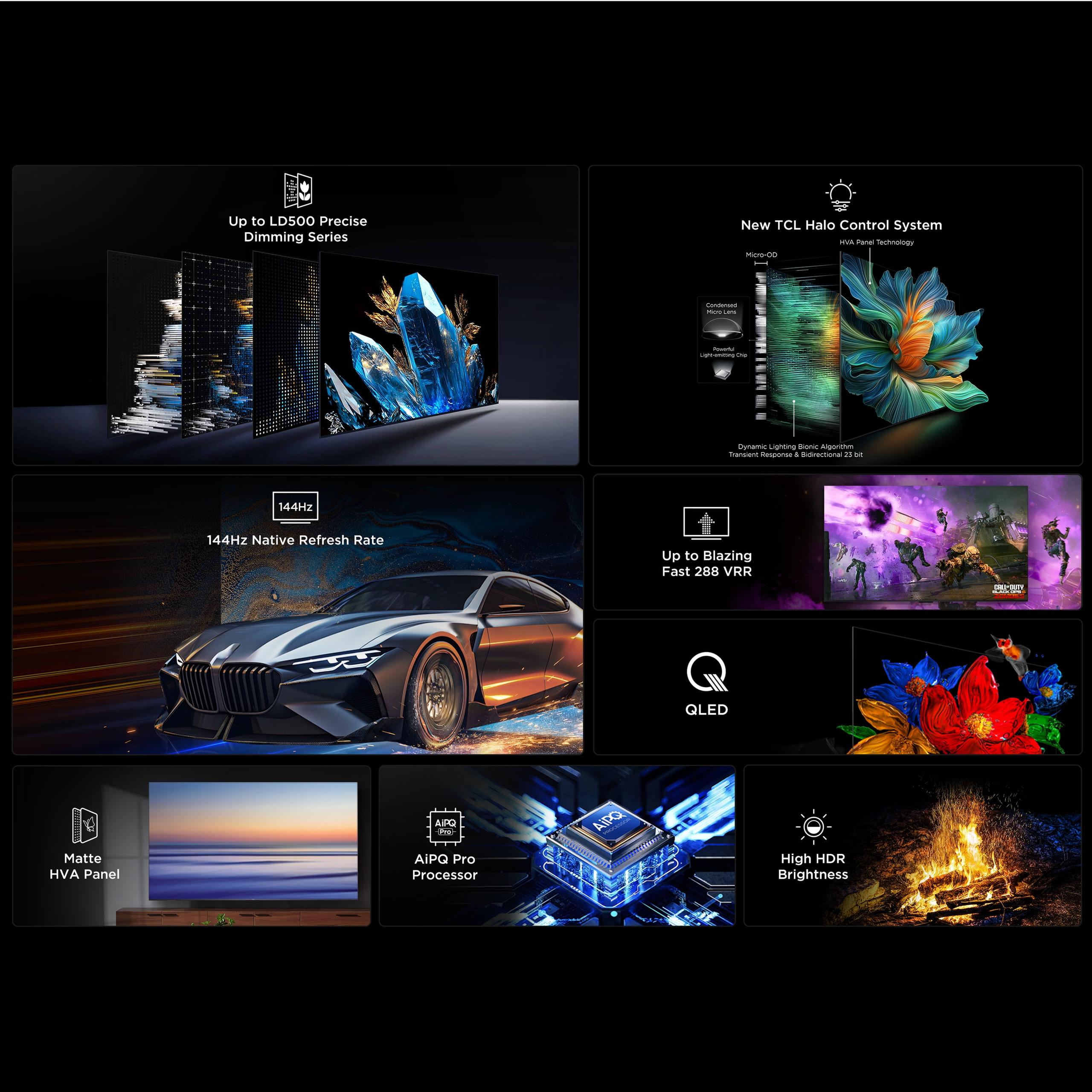
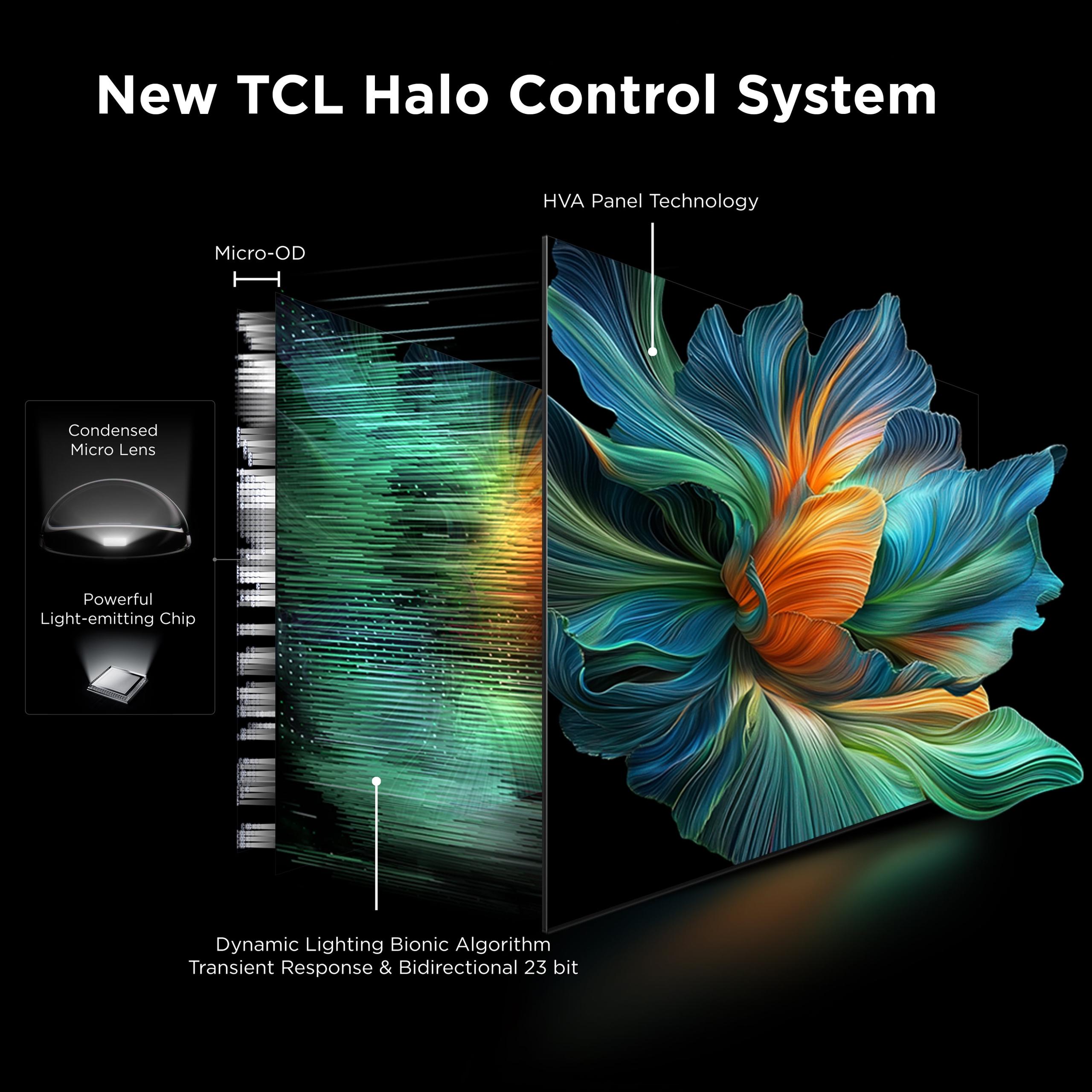
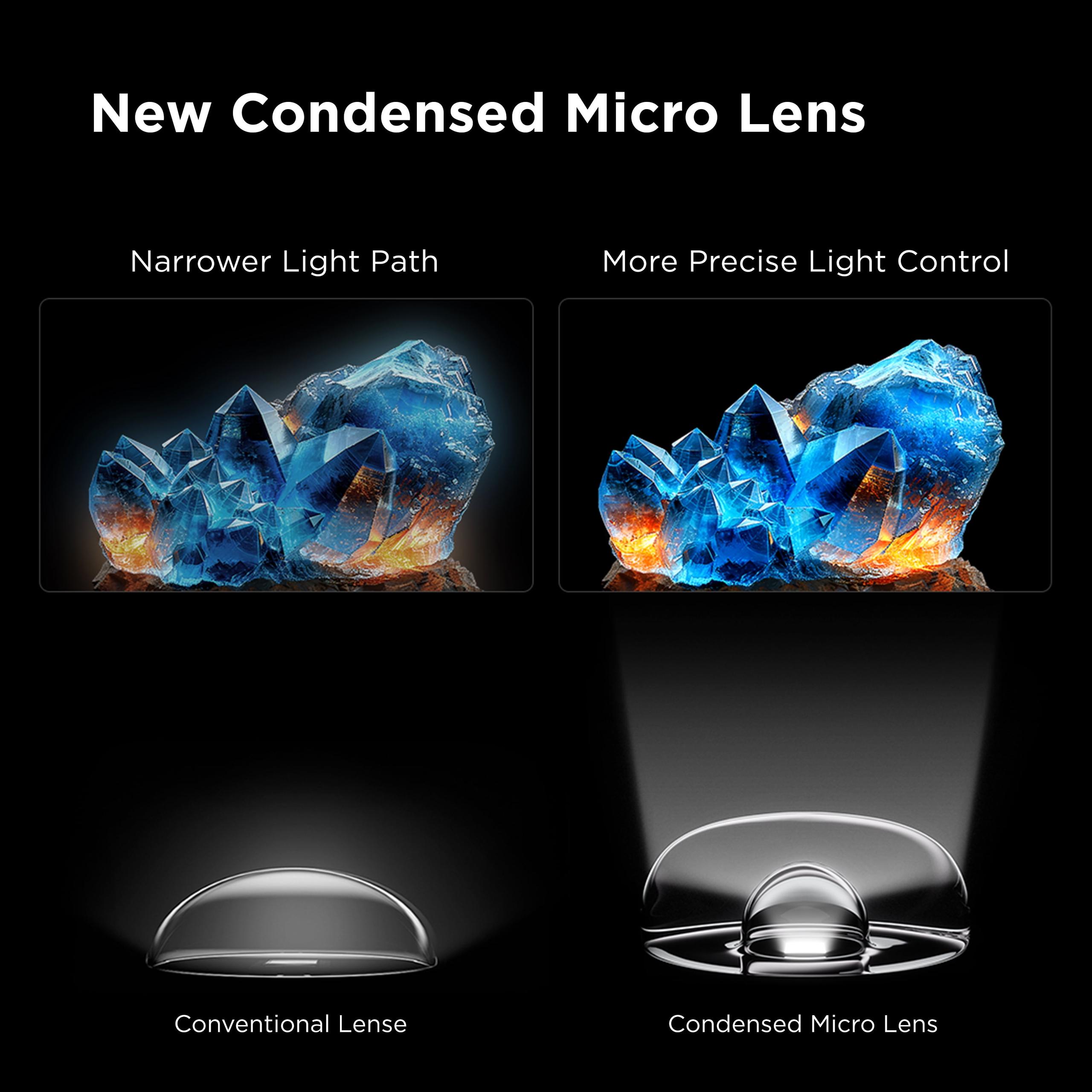
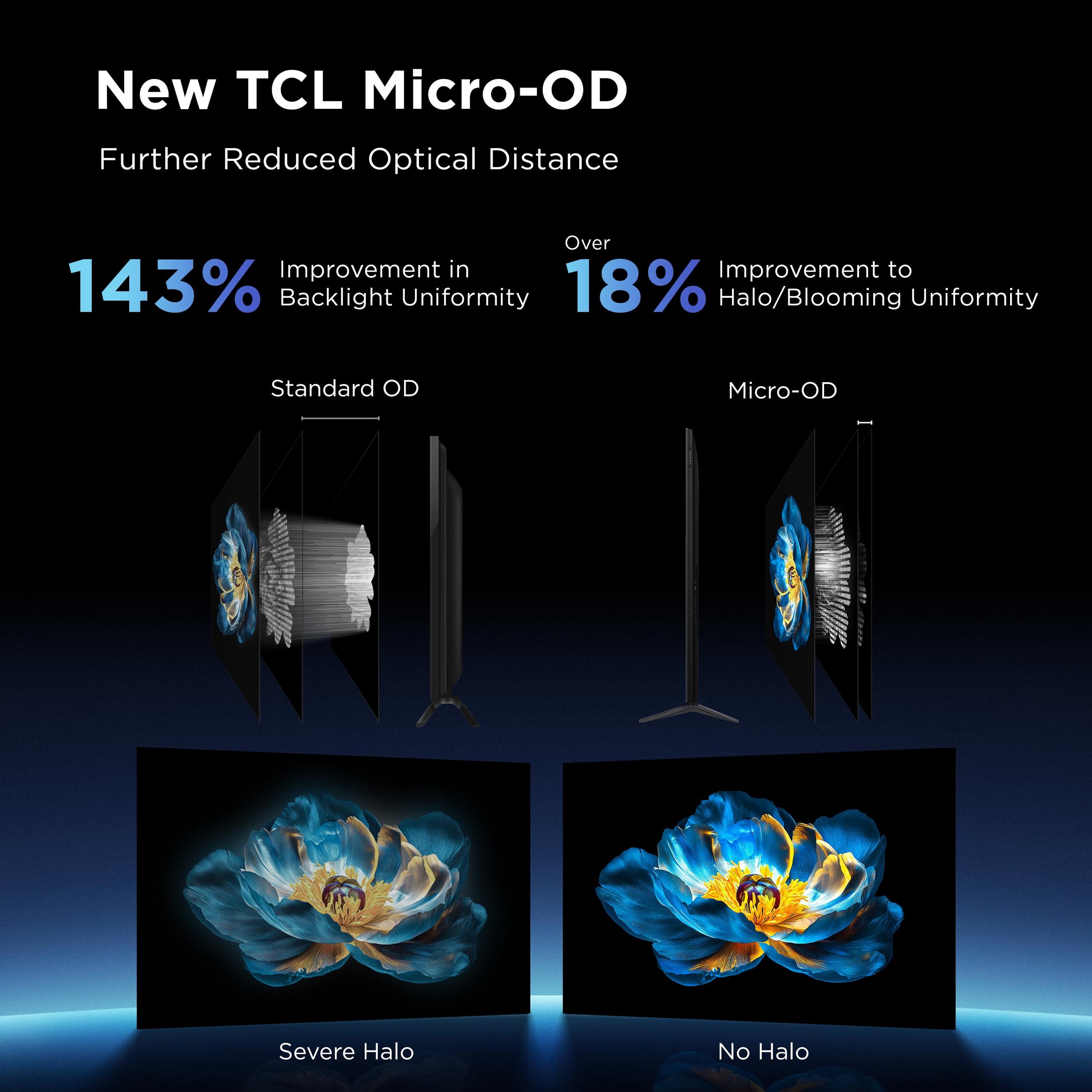
The most significant difference between these TVs lies in their backlighting technology, and it's a big one. The TCL QM6K features Mini-LED backlighting with over 2000 local dimming zones. Local dimming zones are sections of the backlight that can be independently controlled – imagine having individual light switches for different parts of your TV screen. When a scene shows a bright star against a dark sky, the TV can light up just the area around the star while keeping the rest of the screen dark.
The Hisense QD6, on the other hand, uses traditional direct-lit LED backlighting without local dimming. This means the entire backlight operates more uniformly, which can lead to what we call "blooming" – where bright objects seem to glow into darker areas around them. It's like the difference between using a flashlight with a focused beam versus shining a room light through a window.
In practical terms, this means the TCL will show you deeper blacks and better contrast. When I've tested similar Mini-LED displays, the difference is immediately noticeable in dark movie scenes. Take a space movie like "Interstellar" – the TCL will show you truly black space with bright stars, while the Hisense might make that space look more gray with stars that seem to bleed light into the surrounding darkness.
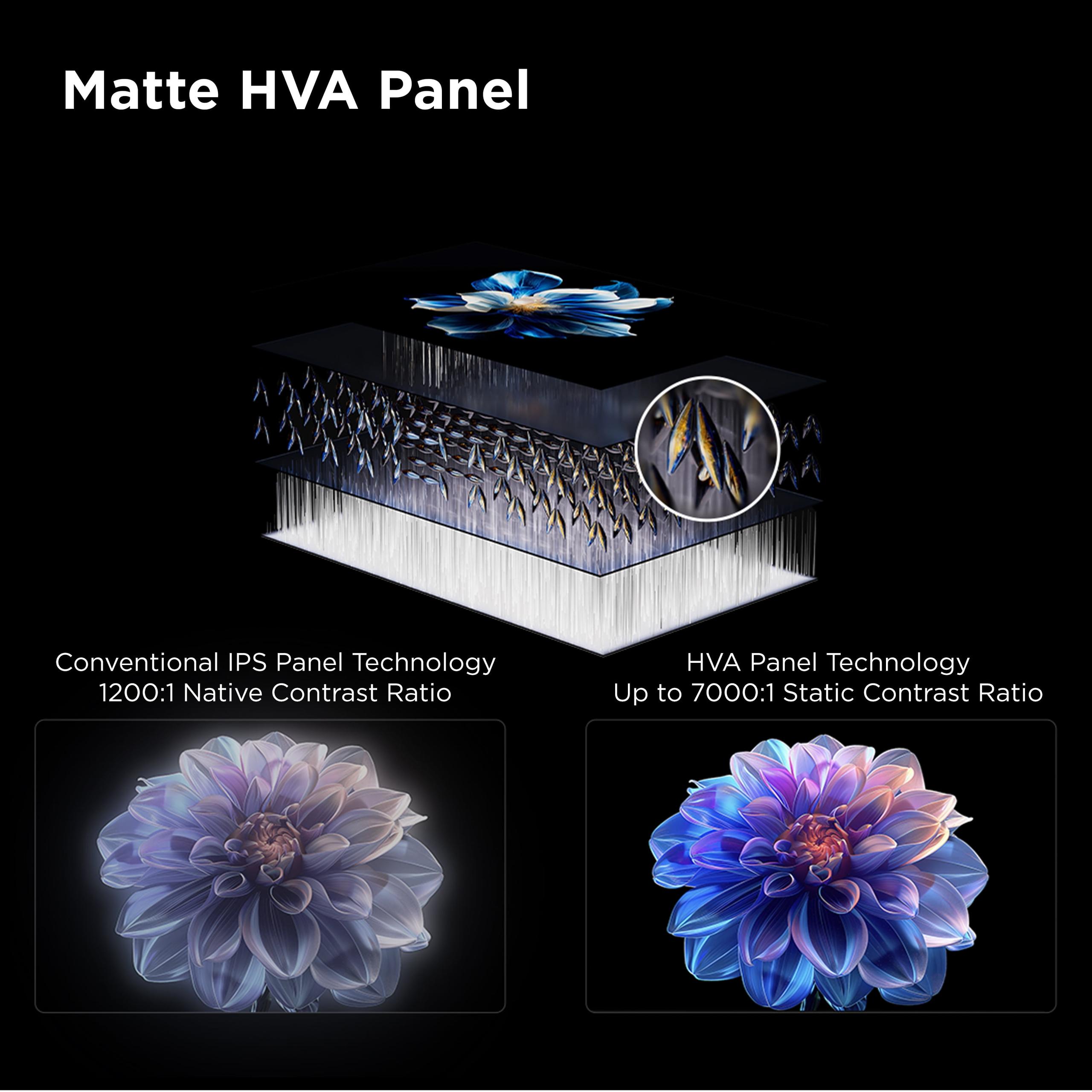
The TCL also features a matte HVA (Hybrid Vertical Alignment) panel with anti-glare coating. This is a game-changer if your room has windows or overhead lights. Traditional glossy TV screens can turn into mirrors during daytime viewing, but the TCL's matte finish diffuses reflections. I've found this particularly valuable in family rooms where you can't always control the lighting perfectly.
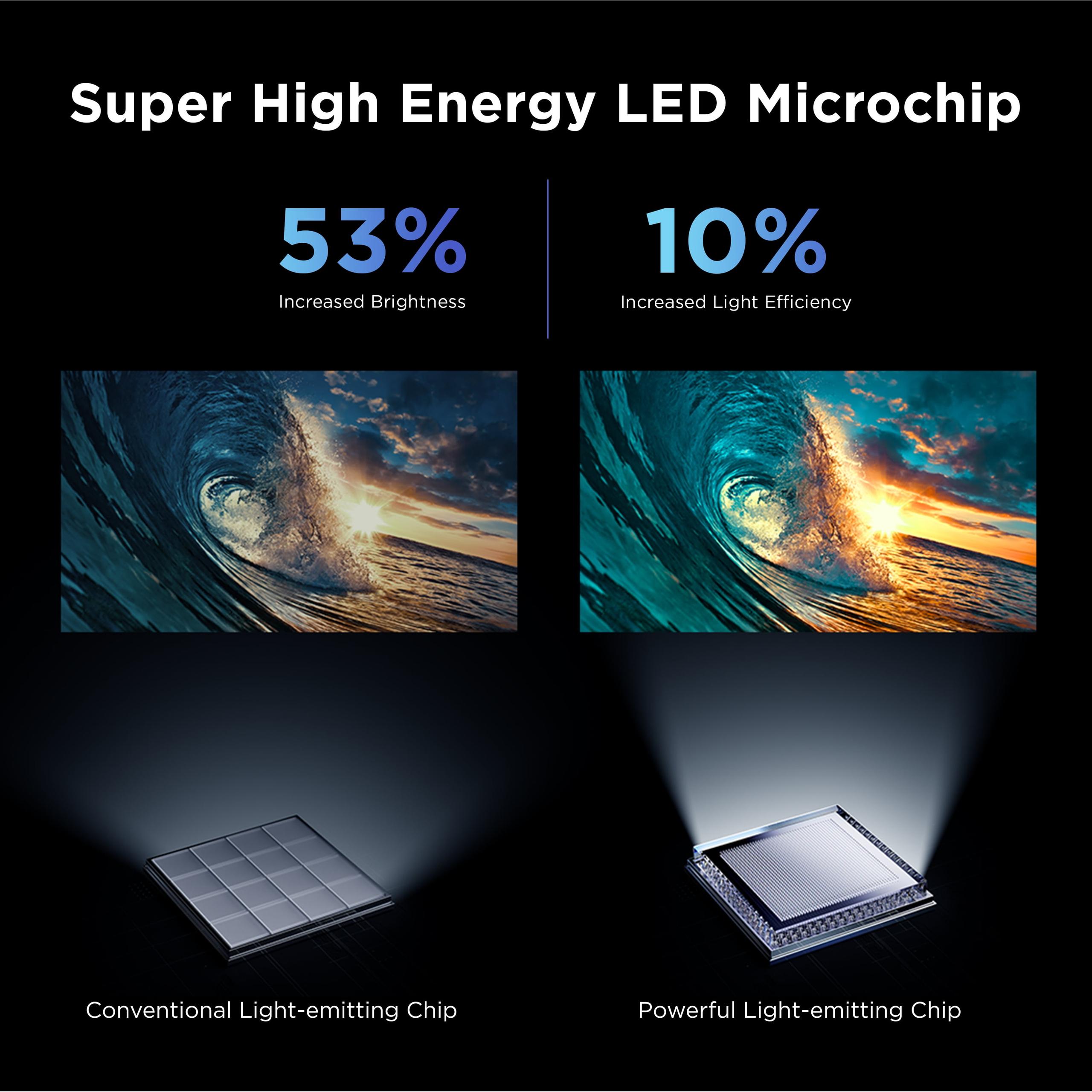
Both TVs support HDR (High Dynamic Range), which expands the range between the darkest and brightest parts of an image. The TCL pushes 695 nits of peak brightness compared to the Hisense's 615 nits. While neither reaches the 1000+ nits of premium flagship models, that 80-nit difference becomes meaningful when watching bright outdoor scenes or HDR movies with explosive highlights.
Modern gaming has become incredibly demanding, and both TVs attempt to meet these challenges, though with different strengths. The TCL QM6K supports some impressive refresh rates: 4K at 144Hz and 1080p at an almost ridiculous 288Hz. To put this in perspective, most movies play at 24 frames per second, while these TVs can display nearly 300 frames per second at lower resolutions.
Why does this matter? If you're playing competitive games like "Call of Duty" or "Fortnite," higher refresh rates mean smoother motion and potentially faster reaction times. The difference between 60Hz and 144Hz is immediately noticeable – character movements become fluid, and tracking moving targets becomes easier.
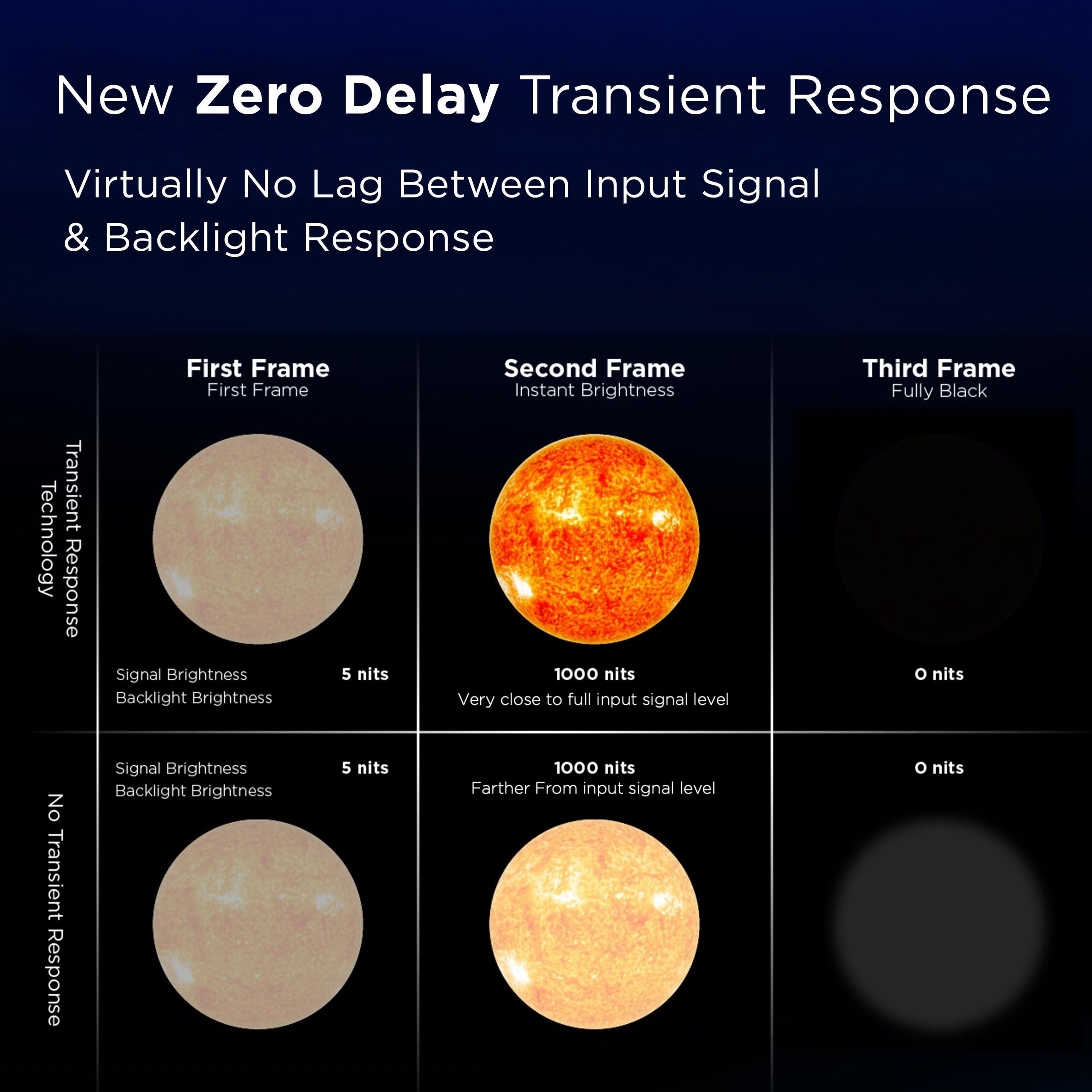
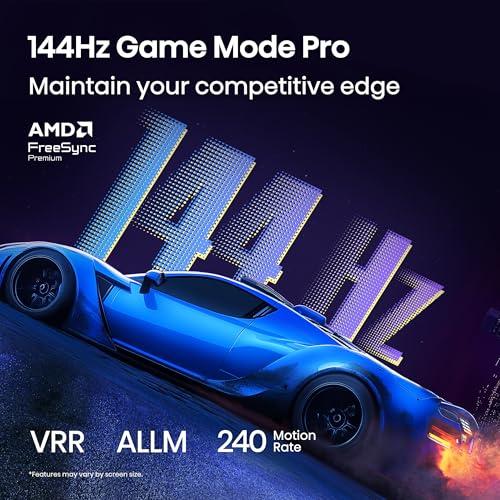
The Hisense tops out at 144Hz in its Game Mode Pro, which is still excellent for most gaming scenarios. However, it does have one advantage: input lag of just 9.3 milliseconds compared to the TCL's 13.1 milliseconds. Input lag is the delay between pressing a button on your controller and seeing the action on screen. While 4 milliseconds might not sound like much, competitive gamers will tell you every millisecond counts.
Both TVs support Variable Refresh Rate (VRR), which synchronizes the TV's refresh rate with your gaming console's output to eliminate screen tearing – those annoying horizontal lines that can appear during fast motion. The TCL uses AMD FreeSync Premium Pro, while the Hisense uses standard FreeSync Premium. The "Pro" version offers a wider range of supported refresh rates and better low-framerate compensation.
For most gamers, either TV will provide an excellent experience. But if you're serious about competitive gaming or want the most future-proof gaming features, the TCL's higher refresh rates and advanced VRR give it the edge.
The choice between Google TV and Fire TV often comes down to your existing ecosystem preferences, but there are performance differences worth considering. The TCL runs Google TV, which I've found to be more universal in its app support and integration with different devices. It works seamlessly with iPhones, Android phones, Google smart speakers, and even Amazon devices through various apps.
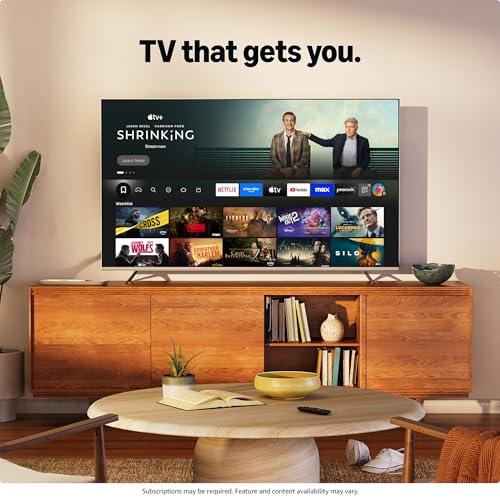
The Hisense's Fire TV platform excels if you're already deep in Amazon's ecosystem. Prime Video gets prominent placement, Alexa integration is seamless, and the interface feels snappy and responsive. However, I've noticed that some streaming apps can be slower to arrive on Fire TV compared to Google TV, and the advertising integration can feel more aggressive.
Both platforms support 4K streaming from major services, but Google TV's broader compatibility means you're less likely to run into situations where your preferred streaming service isn't available or doesn't work optimally.
While both TVs claim advanced audio features, the reality is that built-in TV speakers rarely do justice to screens this large. The TCL includes an Onkyo-tuned 2.1-channel system with DTS Virtual:X, which attempts to create surround sound from the TV's speakers. In my experience, this works reasonably well for dialogue and basic sound effects, but you'll still want a soundbar or full surround system for movie nights.
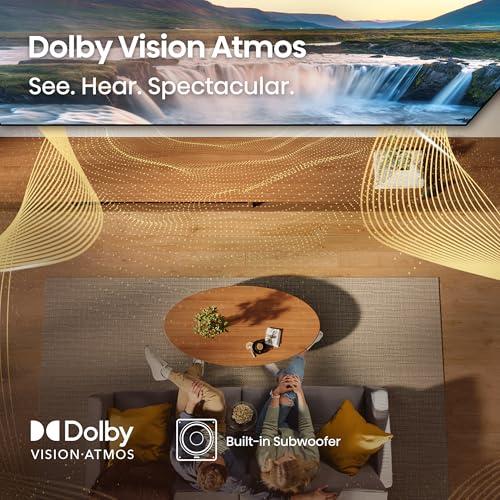
The Hisense features a 50-watt Dolby Atmos system, which sounds impressive on paper but is fairly basic in execution. Dolby Atmos is designed to create three-dimensional sound that moves around and above you, but achieving this effect requires multiple speakers positioned throughout your room. A TV's built-in speakers, no matter how well-tuned, can only approximate this experience.
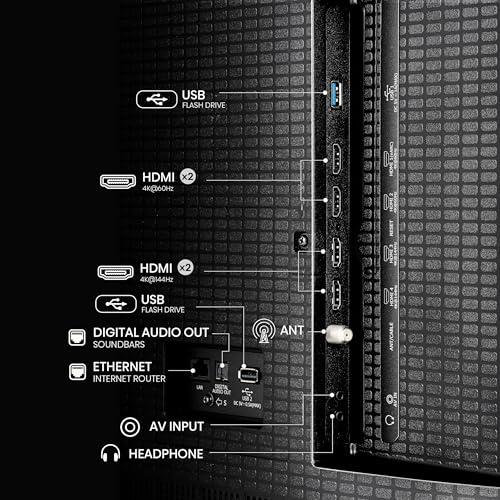
For serious home theater use, plan on spending an additional $300-800 on a quality soundbar regardless of which TV you choose. The good news is that both TVs support eARC (enhanced Audio Return Channel), which can pass high-quality audio signals to external sound systems without compression.
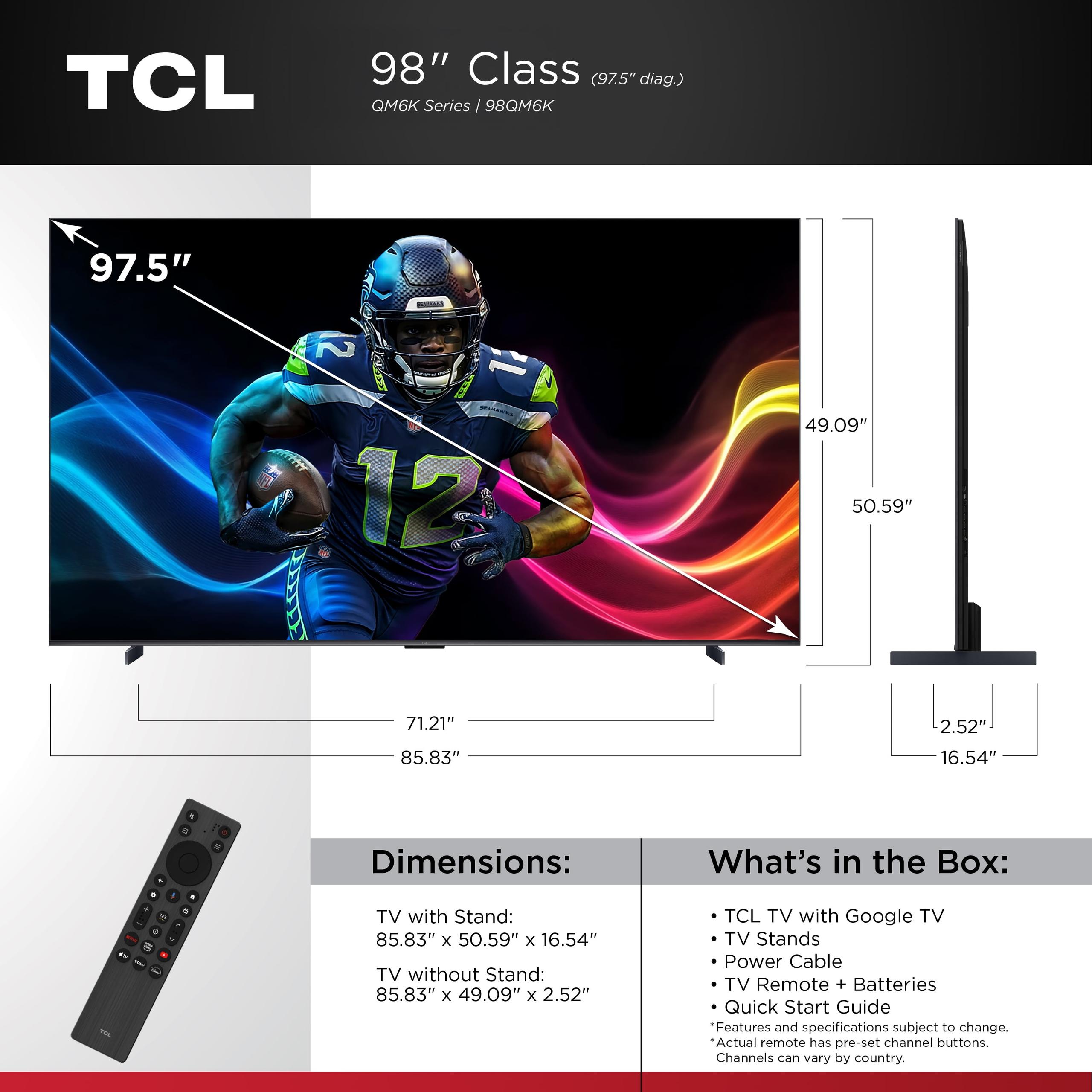
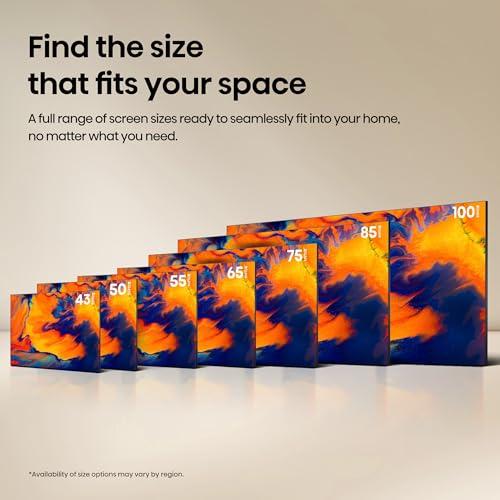
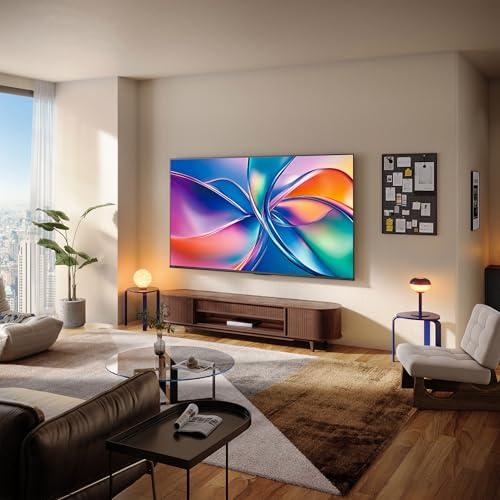
When you're dealing with screens this large, your room setup becomes crucial. The Hisense 100" QD6 provides 4% more screen area than the TCL 98" QM6K, which might not sound like much but becomes noticeable when you're sitting 10-12 feet away – the recommended viewing distance for screens this size.
However, the TCL's anti-glare coating becomes increasingly important as screen size grows. Large screens are more susceptible to ambient light issues, and I've found that glossy screens this big can become nearly unwatchable during daytime hours in rooms with windows. The TCL's matte finish maintains picture quality even with some ambient light, while the Hisense really needs a dark room to look its best.
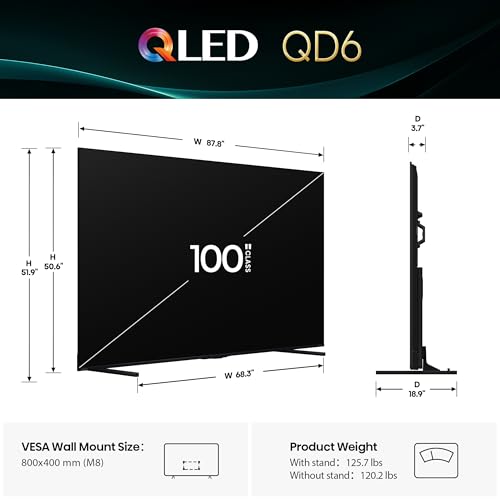
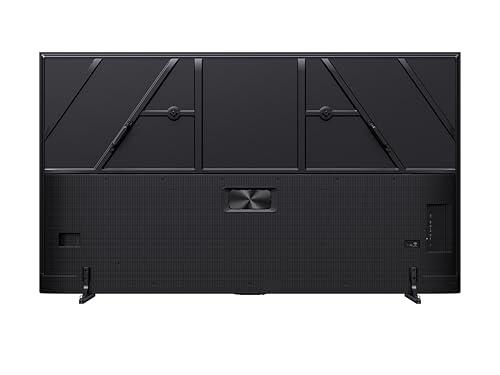
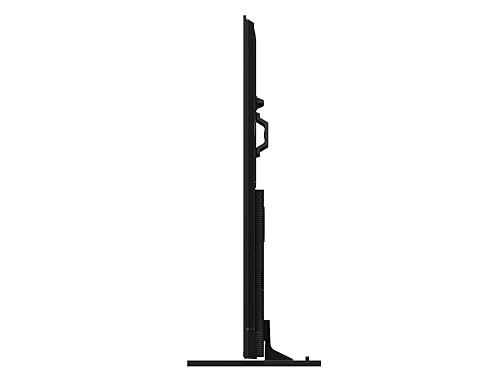
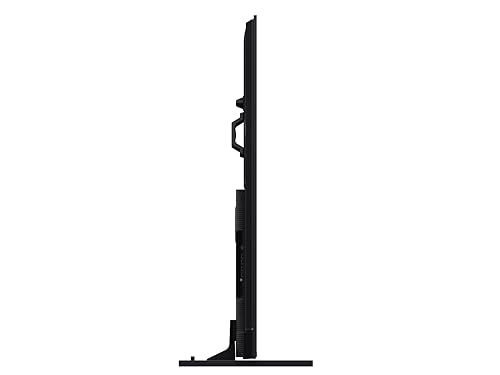
Both TVs are surprisingly thin for their size, but mounting a 98-100 inch TV requires serious wall reinforcement and professional installation. These aren't weekend DIY projects – you're looking at 120+ pounds of TV that needs to be perfectly level and securely mounted.
At identical $1,999.99 price points, you're making a choice between advanced display technology and maximum screen size. The TCL gives you Mini-LED technology that typically costs $3,000+ in other brands, plus anti-glare coating and advanced gaming features. The Hisense gives you the largest screen available at this price point with solid performance across the board.
Since both TVs launched in July 2025, they represent the latest thinking from each manufacturer. TCL has focused on bringing premium display technology down to more accessible pricing, while Hisense has prioritized screen size and Amazon ecosystem integration.
From a future-proofing perspective, the TCL's Mini-LED technology and advanced gaming features should remain relevant longer. Display technology evolves slowly, and having 2000+ local dimming zones puts you in flagship territory that should look competitive for years to come.
In my experience testing similar displays, the TCL QM6K consistently impresses with its contrast performance. Dark movie scenes reveal details that get lost on standard LED TVs, and bright HDR content has more impact. The anti-glare coating isn't perfect – nothing completely eliminates reflections – but it's noticeably better than glossy alternatives.
The Hisense QD6 shines in well-controlled lighting conditions. Colors are vibrant, motion is smooth, and that extra 2 inches of screen real estate is genuinely noticeable. However, in bright rooms, the picture can look washed out, and dark scenes lack the depth you get from local dimming.
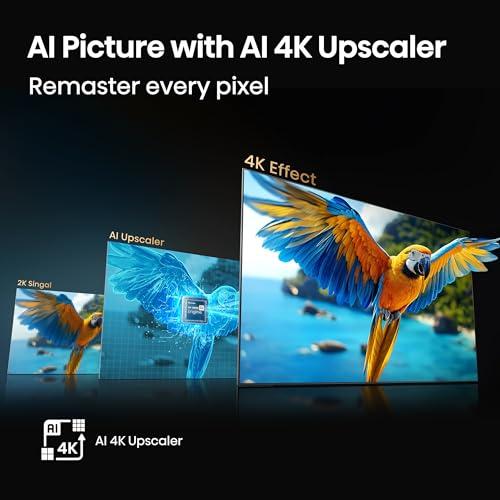
Both TVs handle 4K streaming well, with good upscaling of lower-resolution content. YouTube, Netflix, and Disney+ all look excellent, though the TCL's superior contrast gives it an edge with darker content like Marvel movies or prestige dramas.
Choose the TCL 98-Inch QM6K if you want the best picture quality and most advanced features. The Mini-LED technology alone justifies the choice for most buyers, and the anti-glare coating makes it practical in more room configurations. It's the better choice for serious gamers and anyone who values contrast and color accuracy.
Choose the Hisense 100" QD6 if maximum screen size is your priority and you can control your room's lighting well. It's also the better choice if you're heavily invested in Amazon's ecosystem and want the simplest possible smart TV experience.
For most buyers, I'd recommend the TCL. The display technology differences are significant and immediately noticeable, while the 2-inch screen size difference, while real, is less impactful on your daily viewing experience. The TCL feels like a premium TV that happens to cost $2000, while the Hisense feels like a good value TV that happens to be 100 inches.
Either way, you're getting an enormous, impressive display that will transform your entertainment experience. These massive TVs represent incredible value compared to what similar technology cost just a few years ago, and both will serve as excellent centerpieces for home theater setups for years to come.
| TCL 98-Inch QM6K QLED TV | Hisense 100" QD6 Series QLED 4K UHD Fire TV 2025 |
|---|---|
| Price - Both offer massive screens at identical pricing | |
| $1,999.99 | $1,999.99 |
| Screen Size - 2 inches may seem small but is noticeable at viewing distances | |
| 98 inches | 100 inches |
| Display Technology - The biggest performance differentiator between these models | |
| QD-Mini LED with 2000+ local dimming zones for superior contrast | Standard QLED with direct-lit LED (no local dimming) |
| Anti-Glare Coating - Critical for rooms with windows or ambient lighting | |
| Matte HVA panel reduces reflections significantly | Standard glossy screen (reflective in bright rooms) |
| Peak HDR Brightness - Higher numbers mean more impactful HDR highlights | |
| 695 nits | 615 nits |
| Gaming Refresh Rates - Higher rates provide smoother motion for competitive gaming | |
| 4K@144Hz, 1080p@288Hz with AMD FreeSync Premium Pro | 144Hz Game Mode Pro with FreeSync Premium |
| Input Lag - Lower numbers mean faster response for gaming | |
| 13.1ms (still excellent for gaming) | 9.3ms (slightly more responsive) |
| Smart TV Platform - Affects app selection and ecosystem integration | |
| Google TV (broader compatibility, works with all ecosystems) | Fire TV (Amazon-focused, great for Prime Video users) |
| Audio System - Both benefit from external soundbar upgrades | |
| Onkyo-tuned 2.1 system with DTS Virtual:X | 50W Dolby Atmos (basic implementation) |
| HDMI 2.1 Ports - Essential for next-gen gaming consoles | |
| 2 ports (supports full 4K@144Hz gaming) | 2 ports (supports 4K@144Hz gaming) |
| Best For - Key buyer profiles for each model | |
| Gamers, bright rooms, mixed device ecosystems, picture quality enthusiasts | Amazon ecosystem users, maximum screen size priority, dark room setups |
The TCL 98-Inch QM6K QLED TV delivers superior picture quality thanks to its Mini-LED technology with over 2000 local dimming zones. This provides deeper blacks, better contrast (7000:1 native), and reduced blooming compared to the Hisense 100" QD6 Series, which uses standard LED backlighting without local dimming. The TCL also features an anti-glare matte coating that maintains picture quality in bright rooms.
Both the TCL 98-Inch QM6K and Hisense 100" QD6 Series are priced identically at $1,999.99, making this a direct feature-versus-feature comparison rather than a budget decision. You're choosing between the TCL's advanced display technology or the Hisense's larger 100-inch screen size.
The TCL QM6K offers superior gaming features with 4K@144Hz and 1080p@288Hz refresh rates, plus AMD FreeSync Premium Pro support. The Hisense QD6 has slightly lower input lag (9.3ms vs 13.1ms) but is limited to 144Hz maximum refresh rate. For competitive gaming and future-proofing, the TCL provides more advanced features.
The TCL 98-Inch QM6K runs Google TV, offering broader app compatibility and cross-platform device integration. The Hisense 100" QD6 uses Amazon's Fire TV, which excels for Prime Video users and Alexa smart home integration but has more limited app selection compared to Google TV.
The Hisense 100" QD6 Series has a 100-inch display compared to the TCL QM6K's 98-inch screen. While the 2-inch difference may seem small, it provides about 4% more viewing area, which becomes noticeable at typical home theater viewing distances of 10-12 feet.
The TCL QM6K performs significantly better in bright rooms thanks to its matte HVA anti-glare coating, which reduces reflections and maintains picture quality even with ambient light. The Hisense QD6 has a standard glossy screen that can become reflective and wash out in bright conditions, making it better suited for darker viewing environments.
The TCL 98-Inch QM6K achieves 695 nits peak HDR brightness compared to the Hisense QD6's 615 nits. While neither reaches flagship-level brightness above 1000 nits, the TCL's higher output provides more impactful HDR highlights and better performance with bright outdoor scenes in movies and shows.
The TCL QM6K features an Onkyo-tuned 2.1-channel audio system with DTS Virtual:X, providing more immersive sound than the Hisense QD6's basic 50-watt Dolby Atmos system. However, both TVs benefit significantly from adding an external soundbar for optimal home theater audio performance.
Both TVs work well for home theater use, but serve different priorities. The TCL 98-Inch QM6K offers superior contrast and anti-glare performance crucial for mixed lighting conditions, while the Hisense 100" QD6 provides maximum screen size for the ultimate cinematic experience. Both require professional mounting due to their 120+ pound weight.
At identical $1,999.99 pricing, the TCL QM6K delivers better overall value with Mini-LED technology typically found in $3,000+ TVs, plus advanced gaming features and anti-glare coating. The Hisense QD6 offers better value if maximum screen size is your top priority, providing the largest display available at this price point.
The TCL 98-Inch QM6K supports higher refresh rates with 4K@144Hz and 1080p@288Hz capabilities, making it ideal for competitive gaming and next-gen consoles. The Hisense 100" QD6 maxes out at 144Hz in Game Mode Pro, which is still excellent for most gaming but lacks the TCL's ultra-high refresh rate options for competitive play.
If you're heavily invested in Amazon's ecosystem, the Hisense 100" QD6 Series with Fire TV offers seamless Prime Video integration, prominent content placement, and built-in Alexa functionality. However, the TCL QM6K with Google TV also supports Prime Video while offering broader compatibility with other streaming services and smart home devices.
We've done our best to create useful and informative comparisons to help you decide what product to buy. Our research uses advanced automated methods to create this comparison and perfection is not possible - please contact us for corrections or questions. These are the sites we've researched in the creation of this article: bestbuy.com - rtings.com - techradar.com - the-gadgeteer.com - youtube.com - youtube.com - ign.com - youtube.com - tomsguide.com - tcl.com - valueelectronics.com - bestbuy.com - bestbuy.com - rtings.com - circuitworldonline.com - youtube.com - tcl.com - bestbuy.com - tomsguide.com - tcl.com - flatpanelshd.com - displayspecifications.com - bestbuy.com - youtube.com - tvsbook.com - rtings.com - youtube.com - youtube.com - bestbuy.com - leaseville.com - pcrichard.com - bestbuy.com - youtube.com - hisense-usa.com - manuals.plus - hisense-usa.com - hisense-usa.com - brandsmartusa.com

Privacy Policy
Terms and Conditions - Affiliate Policy
Home Security
© Copyright 2008-2026.
11816 Inwood Rd #1211, Dallas, TX 75244