

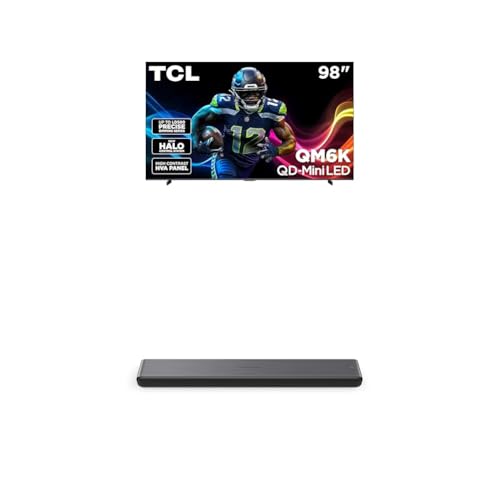
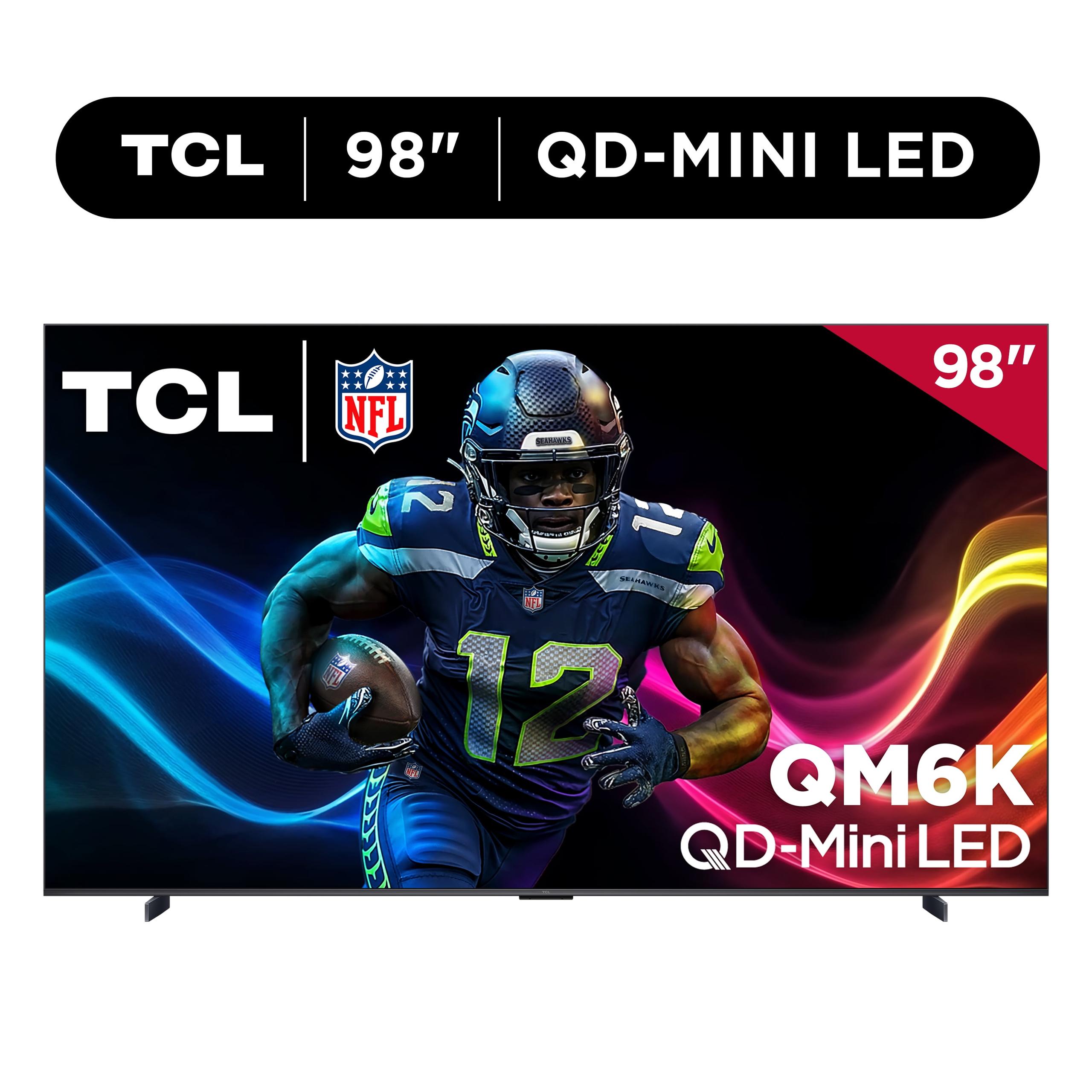
When you're ready to transform your living room into a cinema-worthy experience, the choice between a massive traditional TV and a cutting-edge laser projector represents one of the most interesting decisions in home entertainment today. The TCL 98-Inch QM6K QLED TV at $1,999 and the Hisense L9H TriChroma Laser TV 100" UST Projector at $4,497 might seem like they're competing for the same spot in your home, but they're actually two completely different approaches to achieving that dream of cinema-sized viewing.
After spending considerable time with both technologies, I can tell you that this isn't just about picking the bigger screen or the cheaper option. These represent fundamentally different philosophies about how we consume entertainment at home, and understanding these differences will help you make the right choice for your specific situation.
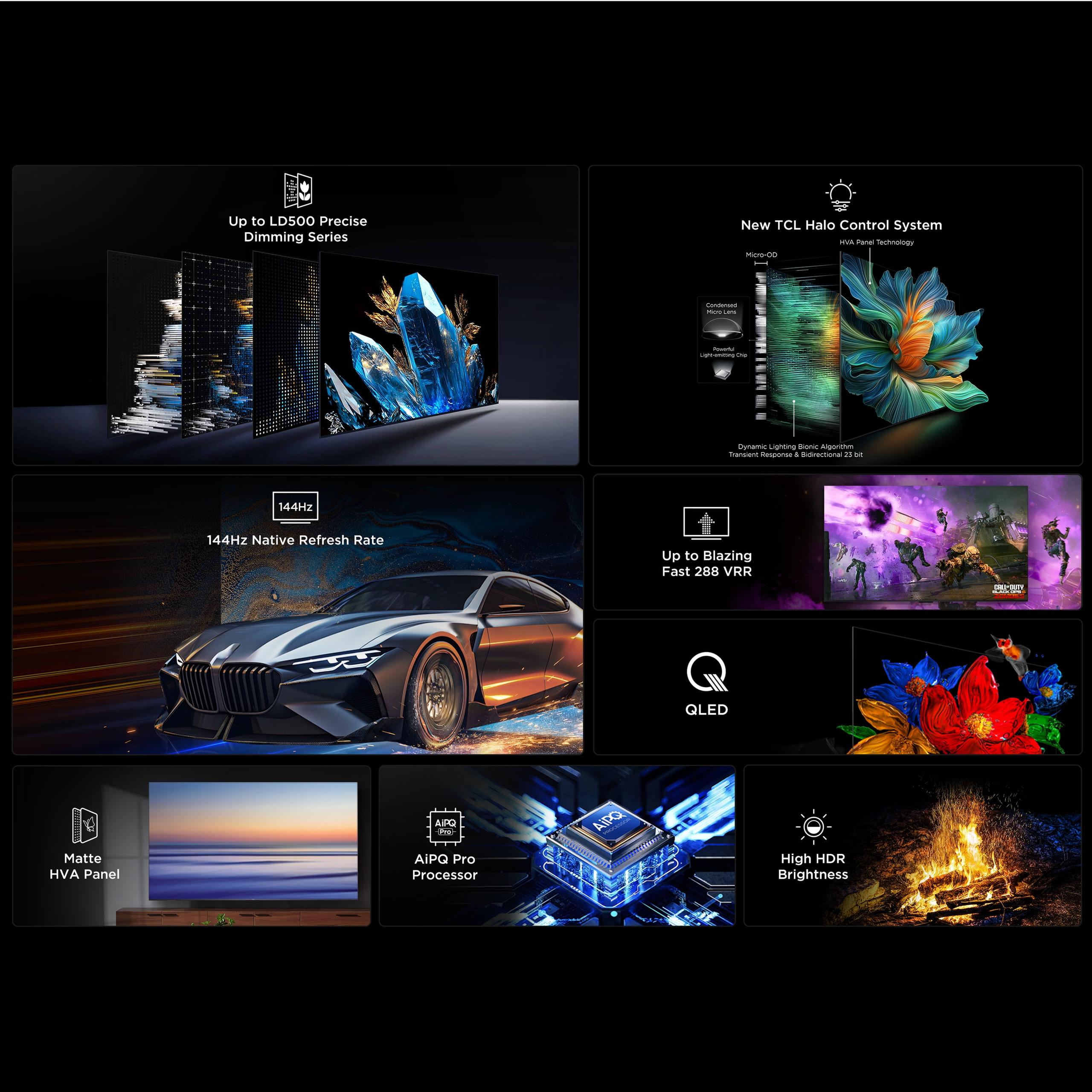
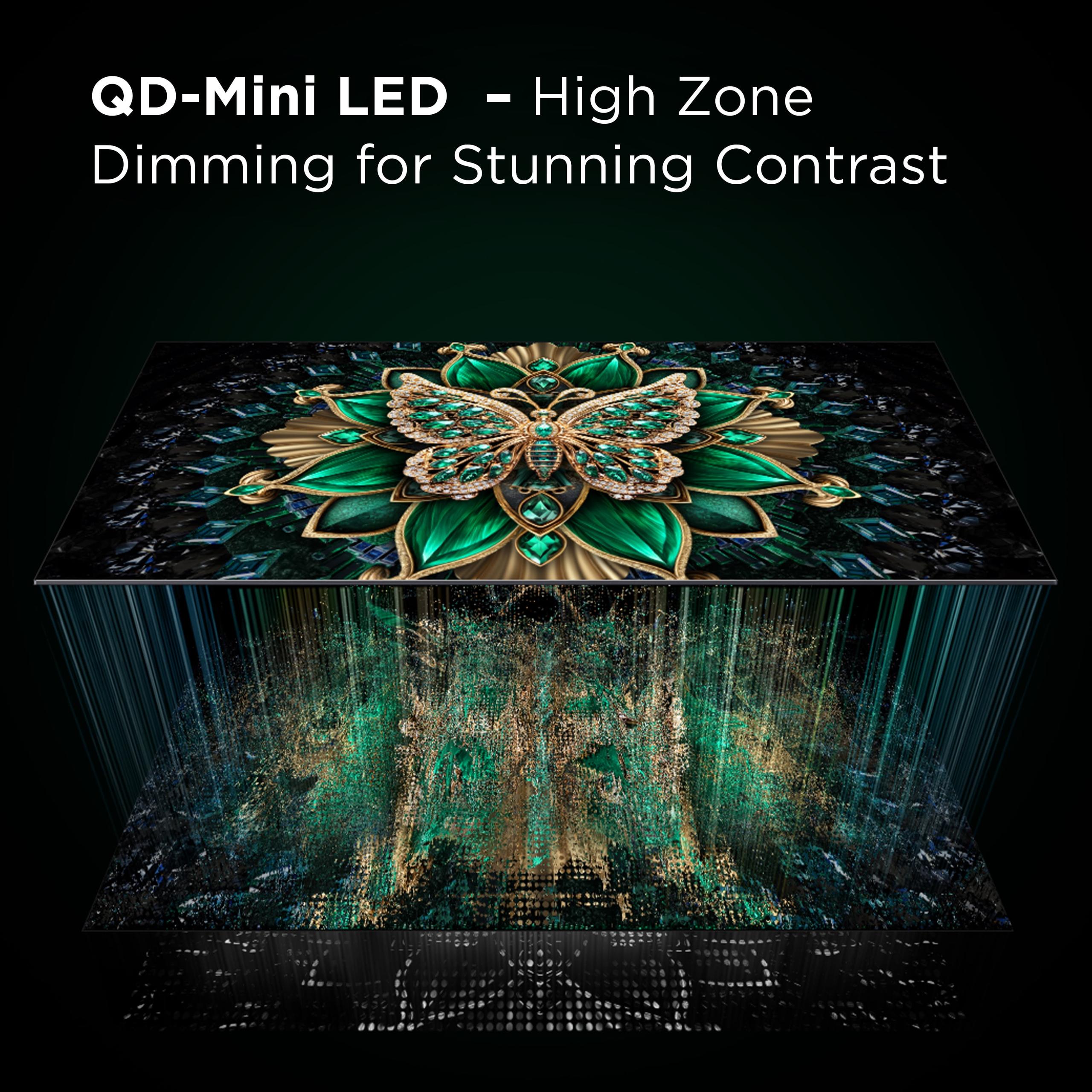
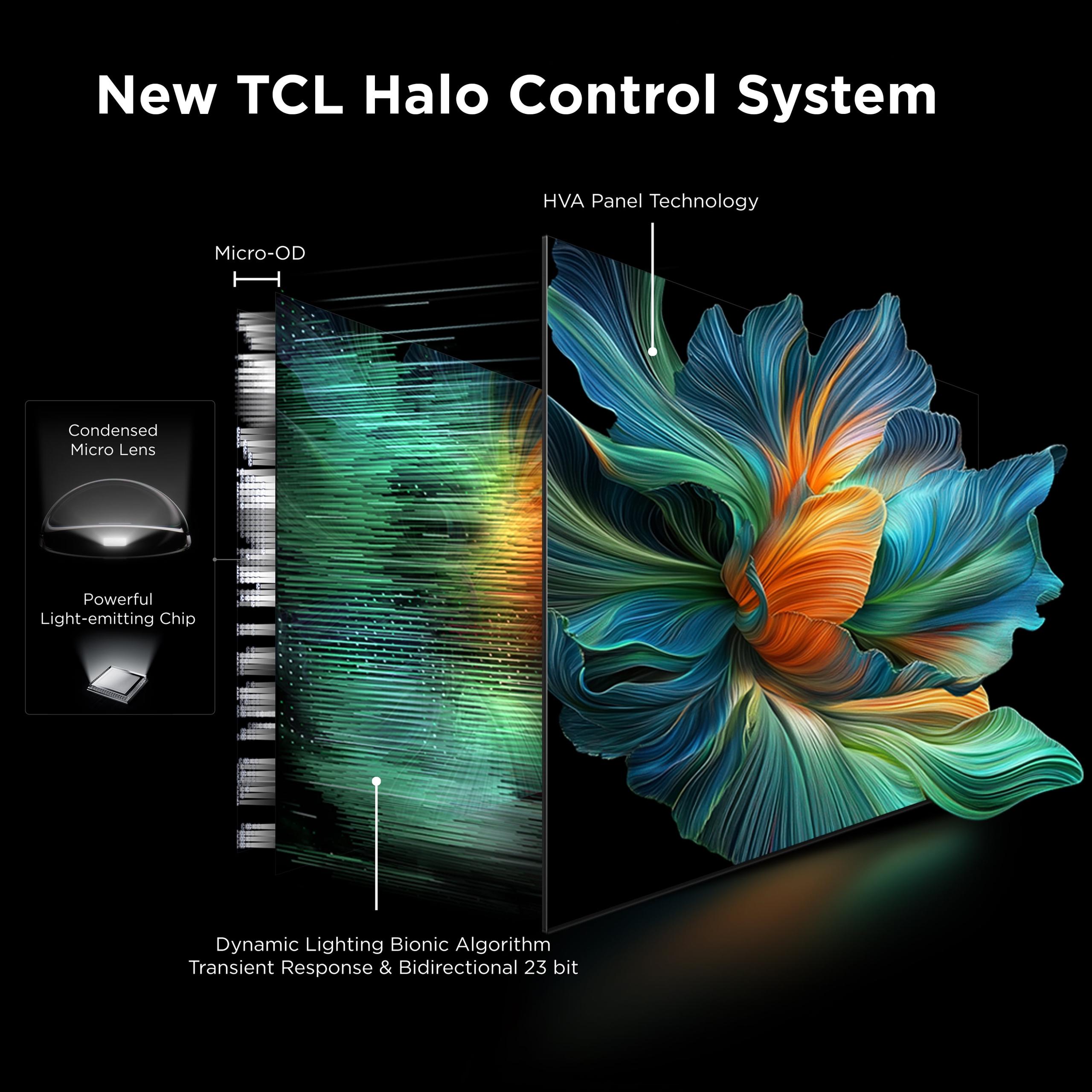
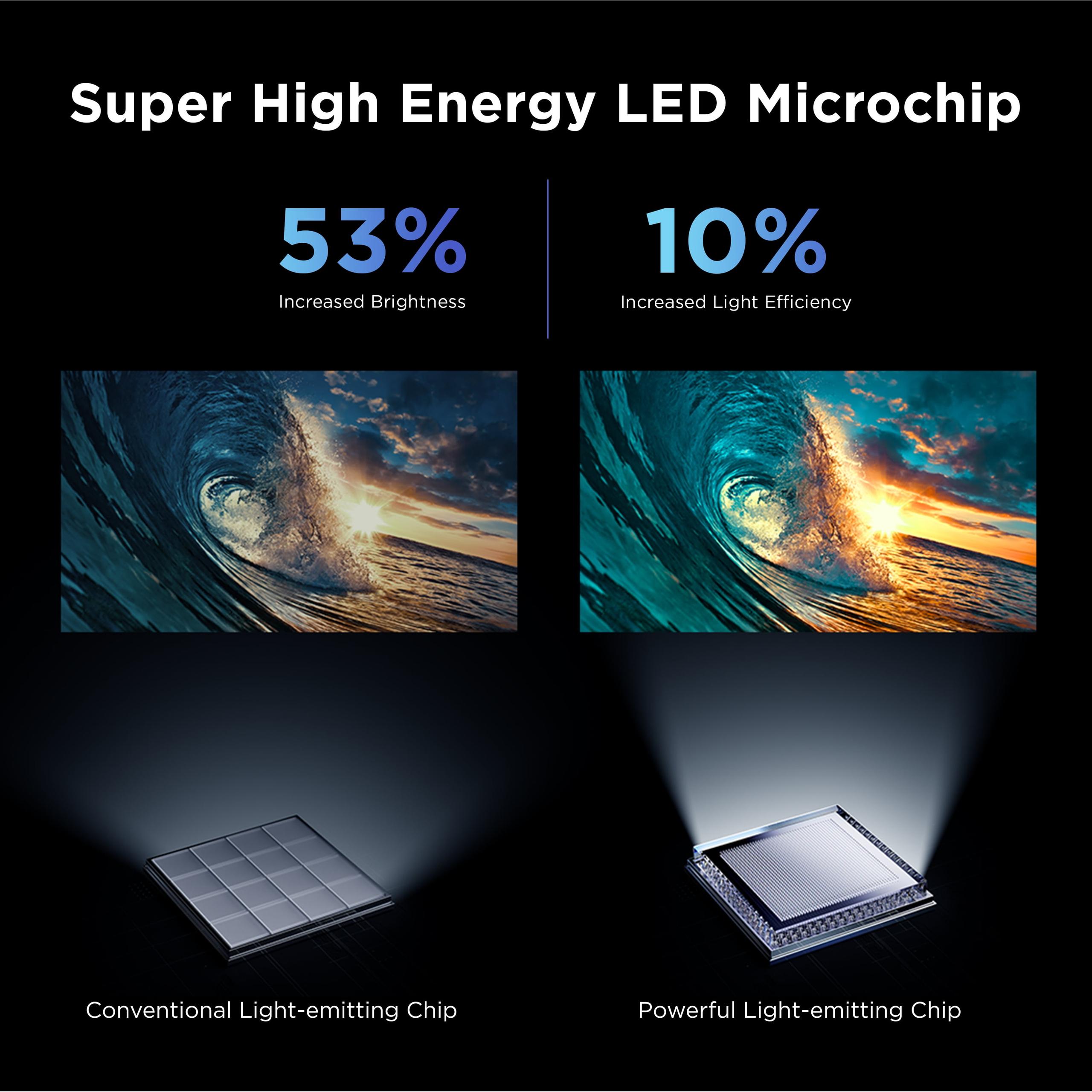
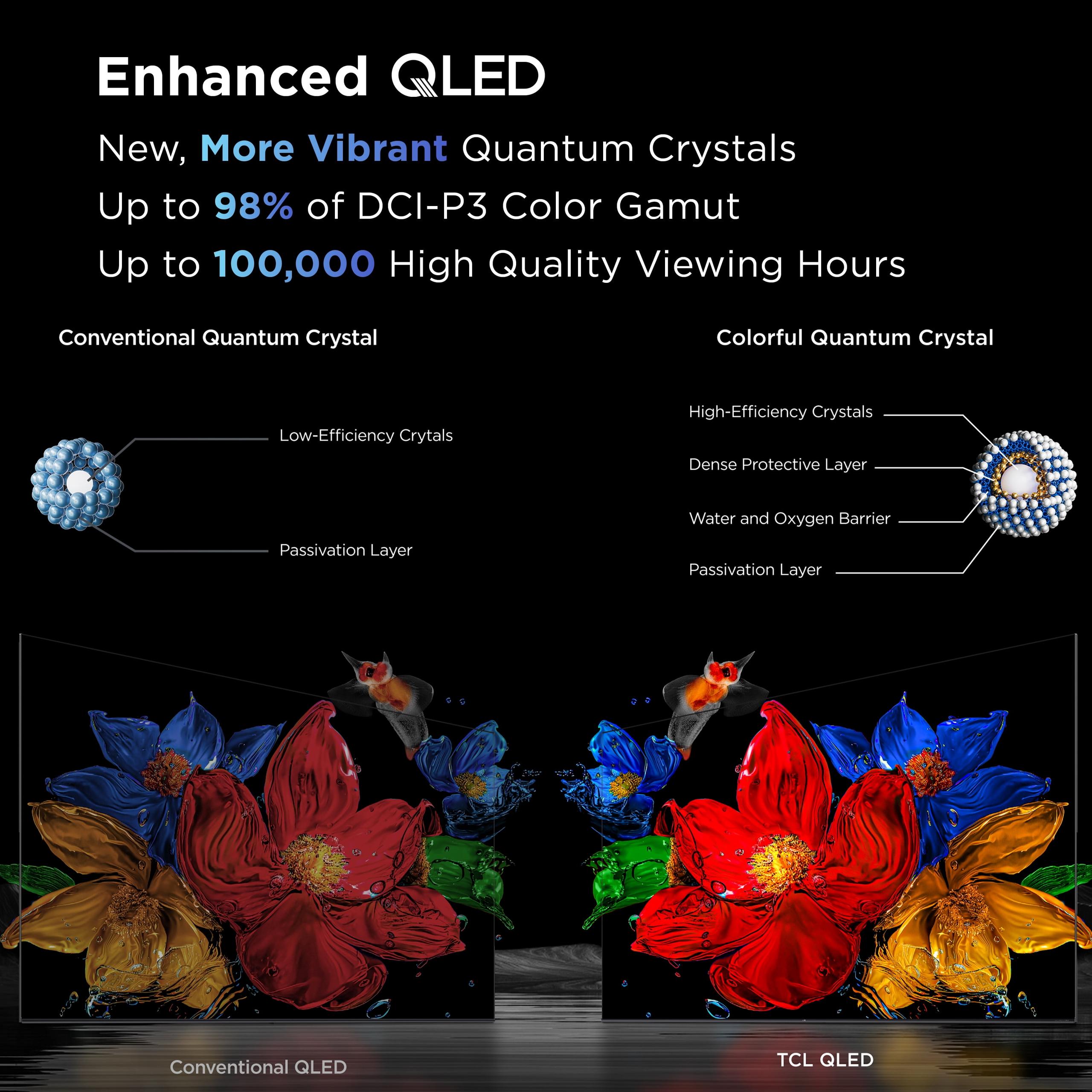
The TCL QM6K, released in early 2025, represents the latest evolution in what we call QD-Mini LED technology. This is essentially a traditional TV that's been supercharged with thousands of tiny LED lights behind the screen (that's the "Mini LED" part) combined with quantum dots (the "QD" part) that enhance color accuracy. Think of quantum dots as tiny crystals that, when hit by light, emit very pure colors – it's the same technology that makes some of the most vibrant displays in premium smartphones.
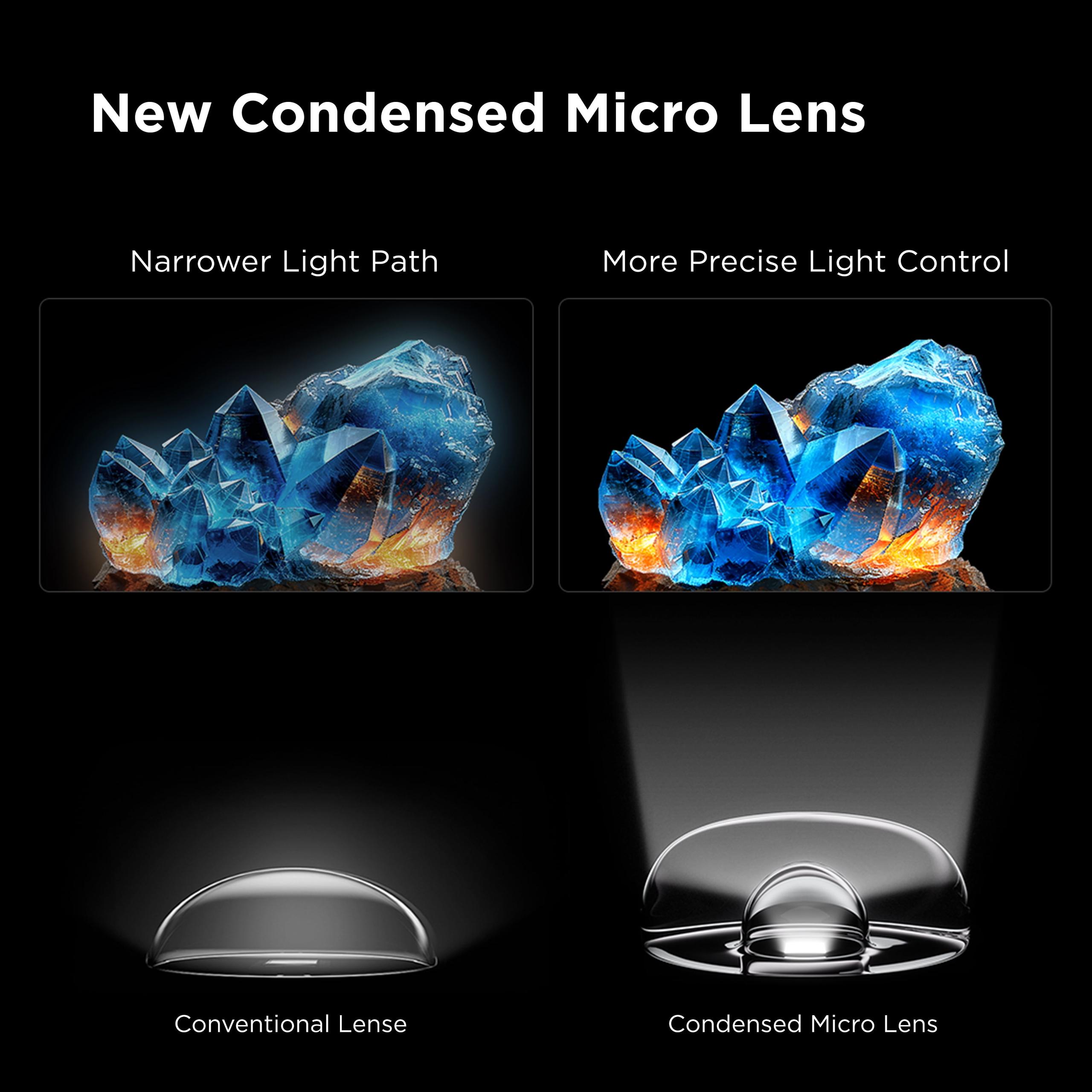
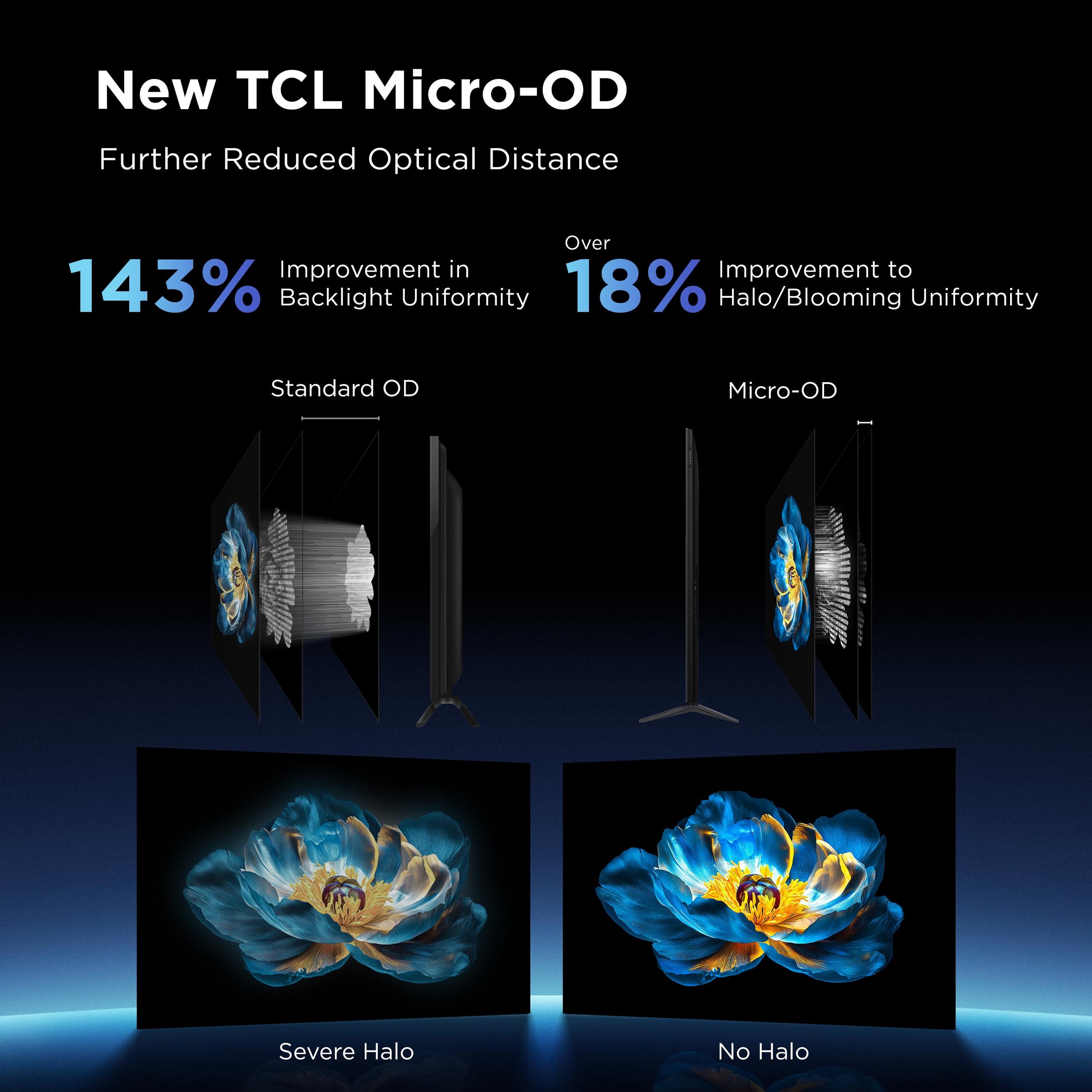
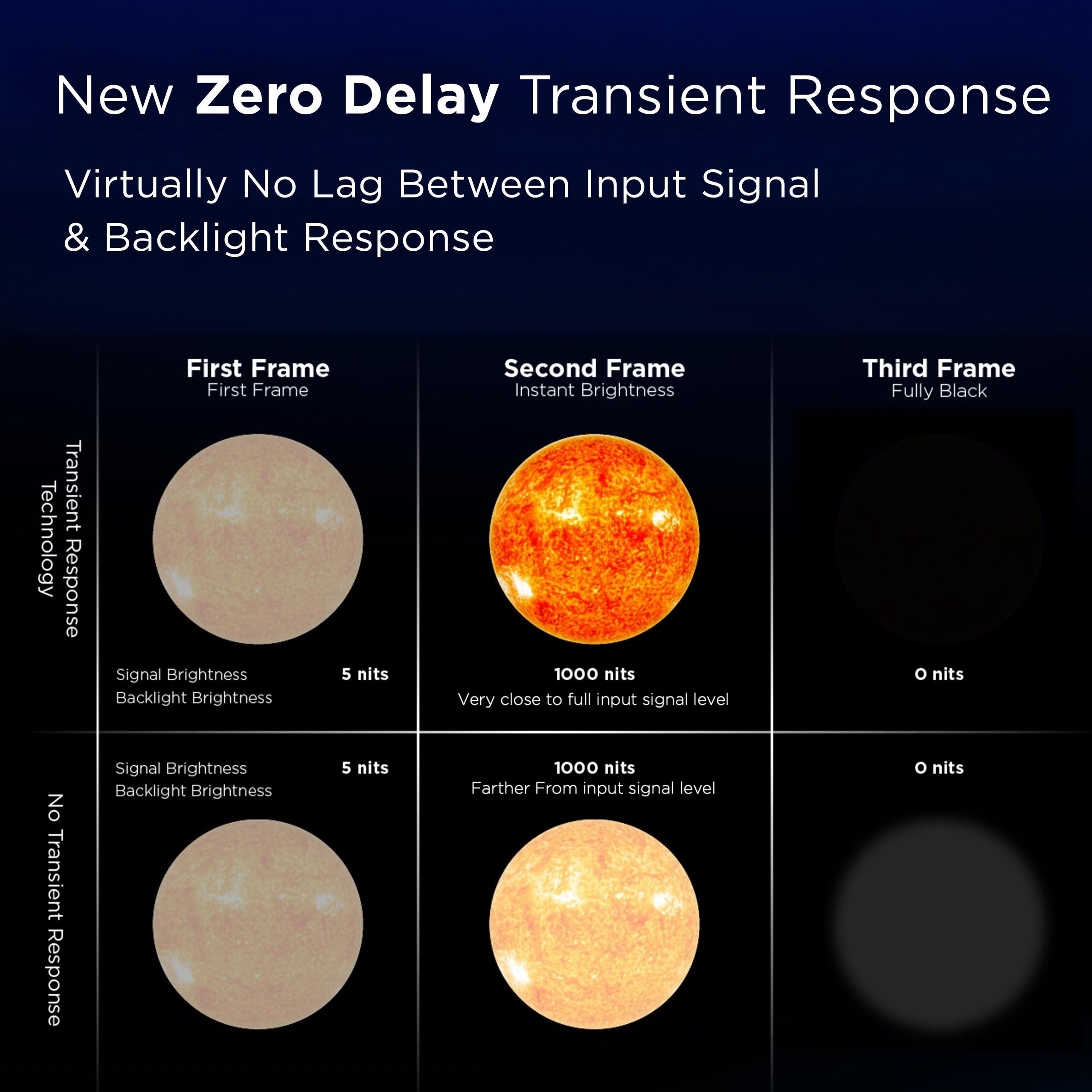
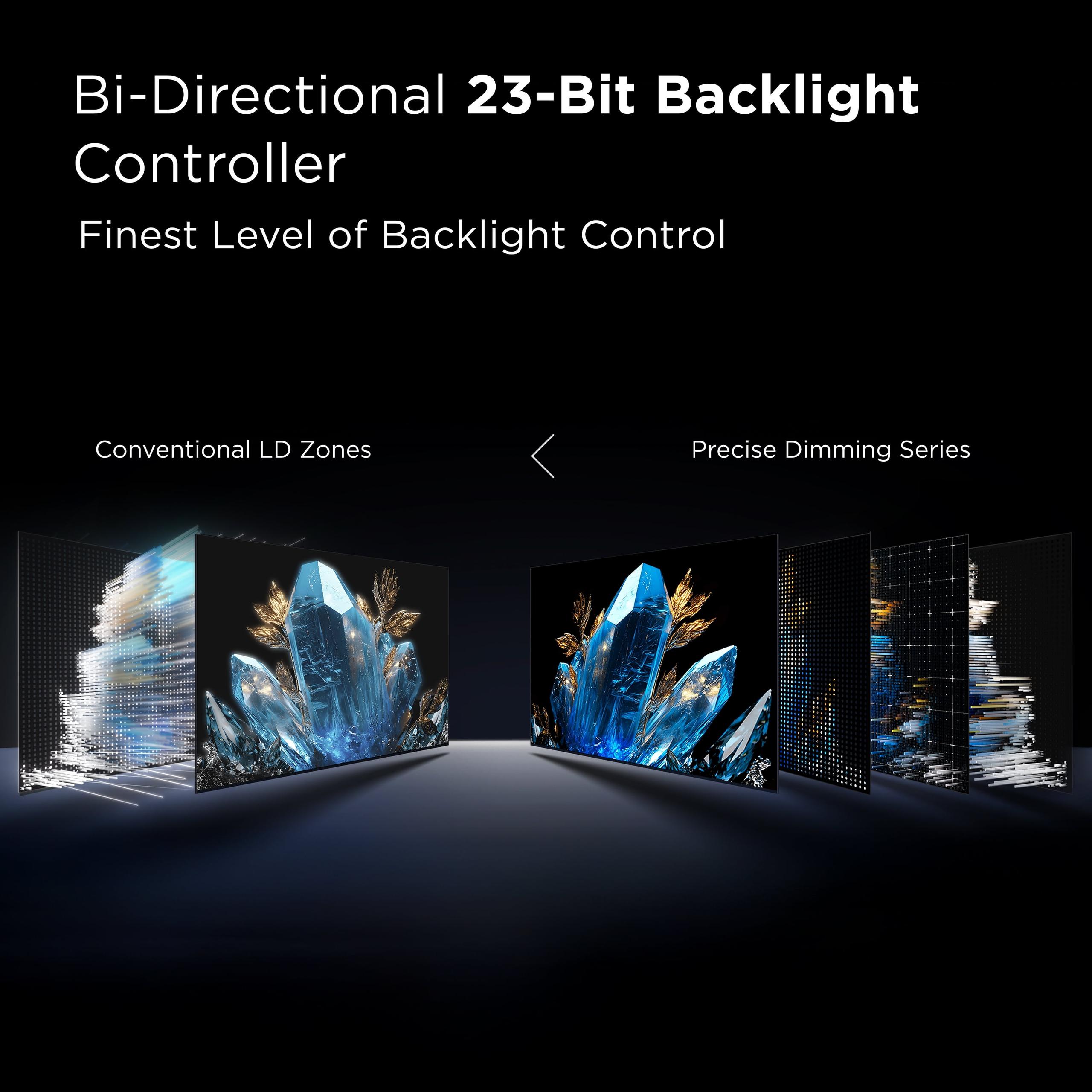
The Mini LED backlighting is particularly clever. Instead of having a few dozen lighting zones like older TVs, the QM6K uses hundreds of these microscopic LEDs arranged in over 500 local dimming zones. This means when you're watching a scene with bright stars against a dark sky, the TV can keep the star areas bright while making the surrounding areas truly black, creating that dramatic contrast that makes movies pop off the screen.
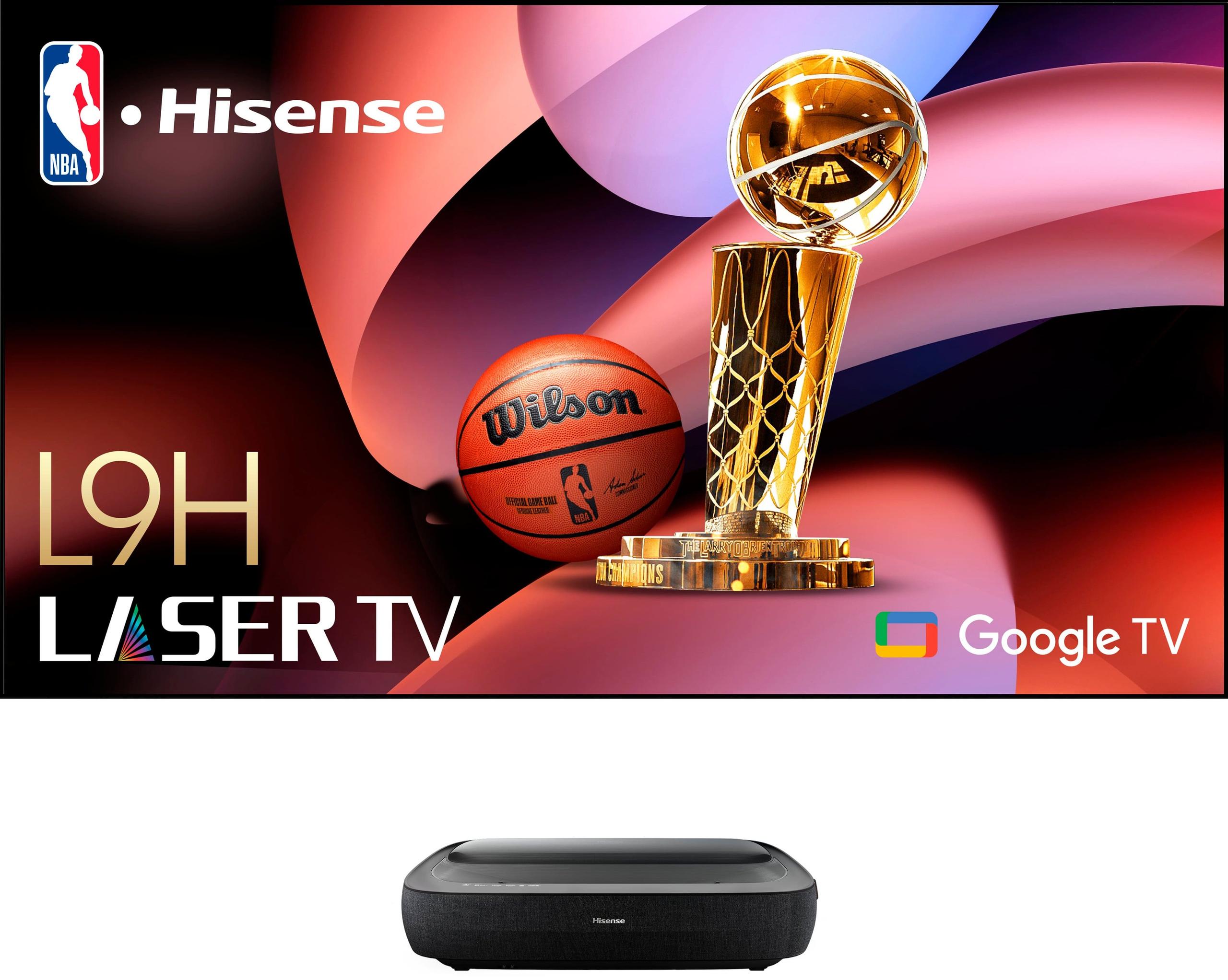
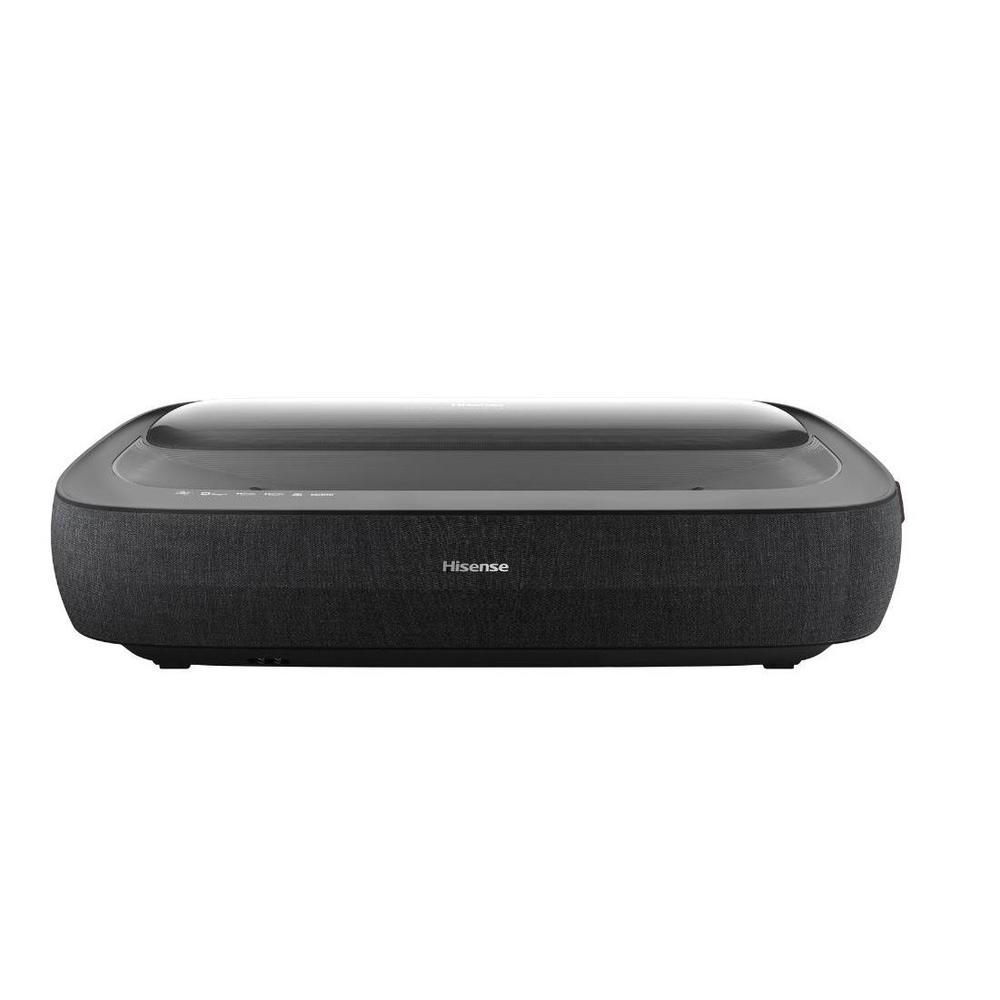
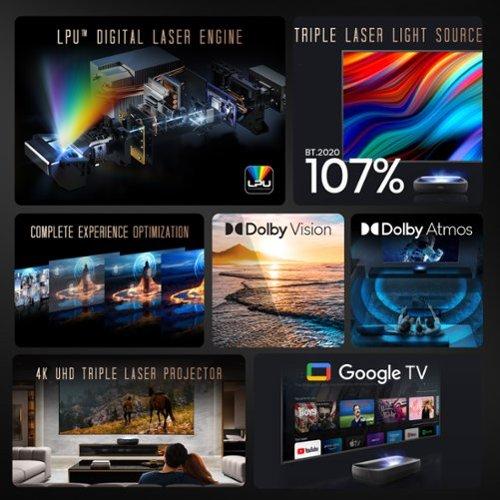
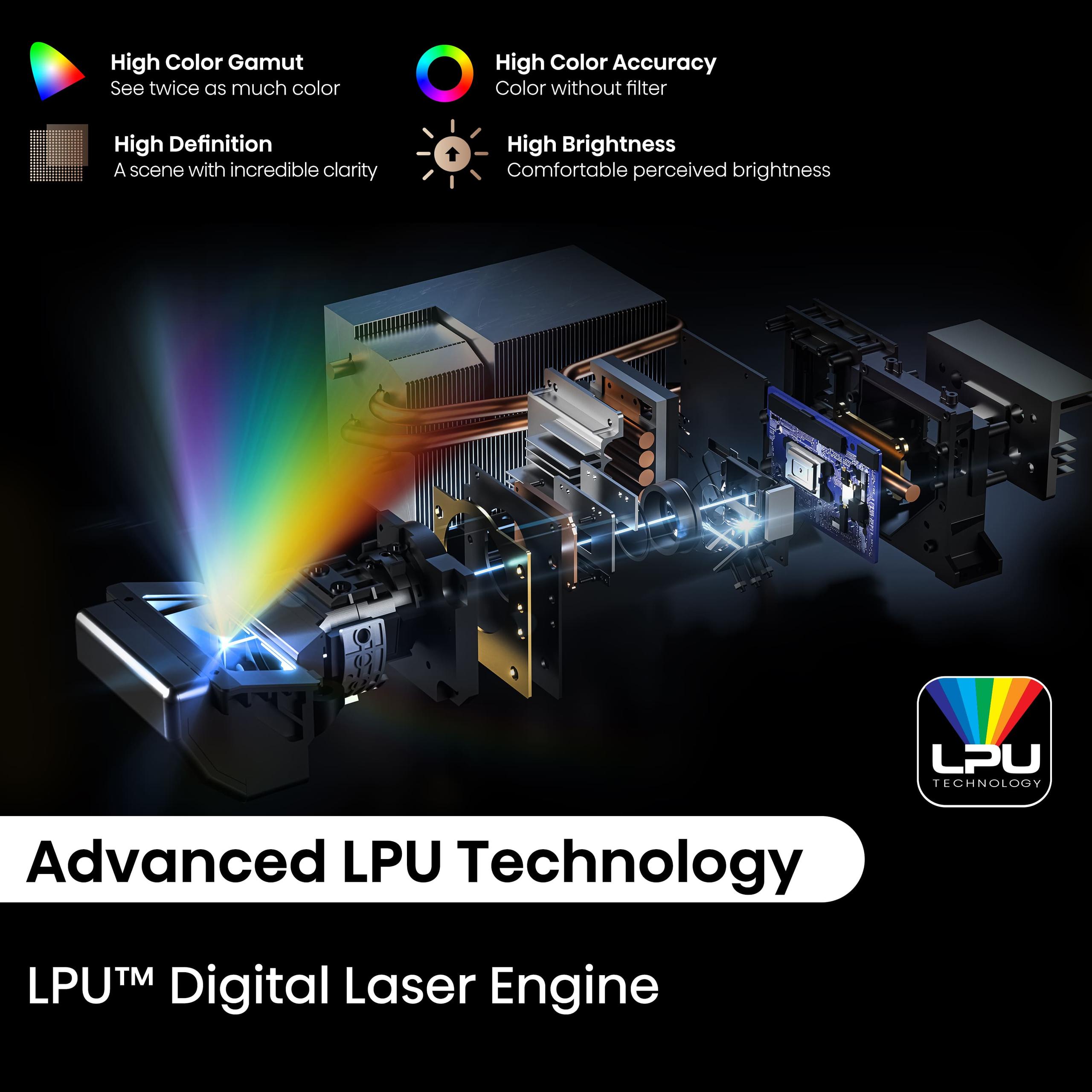
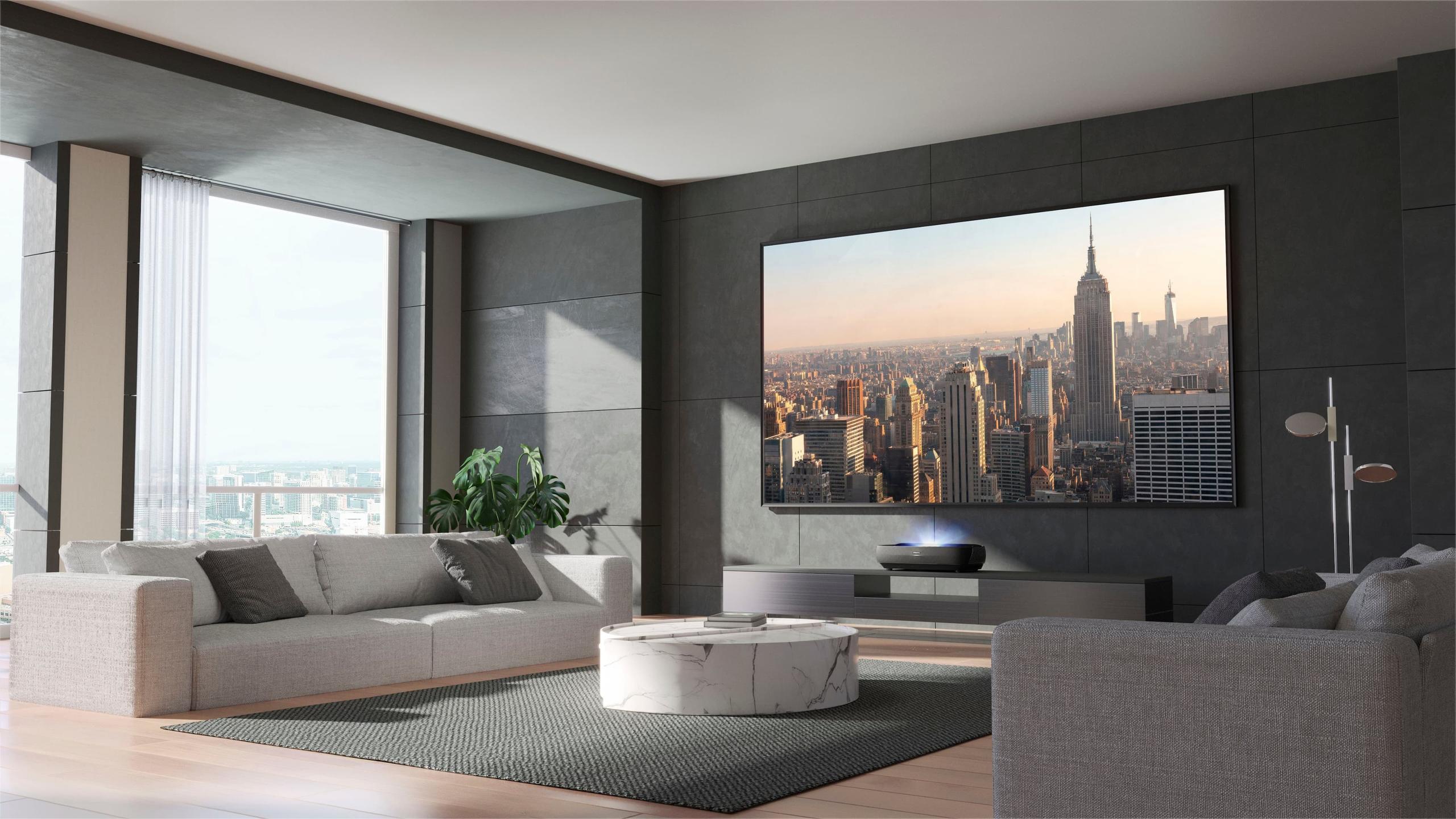
On the other side, the Hisense L9H, which hit the market in 2024, uses what's called TriChroma laser projection. This is space-age stuff – literally using red, green, and blue lasers to create the image. Unlike traditional projectors that use a single white light source filtered through color wheels, this system generates pure red, green, and blue light simultaneously. The result is access to colors that simply can't be reproduced by conventional displays.
The "UST" in Ultra Short Throw means this projector sits just inches from your wall rather than hanging from the ceiling across the room. It's like having a cinema projector that's been shrunk down and can work in a normal living room setup.
If gaming is important to your household, the performance gap between these two becomes immediately apparent. The TCL QM6K was clearly designed with gamers in mind, supporting refresh rates up to 144Hz at 4K resolution and an incredible 288Hz at 1080p. To put this in perspective, most TVs max out at 60Hz, which means they can only display 60 new images per second. Higher refresh rates make fast-paced games like first-person shooters or racing games feel dramatically smoother and more responsive.
The QM6K also supports Variable Refresh Rate (VRR) technology, which is like having the TV and your gaming console work together to eliminate those annoying screen tears and stutters that can happen during intense gaming moments. When your Xbox Series X or PlayStation 5 is rendering a complex scene and can only output 80 frames per second instead of the usual 120, VRR allows the TV to adjust its refresh rate to match, keeping everything smooth.
Input lag – the delay between when you press a button and when you see the action on screen – is crucial for competitive gaming. The TCL typically achieves input lag under 10 milliseconds in game mode, which is imperceptible to human reaction times.
The Hisense L9H, unfortunately, is limited by its projection technology to 60Hz maximum refresh rate and lacks VRR support entirely. Its input lag also tends to be higher, typically 30-50 milliseconds, due to the additional processing required for projection. While this is still acceptable for casual gaming, it puts serious gamers at a disadvantage in competitive scenarios.
However, there's a trade-off here that's worth mentioning. When the L9H displays games, especially those with rich, colorful environments, the laser-generated colors can make the experience feel more immersive and film-like than even the best traditional displays. Racing games through scenic environments or adventure games with lush landscapes can look absolutely stunning on the laser projector.
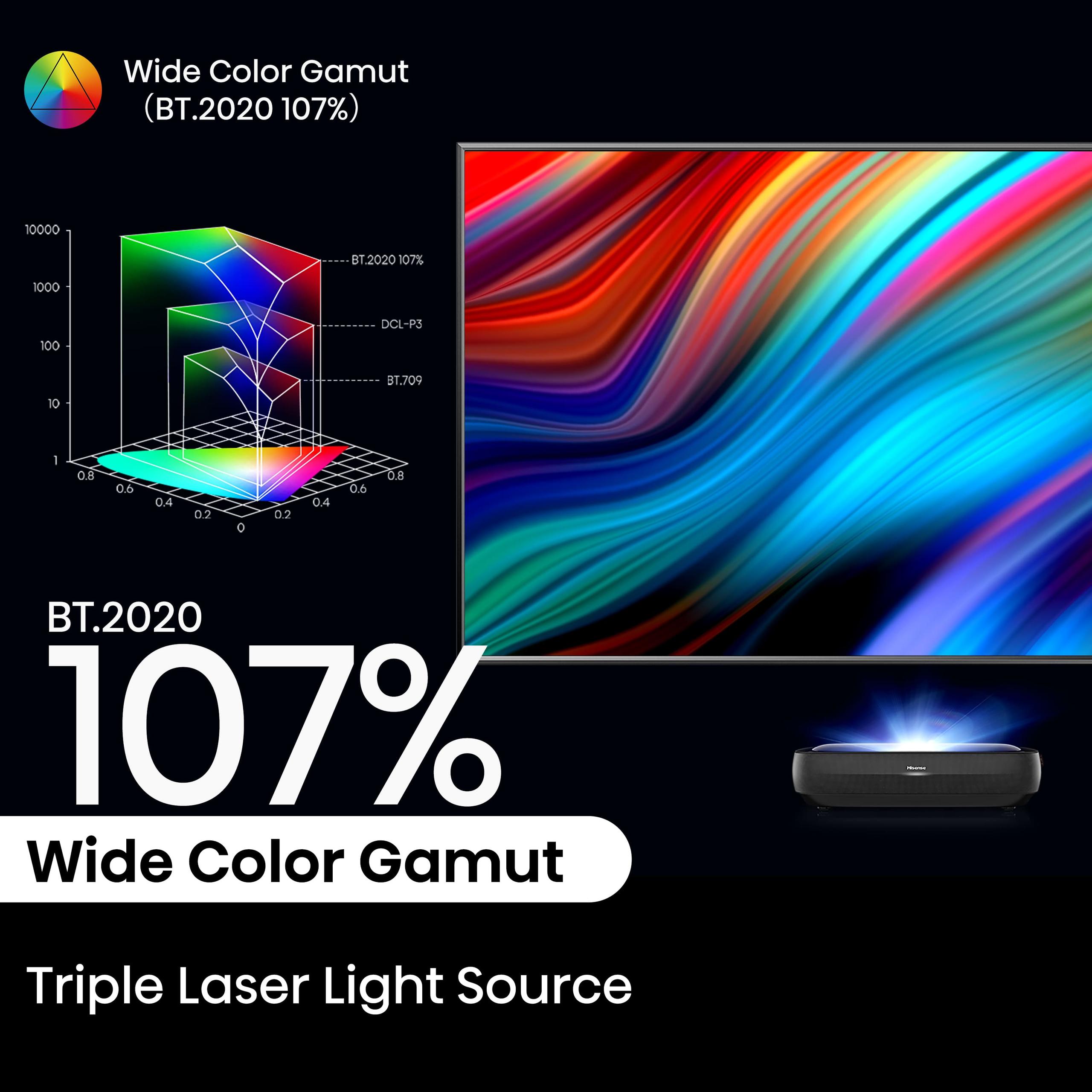
This is where things get really interesting, and where the Hisense L9H starts to show its strengths. The TriChroma laser system can reproduce 107% of the BT.2020 color space, which is the newest and widest color standard used in premium HDR content. To put this in everyday terms, imagine being able to see colors in a movie that are closer to what the director actually intended – more vibrant greens in nature scenes, more accurate skin tones, and subtle color variations that get lost on conventional displays.
The TCL QM6K, while impressive with its quantum dot technology covering 93% of the DCI-P3 color space (the standard used in movie theaters), simply can't match the laser projector's color range. However, it compensates with consistency. The TCL's colors look great whether you're watching during a bright afternoon or in a darkened room, while the projector's performance is more dependent on your lighting conditions.
HDR (High Dynamic Range) performance reveals another interesting contrast. HDR is all about displaying brighter highlights and deeper blacks simultaneously, creating more realistic and impactful images. The L9H's 3,000 ANSI lumens of brightness allows it to create those stunning HDR highlights that make explosions feel bright enough to light up your face or make sunset scenes truly glow. Its dynamic contrast ratio of 2,000,000:1 means the difference between the brightest and darkest parts of the image is enormous.
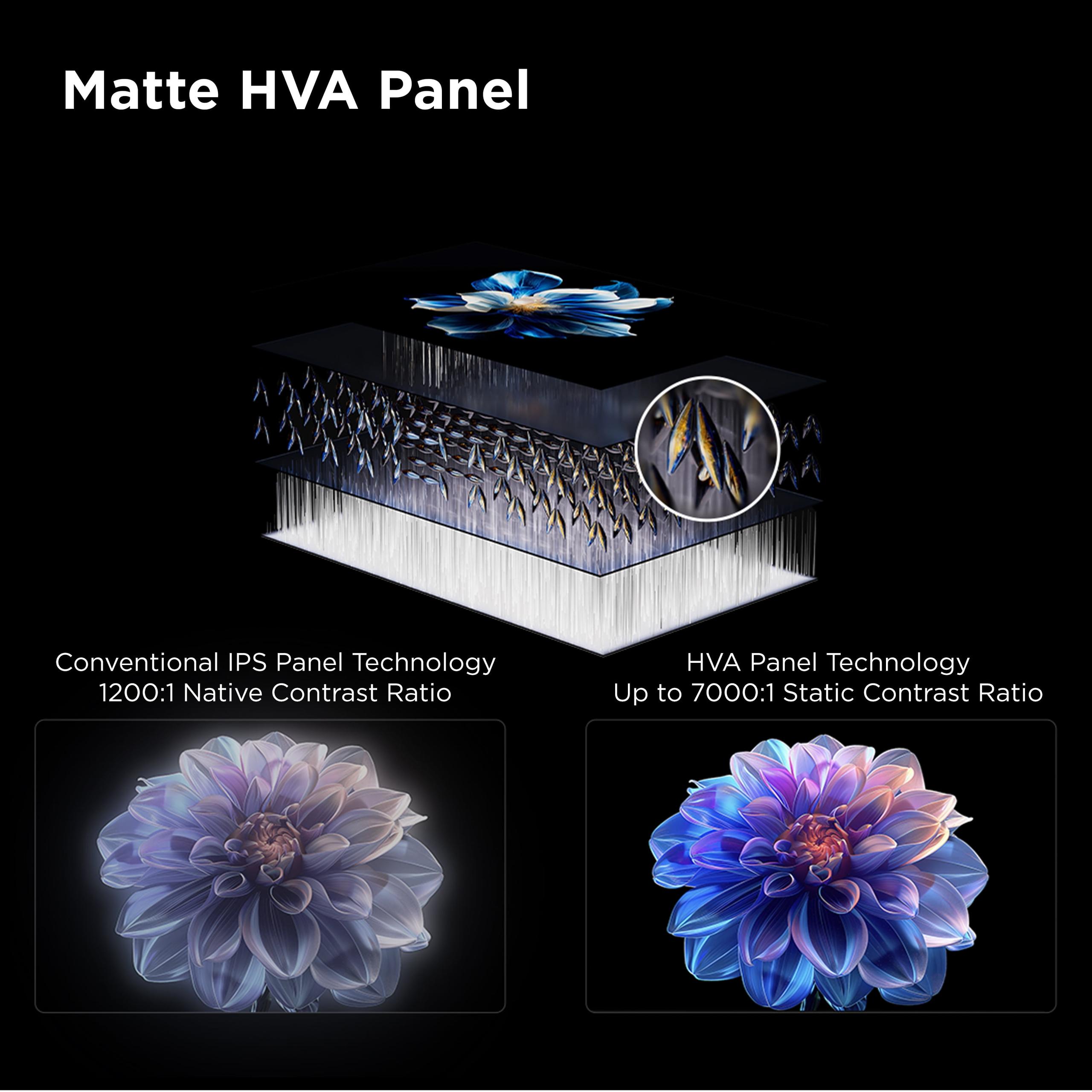
The TCL, with its 500+ local dimming zones, provides excellent contrast for an LED TV at 7,000:1 native contrast, but it can't match the projector's peak brightness capabilities. However, it offers something the projector can't: consistent HDR performance regardless of room conditions. The anti-glare matte screen means you can enjoy HDR content even with some ambient light, while the projector really needs controlled lighting to show off its HDR capabilities.
Audio is where these two products take completely different approaches. The TCL QM6K follows the traditional TV philosophy of expecting you to add external audio. While it has some built-in speakers tuned by Onkyo, they're really just there for basic functionality. For a 98-inch viewing experience, you'll want to budget for a soundbar or home theater system, adding $200-800+ to your total cost depending on your audio ambitions.
The Hisense L9H includes a 40-watt Dolby Atmos sound system built into the projector unit itself. Dolby Atmos creates three-dimensional sound by bouncing audio off your ceiling and walls, making it feel like sounds are coming from all around you rather than just from the TV. While you'll still likely want to upgrade the audio eventually for the ultimate experience, the L9H's built-in system is surprisingly capable and lets you enjoy great visuals immediately without additional purchases.
From a practical standpoint, this means the projector offers a more complete out-of-box experience, while the TV requires more planning and additional investment to reach its full potential.
Here's where your specific living situation becomes crucial. The TCL QM6K is remarkably flexible about room conditions. Its anti-glare screen technology means you can watch comfortably even with windows letting in natural light or ceiling lights on. The quantum dot color technology maintains accuracy across different lighting conditions, making it genuinely usable as an all-day display.
Mounting a 98-inch TV does require serious consideration of your wall structure and potentially professional installation, but once it's up, it works consistently regardless of time of day or season.
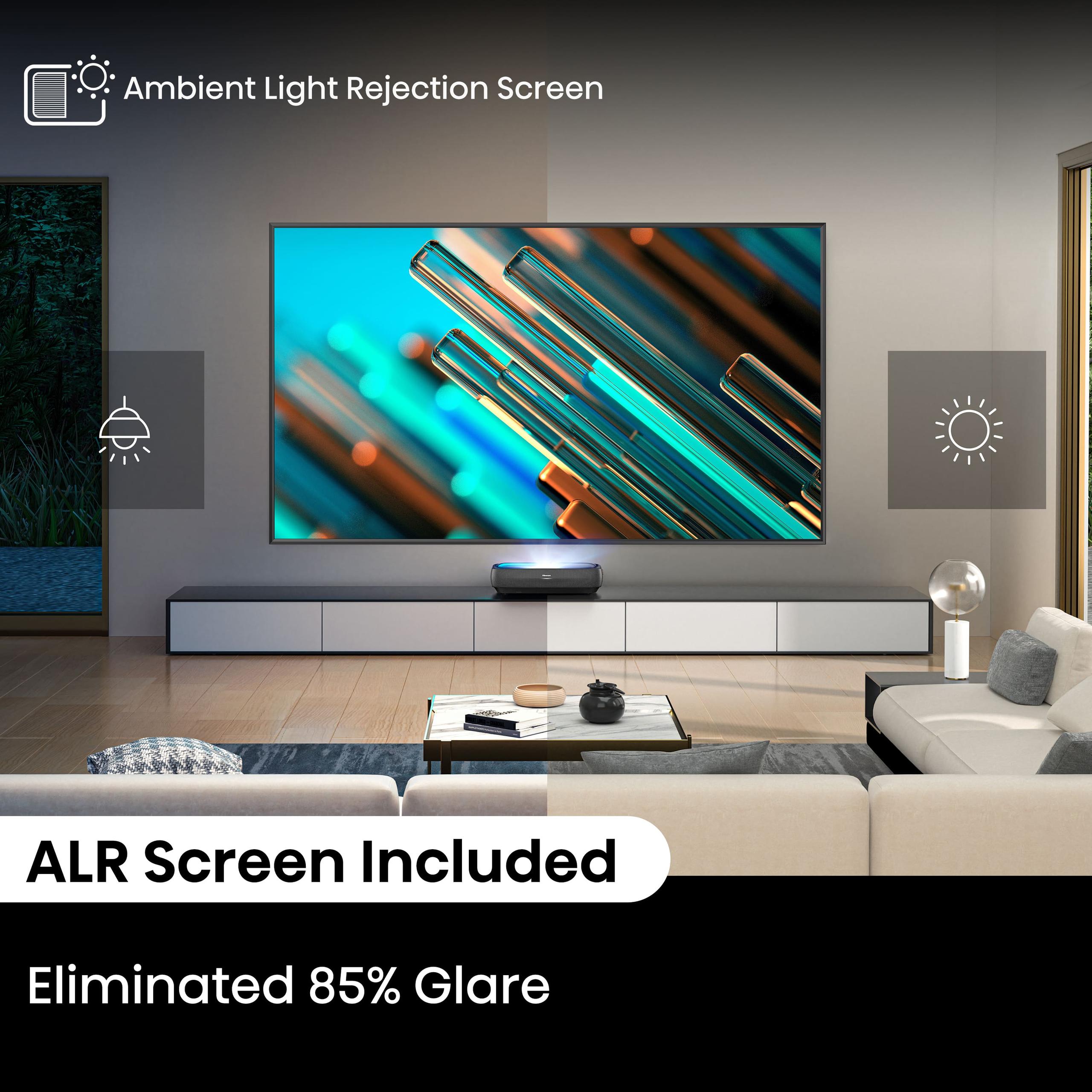
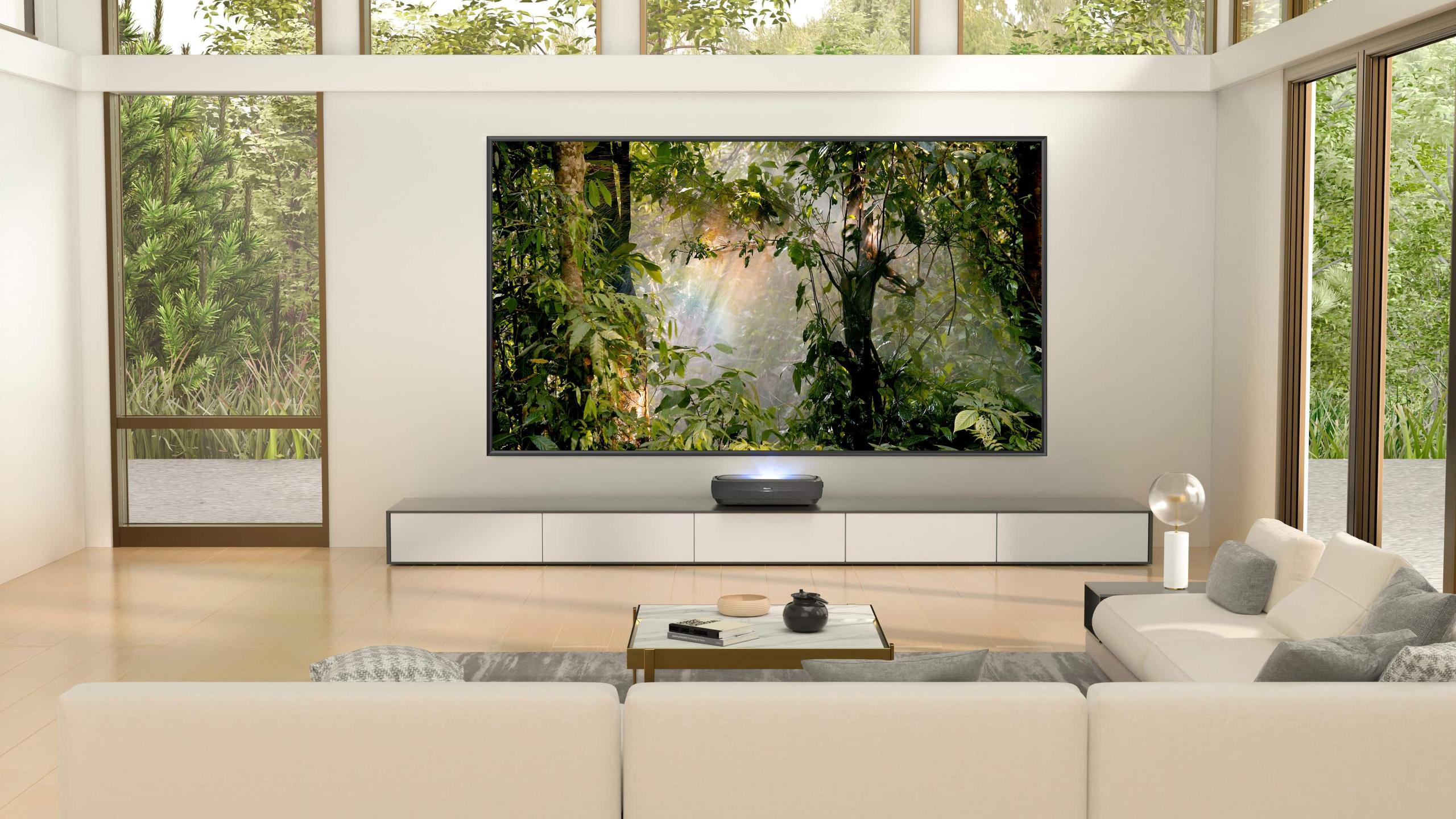
The Hisense L9H requires more thoughtful integration. The projector needs to sit on a console about 50 centimeters from your wall to create the 100-inch image, and it performs best in controlled lighting conditions. The included Ambient Light Rejecting (ALR) screen helps by filtering out room light while preserving the projected image, but you'll still see the best performance in darker environments.
However, the projector offers unique flexibility in some ways. You could theoretically move it between rooms for special occasions, and if you ever want to upgrade to a larger screen size, you can do so without replacing the entire projector unit.
Both products represent significant technological advances from their predecessors. The TCL QM6K benefits from years of refinement in Mini LED technology, with much better local dimming algorithms than earlier models and significantly improved viewing angles thanks to its HVA panel technology. The quantum dot implementation has also matured, providing more accurate colors with better longevity than previous generations.
The Hisense L9H represents a relatively new category that's been rapidly improving. Earlier UST projectors often struggled with color accuracy and had shorter laser lifespans. The current TriChroma technology addresses both issues, with lasers rated for 25,000+ hours of use – that's over 10 years at 6 hours of daily viewing.
From a maintenance perspective, the TV is essentially set-and-forget for its 7-10 year lifespan, while the projector may eventually need laser module replacement, though this is becoming less common with newer models.
For dedicated home theater use, both products shine in different ways. The TCL QM6K excels as a centerpiece display that works well with room lighting control but doesn't absolutely require it. Its high refresh rates make it excellent for both movies and gaming sessions, and the large screen size creates an immersive experience even in moderately lit rooms.
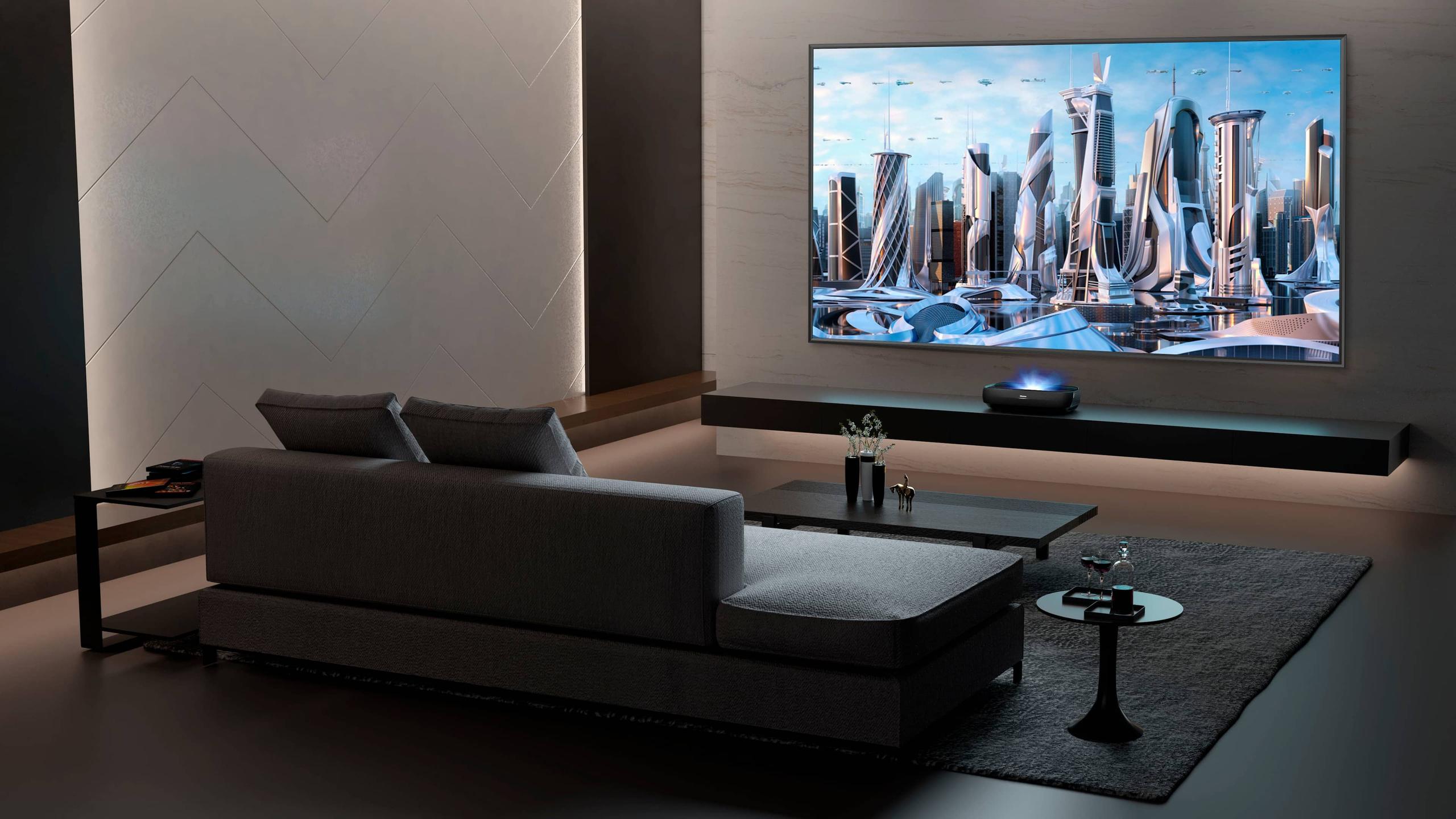
The Hisense L9H is transformative in a properly configured theater room. The laser-generated colors create a viewing experience that's closer to commercial cinema than what most home displays can achieve. The 100-inch screen size with deep blacks and bright highlights creates that "theater magic" feeling that's hard to replicate with traditional TVs.
In my experience setting up both types of displays, the projector requires more initial tweaking and room optimization, but the payoff in a dedicated theater space is substantial. The TV provides excellent performance with minimal fuss, making it better for multi-purpose rooms or households where the display needs to work well for various activities throughout the day.
If gaming performance, room lighting flexibility, and straightforward operation are your priorities, the TCL 98-Inch QM6K QLED TV at $1,999 offers exceptional value. It's ready for anything you throw at it and works consistently regardless of your room conditions or viewing schedule.
For those with dedicated theater spaces who prioritize the ultimate in color accuracy and cinematic experience, and who don't need cutting-edge gaming features, the Hisense L9H TriChroma Laser TV 100" UST Projector at $4,497 provides a viewing experience that's genuinely different from traditional displays.
The price difference isn't just about screen technology – it reflects two different philosophies about home entertainment. The TCL represents practical excellence that works for everyone, while the Hisense caters to enthusiasts willing to optimize their environment for the ultimate viewing experience.
Both are remarkable achievements in display technology, but they're designed for different types of viewers and different types of rooms. Understanding which category you fall into will make your decision much clearer.
| TCL 98-Inch QM6K QLED TV | Hisense L9H TriChroma Laser TV 100" UST Projector |
|---|---|
| Price - Major investment difference that affects value calculation | |
| $1,999 (plus soundbar recommended) | $4,497 (includes 100" ALR screen) |
| Screen Size - Bigger isn't always better depending on room size | |
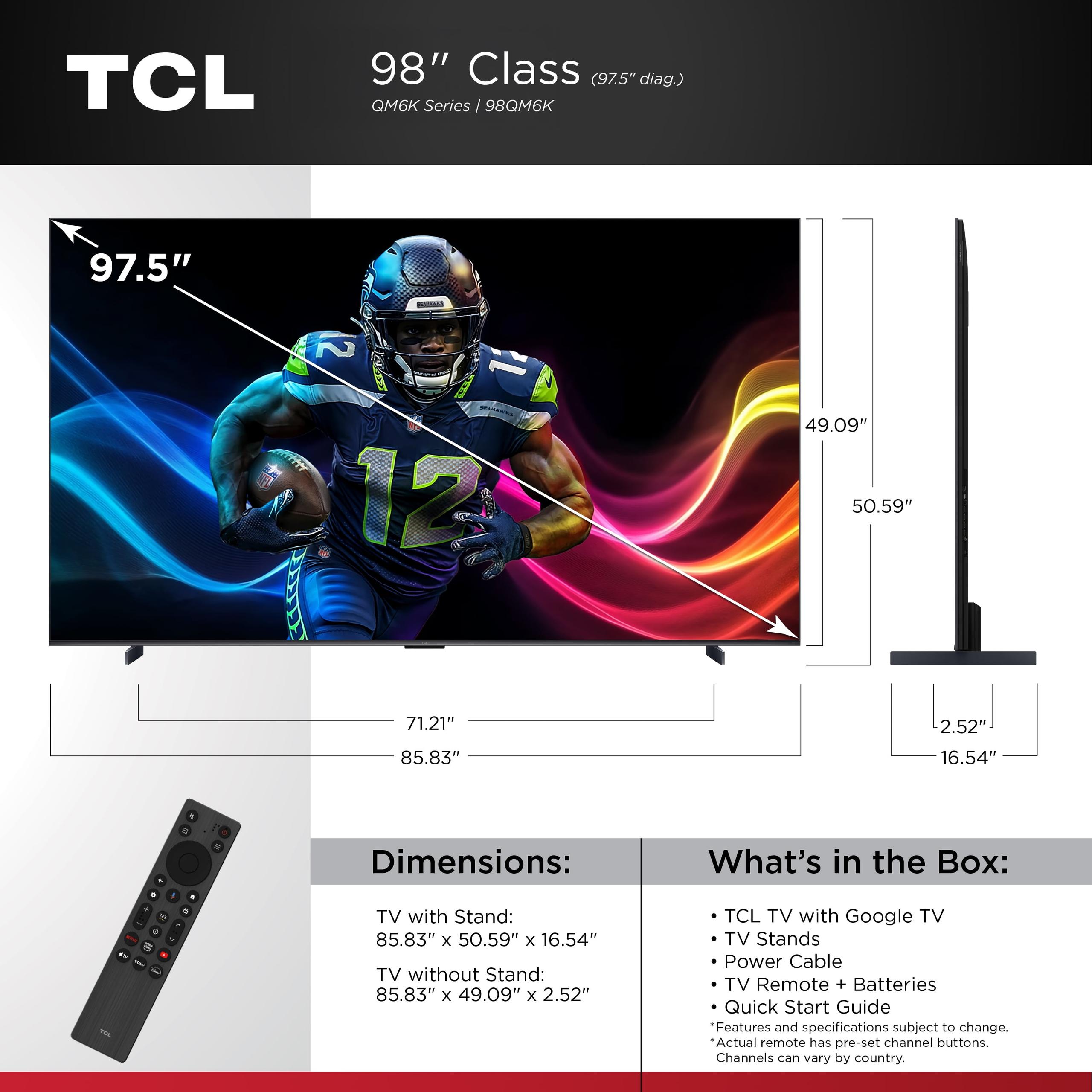
| 98 inches diagonal | 100 inches diagonal |
| Display Technology - Fundamentally different approaches to image creation | |
| QD-Mini LED with quantum dots and 500+ local dimming zones | TriChroma RGB laser projection with ALR screen |
| Gaming Performance - Critical for console and PC gaming | |
| 4K@144Hz, 1080p@288Hz, VRR support, <10ms input lag | 4K@60Hz max, no VRR, 30-50ms input lag |
| Color Accuracy - Affects how realistic movies and shows appear | |
| 93% DCI-P3 coverage, excellent for most content | 107% BT.2020 coverage, cinema-grade color reproduction |
| Brightness - Determines performance in bright rooms | |
| Good SDR brightness, moderate HDR peak brightness | 3,000 ANSI lumens, excellent HDR highlights |
| Contrast Ratio - Creates depth and drama in dark scenes | |
| 7,000:1 native contrast with local dimming | 2,000,000:1 dynamic contrast ratio |
| Room Lighting Requirements - Affects where you can place it | |
| Anti-glare screen works well in bright rooms | Best in controlled lighting, ALR screen helps moderately |
| Audio System - Impacts total cost and setup complexity | |
| Basic speakers, external soundbar strongly recommended | Built-in 40W Dolby Atmos system included |
| Installation Complexity - Time and effort to get optimal performance | |
| Wall mount and basic setup, works immediately | Precise positioning required, benefits from calibration |
| Lifespan - Long-term reliability and maintenance needs | |
| 7-10 years typical LED TV lifespan, minimal maintenance | 25,000+ hour laser life, potential future laser replacement |
The TCL 98-Inch QM6K QLED TV is significantly better for gaming with 4K@144Hz support, 1080p@288Hz, Variable Refresh Rate (VRR), and ultra-low input lag under 10ms. The Hisense L9H TriChroma Laser TV is limited to 4K@60Hz with no VRR support and higher input lag of 30-50ms, making it unsuitable for competitive gaming.
The TCL QM6K costs $1,999, while the Hisense L9H is priced at $4,497. However, the TCL requires a separate soundbar investment ($200-800+), while the Hisense includes a built-in Dolby Atmos sound system and 100-inch ALR screen.
The TCL 98-Inch QM6K performs better in bright rooms thanks to its anti-glare matte screen and consistent performance regardless of lighting conditions. The Hisense L9H includes an Ambient Light Rejecting screen but still performs best in controlled lighting environments for optimal picture quality.
The TCL QM6K has basic built-in speakers and strongly benefits from an external soundbar for the full large-screen experience. The Hisense L9H TriChroma Laser TV includes a capable 40W Dolby Atmos sound system that provides good audio out of the box, though external audio can still enhance the experience.
The TCL 98-Inch QM6K is easier to install - mount it on the wall and it works immediately with consistent performance. The Hisense L9H requires precise positioning 50cm from the wall, benefits from professional calibration, and needs controlled room lighting for optimal results.
The TCL QM6K offers a 98-inch diagonal screen, while the Hisense L9H provides a 100-inch diagonal image. The 2-inch difference is minimal, but the projection technology allows for potential future screen size upgrades with the Hisense system.
The TCL 98-Inch QM6K QLED TV offers 7-10 years of maintenance-free operation with gradual brightness decline over time. The Hisense L9H TriChroma Laser TV features 25,000+ hour laser life (10+ years at normal usage) but may eventually require laser module replacement.
Both handle 4K HDR content, but differently. The TCL QM6K supports Dolby Vision, HDR10+, and HDR10 with good performance in all lighting conditions. The Hisense L9H offers superior HDR brightness at 3,000 ANSI lumens and wider color coverage (107% BT.2020) for more impactful HDR when properly set up.
For dedicated home theater use, the Hisense L9H TriChroma Laser TV excels with cinema-grade color accuracy, superior contrast ratio (2,000,000:1), and immersive laser-generated colors that create a true theater experience. The TCL QM6K is excellent for multi-purpose rooms but can't match the projector's cinematic color reproduction.
The TCL 98-Inch QM6K provides 2x HDMI 2.1 ports and 2x HDMI 2.0 ports (one with eARC), plus Wi-Fi 6 and Bluetooth. The Hisense L9H offers HDMI eARC, optical, USB, and wireless connectivity with Google TV platform integration.
Both represent cutting-edge technology in different ways. The TCL QM6K uses advanced QD-Mini LED with 500+ local dimming zones and quantum dot color enhancement. The Hisense L9H TriChroma Laser TV employs space-age RGB laser technology for unprecedented color accuracy and cinema-quality reproduction.
Choose the TCL 98-Inch QM6K QLED TV for bright living rooms, gaming households, and plug-and-play convenience at $1,999. Select the Hisense L9H TriChroma Laser TV 100" UST Projector at $4,497 for dedicated theater spaces where you prioritize ultimate color accuracy and cinematic experience over gaming performance.
We've done our best to create useful and informative comparisons to help you decide what product to buy. Our research uses advanced automated methods to create this comparison and perfection is not possible - please contact us for corrections or questions. These are the sites we've researched in the creation of this article: bestbuy.com - rtings.com - techradar.com - the-gadgeteer.com - youtube.com - youtube.com - ign.com - youtube.com - tomsguide.com - tcl.com - valueelectronics.com - bestbuy.com - bestbuy.com - rtings.com - circuitworldonline.com - youtube.com - tcl.com - bestbuy.com - tomsguide.com - tcl.com - flatpanelshd.com - displayspecifications.com - projectorreviews.com - shop.hisense-usa.com - projectorcentral.com - hometheaterhifi.com - shop.hisense-usa.com - projectorcentral.com - 2001audiovideo.com - projektoren-datenbank.com - content.syndigo.com

Privacy Policy
Terms and Conditions - Affiliate Policy
Home Security
© Copyright 2008-2026.
11816 Inwood Rd #1211, Dallas, TX 75244