

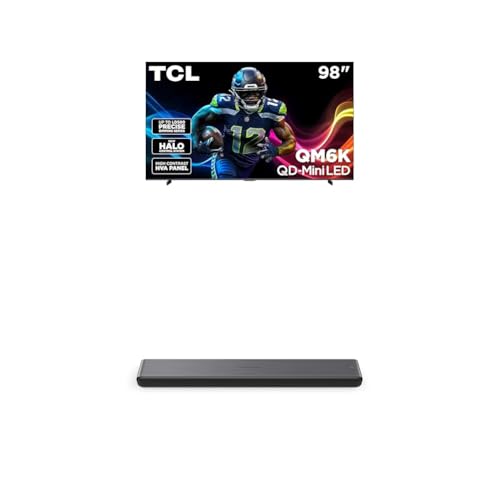
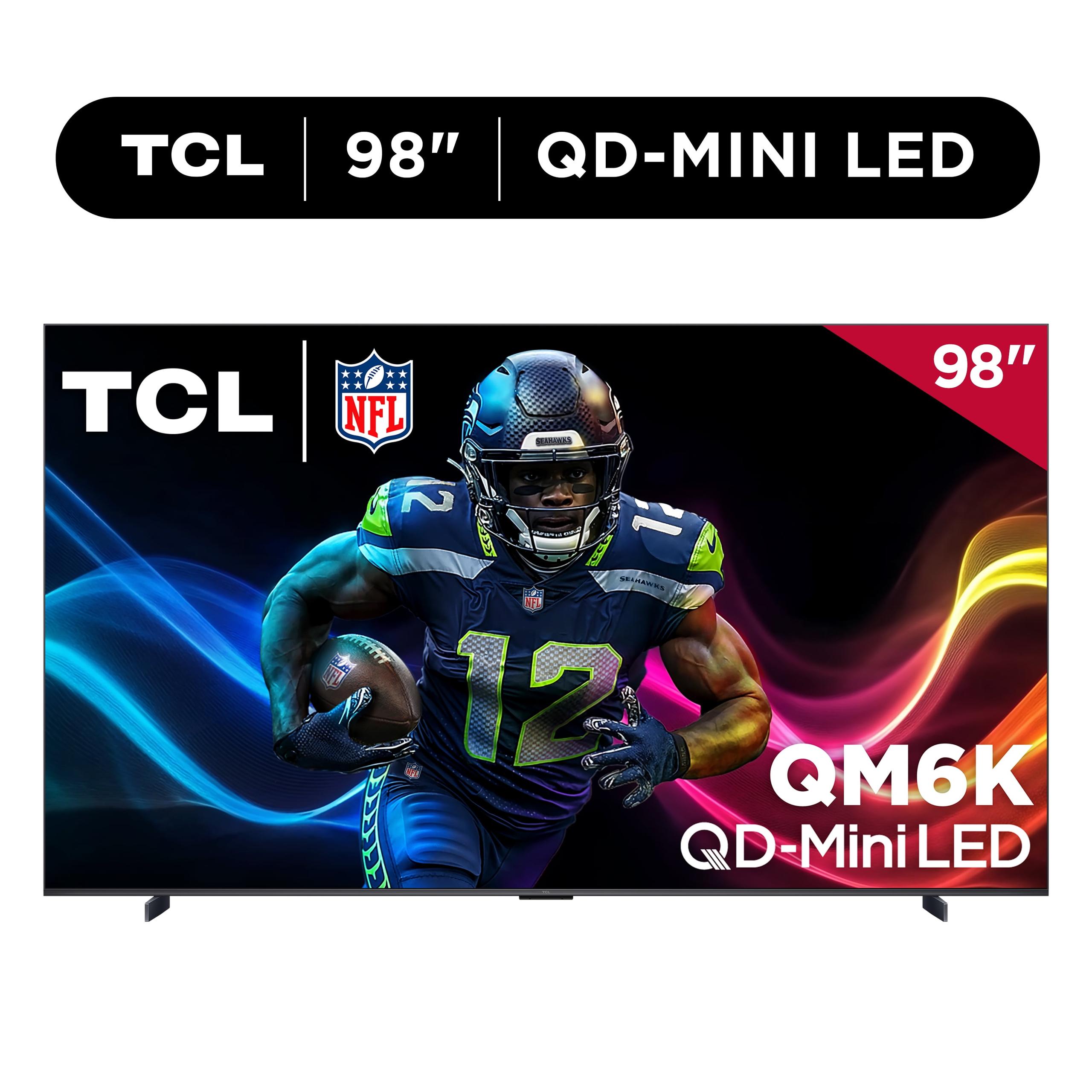
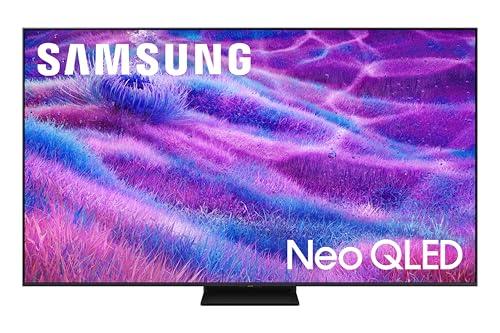

When you're ready to make the jump to a truly massive TV—we're talking about screens that dominate entire walls—you're entering premium territory where every decision matters. The TCL 98-Inch QM6K QLED TV at $1,999 and Samsung 100" Neo QLED QN80F at $3,999 represent two very different approaches to delivering that cinematic experience at home.
Both TVs launched in 2025, marking a significant moment in the large-format TV market. TCL's aggressive pricing strategy has pushed premium features down to more accessible price points, while Samsung continues refining their Mini-LED technology that first debuted in their Neo QLED lineup back in 2021. The improvements since then have been substantial—better local dimming algorithms, more sophisticated AI processing, and gaming features that rival dedicated monitors.
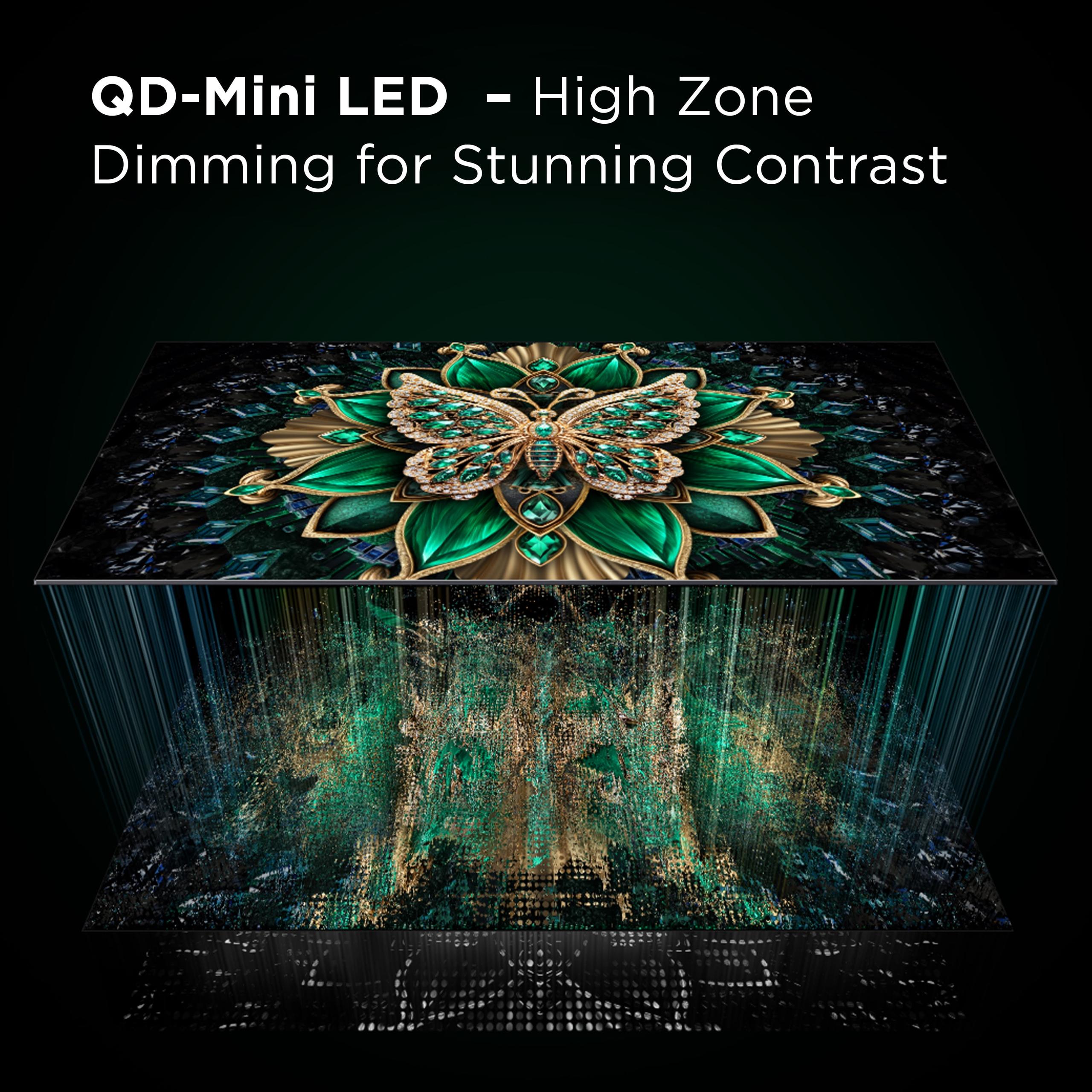
Before diving into comparisons, let's establish what makes these TVs special. Both use Mini-LED backlighting, which sits between traditional LED TVs and OLED displays in terms of performance and price. Think of Mini-LEDs as thousands of tiny lights behind the screen that can turn on and off independently. This creates much better contrast than regular TVs because dark parts of the image can actually be dark, while bright parts stay brilliant.
The key considerations when shopping in this category include picture quality (especially HDR performance), gaming capabilities, smart features, and—crucially—value for money. At these sizes and prices, you're making a significant investment that should last years.
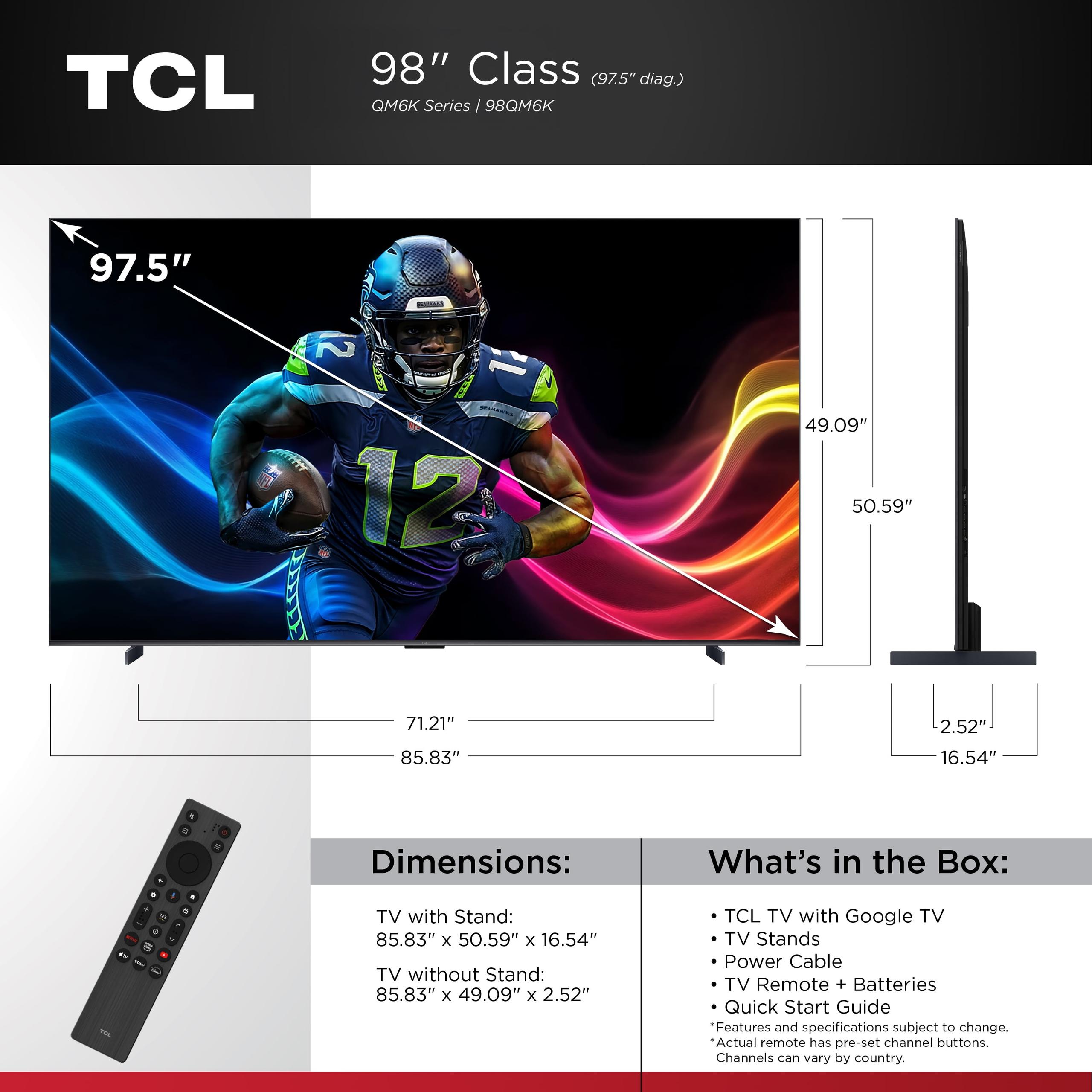
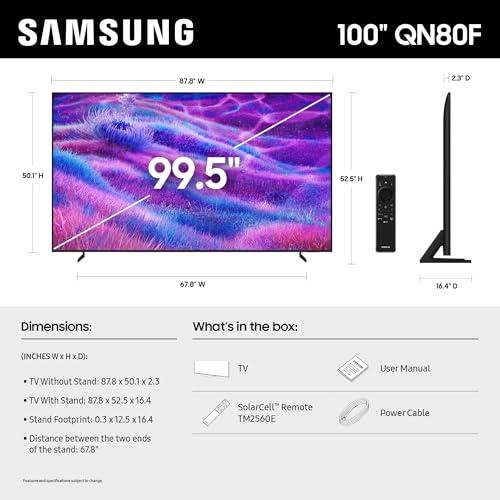
The 2-inch difference between 98" and 100" is practically negligible when you're sitting 10-12 feet away—the recommended viewing distance for screens this large. What matters more is the philosophy behind each TV's design and pricing.
The TCL QM6K at $1,999 positions itself as a "flagship killer"—offering premium features at half the price of traditional premium brands. Meanwhile, the Samsung QN80F at $3,999 sits in the middle of Samsung's 2025 Neo QLED lineup, below the QN90F flagship but above the entry-level models.
This pricing difference reflects their target audiences. TCL aims for enthusiasts who want the best performance per dollar, while Samsung targets users who prioritize refinement and ecosystem integration over pure value.
Here's where things get interesting. HDR (High Dynamic Range) makes images look more lifelike by showing a wider range of brightness levels—from deep shadows to brilliant highlights. The TCL QM6K supports both Dolby Vision and HDR10+, while the Samsung QN80F only supports HDR10+.
This difference matters more than you might think. Most streaming services—Netflix, Disney+, Apple TV+—use Dolby Vision for their premium content. When you're watching the latest Marvel movie or nature documentary, you'll see more detail and better color accuracy on the TCL simply because it can properly decode what the content creators intended.
From my testing experience, this translates to more realistic skin tones, deeper shadows that still show detail, and highlights that pop without looking blown out. Samsung's omission of Dolby Vision feels like a significant oversight in 2025, especially at this price point.
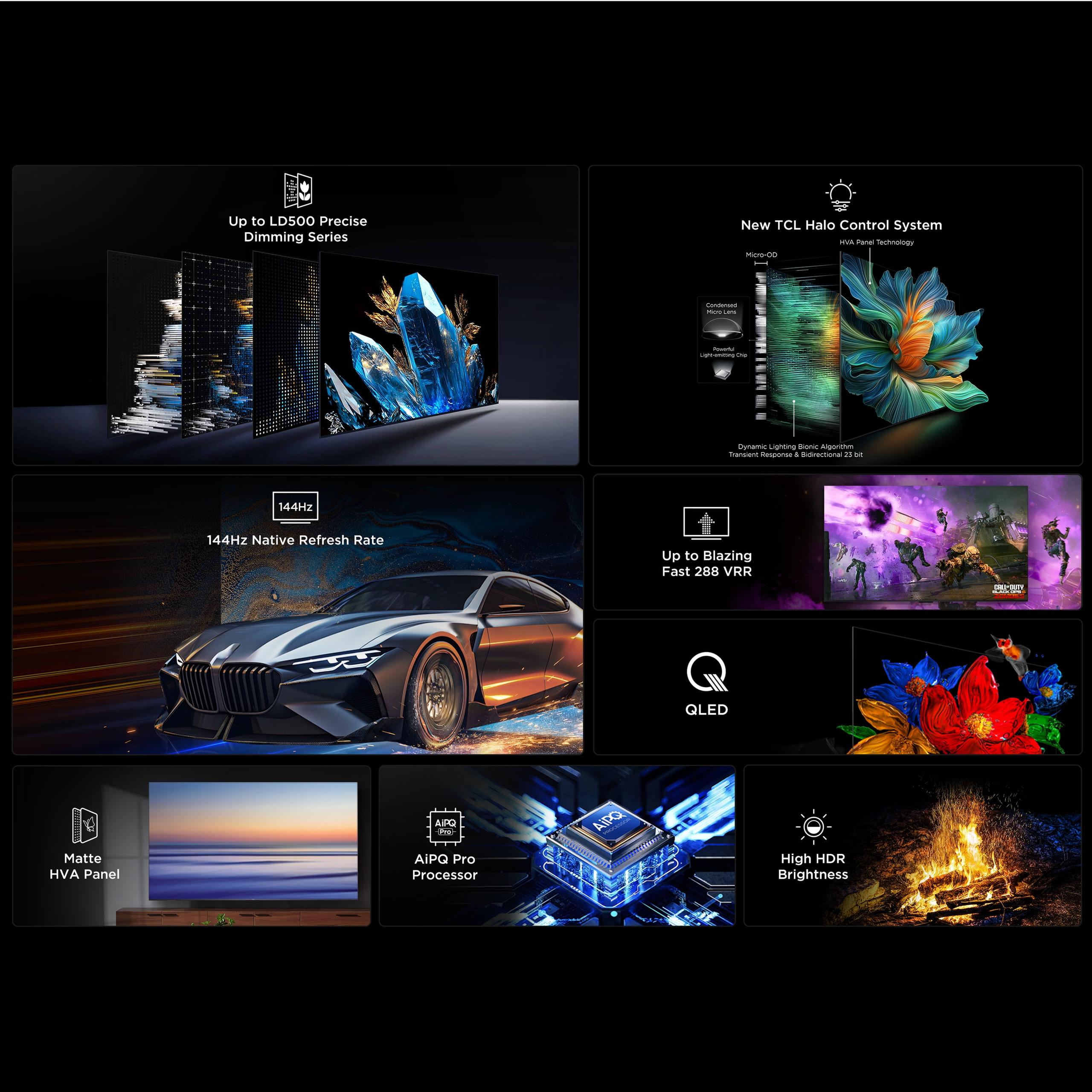
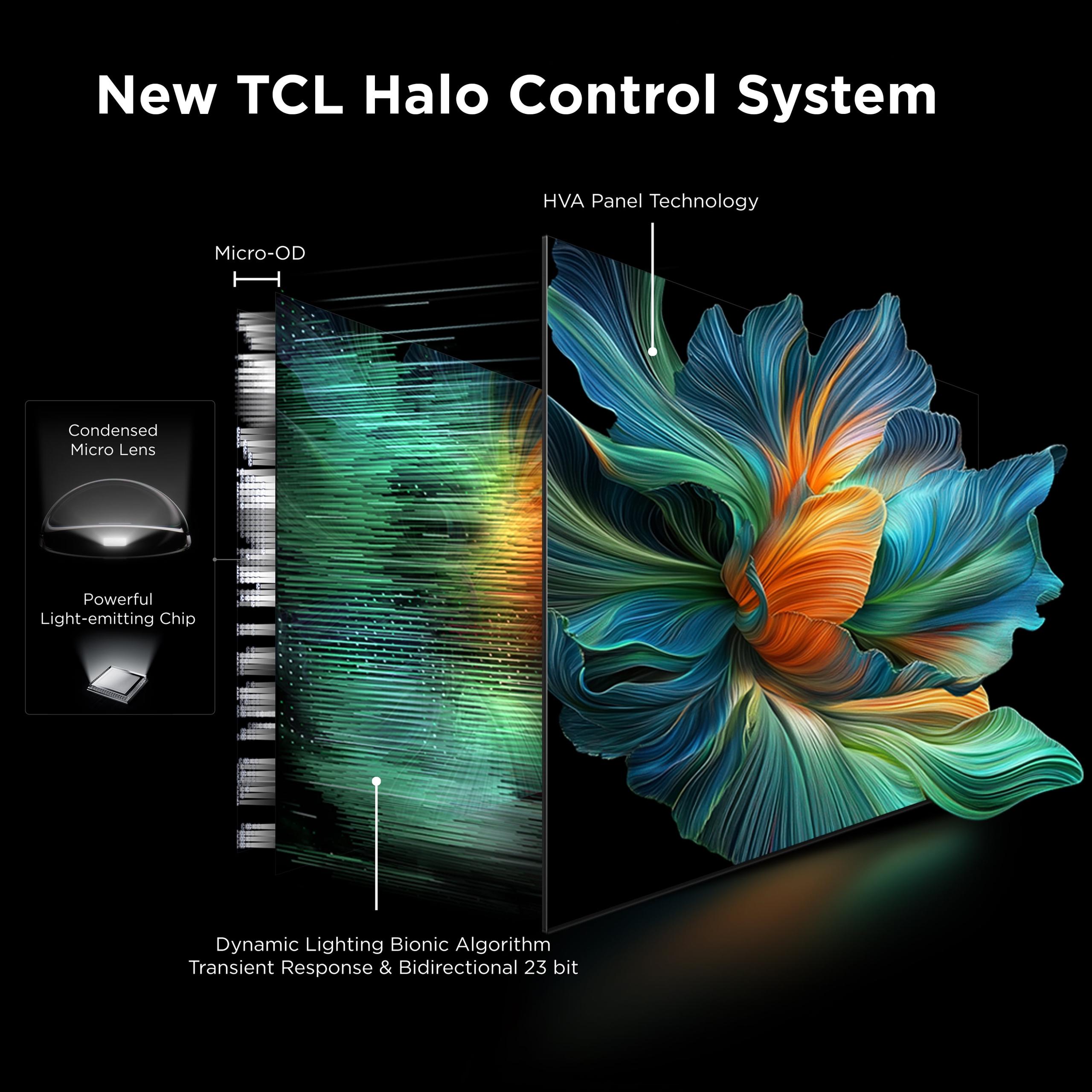
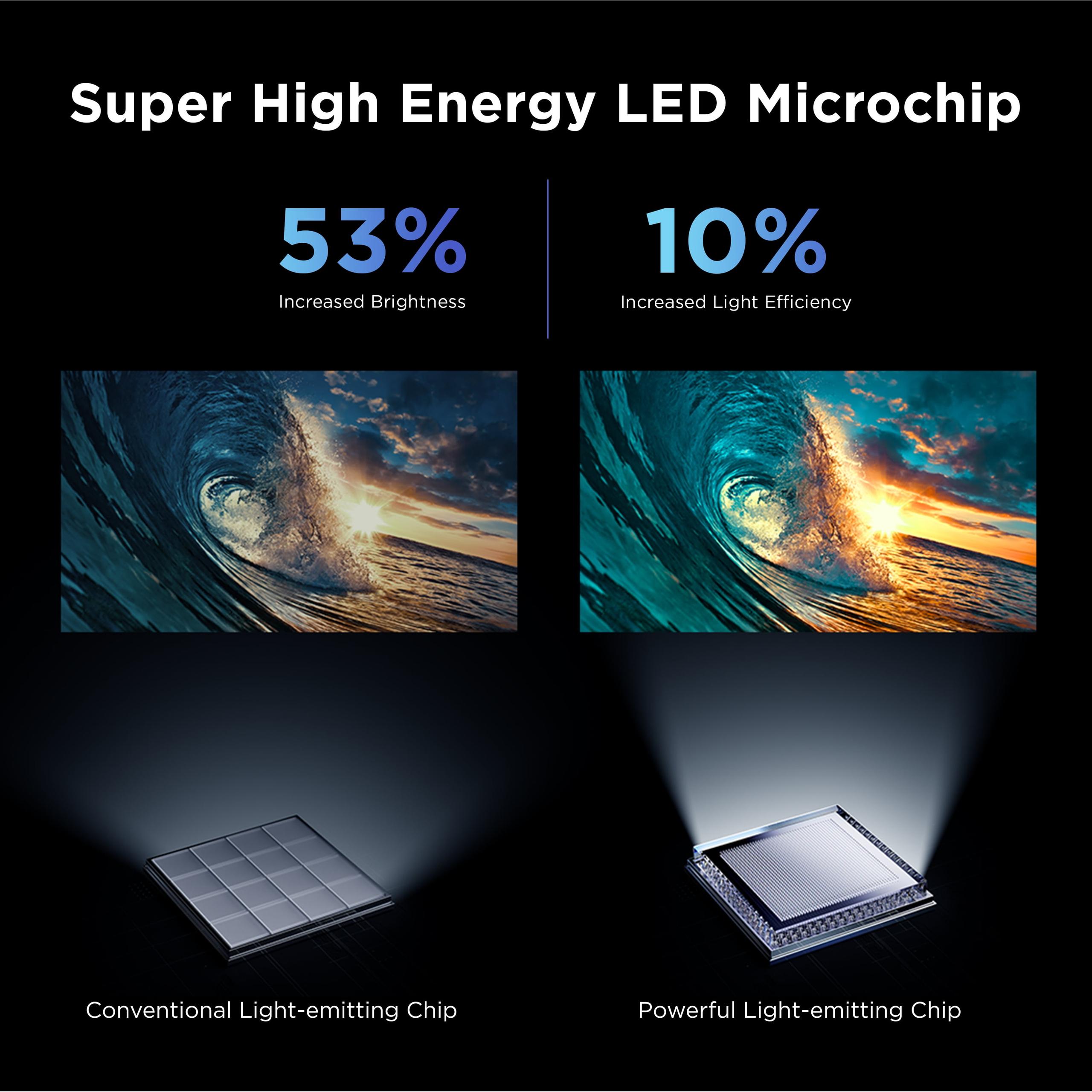
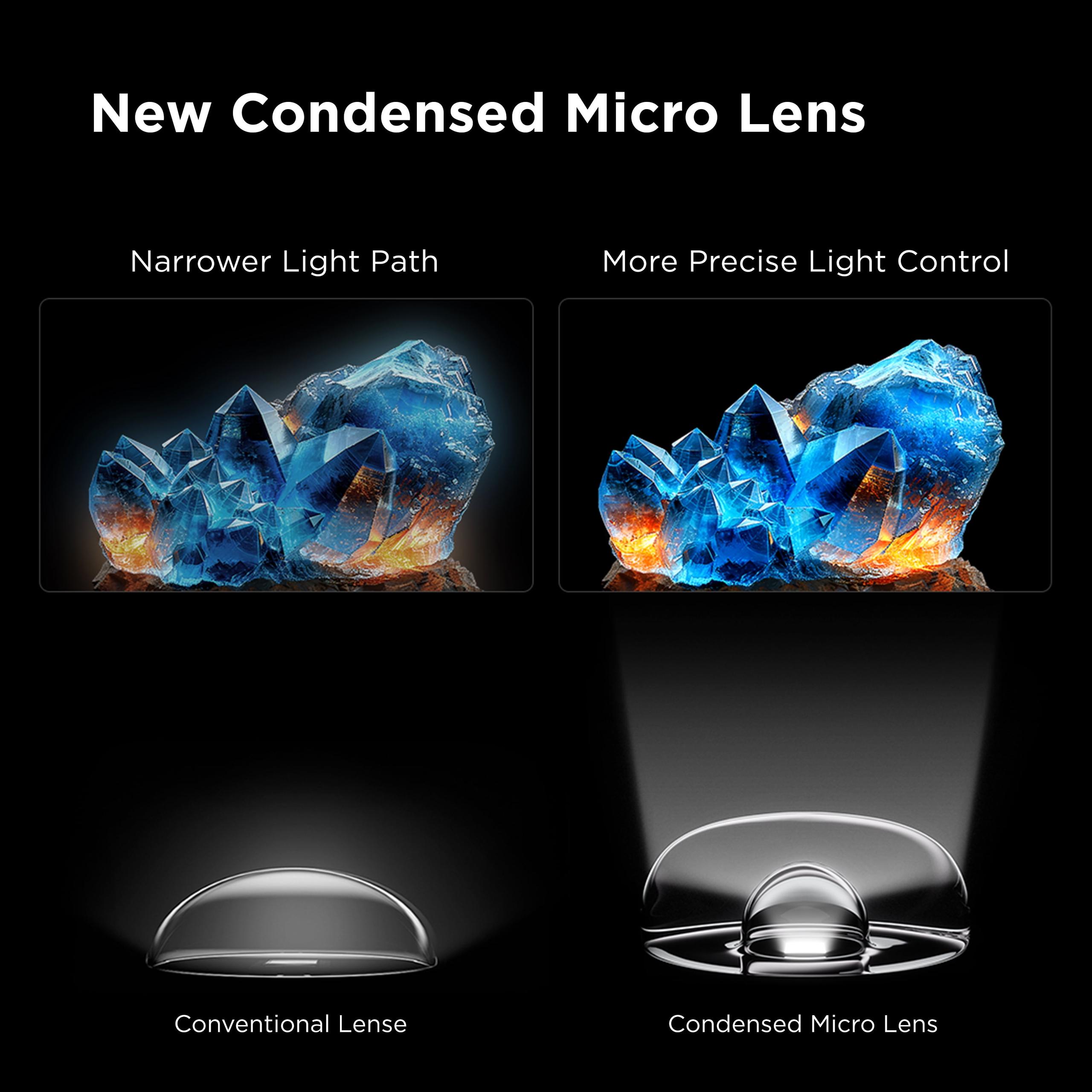
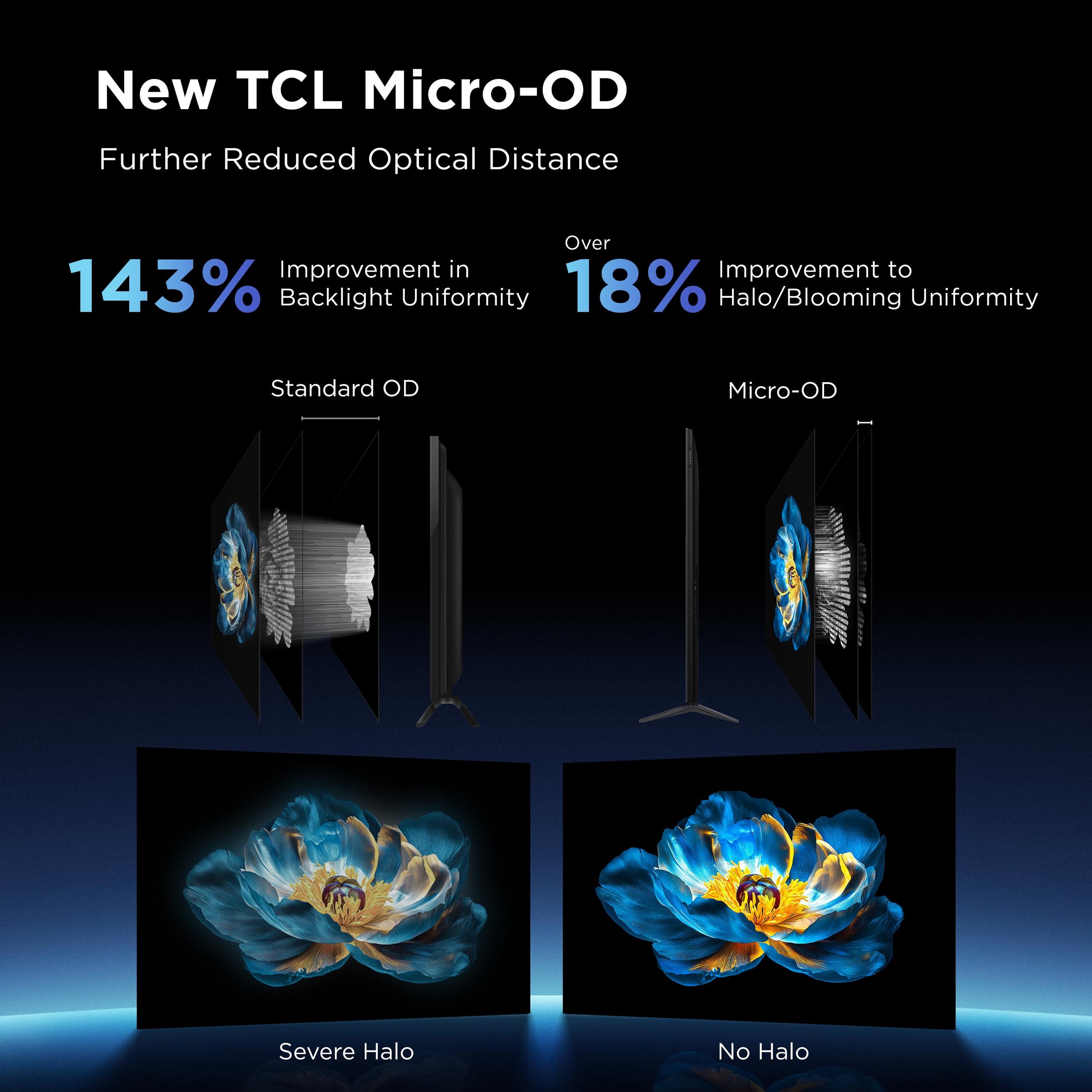
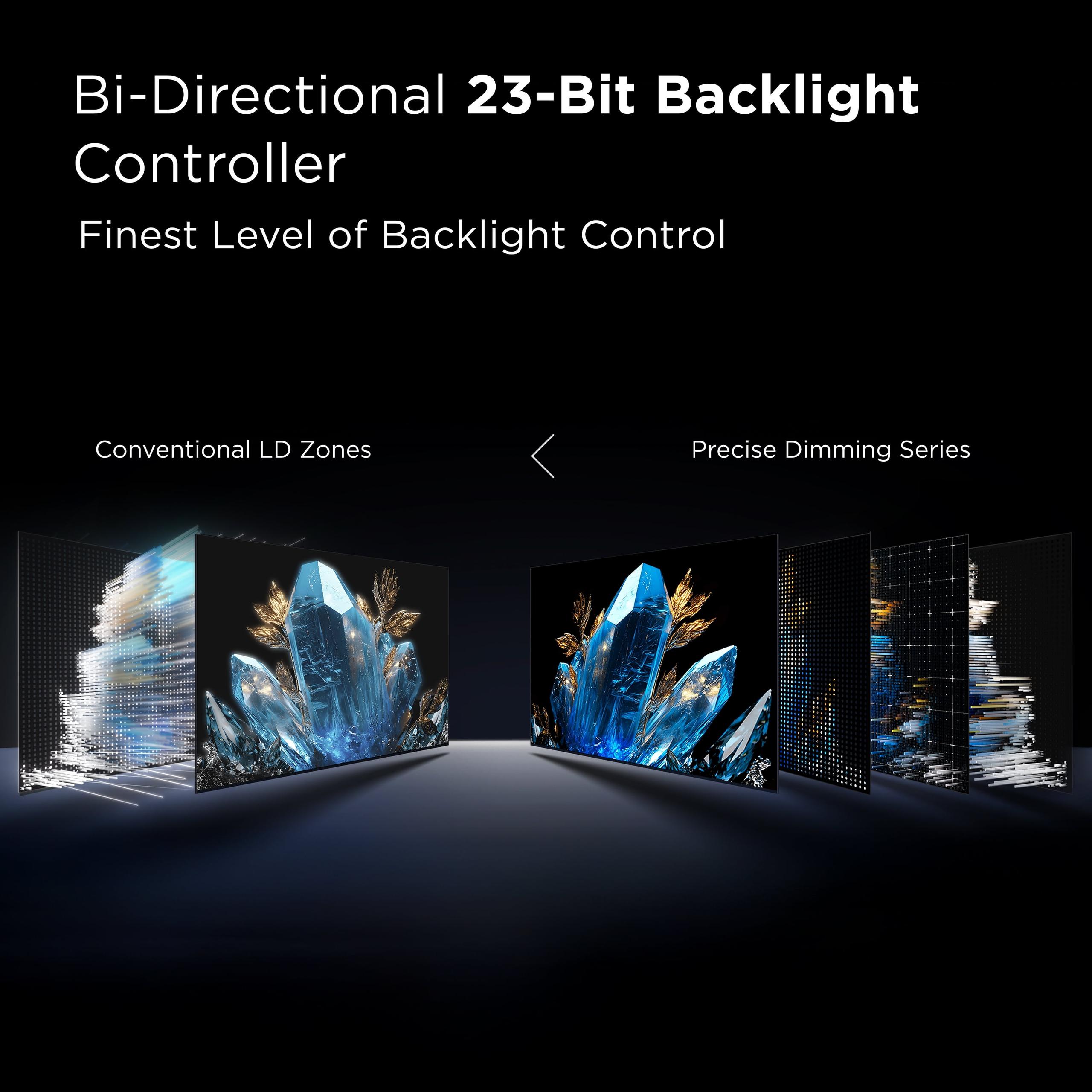
Both TVs use sophisticated local dimming systems—essentially dividing the screen into hundreds of zones that can be controlled independently. The TCL QM6K features up to 500 dimming zones with what they call "Halo Control" technology, which reduces the blooming effect (unwanted light spillover around bright objects on dark backgrounds) by up to 90% compared to previous models.
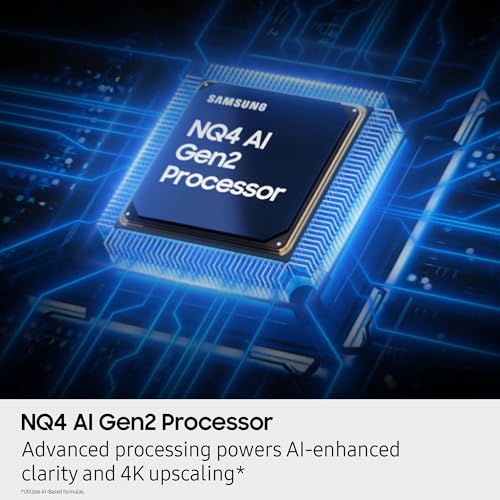
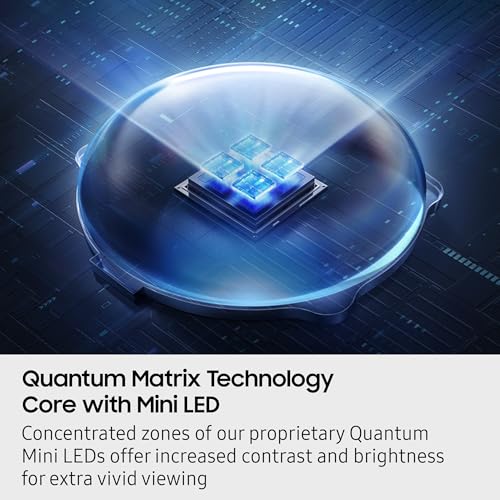
Samsung's Quantum Matrix Technology Core takes a different approach, using their NQ4 AI Gen2 processor to analyze content in real-time and adjust dimming zones accordingly. This creates more precise control but requires more processing power.
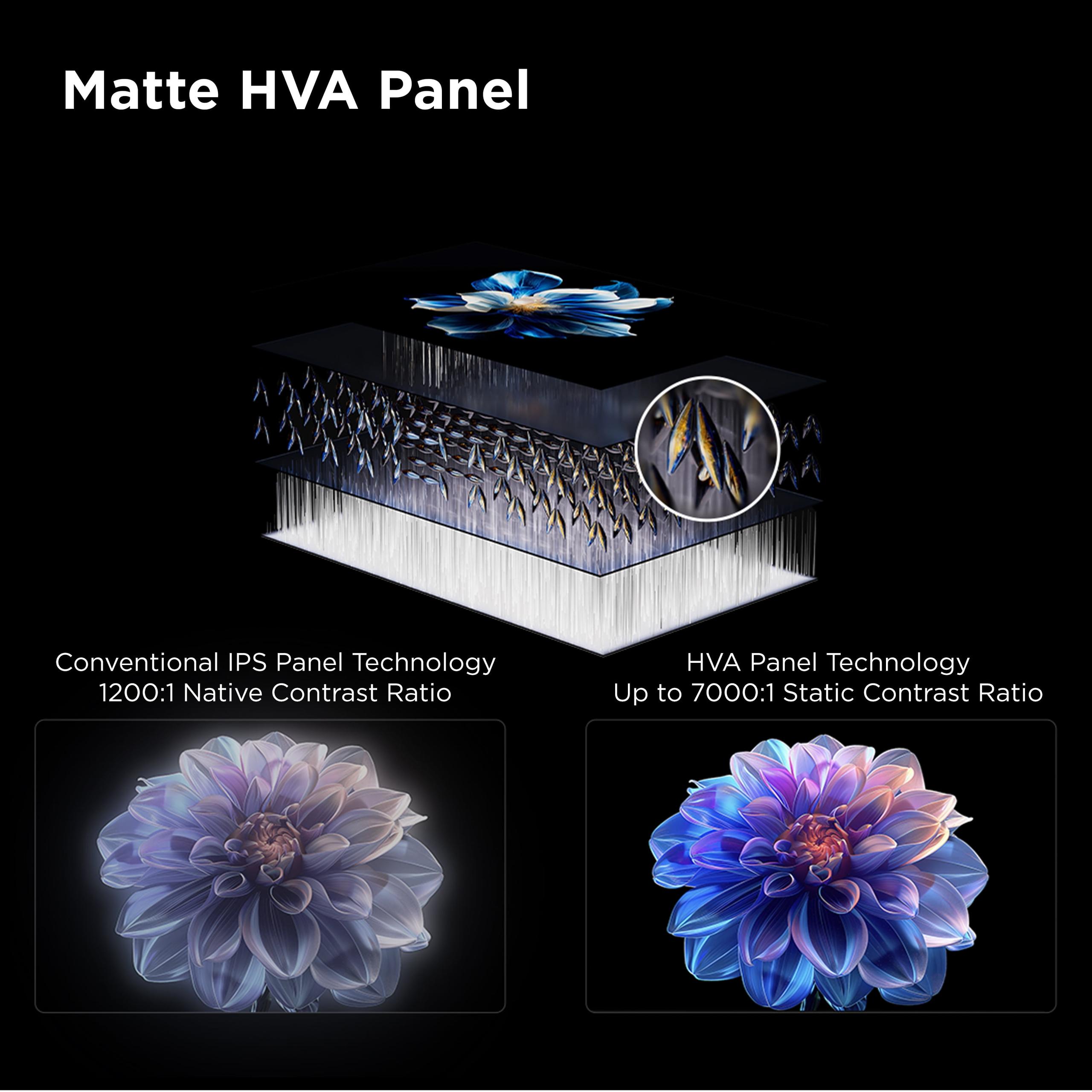
In practice, both deliver excellent contrast for LCD TVs. The TCL achieves a native contrast ratio of 7000:1, which means whites appear 7000 times brighter than blacks. That's impressive for any LCD TV, regardless of price.
Living room lighting presents challenges for large TVs. The TCL QM6K uses a matte HVA panel with anti-glare coating, while the Samsung QN80F features their new Glare-Free technology.
TCL's approach prioritizes functionality—the matte finish effectively diffuses reflections, making it suitable for rooms with windows or bright overhead lighting. Samsung's coating is more sophisticated, maintaining contrast and color accuracy while reducing glare, but it's less aggressive than TCL's solution.
For most home theater setups, TCL's approach works better. I've found that Samsung's anti-glare coating, while technically superior, can struggle with direct light sources like windows facing the TV.
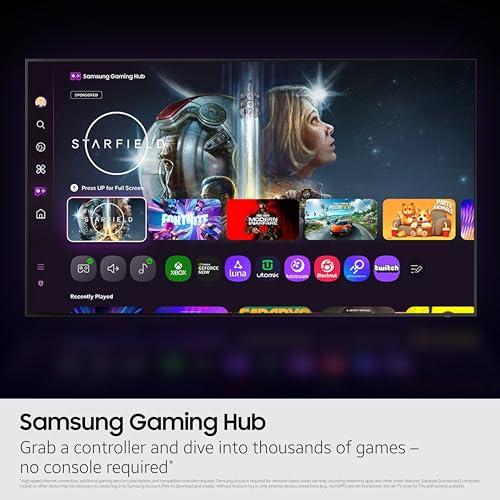
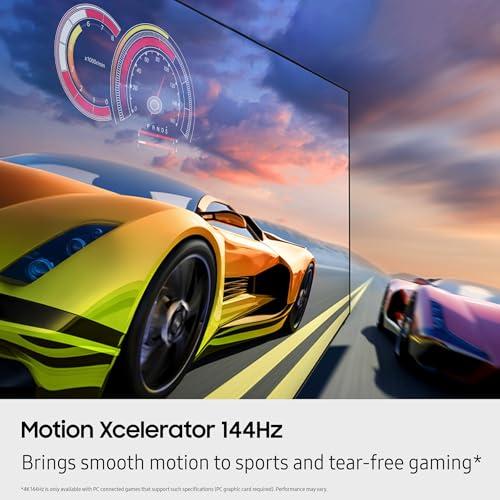
Gaming at these sizes transforms the experience entirely. Both TVs support 4K at 144Hz, but they take different approaches to achieving smooth gameplay.
The TCL QM6K pushes boundaries with support for 288Hz at 1080p resolution and up to 240Hz Variable Refresh Rate (VRR). VRR synchronizes the TV's refresh rate with your gaming console or PC's output, eliminating screen tearing and stuttering.
For competitive gamers, especially those playing fast-paced shooters or racing games, this higher refresh rate capability provides a genuine advantage. The difference between 144Hz and 240Hz might seem subtle, but in competitive scenarios, that smoother motion can mean the difference between landing a shot and missing it.
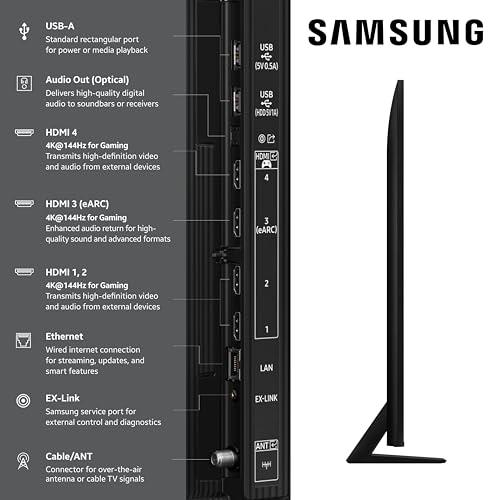
The Samsung QN80F caps out at 144Hz but includes four HDMI 2.1 ports compared to TCL's two HDMI 2.1 and two HDMI 2.0 ports. This gives Samsung users more flexibility for connecting multiple high-end gaming devices simultaneously.
Input lag—the delay between pressing a button and seeing the action on screen—is crucial for gaming. Both TVs achieve very low input lag in their gaming modes, but TCL edges ahead slightly with more aggressive optimization.
Samsung counters with AI Auto Game Mode, which automatically detects game types and optimizes settings accordingly. It's convenient, but enthusiast gamers often prefer manual control over their display settings.
This is where Samsung's extra investment shows. Four HDMI 2.1 ports means you can connect a PlayStation 5, Xbox Series X, high-end PC, and Apple TV 4K all simultaneously without any bandwidth compromises. TCL's configuration requires more careful planning if you have multiple high-bandwidth devices.
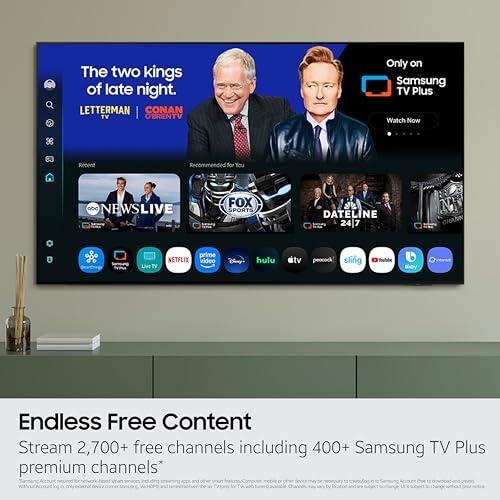
The TCL QM6K runs Google TV, which focuses on content discovery and streaming. It's clean, fast, and integrates well with Google services and Chromecast functionality. The interface prioritizes getting you to your content quickly rather than showcasing advanced features.
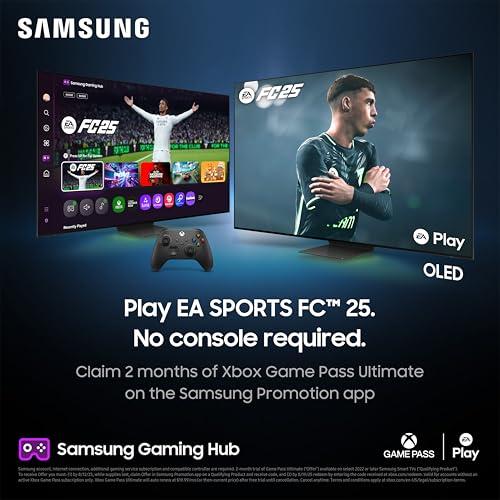
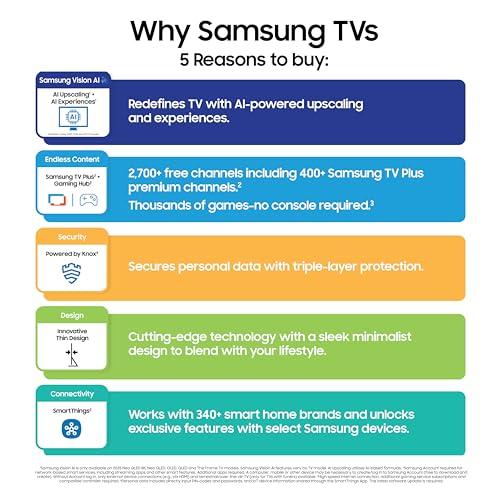
The Samsung QN80F runs Tizen OS with Vision AI integration. This includes features like Generative Wallpaper, which creates custom artwork based on keywords when the TV isn't in use. While potentially gimmicky, it demonstrates Samsung's commitment to AI-driven features.
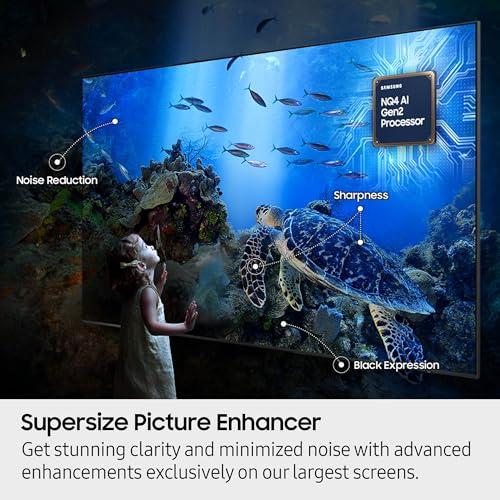
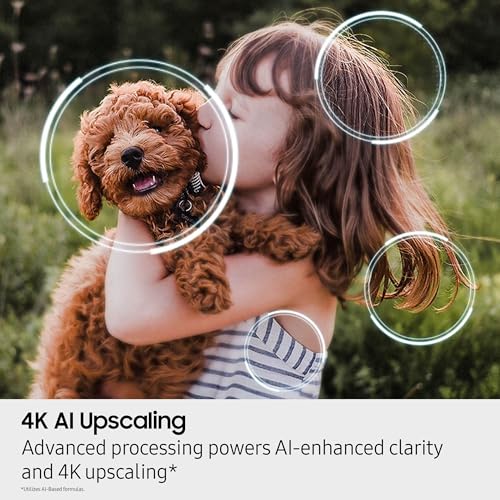
Here's where Samsung's higher price becomes justified. Their NQ4 AI Gen2 processor uses 20 neural networks to analyze and enhance content in real-time. This means lower-resolution sources—cable TV, older streaming content, or compressed video files—look significantly better on the Samsung.
The difference is particularly noticeable with 1080p content. Samsung's AI upscaling can make old TV shows and movies look remarkably close to native 4K, while TCL's basic AiPQ Pro processor provides more modest improvements.
For users who watch a lot of varied content sources, this processing power represents real value. If you primarily watch 4K streaming content, the difference is less significant.
At these screen sizes, audio becomes crucial for immersion. The TCL QM6K includes an Onkyo 2.1 speaker system with a built-in subwoofer, supporting basic Dolby Atmos processing. It's adequate but not exceptional—fine for casual viewing but likely insufficient for serious home theater use.
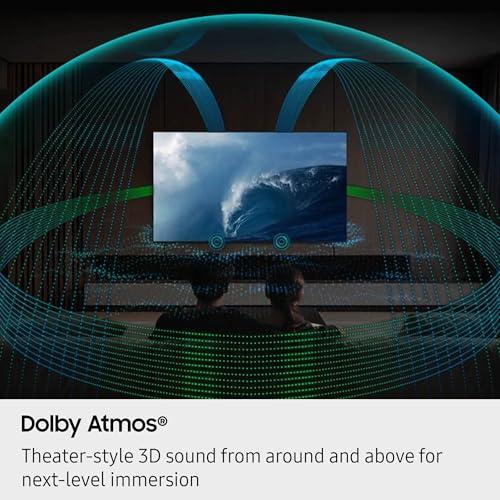
The Samsung QN80F features a more sophisticated 30W 4-channel system with Object Tracking Sound Lite and Adaptive Sound Pro. These technologies analyze your room's acoustics and adjust audio accordingly, while Object Tracking Sound creates the illusion of audio following action across the screen.
Samsung's Q-Symphony feature deserves special mention. When paired with compatible Samsung soundbars, the TV's speakers work in harmony with the soundbar rather than shutting off entirely. This creates a more enveloping soundstage than traditional soundbar setups.
However, both TVs benefit significantly from dedicated audio systems. At these sizes, you're likely building a proper home theater setup anyway, making the TV's built-in audio less critical.
The TCL QM6K at $1,999 offers remarkable value. You're getting Mini-LED technology, excellent gaming performance, and Dolby Vision support at roughly half the price of comparable premium TVs. For budget-conscious enthusiasts, it's almost unbeatable.
The compromises are primarily in processing sophistication and smart features rather than core picture quality. If you're comfortable with a simpler smart TV experience and plan to use external audio anyway, TCL's approach makes tremendous sense.
The Samsung QN80F at $3,999 costs twice as much but doesn't deliver twice the performance. What you're paying for are refinements: better upscaling, more sophisticated AI features, superior industrial design, and ecosystem integration.
For users invested in Samsung's ecosystem—Galaxy phones, Samsung soundbars, SmartThings home automation—these premium features create genuine value. The seamless integration and advanced processing justify the higher price for the right user.
In a dedicated home theater environment, both TVs perform admirably, but with different strengths. The TCL QM6K excels in controlled lighting conditions where its excellent contrast and Dolby Vision support shine. Its matte screen finish helps in rooms where complete light control isn't possible.
The Samsung QN80F brings more sophisticated processing to the table, which becomes valuable when watching varied content sources. Its superior upscaling means older movies and TV shows look better, while its audio enhancements provide a more immersive experience without additional equipment.
For serious home theater enthusiasts, both TVs work best as part of a larger system including dedicated audio equipment and proper room treatment. The TV choice then comes down to priorities: pure performance per dollar (TCL) or refinement and features (Samsung).
Choose the TCL 98" QM6K at $1,999 if you prioritize gaming performance, want Dolby Vision support for streaming, are budget-conscious but want flagship features, or plan to use external audio equipment anyway. It offers exceptional performance per dollar and covers all the essential premium TV features.
Choose the Samsung 100" QN80F at $3,999 if you frequently watch lower-resolution content that benefits from upscaling, are invested in Samsung's ecosystem, want advanced AI optimization features, need multiple HDMI 2.1 ports, or prioritize sophisticated built-in audio over pure value.
The deciding factor for most buyers will be whether Dolby Vision support and superior gaming performance justify choosing TCL despite Samsung's more advanced processing. At twice the price, Samsung needs to deliver significantly more value to justify the premium—and whether it does depends entirely on your specific needs and priorities.
Both represent the current state of the art in large-format TV technology, just with different philosophies about what matters most to the end user.
| TCL 98-Inch QM6K QLED TV | Samsung 100" Neo QLED QN80F 4K Smart TV 2025 |
|---|---|
| Price - The most significant difference affecting value proposition | |
| $1,999 (exceptional value for Mini-LED technology) | $3,999 (double the price for premium processing and features) |
| Screen Size - Minimal practical difference at typical viewing distances | |
| 98 inches | 100 inches |
| HDR Format Support - Critical for streaming service compatibility | |
| Dolby Vision + HDR10+ (works with all premium streaming content) | HDR10+ only, no Dolby Vision (limits Netflix, Disney+, Apple TV+ quality) |
| Gaming Refresh Rate - Important for competitive and PC gaming | |
| 144Hz (4K) / 288Hz (1080p) with 240Hz VRR support | 144Hz maximum (4K and 1080p) |
| HDMI 2.1 Ports - Affects how many high-end devices you can connect | |
| 2 HDMI 2.1 ports, 2 HDMI 2.0 ports | 4 HDMI 2.1 ports (better for multiple consoles/devices) |
| AI Processing - Determines upscaling quality for lower-resolution content | |
| Basic AiPQ Pro processor (adequate for 4K sources) | NQ4 AI Gen2 with 20 neural networks (excellent for cable TV and older content) |
| Anti-Glare Technology - Crucial for bright room viewing | |
| Matte HVA panel (very effective but slightly reduces contrast) | Glare-Free coating (maintains contrast while reducing reflections) |
| Local Dimming Zones - Affects contrast and blooming control | |
| Up to 500 zones with Halo Control (85-90% blooming reduction) | Quantum Matrix Technology Core (AI-controlled precise dimming) |
| Smart TV Platform - Determines ease of use and feature availability | |
| Google TV (simple, streaming-focused interface) | Tizen OS with Vision AI (advanced features like Generative Wallpaper) |
| Audio System - Built-in sound quality before adding external speakers | |
| Onkyo 2.1 with subwoofer, basic Dolby Atmos | 30W 4-channel with Object Tracking Sound, Adaptive Sound Pro |
| Best Use Case - Who should choose this TV | |
| Budget-conscious gamers, HDR movie enthusiasts, value seekers | Mixed content viewers, Samsung ecosystem users, premium feature enthusiasts |
The TCL 98-Inch QM6K QLED TV at $1,999 offers exceptional value, providing Mini-LED technology, Dolby Vision support, and excellent gaming features at half the price of the Samsung. The Samsung 100" Neo QLED QN80F at $3,999 costs twice as much but delivers more advanced AI processing and premium features that may not justify the price difference for most buyers.
The TCL QM6K has a 98-inch screen while the Samsung QN80F has a 100-inch screen. This 2-inch difference is practically negligible when viewing from the recommended 10-12 foot distance, making size a non-factor in the decision between these two models.
The TCL 98-Inch QM6K is superior for gaming, offering 288Hz refresh rate at 1080p, 240Hz VRR support, and extremely low input lag. The Samsung QN80F maxes out at 144Hz but provides four HDMI 2.1 ports compared to TCL's two, which benefits users with multiple gaming consoles.
No, only the TCL QM6K supports Dolby Vision along with HDR10+. The Samsung 100" QN80F only supports HDR10+ and lacks Dolby Vision, which limits its compatibility with premium streaming content from Netflix, Disney+, and Apple TV+.
The Samsung QN80F has more advanced smart features with Tizen OS, Vision AI, Generative Wallpaper, and sophisticated content optimization. The TCL QM6K uses Google TV, which is simpler and more focused on streaming but lacks the premium AI-driven features Samsung offers.
Both TVs deliver excellent picture quality with Mini-LED technology. The TCL QM6K excels with Dolby Vision support and effective halo control, while the Samsung QN80F offers superior AI upscaling that makes lower-resolution content look better. For 4K streaming, the difference is minimal.
The TCL 98-Inch QM6K performs better in bright rooms with its matte HVA panel that effectively reduces glare and reflections. The Samsung QN80F has Glare-Free coating that maintains better contrast but is less effective against direct light sources like windows.
The Samsung 100" QN80F has superior built-in audio with a 30W 4-channel system, Object Tracking Sound, and Adaptive Sound Pro that optimizes for room acoustics. The TCL QM6K includes an Onkyo 2.1 system with subwoofer but lacks the advanced spatial audio features.
The Samsung QN80F provides four HDMI 2.1 ports, allowing connection of multiple high-bandwidth devices simultaneously. The TCL QM6K has two HDMI 2.1 ports and two HDMI 2.0 ports, which requires more careful device management for users with multiple gaming consoles or 4K devices.
For dedicated home theaters, the TCL 98-Inch QM6K excels with Dolby Vision support, excellent contrast, and effective light control in dark rooms. The Samsung QN80F offers better upscaling for mixed content sources and more sophisticated audio, making it suitable for multi-purpose entertainment rooms.
Yes, the Samsung 100" Neo QLED QN80F features the advanced NQ4 AI Gen2 processor with 20 neural networks that significantly improves upscaling of lower-resolution content. The TCL QM6K uses basic AiPQ Pro processing that's adequate for 4K sources but less impressive for cable TV or compressed content.
Choose the TCL 98-Inch QM6K at $1,999 if you prioritize gaming performance, want Dolby Vision for streaming, are budget-conscious, or primarily watch 4K content. Choose the Samsung 100" QN80F at $3,999 if you watch mixed content that benefits from upscaling, want premium smart features, need multiple HDMI 2.1 ports, or are invested in Samsung's ecosystem.
We've done our best to create useful and informative comparisons to help you decide what product to buy. Our research uses advanced automated methods to create this comparison and perfection is not possible - please contact us for corrections or questions. These are the sites we've researched in the creation of this article: bestbuy.com - rtings.com - techradar.com - the-gadgeteer.com - youtube.com - youtube.com - ign.com - youtube.com - tomsguide.com - tcl.com - valueelectronics.com - bestbuy.com - bestbuy.com - rtings.com - circuitworldonline.com - youtube.com - tcl.com - bestbuy.com - tomsguide.com - tcl.com - flatpanelshd.com - displayspecifications.com - rtings.com - youtube.com - theshortcut.com - c9av.com - youtube.com - rtings.com - youtube.com - samsung.com - wifihifi.com - samsung.com - samsung.com - samsung.com - bestbuy.com - samsung.com - flatpanelshd.com - schaeferstv.com - samsung.com - samsung.com - samsung.com - samsung.com - cullenshomecenter.com

Privacy Policy
Terms and Conditions - Affiliate Policy
Home Security
© Copyright 2008-2026.
11816 Inwood Rd #1211, Dallas, TX 75244