

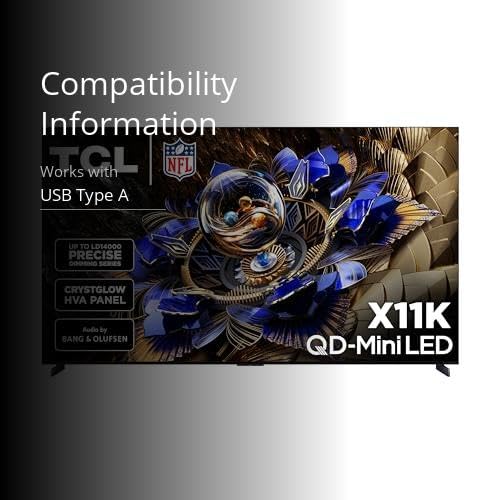
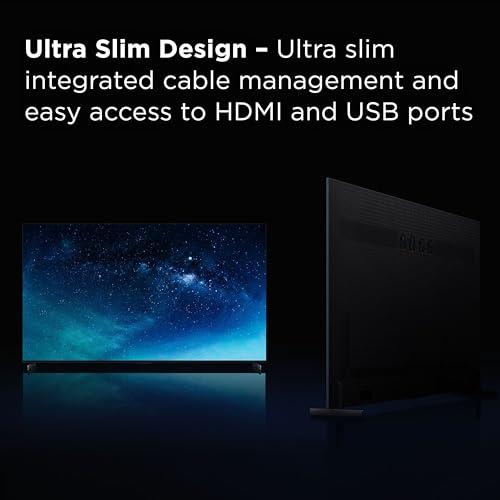
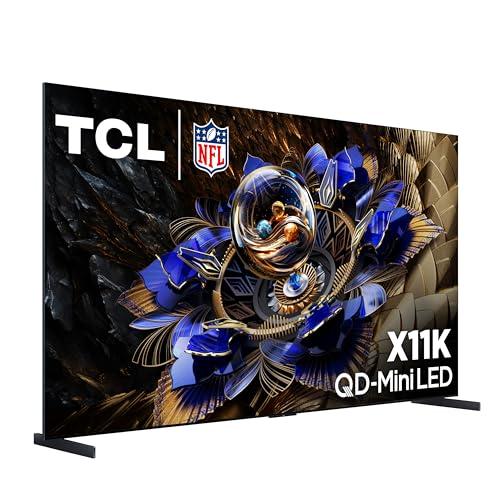
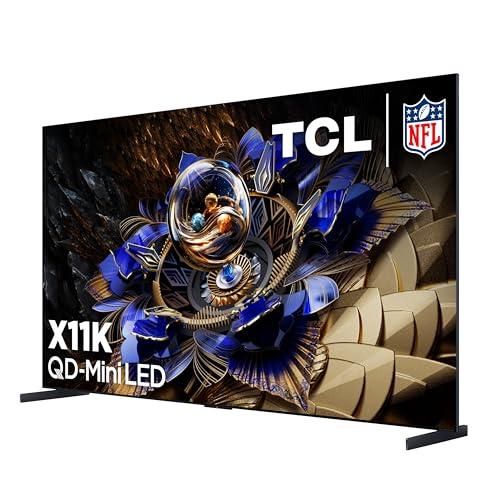
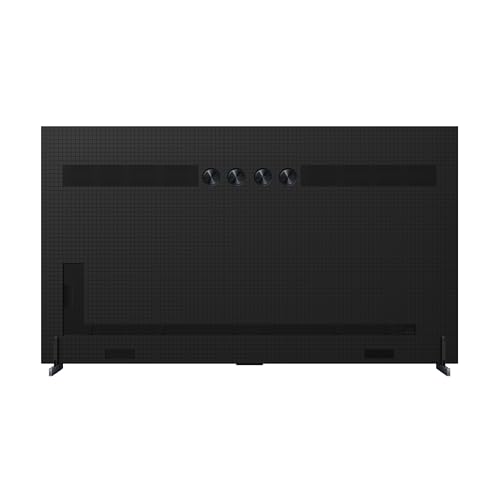
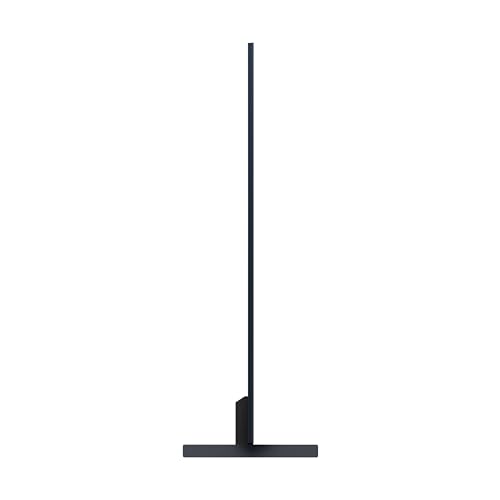
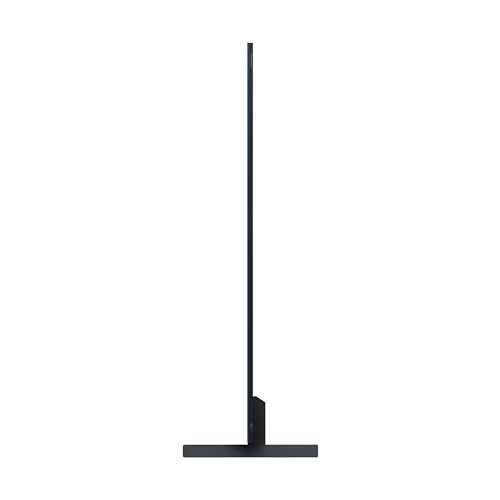
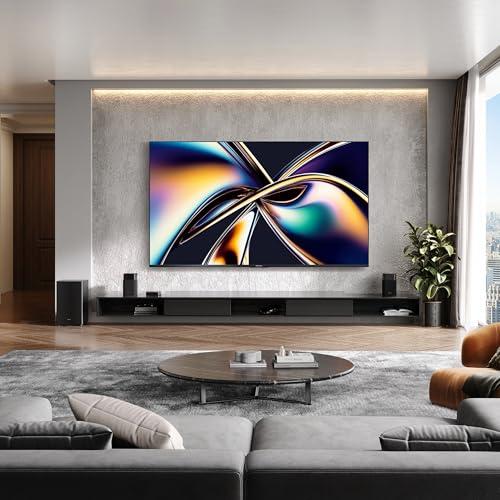
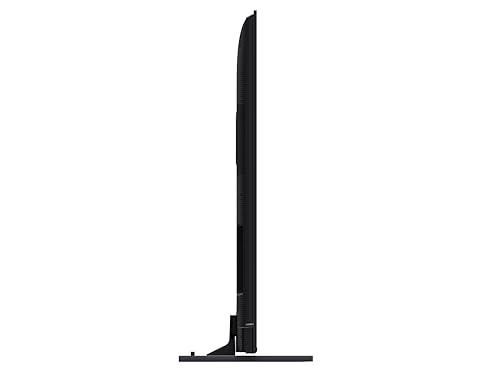
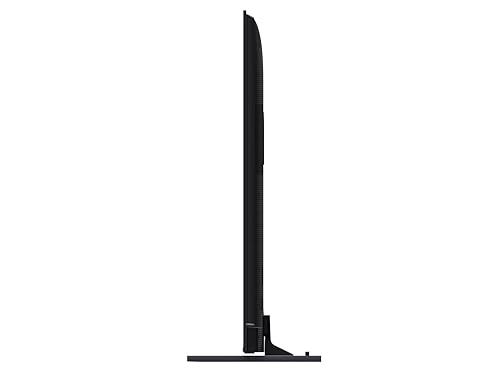
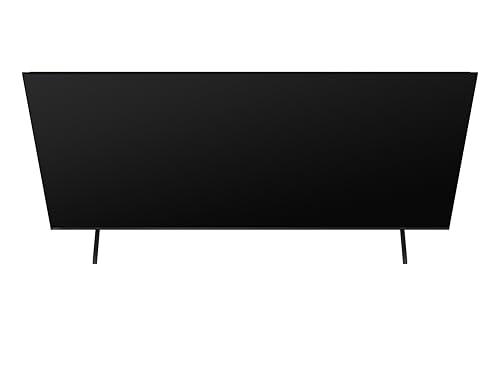
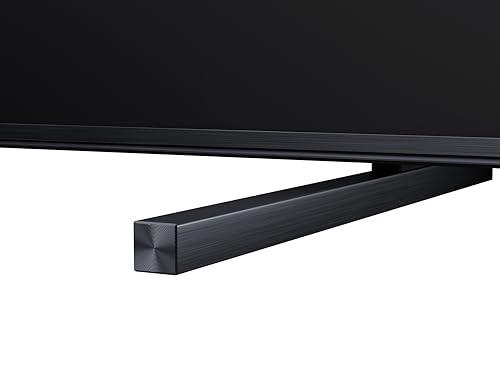
When you're ready to transform your living room into a home theater, the choice between massive TVs becomes both exciting and overwhelming. The TCL 98" X11K and Hisense 100" U6 Series represent two compelling approaches to large-screen entertainment, each targeting different priorities and budgets.
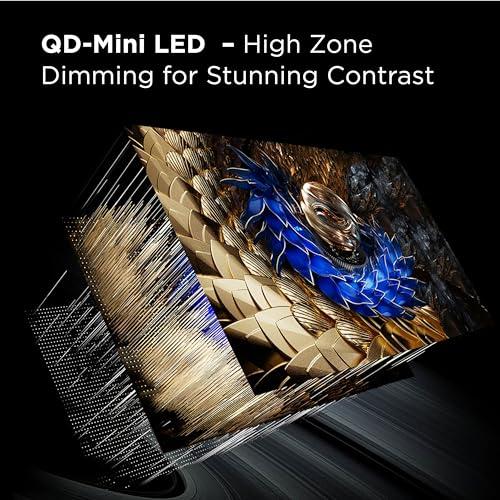
Large screen TVs in the 95-inch-plus category have evolved dramatically since 2020. These displays now compete directly with projector setups while offering the convenience of a traditional TV experience. The key breakthrough has been Mini-LED backlighting technology, which uses thousands of tiny LEDs instead of the dozens found in conventional TVs. This creates what's called "local dimming zones" – think of them as independently controlled spotlights that can brighten or dim specific areas of the screen.
Both the TCL X11K and Hisense U6 use Mini-LED technology, but they implement it very differently. The most critical factors that separate good large TVs from great ones are peak brightness (how bright the highlights can get), local dimming precision (how accurately those zones can control light and dark areas), color reproduction, gaming performance, and overall value proposition.
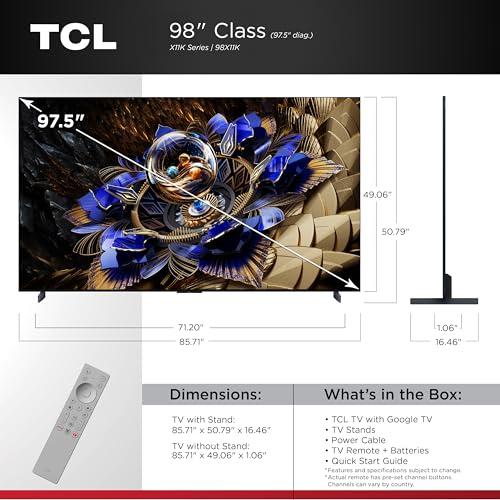
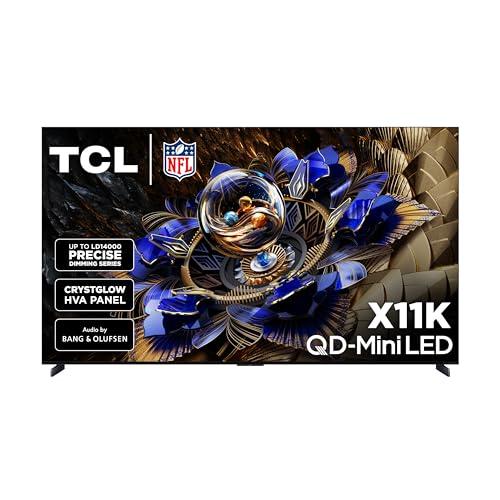
The TCL 98" X11K, released in 2025, represents TCL's attempt to create a no-compromise flagship TV. At the time of writing, it commands a premium price that places it in the high-end category, competing with the best from Samsung and Sony.
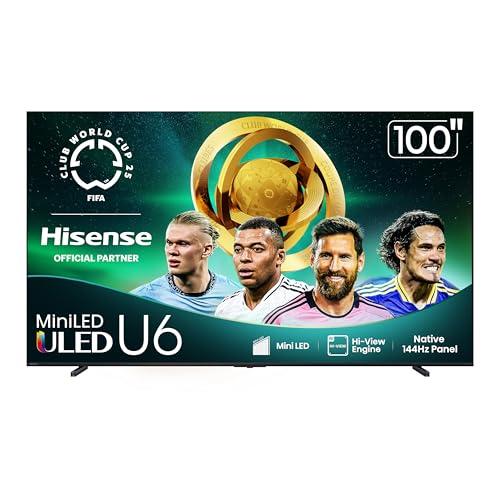
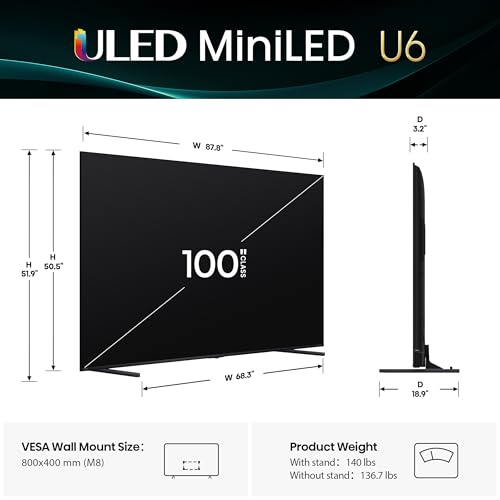
The Hisense 100" U6 Series, also from 2025, takes a different approach. Hisense has focused on delivering the largest possible screen with solid Mini-LED performance at a more accessible price point. This positioning makes sense – sometimes getting those extra two inches of screen real estate matters more than having the absolute best picture quality.
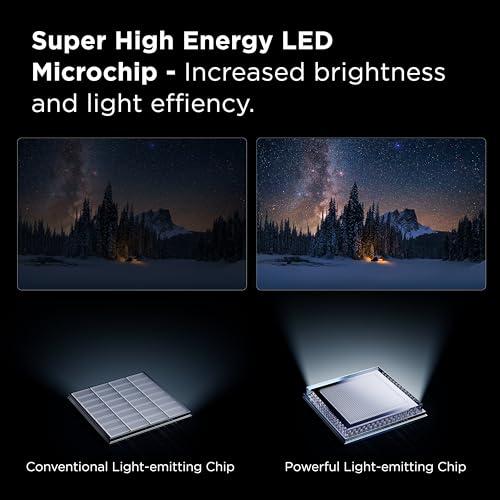
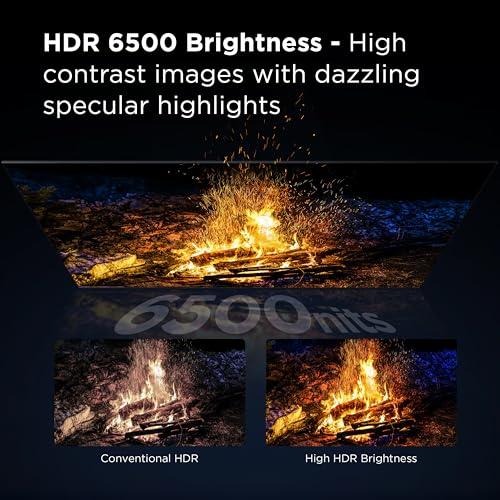
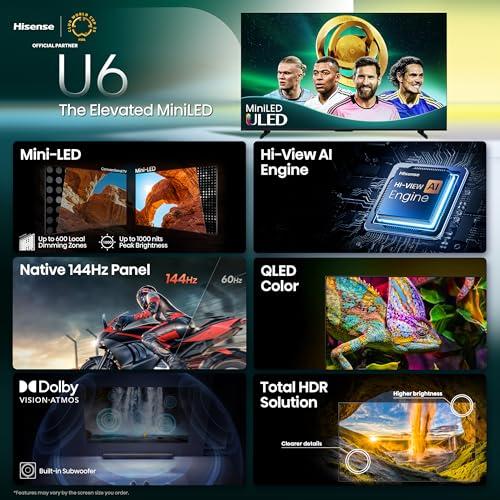
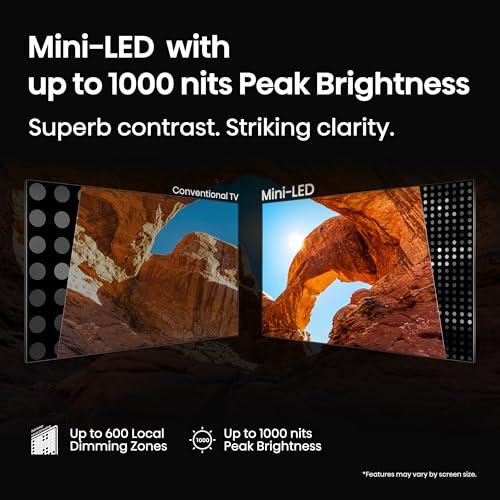
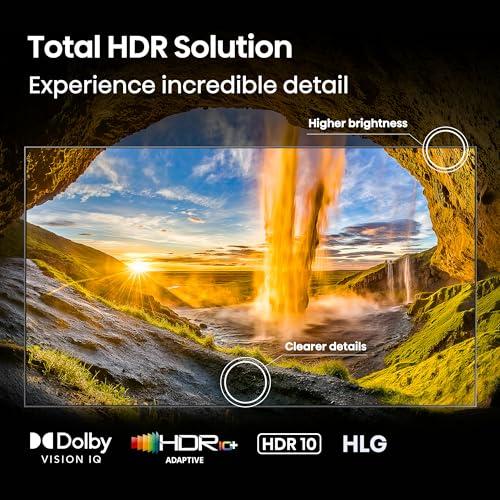
Here's where these TVs diverge dramatically. The TCL X11K achieves a peak brightness of 6,500 nits, which is genuinely impressive even by 2025 standards. To put this in perspective, most TVs from just a few years ago peaked around 1,000 nits. The Hisense U6 reaches that 1,000-nit mark, which was considered good in 2022 but now feels more entry-level.
Why does this matter? High Dynamic Range (HDR) content – which includes most modern movies, shows, and games – relies on bright highlights to create that "wow" factor. When you're watching a scene with sunlight streaming through a window or explosions in an action movie, those bright elements should genuinely make you squint a little. The TCL X11K can deliver that experience, while the Hisense U6 will show you the same content with more muted highlights.
From our research into user experiences and expert reviews, this brightness difference is immediately noticeable in side-by-side comparisons. The TCL X11K makes HDR content look like it was intended by the filmmakers, while the Hisense U6 shows you a dimmer interpretation of the same material.
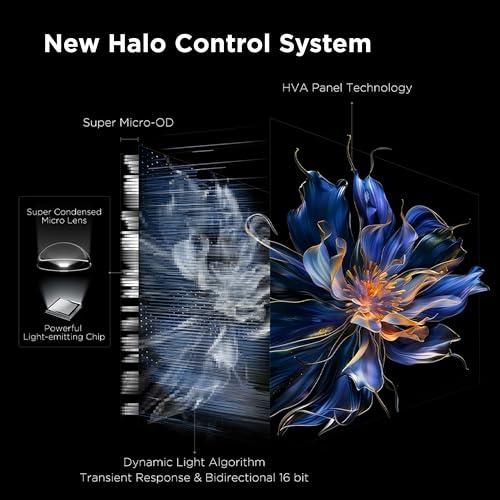
The TCL X11K features up to 14,000 local dimming zones, which is extraordinary even for a premium TV. Each zone can independently control brightness, allowing for incredibly precise contrast control. Picture a night scene where a character holds a flashlight – the TCL X11K can make that beam bright while keeping the surrounding darkness truly black.
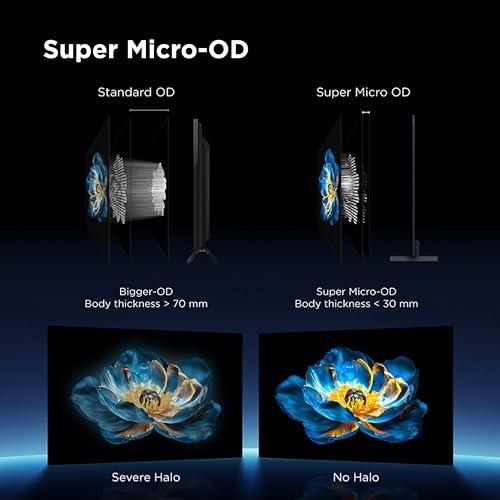
The Hisense U6 has fewer zones (the exact number varies by size, but significantly less than the TCL). This still provides good contrast improvement over standard LED TVs, but you'll notice more "blooming" – that halo effect around bright objects on dark backgrounds. It's not terrible, but it's definitely noticeable once you know what to look for.
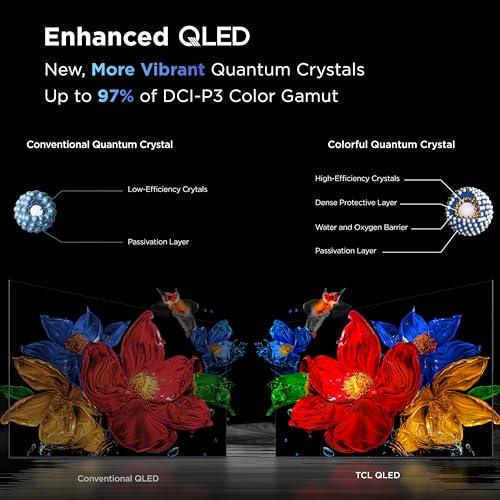
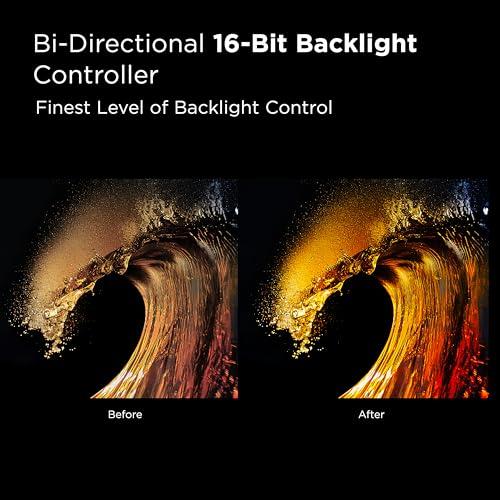
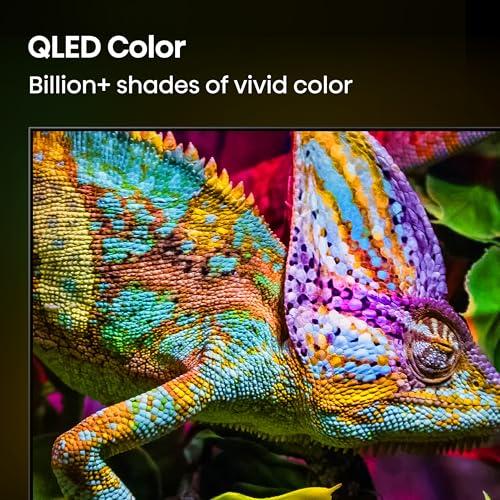
Both TVs use Quantum Dot technology, which sounds fancy but essentially means they can display more colors more accurately than traditional TVs. The TCL X11K claims 1.07 billion colors with 98% DCI-P3 coverage – technical specs that translate to more realistic skin tones, more vibrant nature scenes, and colors that look closer to what you'd see in a movie theater.
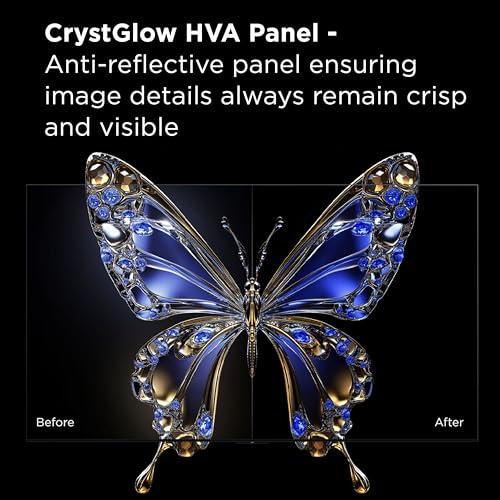
The TCL X11K also features something called a CrystGlow HVA panel with anti-reflection technology. This is particularly important for large TVs because they're more likely to catch reflections from windows and lights. From user reports, this makes a noticeable difference in bright rooms, while the Hisense U6 can struggle with reflections despite having its own anti-glare coating.
Gaming performance has become crucial for large TVs, especially as PlayStation 5 and Xbox Series X consoles can output 4K at 120fps. The differences here are stark.
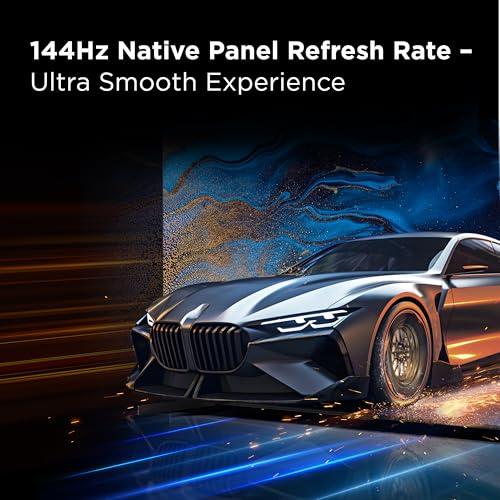
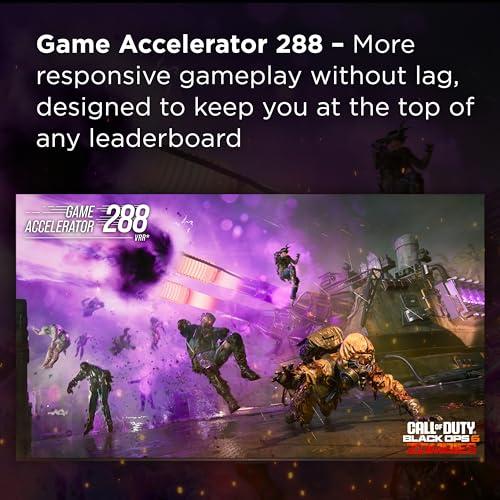
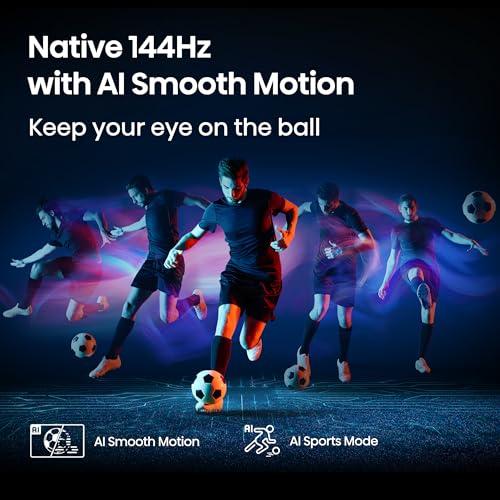
The TCL X11K offers a native 144Hz refresh rate, meaning it can display 144 unique frames per second. It supports Variable Refresh Rate (VRR) from 48Hz all the way up to 288Hz in a special 1080p gaming mode. This eliminates screen tearing (when the image appears to be split horizontally) and provides incredibly smooth motion. It's certified for both AMD FreeSync Premium Pro and NVIDIA G-Sync, covering all gaming scenarios.
The Hisense U6 has a 60Hz panel with some higher refresh rate capabilities at lower resolutions. It can do 4K at 60fps or 1440p at 120fps, but user reports suggest the VRR implementation isn't as refined as the TCL X11K. For casual gaming, it's adequate. For competitive gaming or if you want the smoothest possible experience with modern consoles, the TCL X11K is in a different league.
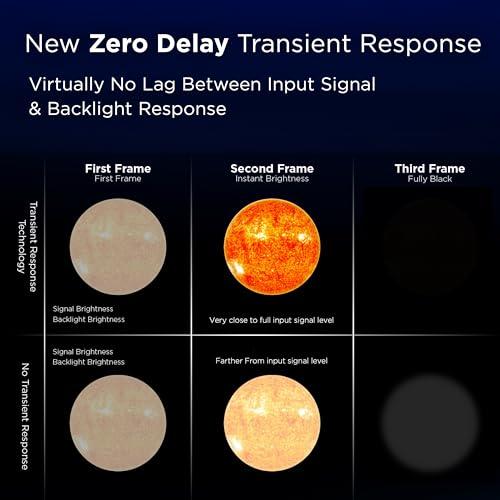
Input lag – the delay between pressing a button and seeing the action on screen – also favors the TCL X11K, though both TVs offer gaming modes that reduce this delay to acceptable levels.
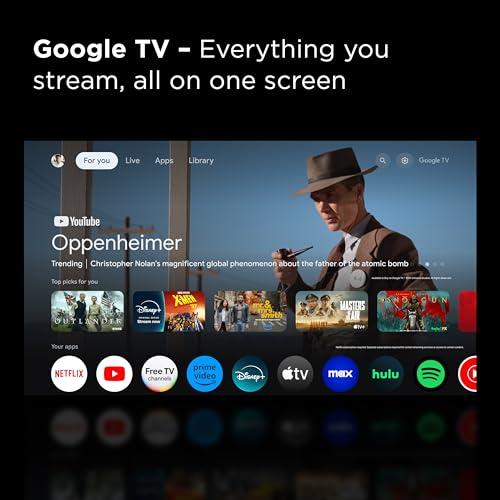
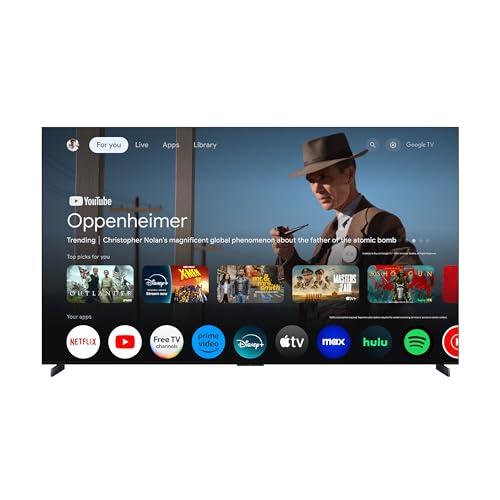
The software experience differs significantly between these TVs. The TCL X11K runs Google TV, which has evolved into a clean, responsive interface. It aggregates content from multiple streaming services, provides decent recommendations, and doesn't bombard you with ads (though some sponsored content appears).
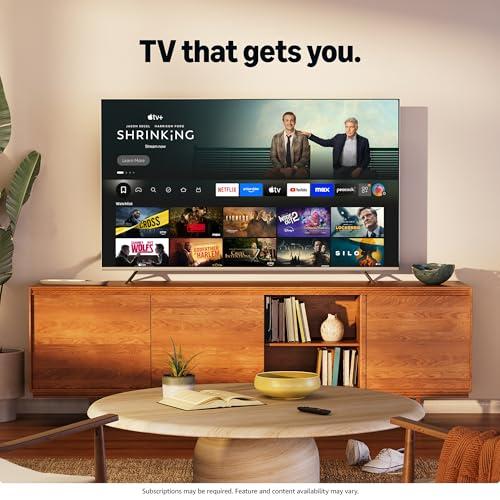
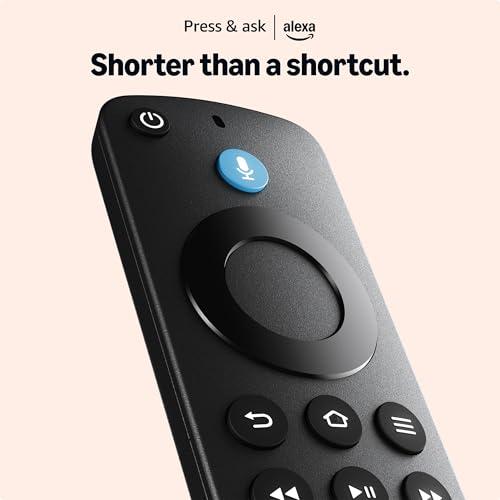
The Hisense U6 uses Amazon's Fire TV platform, which has improved substantially since its early days but still shows more advertising, particularly for Amazon Prime content. The interface can feel slower, especially when switching between apps or during initial startup. However, if you're heavily invested in the Amazon ecosystem – using Alexa, Prime Video, and Amazon Music – the integration can be quite seamless.
From our evaluation of user feedback, Google TV generally provides a more premium experience, while Fire TV offers better value for Amazon users willing to tolerate more advertising.
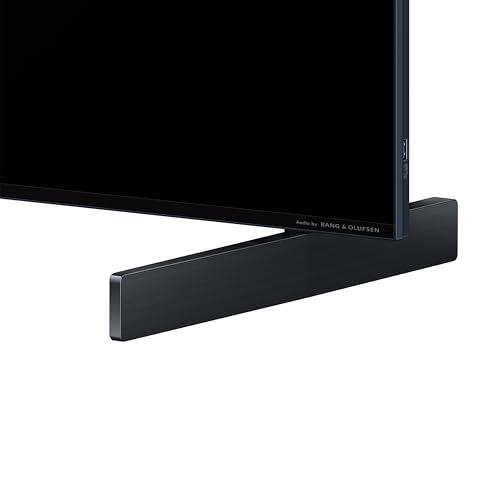
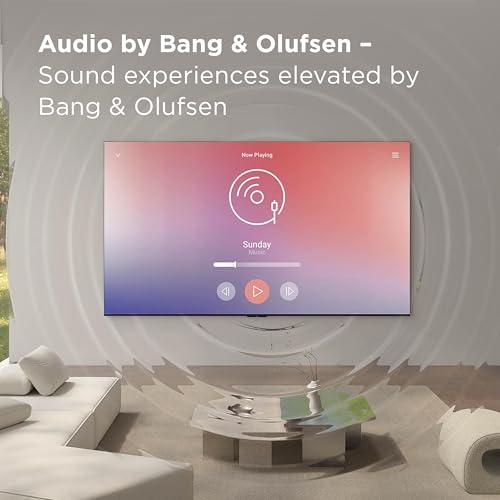
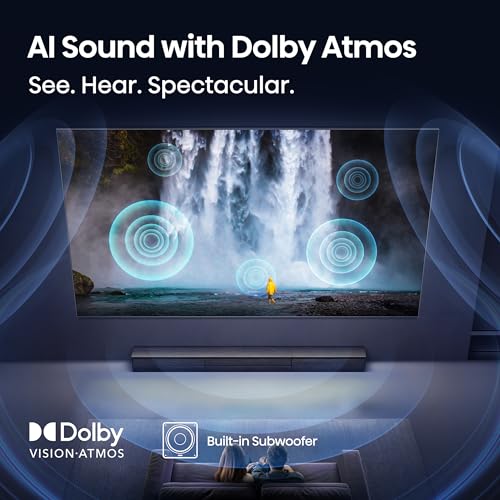
Large TVs often struggle with audio because their thin profiles don't leave room for substantial speakers. The TCL X11K addresses this with a 6.2.2 channel system tuned by Bang & Olufsen, producing 120 watts of power. This setup supports Dolby Atmos, which creates a three-dimensional soundscape that can make you feel like you're inside the movie.
The Hisense U6 offers standard TV audio with Dolby Atmos support, but it lacks the premium tuning and power of the TCL system. For a TV this size, you'll likely want to add a soundbar eventually, but the TCL X11K might delay that purchase.
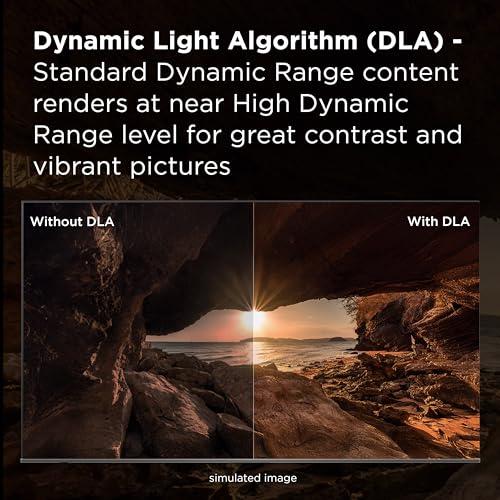
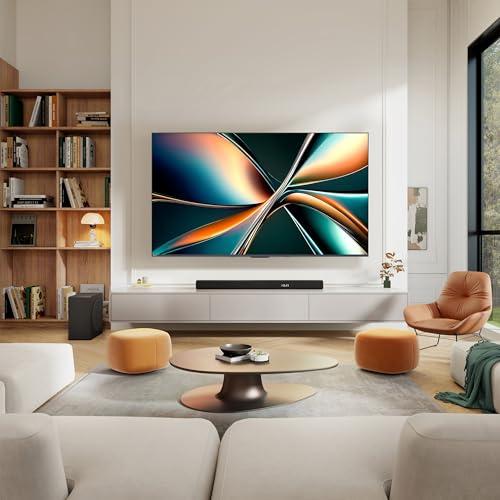
In a dedicated home theater setup, the TCL X11K makes more sense despite being slightly smaller. Its superior brightness means it can compete with ambient light from sconces or rope lighting, while its better viewing angles accommodate multiple seating positions. The precise local dimming creates the kind of contrast that makes dark movie scenes actually visible rather than muddy.
The Hisense U6 works better in a completely dark, controlled environment where its brightness limitations won't be as apparent. The extra two inches of screen size can be meaningful in larger rooms where the viewing distance is 12 feet or more.
At the time of writing, the TCL X11K commands a significant premium over the Hisense U6. This price difference reflects genuine performance advantages, but it also means these TVs serve different audiences.
The TCL X11K targets enthusiasts who want the best possible picture quality and gaming performance. If you're upgrading from a high-quality smaller TV or if picture quality is your top priority, the extra investment makes sense. It's particularly worthwhile if you game regularly, watch a lot of HDR content, or have a bright room where the superior brightness will be constantly beneficial.
The Hisense U6 appeals to size-focused buyers who want the biggest possible screen with decent picture quality. If you're coming from an older, smaller TV, the combination of increased size and Mini-LED technology will feel like a massive upgrade, even if it's not best-in-class. It's also the more sensible choice if budget constraints make the TCL X11K pricing unrealistic.
Choose the TCL 98" X11K if picture quality drives your decision-making. The superior brightness, precise local dimming, and gaming capabilities justify the premium for enthusiasts. It's the right choice for bright rooms, serious gaming, or if you simply want the best performance available in this size range. The two-inch size difference rarely matters as much as the substantial performance advantages.
Choose the Hisense 100" U6 if maximum screen size is your primary goal and you can accept some compromise in picture quality. It's an excellent choice for dark room viewing where brightness limitations matter less, for buyers prioritizing value, or for those who prefer Amazon's ecosystem integration. The Mini-LED technology still provides a meaningful upgrade over standard LED TVs.
Both TVs represent solid choices in the large-screen category, but they're optimized for different priorities. The TCL X11K delivers flagship performance in a slightly smaller package, while the Hisense U6 maximizes screen size with good-enough performance at a more accessible price.
The decision ultimately comes down to whether you prioritize absolute picture quality and gaming performance (TCL X11K) or maximum size and value (Hisense U6). Either way, you'll end up with a TV that transforms your living room into something approaching a commercial theater experience – just with different strengths and compromises.
| TCL 98" X11K 4K QD-Mini LED Google TV | Hisense 100" U6 Series Mini-LED 4K Fire TV |
|---|---|
| Screen Size - Impacts viewing immersion and room requirements | |
| 98" (97.5" viewable) | 100" (99.5" viewable) |
| Peak Brightness - Critical for HDR impact and bright room viewing | |
| 6,500 nits (exceptional HDR performance) | 1,000 nits (adequate but limited HDR impact) |
| Local Dimming Zones - Controls contrast precision and blooming | |
| Up to 14,000 zones (pixel-level precision) | Significantly fewer zones (good but noticeable blooming) |
| Native Refresh Rate - Determines motion smoothness and gaming capability | |
| 144Hz (exceptional for gaming and sports) | 60Hz panel (basic performance, limited gaming) |
| Gaming Features - Next-gen console and PC gaming support | |
| VRR 48-288Hz, FreeSync Premium Pro, G-Sync, ALLM | VRR 48-144Hz (limited), basic ALLM support |
| Panel Technology - Affects viewing angles and reflection handling | |
| CrystGlow HVA with anti-reflection coating | Standard Mini-LED with anti-glare treatment |
| Audio System - Built-in sound quality and power | |
| 6.2.2 channel Bang & Olufsen, 120W, Dolby Atmos/DTS:X | Standard TV speakers with Dolby Atmos support |
| Smart Platform - User interface and content ecosystem | |
| Google TV (clean, responsive, minimal ads) | Fire TV (Amazon-centric, more advertising) |
| HDMI Connectivity - Future-proofing for devices and consoles | |
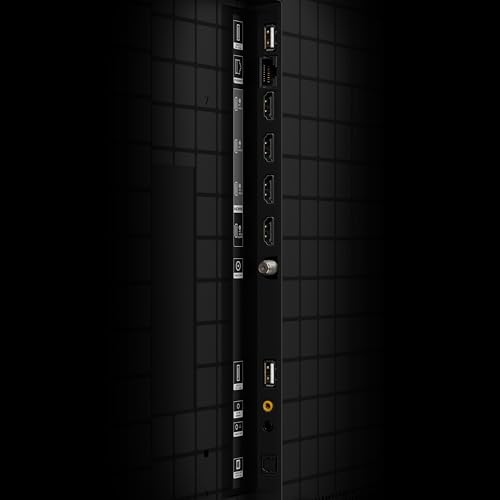
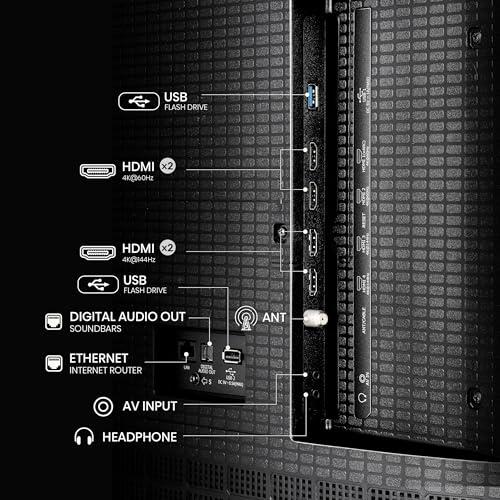
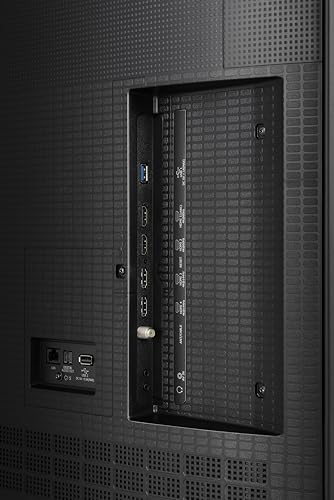
| 4 HDMI 2.1 ports (48 Gbps bandwidth) | 2 HDMI 2.1 ports with standard bandwidth |
| Color Technology - Color accuracy and vibrancy | |
| Quantum Dot with 1.07 billion colors, 97% DCI-P3 | Quantum Dot with standard color gamut coverage |
| Target Market - Who this TV is designed for | |
| Premium home theater enthusiasts and serious gamers | Size-focused buyers prioritizing value over flagship features |
The TCL 98" X11K is significantly better for gaming with its native 144Hz refresh rate, VRR support up to 288Hz, and premium gaming certifications including FreeSync Premium Pro and G-Sync compatibility. The Hisense 100" U6 has a 60Hz panel with limited higher refresh rate capabilities, making the TCL X11K the clear winner for serious gamers.
The TCL 98" X11K reaches 6,500 nits peak brightness while the Hisense 100" U6 peaks at 1,000 nits. This 6.5x difference means the TCL X11K delivers much more impactful HDR content with brighter highlights and better performance in bright rooms, while the Hisense U6 shows dimmer, less dramatic HDR scenes.
The TCL 98" X11K offers superior picture quality with 14,000 local dimming zones for precise contrast control, significantly higher brightness, and advanced anti-reflection technology. The Hisense 100" U6 provides good Mini-LED performance but with more blooming around bright objects and less overall precision in dark scenes.
The 2-inch difference between the TCL 98" X11K and Hisense 100" U6 is minimal in real-world viewing. Most users won't notice this small size difference, especially when the TCL X11K offers substantially better picture quality and performance features that provide more viewing impact than the extra screen area.
The TCL 98" X11K uses Google TV, which offers a cleaner interface, faster performance, and fewer ads compared to the Fire TV platform on the Hisense 100" U6. However, if you're heavily invested in Amazon's ecosystem, the Hisense U6's Fire TV integration might be more convenient despite the increased advertising.
For dedicated home theater setups, the TCL 98" X11K is the better choice due to its superior brightness for competing with ambient lighting, better viewing angles for multiple seating positions, and precise local dimming that makes dark movie scenes clearly visible. The Hisense 100" U6 works well only in completely dark, controlled environments.
The Hisense 100" U6 offers better value if maximum screen size is your priority and budget is a concern. However, the TCL 98" X11K provides better long-term value for enthusiasts due to its superior gaming capabilities, brightness, and future-proofing features that justify the premium pricing.
The TCL 98" X11K features a premium 6.2.2 channel Bang & Olufsen audio system with 120W output and Dolby Atmos support, while the Hisense 100" U6 has standard TV speakers. The TCL X11K's superior audio might delay the need for an external soundbar, though both TVs benefit from additional audio equipment.
The TCL 98" X11K performs much better in bright rooms thanks to its 6,500-nit peak brightness and CrystGlow anti-reflection panel technology. The Hisense 100" U6's 1,000-nit brightness and basic anti-glare coating make it better suited for darker viewing environments where ambient light won't wash out the picture.
The TCL 98" X11K features up to 14,000 local dimming zones for exceptional contrast control and minimal blooming, while the Hisense 100" U6 has significantly fewer zones. This means the TCL X11K can display more precise bright and dark areas simultaneously, creating better overall contrast and less distracting halos around bright objects.
The TCL 98" X11K is more future-proof with four HDMI 2.1 ports supporting 48 Gbps bandwidth, native 144Hz refresh rate, and comprehensive VRR support. The Hisense 100" U6 has only two HDMI 2.1 ports and limited high refresh rate capabilities, making the TCL X11K better prepared for next-generation gaming and media devices.
Choose the TCL 98" X11K if you prioritize picture quality, gaming performance, or have a bright viewing room. Select the Hisense 100" U6 if maximum screen size matters most, you're budget-conscious, primarily watch in dark rooms, or prefer Amazon's Fire TV ecosystem. The TCL X11K targets enthusiasts while the Hisense U6 focuses on value-oriented size seekers.
We've done our best to create useful and informative comparisons to help you decide what product to buy. Our research uses advanced automated methods to create this comparison and perfection is not possible - please contact us for corrections or questions. These are the sites we've researched in the creation of this article: ecoustics.com - pcrichard.com - tcl.com - valueelectronics.com - bestbuy.com - tcl.com - whathifi.com - tcl.com - youtube.com - displayspecifications.com - whathifi.com - youtube.com - notebookcheck.net - tcl.com - tcl.com - displayspecifications.com - tcl.com - tcl.com - pcguide.com - en.homecinesolutions.fr - youtube.com - tcl.com - bestbuy.com - rtings.com - youtube.com - rtings.com - youtube.com - youtube.com - costco.com - pcrichard.com - hisense-usa.com - electronicexpress.com - pcrichard.com - circuitworldonline.com - bestbuy.com - bestbuy.com - premiumincentive.com - hisense-usa.com - hisense-usa.com - pcrichard.com - rtings.com - bestbuy.com - hisense-usa.com - avsforum.com

Privacy Policy
Terms and Conditions - Affiliate Policy
Home Security
© Copyright 2008-2026.
11816 Inwood Rd #1211, Dallas, TX 75244