

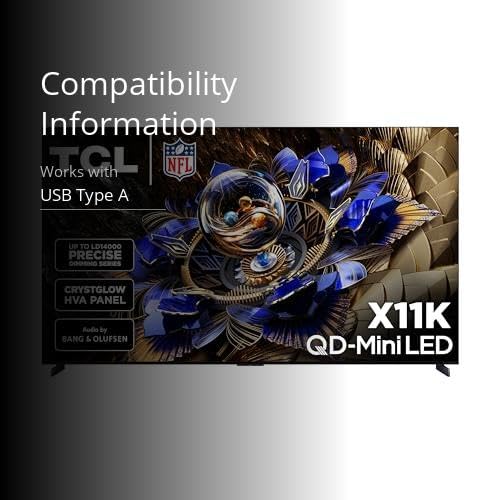
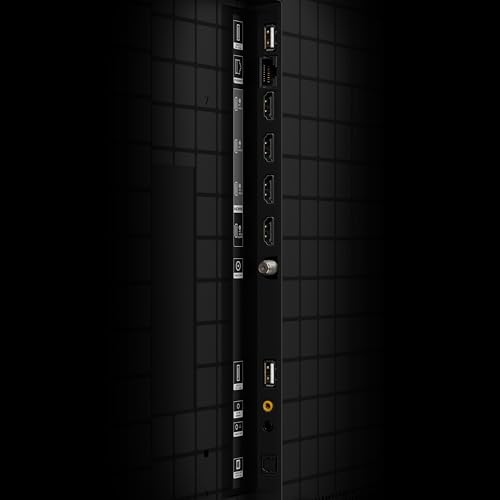
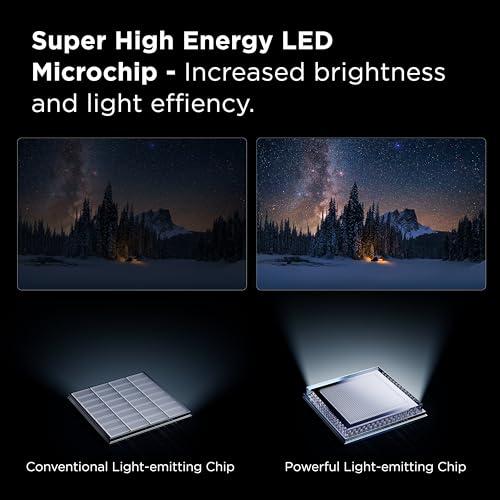
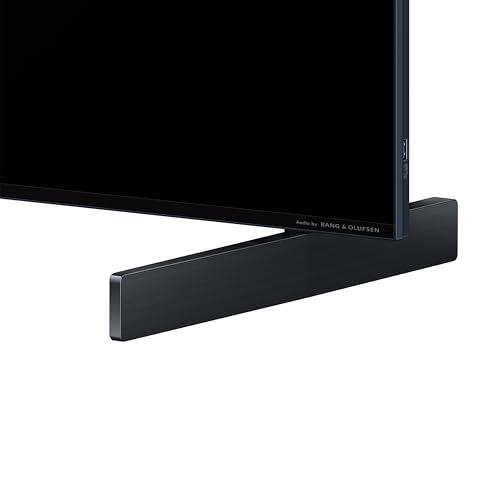


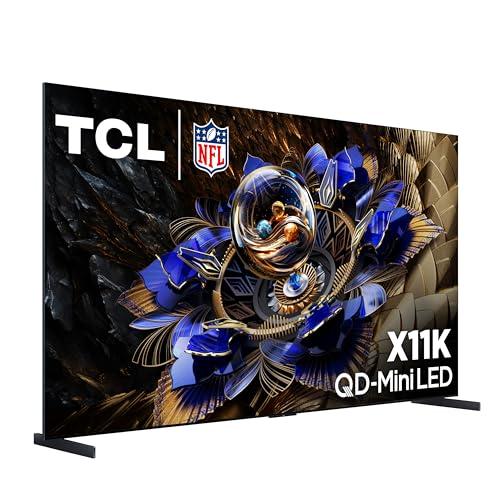
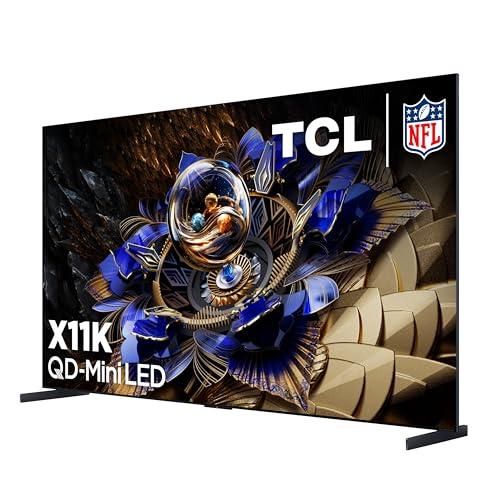
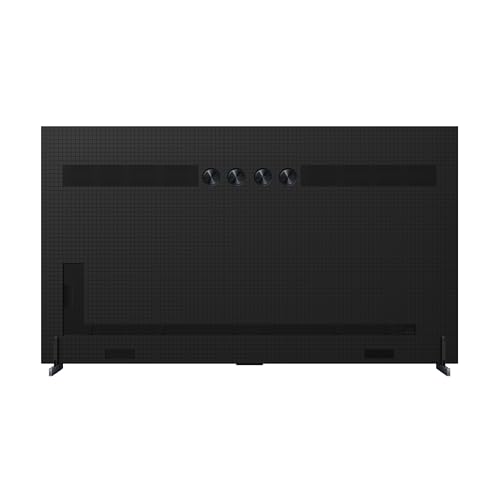
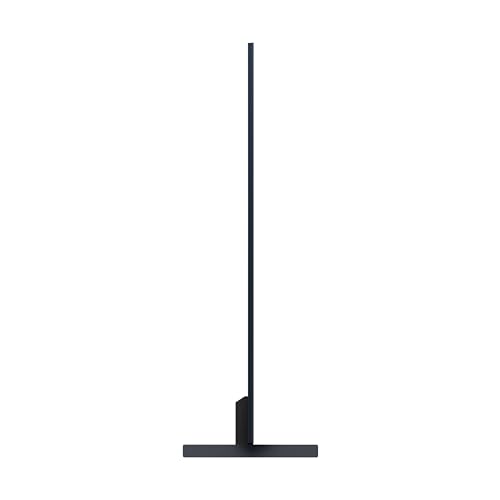
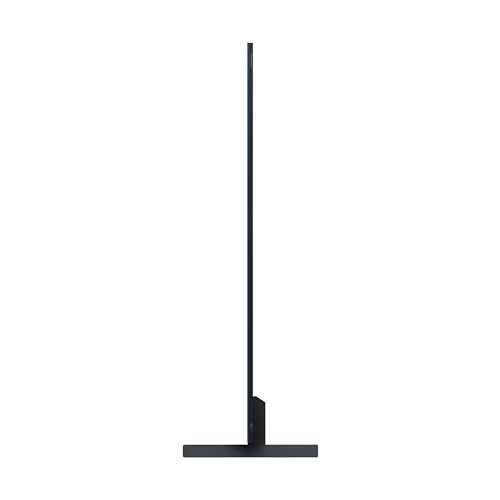
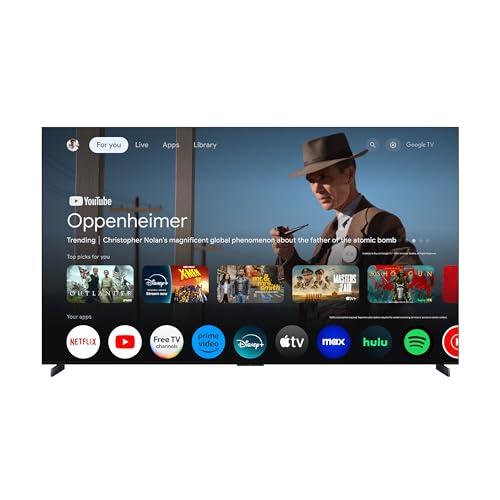
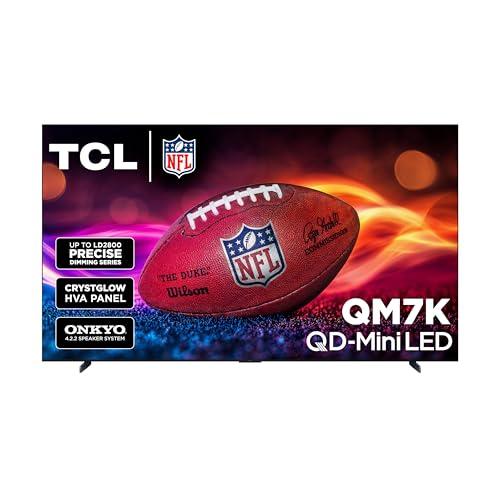



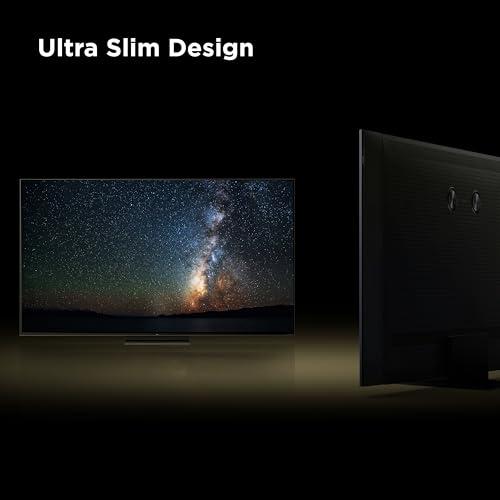
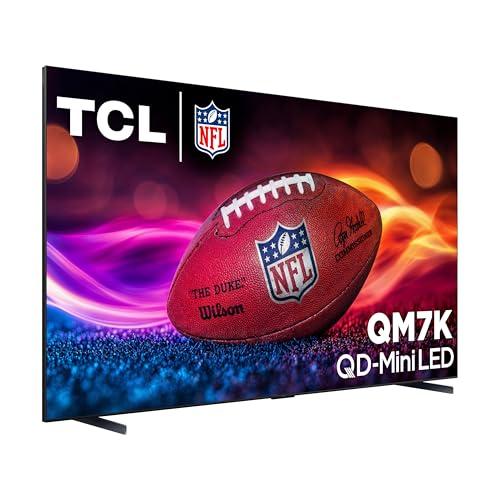
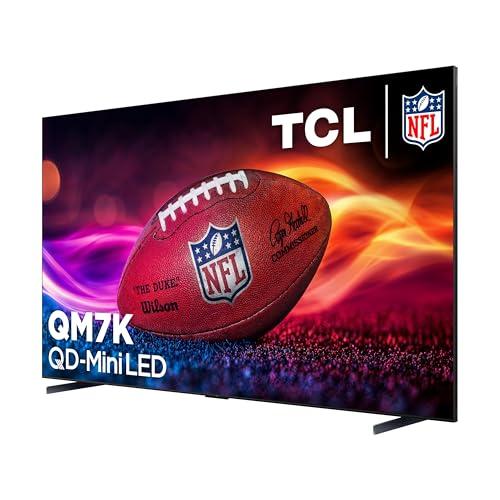
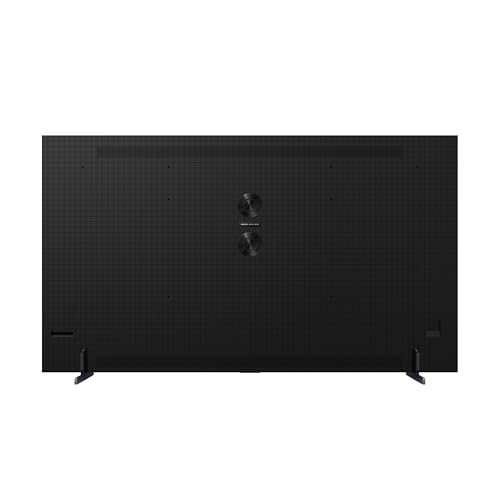
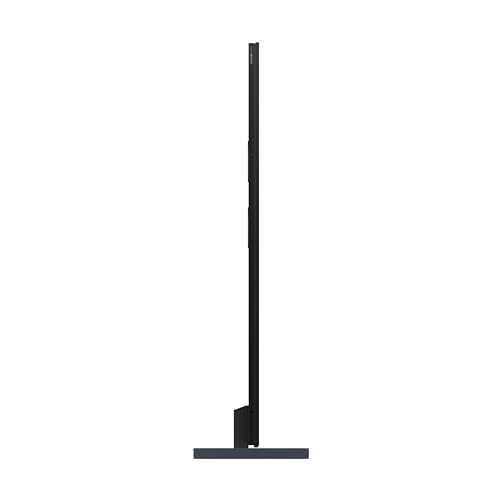
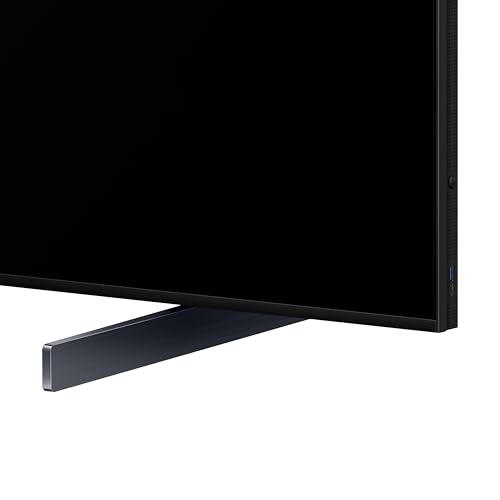
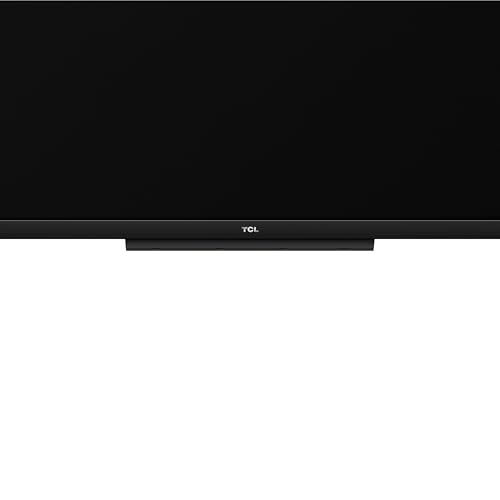
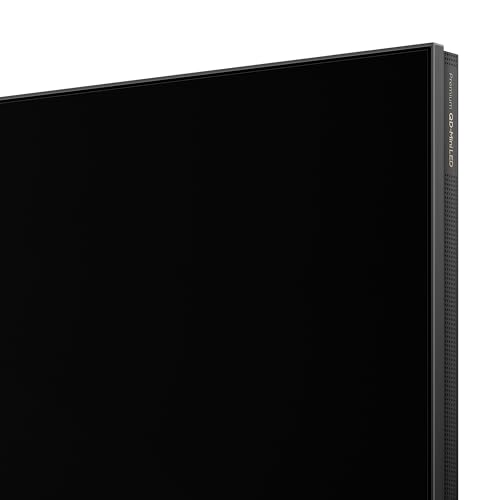
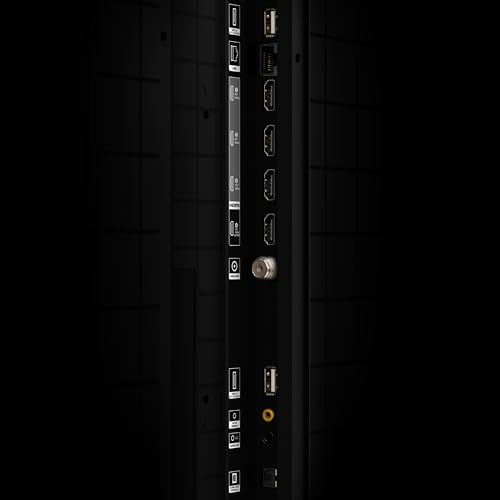

Large-screen TVs have completely transformed over the past few years. What used to be the domain of expensive projectors—those massive, theater-like displays—can now be achieved with ultra-large televisions that hang on your wall like any other TV. TCL has been pushing the boundaries of what's possible in this space, and their 2025 lineup includes two particularly impressive models: the 98" X11K and the 115" QM7K.
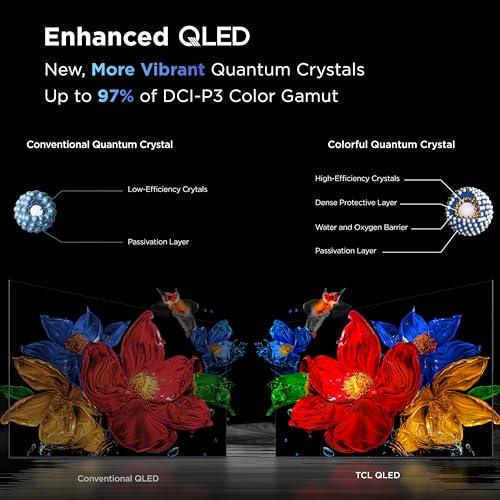
Both TVs use what's called QD-Mini LED technology, which combines quantum dots (tiny particles that create incredibly pure colors) with miniaturized LED backlighting for exceptional brightness and contrast. But despite sharing this core technology, these two models take very different approaches to delivering a premium viewing experience.
When you're shopping for a TV this large, you're essentially choosing between two different philosophies. The first prioritizes cutting-edge display technology—maximum brightness, precise contrast control, and versatility across different lighting conditions. The second prioritizes sheer scale and cinematic immersion, accepting some technological trade-offs to achieve that massive screen presence.
These aren't your typical living room TVs. Both the 98" X11K and 115" QM7K are designed to compete with projector systems while offering significant advantages: they're brighter, more convenient to set up, and don't require a darkened room to look their best. But they also demand careful consideration of your room size, seating distance, and how you actually watch content.
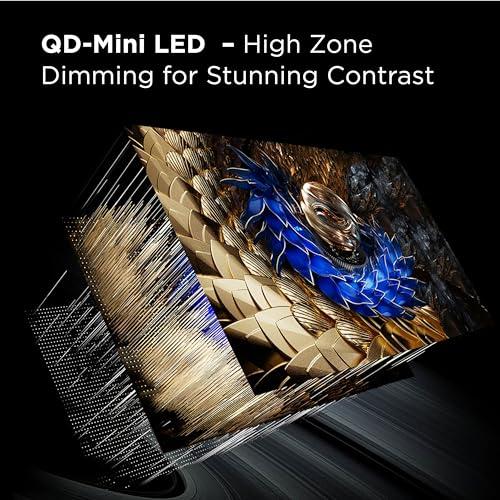
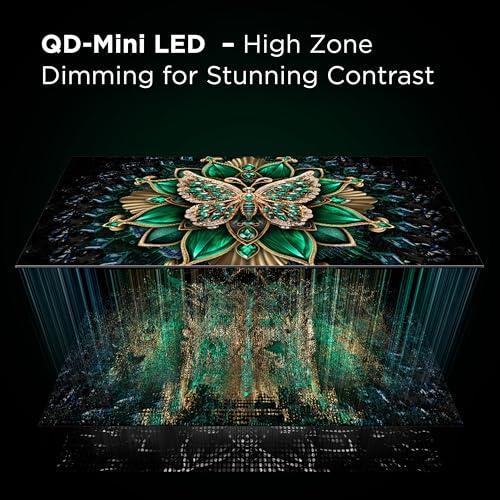
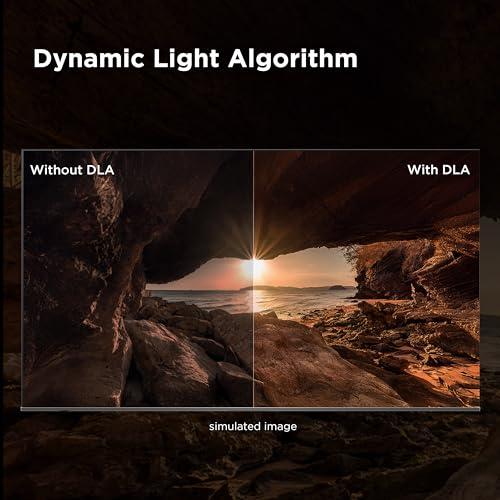
The most significant difference between these models lies in their display performance, specifically brightness and local dimming capabilities. Local dimming is a technology that allows the TV to independently control the brightness of different areas of the screen—think of it as having thousands of tiny dimmers working together to create perfect blacks next to bright highlights.
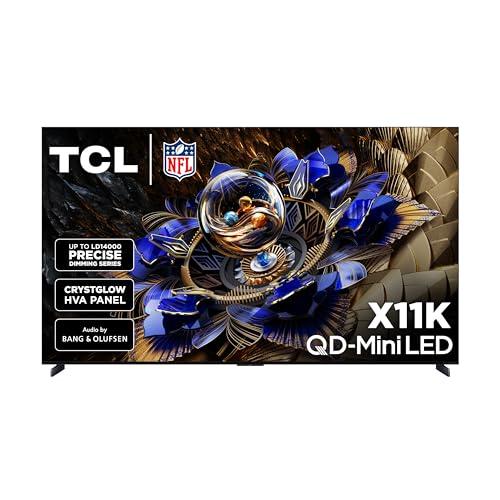
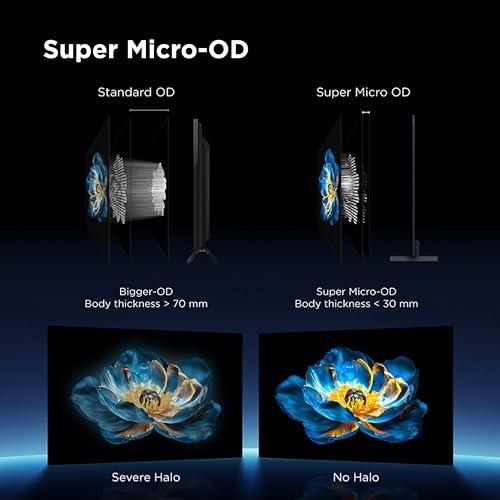
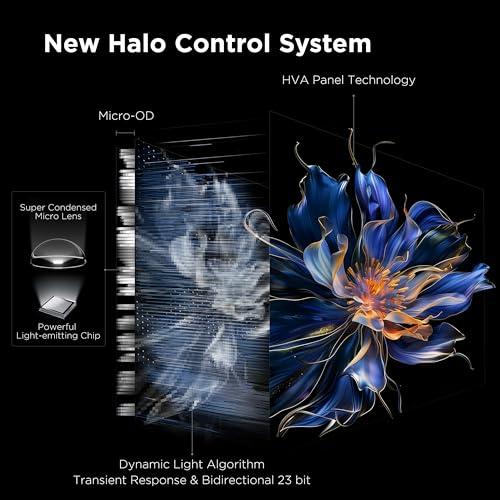
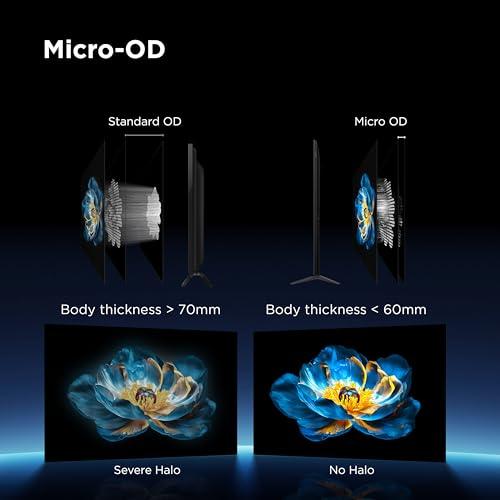
The 98" X11K features an impressive 14,000 local dimming zones compared to the 115" QM7K's 2,800 zones. This might sound like technical jargon, but it translates to a dramatically more precise picture. When you're watching a movie with a bright explosion against a dark night sky, the X11K can control the backlighting with incredible precision, preventing that bright explosion from creating unwanted "blooming" or haloing effects around the edges.
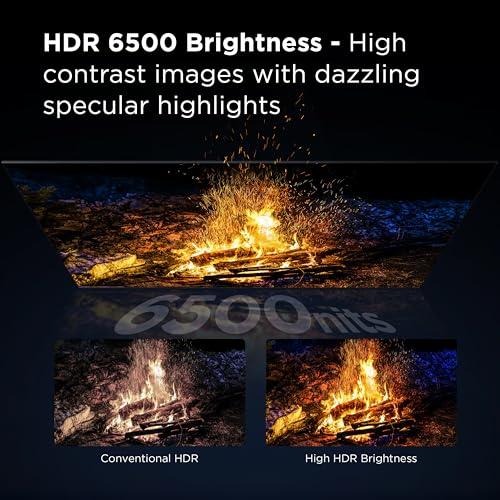
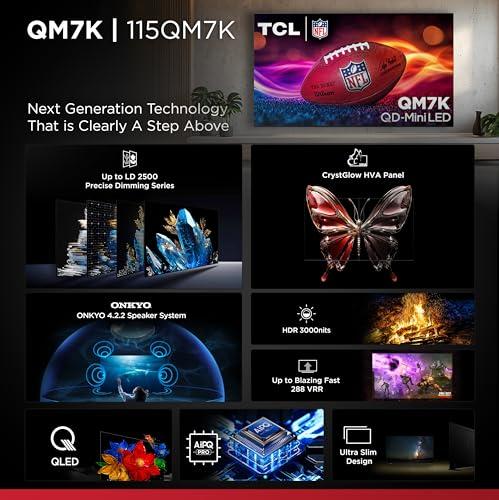
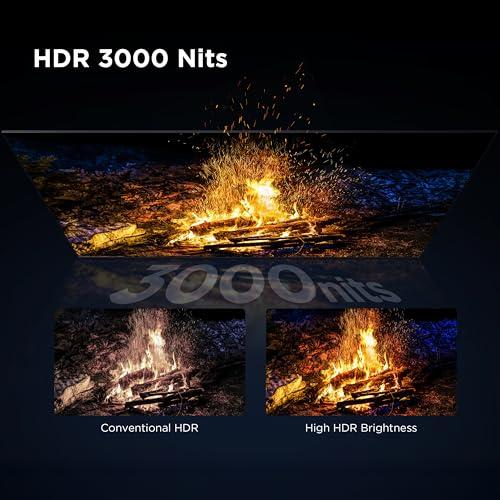
Even more striking is the brightness difference. The X11K reaches a peak brightness of 6,500 nits, while the QM7K tops out at 3,000 nits. To put this in perspective, most premium TVs struggle to exceed 1,000 nits, and many budget models peak around 400-500 nits. The X11K's extreme brightness means it can display HDR (High Dynamic Range) content with incredible impact, making bright scenes look genuinely bright rather than just brighter than the surrounding content.
This brightness advantage makes the X11K far more versatile in different lighting conditions. If you have windows in your viewing room, or if you prefer to watch TV with some lights on, the X11K will maintain its visual impact. The QM7K, while still bright by most standards, performs best in controlled lighting environments where its 3,000 nits can really shine.
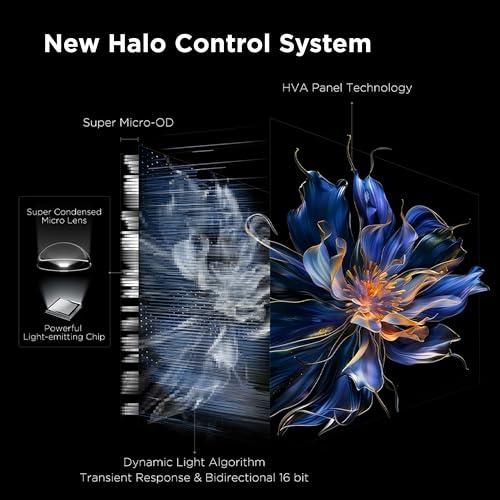
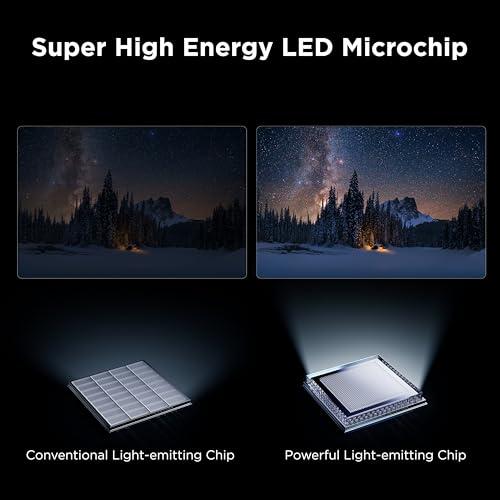
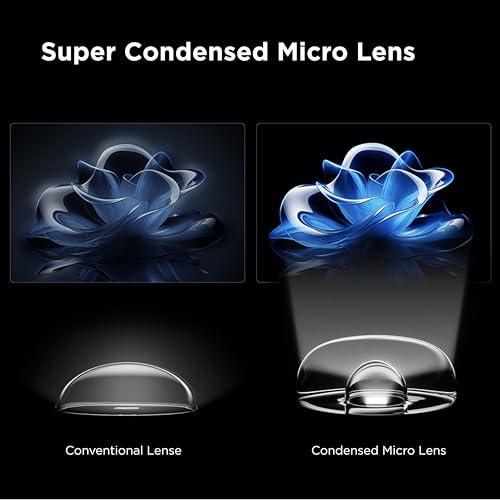
Both models use TCL's Halo Control System, which is their proprietary technology for minimizing the blooming effects that can plague Mini LED displays. This system includes advanced algorithms and optical improvements that help maintain clean edges around bright objects, but the X11K's additional dimming zones give it a significant advantage in this area.
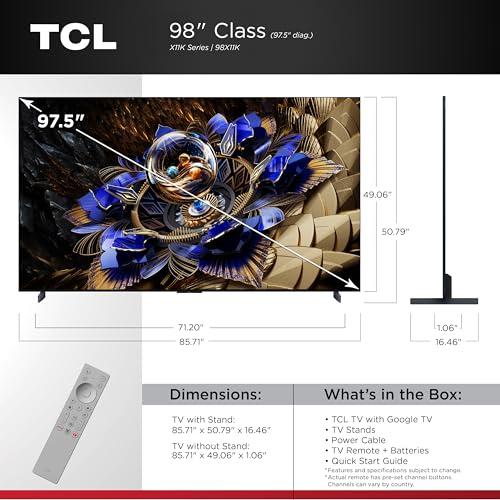
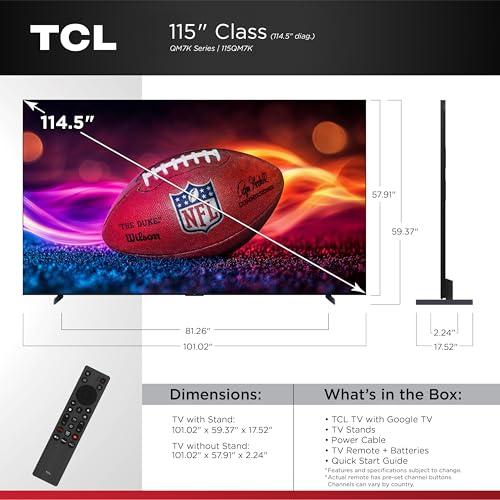
The 17-inch diagonal difference between these models might not sound huge on paper, but it creates dramatically different viewing experiences. The 98" X11K is already massive by most standards—imagine a screen that's over 8 feet wide and more than 4 feet tall. But the 115" QM7K takes this to another level entirely, with a screen that approaches 9 feet wide and nearly 5 feet tall.
These size differences directly impact where you can realistically install these TVs. The 98" X11K works well in large living rooms with 10-14 feet of viewing distance, making it practical for many homes with open floor plans or spacious family rooms. The 115" QM7K really needs 12-16 feet of viewing distance to avoid feeling overwhelming, which typically means a dedicated theater room or an unusually large living space.
There's also the wall space to consider. The X11K requires about 86 inches of wall width, while the QM7K needs over 101 inches—that's more than 8.5 feet of clear wall space. Many homes simply don't have a wall that can accommodate the larger model without significant room modifications.
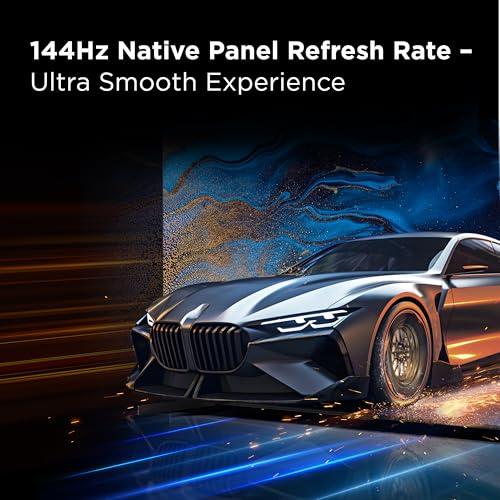
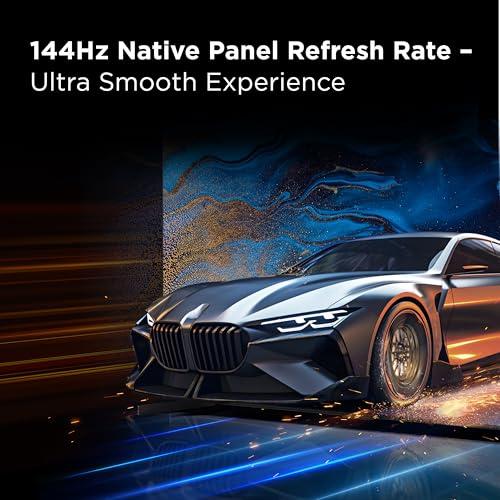
Both the 98" X11K and 115" QM7K offer identical gaming specifications, and they're impressive. Both feature native 144Hz refresh rates, which means they can display 144 unique frames per second—far higher than the 60Hz standard that was common until recently. This high refresh rate makes fast-paced games like shooters, racing games, and sports titles look incredibly smooth.
Both models also support Variable Refresh Rate (VRR) technology, which synchronizes the TV's refresh rate with your gaming console or PC to eliminate screen tearing and stuttering. They can handle VRR up to 144Hz, and both include something called Game Accelerator 288, which can push motion clarity to equivalent 288Hz performance by processing frames differently.
Input lag—the delay between when you press a button and see the result on screen—is under 10 milliseconds on both models when using their gaming modes. This is excellent performance that puts them among the best gaming displays available.
The main gaming difference comes down to the viewing experience. The X11K's superior brightness and contrast make it better for competitive gaming, especially in brighter rooms where visibility is crucial. The QM7K's massive screen creates an incredibly immersive experience for single-player games, racing simulators, and flight games where peripheral vision matters.
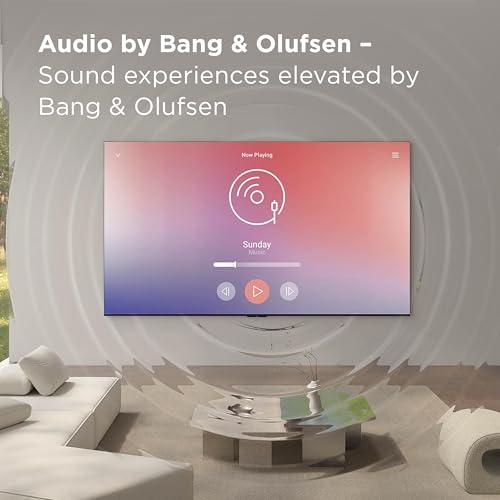
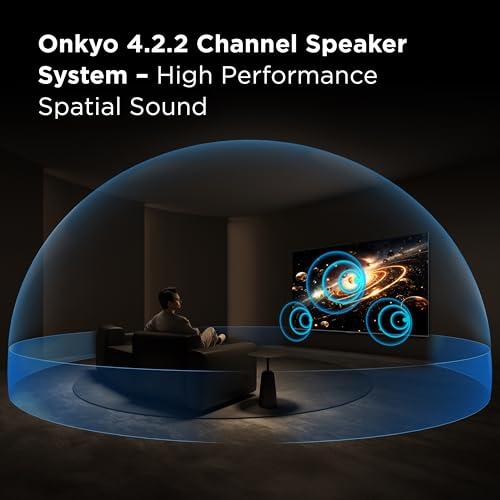
Most TV speakers are afterthoughts, but both of these models take audio seriously. The 98" X11K includes a Bang & Olufsen-tuned 2.1.1 channel system with 120 watts of power and a dedicated subwoofer. The 115" QM7K features a Bang & Olufsen-tuned Onkyo system with 100 watts spread across 8 speakers in a 4.2.2 configuration.
Both support Dolby Atmos, which creates three-dimensional soundscapes that can position audio effects above, around, and behind you. While neither will replace a dedicated surround sound system, both are surprisingly capable for built-in TV audio. The X11K has a slight edge in total power output, while the QM7K uses more speakers to distribute sound across its larger screen.
In our evaluation of user and expert reviews, most people found both systems adequate for casual viewing but still recommended external audio solutions for serious home theater setups. The built-in speakers work well for news, sports, and casual movie watching, but dedicated soundbars or surround systems make a noticeable difference for cinematic content.
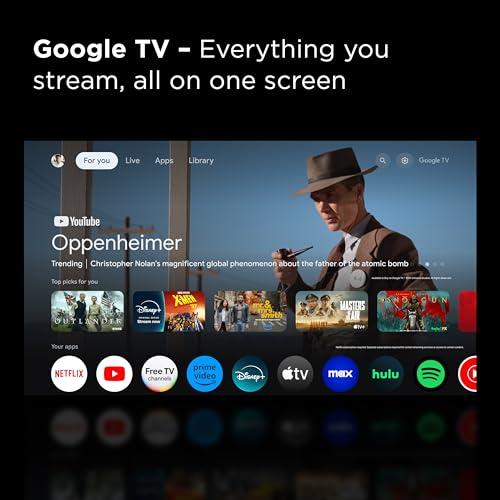
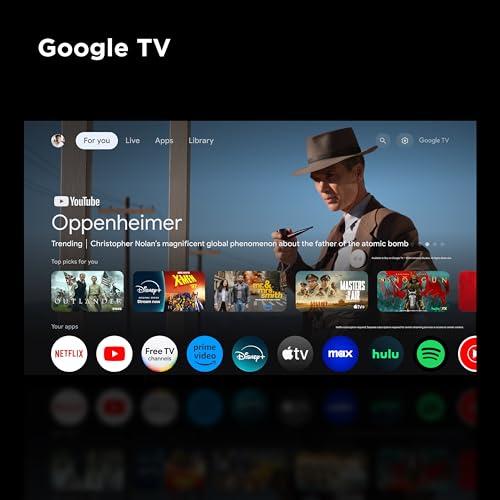
Both models run Google TV, which provides a clean, responsive interface with access to all major streaming services. However, there's an important connectivity difference: the 98" X11K includes Wi-Fi 6 support, while the 115" QM7K uses the older Wi-Fi 5 standard.
Wi-Fi 6 offers faster speeds, better efficiency with multiple devices, and improved performance in crowded network environments. If you're streaming high-bitrate 4K content, gaming online, or have many smart home devices, this difference could matter. Wi-Fi 5 is still perfectly adequate for most streaming needs, but Wi-Fi 6 provides more future-proofing.
Both models include hands-free voice control, Chromecast built-in, Apple AirPlay 2, and compatibility with major smart home ecosystems including Amazon Alexa, Google Assistant, and Apple HomeKit.
At the time of writing, there's a substantial price difference between these models, with the 115" QM7K commanding a significant premium over the 98" X11K. This creates an interesting value equation.
From a pure technology standpoint, the X11K offers superior display performance—better brightness, more precise contrast control, and more versatile room compatibility—at a lower price. You're getting more advanced technology for less money, which makes it an excellent value proposition for most buyers.
The QM7K asks you to pay substantially more for the larger screen size while accepting some compromises in peak display technology. This premium is justified only if you specifically need that massive screen presence and have the room setup to take advantage of it.
Based on our research and evaluation of professional and user reviews, both models perform excellently in their intended roles, but with clear distinctions. The 98" X11K consistently receives praise for its exceptional brightness and contrast performance, with many reviews noting that it can compete with much more expensive display technologies in terms of picture quality.
Professional reviewers frequently mention the X11K's ability to maintain its visual impact in various lighting conditions, making it more versatile than most large-screen TVs. The local dimming performance receives particular praise, with minimal blooming and excellent black level reproduction.
The 115" QM7K reviews focus heavily on the immersive experience and cinematic presence. Users consistently mention the "wow factor" of the massive screen, but professional reviews note that it performs best in controlled lighting environments. The display quality is still excellent, but the trade-offs in peak brightness and dimming precision become more apparent when compared directly to the X11K.
Gaming reviews for both models are overwhelmingly positive, with both earning praise for their low input lag, smooth motion handling, and comprehensive gaming feature support.
For dedicated home theater applications, your choice between these models depends largely on your room setup and priorities. The 98" X11K works better in multi-purpose spaces that might have some ambient lighting, while the 115" QM7K truly shines in dedicated theater rooms with controlled lighting.
If you're replacing a projector system, both models offer significant advantages in brightness and convenience. Projectors typically struggle in any ambient light and require regular bulb replacements, while both these TVs provide consistent performance and minimal maintenance.
The QM7K's massive screen size can replicate the cinematic scale that draws people to projectors in the first place, while the X11K's superior brightness and contrast can actually provide a more impactful viewing experience despite the smaller (though still enormous) screen size.
The 98" X11K makes sense for most buyers considering a premium large-screen TV. Its superior display technology, better room versatility, and more reasonable price point make it an excellent choice for:
The 115" QM7K justifies its premium in specific scenarios:
Both the 98" X11K and 115" QM7K represent impressive achievements in large-screen TV technology, but they serve different needs and budgets. The X11K offers objectively superior display technology with better brightness, contrast precision, and room versatility at a more accessible price point. It's the better choice for most buyers who want flagship performance in a massive but manageable package.
The QM7K commands a significant premium for its larger screen size while accepting some compromises in peak display performance. It's the right choice only if you specifically need that massive screen presence and have both the room setup and budget to justify the premium.
For most homes and viewing situations, the 98" X11K provides the better combination of cutting-edge display technology, practical room compatibility, and value. The 115" QM7K serves a more specialized market of dedicated home theater enthusiasts who prioritize scale above all else.
Both represent the current state of the art in large-screen TV technology, and either will provide an impressive viewing experience. Your choice should ultimately depend on your room requirements, lighting conditions, and whether you value technological excellence or maximum screen presence more highly.
| TCL 98" X11K 4K QD-Mini LED Google TV | TCL 115" QM7K Series QD-Mini LED 4K Smart TV 2025 |
|---|---|
| Screen Size - Determines room requirements and viewing distance | |
| 98" diagonal (requires 10-14 feet viewing distance) | 115" diagonal (requires 12-16 feet viewing distance) |
| Peak Brightness - Critical for HDR impact and bright room performance | |
| 6,500 nits (excellent for any lighting condition) | 3,000 nits (good but requires controlled lighting) |
| Local Dimming Zones - Controls contrast precision and blooming | |
| 14,000 zones (exceptional precision, minimal blooming) | 2,800 zones (good performance but less precise) |
| Audio Power - Built-in speaker capability | |
| 120W Bang & Olufsen 2.1.1 system | 100W Bang & Olufsen Onkyo 4.2.2 system |
| Wi-Fi Standard - Affects streaming performance and future-proofing | |
| Wi-Fi 6 (faster speeds, better efficiency) | Wi-Fi 5 (adequate but older standard) |
| Gaming Refresh Rate - Smoothness for fast-paced content | |
| 144Hz native with VRR up to 144Hz | 144Hz native with VRR up to 144Hz |
| Wall Space Required - Physical installation requirements | |
| 85.7" width (fits most large living rooms) | 101.02" width (requires dedicated theater space) |
| HDR Formats - Premium content compatibility | |
| Dolby Vision IQ, HDR10+, HDR10, HLG | Dolby Vision IQ, HDR10+, HDR10, HLG |
| Smart Platform - User interface and app ecosystem | |
| Google TV with hands-free voice control | Google TV with hands-free voice control |
| Value Proposition - Performance per dollar spent | |
| Superior display tech at lower cost | Premium for massive screen size |
The TCL 98" X11K is significantly brighter with 6,500 nits peak brightness compared to the TCL 115" QM7K at 3,000 nits. This makes the X11K much better for rooms with windows or ambient lighting, while the QM7K performs best in controlled lighting conditions.
The TCL 115" QM7K has a 115-inch diagonal screen, while the TCL 98" X11K features a 98-inch diagonal. The 17-inch difference means the QM7K requires more wall space and a greater viewing distance of 12-16 feet compared to the X11K's 10-14 feet.
The TCL 98" X11K offers superior contrast with 14,000 local dimming zones compared to the TCL 115" QM7K's 2,800 zones. More dimming zones mean better control over bright and dark areas of the picture, resulting in deeper blacks and less blooming around bright objects.
Yes, both the TCL 98" X11K and TCL 115" QM7K offer identical gaming performance with 144Hz refresh rates, VRR support up to 144Hz, and sub-10ms input lag. The main difference is the X11K's better visibility in bright rooms versus the QM7K's more immersive large-screen experience.
For dedicated home theaters with controlled lighting, the TCL 115" QM7K provides a more cinematic experience due to its massive screen size. However, the TCL 98" X11K is more versatile and works better in multi-purpose rooms with some ambient lighting due to its superior brightness.
The TCL 98" X11K features a 120W Bang & Olufsen 2.1.1 channel system, while the TCL 115" QM7K has a 100W Bang & Olufsen Onkyo 4.2.2 system with 8 speakers. Both support Dolby Atmos, though the X11K has slightly more total power output.
The TCL 98" X11K generally offers better value with superior display technology, higher brightness, and more precise contrast control at a lower price point. The TCL 115" QM7K commands a significant premium primarily for the larger screen size.
Both the TCL 98" X11K and TCL 115" QM7K run Google TV with identical smart features, including hands-free voice control, Chromecast, and Apple AirPlay 2. The key difference is the X11K includes Wi-Fi 6 for faster connectivity, while the QM7K uses Wi-Fi 5.
The TCL 98" X11K requires about 85.7 inches of wall width, while the TCL 115" QM7K needs over 101 inches of clear wall space. The larger model essentially requires a dedicated theater room or unusually large living space.
The TCL 98" X11K is significantly better for bright rooms due to its 6,500 nits peak brightness and anti-reflective coating. The TCL 115" QM7K with 3,000 nits can struggle to maintain visual impact in rooms with significant ambient lighting.
Both the TCL 98" X11K and TCL 115" QM7K can effectively replace projector systems. The X11K offers superior brightness and contrast for versatile room conditions, while the QM7K provides the massive screen size that projector users often seek for true cinematic scale.
Choose the TCL 98" X11K for most living room setups due to its superior brightness, better room versatility, and more manageable size requirements. The TCL 115" QM7K is better suited for dedicated theater rooms with controlled lighting and 12+ feet of viewing distance.
We've done our best to create useful and informative comparisons to help you decide what product to buy. Our research uses advanced automated methods to create this comparison and perfection is not possible - please contact us for corrections or questions. These are the sites we've researched in the creation of this article: ecoustics.com - pcrichard.com - tcl.com - valueelectronics.com - bestbuy.com - tcl.com - whathifi.com - tcl.com - youtube.com - displayspecifications.com - whathifi.com - youtube.com - notebookcheck.net - tcl.com - tcl.com - displayspecifications.com - tcl.com - tcl.com - pcguide.com - en.homecinesolutions.fr - youtube.com - tcl.com - bestbuy.com - tomsguide.com - techradar.com - youtube.com - rtings.com - youtube.com - youtube.com - youtube.com - avsforum.com - abt.com - bestbuy.com - tcl.com - avsforum.com - tcl.com - rcwilley.com - tcl.com - valueelectronics.com - bestbuy.com - tcl.com - tcl.com - tcl.com - tcl.com

Privacy Policy
Terms and Conditions - Affiliate Policy
Home Security
© Copyright 2008-2026.
11816 Inwood Rd #1211, Dallas, TX 75244