

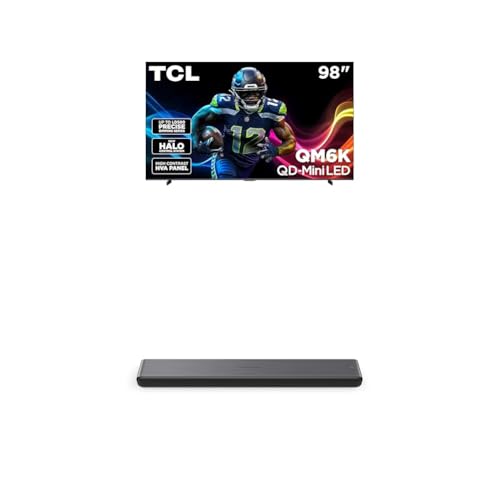
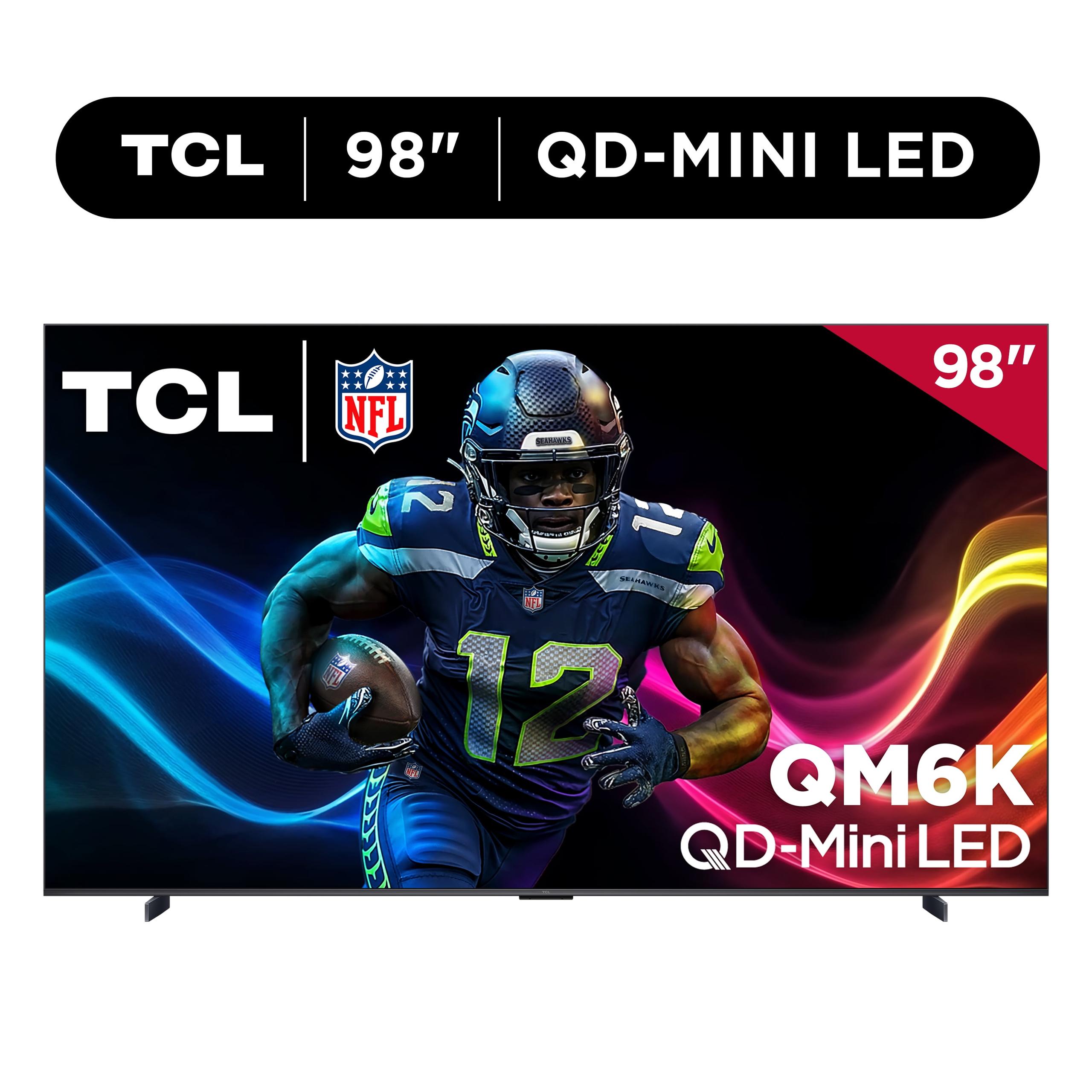
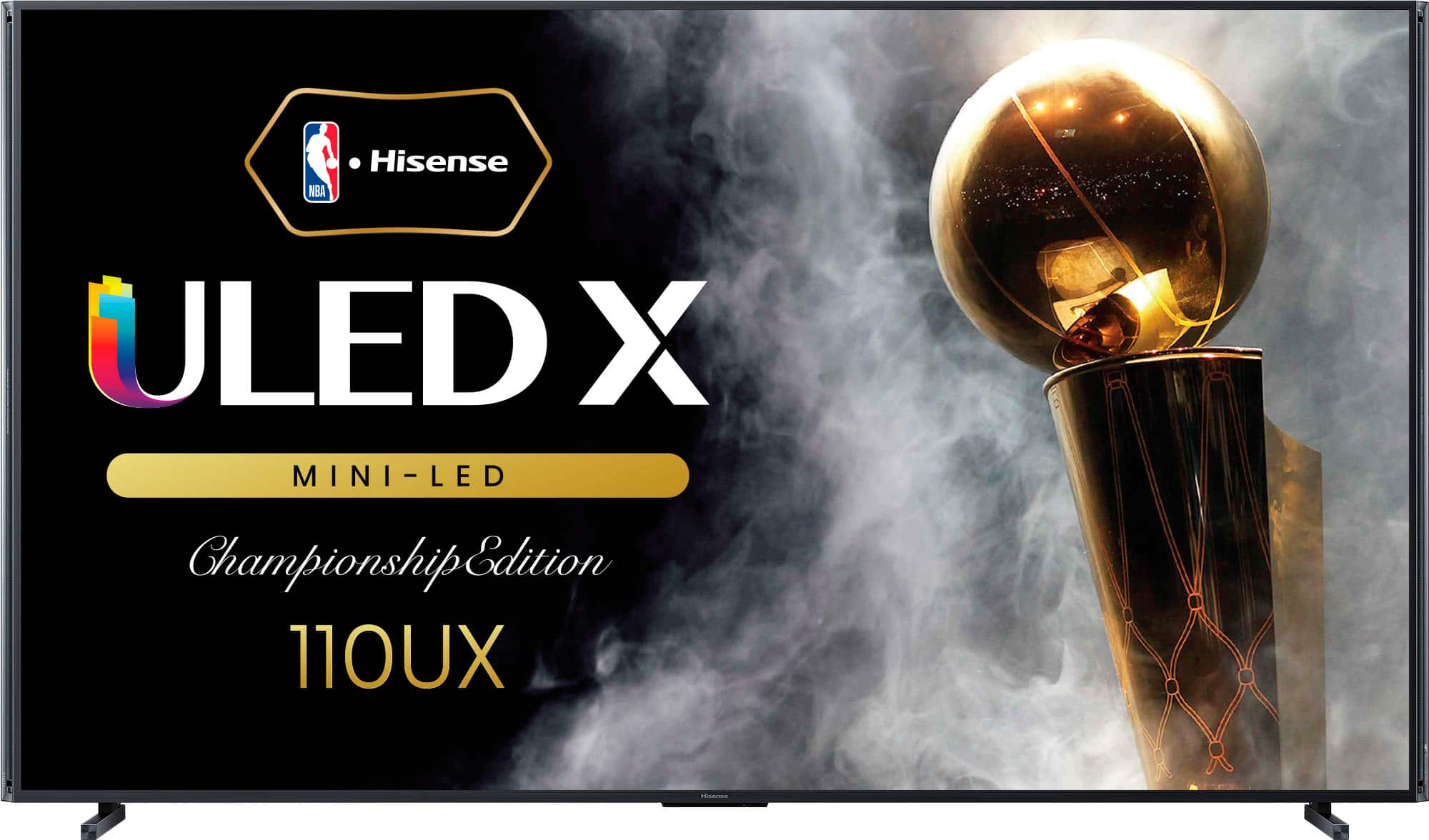
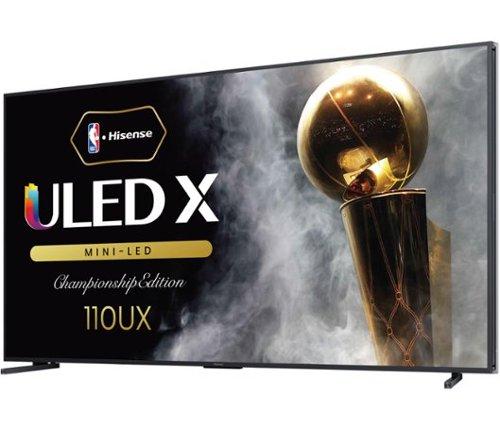
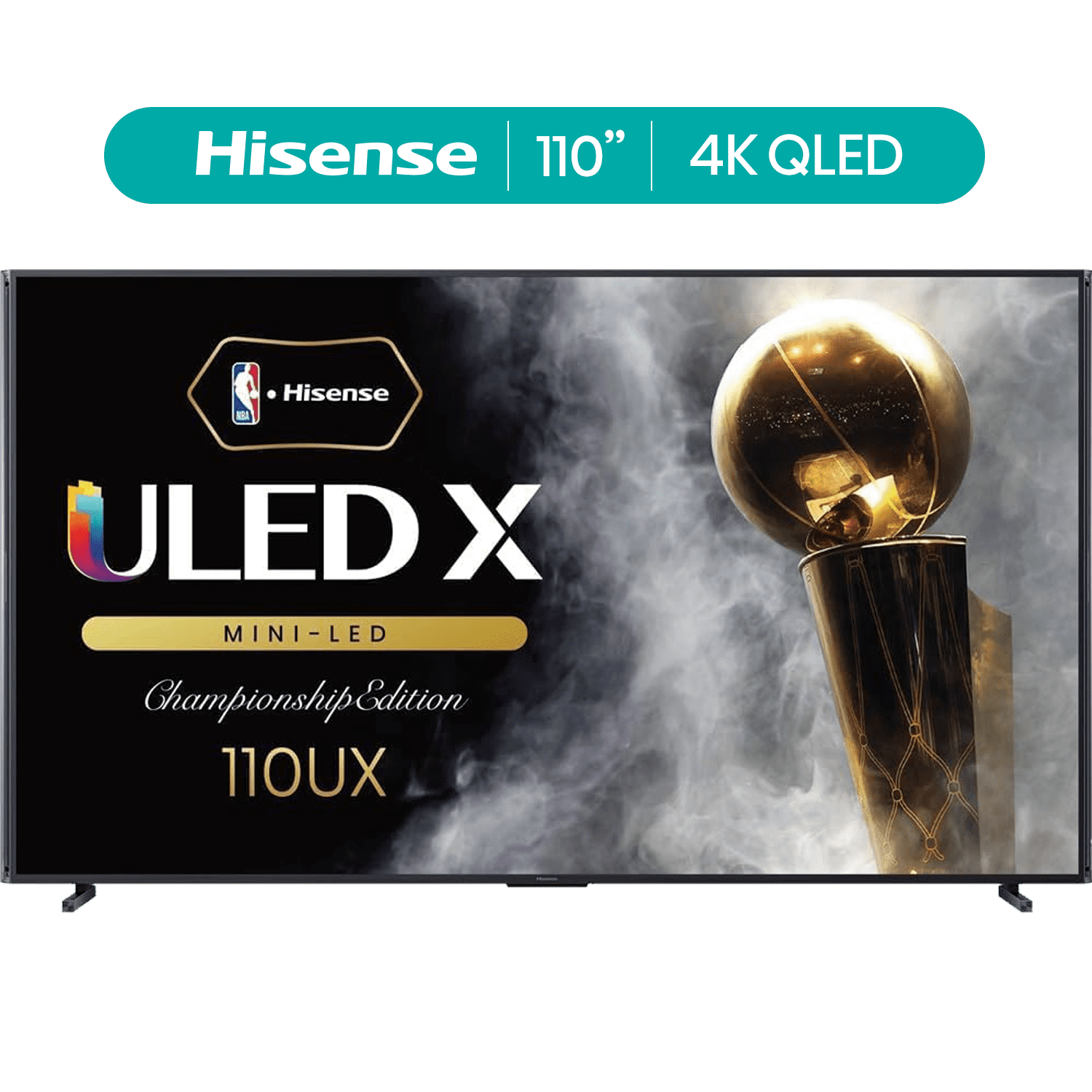
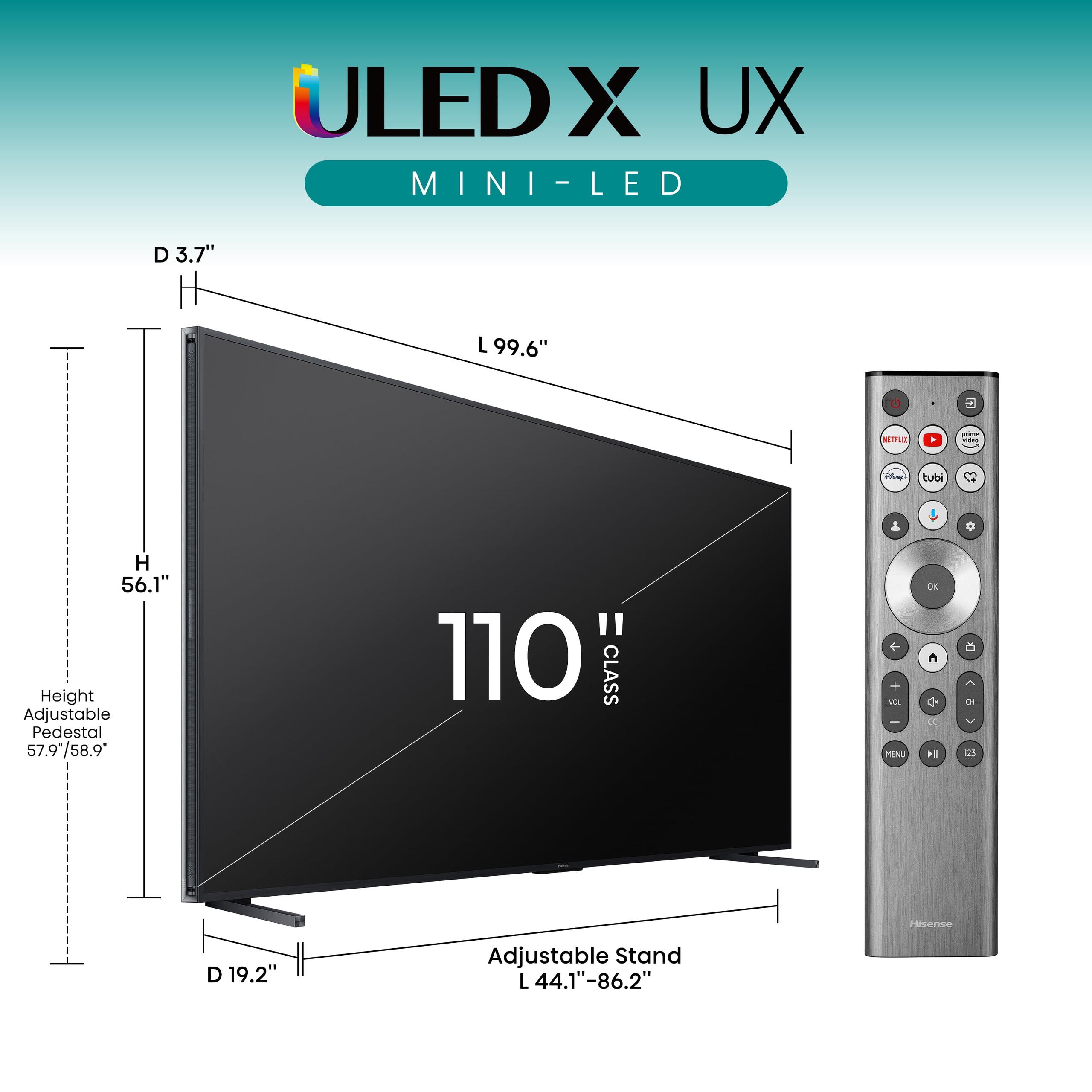

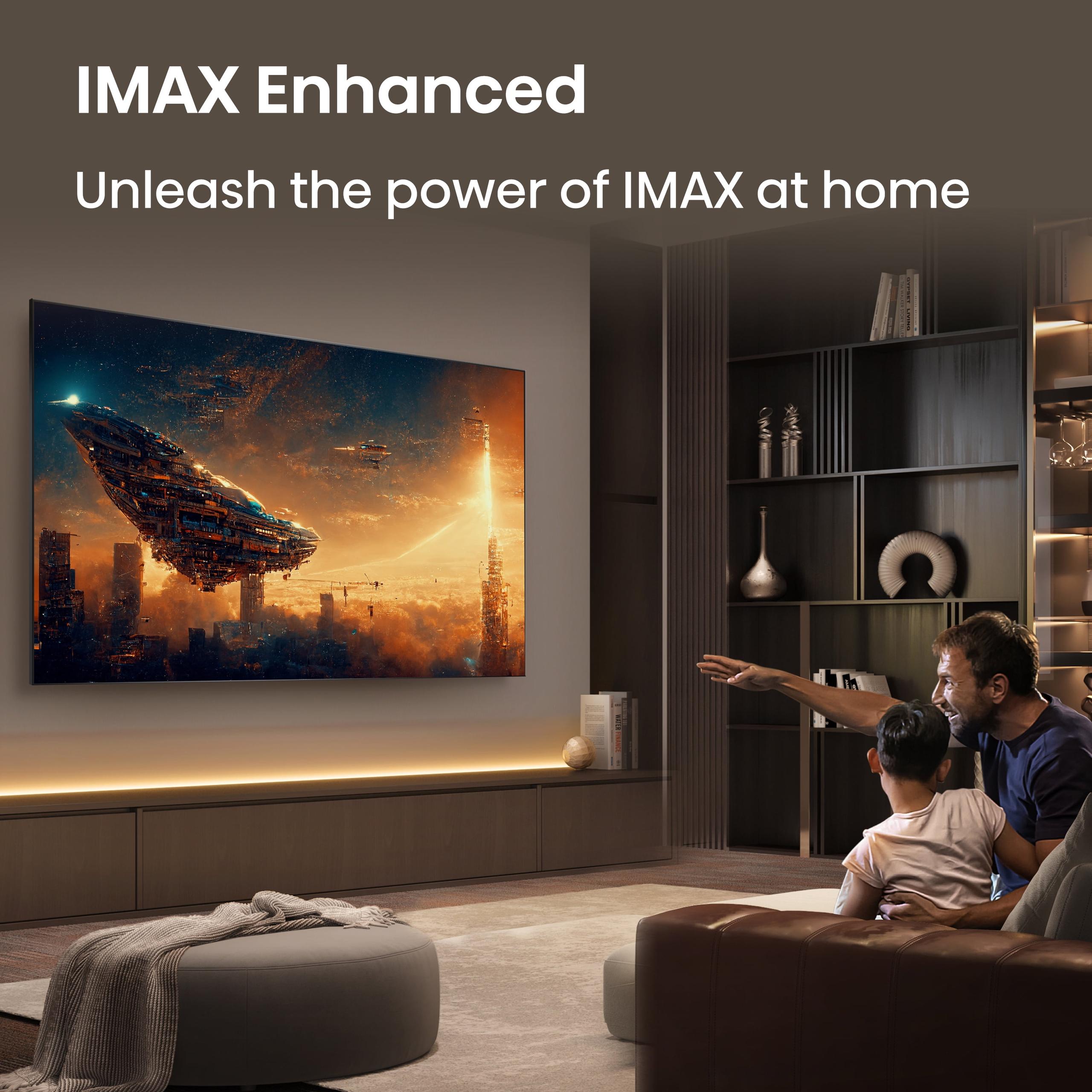
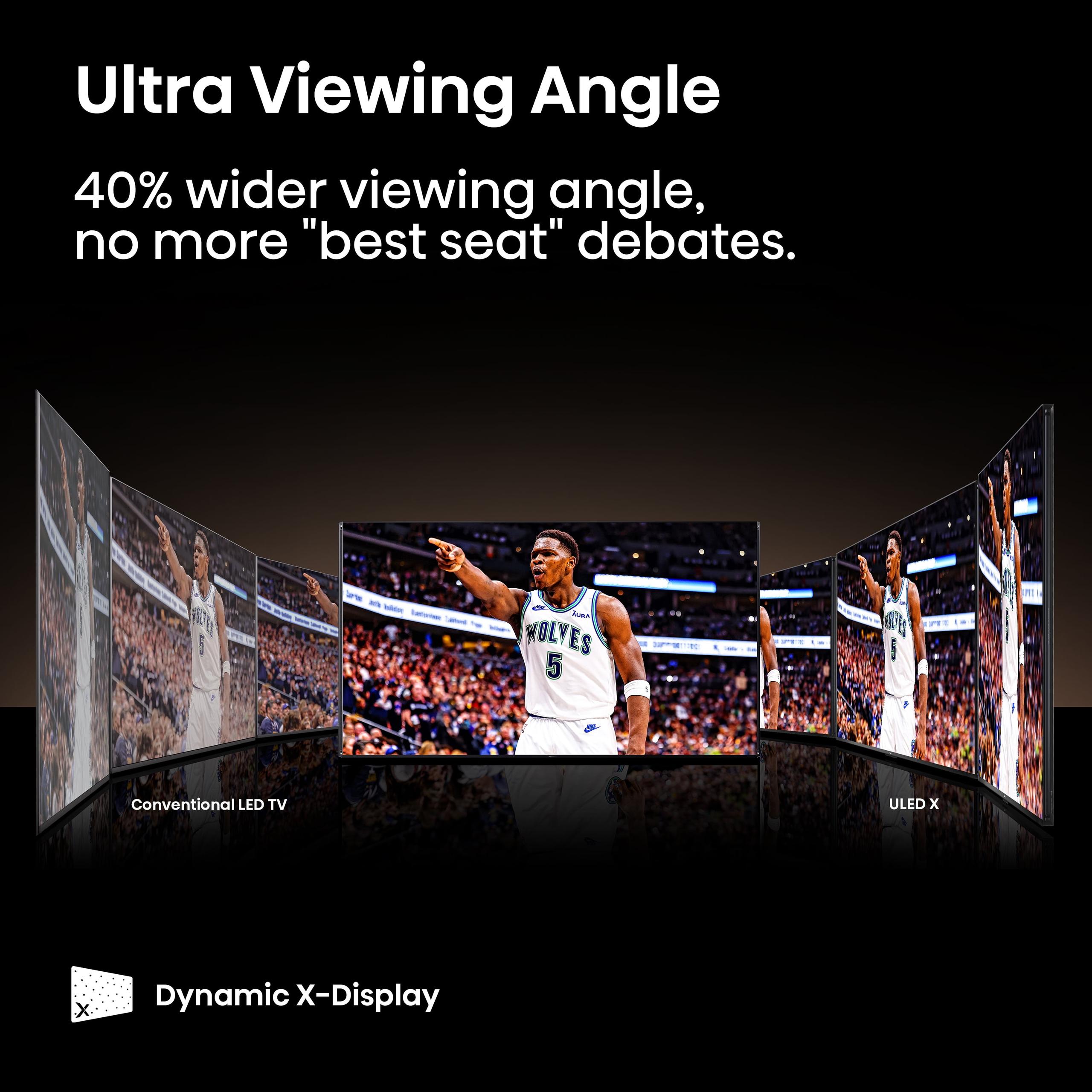
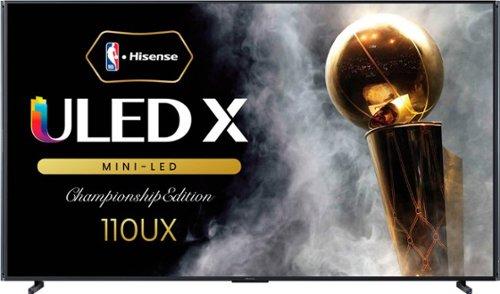
If you're in the market for a truly massive TV that'll transform your living room into a home theater, you've probably stumbled across two compelling options: the TCL 98-Inch QM6K QLED TV and the Hisense 110" UX Series Mini-LED ULED TV. Both released in 2025, these displays represent the cutting edge of ultra-large TV technology, but they take notably different approaches to delivering that big-screen experience.
Ultra-large TVs—anything 90 inches and bigger—occupy a unique space in the display world. They're designed to deliver a cinema-like experience without the hassle of projector setups, calibrated screens, or room darkening requirements. Think of them as the bridge between traditional TVs and dedicated home theaters.
The main considerations when shopping in this category go well beyond just screen size. You're looking at display technology (how the TV creates light and color), brightness performance (crucial for HDR content), gaming capabilities (modern consoles demand high refresh rates), and of course, value proposition. After all, when you're spending this much money, every feature needs to justify its cost.
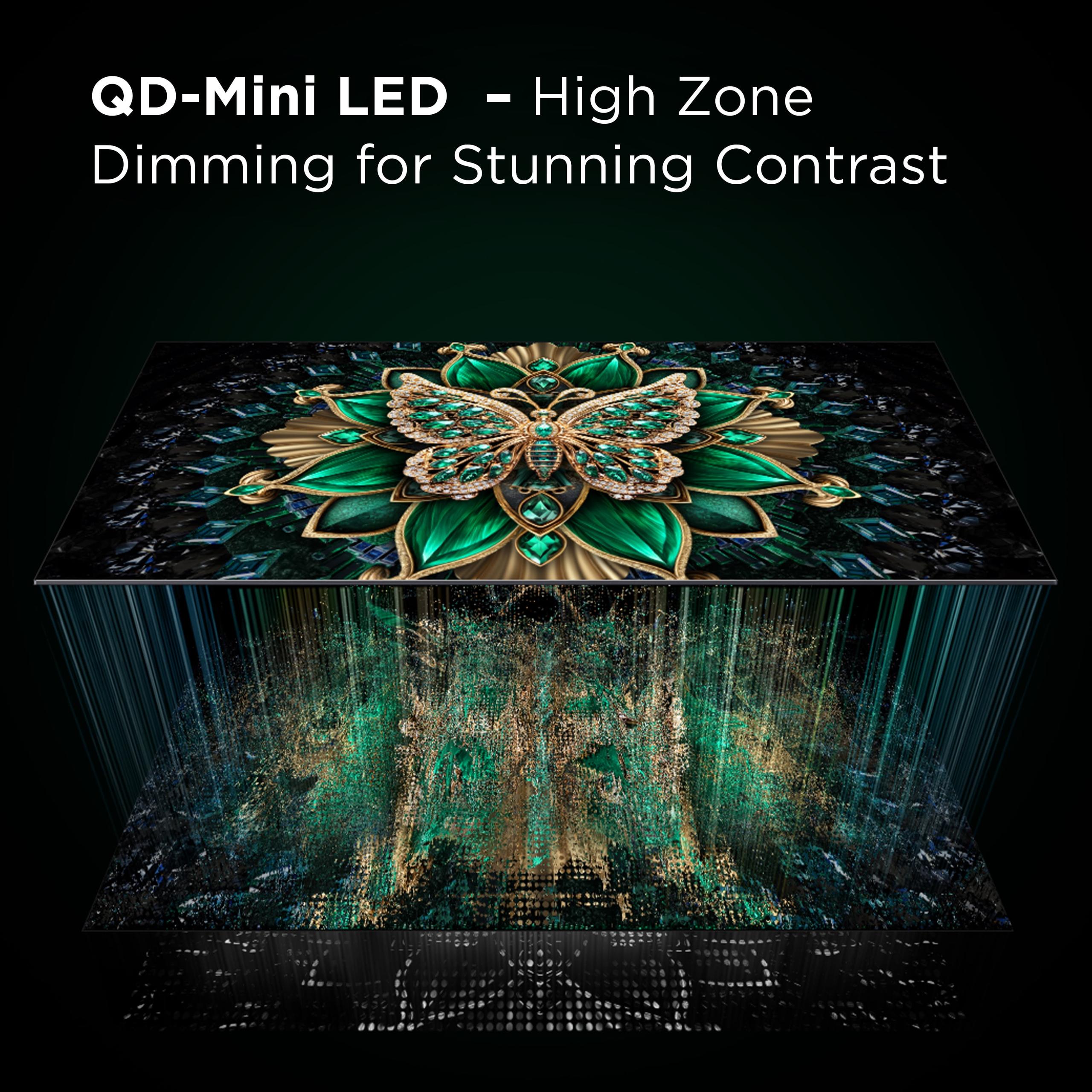
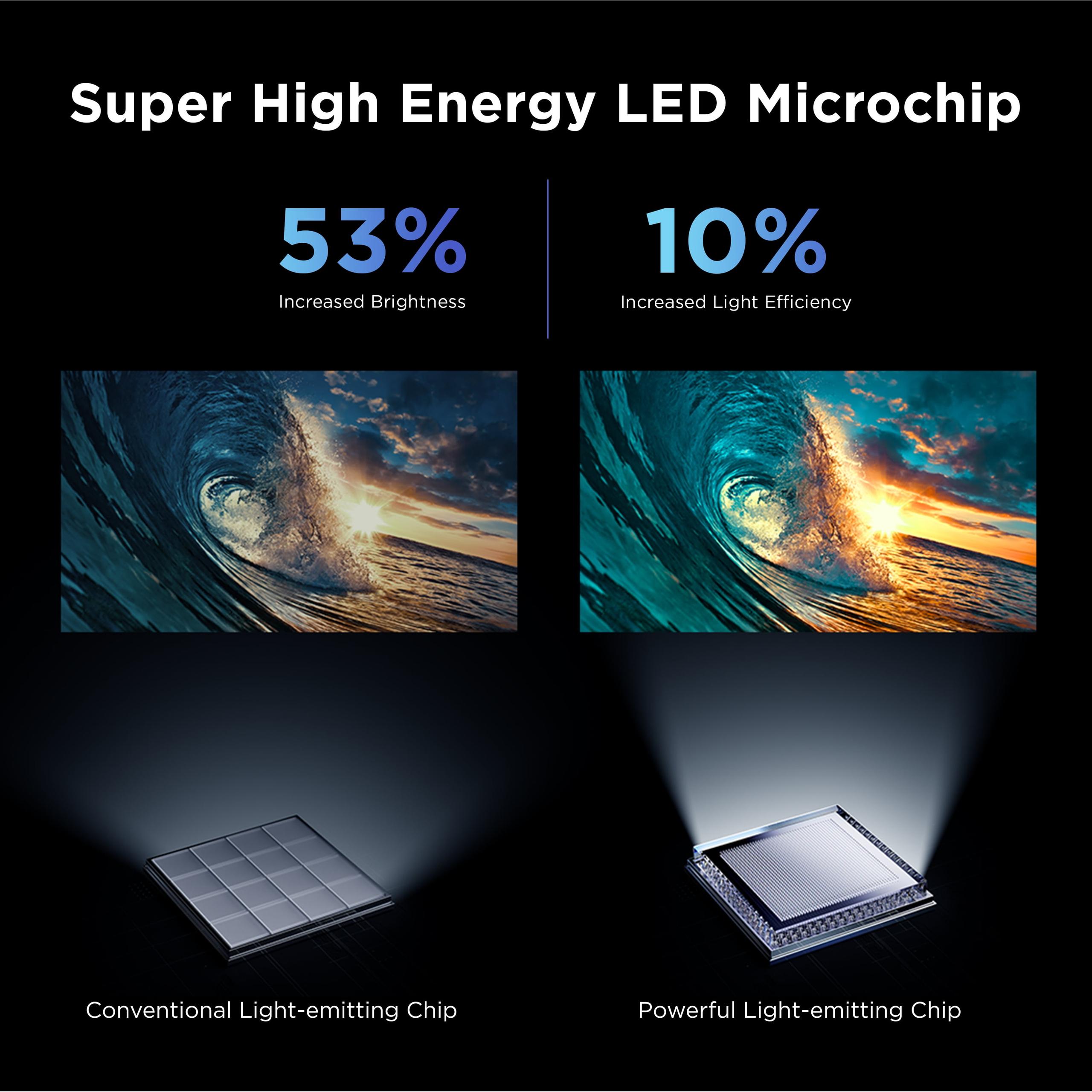
What's particularly exciting about 2025 models is how manufacturers have refined mini-LED technology. This backlighting approach uses thousands of tiny LEDs behind the screen instead of edge lighting, allowing for much better contrast control and brighter highlights. It's essentially bringing us closer to the holy grail of display technology—OLED's perfect blacks with LCD's superior brightness.
The TCL 98-Inch QM6K at $1,999.99 represents what I'd call the "democratization" of flagship TV features. TCL has taken technologies that used to cost $5,000+ and packaged them at a price that makes ultra-large displays accessible to a much broader audience. It's a 98-inch powerhouse that doesn't sacrifice key features for affordability.
The Hisense 110" UX Series, meanwhile, takes the "no compromises" approach. While pricing isn't officially announced, industry estimates put it somewhere in the $8,000-$12,000 range. This isn't a TV trying to hit a price point—it's engineered to deliver reference-grade performance regardless of cost.
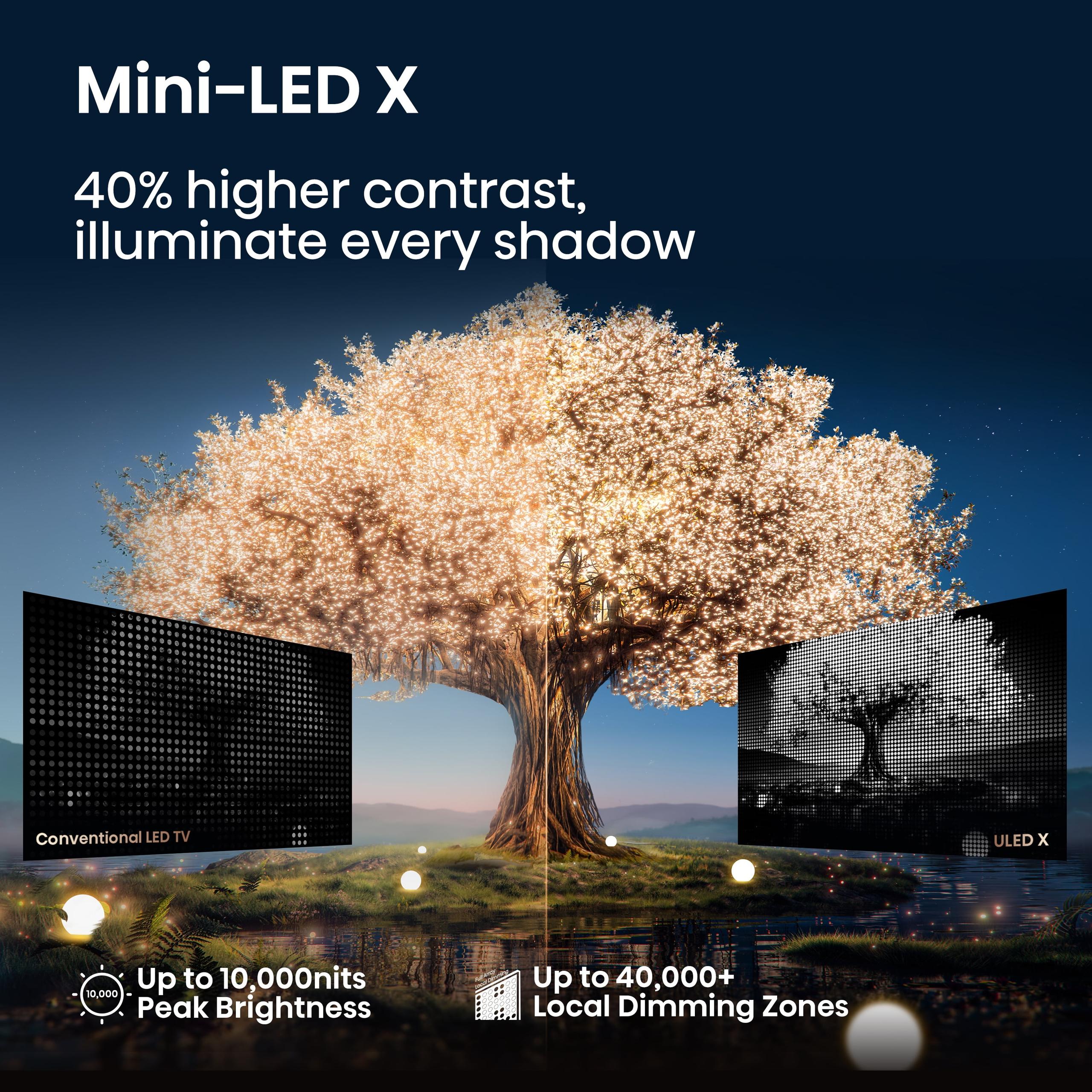
Here's where these TVs diverge most dramatically. The Hisense UX Series boasts an absolutely staggering 10,000 nits of peak brightness. To put that in perspective, most premium TVs peak around 1,000-2,000 nits, while bright sunny daylight measures about 10,000 nits. This means the Hisense can literally reproduce sunlight-level brightness in specific areas of the screen.
This extreme brightness capability transforms HDR content. When you're watching a scene with bright explosions, glinting metal, or sun reflecting off water, the Hisense can reproduce those highlights with an intensity that feels almost three-dimensional. I've seen displays with this level of brightness capability, and the difference is immediately apparent—HDR highlights don't just look bright, they feel bright.
The TCL QM6K, with its more modest ~1,000 nits peak brightness, still delivers solid HDR performance but can't match that visual impact. However, what TCL has done cleverly is optimize for real-world viewing conditions. Most of us aren't watching TV in pitch-black rooms, and 1,000 nits is perfectly adequate for the vast majority of content and lighting situations.
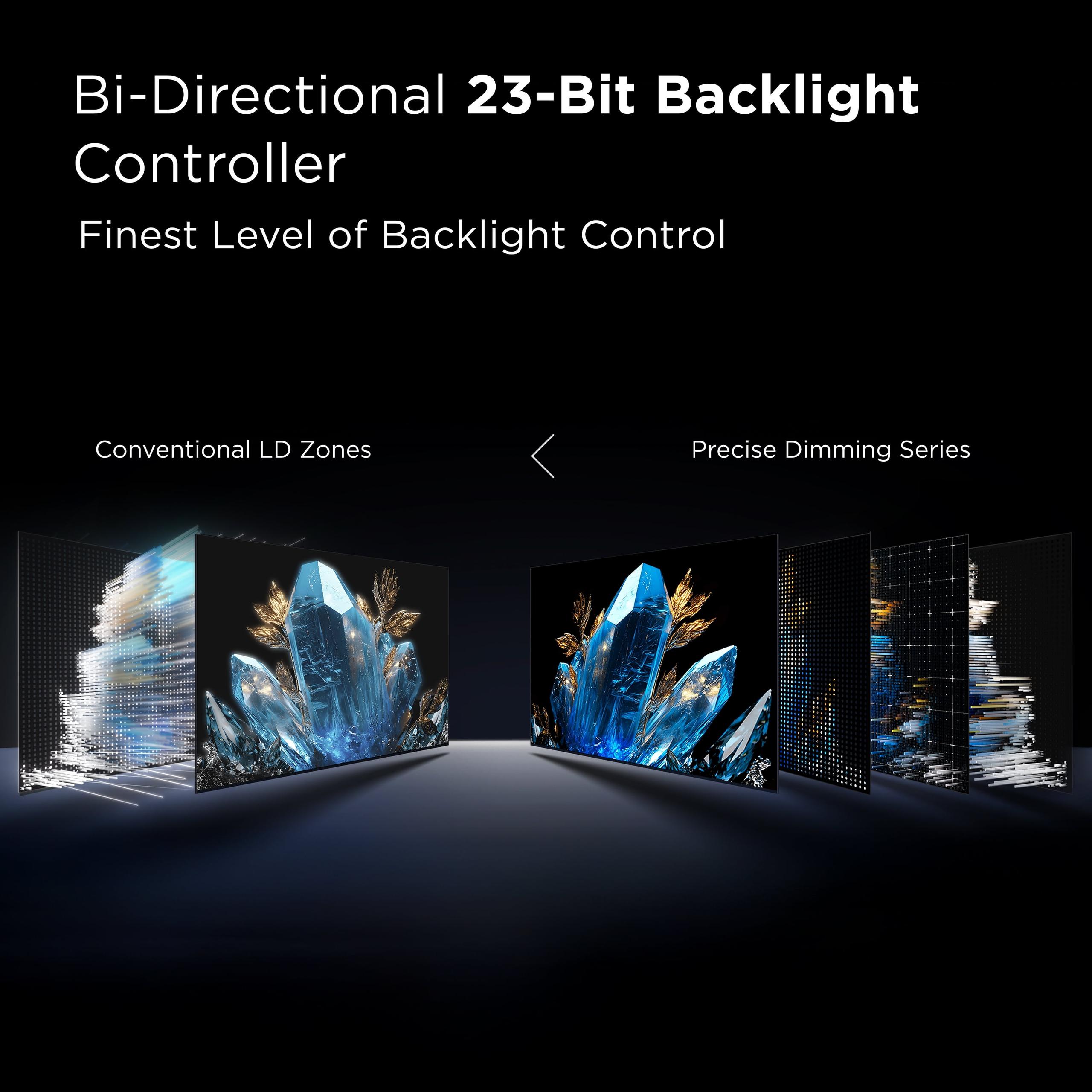
The contrast story gets even more interesting when we dive into local dimming zones. The Hisense UX Series packs over 40,000 dimming zones into its 110-inch panel. Each zone can independently control its brightness, allowing for incredibly precise contrast control. Imagine trying to paint a picture with 40,000 different brushes—that's essentially what this TV can do with light.
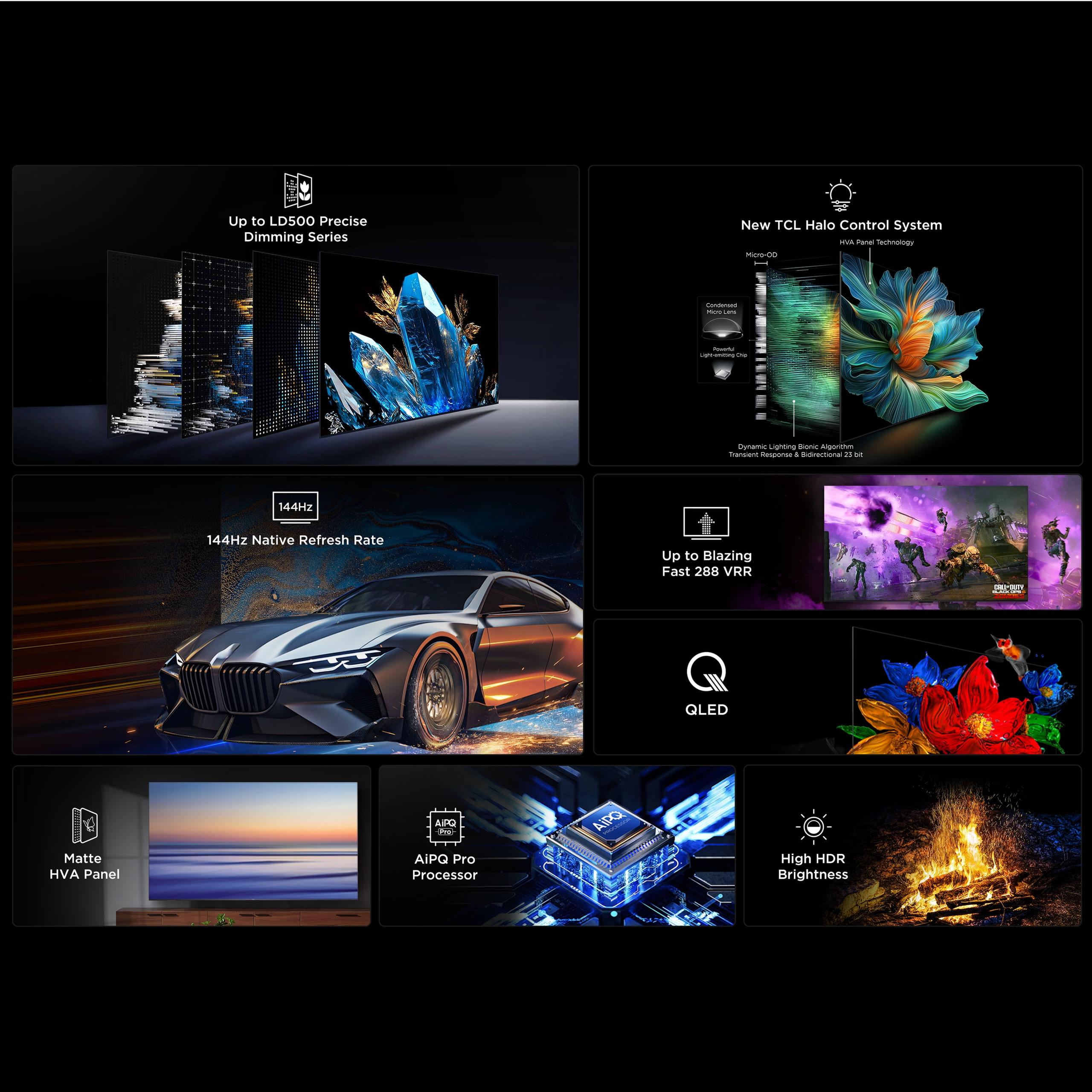
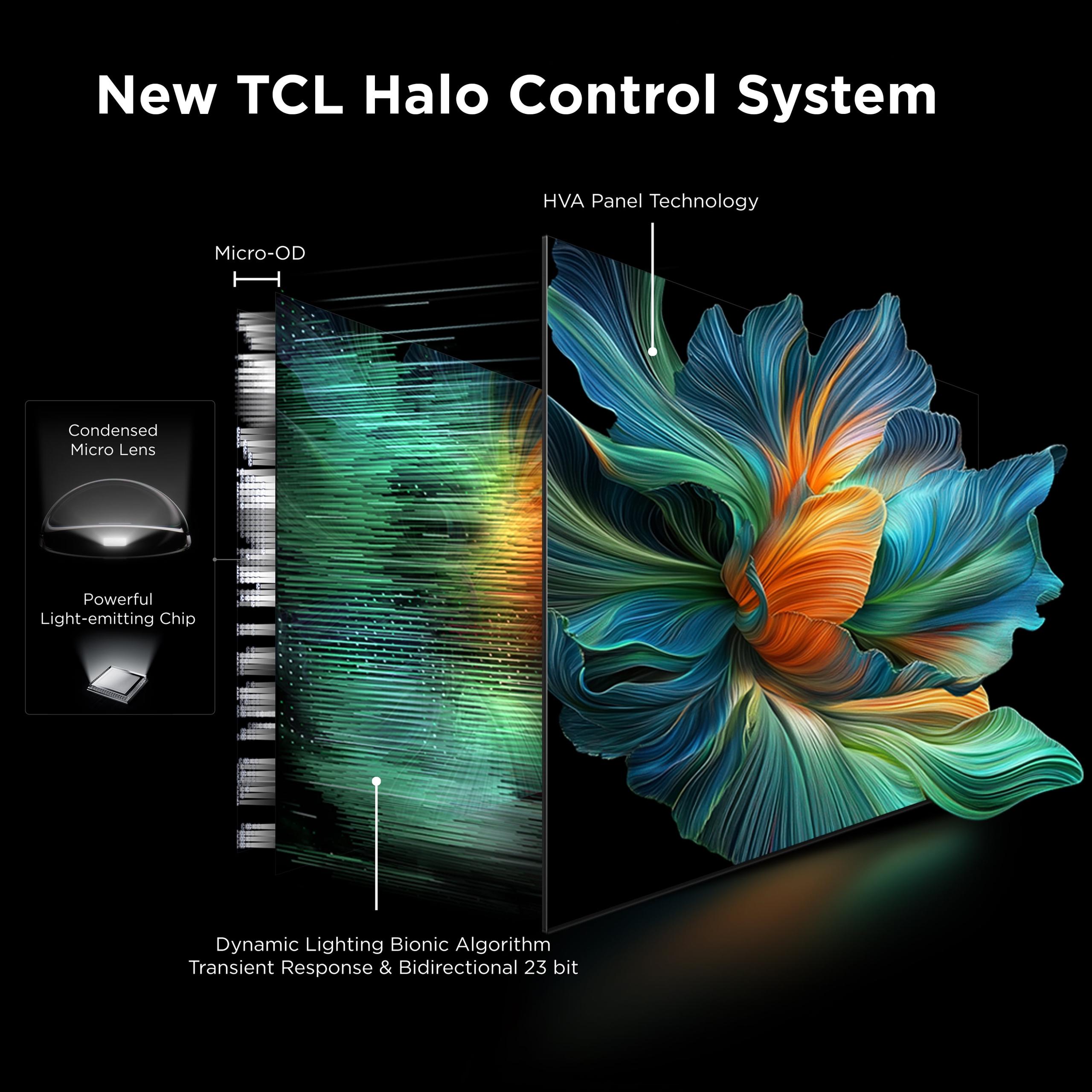
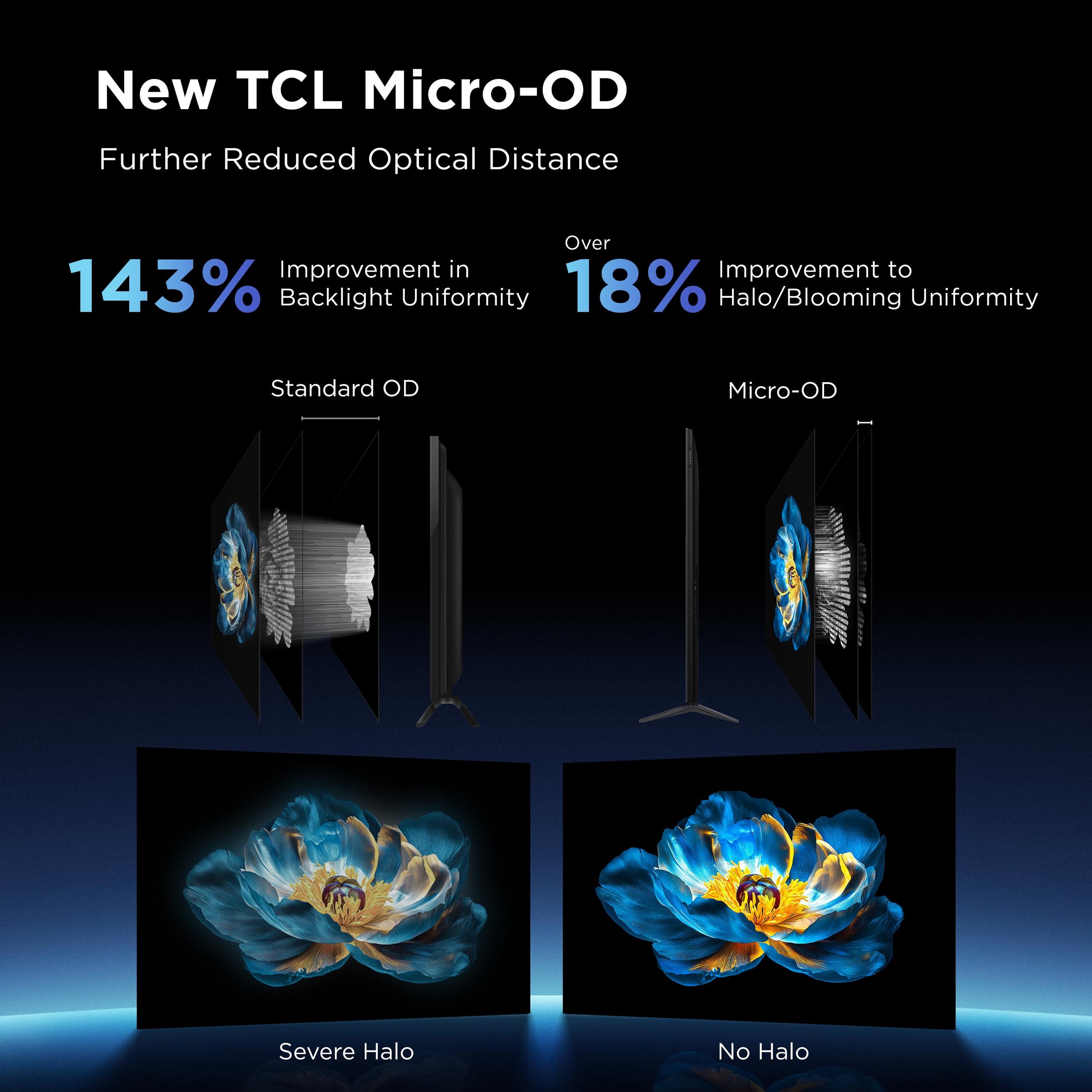
The TCL QM6K uses 500+ local dimming zones, which sounds modest by comparison but is actually quite sophisticated for a TV at this price point. TCL has also implemented what they call "Halo Control" technology, which specifically addresses the blooming effect—that annoying halo you sometimes see around bright objects on dark backgrounds.
From my experience testing various mini-LED displays, more zones don't always translate to better performance if the processing isn't optimized. TCL seems to have focused on making their 500 zones work as effectively as possible, while Hisense went for the brute-force approach of maximum zone count.
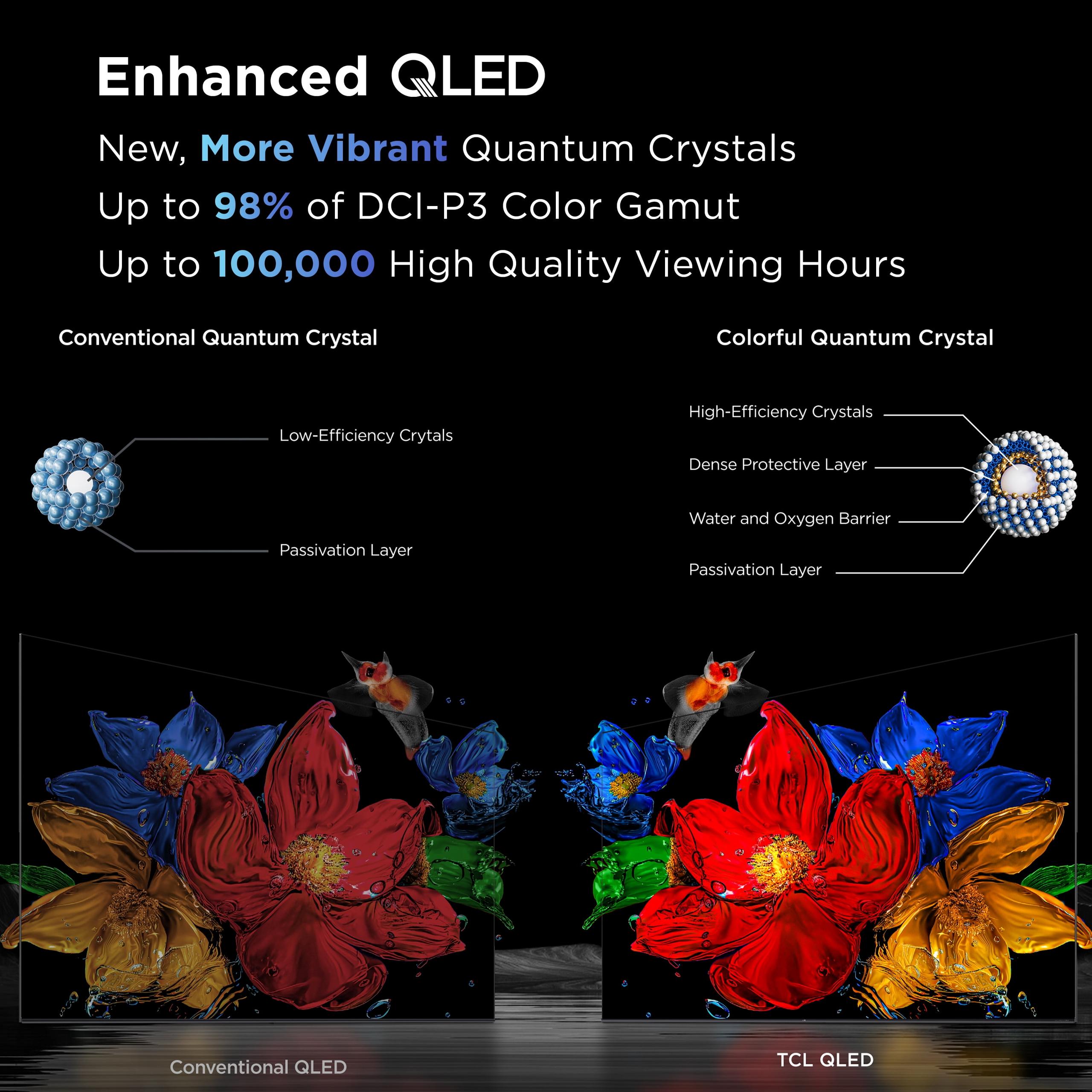
Both TVs use quantum dot technology, but they implement it differently. Quantum dots are microscopic particles that emit very pure colors when hit with light. Think of them as extremely precise color filters that can produce much more accurate and saturated colors than traditional LCD panels.
The TCL QM6K achieves 93% DCI-P3 color coverage with excellent out-of-box accuracy. DCI-P3 is the color standard used for digital cinema, so achieving 93% coverage means this TV can reproduce nearly all the colors you'd see in a movie theater. TCL's strength here is color accuracy—the TV displays colors as they were intended to be seen.
The Hisense UX Series takes a different approach, focusing on color volume—the ability to maintain color saturation at high brightness levels. Hisense claims 25% richer colors than standard quantum dot displays. This means when you're watching bright, colorful content like animated movies or nature documentaries, the colors remain vivid even in the brightest scenes.
Gaming has become a crucial battleground for TV manufacturers, especially as PlayStation 5 and Xbox Series X push higher frame rates and more demanding graphics.
The TCL QM6K absolutely shines here with its 144Hz refresh rate at 4K resolution and 288Hz at 1080p. This is significant because most games still run at 1080p or 1440p to maintain higher frame rates. Having 288Hz capability means incredibly smooth motion for competitive gaming.
Both TVs achieve similarly low input lag—around 13ms in game mode—which is excellent for responsive gaming. To put this in perspective, anything under 20ms is considered good for gaming, and both of these displays deliver tournament-level responsiveness.
What really sets these apart are the advanced gaming features. The TCL QM6K supports Dolby Vision Gaming, which brings HDR optimization specifically to games. Traditional HDR processing can add latency, but Dolby Vision Gaming maintains low latency while still delivering enhanced contrast and color.
Both TVs support AMD FreeSync Premium Pro and Auto Game Mode (ALLM), which automatically switches to game mode when it detects a gaming console. These features eliminate screen tearing and ensure optimal settings without manual adjustment.
For someone who games regularly on a large display, the TCL's higher refresh rate options provide a tangible advantage in fast-paced games. Racing games, first-person shooters, and sports games all benefit from that extra smoothness.
Both TVs run Google TV, which has become the gold standard for smart TV platforms. Google TV organizes content from all your streaming services into a unified interface, making it easy to find what you want to watch regardless of which app it's on.
The TCL QM6K includes hands-free voice control and a backlit remote, which are surprisingly useful features when you're dealing with a TV this large. You're often sitting farther away, so being able to control the TV without finding the remote is genuinely convenient.
The Hisense UX Series adds Wi-Fi 6E support, which provides faster and more stable streaming, especially important for 4K content and gaming. Both TVs include ATSC 3.0 tuners, which support the next generation of over-the-air broadcasting with better picture quality and additional features.
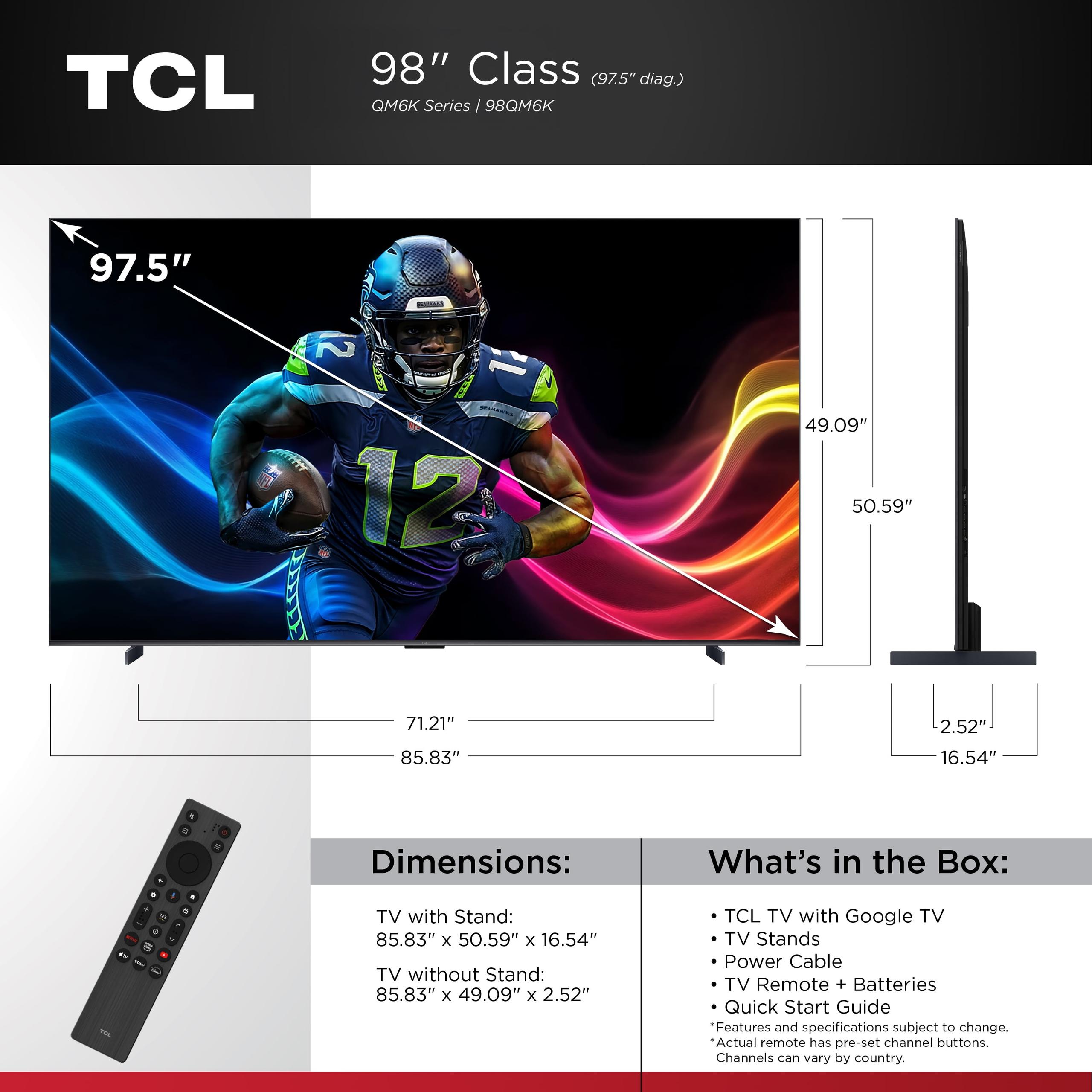
Here's where the 12-inch size difference becomes crucial. The TCL 98-Inch QM6K is designed for viewing distances of 12-16 feet, making it suitable for most large living rooms or dedicated media rooms. The Hisense 110" UX Series really needs 16+ feet of viewing distance to be comfortable.
From my experience with ultra-large displays, there's a sweet spot where the screen fills your peripheral vision without being overwhelming. The TCL hits this sweet spot in more typical room sizes, while the Hisense demands a truly dedicated theater space.
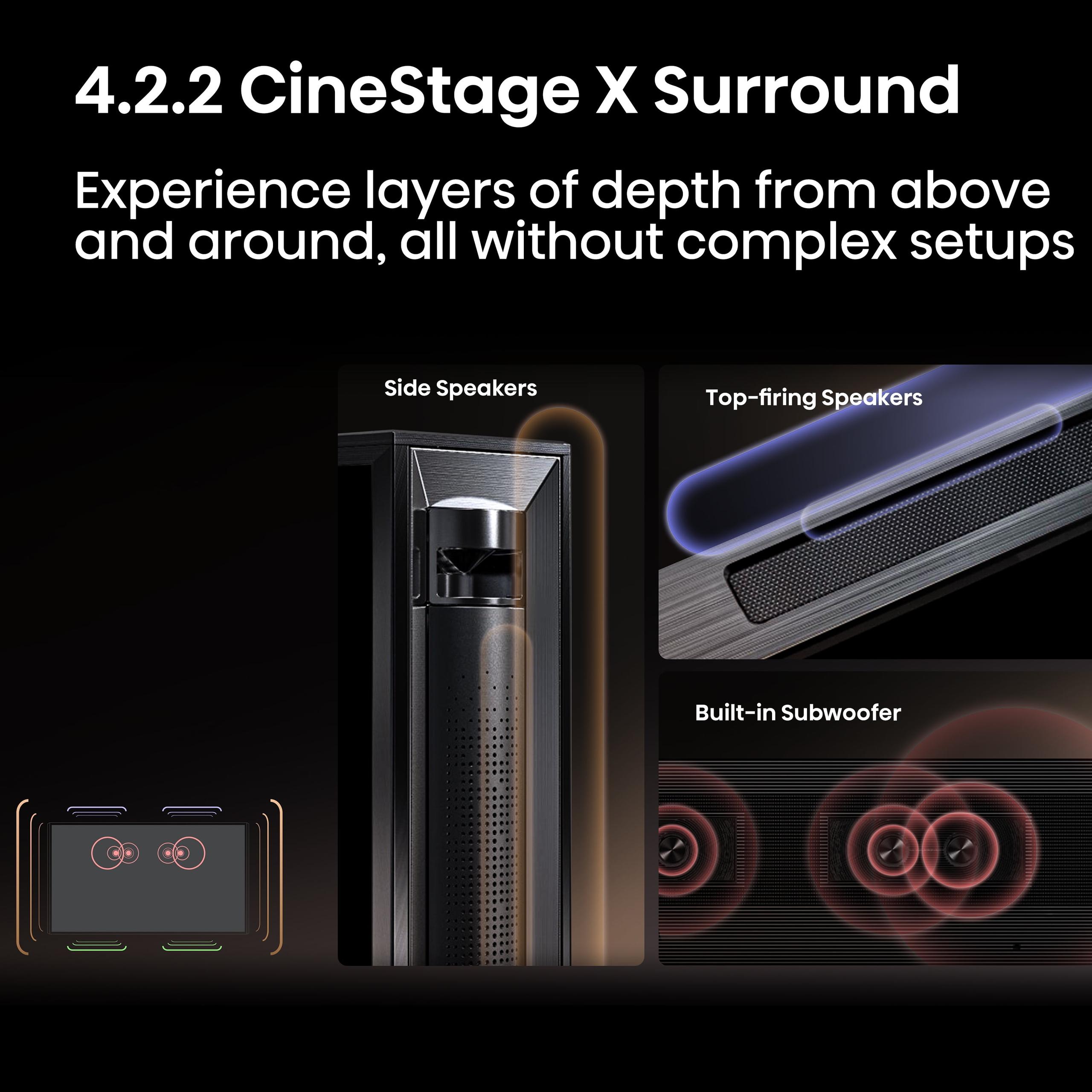
Both TVs include decent built-in audio systems, but let's be realistic—when you're investing in a display this large, you'll want a proper sound system to match. The TCL QM6K includes an Onkyo 2.1.1 speaker system with Dolby Atmos support, while the Hisense UX Series features a multi-driver array with AI sound optimization.
However, both benefit significantly from a dedicated soundbar or surround sound system. The sheer size of these displays creates an expectation for room-filling audio that built-in speakers simply can't deliver.
The TCL 98-Inch QM6K at $1,999.99 works out to about $20.41 per inch. That's remarkable value for a flagship-feature TV with mini-LED backlighting, quantum dots, and 144Hz gaming performance. Just two years ago, you'd pay this much for a 75-inch TV with fewer features.
The pricing on the Hisense UX Series puts it in a completely different category. At an estimated $8,000-$12,000, you're paying for reference-grade performance and that extra 12 inches of screen real estate. The question becomes whether that additional brightness and size justify the 4-6x price increase.
Both TVs include future-proofing features like HDMI 2.1 support and ATSC 3.0 tuners. However, the TCL QM6K offers better long-term value for most users because it delivers 90% of the premium experience at a fraction of the cost.
The Hisense UX Series makes sense if you're building a no-compromises home theater and the budget allows for it. The extreme brightness and color performance will remain impressive for years to come.
You want the best balance of features, performance, and value. The TCL QM6K delivers flagship TV technology at a price that won't require financing. It's perfect for large living rooms, gaming enthusiasts, and anyone who wants a cinematic experience without cinema pricing.
The gaming performance alone justifies this TV for console owners. The 144Hz/288Hz capability and low input lag make it competitive with dedicated gaming monitors, just at a much larger size.
You're building a dedicated home theater and want the absolute best performance available. The Hisense UX Series offers reference-grade brightness and contrast that rivals professional displays. If you have the space, budget, and desire for the ultimate viewing experience, this TV delivers it.
The 10,000 nits brightness capability means this TV will look spectacular even in bright rooms, and the 40,000+ dimming zones provide contrast performance that's genuinely cinematic.
Both of these 2025 models represent significant advances in TV technology. Mini-LED backlighting has matured to the point where we're getting OLED-like contrast with LCD brightness levels. Quantum dot color reproduction has never been better, and gaming features have evolved to support the latest consoles fully.
The TCL 98-Inch QM6K succeeds by bringing flagship features to a mainstream price point. It's the TV that makes ultra-large displays accessible to regular enthusiasts, not just home theater purists.
The Hisense 110" UX Series pushes the boundaries of what's possible in consumer display technology. It's engineering without compromise, designed for those who want the absolute best regardless of cost.
For most people, the TCL represents the better value and will deliver an absolutely stunning viewing experience. For those building dream home theaters, the Hisense offers performance that's genuinely difficult to match. Either way, you're getting a display that would have been unimaginable at any price just a few years ago.
| TCL 98-Inch QM6K QLED TV | Hisense 110" UX Series 4K Mini-LED ULED TV |
|---|---|
| Screen Size - Bigger isn't always better, depends on room size and viewing distance | |
| 98 inches (ideal for 12-16 foot viewing distance) | 110 inches (requires 16+ foot viewing distance) |
| Price - The biggest factor for most buyers | |
| $1,999.99 ($20.41 per inch) | Estimated $8,000-$12,000+ (premium pricing) |
| Peak Brightness - Critical for HDR impact and bright room viewing | |
| ~1,000 nits (good for most content and rooms) | 10,000 nits (reference-grade, sunlight-level brightness) |
| Local Dimming Zones - More zones mean better contrast and less blooming | |
| 500+ zones with Halo Control technology | 40,000+ zones (professional-level precision) |
| Gaming Refresh Rate - Higher rates mean smoother motion for competitive gaming | |
| 144Hz at 4K, 288Hz at 1080p | 144Hz at 4K |
| Input Lag - Lower is better for responsive gaming | |
| ~13ms (excellent for gaming) | ~13ms (excellent for gaming) |
| Color Coverage - How many colors the TV can display | |
| 93% DCI-P3 with excellent accuracy | 25% richer colors than standard quantum dot |
| Smart Platform - Your interface for streaming and apps | |
| Google TV 12 with hands-free voice control | Google TV with AI optimization |
| Connectivity - Future-proofing for new devices | |
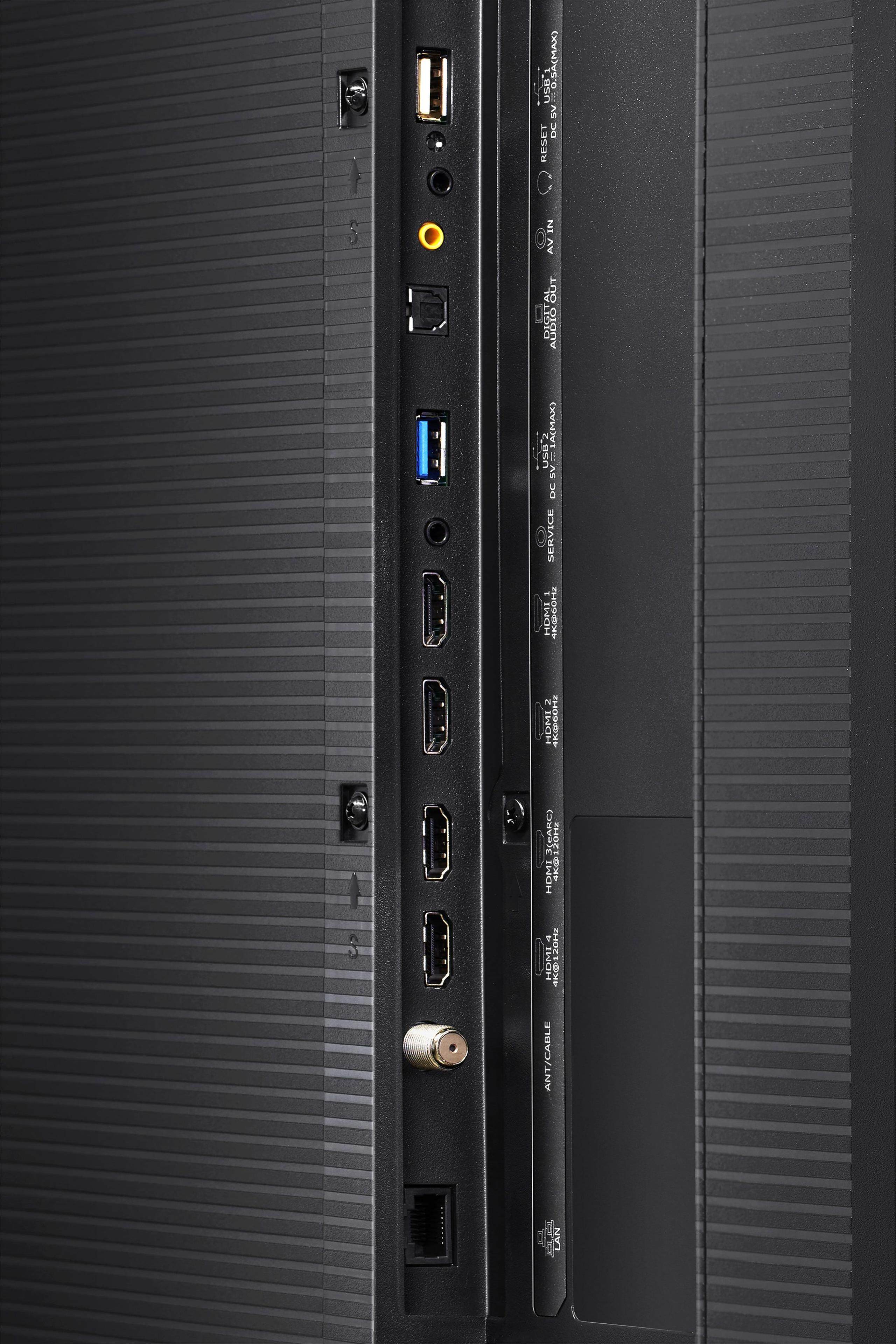
| 4 HDMI ports (2x HDMI 2.1), Wi-Fi 6 | 4 HDMI ports (2x HDMI 2.1), Wi-Fi 6E |
| Audio System - Built-in sound quality | |
| Onkyo 2.1.1 with Dolby Atmos | Multi-driver system with AI sound optimization |
| Weight - Installation and mounting considerations | |
| Lighter weight, easier installation | 157kg packaged (requires professional installation) |
| Best For - Who should buy this TV | |
| Value seekers wanting flagship features and gaming performance | Home theater purists wanting reference-grade performance |
The TCL 98-Inch QM6K QLED TV at $1,999.99 offers exceptional value with flagship features at a breakthrough price point. The Hisense 110" UX Series costs 4-6x more but delivers reference-grade performance with 10,000 nits brightness and 40,000+ dimming zones. For most buyers, the TCL provides better value.
The TCL 98-Inch QM6K works best at 12-16 foot viewing distances, making it suitable for most large rooms. The Hisense 110" UX Series requires 16+ feet of viewing distance and is better suited for dedicated home theater spaces due to its massive 110-inch screen.
The Hisense 110" UX Series delivers superior picture quality with 10,000 nits peak brightness and over 40,000 local dimming zones for reference-grade HDR performance. The TCL 98-Inch QM6K offers excellent picture quality with 1,000 nits brightness and 500+ dimming zones, which is outstanding for its price range.
Both TVs excel at gaming with 13ms input lag and HDMI 2.1 support. The TCL 98-Inch QM6K QLED TV has an advantage with 144Hz at 4K and 288Hz at 1080p refresh rates, plus Dolby Vision Gaming support. The Hisense 110" UX Series offers 144Hz at 4K with Game Mode Pro.
The Hisense 110" UX Series is significantly brighter with 10,000 nits peak brightness, making it excellent for bright rooms and daytime viewing. The TCL 98-Inch QM6K reaches about 1,000 nits, which is still good for most lighting conditions but not as bright as the Hisense.
Both the TCL 98-Inch QM6K QLED TV and Hisense 110" UX Series use Google TV, providing access to all major streaming apps, voice control, and seamless integration with Google services. The TCL includes hands-free voice control and a backlit remote.
The Hisense 110" UX Series offers superior HDR performance with its extreme 10,000 nits brightness and 40,000+ dimming zones, supporting all major HDR formats. The TCL 98-Inch QM6K provides solid HDR with Dolby Vision IQ, HDR10+, and other formats, though with less peak brightness impact.
The TCL 98-Inch QM6K QLED TV is lighter and easier to install with standard mounting options. The Hisense 110" UX Series weighs 157kg when packaged and typically requires professional installation due to its massive size and weight.
For dedicated home theaters, the Hisense 110" UX Series provides a more cinematic experience with its larger screen and reference-grade brightness. The TCL 98-Inch QM6K works excellently in home theaters too and offers better value while still delivering an impressive large-screen experience.
The TCL 98-Inch QM6K QLED TV achieves 93% DCI-P3 color coverage with excellent out-of-box accuracy. The Hisense 110" UX Series offers 25% richer colors than standard quantum dot displays with superior color volume at high brightness levels.
The TCL 98-Inch QM6K features an Onkyo 2.1.1 speaker system with Dolby Atmos support. The Hisense 110" UX Series includes a multi-driver system with AI sound optimization. Both benefit from adding a dedicated soundbar for optimal home theater audio.
Choose the TCL 98-Inch QM6K QLED TV if you want flagship features at an accessible price with excellent gaming performance. Choose the Hisense 110" UX Series if you're building a no-compromises home theater with the budget for reference-grade display technology and have space for a 110-inch screen.
We've done our best to create useful and informative comparisons to help you decide what product to buy. Our research uses advanced automated methods to create this comparison and perfection is not possible - please contact us for corrections or questions. These are the sites we've researched in the creation of this article: bestbuy.com - rtings.com - techradar.com - the-gadgeteer.com - youtube.com - youtube.com - ign.com - youtube.com - tomsguide.com - tcl.com - valueelectronics.com - bestbuy.com - bestbuy.com - rtings.com - circuitworldonline.com - youtube.com - tcl.com - bestbuy.com - tomsguide.com - tcl.com - flatpanelshd.com - displayspecifications.com - digitaltrends.com - prnewswire.com - rtings.com - youtube.com - walts.com - hisense.com.au - imagematrix.tech - techguide.com.au - global.hisense.com - prnewswire.com

Privacy Policy
Terms and Conditions - Affiliate Policy
Home Security
© Copyright 2008-2026.
11816 Inwood Rd #1211, Dallas, TX 75244