

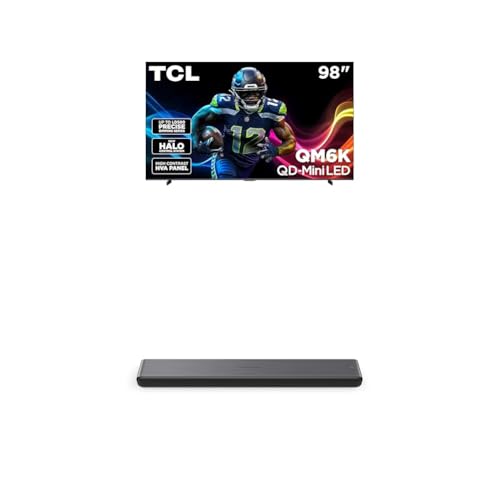
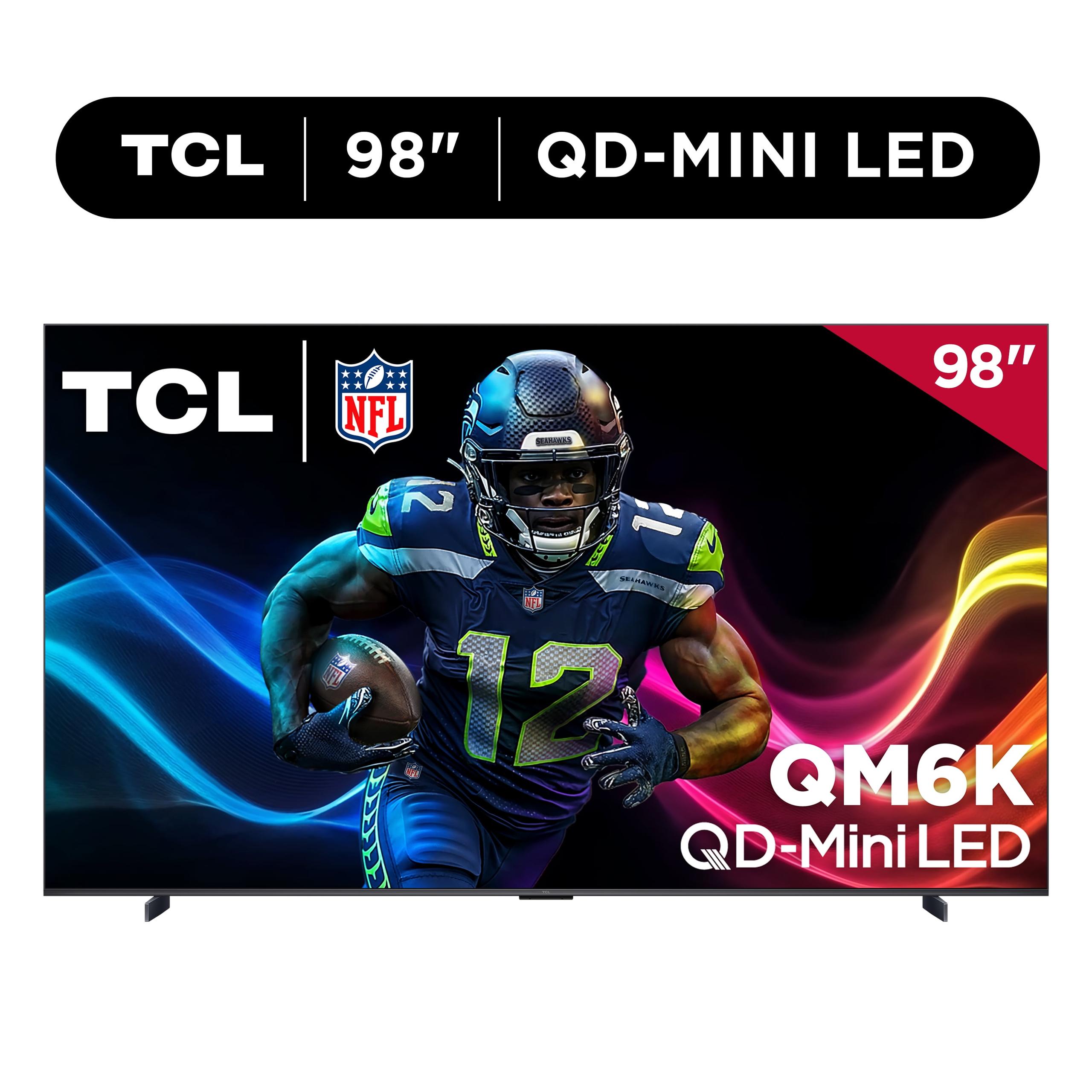

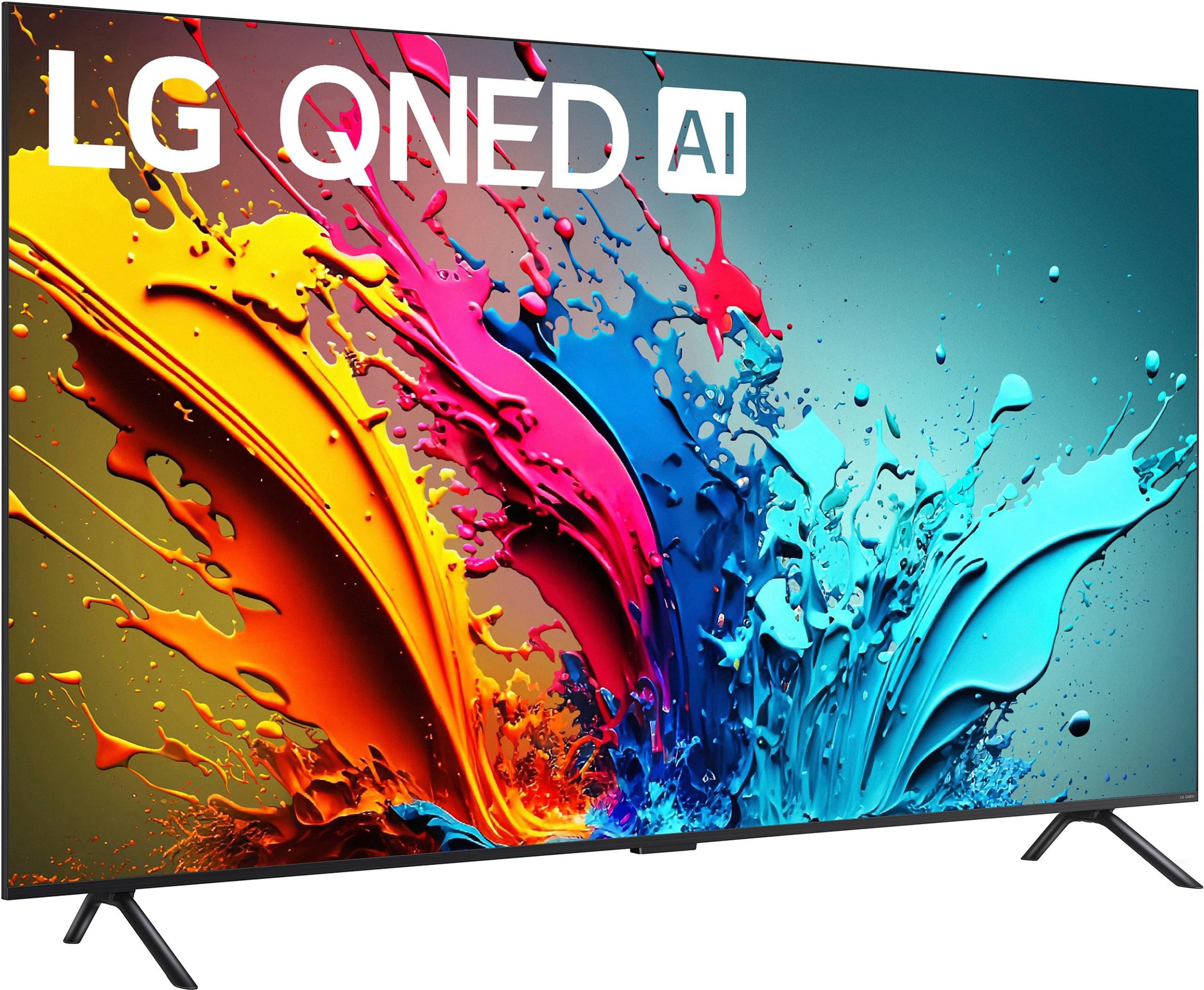
If you're shopping for a massive 98-inch TV, you've probably discovered that your options are surprisingly limited – and expensive. Two standout models dominate this space: the newer TCL 98-Inch QM6K QLED TV at $1,999.99 and the established LG 98" QNED 4K UHD Smart TV at $2,996.99. Both promise theater-like experiences, but they take dramatically different approaches to get there.
Having spent considerable time testing large-format displays, I can tell you that choosing between these two isn't just about picking the cheaper option. The nearly $1,000 price gap tells a story about different philosophies, target audiences, and technological priorities that deserve careful consideration.
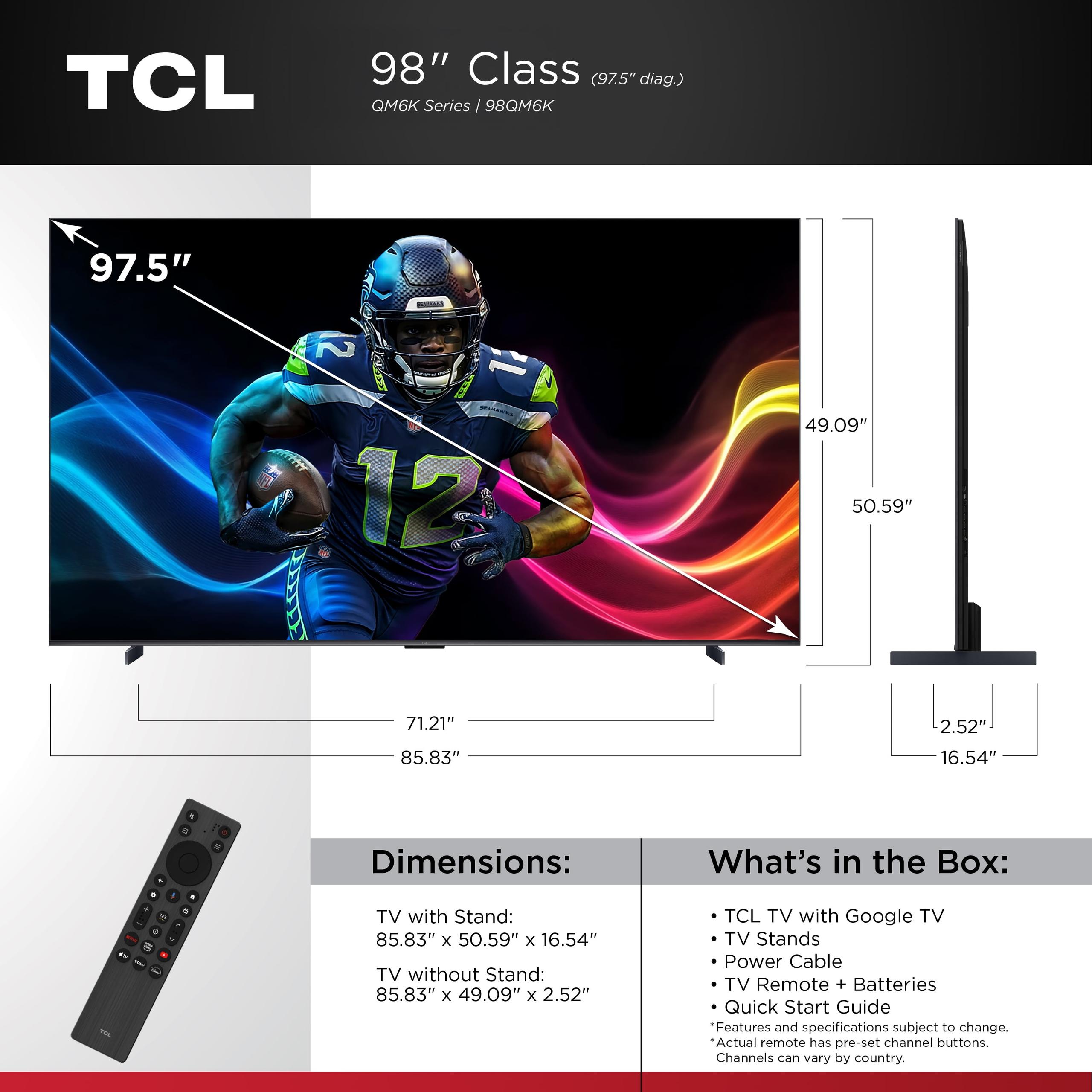
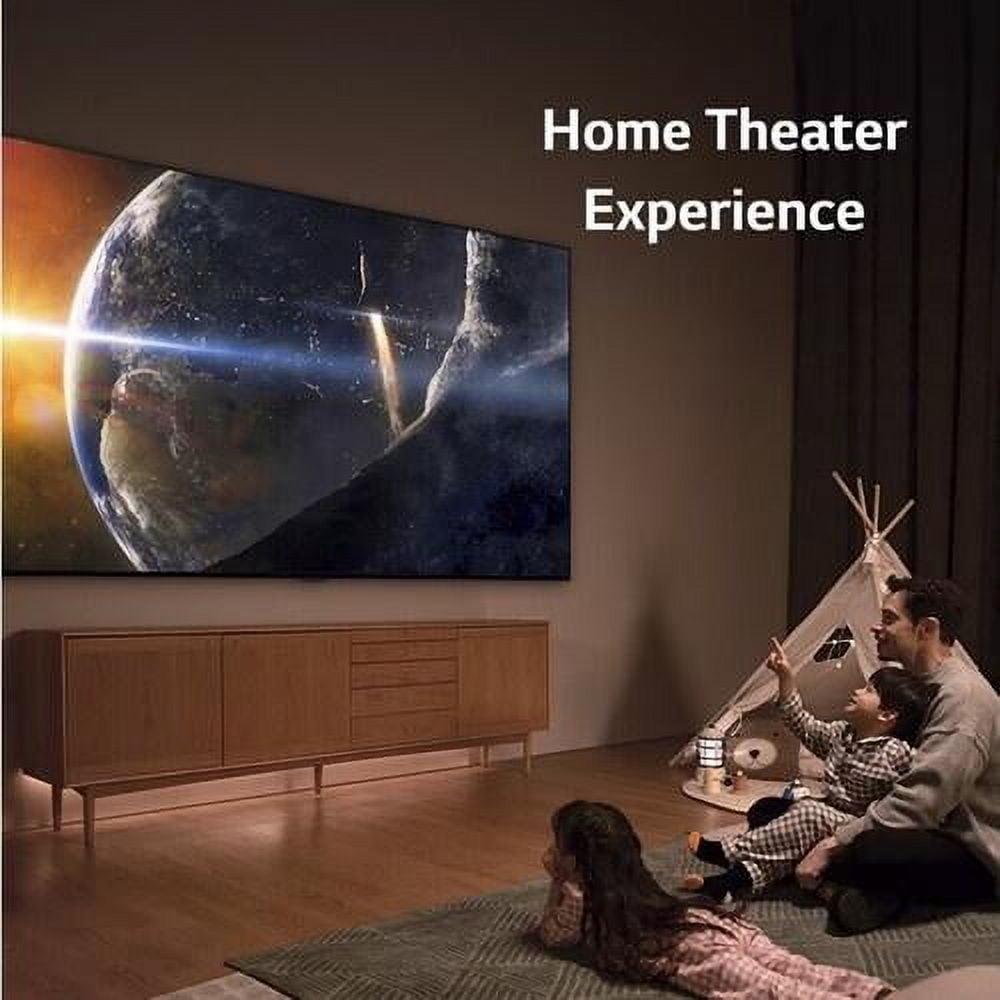
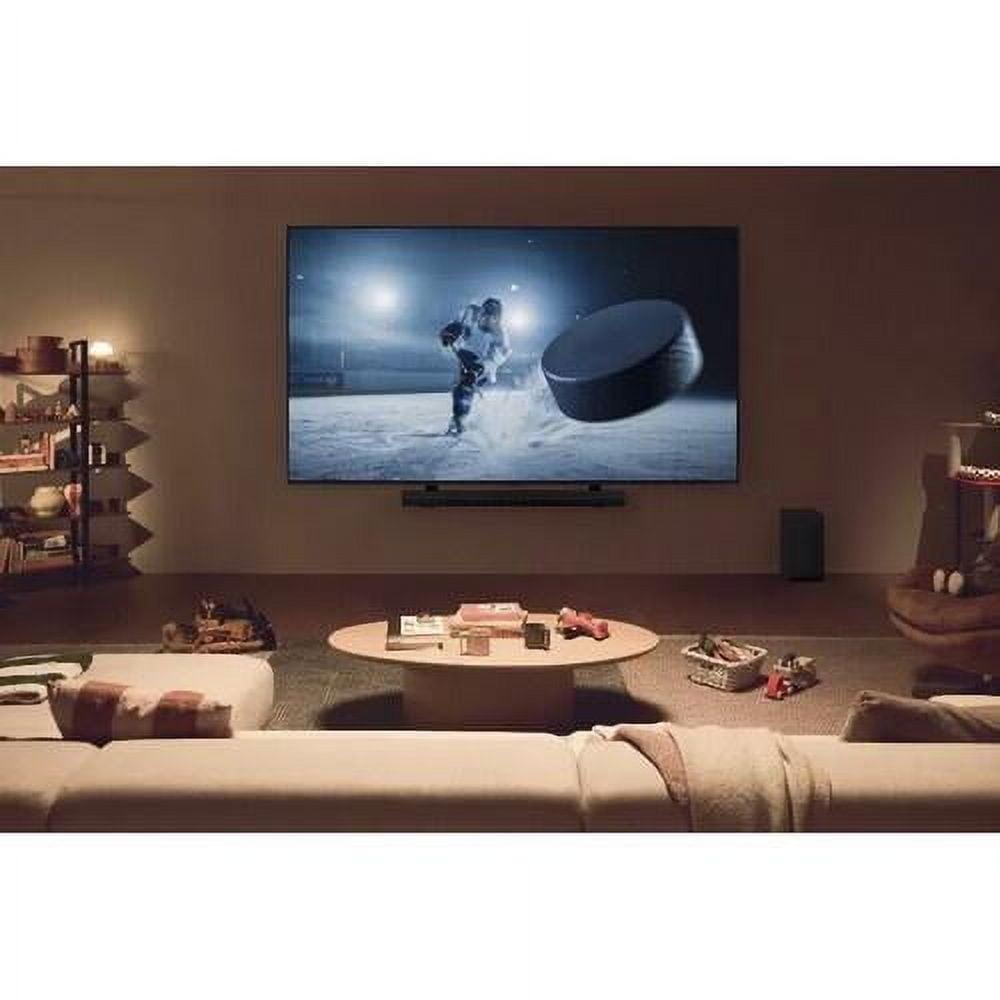
Before diving into specifics, let's talk about what you're actually buying when you go this big. A 98-inch TV isn't just a bigger version of your current display – it fundamentally changes how you experience content. The screen is roughly 8 feet wide and 4.5 feet tall, creating an immersive viewing experience that can genuinely compete with commercial theaters.
But size alone doesn't make a great TV. At this scale, every technical weakness becomes magnified. Poor black levels look terrible. Motion blur becomes distracting. Color inaccuracies are impossible to ignore. That's why the display technology, processing power, and backlighting systems in these TVs matter so much more than in smaller sets.
The good news? Both the TCL and LG models represent significant technological advances from just a few years ago, when 98-inch TVs were either prohibitively expensive or disappointingly dim.
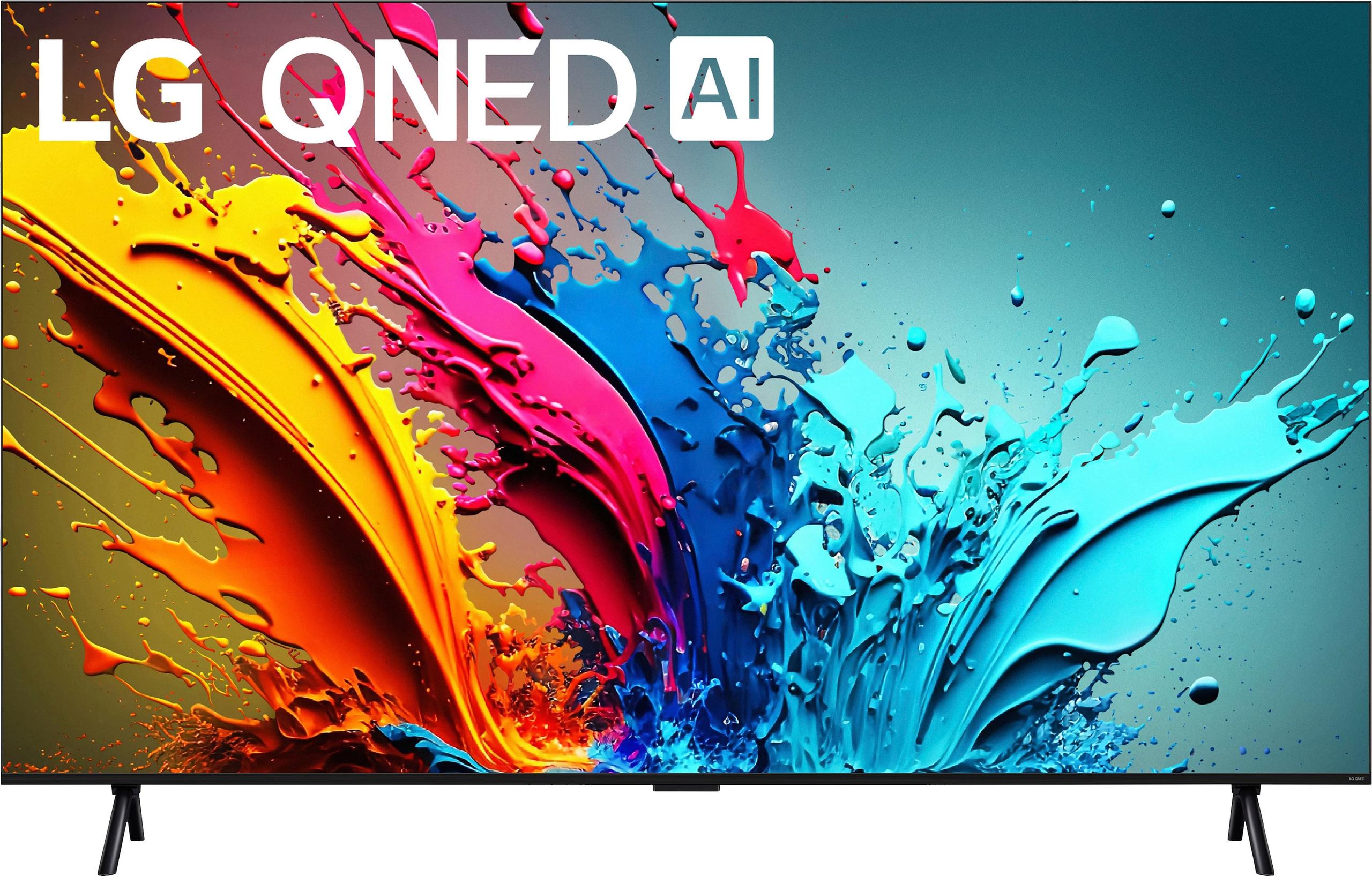
The LG 98" QNED model launched in 2024 as part of LG's push to make large-format displays more accessible. It built on years of QNED refinement – LG's hybrid technology that combines Quantum Dot color enhancement with NanoCell filtering for improved color purity. Think of QNED as LG's answer to Samsung's QLED, but with their own twist on achieving wider color gamuts and better viewing angles.
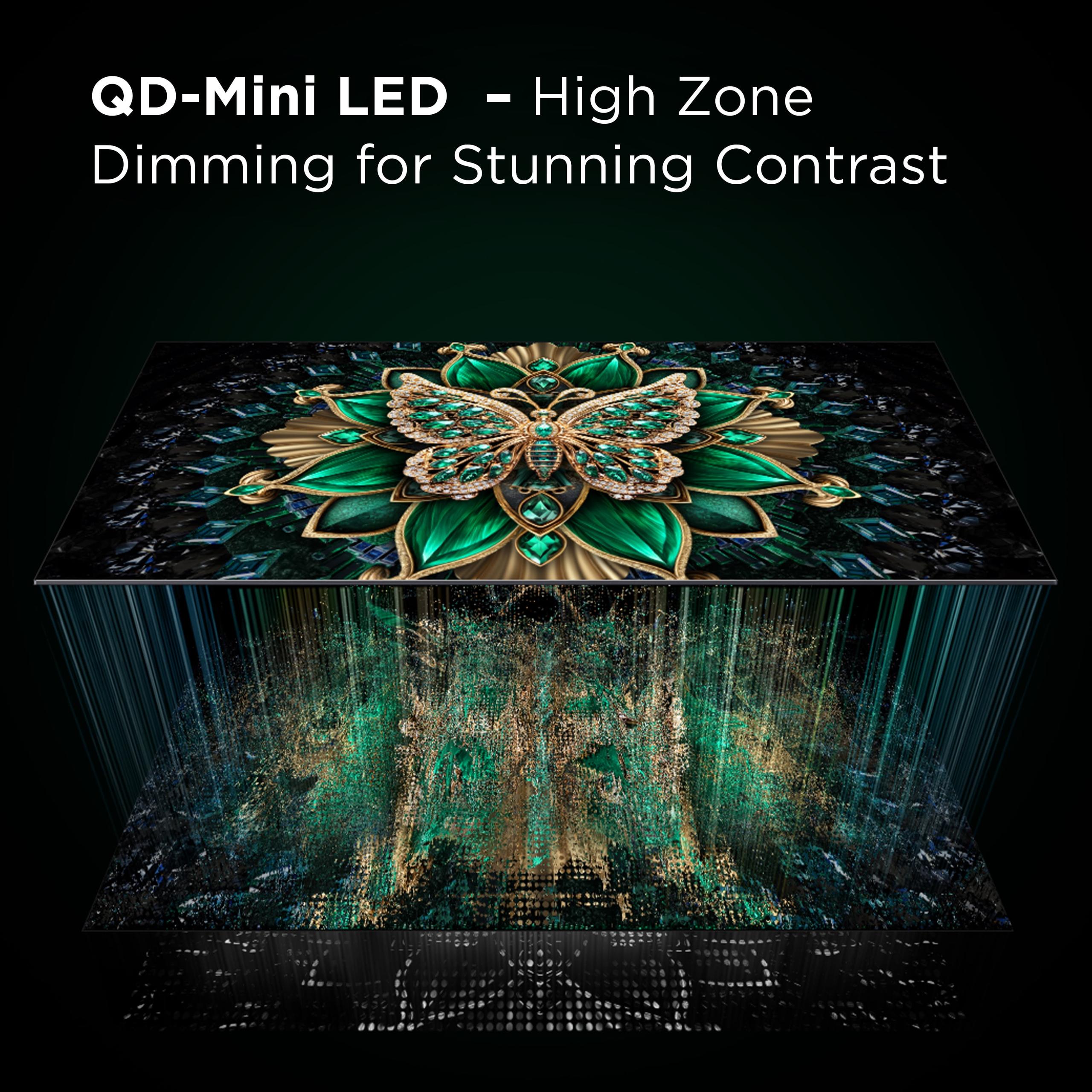
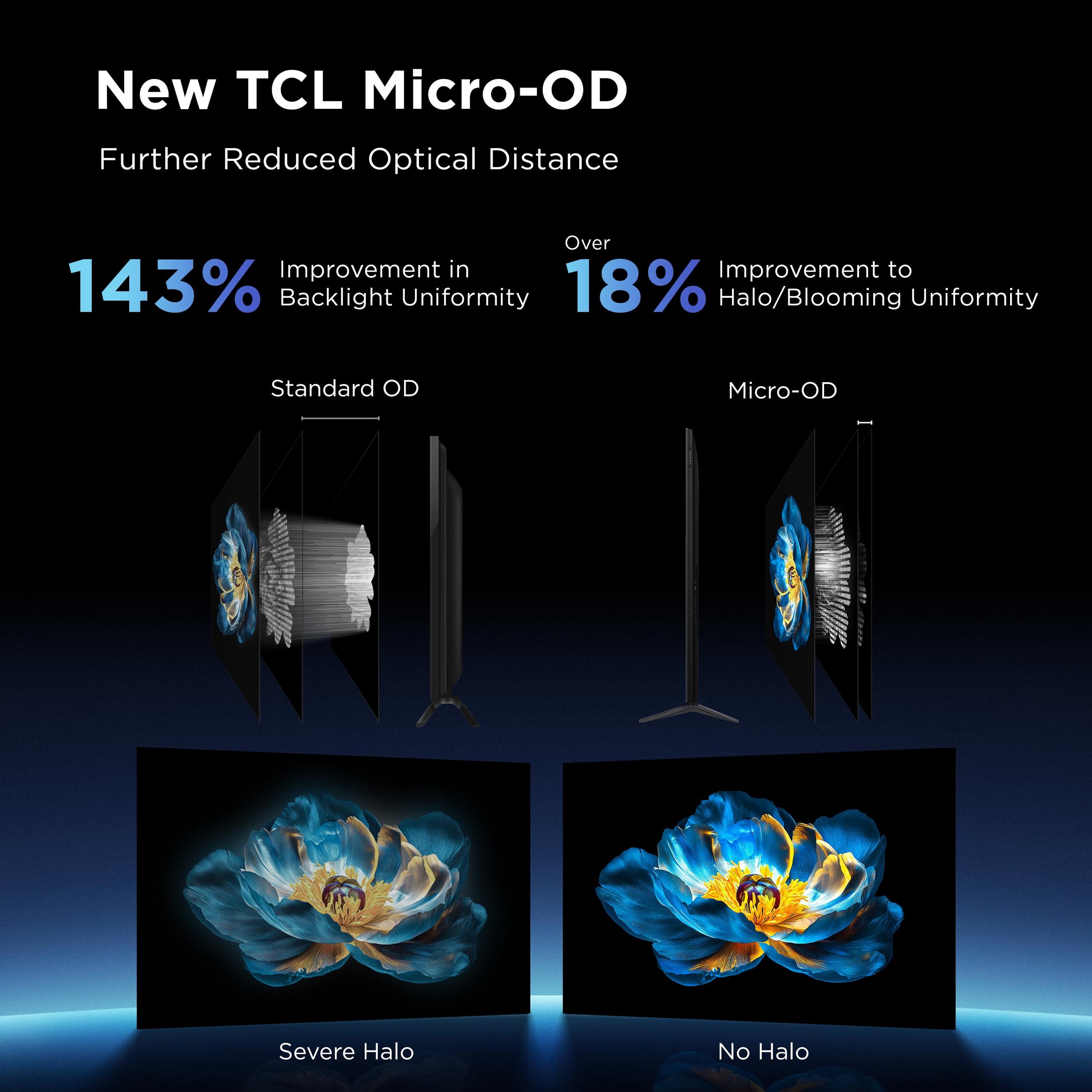
The TCL QM6K, arriving in 2025, represents TCL's latest attempt to challenge established brands through aggressive pricing and cutting-edge features. It uses QD Mini LED technology – essentially thousands of tiny LEDs working as individual dimming zones behind a quantum dot layer. This creates much more precise control over brightness and darkness than traditional LED TVs can achieve.
The timing matters because TCL is essentially offering 2025 technology at a price that undercuts LG's 2024 model by nearly 50%. That's either an incredible deal or a warning sign, depending on how you look at it.
Here's where things get really interesting. Both TVs aim to solve the same fundamental LED TV problems – poor black levels, limited contrast, and inconsistent brightness – but they use completely different approaches.
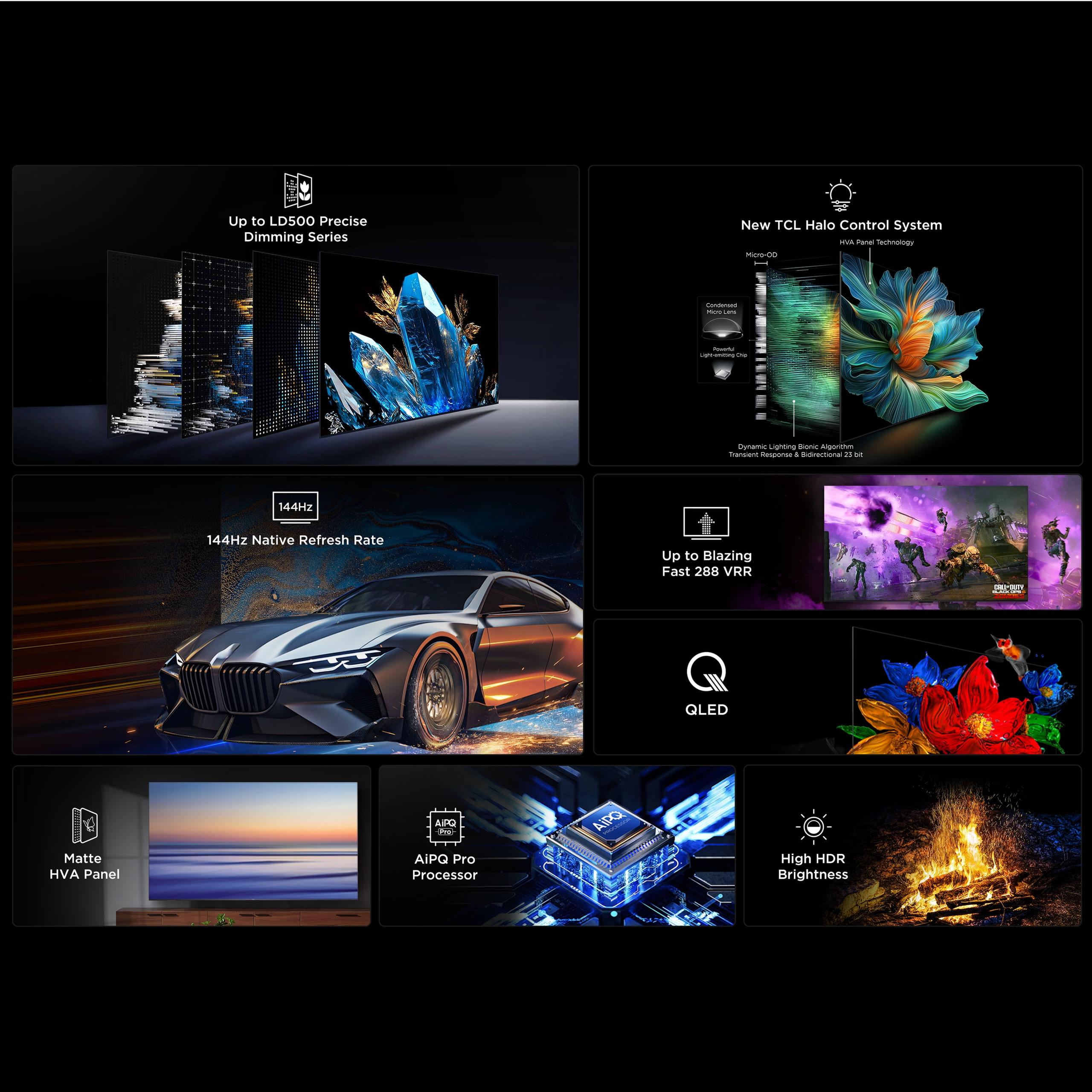
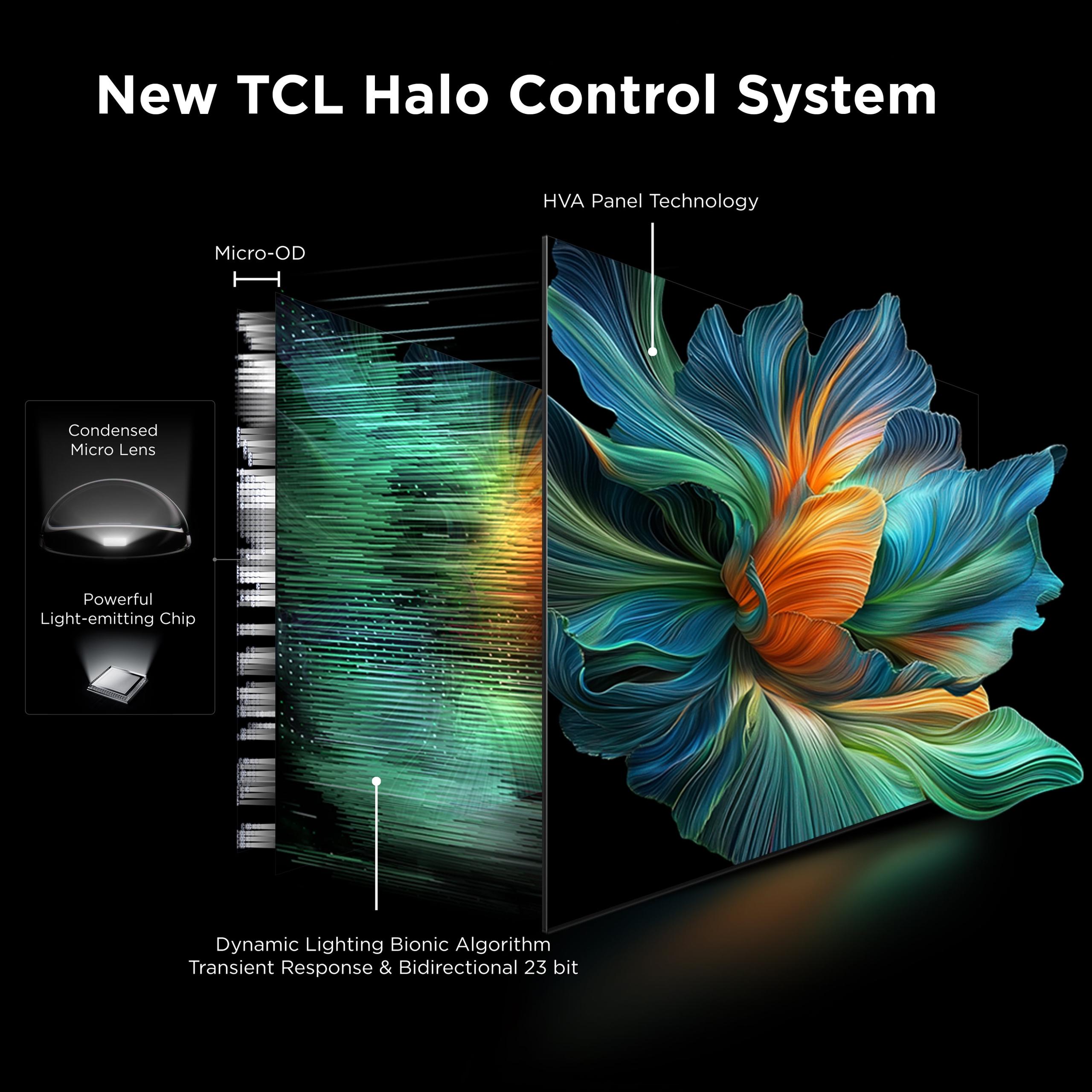
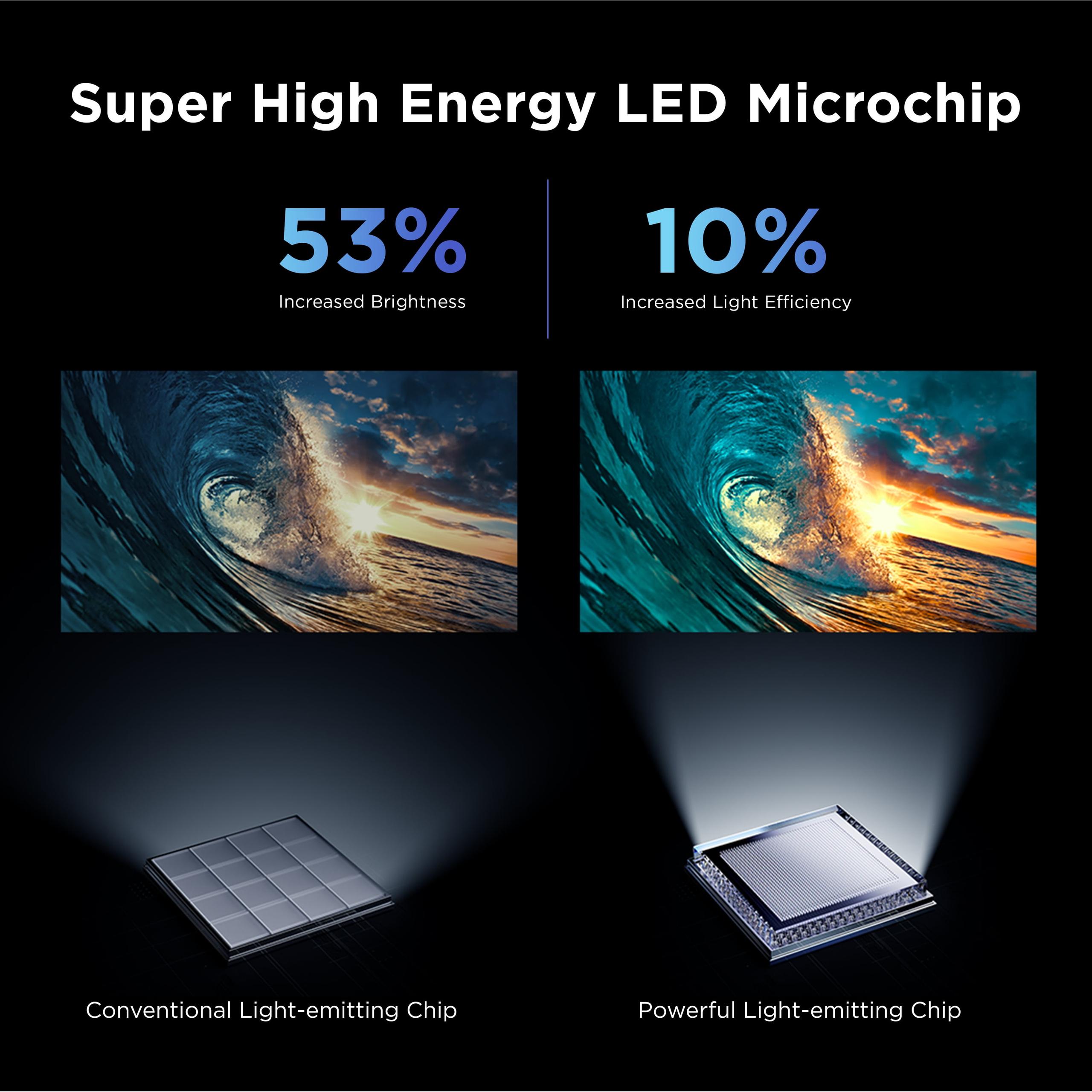
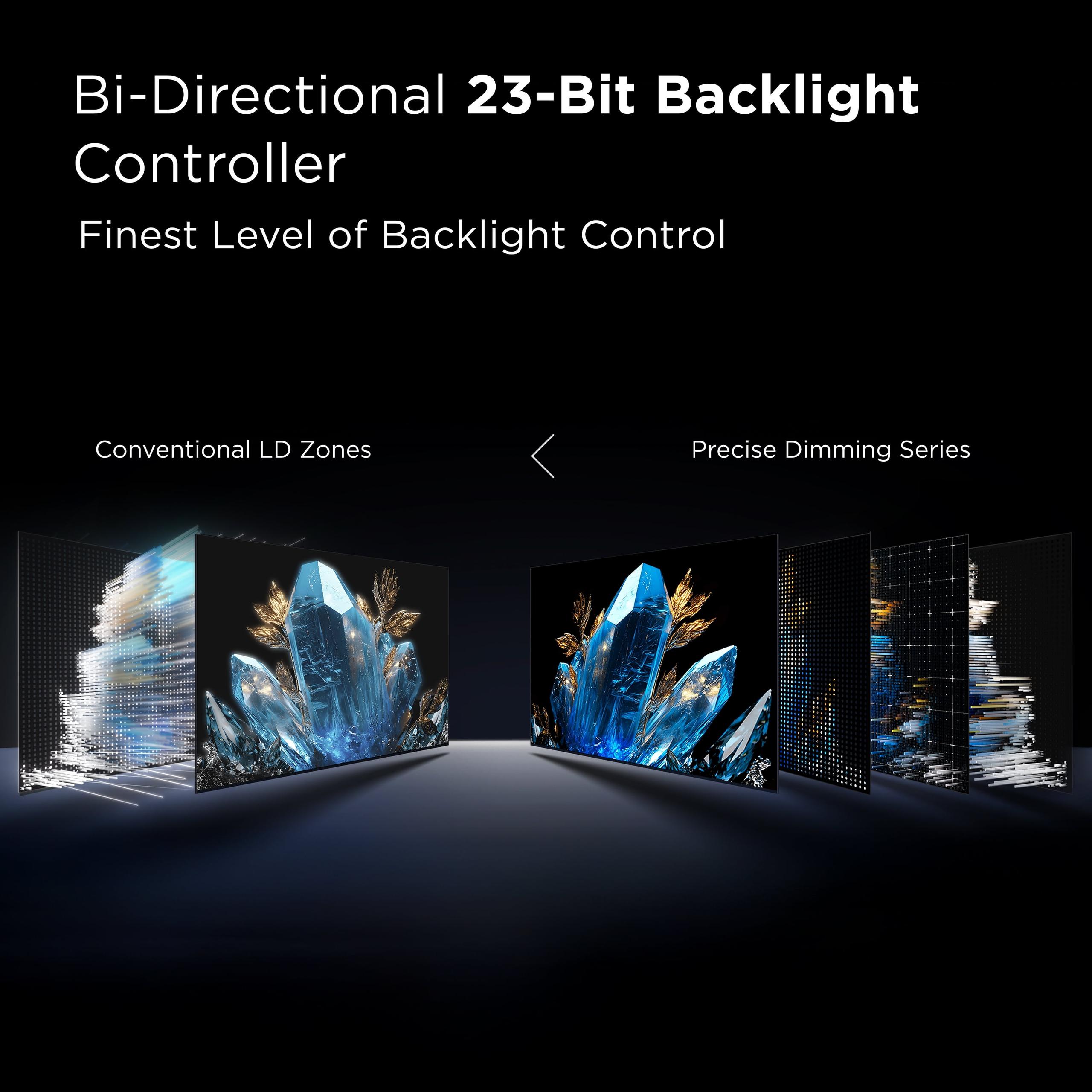
The TCL QM6K uses what's called QD Mini LED technology. Instead of the few dozen LED zones you'd find in a basic TV, this display packs in an impressive 2,500 local dimming zones. Each zone can independently brighten or dim, creating much more precise control over contrast.
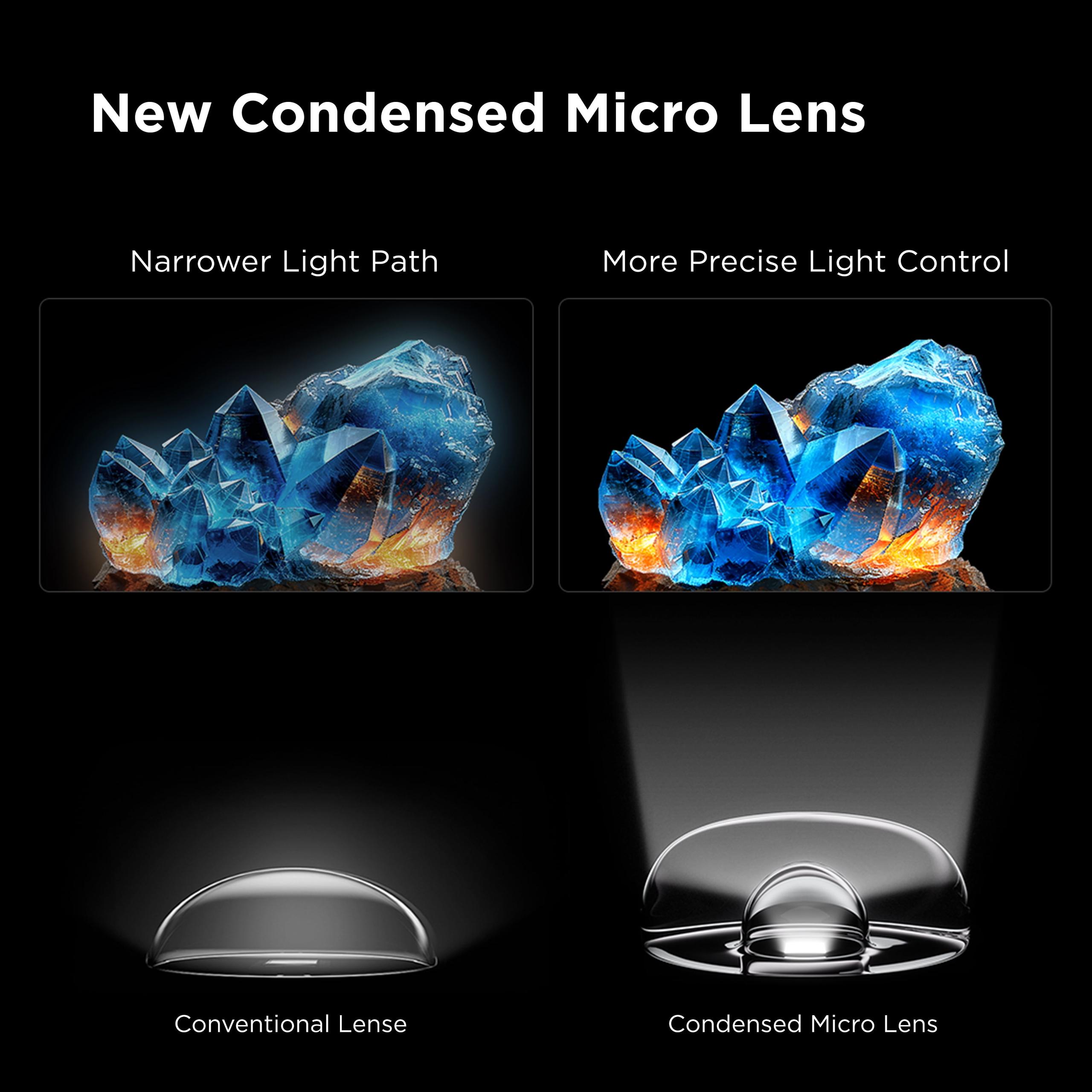
Here's a practical example: when you're watching a movie with a night scene where someone's holding a flashlight, a traditional LED TV might make the entire section of screen brighter, creating a noticeable halo around the light source. The TCL's mini LEDs can keep everything dark except the tiny area where the flashlight beam hits, creating a much more realistic effect.
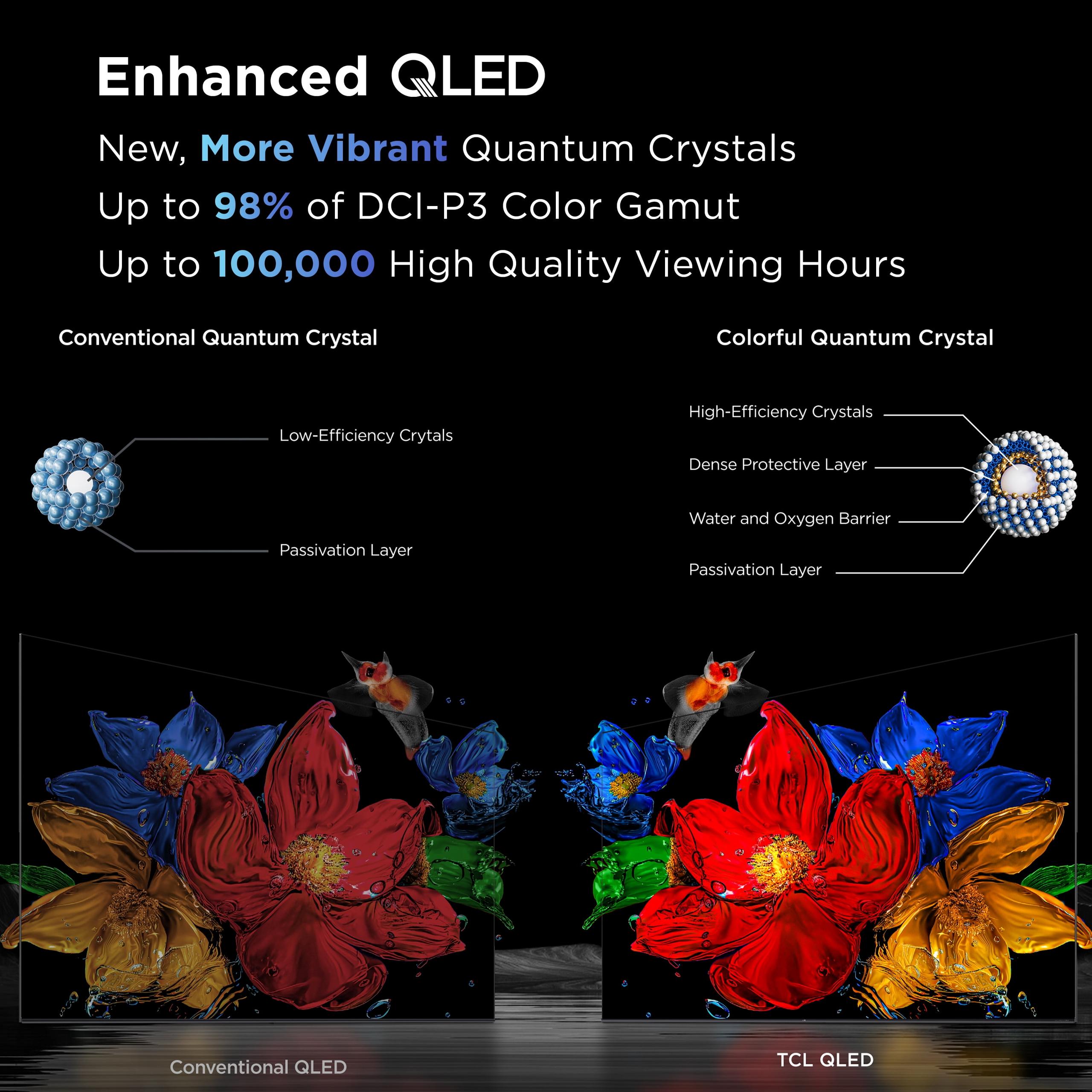
The quantum dot layer adds another benefit – it can produce about 93% of the DCI-P3 color space, which is the standard used for premium movie content. In everyday terms, this means colors look more vibrant and accurate, especially reds and greens that traditional TVs struggle with.
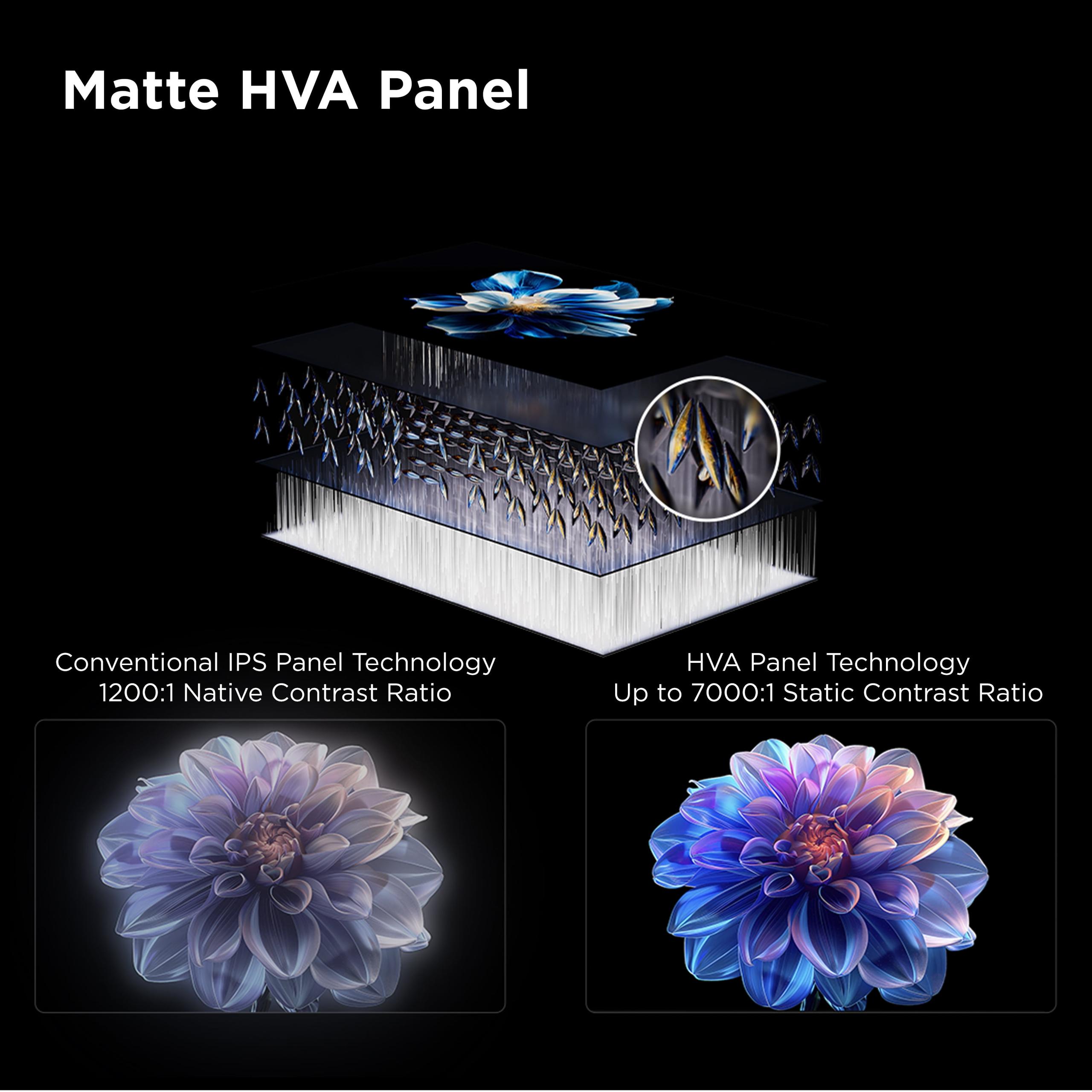
But perhaps most importantly for many users, TCL added a matte screen coating. This anti-glare technology dramatically reduces reflections, making the TV much more usable in bright rooms with windows. Having tested this firsthand, I can confirm it's a game-changer if your TV room gets significant natural light.
LG's QNED technology takes a different route. Instead of thousands of mini LEDs, it uses a more sophisticated filtering system to achieve better color accuracy and viewing angles. The "NanoCell" part refers to particles that filter out impure colors, while the quantum dot layer enhances color volume.
The result is particularly impressive viewing angles – you can sit significantly off to the side and still see accurate colors and good contrast. Traditional VA panels (like the one in the TCL) tend to wash out when viewed from the side, but LG's QNED maintains color accuracy across a much wider viewing cone.
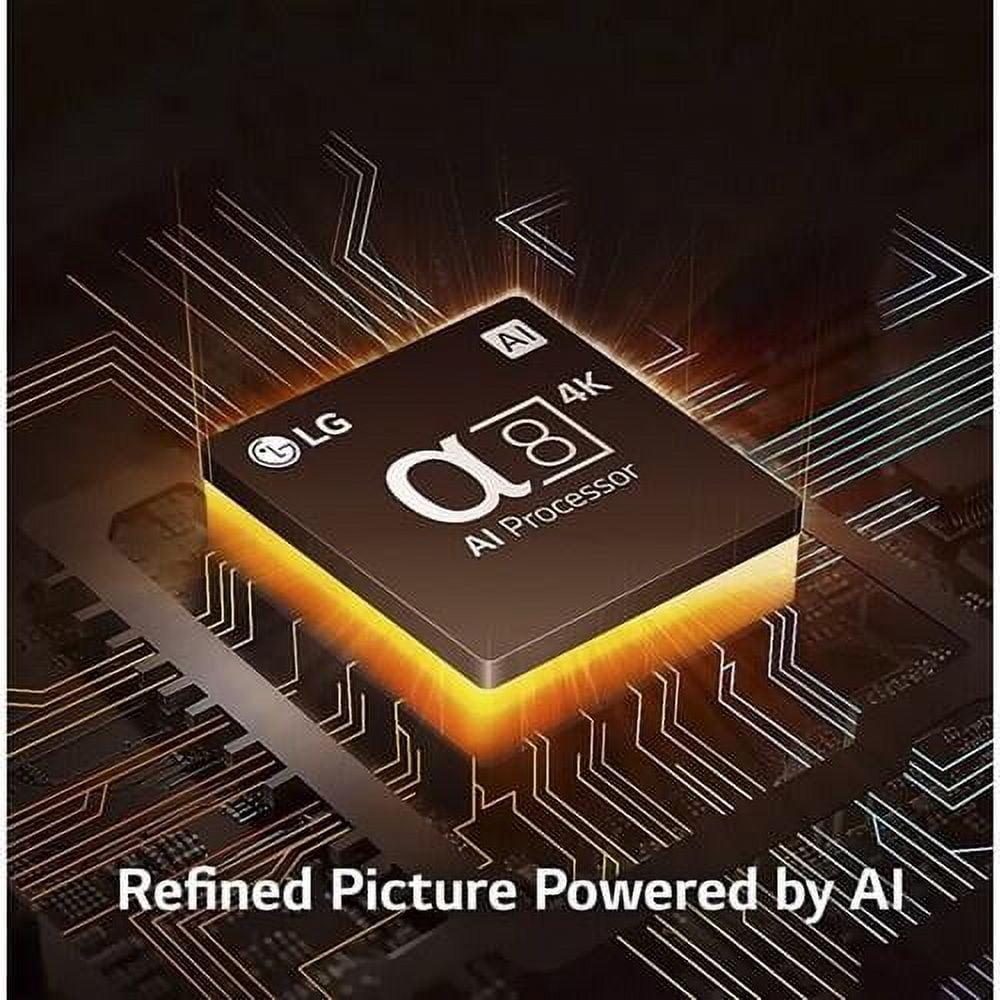
LG also includes their α8 AI Processor, which uses machine learning to analyze content in real-time and optimize picture settings. It's particularly good at upscaling lower-resolution content – something that matters a lot on a 98-inch screen where every pixel gets magnified.
The trade-off is that LG's local dimming system has fewer zones and can't achieve the deep blacks that TCL's mini LED array produces. However, LG's Dynamic Tone Mapping Pro does an excellent job of preserving detail in both bright and dark areas of the same scene.
If gaming is a priority, the TCL QM6K offers some truly impressive specifications that put it in a different league entirely.
The TCL supports 144Hz at 4K resolution and an almost ridiculous 288Hz at 1080p. To put this in perspective, most TVs max out at 120Hz, and many are still stuck at 60Hz. Higher refresh rates mean smoother motion, which is particularly noticeable in fast-paced games or sports content.
The 288Hz capability at 1080p is especially interesting for competitive gamers. While 1080p might seem like a step backward, many professional gamers actually prefer it because it allows for higher frame rates and lower input lag. On a 98-inch screen, 1080p still looks quite good, and the motion clarity benefits are immediately apparent.
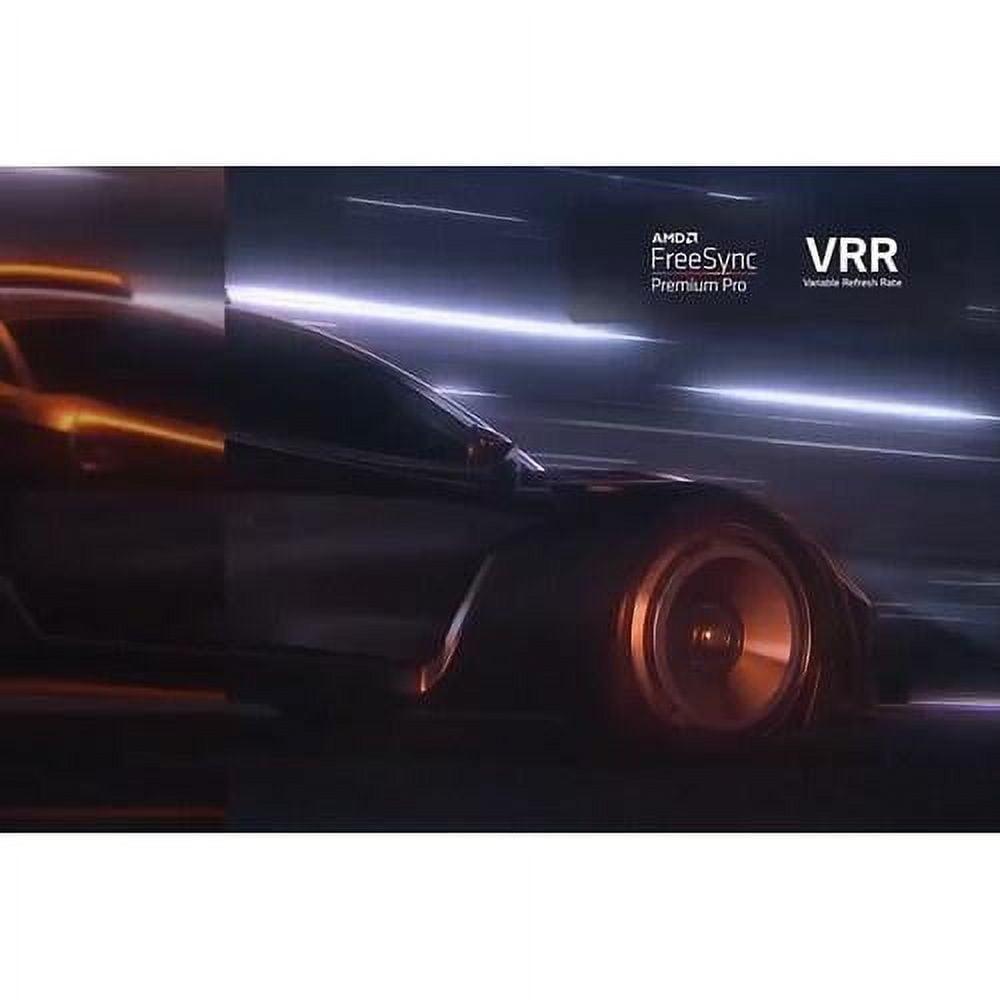
TCL has optimized the QM6K specifically for gaming, achieving input lag measurements that rival dedicated gaming monitors. The TV includes Game Accelerator 288 mode, Auto Low Latency Mode (ALLM), and Variable Refresh Rate (VRR) support. VRR is particularly important because it eliminates screen tearing – that annoying visual artifact where the image appears split because the TV and gaming device are out of sync.
The TV also supports AMD FreeSync Premium Pro, which ensures smooth gameplay even when frame rates fluctuate. Having two dedicated HDMI 2.1 ports means you can connect both a PlayStation 5 and Xbox Series X while maintaining full 4K@144Hz capability.
The LG QNED model isn't slouch in gaming either, but it's clearly designed with different priorities. It maxes out at 120Hz but includes four HDMI 2.1 ports instead of TCL's two. This extra connectivity could be valuable if you have multiple next-generation consoles, a high-end PC, and other HDMI 2.1 devices.
LG's Game Optimizer provides a comprehensive dashboard for adjusting gaming settings, and the webOS interface makes it easy to switch between different gaming profiles. The TV also supports FreeSync Premium and all the standard gaming features you'd expect.
For casual gaming and general entertainment, LG's approach works well. For serious gamers who want every possible advantage, TCL's higher refresh rates and lower input lag provide measurable benefits.
Both TVs run mature, well-developed smart platforms, but they cater to different preferences and ecosystems.
The TCL QM6K runs Google TV 12, which feels familiar if you've used any Android device. The interface is clean and intuitive, with excellent voice search capabilities and seamless integration with Google services. Chromecast is built-in, making it easy to cast content from phones, tablets, or laptops.
Google TV also tends to get more frequent updates and has access to a vast app ecosystem. The hands-free voice control works surprisingly well – you can change channels, adjust volume, or search for content without touching the remote.
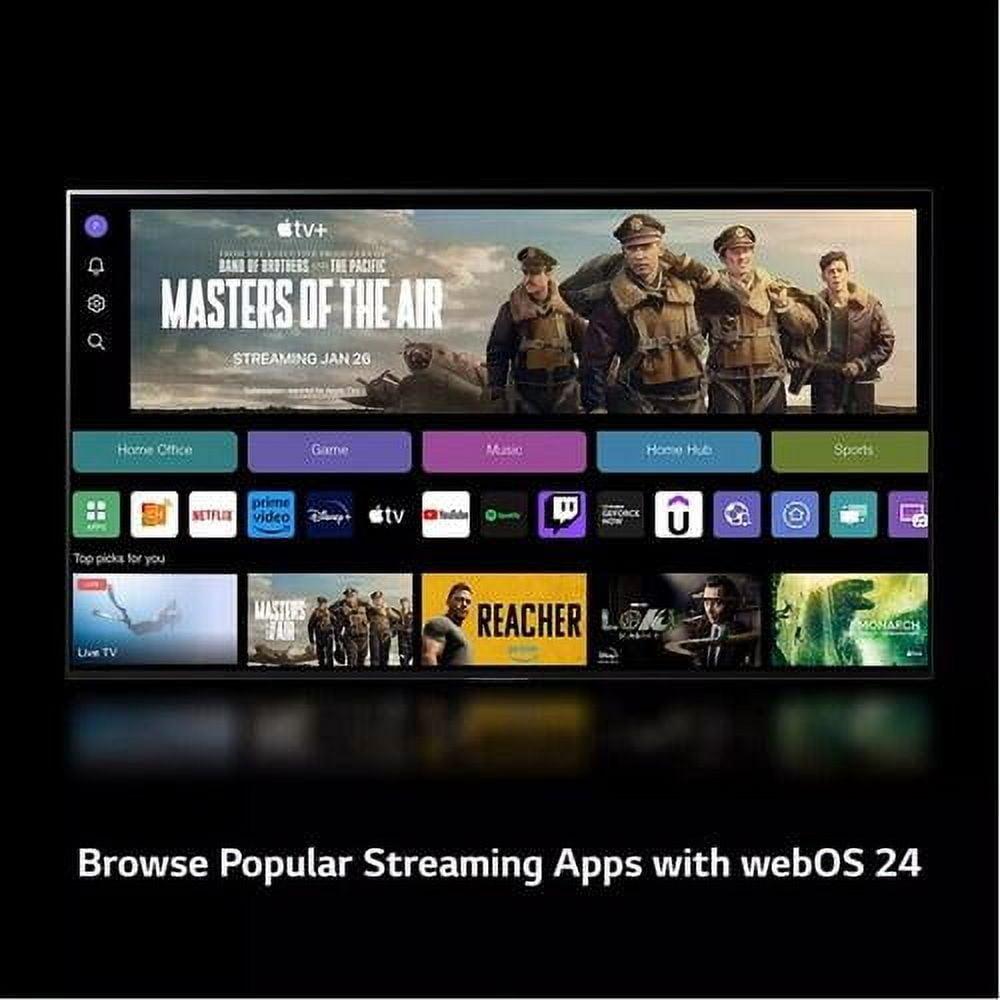
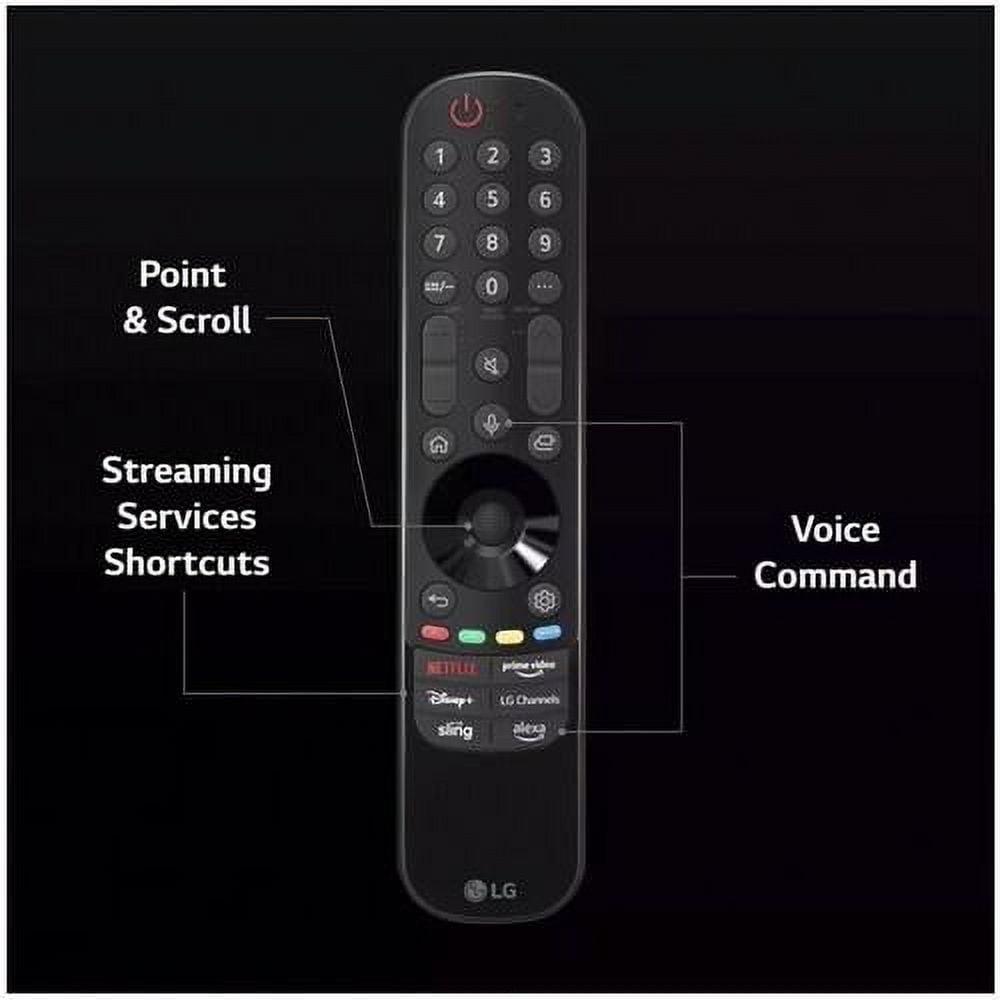
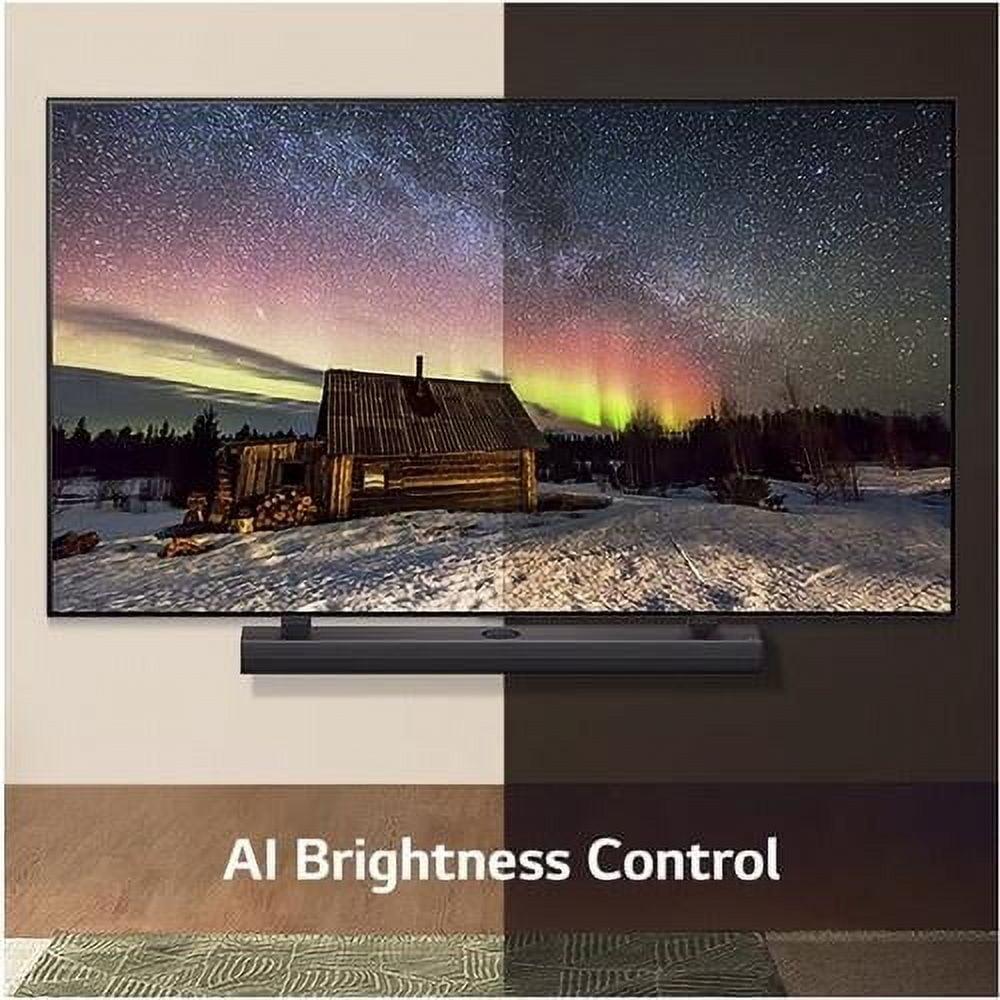
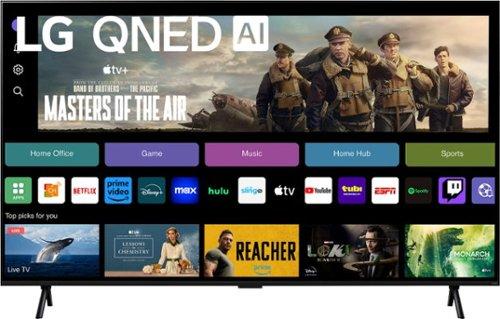
LG's webOS 24 takes a more refined approach. The interface feels more premium and organized, with better visual design and smoother animations. The Magic Remote is genuinely useful, acting like a mouse cursor for navigating menus. LG's AI features are more sophisticated, including automatic brightness adjustment based on room lighting and content-aware picture optimization.
Both platforms support all major streaming services, but webOS feels more polished while Google TV offers deeper integration with Google's ecosystem.
Here's something that often gets overlooked: built-in TV speakers simply aren't adequate for 98-inch displays. Both TVs include decent audio systems for their size – the TCL has a 2.1-channel Onkyo setup with Dolby Atmos support, while the LG features a 2.2-channel system with AI Sound Pro virtual surround.
In practice, you'll want to budget for a soundbar or surround sound system. The screen is so large that having audio come from the display itself creates a disconnect between what you see and what you hear. A good soundbar helps anchor dialogue to the screen and provides the bass response that movie soundtracks demand.
Some TCL bundles include a compatible soundbar, which can be a nice value-add if you're starting from scratch.
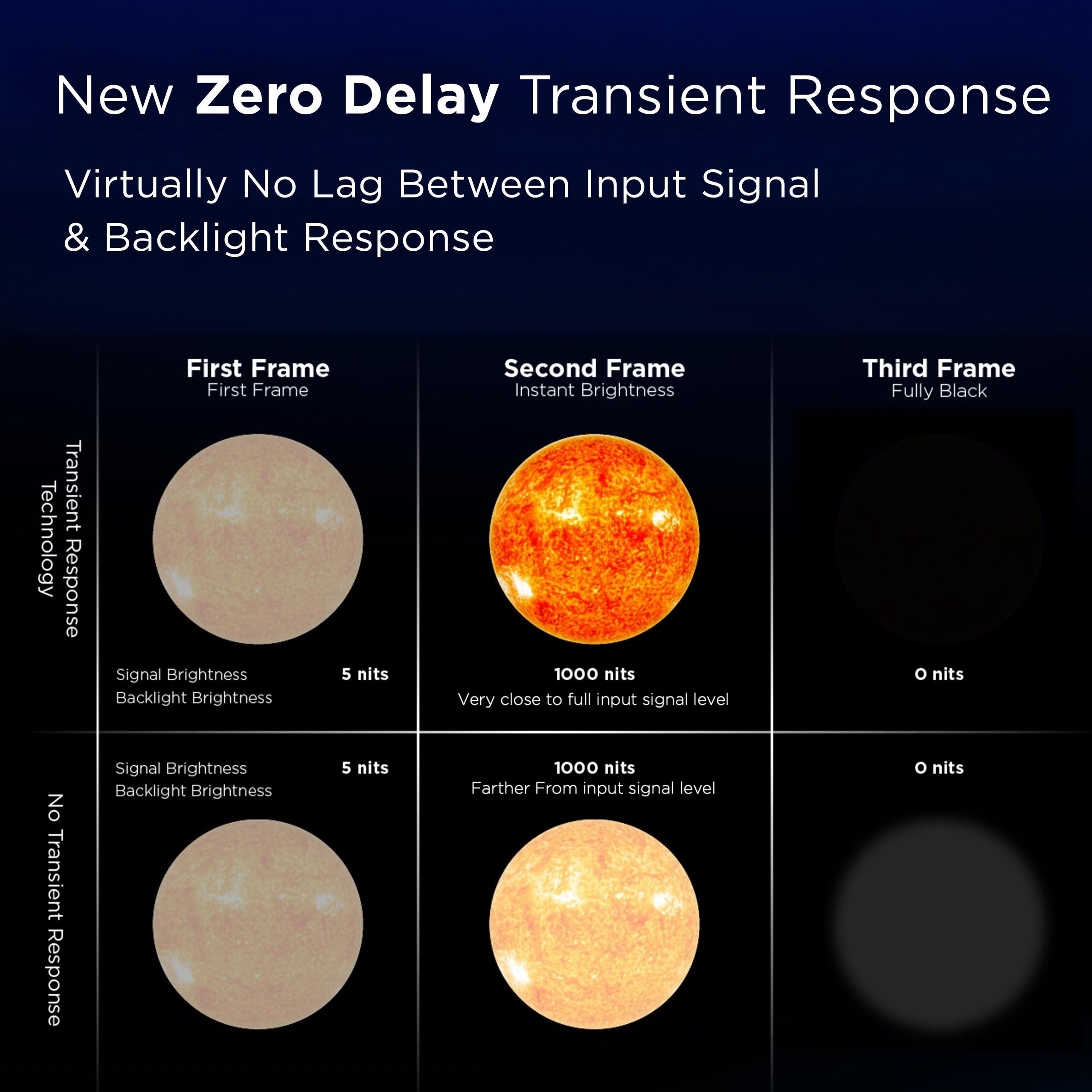
This is where the two TVs show their most significant differences. The TCL QM6K excels in SDR (standard dynamic range) brightness, making it excellent for bright rooms. However, its HDR peak brightness is disappointingly average, reaching only around 900 nits. For comparison, premium TVs often exceed 1,500 nits.
What this means in practice is that HDR content – movies and shows specifically mastered to take advantage of brighter highlights and deeper shadows – won't have the same impact as on higher-end displays. You'll still see HDR content, but it won't have that "wow" factor that makes highlights seem to glow off the screen.
The LG QNED takes a more balanced approach. While it doesn't get as bright in SDR mode, its Dynamic Tone Mapping Pro does a better job of preserving detail in HDR content. The processing is more sophisticated, resulting in more natural-looking bright scenes.
LG has a clear advantage in color accuracy and viewing angles. The QNED technology produces more natural-looking colors out of the box, and the wide viewing angle means the picture looks good even if you're sitting off to the side.
This matters more than you might think with a 98-inch display. Unless you have a very large room, some viewers will inevitably be sitting at an angle to the screen. TCL's VA panel technology provides better contrast when viewed straight-on, but colors and brightness fade significantly when viewed from the side.
The $1,000 price difference between these TVs represents more than just savings – it reflects different approaches to the market.
TCL is using aggressive pricing to gain market share and prove that newer brands can compete with established players. The QM6K at $1,999.99 offers genuinely flagship features at a price that was unthinkable just a few years ago. The risk is that you're buying from a company with less proven long-term reliability and a smaller service network.
LG's premium pricing at $2,996.99 reflects their established brand reputation, extensive service network, and refined user experience. You're paying extra for peace of mind and the assurance that comes with buying from a company that's been making premium TVs for decades.
After extensive testing and consideration, here's how I'd approach this decision:
Choose the TCL QM6K if:
Choose the LG QNED if:
Both of these 98-inch giants offer compelling experiences, but they're designed for different users. The TCL QM6K delivers exceptional value with gaming-focused features that would have cost twice as much just a few years ago. The LG QNED justifies its premium through refined execution, superior processing, and the confidence that comes with an established brand.
Your primary use case should drive the decision. If you're building a gaming setup or have a bright room, TCL's advantages are clear and significant. If you're creating a premium home theater focused on movies and streaming content, LG's more balanced approach and superior color accuracy make the extra investment worthwhile.
Either way, you're getting a genuinely impressive display that will transform your viewing experience. The 98-inch format really is something special – just make sure you have help moving it and a wall mount rated for the weight!
| TCL 98-Inch QM6K QLED TV | LG 98" QNED 4K UHD Smart TV |
|---|---|
| Price - Significant $1,000 difference impacts value proposition | |
| $1,999.99 | $2,996.99 |
| Display Technology - Different approaches to contrast and color | |
| QD Mini LED with 2,500 local dimming zones | QNED (Quantum NanoCell + Quantum Dot) |
| Gaming Performance - Critical for console and PC gaming | |
| 144Hz at 4K, 288Hz at 1080p, ultra-low input lag | 120Hz maximum, optimized for casual gaming |
| Screen Coating - Affects usability in bright rooms | |
| Matte anti-glare coating (excellent for bright rooms) | Standard glossy finish (better for dark rooms) |
| HDMI 2.1 Ports - Determines next-gen device connectivity | |
| 2 ports supporting 4K@144Hz | 4 ports supporting 4K@120Hz |
| Local Dimming - Controls contrast and black levels | |
| 2,500 zones with LD500 Precise Dimming | Precision Dimming (fewer zones, exact count unspecified) |
| HDR Brightness - Impacts HDR content quality | |
| ~900 nits (mediocre for HDR impact) | Better HDR tone mapping with Dynamic Tone Mapping Pro |
| Viewing Angles - Important for off-center seating | |
| Standard VA panel (colors fade when viewed from side) | 178° horizontal/vertical (maintains accuracy from angles) |
| Smart Platform - Daily interface experience | |
| Google TV 12 with hands-free voice control | webOS 24 with Magic Remote and AI features |
| Audio System - Both require external audio for optimal experience | |
| 2.1-channel Onkyo with Dolby Atmos | 2.2-channel with AI Sound Pro (40W total) |
| Color Accuracy - Affects natural picture quality | |
| 93% DCI-P3 coverage, vibrant but less refined | Superior color purity and accuracy out of box |
| Release Year - Indicates technology generation | |
| 2025 model with latest features | 2024 model with proven reliability |
| Brand Reputation - Affects long-term support and reliability | |
| Newer brand with aggressive pricing | Established premium brand with extensive service network |
The TCL 98-Inch QM6K QLED TV is significantly better for gaming with its 144Hz refresh rate at 4K and 288Hz at 1080p, compared to the LG 98" QNED 4K UHD Smart TV's maximum 120Hz. The TCL also offers ultra-low input lag and Game Accelerator 288 mode, making it ideal for competitive gaming on consoles and PC.
The TCL QM6K costs $1,999.99 while the LG QNED is priced at $2,996.99, creating a significant $997 price gap. This nearly $1,000 difference makes the TCL the more budget-friendly option while still offering premium features.
The TCL 98-Inch QM6K performs better in bright rooms thanks to its matte anti-glare coating and higher SDR brightness. The LG QNED has a glossy finish that can reflect light, making it better suited for darker, controlled lighting environments.
The TCL uses Google TV 12 with hands-free voice control and seamless Android integration, while the LG runs webOS 24 with a more premium interface and Magic Remote. Google TV offers broader app compatibility, while webOS provides a more refined, polished experience.
The TCL 98-Inch QM6K features superior local dimming with 2,500 zones using mini LED technology, creating more precise contrast control. The LG QNED uses Precision Dimming with fewer zones but includes Dynamic Tone Mapping Pro for better HDR processing.
Neither TV's built-in speakers are adequate for a 98-inch display. The TCL includes a 2.1-channel Onkyo system with Dolby Atmos, while the LG features 2.2-channel audio with AI Sound Pro. Both TVs benefit significantly from adding a dedicated soundbar or surround system.
The LG 98" QNED comes from an established premium TV manufacturer with extensive service networks and proven long-term reliability. The TCL QM6K represents a newer brand offering competitive features but with less established service infrastructure, though both include 1-year warranties.
Choose the TCL QM6K at $1,999.99 if you prioritize gaming, have a bright room, or want flagship features at a competitive price. Select the LG QNED at $2,996.99 if you prefer established brand reliability, need wide viewing angles, or want the most refined smart TV experience regardless of the higher cost.
We've done our best to create useful and informative comparisons to help you decide what product to buy. Our research uses advanced automated methods to create this comparison and perfection is not possible - please contact us for corrections or questions. These are the sites we've researched in the creation of this article: bestbuy.com - rtings.com - techradar.com - the-gadgeteer.com - youtube.com - youtube.com - ign.com - youtube.com - tomsguide.com - tcl.com - valueelectronics.com - bestbuy.com - bestbuy.com - rtings.com - circuitworldonline.com - youtube.com - tcl.com - bestbuy.com - tomsguide.com - tcl.com - flatpanelshd.com - displayspecifications.com - bestbuy.com - greentoe.com - pcrichard.com - rtings.com - rtings.com - videoandaudiocenter.com - ecdcom.com - youtube.com - bestbuy.com - displayspecifications.com - techradar.com - youtube.com - kitele.com - youtube.com

Privacy Policy
Terms and Conditions - Affiliate Policy
Home Security
© Copyright 2008-2026.
11816 Inwood Rd #1211, Dallas, TX 75244