

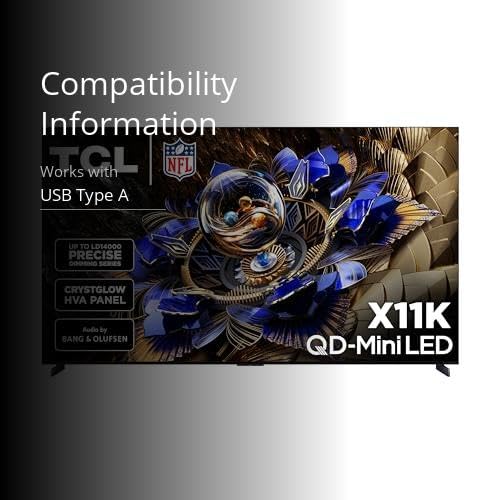

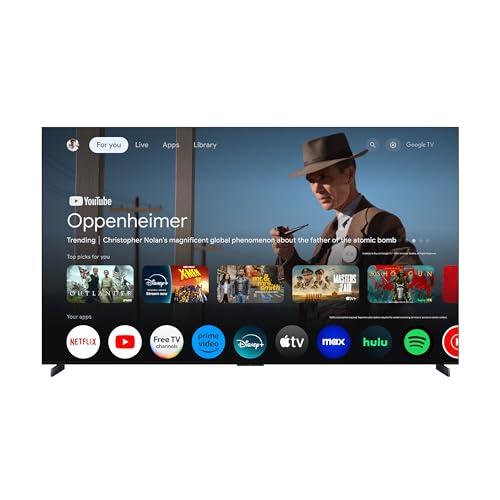
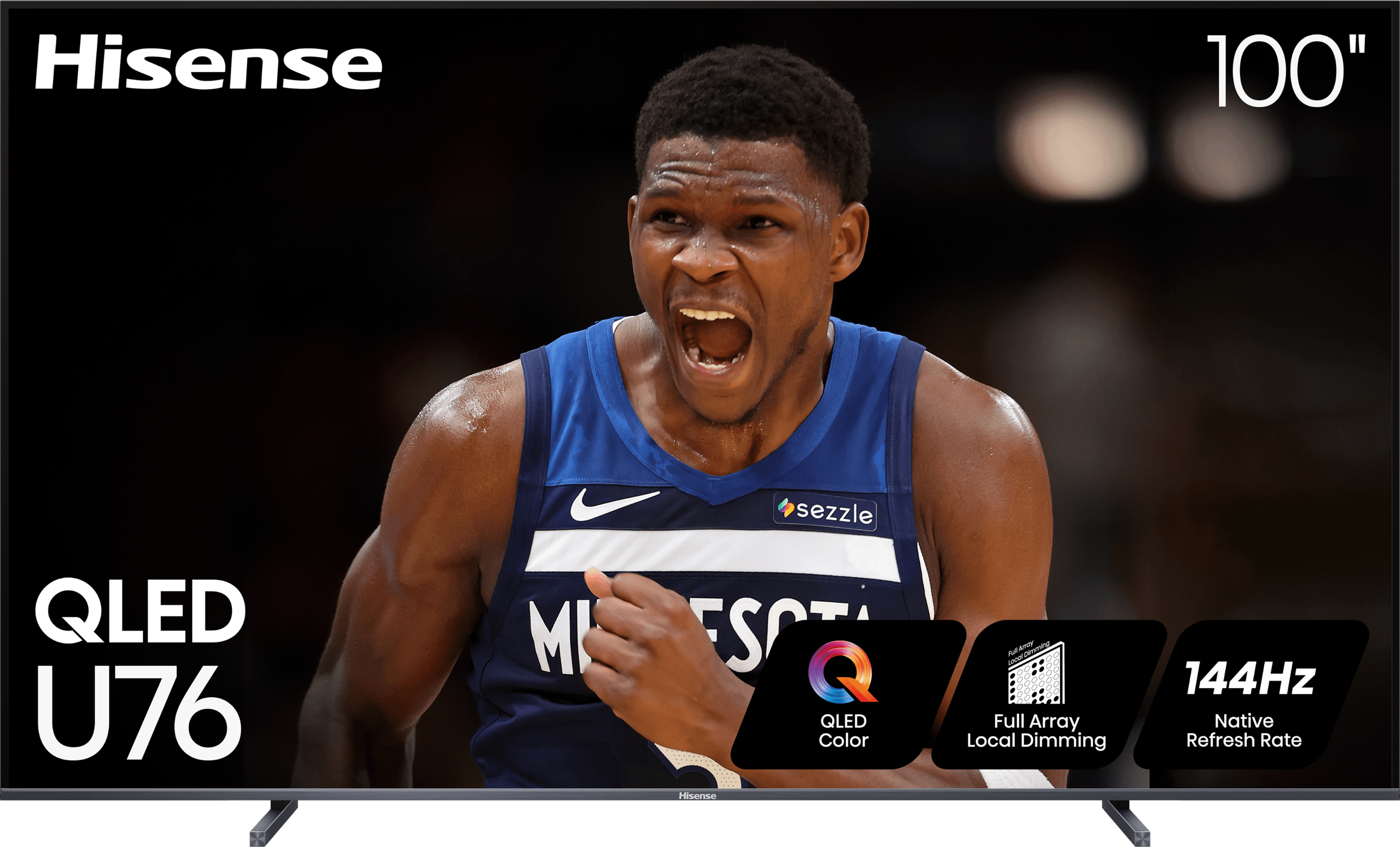
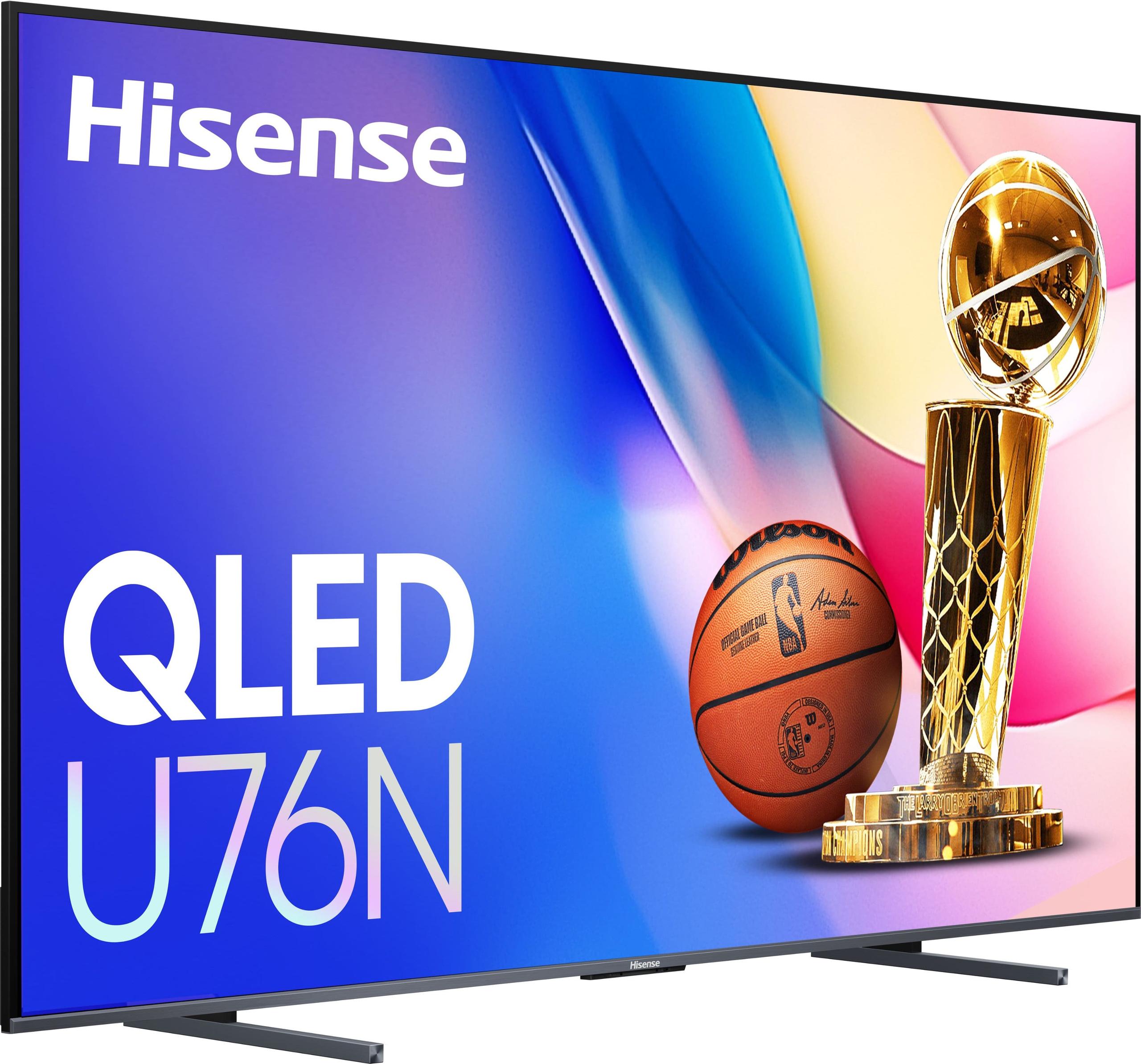
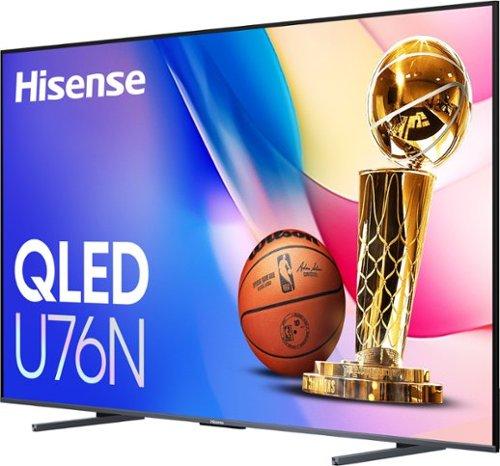
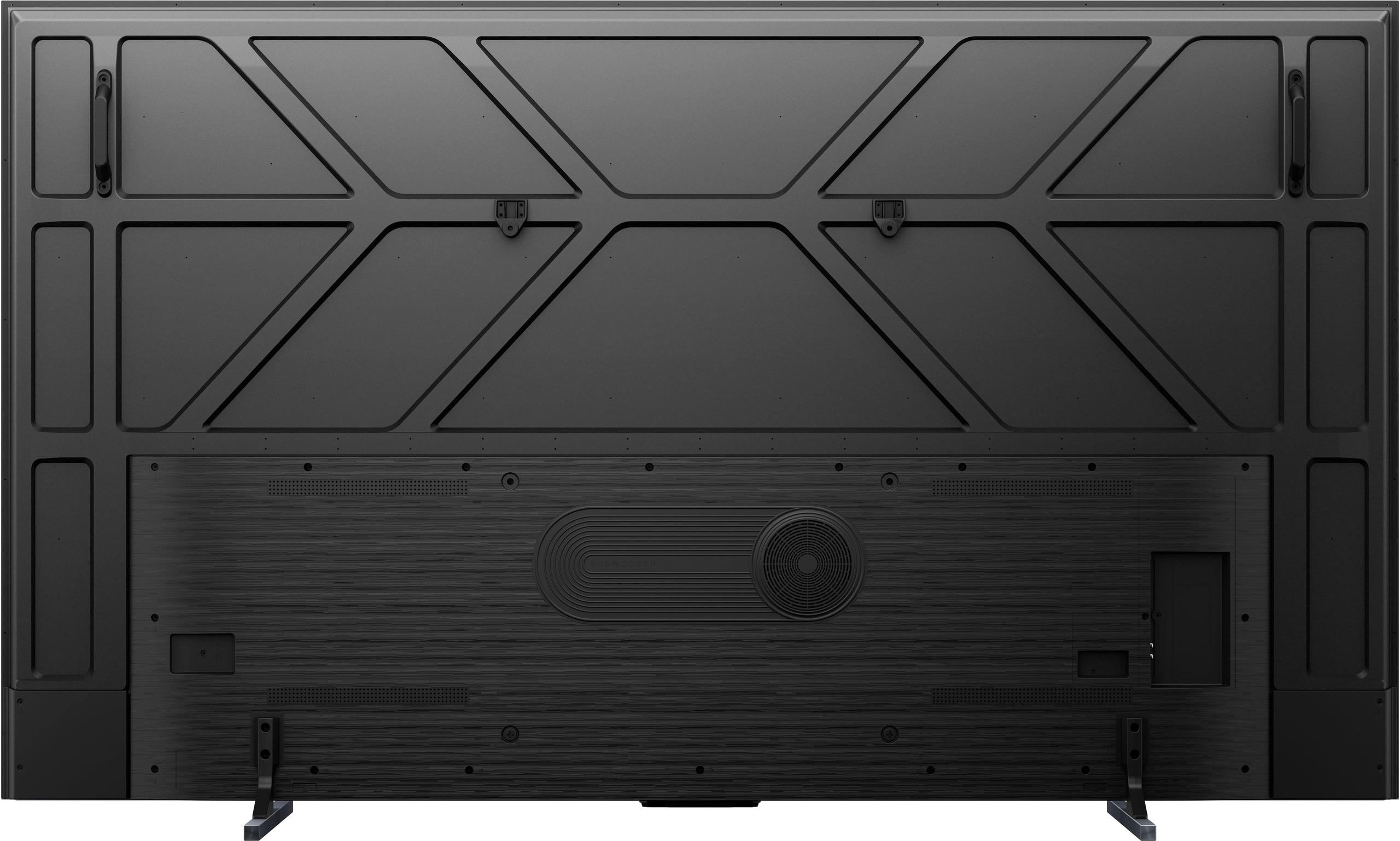
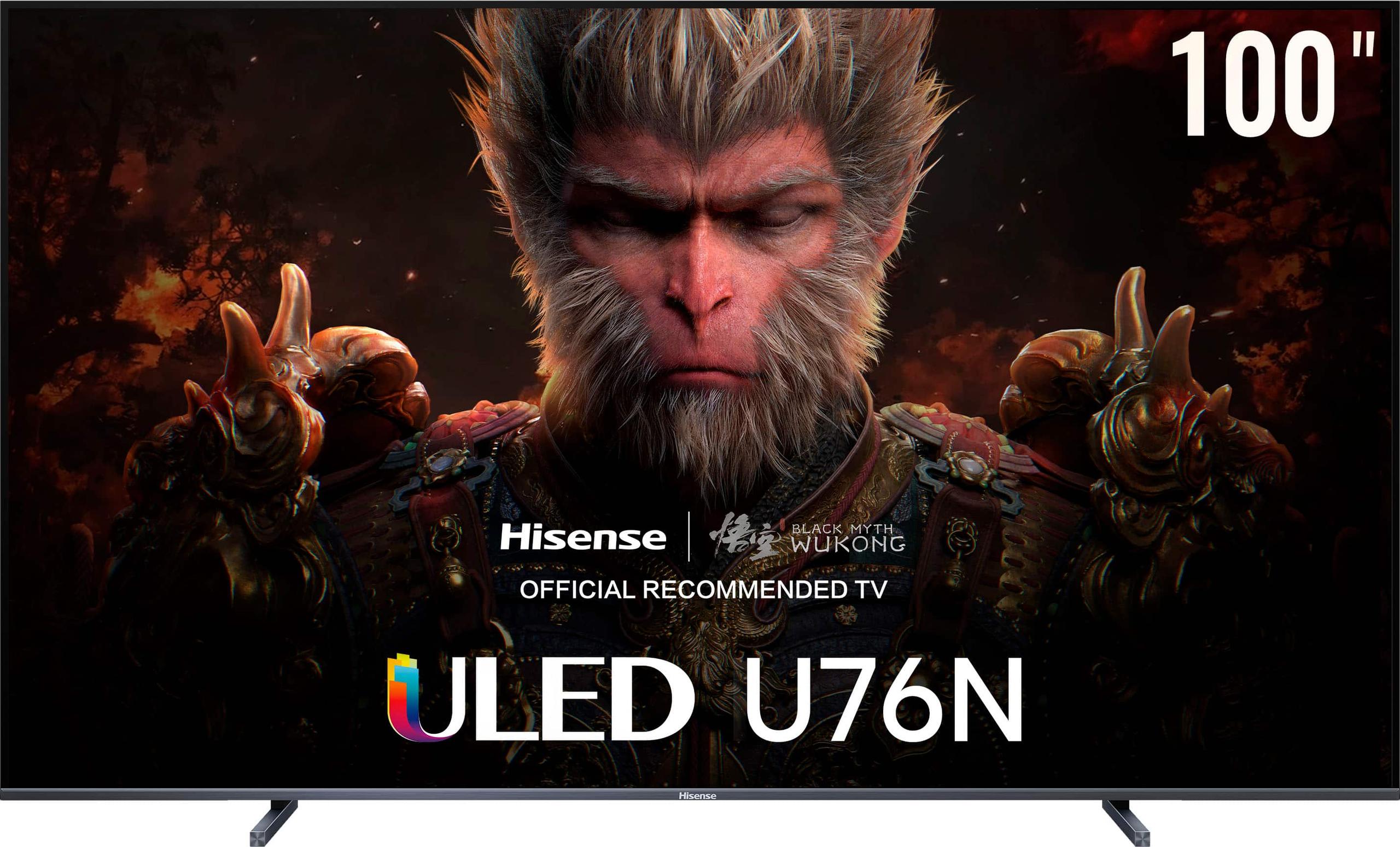
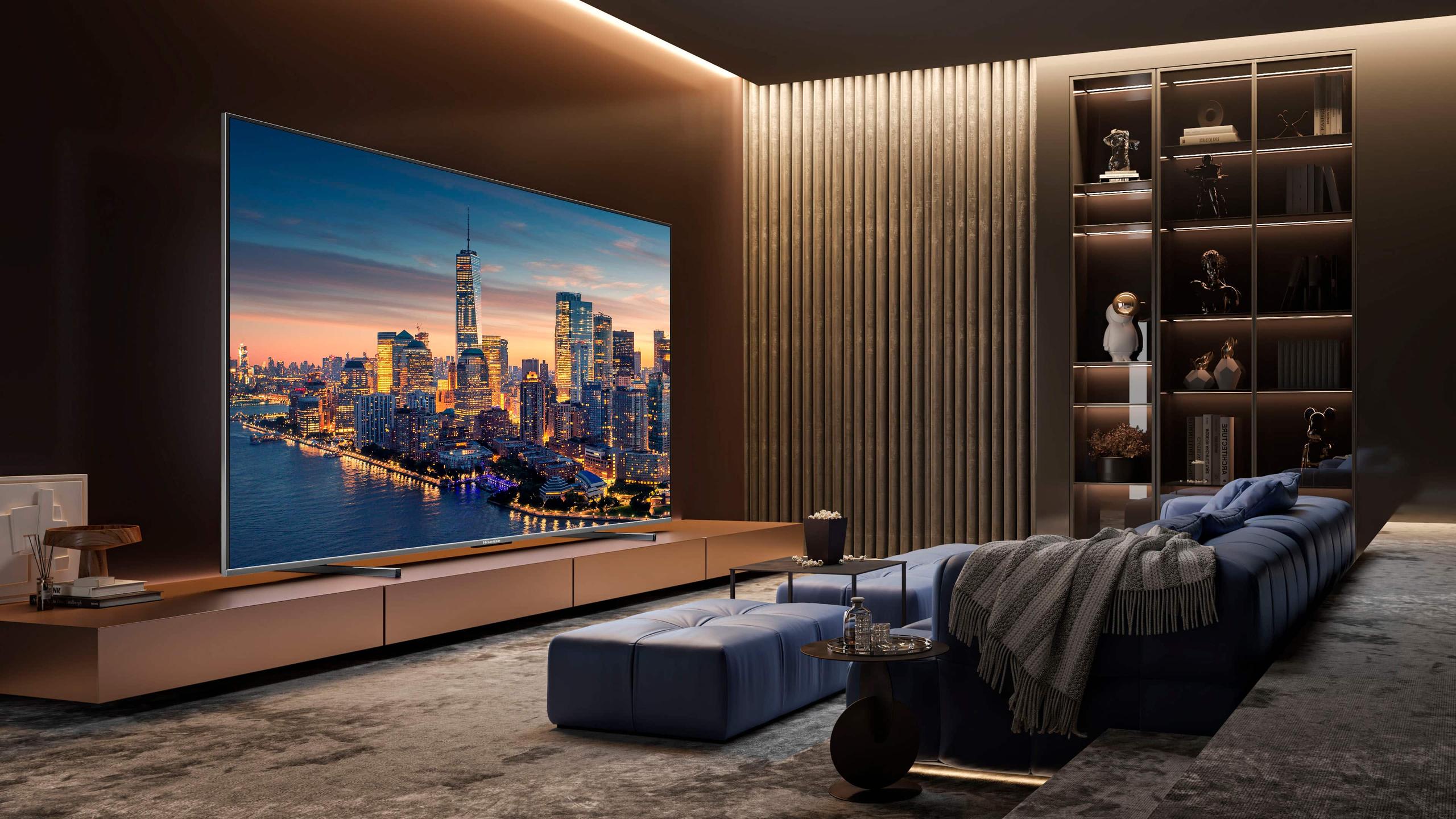

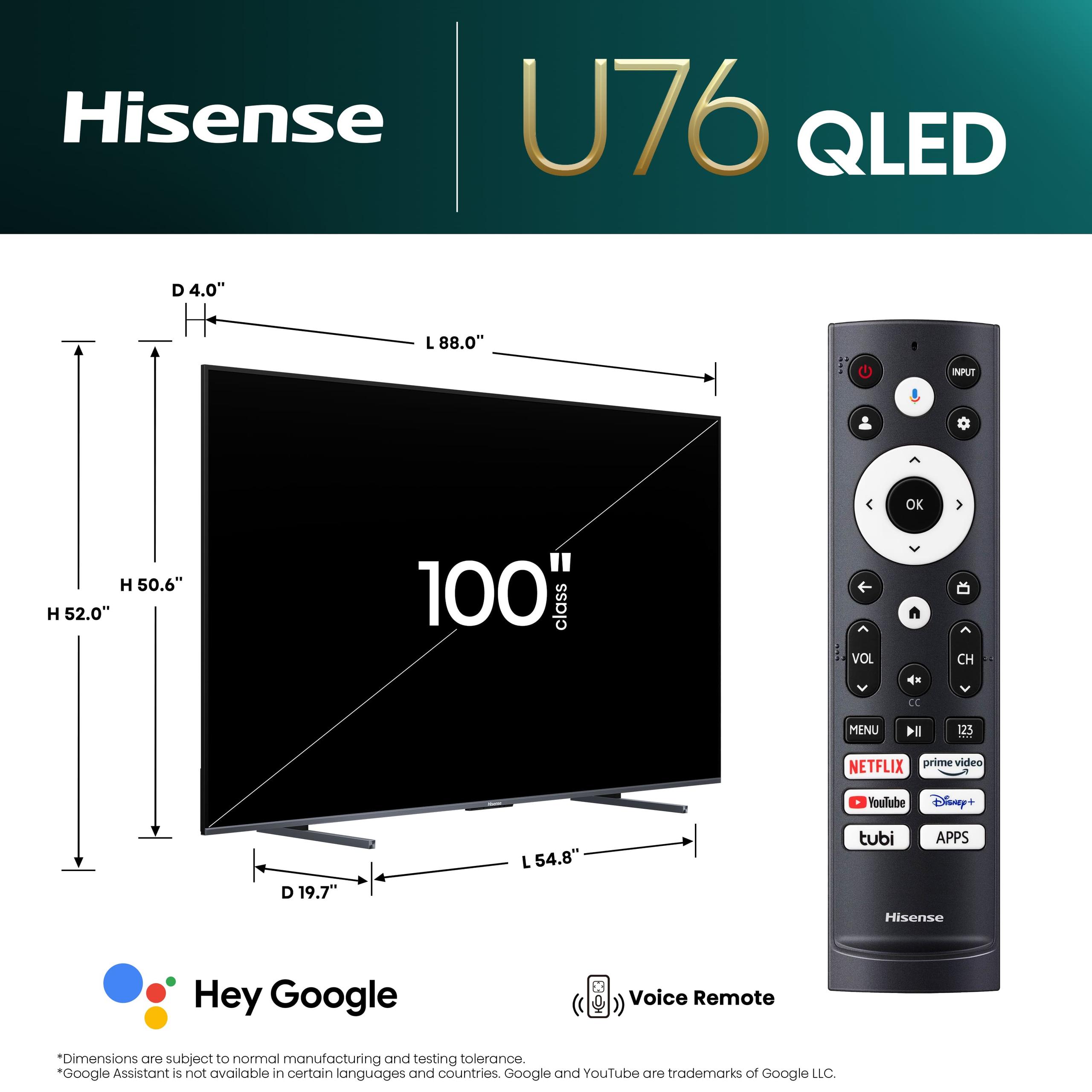
When you're ready to transform your living room into a proper home theater, the decision between ultra-large TVs becomes both exciting and overwhelming. We're talking about displays that dominate entire walls—the kind that make your friends do double-takes when they walk into your room. Two standout options in this premium category are the TCL 98" X11K and the Hisense 100" U76 Series, but they take dramatically different approaches to delivering that cinema-sized experience.
Before diving into specifics, it's worth understanding what separates these giants from regular TVs. Ultra-large displays (95+ inches) represent the cutting edge of home display technology, competing directly with projector setups while offering distinct advantages. Unlike projectors, which require darkened rooms and can struggle with ambient light, these massive TVs maintain consistent brightness and color accuracy regardless of your lighting situation.
The key considerations at this scale go beyond just size. You're looking at display technologies that can make or break the viewing experience, brightness levels that determine whether HDR content truly shines, and smart features that need to justify the premium you're paying. Most importantly, you need to consider your room setup—these displays require 12-16 feet of viewing distance for optimal experience, making them serious commitments to your space planning.
The most significant difference between the TCL X11K and Hisense U76 lies in their fundamental display technology, and this difference affects nearly every aspect of performance.
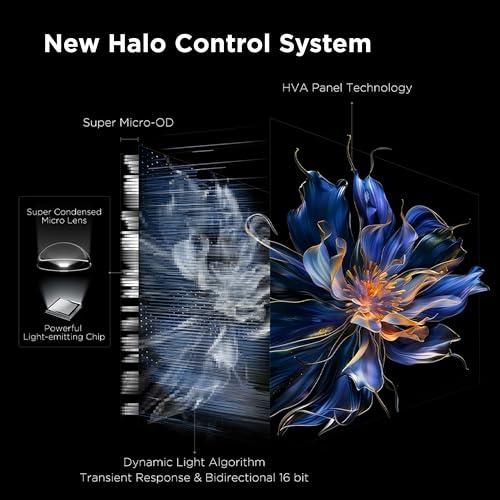
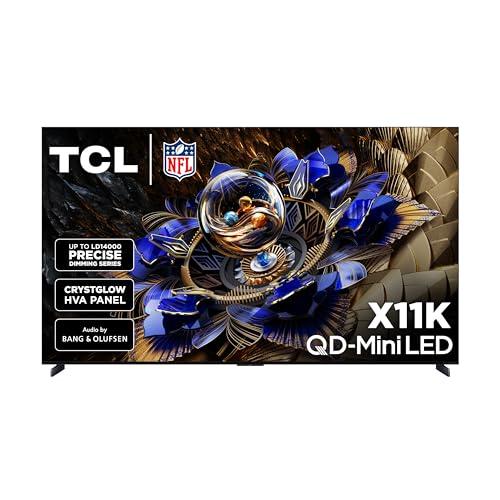
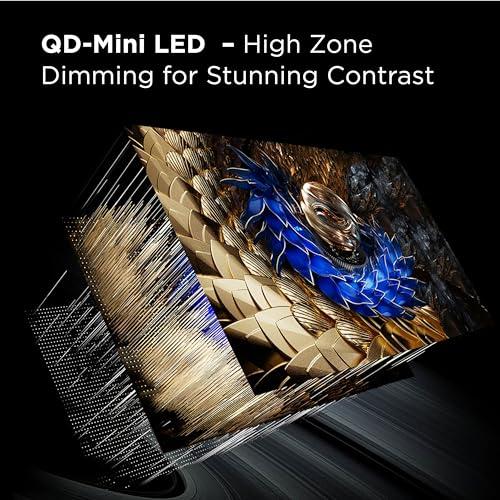
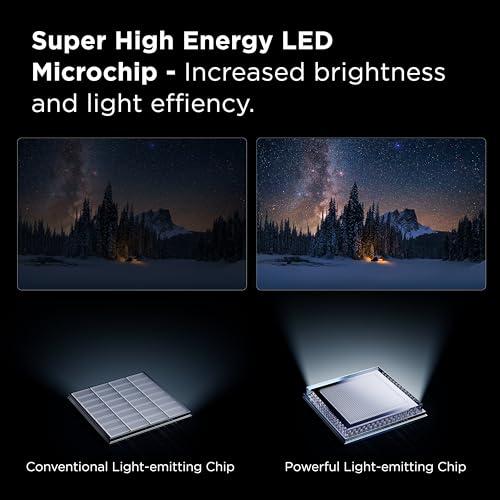
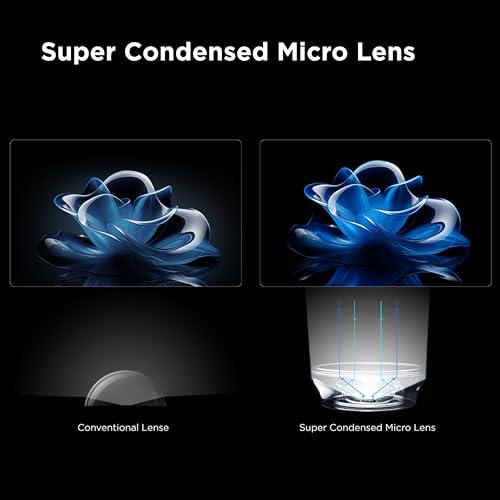
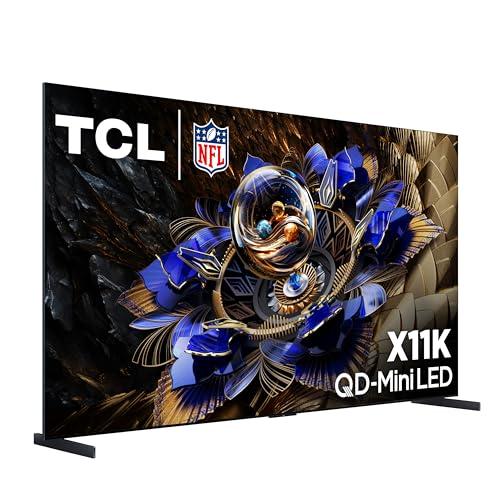
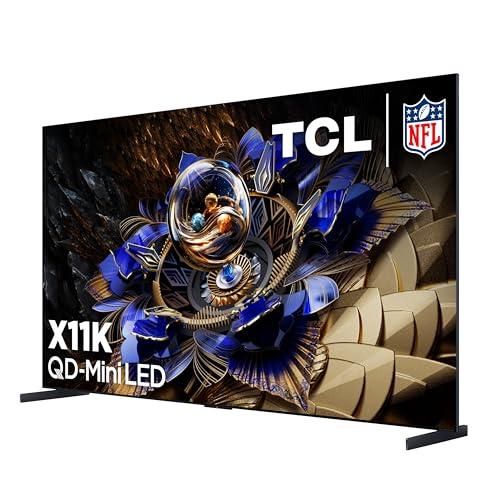
The TCL X11K, released in 2024, uses what's called QD-Mini LED technology. Think of it as the premium evolution of traditional LED backlighting. Instead of using larger LED bulbs spread across the back of the screen, Mini LED employs thousands of tiny LEDs—in this case, supporting up to 14,000 individual dimming zones. Each zone can brighten or dim independently, creating contrast that approaches what you'd get from high-end OLED displays.
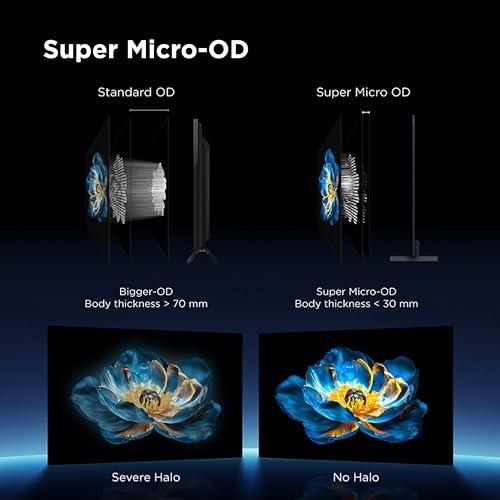
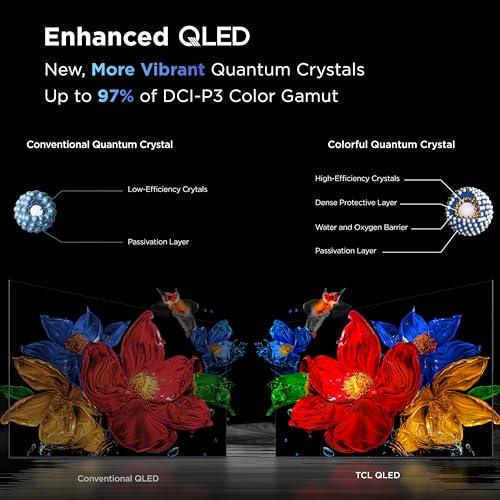
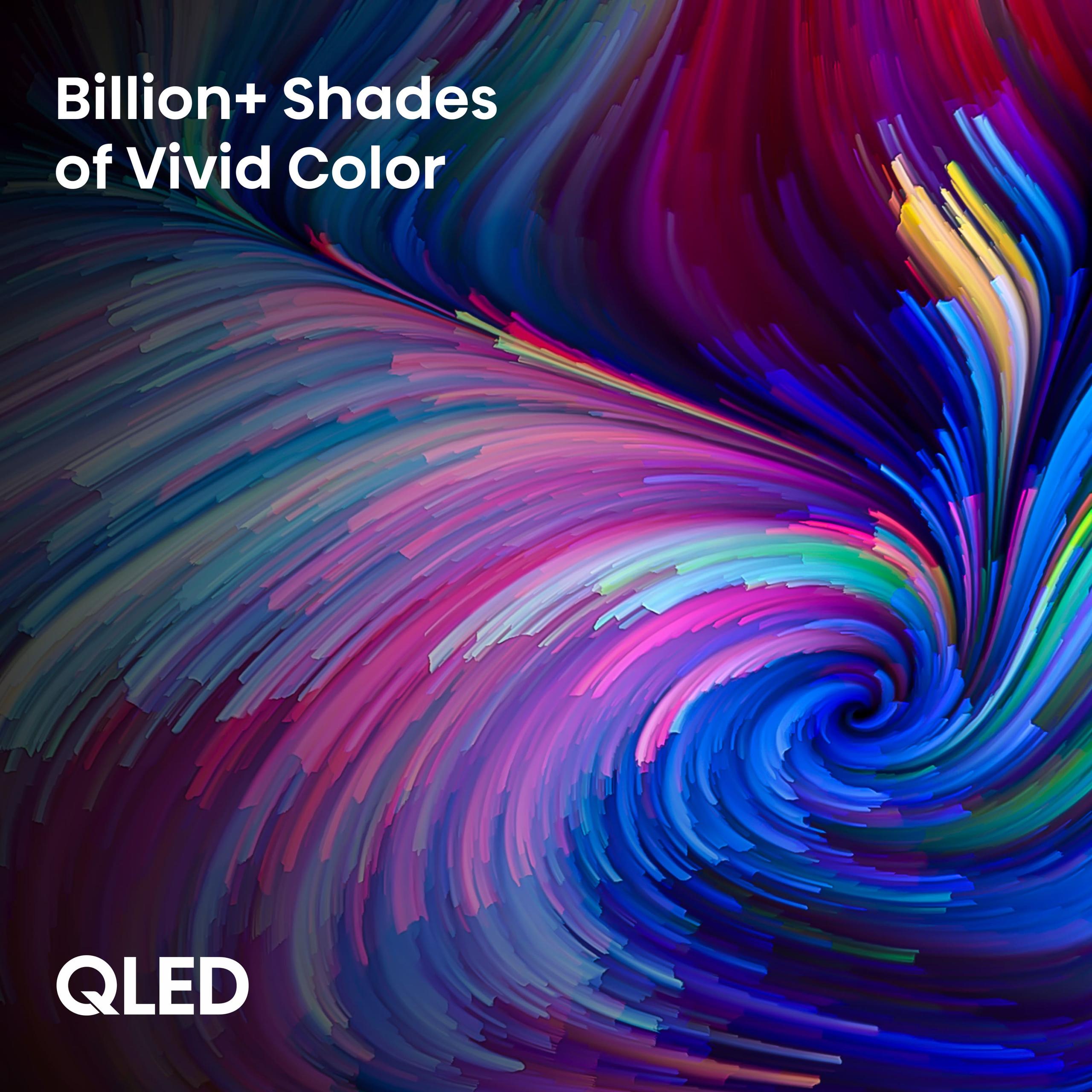
What makes this particularly impressive is the quantum dot layer (that's the "QD" part), which acts like a color filter that produces incredibly pure colors. When you combine this with the precise control of 14,000 dimming zones, you get images where a bright star can shine against a completely black sky without any unwanted glow or "blooming" around it.
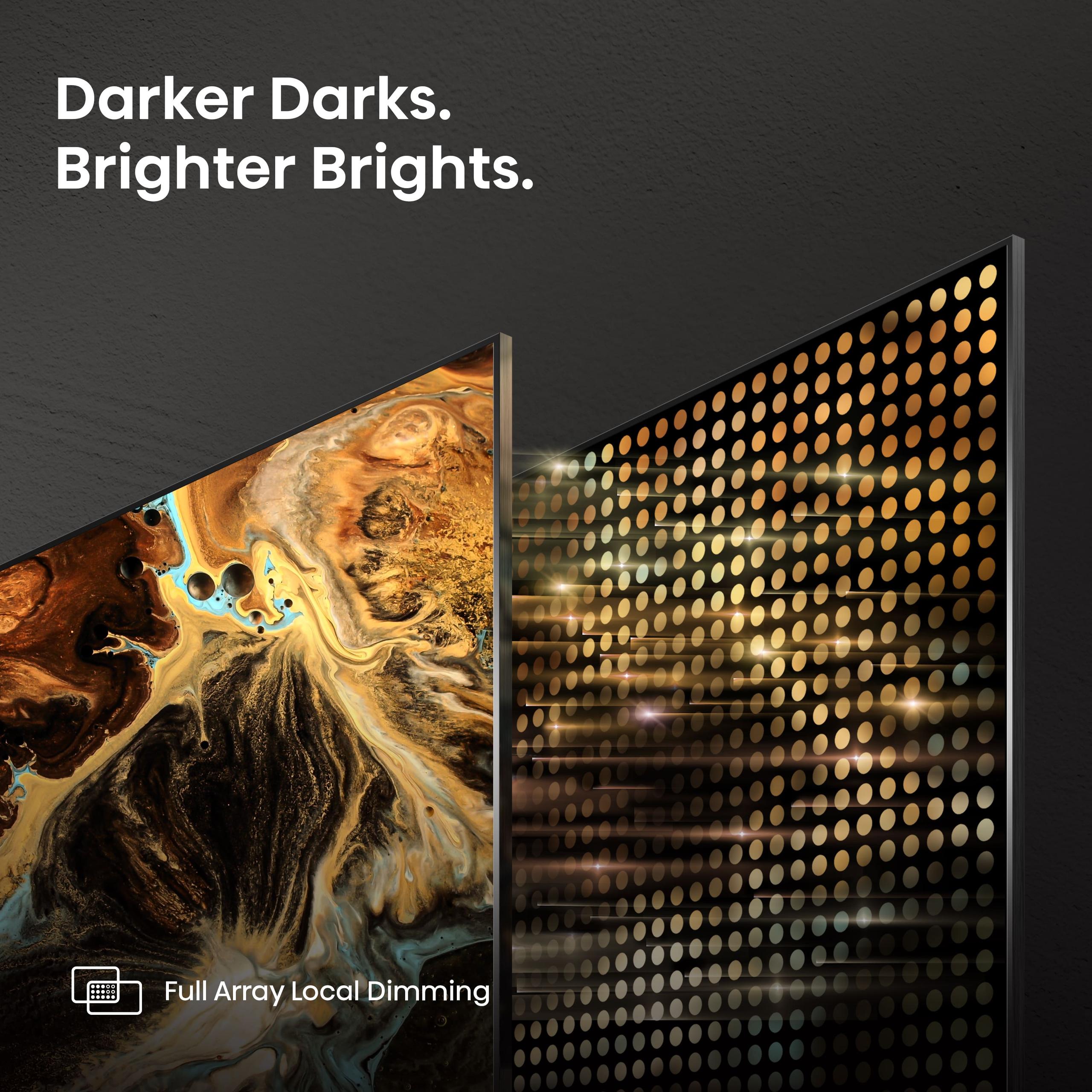
The Hisense U76, also from 2024, takes a more traditional approach with standard QLED technology. It uses Full Array Local Dimming with 256 zones—still quite good, but representing about 1/55th the precision of the TCL's system. The quantum dot technology is similar in principle, but the broader dimming zones mean you'll see more compromises in contrast performance.
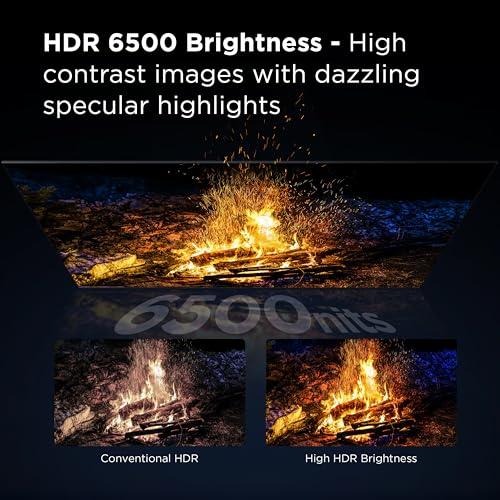
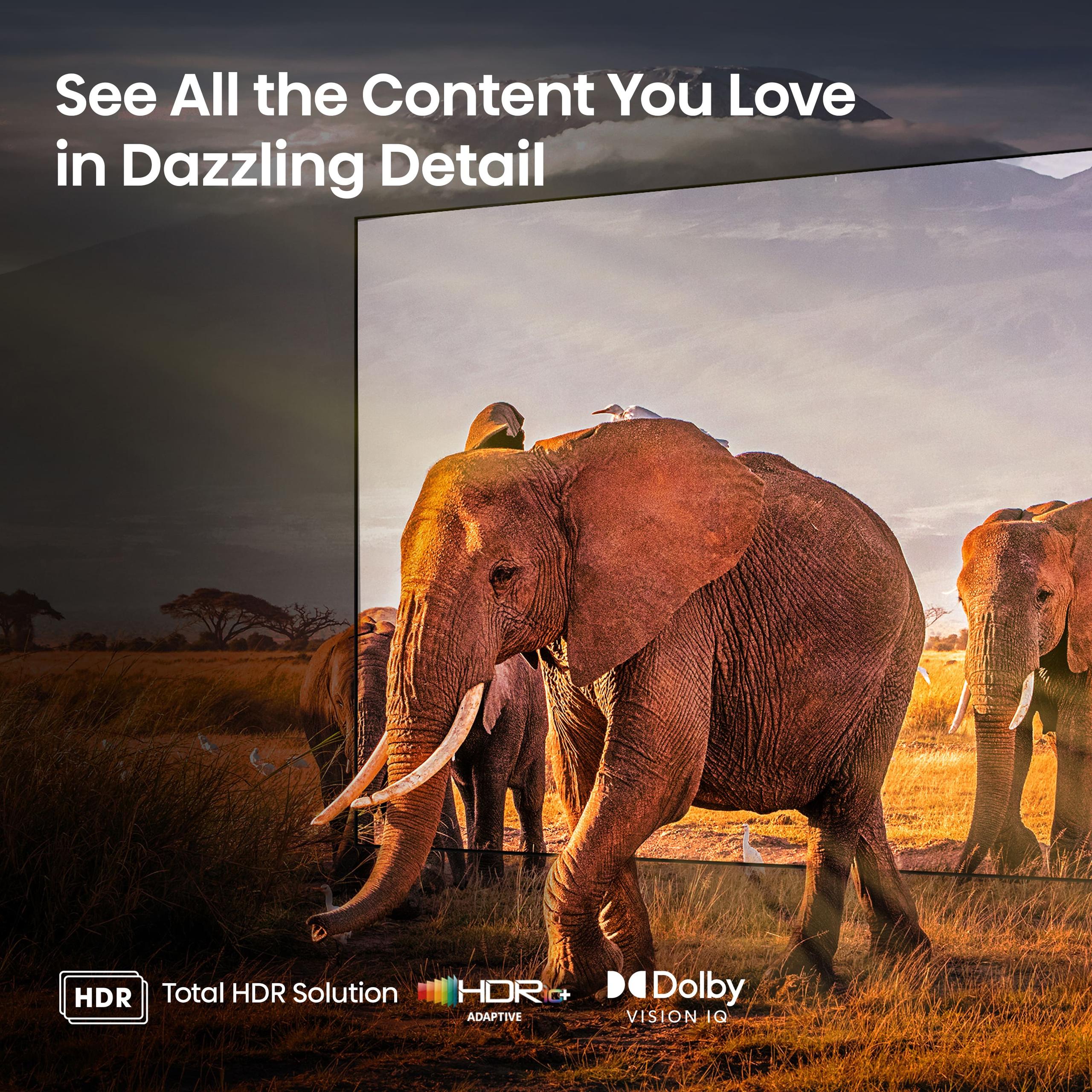
Here's where the technology difference becomes most apparent in real-world use. The TCL X11K can hit an extraordinary 6,500 nits of peak brightness, while the Hisense U76 maxes out around 800 nits. To put this in perspective, standard HDR content is mastered for 1,000-4,000 nits, meaning the TCL can actually display HDR highlights as bright as the content creators intended.
This brightness difference matters enormously for HDR performance. When you're watching a movie with bright explosions, gleaming metal, or sunny outdoor scenes, the TCL can make those highlights truly pop in a way that creates a visceral "wow" factor. The Hisense, while perfectly watchable, will compress those bright details down to its 800-nit ceiling, losing some of the intended impact.
From our research into user experiences, this brightness advantage becomes even more critical in rooms with ambient light. If you have windows or prefer watching with some lights on, the TCL X11K maintains its punch and color accuracy, while the Hisense begins to look washed out.
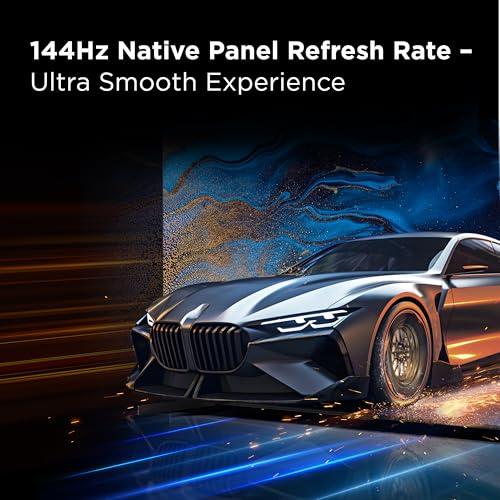
Both displays excel for gaming, but with important distinctions. The TCL X11K supports native 144Hz refresh rates and can handle Variable Refresh Rate (VRR) up to an impressive 288Hz through its Game Accelerator feature. This means extremely smooth motion in fast-paced games and virtually no screen tearing or stuttering.
The Hisense U76 also delivers solid gaming performance with 144Hz native refresh rates and VRR support from 48-144Hz, plus AMD FreeSync Premium certification. For most gamers, this represents excellent performance that will handle current and near-future gaming demands without issue.
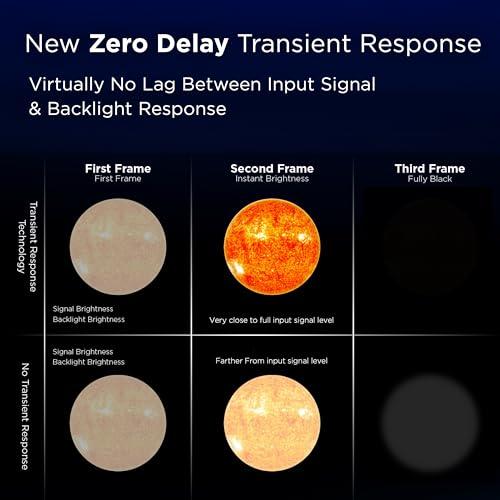
Where the TCL pulls ahead is in its "Zero Delay Transient Response" technology, which minimizes input lag to imperceptible levels. If you're into competitive gaming where every millisecond counts, this advantage could be meaningful. For casual gaming, both perform admirably.
The higher brightness of the TCL X11K also benefits gaming, particularly in games with HDR support. Those dramatic lighting effects and realistic outdoor scenes will have more impact and accuracy on the TCL's high-brightness display.
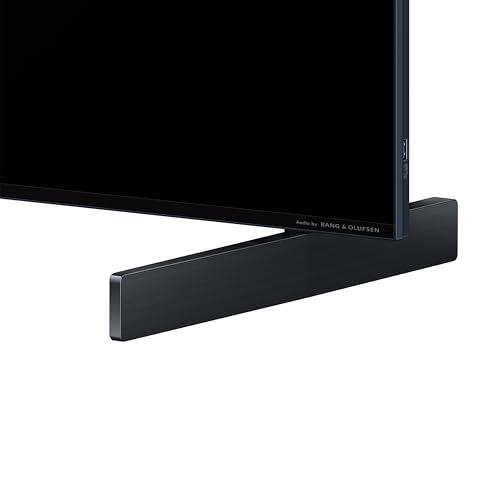
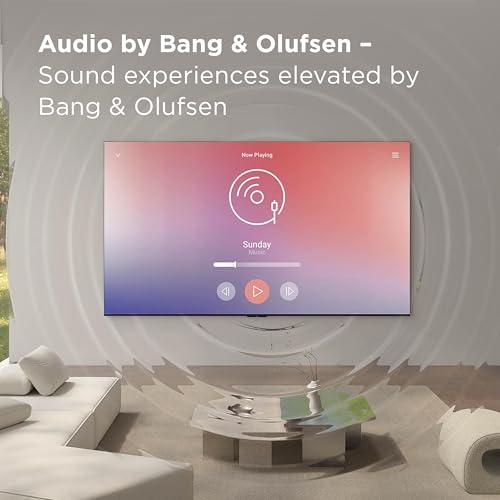
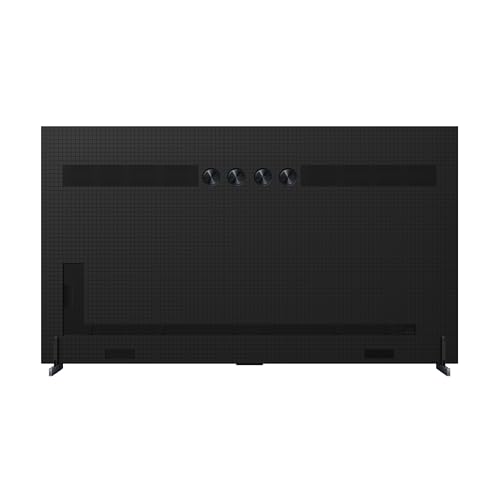
Audio represents another clear differentiation point. The TCL X11K features a Bang & Olufsen-tuned 2.1.1 channel system with 120W of total power and full Dolby Atmos processing. This isn't just marketing—Bang & Olufsen's acoustic engineering creates noticeably better soundstaging and clarity compared to typical TV speakers.
The Hisense U76 includes a more basic 2.1 system with 50W total power, though it does support Dolby Atmos processing. While functional, most users find themselves wanting to add a soundbar relatively quickly.
For home theater applications, this audio difference matters. The TCL's superior built-in audio means you might delay or skip adding external speakers, while the Hisense almost demands audio upgrades to match its impressive visual scale.
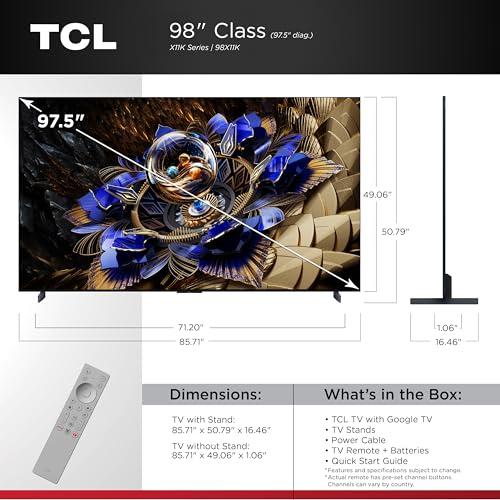
The 2-inch size difference might seem minimal, but at this scale, it represents a meaningful increase in screen area—roughly 4% more viewing space. From typical viewing distances (12-15 feet), this translates to a noticeably more immersive experience with the Hisense U76.
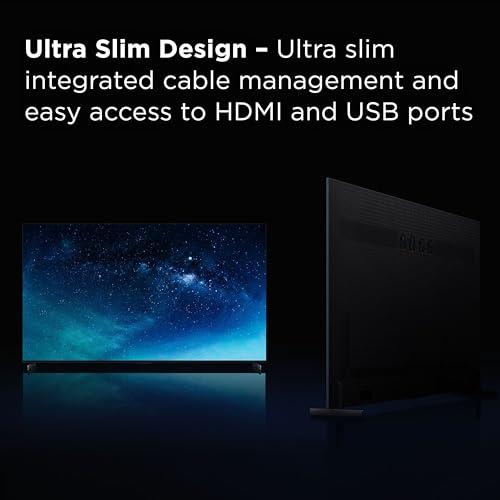
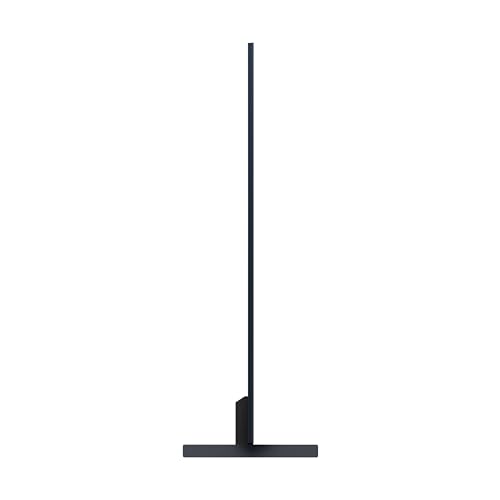
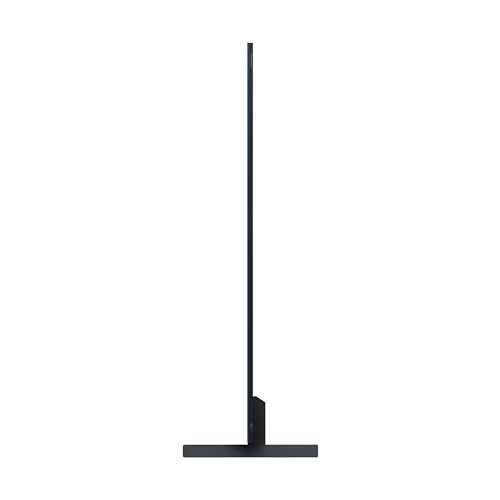
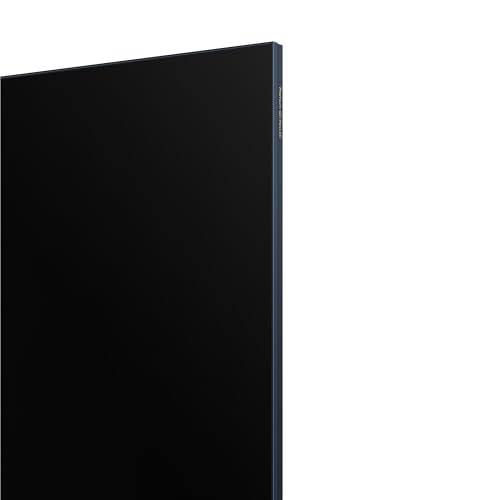
However, size considerations go beyond just screen dimensions. The TCL X11K is notably thinner (about 3 inches thinner according to specifications), making it easier to wall-mount and creating a more premium, integrated look. The Hisense is substantially heavier and bulkier, requiring more robust mounting solutions and careful planning.
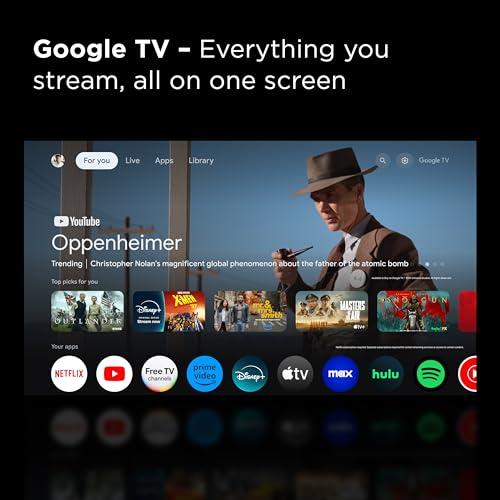
Both displays run Google TV, providing identical access to streaming services, voice control, and smart home integration. The TCL X11K includes some premium conveniences like hands-free voice control and Multi View 2.0, which allows you to display content from four different sources simultaneously—useful for sports viewing or monitoring multiple inputs.
The user interface performance is generally snappy on both displays, though the TCL's more powerful processing tends to handle app switching and complex operations slightly more smoothly.
At the time of writing, these displays occupy very different value territories. The Hisense U76 represents exceptional value for pure screen size, offering 100 inches at a price point that makes ultra-large viewing accessible to more buyers. You're getting legitimate 4K performance, decent HDR capability, and solid smart features at roughly one-quarter the cost of the TCL.
The TCL X11K commands a significant premium but delivers flagship-level technology that justifies the higher investment for users prioritizing picture quality. The Mini LED technology, extreme brightness capability, and premium audio create an experience that genuinely approaches high-end commercial displays.
Bright Rooms: The TCL X11K dominates here. Its massive brightness advantage means HDR content maintains impact even with windows open or lights on. The Hisense struggles in bright environments, appearing washed out and losing color saturation.
Dedicated Theater Rooms: In dark, controlled environments, both displays can shine, but the TCL's superior contrast control and brightness headroom still provide advantages. The Hisense performs much better in dark rooms than bright ones, making this its ideal environment.
Mixed-Use Living Spaces: The TCL's versatility across different lighting conditions makes it more practical for rooms that serve multiple purposes. The Hisense requires more careful light management to perform at its best.
For serious home theater use, the TCL X11K offers clear advantages. The superior contrast control means you can properly appreciate cinematography in dark scenes without losing detail, while the high brightness capability ensures bright scenes have proper impact. The Bang & Olufsen audio system also means you can delay investing in external audio equipment.
The Hisense U76 can certainly anchor a home theater setup, particularly if you're planning to add quality external audio anyway. The larger screen size provides that extra immersion factor, and in a properly darkened theater room, the brightness limitations become less problematic.
Both displays represent 2024 technology, incorporating recent advances in local dimming, HDR processing, and gaming features. The TCL X11K appears more future-proof with its extreme brightness capability and advanced gaming features, likely remaining competitive longer as content and gaming continue to push boundaries.
The Hisense U76, while current-generation capable, may show its limitations sooner as HDR content continues to take advantage of higher brightness standards and more demanding gaming features become common.
Choose the TCL 98" X11K if:
Choose the Hisense 100" U76 if:
The choice between these displays ultimately comes down to priorities and budget. The Hisense U76 offers an incredible value proposition—genuine 100-inch viewing at an accessible price point with solid performance. It's the practical choice for most buyers wanting to experience ultra-large screen viewing.
The TCL X11K justifies its premium pricing with genuinely superior technology that enhances every aspect of the viewing experience. If you're building a serious home theater or simply want the best possible picture quality, the investment makes sense.
Neither choice is wrong—they serve different needs and budgets within the ultra-large TV category. The Hisense democratizes the large screen experience, while the TCL pushes the boundaries of what's possible in home display technology. Your decision should align with your specific priorities, viewing environment, and long-term satisfaction goals.
| TCL 98" X11K 4K QD-Mini LED Google TV | Hisense 100" U76 Series 4K UHD QLED Google TV |
|---|---|
| Screen Size - Bigger isn't always better at this scale | |
| 98 inches (97.5" viewable) | 100 inches (99.5" viewable) |
| Display Technology - The foundation of picture quality | |
| QD-Mini LED with 14,000 local dimming zones | Standard QLED with 256 local dimming zones |
| Peak Brightness - Critical for HDR impact and bright room viewing | |
| 6,500 nits (exceptional HDR performance) | 800 nits (adequate for dark rooms) |
| Refresh Rate - Important for gaming and sports | |
| 144Hz native, up to 288Hz VRR | 144Hz native, up to 144Hz VRR |
| Color Gamut - Determines color accuracy and vibrancy | |
| 97% DCI-P3, 1.07 billion colors | Standard QLED color gamut with Quantum Dot |
| Audio System - Built-in sound quality | |
| Bang & Olufsen 2.1.1 channel, 120W, Dolby Atmos | 2.1 channel, 50W, Dolby Atmos |
| Gaming Features - Advanced capabilities for serious gamers | |
| Game Accelerator 288, AMD FreeSync Premium Pro, Zero Delay Response | Game Mode Pro, AMD FreeSync Premium, ALLM/VRR |
| Smart Platform - User experience and app performance | |
| Google TV with hands-free voice control, Multi View 2.0 | Google TV with voice remote, standard smart features |
| Design Profile - Installation considerations | |
| Ultra-slim 1.1" depth, premium build quality | Standard 4.0" depth, heavier construction |
| HDR Formats - Content compatibility | |
| Dolby Vision IQ, HDR10+, HDR10, HLG | Dolby Vision, HDR10+, HDR10, HLG |
| Connectivity - Future-proofing and device support | |
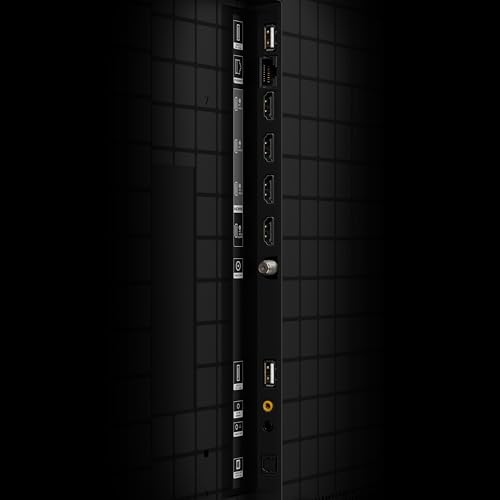
| 4 HDMI (2.1 spec), Wi-Fi 6, comprehensive port selection | 4 HDMI (2 with 4K@144Hz), Wi-Fi 6E, standard connectivity |
| Target Market - Who this TV is designed for | |
| Premium home theater enthusiasts seeking flagship performance | Value-conscious buyers prioritizing maximum screen size |
The TCL 98" X11K is significantly better for bright rooms due to its exceptional 6,500 nits peak brightness compared to the Hisense 100" U76's 800 nits. This massive brightness advantage means HDR content maintains its impact even with windows open or lights on, while the Hisense can appear washed out in bright environments.
The Hisense 100" U76 offers a 100-inch screen (99.5" viewable) compared to the TCL 98" X11K's 98-inch display (97.5" viewable). While only a 2-inch difference, this translates to roughly 4% more screen area and a noticeably more immersive viewing experience at typical viewing distances.
The TCL 98" X11K delivers superior picture quality with its advanced QD-Mini LED technology featuring 14,000 local dimming zones versus the Hisense 100" U76's 256 zones. This results in better contrast, deeper blacks, less blooming, and more accurate HDR reproduction on the TCL.
Yes, both TVs excel for gaming. The TCL 98" X11K offers 144Hz native refresh rate with up to 288Hz VRR and advanced gaming features, while the Hisense 100" U76 provides 144Hz with standard VRR up to 144Hz. Both support AMD FreeSync and low input lag, making them excellent choices for modern gaming.
The Hisense 100" U76 offers exceptional value, providing 100 inches of 4K viewing at a fraction of the cost of premium alternatives. The TCL 98" X11K commands a premium but justifies it with flagship Mini LED technology, superior brightness, and premium features for those prioritizing ultimate picture quality.
The TCL 98" X11K features a superior Bang & Olufsen 2.1.1 channel system with 120W power and Dolby Atmos, delivering notably better built-in sound. The Hisense 100" U76 has a basic 2.1 system with 50W power that, while functional, typically requires external audio upgrades for optimal performance.
For dedicated home theater use, the TCL 98" X11K is the superior choice due to its exceptional contrast control, high brightness capability, and premium audio system. However, the Hisense 100" U76 can work well in dark theater rooms and offers the advantage of a larger 100-inch screen for maximum immersion.
Both the TCL 98" X11K and Hisense 100" U76 run Google TV with similar streaming capabilities and voice control. However, the TCL includes premium features like hands-free voice control and Multi View 2.0 for displaying multiple sources simultaneously, giving it a slight edge in smart functionality.
The TCL 98" X11K significantly outperforms the Hisense 100" U76 in HDR content. With 6,500 nits peak brightness versus 800 nits, the TCL can display HDR highlights as intended by content creators, while the Hisense compresses bright details due to its lower brightness ceiling.
Yes, the TCL 98" X11K is notably thinner (1.1" depth) and easier to wall-mount with a more premium, integrated appearance. The Hisense 100" U76 is thicker (4.0" depth) and significantly heavier, requiring more robust mounting solutions and careful planning for installation.
The TCL 98" X11K appears more future-proof with its advanced Mini LED technology, extreme brightness capability, and comprehensive gaming features that will remain competitive longer. The Hisense 100" U76, while current-generation capable, may show limitations sooner as content and gaming standards continue advancing.
Both the TCL 98" X11K and Hisense 100" U76 require substantial viewing distances of 12-16 feet for optimal experience. These are serious space commitments that work best in large living rooms, dedicated theater rooms, or open-concept spaces where you can achieve proper viewing geometry.
We've done our best to create useful and informative comparisons to help you decide what product to buy. Our research uses advanced automated methods to create this comparison and perfection is not possible - please contact us for corrections or questions. These are the sites we've researched in the creation of this article: ecoustics.com - pcrichard.com - tcl.com - valueelectronics.com - bestbuy.com - tcl.com - whathifi.com - tcl.com - youtube.com - displayspecifications.com - whathifi.com - youtube.com - notebookcheck.net - tcl.com - tcl.com - displayspecifications.com - tcl.com - tcl.com - pcguide.com - en.homecinesolutions.fr - youtube.com - tcl.com - bestbuy.com - greentoe.com - walmart.com - rtings.com - youtube.com - files.hisense-usa.com - displayspecifications.com - hisense-canada.com - howards.pairsite.com - displayspecifications.com - electronicexpress.com - hisense-usa.com

Privacy Policy
Terms and Conditions - Affiliate Policy
Home Security
© Copyright 2008-2026.
11816 Inwood Rd #1211, Dallas, TX 75244