

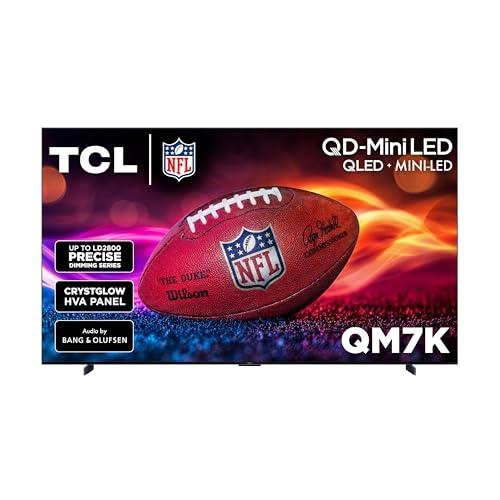
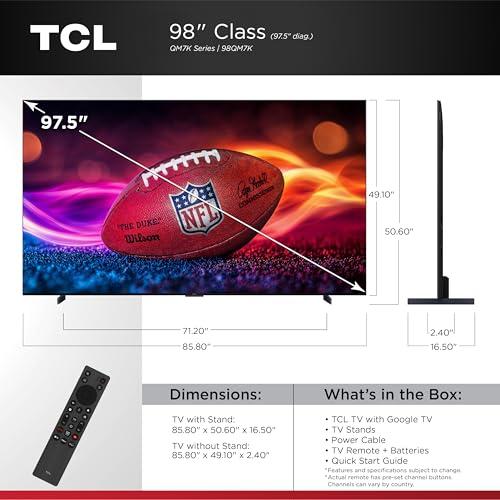

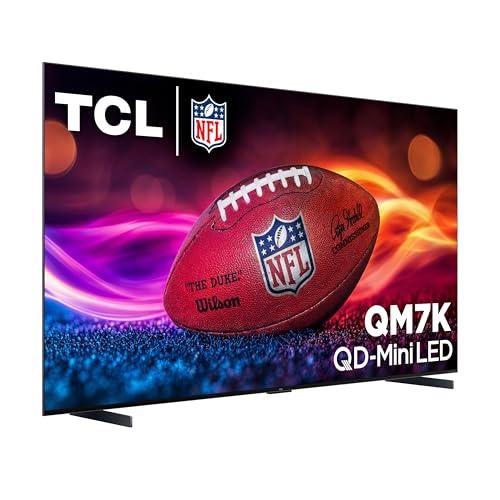
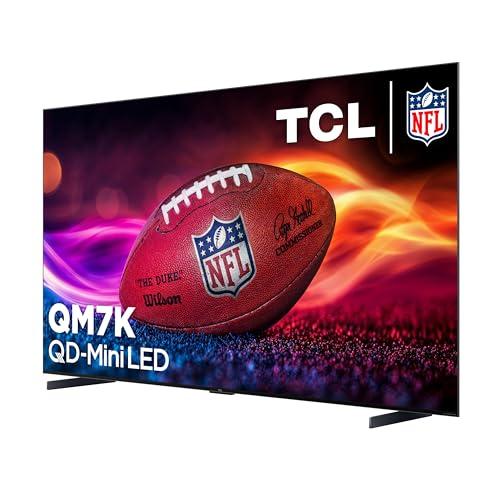
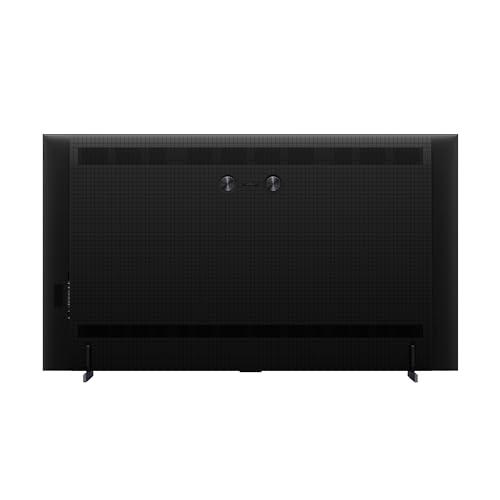
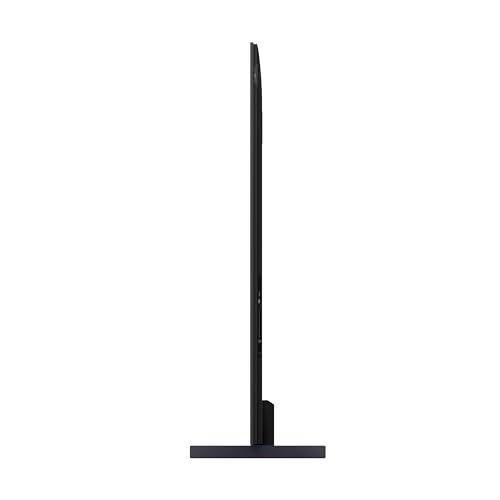
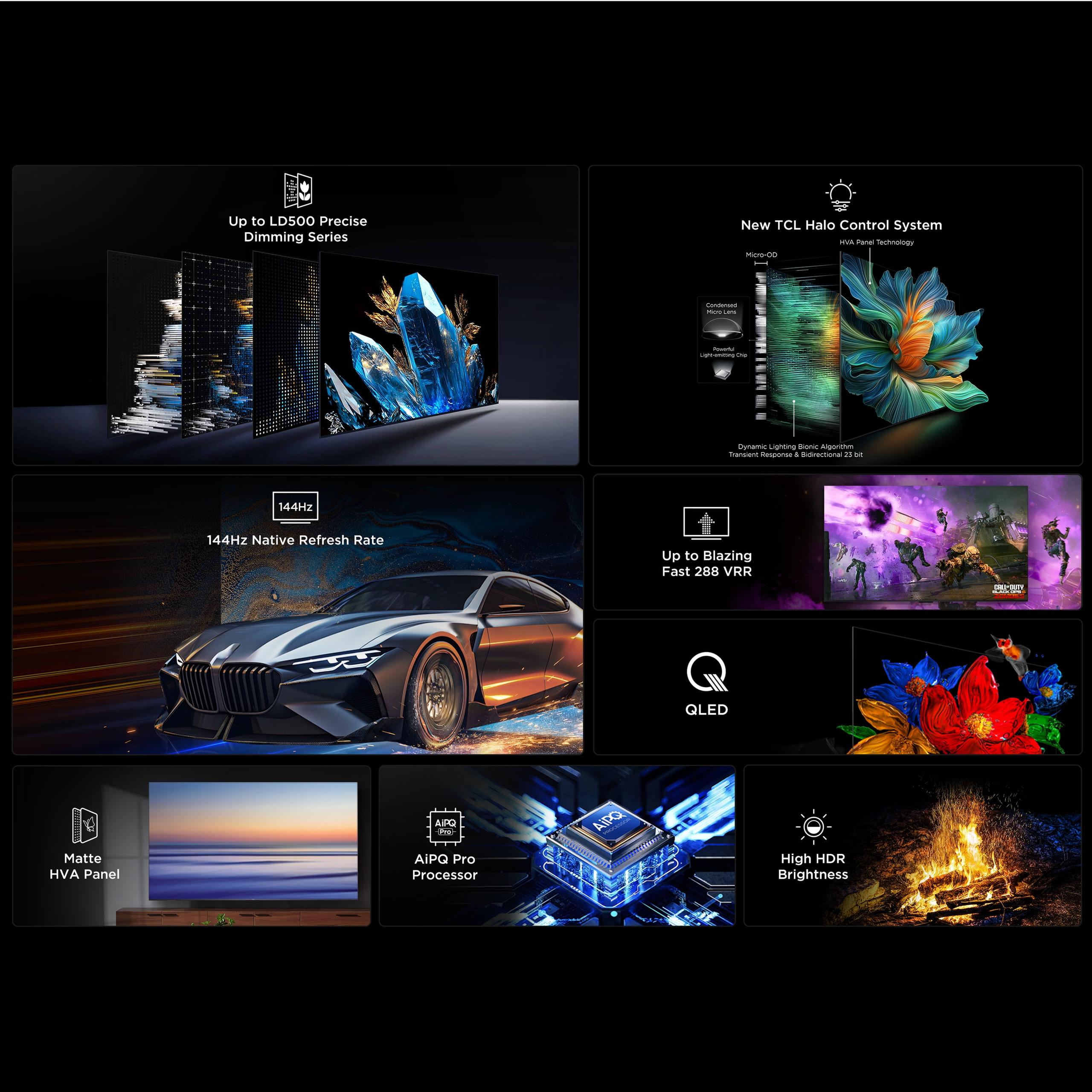
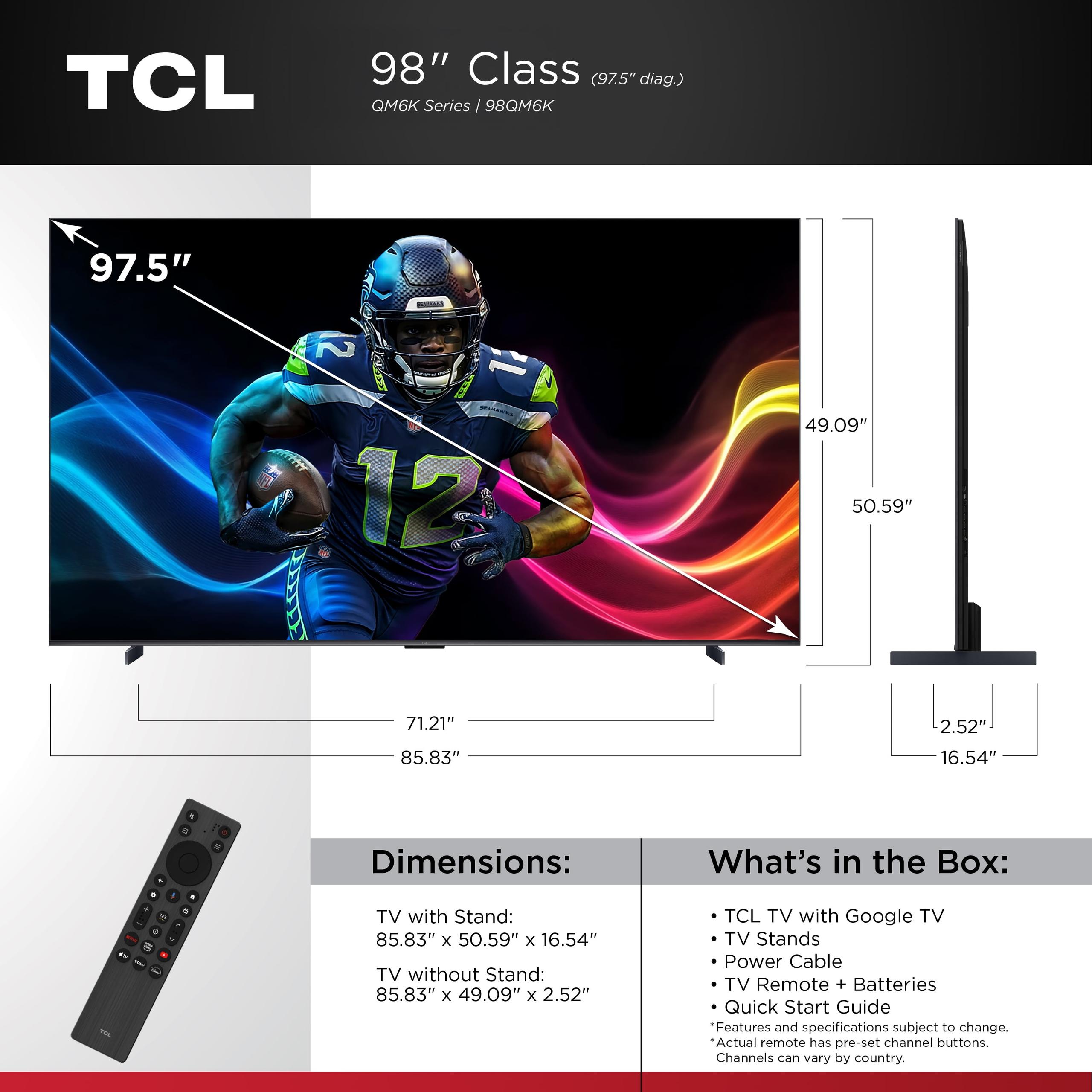
When you're shopping for a 98-inch TV, you're not just buying a display – you're investing in the centerpiece of your home entertainment system. TCL released both the QM7K and QM6K in 2025, representing different approaches to massive screen technology. These aren't just bigger versions of smaller TVs; they're engineered specifically for people who want cinema-level immersion without the complexity of a projector setup.
The 98-inch TV market has exploded in recent years as manufacturing costs have dropped and living rooms have gotten larger. What once required a $50,000 commercial display now costs a fraction of that, bringing true home theater experiences within reach of more families. Both TCL models use QD-Mini LED technology – a hybrid approach that combines quantum dot color enhancement with precise mini LED backlighting – but they execute this technology very differently.
Shopping for a 98-inch TV means you're entering premium territory where every decision matters more. At this size, picture quality flaws become magnified, room lighting becomes critical, and the viewing experience can make or break your investment. You're not just buying a TV; you're creating an entertainment destination that will likely serve your family for the next decade.
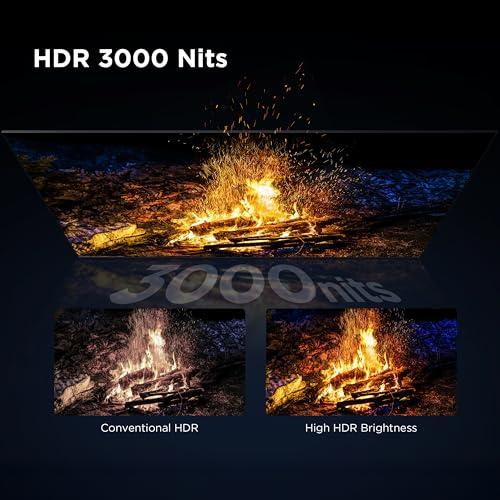
The key considerations at this level go beyond basic specs. Peak brightness determines whether HDR content looks spectacular or washed out. Local dimming zones control how well the TV handles scenes with both bright and dark elements – think a campfire against a night sky. Gaming performance matters because many buyers use these displays with high-end consoles or PCs. And room compatibility becomes crucial since you can't easily move a 98-inch TV to different locations.
At the time of writing, the QM7K commands a significant premium over the QM6K – roughly 65% more expensive. This price gap reflects substantial technology differences that translate into real-world performance variations you'll notice every time you turn on the TV.
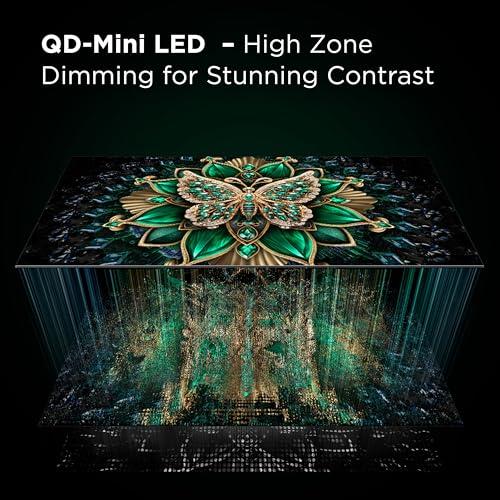
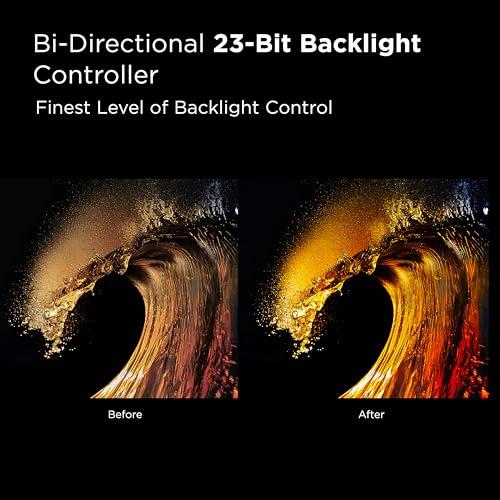
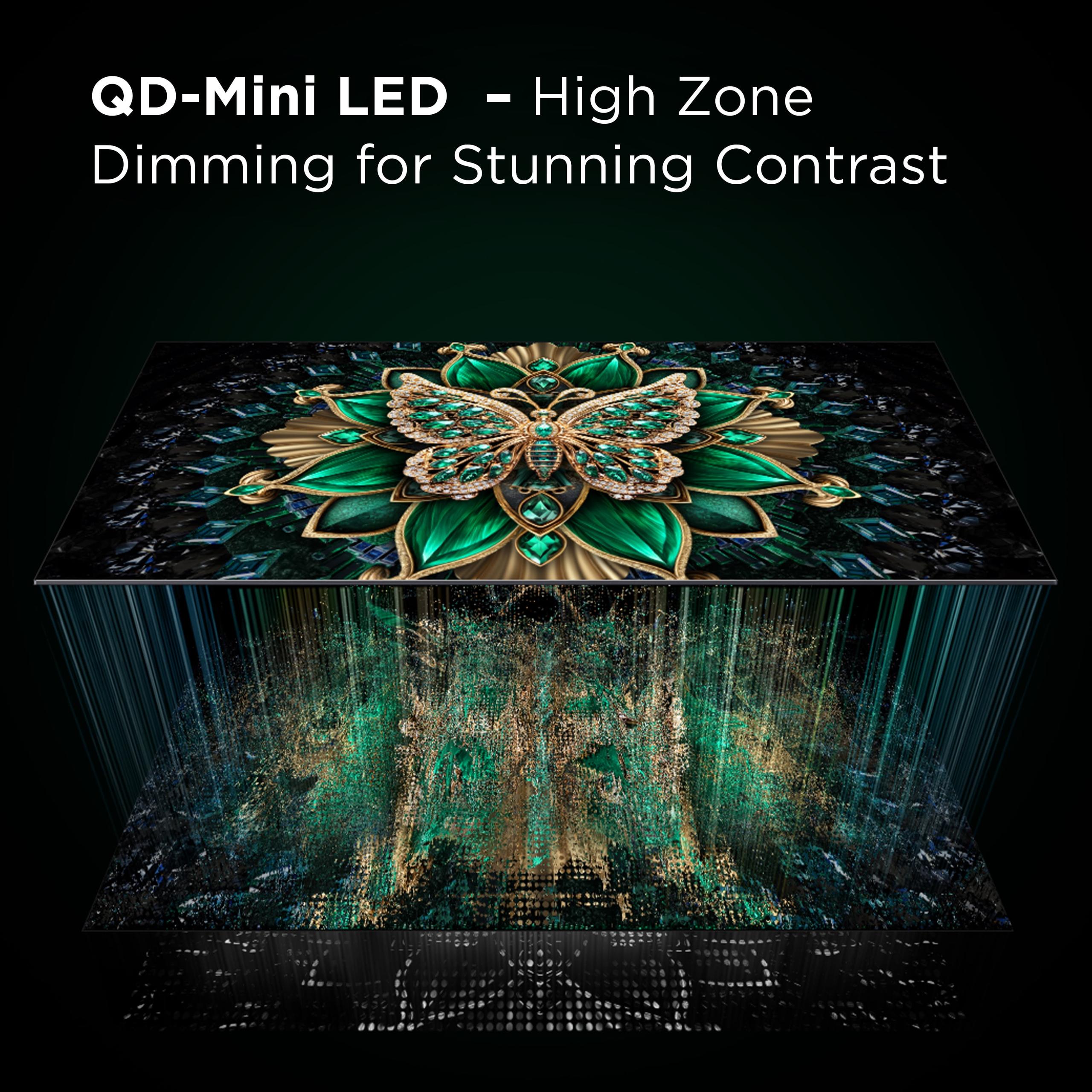
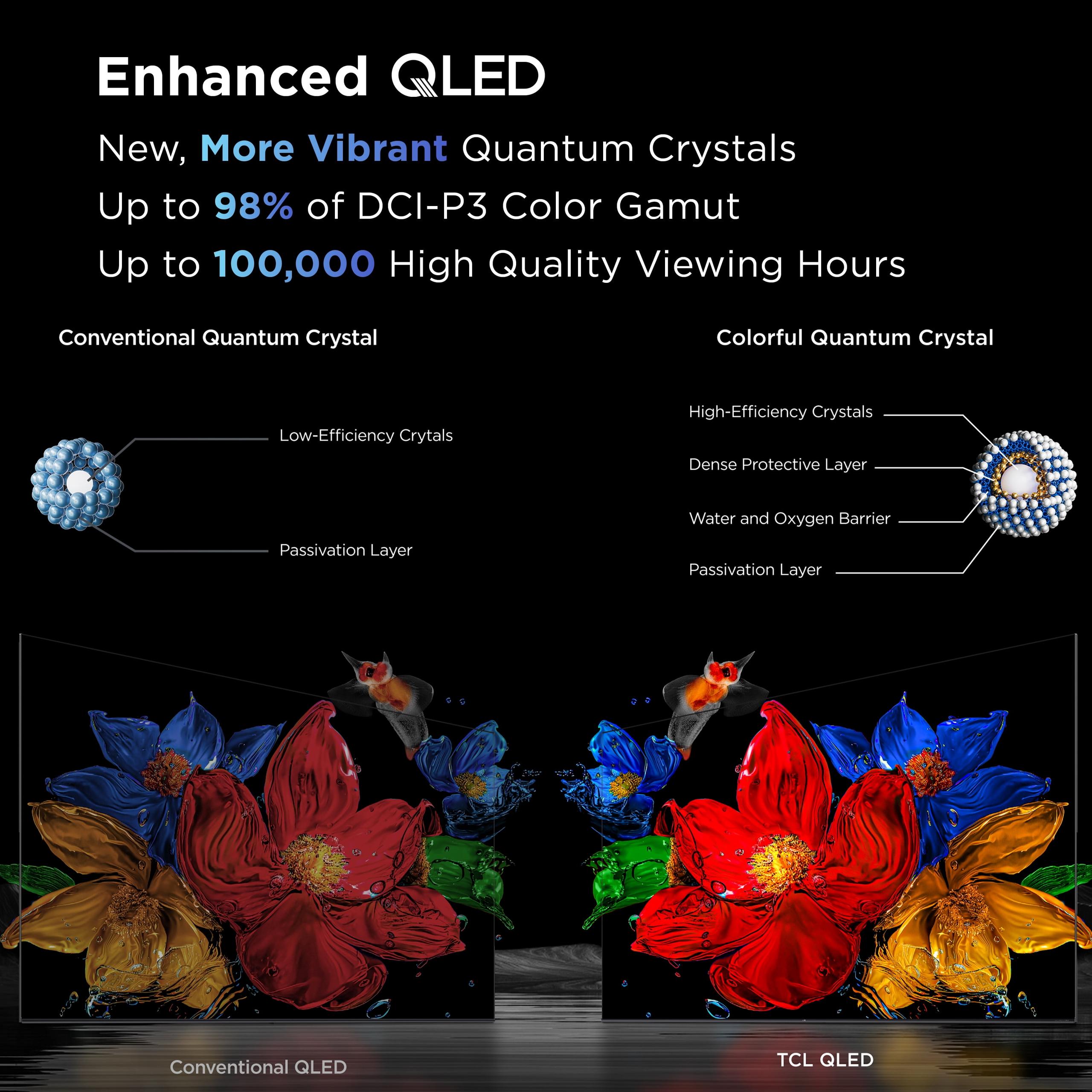
Both TVs use QD-Mini LED technology, but understanding what this means helps explain their performance differences. Traditional LED TVs use large LED lights behind the screen that can't be controlled precisely. Mini LED technology uses thousands of tiny LEDs arranged in zones that can be dimmed or brightened independently. When combined with quantum dots – microscopic crystals that enhance color purity – you get QD-Mini LED technology that can produce both brilliant highlights and deep blacks simultaneously.
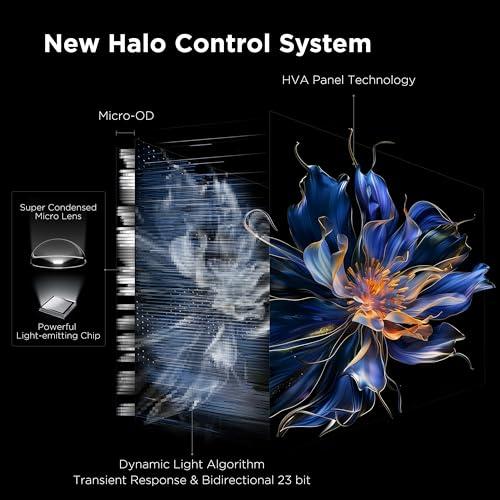
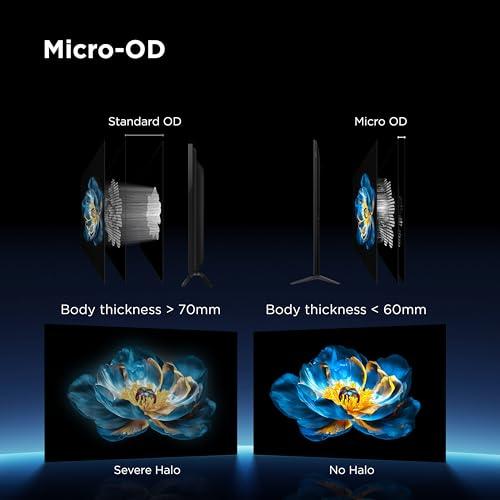
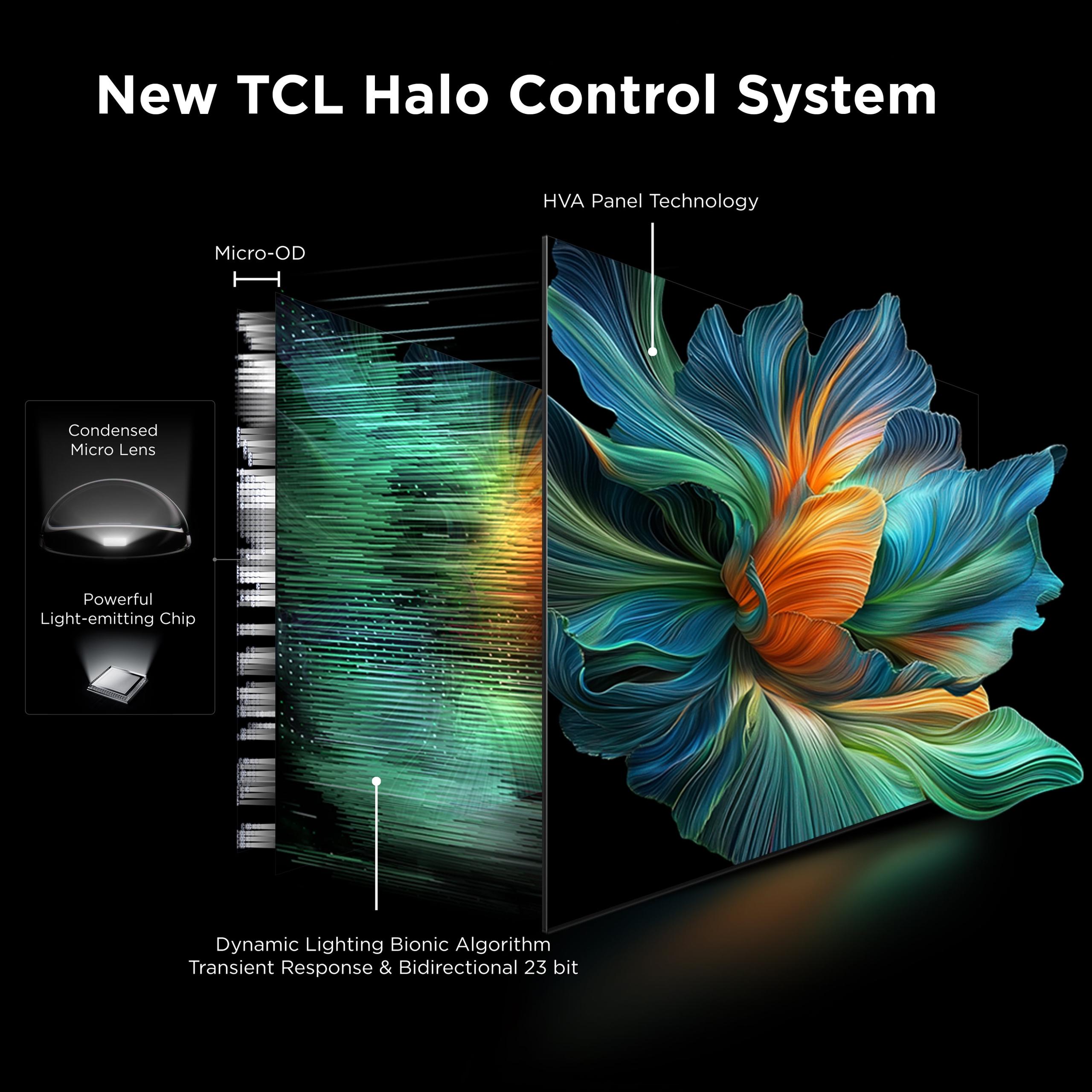
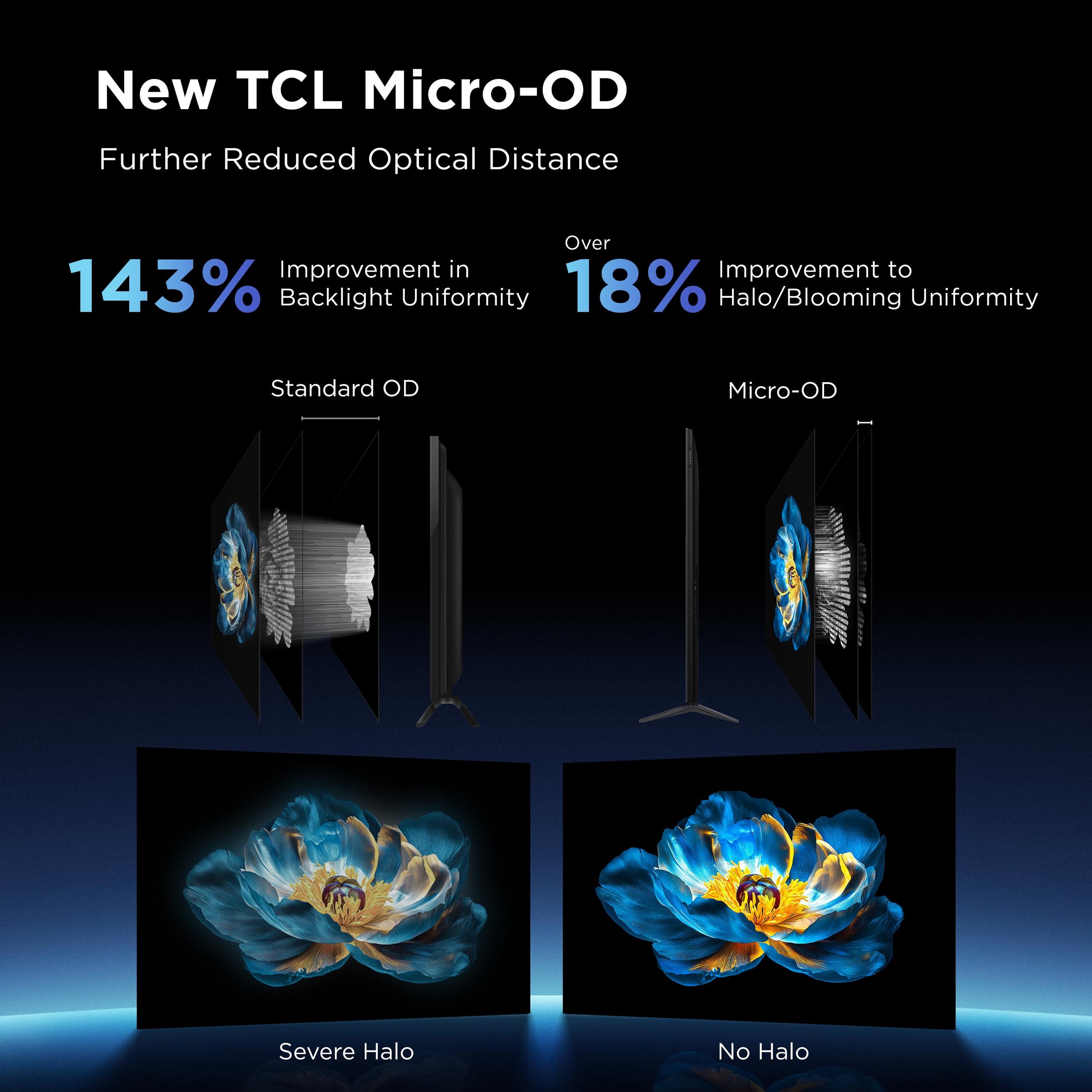
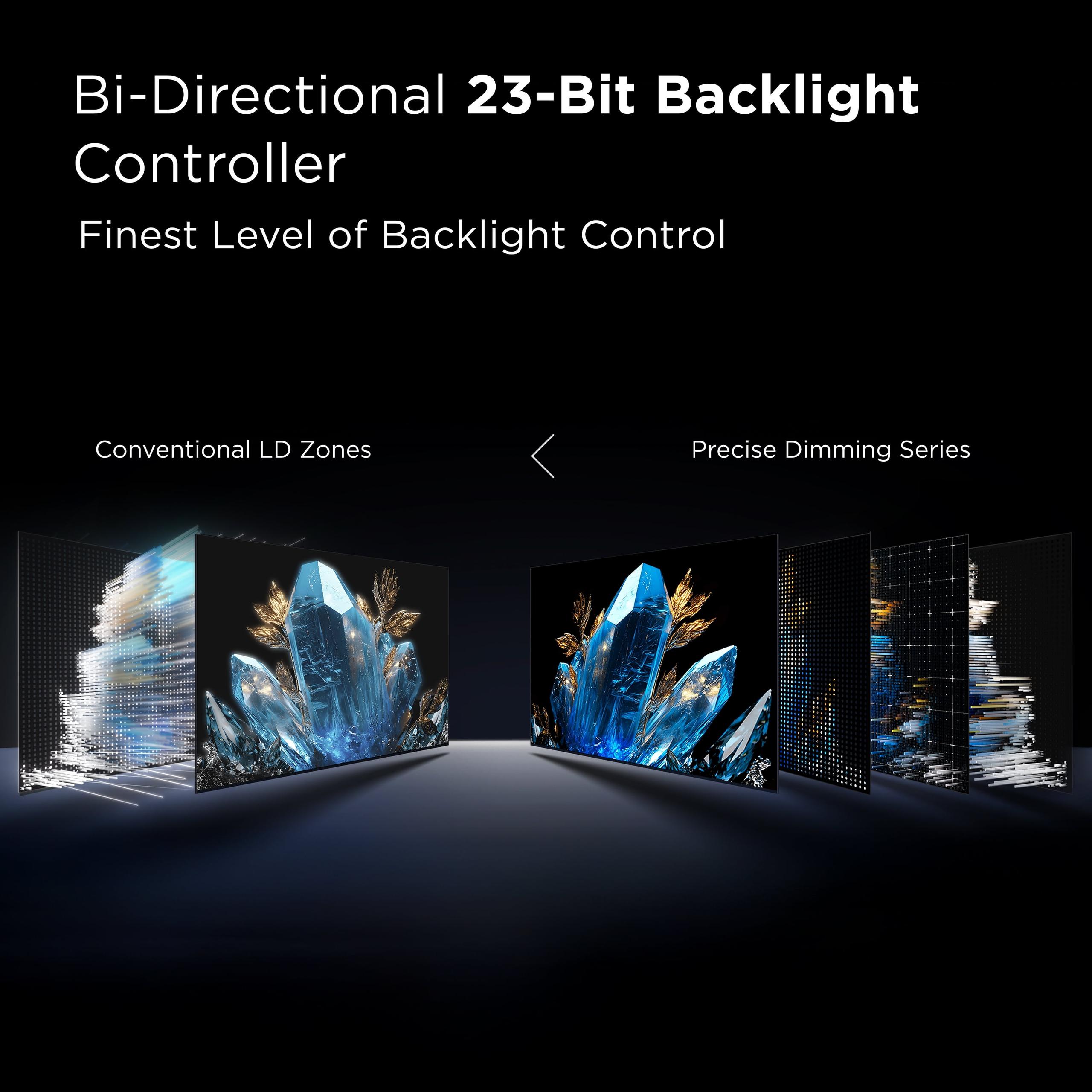
The QM7K takes this concept further with what TCL calls the Halo Control System. This isn't marketing fluff – it's a comprehensive engineering approach that addresses the main weakness of LED TVs: blooming. Blooming occurs when bright objects on dark backgrounds create unwanted light halos around them, like watching subtitles against a black background and seeing gray rectangles around the text.
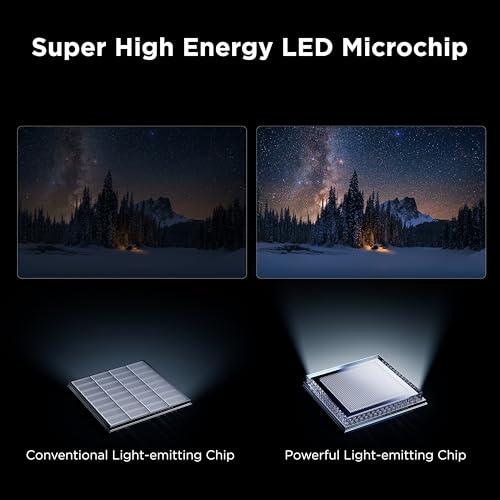
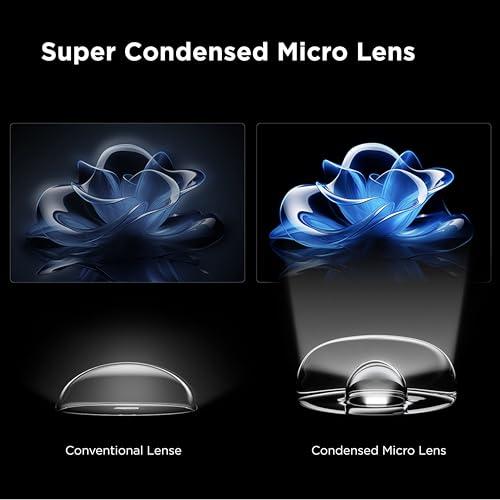
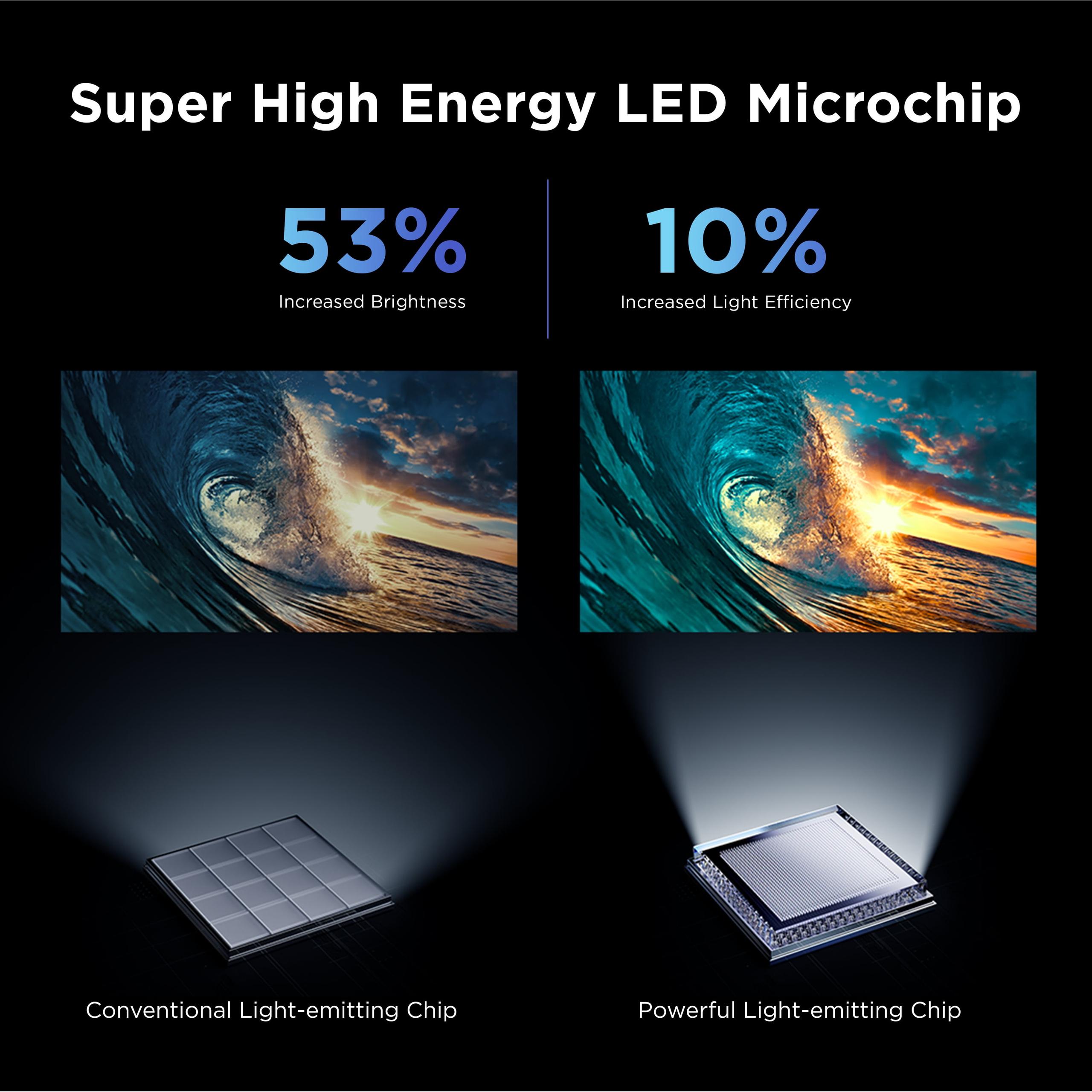
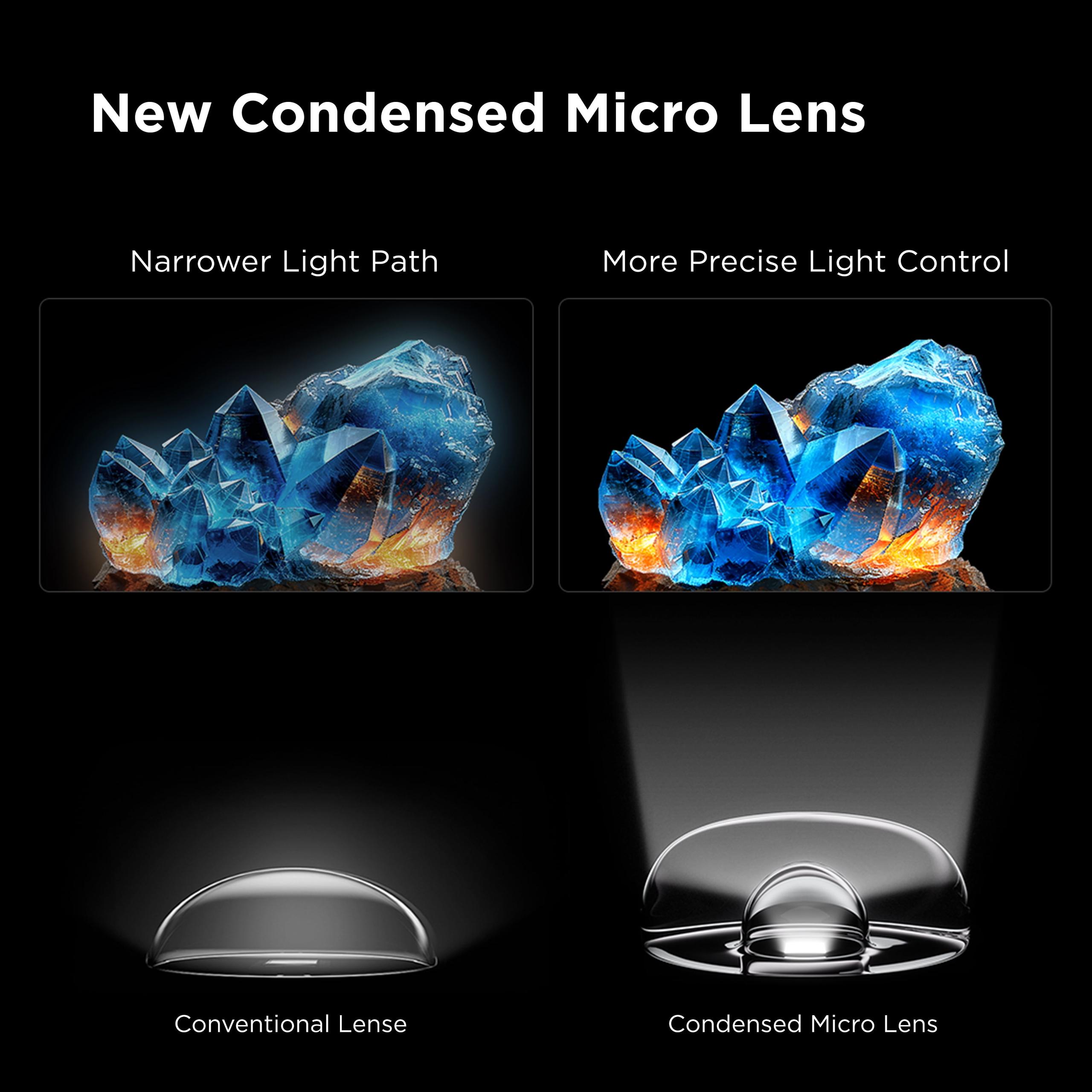
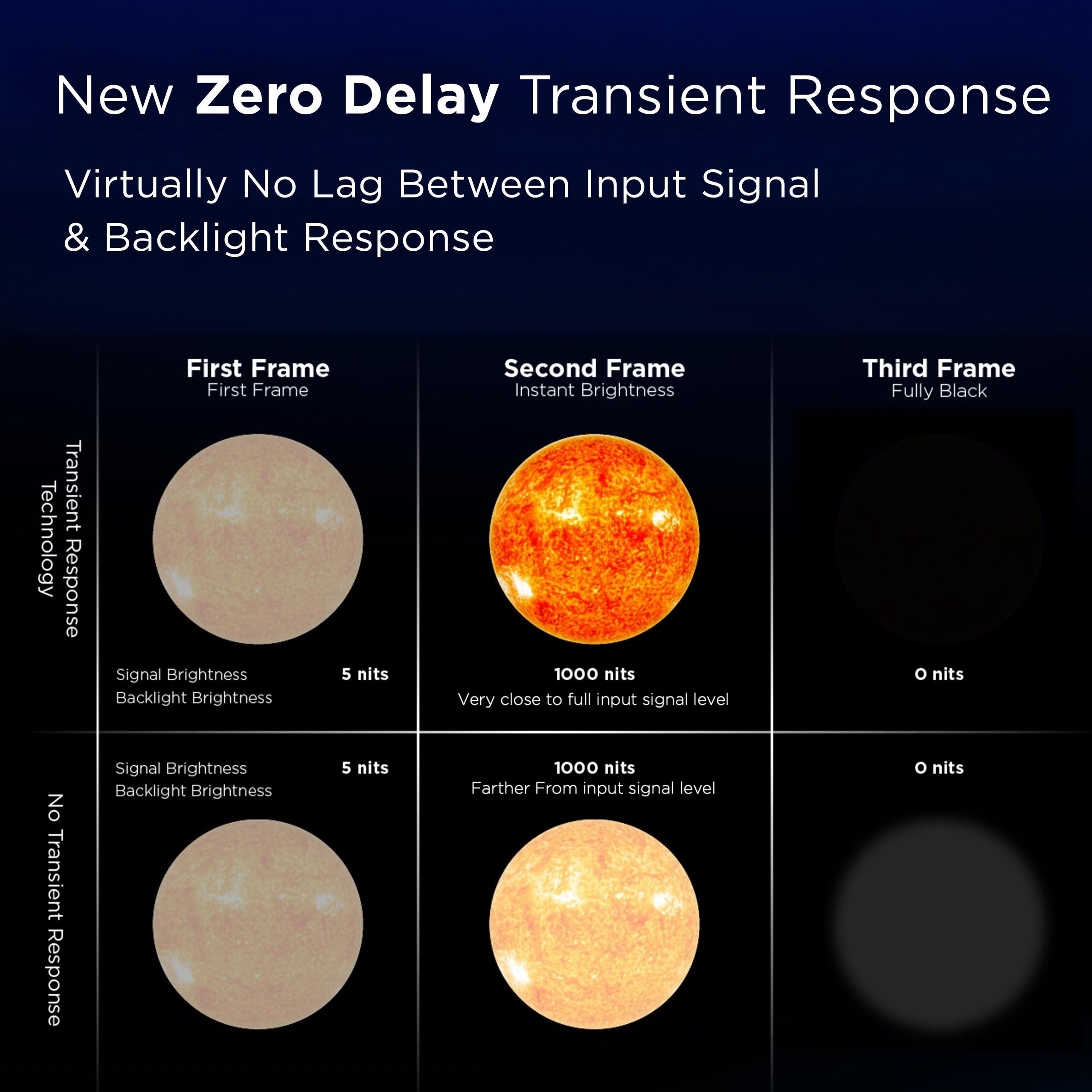
TCL's Halo Control System in the QM7K uses several innovations working together. The Super High Energy LED Microchip delivers more brightness per LED while using less power. The Super Condensed Micro Lens focuses each LED's light into a narrower beam for more precise control. Most importantly, the Micro-OD (Optical Distance) technology reduces the space between the backlight and screen surface, virtually eliminating light spillover between zones.
The QM6K, while using similar mini LED principles, lacks these advanced refinements. It still produces excellent contrast for its price point, but you'll notice more blooming around bright objects and less precise zone control when watching challenging content.
Here's where the QM7K truly separates itself from its cheaper sibling. Peak brightness – measured in nits – determines how realistic and impactful HDR content appears. The QM7K achieves 3000 nits peak brightness, while the QM6K reaches approximately 900 nits.
This difference is transformational in practice. When watching HDR movies with bright highlights – explosions, sunlight streaming through windows, car headlights – the QM7K makes these elements pop off the screen with startling realism. The QM6K shows the same scenes adequately, but bright elements appear more muted and less convincing.
Peak brightness also affects room versatility. In bright family rooms with large windows, the QM7K maintains excellent contrast and visibility throughout the day. The QM6K performs best in controlled lighting environments, becoming less impressive when competing with ambient light.
Both TVs support all major HDR formats: Dolby Vision IQ (which adjusts based on room lighting), HDR10+ (which provides scene-by-scene optimization), standard HDR10, and HLG (for broadcast content). However, having HDR format support means little if the TV can't produce the brightness needed to make HDR content impactful.
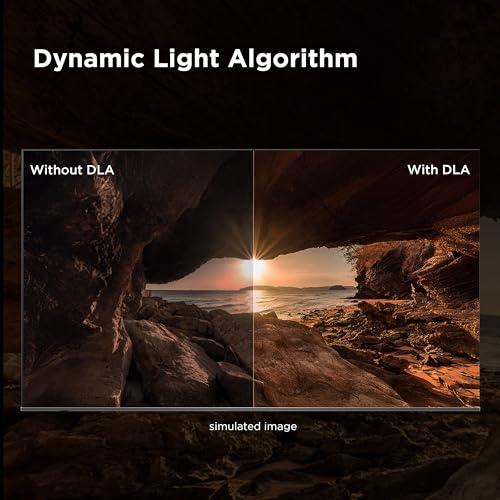
The QM7K also features 2500 local dimming zones compared to the QM6K's 500 zones. More zones mean finer control over which parts of the screen are bright or dark at any moment. When watching a movie scene with both a bright window and dark shadows, more zones allow better separation between these elements without one affecting the other.
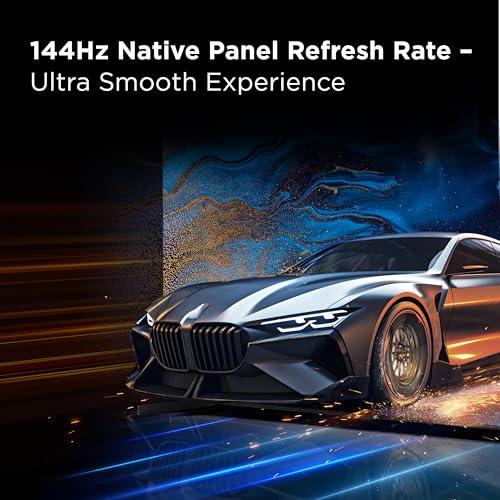
Both TVs excel at gaming, supporting features that were premium luxuries just a few years ago. Native 144Hz refresh rates mean smoother motion in fast games, while Variable Refresh Rate (VRR) synchronizes the TV's refresh with your console's output to eliminate screen tearing – that visual artifact where the image appears split horizontally during rapid movement.
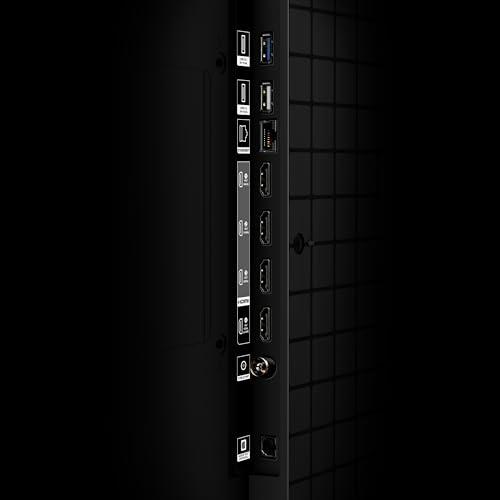
The gaming specifications are nearly identical between models. Both support 4K resolution at 144Hz refresh rate, 1080p gaming up to 288Hz, and Auto Game Mode (ALLM) that automatically switches to low-latency settings when it detects a gaming signal. Two HDMI 2.1 ports on each TV can handle these high-bandwidth gaming signals.
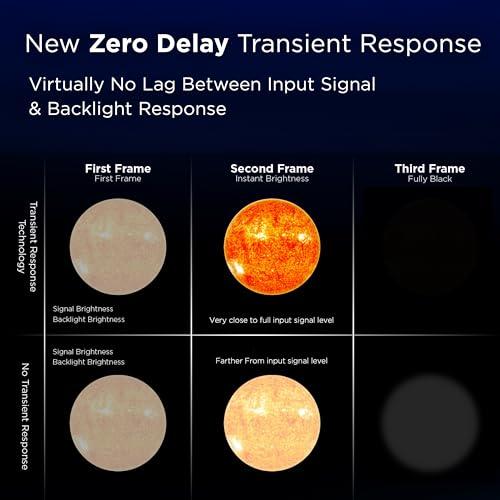
Where the QM7K pulls ahead slightly is in pixel response time – how quickly individual pixels change from one color to another. Faster response times reduce motion blur during rapid gameplay, though the difference between these models is subtle rather than dramatic. Both TVs deliver excellent gaming experiences that take full advantage of PlayStation 5, Xbox Series X, and high-end gaming PCs.
The superior brightness of the QM7K also benefits gaming, especially in games with high dynamic range. Bright highlights like explosions, muzzle flashes, or sunlight appear more realistic and help with gameplay visibility.
Interestingly, the QM6K actually delivers better color accuracy straight out of the box for HDR content. Its color temperature sits very close to the professional standard, meaning movies and shows appear as their creators intended without professional calibration.
The QM7K ships with colors that run too cool – meaning blues are overemphasized and the overall image appears colder than intended. This affects the natural appearance of skin tones and landscapes. However, after professional calibration, the QM7K achieves superior color accuracy with more vibrant and precise colors across the spectrum.
This creates an interesting decision point. If you plan to use the TV as-is without professional calibration (which costs $300-500), the QM6K provides better out-of-box color accuracy. If you're investing in professional calibration or comfortable adjusting settings yourself, the QM7K has greater potential for color excellence.
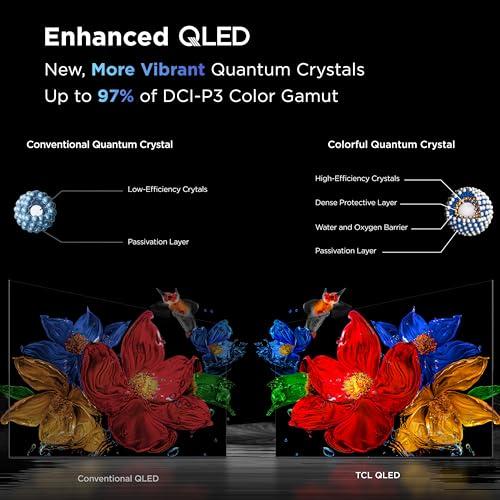
Both TVs use enhanced quantum dot technology that covers nearly the entire DCI-P3 color gamut – the professional standard for digital cinema. This means they can display over 1 billion colors with excellent saturation and accuracy when properly configured.
The brightness advantage of the QM7K creates dramatically different room compatibility profiles. In bright family rooms with multiple windows, track lighting, or open floor plans, the QM7K maintains excellent contrast and black levels throughout the day. You can watch movies with lights on without feeling like you're compromising the experience.
The QM6K reveals its limitations in bright environments. While it produces good contrast in optimal conditions, bright room lighting causes blacks to appear gray and reduces overall image impact. This doesn't make it a bad TV – it just requires more thoughtful placement and lighting control.
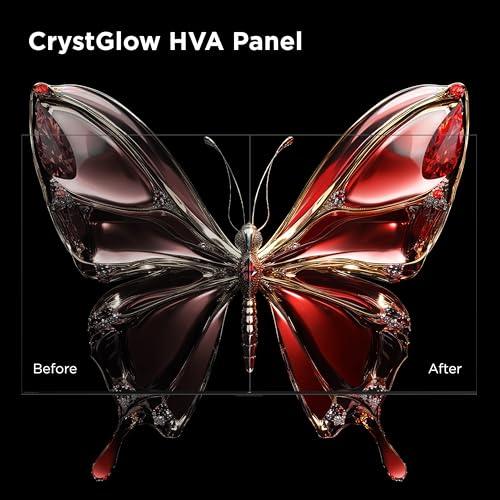
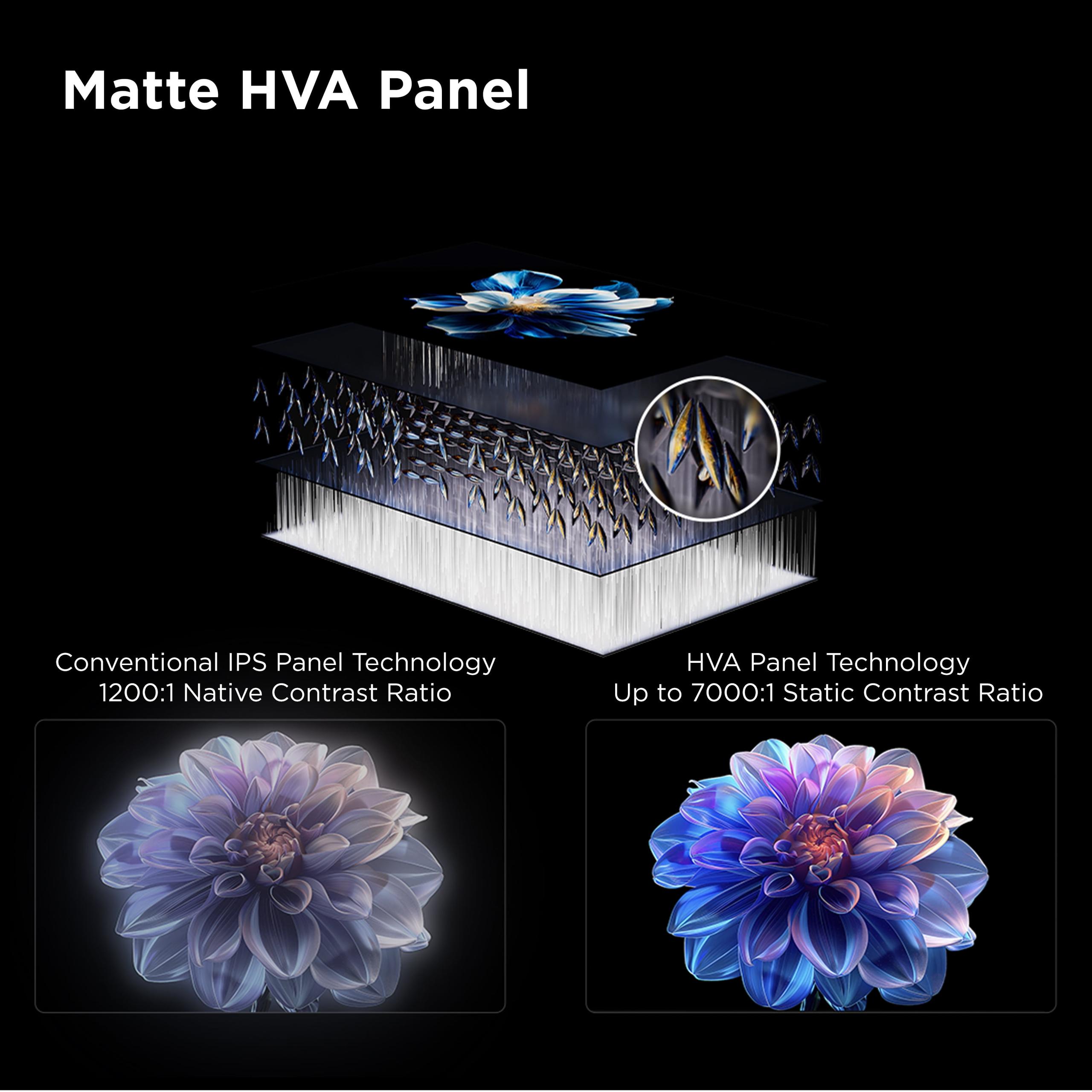
Both models feature anti-glare screen treatments, but the QM7K's CrystGlow HVA panel provides superior reflection handling. Direct light sources like table lamps or windows still create reflections, but they're less intense and distracting than on the QM6K.
For dedicated home theater rooms with controlled lighting, both TVs perform excellently. The QM6K actually becomes quite impressive in dark environments, with the brightness limitations becoming less apparent and the good contrast performance shining through.
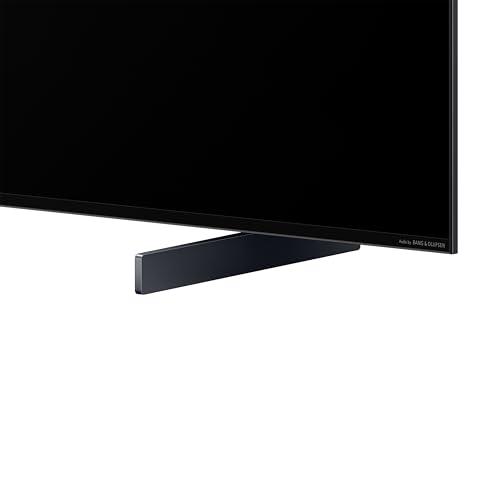
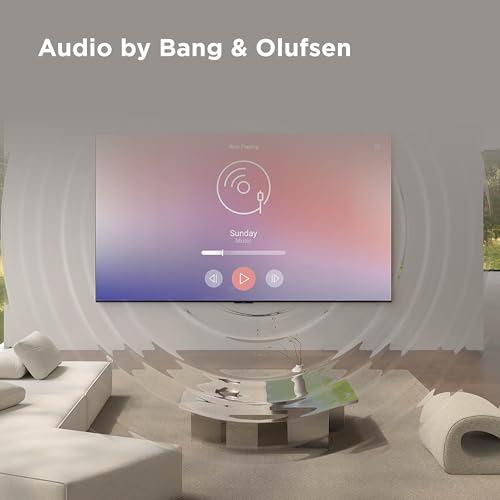
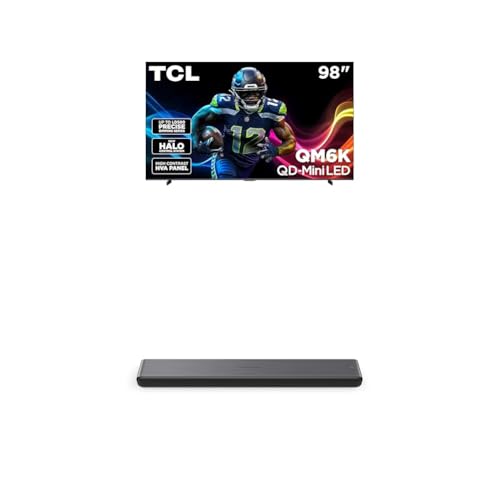
Both TVs incorporate premium audio partnerships – the QM7K features Bang & Olufsen tuning while the QM6K uses Onkyo 2.1.1 channel processing with a built-in subwoofer. However, at 98 inches, even premium TV speakers struggle to fill the massive screen with proportional sound.
The built-in audio serves adequately for casual viewing and gaming, with both TVs supporting Dolby Atmos for spatial audio processing. However, serious home theater enthusiasts should budget for external audio solutions. The money saved by choosing the QM6K could partially fund a quality soundbar or surround sound system that would transform the overall experience.
Both TVs include eARC (enhanced Audio Return Channel) support through HDMI, allowing high-quality audio passthrough to compatible sound systems. They also support Bluetooth personal audio for private listening through headphones.
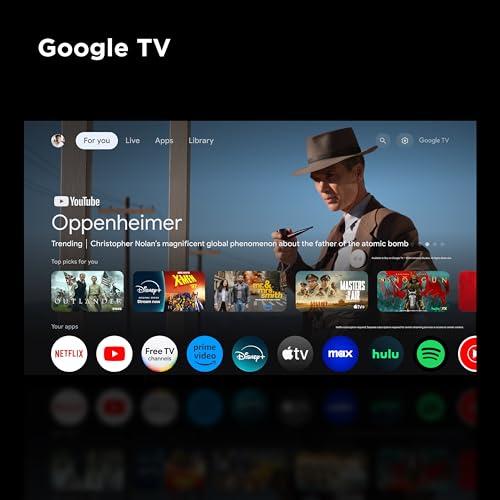
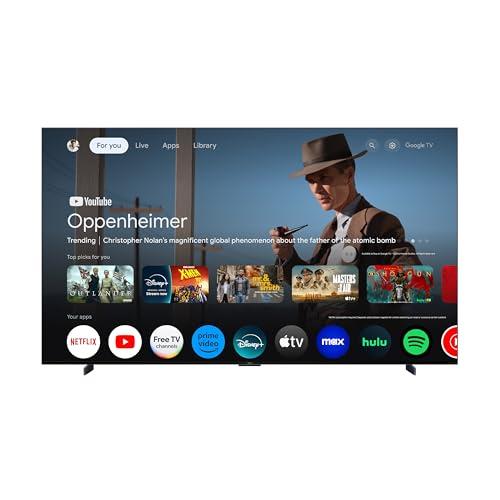
The smart TV experience is essentially identical between models, both running Google TV with hands-free voice control, comprehensive streaming app support, and smart home integration with Alexa, Google Assistant, and Apple HomeKit.
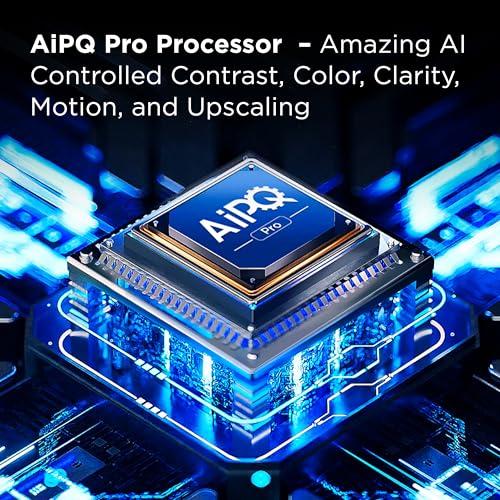
Processing power differs slightly, with the QM7K featuring TCL's more advanced AiPQ ULTRA Processor that provides better upscaling of lower-resolution content and more effective noise reduction for compressed streaming sources. This becomes more noticeable over time as you watch varied content qualities.
Both TVs support ATSC 3.0 NextGen TV tuning for future broadcast standards and Wi-Fi 6 connectivity for reliable streaming. The QM7K adds slightly more sophisticated motion processing and frame insertion options for reducing blur in sports and action content.
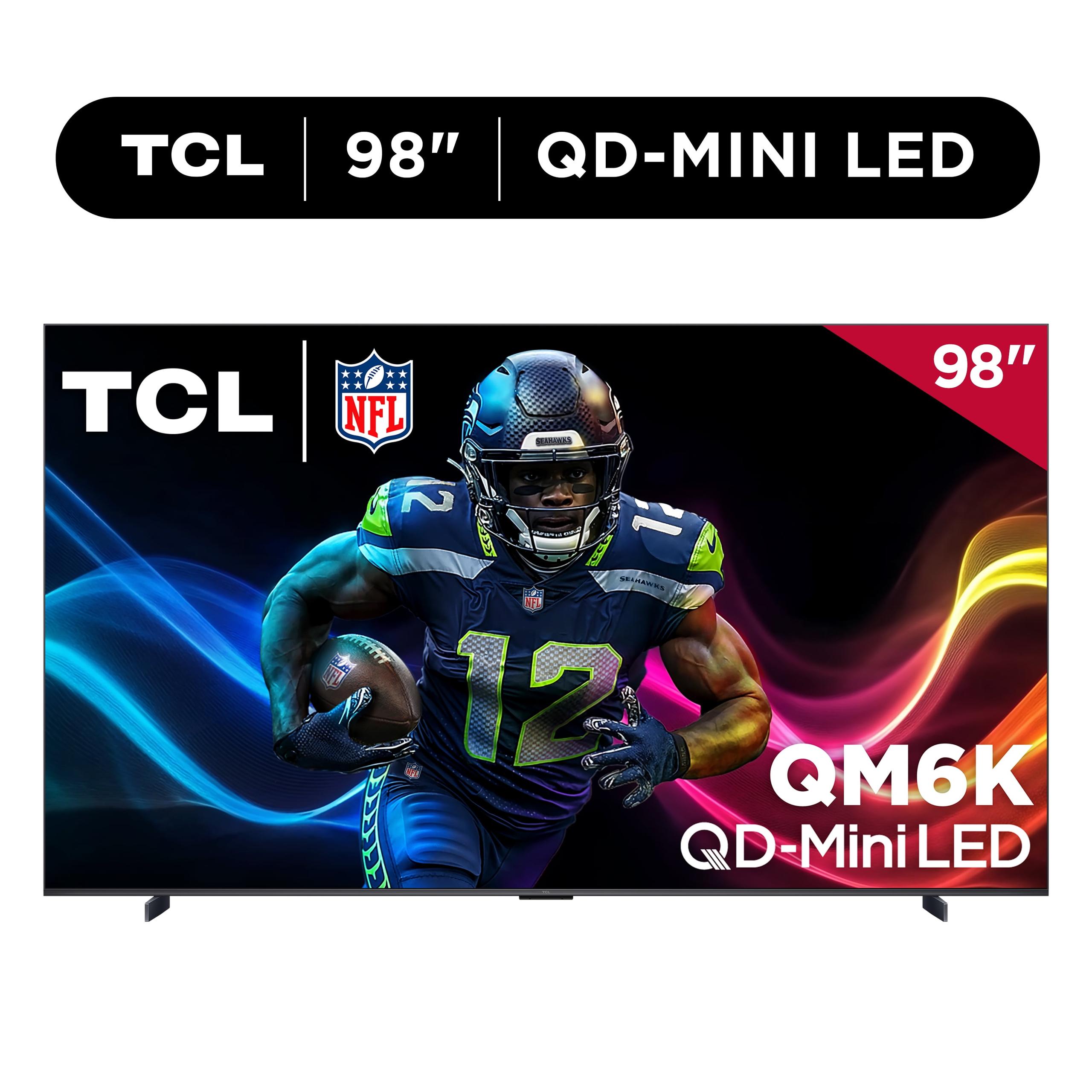
The choice between these TVs ultimately comes down to your priorities and room conditions. The QM6K delivers exceptional value, providing roughly 80-90% of the premium TV experience at about 60% of the cost. For buyers prioritizing maximum screen size within budget constraints, it's an outstanding choice that will satisfy most viewers in appropriate environments.
The QM7K justifies its premium through transformational improvements in brightness, contrast precision, and room versatility. If you're creating a dedicated entertainment space where picture quality is paramount, or if your room has challenging lighting conditions, the performance improvements are worth the investment.
Consider your total system budget when deciding. The money saved with the QM6K could fund a quality soundbar, improved seating, or room acoustic treatments that might provide more overall enjoyment than the TV upgrade alone.
For home theater enthusiasts who want the best possible picture quality and plan to keep their TV for many years, the QM7K provides better future-proofing and more satisfying daily performance. For value-conscious buyers who want maximum screen size and good performance in controlled environments, the QM6K delivers remarkable capability at its price point.
The reality is that both TVs will provide impressive, cinema-like experiences that surpass most people's expectations. Your choice should align with your room conditions, budget allocation, and how much premium picture quality matters to your viewing enjoyment. Either way, you're getting a massive, modern display that will serve as the centerpiece of your entertainment system for years to come.
| TCL 98" QM7K QD-Mini LED 4K TV | TCL 98-Inch QM6K QLED TV |
|---|---|
| Peak Brightness - Critical for HDR impact and bright room viewing | |
| 3,000 nits (transformational HDR experience) | ~900 nits (adequate but limited HDR impact) |
| Local Dimming Zones - Controls contrast and blooming around bright objects | |
| 2,500 zones with Halo Control System | 500 zones (good but more visible blooming) |
| Display Technology - Affects overall picture quality and uniformity | |
| QD-Mini LED with CrystGlow HVA Panel | QD-Mini LED with standard implementation |
| Native Contrast Ratio - How deep blacks appear next to bright whites | |
| 8,000:1 (approaching OLED-level blacks) | Standard Mini LED performance |
| Gaming Performance - Refresh rates and response time for console gaming | |
| 144Hz native, 4K@144Hz, VRR up to 288Hz, slightly faster response | 144Hz native, 4K@144Hz, VRR up to 288Hz |
| HDR Format Support - Compatibility with premium content standards | |
| Dolby Vision IQ, HDR10+, HDR10, HLG, IMAX Enhanced | Dolby Vision IQ, HDR10+, HDR10, HLG, IMAX Enhanced |
| Color Accuracy Out-of-Box - How natural colors look without calibration | |
| Requires calibration for best results (runs too cool) | Better pre-calibration accuracy, especially HDR |
| Room Lighting Versatility - Performance across different lighting conditions | |
| Excellent in bright rooms, maintains contrast with ambient light | Best in controlled/dim lighting, struggles with bright rooms |
| Audio System - Built-in sound quality and tuning | |
| Bang & Olufsen tuned speakers with Dolby Atmos | Onkyo 2.1.1 system with built-in subwoofer |
| Smart Platform - Operating system and streaming capabilities | |
| Google TV with AiPQ ULTRA Processor (better upscaling) | Google TV with standard processor |
| Reflection Handling - How well it manages glare and ambient light | |
| CrystGlow anti-reflective coating (superior) | Standard anti-glare treatment |
| Value Proposition - Performance per dollar spent | |
| Premium pricing justified by superior brightness/contrast | Exceptional value for massive screen size |
The biggest difference is brightness and contrast performance. The TCL QM7K delivers 3,000 nits peak brightness with 2,500 local dimming zones, while the TCL QM6K reaches about 900 nits with 500 dimming zones. This means the QM7K provides much more impactful HDR and better performance in bright rooms.
We've done our best to create useful and informative comparisons to help you decide what product to buy. Our research uses advanced automated methods to create this comparison and perfection is not possible - please contact us for corrections or questions. These are the sites we've researched in the creation of this article: bestbuy.com - tcl.com - youtube.com - rtings.com - tcl.com - youtube.com - youtube.com - tcl.com - tomsguide.com - manuals.plus - youtube.com - tcl.com - whathifi.com - bestbuy.com - queencityonline.com - electronicexpress.com - tcl.com - valueelectronics.com - tcl.com - bestbuy.com - bestbuy.com - youtube.com - woodruffappliance.com - karlsonline.com - tcl.com - bestbuy.com - rtings.com - techradar.com - the-gadgeteer.com - youtube.com - youtube.com - ign.com - youtube.com - tomsguide.com - tcl.com - valueelectronics.com - bestbuy.com - bestbuy.com - rtings.com - circuitworldonline.com - youtube.com - tcl.com - bestbuy.com - tomsguide.com - tcl.com - flatpanelshd.com - displayspecifications.com

Privacy Policy
Terms and Conditions - Affiliate Policy
Home Security
© Copyright 2008-2026.
11816 Inwood Rd #1211, Dallas, TX 75244