

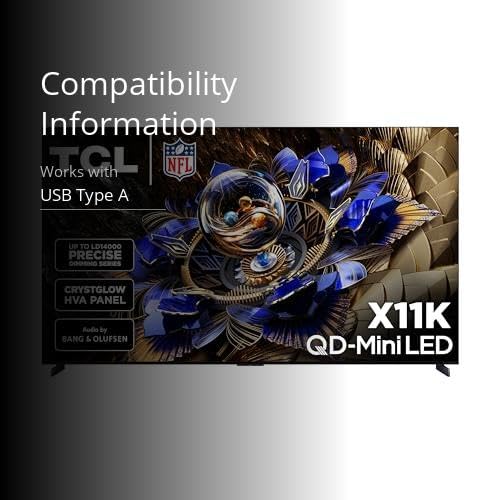

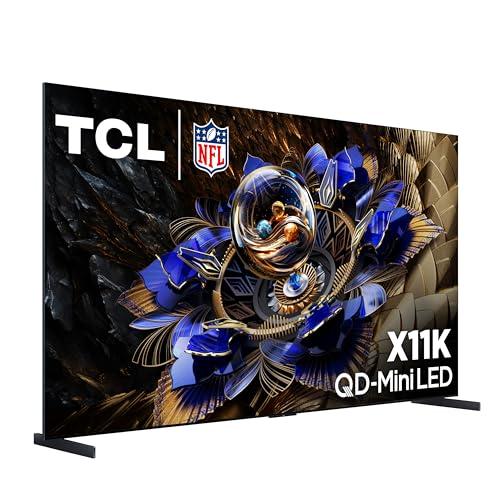
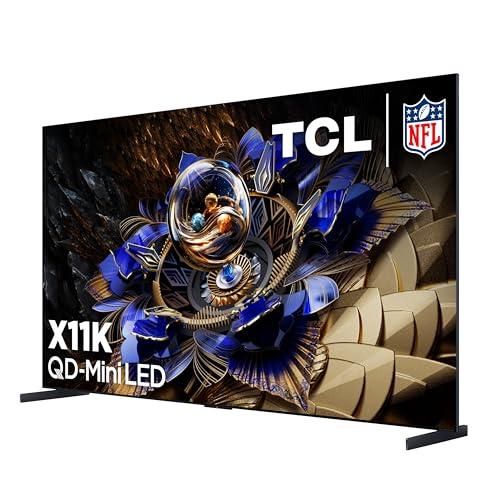
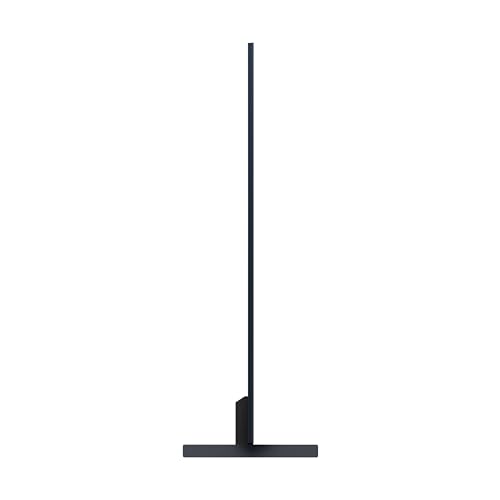
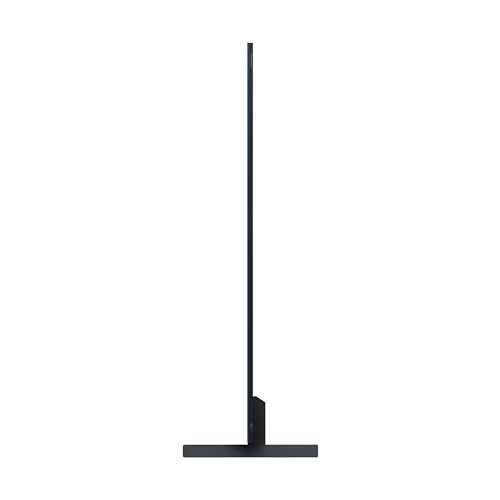



The world of premium large-screen televisions has exploded with innovation over the past few years, and two standout models from TCL demonstrate just how far this technology has advanced. The TCL 98" X11K and 115" QM8 represent different philosophies in delivering cinema-quality experiences at home, each with distinct advantages that make the choice between them more nuanced than simply picking the bigger screen.
Both models launched in 2024 as part of TCL's flagship lineup, incorporating years of refinement in Mini LED technology—a backlighting system that uses thousands of tiny LEDs instead of traditional larger LED strips. This advancement allows for incredibly precise light control, creating the deep blacks and bright highlights that make modern HDR content truly shine. Understanding which approach works better for your specific situation requires diving deep into what makes each TV tick.
When we talk about premium large-screen TVs, we're discussing displays that compete directly with high-end projector systems while offering significant advantages in brightness, convenience, and reliability. These aren't just bigger versions of regular TVs—they incorporate advanced technologies that fundamentally change how we experience content at home.
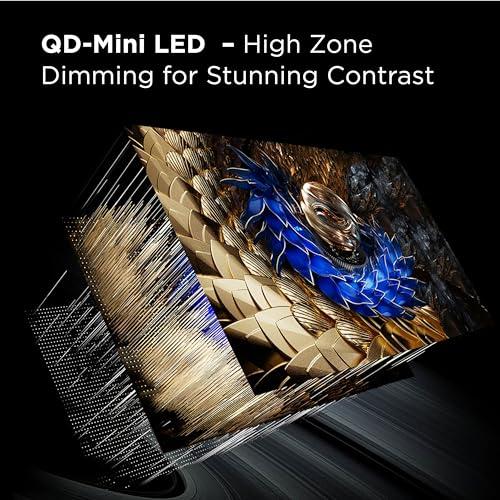
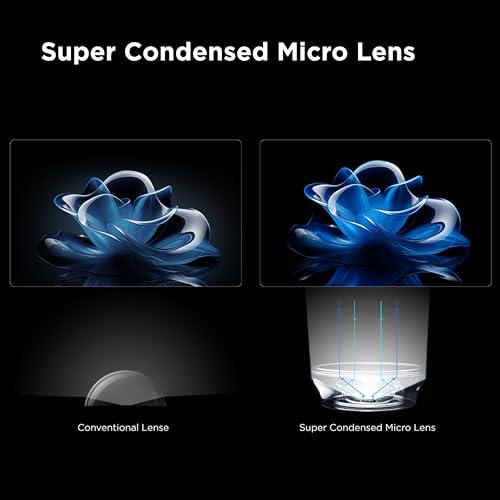
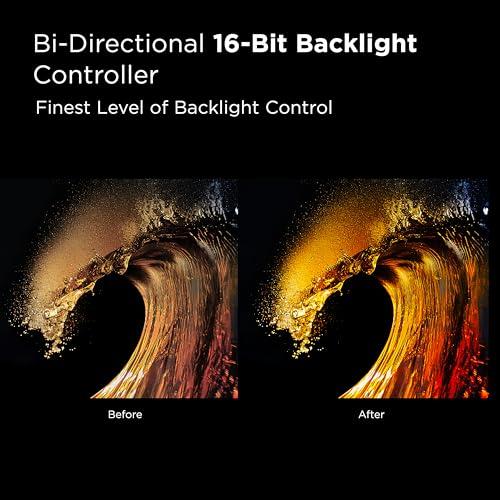
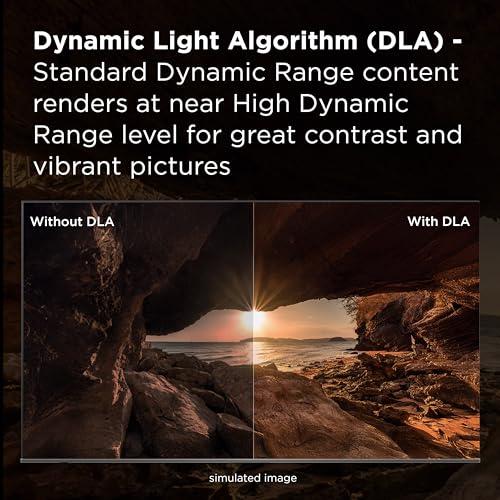
The key considerations in this category center around display technology sophistication. Mini LED backlighting, which both the X11K and QM8 employ, represents a major leap forward from traditional LED systems. Instead of edge-lit panels or basic full-array setups, these TVs use thousands of microscopic LEDs arranged behind the screen, each controlled independently to create precise lighting zones. This local dimming capability—the ability to brighten or darken specific screen areas independently—directly impacts contrast performance and how realistic images appear.
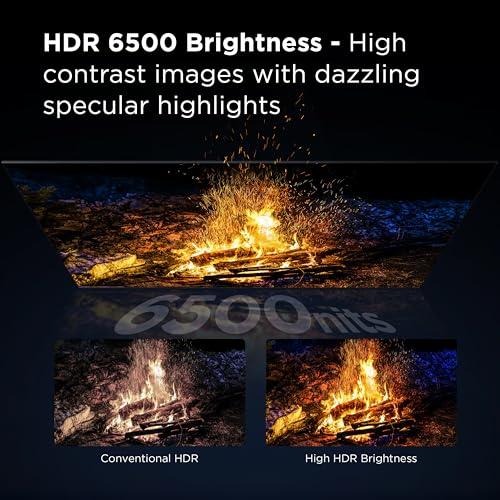
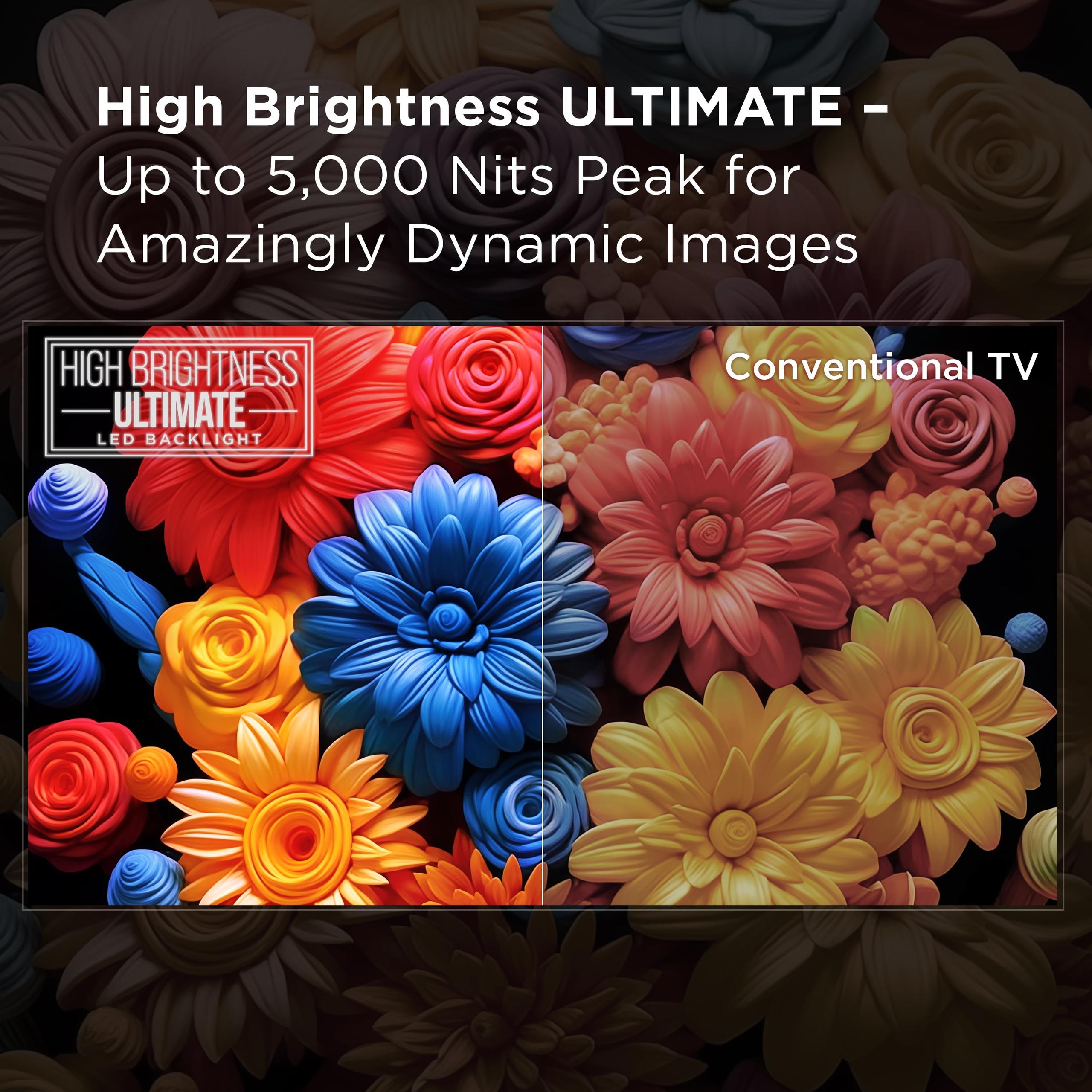
Peak brightness becomes crucial at these screen sizes because larger displays need more light output to maintain impact, especially in rooms with ambient lighting. The brightness wars among premium TV manufacturers aren't just marketing numbers; they translate to real differences in how HDR content appears, particularly those spectacular highlights in nature documentaries or action movies.
Gaming capabilities have become increasingly important as console manufacturers push higher frame rates and PC gaming on large screens gains popularity. Features like Variable Refresh Rate (VRR)—which synchronizes the TV's refresh with your gaming device to eliminate stuttering—and low input lag can make the difference between frustration and enjoyment during competitive gaming sessions.
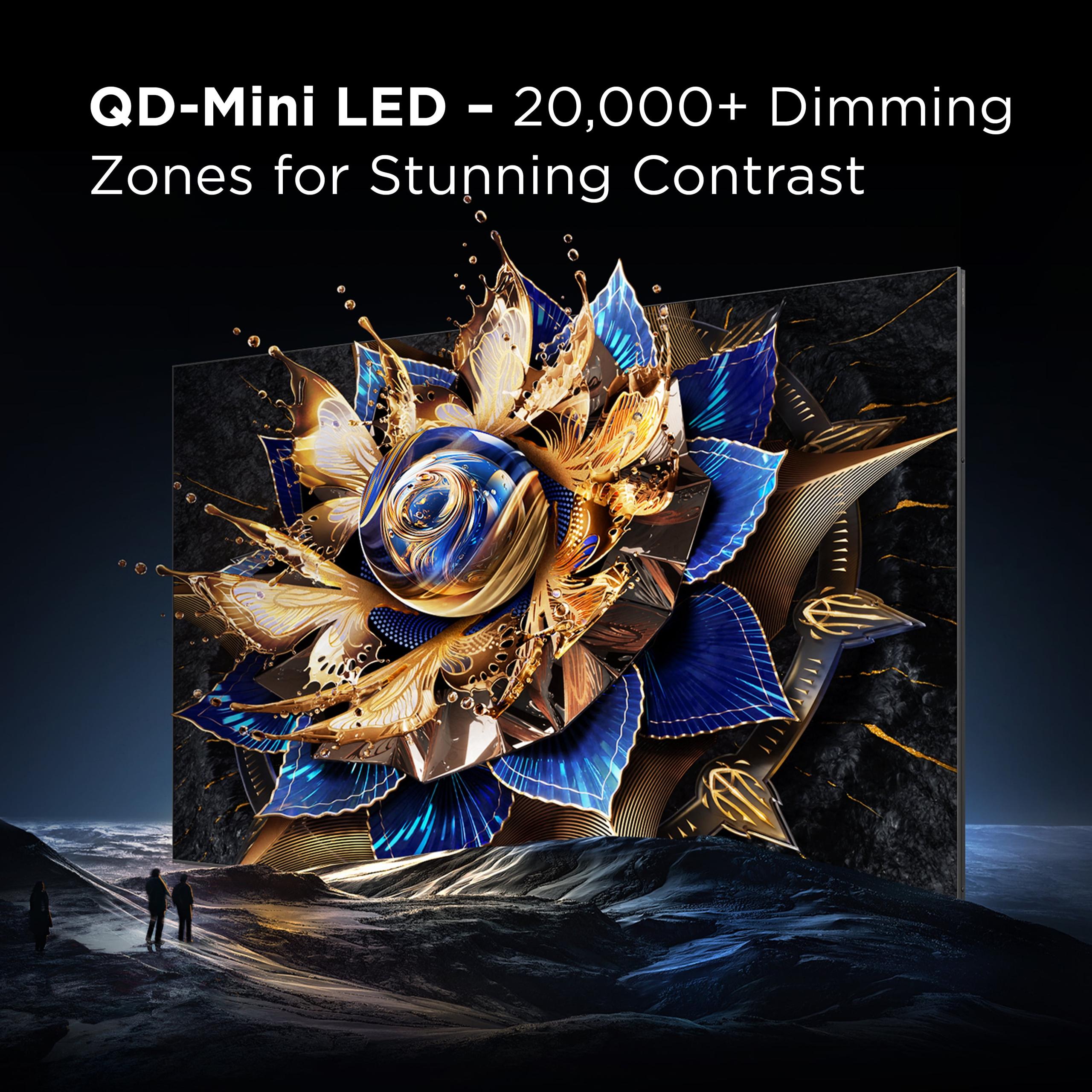
The picture quality battle between these two models reveals fascinating engineering trade-offs. The TCL 98" X11K achieves an impressive 6,500 nits of peak brightness using 14,000 local dimming zones, while the 115" QM8 delivers 5,000 nits through 20,000 zones. This difference illustrates two approaches to premium display performance.
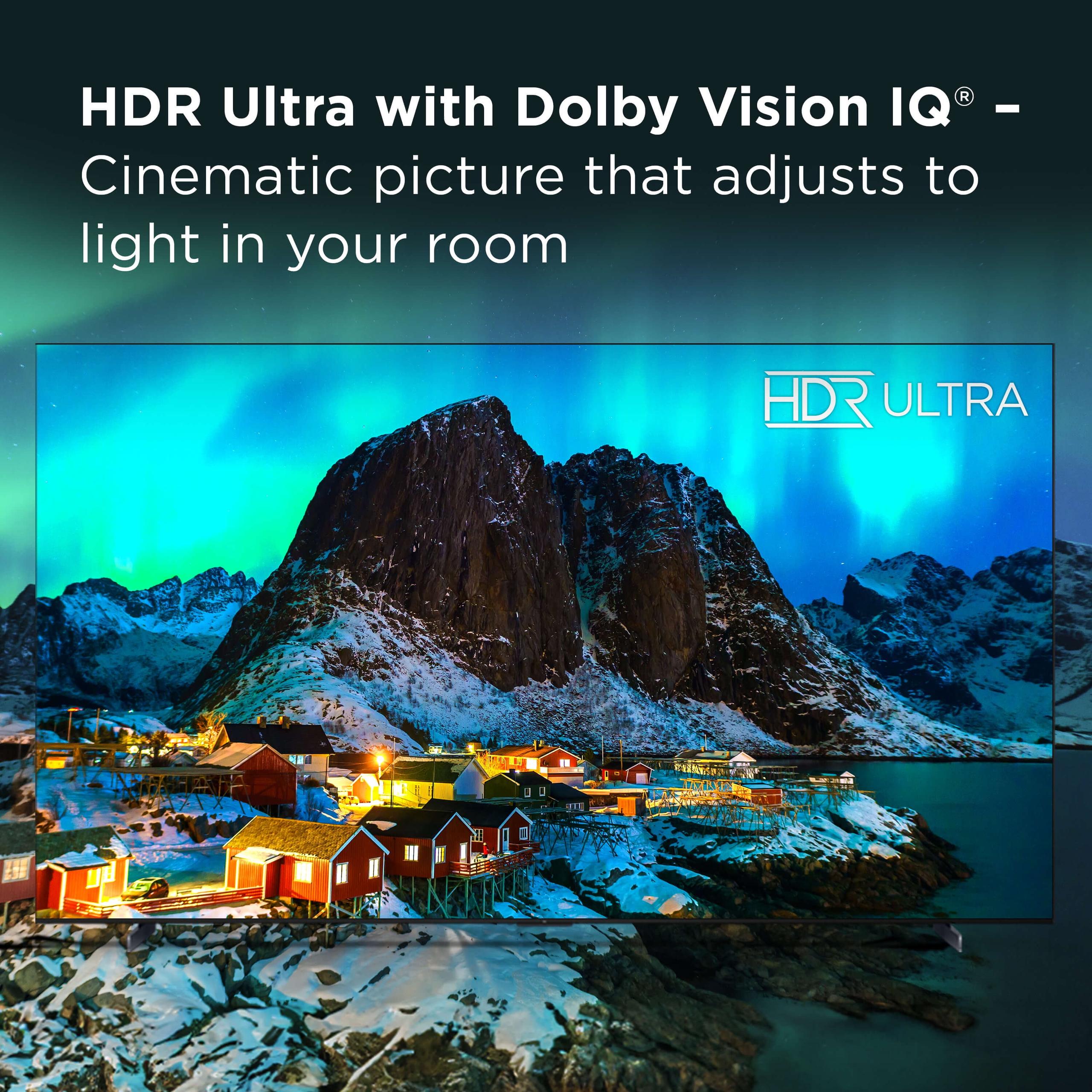
Higher peak brightness translates to more impactful HDR performance. When watching content mastered at 4,000 or 10,000 nits—which includes most modern Netflix originals and blockbuster movies—the X11K's extra brightness headroom means highlights like explosions, sunlight, or fire appear more realistic and engaging. This advantage becomes particularly noticeable in rooms with windows or ambient lighting, where dimmer displays can appear washed out.
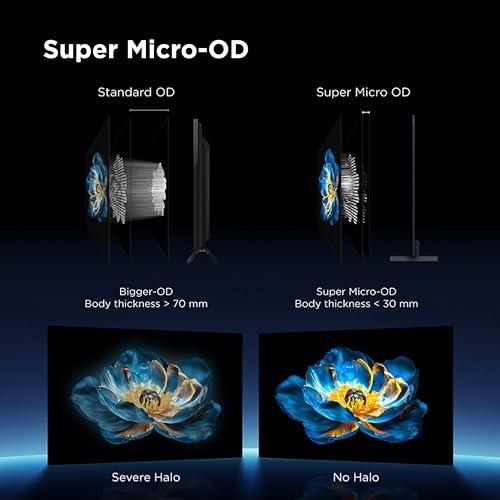
However, the QM8's additional 6,000 local dimming zones provide finer contrast control. Think of local dimming zones like pixels of light—more zones mean smaller, more precise areas of control. This translates to reduced blooming (the halo effect around bright objects on dark backgrounds) and more accurate reproduction of complex scenes with mixed lighting.
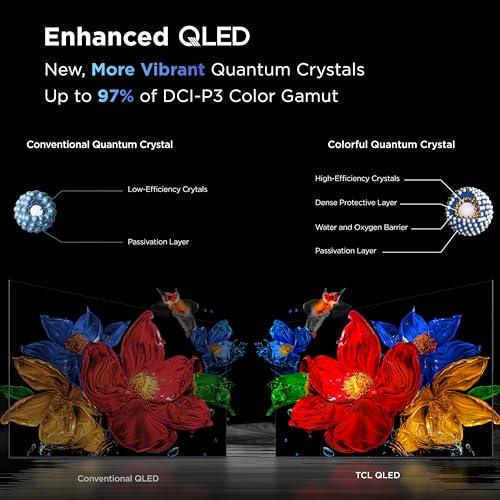
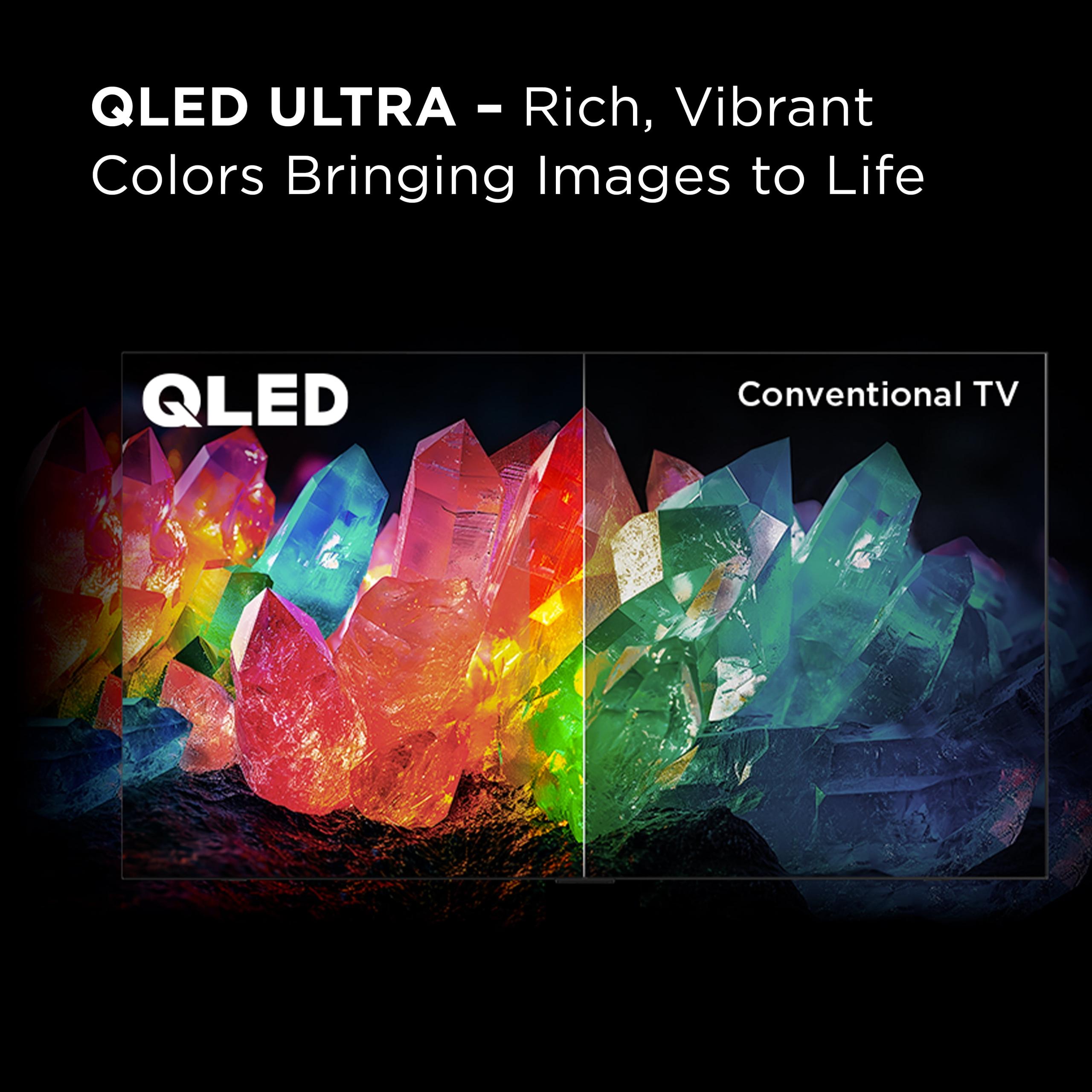
Both TVs utilize quantum dot technology, which enhances color reproduction by using nanocrystals that emit pure colors when hit by light. This results in 1.07 billion displayable colors covering nearly the entire DCI-P3 color space—the standard used in movie theaters. The practical impact means more vibrant yet accurate colors in everything from animated films to nature documentaries.
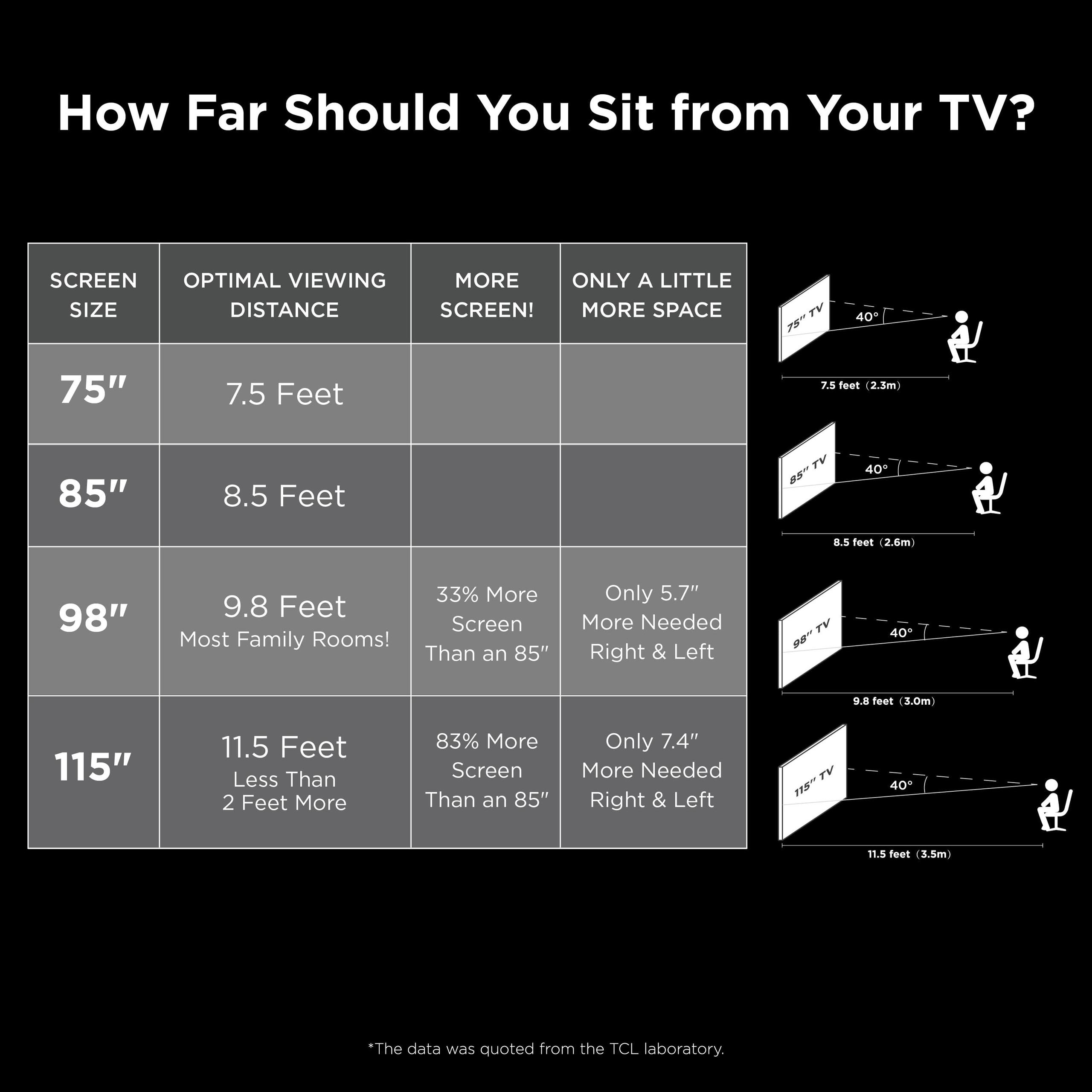
The screen size difference creates a notable impact on pixel density. The X11K maintains 45 pixels per inch compared to the QM8's 38 PPI. For viewers sitting closer than 12 feet, this translates to noticeably sharper text and finer detail reproduction. However, at proper viewing distances for these screen sizes—typically 10-15 feet for the 98" and 12-18 feet for the 115"—both provide excellent sharpness.
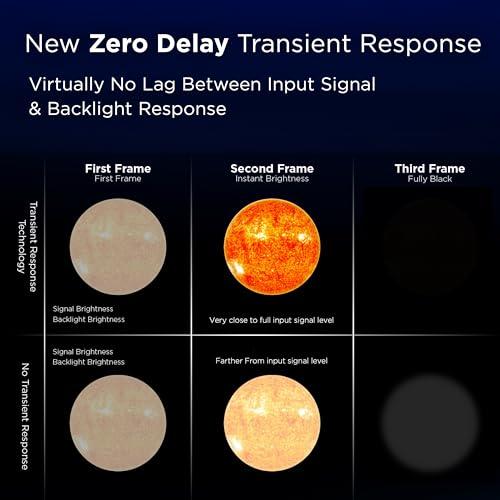
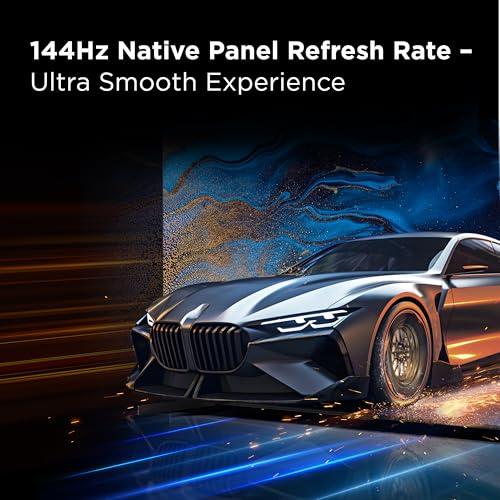
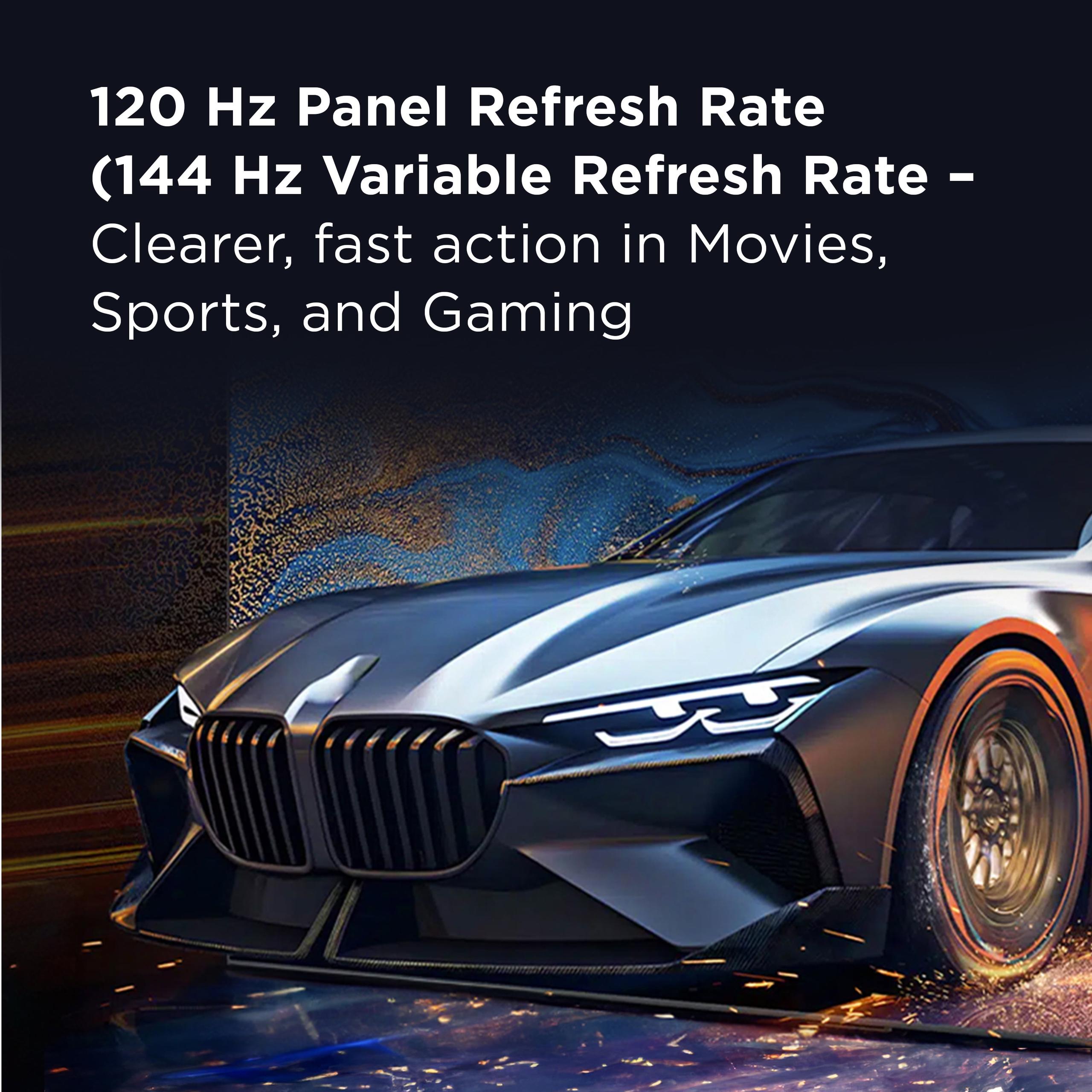
Modern gaming performance on large screens has become a crucial differentiator, and here the X11K takes a clear lead. Its native 144Hz refresh rate surpasses the QM8's 120Hz, with gaming acceleration reaching 288Hz at 1080p resolution. These numbers matter because higher refresh rates create smoother motion and reduced input lag—the delay between pressing a button and seeing the result on screen.
For competitive gaming, particularly first-person shooters or racing games, the X11K's capabilities provide a measurable advantage. The 144Hz native refresh means the display can show 144 unique frames per second, compared to 120 on the QM8. While both support Variable Refresh Rate technology—which eliminates screen tearing by matching the display's refresh to your gaming device's output—the higher ceiling on the X11K accommodates more demanding gaming scenarios.
Both models support AMD FreeSync Premium Pro and are compatible with NVIDIA G-Sync, ensuring compatibility with both major graphics card manufacturers. They also include Auto Low Latency Mode (ALLM), which automatically switches to game mode when detecting gaming consoles, minimizing processing delays that could affect gameplay.
The practical impact extends beyond just gaming. Higher refresh rates make everyday activities like browsing menus or scrolling through streaming services feel more responsive and fluid. This subtle but noticeable improvement in user experience adds to the premium feel of these displays.
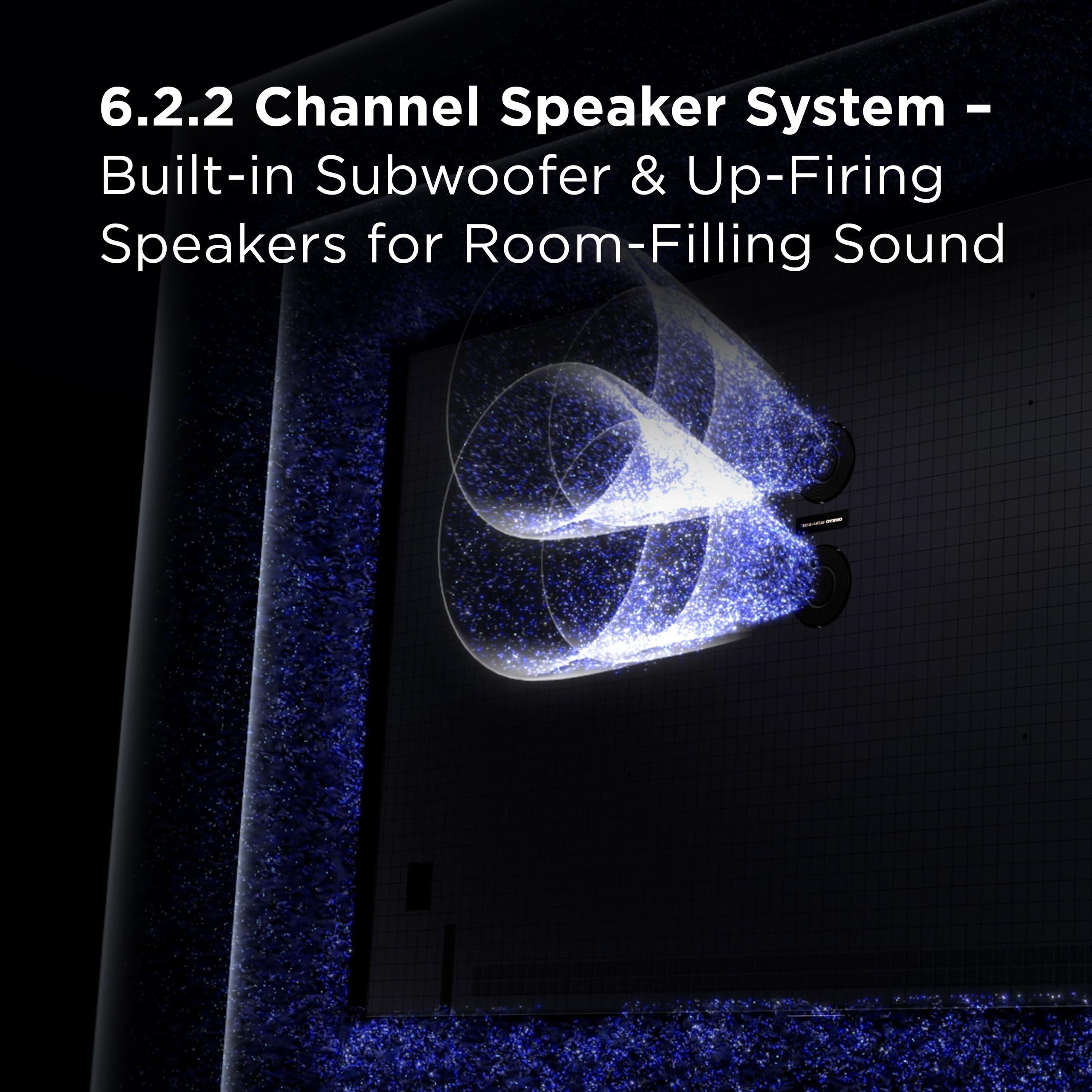
Audio represents perhaps the most significant functional difference between these models. The 115" QM8 features a sophisticated Onkyo 6.2.2 surround sound system with 120W total output, including dedicated surround speakers, up-firing drivers for Dolby Atmos effects, and dual subwoofers. This configuration creates genuine spatial audio placement—sounds actually originate from different physical locations around the TV.
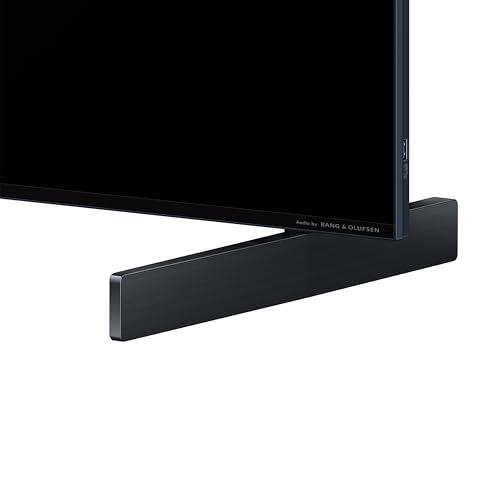
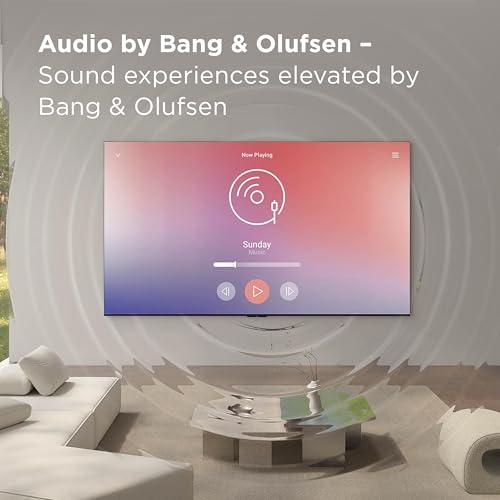
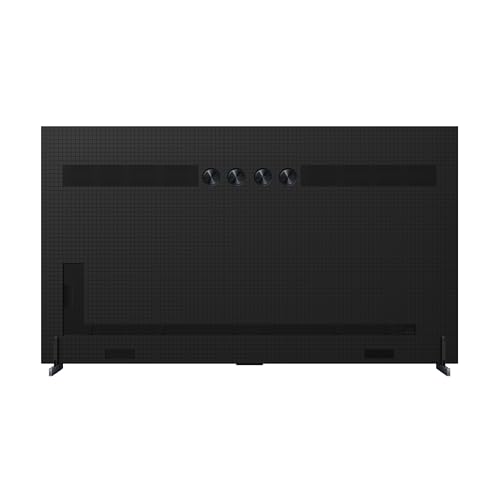
In contrast, the X11K employs a Bang & Olufsen-tuned 2.1.1 system that relies more heavily on digital signal processing to create surround effects. While this system delivers quality audio, it cannot match the physical speaker placement advantages of the QM8's array.
For home theater enthusiasts, this difference significantly impacts the total system cost and complexity. The QM8's built-in audio capability reduces or eliminates the need for external soundbars or receiver systems, while X11K buyers might find themselves investing in additional audio equipment to achieve similar surround sound quality.
Both TVs support Dolby Atmos passthrough and eARC (enhanced Audio Return Channel), ensuring compatibility with external sound systems. However, our research into user experiences suggests that the QM8's built-in system satisfies most viewers who aren't audiophiles, while the X11K often leads to additional audio equipment purchases.
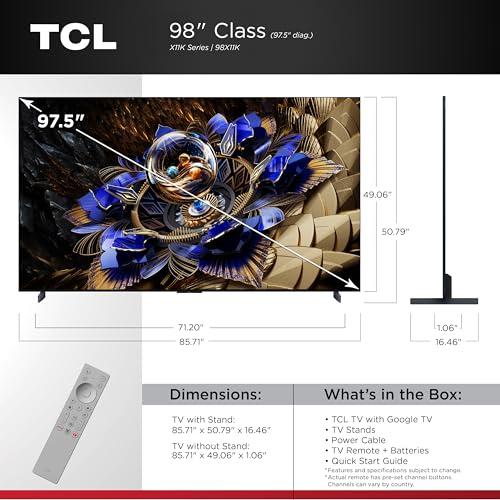
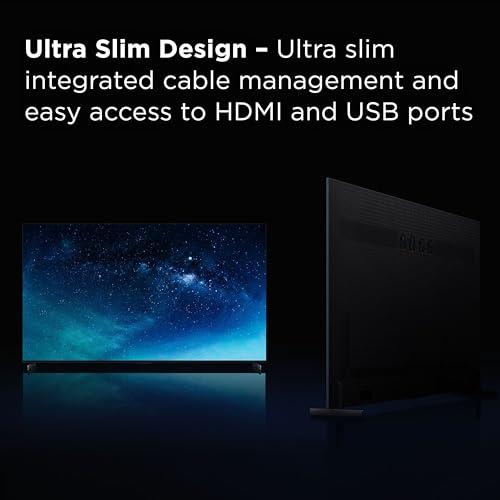
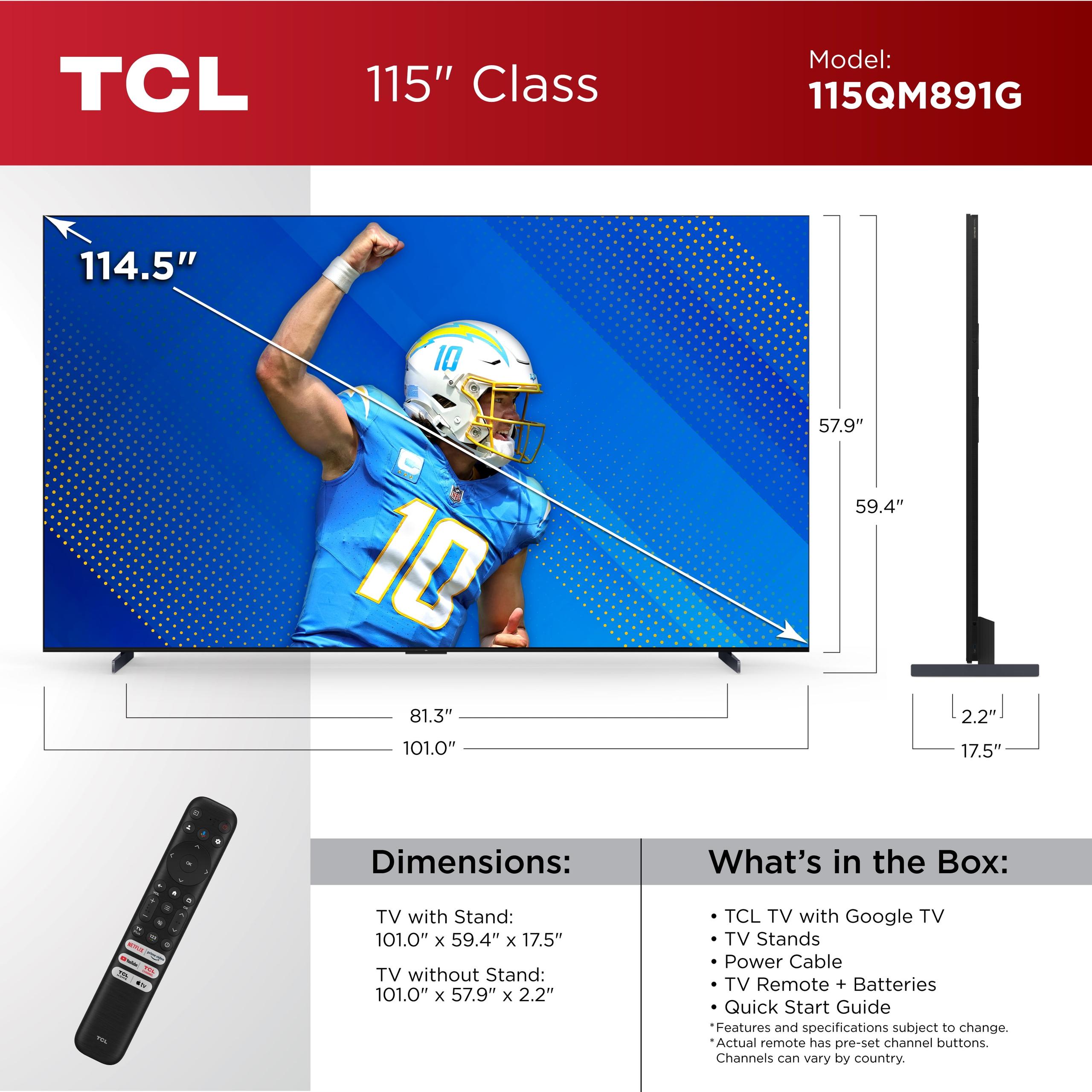
The physical realities of installing these massive displays shouldn't be underestimated. The 115" QM8 requires substantial planning, with its 100+ inch width demanding careful measurement of doorways, hallways, and final installation locations. Many buyers discover after purchase that professional installation becomes necessary not just for mounting, but for delivery logistics.
Wall mounting considerations differ significantly between models. The X11K's relatively manageable size allows for more installation flexibility, while the QM8 typically requires reinforced mounting solutions and professional assessment of wall structural integrity. These practical factors add hidden costs and complexity to the QM8 ownership experience.
Room acoustics also play a larger role with the 115" QM8. Its superior built-in speaker system performs best in dedicated theater rooms with appropriate acoustic treatment, while the X11K adapts more readily to typical living spaces.
At the time of writing, these models occupy different value propositions within the premium TV market. The X11K positions itself as a flagship TV that delivers high-end performance at a more accessible premium price point, while the QM8 targets the ultra-premium segment where maximum size and built-in audio quality justify significantly higher costs.
When evaluating cost per square inch of screen area, the X11K delivers notably better value. However, this metric doesn't capture the experiential difference of moving from 98" to 115" diagonal measurement—a jump that represents 45% more viewing area and a qualitatively different immersion level.
The feature-to-price ratio favors the X11K in most categories except audio and absolute size. Its superior brightness, gaming capabilities, and pixel density provide tangible performance advantages that benefit all content types. The QM8's premium primarily purchases larger size and superior built-in audio, which may or may not justify the additional cost depending on individual priorities.
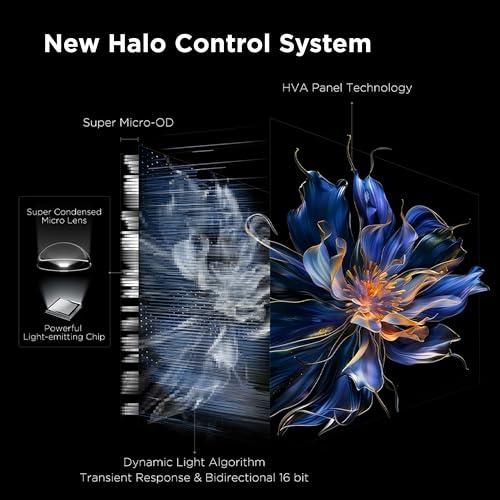
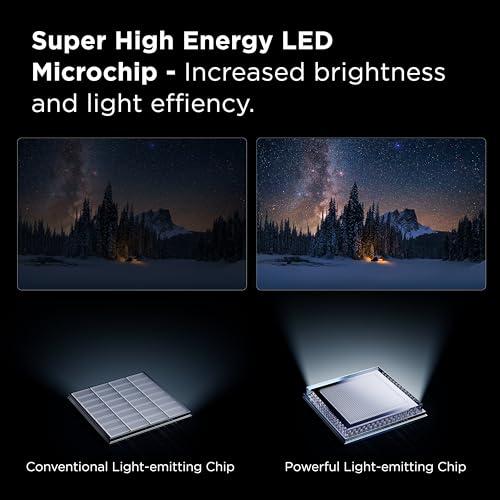
Both models incorporate TCL's latest innovations in display technology, but with different emphases. The X11K's All-domain Halo Control Technology represents advanced engineering in blooming reduction, using precise optical design and improved LED efficiency to minimize unwanted light spillage around bright objects.
The processing capabilities differ subtly but meaningfully. The X11K's AiPQ Pro processor focuses on pixel-level optimization and gaming performance, while the QM8's AIPQ ULTRA processor emphasizes large-format display optimization and audio-visual synchronization for its complex speaker array.
From a future-proofing perspective, the X11K's higher refresh rate capabilities provide better longevity as gaming and streaming content increasingly adopts higher frame rates. Both models support current HDMI 2.1 specifications with 48Gbps bandwidth, ensuring compatibility with next-generation gaming consoles and streaming devices.
In dedicated home theater environments, the choice between these models depends heavily on room characteristics and existing equipment. The 115" QM8 excels in purpose-built theater rooms where its size can be properly appreciated and its audio system can perform optimally. The physical impact of a 115" display creates an almost projection-like experience with the convenience and brightness advantages of direct-view technology.
The X11K proves more versatile across different room types and usage patterns. Its superior brightness makes it excellent for rooms with ambient light, while its gaming capabilities serve multi-purpose family rooms where the TV handles everything from movie nights to competitive gaming sessions.
For viewers prioritizing picture quality above all else, the X11K's brightness advantage and advanced processing deliver the most impactful visual experience across varied content. The difference becomes particularly apparent with HDR content, where the extra 1,500 nits of peak brightness translate to more realistic and engaging highlights.
Based on our research and evaluation of expert opinions, the TCL 98" X11K emerges as the better choice for most premium TV buyers. Its combination of flagship performance, superior brightness, advanced gaming capabilities, and more reasonable pricing creates compelling value that's difficult to match.
Choose the X11K if you want the best overall performance, have budget constraints within the premium TV category, prioritize gaming capabilities, plan to use external audio equipment anyway, or have room size limitations that make 115" impractical.
The 115" QM8 serves a specific ultra-premium market segment where maximum size impact and built-in audio quality justify the substantial price premium. Choose it if you have a dedicated theater room with appropriate viewing distances, prioritize built-in surround sound quality, have unlimited budget for the absolute largest screen experience, or specifically value the QM8's superior speaker array for rooms where external audio isn't practical.
Ultimately, both represent excellent examples of modern display technology, but the X11K delivers superior value and performance for the broader market while the QM8 serves those seeking the ultimate in size and integrated audio at any cost.
| TCL 98" X11K 4K QD-Mini LED Google TV | TCL 115" QM8 Series 4K UHD Smart Google TV |
|---|---|
| Screen Size - Bigger creates more immersive viewing but requires larger rooms | |
| 98" diagonal (perfect for 10-15 foot viewing distance) | 115" diagonal (needs 12-18 foot viewing distance for optimal experience) |
| Peak Brightness - Higher brightness delivers better HDR and bright room performance | |
| 6,500 nits (30% brighter, superior for daytime viewing) | 5,000 nits (still excellent but less impactful in bright rooms) |
| Local Dimming Zones - More zones reduce blooming around bright objects | |
| 14,000 zones (excellent precision for 98" screen) | 20,000 zones (finer control but spread across larger 115" area) |
| Gaming Refresh Rate - Higher rates create smoother motion and reduce input lag | |
| 144Hz native with 288Hz gaming mode (best-in-class for competitive gaming) | 120Hz native with 240Hz VRR (excellent for most gaming scenarios) |
| Built-in Audio System - Better audio reduces need for external speakers | |
| Bang & Olufsen 2.1.1 system, 120W (good quality but may need soundbar upgrade) | Onkyo 6.2.2 surround system, 120W (genuine surround sound with upfiring speakers) |
| Pixel Density - Higher density means sharper text and details when viewed closer | |
| 45 PPI (sharper for closer viewing distances) | 38 PPI (still sharp at proper 12+ foot viewing distance) |
| Display Technology - Both use advanced Mini LED with Quantum Dot enhancement | |
| QD-Mini LED with CrystGlow HVA panel and Halo Control | QD-Mini LED ULTIMATE with 1.07 billion colors |
| Smart Platform - Both offer identical Google TV experience with voice control | |
| Google TV with Wi-Fi 6, Google Assistant, Chromecast built-in | Google TV with Wi-Fi 6, Google Assistant, Chromecast built-in |
| HDMI Connectivity - Both support latest gaming consoles and streaming devices | |
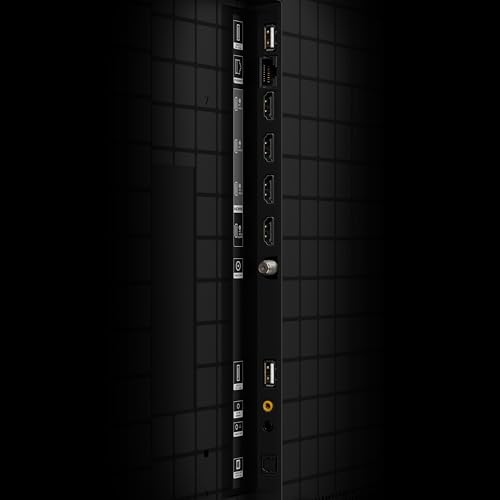
| 4x HDMI 2.1 ports with 48Gbps bandwidth, eARC support | 4x HDMI 2.1 ports with 48Gbps bandwidth, eARC support |
| Installation Requirements - Larger size increases mounting complexity and costs | |
| Manageable installation, fits most rooms and doorways | Requires professional installation, structural wall assessment needed |
| Value Proposition - Consider performance per dollar and room requirements | |
| Flagship performance at premium but accessible pricing | Ultra-premium pricing justified mainly by size and superior audio |
The TCL 98" X11K delivers superior overall picture quality with 6,500 nits peak brightness compared to the TCL 115" QM8's 5,000 nits. This 30% brightness advantage makes HDR content more impactful and provides better performance in bright rooms. While the QM8 has more local dimming zones (20,000 vs 14,000), the X11K's higher brightness and advanced Halo Control Technology create more impressive visuals across most viewing scenarios.
The primary difference is screen size and focus: the TCL 115" QM8 prioritizes maximum size impact with a 115" display and premium built-in surround sound, while the TCL 98" X11K emphasizes superior picture performance with higher brightness, faster gaming capabilities, and better value. The QM8 is 17 inches larger diagonally but costs significantly more.
The TCL 98" X11K is clearly better for gaming with its 144Hz native refresh rate and 288Hz gaming mode, compared to the QM8's 120Hz refresh rate. The X11K also offers superior Variable Refresh Rate performance and lower input lag, making it ideal for competitive gaming and next-generation consoles.
The TCL 115" QM8 has significantly better built-in audio with an Onkyo 6.2.2 surround sound system featuring dedicated surround speakers, up-firing drivers, and dual subwoofers. The TCL 98" X11K has a quality Bang & Olufsen 2.1.1 system but lacks true surround sound placement. Most X11K buyers will want to add a soundbar, while the QM8's audio may satisfy without additional equipment.
The TCL 98" X11K provides significantly better value with flagship performance at a more accessible premium price point. The TCL 115" QM8 commands a substantial premium primarily for its larger size and superior audio system, making the X11K the better choice for most buyers seeking high-end performance.
The TCL 98" X11K works well in rooms with 10-15 foot viewing distances and fits most standard living spaces. The TCL 115" QM8 requires larger rooms with 12-18 foot viewing distances and often needs dedicated theater room setups. The QM8 also requires careful measurement of doorways and hallways for delivery.
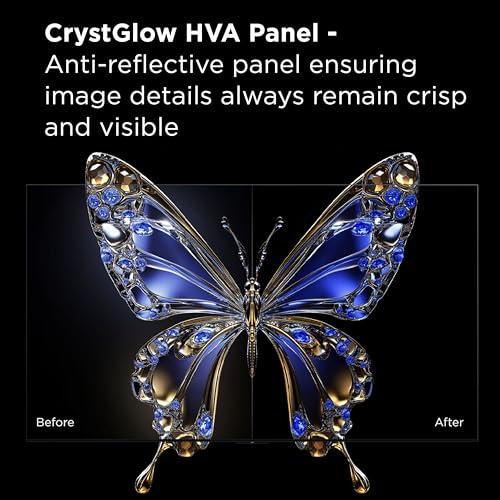
Yes, but the TCL 98" X11K performs better in bright rooms due to its higher 6,500 nits peak brightness. Both TVs use anti-reflective coatings and quantum dot technology, but the X11K's extra brightness provides more vivid HDR performance when competing with ambient light from windows or room lighting.
Both use similar QD-Mini LED technology, but with different implementations. The TCL 98" X11K features more advanced processing with its AiPQ Pro processor and Halo Control Technology for reduced blooming. The TCL 115" QM8 has more local dimming zones (20,000 vs 14,000) but the X11K's superior brightness and processing create better overall image quality.
The TCL 115" QM8 is specifically designed for dedicated home theater rooms with its cinema-sized display and built-in surround sound system. The TCL 98" X11K works excellent in home theaters too, especially when paired with external audio equipment, and offers more flexibility for multi-purpose rooms that handle both movies and gaming.
Both TVs support current gaming consoles well with HDMI 2.1 and VRR, but the TCL 98" X11K has advantages for next-generation gaming with its higher 144Hz refresh rate capability. The X11K provides better future-proofing as games increasingly support higher frame rates, while the QM8 handles current gaming excellently at 120Hz.
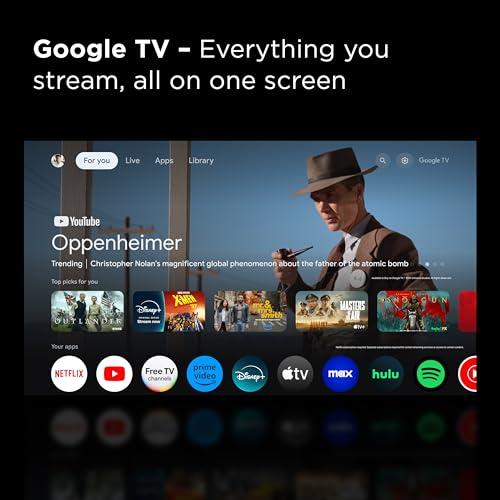
Both the TCL 98" X11K and TCL 115" QM8 run Google TV with identical smart features including Google Assistant, Chromecast built-in, Wi-Fi 6 connectivity, and support for all major streaming apps. Neither has advantages in smart TV functionality - the differences lie in display and audio performance.
For most living rooms, the TCL 98" X11K is the better choice due to its superior brightness, manageable installation requirements, and excellent value. Choose the TCL 115" QM8 only if you have a very large room, prioritize maximum size impact above all else, and want premium built-in surround sound without external speakers.
We've done our best to create useful and informative comparisons to help you decide what product to buy. Our research uses advanced automated methods to create this comparison and perfection is not possible - please contact us for corrections or questions. These are the sites we've researched in the creation of this article: ecoustics.com - pcrichard.com - tcl.com - valueelectronics.com - bestbuy.com - tcl.com - whathifi.com - tcl.com - youtube.com - displayspecifications.com - whathifi.com - youtube.com - notebookcheck.net - tcl.com - tcl.com - displayspecifications.com - tcl.com - tcl.com - pcguide.com - en.homecinesolutions.fr - youtube.com - tcl.com - rtings.com - pcrichard.com - valueelectronics.com - cnet.com - youtube.com - rcwilley.com - greentoe.com - tcl.com - ezown.net - kingsgreatbuys.com - romomattressfurniture.com - abt.com

Privacy Policy
Terms and Conditions - Affiliate Policy
Home Security
© Copyright 2008-2026.
11816 Inwood Rd #1211, Dallas, TX 75244