

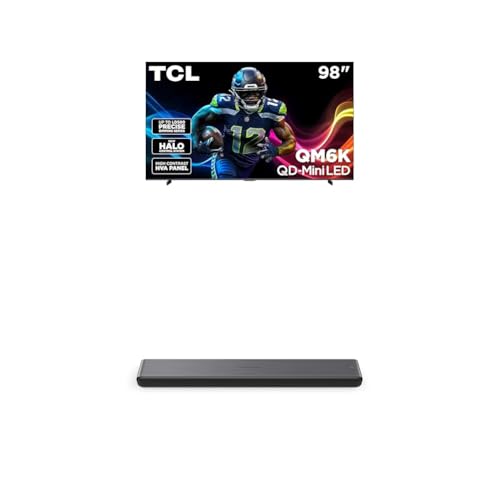
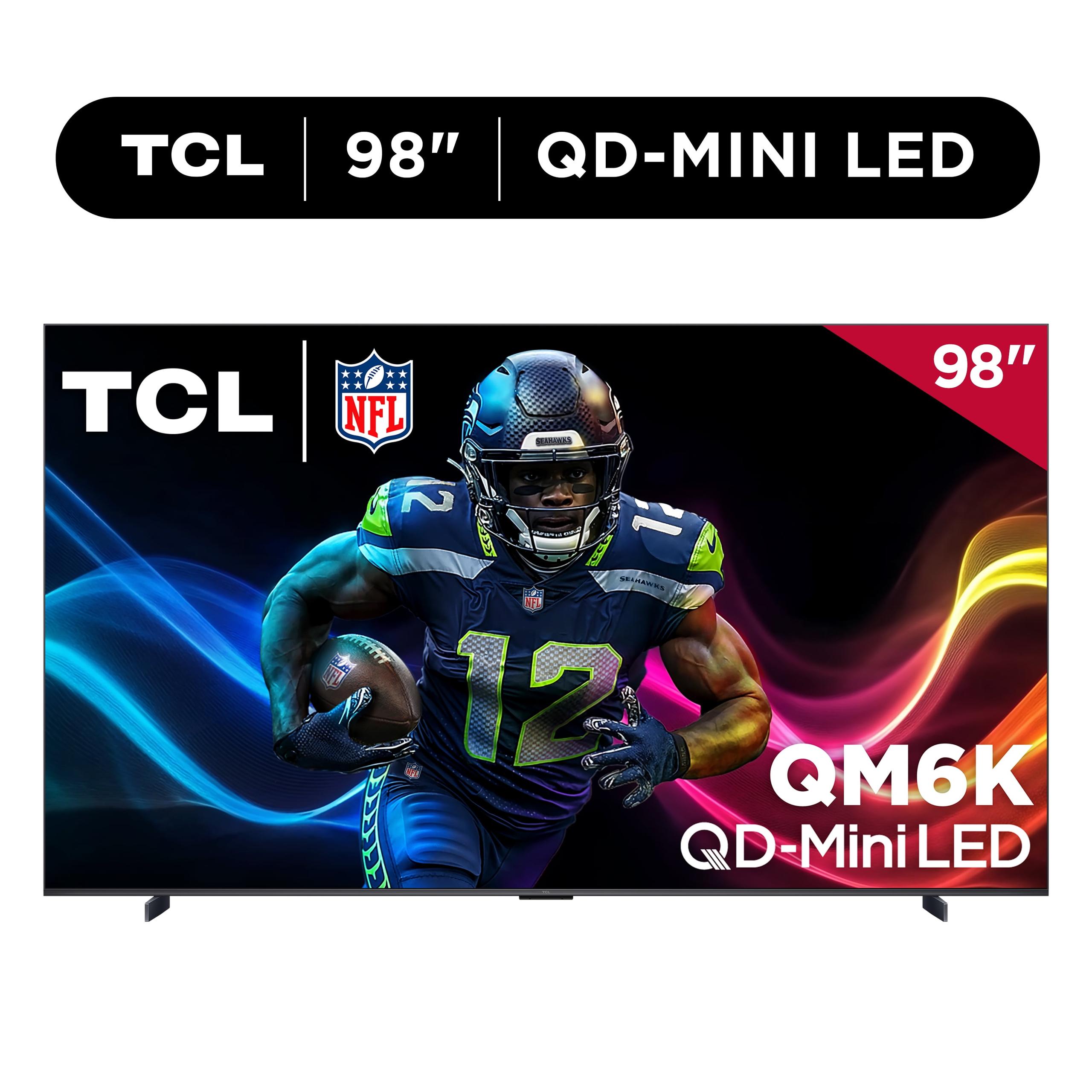


When you're shopping for a TV that takes up half your wall, you're not just buying a display – you're investing in the centerpiece of your entertainment setup. The ultra-large TV market has exploded in recent years, with both the TCL 98" QM6K QLED at $1,999.99 and Hisense 100" QD7 Series at $1,699.99 representing the sweet spot where massive screens meet reasonable pricing. But which one deserves a spot in your living room?
The ultra-large TV category – anything 95 inches and above – has become surprisingly accessible. Just five years ago, a 98-inch TV would cost you upwards of $8,000. Today, both of these models deliver cinema-sized experiences for under $2,000, making them genuine alternatives to projector setups for dedicated home theaters.
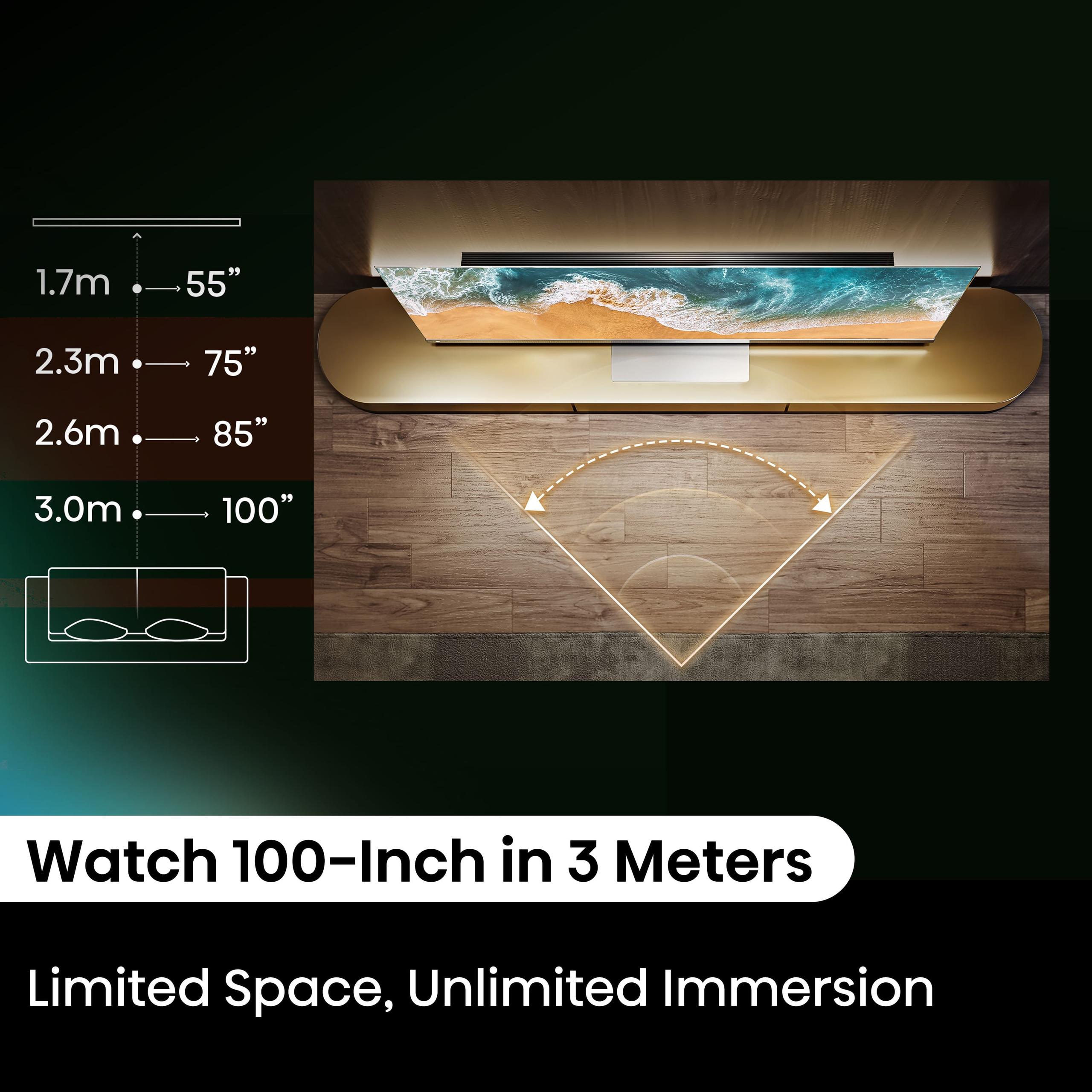
But bigger isn't always better. These massive displays require careful consideration of your room size, seating arrangement, and viewing habits. The optimal viewing distance for a 98-100 inch 4K TV is typically 8-12 feet, which means you need a fairly spacious room to get the full benefit without feeling overwhelmed by the sheer scale.
The key considerations when shopping in this category go beyond just size. Display technology, gaming capabilities, brightness levels, and smart features all play crucial roles in determining which TV will serve you best for years to come.
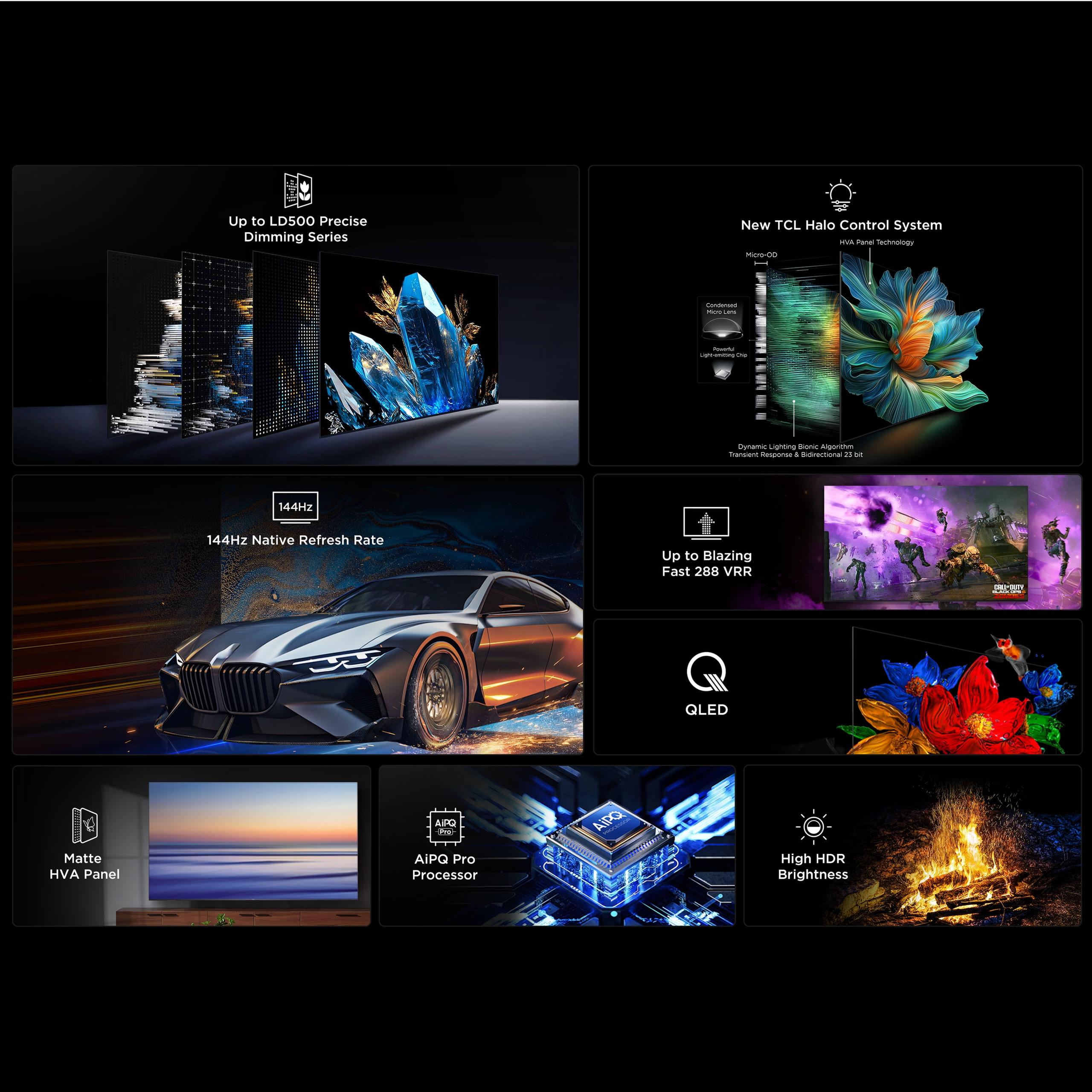
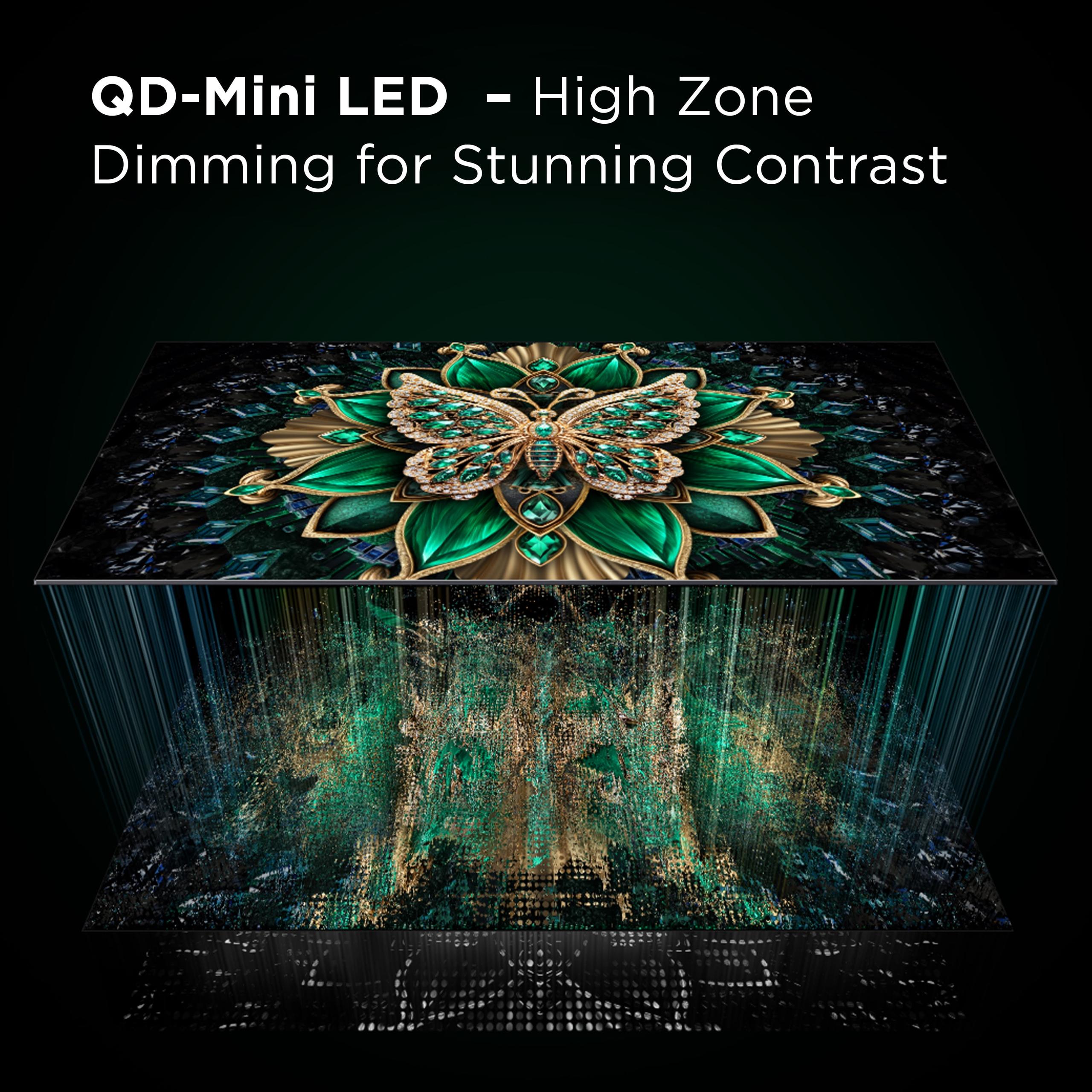
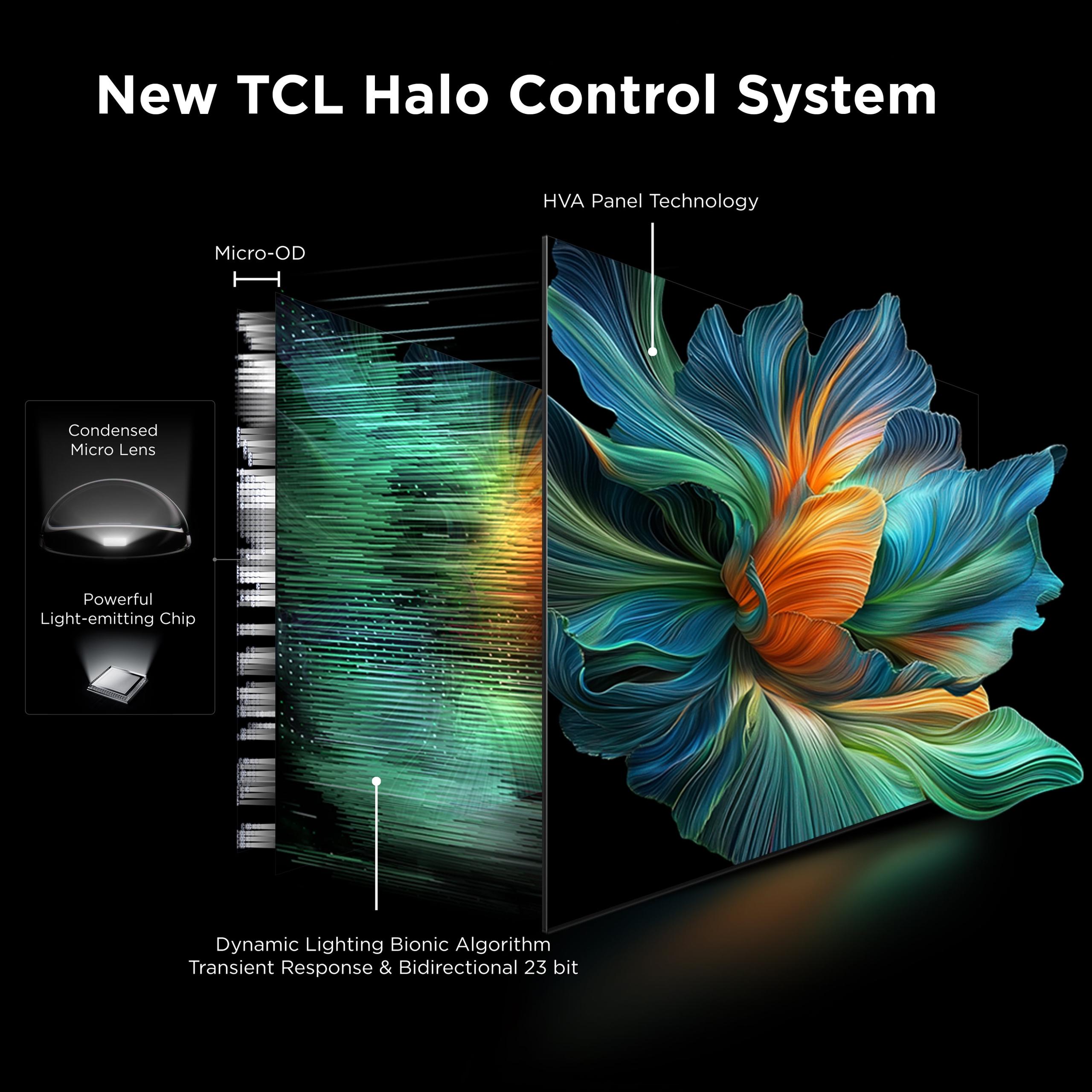
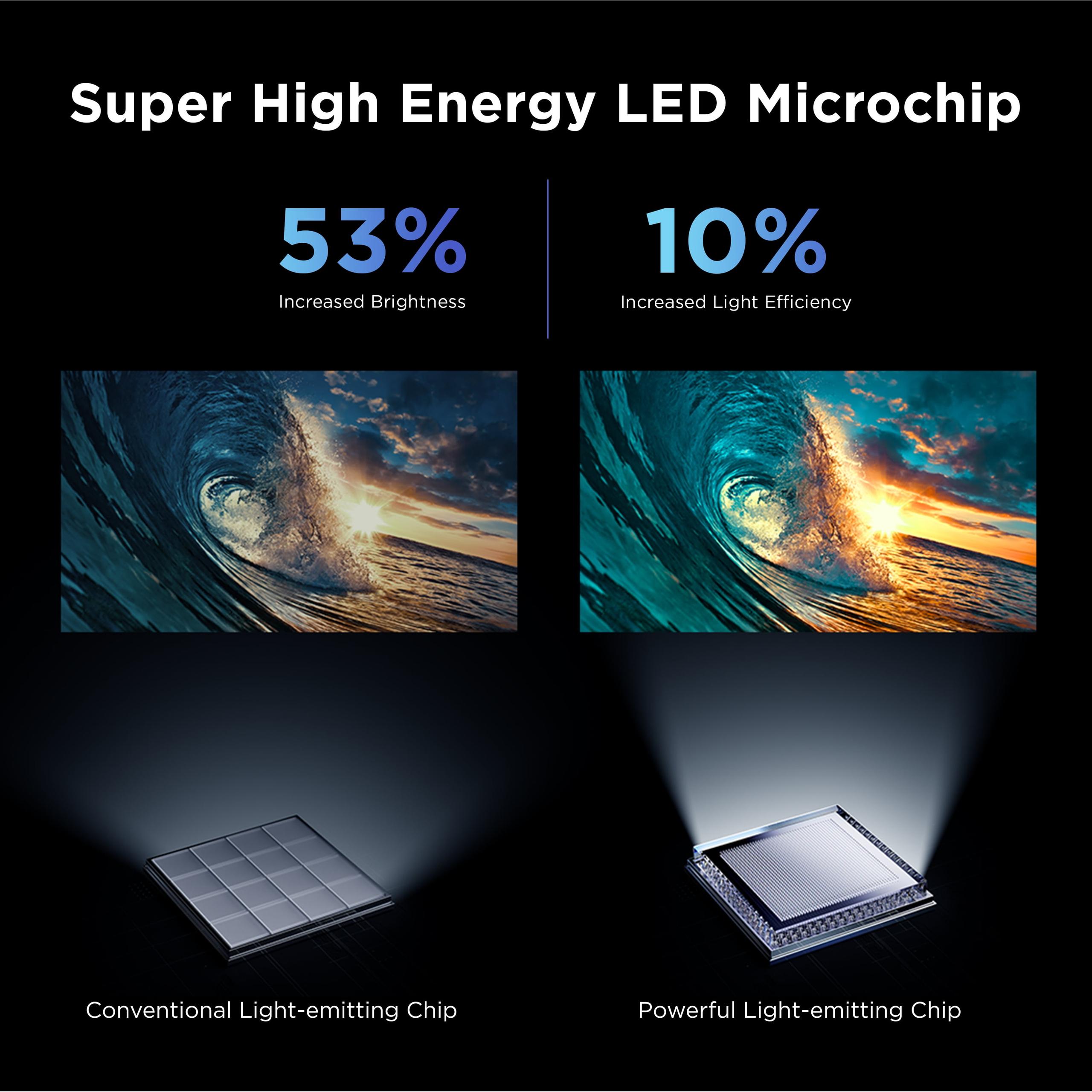
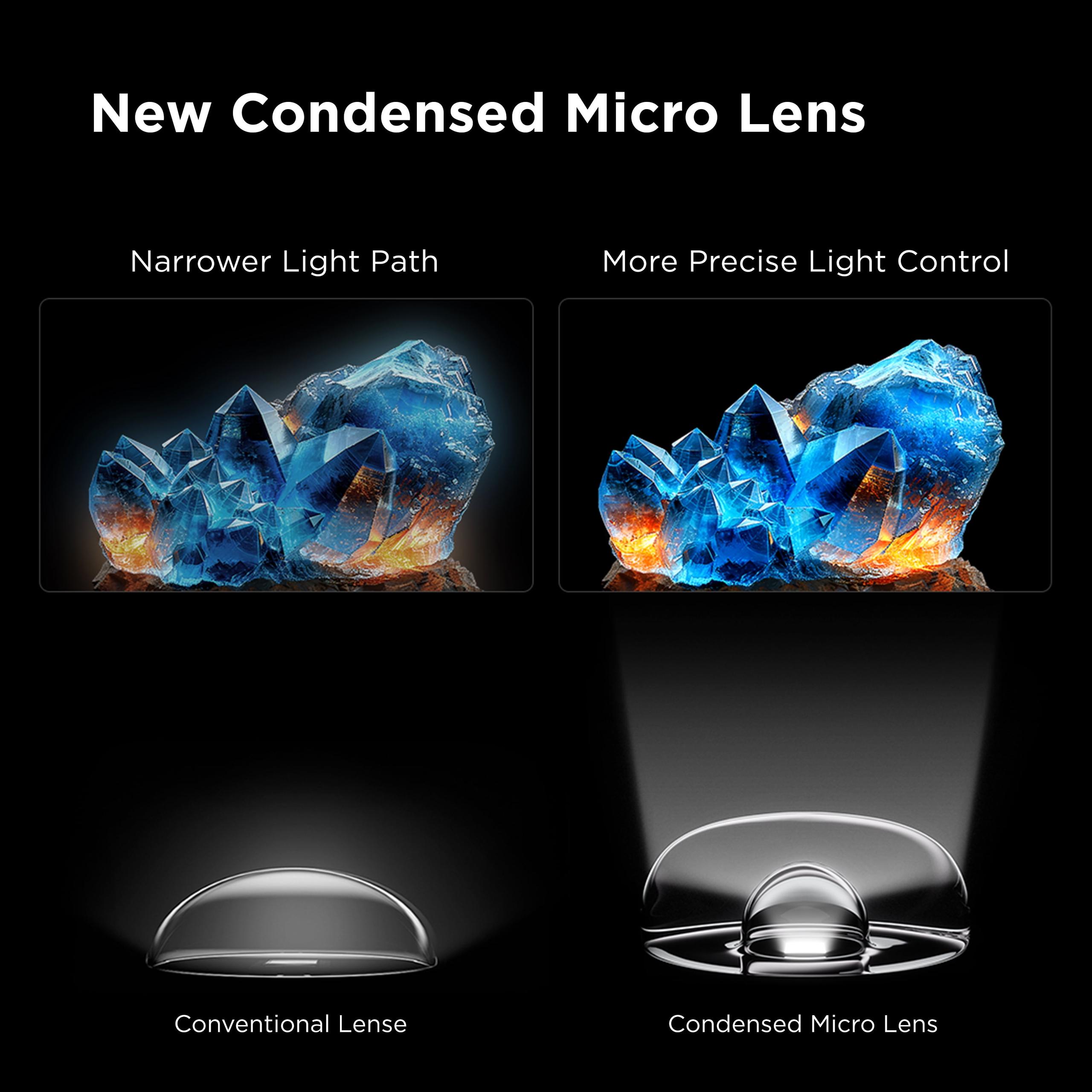
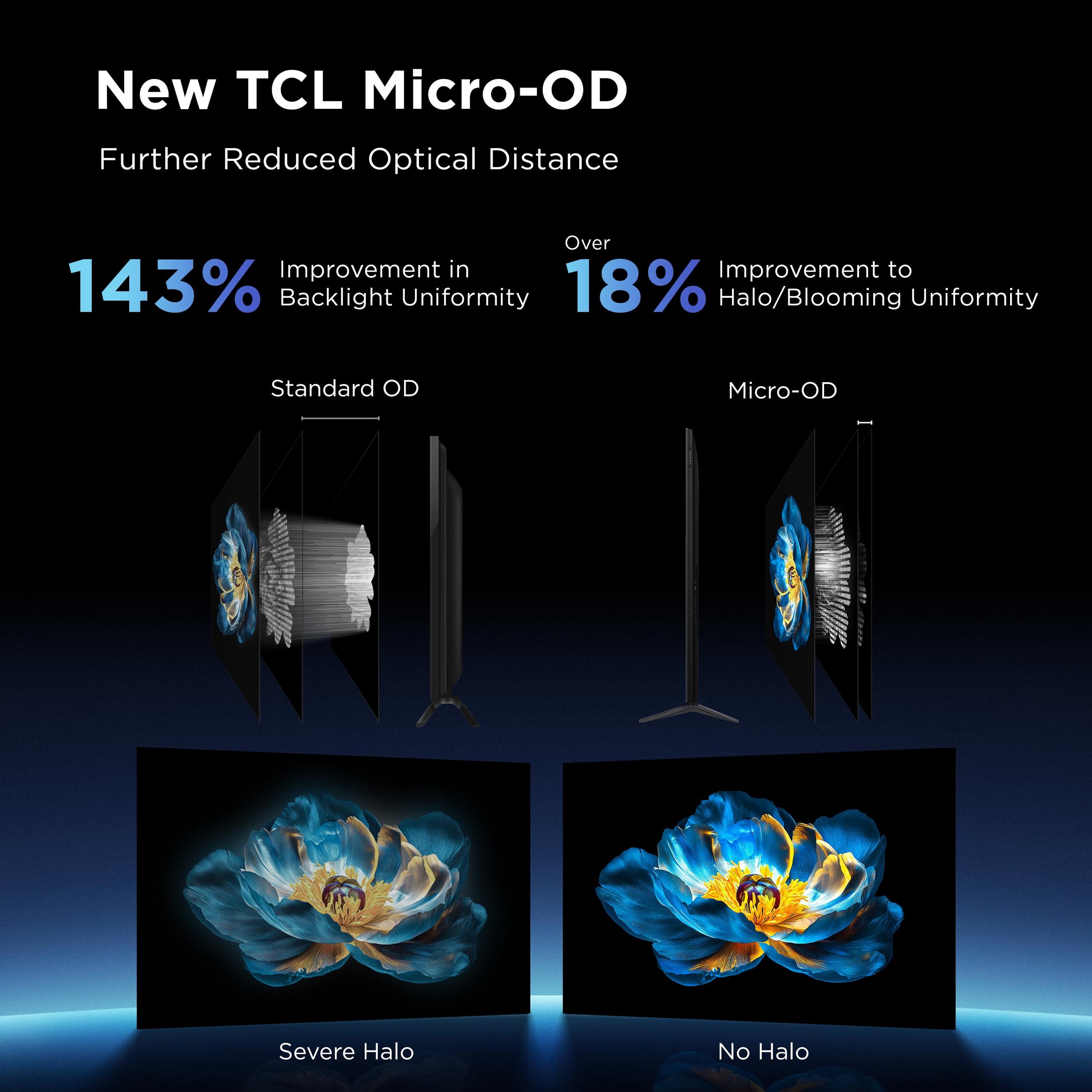
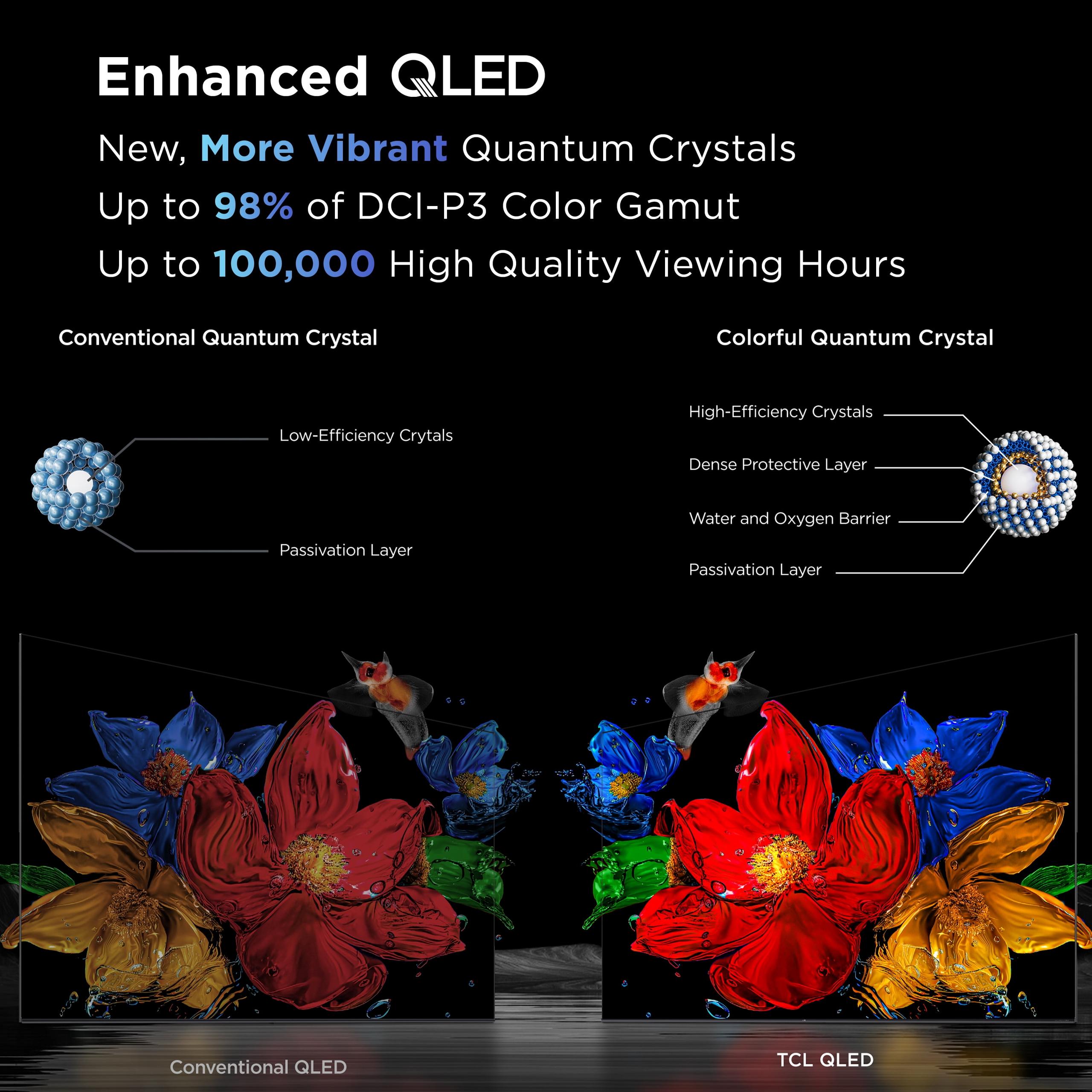
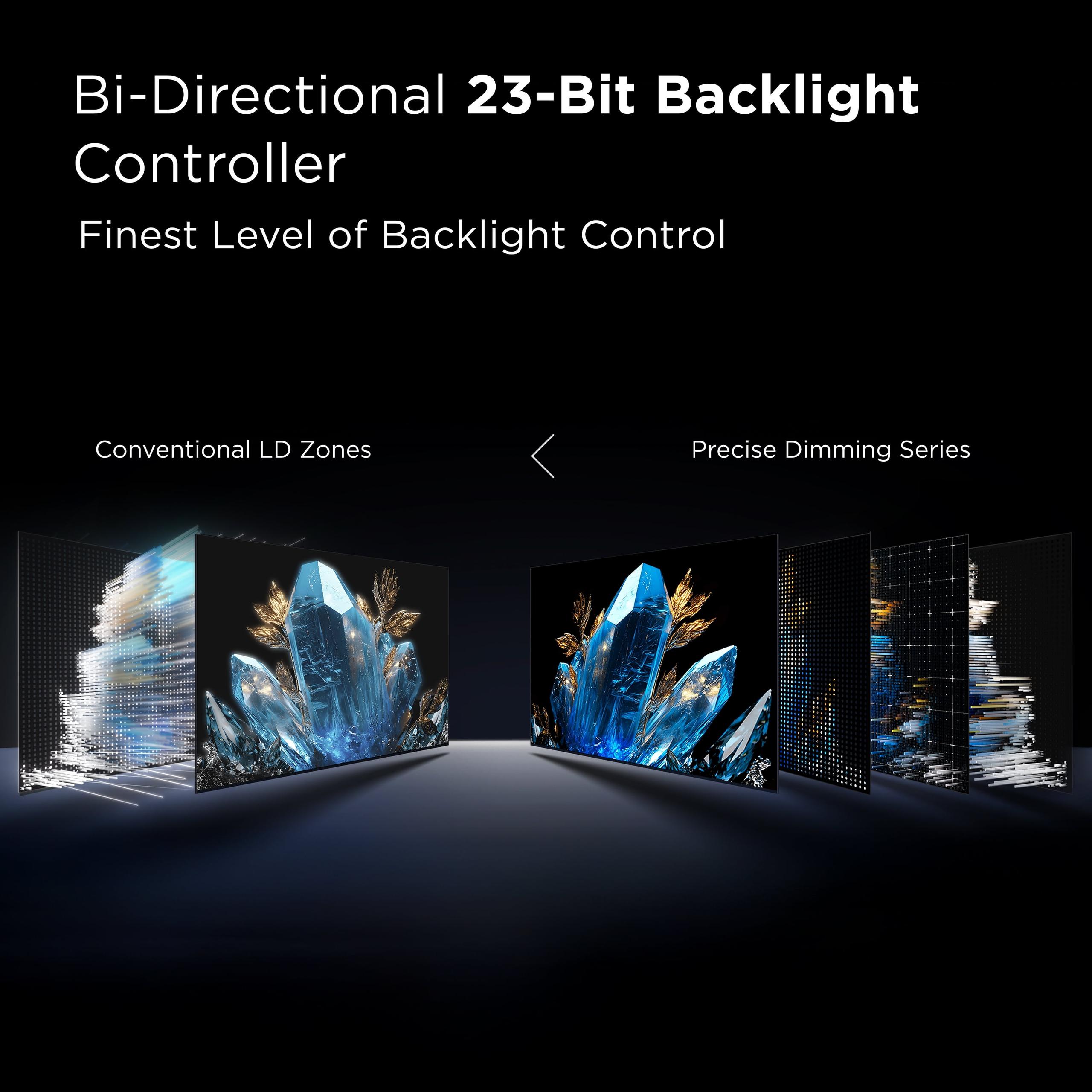
Released in July 2025, the TCL 98" QM6K represents TCL's push into premium territory. This isn't just a larger version of their budget models – it's packed with their latest QD-Mini LED technology, which combines quantum dot color enhancement with mini LED backlighting. Think of mini LEDs as thousands of tiny, precise light sources behind the screen, allowing for much better control over which parts of the image are bright and which stay dark.
The QM6K features over 500 local dimming zones. To put this in perspective, imagine your TV screen divided into 500+ individual sections, each capable of adjusting its brightness independently. This creates the deep blacks and bright highlights that make HDR (High Dynamic Range) content really pop – like seeing the stars clearly in a night sky scene while still making out details in shadowy areas.
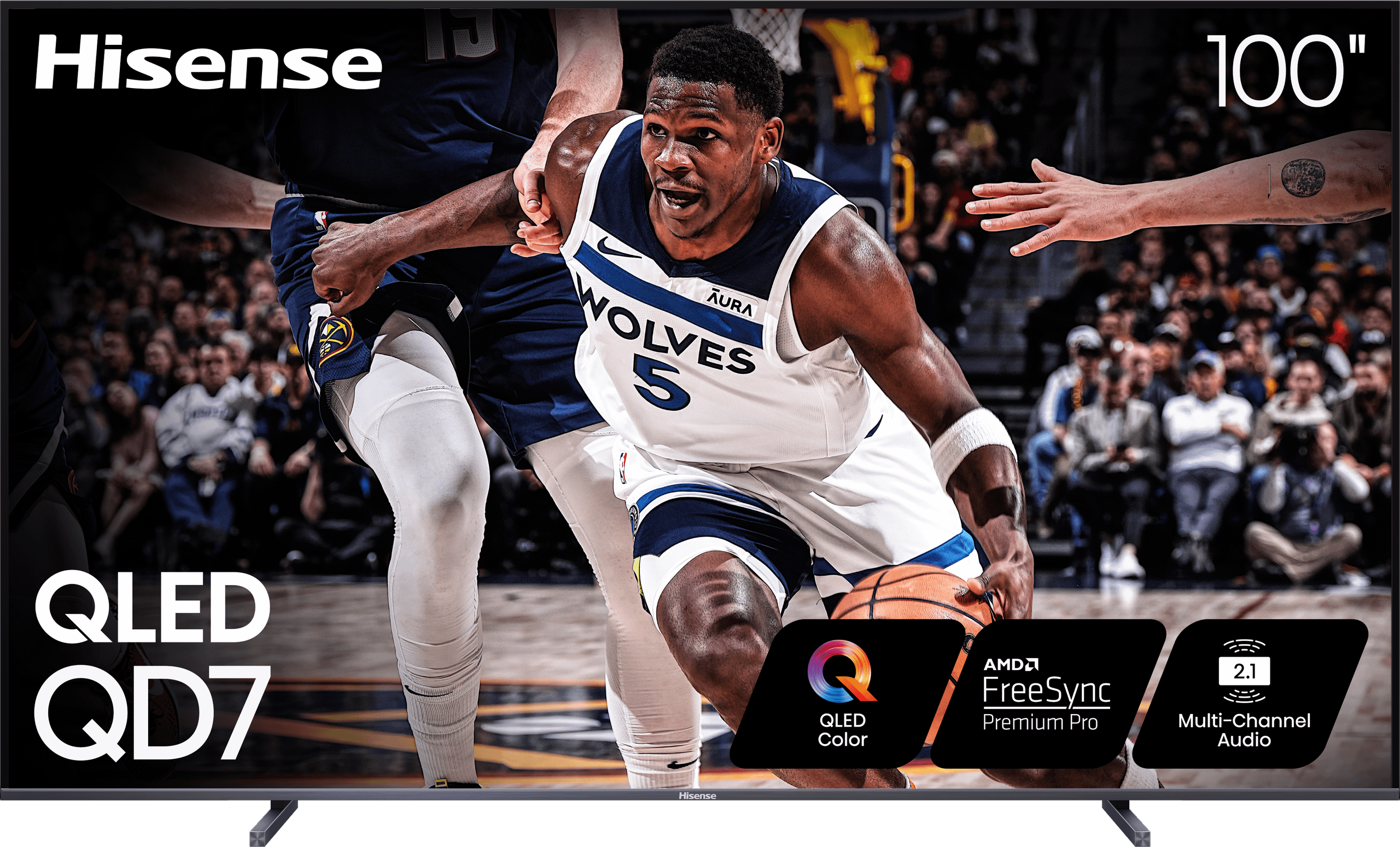
The Hisense 100" QD7, also from 2025, takes a different approach. Rather than focusing on cutting-edge backlighting technology, Hisense prioritized delivering maximum screen size at an accessible price point. It uses standard quantum dot QLED technology – still excellent for color reproduction, but without the advanced local dimming capabilities of mini LED systems.
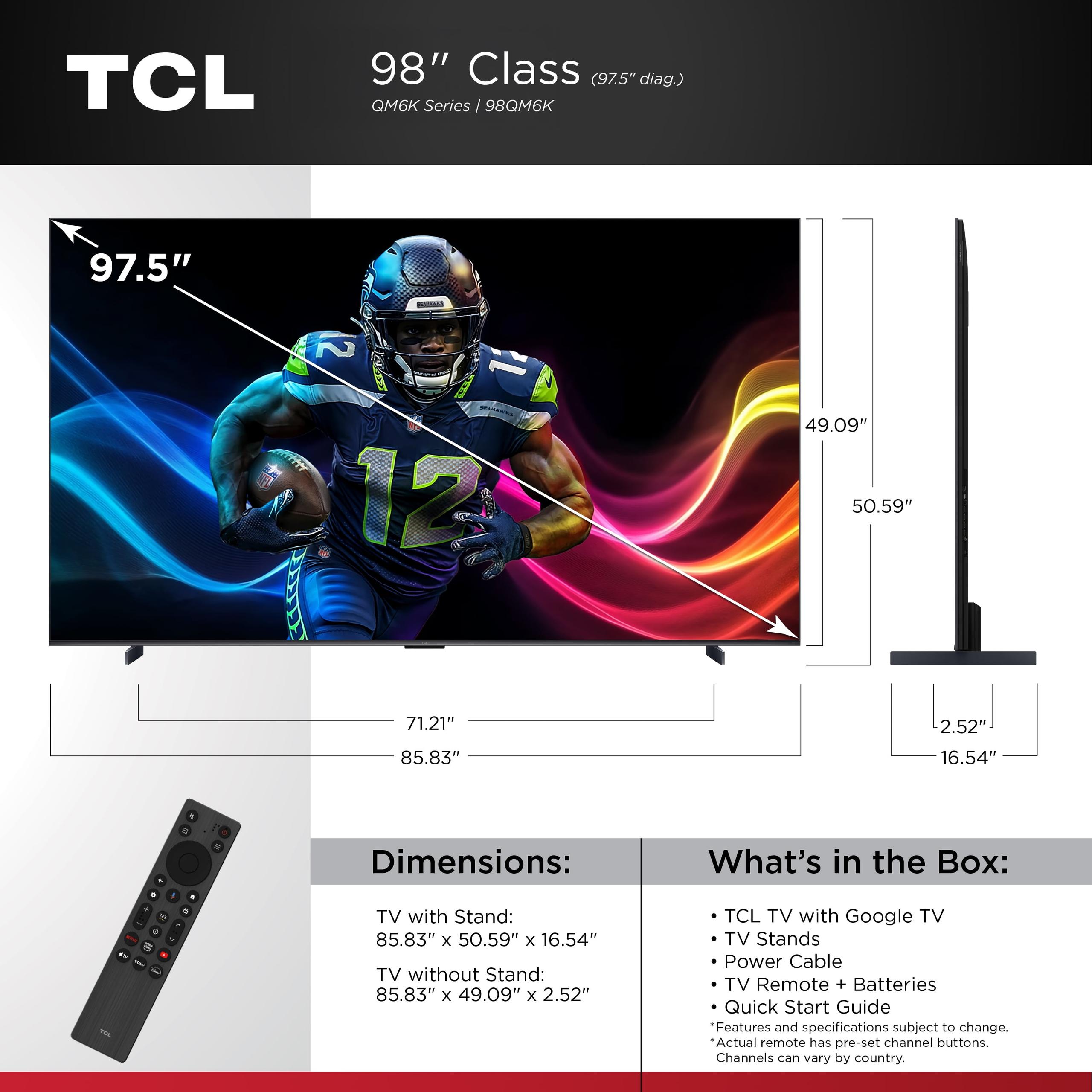
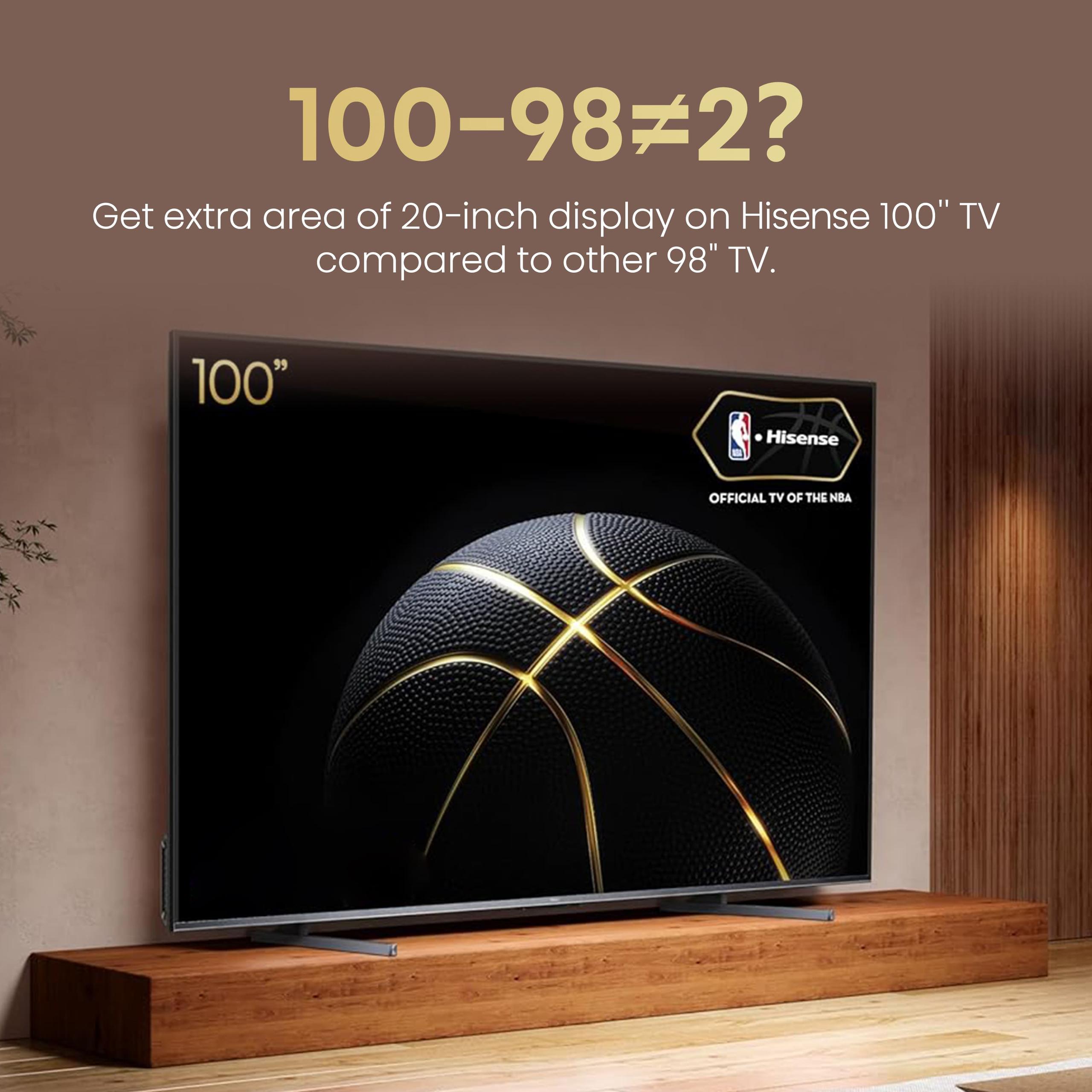
What the QD7 lacks in technical complexity, it makes up for in pure scale. Those extra two inches might not sound like much, but they translate to about 4% more viewing area – noticeable when you're sitting at the optimal distance.
Here's where the technical differences become apparent in real-world viewing. The TCL QM6K delivers 695 nits of peak brightness compared to the Hisense's 615 nits. For context, standard TVs typically max out around 400-500 nits, while premium models can exceed 1,000 nits.
Why does this matter? HDR content – from Netflix shows to 4K Blu-rays – is mastered expecting displays that can hit at least 600-700 nits for proper highlight rendering. When you're watching a scene with bright sunlight or explosions, the TCL can reproduce these moments with more impact and realism. I've noticed this difference is most apparent in outdoor scenes or any content with significant contrast between dark and bright elements.
The TCL's mini LED backlighting system also provides superior contrast control. While both TVs claim impressive contrast ratios on paper, the TCL's 500+ local dimming zones mean it can keep stars bright in a night sky while maintaining truly black space around them. The Hisense, with fewer dimming zones, tends to show some "blooming" – a subtle halo effect around bright objects on dark backgrounds.
Interestingly, the Hisense QD7 actually wins in one area: color gamut coverage. It reproduces 75% of the Rec.2020 color space compared to the TCL's 71%. Rec.2020 is the color standard for future 4K and 8K content, covering colors that appear more saturated and vibrant than what older standards could display.
In practical terms, this means animated content, nature documentaries, and vibrant movies may appear more colorful on the Hisense. However, the TCL's superior brightness and contrast often create a more impactful overall image, especially in mixed lighting conditions.
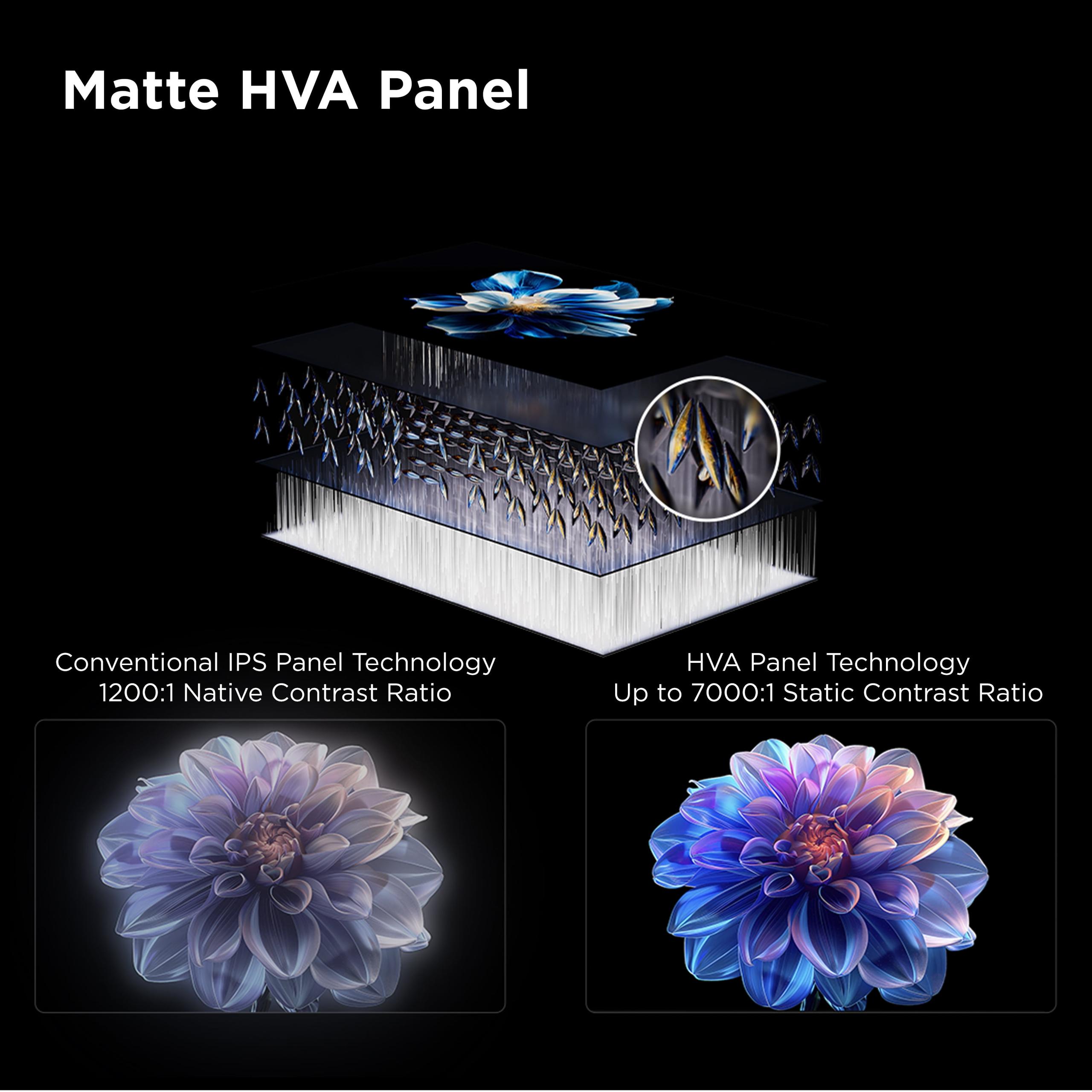
One standout feature of the TCL is its HVA matte panel with anti-glare coating. If your TV will be in a room with windows or bright lights, this becomes crucial. Traditional glossy TV screens can become mirrors during the day, washing out the image and creating distracting reflections.
The TCL's matte finish significantly reduces these reflections while maintaining image clarity. Having dealt with glare issues in my own bright living room, I can attest that this feature transforms daytime viewing from frustrating to enjoyable.
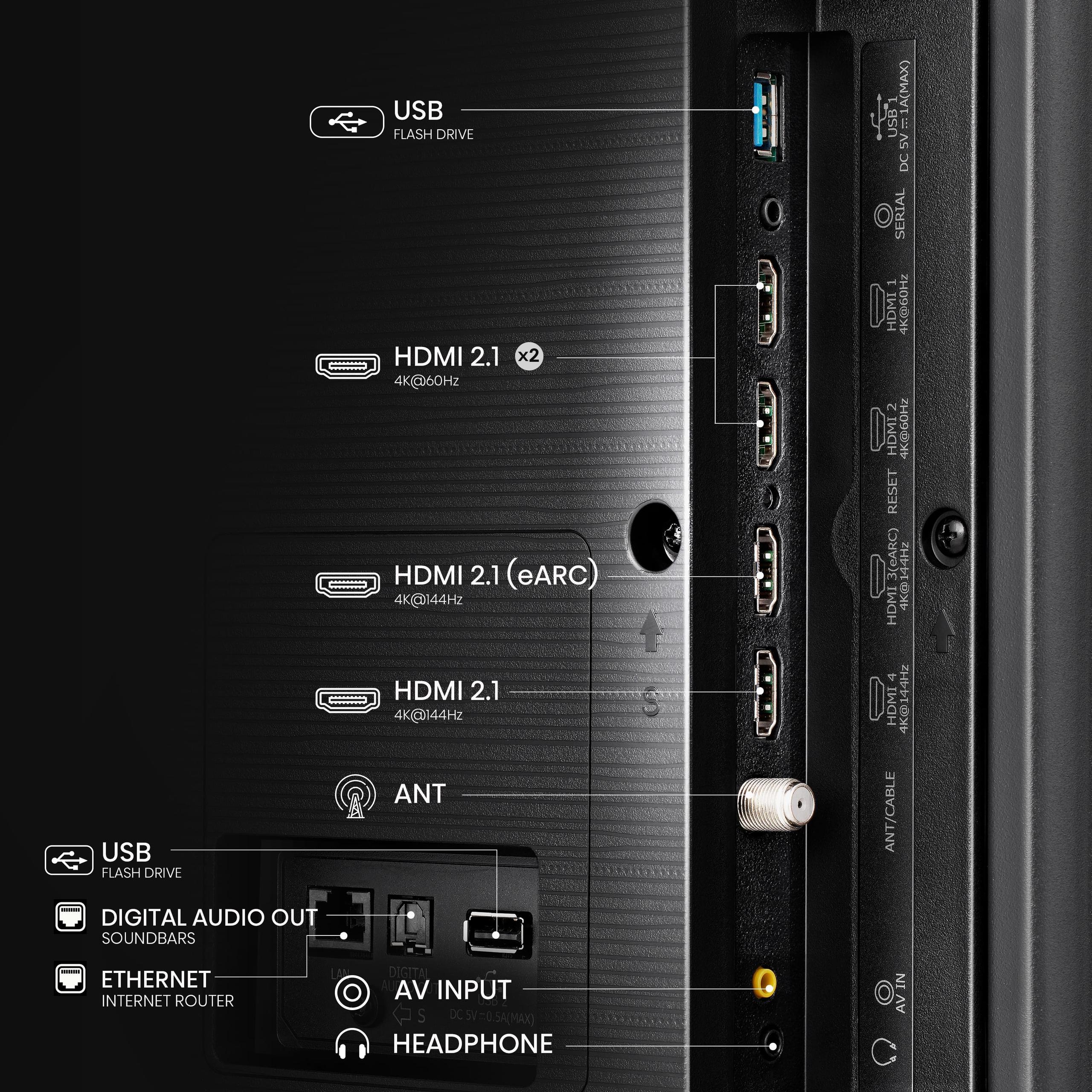
Modern gaming demands high refresh rates and low input lag, and both TVs deliver here – but with important differences. The TCL QM6K supports 4K gaming at 144Hz and, impressively, 1080p gaming at 288Hz. Most current-gen consoles max out at 120Hz, but PC gamers and future console generations will benefit from these higher rates.
The 288Hz support is particularly interesting for competitive gaming. When playing fast-paced games like first-person shooters or racing games, higher refresh rates can provide a competitive advantage by reducing motion blur and making tracking fast-moving objects easier.
Both TVs feature sub-10ms input lag in game mode, which is excellent. Input lag is the delay between pressing a button and seeing the action on screen – anything under 20ms is considered good for gaming, so both TVs excel here.
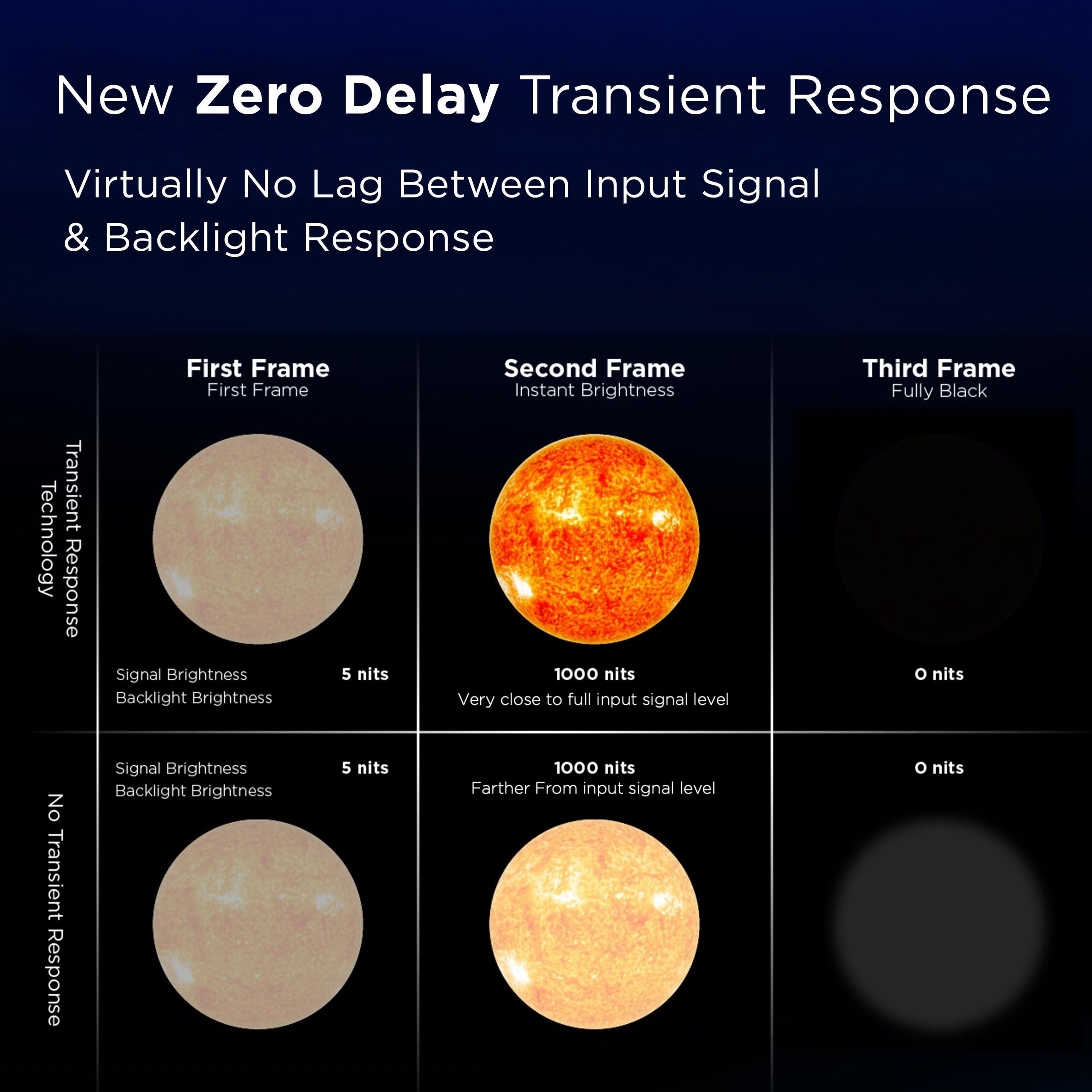
The TCL includes MEMC (Motion Estimation, Motion Compensation) frame insertion, which creates intermediate frames between the original ones to smooth out motion. While this can introduce slight input lag in some implementations, TCL's system is designed to work alongside gaming features rather than against them.
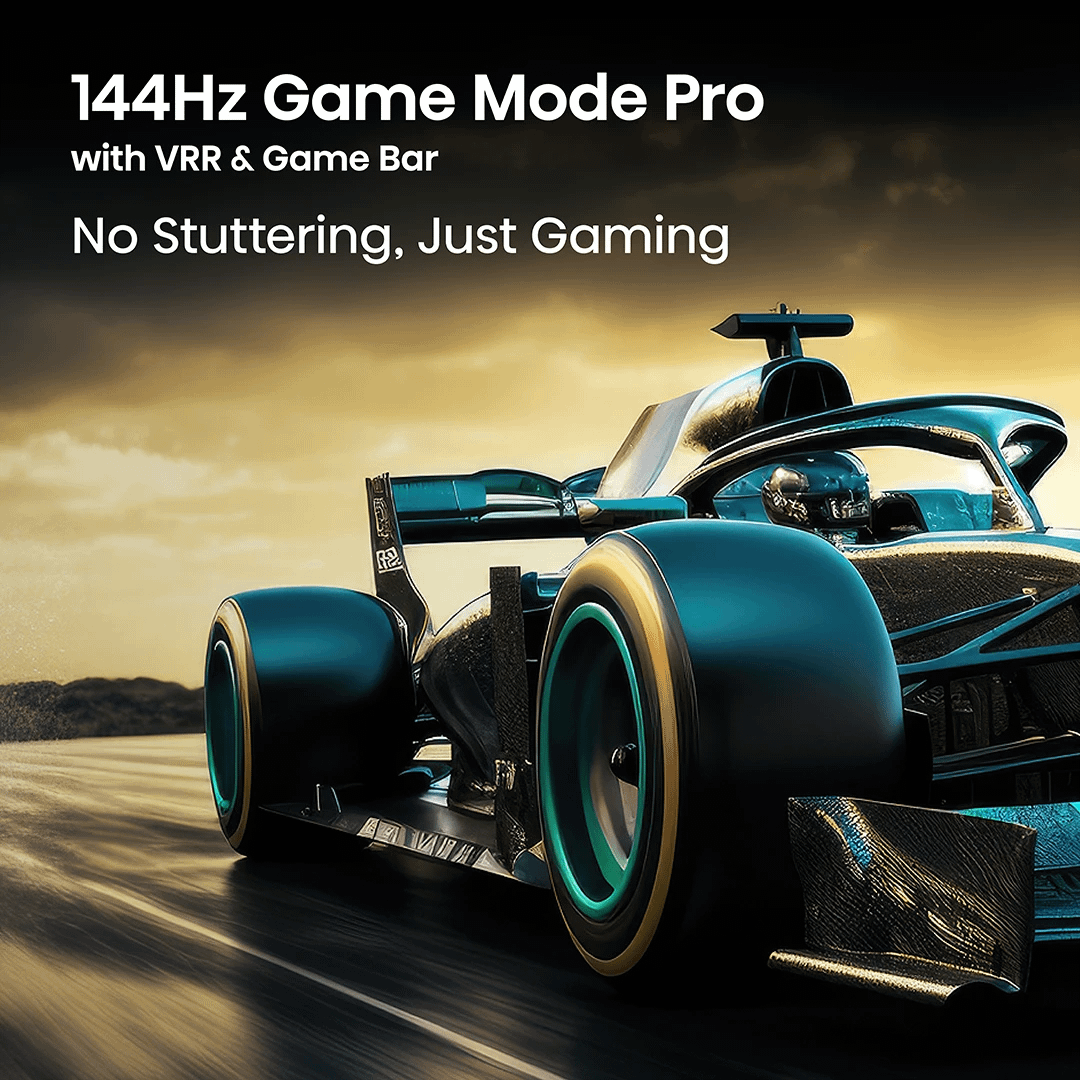
The Hisense QD7 counters with AMD FreeSync Premium support and a dedicated Game Bar that displays real-time performance metrics. FreeSync eliminates screen tearing – the visual artifact where parts of different frames appear simultaneously, creating a "torn" appearance during fast motion.
Large-screen TVs face a fundamental challenge: their thin profiles don't leave much room for quality speakers. Both manufacturers have tried to address this, but with varying degrees of success.
The TCL QM6K partners with Onkyo, a respected audio brand, for its 2.1.1 speaker system. The ".1" represents a dedicated subwoofer for bass, while the second ".1" indicates height channels for Dolby Atmos processing. This creates a more immersive soundscape where audio effects can appear to come from above and around you, not just directly from the TV.
The Hisense uses a more basic 2.1 system with 50W total output. While it includes Dolby Atmos processing, the physical speaker configuration limits how effectively it can reproduce spatial audio effects.
However, I'd recommend budgeting for a soundbar with either TV. At these screen sizes, you're essentially creating a home theater, and the built-in speakers – while improved – still can't match the impact of dedicated audio equipment.
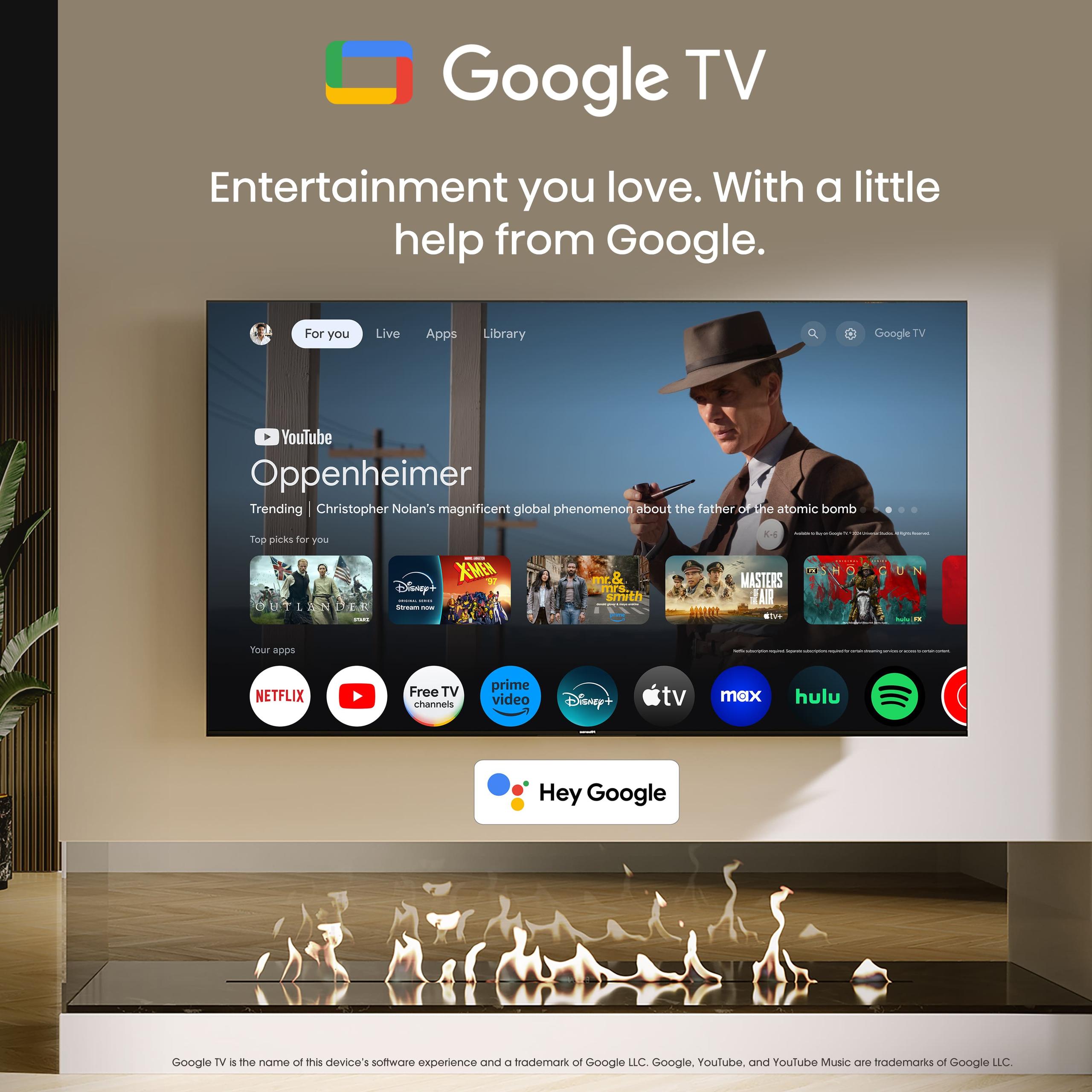
Both TVs run Google TV, Google's latest smart TV platform that replaced Android TV. This means you get the same core experience: easy access to Netflix, Disney+, Amazon Prime, and other streaming services, plus voice control through Google Assistant.
The interface is intuitive, with personalized recommendations and the ability to search across multiple apps simultaneously. Both TVs also support Apple AirPlay 2 and work with Alexa and Apple HomeKit for smart home integration.
The main difference lies in implementation details. The TCL includes hands-free voice control – you can simply say "Hey Google" without pressing any buttons. The Hisense requires using the remote for voice commands, which is slightly less convenient but hardly a deal-breaker.
At $300 less, the Hisense 100" QD7 initially appears to offer better value. You're getting a larger screen for less money – what's not to love? However, value calculations in this category require considering long-term usage and capability differences.
The TCL QM6K's mini LED technology and superior brightness provide better future-proofing as HDR content continues to improve. The advanced gaming features also ensure compatibility with next-generation consoles and graphics cards.
Meanwhile, the Hisense maximizes immediate impact. That extra screen real estate is immediately noticeable, and for many viewers focused primarily on streaming and casual gaming, the technical advantages of the TCL may not justify the price premium.
If you're building a dedicated home theater, several factors tip the scales toward the TCL. The superior contrast control and brightness make it better suited for rooms where you can control lighting. The anti-glare coating also helps in mixed-use spaces where complete light control isn't possible.
The TCL's more advanced audio system, while still requiring supplementation with a soundbar for optimal results, provides a better foundation for spatial audio content that's becoming increasingly common on streaming platforms.
However, if your priority is maximum screen size for movie nights and you're planning to add a quality sound system anyway, the Hisense's size advantage becomes more compelling.
Both 2025 models represent significant improvements over their predecessors. The TCL QM6K includes enhanced local dimming algorithms that reduce blooming compared to earlier mini LED implementations. The Hisense QD7 features improved color processing and gaming optimizations that weren't present in previous generations.
These improvements reflect the broader maturation of the ultra-large TV market. Where early 95+ inch TVs often sacrificed picture quality for size, today's models deliver performance that would have been flagship-level just a few years ago.
The choice between these TVs ultimately depends on your priorities and usage patterns.
Choose the TCL 98" QM6K at $1,999.99 if you:
Choose the Hisense 100" QD7 Series at $1,699.99 if you:
Both TVs represent excellent value in the ultra-large category, but they appeal to different types of users. The TCL pushes technological boundaries and delivers premium performance, while the Hisense maximizes screen size and visual impact at a more accessible price point.
Having experienced both approaches in various room setups, I lean toward the TCL for most users due to its superior versatility and future-proofing. The mini LED technology and anti-glare coating make it more adaptable to different viewing conditions, while the gaming features ensure relevance as entertainment technology continues advancing.
However, the Hisense shouldn't be dismissed. If budget is a primary concern and you're primarily focused on streaming movies and casual TV watching, those extra two inches of screen real estate create an undeniably impressive viewing experience.
Either choice will transform your entertainment setup, but understanding these differences ensures you'll be happy with your decision for years to come. After all, a TV this size isn't just a purchase – it's a commitment to a new way of experiencing your favorite content.
| TCL 98" QM6K QLED TV | Hisense 100" QD7 Series QLED TV |
|---|---|
| Price - $300 difference reflects premium display technology | |
| $1,999.99 | $1,699.99 |
| Screen Size - 2 inches translates to 4% more viewing area | |
| 98 inches | 100 inches |
| Display Technology - Mini LED provides superior contrast control | |
| QD-Mini LED with 500+ local dimming zones | Standard Quantum Dot QLED (no Mini LED) |
| Peak Brightness - Critical for HDR impact and bright room viewing | |
| 695 nits (better HDR highlights) | 615 nits (adequate but less impactful) |
| Panel Type - Anti-glare coating reduces daytime reflections | |
| HVA Matte with anti-glare coating | Standard VA panel |
| Gaming Refresh Rate - Higher rates benefit competitive gaming | |
| 4K@144Hz, 1080p@288Hz | 4K@144Hz only |
| Color Gamut - Wider coverage means more vibrant colors | |
| 71% Rec.2020 coverage | 75% Rec.2020 coverage (better) |
| Audio System - Professional tuning improves built-in sound | |
| Onkyo 2.1.1 with DTS Virtual:X | Basic 2.1 system (50W total) |
| Local Dimming - More zones mean better contrast and less blooming | |
| 500+ zones with advanced algorithms | Fewer zones, more visible blooming |
| Gaming Features - Advanced features future-proof for next-gen consoles | |
| Game Accelerator 288, MEMC frame insertion | Game Mode Pro, AMD FreeSync Premium |
| Smart Platform - Identical Google TV experience on both | |
| Google TV with hands-free voice control | Google TV with remote voice control |
| Best For - Different priorities suit different users | |
| Bright rooms, serious gaming, premium picture quality | Maximum size on budget, vibrant colors, casual use |
The TCL 98" QM6K at $1,999.99 offers premium features like Mini LED technology and superior brightness, while the Hisense 100" QD7 at $1,699.99 provides a larger screen for $300 less. The TCL delivers better picture quality and gaming performance, making it worth the extra cost for serious users. The Hisense offers better value if maximum screen size is your priority.
The TCL 98" QM6K features Mini LED backlighting with 500+ local dimming zones and 695 nits peak brightness, delivering superior contrast and HDR performance. The Hisense 100" QD7 uses standard QLED technology with 615 nits brightness but offers wider color coverage (75% vs 71% Rec.2020). The TCL provides better overall picture quality, especially for HDR content.
The TCL 98" QM6K is superior for gaming with support for 4K@144Hz and 1080p@288Hz refresh rates, plus advanced features like Game Accelerator 288 and MEMC frame insertion. The Hisense 100" QD7 supports 4K@144Hz with AMD FreeSync Premium but lacks the higher refresh rate options. Both offer sub-10ms input lag, making the TCL better for competitive gaming.
The TCL 98" QM6K excels in bright rooms thanks to its anti-glare HVA matte panel and higher peak brightness (695 nits). This reduces reflections and maintains image quality during daytime viewing. The Hisense 100" QD7 has a standard glossy panel that may show more reflections in bright environments, making the TCL the better choice for well-lit rooms.
The TCL 98" QM6K features an Onkyo-tuned 2.1.1 speaker system with DTS Virtual:X for better spatial audio and dialogue clarity. The Hisense 100" QD7 has a basic 2.1 system with 50W output and Dolby Atmos support. While the TCL has superior built-in audio, both TVs benefit significantly from adding a dedicated soundbar for optimal home theater performance.
Both the TCL 98" QM6K and Hisense 100" QD7 run Google TV with identical core functionality, including voice control, streaming apps, and smart home integration. The main difference is that the TCL offers hands-free voice control while the Hisense requires using the remote. Overall, the smart TV experience is virtually identical between both models.
The Hisense 100" QD7 is 2 inches larger diagonally than the TCL 98" QM6K, which translates to approximately 4% more viewing area. While this difference is noticeable when sitting at the optimal 8-12 foot viewing distance, it's not dramatic. The size advantage may matter more for movie watching than for detailed content where picture quality becomes more important.
For dedicated home theater use, the TCL 98" QM6K is generally superior due to its Mini LED technology providing better contrast, deeper blacks, and more impactful HDR highlights. The superior audio system also enhances the cinematic experience. However, the Hisense 100" QD7 offers a larger screen that some users may prefer for maximum immersion, especially when paired with a quality sound system.
The TCL 98" QM6K costs $300 more and has slightly less vibrant colors due to narrower color gamut coverage. The Hisense 100" QD7 has weaker contrast control, more visible blooming around bright objects, lower peak brightness, and basic built-in audio. Both TVs require careful room planning due to their massive size.
The TCL 98" QM6K offers better future-proofing with its Mini LED technology, higher refresh rates (288Hz), and superior HDR capabilities that will better handle evolving content standards. The Hisense 100" QD7 provides solid current performance but may feel less advanced as 4K HDR content continues improving. The TCL's premium features justify its higher price for long-term ownership.
Both TVs excel at sports with their large screens and smooth motion handling. The TCL 98" QM6K has slight advantages with MEMC frame insertion for smoother motion and better brightness for daytime games. The Hisense 100" QD7 offers a larger viewing area that can enhance the stadium-like experience. Both provide excellent sports viewing, with the choice depending on whether you prioritize motion clarity or maximum screen size.
Choose the TCL 98" QM6K at $1,999.99 if you want the best picture quality, gaming performance, and bright room viewing capabilities. Choose the Hisense 100" QD7 at $1,699.99 if maximum screen size and budget savings are your priorities, and you primarily watch streaming content in controlled lighting. Both deliver impressive ultra-large screen experiences, but serve different user needs and budgets.
We've done our best to create useful and informative comparisons to help you decide what product to buy. Our research uses advanced automated methods to create this comparison and perfection is not possible - please contact us for corrections or questions. These are the sites we've researched in the creation of this article: bestbuy.com - rtings.com - techradar.com - the-gadgeteer.com - youtube.com - youtube.com - ign.com - youtube.com - tomsguide.com - tcl.com - valueelectronics.com - bestbuy.com - bestbuy.com - rtings.com - circuitworldonline.com - youtube.com - tcl.com - bestbuy.com - tomsguide.com - tcl.com - flatpanelshd.com - displayspecifications.com - bestbuy.com - ca.camelcamelcamel.com - fouanistore.com - rtings.com - youtube.com - rtings.com - 2001audiovideo.com - bestbuy.com - static.pcrichard.com - centrehifi.com - youtube.com - uk.hisense.com - hisense-canada.com

Privacy Policy
Terms and Conditions - Affiliate Policy
Home Security
© Copyright 2008-2026.
11816 Inwood Rd #1211, Dallas, TX 75244