

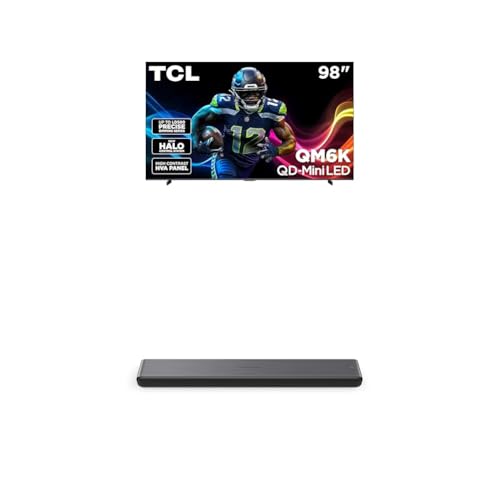
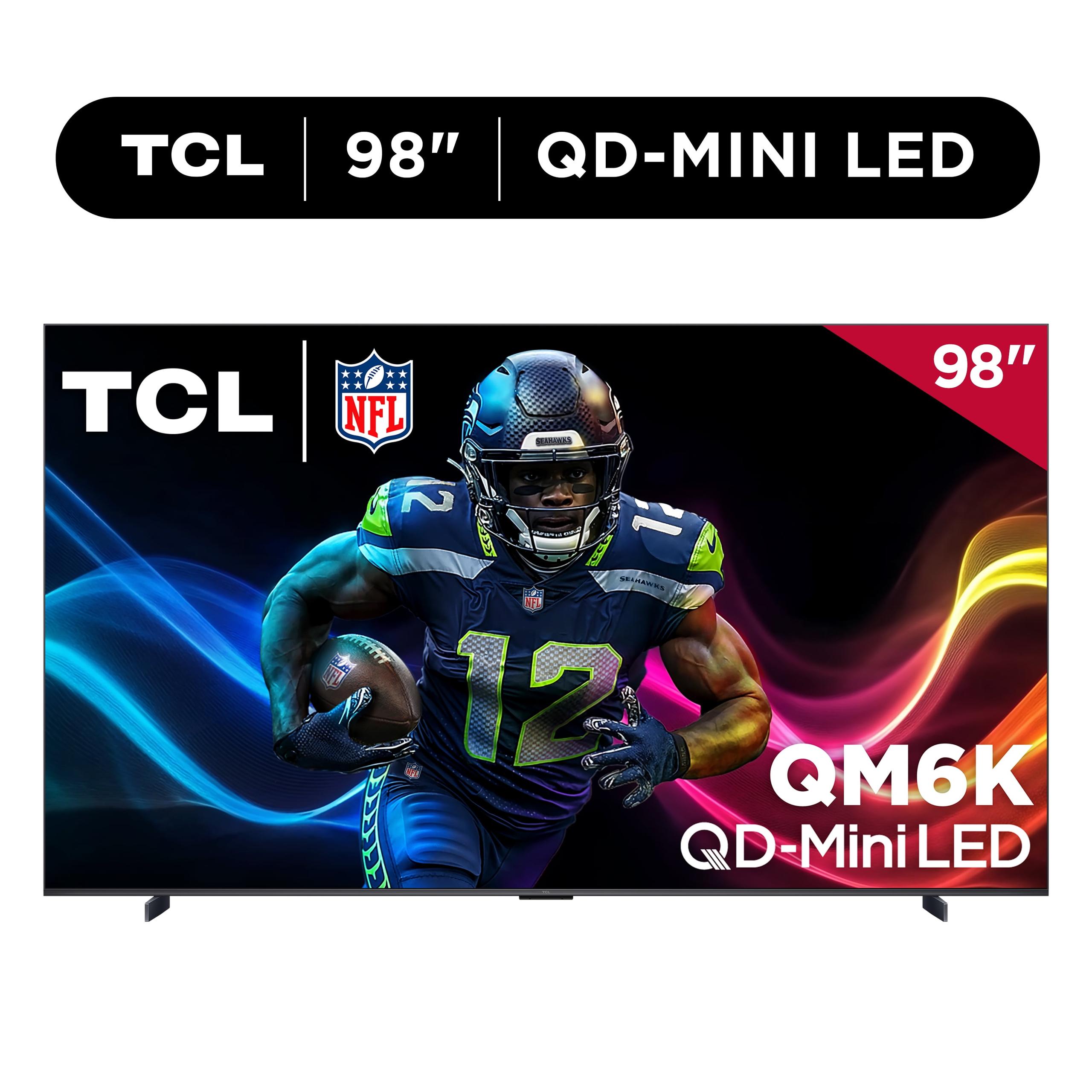
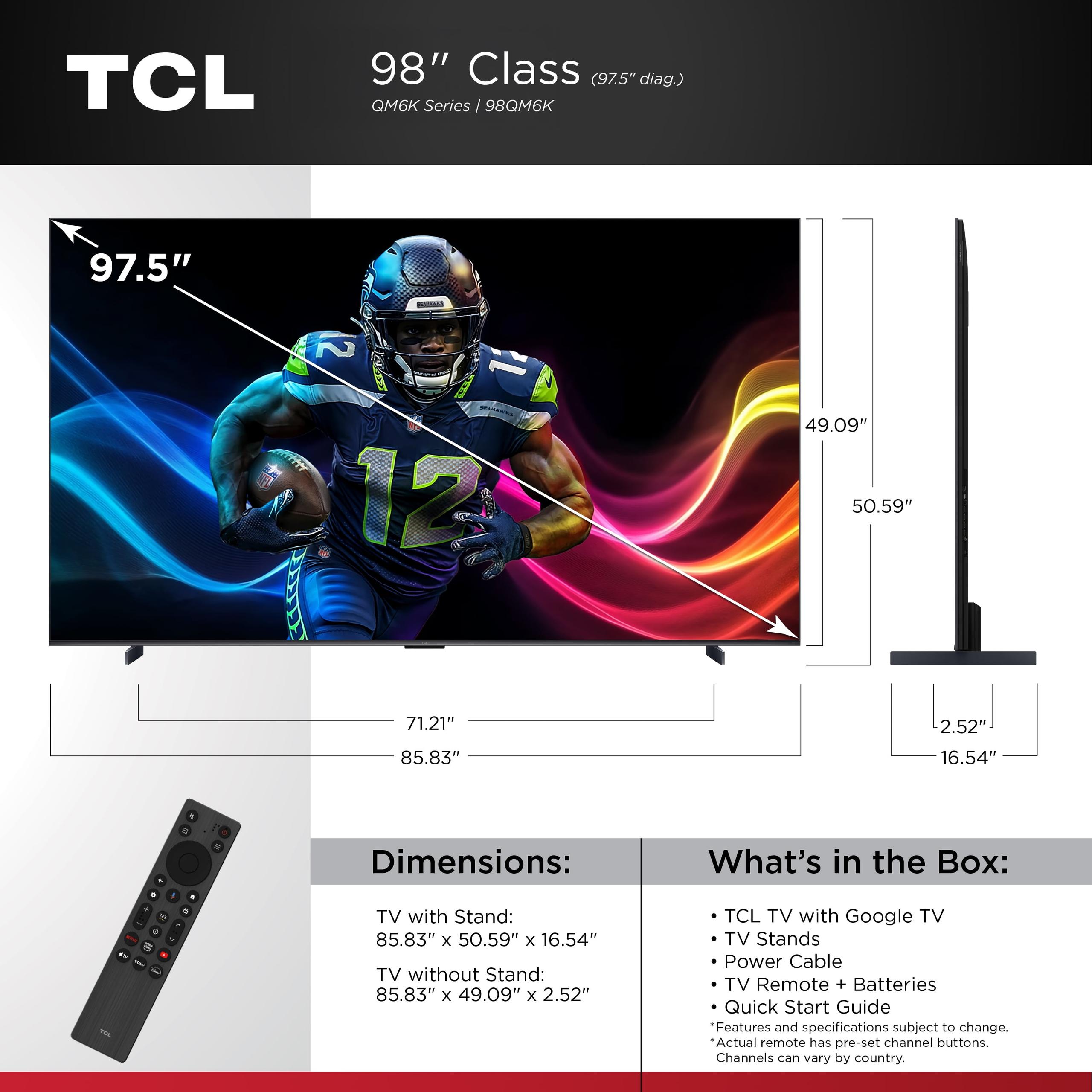
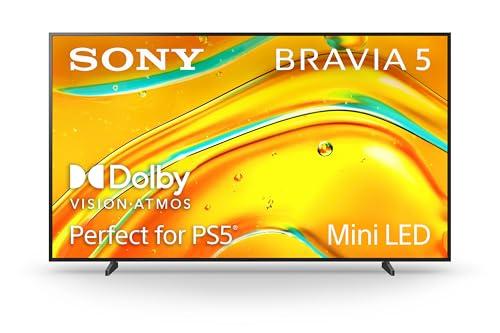
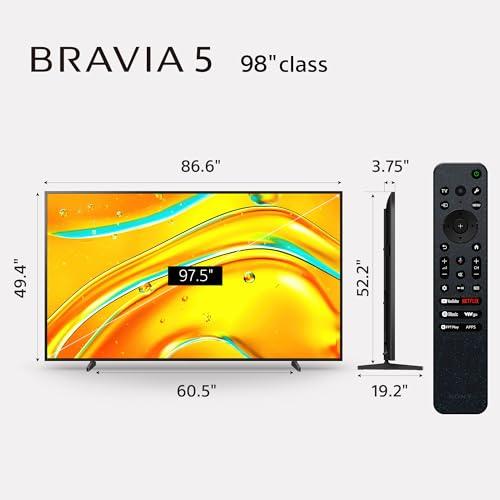
When you're ready to transform your living room into a personal cinema, nothing quite matches the impact of a 98-inch television. These massive displays represent the sweet spot where size meets technology, delivering an experience that genuinely rivals commercial theaters. But choosing between premium options like the TCL 98-Inch QM6K QLED TV at $1,999 and the Sony BRAVIA 5 98" Mini LED 4K Google TV 2025 at $5,998 requires understanding what you're really paying for.
The 98-inch TV category has exploded in recent years as manufacturing costs have dropped and living spaces have grown. These aren't just "bigger TVs" – they're engineered differently to handle the unique challenges of massive screen sizes. Think about it: when you scale up to 98 inches, every imperfection becomes magnified. Poor uniformity across the panel becomes glaringly obvious, and inadequate brightness makes the picture look washed out from normal viewing distances.
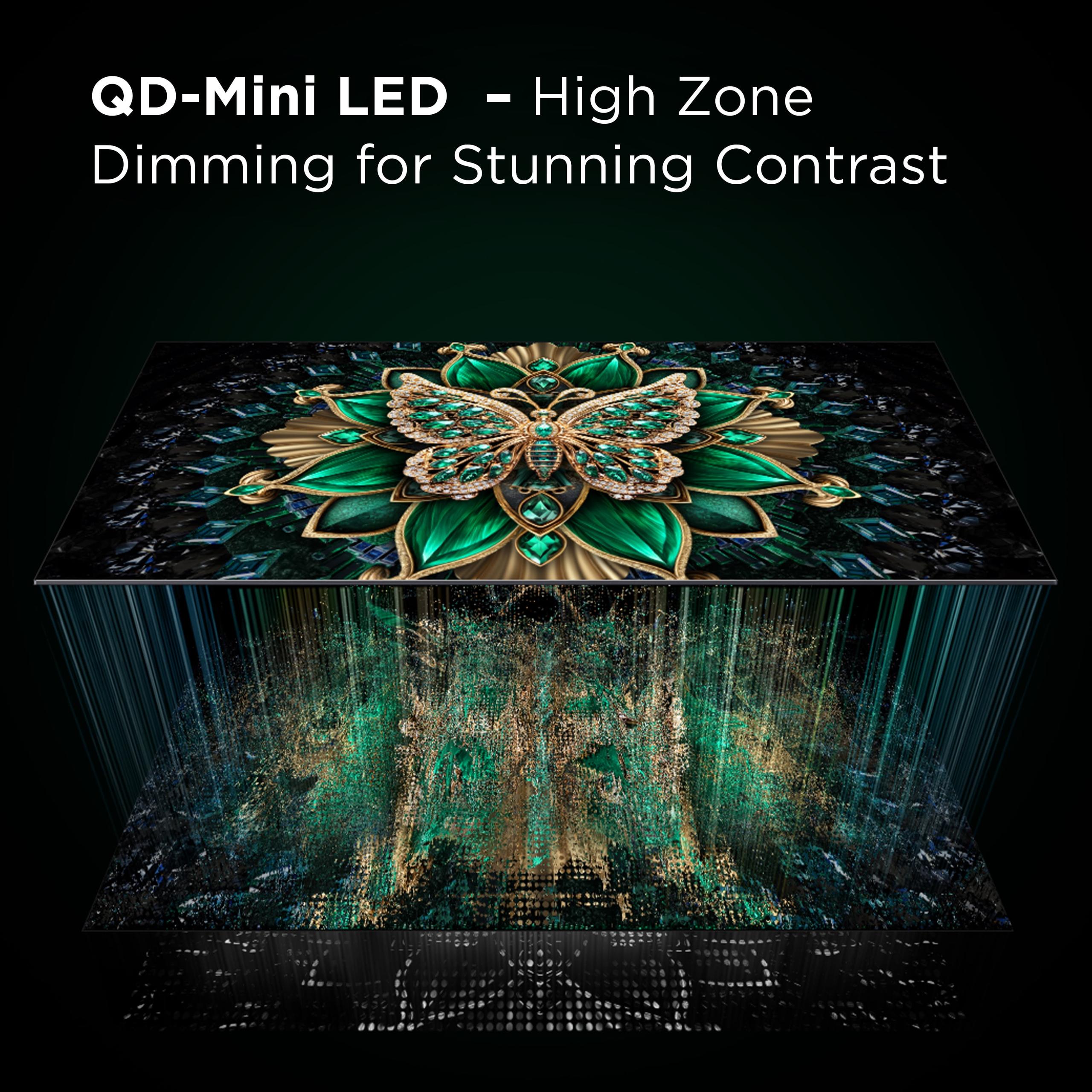
Both TVs we're comparing launched in July 2025, representing the latest thinking in large-format display technology. The key battleground isn't just size anymore – it's about how Mini LED backlighting (thousands of tiny LEDs behind the screen) and advanced processing can deliver the deep blacks and bright highlights that make content truly cinematic.
The fundamental question becomes: do you want maximum bang for your buck with impressive gaming features, or are you willing to pay triple the price for more refined picture processing and contrast performance?
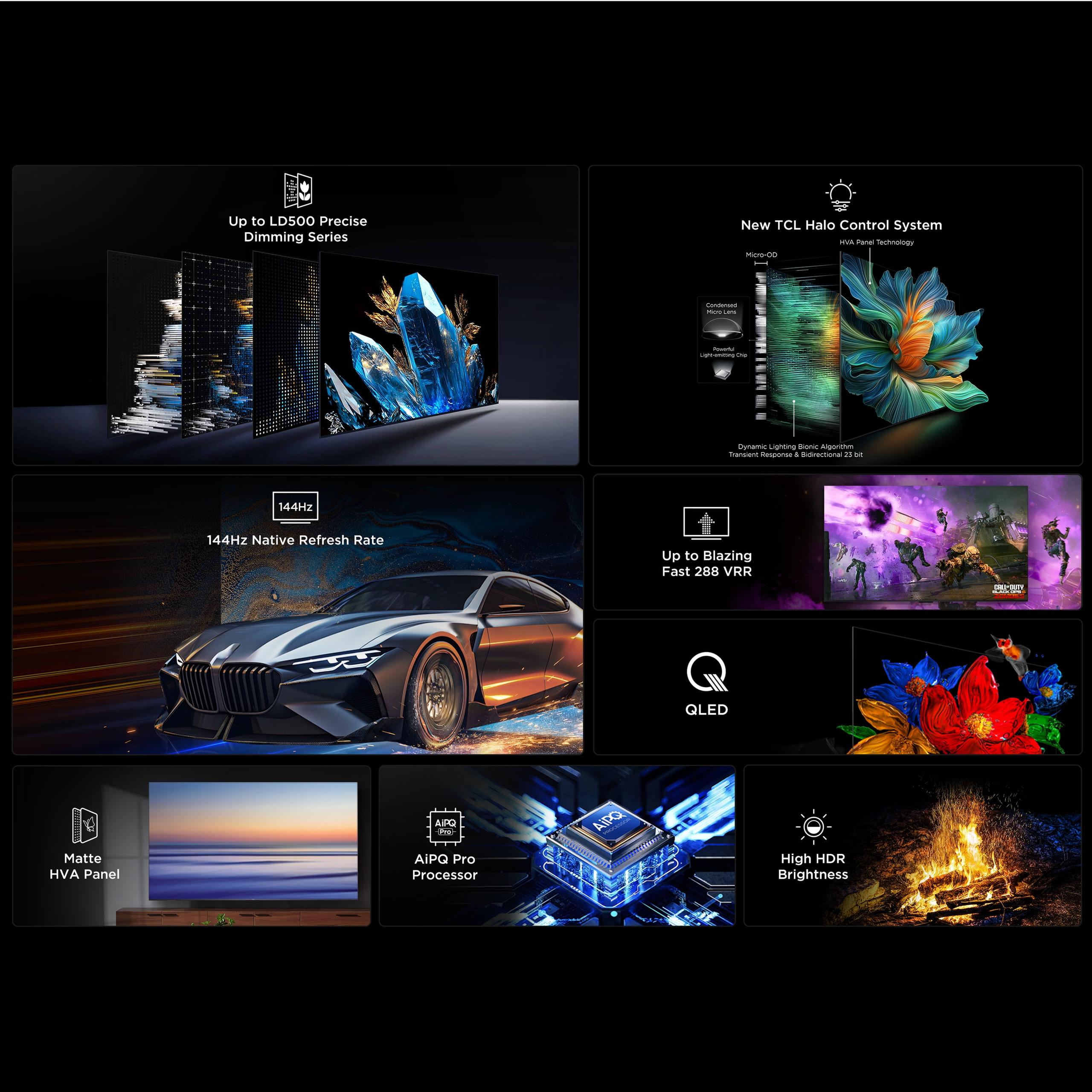
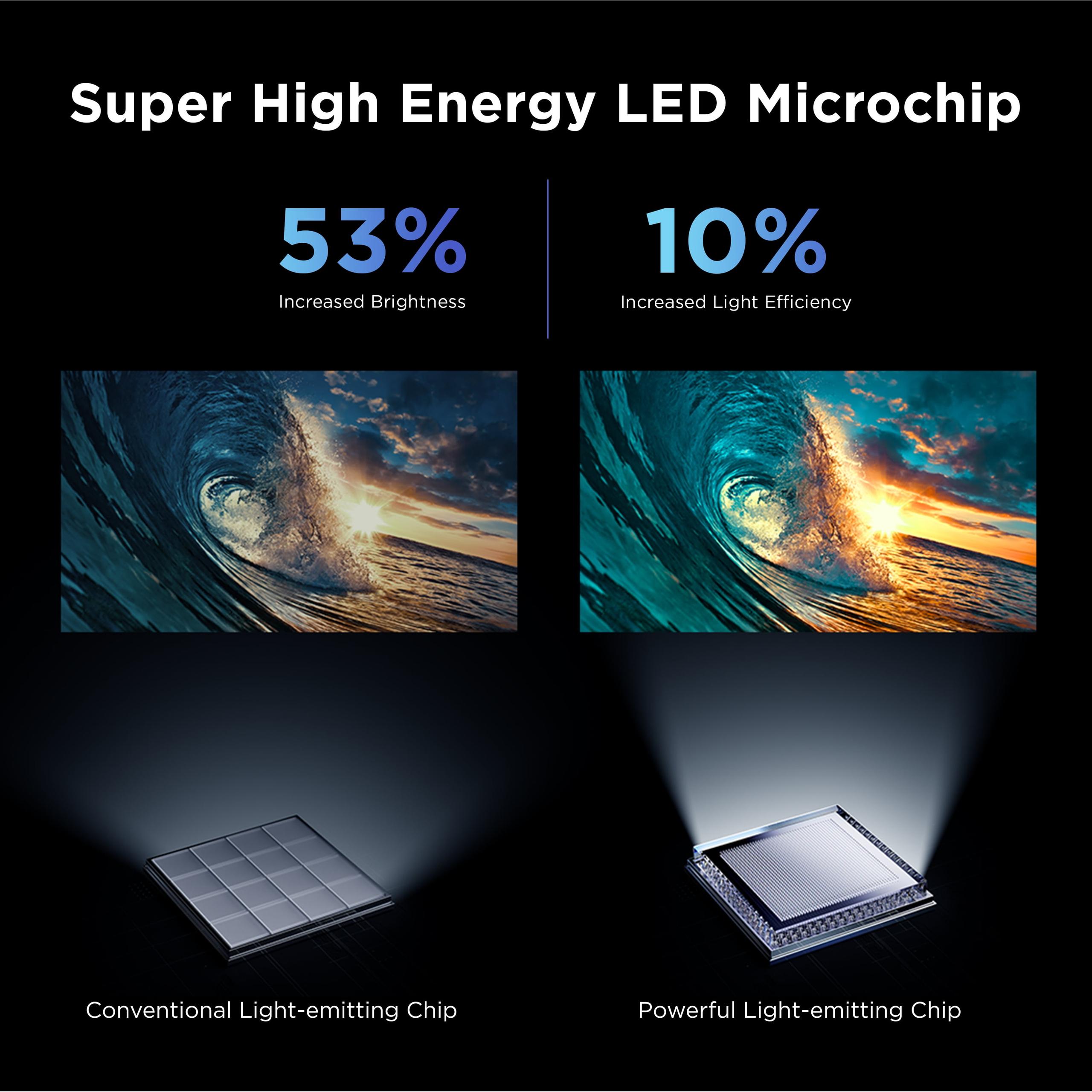
Here's where these TVs take dramatically different approaches. The TCL QM6K can hit an incredible 3,000 nits of peak brightness – that's roughly three times brighter than most standard TVs. To put this in perspective, a typical indoor scene might only need 100-200 nits, while direct sunlight measures around 100,000 nits. This massive brightness headroom means HDR (High Dynamic Range) content really pops, with highlights like explosions or sunlight looking genuinely bright rather than just "brighter gray."
I've found this makes a huge difference in rooms with lots of windows. During daytime viewing, that extra brightness cuts through ambient light like a knife, maintaining picture quality even when you can't control the lighting perfectly. The TCL's quantum dot layer (tiny particles that convert blue light into pure red and green) also helps maintain color accuracy at these extreme brightness levels.
The Sony BRAVIA 5, by contrast, peaks around 800 nits – still respectable, but targeting a different philosophy. Sony's approach prioritizes accuracy over raw punch. In a darkened home theater, this more restrained brightness actually works beautifully, avoiding the sometimes oversaturated look that ultra-bright displays can produce.
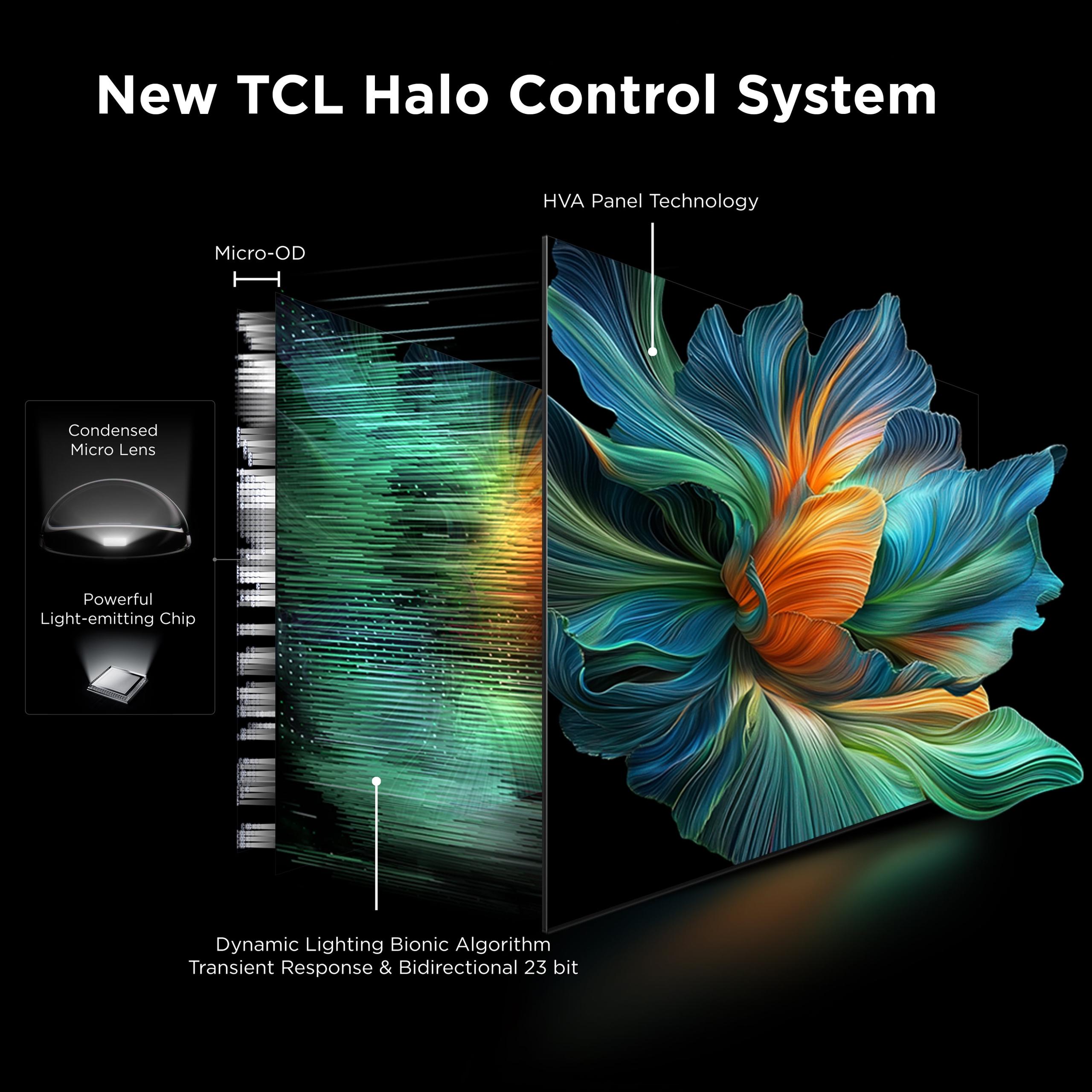
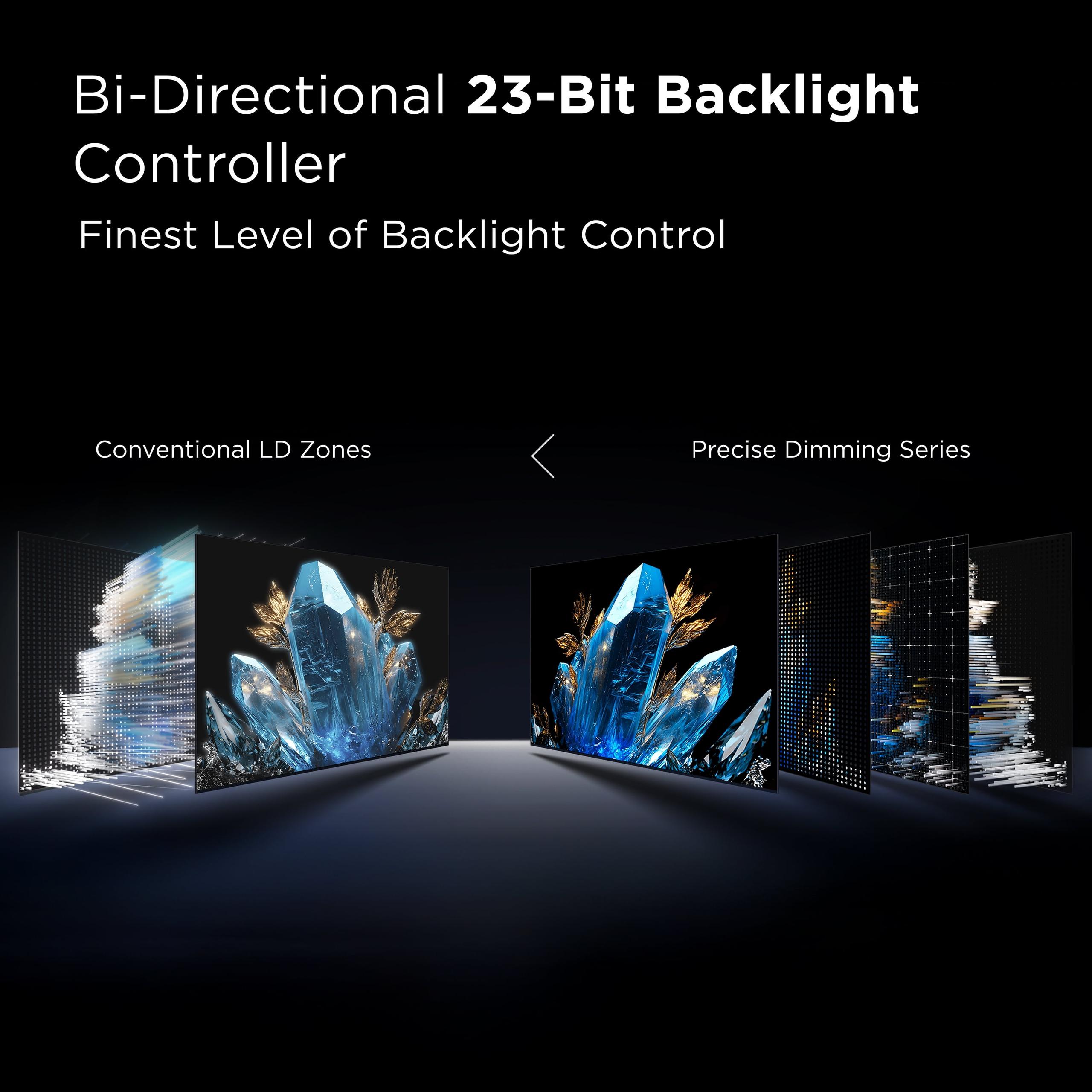
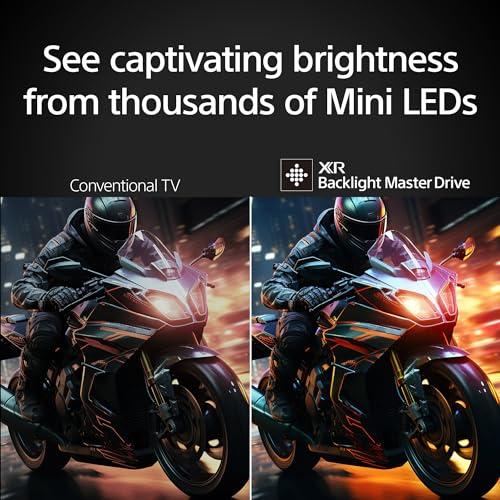
This is where Sony flexes its engineering muscles. The BRAVIA 5's Mini LED implementation uses thousands of individually controlled zones (compared to the TCL's 500 zones) to create what reviewers consistently describe as "near-OLED blacks." When you're watching a space movie with stars against the void, or a noir film with dramatic shadows, this superior contrast control becomes immediately apparent.
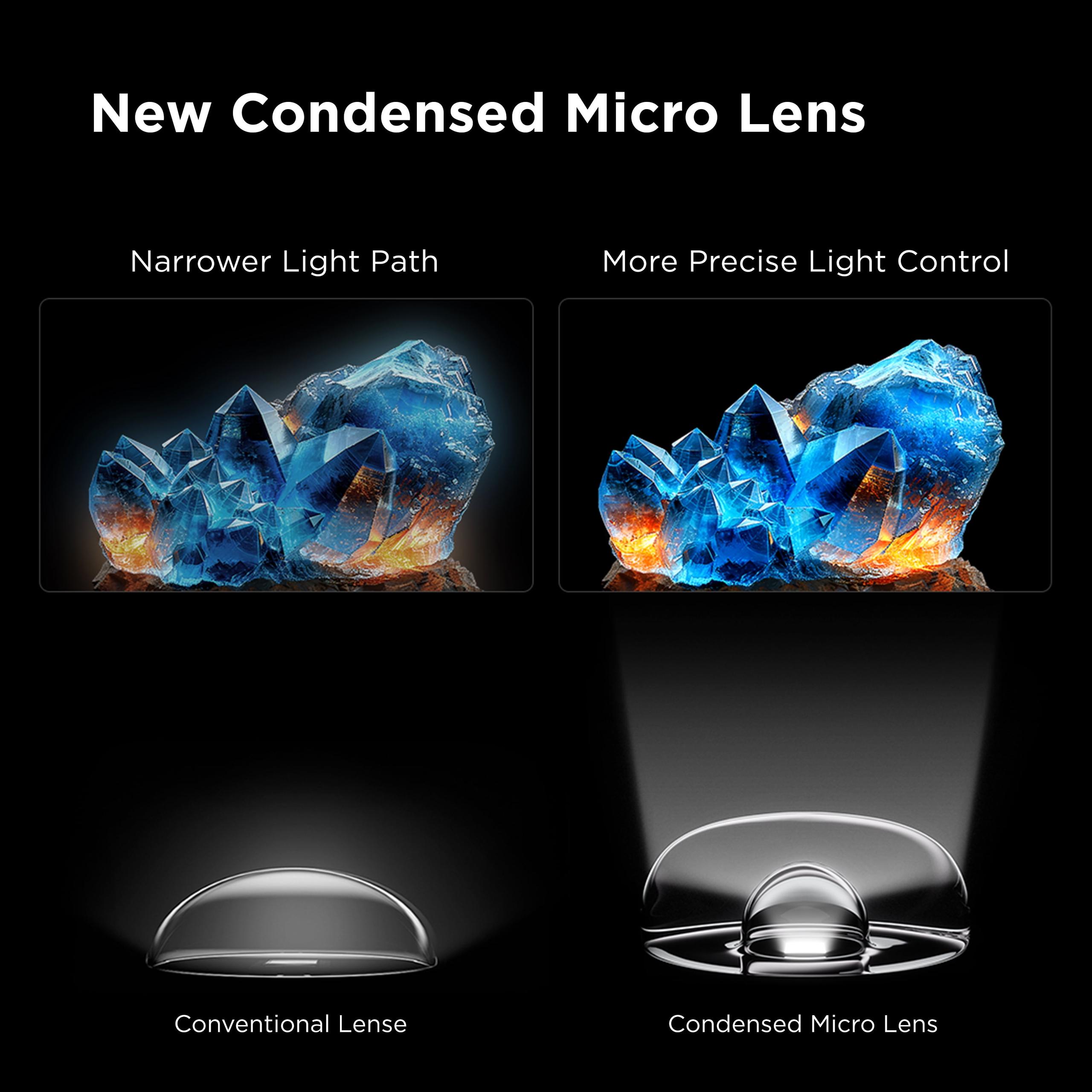
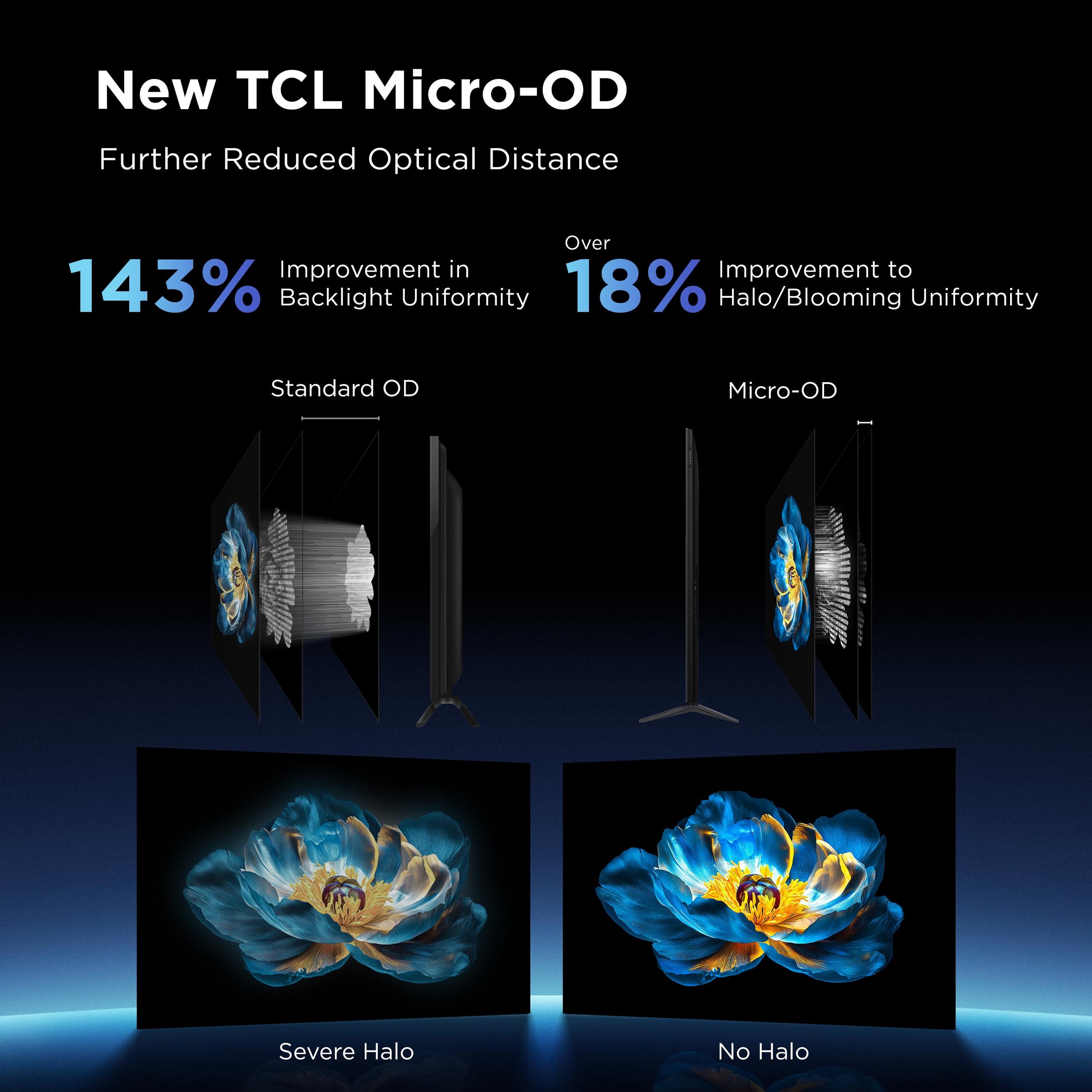
The TCL, while impressive for its price point, shows some "blooming" – that subtle halo effect around bright objects on dark backgrounds. It's most noticeable in credits rolling over black backgrounds or when watching HDR content with lots of contrast. Sony's more sophisticated zone control virtually eliminates this issue.
From a home theater perspective, this difference is significant. The Sony creates that immersive, "the screen disappears" experience that serious movie enthusiasts crave, while the TCL prioritizes overall brightness and gaming performance.
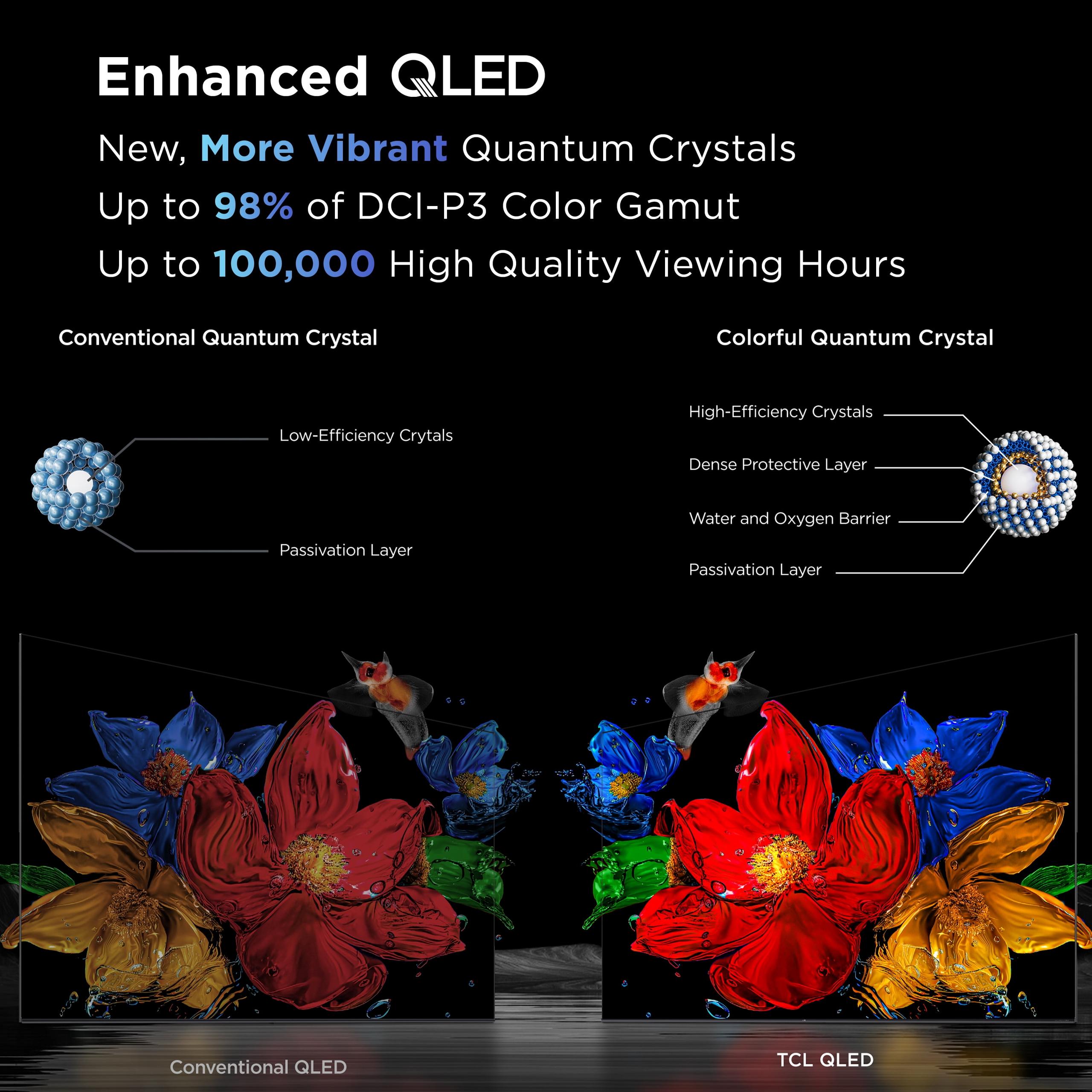
The TCL's quantum dot technology produces colors that are simply stunning – covering 93% of the DCI-P3 color space (the standard used in movie theaters). These colors pop off the screen with an almost hyperreal quality that's fantastic for gaming, sports, and modern streaming content. It's the kind of picture that makes visitors stop and stare.
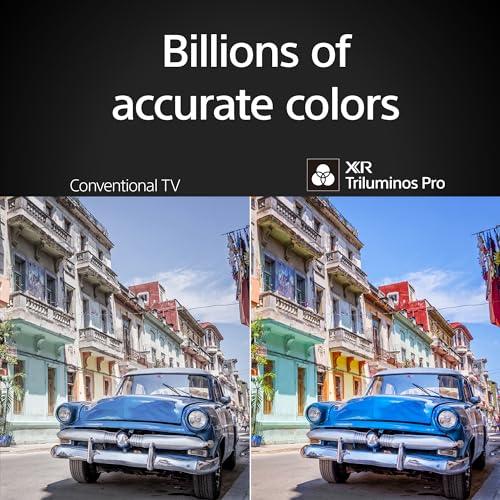
Sony takes the opposite approach with their XR Triluminos Pro technology. Instead of maximum saturation, they aim for the most natural, film-like color reproduction possible. Skin tones look more realistic, and the overall image has a more organic, cinematic quality. This is particularly noticeable with streaming movies and premium cable content.
Here's where the TCL QM6K absolutely dominates. Its native 144Hz panel can display 4K content at 144 frames per second – something that was unthinkable in TVs just a few years ago. For PC gamers with high-end graphics cards, this means buttery-smooth gameplay that matches premium gaming monitors.
The variable refresh rate (VRR) support goes even further, supporting up to 288Hz at 1080p resolution. VRR technology synchronizes the TV's refresh rate with the graphics card's output, eliminating screen tearing and stuttering. The TCL supports AMD FreeSync Premium Pro, making it perfect for PC gaming setups.
The Sony, while competent with its 120Hz maximum and G-SYNC compatibility (NVIDIA's version of VRR), feels a generation behind for serious gaming. Its pixel response times are slower, creating more motion blur during fast-paced action. For console gaming on PlayStation 5 or Xbox Series X, it's perfectly adequate, but PC gamers will notice the difference immediately.
Input lag – the delay between pressing a button and seeing the action on screen – is crucial for competitive gaming. The TCL's Game Accelerator technology achieves extremely low input lag, while the Sony manages a respectable but not class-leading ~10ms.
This is where Sony's decades of TV experience really shine. Their 3rd Generation XR Processor doesn't just enhance the picture – it analyzes each scene like a human brain would, identifying focal points and optimizing them accordingly. The upscaling performance is genuinely impressive; lower-resolution content from streaming services or older gaming consoles looks significantly cleaner and more detailed than on most competitors.
The TCL's AiPQ Pro Processor is no slouch either, offering scene-by-scene optimization and dynamic tone mapping. However, Sony's processing feels more mature and refined, particularly with challenging content like heavily compressed streaming video or lower-bitrate cable broadcasts.
For home theater enthusiasts who watch a mix of premium 4K content and older movies or shows, Sony's superior processing provides more consistent picture quality across all sources.
At 98 inches, both TVs are large enough to house meaningful speaker systems, though neither replaces a dedicated sound setup. The TCL QM6K partners with ONKYO for its 2.1 system, including a built-in subwoofer that provides surprisingly solid bass response for a flat-panel TV. It's the kind of audio that works well for casual viewing and gaming without additional equipment.
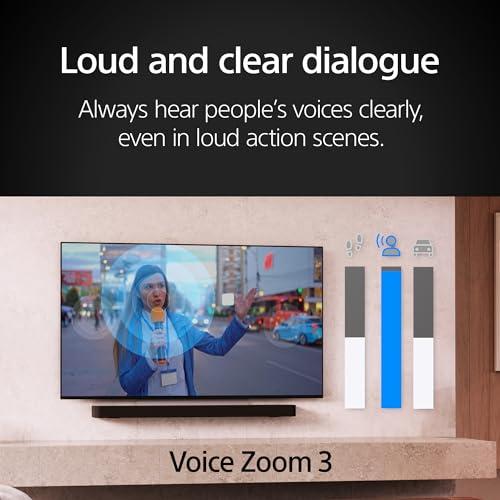
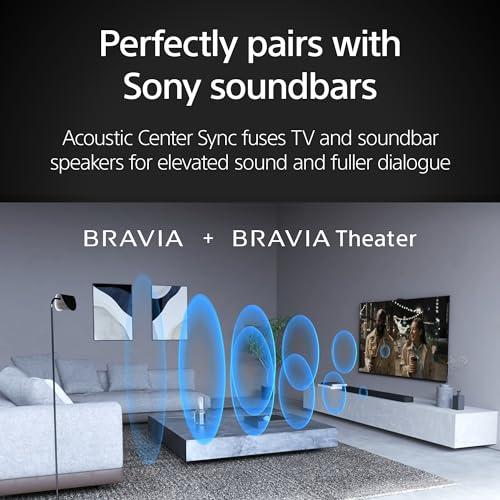
The Sony BRAVIA 5 takes a more sophisticated approach with Acoustic Multi-Audio technology and Voice Zoom 3. The latter uses AI to identify and enhance dialogue, making conversation clearer even during loud action sequences. Sony's Acoustic Center Sync feature is particularly clever – when paired with compatible Sony soundbars, the TV's speakers can serve as a center channel, creating a more cohesive surround sound experience.
Both support Dolby Atmos, the latest spatial audio technology that creates three-dimensional soundscapes by bouncing audio off your ceiling. However, at this screen size, most buyers will eventually want to invest in a proper sound system to match the visual scale.
Both TVs run Google TV (version 12), which provides excellent app support and intuitive navigation. The interface is responsive and well-organized, with personalized recommendations based on your viewing habits. Voice control works reliably on both, though Sony's implementation feels slightly more polished.
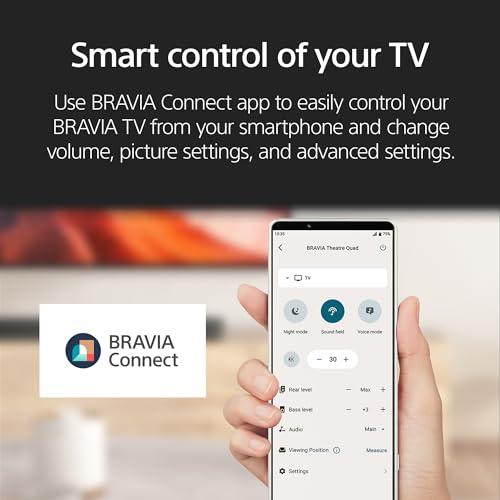
The Sony offers some unique extras like BRAVIA Cam compatibility – an optional camera that can optimize picture settings based on your seating position and even enable gesture controls. It's the kind of premium feature that justifies the higher price point for some users.
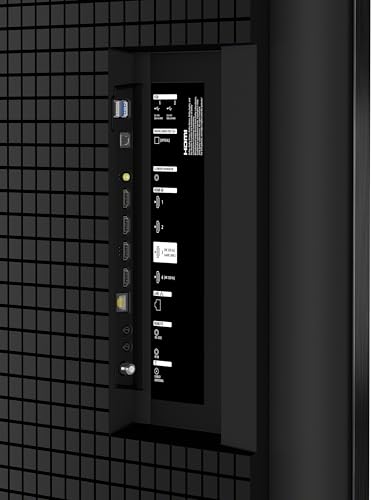
Both TVs support the latest connectivity standards, including Wi-Fi 6 and multiple HDMI 2.1 ports for future gaming consoles and media devices. The Sony's two HDMI 2.1 ports should handle most users' needs, while the TCL offers the same connectivity with slightly better gaming optimization.
At $1,999, the TCL QM6K represents extraordinary value in the premium TV space. You're getting flagship-level brightness, excellent gaming features, and a massive 98-inch screen for less than what many 75-inch premium TVs cost. For families who want the biggest possible screen for movies, sports, and gaming, it's hard to argue with this value proposition.
The Sony BRAVIA 5 at $5,998 costs three times as much, and you need to understand what that premium buys you. It's superior contrast performance, more natural color reproduction, better processing for mixed content, and Sony's reputation for long-term reliability and software support. For dedicated home theater enthusiasts who prioritize picture quality above all else, these improvements justify the cost.
If you're building a dedicated home theater, several factors become more important. Room lighting control becomes crucial – the Sony's superior contrast performance really shines in a darkened room, while the TCL's extreme brightness helps in rooms where you can't eliminate all ambient light.
Viewing distance matters too. At 98 inches, you can sit closer than you might expect – around 8-10 feet is optimal for 4K content. From this distance, the Sony's more refined processing and superior uniformity become more apparent, while the TCL's occasional blooming becomes more noticeable.
For the ultimate home theater experience, either TV benefits from professional calibration to optimize picture settings for your specific room and preferences. However, the Sony's more accurate out-of-box color science means it needs less adjustment to look cinematic.
Choose the TCL QM6K if you want maximum screen size for your dollar, prioritize gaming performance, or have a bright living room where that extreme brightness becomes a real advantage. It's also the clear choice if you're upgrading from a much smaller TV and want the "wow factor" of both size and vibrant picture quality.
The Sony BRAVIA 5 makes sense if picture quality trumps all other considerations, you're building a serious home theater setup, or you value the peace of mind that comes with Sony's premium brand reputation. The superior contrast and processing create a more film-like, immersive experience that justifies the higher price for discerning viewers.
Both represent the cutting edge of large-format TV technology, just with different priorities. The TCL democratizes premium features and massive screen size, while the Sony delivers the refined experience that serious enthusiasts demand. Your choice ultimately depends on whether you prioritize value and gaming performance or are willing to pay premium prices for the most cinematic picture quality possible.
In my experience, most buyers who choose the TCL are thrilled with the combination of size, features, and value. Those who opt for the Sony tend to be upgrading from already-premium TVs and can immediately appreciate the more subtle improvements in contrast and processing. Either way, you're getting a TV that will dominate your living space and transform your viewing experience.
| TCL 98-Inch QM6K QLED TV | Sony BRAVIA 5 98" Mini LED 4K Google TV 2025 |
|---|---|
| Price - The most significant differentiator between these premium 98-inch TVs | |
| $1,999 - Exceptional value for flagship features | $5,998 - Premium pricing for refined picture quality |
| Peak HDR Brightness - Critical for bright rooms and HDR impact | |
| 3,000 nits (excellent for overcoming ambient light) | ~800 nits (better for controlled lighting environments) |
| Gaming Refresh Rate - Essential for PC gaming and next-gen consoles | |
| Native 144Hz, supports 4K@144Hz and 1080p@288Hz | 120Hz maximum with 4K@120Hz support |
| Local Dimming Zones - Determines contrast quality and blooming control | |
| Up to 500 zones with some visible blooming | Thousands of zones with near-OLED black levels |
| Variable Refresh Rate (VRR) - Eliminates screen tearing in games | |
| AMD FreeSync Premium Pro, up to 288Hz VRR | HDMI Forum VRR and G-SYNC compatibility |
| Color Technology - Affects color vibrancy vs natural accuracy | |
| Quantum Dot with 93% DCI-P3 coverage (vibrant, punchy colors) | XR Triluminos Pro (natural, film-like color reproduction) |
| Processor and AI Features - Impact upscaling and overall picture quality | |
| AiPQ Pro with scene-by-scene optimization | 3rd Gen XR Processor with superior upscaling algorithms |
| Audio System - Built-in sound quality before adding external speakers | |
| ONKYO 2.1 system with dedicated subwoofer | Acoustic Multi-Audio with Voice Zoom 3 dialogue enhancement |
| Viewing Angles - Important for wide seating arrangements | |
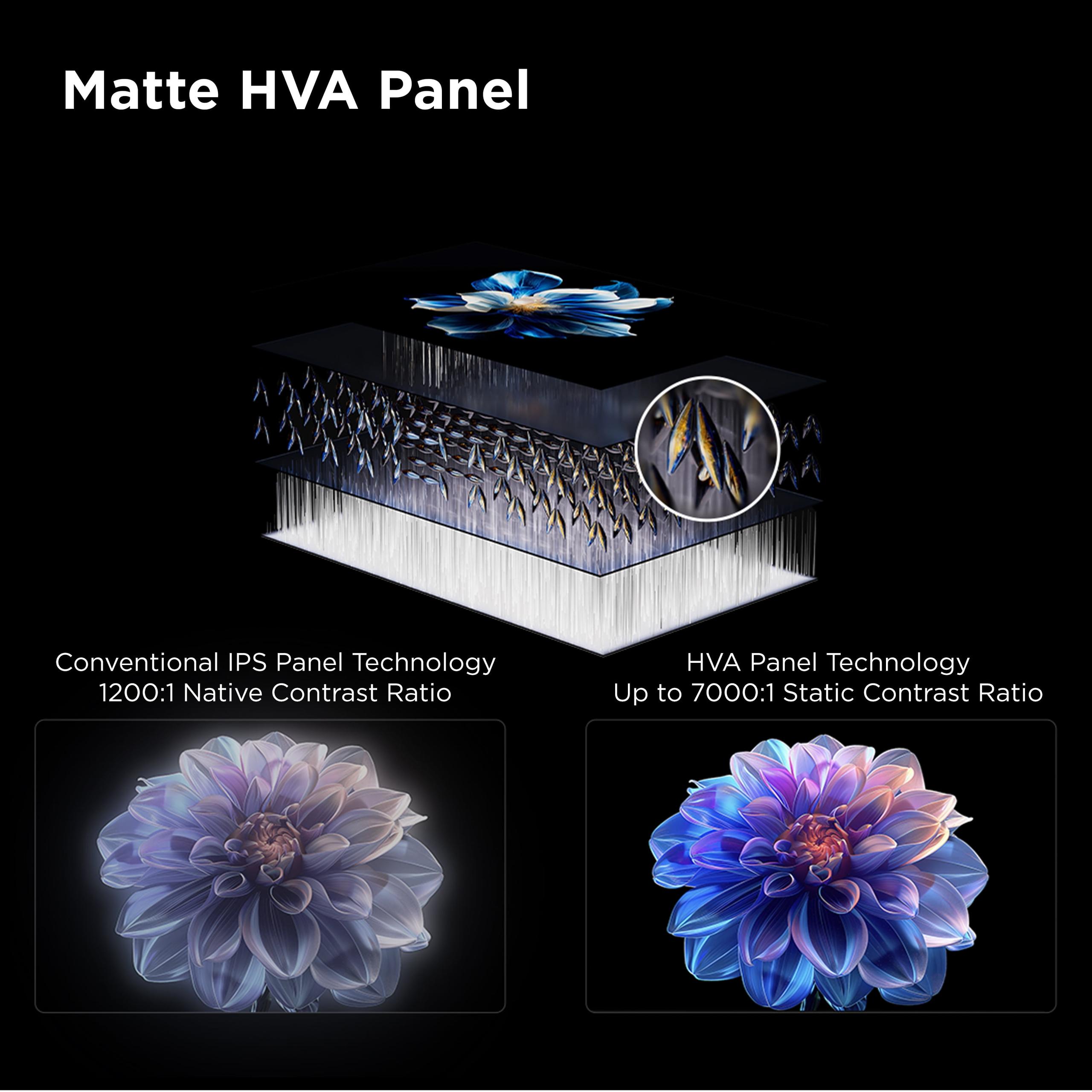
| Matte HVA panel with anti-glare coating (improved off-angle viewing) | Traditional VA panel limitations with color/contrast degradation from sides |
| Gaming Input Lag - Critical for competitive gaming responsiveness | |
| Extremely low with Game Accelerator technology | Competitive ~10ms but slower pixel response times |
| Smart Platform and Features - User experience and future updates | |
| Google TV with hands-free voice control | Google TV with BRAVIA Cam compatibility and gesture controls |
| HDMI 2.1 Ports - Future-proofing for gaming and high-bandwidth content | |
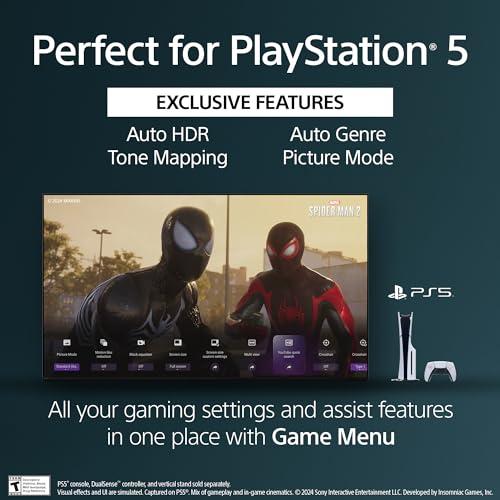
| 2 HDMI 2.1 ports with gaming optimization | 2 HDMI 2.1 ports with Auto HDR Tone Mapping for PS5 |
| Brand Reputation and Warranty - Long-term reliability and support | |
| 1-year warranty, newer premium brand presence | Established premium brand with proven long-term reliability |
The TCL 98-Inch QM6K QLED TV at $1,999 provides exceptional value, offering flagship features like 144Hz gaming, 3,000 nits brightness, and quantum dot color technology at a fraction of premium TV prices. The Sony BRAVIA 5 98" Mini LED 4K Google TV 2025 at $5,998 costs three times more but delivers superior contrast, more natural colors, and refined processing for discerning viewers who prioritize picture quality over price.
The TCL QM6K excels in brightness with 3,000 nits peak output and vibrant quantum dot colors, making it ideal for bright rooms. The Sony BRAVIA 5 focuses on contrast with near-OLED black levels, thousands of local dimming zones, and more natural color reproduction that creates a cinematic viewing experience, especially in darker environments.
The TCL 98-Inch QM6K QLED TV is superior for gaming with its native 144Hz refresh rate, 4K@144Hz support, 288Hz VRR capability, AMD FreeSync Premium Pro, and extremely low input lag. The Sony BRAVIA 5 offers competent gaming with 120Hz maximum, G-SYNC compatibility, and ~10ms input lag, but it's better suited for console gaming rather than high-end PC gaming.
Both TVs run Google TV with excellent app support and voice control. The TCL QM6K offers hands-free voice control and standard Google TV features. The Sony BRAVIA 5 98" Mini LED adds premium features like BRAVIA Cam compatibility for gesture controls and automatic picture optimization based on viewing position, justifying part of its higher price.
The TCL QM6K is significantly better for bright rooms with its 3,000 nits peak brightness and anti-glare matte coating, easily overcoming ambient light and maintaining picture quality during daytime viewing. The Sony BRAVIA 5 peaks around 800 nits, making it better suited for controlled lighting environments or dedicated home theaters.
The TCL 98-Inch QM6K QLED TV features an ONKYO 2.1 system with a built-in subwoofer providing strong bass response. The Sony BRAVIA 5 uses Acoustic Multi-Audio with Voice Zoom 3 AI technology for enhanced dialogue clarity and can serve as a center channel when paired with compatible Sony soundbars through Acoustic Center Sync.
The Sony BRAVIA 5 98" Mini LED 4K Google TV 2025 is superior for dedicated home theaters due to its near-OLED black levels, superior contrast control, natural color reproduction, and excellent upscaling that creates a more cinematic experience in darkened rooms. The TCL QM6K works well for general home theater use but excels more in mixed-lighting environments.
Both TVs support major HDR formats including Dolby Vision. The TCL QM6K delivers more impactful HDR with its 3,000 nits brightness, making highlights truly pop and creating impressive visual punch. The Sony BRAVIA 5 offers more accurate HDR tone mapping and better shadow detail with its superior contrast, though with less overall brightness impact.
The Sony BRAVIA 5 98" Mini LED benefits from Sony's established premium brand reputation and proven long-term reliability in the TV market. The TCL 98-Inch QM6K QLED TV offers solid build quality with a 1-year warranty and represents TCL's growing presence in the premium TV segment, though with less long-term market history at this price tier.
The TCL QM6K offers superior motion handling with Motion Rate 480, MEMC frame insertion, and faster pixel response times, making it excellent for sports and action content. The Sony BRAVIA 5 has slower pixel response times that can cause motion blur in fast-paced scenes, though its processing helps with judder reduction for film content.
The TCL 98-Inch QM6K QLED TV features a matte HVA panel with anti-glare coating that improves off-angle viewing compared to traditional VA panels. The Sony BRAVIA 5 98" Mini LED 4K Google TV 2025 uses a standard VA panel with typical limitations, showing noticeable color and contrast degradation when viewed from the sides, making it less suitable for wide seating arrangements.
Choose the TCL QM6K if you prioritize gaming performance, have a bright living room, want maximum value for a 98-inch screen, or prefer vibrant, punchy colors. Select the Sony BRAVIA 5 if you're building a dedicated home theater, prioritize natural color accuracy and superior contrast, want the most refined processing available, or value established premium brand reliability despite the higher cost.
We've done our best to create useful and informative comparisons to help you decide what product to buy. Our research uses advanced automated methods to create this comparison and perfection is not possible - please contact us for corrections or questions. These are the sites we've researched in the creation of this article: bestbuy.com - rtings.com - techradar.com - the-gadgeteer.com - youtube.com - youtube.com - ign.com - youtube.com - tomsguide.com - tcl.com - valueelectronics.com - bestbuy.com - bestbuy.com - rtings.com - circuitworldonline.com - youtube.com - tcl.com - bestbuy.com - tomsguide.com - tcl.com - flatpanelshd.com - displayspecifications.com - tomsguide.com - rtings.com - bestbuy.com - electronics.sony.com - youtube.com - tomsguide.com - youtube.com - avsforum.com - lueckeaudiovideo.com - pro.sony - bestbuy.com - sony.com - pioneertvandappliance.com - youtube.com - valueelectronics.com - heartlandappliance.com - schaeferstv.com

Privacy Policy
Terms and Conditions - Affiliate Policy
Home Security
© Copyright 2008-2026.
11816 Inwood Rd #1211, Dallas, TX 75244