

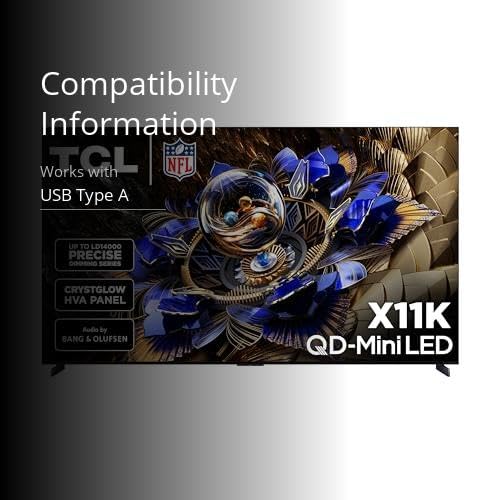

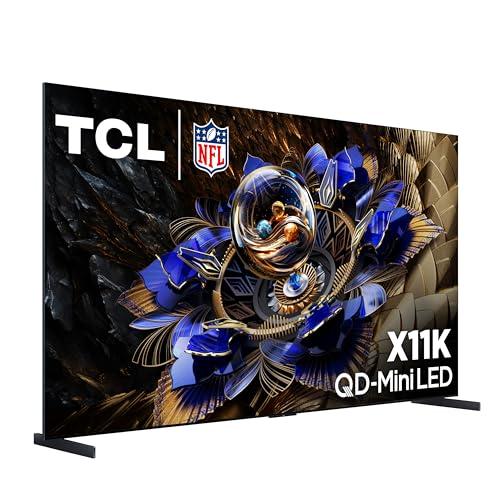
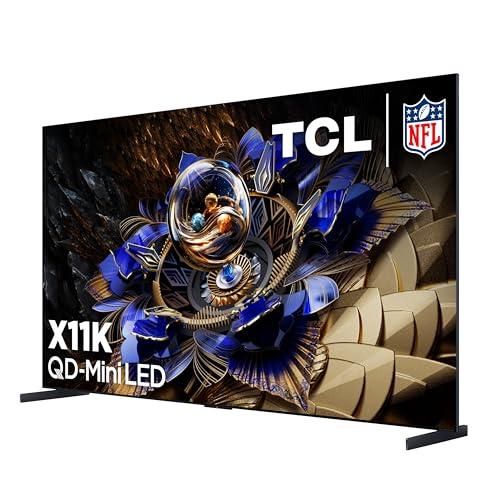
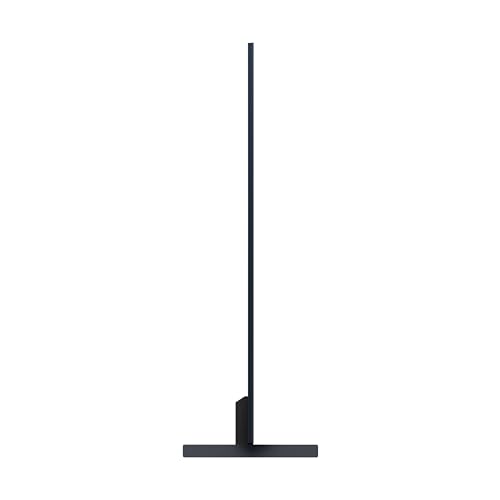
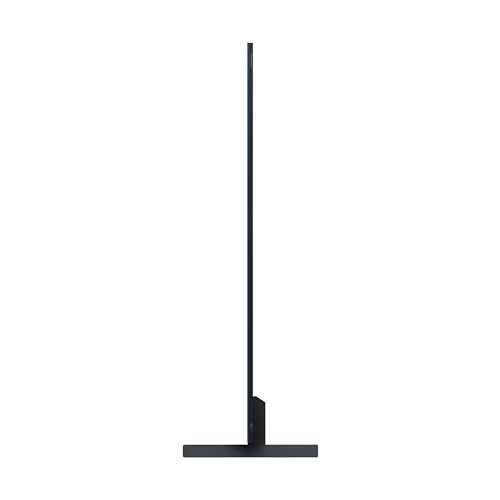
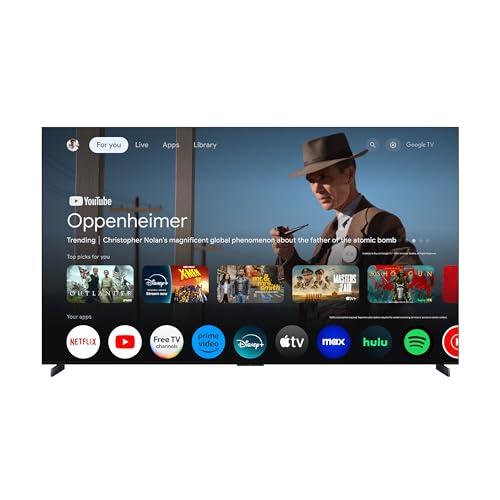
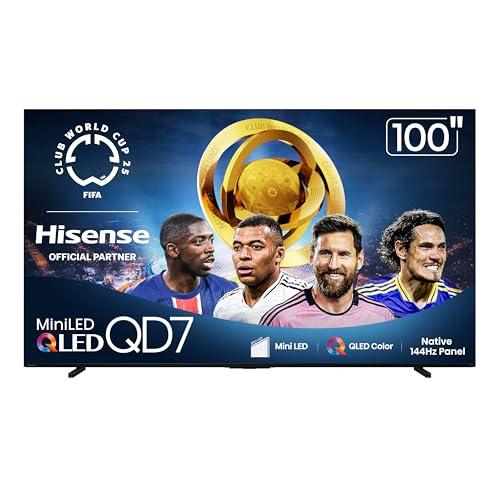
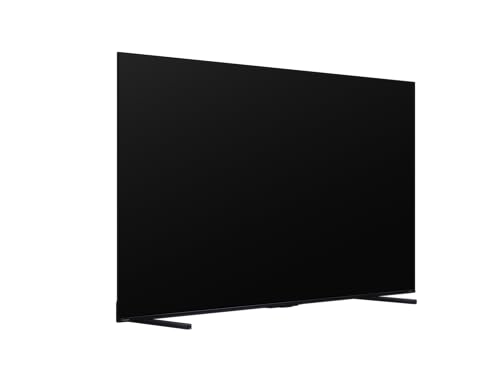
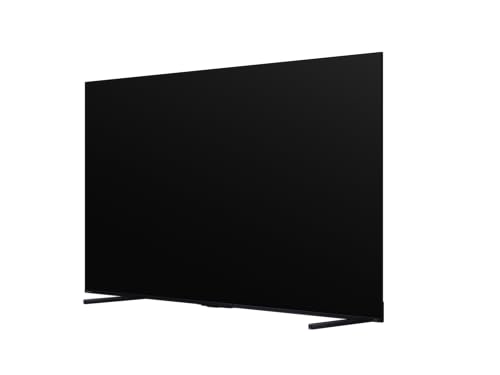
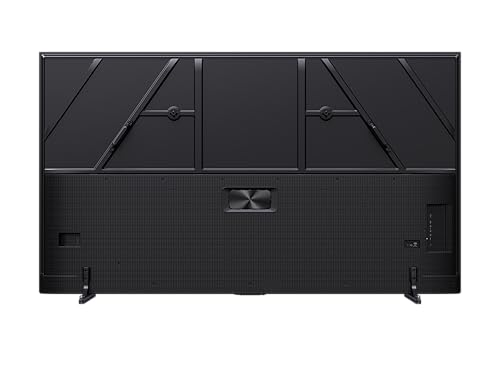
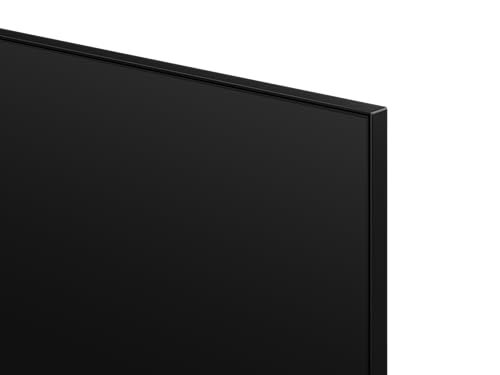
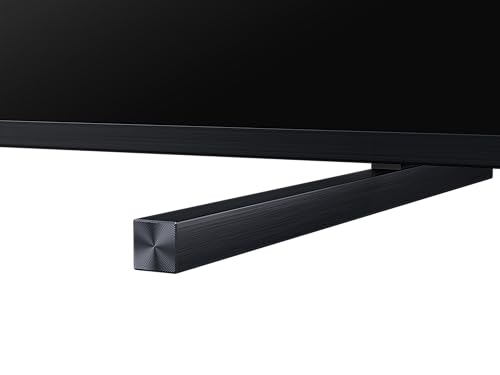
The battle for your living room wall has reached epic proportions. Both the TCL 98" X11K and Hisense 100" QD7 represent the cutting edge of what's possible when TV manufacturers push screen sizes to their absolute limits. Released in 2024, these massive displays showcase how far large-format TV technology has advanced, offering cinema-scale experiences that were unimaginable just a few years ago.
Understanding what separates these giants requires diving deep into the technologies that make them work—and more importantly, understanding which approach better serves your specific needs and budget.
Large-format TVs—anything over 85 inches—have become the new frontier for home theater enthusiasts. The appeal is obvious: more screen means more immersion, whether you're watching the latest blockbuster or catching the big game. But bigger isn't automatically better, and the technology behind these massive screens matters enormously.
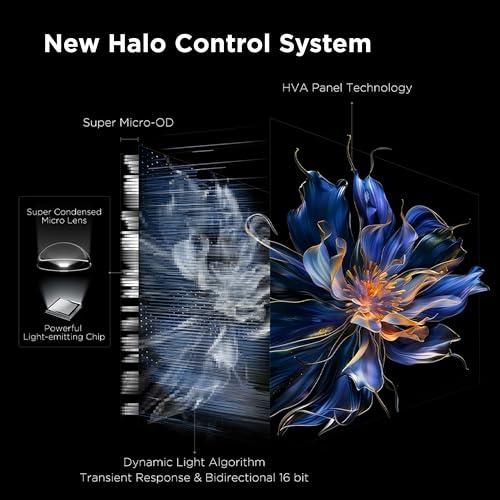
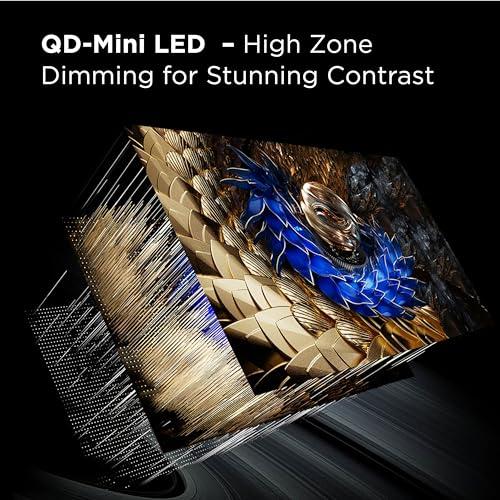
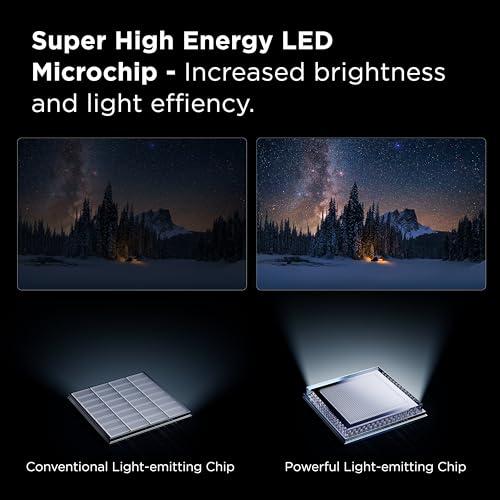
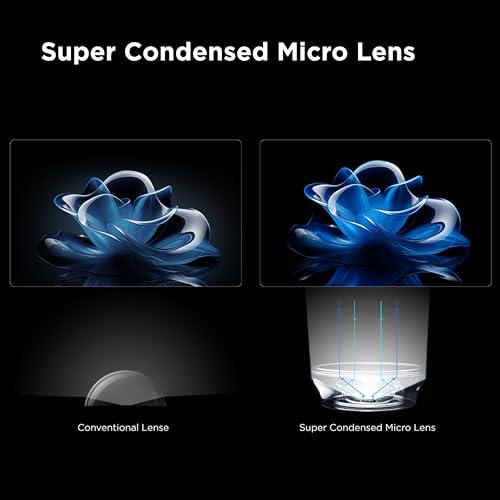
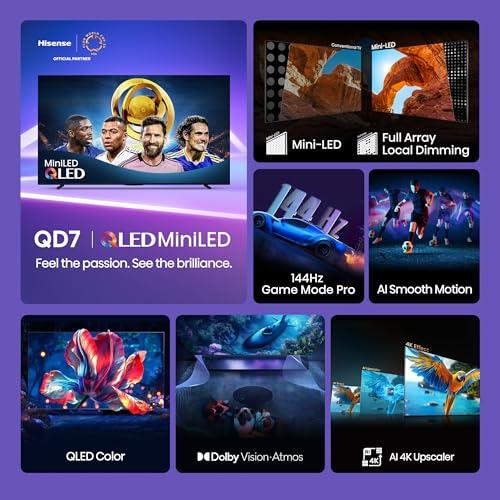
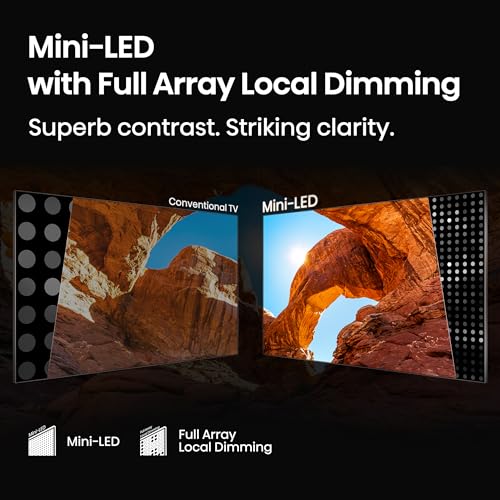
Both the TCL X11K and Hisense QD7 use mini-LED backlighting, a significant advancement over traditional LED technology. Think of mini-LEDs as thousands of tiny flashlights behind your TV screen, each capable of independent brightness control. This creates what's called "local dimming zones"—areas that can go completely dark while adjacent areas stay bright, producing the deep blacks and brilliant highlights that make HDR content truly spectacular.
The key considerations when shopping in this category include room brightness handling, gaming capabilities, audio quality, and—critically—whether your space can actually accommodate such massive displays. These aren't just bigger versions of regular TVs; they require different approaches to installation, viewing distance, and even content consumption.
Since 2024, mini-LED technology has matured significantly, with manufacturers achieving higher brightness levels, more precise dimming zones, and better color reproduction than ever before. The TCL X11K represents the premium end of this evolution, while the Hisense QD7 demonstrates how these advanced technologies can be made accessible to more buyers.
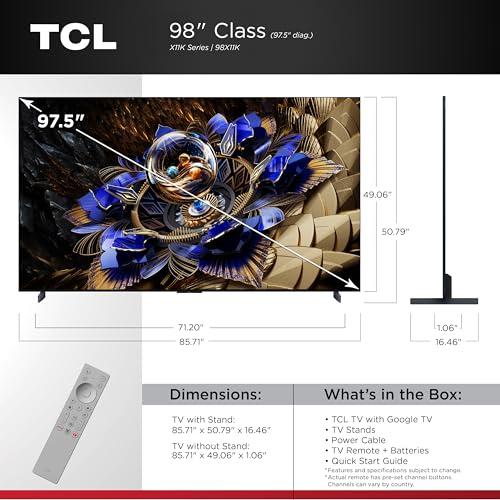
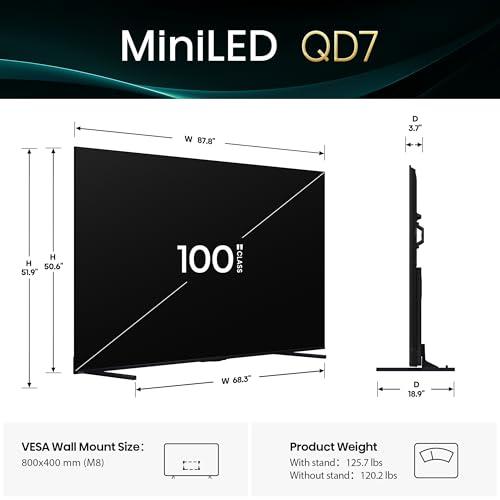
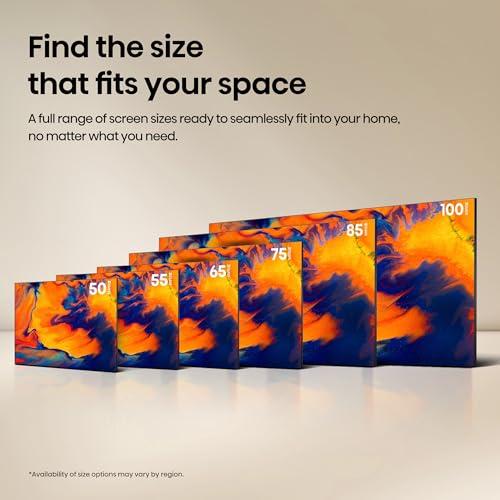
While only two inches separate these displays, the practical implications are substantial. The Hisense QD7's 100-inch screen provides approximately 32% more viewing area than the TCL X11K's 98-inch display. That extra real estate fundamentally changes the viewing experience—suddenly, sports feel more stadium-like, and movies approach true cinema scale.
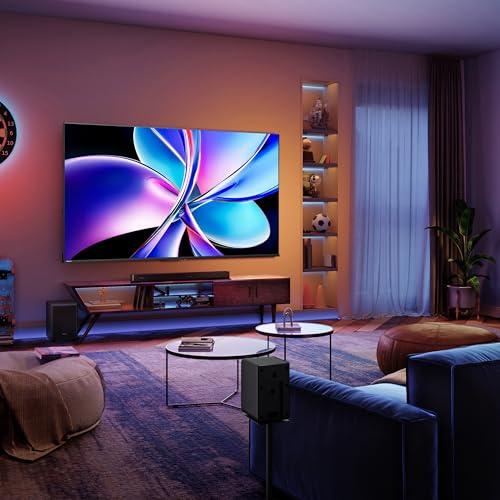
However, bigger screens demand more from your room setup. The TCL X11K requires a viewing distance of 15-18 feet for optimal comfort, while the Hisense QD7 pushes that to 18-20 feet. Most people underestimate these requirements. Sitting too close to such massive displays causes eye strain and makes it impossible to take in the entire picture without moving your head.
Room size becomes critical. The Hisense QD7 needs a minimum room dimension of roughly 25x20 feet to work properly, while the TCL X11K can function in slightly smaller spaces. Many buyers get seduced by the size specifications without properly measuring their space—a mistake that turns an exciting purchase into a daily annoyance.
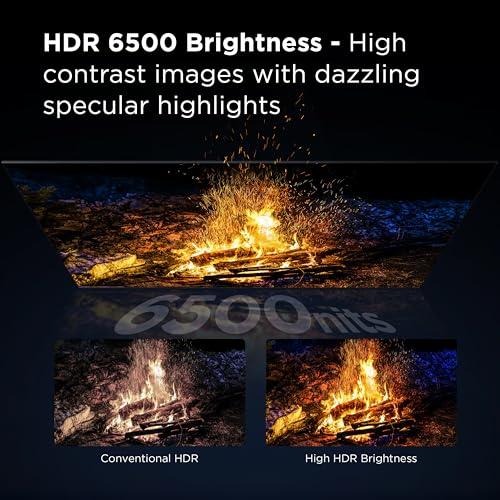
The most significant difference between these TVs lies in their display capabilities, particularly brightness and local dimming sophistication. The TCL X11K achieves an extraordinary peak brightness of 6,500 nits through its advanced QD-Mini LED system. To put this in perspective, most premium TVs max out around 1,000-2,000 nits. This extreme brightness capability means the TCL can deliver true HDR impact even in bright rooms with direct sunlight.
The Hisense QD7, by comparison, reaches approximately 615 nits—perfectly adequate for most home environments but limited in very bright conditions. This difference becomes crucial during daytime viewing or in rooms with large windows. The TCL's brightness advantage isn't just about raw numbers; it enables the TV to display the full dynamic range that content creators intended, particularly in HDR movies and shows.
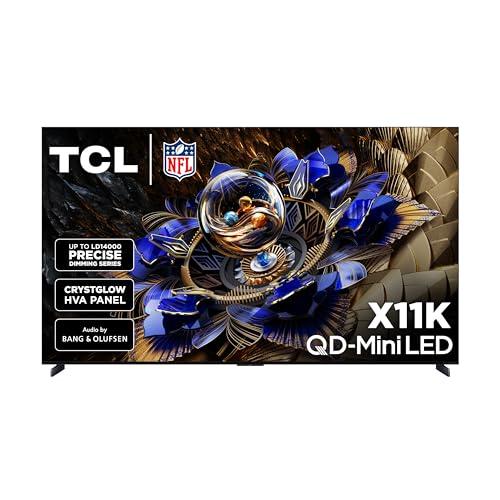
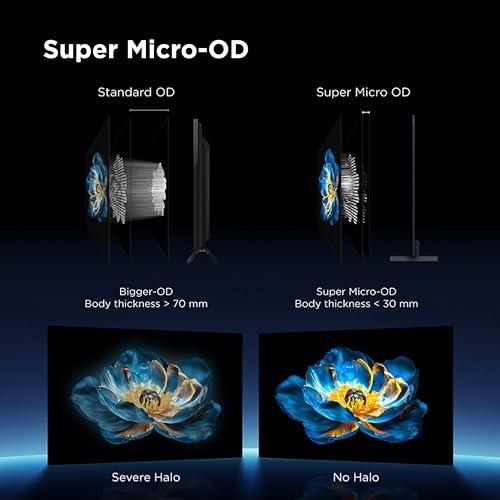
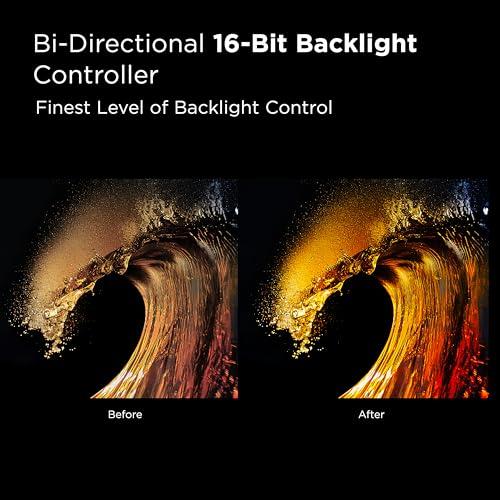
Local dimming zones represent another significant divide. The TCL X11K incorporates up to 14,000 individual dimming zones, allowing for incredibly precise control over brightness across the screen. This creates deeper blacks, reduces the "blooming" effect around bright objects on dark backgrounds, and enhances overall contrast. The Hisense QD7 uses a more conventional mini-LED implementation with fewer zones, which still provides excellent performance but can't match the TCL's precision.
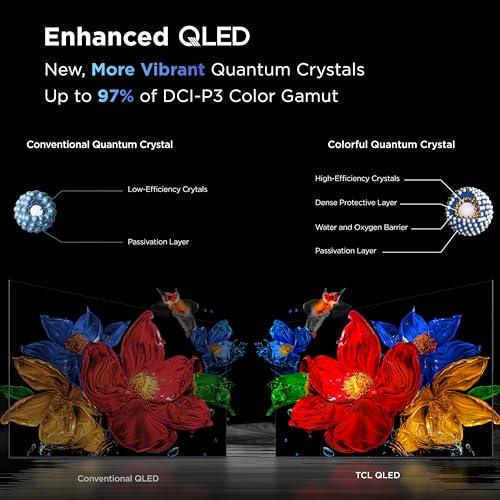
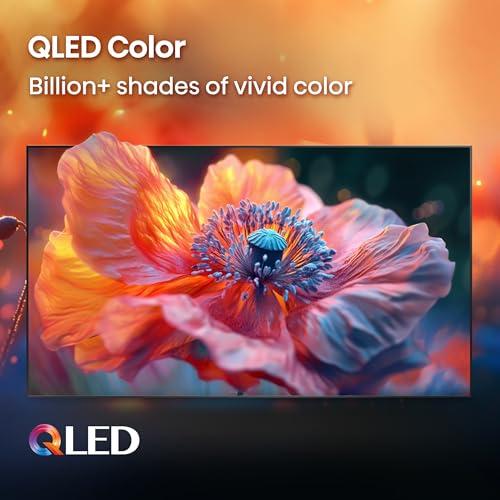
Color reproduction showcases different approaches to the same goal. The TCL X11K covers 97% of the DCI-P3 color space—the standard used in movie theaters—ensuring that films look exactly as directors intended. The Hisense QD7 achieves 75% Rec.2020 coverage, which actually provides more vibrant, saturated colors that many viewers prefer for nature documentaries and animated content.
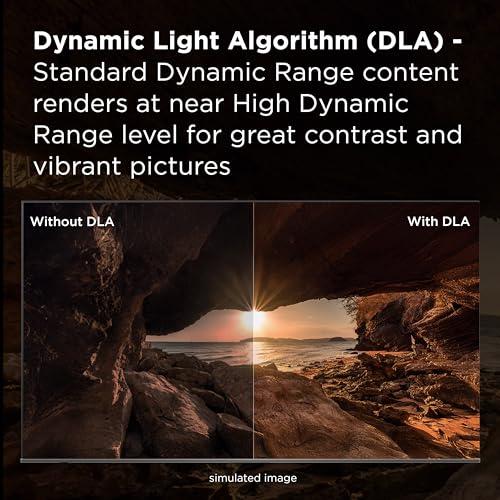
Both TVs support all major HDR formats, including Dolby Vision, HDR10+, and standard HDR10. However, the TCL's superior brightness and processing make it significantly more capable of delivering the dramatic highlights and deep shadows that make HDR content spectacular.
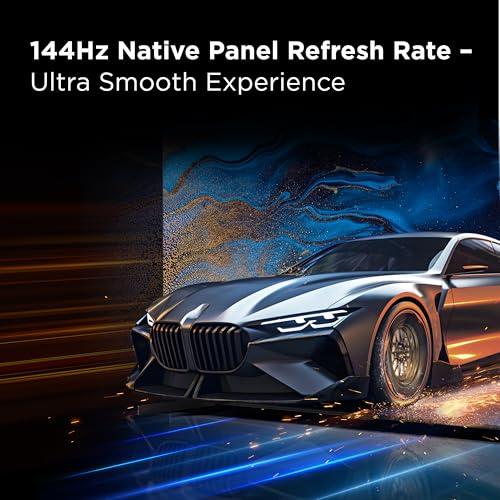
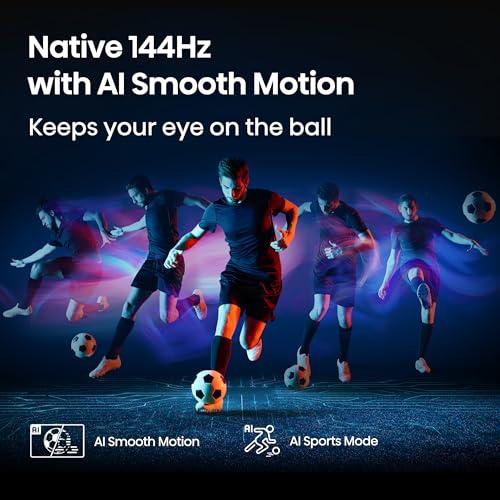
Gaming capabilities separate these TVs dramatically. The TCL X11K offers a native 144Hz refresh rate with variable refresh rate (VRR) support up to an incredible 288Hz at lower resolutions. This isn't marketing fluff—it translates to noticeably smoother motion in fast-paced games and virtually eliminates screen tearing.
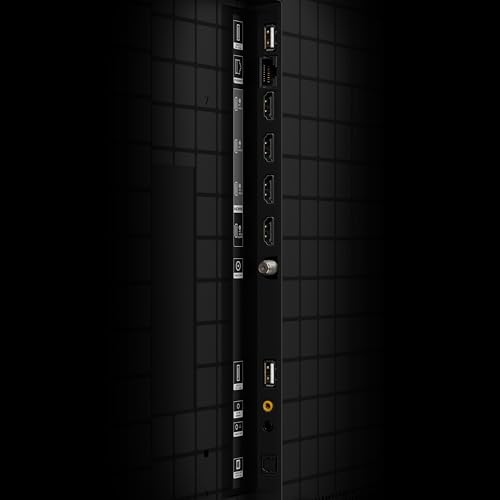
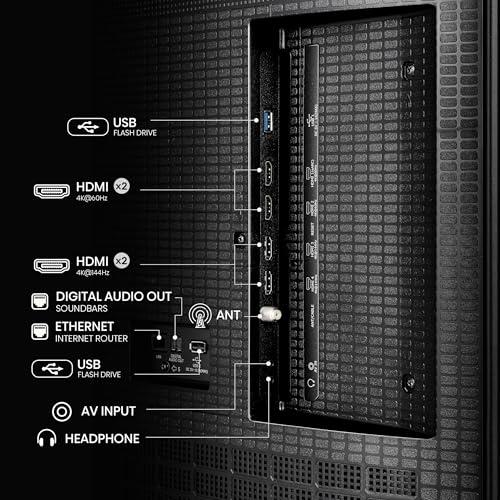
More importantly, the TCL X11K provides full HDMI 2.1 bandwidth across multiple ports. HDMI 2.1 is the current standard that enables 4K gaming at 120Hz or higher, essential for next-generation consoles like the PlayStation 5 and Xbox Series X. The TV also supports both AMD FreeSync Premium Pro and NVIDIA G-Sync compatibility, making it suitable for high-end PC gaming setups.
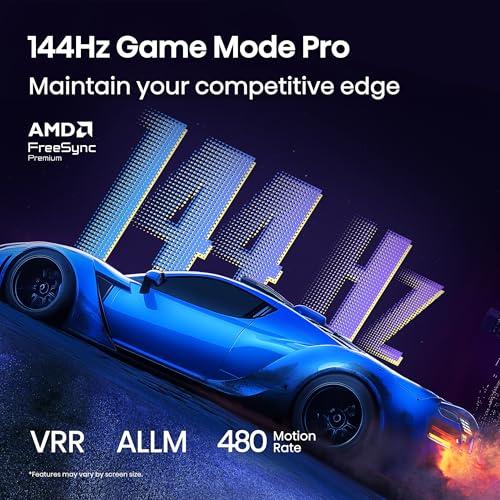
The Hisense QD7 supports 144Hz Game Mode Pro but is hampered by HDMI 2.0 bandwidth limitations. This means it cannot fully utilize the capabilities of modern gaming consoles or high-end graphics cards. For casual gaming, this limitation isn't problematic, but serious gamers will find themselves unable to access the full performance potential of their hardware.
Input lag—the delay between pressing a button and seeing the result on screen—is crucial for competitive gaming. Both TVs offer low-latency modes, but the TCL X11K's advanced processing and full HDMI 2.1 implementation provide measurably better responsiveness.
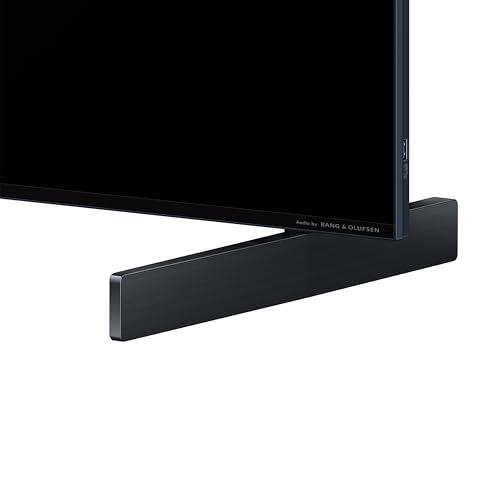
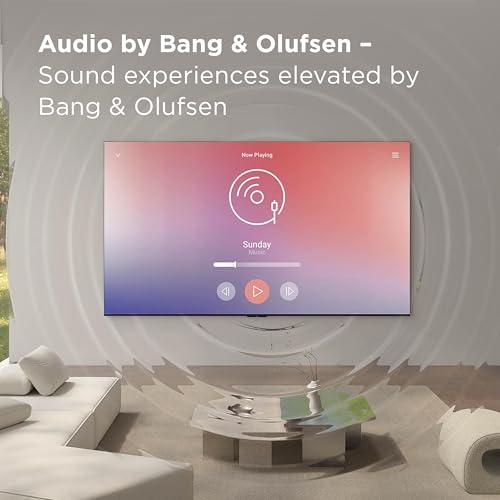
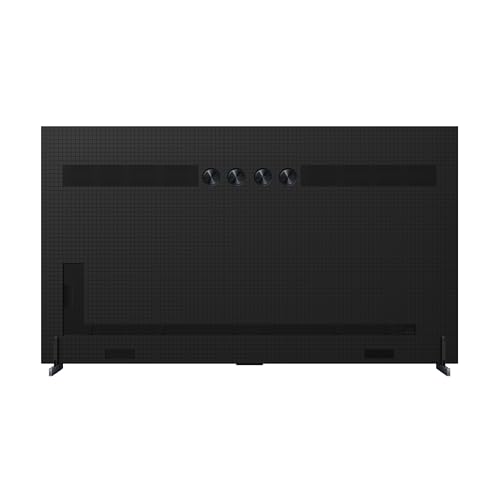
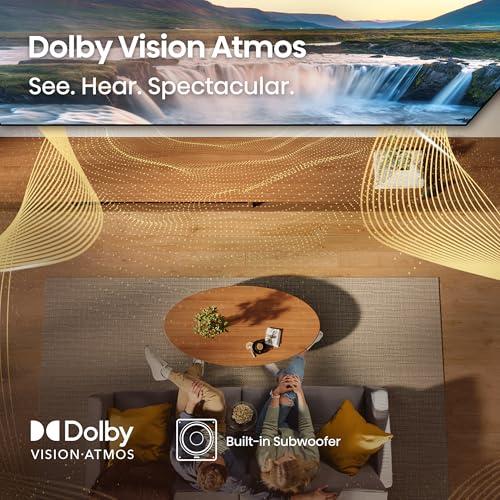
Large screens demand substantial audio to match their visual impact. The TCL X11K incorporates a Bang & Olufsen-tuned 2.1.1 channel system delivering 120 watts of total power. This isn't just about volume—the system provides genuine surround sound processing with Dolby Atmos support, creating audio that fills the room and matches the screen's scale.
The Hisense QD7's 50-watt Dolby Atmos system, while technically capable, feels underpowered relative to the massive screen. Most users find themselves wanting external audio solutions—whether a soundbar or full surround system—to properly complement the visual experience.
This audio difference matters more than many buyers realize. At these screen sizes, built-in speakers that might seem adequate on smaller TVs become obviously inadequate. The TCL's superior audio reduces the immediate need for additional purchases, while the Hisense almost demands external audio investment.
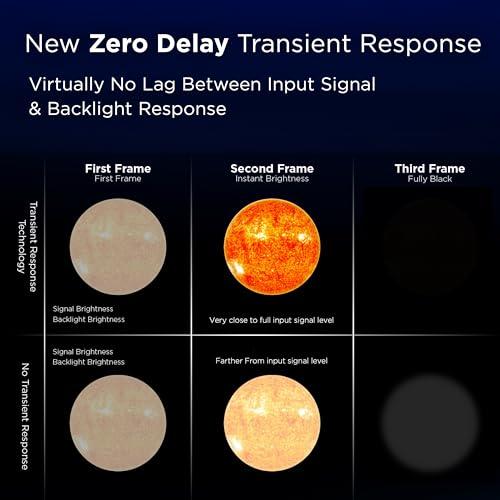
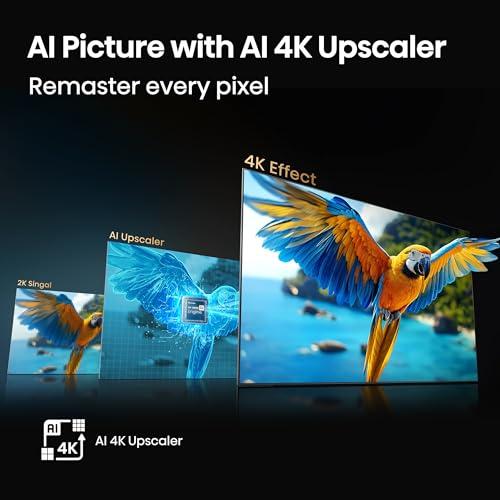
Both TVs run modern smart platforms, but their processing capabilities differ significantly. The TCL X11K employs the AiPQ Pro processor, which uses artificial intelligence algorithms to analyze and optimize every frame in real-time. This isn't marketing hyperbole—the processor genuinely improves upscaling of lower-resolution content, enhances color accuracy, and optimizes contrast based on room lighting conditions.
The AI processing becomes particularly valuable at these massive screen sizes, where imperfections in source material become more apparent. The TCL X11K's advanced processing can make 1080p content look significantly better when scaled to 98 inches, while also optimizing native 4K content for maximum impact.
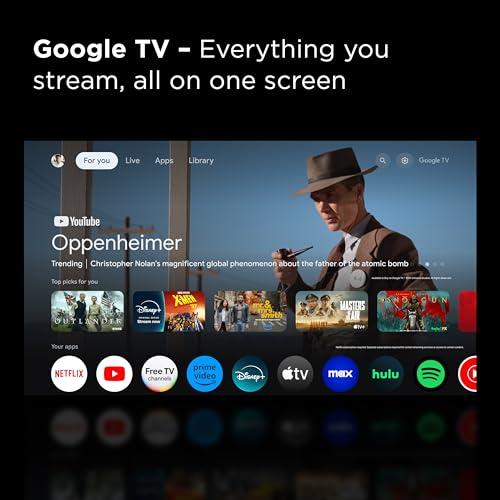
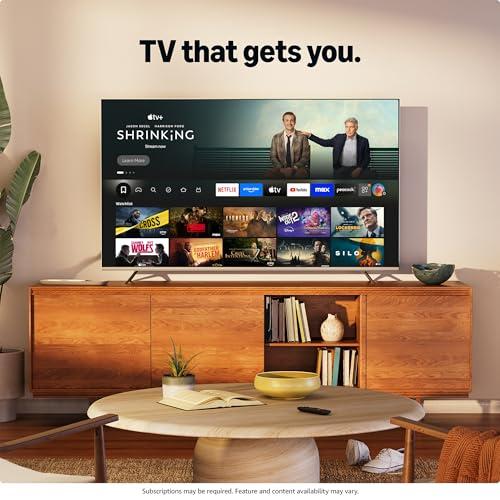
The Hisense QD7 runs either Fire TV or Google TV depending on region, both offering fast performance and comprehensive app selection. While it lacks the advanced AI processing of the TCL, it provides a smooth, responsive smart TV experience that covers most users' needs effectively.
At the time of writing, the Hisense QD7 costs significantly less than the TCL X11K—roughly 60-70% less expensive. This dramatic price difference fundamentally changes the value equation for most buyers.
The Hisense QD7 offers exceptional value in terms of cost per inch of screen real estate. You're getting the largest consumer TV available at a price point that, while still substantial, doesn't require the premium investment of flagship models. For many buyers, the combination of 100-inch size and solid performance justifies any compromises in ultimate picture quality or gaming capabilities.
The TCL X11K commands its premium pricing through genuinely advanced technology. The extreme brightness, sophisticated local dimming, advanced processing, and superior gaming capabilities represent the current state-of-the-art in large-format TV technology. For buyers who prioritize performance over value, the TCL delivers features that cannot be found elsewhere.
Both TVs present significant installation challenges that many buyers underestimate. The TCL X11K weighs over 150 pounds and requires professional installation in most cases. Wall mounting demands reinforcement for many wall types, and the mounting hardware must be rated for the weight and size.
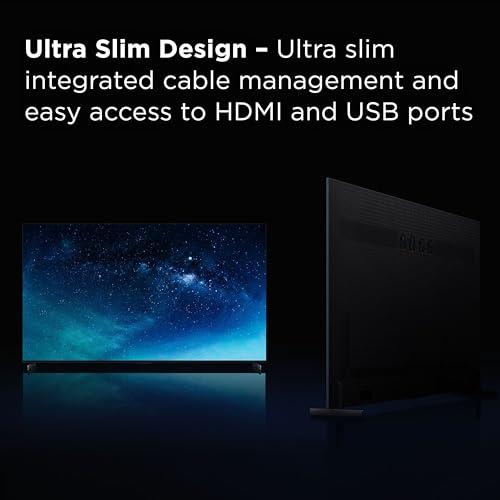
The Hisense QD7, while slightly more manageable due to lower weight, still presents substantial installation challenges. Both TVs require careful consideration of cable management, viewing angles, and room lighting to achieve optimal results.
Living with such massive displays also changes content consumption patterns. Lower-quality sources—anything below 4K resolution—become noticeably inferior at these sizes. This pushes users toward high-quality streaming services, 4K Blu-ray, and premium cable/satellite packages to fully utilize their investment.
In dedicated home theater applications, these TVs compete directly with projection systems. The TCL X11K excels in this comparison due to its extreme brightness capability, which maintains image quality regardless of ambient lighting. Projectors require dark rooms to achieve their best performance, while the TCL can deliver spectacular images even with some ambient light.
The Hisense QD7 provides a more affordable entry into large-format home theater but requires more careful room control to achieve optimal results. Its lower brightness means darkening the room becomes more critical for the best viewing experience.
Both TVs offer advantages over projectors in terms of maintenance, lamp replacement costs, and setup complexity. However, projectors can still achieve larger screen sizes at lower costs, making them viable alternatives for dedicated theater rooms.
The decision between the TCL X11K and Hisense QD7 ultimately comes down to priorities and budget. The TCL represents the premium choice for buyers who want the absolute best performance and can justify the significant cost premium. Its superior brightness, advanced gaming capabilities, better audio, and cutting-edge processing make it the clear winner for performance-focused buyers.
The Hisense QD7 offers compelling value for buyers who prioritize screen size and solid performance over ultimate refinement. It delivers an impressive viewing experience at the largest consumer size available, making it accessible to buyers who might otherwise be priced out of the large-format TV market.
For serious gamers, home theater enthusiasts with bright rooms, or buyers who demand cutting-edge technology, the TCL X11K justifies its premium pricing. For buyers who want maximum screen impact without premium pricing, or who primarily watch standard streaming content in moderately lit rooms, the Hisense QD7 provides exceptional value.
Both TVs represent remarkable achievements in large-format display technology, bringing cinema-scale experiences into home environments. The right choice depends entirely on your specific needs, room conditions, and budget priorities. Either way, you're getting a viewing experience that was unimaginable just a few years ago—and that's the real victory for consumers in this rapidly evolving market.
| TCL 98" X11K 4K QD-Mini LED Google TV | Hisense 100-Inch QD7 Series Mini-LED 4K Smart TV |
|---|---|
| Screen Size - Viewing area and room requirements | |
| 98" (15-18 foot optimal viewing distance) | 100" (18-20 foot optimal viewing distance, 32% more viewing area) |
| Peak Brightness - Critical for HDR impact and bright room performance | |
| 6,500 nits (exceptional for any lighting condition) | 615 nits (adequate for moderately lit rooms) |
| Local Dimming Zones - Controls contrast and black levels | |
| Up to 14,000 zones (precise contrast control) | Standard mini-LED implementation (good but less precise) |
| Gaming Performance - Refresh rate and connectivity for modern consoles | |
| 144Hz native, VRR up to 288Hz, full HDMI 2.1 | 144Hz Game Mode Pro, limited by HDMI 2.0 bandwidth |
| Audio System - Built-in sound quality matching screen size | |
| Bang & Olufsen 2.1.1 system, 120W (premium quality) | 50W Dolby Atmos (adequate but external speakers recommended) |
| Smart Platform - Processing power and AI features | |
| Google TV with AiPQ Pro processor, advanced AI upscaling | Fire TV or Google TV (region dependent), standard processing |
| Color Coverage - Accuracy for different content types | |
| 97% DCI-P3 (cinema-accurate colors) | 75% Rec.2020 (vibrant, saturated colors) |
| HDR Support - Premium content compatibility | |
| Dolby Vision IQ, HDR10+, HDR10, HLG | Dolby Vision, HDR10+, HDR10, HLG |
| Target User - Best fit based on priorities | |
| Home theater enthusiasts, serious gamers, bright room setups | Value-conscious buyers prioritizing maximum screen size |
| Installation Complexity - Setup requirements and considerations | |
| Professional installation recommended, requires reinforced mounting | Manageable with assistance, standard mounting sufficient |
The Hisense 100-Inch QD7 is larger with a 100-inch screen compared to the TCL 98" X11K's 98-inch display. While only a 2-inch difference, the Hisense QD7 provides approximately 32% more viewing area, making it significantly more immersive for movies and sports.
The TCL 98" X11K delivers superior picture quality in bright rooms with its exceptional 6,500 nits peak brightness. The Hisense 100-Inch QD7 reaches 615 nits, which works well in moderately lit spaces but struggles with direct sunlight or very bright conditions.
The TCL X11K is excellent for gaming with 144Hz native refresh rate, VRR up to 288Hz, and full HDMI 2.1 bandwidth for 4K/120Hz gaming. The Hisense QD7 offers 144Hz Game Mode Pro but is limited by HDMI 2.0, making it suitable for casual gaming but not optimal for serious gamers with next-gen consoles.
The Hisense 100-Inch QD7 provides exceptional value, offering the largest consumer screen size at a significantly lower cost than premium alternatives. The TCL 98" X11K commands a premium price but delivers cutting-edge display technology and features that justify the cost for performance-focused buyers.
The TCL X11K features a premium Bang & Olufsen 2.1.1 audio system with 120W power that matches the large screen size. The Hisense QD7 has 50W Dolby Atmos speakers that are adequate but most users benefit from adding a soundbar or external speakers for optimal audio quality.
For dedicated home theater use, the TCL 98" X11K excels with its extreme brightness, advanced HDR processing, and superior audio system. The Hisense 100-Inch QD7 works well in home theaters but requires more controlled lighting conditions and likely external audio to achieve the best cinematic experience.
The TCL X11K runs Google TV with advanced AiPQ Pro processing and hands-free voice control. The Hisense QD7 uses Fire TV or Google TV depending on your region, both offering fast performance and comprehensive streaming app selection.
The TCL 98" X11K requires 15-18 feet viewing distance and works in rooms around 20x15 feet minimum. The Hisense 100-Inch QD7 needs 18-20 feet viewing distance and approximately 25x20 feet room space for optimal comfort and viewing experience.
The TCL X11K delivers superior HDR performance with its 6,500 nits brightness, 14,000 local dimming zones, and advanced processing. While both the TCL X11K and Hisense QD7 support major HDR formats, the TCL's hardware provides more dramatic highlights and deeper blacks for true HDR impact.
Both TVs require careful installation planning due to their massive size and weight. The TCL X11K typically needs professional installation and may require wall reinforcement. The Hisense QD7 is somewhat more manageable but still benefits from professional setup, especially for wall mounting these giant displays.
The Hisense 100-Inch QD7 provides the ultimate sports viewing experience with its massive 100-inch screen that creates a stadium-like feel. However, the TCL X11K offers superior motion handling and brightness for daytime sports viewing, making both excellent choices depending on your priorities.
The key difference is approach: the TCL 98" X11K focuses on premium display technology with extreme brightness, advanced processing, and superior gaming features, while the Hisense 100-Inch QD7 prioritizes maximum screen size at an accessible price point with solid overall performance for most users.
We've done our best to create useful and informative comparisons to help you decide what product to buy. Our research uses advanced automated methods to create this comparison and perfection is not possible - please contact us for corrections or questions. These are the sites we've researched in the creation of this article: ecoustics.com - pcrichard.com - tcl.com - valueelectronics.com - bestbuy.com - tcl.com - whathifi.com - tcl.com - youtube.com - displayspecifications.com - whathifi.com - youtube.com - notebookcheck.net - tcl.com - tcl.com - displayspecifications.com - tcl.com - tcl.com - pcguide.com - en.homecinesolutions.fr - youtube.com - tcl.com - hometechnologyreview.com - hypermicro.com - bestbuy.com - bestbuy.com - youtube.com - hisense-usa.com - bestbuy.com - pcrichard.com - tvsbook.com - hisense-usa.com - pcrichard.com - nfm.com - bestbuy.com - hisense-canada.com - rtings.com - hisense-usa.com - bestbuy.com - hisense-usa.com - hometechnologyreview.com - youtube.com - youtube.com - hometechnologyreview.com - costco.com - custrevs.com

Privacy Policy
Terms and Conditions - Affiliate Policy
Home Security
© Copyright 2008-2026.
11816 Inwood Rd #1211, Dallas, TX 75244