

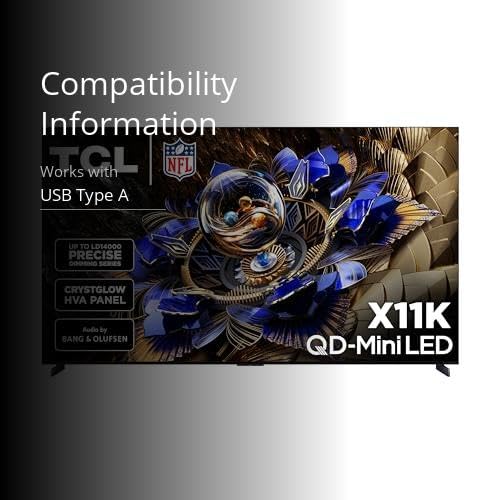
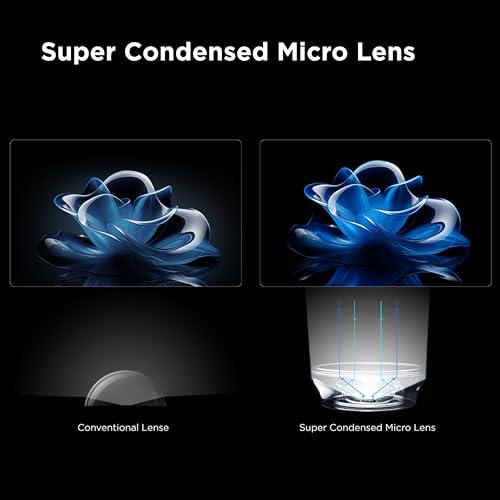

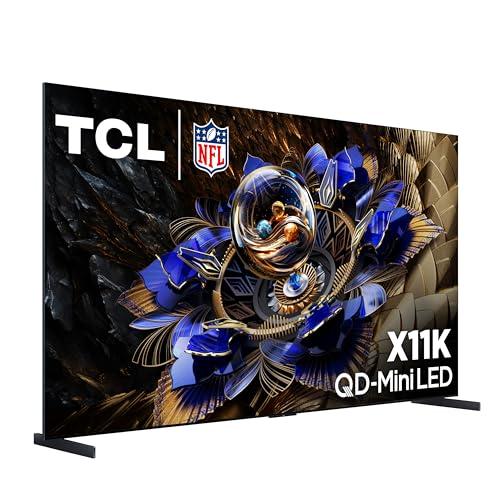
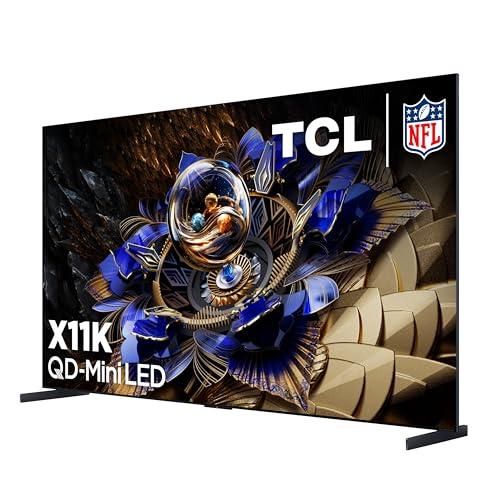
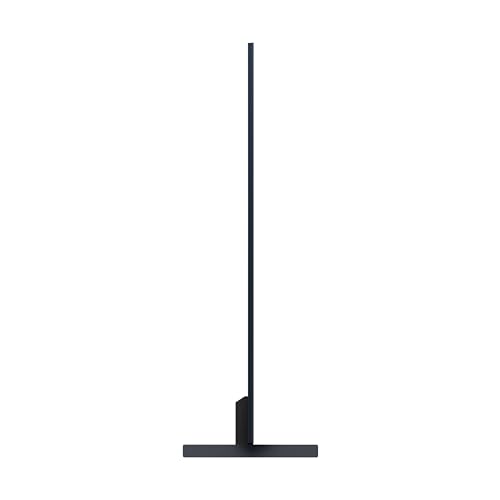
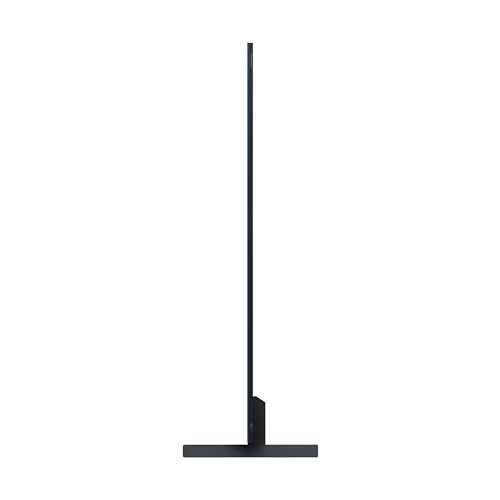
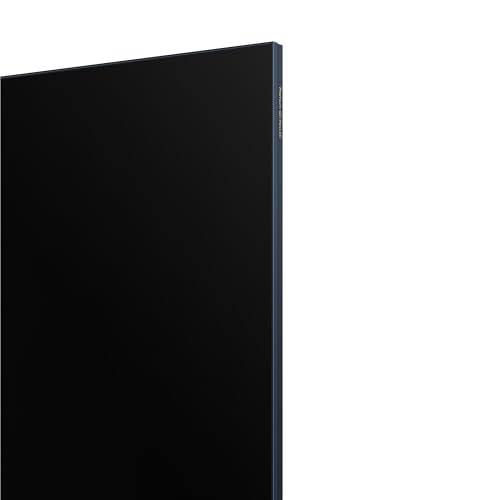
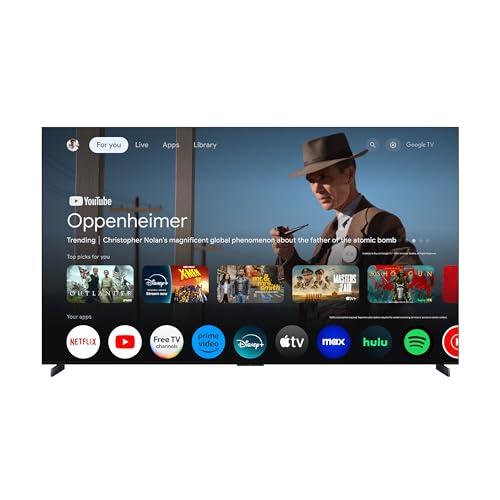
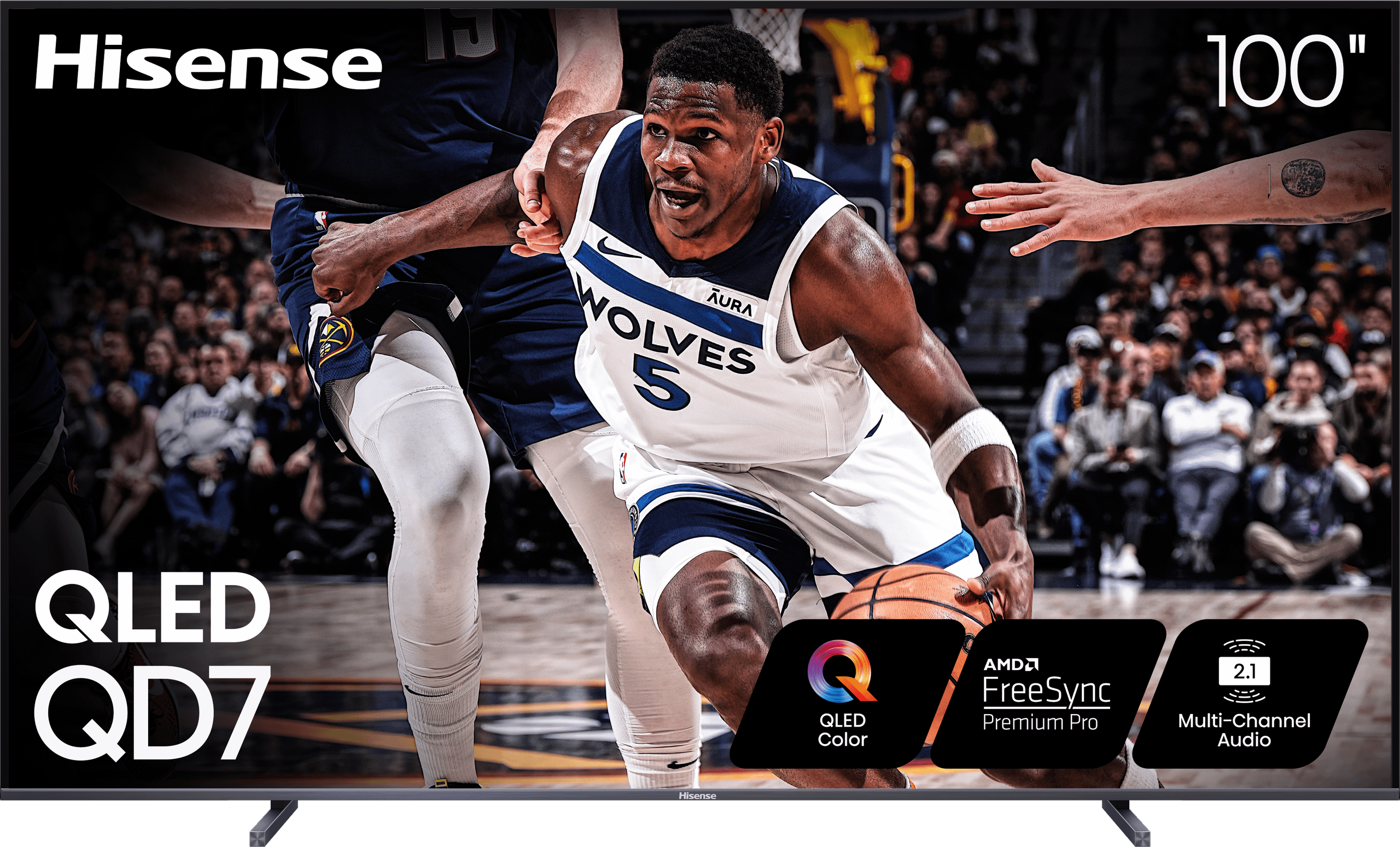
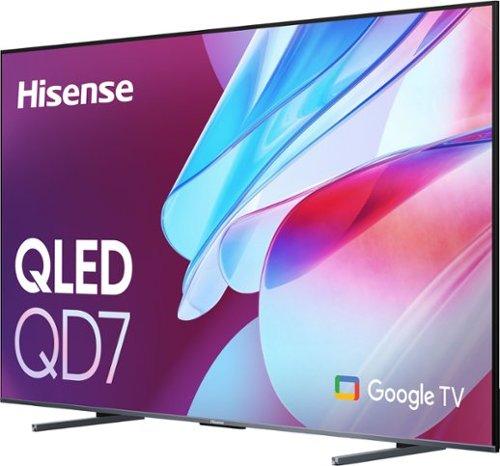




Ultra-large TVs are having a moment. As families spend more time at home and home theater setups become increasingly popular, manufacturers have responded with displays that would have seemed impossibly large just a few years ago. Today, we're comparing two heavyweights in the 98-100 inch category: the premium TCL 98" X11K flagship and the value-focused Hisense 100" QD7.
Both TVs represent different philosophies in the ultra-large display market. The TCL X11K, released in 2024, showcases cutting-edge Mini LED technology with extreme brightness and professional-grade features. The Hisense QD7, also from 2024, takes a more practical approach, delivering solid performance at a fraction of the flagship price. At the time of writing, you're looking at about three times the cost difference between these models.
When you're shopping for a TV approaching 100 inches, you're entering territory that was once dominated by projectors. These massive displays compete directly with home projection systems while offering several key advantages: they work perfectly in bright rooms, require no special screens or installation complexity, and deliver consistent performance regardless of ambient lighting.
The main considerations in this category differ significantly from smaller TVs. Peak brightness becomes crucial because a larger screen needs more light output to maintain the same perceived brightness per square inch. Local dimming zones (individual LED segments that can brighten or dim independently) become more important as the screen size increases, since controlling light blooming across a larger area requires more precision. Audio systems also need significantly more power to fill the sound stage that matches such an enormous visual experience.
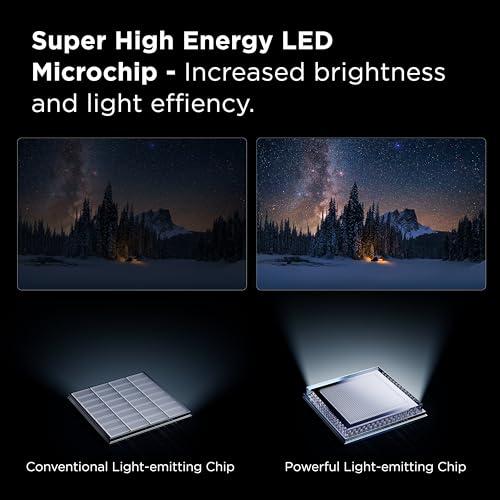
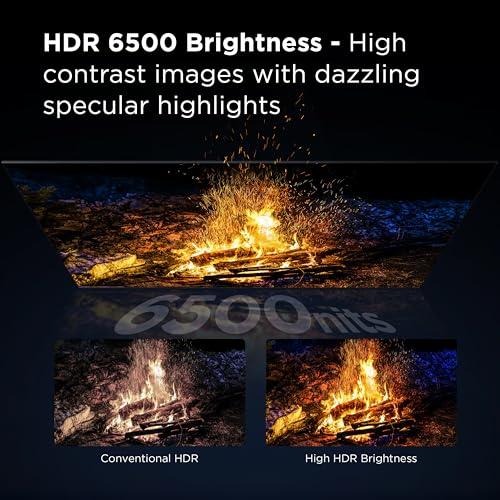
The most dramatic difference between these TVs lies in their brightness capabilities. The TCL X11K delivers an exceptional 6,500 nits of peak brightness, while the Hisense QD7 reaches approximately 615 nits. To put this in perspective, a typical LED TV might hit 400-600 nits, while premium TVs often reach 1,000-2,000 nits.
This brightness difference fundamentally changes how each TV performs. HDR (High Dynamic Range) content relies on bright highlights to create that "wow" factor – think of sunlight streaming through windows in a movie scene or explosions in an action sequence. The TCL X11K can display these highlights with an intensity that approaches what you'd see in a commercial cinema, while the Hisense QD7 provides a more modest but still effective HDR experience.
In practical terms, this brightness advantage makes the TCL X11K significantly better for bright rooms. If your living room has large windows or you watch TV during the day, the TCL's extreme brightness cuts through ambient light in ways the Hisense simply cannot match.
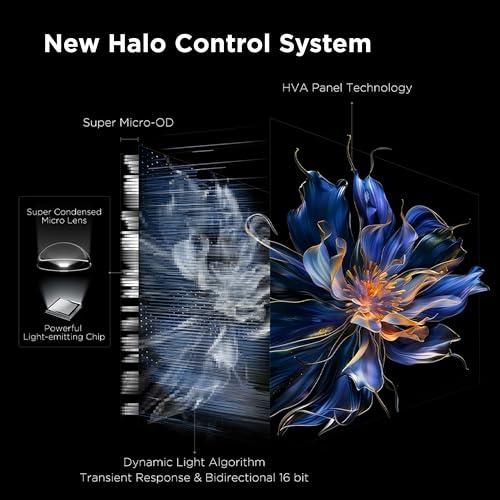
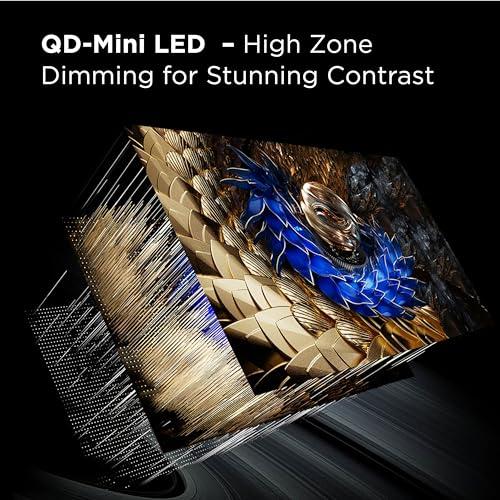
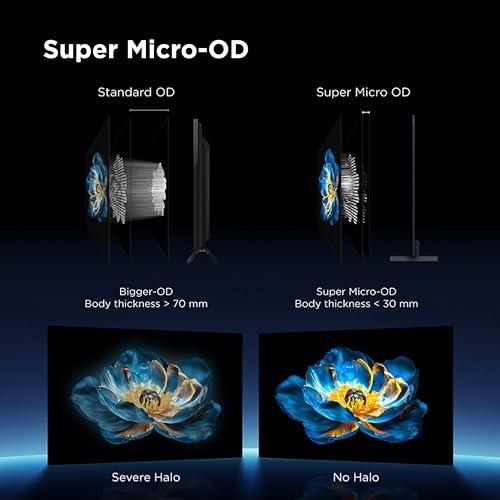
The TCL X11K features an impressive 14,112 local dimming zones powered by TCL's proprietary Halo Control System. Local dimming zones are individual LED segments behind the screen that can brighten or dim independently to improve contrast. More zones mean more precise control over lighting, which reduces the "blooming" effect where bright objects create unwanted halos of light around them on dark backgrounds.
Think of it like having thousands of tiny flashlights behind your screen, each one perfectly controlled to light only the exact area where bright content appears. The TCL X11K's massive number of zones allows for near pixel-level precision in a way that approaches OLED performance (OLED pixels emit their own light and can turn completely off for perfect blacks).
The Hisense QD7 uses Mini LED technology as well, but with fewer zones – a compromise that helps keep costs down while still delivering respectable contrast performance for the price point.
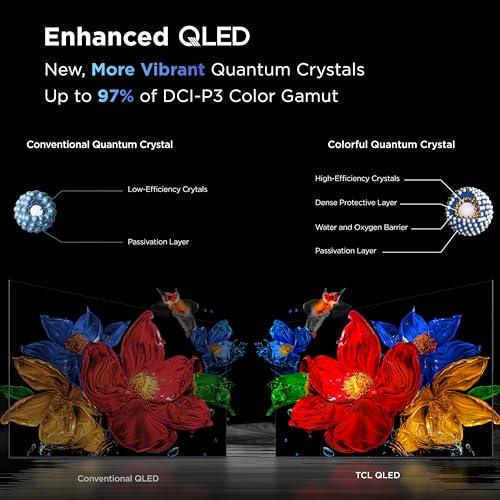
Here's where things get interesting. While the TCL X11K excels in brightness and contrast, the Hisense QD7 actually delivers superior color vibrancy in certain content. The Hisense covers 75% of the Rec.2020 color space (the wide color standard used for premium content), which means it can display more intense greens and blues than many competitors.
This makes the Hisense QD7 particularly excellent for nature documentaries, animated movies, and any content where vibrant, saturated colors matter more than absolute brightness. David Attenborough's nature series, for instance, would likely look more visually striking on the Hisense due to its ability to render those deep ocean blues and lush forest greens with exceptional intensity.
The TCL X11K focuses more on accuracy and brightness, delivering colors that are technically correct but perhaps less immediately eye-catching in certain content types.
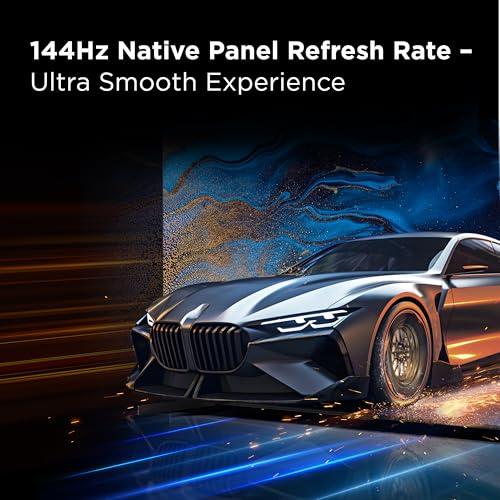
Gaming represents one of the clearest performance dividers between these TVs. The TCL X11K is built for serious gaming with support for Variable Refresh Rate (VRR) up to an incredible 288Hz through its Game Accelerator technology. VRR synchronizes the TV's refresh rate with your gaming console or PC's output, eliminating screen tearing and stuttering for silky-smooth gameplay.
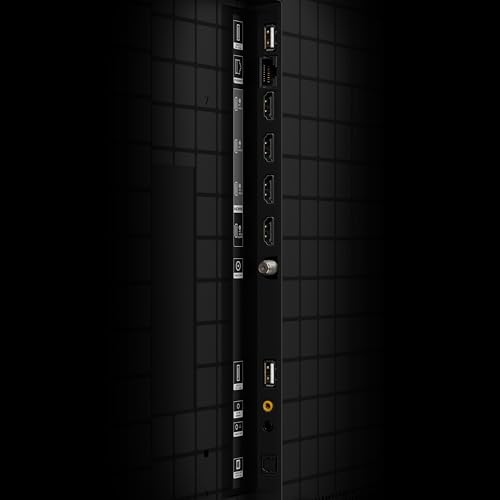
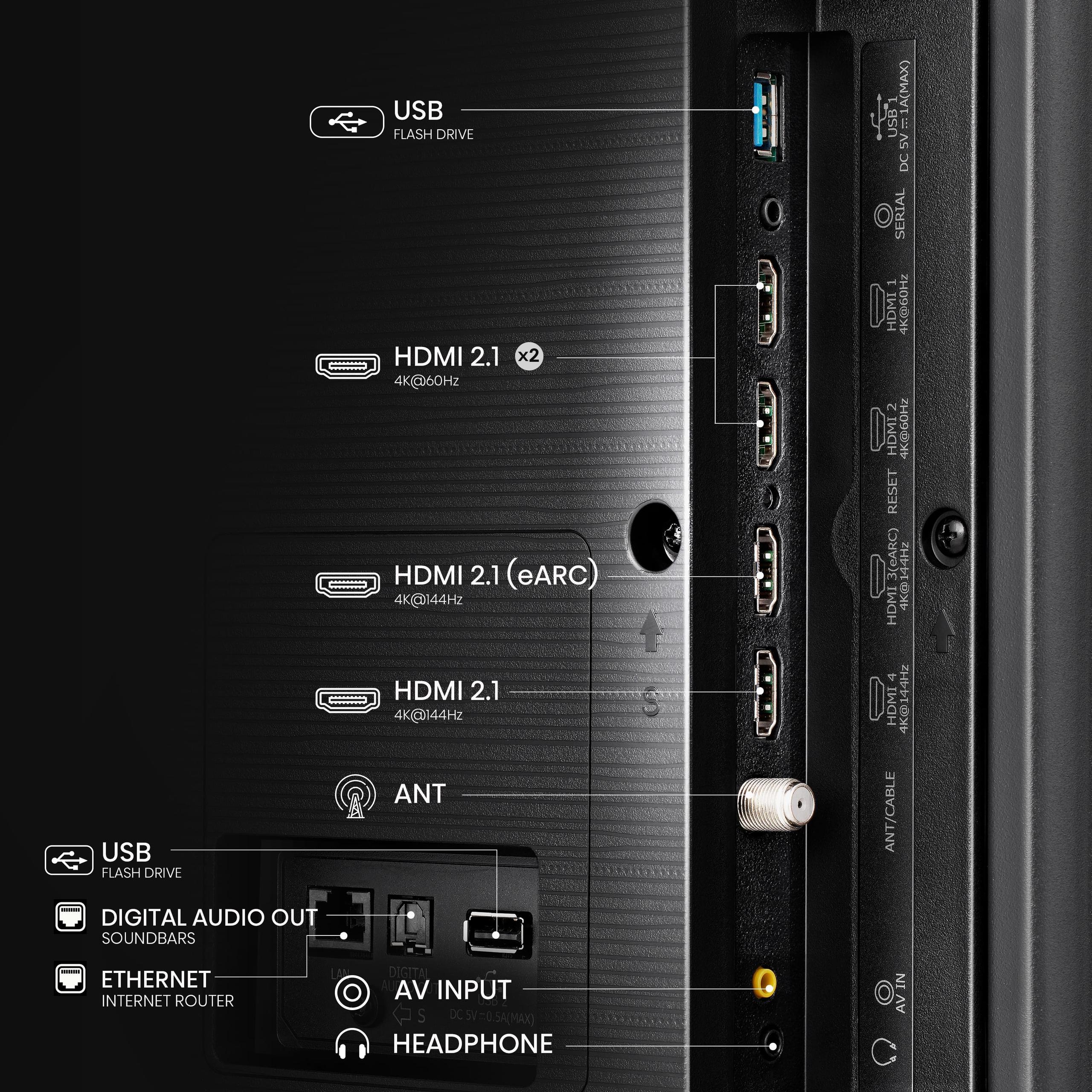
The TV also supports full HDMI 2.1 bandwidth at 48 Gbps, which means it can handle 4K gaming at 144Hz – essential for next-generation consoles and high-end gaming PCs. Features like Auto Low Latency Mode (ALLM) automatically switch the TV to its fastest processing mode when gaming is detected, while support for both FreeSync Premium Pro and G-Sync ensures compatibility with AMD and NVIDIA graphics cards.
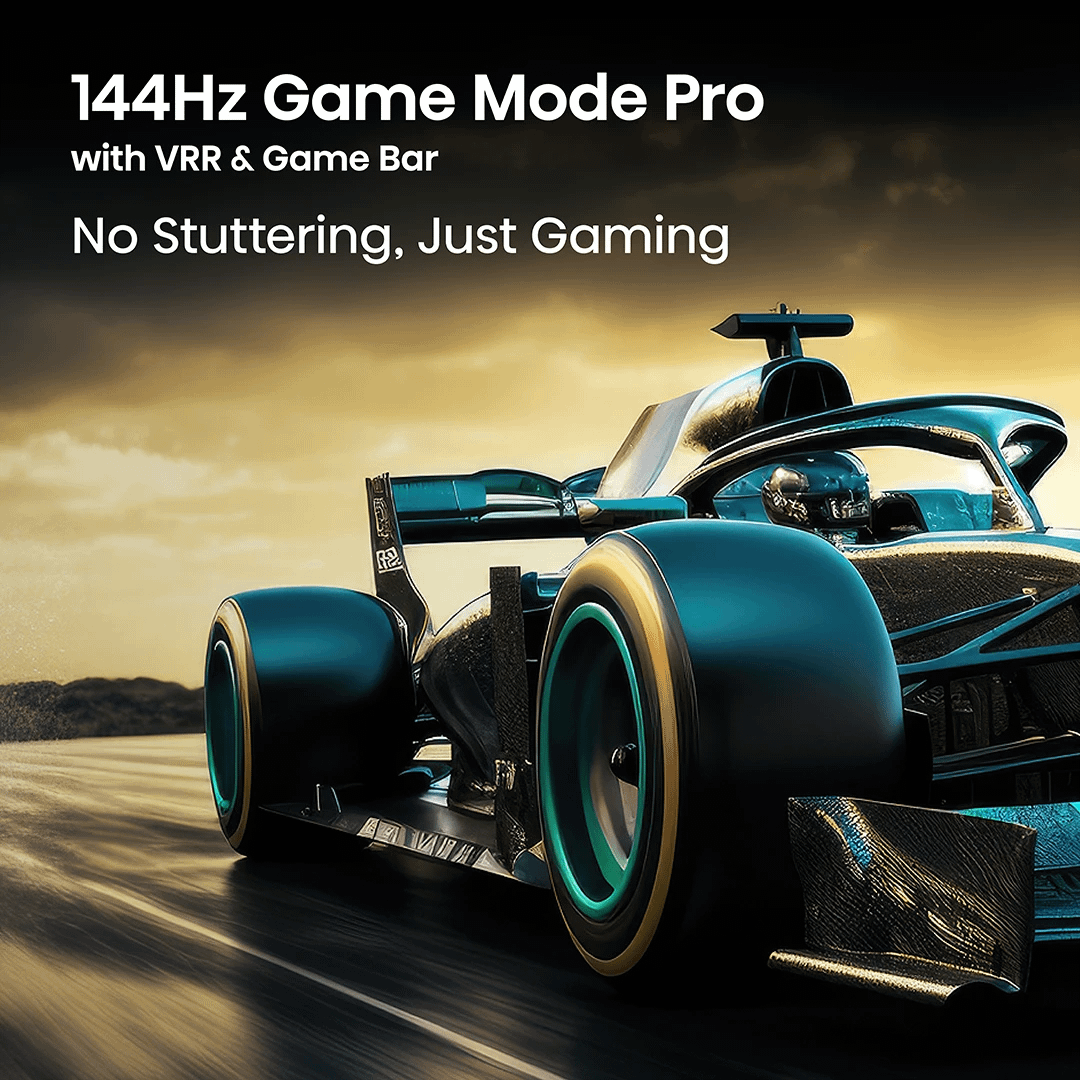
The Hisense QD7 offers 144Hz Game Mode Pro, which is perfectly adequate for casual to moderate gaming. However, it's limited by HDMI 2.0 bandwidth, which restricts high-refresh 4K gaming capabilities. For competitive gamers or those with high-end gaming rigs, this limitation is significant.
If gaming is a priority, the TCL X11K is the clear winner. For occasional gaming or those using older consoles, the Hisense QD7 provides sufficient performance.
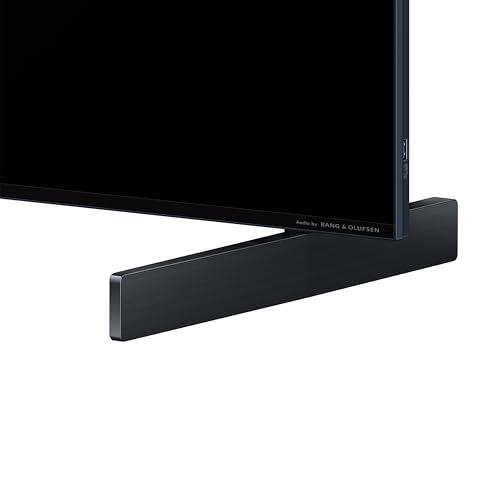
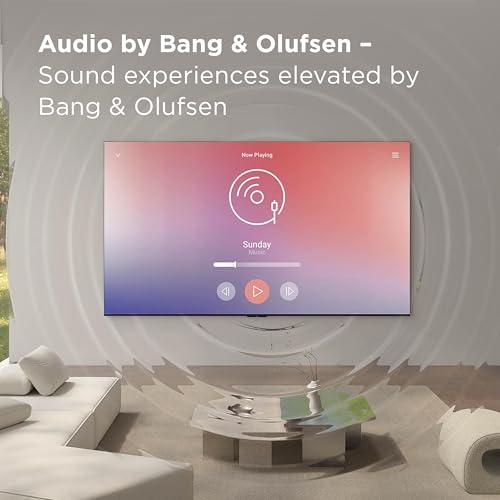
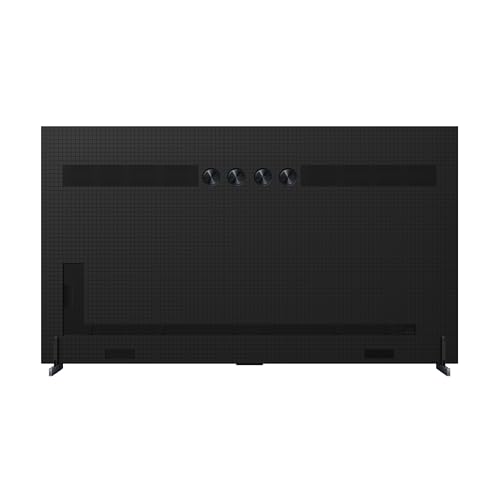
Audio becomes critically important at these screen sizes because the visual impact demands sound to match. The TCL X11K addresses this with a premium 120-watt Bang & Olufsen audio system featuring a 6.2.2 channel configuration. This includes dedicated upward-firing drivers for Dolby Atmos height effects, creating truly three-dimensional sound that matches the massive visual experience.
The Hisense QD7 includes a 50-watt Dolby Atmos system, which is adequate but underpowered for a 100-inch screen. Based on user feedback and expert reviews, most owners end up adding a soundbar or external speaker system to properly complement the visual experience.
This represents a hidden cost consideration: while the Hisense QD7 appears more affordable initially, adding a quality soundbar system can add several hundred dollars to the total investment.
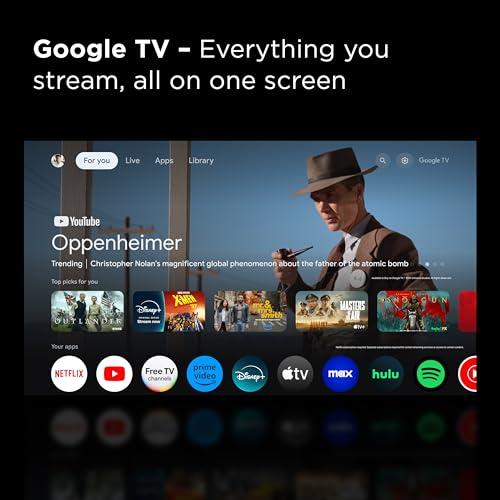
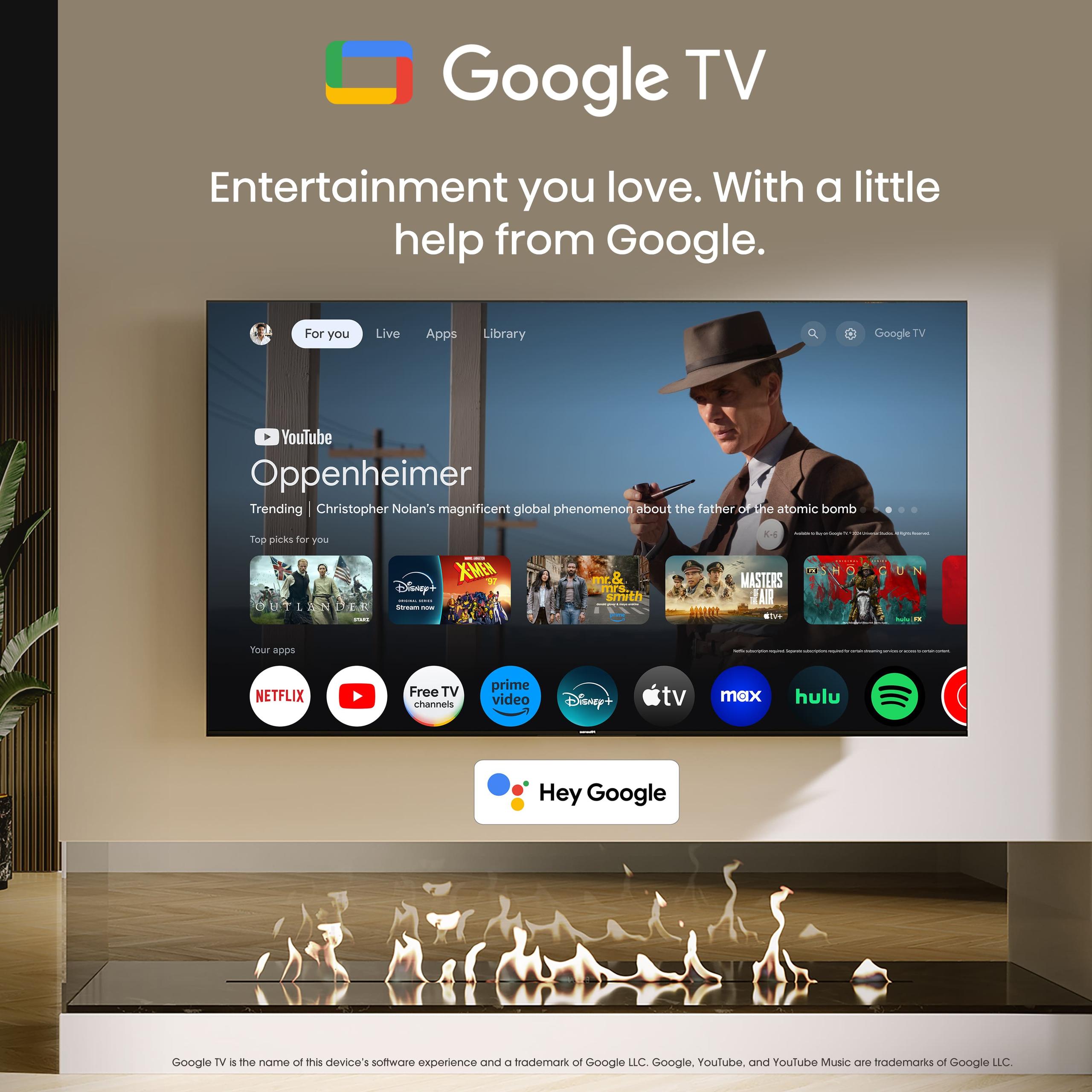
Both TVs run Google TV (with the Hisense QD7 also available with Fire TV in some regions), but the TCL X11K includes more advanced processing through its AIPQ Pro processor. This enables AI-powered features like intelligent upscaling that improves lower-resolution content, AI-enhanced motion processing, and adaptive picture adjustments based on content type and ambient lighting.
The TCL X11K also includes far-field microphones for hands-free Google Assistant control, while the Hisense QD7 requires using the remote for voice commands. These smart features might seem minor, but they contribute to a more premium user experience on the TCL.
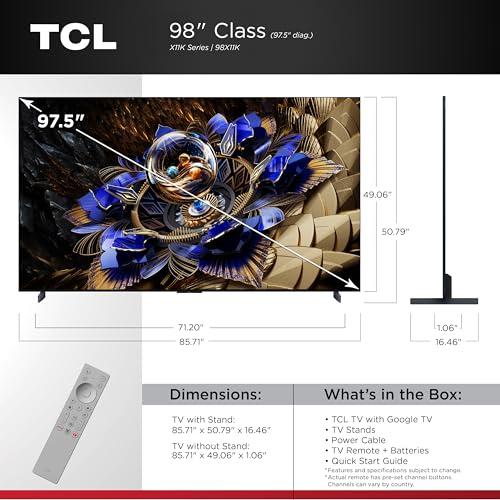
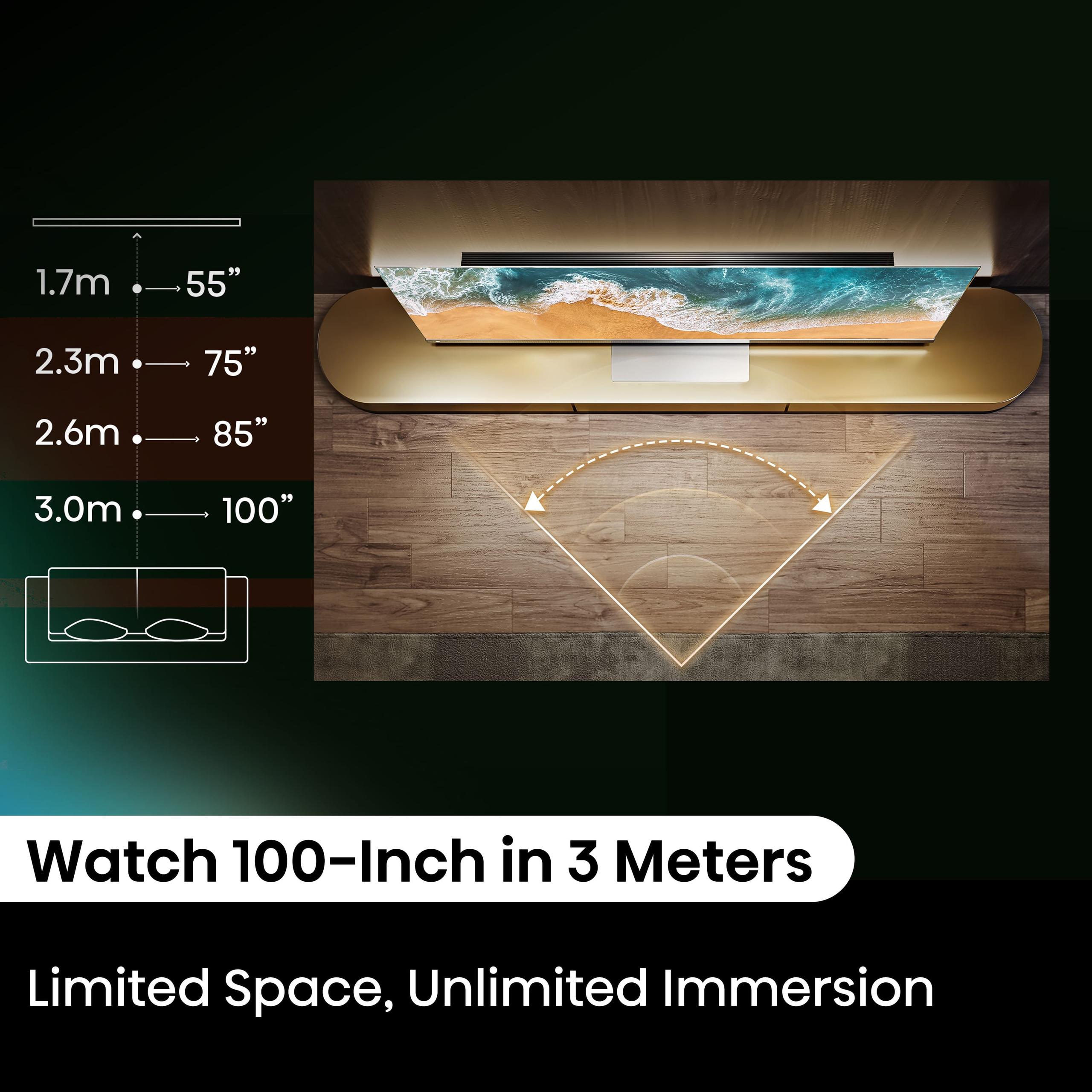
These massive TVs require careful planning. The TCL X11K weighs 155 pounds with its stand and essentially requires professional installation due to its size, weight, and complexity. You'll need a room of at least 25x18 feet to achieve optimal viewing distance (15-18 feet from the screen).
The Hisense QD7 is more manageable for DIY installation with help, and works well in standard large living rooms with viewing distances of 12-15 feet. This makes it more practical for multipurpose spaces that serve as both living room and entertainment center.
At the time of writing, the price difference between these TVs is substantial – you could buy the Hisense QD7 and a high-quality soundbar system for significantly less than the TCL X11K alone. This represents one of the starkest value propositions in the TV market.
The Hisense QD7 delivers about 80% of the TCL X11K's visual performance at roughly 30% of the cost. For most viewers in most rooms, this represents exceptional value. You get Mini LED technology, quantum dot colors, a 100-inch screen, and adequate smart features without the premium price tag.
The TCL X11K justifies its premium pricing through extreme brightness, advanced gaming features, superior audio, and cutting-edge technology. It's designed for enthusiasts who want the absolute best performance and have the budget and space to support it.
Your viewing environment plays a crucial role in determining which TV makes sense. In a bright room with windows, the TCL X11K's 6,500-nit brightness advantage is transformative. HDR content maintains its impact even with afternoon sunlight streaming in, while the Hisense QD7 can appear washed out under similar conditions.
In a controlled lighting environment – a basement theater room or living room with good curtains – both TVs perform well, though the TCL still maintains advantages in contrast and HDR impact. The Hisense's superior color vibrancy actually becomes more apparent in darker rooms where brightness isn't fighting ambient light.
Different content types favor different displays. The Hisense QD7's exceptional color vibrancy makes it ideal for:
The TCL X11K excels with:
Choose the TCL X11K if you:
Choose the Hisense QD7 if you:
Both TVs succeed in their intended markets. The TCL X11K represents the current pinnacle of large-screen TV technology, with brightness and features that justify its premium positioning for serious enthusiasts. The Hisense QD7 demonstrates that you don't need to spend flagship money to get an impressive large-screen experience with solid Mini LED technology.
The decision ultimately comes down to your priorities: maximum performance regardless of cost, or excellent value with smart compromises. Either way, you're getting a TV that would have been unimaginable just a few years ago, bringing true cinema-scale experiences into the home in ways that continue to push the boundaries of what's possible in residential entertainment.
| TCL 98" X11K 4K QD-Mini LED Google TV | Hisense 100" QD7 Series QLED 4K UHD Smart TV |
|---|---|
| Screen Size - Larger screens create more immersive viewing experiences | |
| 98 inches | 100 inches |
| Peak Brightness - Critical for HDR impact and bright room performance | |
| 6,500 nits (exceptional for any lighting condition) | ~615 nits (adequate for moderate lighting) |
| Local Dimming Zones - More zones mean better contrast and less blooming | |
| 14,112 zones with Halo Control technology | Mini LED with fewer zones (unspecified count) |
| Gaming Performance - Higher refresh rates enable smoother competitive gaming | |
| Up to 288Hz VRR, HDMI 2.1, 4K/144Hz capable | 144Hz Game Mode Pro, HDMI 2.0 limitations |
| Audio System - Built-in sound quality affects whether you need external speakers | |
| 120W Bang & Olufsen 6.2.2 channel system | 50W Dolby Atmos (likely needs soundbar upgrade) |
| Color Performance - Different strengths for various content types | |
| 1.07 billion colors, accurate reproduction | 75% Rec.2020 coverage, superior vibrancy for nature content |
| Smart Platform - Affects long-term usability and feature updates | |
| Google TV with AI processing and far-field voice control | Google TV or Fire TV with standard features |
| HDR Support - Determines how well the TV displays premium content | |
| Dolby Vision IQ, HDR10+, HDR10, HLG | Standard HDR formats supported |
| Installation Requirements - Impacts total setup cost and complexity | |
| Professional installation required (155 lbs, complex setup) | DIY-friendly with assistance, more manageable weight |
| Room Size Requirements - Determines if TV fits your space properly | |
| 25x18+ feet minimum, 15-18 foot viewing distance | 20x15+ feet minimum, 12-15 foot viewing distance |
| Value Proposition - Performance per dollar comparison | |
| Premium flagship with cutting-edge technology | Exceptional value with solid Mini LED performance at much lower cost |
The TCL 98" X11K is significantly better for bright rooms with its exceptional 6,500 nits peak brightness, compared to the Hisense 100" QD7's 615 nits. This brightness difference means the TCL X11K can maintain vivid HDR performance even with windows and daytime viewing, while the Hisense QD7 performs best in controlled lighting conditions.
The TCL 98" X11K offers superior gaming with up to 288Hz Variable Refresh Rate, full HDMI 2.1 bandwidth, and 4K/144Hz support for next-gen consoles and gaming PCs. The Hisense 100" QD7 provides 144Hz Game Mode Pro but is limited by HDMI 2.0 bandwidth, making it suitable for casual gaming but not ideal for competitive or high-end gaming setups.
The TCL 98" X11K features a premium 120-watt Bang & Olufsen 6.2.2 channel audio system with Dolby Atmos, providing theater-quality sound that matches the massive screen. The Hisense 100" QD7 has a 50-watt Dolby Atmos system that's adequate but underpowered for a 100-inch screen, often requiring an external soundbar for optimal audio experience.
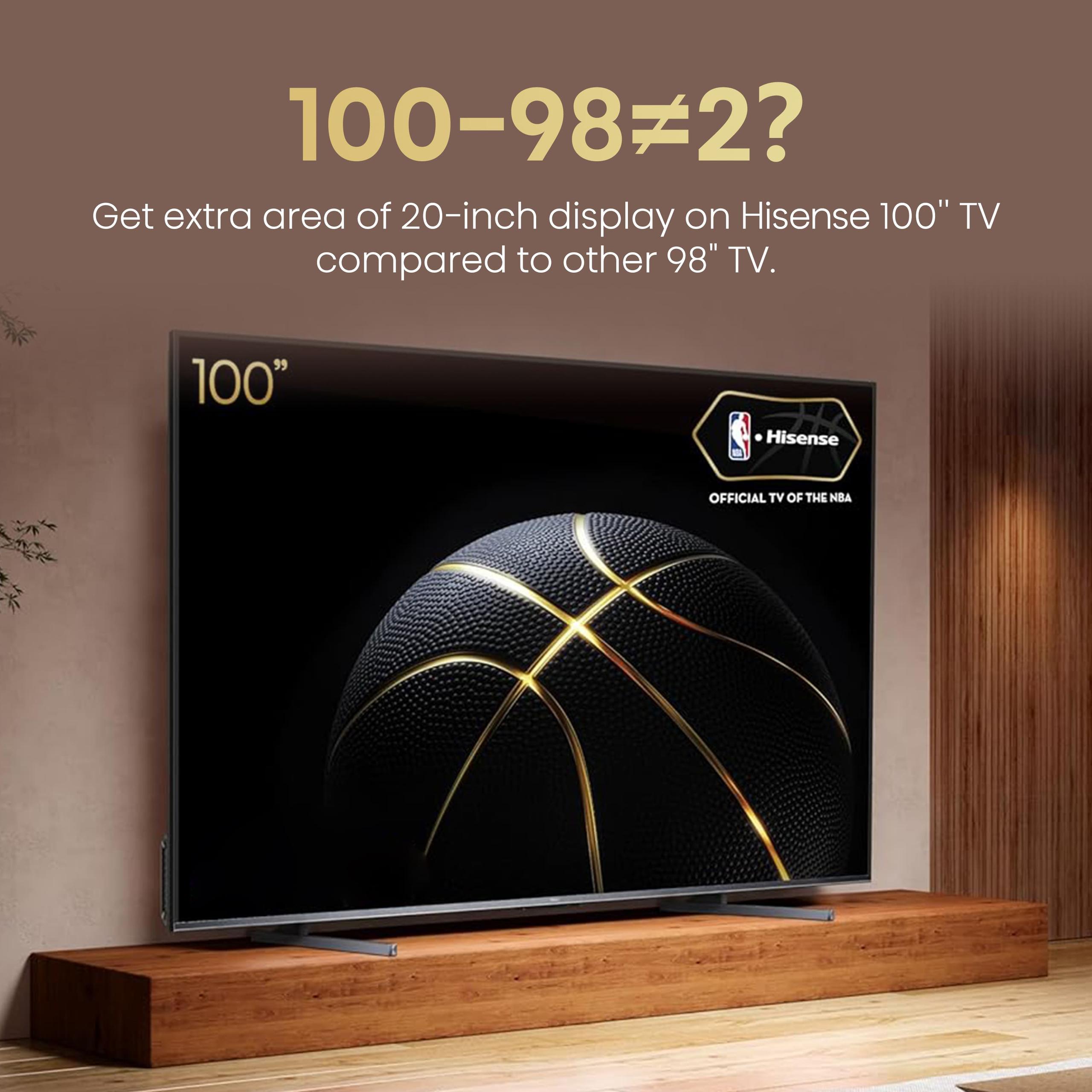
The Hisense 100" QD7 is slightly larger at 100 inches versus the TCL 98" X11K's 98 inches. While both provide massive, immersive viewing experiences, the 2-inch difference is minimal in practice. The more significant factors are the display technologies and brightness capabilities rather than the small size difference between these ultra-large TVs.
The Hisense 100" QD7 provides exceptional value, delivering solid Mini LED performance and a 100-inch screen at a significantly lower cost than the TCL 98" X11K. The TCL X11K justifies its premium pricing with cutting-edge technology, extreme brightness, and professional-grade features, but the Hisense QD7 offers about 80% of the performance at roughly 30% of the cost.
The TCL 98" X11K weighs 155 pounds with stand and requires professional installation due to its size and complexity. It needs a room of at least 25x18 feet for optimal viewing. The Hisense 100" QD7 is more manageable for DIY installation with help and works well in standard large rooms (20x15+ feet minimum) with 12-15 foot viewing distances.
The TCL 98" X11K excels at movies and HDR content with its extreme 6,500 nits brightness, 14,112 local dimming zones, and support for Dolby Vision IQ and HDR10+. This creates dramatic contrast and impactful bright highlights that approach cinema quality. The Hisense 100" QD7 handles HDR content well but with less dramatic impact due to its lower peak brightness.
The Hisense 100" QD7 actually excels in color vibrancy with 75% Rec.2020 color coverage, making it ideal for nature documentaries and animated content with stunning greens and blues. The TCL 98" X11K focuses on color accuracy and brightness, delivering technically correct colors that may be less immediately eye-catching but more professionally calibrated for premium content.
Both TVs run Google TV, but the TCL 98" X11K includes more advanced features like AI-powered processing through its AIPQ Pro processor and far-field microphones for hands-free Google Assistant control. The Hisense 100" QD7 offers standard smart TV functionality with Google TV (or Fire TV in some regions) but lacks the premium AI features and hands-free voice control of the TCL X11K.
The Hisense 100" QD7 is excellent for nature documentaries, animated movies, and content where vibrant colors matter most. The TCL 98" X11K excels with premium movies, action content with bright HDR scenes, and any content designed to showcase extreme brightness and contrast. Both handle standard TV shows and sports well, though the TCL X11K performs better in bright viewing conditions.
The TCL 98" X11K is ideal for dedicated home theaters with its extreme brightness for any lighting condition, professional-grade Bang & Olufsen audio system, and premium features that justify a high-end theater setup. The Hisense 100" QD7 works well in home theaters too, especially in controlled lighting where its color vibrancy shines, though you'll likely want to add external audio to match the massive screen size.
Choose the TCL 98" X11K if you have a large, bright living room, premium budget, and want cutting-edge performance with built-in premium audio. Choose the Hisense 100" QD7 if you want an impressive large-screen experience at excellent value, have moderate lighting conditions, and don't mind potentially adding external audio. The Hisense QD7 is more practical for most multipurpose living rooms, while the TCL X11K suits premium setups with dedicated space and budget.
We've done our best to create useful and informative comparisons to help you decide what product to buy. Our research uses advanced automated methods to create this comparison and perfection is not possible - please contact us for corrections or questions. These are the sites we've researched in the creation of this article: ecoustics.com - pcrichard.com - tcl.com - valueelectronics.com - bestbuy.com - tcl.com - whathifi.com - tcl.com - youtube.com - displayspecifications.com - whathifi.com - youtube.com - notebookcheck.net - tcl.com - tcl.com - displayspecifications.com - tcl.com - tcl.com - pcguide.com - en.homecinesolutions.fr - youtube.com - tcl.com - bestbuy.com - ca.camelcamelcamel.com - fouanistore.com - rtings.com - youtube.com - rtings.com - 2001audiovideo.com - bestbuy.com - static.pcrichard.com - centrehifi.com - youtube.com - uk.hisense.com - hisense-canada.com

Privacy Policy
Terms and Conditions - Affiliate Policy
Home Security
© Copyright 2008-2026.
11816 Inwood Rd #1211, Dallas, TX 75244