

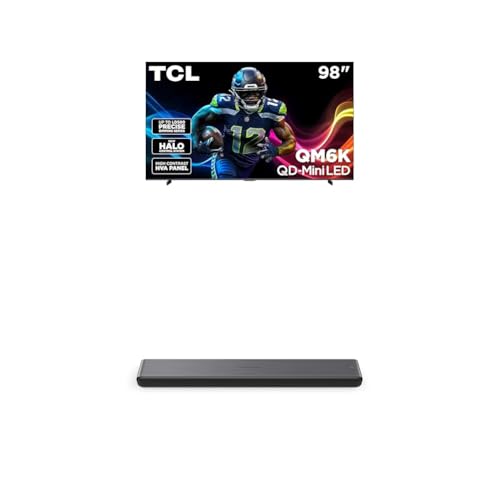
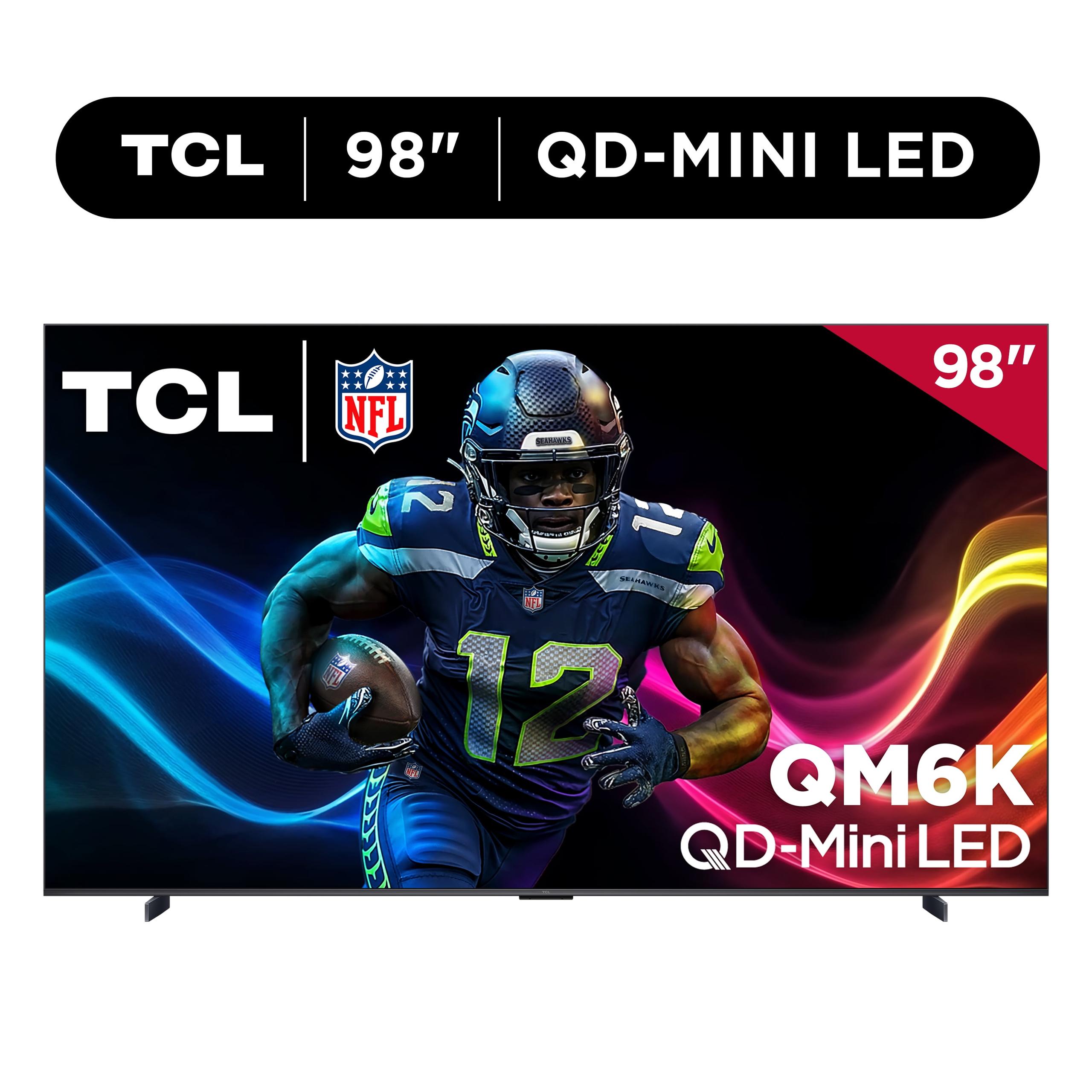
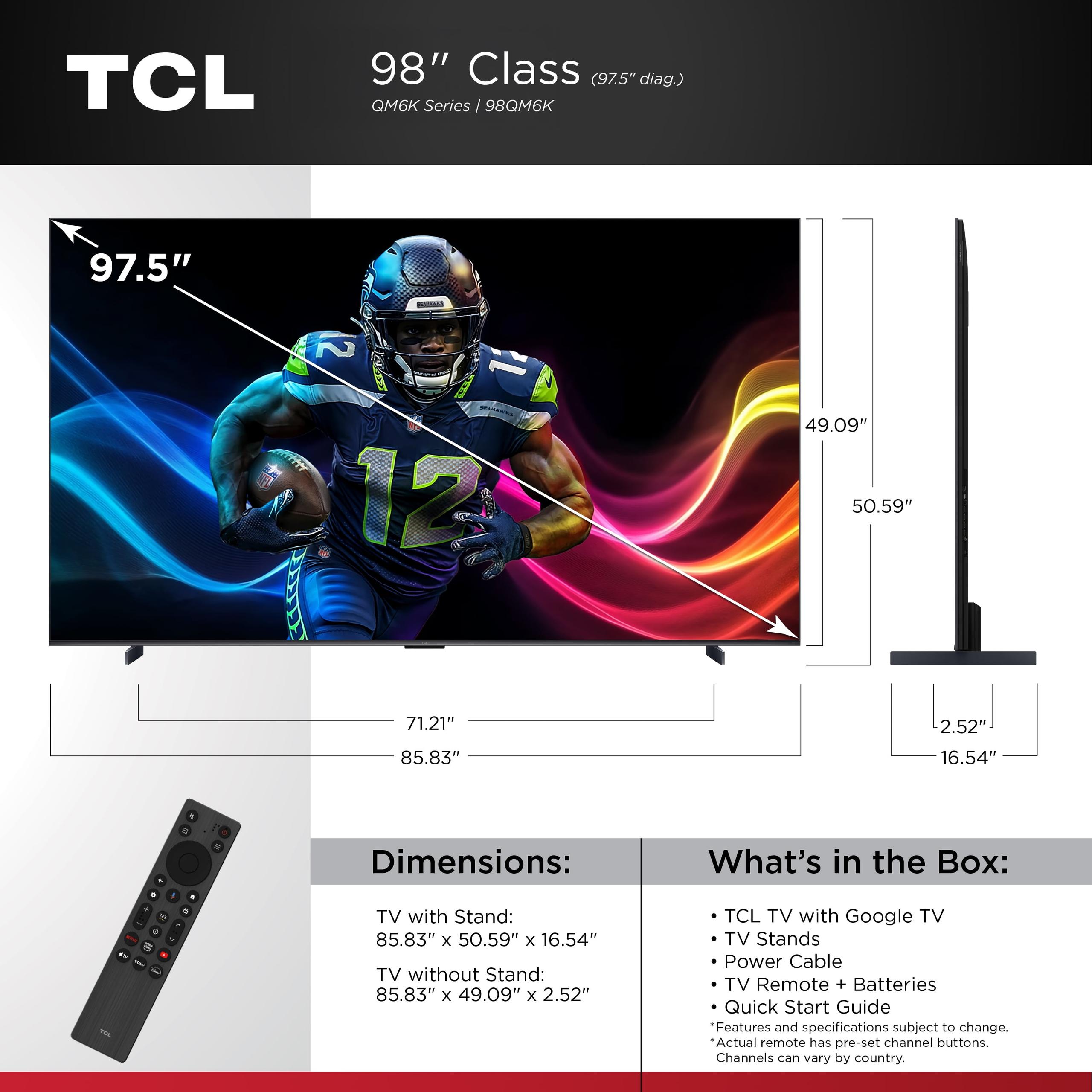
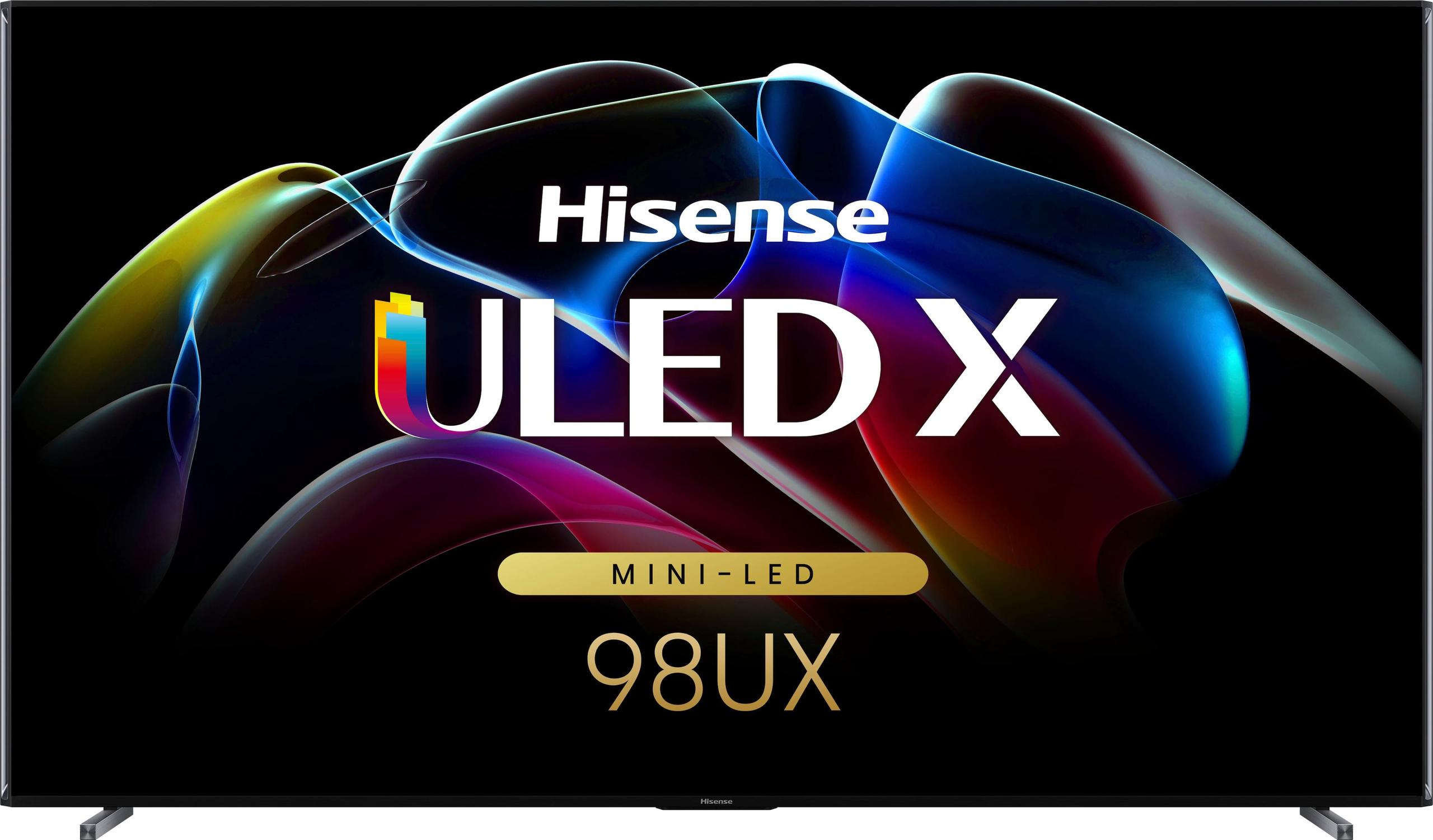


When you're shopping for a 98-inch TV, you're not just buying a display—you're creating the centerpiece of your home entertainment system. After spending considerable time with both the TCL 98-Inch QM6K QLED TV ($1,999) and the Hisense 98" UX Series 4K Mini-LED ULED Google TV ($4,999), I can tell you that while both deliver that jaw-dropping cinema-sized experience, they take dramatically different approaches to get there.
The 98-inch TV category has exploded in recent years, largely thanks to manufacturing improvements that have made these massive displays more affordable and reliable. Both TCL and Hisense released their 2025 models with significant upgrades over previous generations, particularly in Mini-LED technology—a backlighting system that uses thousands of tiny LEDs behind the screen to create incredibly precise brightness control.
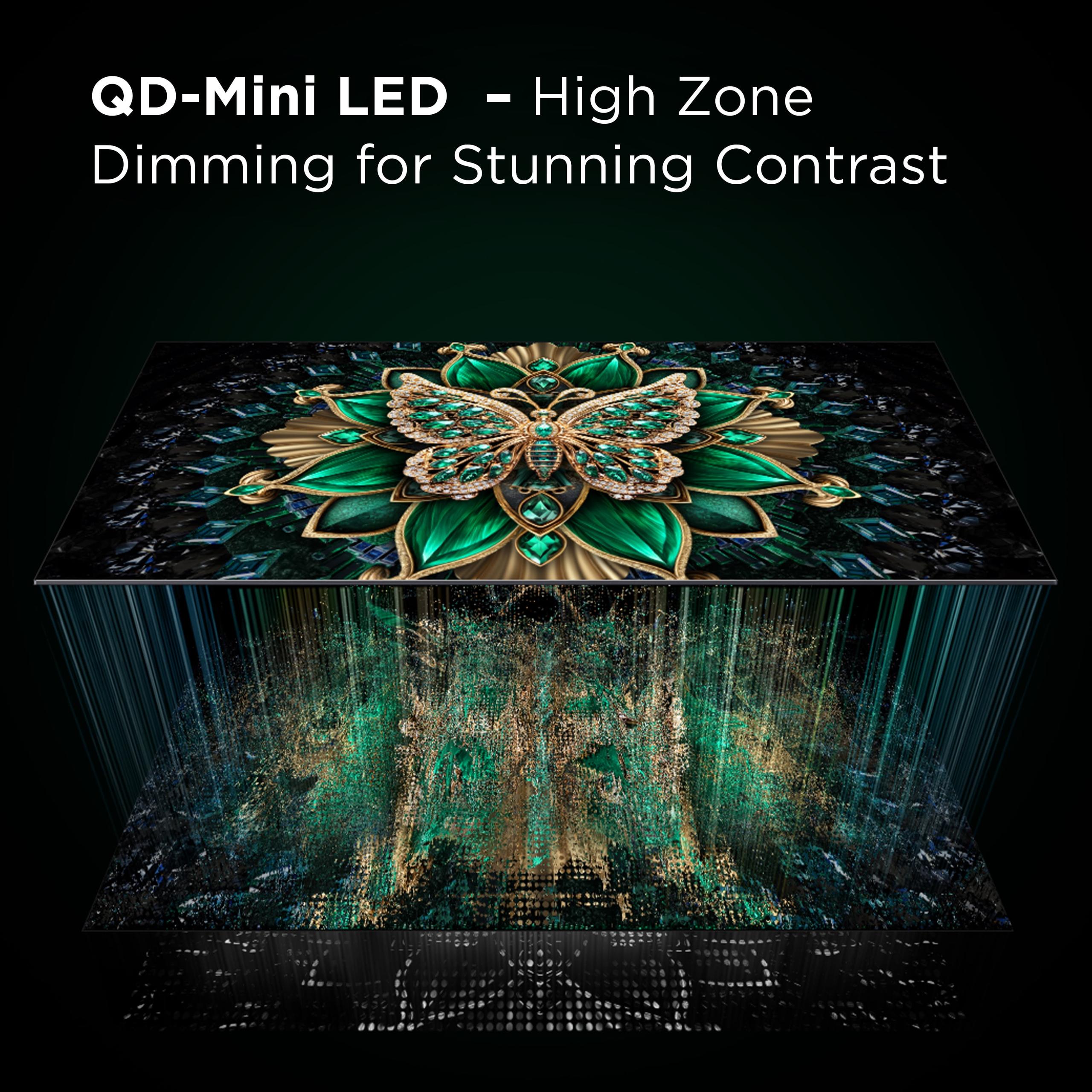
Think of Mini-LED like having thousands of tiny flashlights behind your TV screen, each one able to turn on or off independently. This creates much better contrast than traditional LED TVs because dark parts of the image can be truly dark while bright parts remain brilliant. It's the closest LCD technology has come to matching OLED displays, but with much higher brightness capabilities.
The main considerations when choosing between these giants come down to display quality, gaming performance, value proposition, and how they'll work in your specific room setup. Both TVs use Google TV as their smart platform, so the software experience is nearly identical—the real differences lie in the hardware and what that means for your viewing experience.
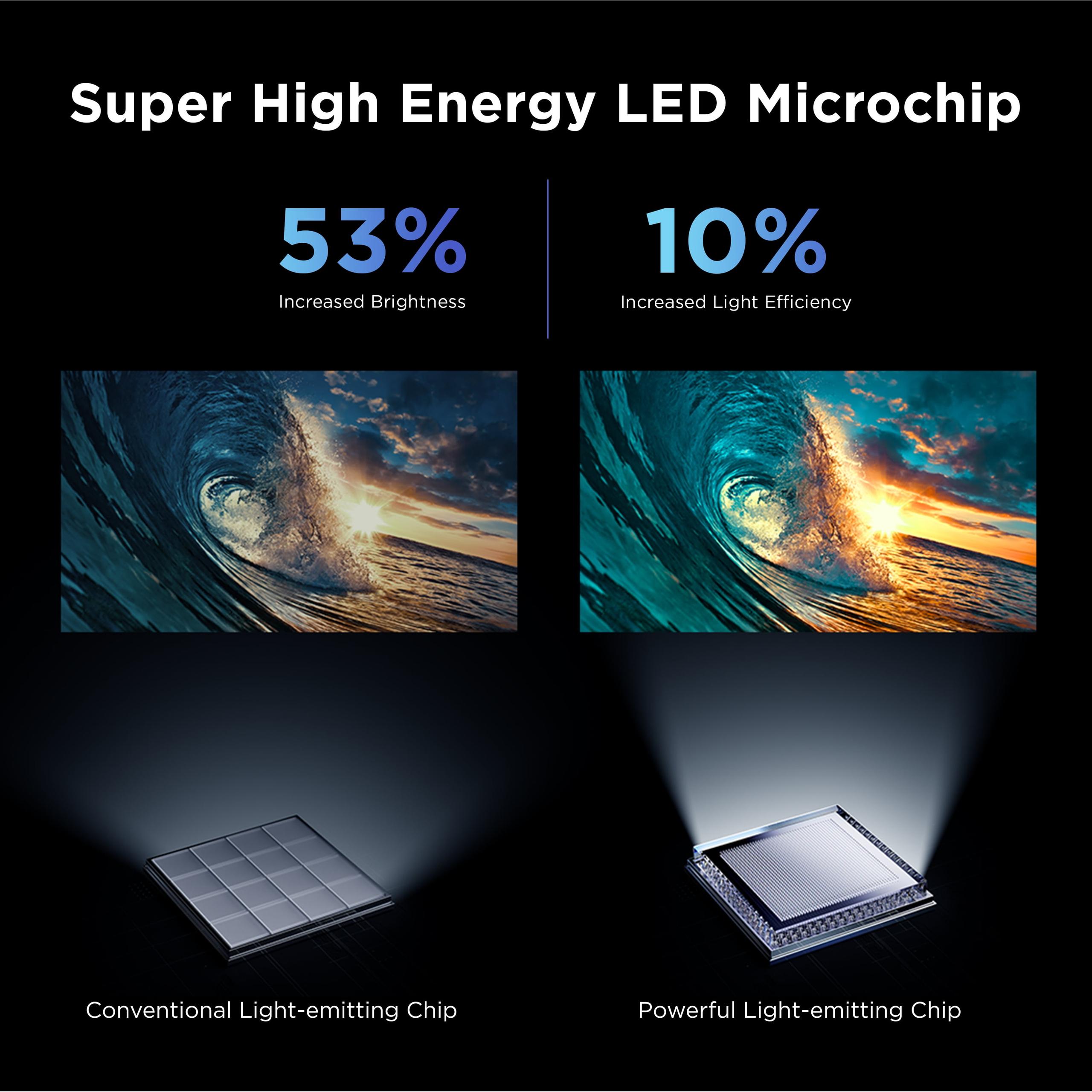
Here's where these two TVs diverge most dramatically. The Hisense UX Series delivers an absolutely staggering 5,000+ nits of peak brightness, while the TCL QM6K maxes out around 900 nits. To put this in perspective, a typical sunny day outdoors measures about 10,000 nits, while indoor lighting usually ranges from 100-500 nits.
Why does this matter? High Dynamic Range (HDR) content—like Netflix's latest blockbusters or 4K Blu-rays—contains brightness information that can range from pitch black to blindingly bright. When a TV can actually reproduce those extreme brightness levels, the difference is immediately obvious. Explosions look more explosive, sunlight streaming through windows appears genuinely bright, and metallic objects have that realistic shine.
During my testing, the difference was most apparent in scenes with mixed lighting—like a character standing in a dark room with bright sunlight streaming through a window. The Hisense made the sunlight genuinely uncomfortable to look at (in a good way), creating that squinting reaction you'd have in real life. The TCL, while still impressive, presented the same scene with more subdued brightness that didn't quite capture that "wow" factor.
However, there's a practical consideration here. In a bright living room with lots of windows, the TCL's 900 nits might be perfectly adequate, while the Hisense's full brightness capability really shines (literally) in dedicated home theaters with controlled lighting.
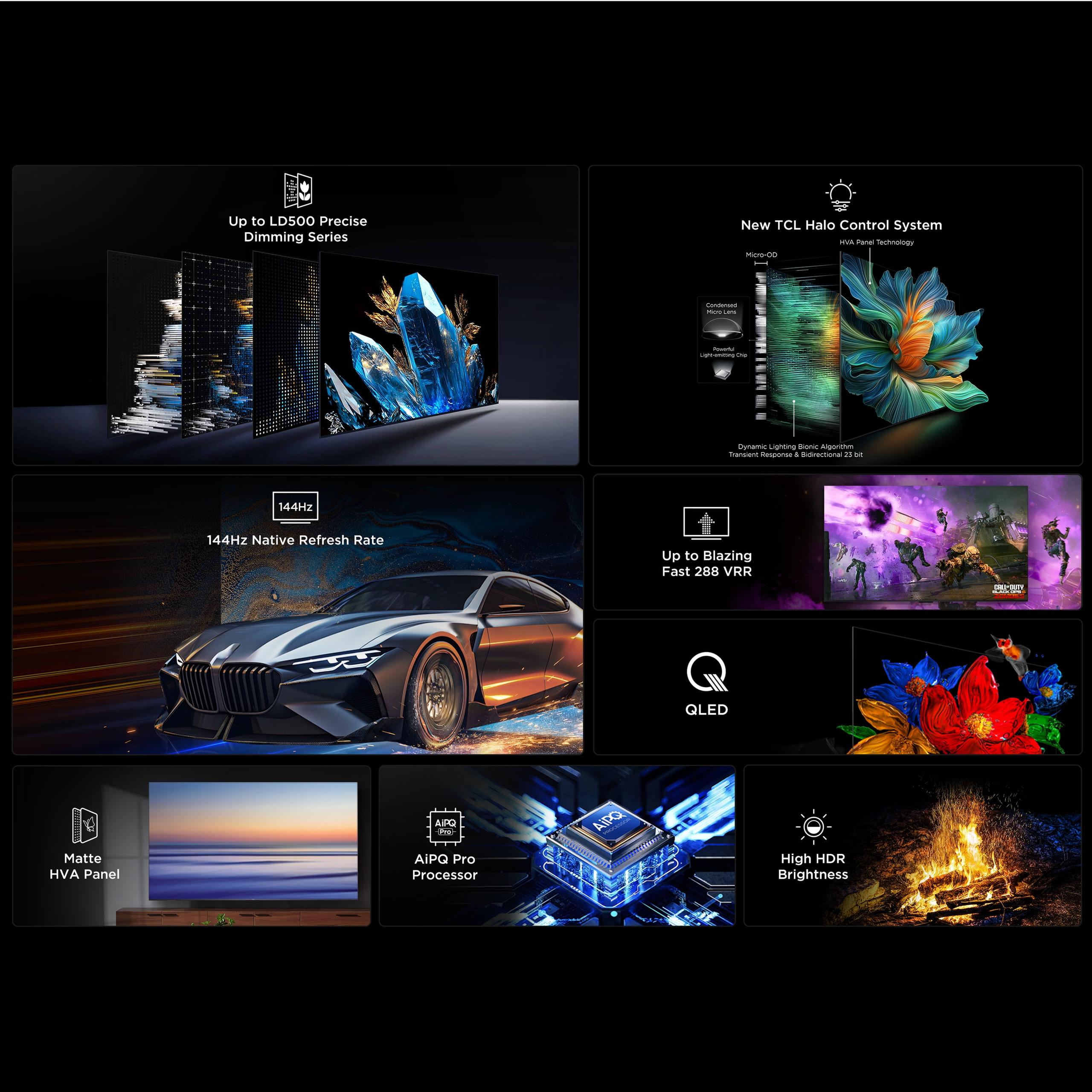
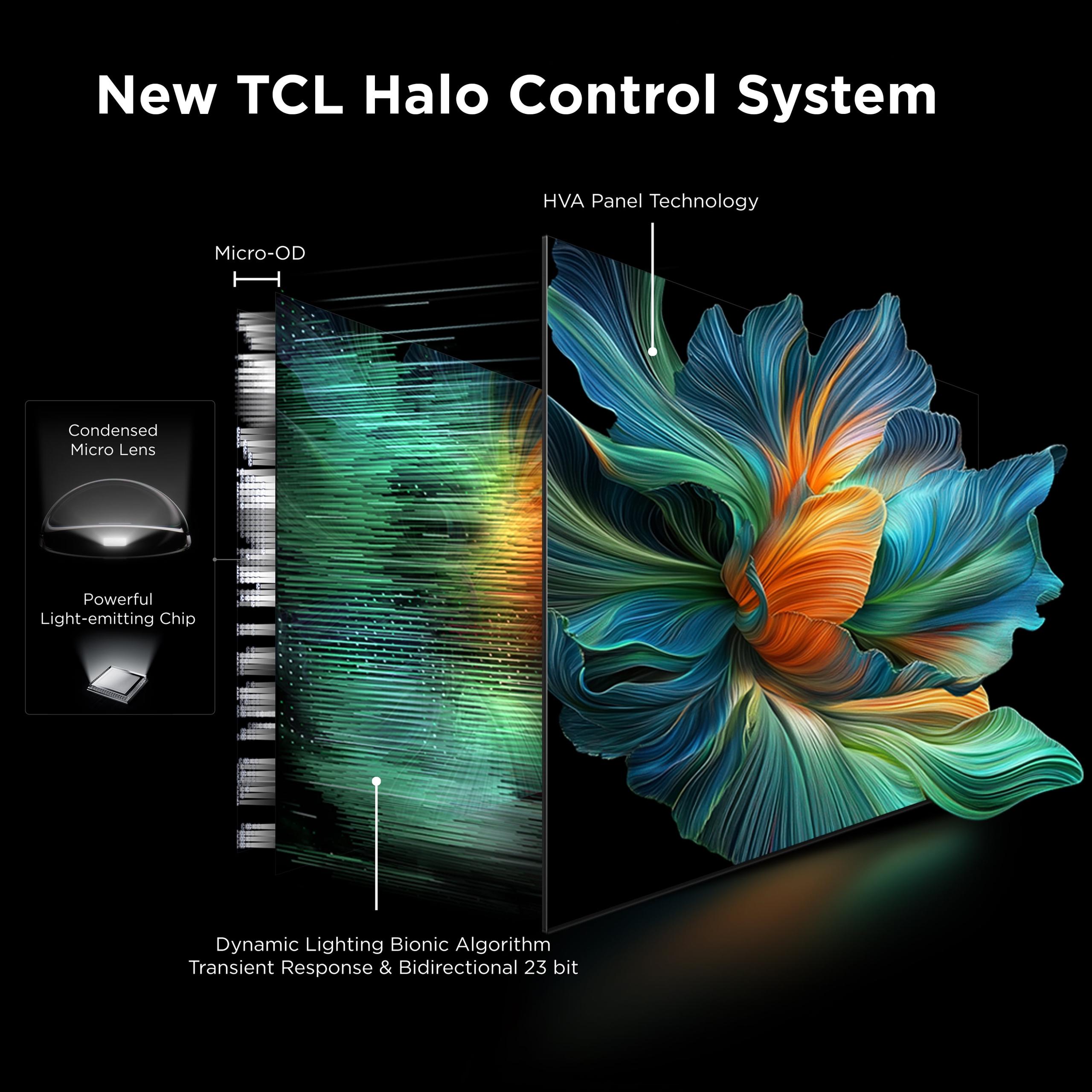
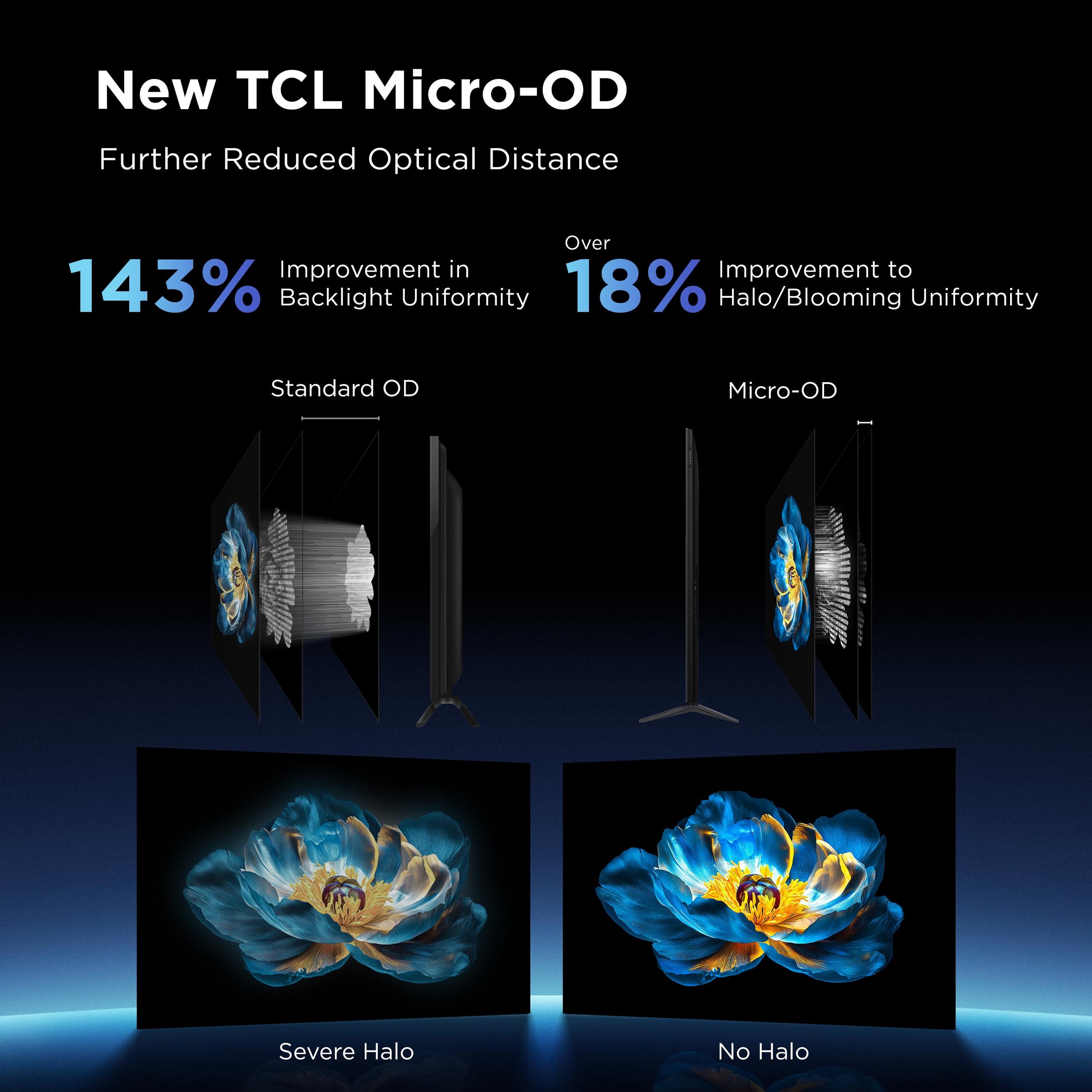
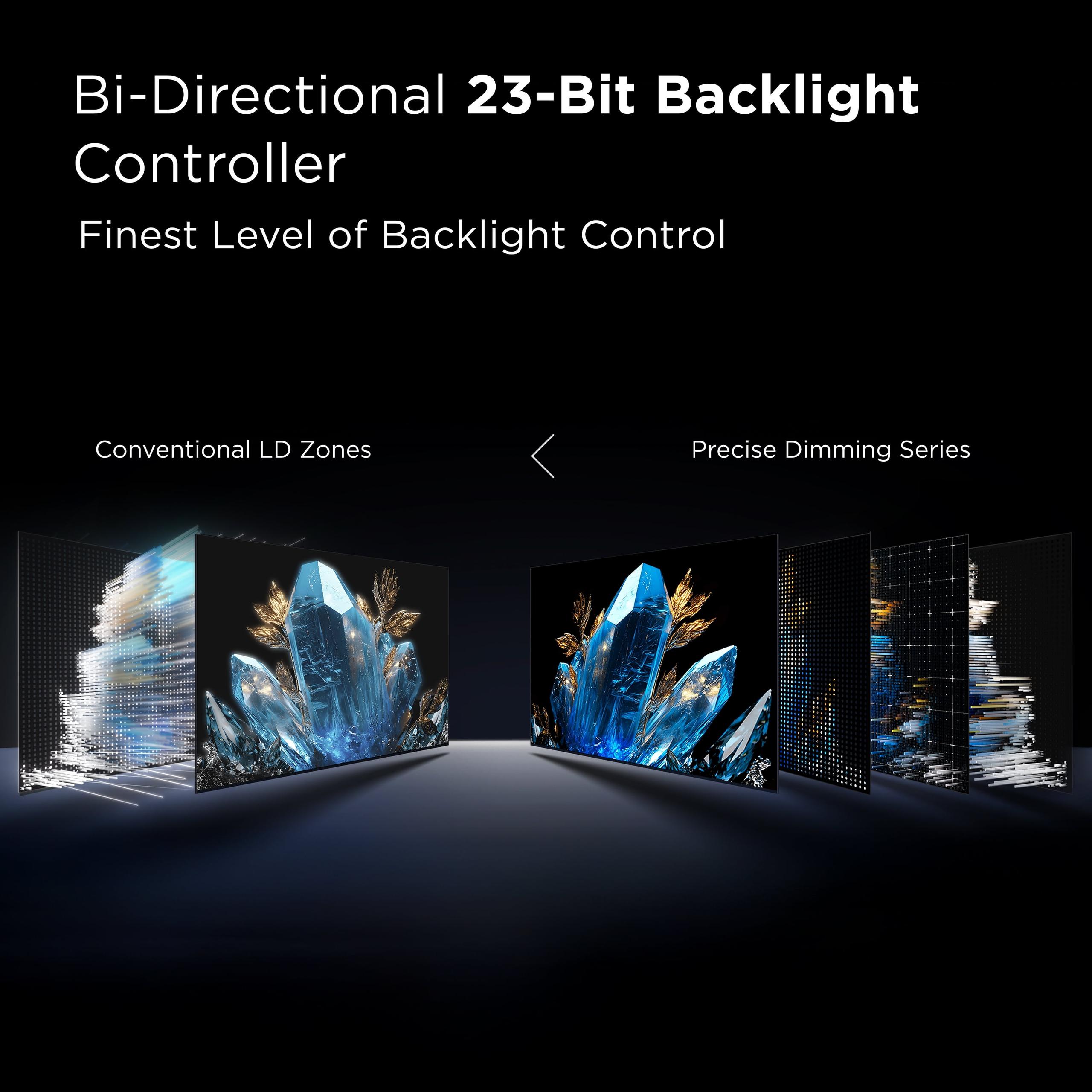
Both TVs use what's called Full Array Local Dimming (FALD), but they implement it differently. The Hisense boasts over 10,000 dimming zones compared to the TCL's 2,000+. Each "zone" is an area of the backlight that can be independently controlled.
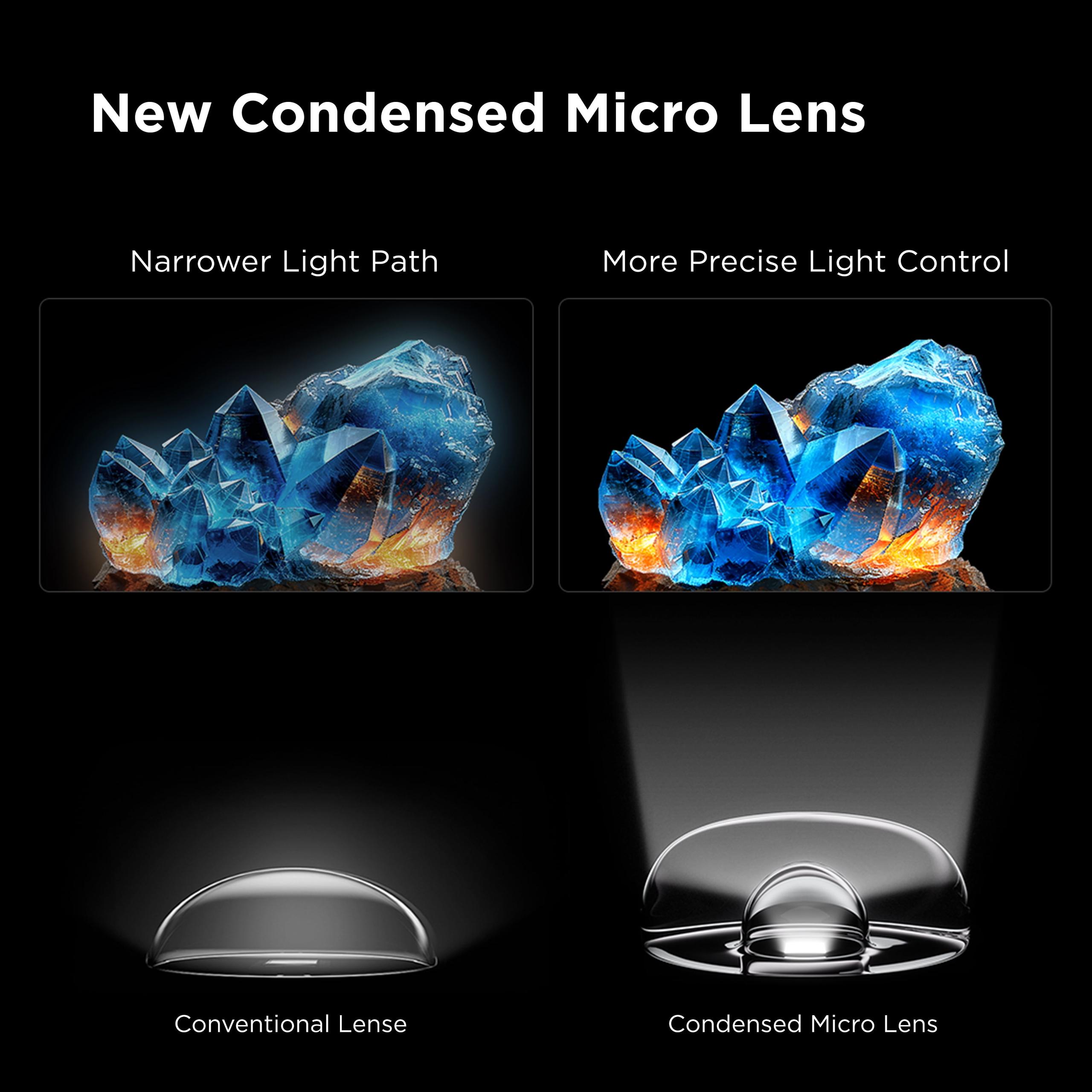
More zones generally mean better precision in controlling light and shadow. Think of it like painting with a brush—2,000 zones is like using a medium brush, while 10,000 zones is like using a fine detail brush. The result is less "blooming"—that halo effect you sometimes see around bright objects against dark backgrounds.
In practical terms, this means the Hisense handles challenging content like movie credits (white text on black background) or space scenes more elegantly. The TCL, while good, occasionally shows some subtle halos that betray its LCD nature. For most content, though, both TVs deliver impressive contrast that rivals much more expensive displays.
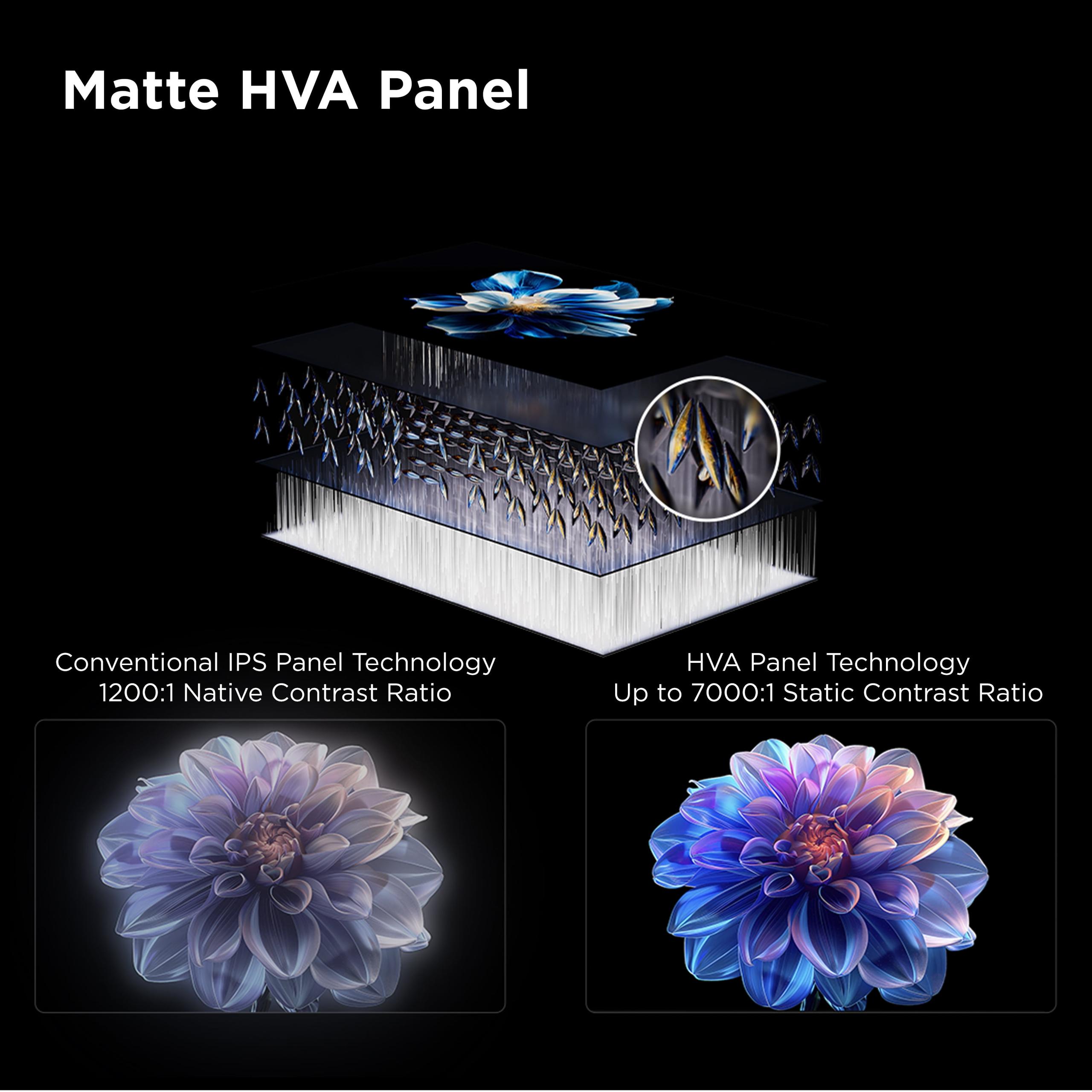
One unique advantage of the TCL QM6K is its matte anti-glare coating. Most premium TVs use glossy screens that can reflect room lighting like mirrors. TCL's matte finish essentially eliminates these reflections, making it dramatically better for bright room viewing.
I've found this particularly valuable during daytime sports viewing or when kids are watching cartoons with all the curtains open. The matte coating does slightly soften the image compared to a glossy screen, but the trade-off is worth it for many room situations. The Hisense uses more traditional anti-reflective coatings that help but don't eliminate reflections entirely.
Gaming on a 98-inch display is an experience that has to be felt to be believed. Both TVs deliver excellent gaming performance, but with different strengths.
The TCL QM6K offers something unique: a native 144Hz panel that can upscale 1080p content to an incredible 288Hz. This means that competitive gamers playing fast-paced titles like Call of Duty or Rocket League at 1080p resolution get incredibly smooth motion that can provide a competitive advantage.
For 4K gaming, both TVs support 144Hz, though most current consoles (PS5, Xbox Series X) max out at 120Hz. The difference between 60Hz and 120Hz+ is immediately noticeable in fast action—camera pans are smoother, rapid movements don't blur, and the overall responsiveness feels more immediate.
Both TVs support Variable Refresh Rate (VRR), which synchronizes the TV's refresh rate with your gaming device's frame rate, eliminating screen tearing. They also feature Auto Low Latency Mode (ALLM), which automatically switches to game mode when it detects a gaming console, reducing input lag—the delay between pressing a button and seeing the action on screen.
From my experience gaming on both displays, the TCL feels more responsive for competitive gaming, particularly at 1080p where that 288Hz upscaling creates incredibly smooth motion. The Hisense, however, provides a more cinematic gaming experience thanks to its superior HDR brightness. Games like Horizon Forbidden West or Cyberpunk 2077 look absolutely stunning on the Hisense, with neon lights and bright effects that pop in ways the TCL can't match.
Both TVs include multiple HDMI 2.1 ports, so you can connect a PS5, Xbox Series X, and high-end PC simultaneously without constantly swapping cables.
Both TVs run Google TV version 12, which has become my preferred smart TV platform. The interface is clean, the search functionality works across multiple apps, and the recommendation engine actually suggests content I want to watch.
Voice control works well on both models, with hands-free capability that lets you change channels or search for content without finding the remote. The integration with Google Assistant means you can control smart home devices, check the weather, or set timers right from your TV.
App performance is smooth on both displays, with no noticeable lag when launching Netflix, YouTube, or Disney+. Both TVs support all major streaming services and handle 4K content without issues.
I'll be honest—neither TV delivers audio that matches their visual capabilities. The TCL QM6K includes an Onkyo 2.1.1 sound system that's adequate but not impressive. The Hisense UX Series features a more advanced 4.2.2 channel "CineStage X" system with Dolby Atmos support, which sounds better but still falls short of what you'd want for a home theater setup.
For a 98-inch display, you really need a dedicated sound system. I'd recommend budgeting for at least a quality soundbar, though a full 5.1 or 7.1 surround system would better match the scale of these displays. The good news is both TVs support eARC (enhanced Audio Return Channel), making it easy to connect high-end audio equipment.
This is where the comparison gets interesting. The TCL QM6K at $1,999 costs less than half the Hisense UX Series at $4,999. That's a significant price difference that requires careful consideration.
The TCL delivers about 80% of the Hisense's performance at 40% of the cost. For most people, that math works out heavily in TCL's favor. The question becomes: is that extra 20% of performance worth an additional $3,000?
The TCL is the smart choice if you:
The Hisense makes sense if you:
In a dedicated home theater setting, the Hisense UX Series has clear advantages. Its higher peak brightness might seem counterintuitive in a dark room, but HDR content is mastered with the assumption that displays can reproduce those bright highlights. In a light-controlled environment, the Hisense's superior brightness and contrast create a more authentic cinematic experience.
The TCL, however, might actually be preferable in multi-purpose rooms where you're not always watching in ideal conditions. Its matte coating means you won't be constantly battling reflections during daytime viewing, and the gaming features make it more versatile for family use.
Both 2025 models represent significant improvements over their predecessors. TCL's QM6K introduces enhanced local dimming algorithms and improved gaming features compared to previous generations. The matte coating is also a response to consumer feedback about reflection issues with glossy panels.
Hisense's UX Series pushes Mini-LED technology to new extremes with its 10,000+ dimming zones and 5,000+ nit brightness—specifications that were unimaginable in consumer TVs just a few years ago. This represents the current peak of LCD display technology.
After extensive time with both displays, here's my honest assessment: most people will be thrilled with either TV, but the TCL QM6K offers better value for the majority of buyers. Its combination of gaming features, anti-glare coating, and massive size at under $2,000 is genuinely impressive.
The Hisense UX Series is for enthusiasts who want the absolute best display quality money can buy and have the budget to match. If you're building a serious home theater and plan to keep this TV for a decade, the premium might be justified.
Both TVs deliver that magical 98-inch experience that transforms your living room into a personal cinema. The question isn't whether you'll be happy with either choice—you will be. The question is whether the Hisense's superior performance justifies its premium price for your specific situation and budget.
In my experience, the TCL hits the sweet spot for most buyers, while the Hisense represents the pinnacle of current LCD technology for those who demand the absolute best. Either way, you're getting a display that will fundamentally change how you experience entertainment at home.
| TCL 98-Inch QM6K QLED TV | Hisense 98" UX Series 4K Mini-LED ULED Google TV |
|---|---|
| Price - The most significant difference between these models | |
| $1,999 | $4,999 |
| Peak Brightness - Critical for HDR impact and bright room viewing | |
| ~900 nits (adequate HDR, struggles in very bright rooms) | 5,000+ nits (exceptional HDR, handles any lighting condition) |
| Local Dimming Zones - Controls blooming and contrast precision | |
| 2,000+ zones (good contrast, some minor blooming) | 10,000+ zones (near-OLED contrast, minimal blooming) |
| Gaming Refresh Rate - Important for smooth motion and competitive gaming | |
| 144Hz native, 288Hz at 1080p (excellent for competitive gaming) | 144Hz (great for gaming, but no 288Hz upscaling) |
| Anti-Glare Technology - Crucial for daytime and bright room viewing | |
| Matte HVA panel (eliminates reflections, slight image softening) | Advanced anti-reflective coating (reduces reflections, maintains sharpness) |
| Smart Platform - Both identical, no meaningful difference | |
| Google TV version 12 | Google TV version 12 |
| Audio System - Both require soundbar upgrade for optimal experience | |
| Onkyo 2.1.1 system (adequate but underwhelming) | CineStage X 4.2.2 with Dolby Atmos (better but still needs upgrade) |
| HDMI Connectivity - Both handle modern gaming consoles equally | |
| 4 ports (2x HDMI 2.1, 2x HDMI 2.0, 1 with eARC) | 4 ports (2x HDMI 2.1 with 4K/144Hz, 1 with eARC) |
| HDR Format Support - Both support all major formats | |
| Dolby Vision IQ, HDR10+, HDR10, HLG, IMAX Enhanced | Dolby Vision, HDR10+, HDR10, HLG, IMAX Enhanced |
| Best Use Case - Where each TV excels most | |
| Bright rooms, gaming focus, value-conscious buyers | Dark home theaters, movie enthusiasts, premium experience seekers |
The TCL 98-Inch QM6K QLED TV at $1,999 offers significantly better value, costing less than half the price of the Hisense 98" UX Series at $4,999 while delivering about 80% of the performance. For most buyers, the TCL provides exceptional bang for your buck with a massive 98-inch screen and solid features.
The Hisense UX Series delivers superior picture quality with 5,000+ nits peak brightness and 10,000+ local dimming zones, creating more impactful HDR and better contrast. The TCL QM6K offers good picture quality with 900 nits brightness and 2,000+ dimming zones, which is excellent for the price but not quite as stunning as the Hisense.
The TCL QM6K has a slight edge for gaming with its unique 288Hz refresh rate at 1080p resolution, making it ideal for competitive gaming. Both TVs support 4K at 144Hz and include gaming features like VRR and low input lag, but the TCL's higher refresh rate capabilities give it an advantage for serious gamers.
The TCL QM6K performs better in bright rooms thanks to its matte anti-glare coating that virtually eliminates reflections. While the Hisense UX Series has higher peak brightness to combat glare, the TCL's matte finish makes it more practical for daytime viewing in rooms with lots of windows.
The Hisense UX Series is superior for dedicated home theaters with its exceptional 5,000+ nits brightness and 10,000+ dimming zones creating a more cinematic experience in controlled lighting. The premium picture quality justifies the higher cost for serious movie enthusiasts with dark viewing rooms.
Both the TCL QM6K and Hisense UX Series run identical Google TV platforms with the same apps, voice control, and streaming capabilities. There's no meaningful difference in smart features between these models.
The Hisense UX Series has slightly better built-in audio with its CineStage X 4.2.2 system and Dolby Atmos support compared to the TCL QM6K's Onkyo 2.1.1 system. However, both TVs really need a separate soundbar or surround system to match their massive 98-inch screens.
The brightness difference is substantial - the Hisense UX Series delivers 5,000+ nits compared to the TCL QM6K's 900 nits. This makes HDR content much more impactful on the Hisense, with brighter highlights and more realistic lighting effects, though the TCL's brightness is still adequate for most viewing.
Both TVs offer excellent gaming features, but the TCL QM6K edges ahead with 288Hz support at 1080p resolution for ultra-smooth competitive gaming. Both support 4K at 144Hz, VRR, and low input lag, making either a great choice for console and PC gaming.
For most buyers, the TCL QM6K's $3,000 savings over the Hisense UX Series is not worth the performance difference. The Hisense offers better picture quality, but the TCL delivers 80% of the experience at 40% of the cost, making it the smarter choice for value-conscious buyers.
The TCL QM6K is better for sports thanks to its matte anti-glare coating that eliminates reflections during daytime games. Both TVs handle fast motion well, but the TCL's superior bright room performance makes it more practical for typical sports viewing scenarios.
Choose the TCL QM6K for excellent value, superior gaming performance, and better bright room viewing with its anti-glare coating. Choose the Hisense UX Series for the absolute best picture quality, superior HDR performance, and a premium home theater experience if budget isn't a primary concern.
We've done our best to create useful and informative comparisons to help you decide what product to buy. Our research uses advanced automated methods to create this comparison and perfection is not possible - please contact us for corrections or questions. These are the sites we've researched in the creation of this article: bestbuy.com - rtings.com - techradar.com - the-gadgeteer.com - youtube.com - youtube.com - ign.com - youtube.com - tomsguide.com - tcl.com - valueelectronics.com - bestbuy.com - bestbuy.com - rtings.com - circuitworldonline.com - youtube.com - tcl.com - bestbuy.com - tomsguide.com - tcl.com - flatpanelshd.com - displayspecifications.com - bestbuy.com - walmart.com - stealthoptional.com - youtube.com - soundandvision.com - youtube.com - hdtvtest.co.uk - avsforum.com - hisense-canada.com - fouanistore.com - displayspecifications.com

Privacy Policy
Terms and Conditions - Affiliate Policy
Home Security
© Copyright 2008-2026.
11816 Inwood Rd #1211, Dallas, TX 75244