

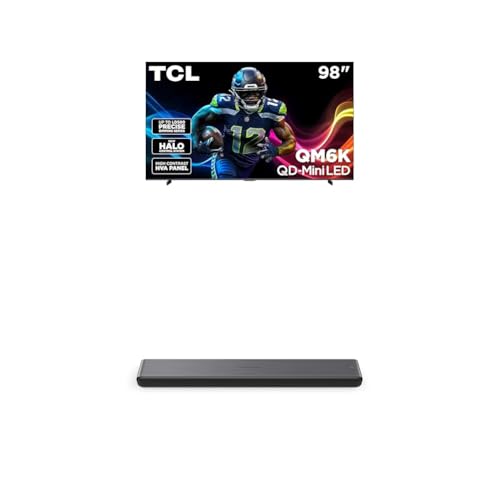
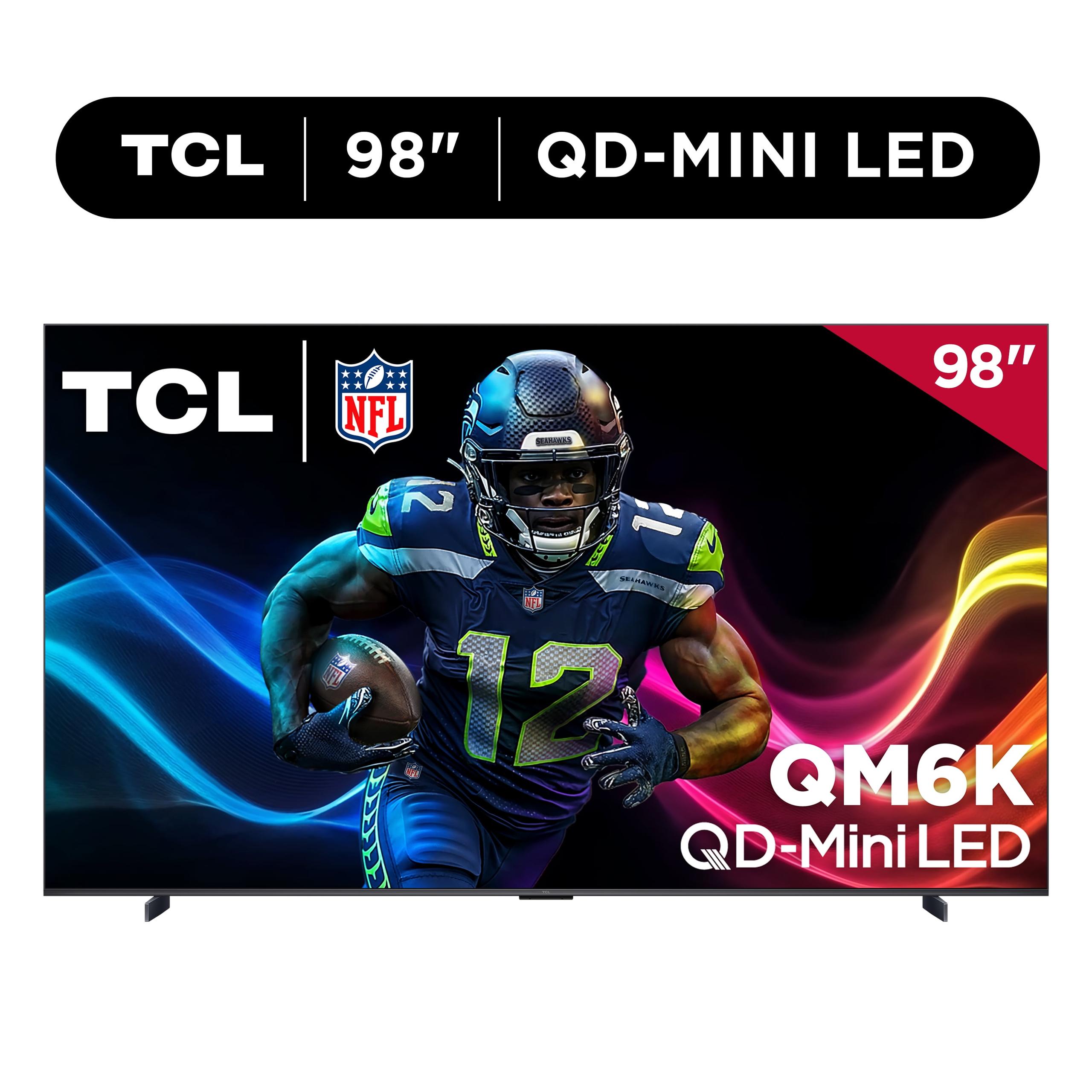
If you're in the market for a truly massive television that can transform your living room into a home theater, you've probably encountered two compelling options: the Hisense 100" U6 Series Mini-LED 4K Fire TV and the TCL 98" QM6K QLED TV. Both represent the sweet spot where premium display technology meets reasonable pricing, but they take notably different approaches to achieving that cinema-at-home experience.
These aren't your typical TVs—we're talking about displays that are larger than most people's dining room tables. The decision between them involves more than just picking the bigger screen. Each has distinct strengths that make them better suited for different viewing preferences and room setups.
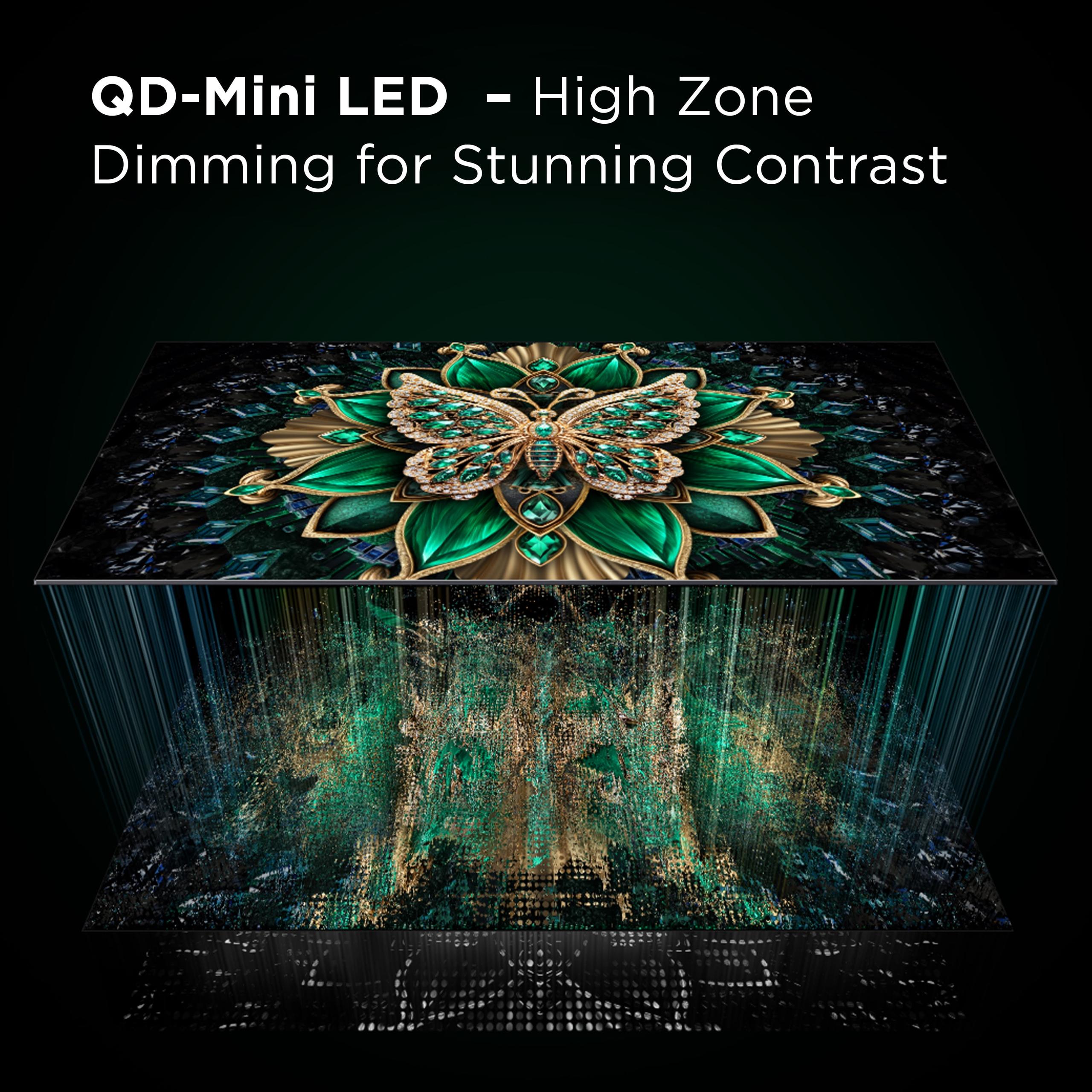
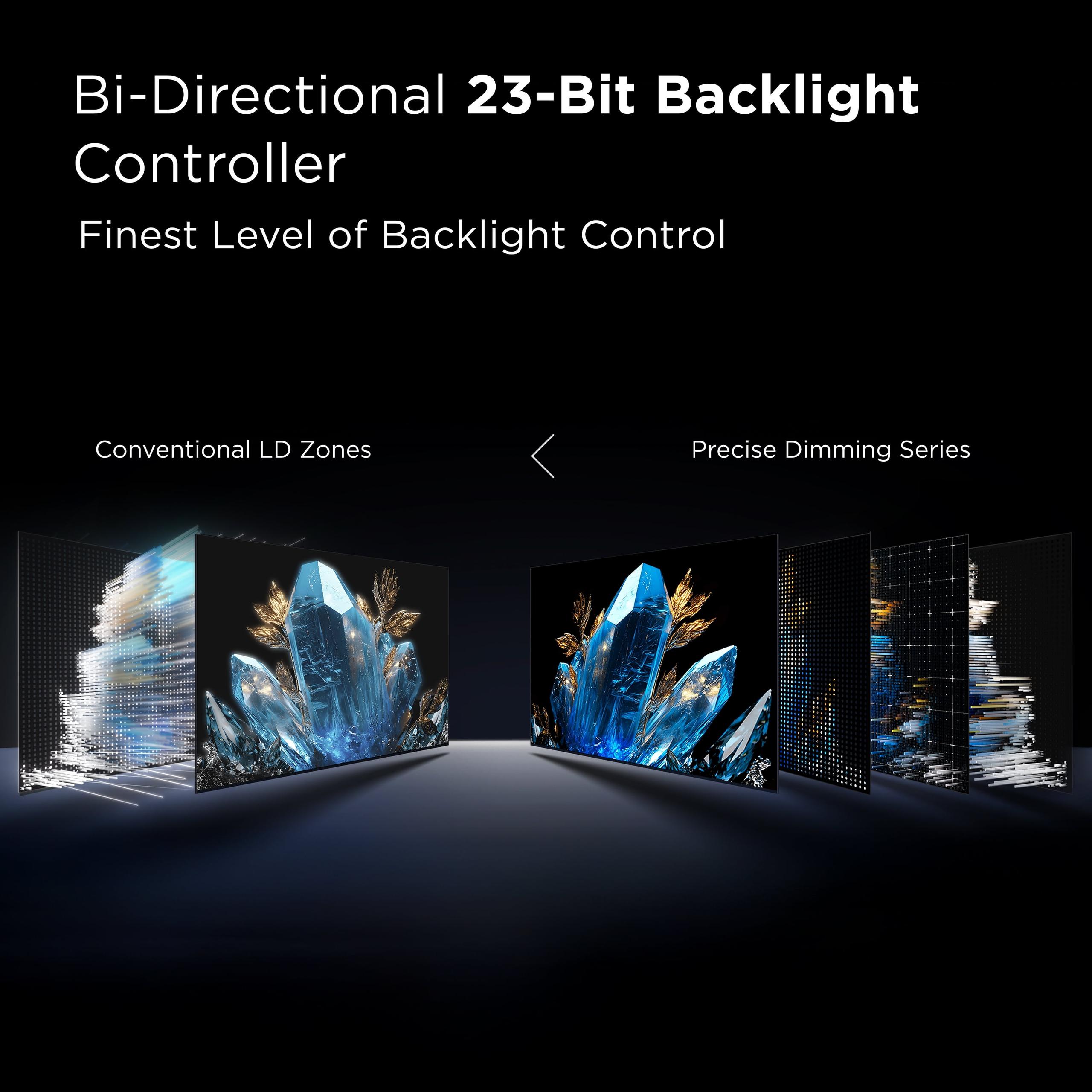
When we talk about TVs this size, we're essentially discussing alternatives to projector systems. These massive displays need to deliver consistent picture quality across their entire surface area while remaining practical enough for everyday use. The key technologies that make this possible are Mini-LED backlighting (thousands of tiny LEDs that provide precise brightness control) and local dimming zones (sections of the backlight that can dim independently to create deeper blacks and brighter whites).
The most important considerations for buyers include picture quality consistency across the massive screen area, gaming performance for next-generation consoles, smart platform integration, and whether the TV can adequately fill large rooms with both image and sound. At this size, even small differences in technology implementation become magnified across the viewing experience.
Both the Hisense 100" U6 and TCL 98" QM6K launched in 2025, representing the latest thinking in large-format display technology. The Hisense positions itself as an entry point into Mini-LED technology at 100 inches, while the TCL aims higher with more advanced features in a slightly smaller 98-inch package.
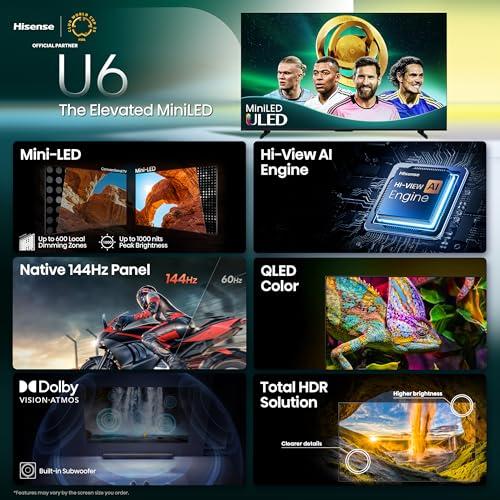
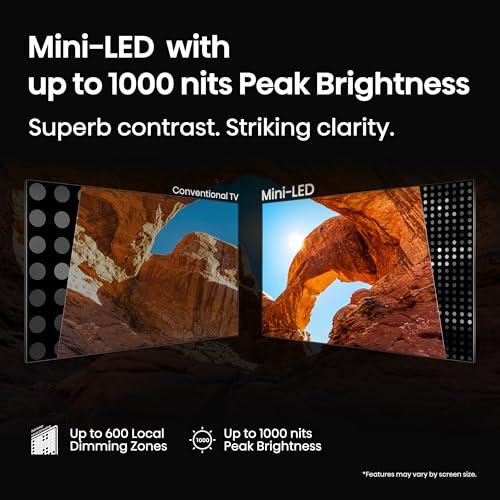
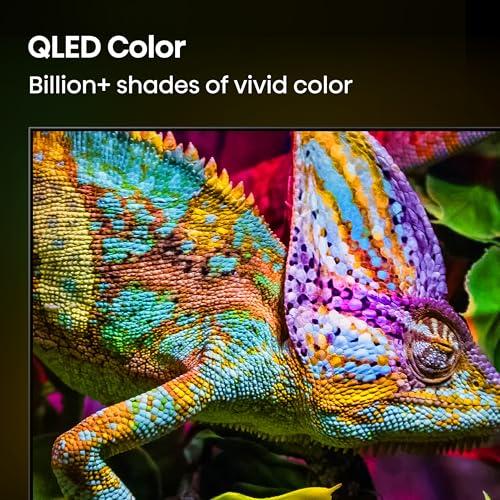
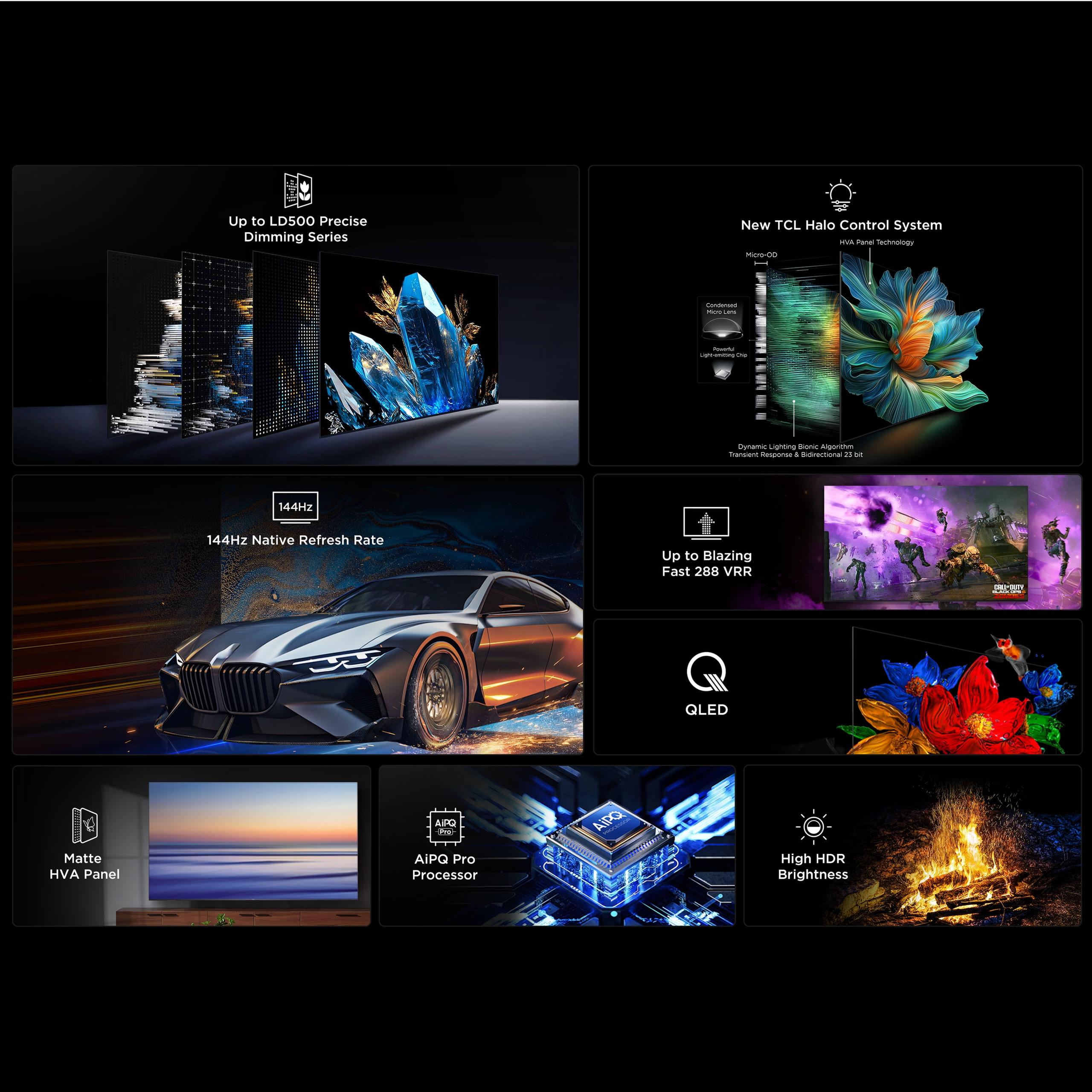
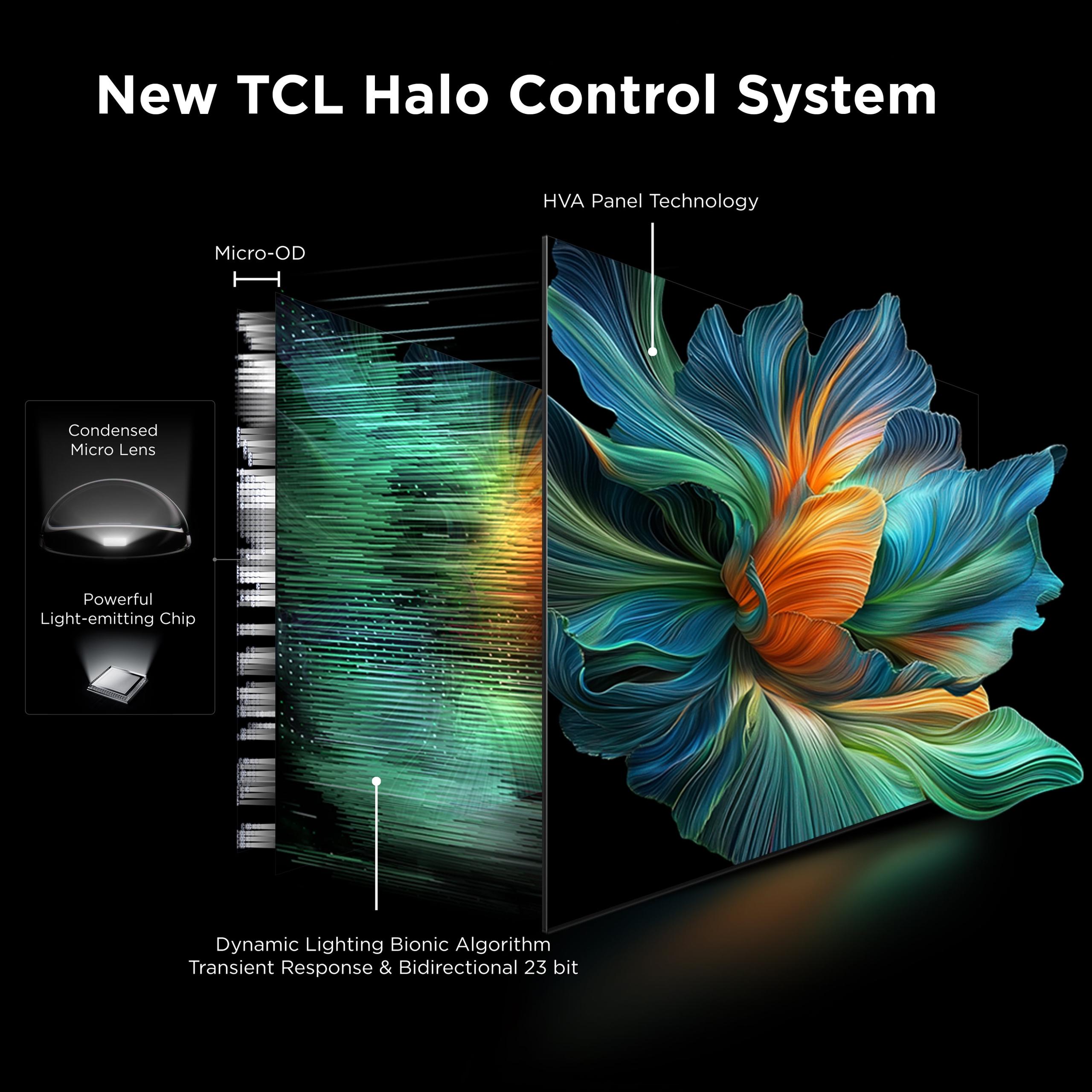
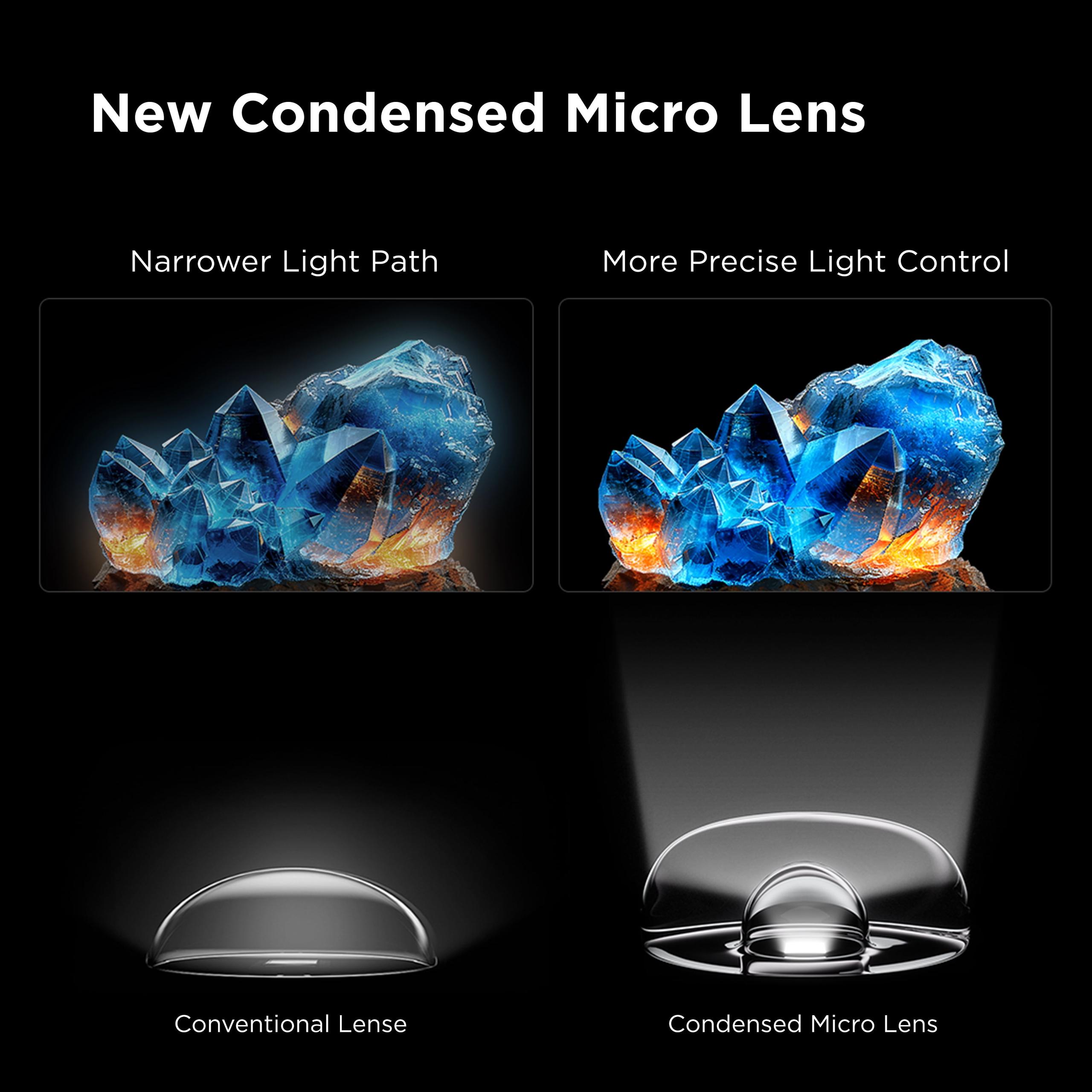
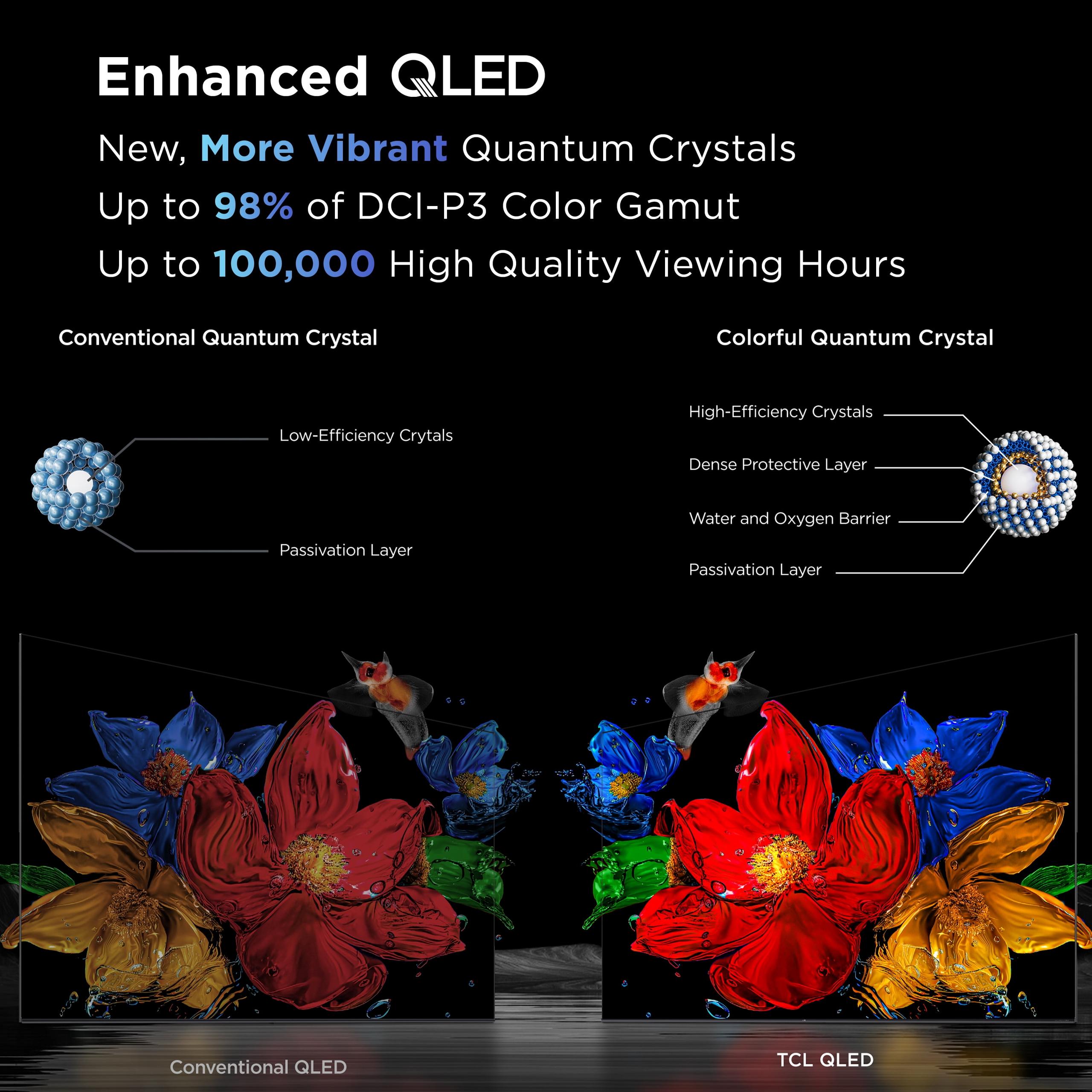
The Hisense U6 uses what the company calls "ULED" technology—essentially Mini-LED backlighting combined with quantum dots (nanocrystals that enhance color accuracy) and 600 local dimming zones. The TCL QM6K employs "QD-Mini LED" technology, which similarly combines quantum dots with Mini-LED but includes more advanced processing and what TCL calls "Halo Control" to minimize blooming (the unwanted glow around bright objects on dark backgrounds).
The fundamental difference between these TVs lies in how they handle the challenge of delivering consistent, high-quality images across such massive screens. The Hisense U6 spreads its 600 local dimming zones across 100 inches of screen real estate. While this might seem like fewer zones per square inch compared to smaller TVs, user reviews consistently praise how well Hisense's algorithms manage these zones to minimize distracting effects.
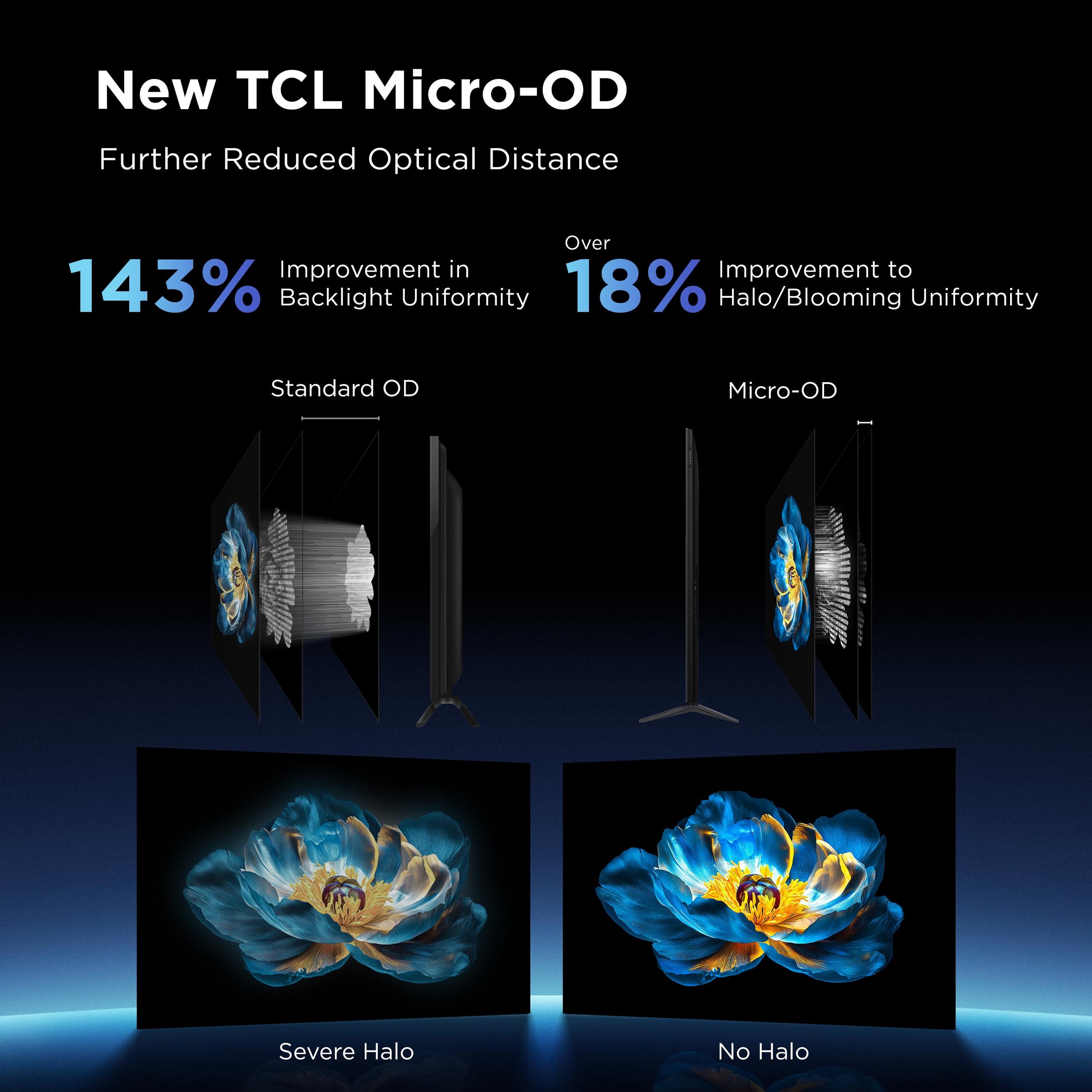
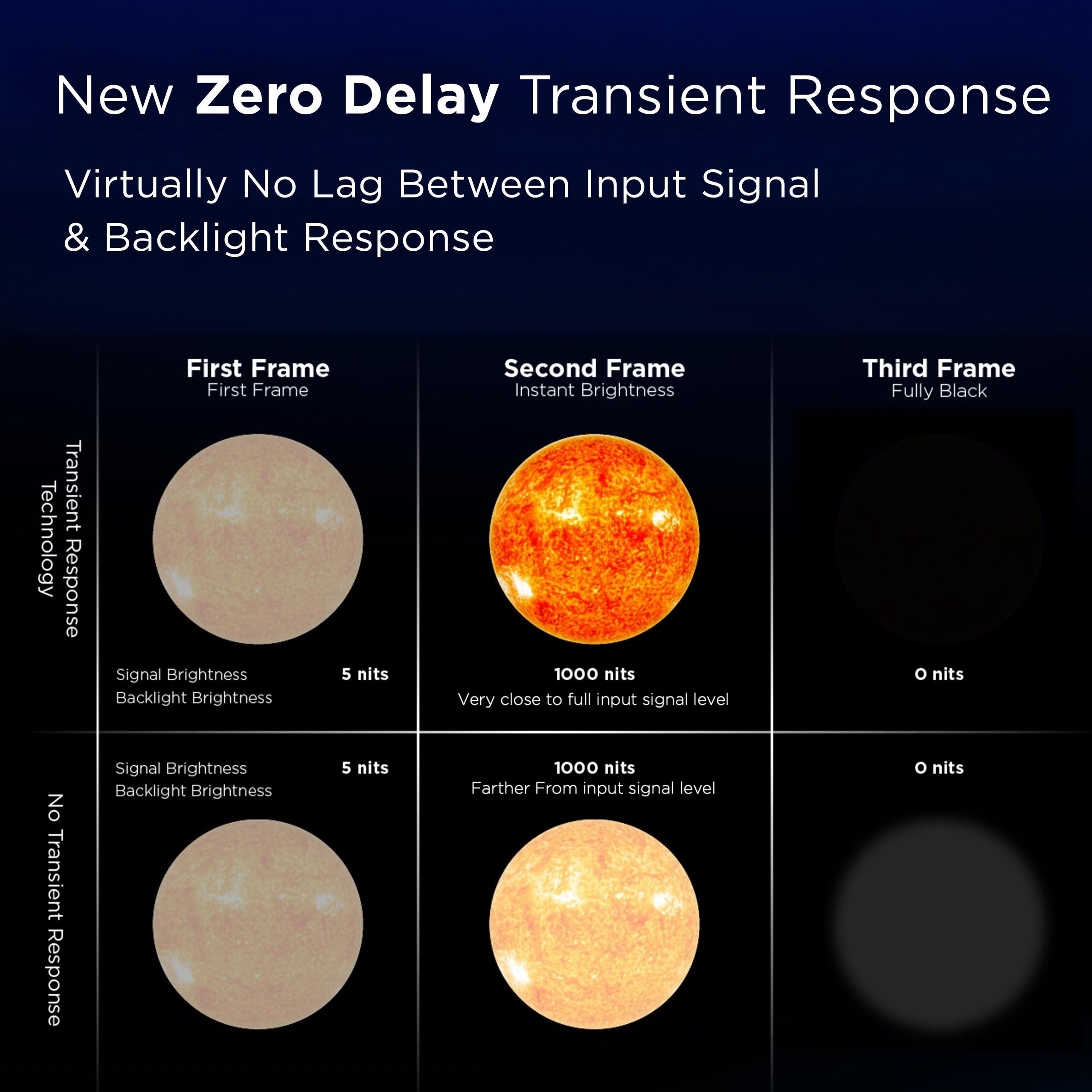
The TCL QM6K takes a different approach with its 500+ zones across 98 inches, but includes significantly more sophisticated zone management through its Halo Control technology. This system actively works to prevent the blooming effect that can occur when bright objects appear against dark backgrounds—think of a bright star in a night sky scene. Based on expert reviews, the TCL's implementation appears more refined, with some reviewers noting up to 90% reduction in visible blooming compared to previous models.
For everyday viewing, this translates to cleaner-looking content, especially when watching movies with high contrast scenes. The Hisense still performs well in this regard, but the TCL has a noticeable edge in demanding content like space movies or dark thriller films.
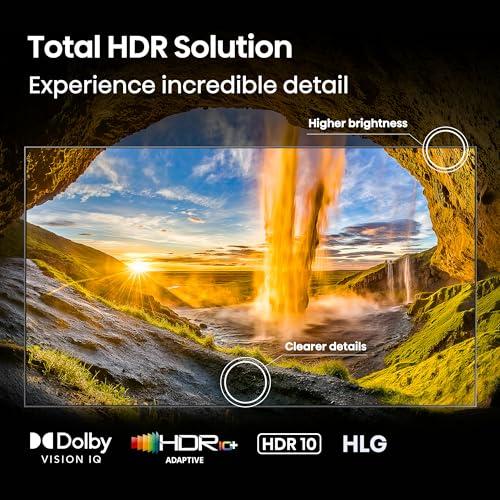
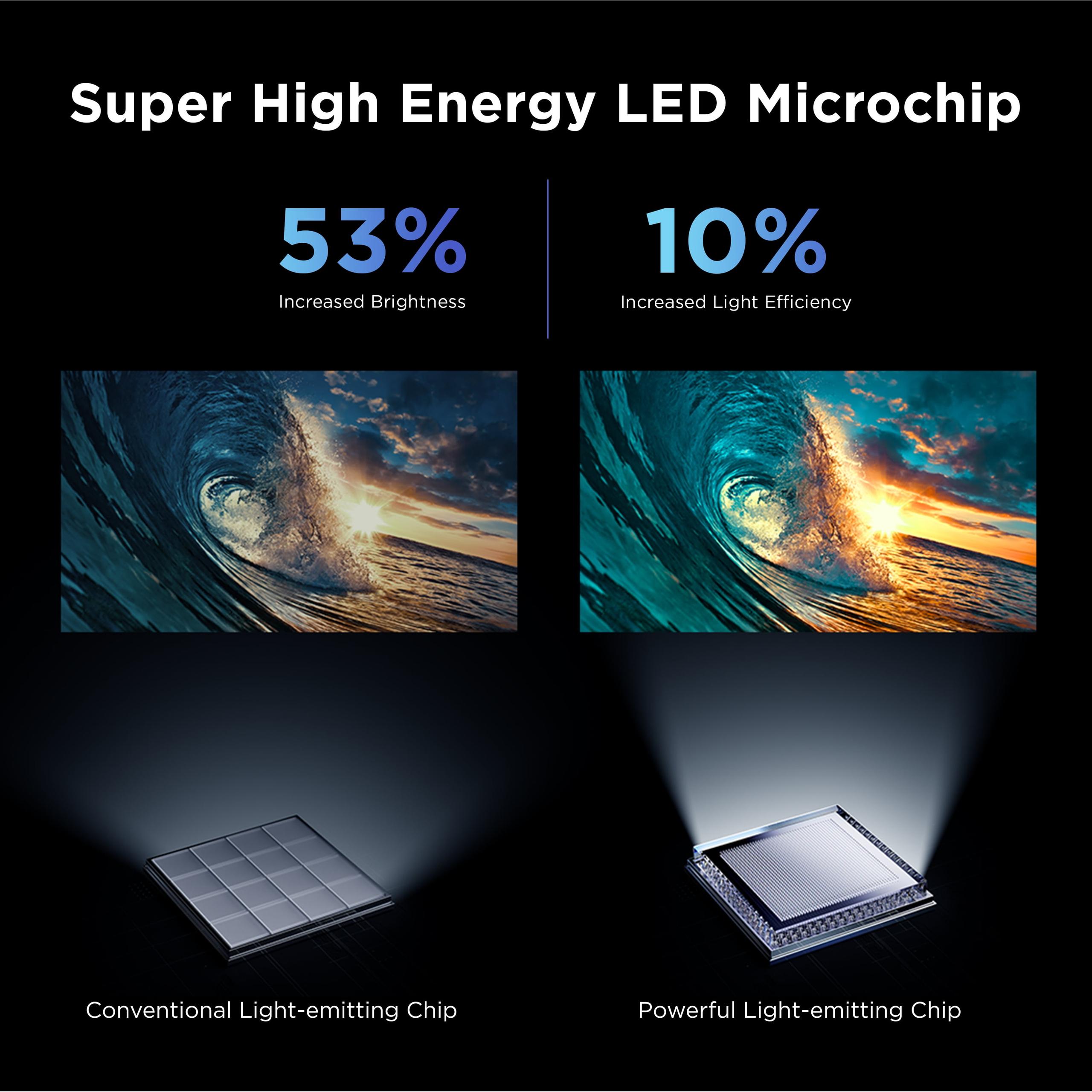
High Dynamic Range (HDR) is crucial for these large displays because it allows them to show a much wider range of brightness levels, from the deepest blacks to the brightest highlights. The Hisense U6 reaches peak brightness levels of around 1000 nits, which is quite good for watching in bright rooms and makes HDR content pop with impressive highlights.
The TCL QM6K achieves similar peak brightness in the 900-1000 nit range, but based on reviews, it maintains this performance more consistently across different types of content. Both support all the major HDR formats you'll encounter: Dolby Vision (the premium Netflix and Apple TV+ standard), HDR10+ (Amazon Prime Video's preferred format), and the basic HDR10 that most content uses.
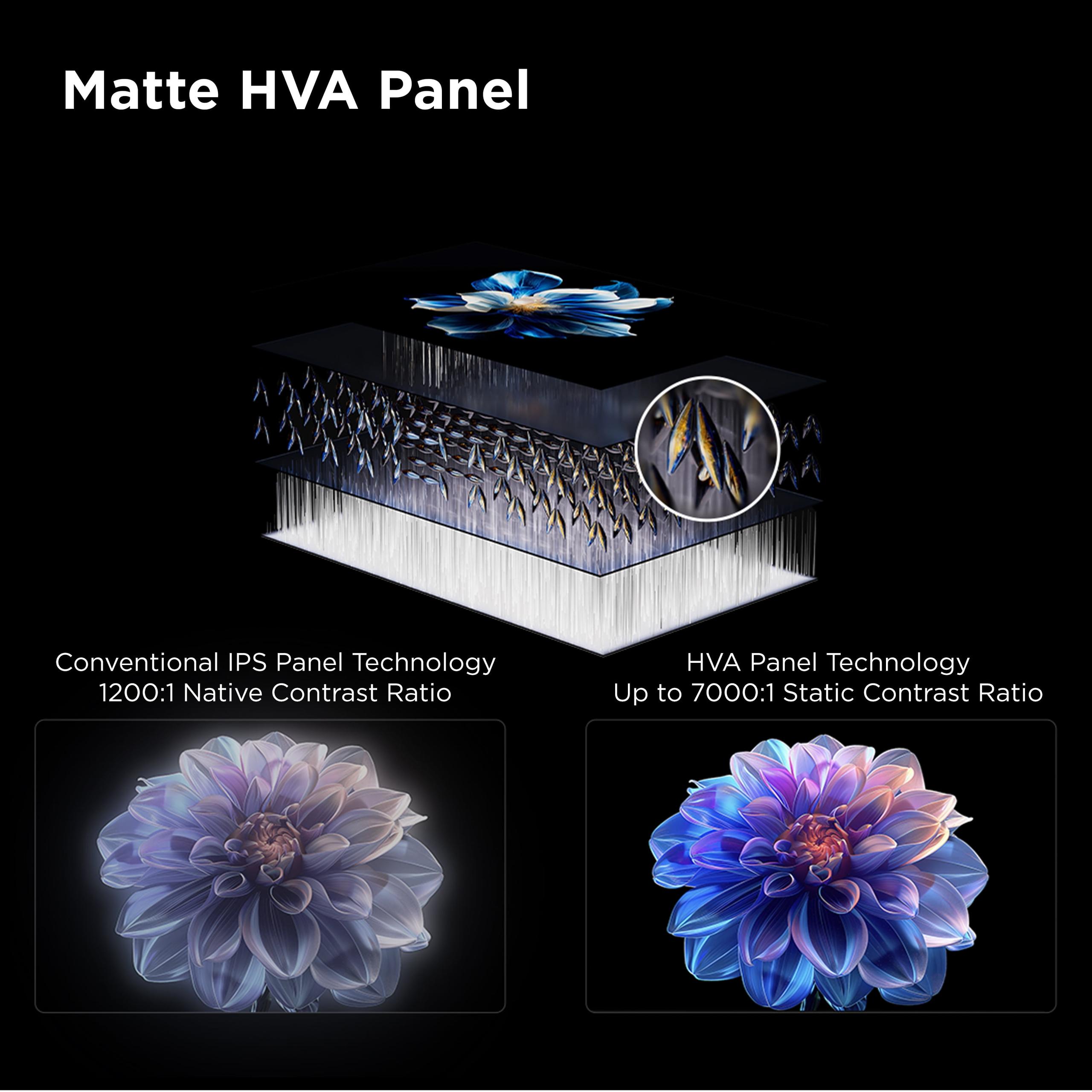
What sets the Hisense apart is its anti-glare matte finish, specifically designed for the 100-inch model. This coating significantly reduces reflections, making it more suitable for rooms with windows or bright overhead lighting. However, matte finishes can sometimes reduce contrast slightly in very dark rooms, so there's a trade-off to consider based on your viewing environment.
Both TVs deliver excellent black levels for LCD technology, thanks to their Mini-LED backlighting systems. When watching content with dark scenes—like the beginning of a Marvel movie or a nighttime drama—both displays can turn off specific zones of their backlight to achieve true blacks rather than the grayish blacks you see on cheaper TVs.
The TCL QM6K has an advantage here due to its more sophisticated zone management. The Halo Control system means you're less likely to notice distracting glowing around bright objects, which can break the immersion when watching movies. This becomes more important as screen size increases because these effects become more noticeable on larger displays.
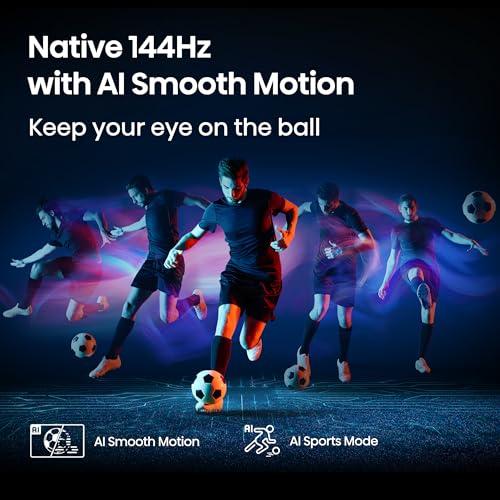
Gaming performance has become increasingly important as the PlayStation 5 and Xbox Series X push for higher frame rates and more responsive gameplay. The Hisense U6 offers 144Hz Game Mode Pro with variable refresh rate (VRR) support ranging from 48Hz to 144Hz. This means the TV can match whatever frame rate your console or PC is outputting, eliminating screen tearing and providing smoother motion.
The TCL QM6K goes further with its Game Accelerator 288 feature, supporting refresh rates up to 288Hz at 1080p resolution and 144Hz at 4K resolution. For competitive gaming or PC gaming with high-end graphics cards, this higher ceiling provides noticeably smoother motion. The TCL also includes AMD FreeSync Premium Pro certification, which ensures compatibility with AMD graphics cards for tear-free gaming.
In practical terms, both TVs will provide excellent gaming experiences for console players, but the TCL offers more future-proofing and better performance for PC gaming enthusiasts who want to push frame rates as high as possible.
Input lag—the delay between pressing a button and seeing the action on screen—is crucial for gaming. Both TVs include Auto Low Latency Mode (ALLM), which automatically switches to game mode when it detects a gaming console, reducing input lag to imperceptible levels.
The TCL includes more comprehensive gaming features through its Game Accelerator system, with on-screen displays showing frame rate and input lag information. For serious gamers, these additional features can be helpful for optimizing performance, though casual console gamers will be perfectly satisfied with either TV's gaming capabilities.
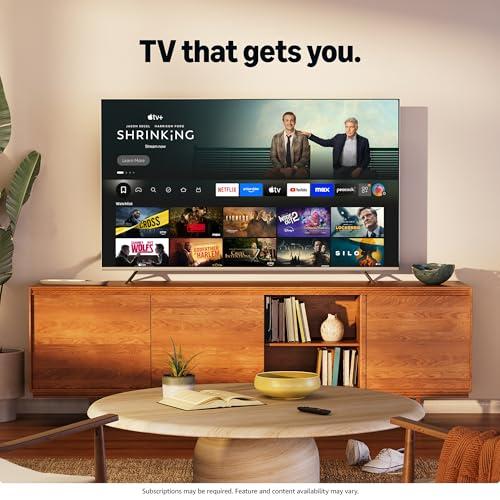
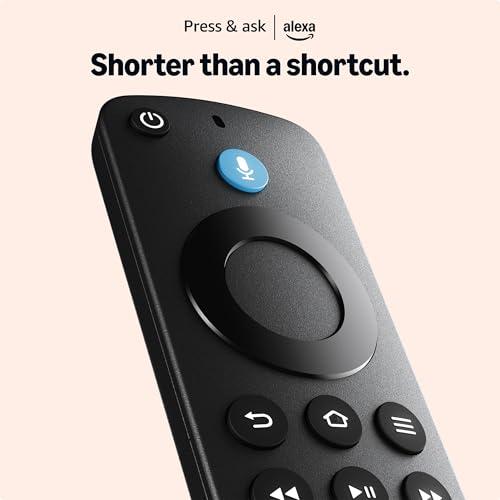
The choice between smart platforms often comes down to which ecosystem you're already invested in. The Hisense U6 runs Amazon's Fire TV platform with built-in Alexa voice control. Fire TV excels at integrating Amazon Prime Video content and makes it easy to discover new shows across Amazon's streaming service. The voice remote is responsive, and Alexa integration works well for controlling smart home devices and searching for content.
The TCL QM6K uses Google TV with hands-free voice control, meaning you can talk to the TV without pressing any buttons on the remote. Google TV provides excellent content discovery across multiple streaming services, with personalized recommendations that get better over time. The interface feels more modern and customizable than Fire TV, and it integrates seamlessly with Google services like YouTube TV and Google Photos.
Both platforms support all the major streaming apps you'd expect: Netflix, Disney+, Apple TV+, HBO Max, and others. The choice really comes down to whether you prefer Amazon's ecosystem or Google's, and whether hands-free voice control is important to you.
Based on user reviews, both smart platforms run smoothly without the lag or crashes that plagued smart TVs just a few years ago. App loading times are quick, and navigation feels responsive. Both companies have good track records for providing software updates, though Google TV historically receives more frequent updates and new features.
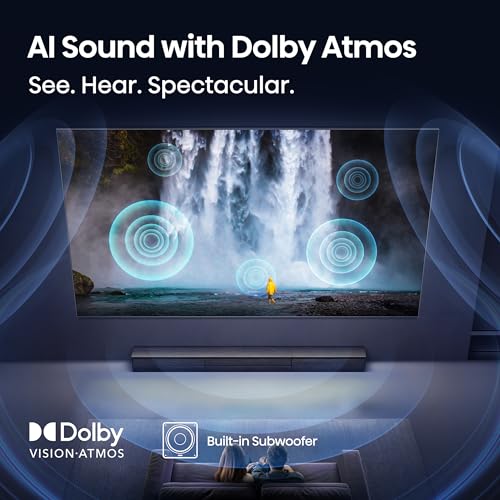
At these screen sizes, built-in audio becomes more critical because the TV often serves as the centerpiece of a large family room or dedicated home theater space. The Hisense U6 includes Dolby Atmos support with a built-in subwoofer system. User reviews consistently mention being pleasantly surprised by the audio quality, with one reviewer noting it "gets loud and clear enough to fill the room without any trouble."
The TCL QM6K features a more sophisticated Onkyo-tuned 2.1.1 channel system with Dolby Atmos and DTS Virtual:X support. This system includes dedicated drivers for different frequency ranges and more advanced audio processing. In reviews, the TCL's audio system generally receives higher marks for clarity and spatial audio effects.
However, it's worth noting that even the best TV speakers struggle with the acoustic demands of very large rooms. While both TVs provide surprisingly good audio for their category, most users investing in displays this size will eventually want to add a dedicated soundbar or surround sound system for the full home theater experience.
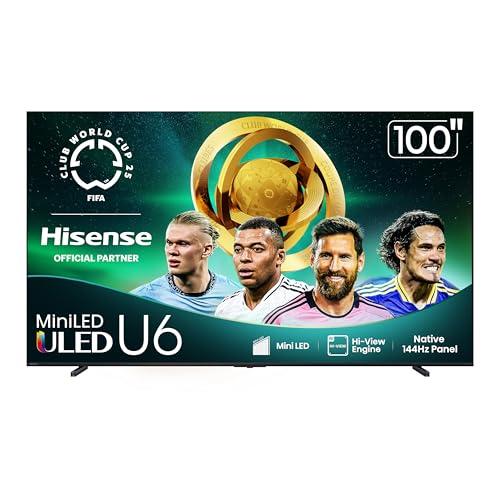
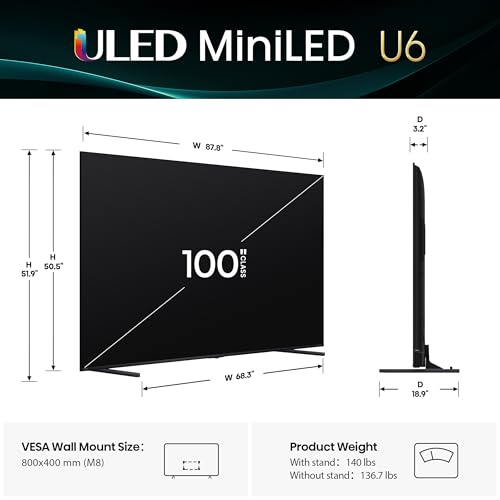
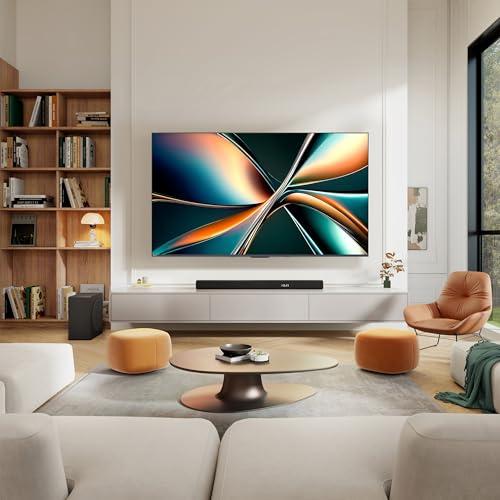
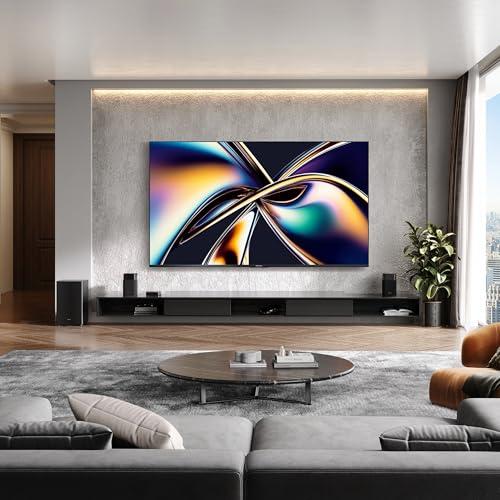
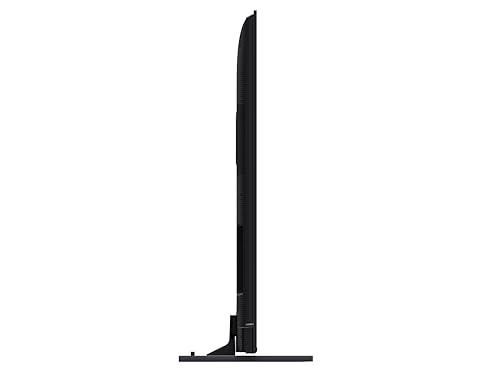
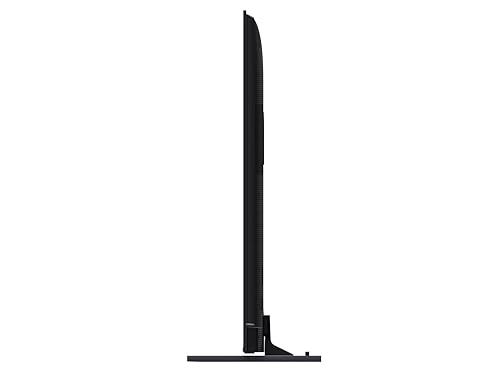
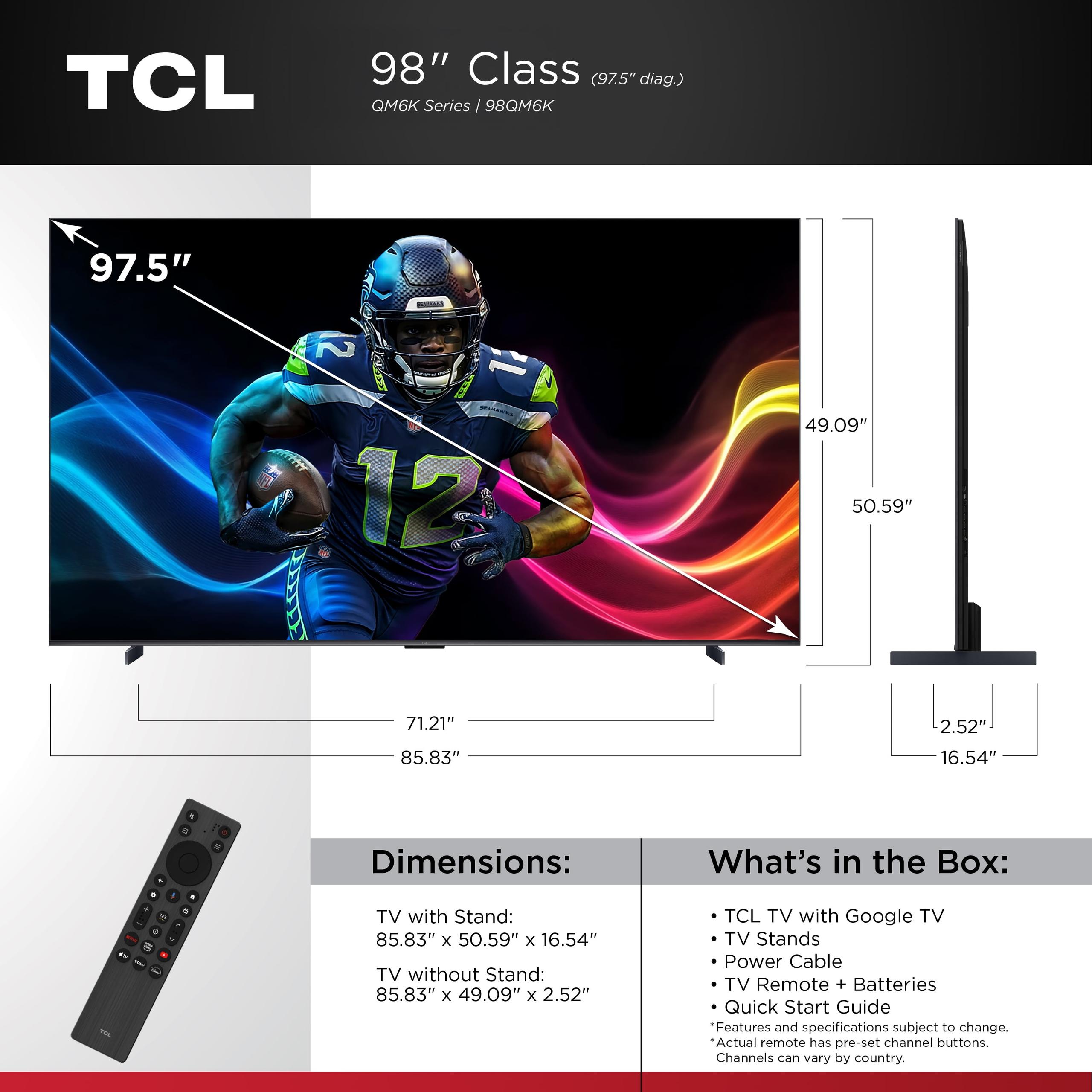
The two-inch difference between these TVs might not sound significant, but the Hisense's 100-inch screen represents about 8% more viewing area than the TCL's 98-inch display. However, this comes with practical challenges: the 100-inch model requires more robust mounting hardware, a larger viewing room, and more careful consideration of ceiling height and furniture placement.
The TCL at 98 inches still provides an enormous, cinema-like experience while being slightly more manageable for installation and room placement. Several reviewers noted that the TCL feels surprisingly lightweight for its size category, making installation less daunting than expected.
For optimal viewing, these TVs require sitting distances of 12-16 feet for comfortable viewing without seeing individual pixels. The Hisense's larger size means you can sit slightly further back and still get full immersion, which might be beneficial in very large rooms. However, most living rooms are better suited to the TCL's 98-inch size, which provides nearly identical impact with better room compatibility.
At the time of writing, both TVs are positioned in the premium large-format category with similar pricing that represents excellent value compared to flagship models from major manufacturers. The Hisense U6 typically offers slightly better value per square inch of screen real estate, making it attractive for buyers who prioritize maximum size above all else.
The TCL QM6K generally commands a slight premium but justifies this with more advanced picture processing, superior gaming features, and better build quality. For buyers who plan to use the TV extensively for gaming or want the most refined picture quality possible, the additional cost often proves worthwhile.
Both represent significant improvements over their 2024 predecessors, with better local dimming algorithms, improved smart platform performance, and enhanced gaming capabilities that weren't available in previous model years.
Choose the Hisense 100" U6 if you:
Choose the TCL 98" QM6K if you:
The reality is that both TVs will provide an incredible upgrade from smaller displays and deliver that coveted home theater experience. The Hisense maximizes size impact and offers excellent value, while the TCL maximizes technical refinement and gaming performance.
For most buyers, the decision comes down to room constraints and specific use priorities. If your room can handle 100 inches and you primarily watch movies and shows, the Hisense delivers maximum visual impact. If you want the most advanced features and plan to use the TV for both entertainment and gaming, the TCL provides a more complete and refined experience.
Either way, you're getting access to display technology that was exclusive to much more expensive flagship models just a few years ago, packaged in sizes that truly transform how you experience home entertainment.
| Hisense 100" U6 Series Mini-LED 4K Fire TV | TCL 98-Inch QM6K QLED TV |
|---|---|
| Screen Size - Maximum visual impact vs room practicality | |
| 100 inches (99.5" actual) - Requires 12-16 foot viewing distance | 98 inches - Easier to fit in most rooms while still massive |
| Display Technology - Affects contrast and blooming control | |
| Mini-LED with 600 local dimming zones | QD-Mini LED with 500+ zones plus Halo Control technology |
| Peak Brightness - Critical for HDR performance and bright rooms | |
| Up to 1,000 nits with anti-glare matte finish | ~900 nits with more consistent performance across content |
| Gaming Performance - Essential for console and PC gaming | |
| 144Hz Game Mode Pro, 48-144Hz VRR | 288Hz Game Accelerator, AMD FreeSync Premium Pro |
| Smart Platform - Your daily interface and app ecosystem | |
| Amazon Fire TV with built-in Alexa | Google TV with hands-free voice control |
| Audio System - Important for large room sound coverage | |
| Dolby Atmos with built-in subwoofer | Onkyo-tuned 2.1.1 system with Dolby Atmos and DTS Virtual:X |
| HDR Support - Determines streaming and disc compatibility | |
| Dolby Vision IQ, HDR10+, HDR10, HLG | Dolby Vision IQ, HDR10+, HDR10, HLG, IMAX Enhanced |
| Local Dimming Performance - Affects black levels and blooming | |
| Good zone management, some minor blooming | Superior Halo Control reduces blooming by ~90% |
| Connectivity - Gaming and device compatibility | |
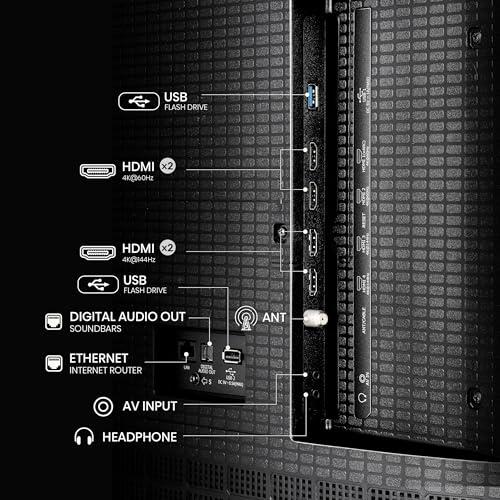
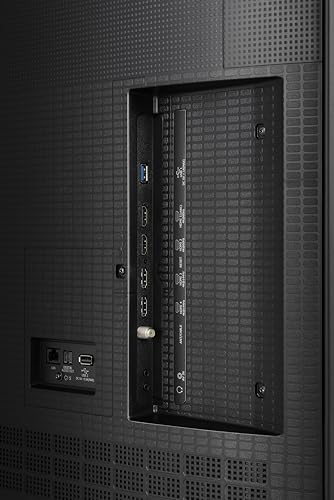
| 4 HDMI inputs, 2 with advanced gaming features | 4 HDMI inputs (2x HDMI 2.1, 2x HDMI 2.0), Wi-Fi 6 |
| Build Quality - Installation and long-term durability considerations | |
| Heavier build requires robust mounting | Surprisingly lightweight for size, easier installation |
The TCL 98" QM6K delivers superior picture quality for movies thanks to its advanced Halo Control technology that reduces blooming by up to 90%. While the Hisense 100" U6 offers excellent contrast with its 600 local dimming zones, the TCL provides cleaner images in dark scenes with bright objects, making it ideal for cinematic content.
The Hisense 100" U6 provides about 8% more screen area than the TCL 98" QM6K, but this comes with significant practical challenges including heavier weight, more complex installation, and larger room requirements. For most buyers, the TCL's 98-inch size offers nearly identical visual impact with better room compatibility.
The TCL 98" QM6K is superior for gaming with its 288Hz Game Accelerator supporting up to 288Hz at 1080p and AMD FreeSync Premium Pro certification. While the Hisense 100" U6 offers excellent 144Hz gaming performance, the TCL provides more advanced features for PC gaming and competitive play.
The Hisense 100" U6 uses Amazon Fire TV with built-in Alexa, excelling at Amazon Prime Video integration and smart home control. The TCL 98" QM6K runs Google TV with hands-free voice control and superior content discovery across multiple streaming services. Choose based on your preferred ecosystem.
The Hisense 100" U6 has an advantage in bright rooms with its anti-glare matte finish and 1,000-nit peak brightness that effectively reduces reflections. The TCL 98" QM6K reaches similar brightness levels but lacks the specialized anti-glare coating, making the Hisense better for rooms with windows or overhead lighting.
The TCL 98" QM6K features a more sophisticated Onkyo-tuned 2.1.1 channel system with Dolby Atmos and DTS Virtual:X for superior audio quality. While the Hisense 100" U6 includes Dolby Atmos with a built-in subwoofer that performs well, the TCL provides clearer dialogue and better spatial audio effects.
The TCL 98" QM6K is easier to install due to its surprisingly lightweight build for the size category and slightly smaller dimensions. The Hisense 100" U6 requires more robust mounting hardware and careful room planning due to its larger size and heavier weight, making installation more challenging.
Both TVs use Mini-LED technology, but the TCL 98" QM6K offers superior local dimming with its Halo Control system that virtually eliminates blooming effects around bright objects. The Hisense 100" U6 provides good zone management across its 600 dimming zones, but the TCL delivers cleaner, more precise contrast control.
The Hisense 100" U6 typically offers better value per square inch of screen area, making it attractive for size-focused buyers. The TCL 98" QM6K commands a slight premium but justifies this with more advanced picture processing, superior gaming features, and better build quality for buyers prioritizing technical refinement.
Both the Hisense 100" U6 and TCL 98" QM6K support all major HDR formats including Dolby Vision IQ and HDR10+. The TCL adds IMAX Enhanced certification for premium content, while the Hisense focuses on consistent brightness performance with its matte finish for varied lighting conditions.
For dedicated home theater rooms with controlled lighting, the TCL 98" QM6K excels with its superior blooming control and refined picture quality that enhances the cinematic experience. The Hisense 100" U6 provides maximum screen impact, but the TCL's cleaner contrast performance in dark scenes makes it ideal for movie enthusiasts.
Both the Hisense 100" U6 and TCL 98" QM6K require 12-16 feet of viewing distance for optimal comfort. The Hisense allows slightly farther seating while maintaining immersion due to its larger size, while the TCL works better in rooms where seating flexibility and easier placement are priorities.
We've done our best to create useful and informative comparisons to help you decide what product to buy. Our research uses advanced automated methods to create this comparison and perfection is not possible - please contact us for corrections or questions. These are the sites we've researched in the creation of this article: bestbuy.com - rtings.com - youtube.com - rtings.com - youtube.com - youtube.com - costco.com - pcrichard.com - hisense-usa.com - electronicexpress.com - pcrichard.com - circuitworldonline.com - bestbuy.com - bestbuy.com - premiumincentive.com - hisense-usa.com - hisense-usa.com - pcrichard.com - rtings.com - bestbuy.com - hisense-usa.com - avsforum.com - bestbuy.com - rtings.com - techradar.com - the-gadgeteer.com - youtube.com - youtube.com - ign.com - youtube.com - tomsguide.com - tcl.com - valueelectronics.com - bestbuy.com - bestbuy.com - rtings.com - circuitworldonline.com - youtube.com - tcl.com - bestbuy.com - tomsguide.com - tcl.com - flatpanelshd.com - displayspecifications.com

Privacy Policy
Terms and Conditions - Affiliate Policy
Home Security
© Copyright 2008-2026.
11816 Inwood Rd #1211, Dallas, TX 75244